When The App Thinks You’re A Bad Driver
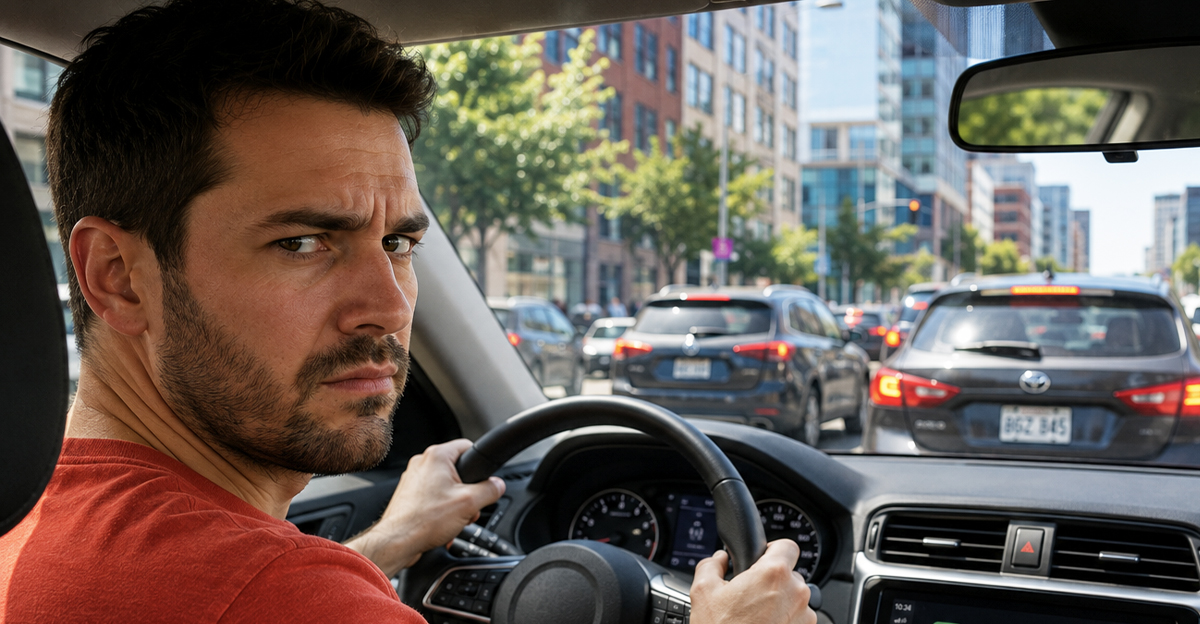
The insurance app keeps flagging hard braking, even though most of those stops happen in crowded traffic where pedestrians, cyclists, and unpredictable drivers leave little room for perfect smoothness. Before accepting the score, it’s worth knowing what the app actually measures and which parts of its judgment you can challenge.
Telematics Turns Driving Into Data
Usage-based insurance programs use a smartphone app, plug-in device, connected car, or small beacon to monitor driving behavior. Depending on the insurer, they may consider mileage, speed, acceleration, braking, cornering, driving times, location, and phone use. The resulting score can affect a discount and, in some programs or states, potentially influence the renewal premium.
“Hard Braking” Usually Has A Numerical Definition
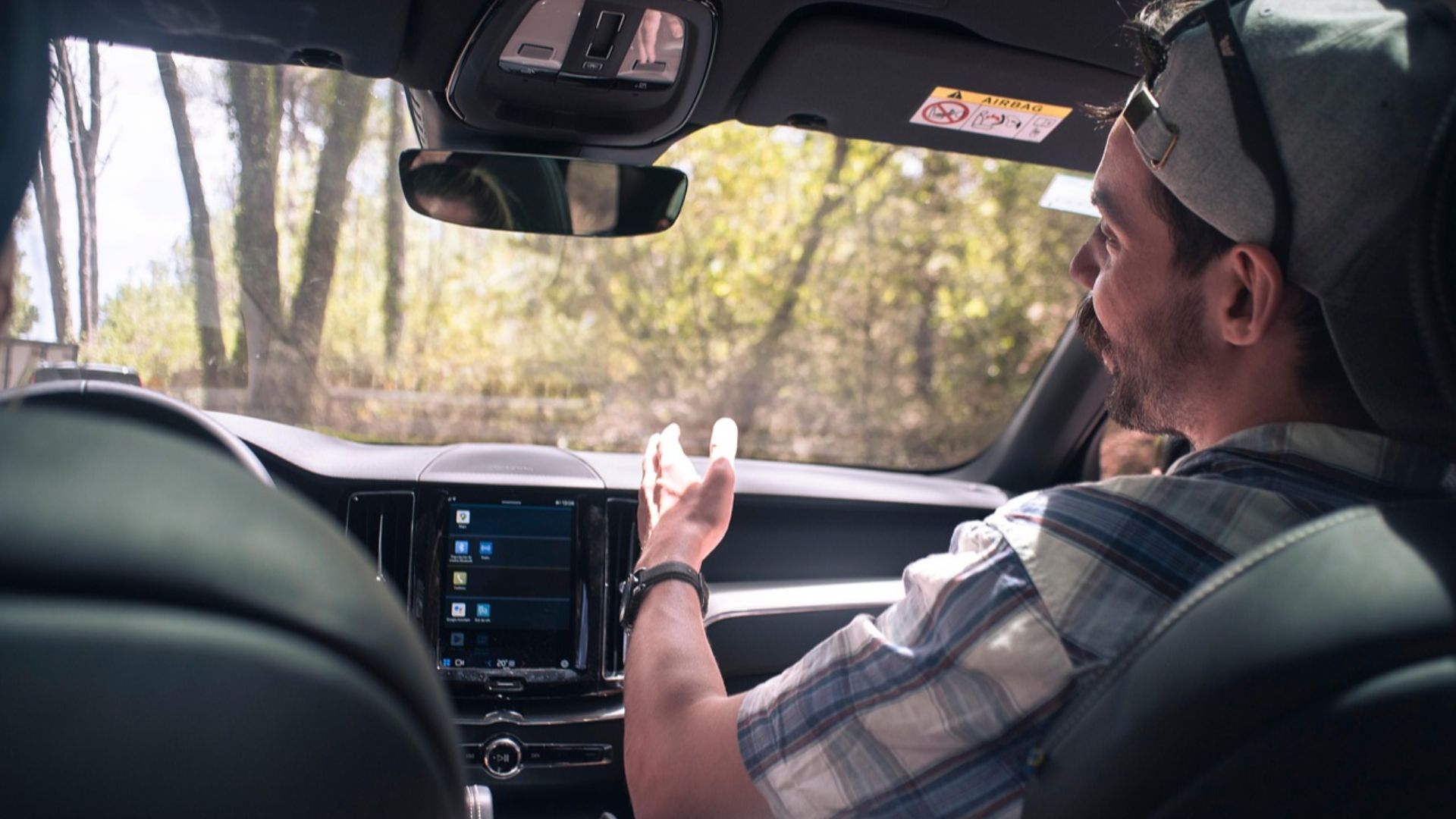
The app generally isn’t deciding whether a stop felt reasonable. It detects how quickly the vehicle’s speed decreased. Progressive, for example, describes a hard brake in its Snapshot program as a reduction of about seven miles per hour per second or more, although thresholds and scoring methods vary between insurers.
The App May Not Understand Why You Stopped
A telematics system can record that the car slowed abruptly, but it may not know that a child stepped toward the road, the vehicle ahead stopped suddenly, or a traffic light changed at an awkward moment. It measures motion far more easily than context. That limitation is one reason a safe defensive maneuver can still appear as a negative event.

City Drivers Naturally Face More Conflicts
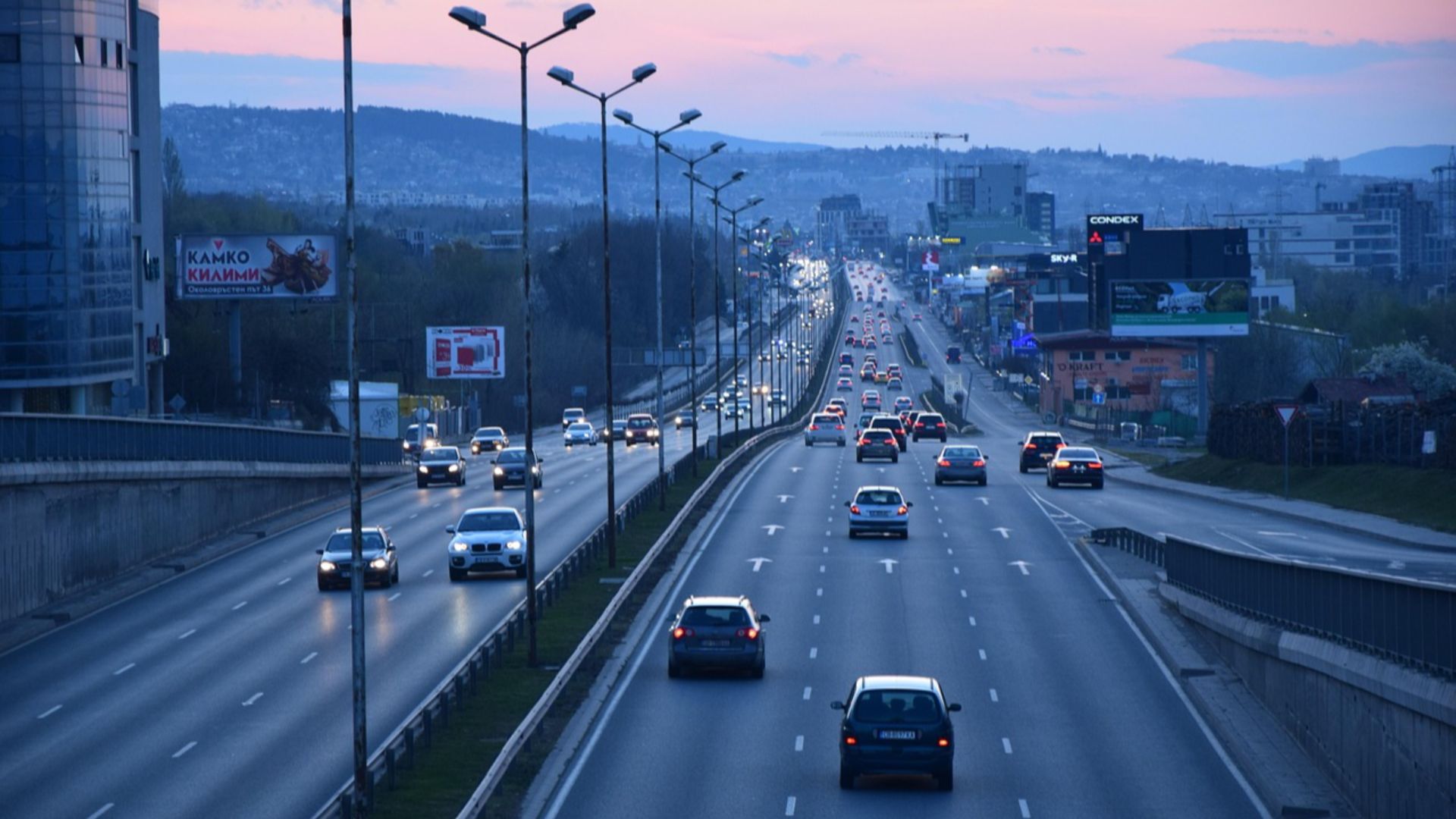
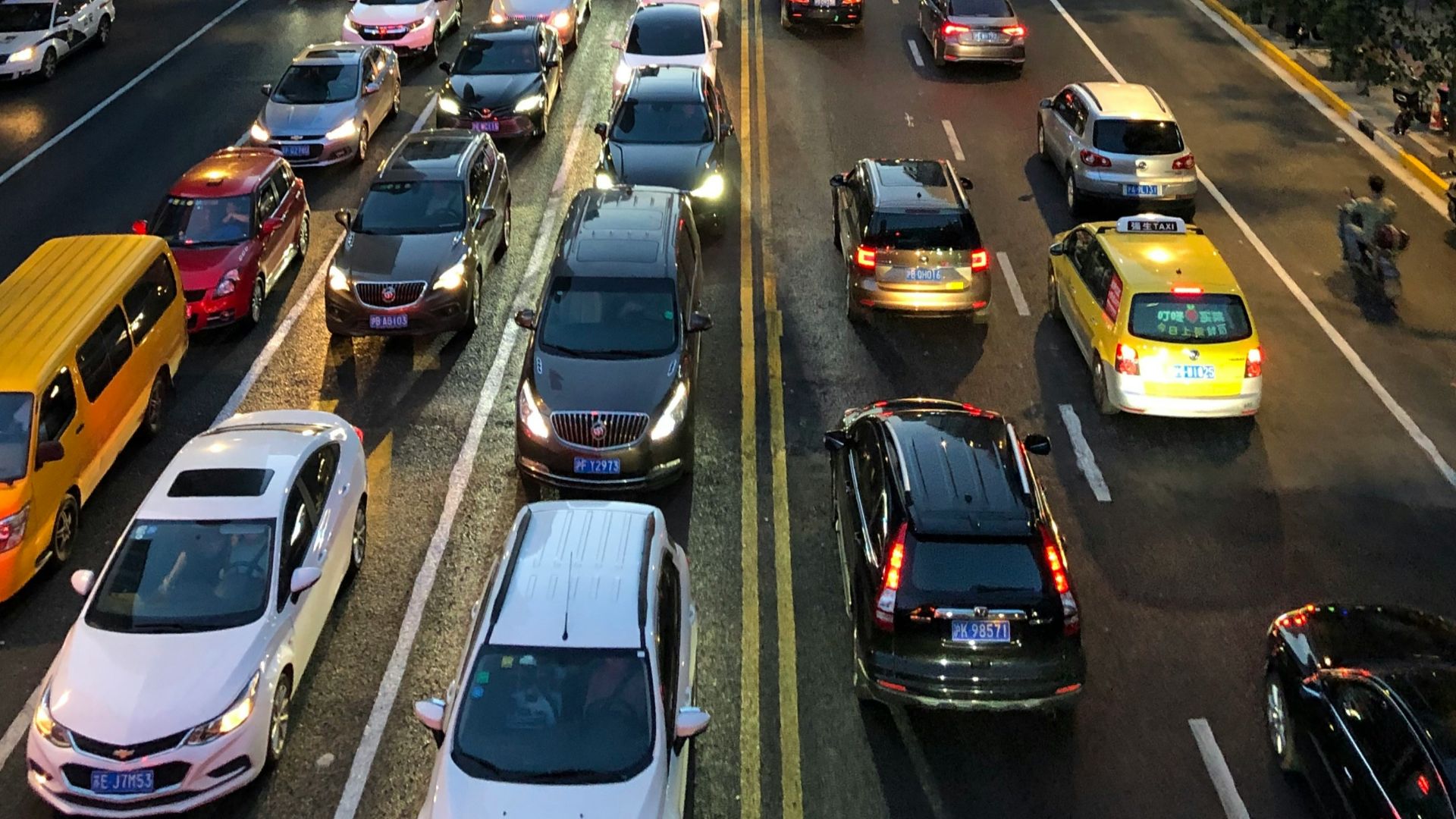
Urban roads contain traffic lights, crosswalks, delivery vehicles, buses, bicycles, pedestrians, taxis, and cars pulling away from the curb. Each creates another opportunity for an abrupt stop. A rural driver traveling steadily on open roads may produce a smoother telematics record without necessarily being more attentive or skilled.
One Event Usually Isn’t The Whole Score
Most programs evaluate patterns over many trips rather than treating one hard stop as proof of dangerous driving. Mileage, time of day, speeding, phone use, acceleration, and other factors may also matter. A few unavoidable events may have little effect if the rest of the driving record remains strong.

Frequent Events Can Still Reduce The Discount
Even when each stop has a reasonable explanation, a high number of braking events can make the driver appear riskier to the algorithm. The program may not distinguish between defensive stops and routinely following too closely. That’s why city drivers should examine when and where the flags appear rather than dismissing all of them as unavoidable.
Review The Trip Map After Every Flag
Many insurer apps show where a braking event occurred. Check the route as soon as practical and look for patterns involving a particular intersection, highway exit, construction zone, or congested street. Several flags at the same location may reveal a genuine road-design problem or a repeatable driving habit.

Take Screenshots Before The Data Disappears
Save screenshots showing the date, time, location, trip classification, score, and disputed event. Also record what happened, such as an emergency vehicle entering traffic or a pedestrian crossing unexpectedly. Detailed records are far more useful than telling customer service several weeks later that the app “keeps getting it wrong”.

Make Sure The Trip Was Actually Yours
Phone-based programs sometimes record travel when the policyholder is a passenger in another car, taxi, bus, or rideshare vehicle. Review every trip and use the app’s passenger or trip-correction feature when available. Don’t allow someone else’s aggressive braking to remain attached to your driving history.
Other Household Drivers May Be Affecting The Results
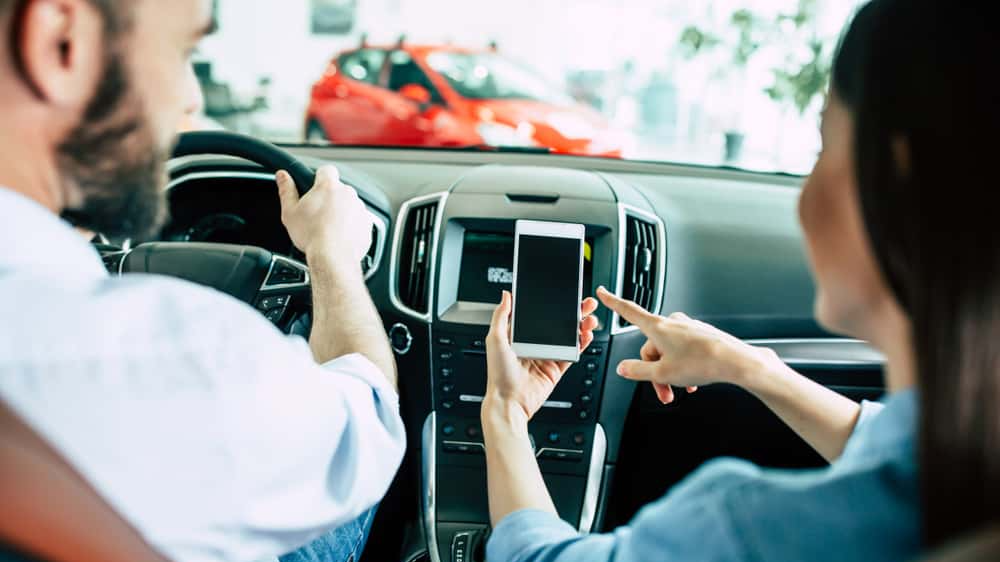
A program tied to the vehicle may record whoever is behind the wheel, not just the person who enrolled. If a spouse, adult child, valet, mechanic, or friend drives the car, their behavior could influence the score. Ask the insurer exactly whether it rates the driver, the vehicle, the phone, or some combination.
Check The Phone’s Position
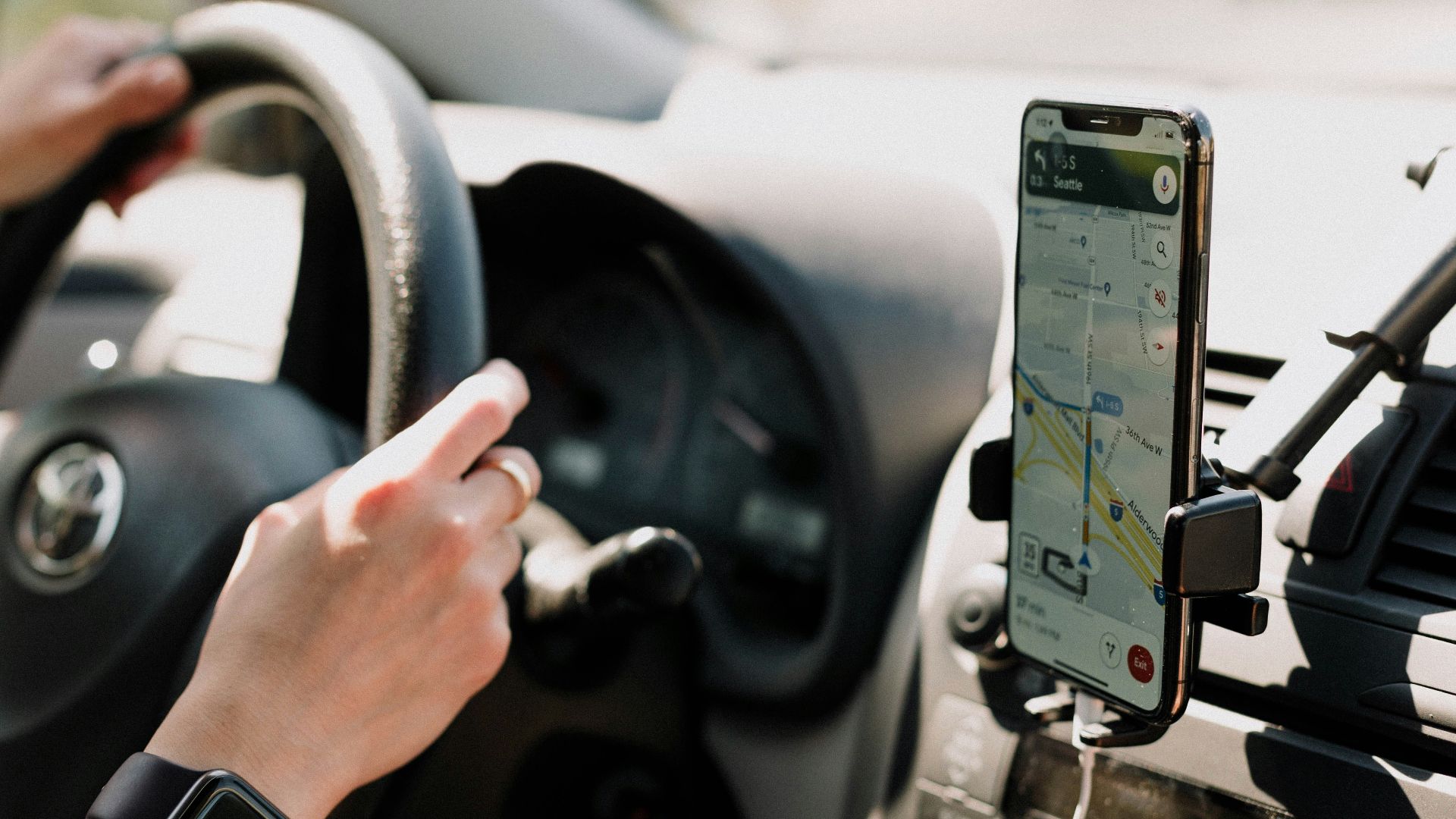
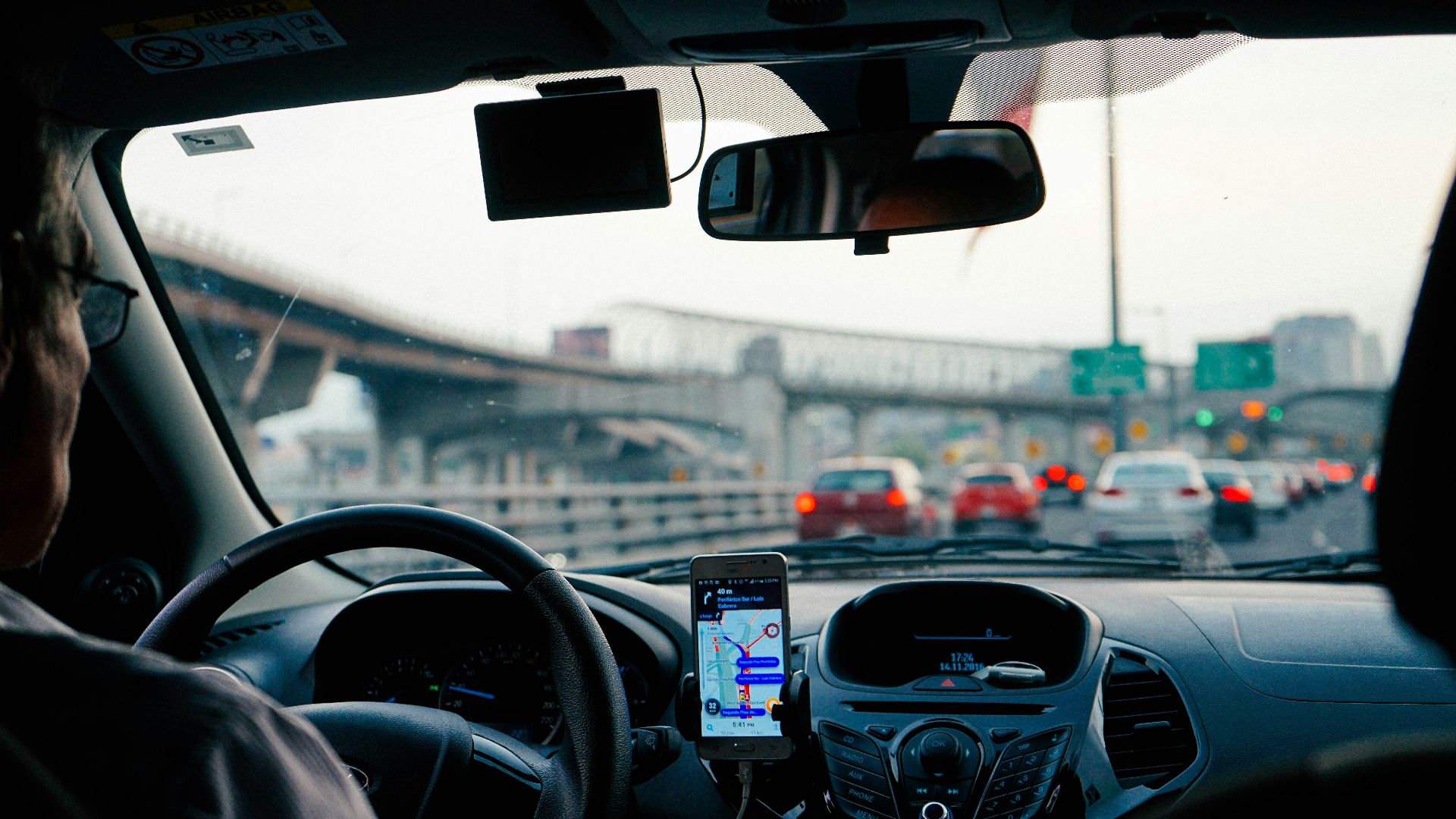
A loosely mounted phone can slide, tilt, or bounce during a trip, potentially affecting how motion is interpreted. Follow the insurer’s setup instructions and keep the phone in a secure mount or stable location. Avoid moving it during the drive, which may also be recorded as distracted phone use.
 Priscilla Du Preez 🇨🇦, Unsplash
Confirm The App Has The Right Permissions
Location, motion, Bluetooth, background activity, and battery settings can affect trip recording. If the app loses data or records only part of a journey, the resulting trip may be inaccurate. Keep the required permissions active and verify that any insurer-provided beacon remains paired correctly.

Report Incorrect Events Promptly
Use the app’s correction function or contact the program’s support team as soon as you notice a questionable trip. Ask whether the event can be reviewed, removed, or reclassified. Some insurers may not manually erase every braking flag, but reporting errors creates a record if the score later affects the premium.

Ask How Hard Braking Is Weighted
Insurers don’t all publish the full formula behind their scores. Ask whether the company counts total events, events per mile, events per trip, or a broader pattern. A city commuter who drives many miles may be treated differently from someone who records the same number of events during a few short journeys.

Request The Program Terms In Writing
Before arguing about fairness, obtain the current terms and conditions for the exact program and state. Look for the data collected, scoring period, possible surcharge, withdrawal rules, dispute process, and what happens when there isn’t enough data. These details can differ significantly even within the same national insurance company.

Don’t Brake Gently When It Isn’t Safe
Never roll through a stop, run a yellow light, or avoid emergency braking merely to protect an app score. The discount is not worth a collision or injury. A controlled hard stop is safer than striking another vehicle, cyclist, pedestrian, or animal.
Create More Following Distance
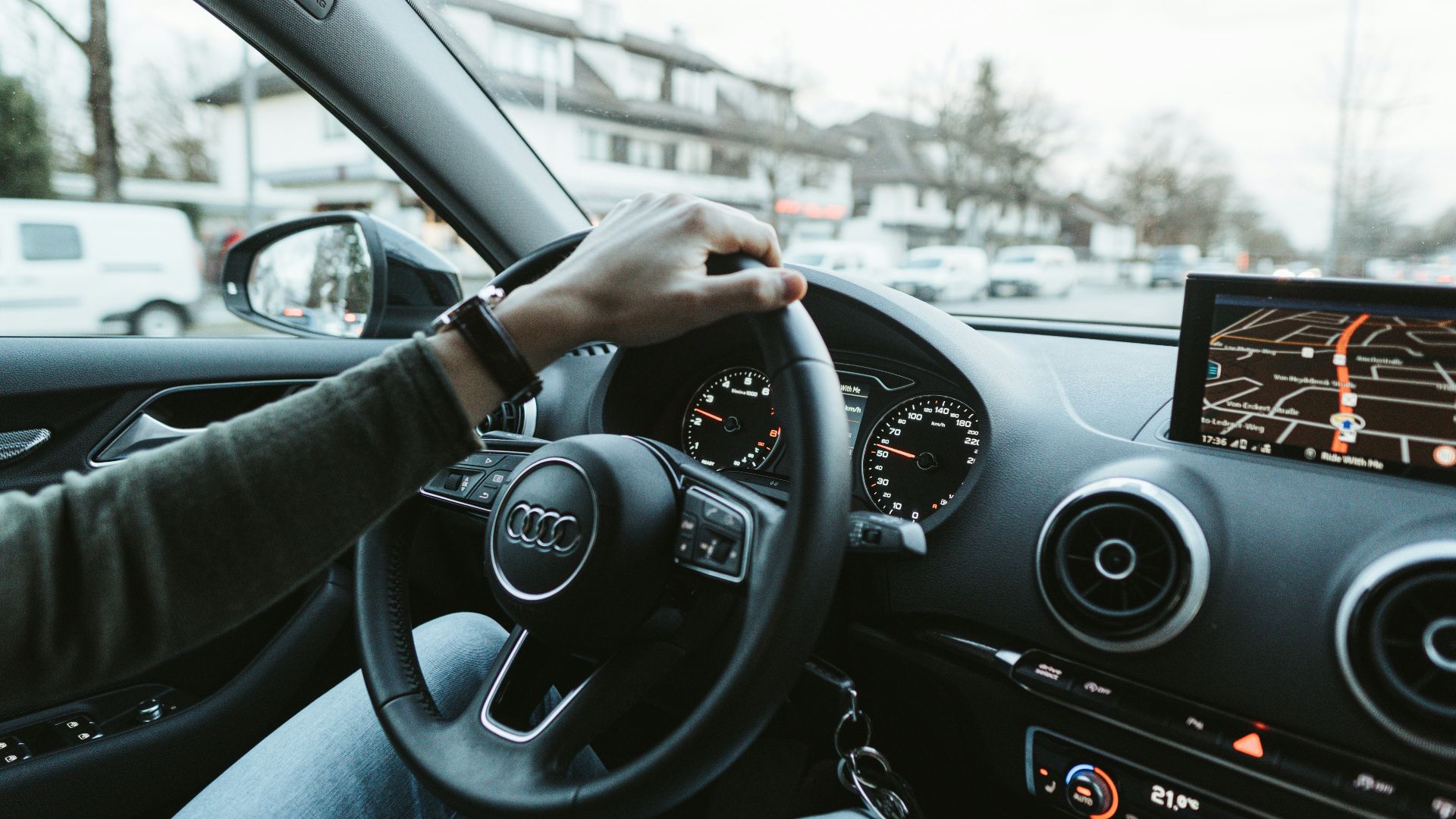
Leaving additional room is one of the most effective ways to reduce avoidable hard braking. City traffic makes that difficult because other drivers may fill the space, but repeatedly restoring a safe gap gives you more time to slow gradually. It also improves visibility beyond the vehicle directly ahead.
Look Farther Down The Road
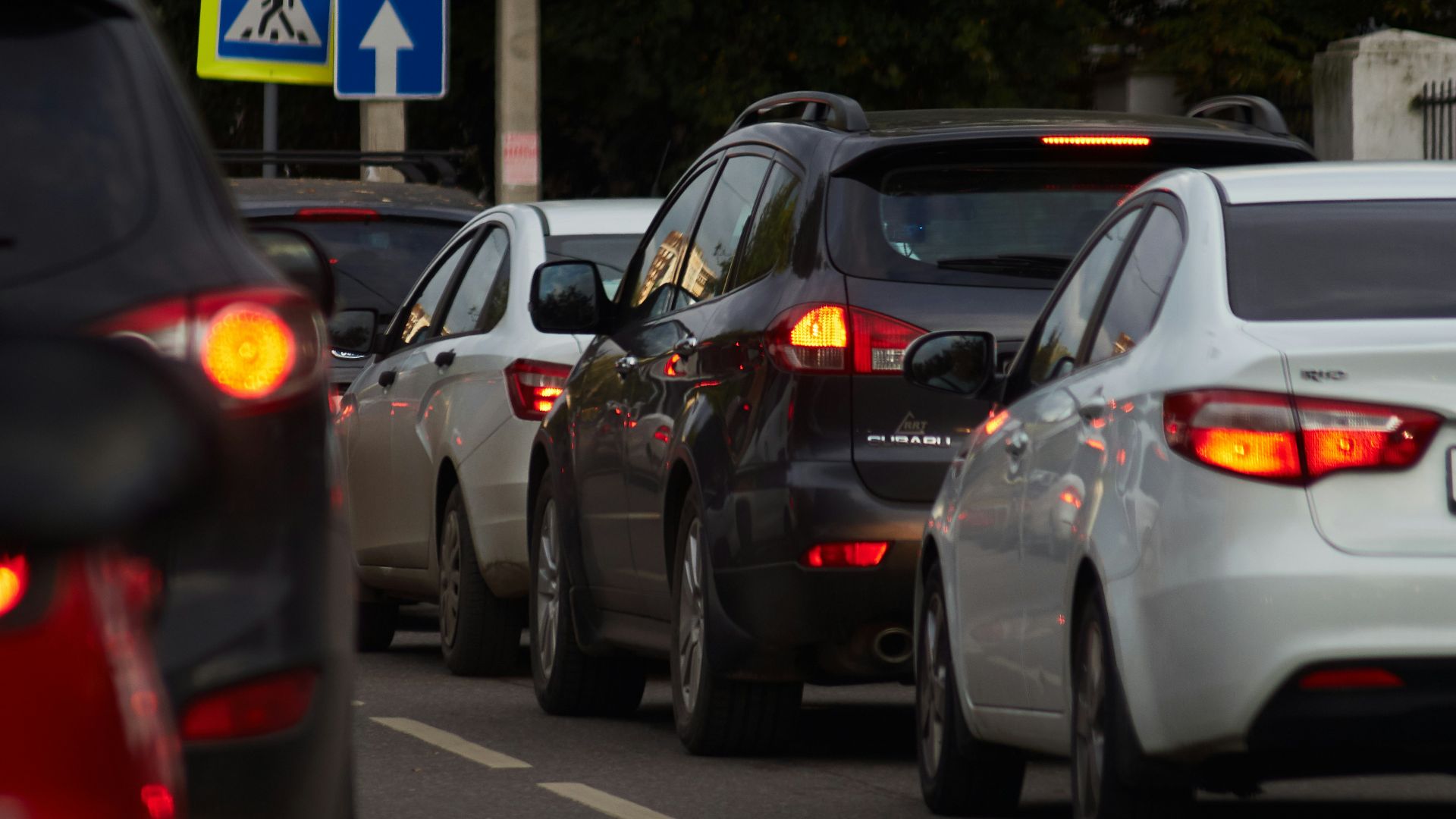
Instead of watching only the bumper in front of you, scan several vehicles ahead for brake lights, traffic signals, buses pulling over, and pedestrians approaching crossings. Early recognition lets you release the accelerator sooner. Many harsh stops begin because the driver notices a predictable slowdown too late.
Coast Toward Known Problem Areas
If a particular intersection regularly produces short yellow lights or sudden congestion, approach it with less speed and more space. The same applies near schools, transit stops, construction zones, and busy crosswalks. Coasting early can reduce hard-braking events without obstructing traffic or driving unnaturally slowly.

Avoid Accelerating Into A Red Light
Drivers often continue accelerating toward an intersection even when traffic ahead is clearly stopping. That creates a harder brake a few seconds later while saving almost no time. Lifting off the accelerator earlier can improve both the telematics score and fuel economy.
Choose A Smoother Route When Practical
The fastest route may contain dozens of lights, difficult merges, and unpredictable traffic. A slightly longer arterial road or highway route could produce fewer stressful stops. Compare the extra time and distance carefully, since some programs also consider mileage and driving duration.
Judge The Discount By Real Dollars
A high advertised discount is usually a maximum, not a guarantee. Compare the actual renewal offer with what the policy would cost without telematics and with quotes from competing insurers. If the savings are tiny, sharing detailed driving data and worrying about every stop may not be worthwhile.

File A Formal Complaint If The Data Affects Your Rate
If the insurer relies on clearly incorrect trips, refuses to explain the scoring, or applies a result that conflicts with the program terms, escalate the matter in writing. Request a review from the insurer, keep copies of every response, and contact the state insurance department if necessary. Regulators may not order the company to award a particular discount, but they can review whether rating practices and disclosures follow state rules.

Another Discount Program May Fit Better
A city driver who struggles with braking-based scoring might do better with a low-mileage discount, pay-per-mile policy, defensive-driving discount, employer program, bundled policy, or insurer that weighs telematics factors differently. Don’t assume every usage-based program will judge the same commute in the same way.

The App May Be Measuring Accurately Without Judging Fairly
Your phone may correctly detect that the car decelerated quickly while still missing the fact that the stop was necessary. City driving creates more unavoidable braking events, but reviewing trips, correcting passenger journeys, maintaining extra space, documenting errors, and requesting the scoring rules can protect the discount. If the insurer won’t explain or fairly review the result, compare the real savings with other policies. A discount program should reward safer driving, not pressure someone to choose a smoother score over a safer stop.

You May Also Like:
My car shares usage data with third-party companies and I can't see a way to opt out. What can I do?
Cars That Made Teenagers Jealous In High School Parking Lots In The 1980s