The Car Drives Fine, But The Warnings Keep Coming
The transmission feels smooth, the fuel economy is good, and no warning lights have appeared. Yet nearly everyone seems to have a story about a CVT that failed without warning and cost thousands to replace. Some of those concerns come from real problems, especially in certain older models, but the letters “CVT” alone don’t tell you whether your car is headed for trouble.
A CVT Doesn’t Use Traditional Gears
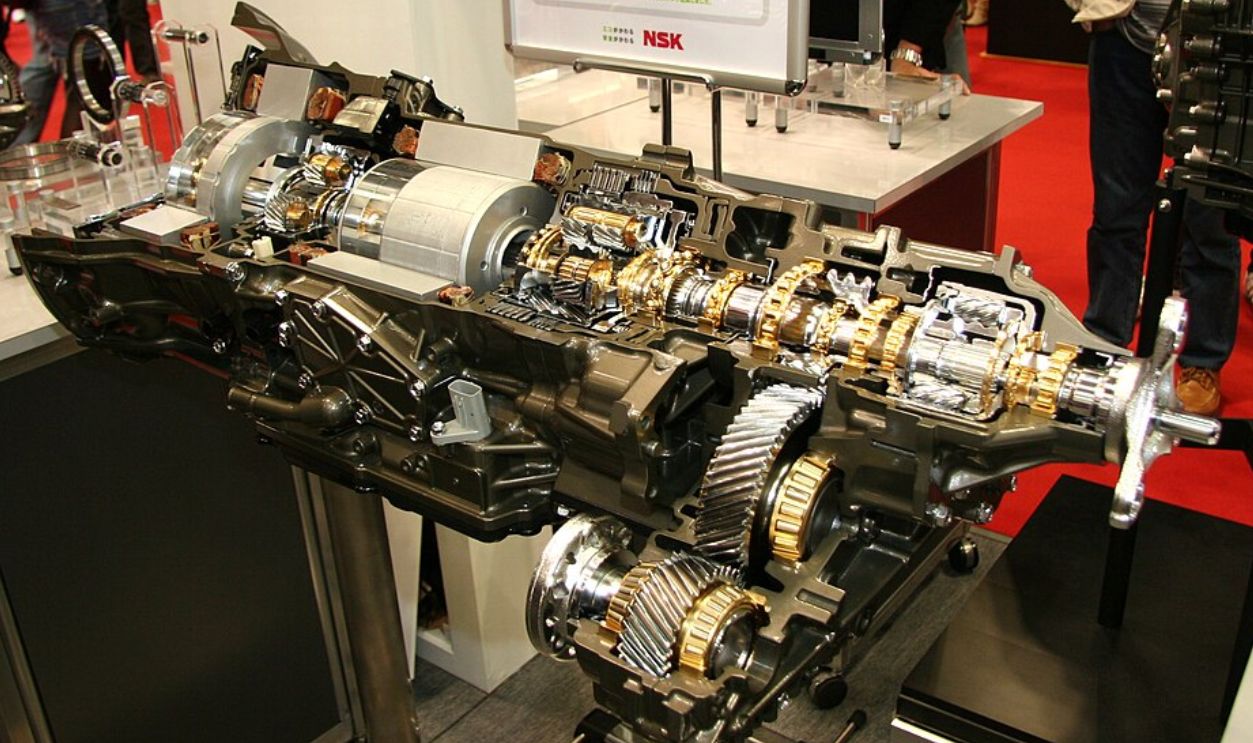
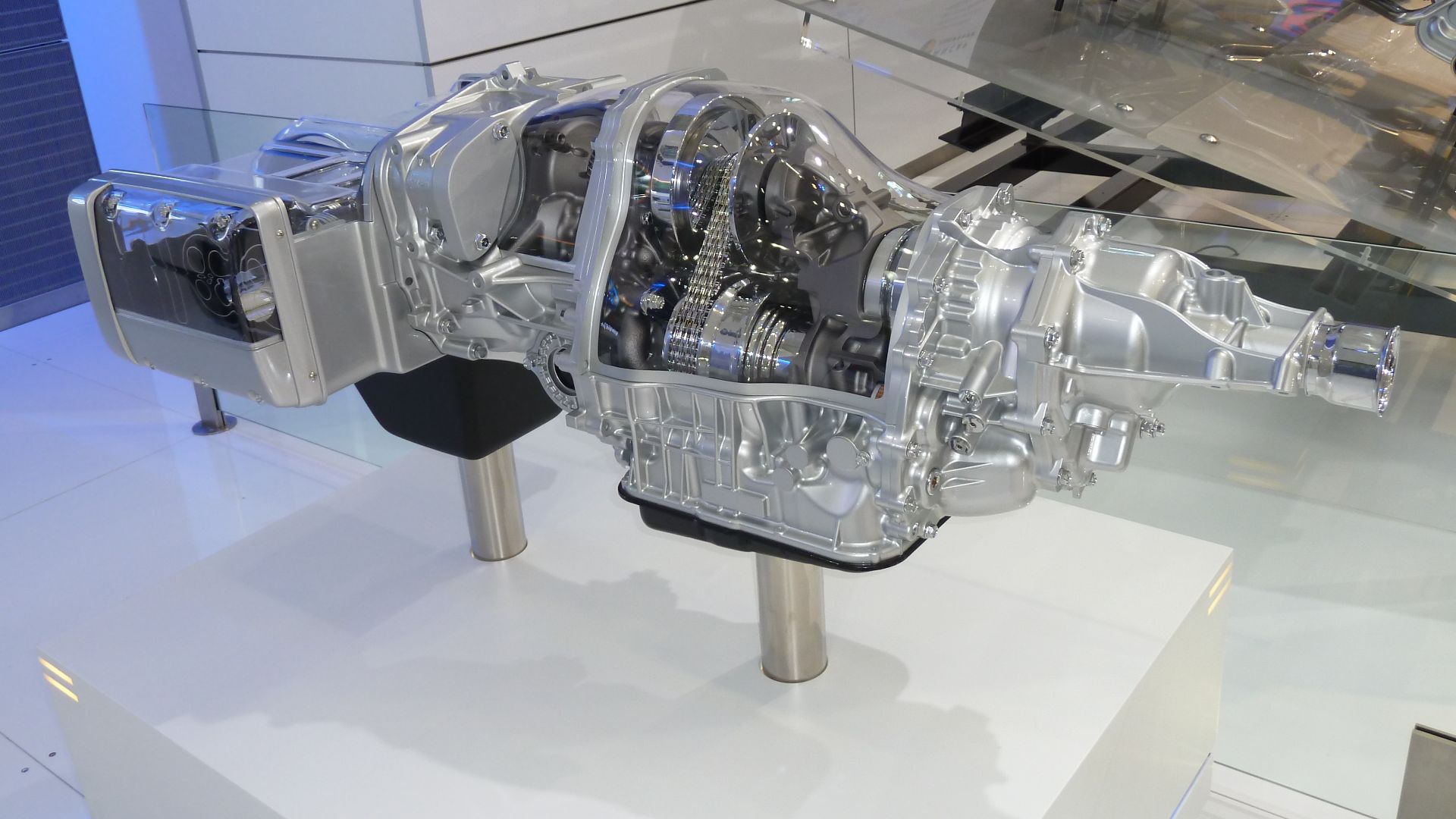
A conventional automatic transmission moves through a fixed number of gear ratios. Many CVTs instead use a metal belt or chain running between adjustable pulleys, allowing the ratio to change continuously. This lets the engine operate at a more efficient speed without shifting through a normal sequence of gears.
That Explains The Unusual Sound
During hard acceleration, a CVT may hold the engine at a steady, elevated speed while the vehicle continues gaining momentum. Drivers accustomed to traditional gear changes can interpret the constant engine note as slipping or straining. In many vehicles, that behavior is completely normal.

Simulated Shifts Are Mostly About Familiarity
Some newer CVTs imitate the feeling of conventional gear changes by briefly adjusting the ratio during acceleration. Paddle shifters may also create preset virtual steps. These features don’t necessarily improve the transmission’s basic operation, but they can make the driving experience feel more familiar.
Automakers Use Them To Improve Efficiency
A CVT can keep the engine closer to its most efficient operating range, helping reduce fuel consumption and emissions. It can also provide smooth acceleration because there are no traditional shifts interrupting power delivery. That combination has made CVTs common in compact cars, crossovers, and hybrids.
Not Every CVT Uses The Same Design
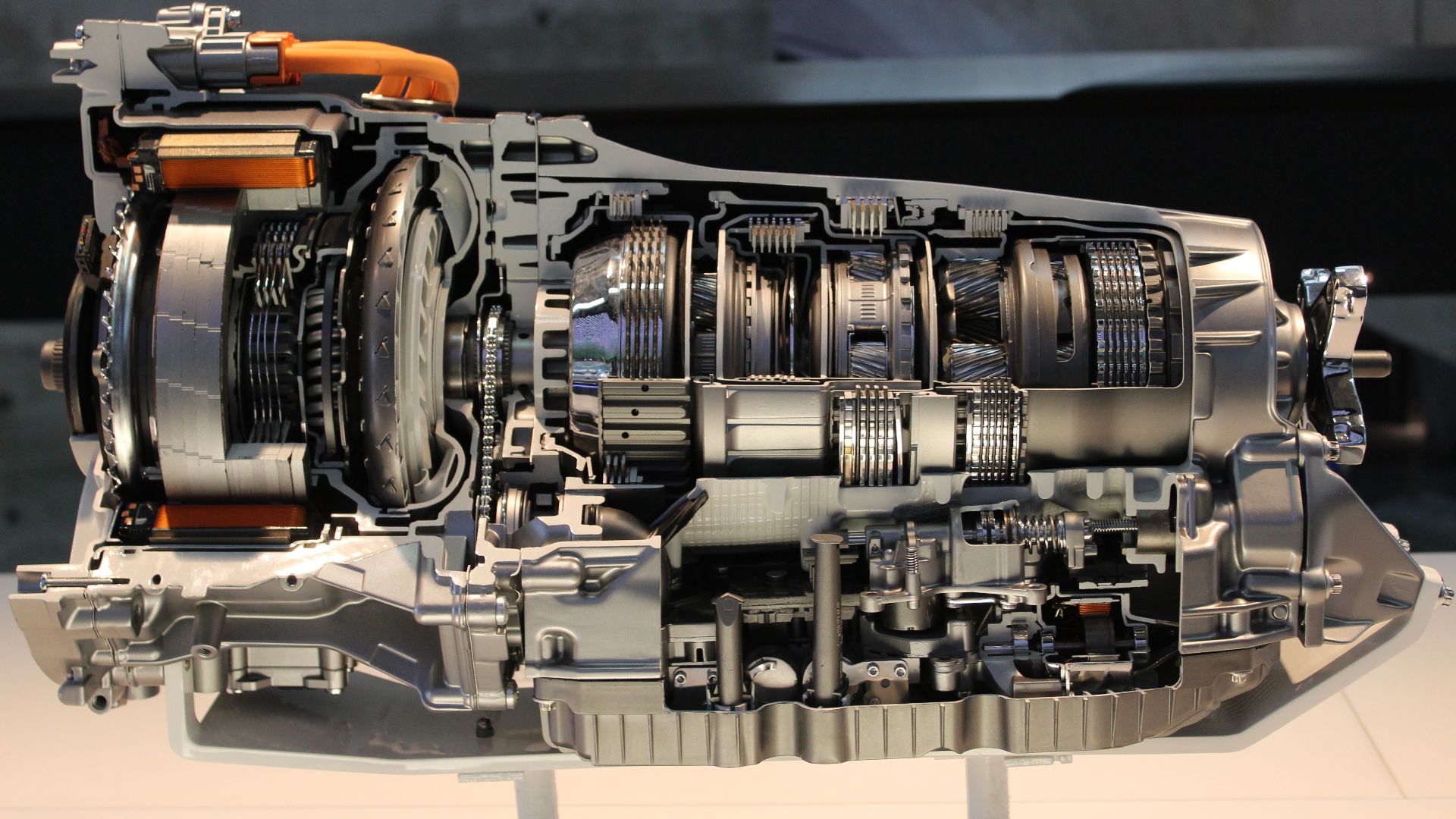
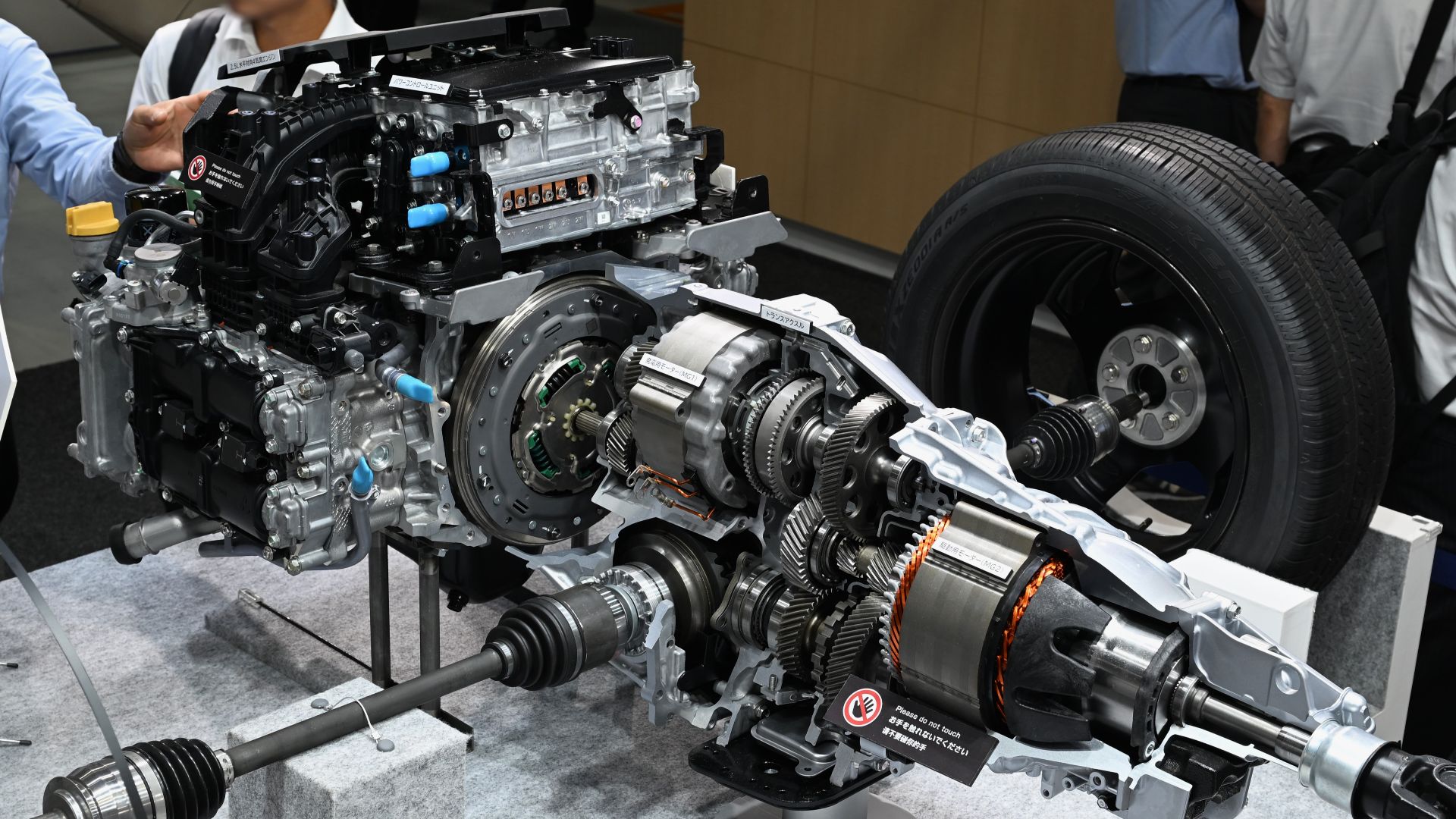
“CVT” describes a category rather than one identical transmission. Designs can use belts, chains, pulleys, planetary gears, electric motors, or combinations of those components. A hybrid electronic CVT may have little mechanically in common with the belt-driven unit fitted to a conventional gasoline car.
Hybrid E-CVTs Are A Separate Conversation
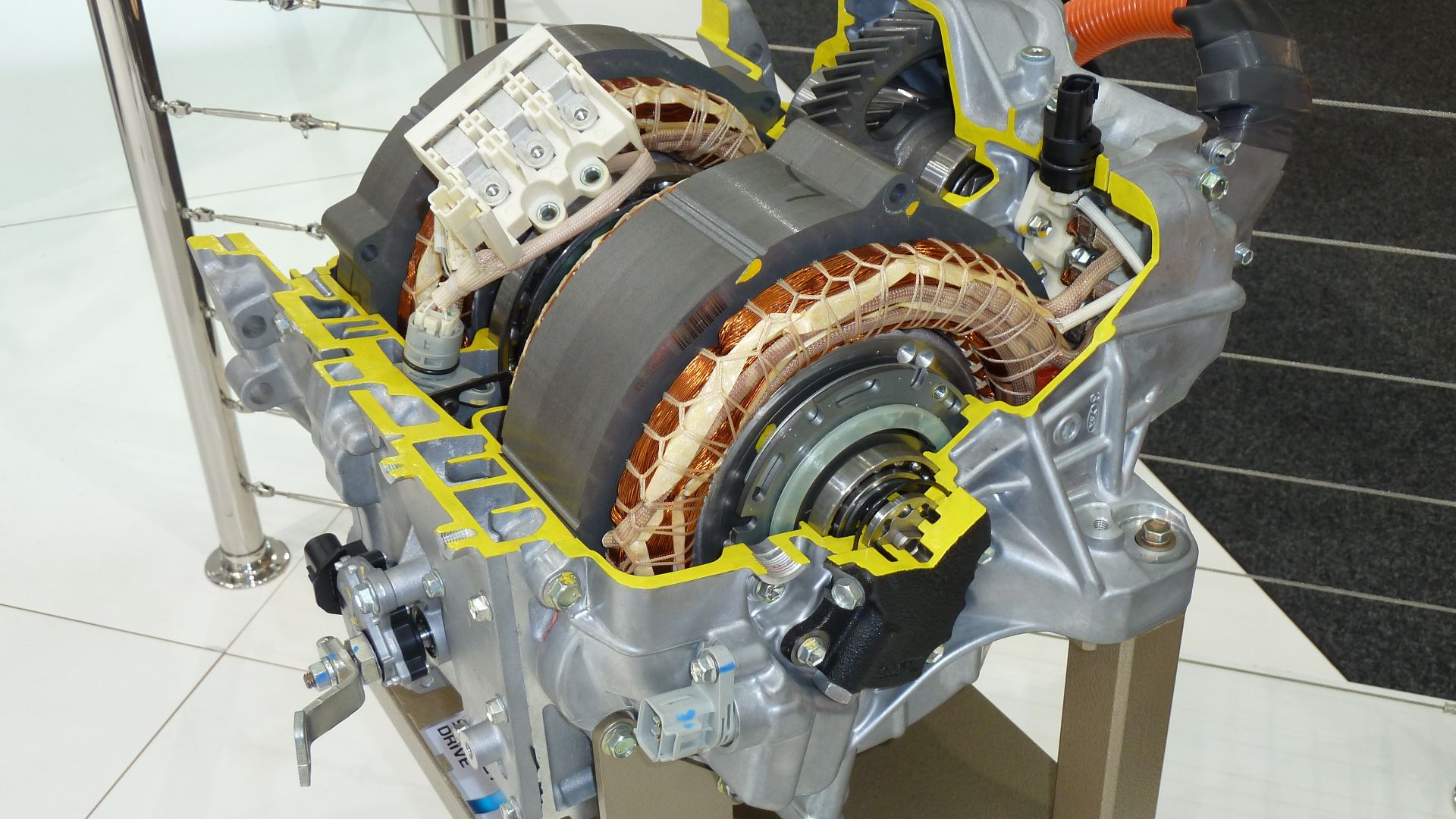
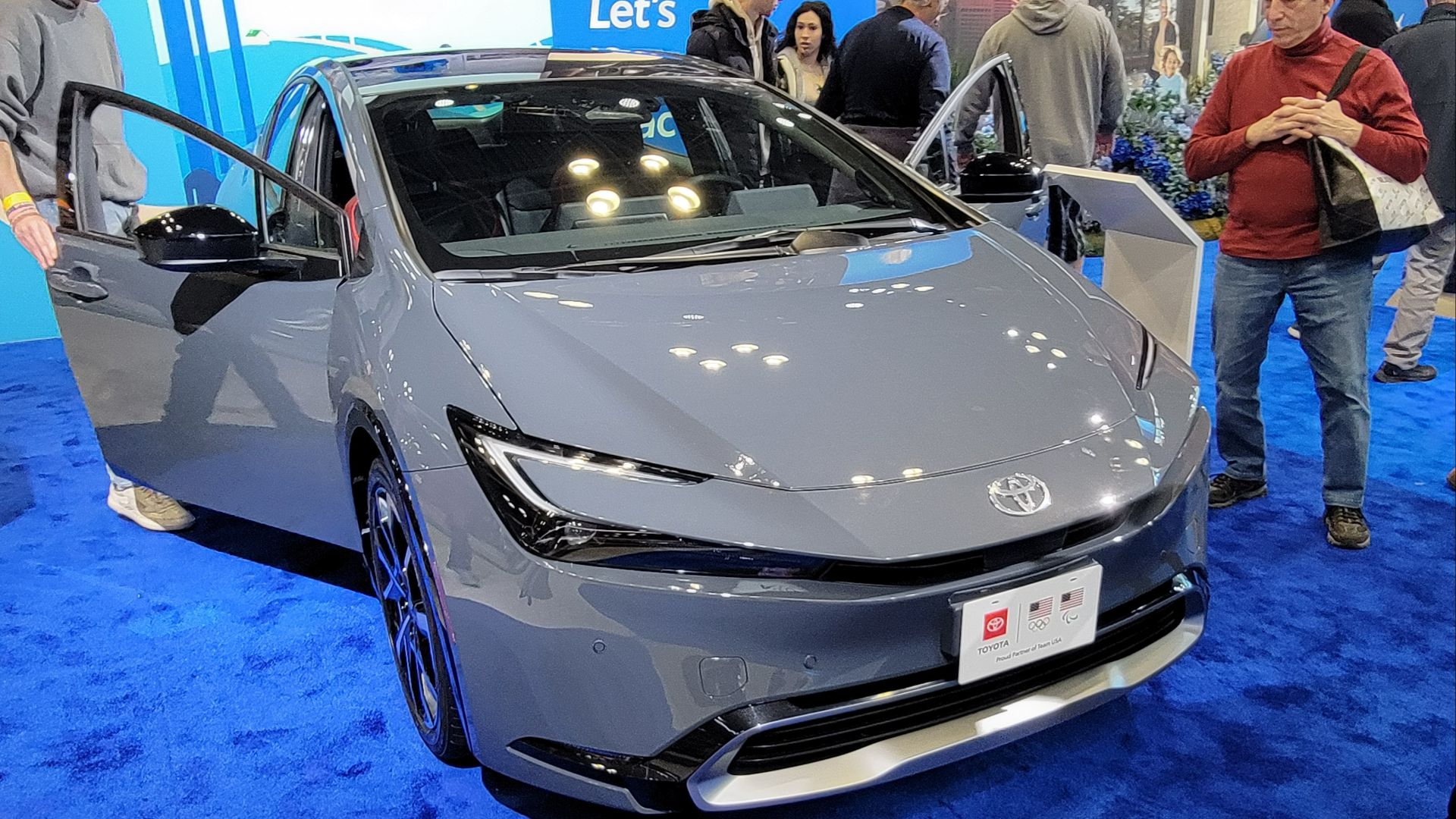
Many hybrids use systems commonly called electronic CVTs, or e-CVTs. These typically rely on planetary gearsets and electric motors rather than the belt-and-pulley design that concerns many used-car shoppers. Their durability record should be judged separately from conventional CVTs.
 Charles from Port Chester, New York, Wikimedia Commons
The Model Matters More Than The Label
Reliability can vary widely between manufacturers, transmissions, engines, and production years. One problematic model doesn’t prove that every CVT is fragile, just as one failed conventional automatic doesn’t condemn every geared transmission. Research the exact year, engine, and transmission installed in your vehicle.
 [email protected], Wikimedia Commons
Early Versions Created Lasting Suspicion
Some earlier mass-market CVTs developed reputations for overheating, shuddering, delayed acceleration, bearing noise, or premature failure. Those experiences spread quickly through owner forums and repair shops. Even after manufacturers revised their designs, the broader reputation remained.

Some Older Models Deserve Extra Caution
Certain older vehicles have well-documented transmission trouble spots. For example, MotorTrend recently identified early CVT-equipped Subaru Outbacks from parts of the 2010–2014 generation as having reported issues involving torque converters, shuddering, stalling, and inadequate cooling under demanding use. That doesn’t mean every example will fail, but it makes service history especially important.
 Lord of the Wings© from Toronto, Canada, Wikimedia Commons
Newer CVTs Have Generally Evolved
Manufacturers have had years to improve belts, chains, pulleys, bearings, pumps, cooling systems, software, and fluid formulations. Newer designs may also include wider operating ranges and better control strategies. Age alone doesn’t guarantee reliability, but it’s unfair to assume a current transmission is identical to a troublesome version sold 15 years ago.
A Redesign Can Change The Risk
Two versions of the same model may use different CVTs even when they look almost identical. Manufacturers sometimes revise internal components, software, cooling systems, or complete transmission families during a generation. That’s why advice about a 2013 vehicle may not apply to the 2024 version.
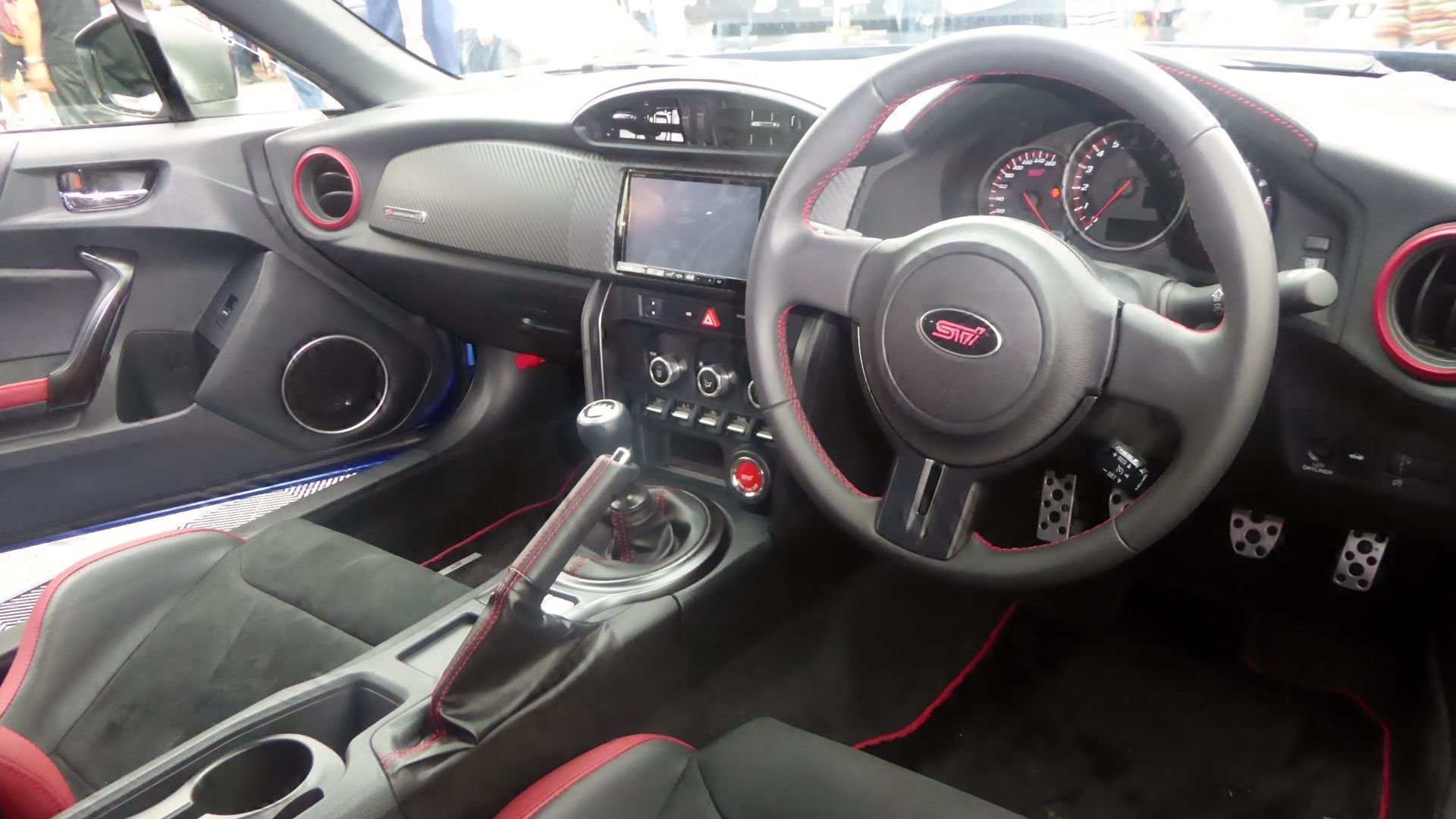 Tokumeigakarinoaoshima, Wikimedia Commons
Reliability Data Beats Online Reputation
Search for owner-survey data, recalls, technical service bulletins, warranty extensions, and complaints tied to the exact vehicle. Consumer Reports bases its reliability ratings on owner reports covering specific model years and problem areas rather than treating an entire technology as universally good or bad.

Check For Warranty Extensions
Some manufacturers have extended transmission coverage for particular models after reliability concerns emerged. An extension may cover specific parts, symptoms, or mileage limits rather than every possible failure. Enter the vehicle identification number on the manufacturer’s website or contact a dealer to confirm what remains available.
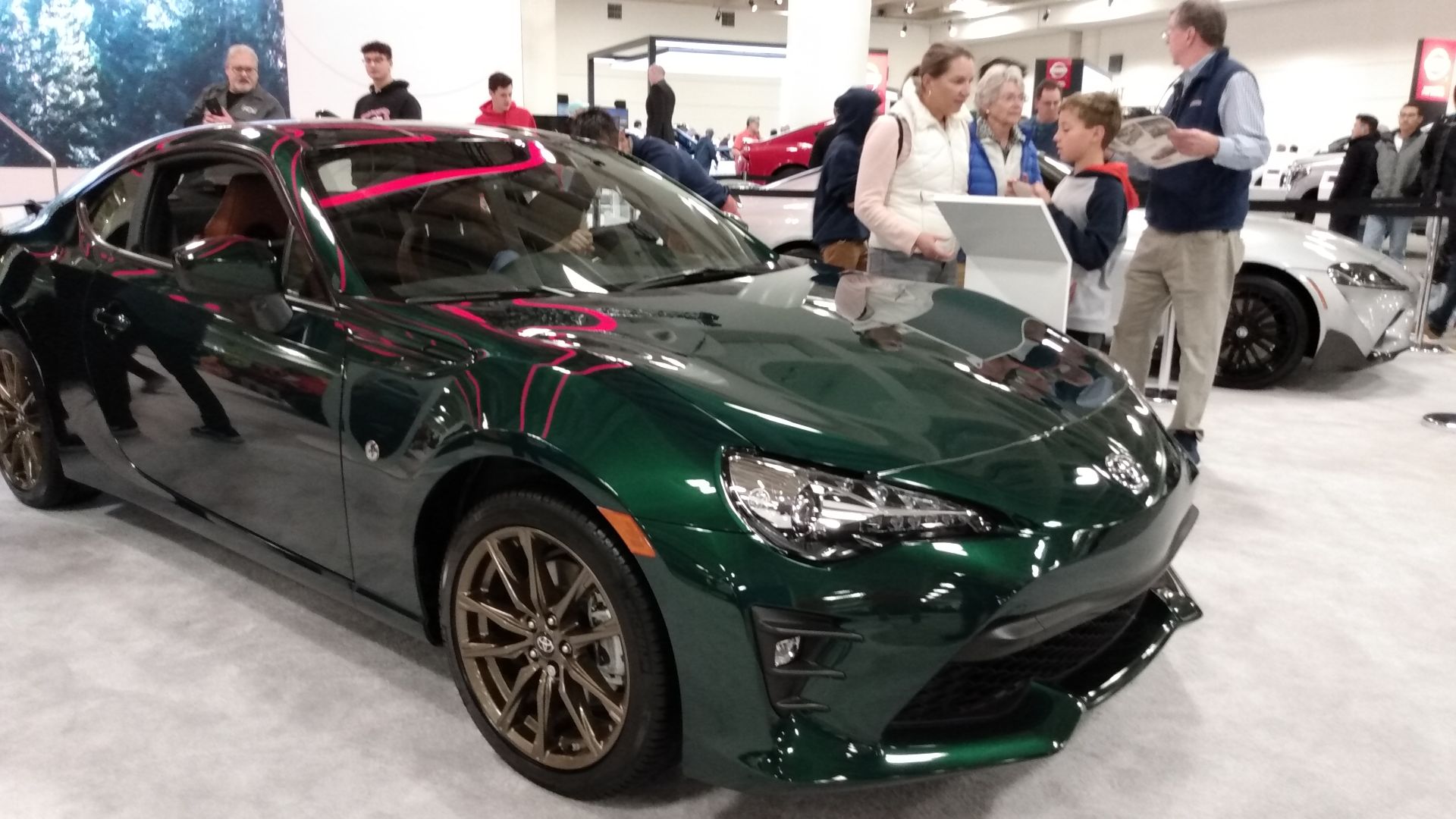 DestinationFearFan, Wikimedia Commons
CVT Fluid Is Not Generic
Continuously variable transmissions depend on fluid with carefully controlled friction and temperature properties. Using ordinary automatic-transmission fluid or the wrong CVT formulation can affect operation and cause damage. Always use the exact specification listed by the manufacturer.
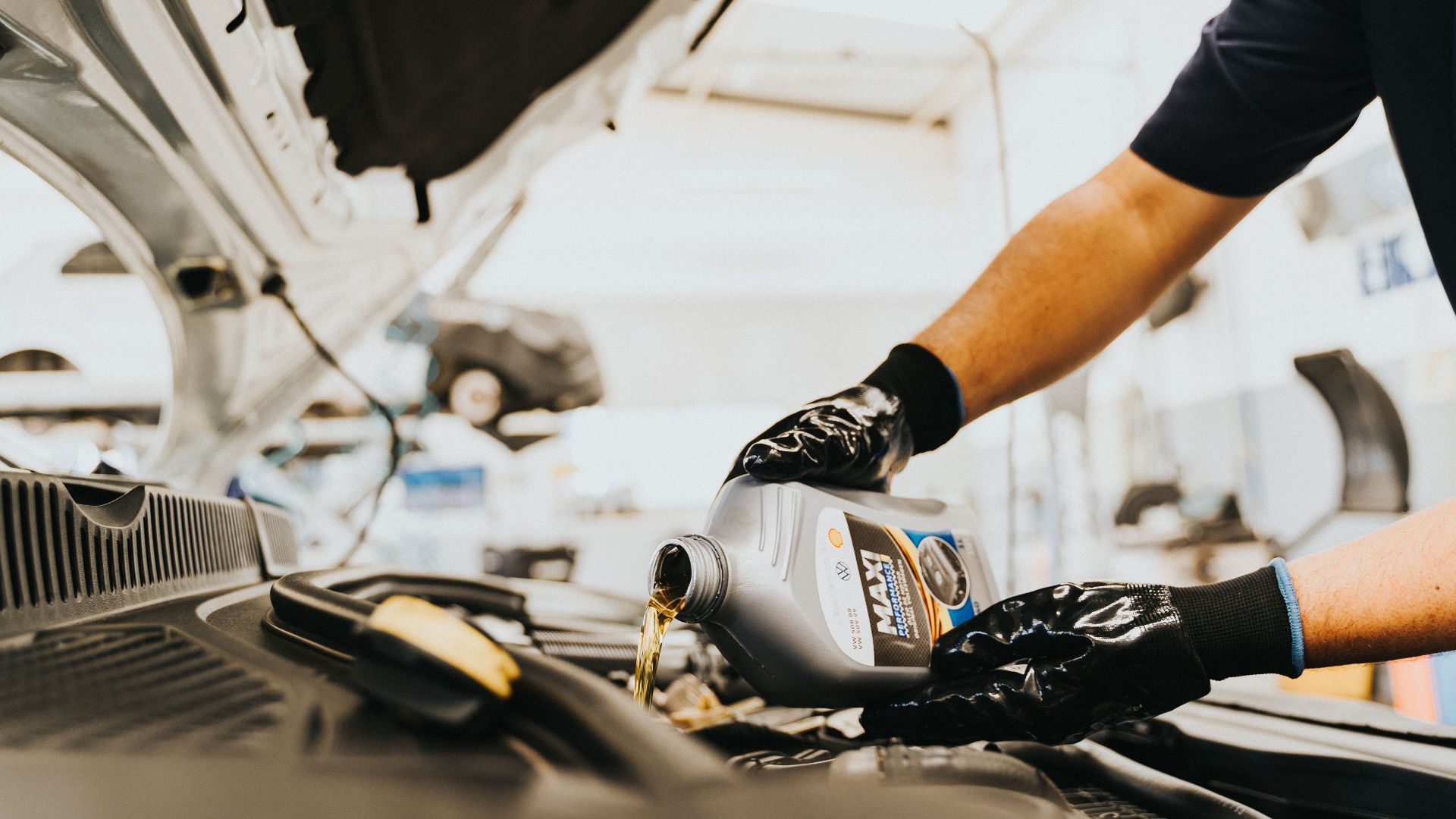
Follow The Vehicle’s Actual Service Schedule
There is no universal fluid-change interval for every CVT. Some manufacturers specify replacement at a particular mileage, while others call for inspection, severe-service changes, or computer analysis of fluid deterioration. Nissan, for example, advises owners to inspect for leaks, monitor fluid condition, and follow the model-specific maintenance schedule.

“Lifetime Fluid” Still Deserves Attention
The word “lifetime” can be misleading because it may refer to the manufacturer’s expected service life under normal conditions, not an unlimited number of years. Heat, contamination, towing, steep terrain, and stop-and-go use can degrade fluid. Ask a knowledgeable specialist how the manufacturer defines the term for your exact model.
Older Cars May Benefit From Conservative Maintenance
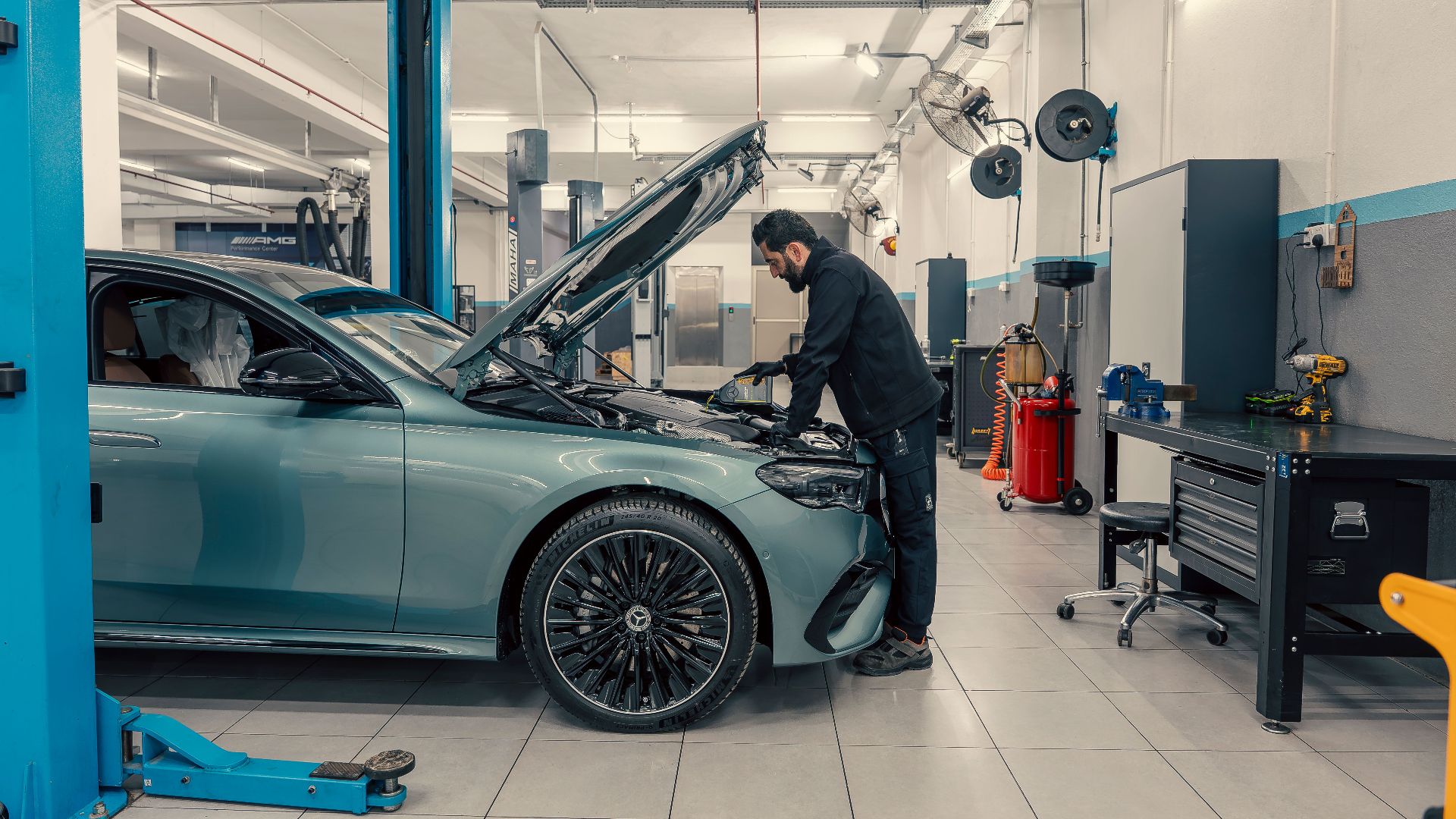
If an older CVT has a known history of heat or fluid-related problems, following the severe-service schedule may be sensible even when the vehicle isn’t used for towing. However, don’t authorize an aggressive flush based on generic advice. Some manufacturers specify a drain-and-fill procedure using exact fluid and temperature requirements.

Avoid Unqualified Quick-Service Work
A CVT fluid service may require model-specific fluid, fill procedures, scan-tool data, and precise temperature measurements. A shop that treats every transmission the same can create more problems than it solves. Choose a dealer or independent specialist familiar with that manufacturer’s CVTs.
Heat Is A Major Enemy
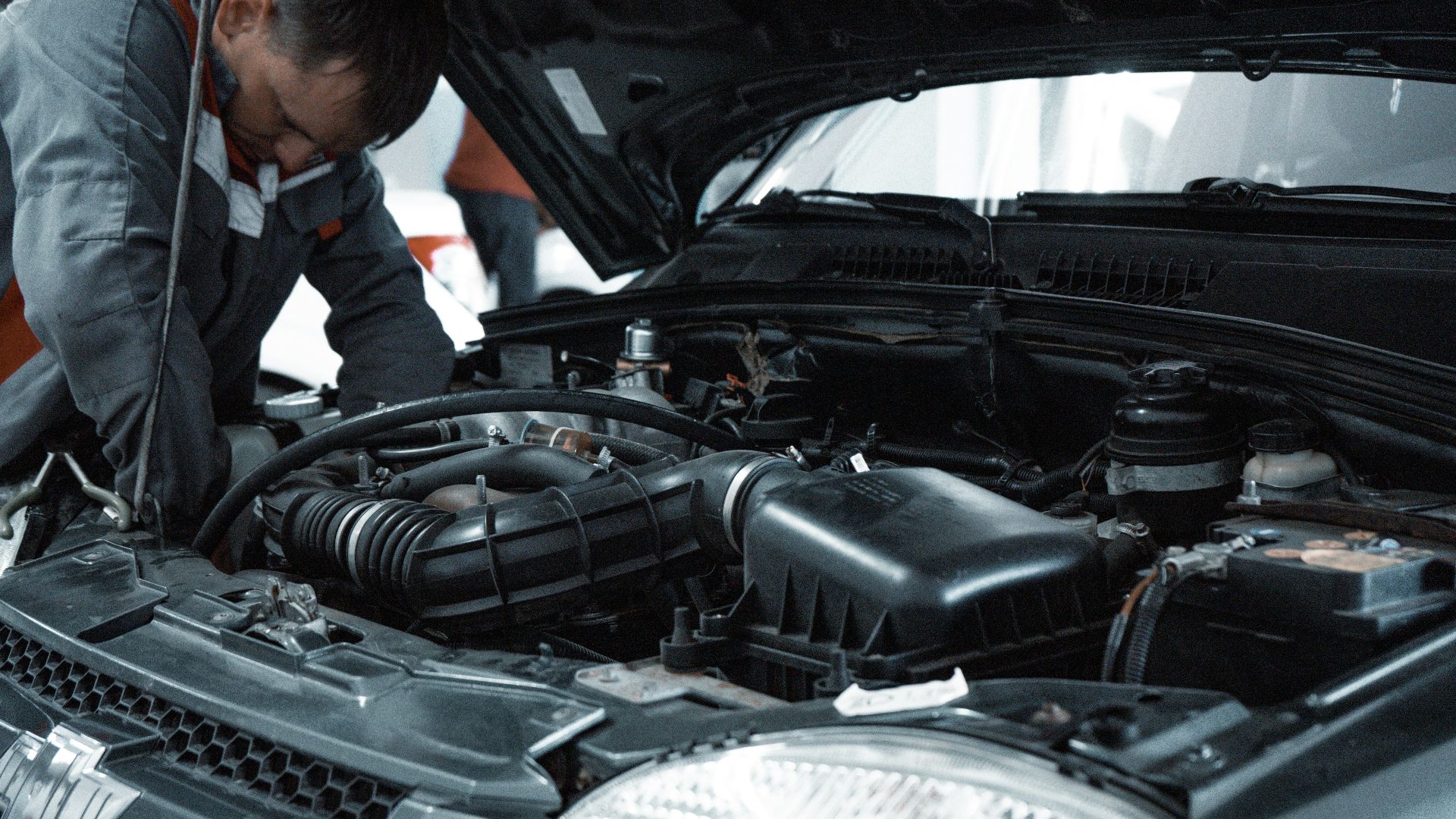
High temperatures reduce fluid life and place additional stress on transmission components. Long climbs, heavy loads, extreme heat, repeated hard acceleration, and towing can increase that strain. Some vehicles aren’t approved to tow at all, while others require additional cooling or strict weight limits.

Respect The Towing Limit
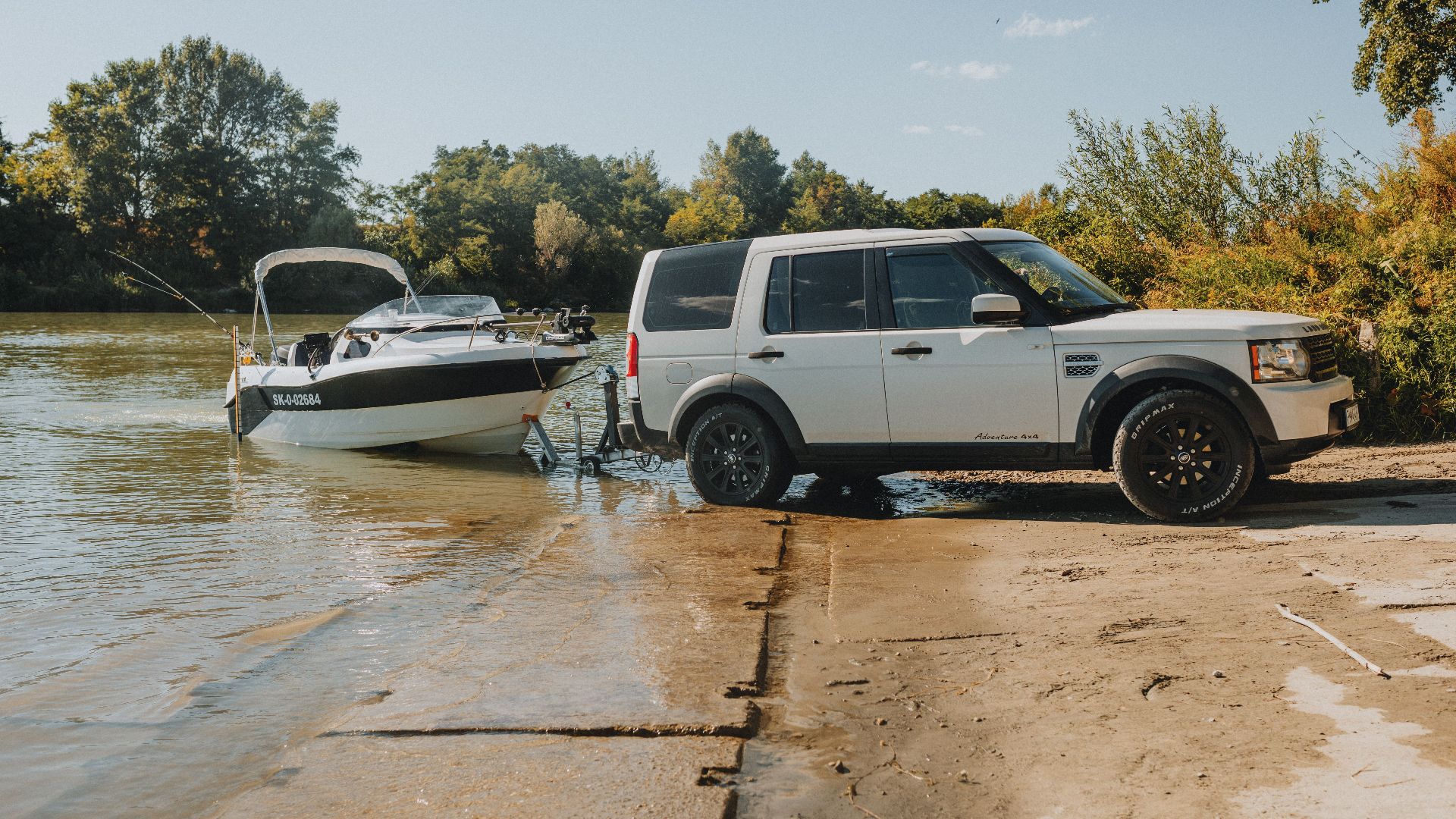
Don’t assume a small SUV can tow safely simply because a hitch fits. Check the owner’s manual for the vehicle’s rated capacity and any CVT-specific restrictions. Exceeding the limit can cause overheating and internal wear long before a warning light appears.
 Helena Jankovičová Kováčová, Pexels
Come To A Complete Stop Before Changing Direction
Shifting from reverse to drive while the vehicle is still rolling forces the transmission to stop and redirect the car’s movement. That habit is hard on many transmissions, including CVTs. Pause fully, keep the brake applied, and then select the opposite direction.

Don’t Use The Accelerator To Hold The Car On A Hill
Holding the vehicle stationary with throttle instead of the brake can generate unnecessary heat. Use the brake pedal, parking brake, or automatic brake-hold feature where available. This is especially important during long waits on steep grades.

Watch For Early Warning Signs
Possible trouble symptoms include delayed engagement, shuddering, whining, surging, slipping sensations, overheating warnings, fluid leaks, or an engine that revs without normal acceleration. Some unusual sounds and engine speeds are normal for a CVT, so compare new behavior with how the vehicle operated previously.

Diagnose Problems Before They Grow
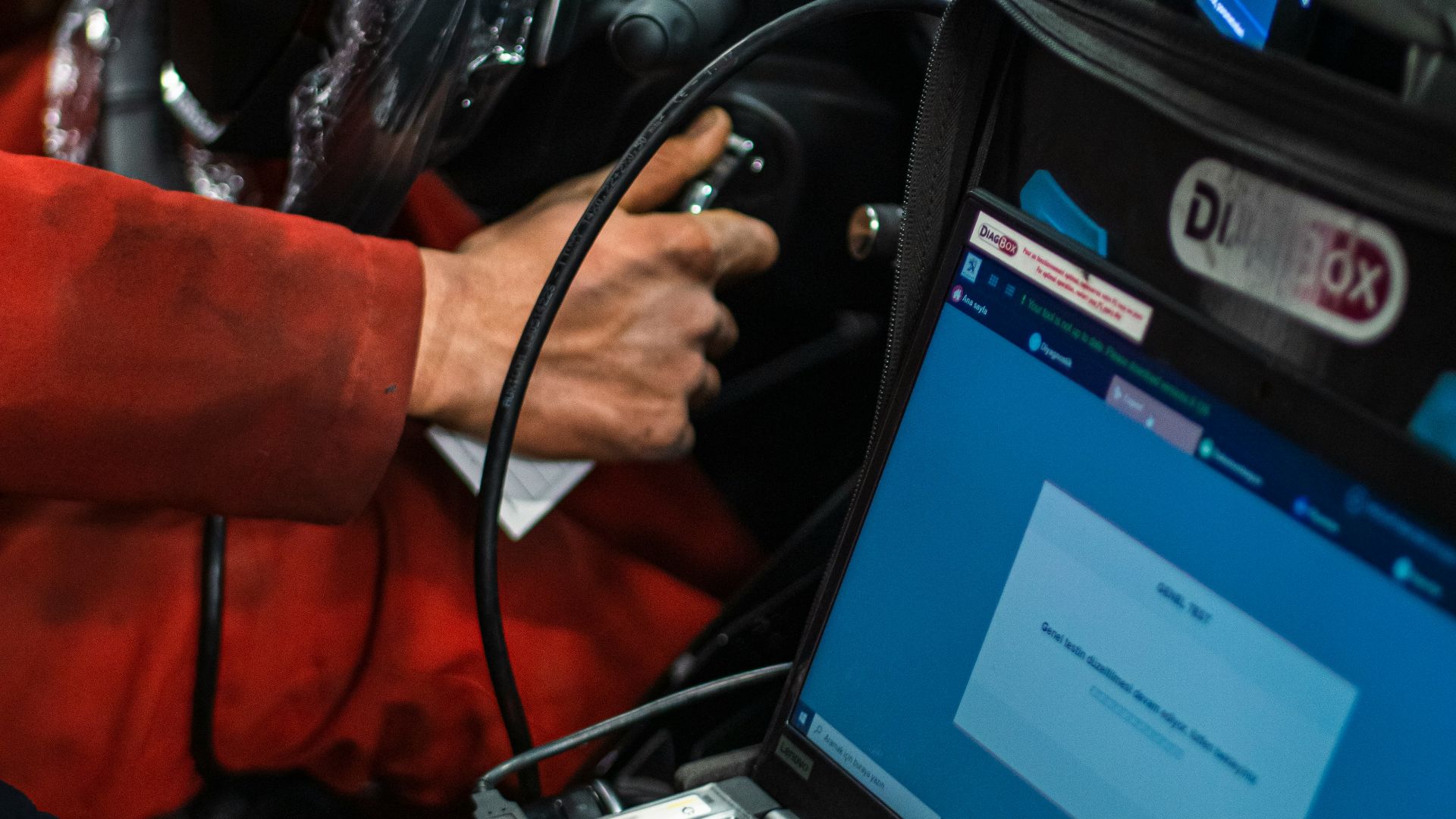
A warning light doesn’t automatically mean the entire transmission needs replacement. Software issues, sensors, valve bodies, solenoids, fluid problems, cooling faults, and engine-performance issues can produce similar symptoms. An experienced technician should scan the vehicle and test it before recommending a complete unit.
A Pre-Purchase Inspection Matters For Used CVTs
When buying an older CVT-equipped vehicle, ask for complete transmission-service records and have the car inspected before purchase. The technician should check for stored codes, leaks, delayed engagement, unusual noises, shuddering, and evidence that the correct fluid was used. A suspiciously clean service history with no documentation isn’t the same as proof of proper care.

You Should Be Informed, Not Automatically Worried
A CVT isn’t guaranteed to fail simply because of its design. Some older applications earned legitimate criticism, while many newer and hybrid systems have accumulated strong reliability records. Learn which transmission your car actually has, check its model-year history, use the correct fluid, respect towing limits, and respond quickly to changes in operation. The real risk comes from assuming every CVT is doomed or, just as dangerously, assuming none of them requires careful maintenance.

You May Also Like: