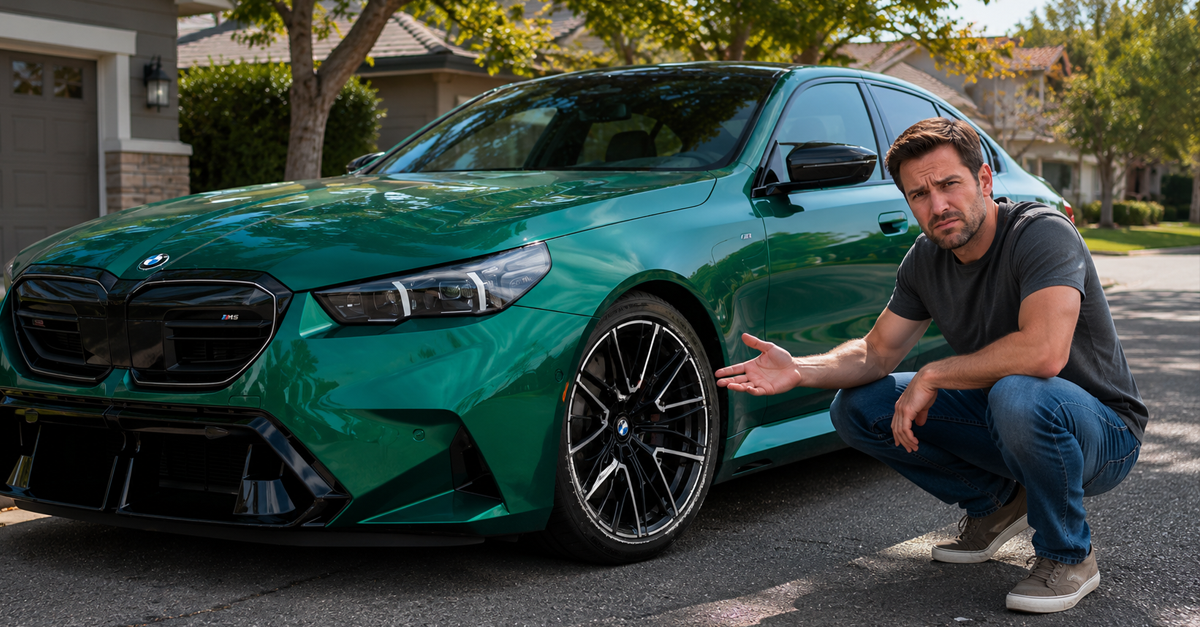
The Stylish Upgrade Became An Expensive Problem
Low-profile tires can give an ordinary car a sharper, sportier appearance, but that style comes with less rubber between the wheel and the road. After a few encounters with rough pavement, the repair bills can quickly overshadow the visual upgrade. If potholes keep damaging your tires and wheels, your choice may be costing far more than expected.
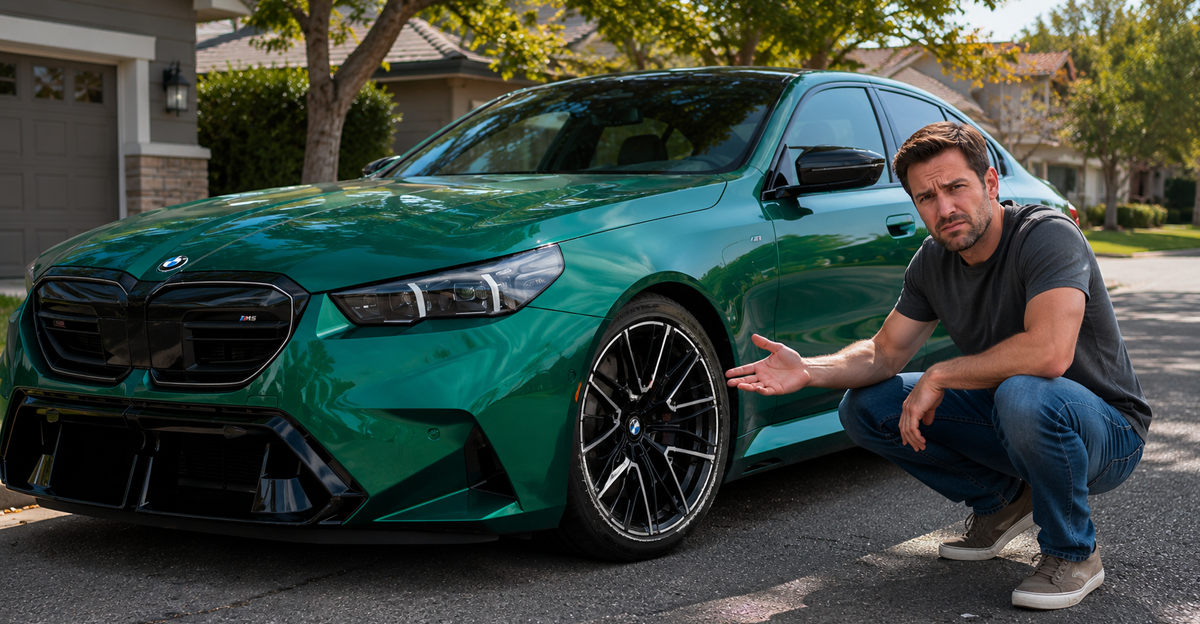
The Upgrade Looked Great At First
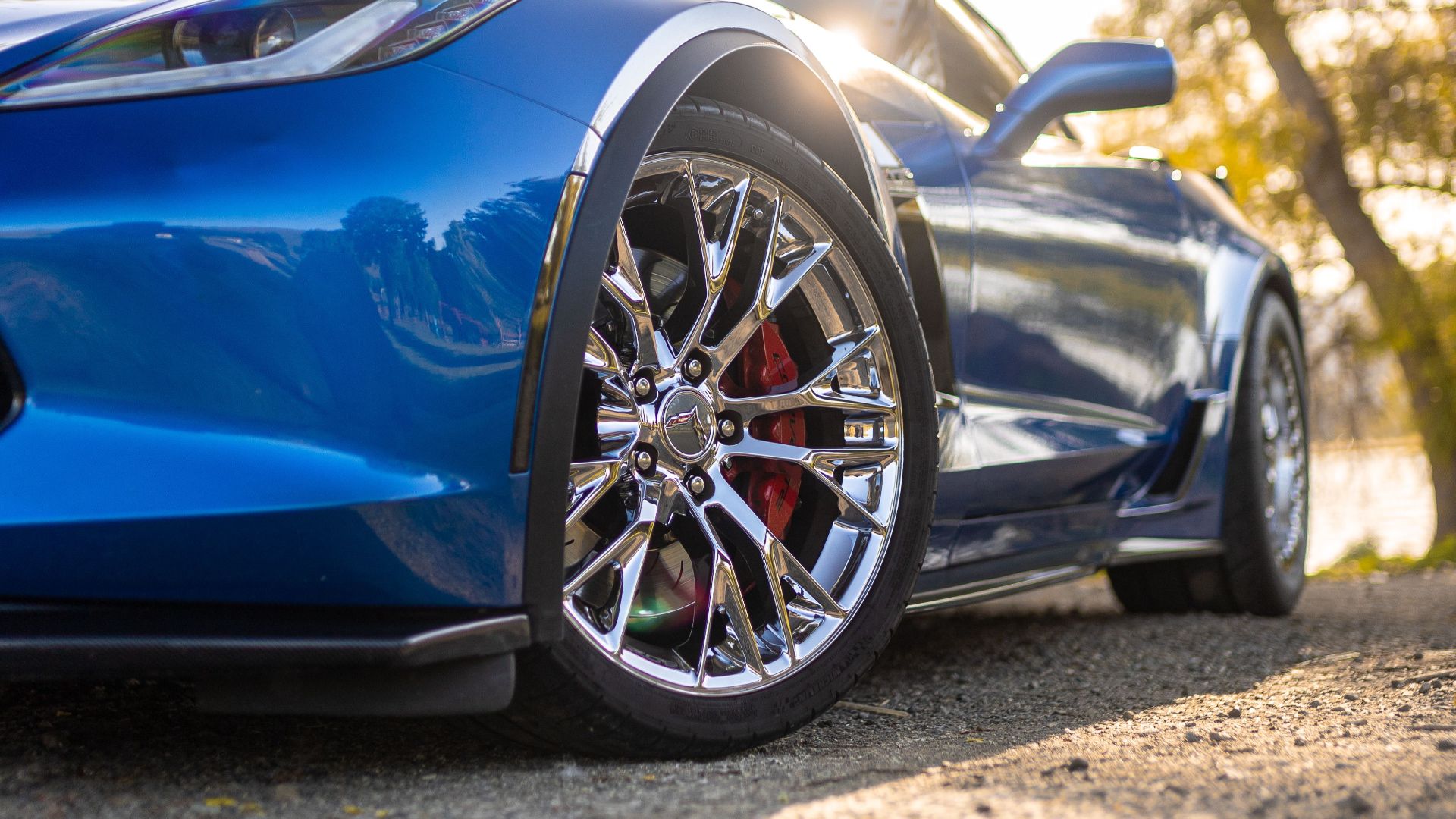
Larger wheels and thinner tires can dramatically change a car’s appearance. The wheel fills more of the opening, while the shorter sidewall creates a performance-oriented look. Unfortunately, the same proportions that look attractive can make the tire less forgiving on damaged roads.

What Low-Profile Actually Means
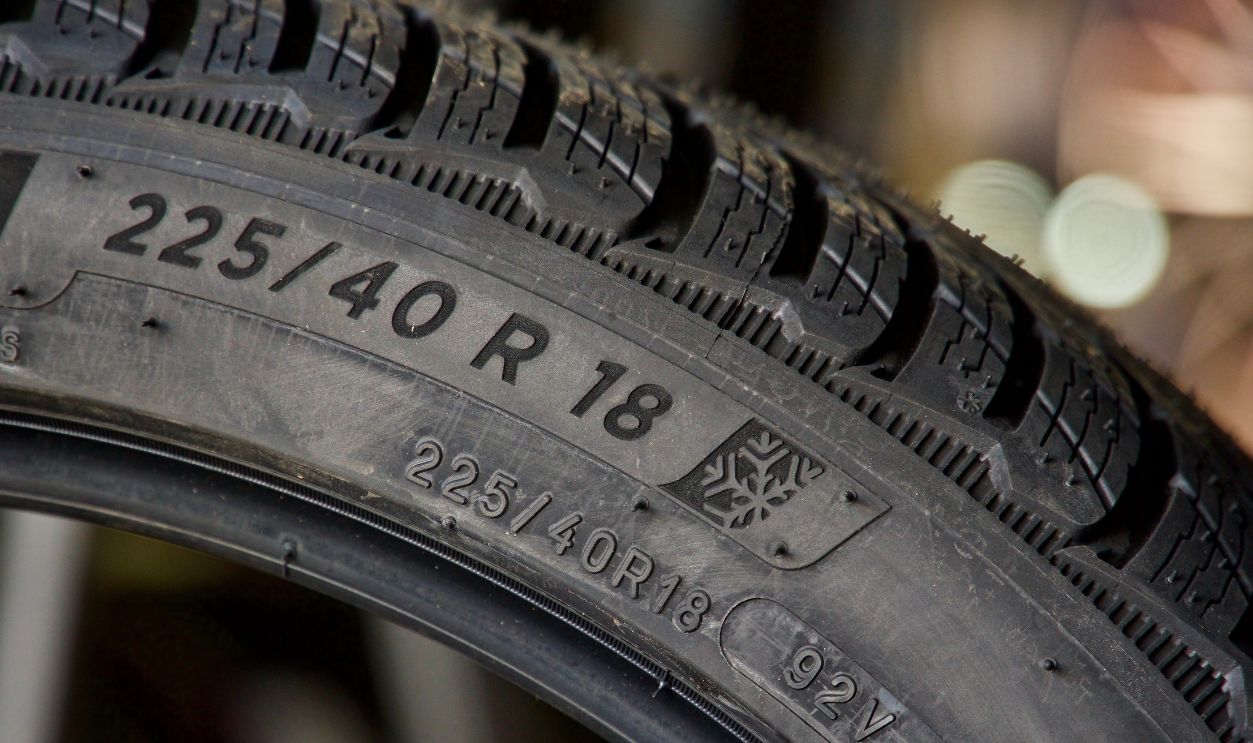
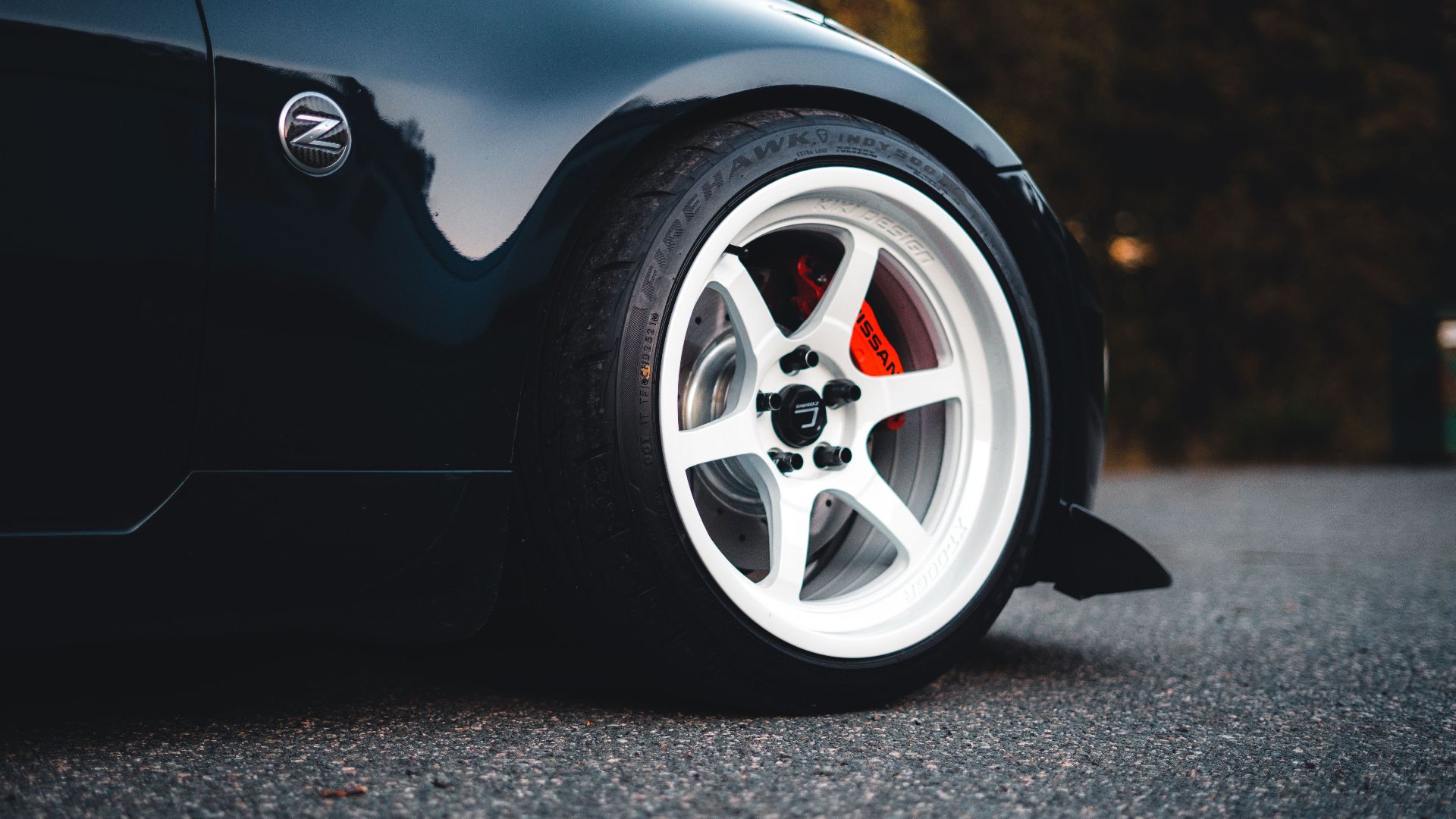
A tire’s profile is closely related to its aspect ratio, which appears in the size printed on the sidewall. In a tire marked 225/40R18, for example, the sidewall height is 40 percent of the tire’s width. A lower number generally means a shorter sidewall.
 Bekir Vahit Telli, Shutterstock
There Is Less Rubber To Absorb Impacts
A taller sidewall can flex when the tire hits a bump or drops into a pothole. A low-profile tire has less vertical space in which to deform before the force reaches the wheel. That reduced cushioning is central to the problem you are experiencing.
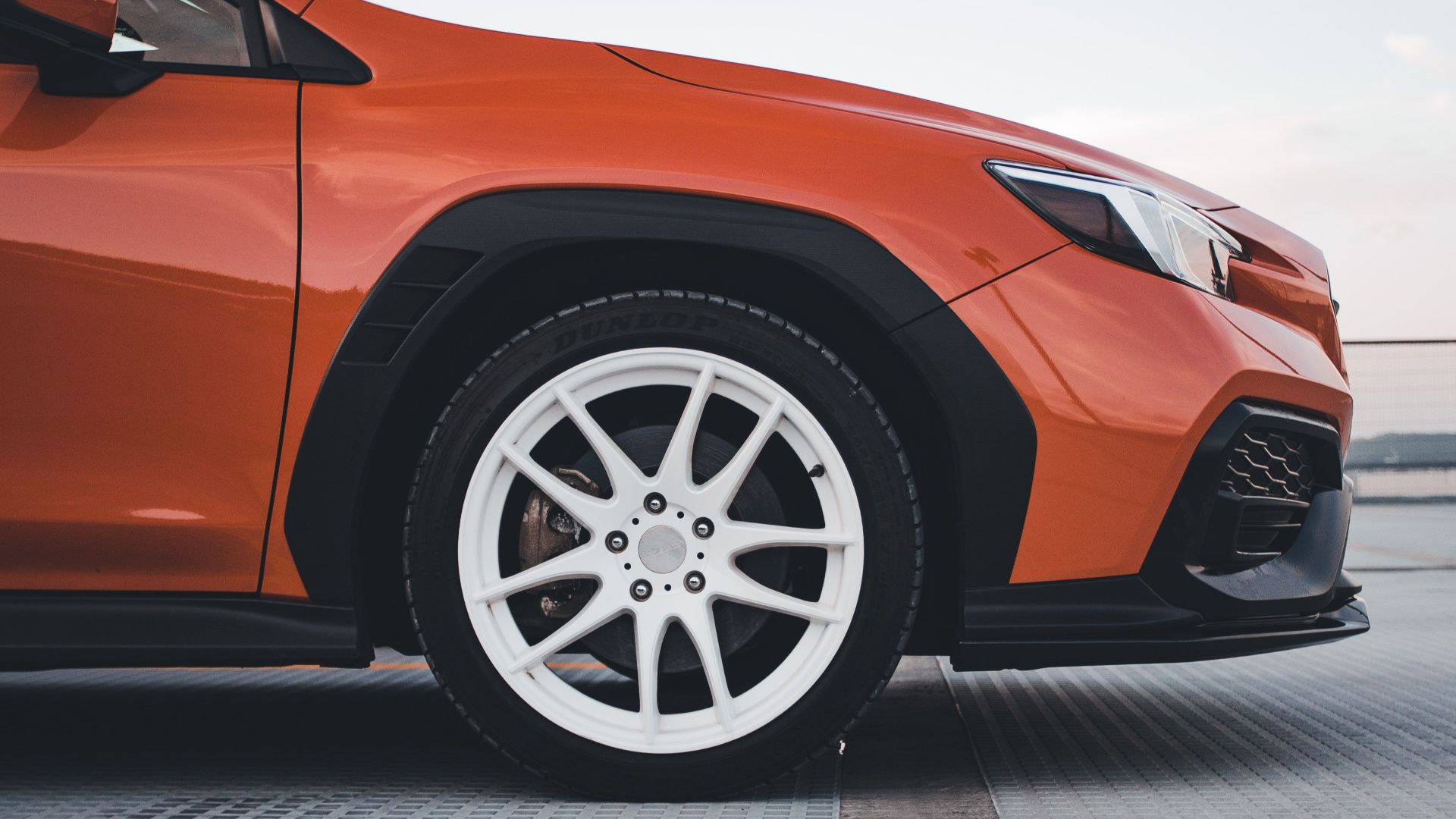
The Tire Can Get Pinched
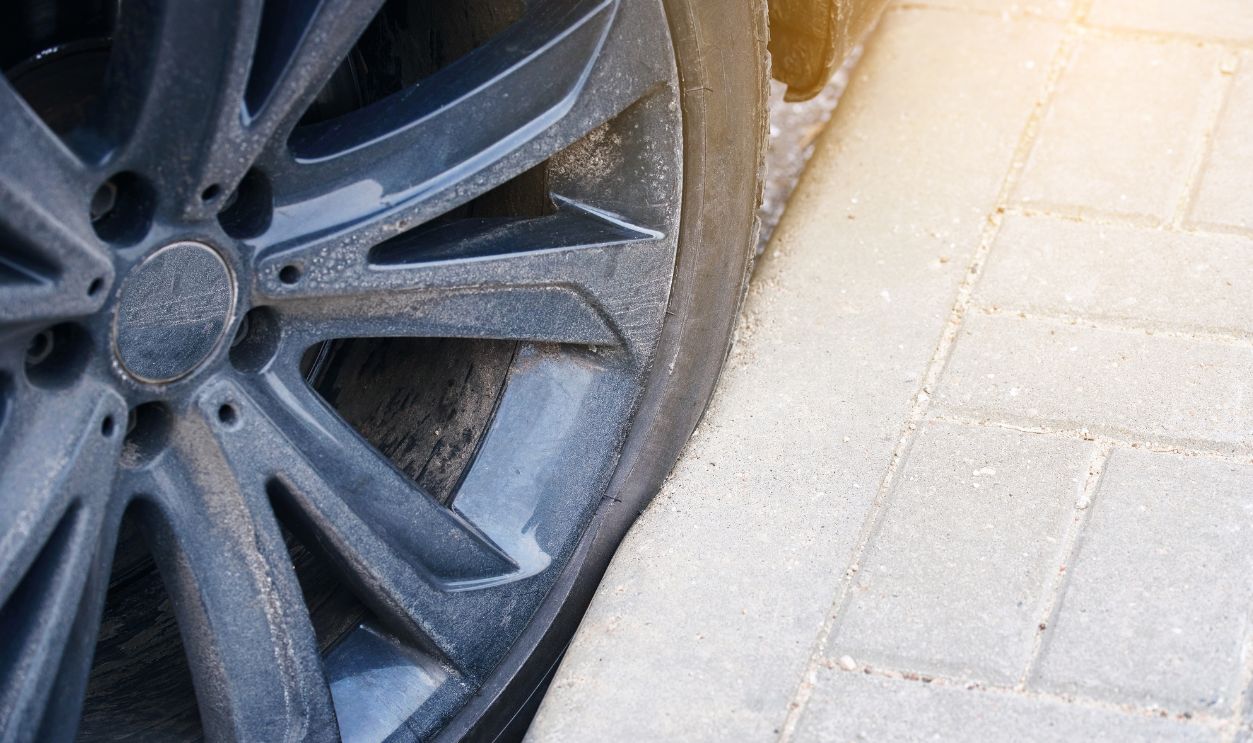
During a hard impact, the tire may become trapped between the edge of the pothole and the wheel rim. This can damage the sidewall or internal tire structure even when the tread never touches a sharp object. This type of pinching as a major risk associated with plus-sized wheels and low-profile tires.
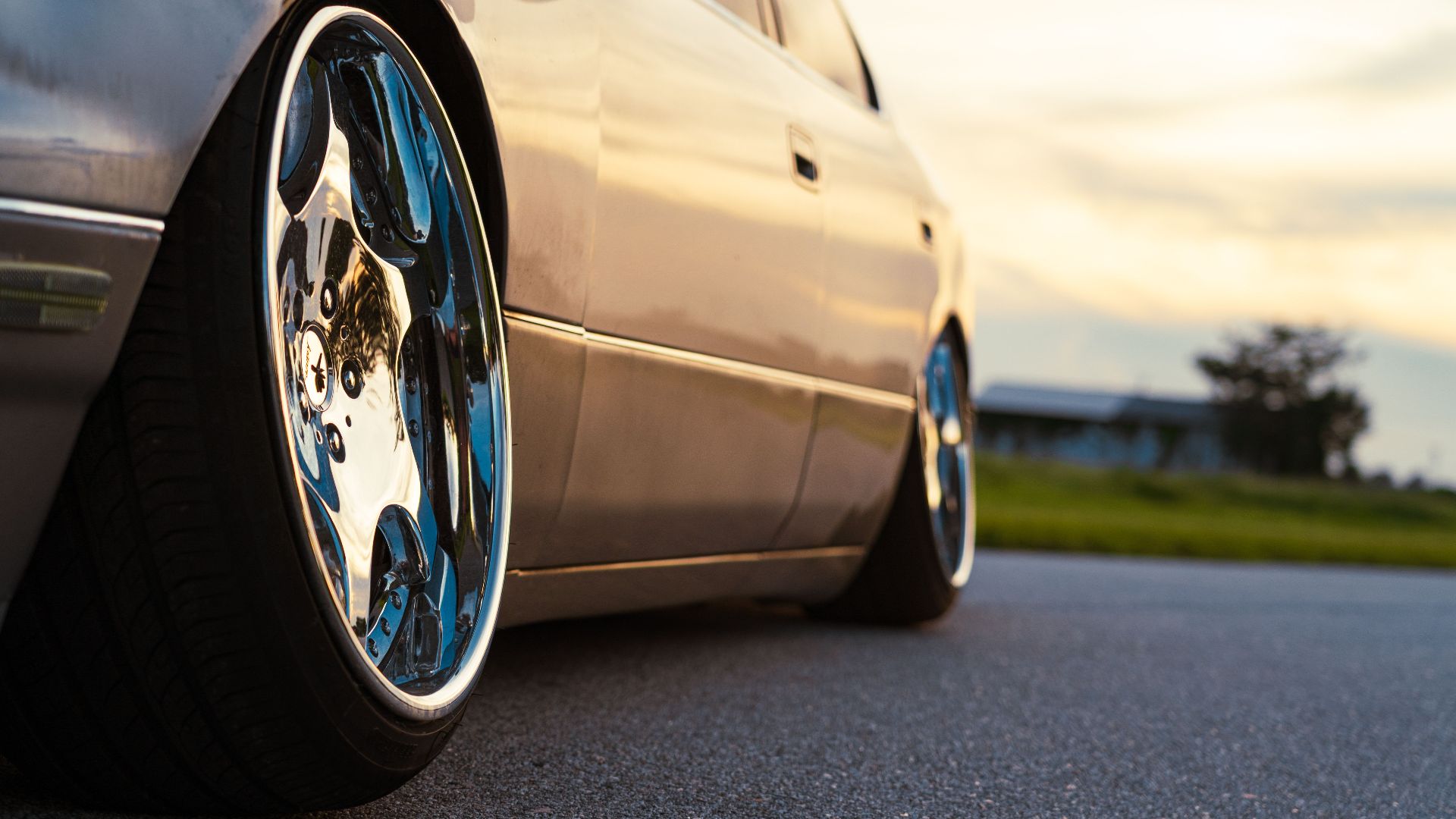
Your Wheels Are Also More Exposed
The tire is not the only component at risk. With less sidewall protecting the rim, an impact can bend, crack, or scrape the wheel itself. Tire manufacturers warn that low-aspect-ratio tires and their wheels may be more susceptible to pothole and road-hazard damage.
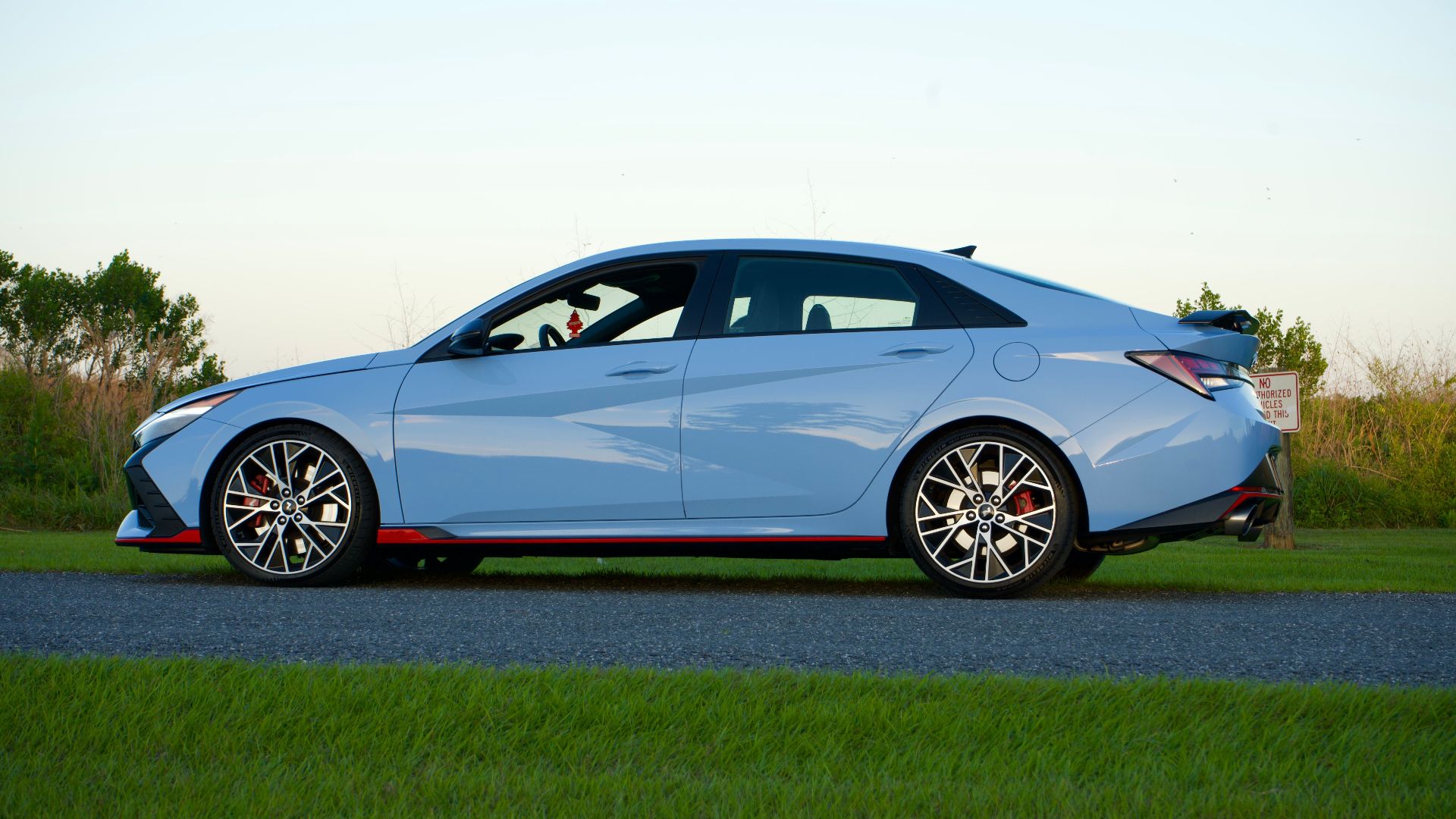
Some Damage Is Immediately Obvious
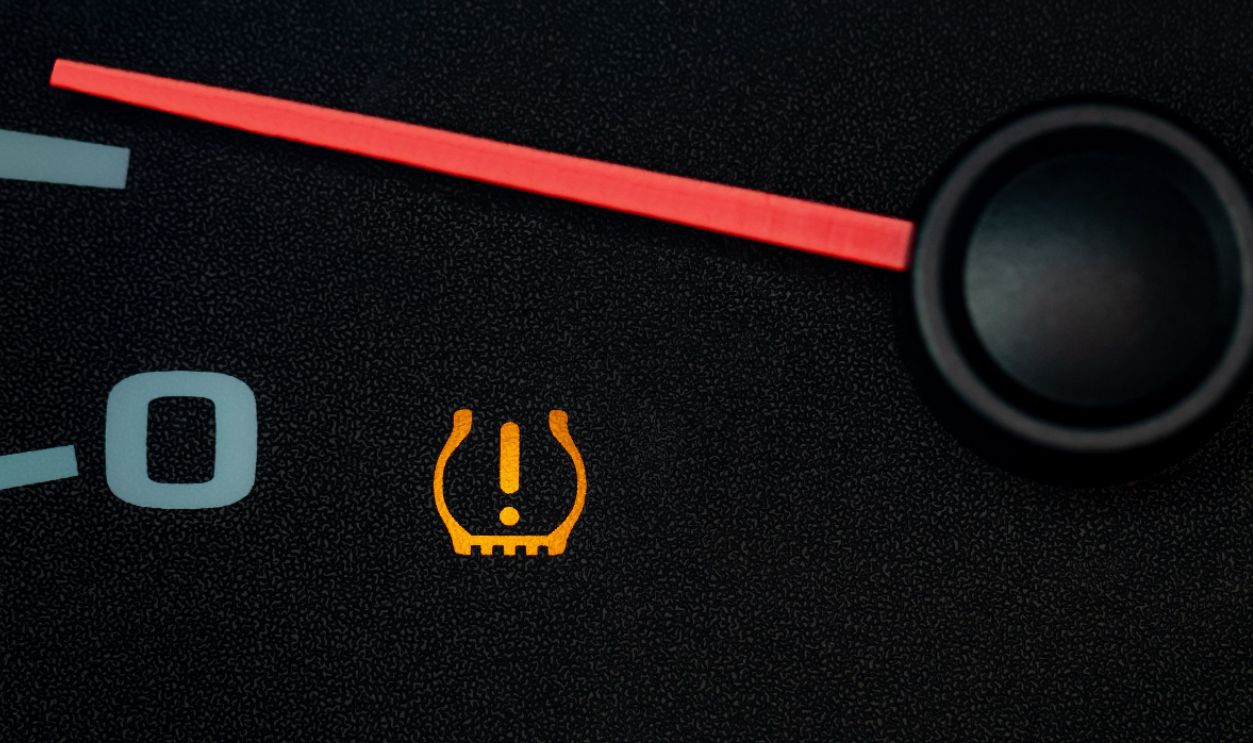
A severe hit may cause an instant loss of air, a visibly bent wheel, or a tire-pressure warning. The steering wheel may also begin vibrating, or the car may pull noticeably to one side. These symptoms should not be ignored simply because the vehicle still moves.
Other Damage Can Stay Hidden
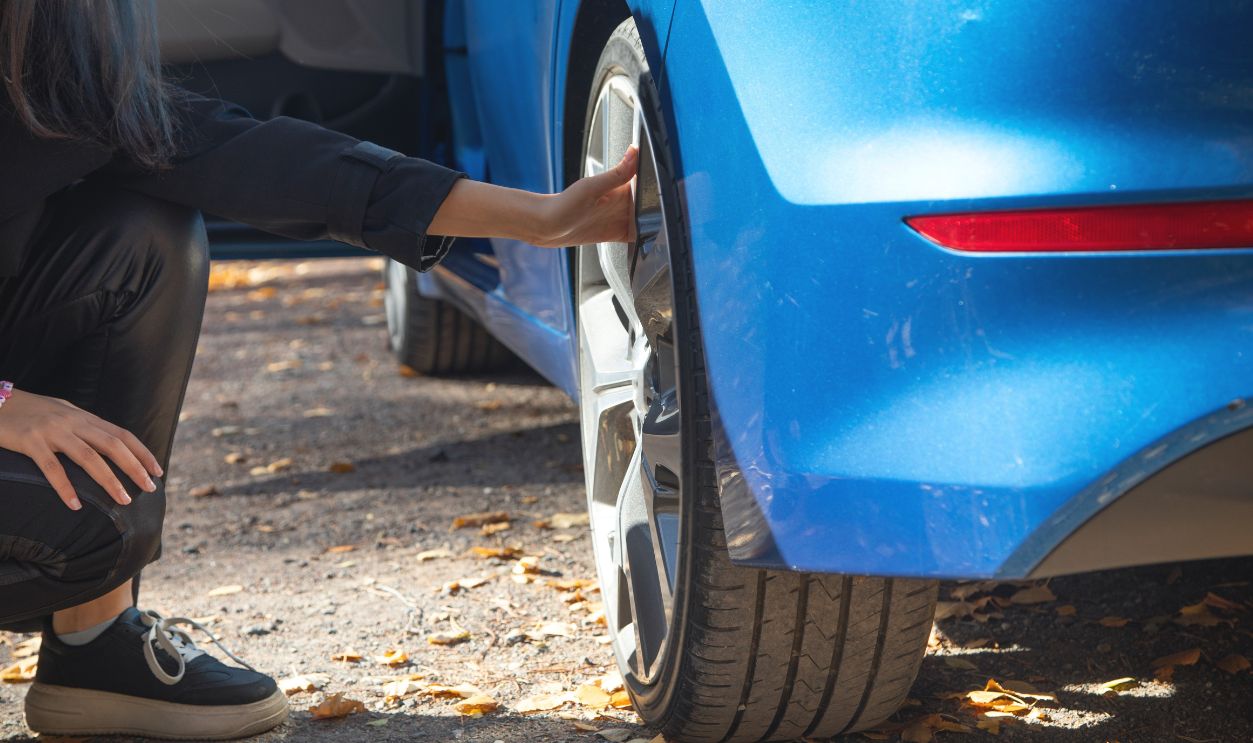
A tire can suffer internal structural damage without immediately going flat. It may continue holding air while weakened cords or other internal components remain invisible from the outside. You should consider getting a professional inspection after a particularly hard pothole strike because a visual check may not reveal the full damage.
 ANDRANIK HAKOBYAN, Shutterstock
Watch Carefully For A Sidewall Bulge
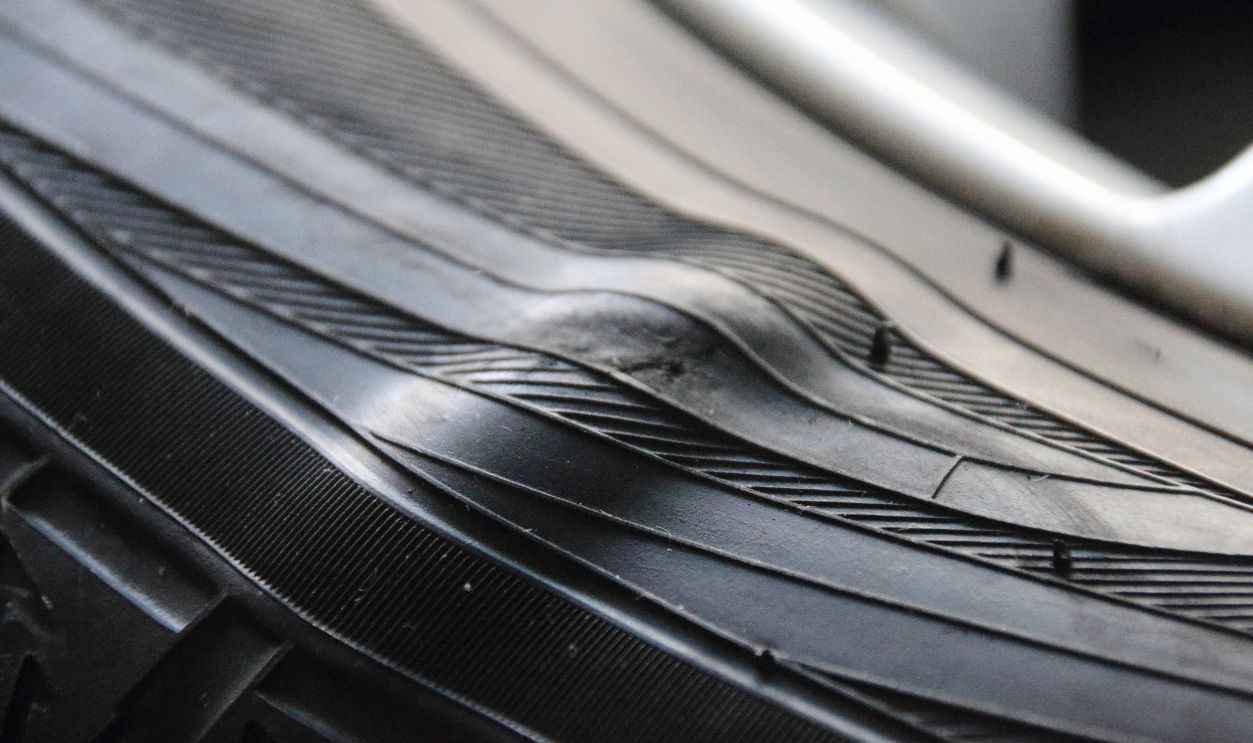
A bubble or bulge usually indicates that the tire’s internal structure has been compromised. The damaged section can no longer contain air pressure as evenly as the rest of the sidewall. A tire showing this type of damage should be inspected immediately and generally requires replacement rather than repair.
Sidewall Damage Usually Cannot Be Patched
Many small punctures in the main tread area can be professionally repaired under the right conditions. Damage to the sidewall is different because that area flexes constantly and plays a critical structural role. Because of that continuous flexing, tires with confirmed sidewall damage generally require replacement rather than repair.
A New Tire May Not End The Bill
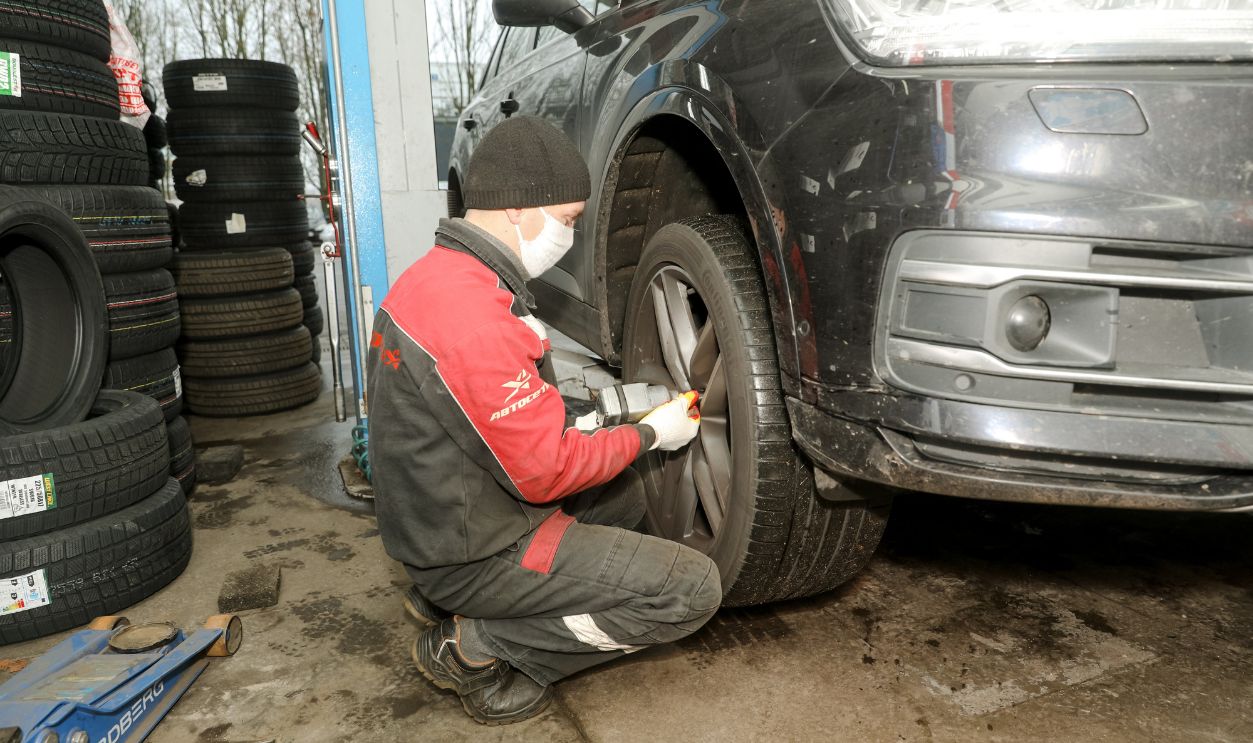
Replacing the damaged tire may be only the first expense. The wheel could also need straightening or replacement, and the impact may have affected the alignment or suspension. One pothole can therefore create several separate repair charges.
Alignment Problems Can Follow The Impact
A strong pothole strike can knock the wheels out of alignment. Common signs include pulling, uneven steering, reduced precision, or abnormal tire wear. If your vehicle handles differently after hitting a pothole or curb, it is a good idea to have the alignment checked promptly.
Uneven Wear Creates Another Expense
Misalignment can make the tire scrub across the road rather than roll evenly. That friction may wear one shoulder faster than the rest of the tread. Even a tire that survives the original impact can therefore need premature replacement later.

Larger Wheels Can Increase Replacement Costs
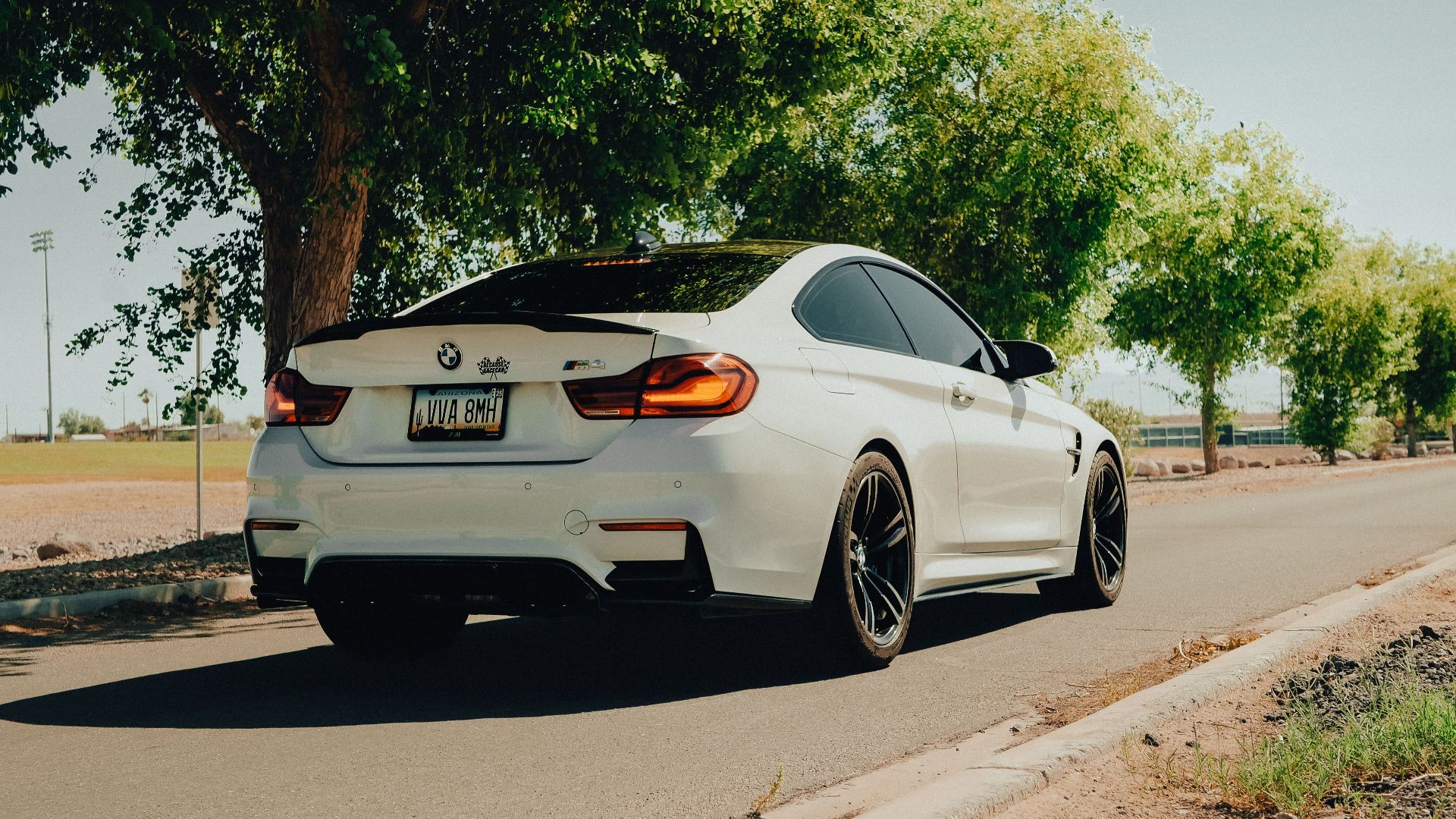
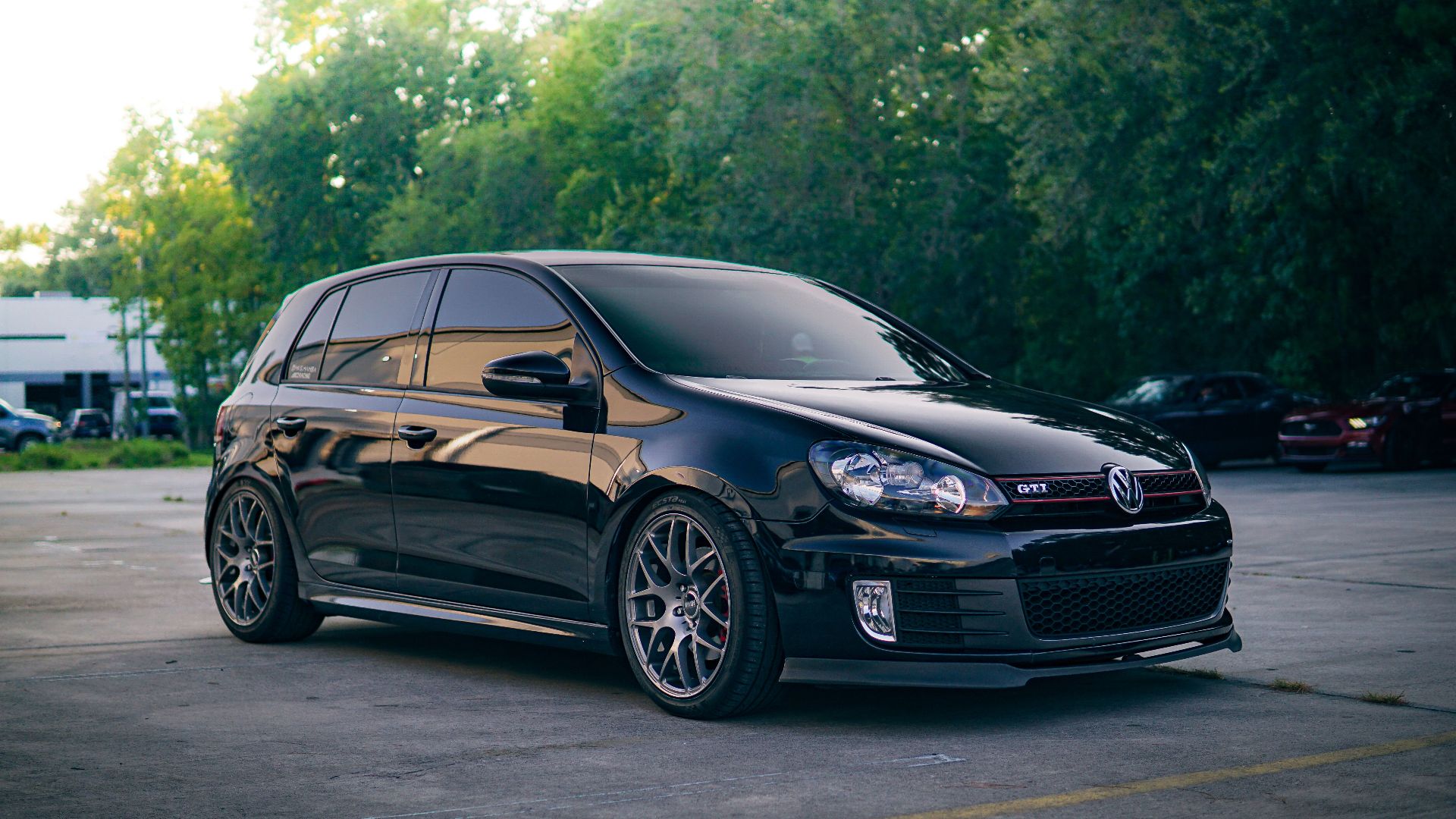
Low-profile tires are often paired with larger-diameter wheels. Those tires and wheels may cost considerably more than the smaller factory setup they replaced, depending on the vehicle and chosen products. Repeated damage becomes especially painful when every incident involves expensive performance-oriented components.
Road-Hazard Damage May Not Be Warrantied
Standard tire warranties generally focus on manufacturing defects rather than damage caused by potholes, curbs, or road debris. Separate road-hazard protection may cover some incidents, but the terms, limits, and exclusions vary. Check the paperwork from the tire retailer before assuming your replacement will be free.
Insurance Is Not Always The Best Answer
Collision coverage may apply to certain pothole claims, depending on the policy and circumstances. However, the deductible can exceed the cost of replacing one tire or repairing one wheel. Filing a claim may make more sense after extensive wheel, suspension, or body damage than after a relatively small repair.

Proper Pressure Becomes Even More Important
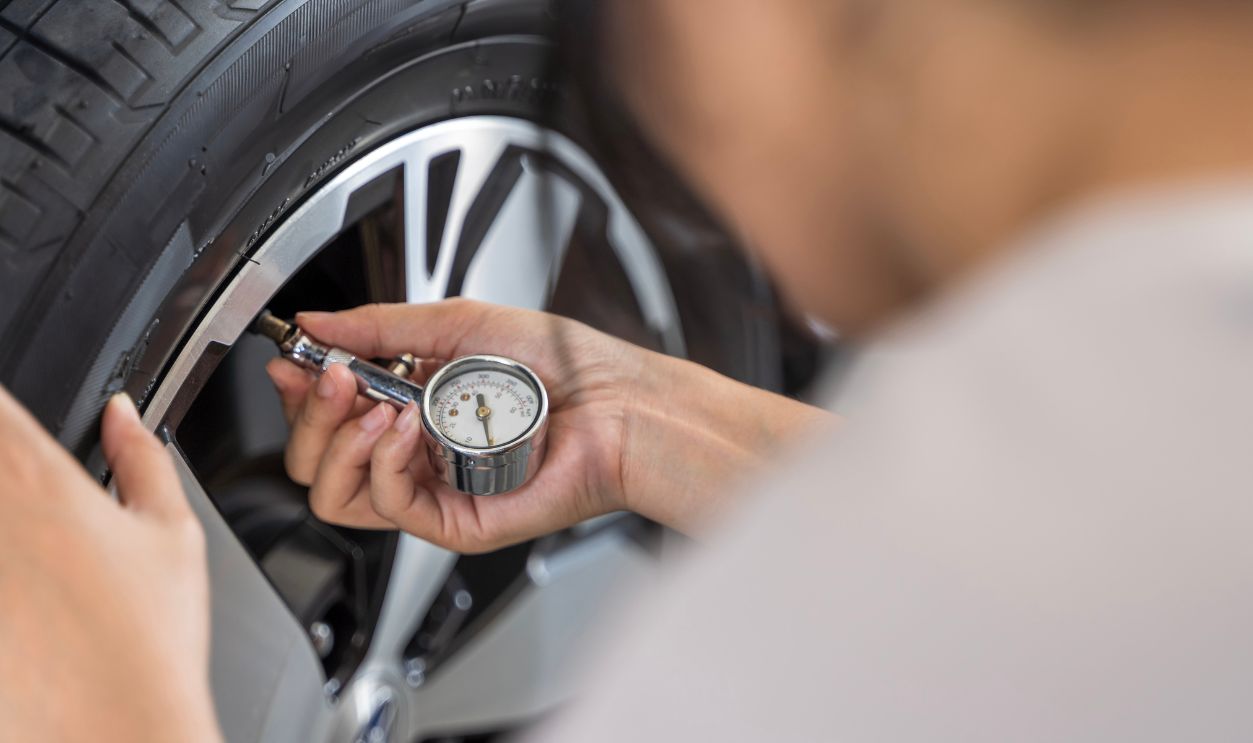
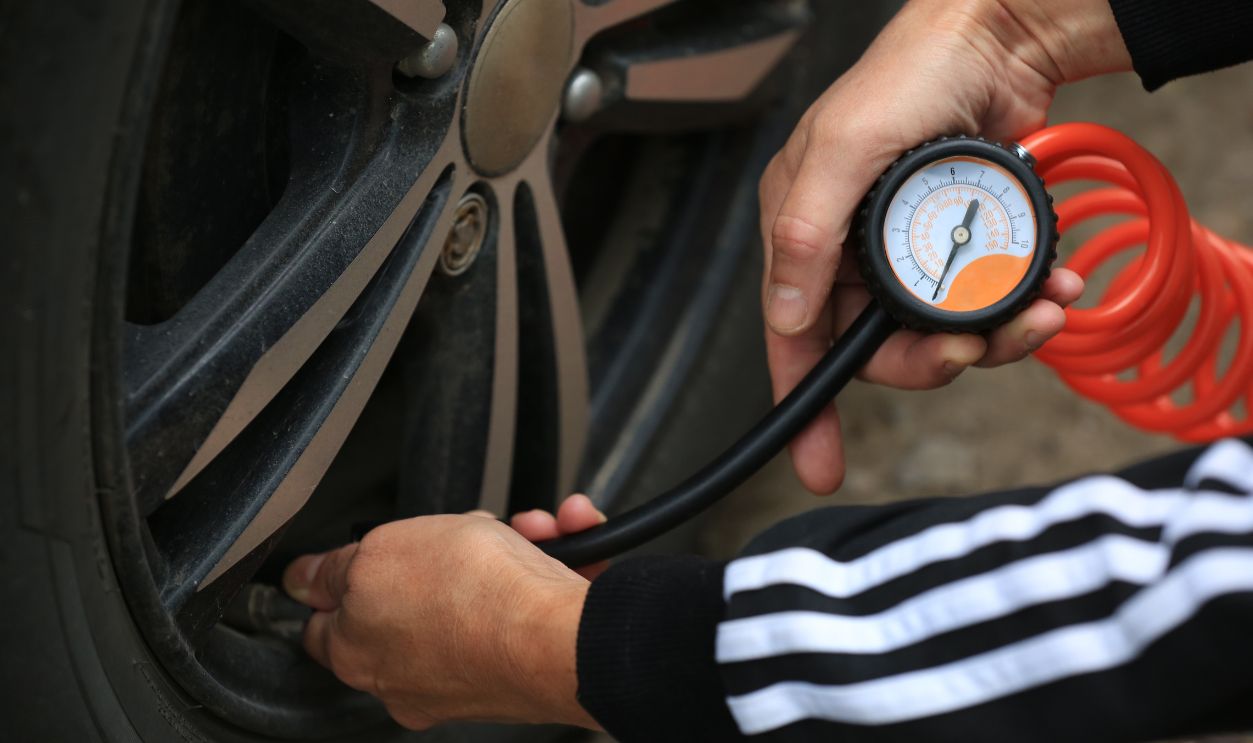
Underinflated tires flex more and offer less protection when they encounter a sharp road edge. Underinflation increases the likelihood of tire and rim damage from potholes. Maintaining the correct pressure cannot eliminate the vulnerability of a short sidewall, but it can reduce unnecessary risk.
Do Not Add Extra Air For Protection
Overinflating a low-profile tire is not a safe shortcut for avoiding wheel damage. Excess pressure can change the tire’s contact with the road, ride quality, and wear pattern. The correct approach is to follow the pressure specified by the vehicle manufacturer.
Slow Down Before The Pothole
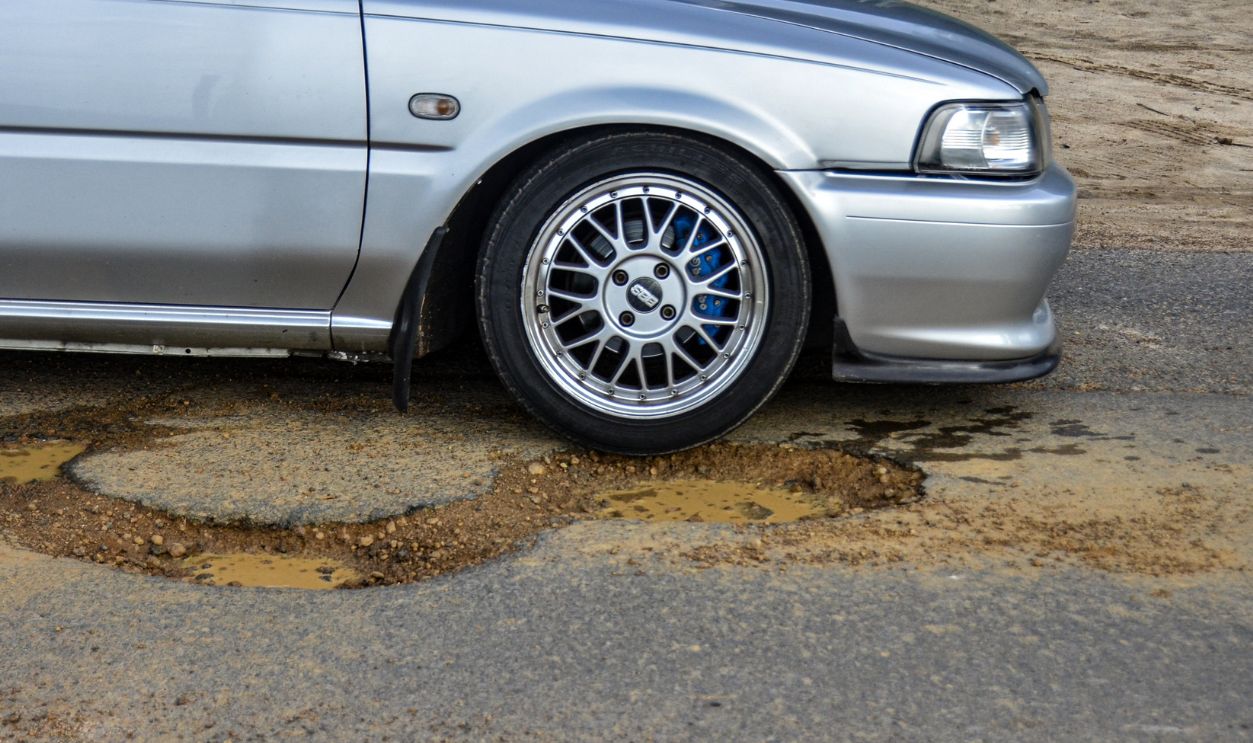
Speed greatly influences how violently the tire and wheel strike a pothole. When it is safe, reduce speed before reaching the damaged section of pavement. Check behind you before braking abruptly and release the brakes just before impact so the wheel can roll through the depression more naturally.
Swerving Can Create A Bigger Problem
A damaged tire is expensive, but a collision is far worse. Do not make a sudden lane change without checking for nearby vehicles, cyclists, or pedestrians. Survey the surrounding traffic before braking hard or swerving around a pothole.
Leave More Space In Traffic
Following another vehicle too closely can hide potholes until it is too late to react. A larger gap provides a clearer view of the pavement and more time to slow down smoothly. This simple habit is especially valuable when your vehicle has little sidewall protection.

Treat Puddles With Suspicion
Standing water can conceal a pothole’s depth and shape. Entering an apparently shallow puddle at normal speed can produce a much harder impact than expected. Approach puddles cautiously because they may be hiding serious road damage.
Downsizing May Be The Practical Fix
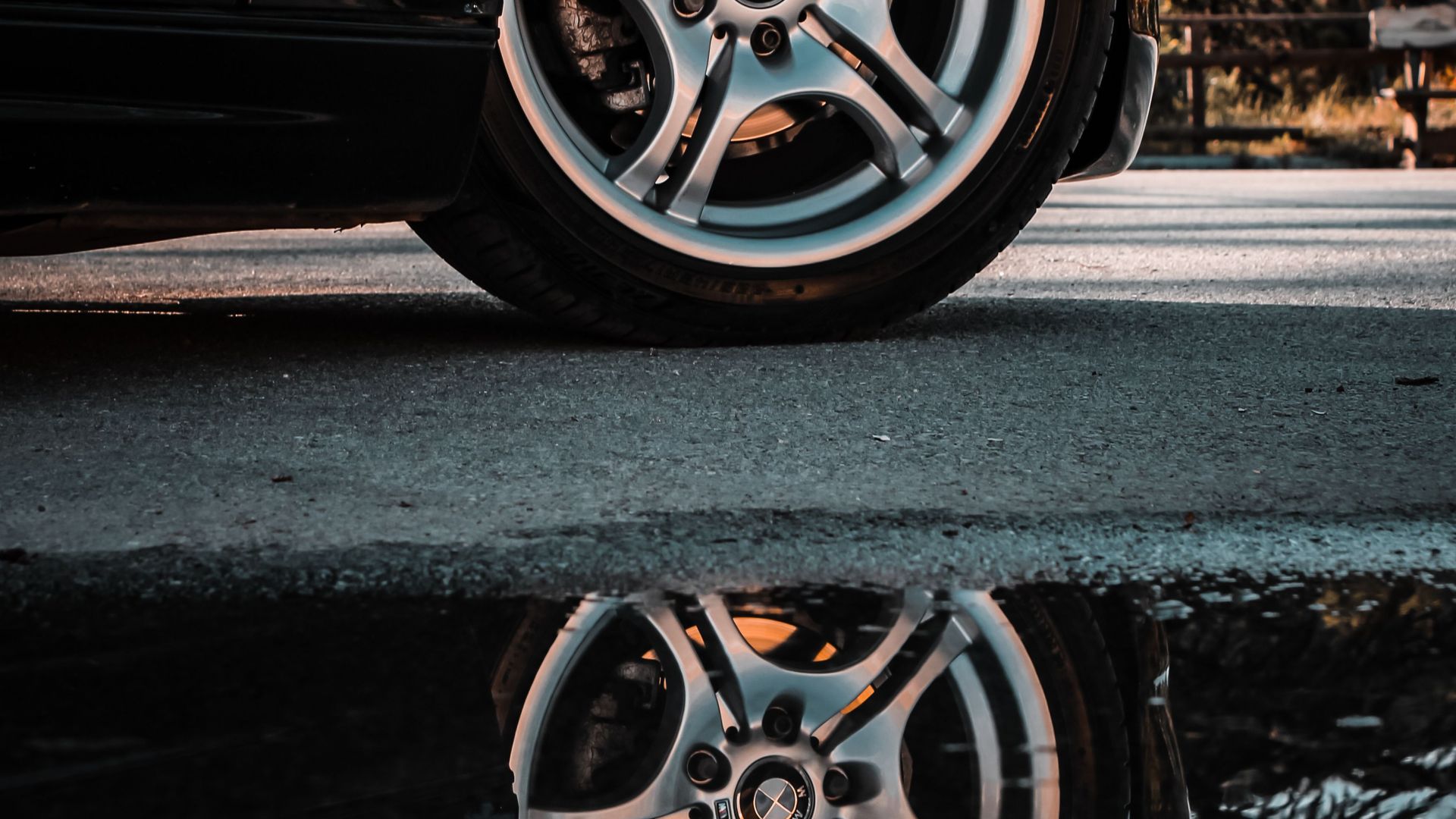
Moving back to a smaller wheel usually allows you to install a tire with a taller sidewall while keeping a similar overall tire diameter. The additional sidewall can improve impact absorption and provide more protection for the wheel. This change may also improve ride comfort on rough pavement.
You Cannot Choose A Smaller Setup Randomly
Any replacement combination must fit the vehicle, clear the brakes and suspension, and provide suitable load-carrying capacity. The overall diameter should also remain appropriate for the vehicle’s speedometer, gearing, and electronic systems. The USTMA recommends following the automaker’s replacement guidance rather than guessing.
Load And Speed Ratings Still Matter
A tire that physically fits the wheel is not automatically suitable for the vehicle. Its load index and speed rating must meet the requirements established by the manufacturer. USTMA cautions against installing a smaller replacement or one with less load-carrying capacity than the original specification.

The Costly Mistake Can Be Corrected
Low-profile tires are not inherently defective, and they can work well on smooth roads or performance-focused vehicles. The problem is that their reduced cushioning makes them a poor match for streets filled with potholes and broken pavement. If repeated damage is draining your budget, switching to a properly approved setup with more sidewall is likely the sensible long-term decision.
You May Also Like:
My car keeps warning me to take a break even when I'm fully alert. How does it decide I'm tired?