The Tesla Request That Comes Out Of Nowhere
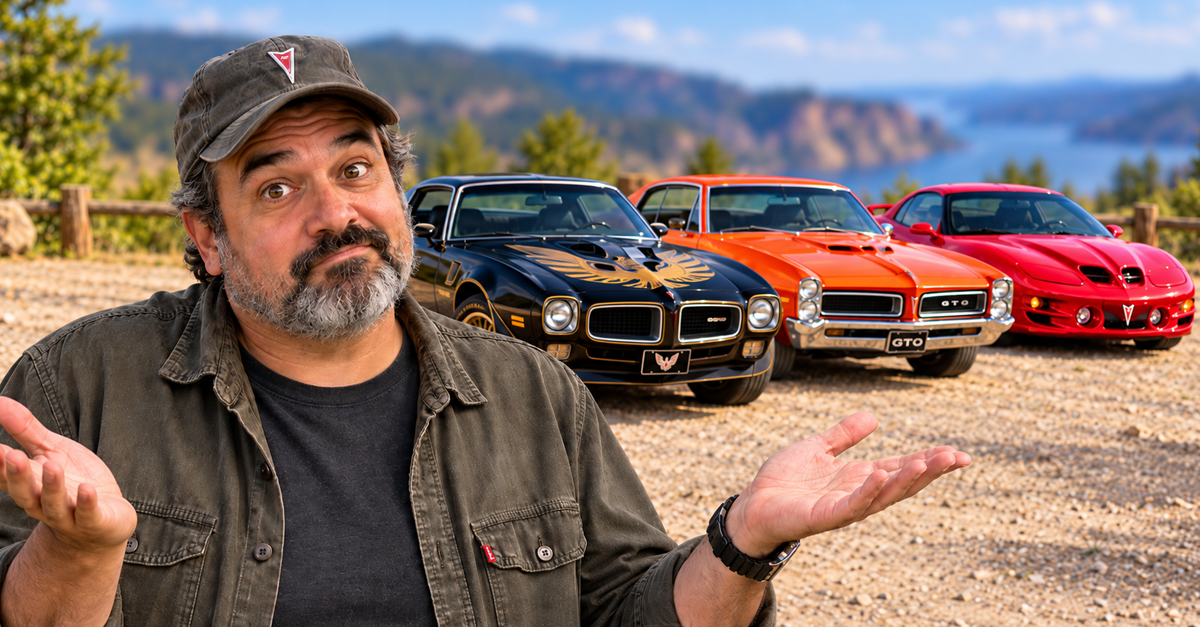
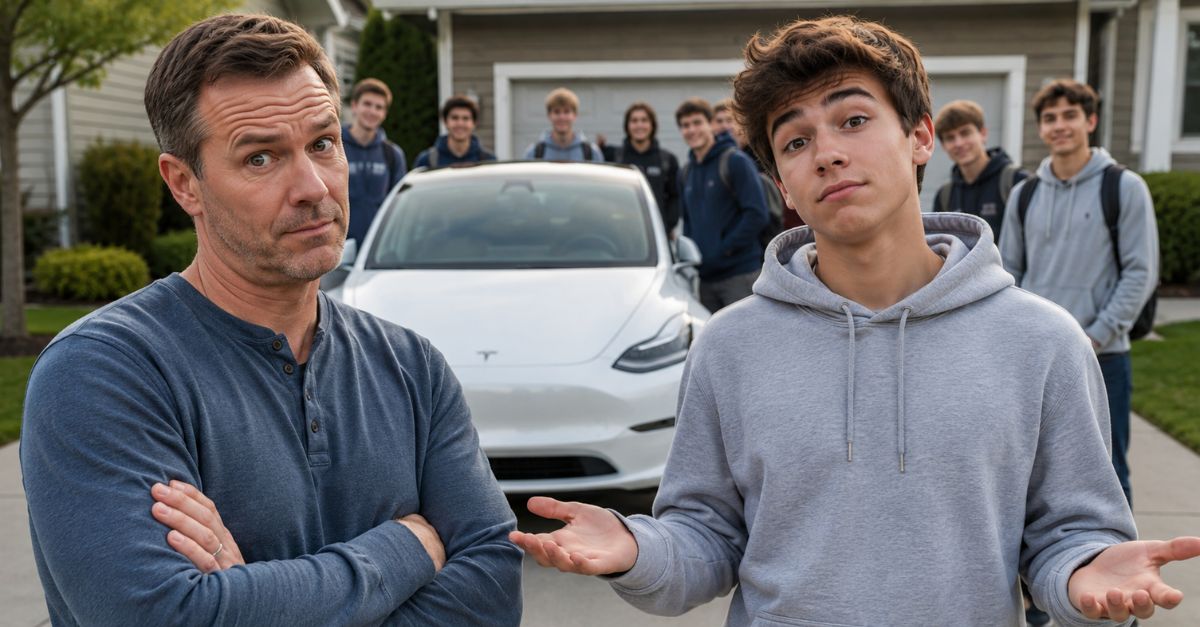
One day your teenager is asking for a ride to practice, and the next they are making a serious case for a Tesla after getting a ride with their friends. It can sound dramatic, but the pressure behind it is real, and there is hard evidence to prove it. Research on teens has long shown that peers shape preferences, risk-taking, and status-driven decisions—and a car is a blend of all three.
Peer Pressure Is Not Just A Playground Problem
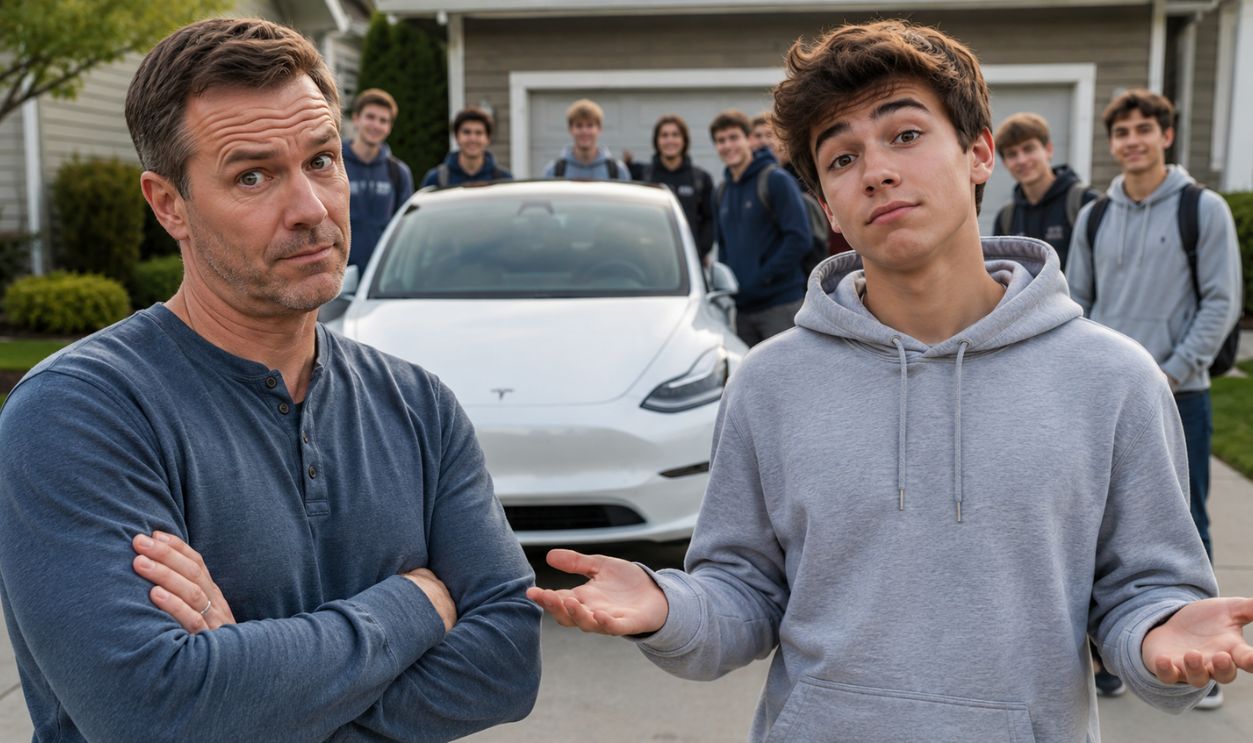
Scientists have studied peer influence for decades. A widely cited 2005 review by Laurence Steinberg and Kathryn C. Monahan found that resistance to peer influence generally rises with age, which means adolescents are often more vulnerable than adults. That matters when a car becomes a visible sign of fitting in.
Cars Have Always Been Social Signals
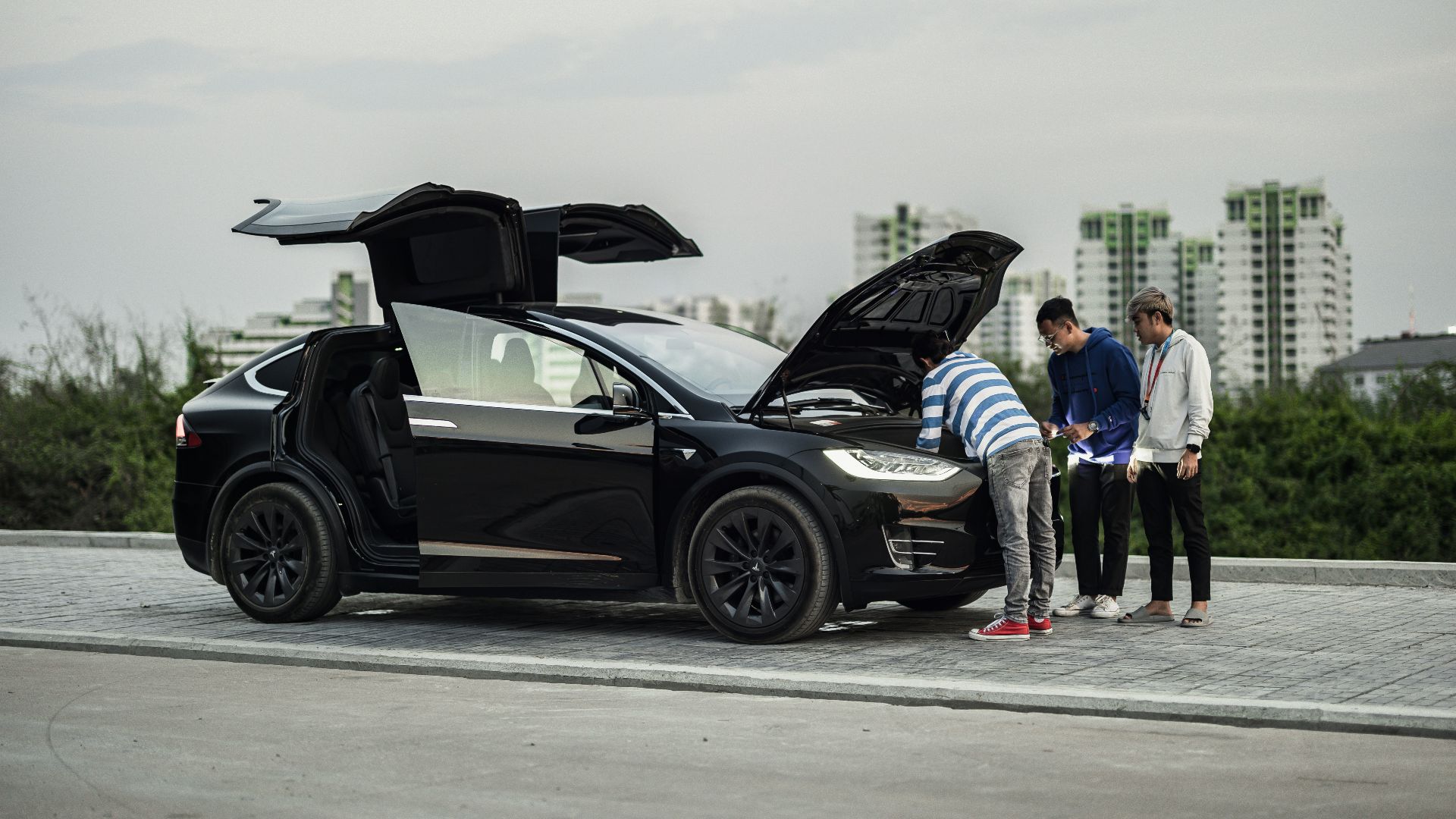
Car companies did not invent status, but they have always sold vehicles as part identity, part transportation. A car in the school pickup line or student lot can signal money, taste, and tech awareness. When one brand starts to stand for being current, peer pressure can latch onto it fast.
Tesla Built More Than A Car Brand
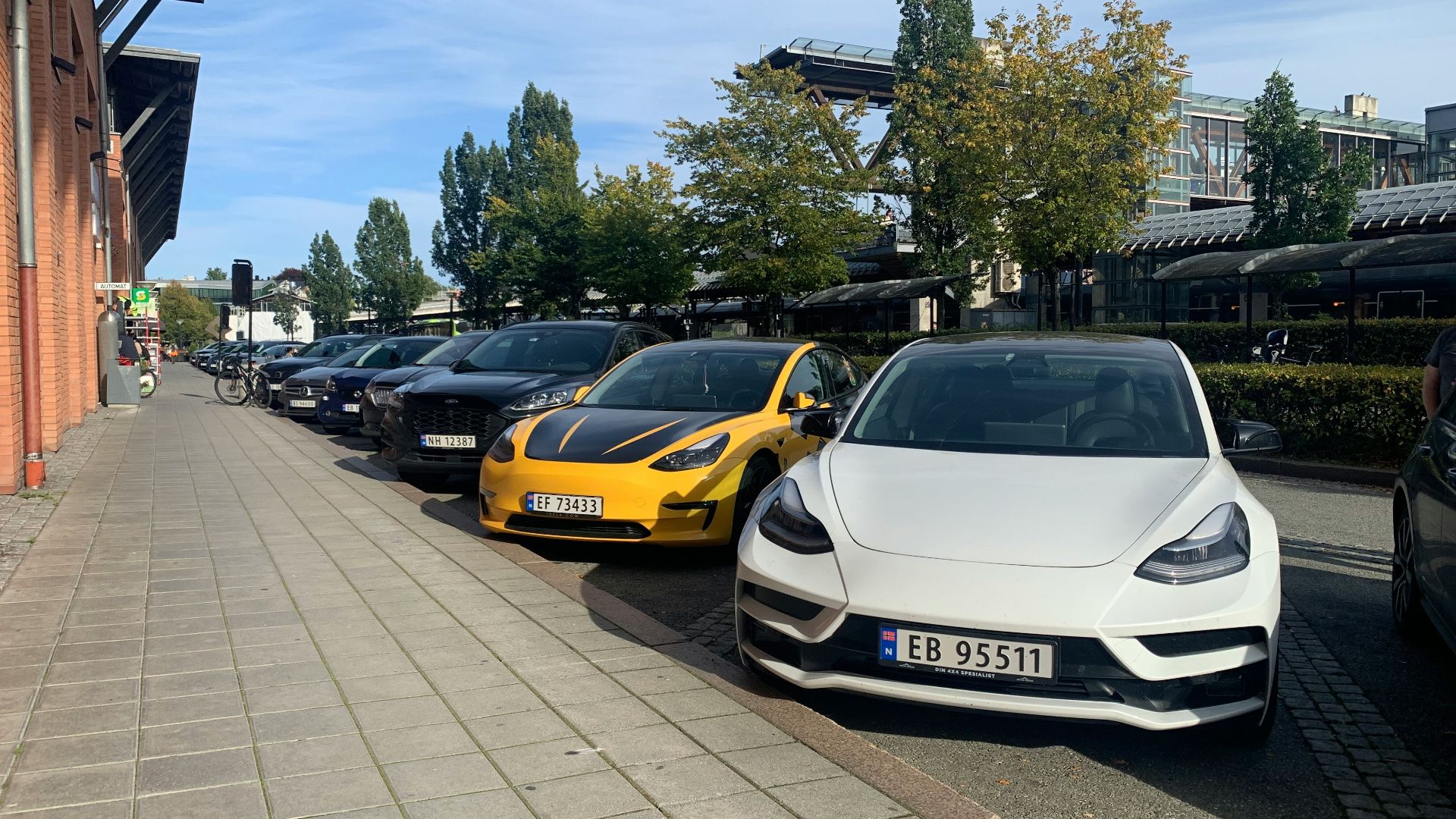
Tesla’s rise was not only about electric cars. It sold a vision of the future built around software, speed, minimalist design, and a strong online fan culture. By the early 2020s, Tesla had become the top EV brand in the United States, giving it a level of visibility most rivals could not match.
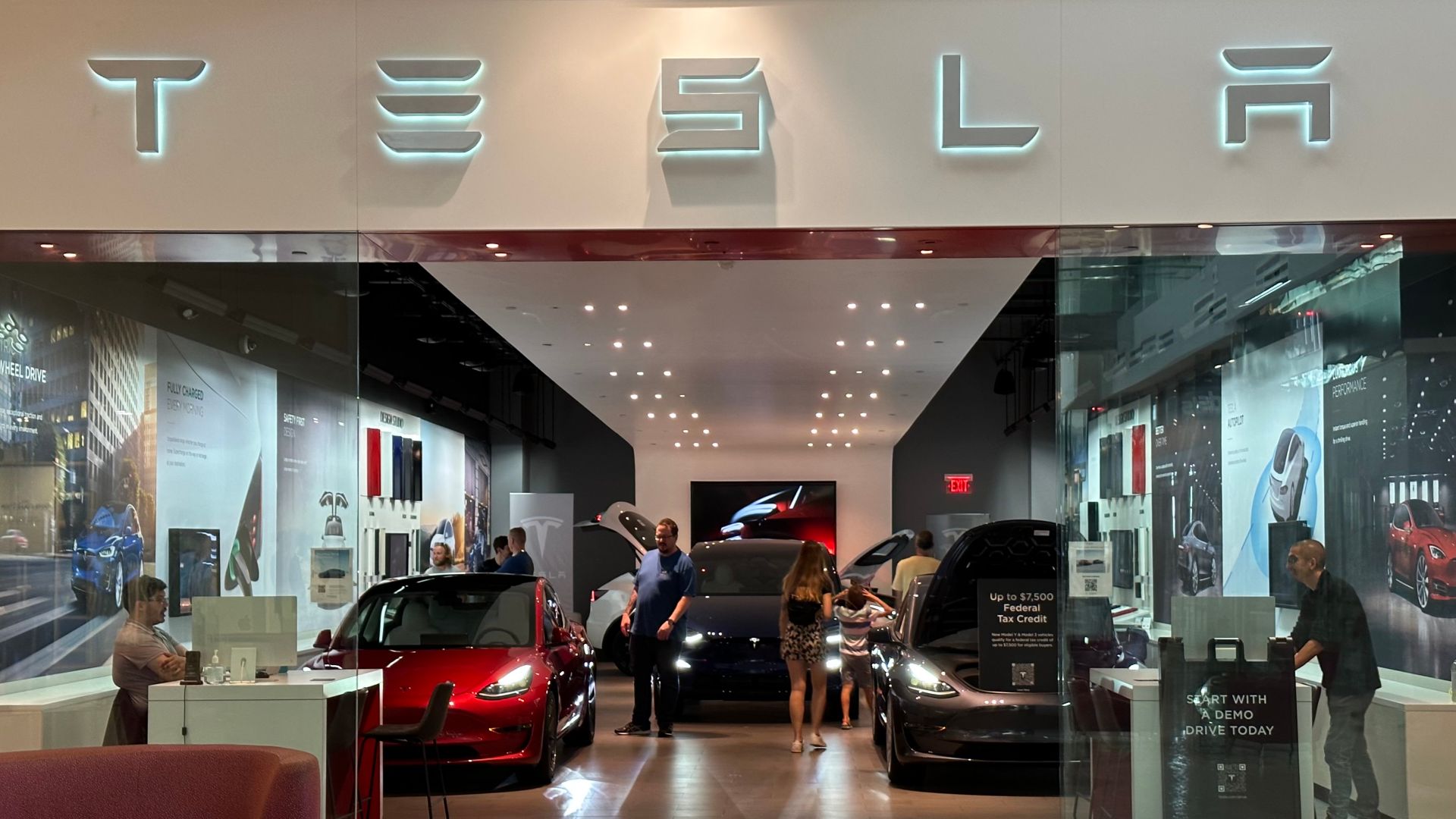 Phillip Pessar, Wikimedia Commons
The Sales Numbers Explain The School Parking Lot
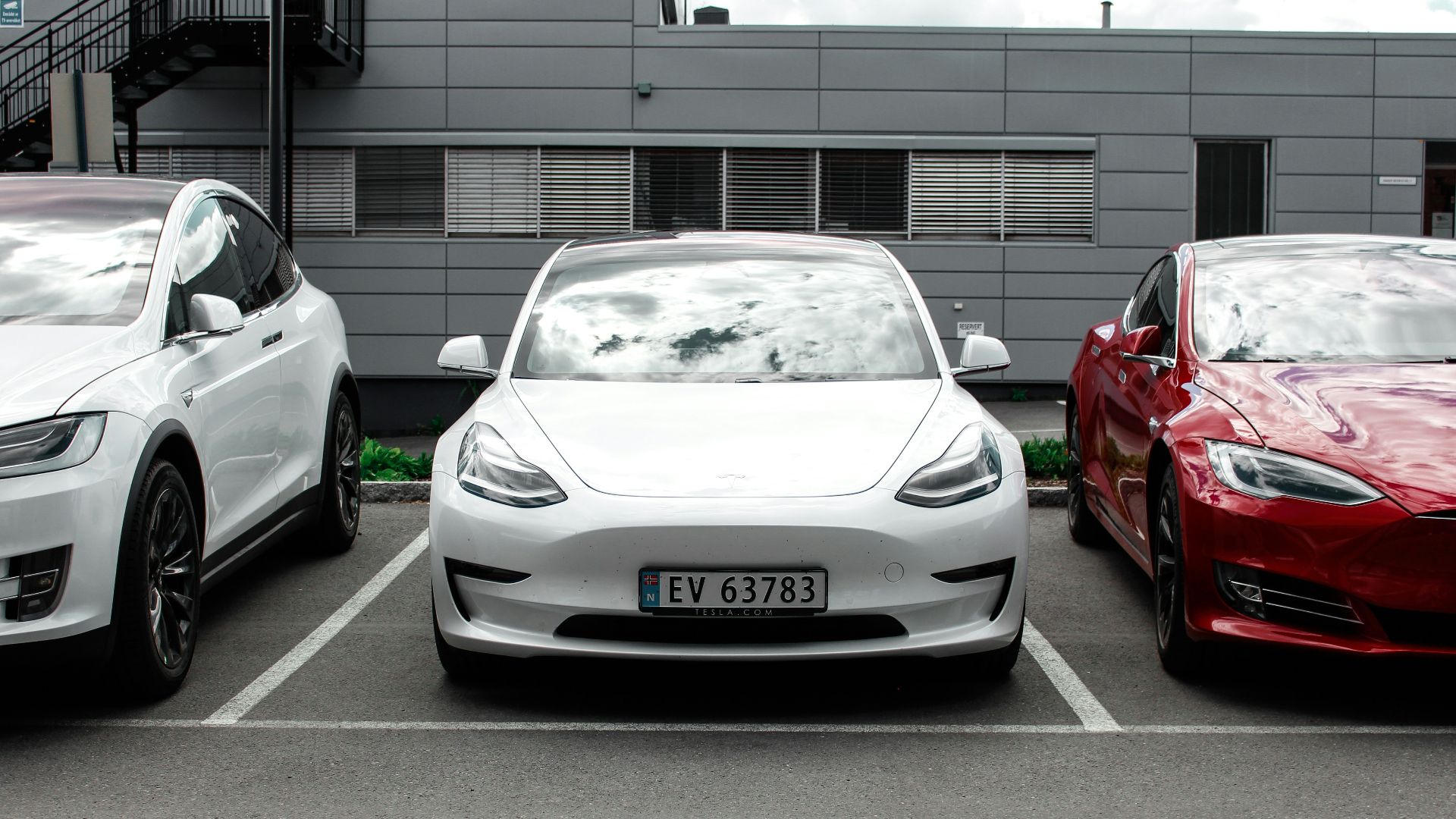
According to Cox Automotive, Tesla remained the top electric vehicle seller in the United States in 2024 even as more competitors entered the market. More Teslas on the road means more Teslas in neighborhoods, driveways, and school drop-off lines. The more often teens see them, the more normal and attainable they can seem.
Social Proof Is A Powerful Sales Tool
Psychologists use the term social proof to describe how people look to others when deciding what is desirable or normal. If a teenager believes lots of classmates have Teslas, the car can start to feel less like a luxury and more like the standard. That is how peer pressure quietly turns into buying pressure.
What The Research Says About Teen Decision Making
In 2012, Laurence Steinberg summed up a large body of research showing that teens are especially sensitive to rewards and social feedback. That does not mean every teen makes bad decisions. It does mean approval, image, and group norms can matter more than many parents realize.

The Famous Driving Study Parents Should Know
One of the clearest findings came from a 2005 study in Developmental Psychology by Margo Gardner and Laurence Steinberg. Teens, young adults, and adults played a simulated driving game alone or with peers watching. The presence of peers increased risky choices for adolescents far more than it did for adults, showing that simply being watched by friends can change behavior.

Peer Influence Does Not Stop At Driving Behavior
If peers can affect how teens drive, it is not much of a leap to think they can also affect what teens want to drive. Researchers in psychology and marketing have both found that adolescence is a period when identity and consumption are closely tied. A car can become a rolling social statement, especially when it is linked to a high-profile brand.
Tesla Has A Visibility Advantage Other Brands Envy
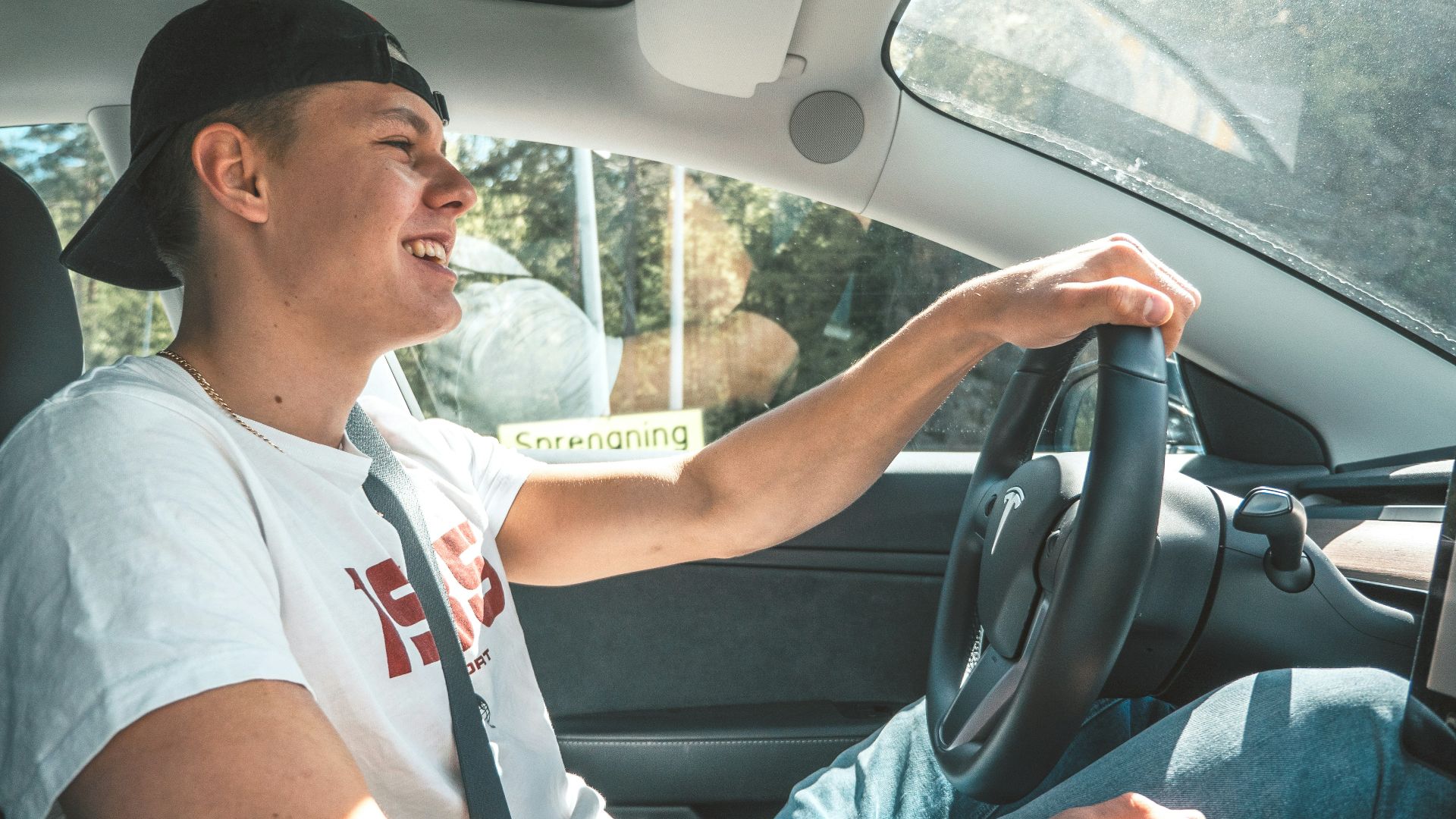
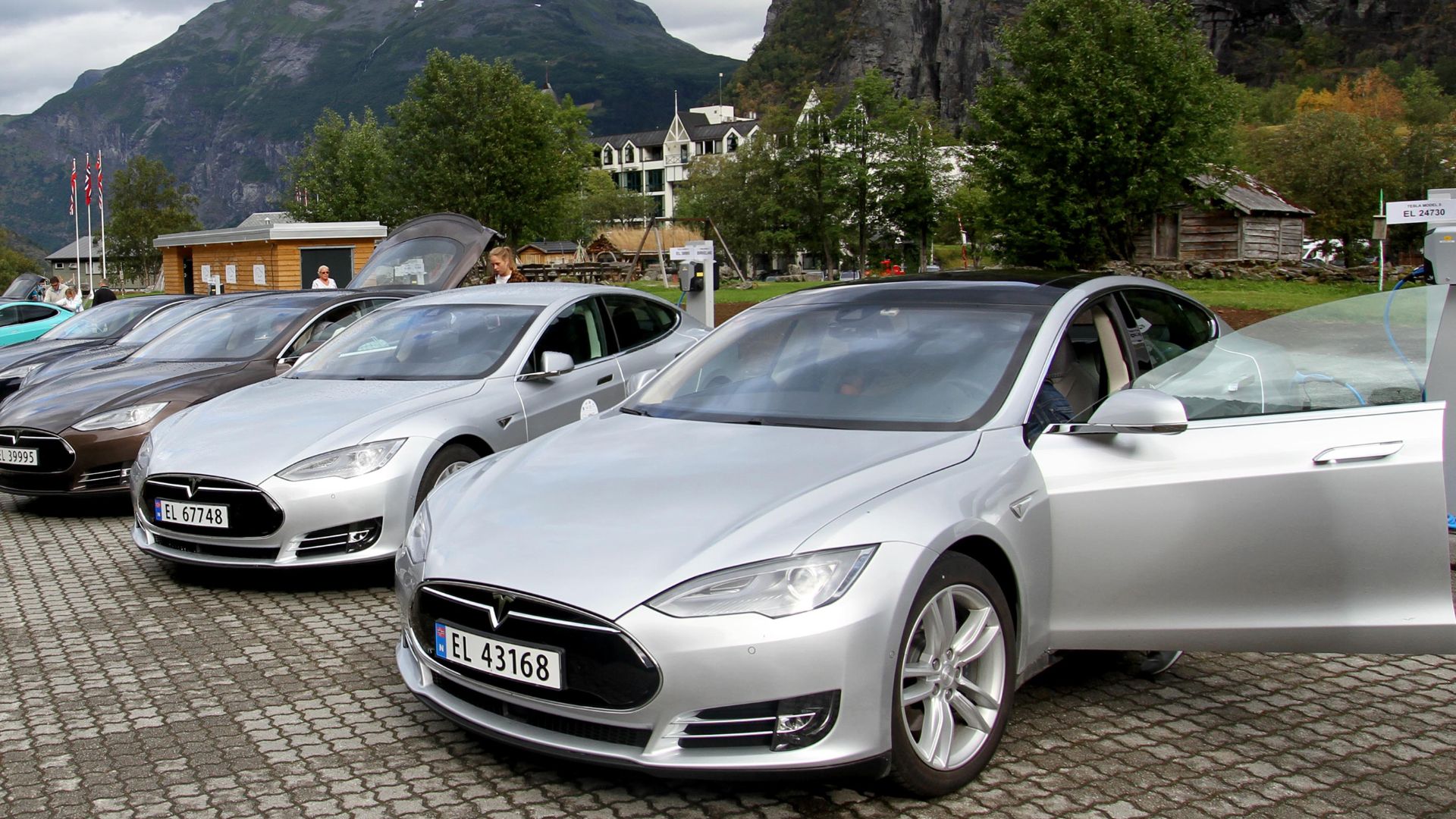
Teslas are easy to spot. The shape is familiar, the logo stands out, and owners often talk about the cars online and offline. In consumer markets, visibility matters. Products people see often can start to feel safer, trendier, and more socially approved.
The School Effect Is Real
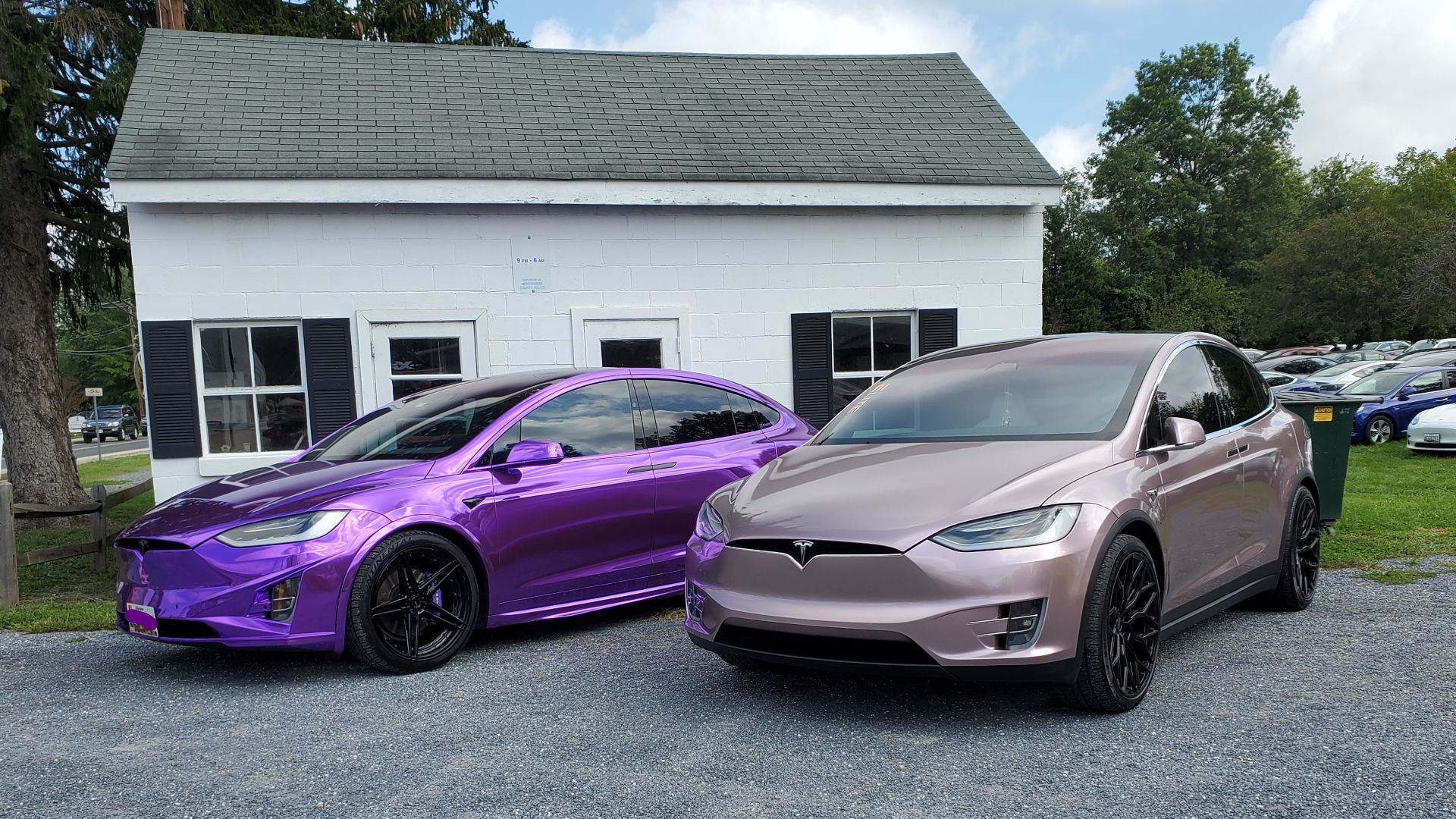
Families do not shop for cars in a vacuum. They shop inside neighborhoods, friend groups, and school communities where one purchase can influence the next. If several families in the same circle buy the same brand, others may follow because that choice starts to feel proven, practical, and socially accepted.
 PixelsMD Production, Shutterstock
There Is Also A Practical Case For Wanting One
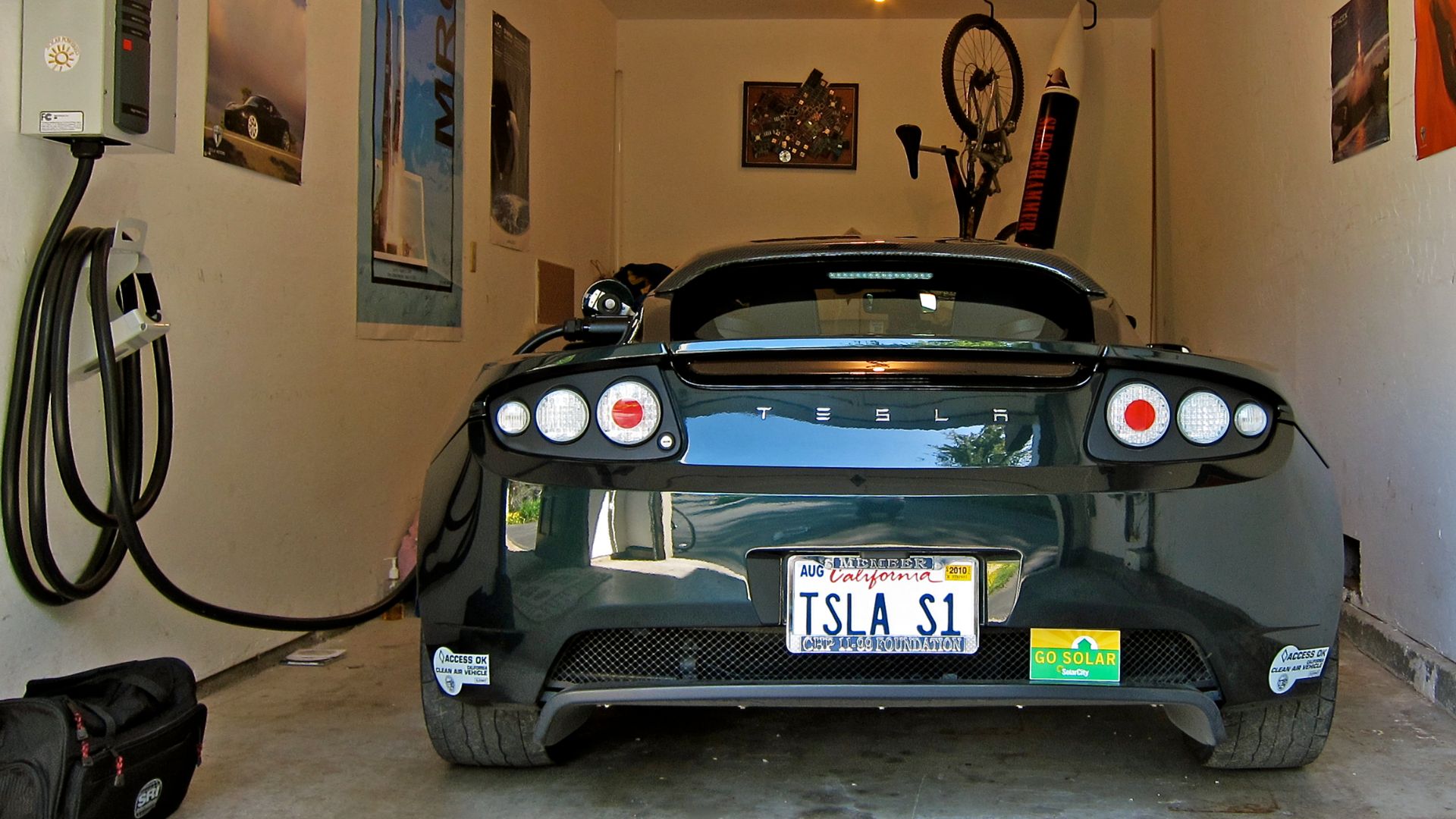
Not every teen preference is just about image. Teslas offer strong crash-test results, access to Tesla’s Supercharger network, and a tech-heavy ownership experience that appeals to digital natives. Parents should separate those practical points from the status argument, because they are not the same thing.
 TSLA_S1.jpg: jurvetson (Steve Jurvetson)
derivative work: Mariordo, Wikimedia Commons
TSLA_S1.jpg: jurvetson (Steve Jurvetson)
derivative work: Mariordo, Wikimedia Commons
Safety Is Part Of The Conversation
The Insurance Institute for Highway Safety and the National Highway Traffic Safety Administration both publish safety data that many families check before buying a car. Some Tesla models have scored well in crash testing, which can make the brand more appealing to parents. That can strengthen a teen’s case, even if peer influence is still doing a lot of the work.
But Price Still Changes The Story
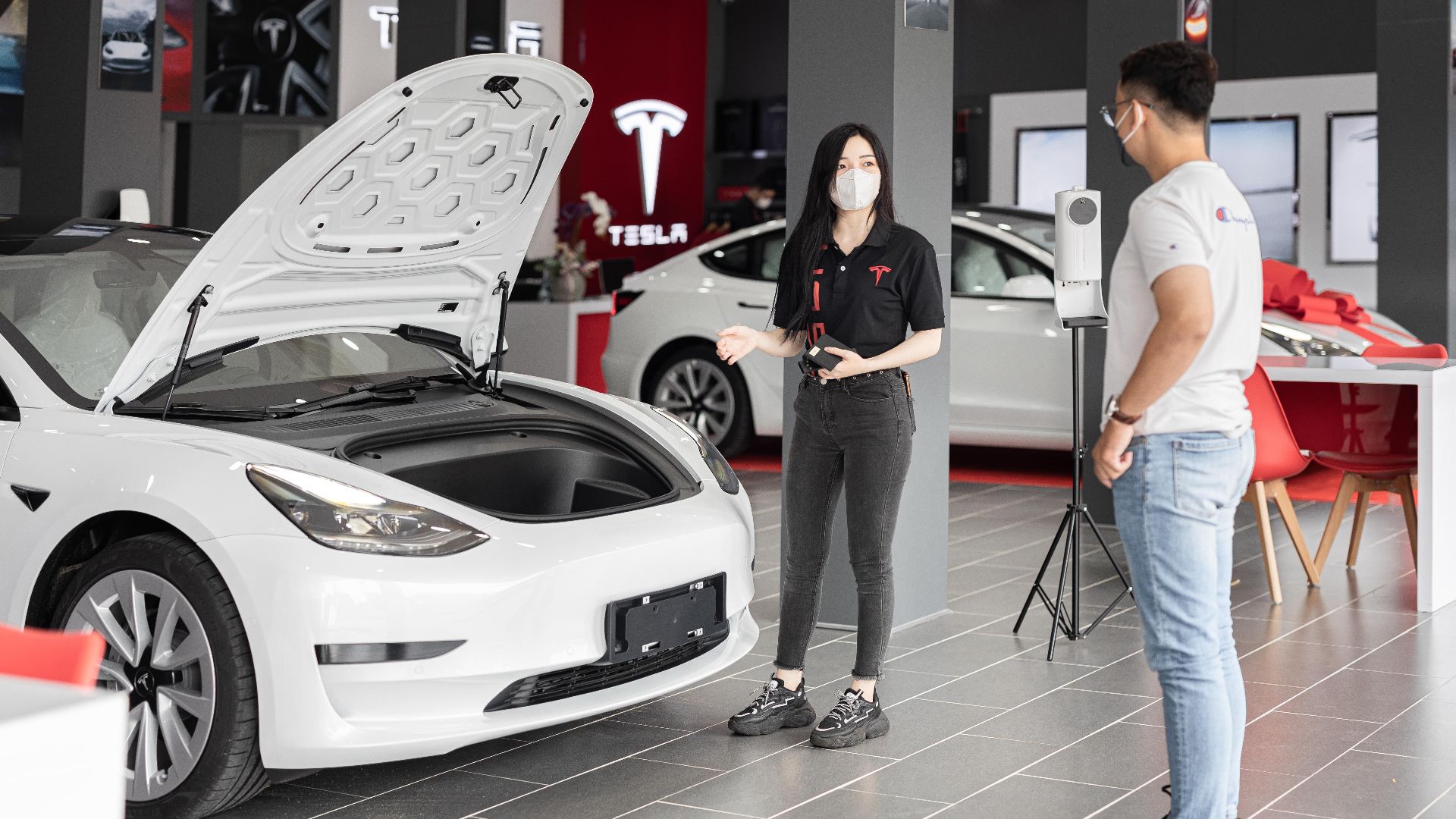
A new Tesla is still a major purchase. Even with price cuts in recent years, the brand remains out of reach for many families once insurance, registration, tires, and repair costs are added. Peer pressure may spark the interest, but the family budget usually makes the final call.

Used Teslas Have Changed The Equation
The growth of the used EV market has made Tesla ownership feel more realistic. A teenager who once wanted a brand-new Model 3 may now point to older used models with lower prices. That matters because peer pressure gets stronger when the thing being asked for starts to look possible.
 Norsk Elbilforening (Norwegian Electric Vehicle Association), Wikimedia Commons
Parents Should Watch For The Status Trap
When teens say “everyone has one,” they are usually describing a feeling, not a head count. People tend to overestimate how common visible status items are, especially in tight social circles. Asking how many classmates actually drive Teslas can quickly bring the conversation back down to earth.

Brand Fame Can Blur Into Necessity
Tesla has become so dominant that some people use the brand name almost as shorthand for EVs in general. That kind of brand power can make other options seem invisible, even when they might fit a family better. A teen asking for a Tesla may really be asking for an EV with social cachet, not necessarily that exact badge.
There Are More EV Choices Than There Were A Few Years Ago
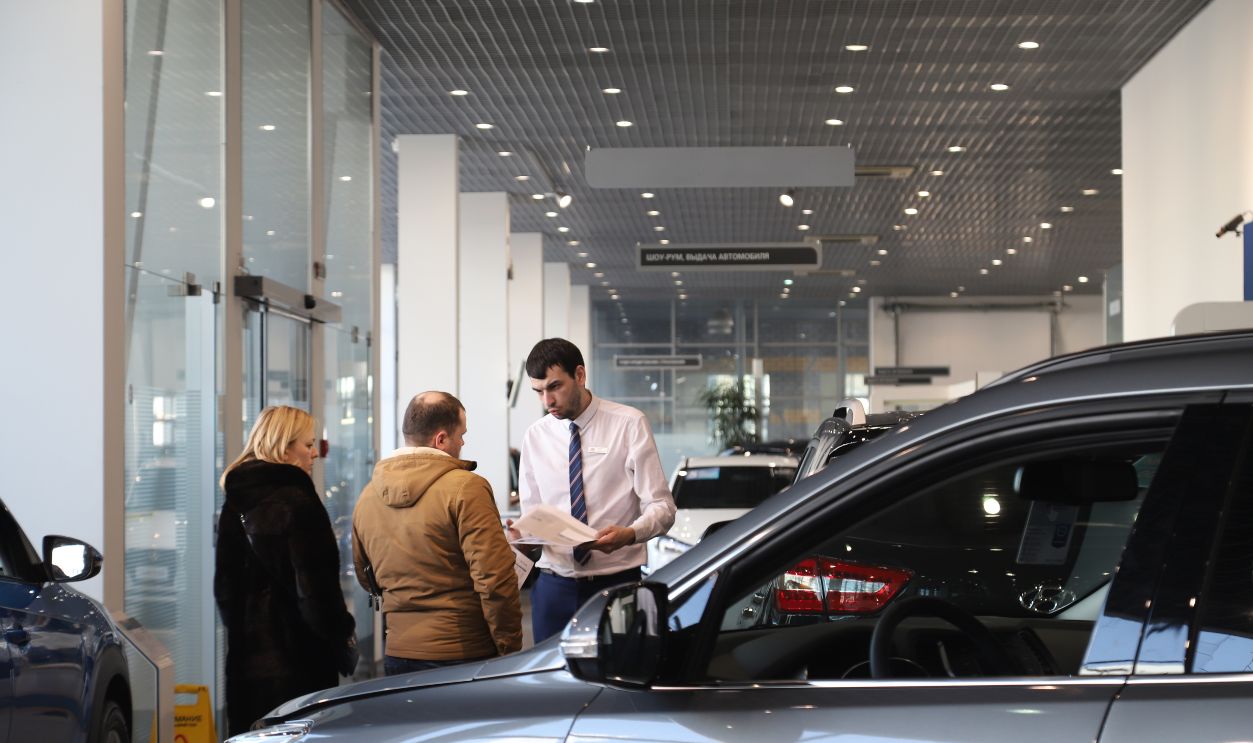
The market has changed quickly. Major automakers now sell electric crossovers, sedans, and hatchbacks that compete on price, range, and features. For parents, that means the right response to peer pressure is not always “no.” Sometimes it is “let’s compare all of them.”
Why Teens Zero In On Tesla Specifically
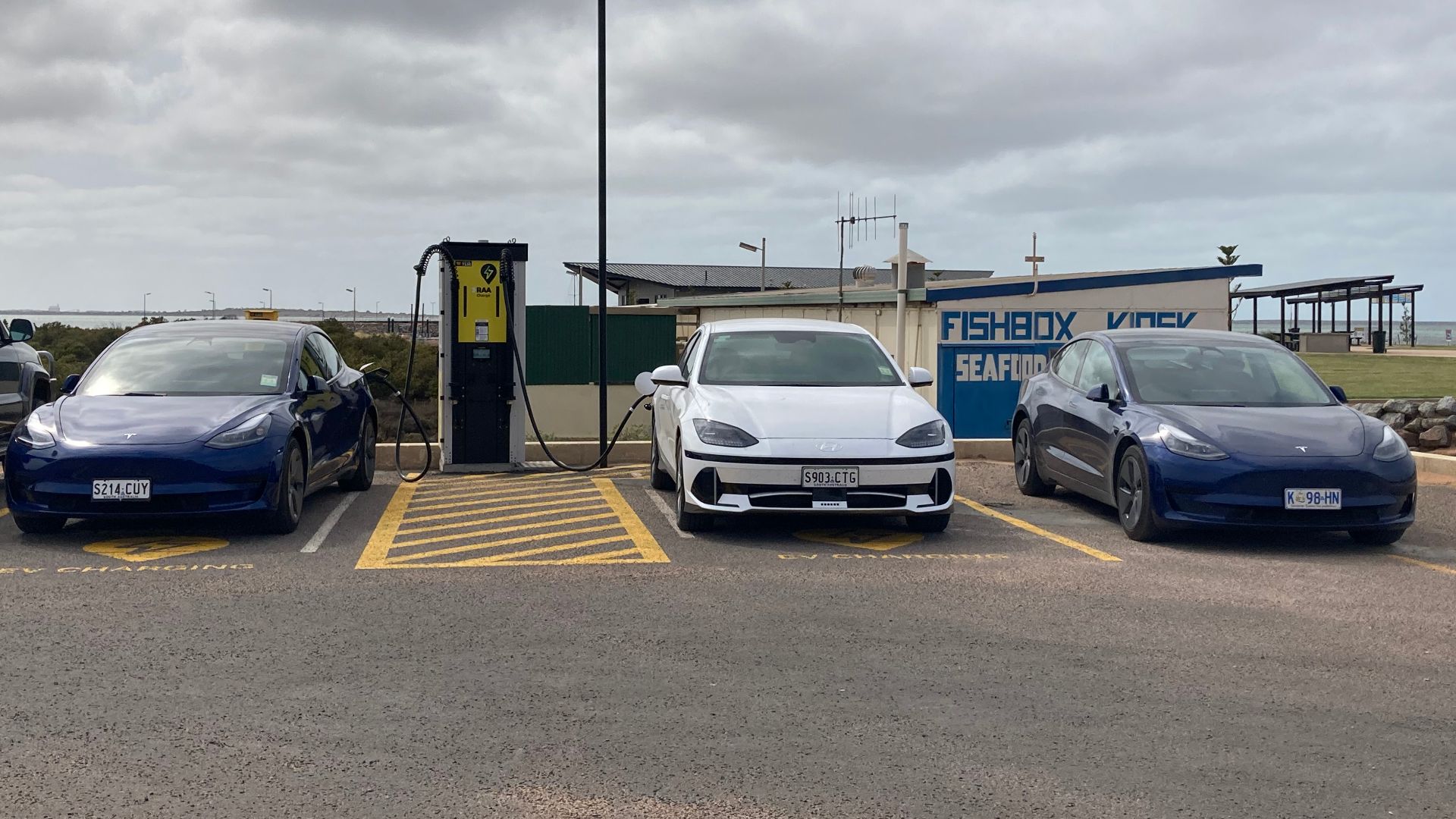
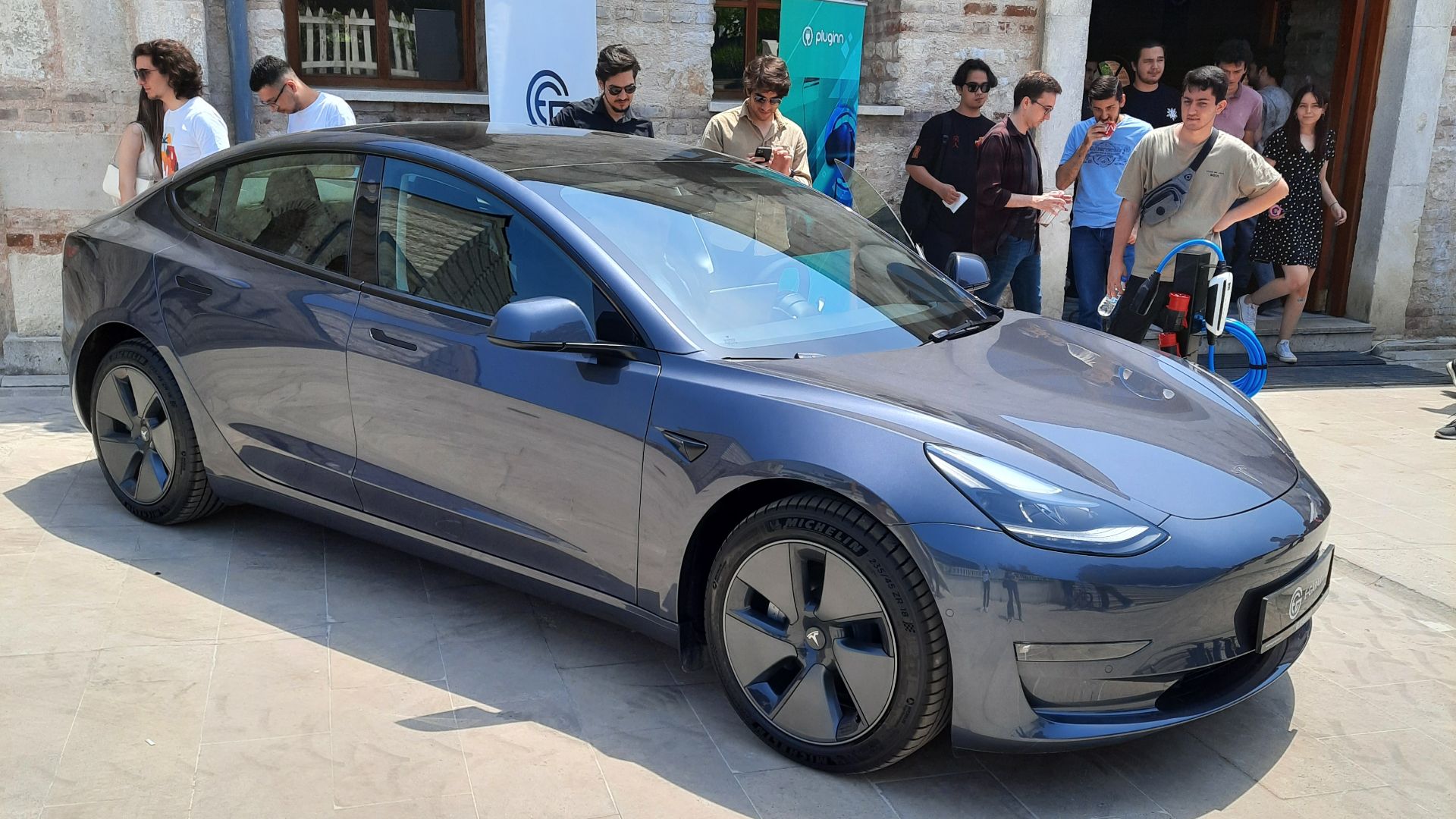
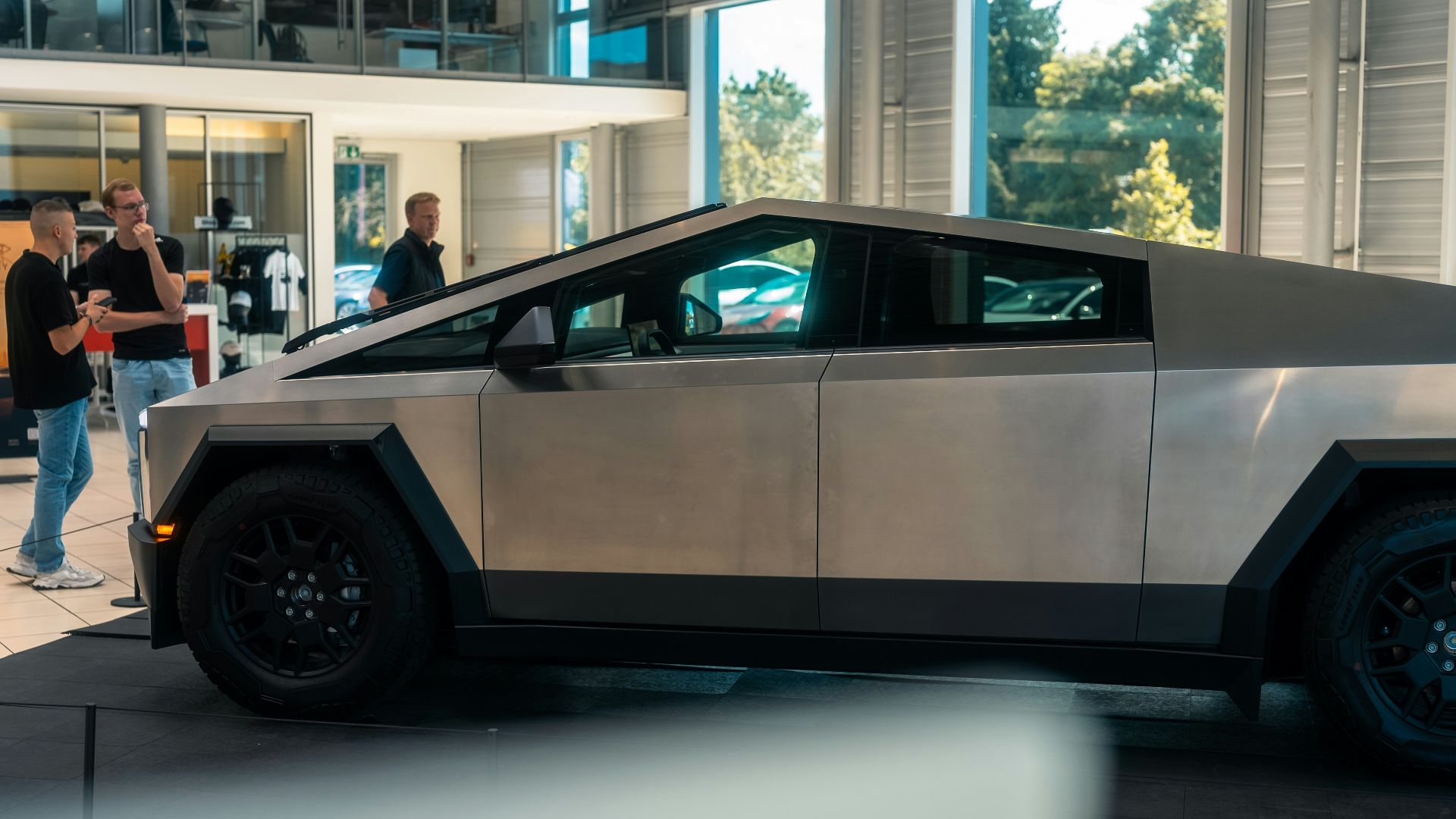
Tesla packs several strong signals into one product. It is an EV, a tech product, a luxury-adjacent status symbol, and a brand linked with speed and novelty. For a teenager trying to figure out identity and belonging, that mix can be especially persuasive.
 AlfredMango, Wikimedia Commons
Social Media Supercharges The Effect
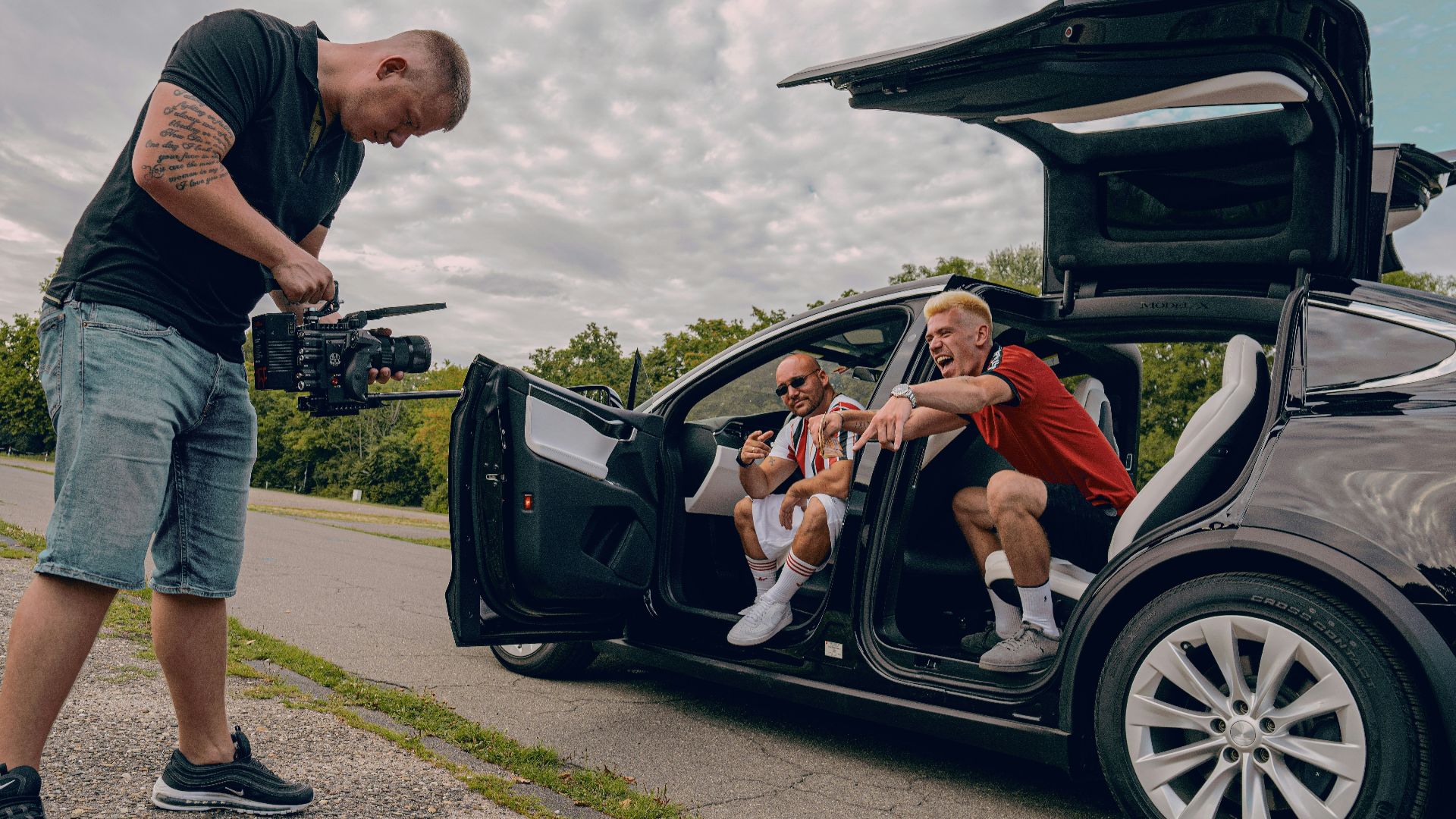
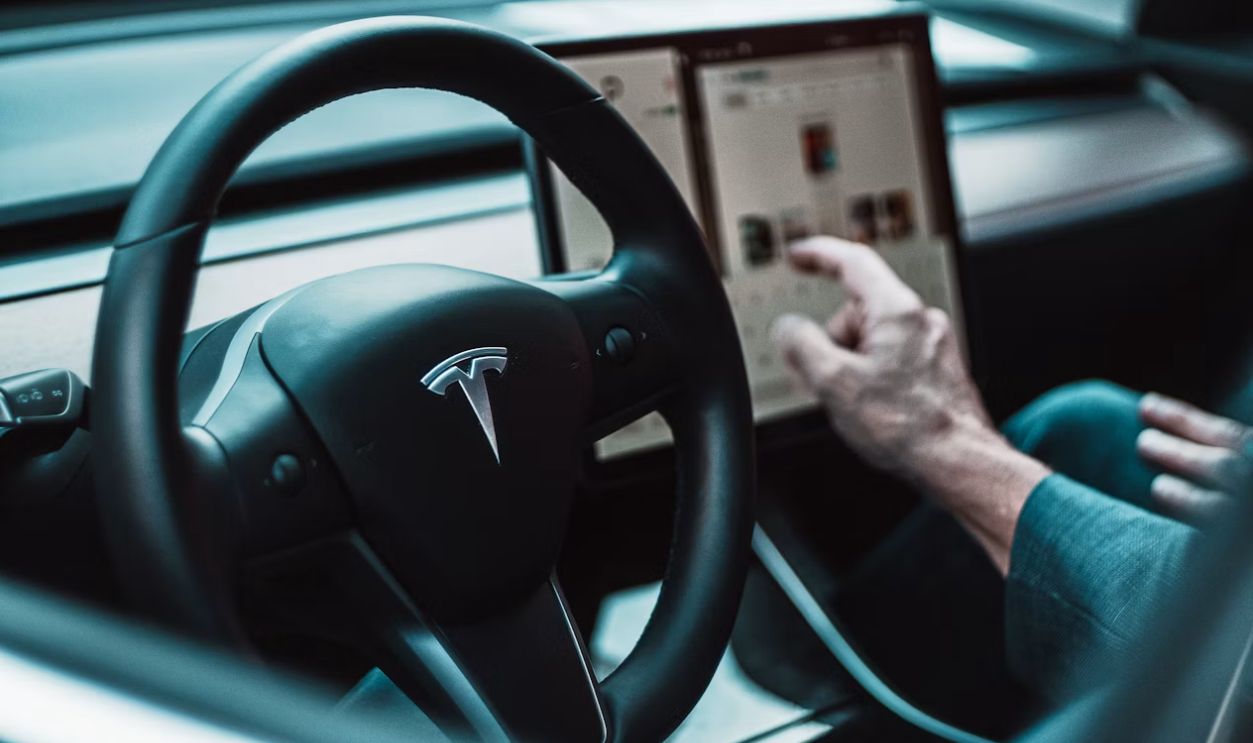
Peer pressure no longer stops at school. It follows teens home through TikTok, Instagram, YouTube, and group chats where cars are filmed, compared, and praised. Social media magnifies visible spending, and Tesla’s camera-friendly look and software features fit that world perfectly.
Adults Are Not Immune Either
It is easy to treat this as a teen issue, but adults respond to social proof and neighborhood trends too. The difference is that adults control the financing and can dress the purchase up in practical arguments. Sometimes a teen’s Tesla campaign works because it lines up with a parent’s own interest in the brand.
What To Ask Before You Say Yes
Start with the basics. What is the actual budget, what will insurance cost for a teen driver, where will the car charge, and how much range is really needed each week? Those questions usually reveal whether the request is about family needs or mostly about schoolyard image.

What To Ask Before You Say No
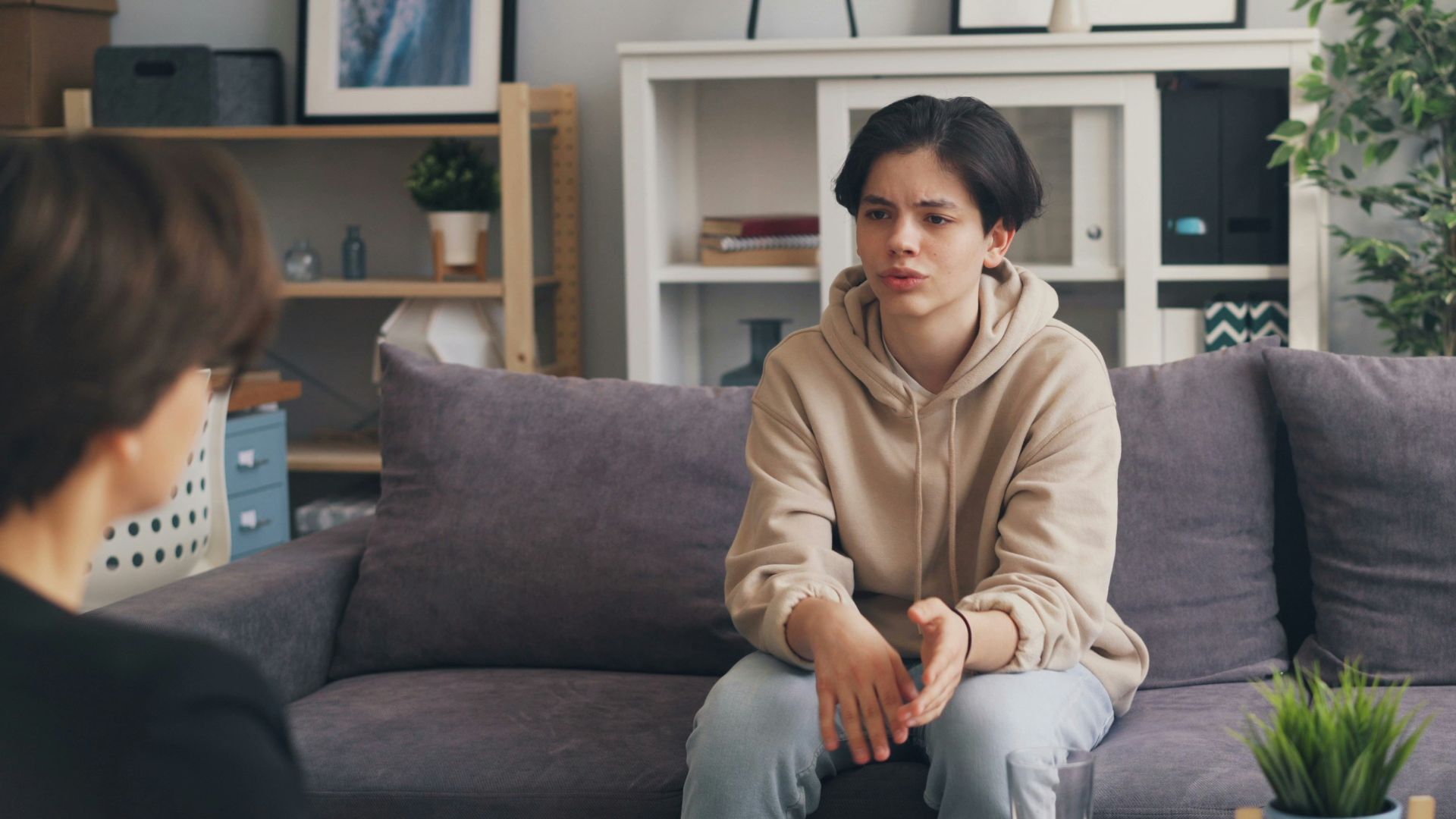
A flat no can make the car even more desirable. It may be more useful to ask what your teen likes about Tesla specifically, then separate image from function. If the appeal is safety, lower fuel costs, or the EV experience, there may be other ways to meet those goals.
A Test Drive Can Deflate The Hype
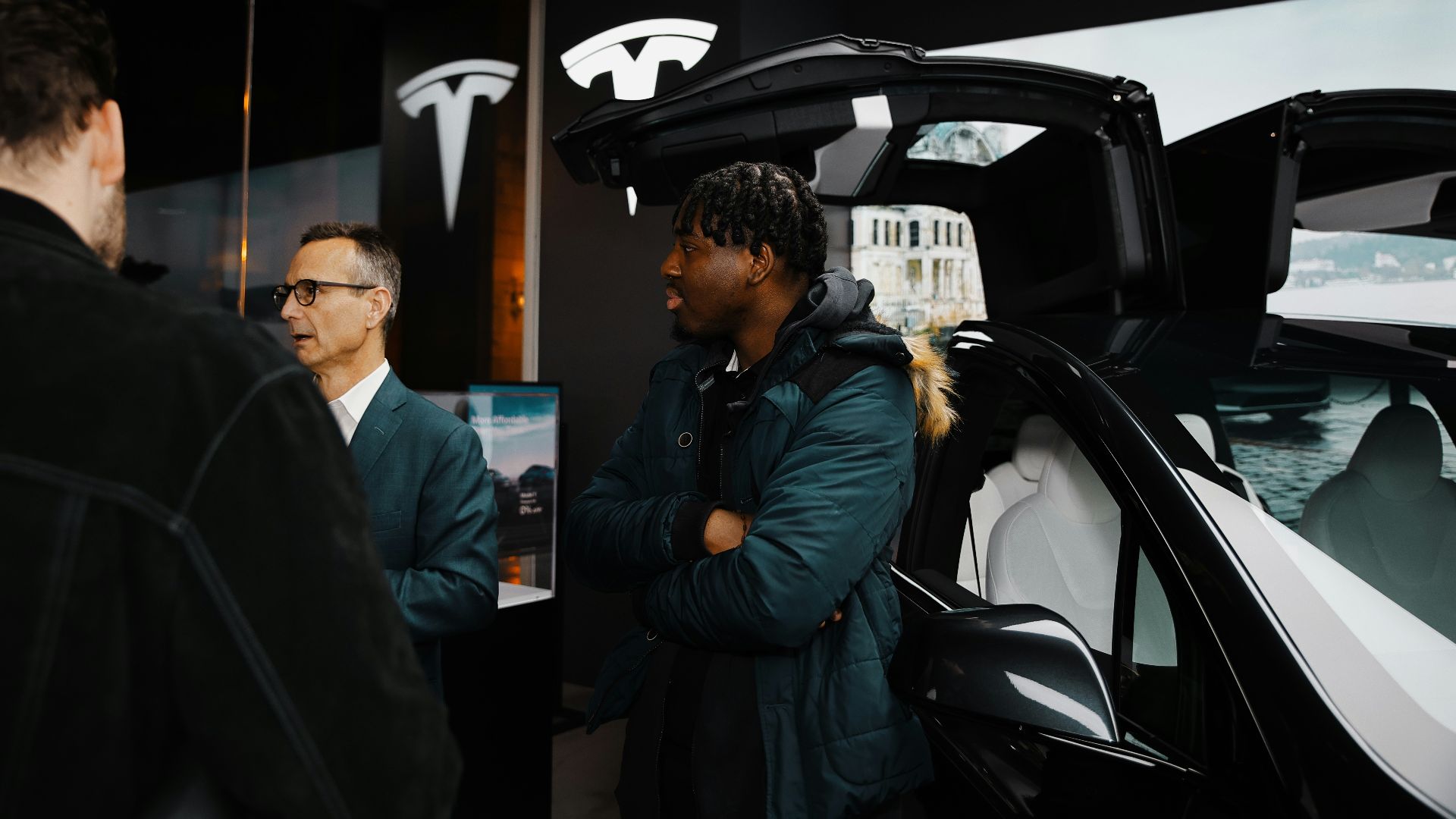
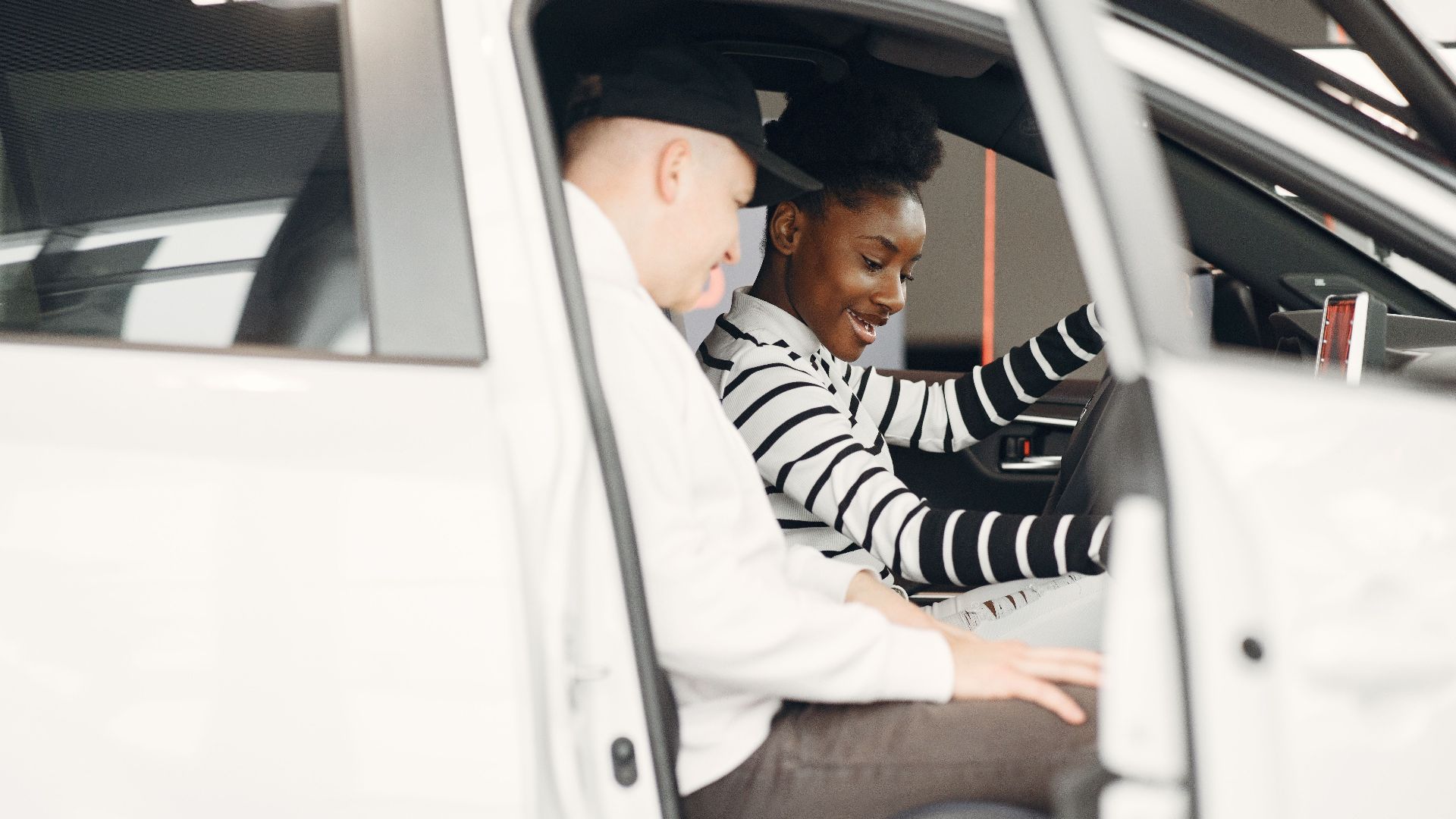
Sometimes the fantasy is stronger from a distance. A test drive, a used-car inspection, or a realistic conversation about charging and insurance can turn a trendy wish into a grounded family discussion. Peer pressure tends to lose steam when monthly costs come into focus.
The Smarter Family Strategy
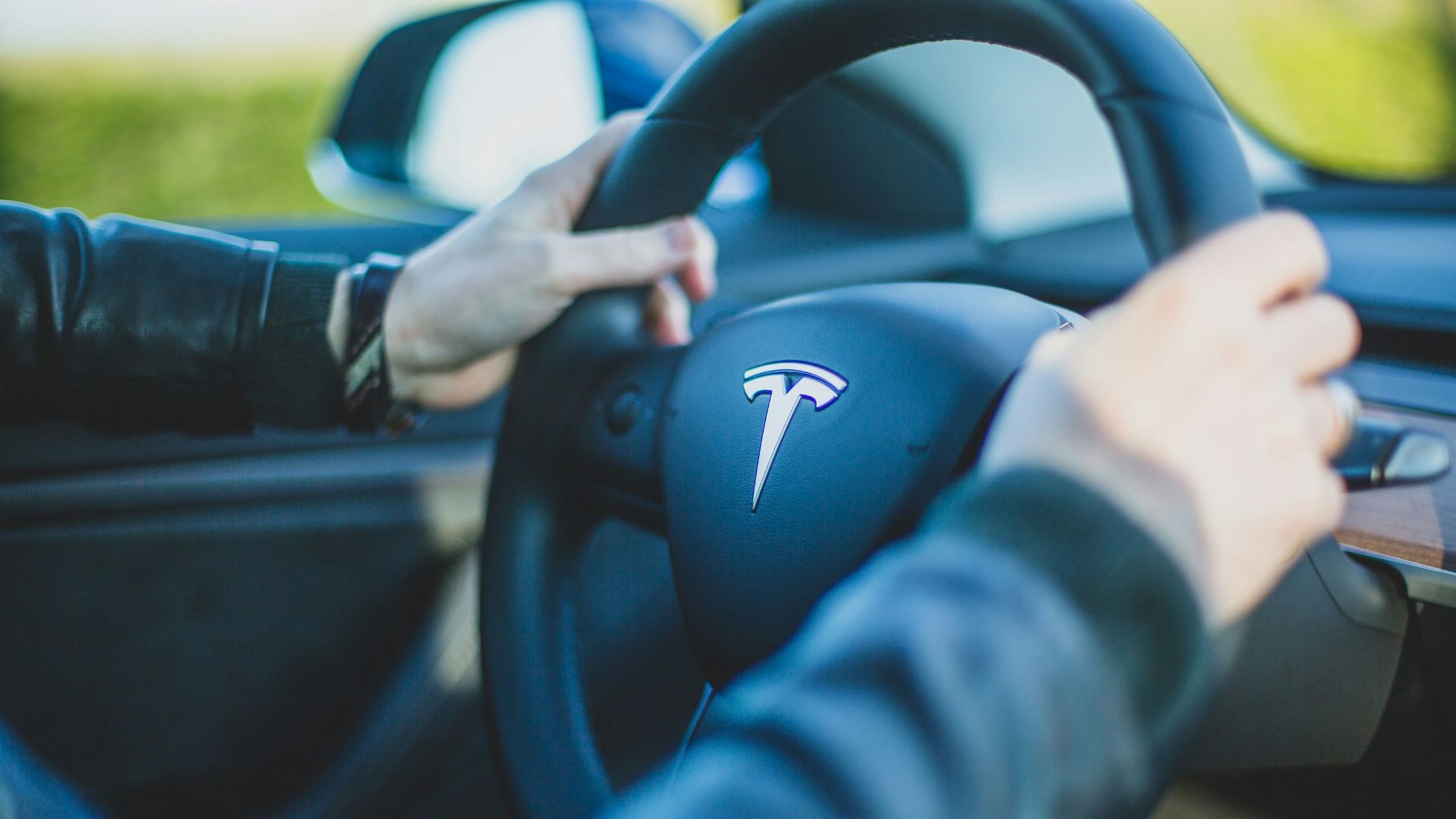
Treat a Tesla request like any other major purchase. Compare total cost of ownership, reliability data, safety ratings, depreciation, and local charging access. When families shift the conversation from popularity to practicality, they usually end up with a better answer.
So Is Peer Pressure Driving Car Sales
Yes, at least partly. Research shows that teens are especially responsive to peer influence, and cars are visible consumer goods loaded with social meaning. Tesla’s popularity, recognizability, and cultural presence make it especially likely to benefit from that effect.
The Better Question For Parents
The real issue is not whether your teen is influenced by peers. Most teens are, and research has shown that for years. The better question is whether the car your family buys still makes sense after the excitement wears off and the bills start showing up.
The Bottom Line
If your teenager wants a Tesla because everyone at school has one, peer pressure is probably part of the story. It is not the whole story, because Tesla also has real features that appeal to families. Still, the smartest move is to acknowledge the social pull, check the practical case, and make the decision with a calculator instead of an ego.