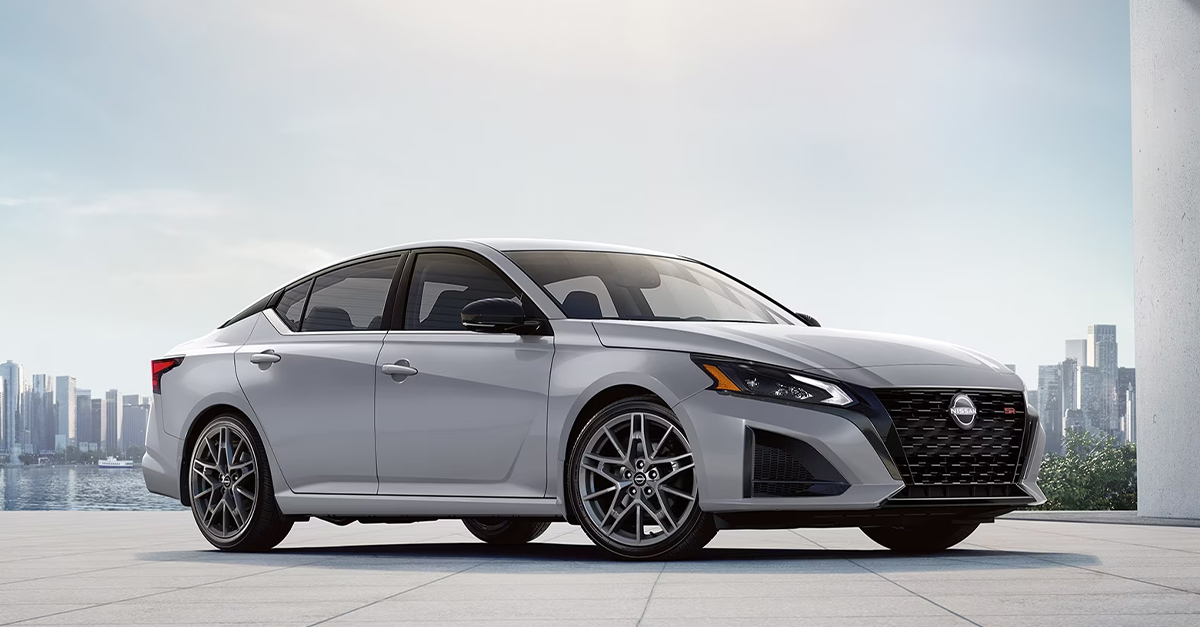
Why This Argument Keeps Coming Up
Even if he's annoying about it, your friend is not wrong. A lot of extended warranties cost much more than the repairs many owners will ever face, which is why consumer advocates often tell buyers to be careful. But saying every extended warranty is a waste of money misses a few key facts about modern cars, repair costs, and the contract details that decide whether a plan helps or lets you down.

What We Are Really Talking About
Most people say “extended warranty,” but these products are usually vehicle service contracts. The Federal Trade Commission says an auto warranty comes with the vehicle, while an extended warranty is usually sold separately and covers certain repairs after the factory warranty ends. That matters because service contracts can vary a lot in what they cover, who stands behind them, and how claims get paid.

The First Thing Your Friend Gets Right
Extended coverage is not automatically a smart buy. Consumer Reports says these plans often pay back less in benefits than consumers spend on them, and many owners never use the coverage enough to break even. Buy a bad plan full of exclusions, and you may pay for peace of mind and get a headache instead.

Why The Story Does Not End There
Even if the average buyer loses money on paper, that does not mean every buyer made a bad call. Service contracts are partly about shifting risk, not just winning a math problem. If one major repair would blow up your budget, paying ahead of time for protection can still make sense.
 Sergei Gontsarov, Shutterstock
Modern Cars Are Packed With Costly Tech
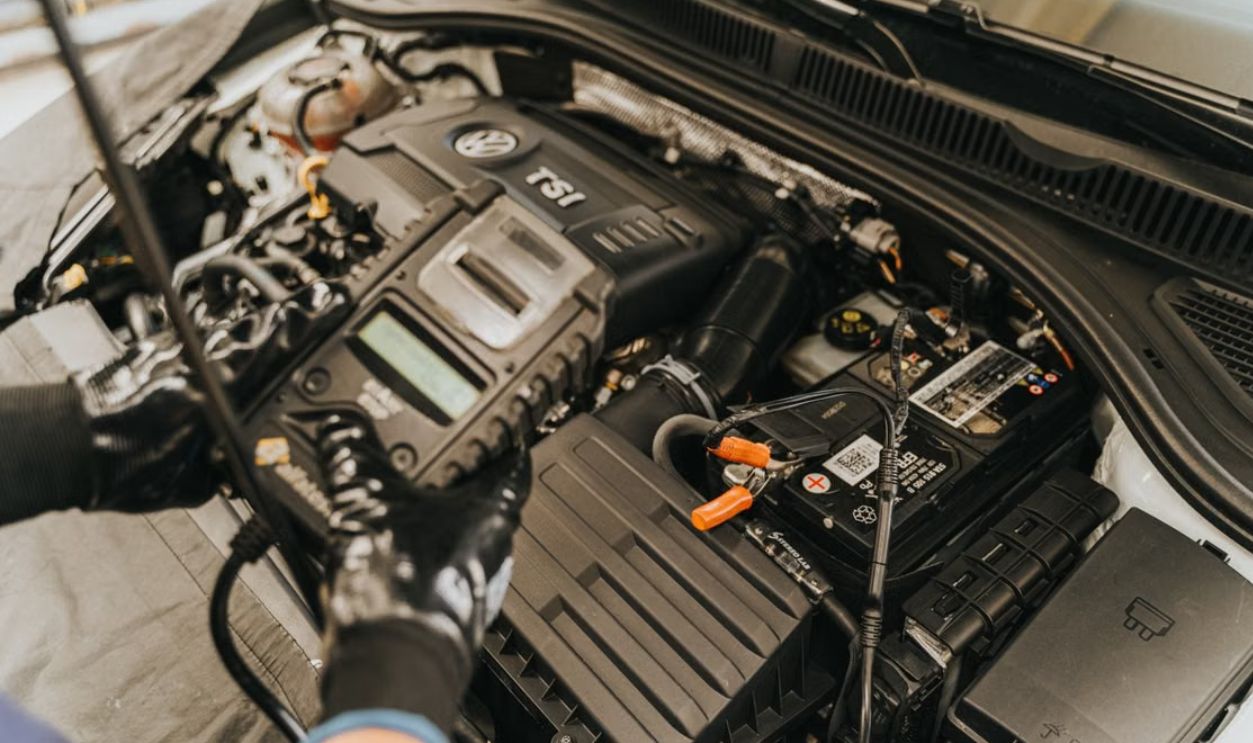
Today’s cars are safer, faster, and more efficient, but they are also packed with electronics, sensors, cameras, turbochargers, and complicated infotainment systems. When those parts fail outside the factory warranty, the bill can hurt. Your friend may be thinking about simpler cars from years ago, while you are shopping in a market where one failed screen or module can cost far more than expected.

Repair Costs Keep Rising
The bigger question is not just whether a car breaks. It is what it costs when it does. Kelley Blue Book notes that repair costs have been rising as vehicles get more complex and parts and labor get more expensive. That helps explain why some buyers see a service contract not as a gamble, but as a way to limit nasty financial surprises.

Used Cars Change The Math
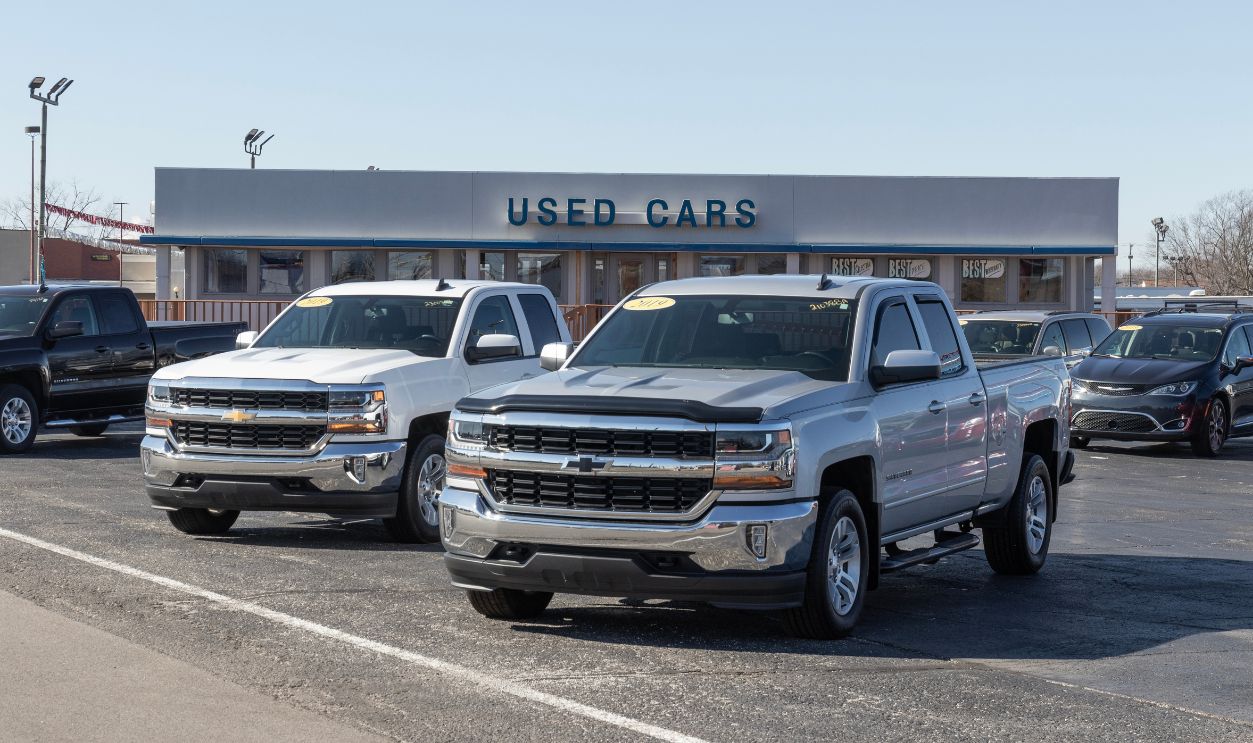
Buying an extended service contract on a brand-new, highly reliable car is one debate. Buying coverage on a used vehicle with an unclear past is another. Once a car is beyond its original bumper-to-bumper warranty, the risk changes, and a solid service contract can look a lot more appealing if the vehicle has expensive systems and a repair history you cannot fully verify.
Factory-Backed And Third-Party Are Different
This is where many buyers get burned. Manufacturer-backed plans are usually run through the automaker or one of its own programs, while third-party contracts come from independent companies. The FTC warns buyers to ask who actually pays claims and where repairs can be done, because those answers can mean the difference between an easy claim and a fight.

The Fine Print Can Kill The Deal
Your friend may be reacting to stories about denied claims, and those stories are real. Some contracts leave out wear items, certain seals and gaskets, electronics, diagnostics, pre-existing conditions, or failures linked to poor maintenance. If you do not read the exclusions before signing, you may think you bought broad protection and later find out the repair you feared was never covered.

Deductibles Can Change Everything
Two plans with the same price can feel completely different once repairs begin. A disappearing deductible or a low per-visit deductible can make a contract far more useful than one that charges a bigger amount for every repair item. That is why smart buyers compare more than the sticker price. The deductible setup and claim rules matter too.

Labor Rates Matter More Than You Think
Repair shops do not charge the same rates everywhere. If you live in a place with high labor costs, one covered repair can save much more than the same job would in a cheaper area. That does not make every contract worth buying, but it does mean the value depends a lot on where and how you service your car.

Rental Cars And Towing Can Be The Hidden Value
Sometimes the best part of a service contract is not the repair itself. It is the extras, like towing, rental reimbursement, and trip interruption coverage. If you depend on your car every day and cannot easily handle downtime, those benefits can turn a breakdown from a crisis into a hassle you can manage.
Reliability Data Should Come First
The smartest way to judge an extended warranty is to start with the vehicle, not the sales pitch. Consumer Reports and J.D. Power both publish reliability and dependability data that can help point out models with stronger or weaker records. A service contract on a proven, low-drama car may be unnecessary. One on a complicated vehicle with a shakier track record may deserve a harder look.

J.D. Power Adds Another Useful Clue
J.D. Power’s Vehicle Dependability Study tracks problems reported by original owners of three-year-old vehicles. It is not a perfect forecast for every repair, but it does offer one more clue about which brands and models tend to age better. If a vehicle line has a history of issues as it moves beyond factory coverage, your friend’s blanket advice starts to look less convincing.
 Mangkorn Danggura, Shutterstock
Consumer Reports Has Been Skeptical For Years
Consumer Reports has repeatedly found that many buyers spend more on extended warranties than they get back in repairs. That is a strong case for caution. But even that does not prove every plan is a bad buy, because averages do not reflect your exact car, mileage, budget, or comfort with risk.

The FTC Has Heard The Horror Stories Too
The Federal Trade Commission has long warned buyers to examine service contracts closely before signing. It tells consumers to ask whether routine maintenance is required to keep coverage valid, whether prior approval is needed, and whether the administrator pays the shop directly. Those details may sound boring, but they often decide whether a claim goes smoothly or turns into an expensive surprise.

Timing Can Make Or Break The Deal
Buy too early, and you may pay for overlap with factory coverage you already have. Buy too late, and the car may no longer qualify for the best plans or prices. Many manufacturer-backed plans can be bought before the original warranty runs out, and that window can be the sweet spot if you want coverage without paying extra for the earliest years.

Financing The Warranty Can Make It Cost More
If you roll a service contract into your auto loan, you may pay interest on it for years. That raises the real cost and weakens the value. Your friend may be looking only at the listed price, but the financing can be the extra punch that turns a maybe into a bad deal.

Cancellation Rights Matter
Not every buyer keeps a car as long as planned. Many service contracts allow cancellation, though refunds may be prorated and may come with fees. If you sell the car early or pay off the loan sooner than expected, knowing the cancellation terms can save you real money.

Maintenance Records Can Save Your Claim
Even a strong plan may not help if you cannot show that you maintained the vehicle properly. Keep receipts for oil changes, fluid services, and required maintenance. Claims administrators may ask for records, and missing paperwork can become the opening they use to deny coverage.

Some Owners Need Predictable Costs More Than Maximum Savings
This is the part your friend may be missing most. Some buyers can comfortably set money aside and pay for repairs as they come. Others need stable monthly costs and cannot absorb a surprise four-figure bill. For them, the strongest case for an extended warranty is not beating the odds. It is making ownership more predictable.

Luxury Cars Can Change The Math Fast
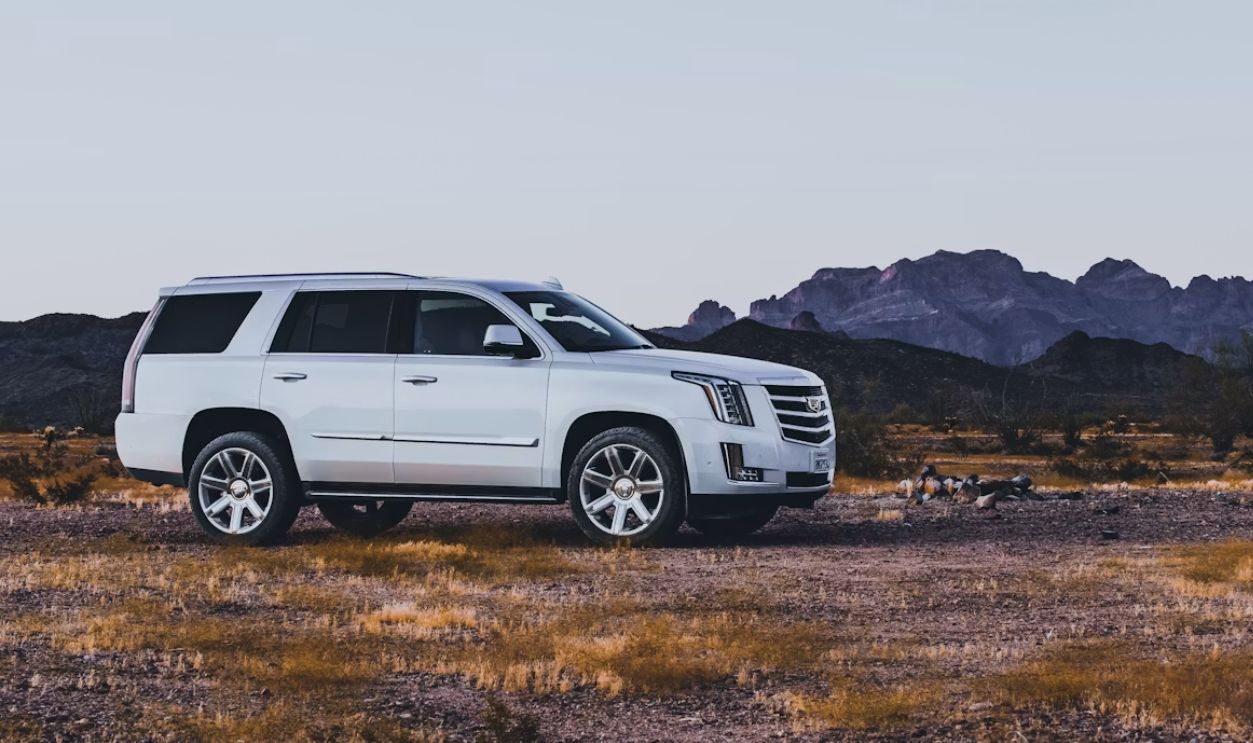
On luxury vehicles, even ordinary repairs can come with premium parts prices and premium labor rates. Air suspension, advanced driver-assistance hardware, large displays, and branded electronics can get expensive once factory coverage ends. That does not automatically make a service contract the right move, but it does make “just pay out of pocket” riskier advice.
Cheap Coverage Can Be The Costliest Mistake
A bargain-priced third-party contract can look tempting, especially in a dealership finance office. But if the company has a poor reputation, pays slowly, limits where you can go, or argues over diagnostic time, the lower price can become a trap. A better-run plan with clearer terms may cost more up front and save a lot more trouble later.
 f.t.Photographer, Shutterstock
Pre-Purchase Inspection Still Matters
No service contract should replace basic homework. If you are buying a used car, a pre-purchase inspection from an independent mechanic can uncover leaks, wear, accident damage, or neglected maintenance before you decide on extra coverage. It makes little sense to buy protection for a bad car when the smarter move was avoiding the bad car in the first place.
When Skipping It Is The Smart Move
If you are buying a highly reliable model, plan to keep a healthy repair fund, and the contract is expensive or full of exclusions, saying no may be the right call. That is especially true if the vehicle still has strong factory powertrain coverage and you do not plan to keep it long. In that case, your friend’s advice may fit perfectly.
When Saying Yes Makes Sense
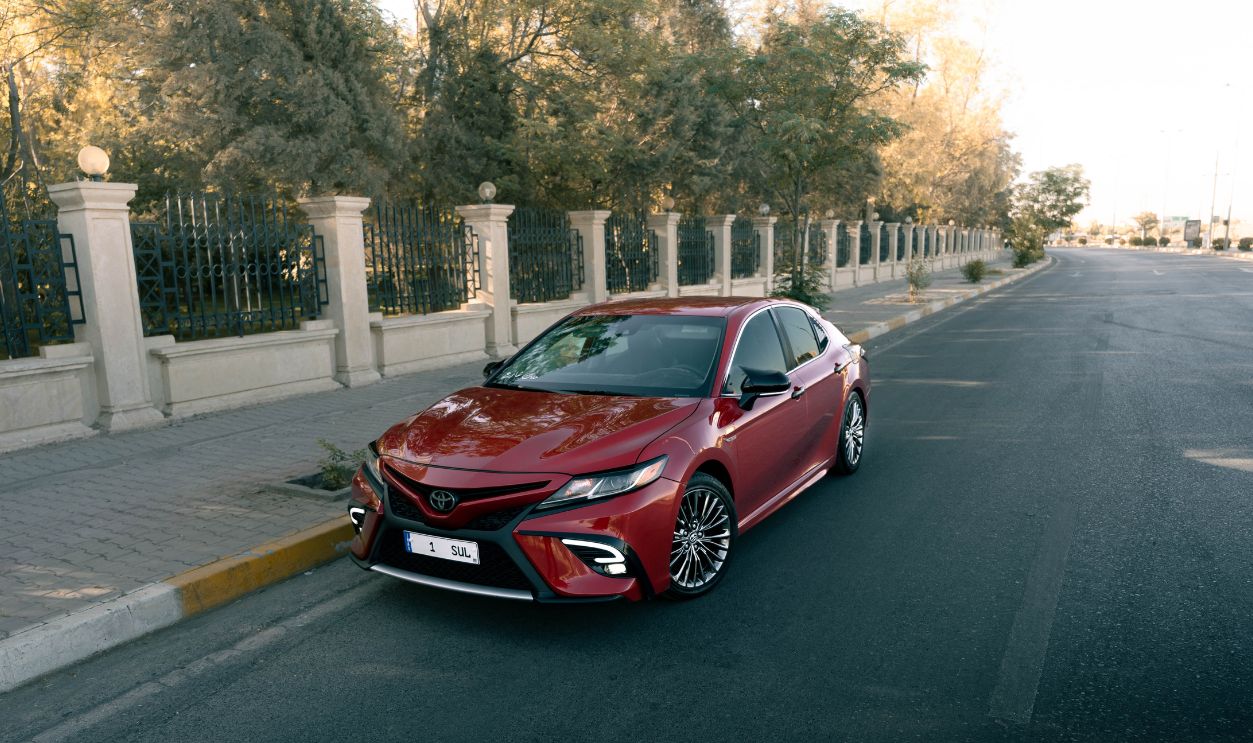
If the vehicle is used, costly to repair, packed with tech, or has weaker dependability scores, a carefully chosen contract can make real sense. It becomes even more appealing if your finances would take a hit from one major failure. The key is to buy protection against a real risk, not because a salesperson made the monthly payment look small.

The Questions To Ask Before You Sign
Ask who backs the contract, what parts are excluded, whether diagnostics are covered, whether the shop gets paid directly, and whether you can use any licensed repair facility. Ask about deductibles, cancellation, transferability, rental reimbursement, and maintenance requirements. If the seller cannot answer clearly, walk away.

So Is Your Friend Missing Something
Probably. He is right that many extended warranties are overpriced and underused, but he may be overlooking risk tolerance, rising repair costs, vehicle complexity, and the real value of predictable costs. The smartest answer is not “always buy one” or “never buy one.” It is “match the coverage to the car, the contract, and your finances.”