The Claim Sounds Plausible
Manual drivers have been making this argument since the first automatic transmission hit the road. A manual transmission asks more of the driver, so it can seem logical that it would keep people more alert. But when you look for hard crash data, official safety agencies come to a different conclusion.
Why This Debate Never Really Goes Away
People often lump attention, engagement, and safety together as if they mean the same thing. They do not. A task can keep you busy while also adding workload at the exact moment you need your mind free for something else, like spotting a pedestrian or reacting to a sudden stop.
What Safety Experts Actually Look At
Researchers usually study crashes, driver behavior, distraction, reaction time, and workload. That matters because “feels safer” is not the same as “leads to fewer crashes or injuries.” The real question is not whether shifting makes you feel involved, but whether it improves results on actual roads.
NHTSA Does Not Treat Manual Transmissions As A Safety Feature
The National Highway Traffic Safety Administration focuses on proven safety measures like seat belts, electronic stability control, sober driving, and avoiding distraction. In its consumer safety material, manual transmissions are not presented as a way to reduce crashes. That matters because NHTSA tends to highlight factors backed by clear evidence.
IIHS Points To Other Safety Priorities Too
The Insurance Institute for Highway Safety spends a lot of time studying what really lowers deaths and injuries. Its work keeps pointing drivers toward vehicle size, crashworthiness, crash-avoidance tech, and driver behavior. Transmission type is not one of IIHS’s big safety recommendations either.
There Is One Small Grain Of Truth
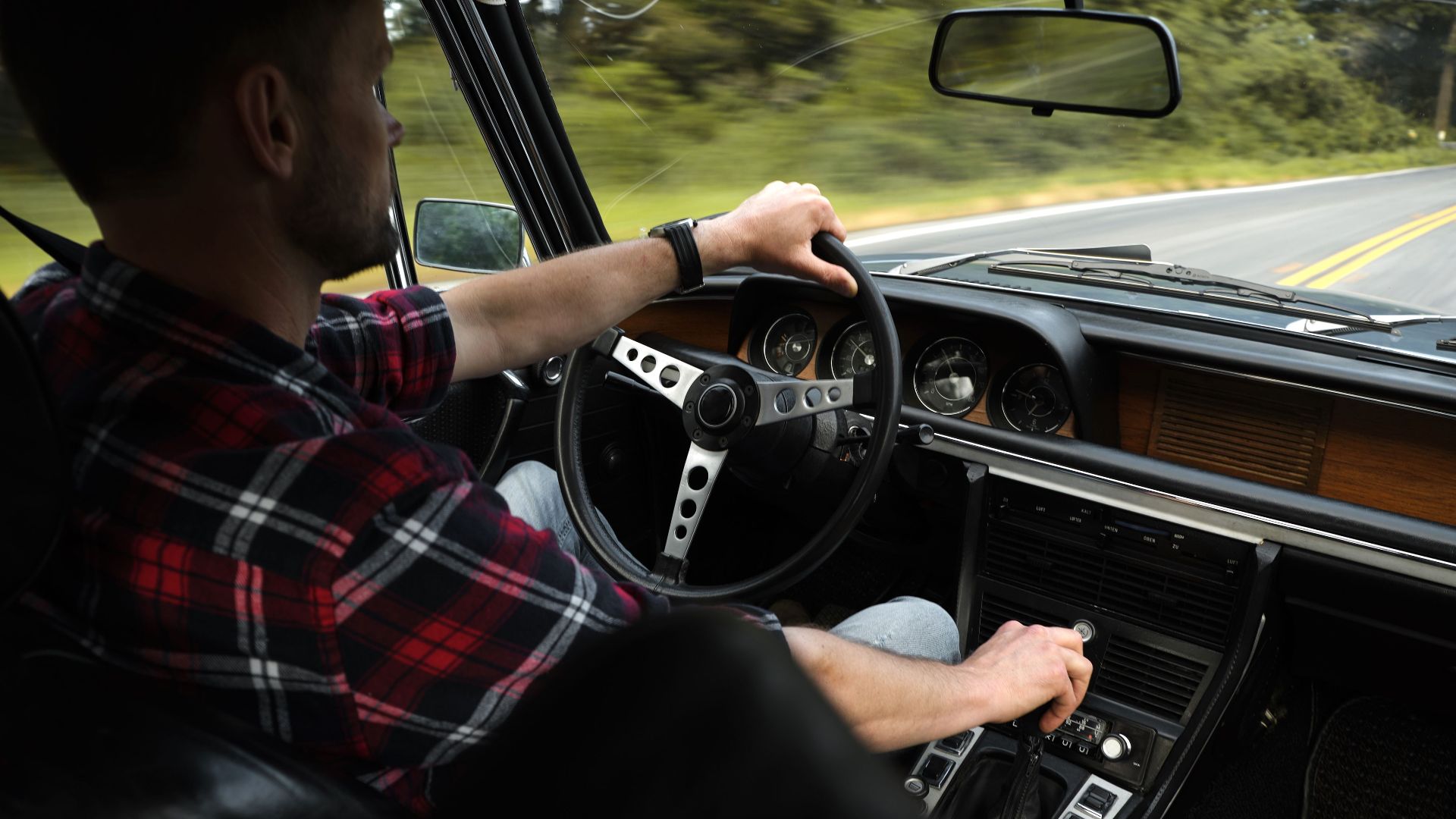
There is a narrow version of your friend’s claim that makes sense. If you are working a clutch and picking gears, you may be less likely to drift through a drive on mental autopilot. That might reduce boredom, but boredom and distraction are not the same thing.
Being More Involved Does Not Automatically Make Driving Safer
Human factors research has long shown that adding task demands can raise mental workload. That extra workload can hurt performance when the road gets complicated. In other words, being busy with the car can keep your hands occupied while still pulling attention away from hazards outside the windshield.
Modern Distraction Research Focuses On Eyes, Hands, And Attention
One of the biggest findings in traffic safety is that visual and manual distraction are dangerous because they take eyes and hands away from driving. NHTSA and other safety groups have spent years warning about this, especially with phones and in-car screens. A manual transmission requires periodic hand movements and sometimes brief glances, even if they are quick and familiar for experienced drivers.
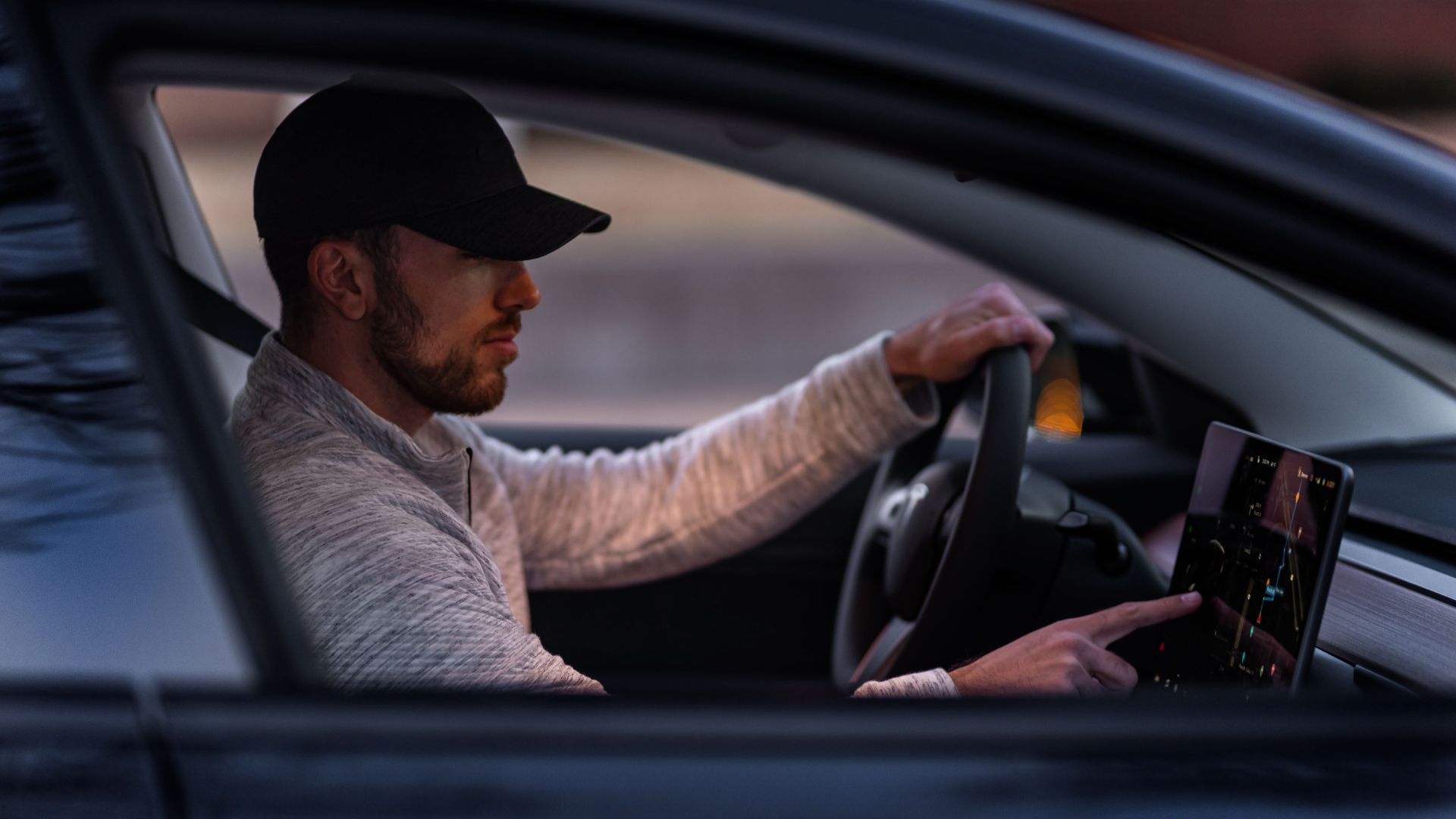
Phones Are The Real Problem
If the comparison is “manual driver paying attention” versus “automatic driver scrolling social media,” the manual driver looks like the hero. But that is not a fair comparison. The real test is two attentive drivers, one in a manual and one in an automatic, and official sources do not show that the manual driver has a built-in safety advantage.
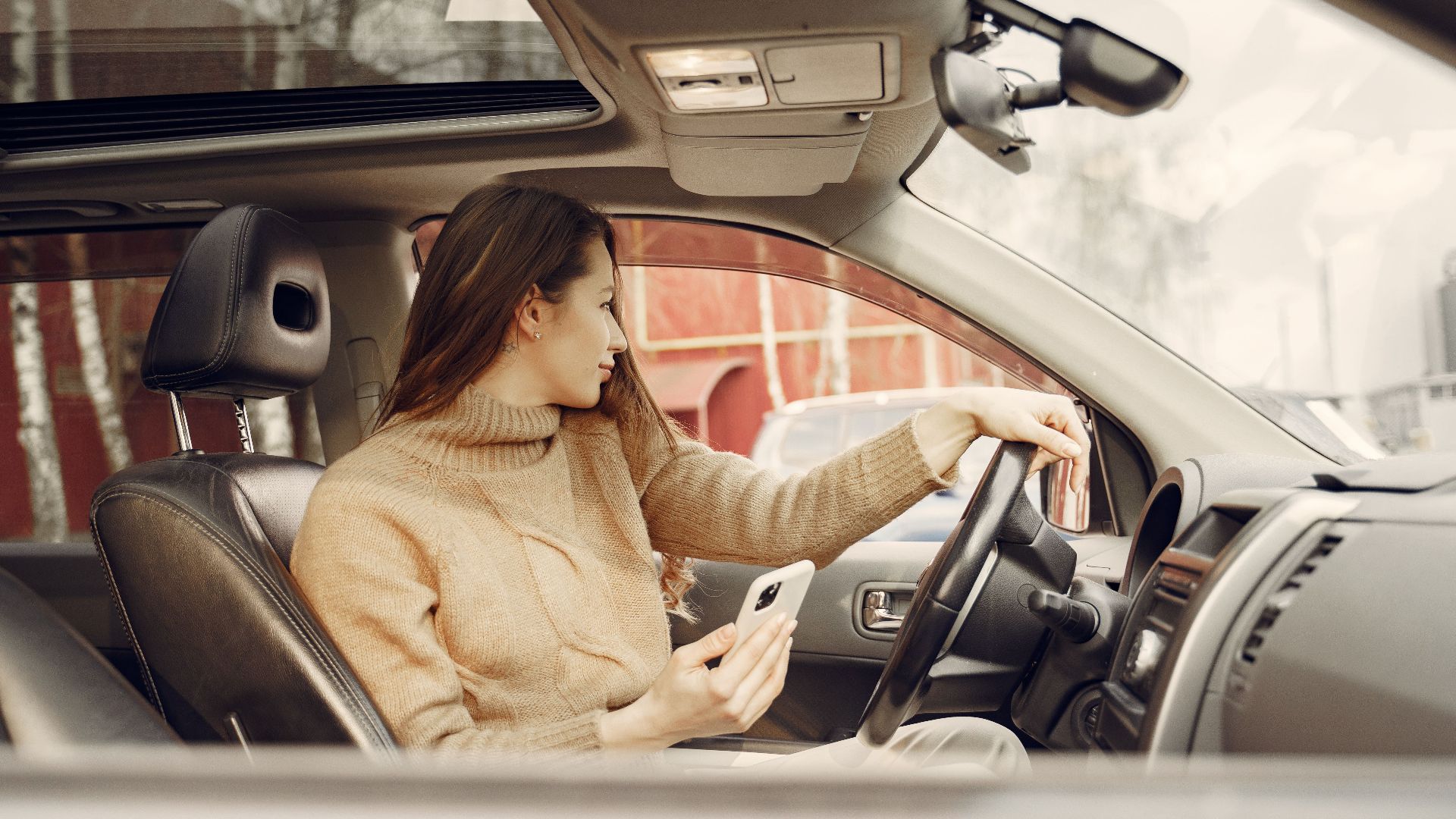
AAA Has Warned About Mental Workload For Years
The AAA Foundation for Traffic Safety has published research on cognitive distraction and mental workload from in-vehicle tasks. The basic lesson is simple. Drivers only have so much attention to spend, and extra demands can eat into what is available for scanning traffic and reacting to surprises.

Shifting Adds A Small But Real Job
On an open highway, shifting may be occasional and almost automatic for an experienced driver. In stop-and-go traffic, on steep hills, in bad weather, or in dense city driving, it becomes one more thing to manage. That does not make manuals unsafe, but it does weaken the idea that they are naturally safer in every situation.

In Emergencies, Simpler Can Help
When a deer jumps out or traffic suddenly bunches up, fewer control demands can be an advantage. An automatic lets the driver focus on braking and steering without also thinking about clutch timing or the wrong gear. Modern safety thinking usually favors cutting unnecessary workload in emergencies.
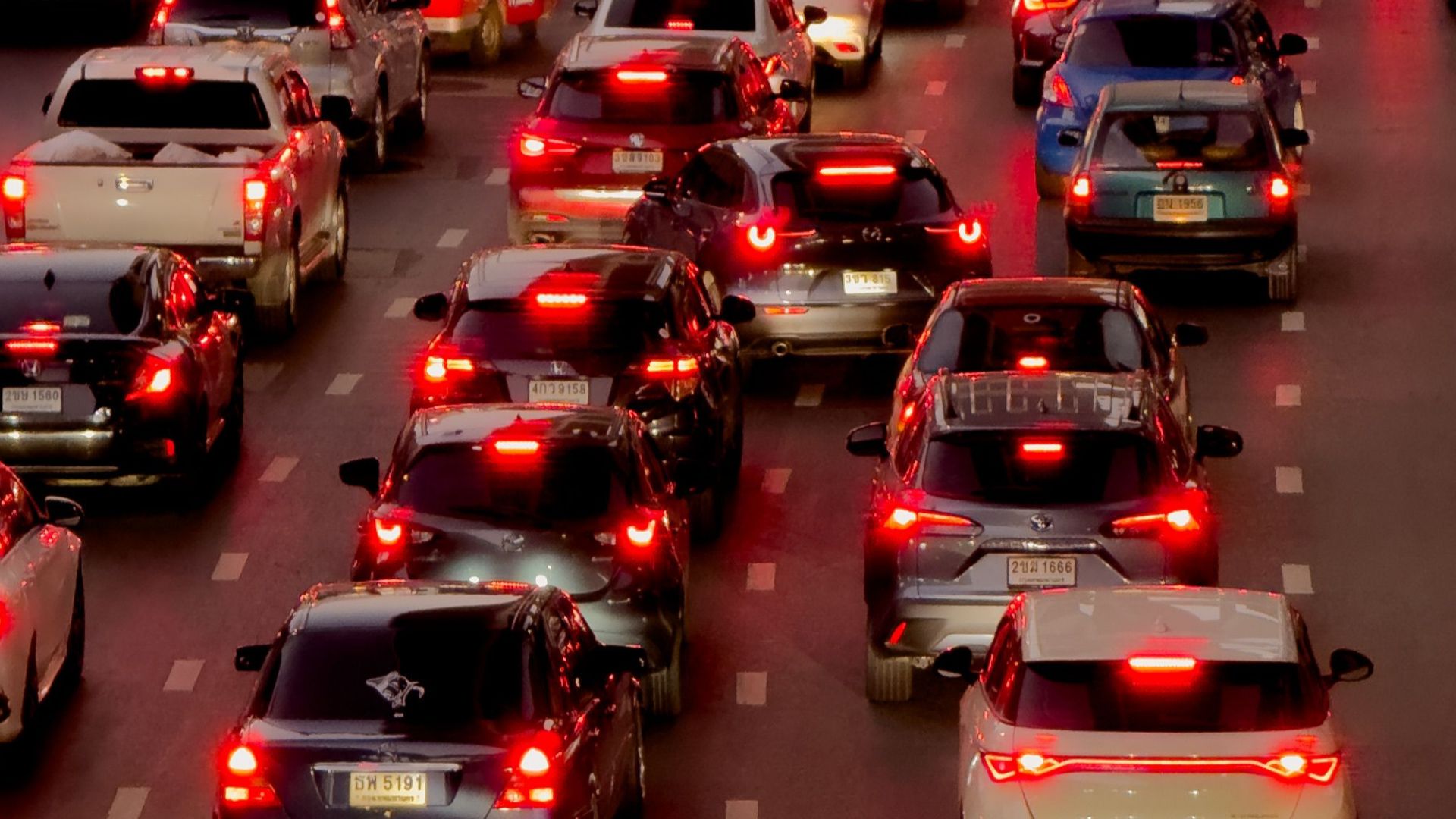
The Strongest Safety Evidence Usually Shows Up In Big Data
If manuals were clearly safer, you would expect insurers and safety agencies to say more about it. Instead, crash-prevention advice keeps circling back to speed, impairment, fatigue, seat belt use, and distraction. That tells you where the strongest evidence actually is.
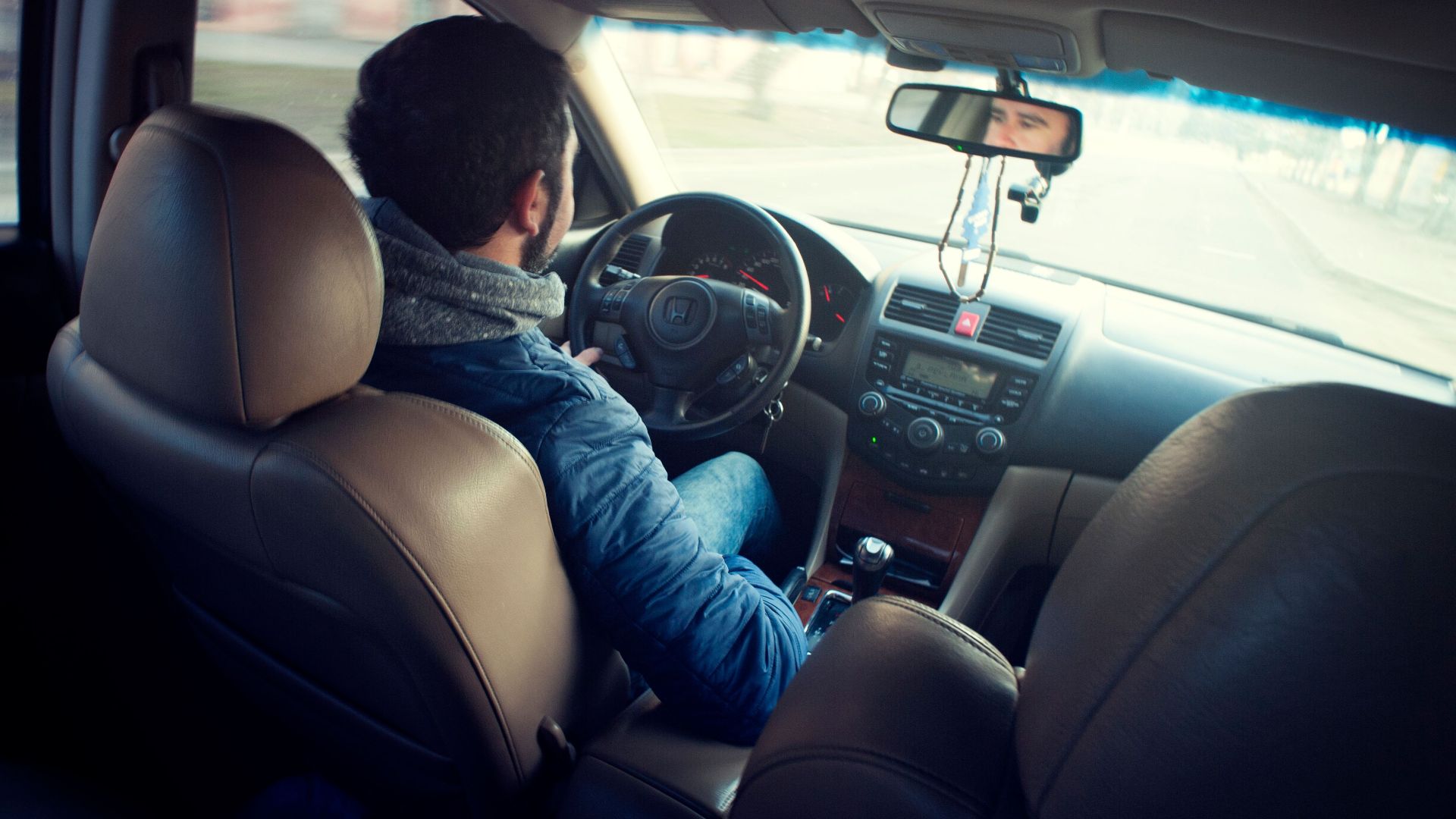
 Manuel Camacho-Navarro, Pexels
There Is A Theft Side Note
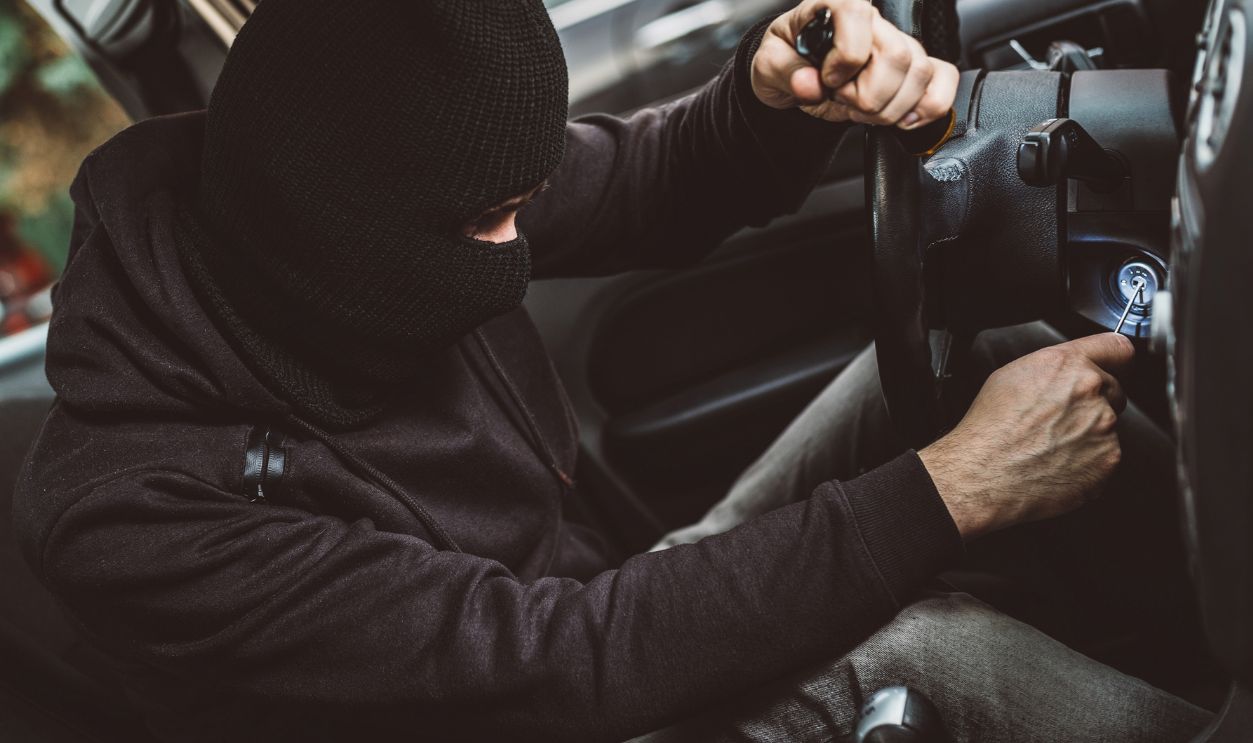
Manual cars are sometimes said to be safer because fewer thieves in the United States know how to drive them. There is some anecdotal truth there, and news reports have covered failed theft attempts involving stick shifts. But theft resistance is a different issue from crash safety, so it does not save the attention argument.
Manuals Once Had A Different Kind Of Edge
Years ago, some drivers linked manuals with better control in snow, on hills, or in mountain driving. That reputation came from the ability to choose gears directly and use engine braking. Today, modern automatics, CVTs, and dual-clutch gearboxes have narrowed or erased much of that gap for average drivers.
Automatic Transmissions Have Come A Long Way
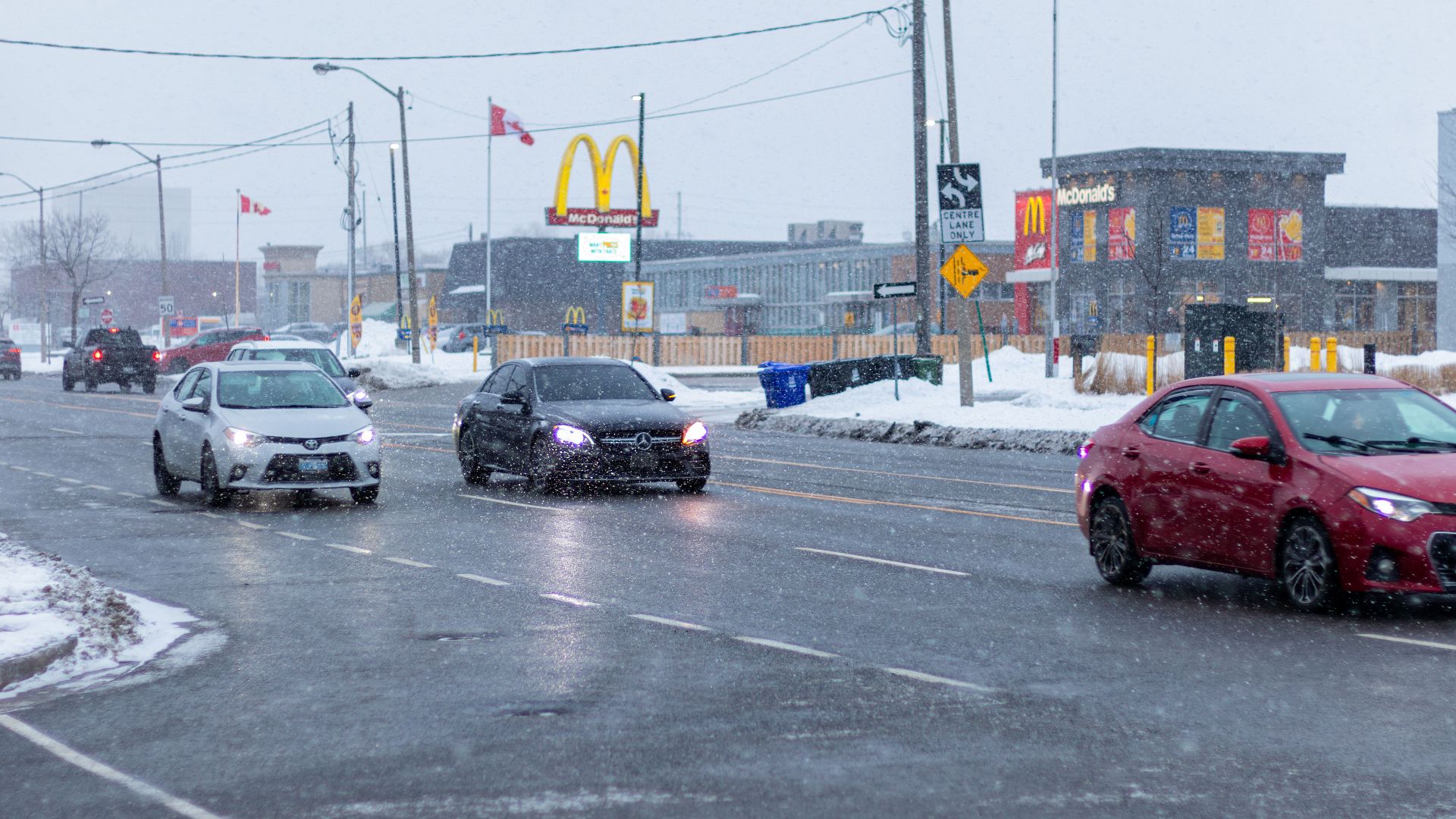
It is easy to picture the slow, clunky automatics of decades past and assume manuals still offer tighter control. But modern automatics shift faster, pick gears smartly, and often work smoothly with traction and stability systems. That matters because the safety debate is about today’s cars, not old memories.
Electronic Stability Control Changed The Conversation
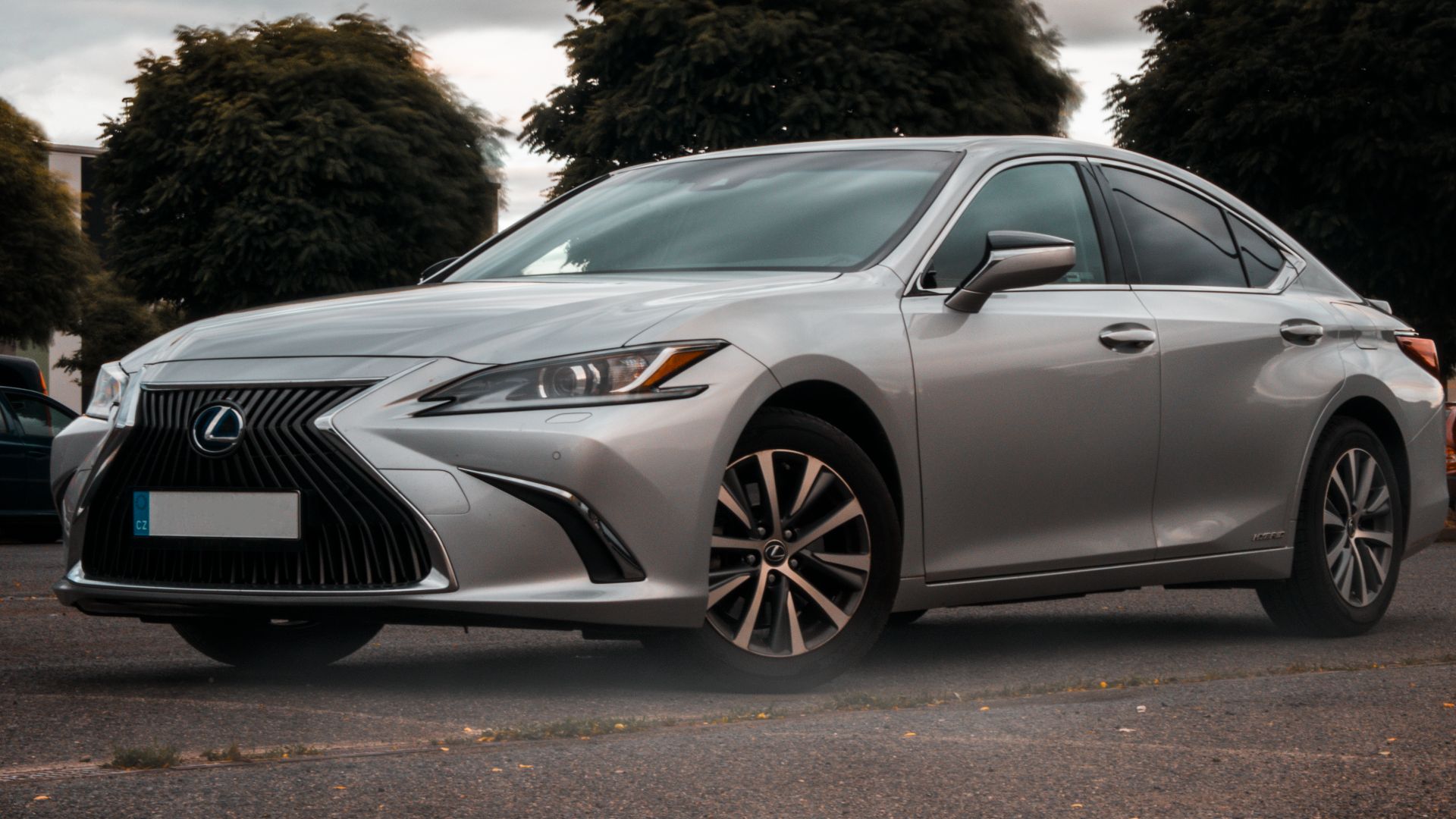
NHTSA has credited electronic stability control with significant reductions in certain kinds of crashes. That is a clear, documented safety benefit from a modern vehicle system. Next to evidence like that, the claim that manuals make drivers safer looks more like instinct than proof.
Antilock Brakes Tell The Same Story
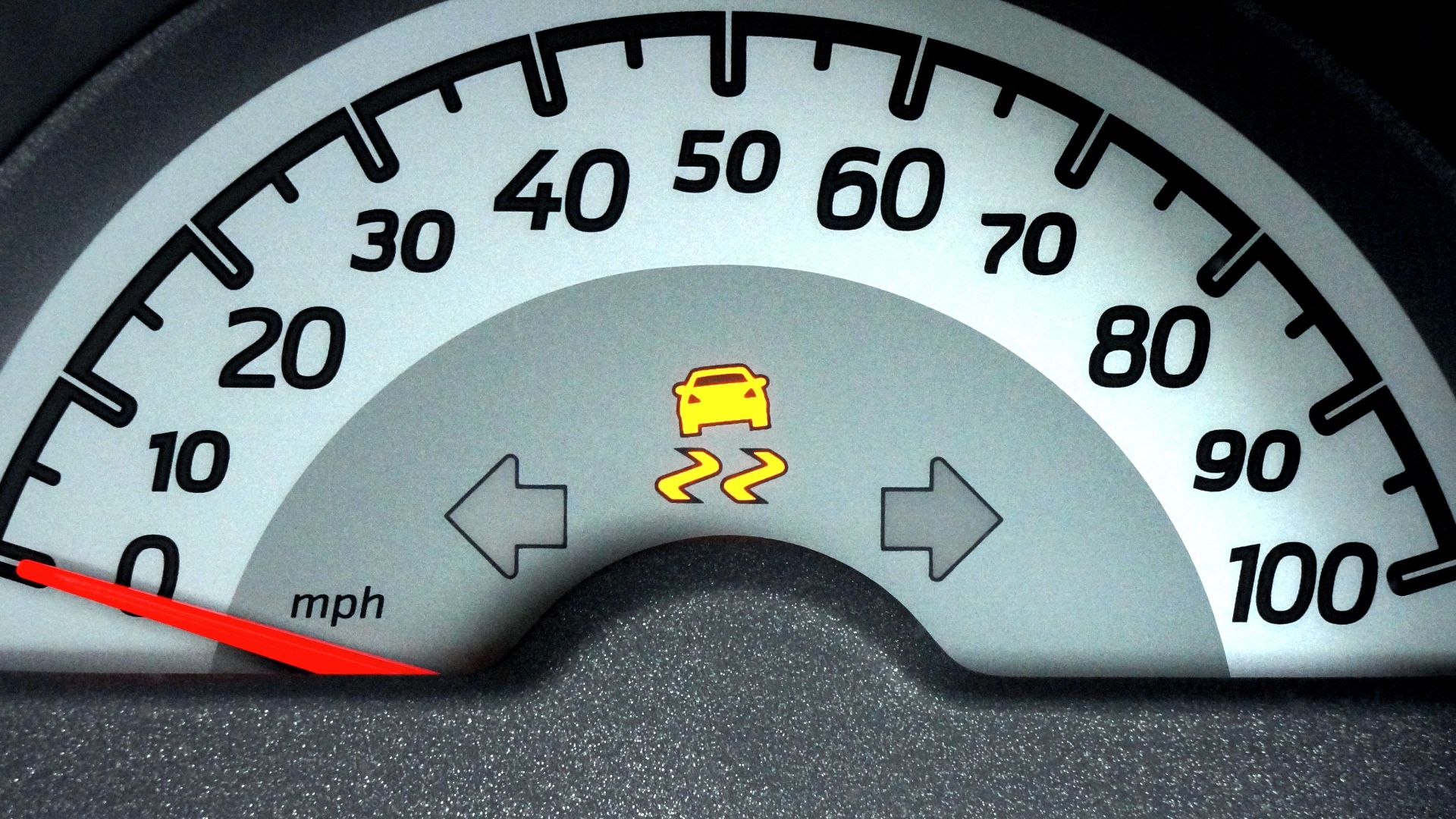
Real safety gains usually come from systems that help drivers keep control in panic situations. Antilock braking systems and stability control were studied, measured, and widely adopted because they showed meaningful benefits. Manual shifting has never reached that level of evidence as a safety measure.
For Younger Drivers, Manuals Can Add Difficulty
For beginners, manuals can increase workload because the basic coordination is not automatic yet. Stalling, rolling backward on hills, or fumbling a downshift are not just awkward moments. They are reminders that a task requiring more skill can also create more chances for mistakes.
Experienced Drivers May Feel More Focused
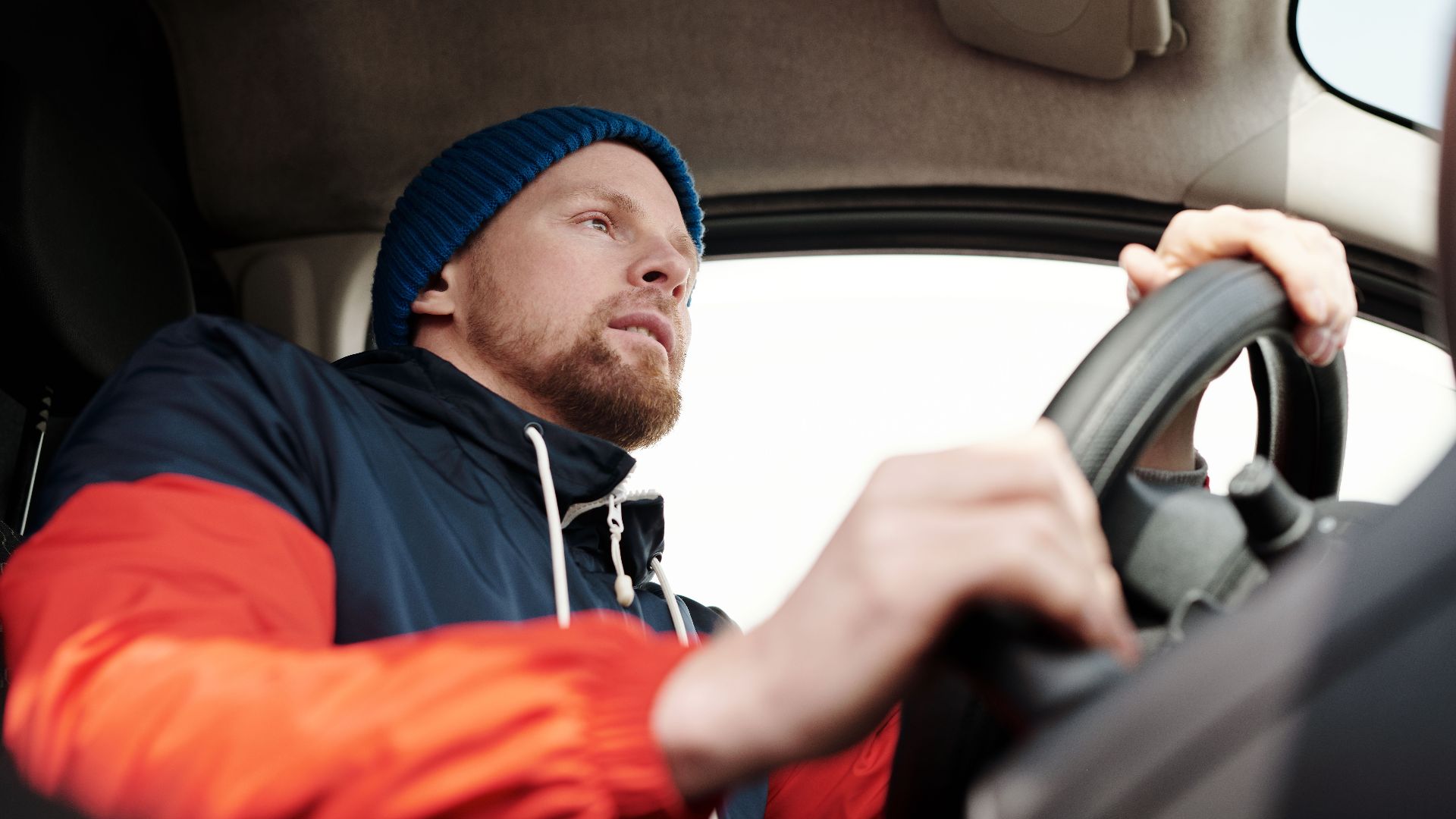
Skilled manual drivers often say shifting keeps them connected and attentive. That is a fair personal experience, and for some people it may help them stay mentally present. Still, personal confidence is not the same as population-level proof, and safety advice has to rest on evidence beyond individual stories.
Insurance Guidance Does Not Crown Manuals Safer
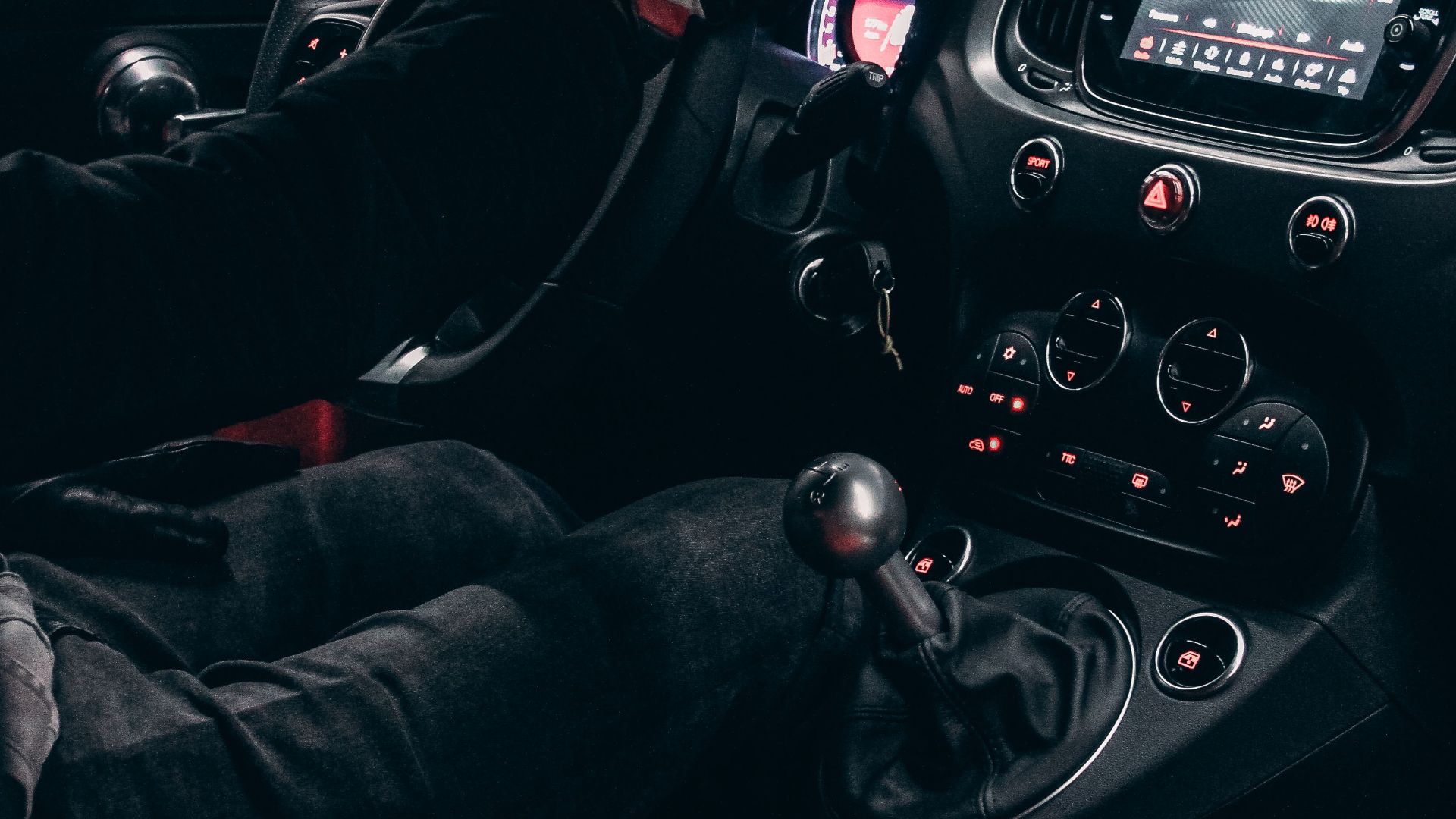
If one transmission type consistently led to fewer claims or injuries, insurers would have a strong reason to price for that risk. Public-facing insurance guidance generally does not frame manual transmissions as a major safety advantage. The bigger variables remain driver age, vehicle type, location, mileage, and driving history.

Distraction Research Keeps Pointing Somewhere Else
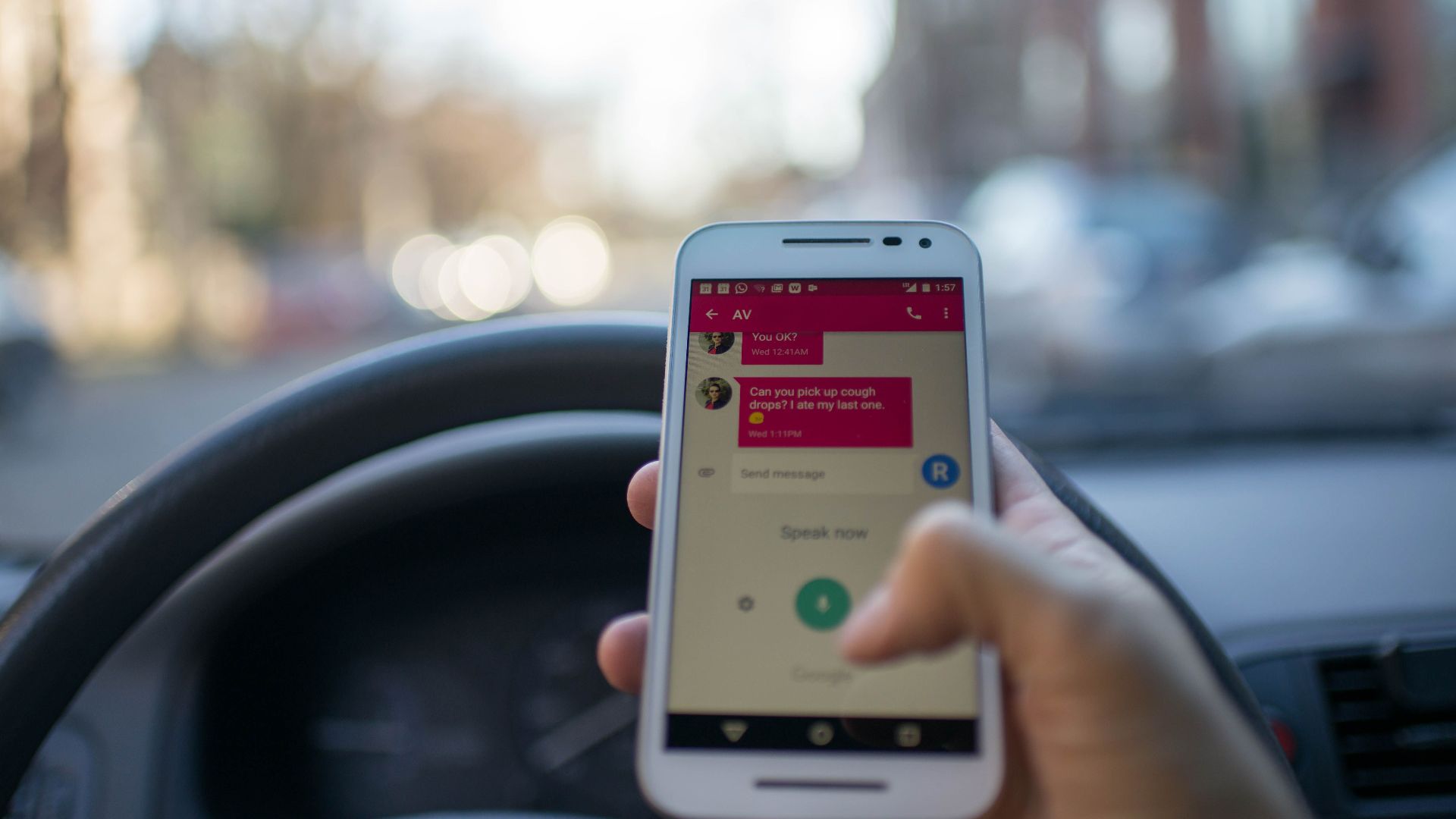
The strongest modern distraction findings focus on texting, handheld phone use, and complicated infotainment systems. Those behaviors pull visual, manual, and mental resources away from the road. A manual transmission may keep one hand busier, but that is not a substitute for the documented safety benefit of simply not being distracted in the first place.
There Is Also A Fatigue Issue
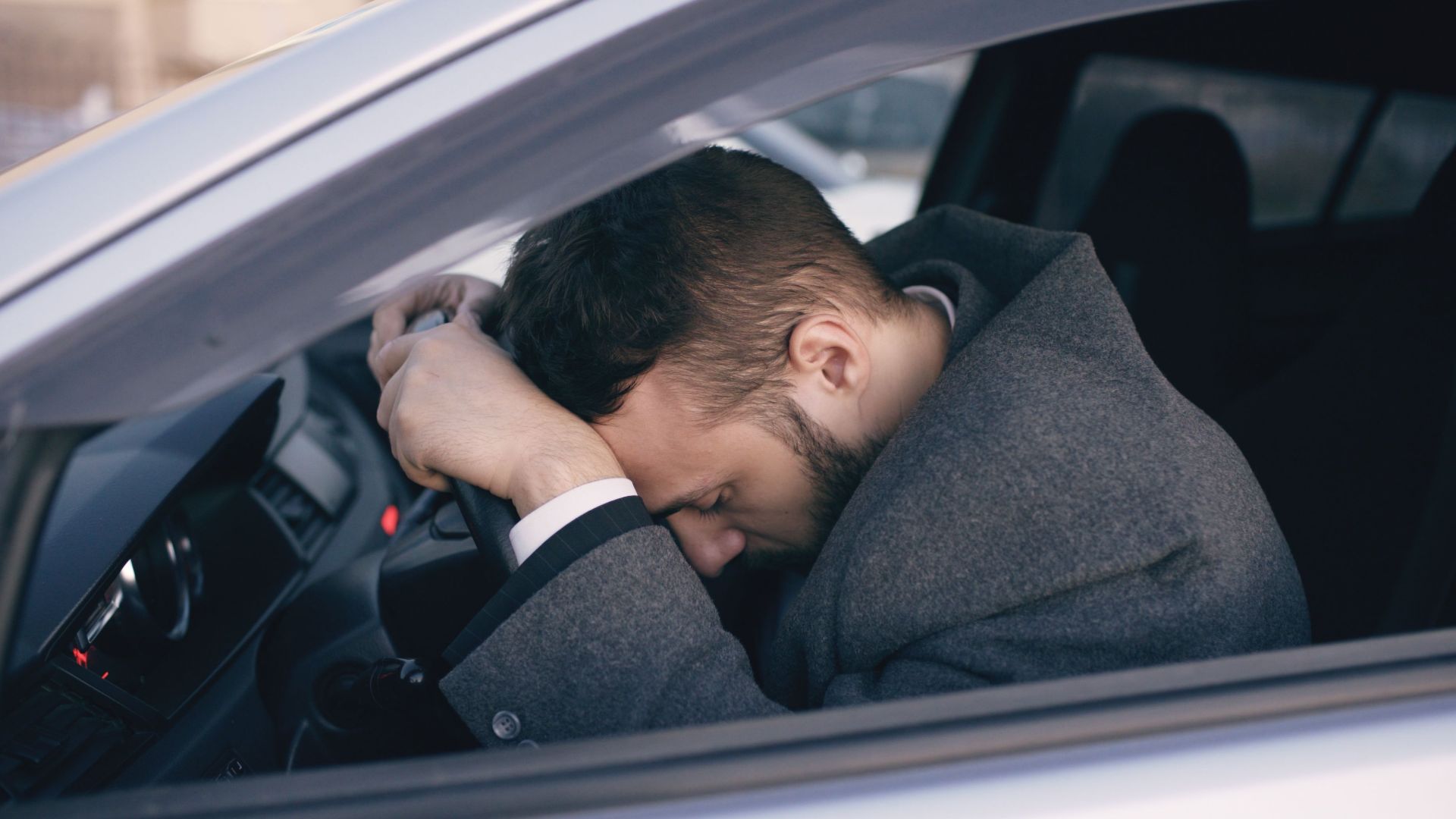
In a long commute with heavy traffic, a manual can be more tiring. Fatigue is a known safety problem, and even mild fatigue can dull reaction time and patience. A transmission that asks for more repetitive effort is not obviously helping in that kind of drive.
Road Conditions Matter More Than The Gearbox
Driving on a twisty rural road, in city congestion, on ice, or on a long interstate puts very different demands on a driver. A manual may feel more involving in one setting and more annoying in another. That is another reason broad claims that manuals are safer do not hold up very well.

Why So Many People Still Believe It
Part of it is cultural. Manuals are tied to skill, attentiveness, and a more deliberate style of driving. Those traits can absolutely belong to careful drivers, but they come from the person, not from the shifter itself.

The Most Honest Verdict
There is a small grain of truth in the idea that a manual can keep some drivers engaged. But no major U.S. safety authority says manual transmissions are inherently safer, and the broader research on workload suggests extra driving tasks can just as easily be a drawback. Safer driving still comes down to sober, attentive, seat-belted, speed-in-check behavior in a roadworthy vehicle.

What To Tell Your Friend
You can give your friend a fair answer. Manuals may help some people feel more focused, but there is no strong official evidence that they are safer overall. If someone wants the biggest safety payoff, they should worry less about the gear lever and more about distraction, tires, maintenance, speed, and crash-avoidance tech.