A Better-Looking Car Isn't Always A More Valuable One
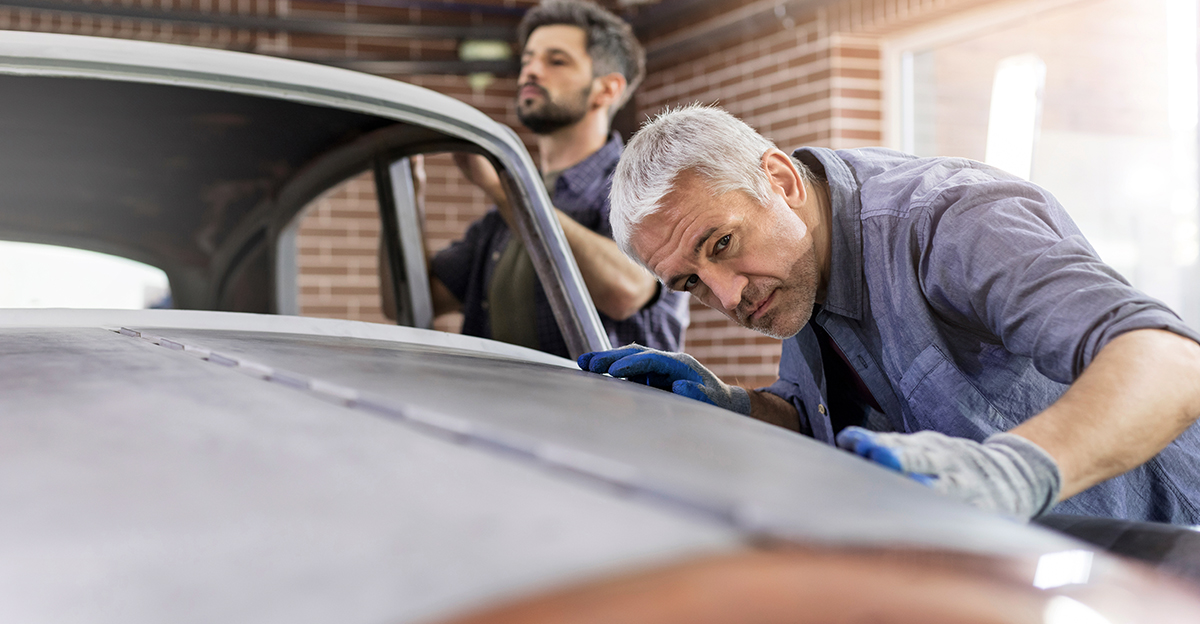
Classic car restoration seems simple in theory: fix everything worn out, make the paint shine, and return the car to showroom condition. But collectors don't always reward perfection. Originality, factory-correct details, documentation, and historical significance can matter just as much as appearance. A restoration can cost tens of thousands of dollars while quietly removing the very things that made the car valuable in the first place.
Restoring A Survivor That Didn't Need Restoring
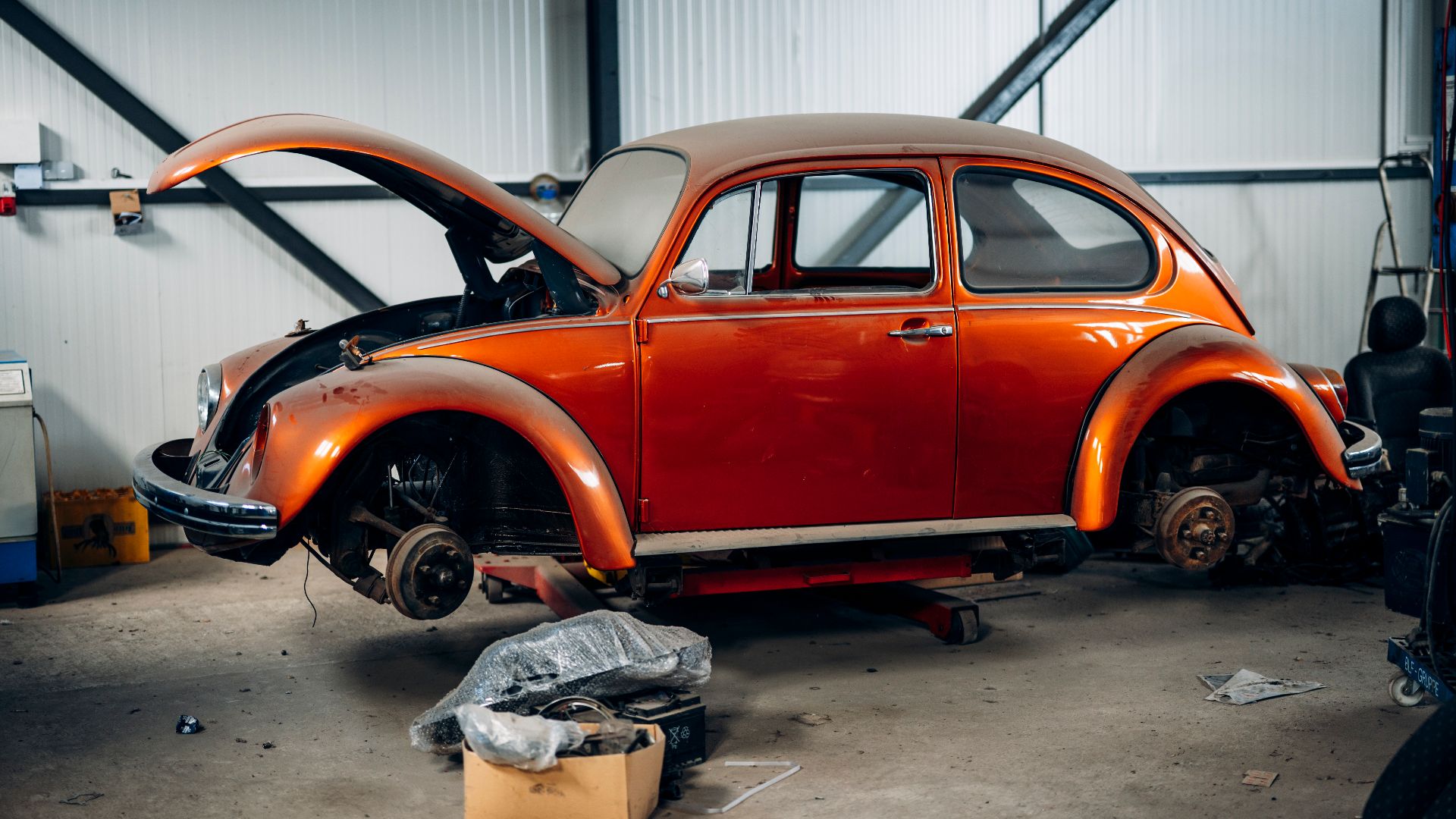
One of the biggest mistakes is automatically assuming old paint and worn upholstery need replacing. A remarkably original survivor can have value precisely because those materials have remained untouched for decades. Once factory paint, finishes, markings, and upholstery are removed, they can't truly be recreated. Before dismantling a well-preserved car, find out whether preservation might actually be the more desirable approach.
Mistaking Patina For Damage
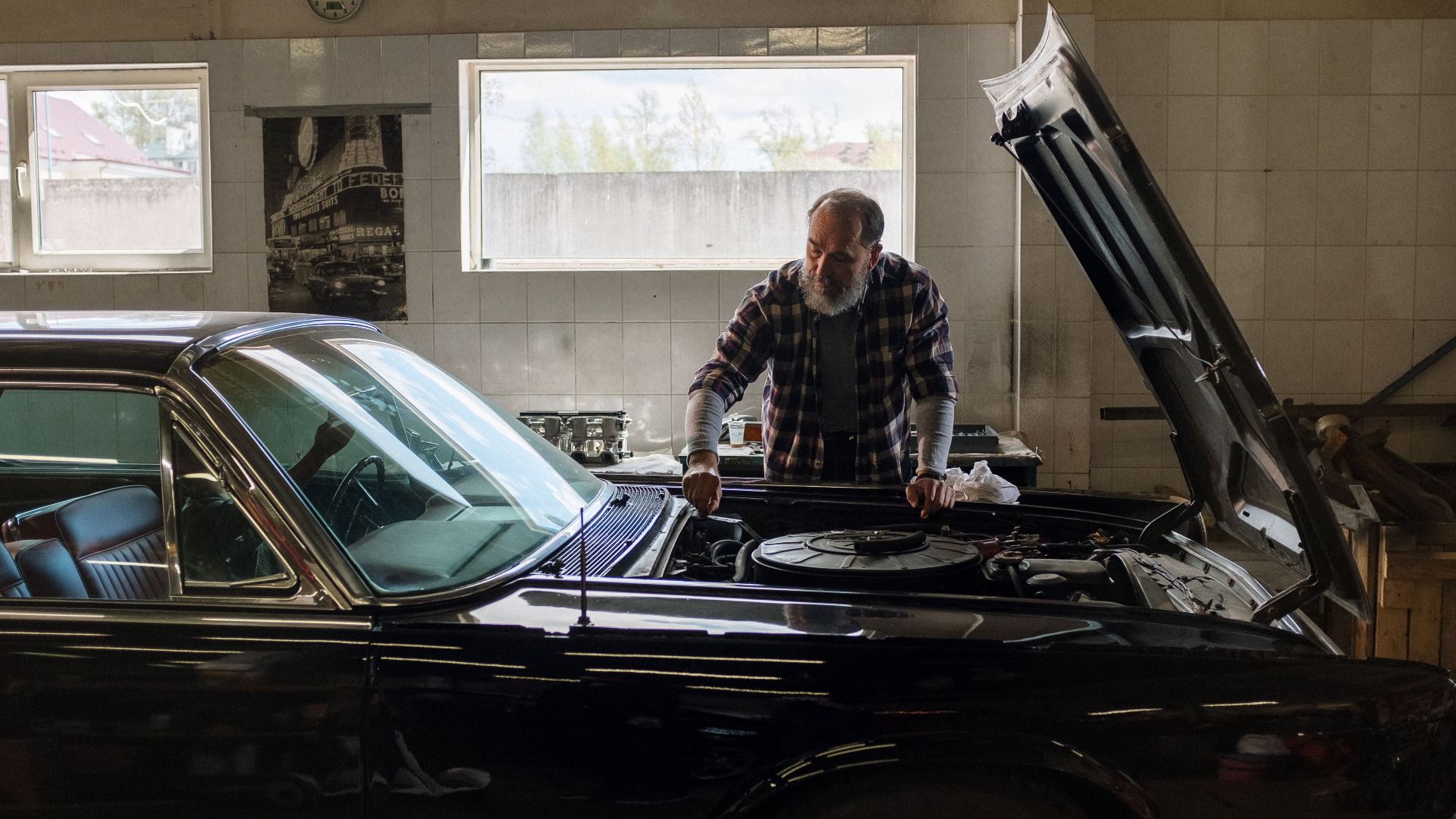
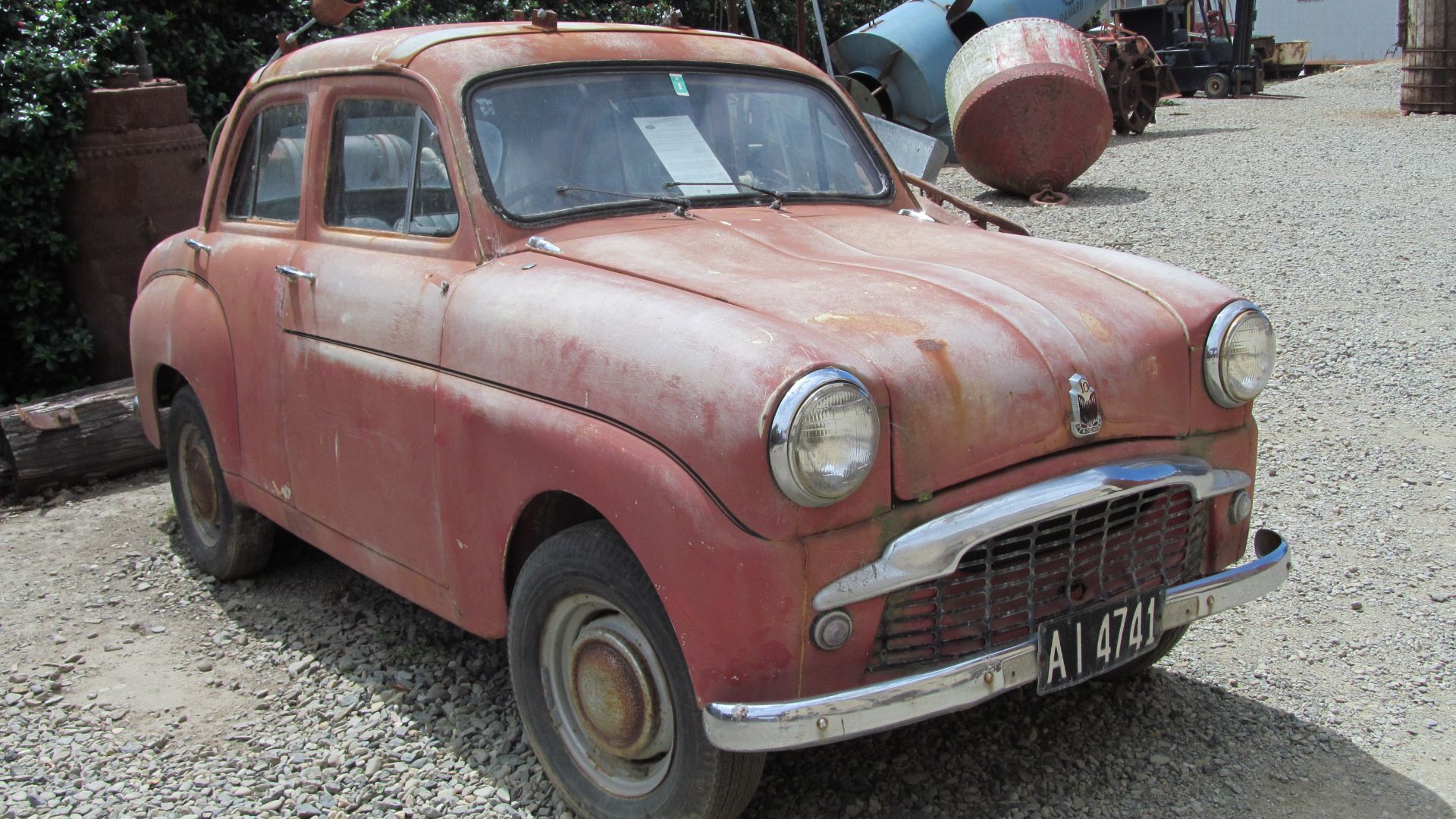
The opposite mistake is treating every form of deterioration as valuable “patina.” Light paint wear, faded finishes, and carefully aged upholstery may tell an appealing story. Structural rust, rotten floors, mold, torn interiors, and badly corroded metal don't suddenly become collectible because they're old. Preservation works best when you're protecting genuine original material rather than preserving neglect.
 Riley from Christchurch, New Zealand, Wikimedia Commons
Painting It A More Popular Color
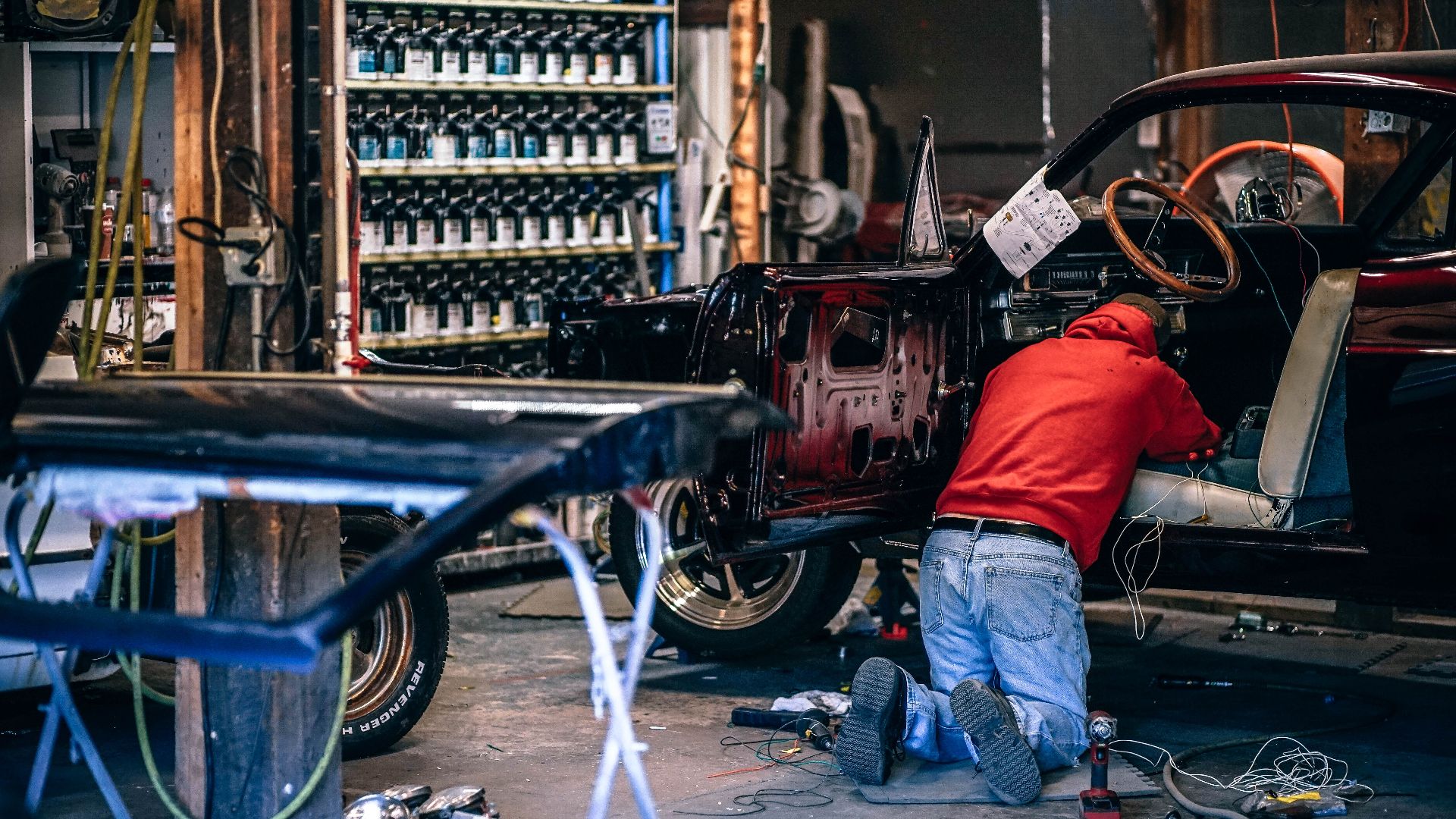
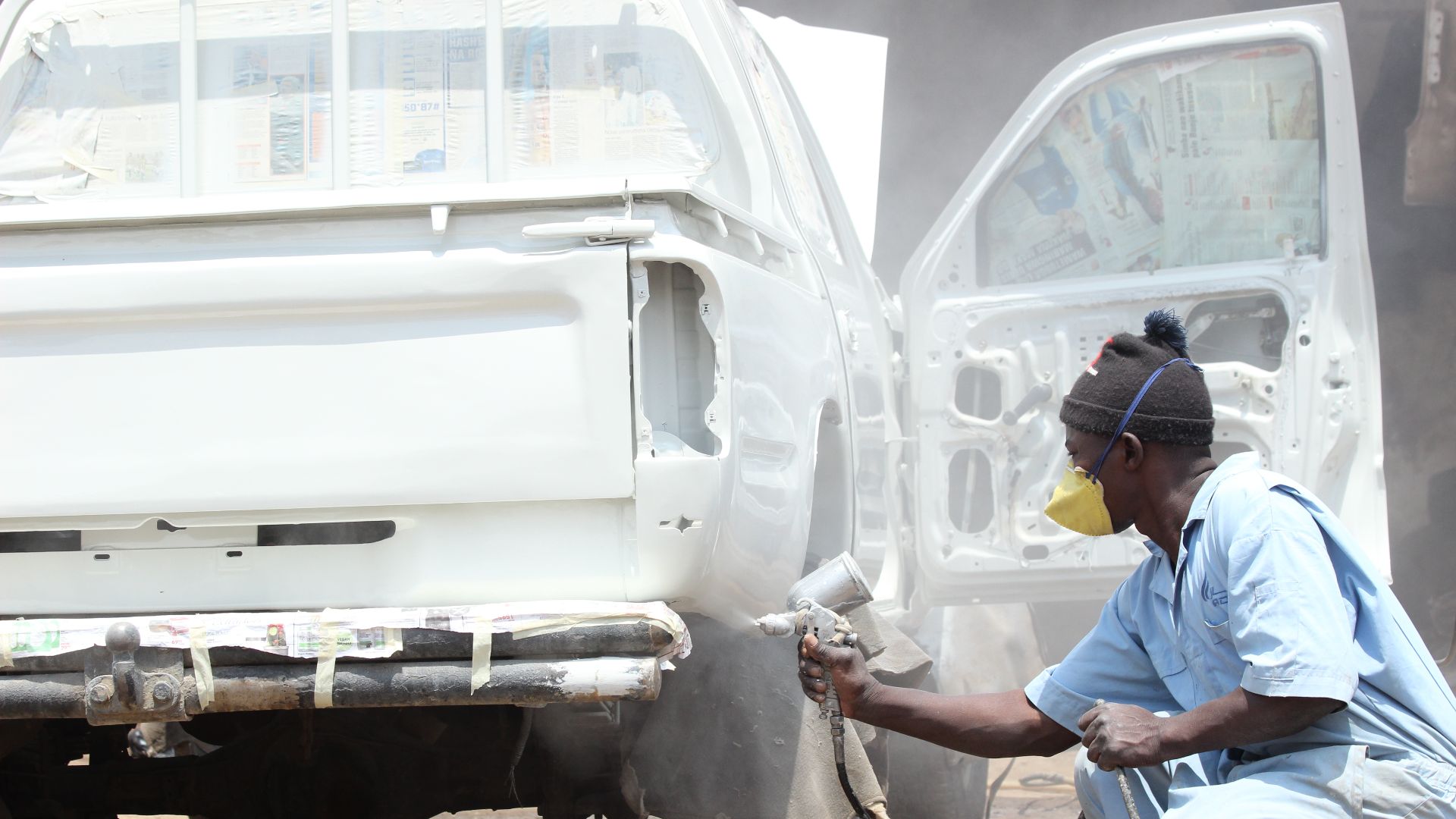
Maybe the original beige feels boring and you'd rather have red. That's perfectly reasonable for a personal driver, but it can matter to collectors, especially on rare cars. Factory paint codes help establish authenticity, and unusual original color combinations can sometimes be part of what makes a car interesting. A beautiful repaint in the wrong color may therefore narrow the pool of originality-focused buyers.
 Igor Ovsyannykov igorovsyannykov, Wikimedia Commons
Choosing A Color That Wasn't Available That Year
There's another level beyond changing from one factory color to another. Painting a 1967 car in a shade introduced in 1970 can immediately identify the restoration as historically incorrect to someone who knows the model. If factory accuracy matters, verify the actual color chart, trim tag, build sheet, or manufacturer records rather than choosing something that merely looks period appropriate.
Swapping Out The Original Engine
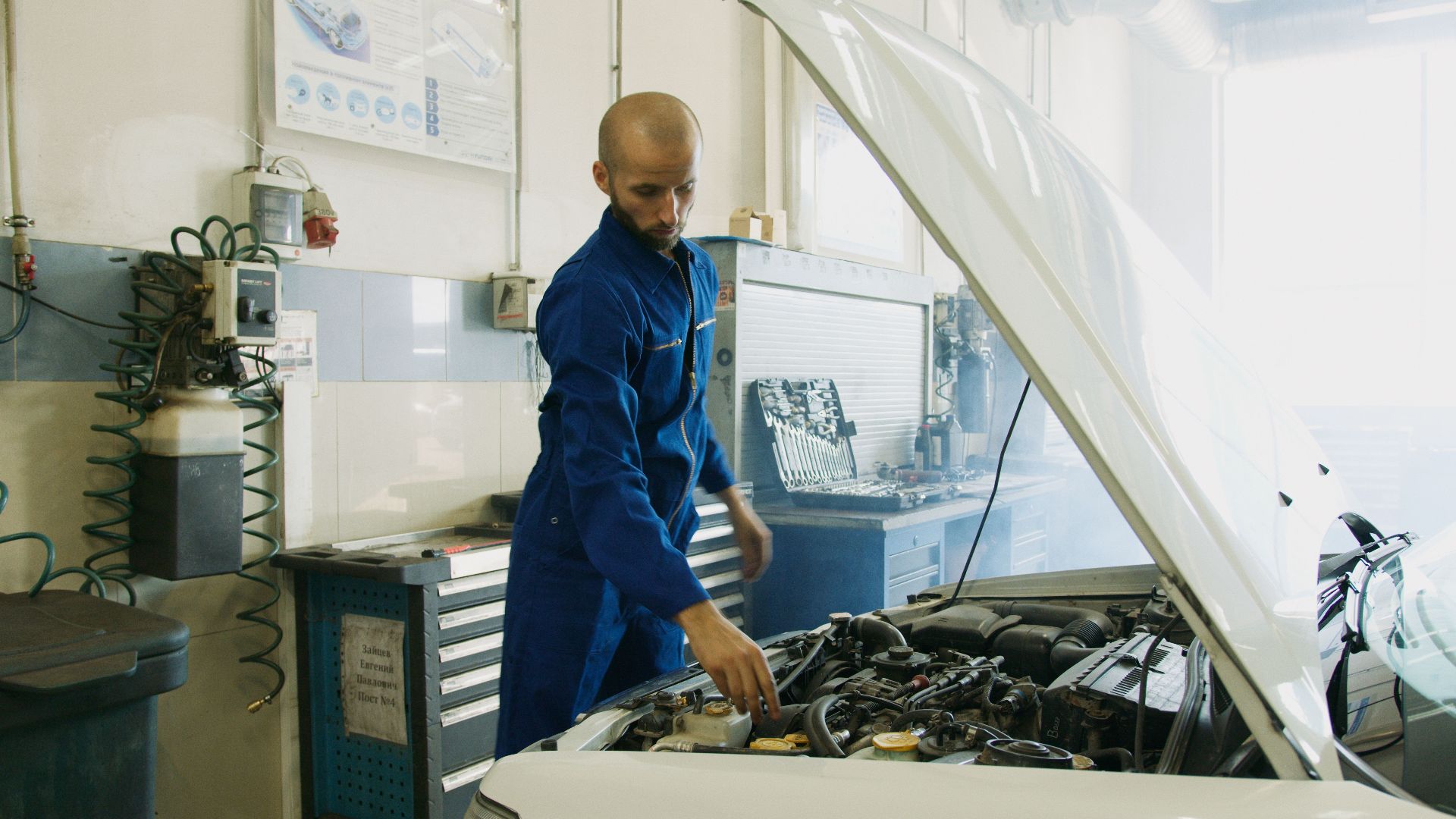
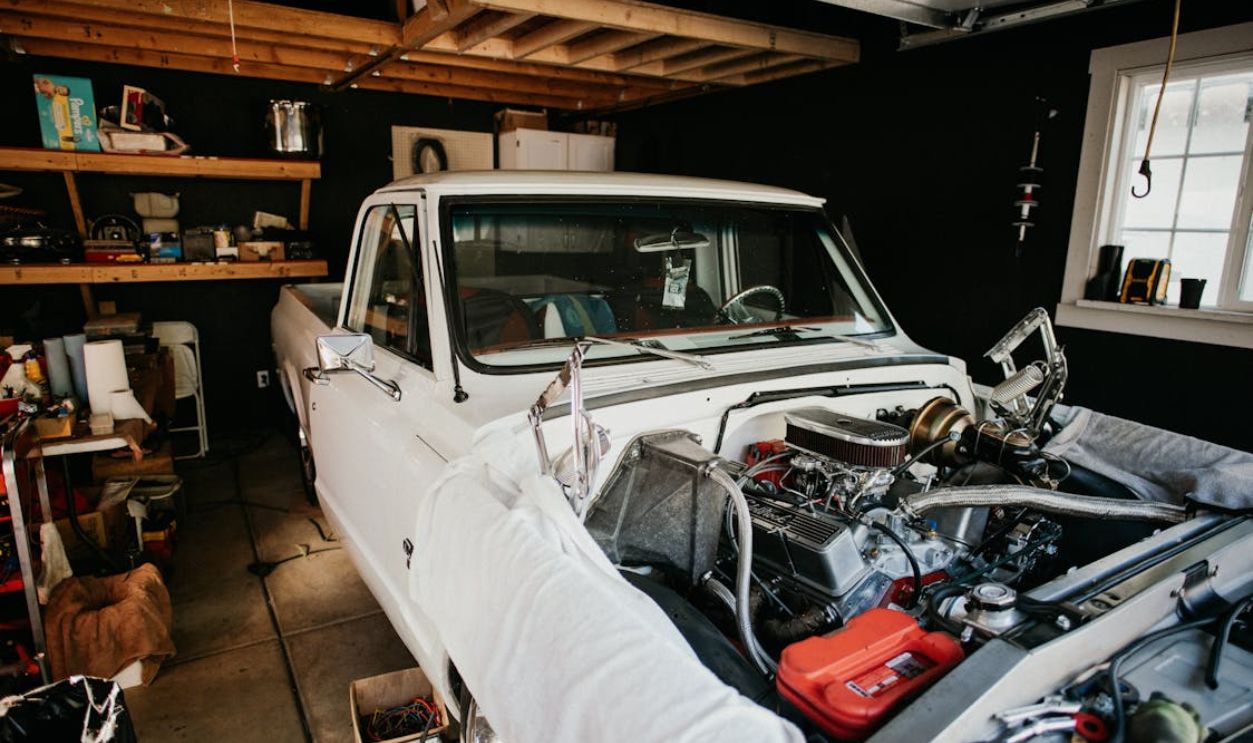
A modern V8 may add horsepower, reliability, and drivability, but removing a factory-installed engine can dramatically change how certain collectible cars are viewed. Matching or correctly documented drivetrains matter particularly on rare muscle cars, Corvettes, performance Mustangs, and other models where engine specification strongly influences desirability. Before swapping anything, find out exactly what you have.
Throwing Away The Original Engine After A Swap
Even if you decide to install a modern engine, keep the original drivetrain whenever practical. A reversible modification gives a future owner options. Selling, scrapping, or losing the factory engine turns a temporary modification into a permanent change to the car's history. An original block sitting safely on a stand may eventually be worth far more to the car than whatever you received for selling it.
Restamping Components To Make Them Look Original
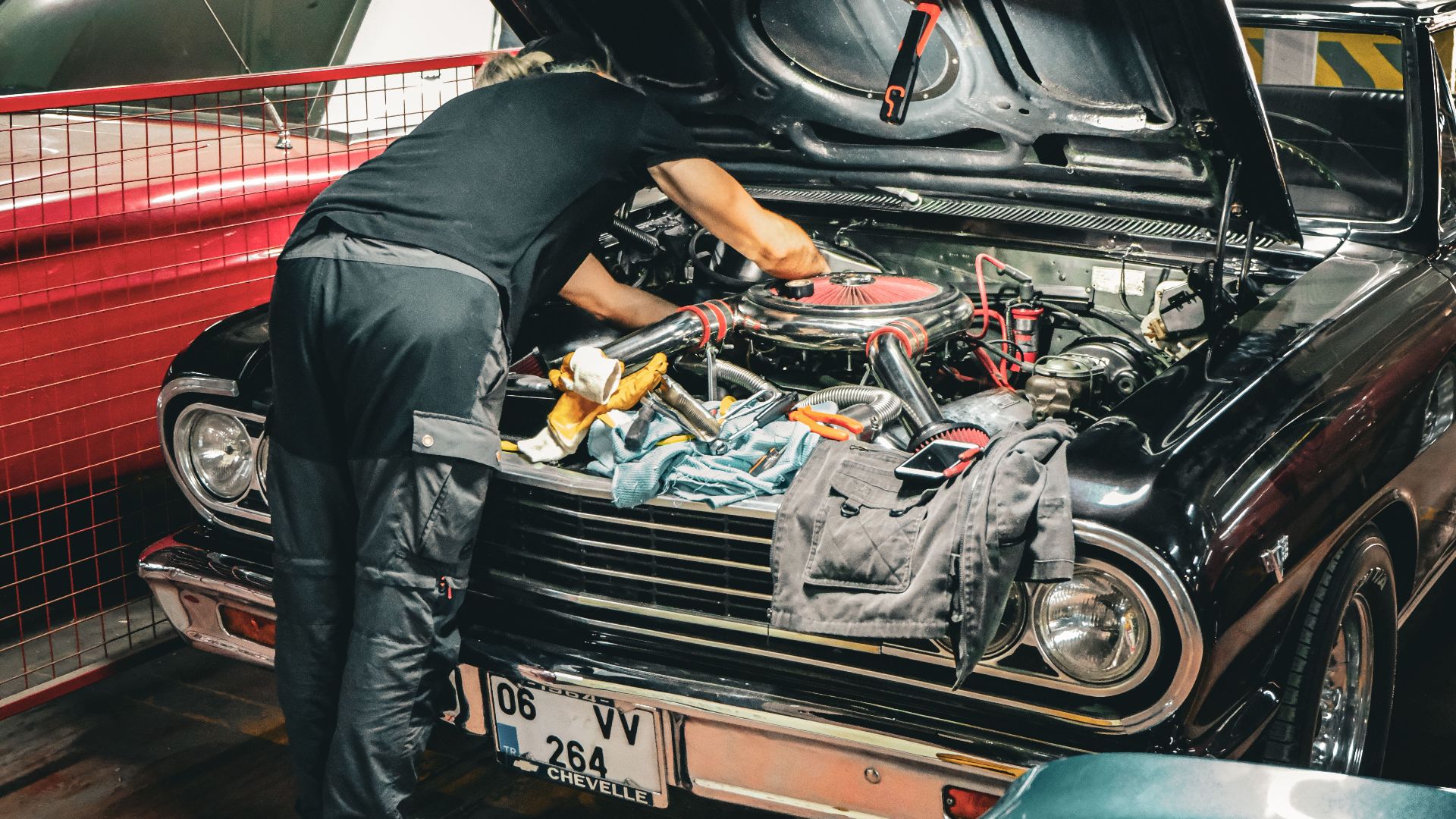
Trying to manufacture “matching numbers” is much worse than simply having a replacement engine. Collectors and specialists know where numbers, casting marks, and date codes should appear and can spot suspicious grinding or restamping. Misrepresenting a replacement component as factory-original can damage credibility around the entire car and create much bigger problems when a knowledgeable buyer discovers it.
Cutting The Body For Modern Upgrades
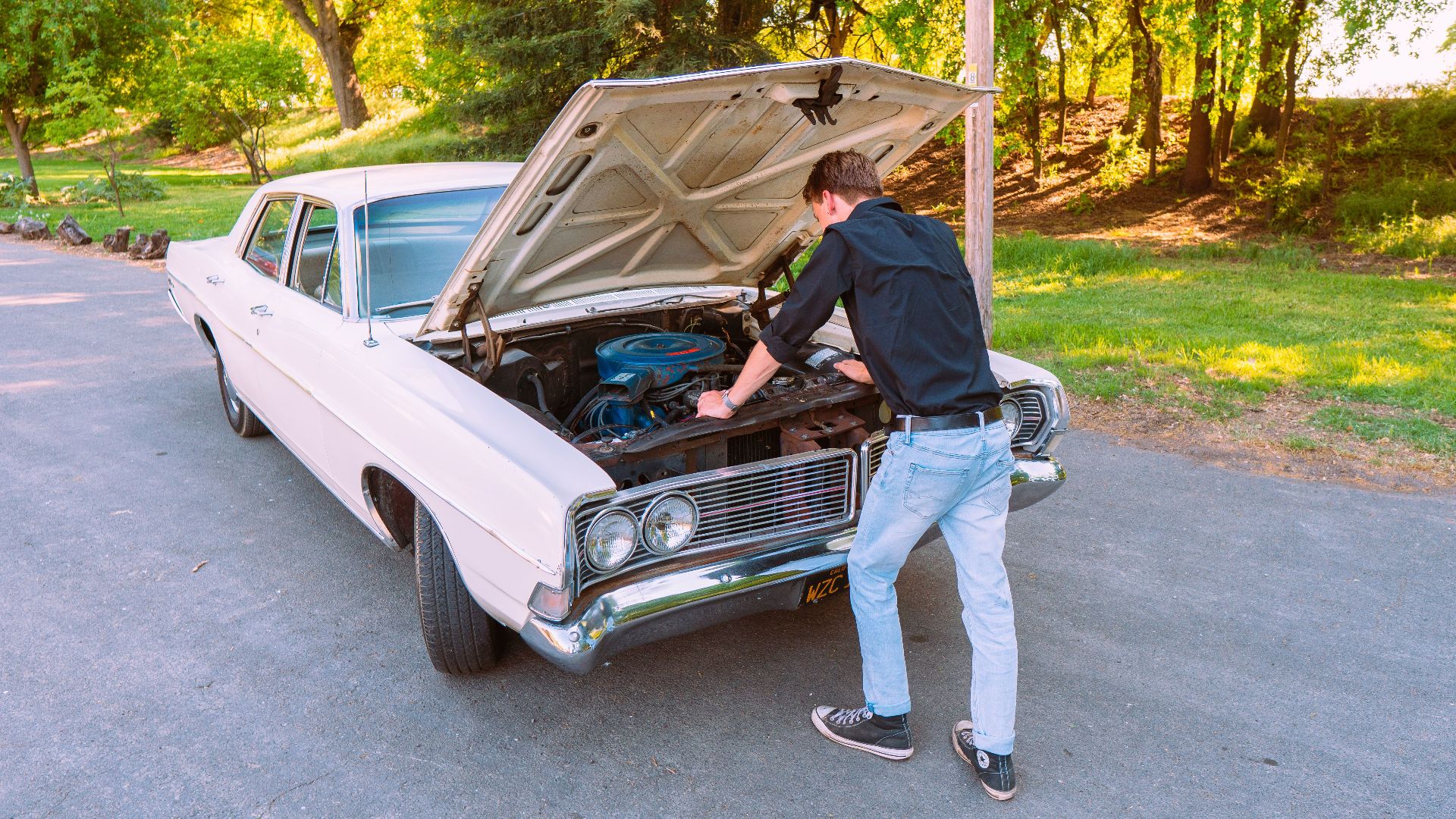
Large wheel tubs, fender flares, custom sunroofs, transmission tunnels, and altered firewall openings may improve the car for a particular owner, but cutting original metal is hard to undo. That's especially risky on rare, documented, or unusually original cars. If you want to build a heavily modified restomod, starting with a less historically significant example may preserve both cars' potential value.
Cutting The Dashboard For A Stereo
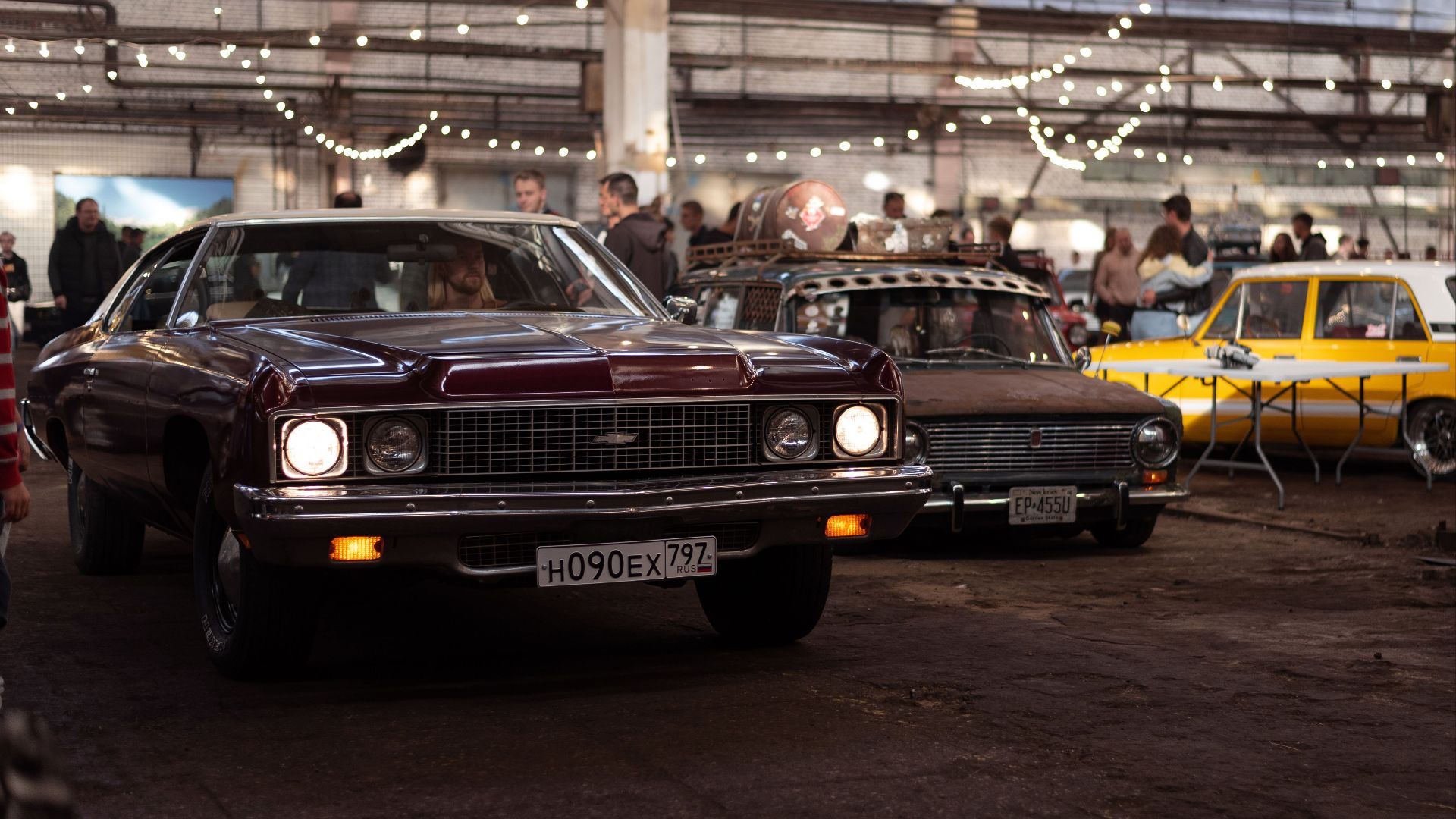
This is a smaller version of the same problem. Many older dashboards were permanently cut in the 1970s, 80s, and 90s to fit modern radios. Today, intact original dash structures can be surprisingly difficult to find. If you want Bluetooth or modern audio, hidden systems and period-looking replacement radios can provide the convenience without carving up original sheet metal.
Over-Restoring Everything Until It Looks Too Perfect
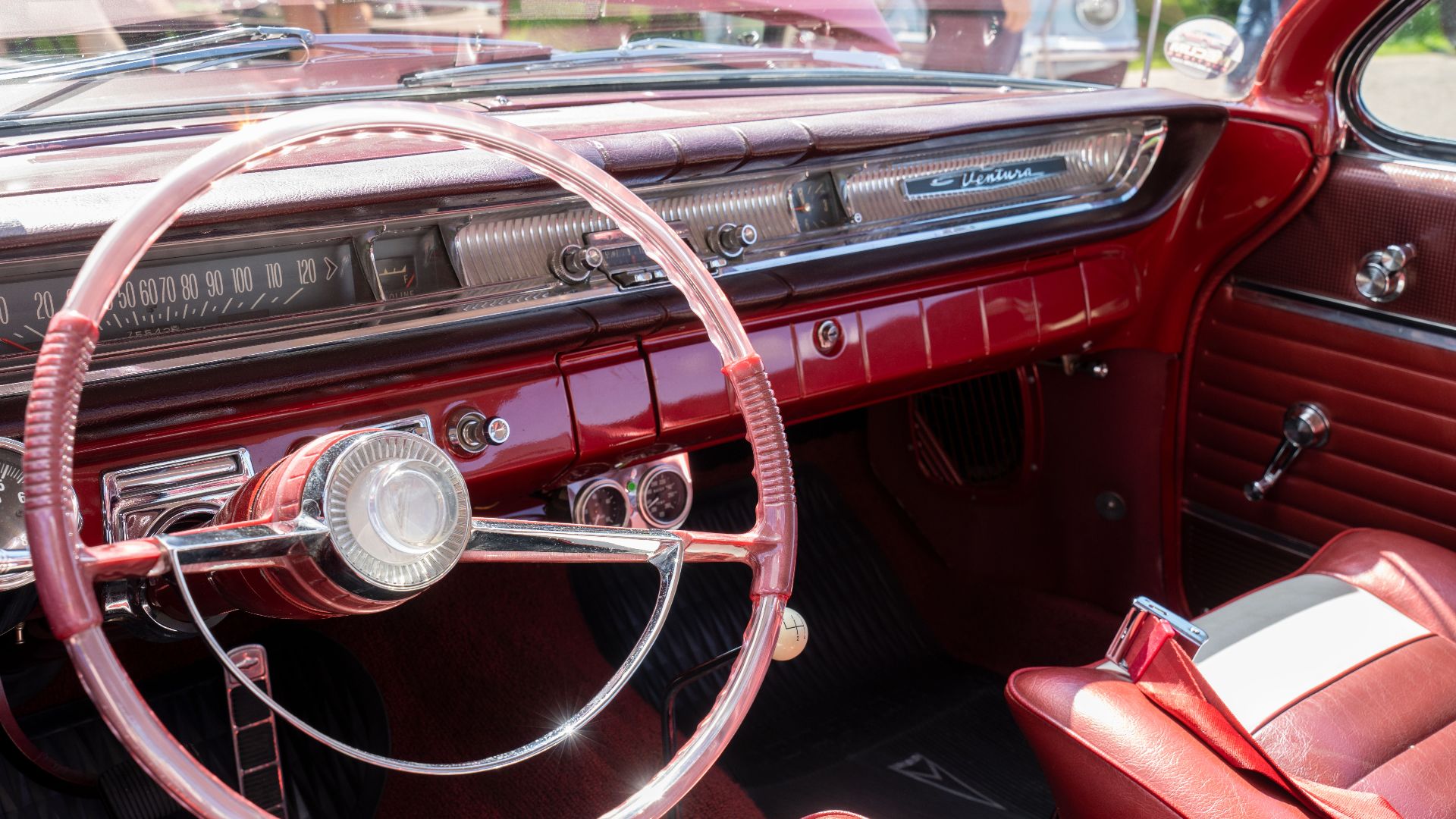
Factory-new cars weren't necessarily flawless. Castings had texture, welds could be visible, overspray occurred, and certain surfaces weren't polished like jewelry. Concours judges can actually deduct for over-restoration when components are smoother, shinier, or more elaborate than they were when new. If authenticity is the goal, “better than the factory” can sometimes mean less correct than the factory.
Chroming Parts That Were Never Chrome
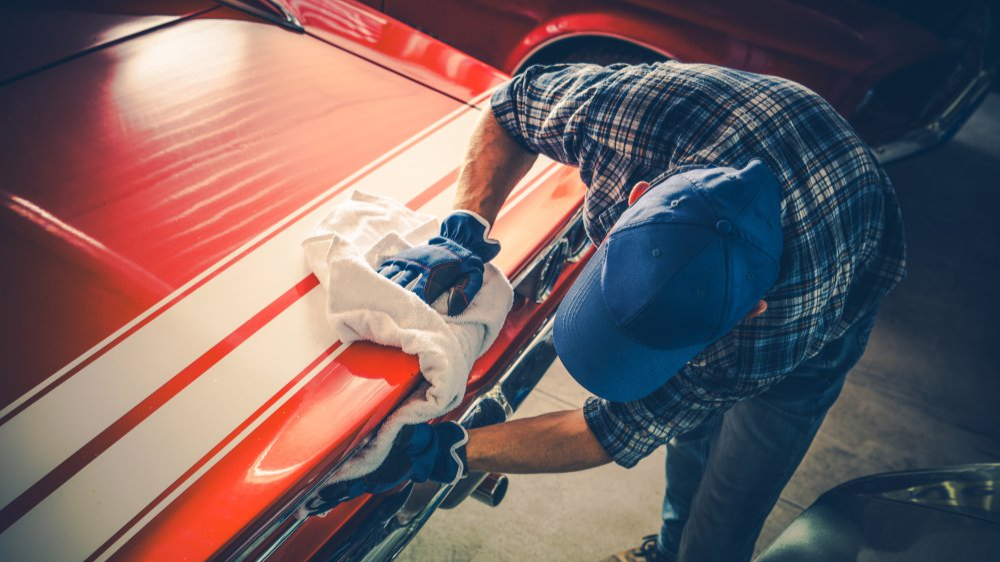
A restoration shop can make an engine bay spectacular by polishing, plating, and chroming practically everything. The result may photograph beautifully while being completely wrong. Concours guidelines specifically look at correct finishes and plating. A bracket that originally received plain black paint shouldn't necessarily become mirror-polished stainless simply because the upgraded version looks more expensive.
Using The Wrong Fasteners
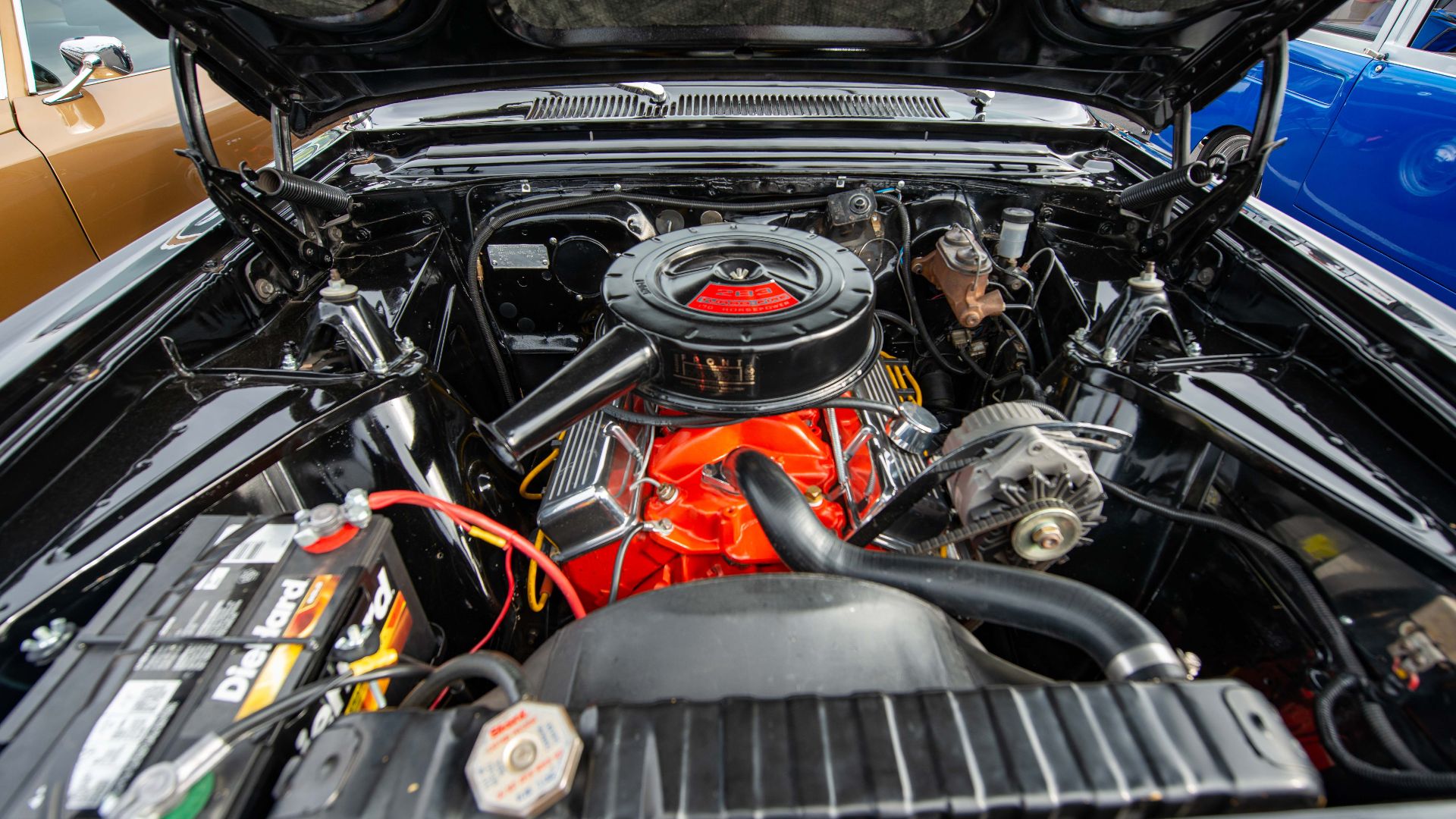
Bolts, screws, hose clamps, washers, and clips seem insignificant until you're restoring a high-level collector car. Factory-correct vehicles may use specific head markings, finishes, shapes, and fastener styles. Replacing everything with shiny modern hardware from a home-improvement store can make an otherwise expensive restoration look immediately inauthentic.
 Shixart1985, Wikimedia Commons
Installing Modern Components Where Everyone Can See Them
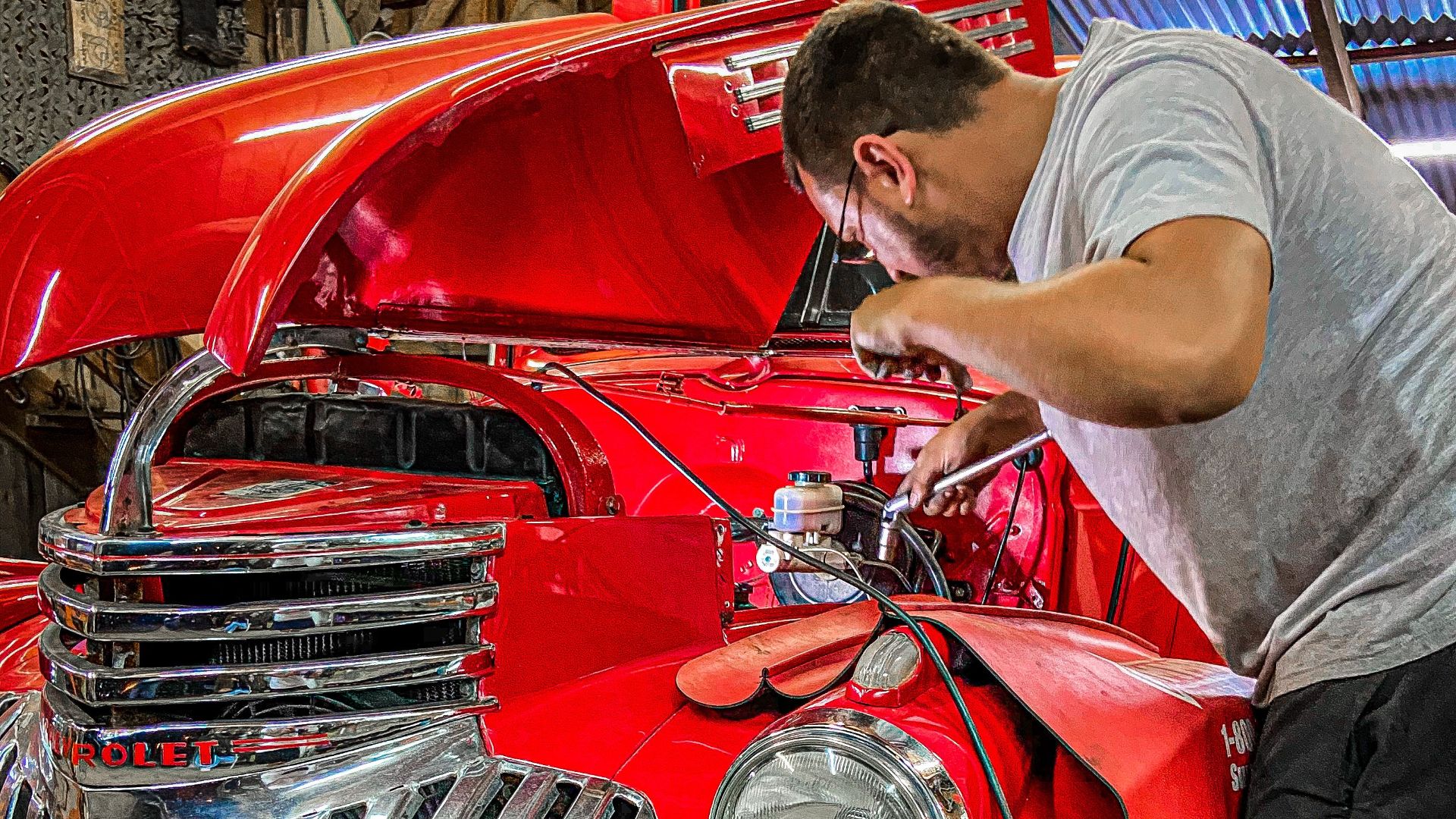
An electronic ignition, upgraded alternator, improved cooling fan, or modern air conditioning may make a classic far easier to use. The problem comes when modern components dominate an otherwise factory-correct engine bay. If originality matters, look for upgrades that can be hidden or reversed, and save the original equipment so the car can return to stock later.
Replacing A Good Original Interior Just Because It Looks Old
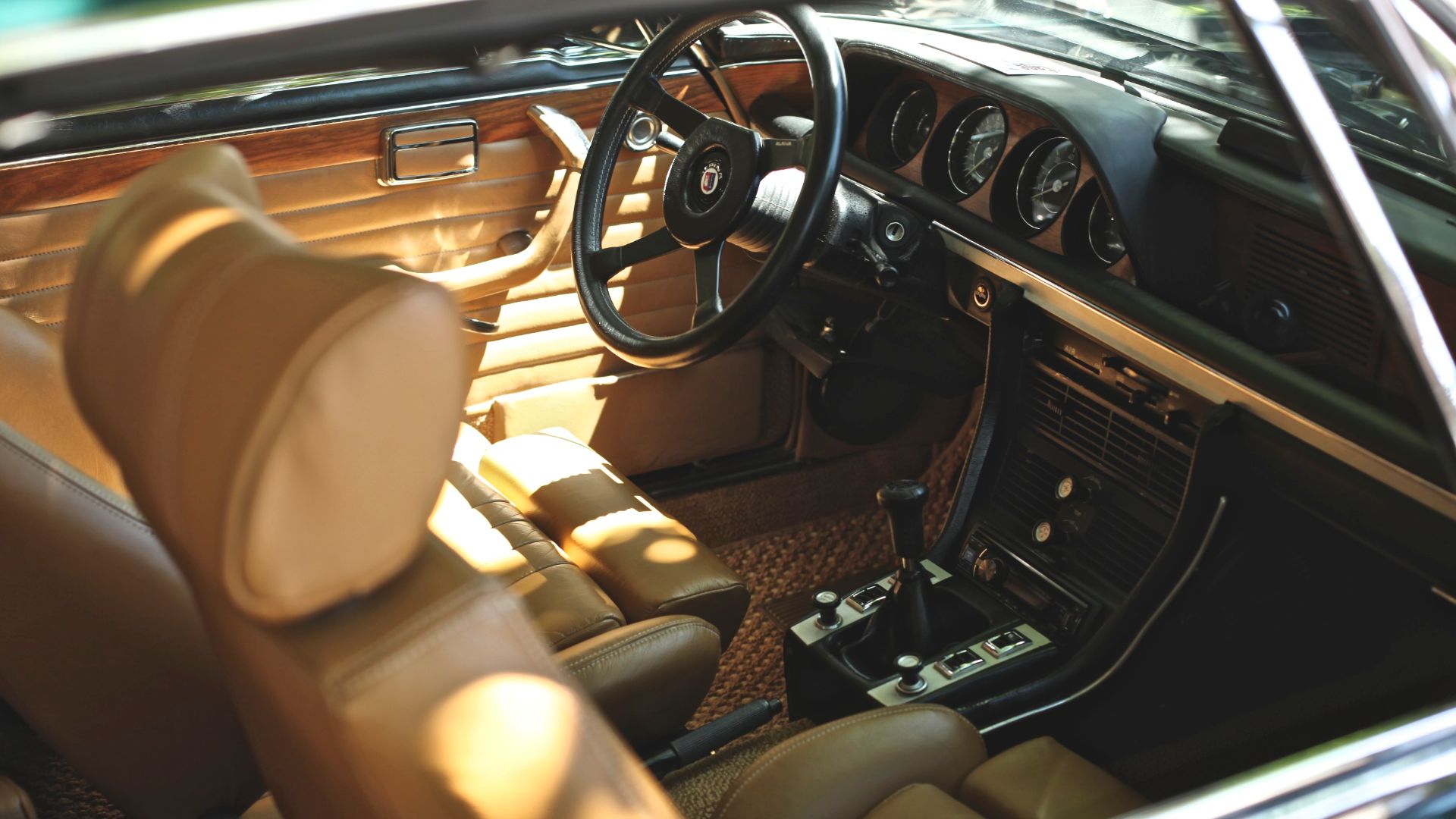
A lightly cracked leather seat or faded factory carpet may sometimes be more desirable than a perfect reproduction. Original interiors are increasingly difficult to find because so many were replaced decades ago. Before ordering an entire interior kit, determine what can be cleaned, repaired, conditioned, or sympathetically preserved.
Choosing The Wrong Upholstery Materials
When replacement really is necessary, using something that merely looks close can still affect the finished car. Vinyl grain, stitching patterns, seat pleats, carpeting, piping, and headliner material can vary by year and trim level. A generic black interior may look excellent while being obviously wrong to someone shopping specifically for an authentic example.
 Sean DuBois seandubois, Wikimedia Commons
Mixing Parts From Different Model Years
Manufacturers constantly changed details during production. A grille from the following year might bolt straight onto the car, and a later steering wheel may look nearly identical, but knowledgeable collectors notice these differences. Before ordering reproduction parts, confirm which variations actually belong on your specific build date rather than assuming every part listed for that generation is interchangeable from a value standpoint.
Adding Options The Car Never Had Without Documenting Them
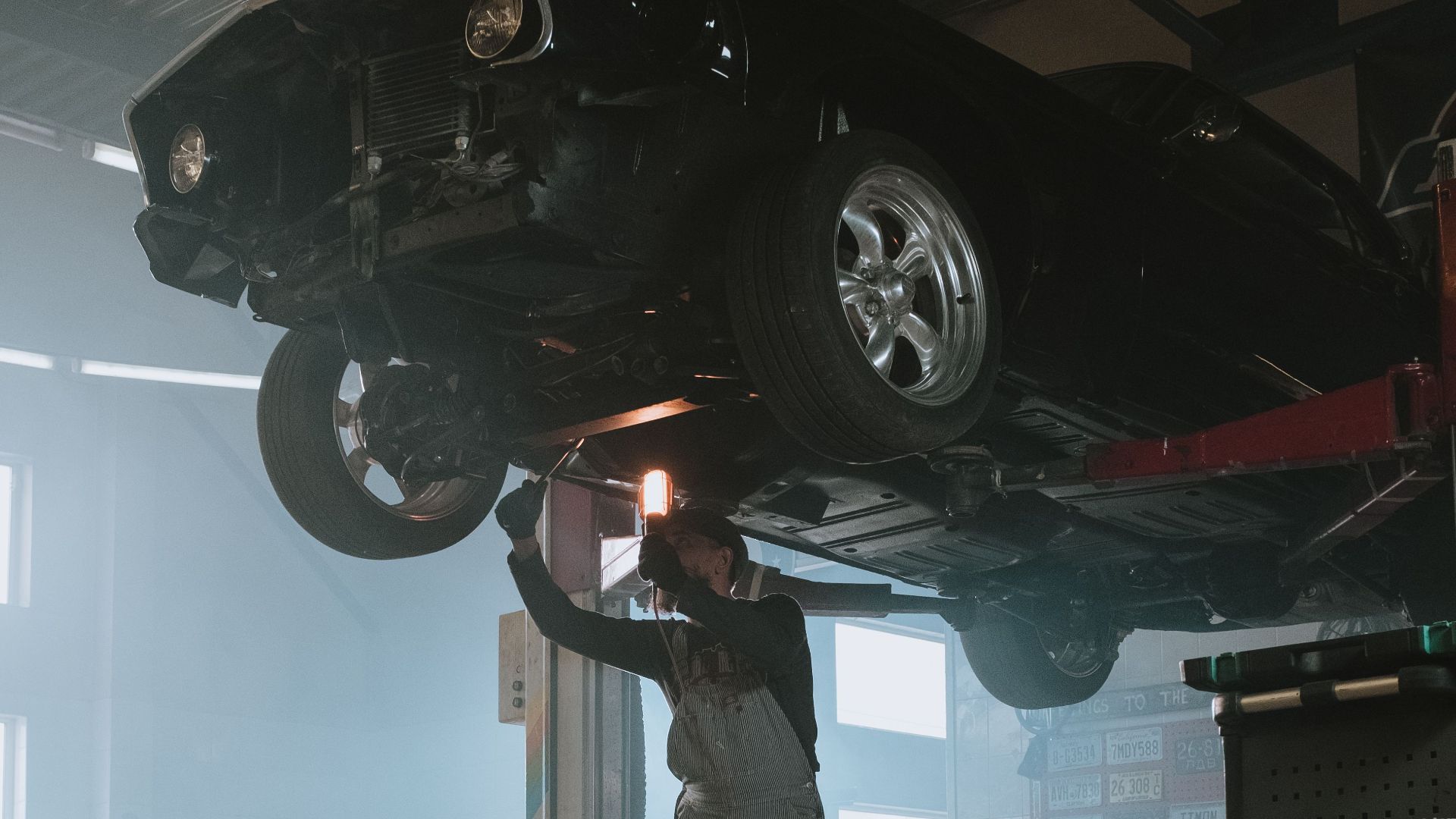
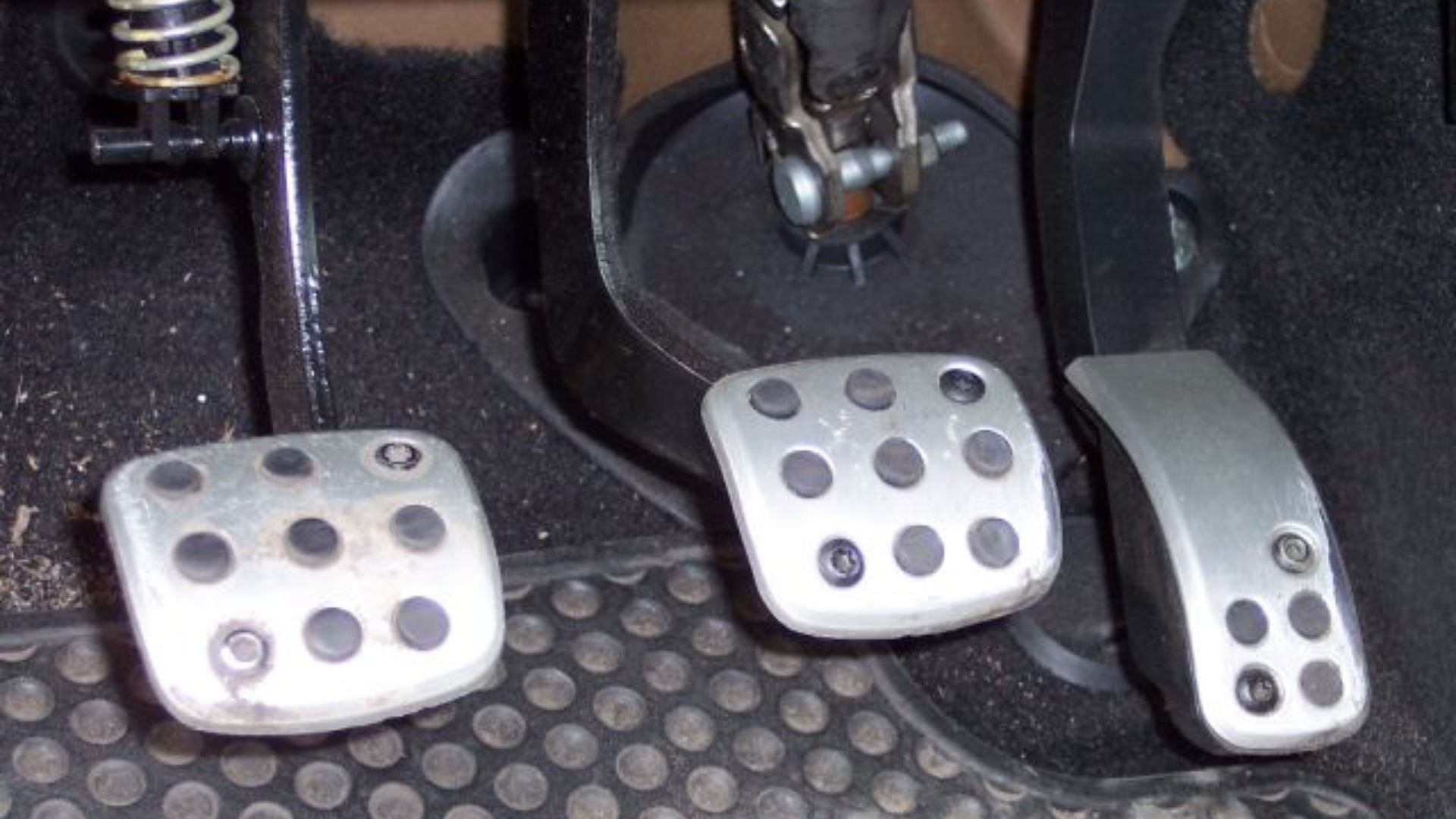
Power steering, air conditioning, upgraded brakes, spoilers, and performance packages can make a classic more enjoyable. Trouble starts when additions make the car appear to be a rarer factory specification it never was. There's nothing inherently wrong with adding useful equipment, but document the change clearly rather than allowing a future buyer to mistake it for original equipment.
 Stahlkocher, Wikimedia Commons
Turning It Into A Tribute Without Preserving Its Identity
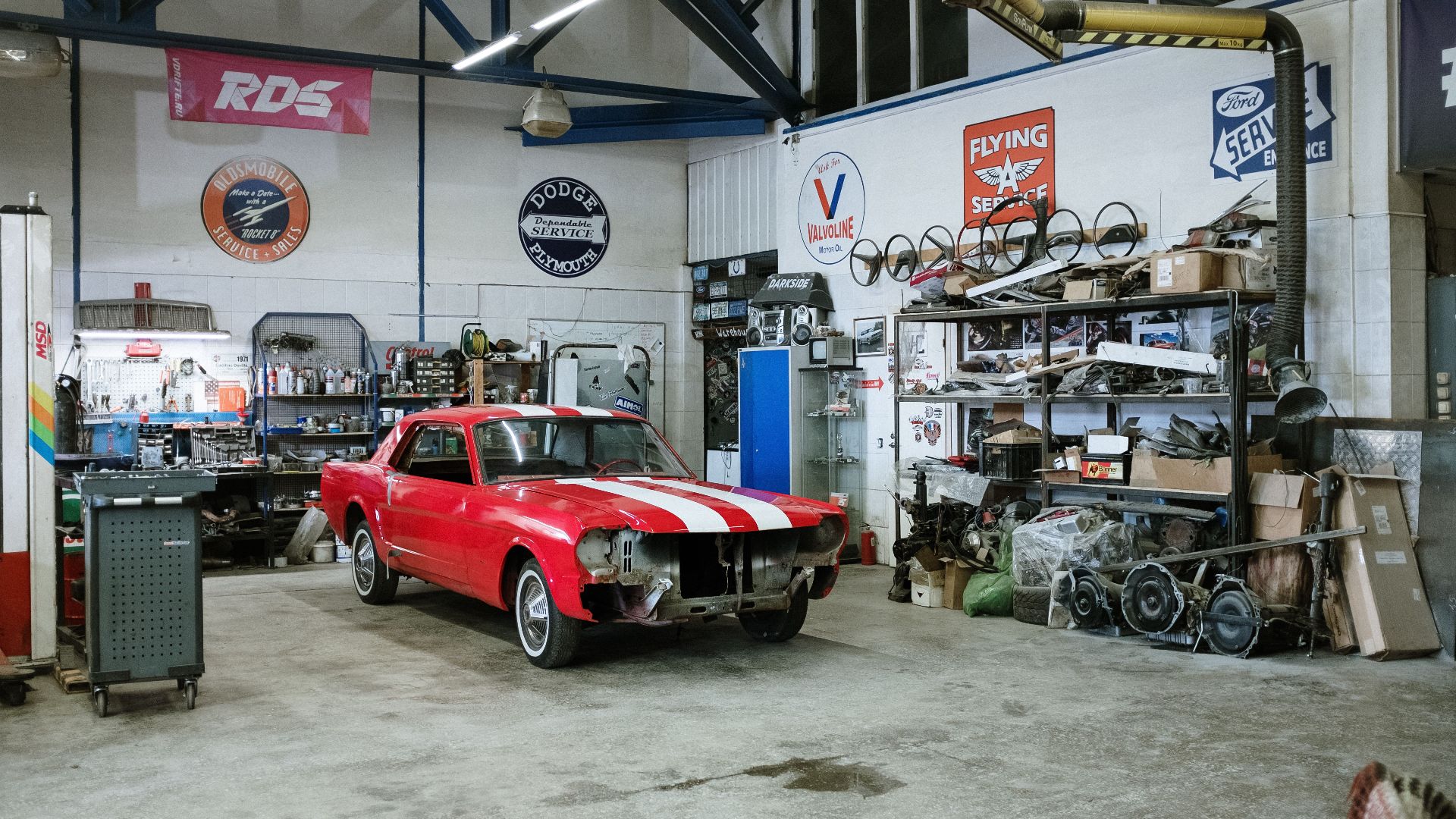
Converting an ordinary model into the visual equivalent of a valuable performance version can be fun. A base Mustang can wear Shelby-inspired pieces, and a standard muscle car can receive higher-performance badging. But the restoration shouldn't blur the distinction between tribute and genuine article. Preserve VINs, tags, records, and original specifications so there's never confusion about what the car actually is.
Hiding Rust Instead Of Repairing It Correctly
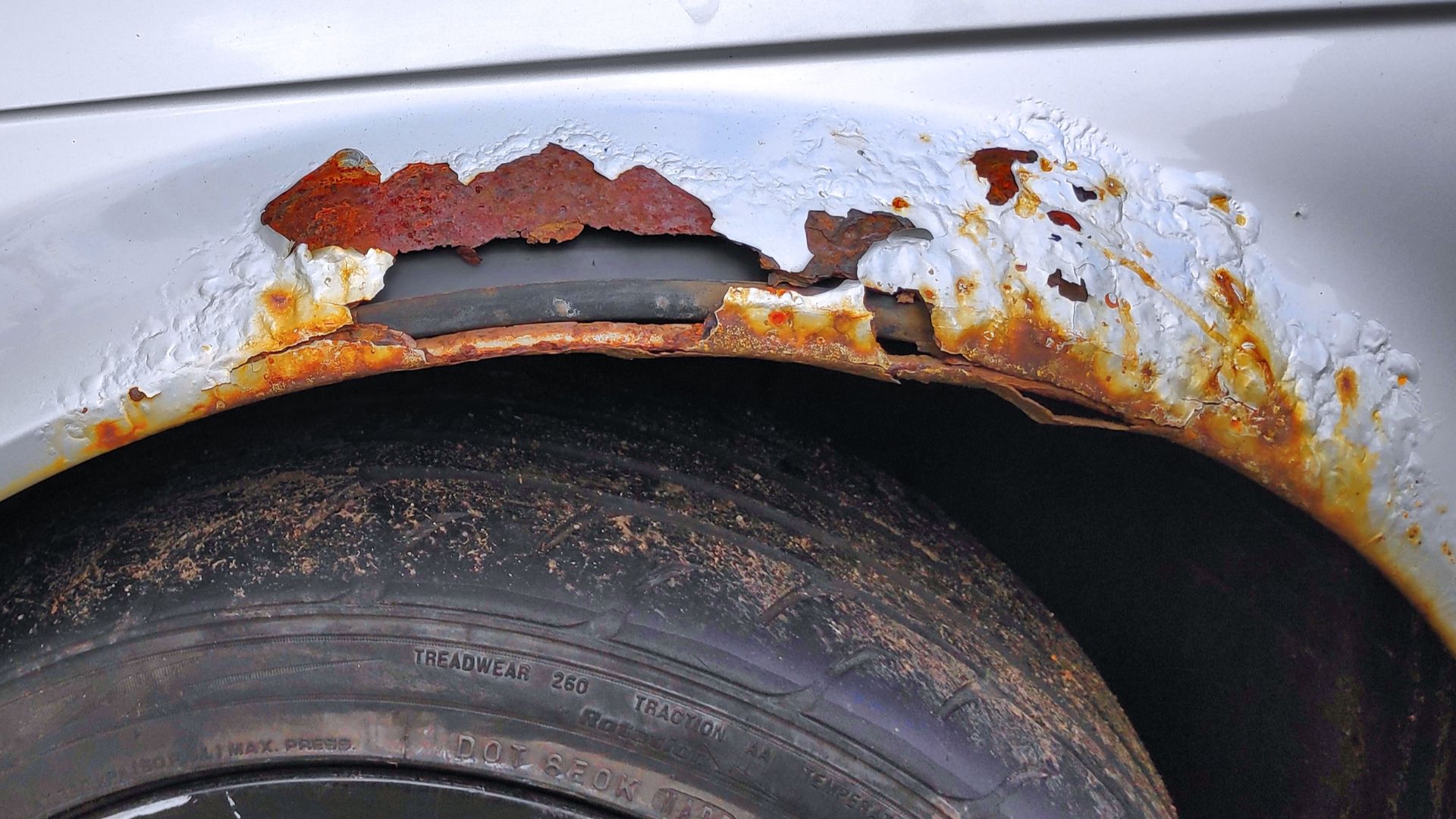
Few things hurt confidence faster than discovering body filler covering corrosion that should have been cut out and repaired. Sloppy rust work can look excellent for a short time before bubbles and cracks return. Worse, hidden structural corrosion raises questions about everything else the restorer touched. Proper metal repair may cost more upfront, but poor bodywork can taint the reputation of an entire restoration.
 Marek Ślusarczyk (Tupungato) Photo portfolio, Wikimedia Commons
Replacing Original Sheet Metal Too Quickly
At the other extreme, don't automatically replace an entire quarter panel because one section needs repair. Original sheet metal can matter on significant cars, and reproduction panels don't always match factory stampings, seams, or fit perfectly. A skilled metalworker may be able to preserve far more of the original structure than a shop accustomed to replacing whole assemblies.
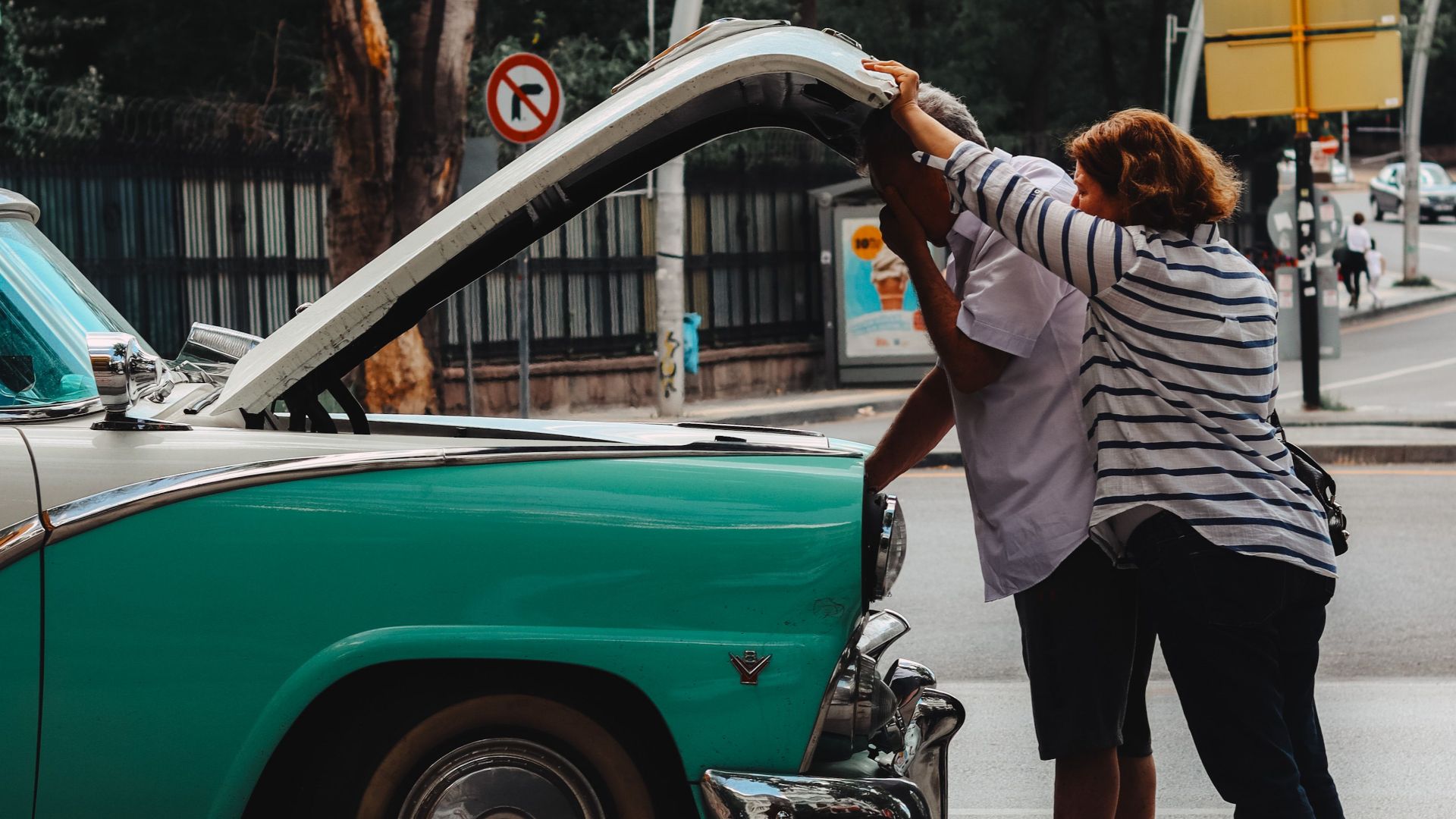
Ignoring Factory Markings During Disassembly
Chalk marks, inspection stamps, grease-pencil notes, tags, decals, and production markings can disappear the moment a component is blasted or stripped. Some may look messy, but they can provide valuable clues about how the car was built. Photograph and research them before cleaning anything. A restorer can't recreate evidence they didn't realize was important until after it vanished.
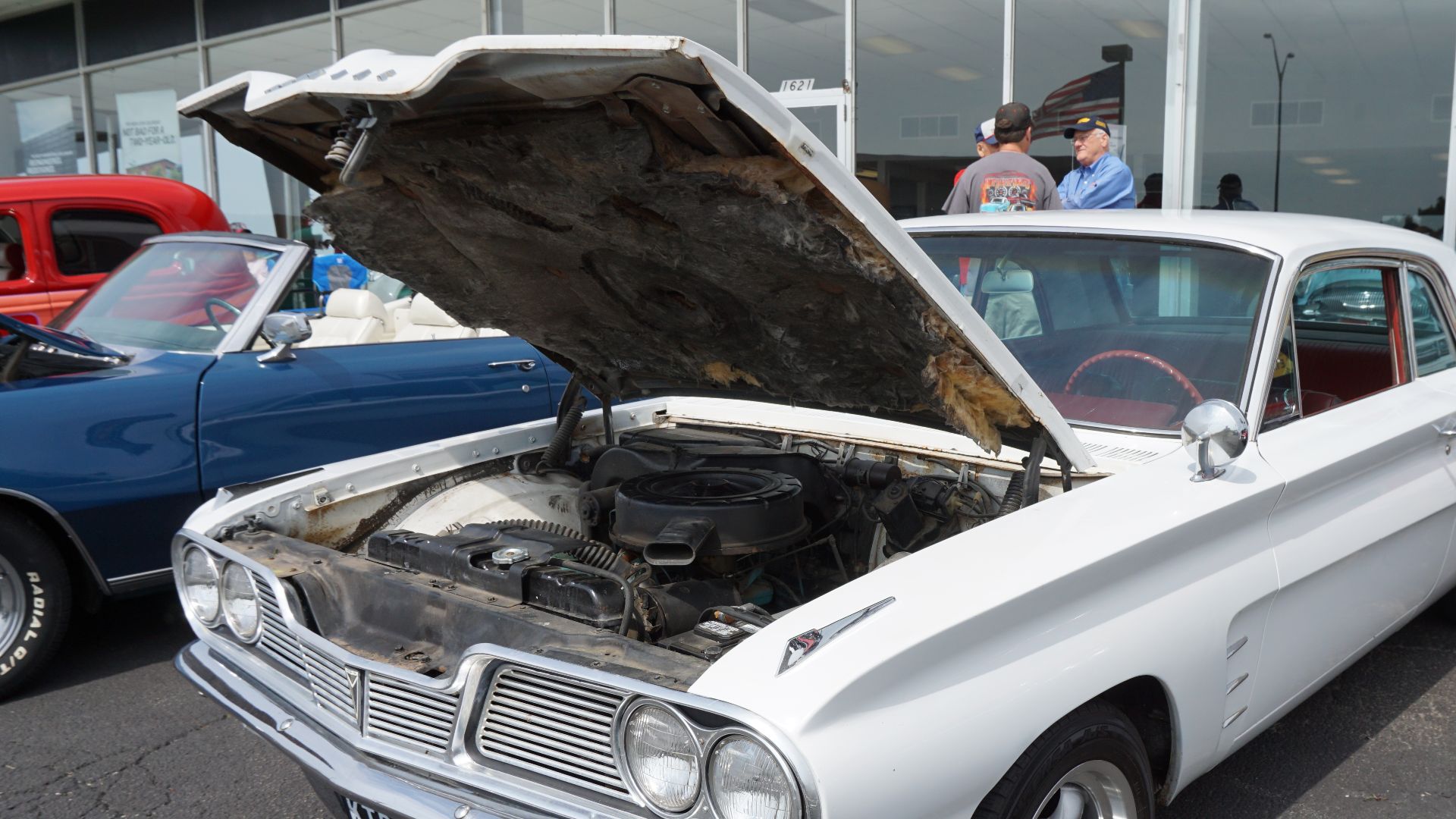 Michael Barera, Wikimedia Commons
Failing To Photograph The Restoration
Take pictures before disassembly, during metal repair, after stripping, and throughout reassembly. Photographs can demonstrate that the floors weren't filled with rust, the body wasn't hiding major crash damage, and the restoration actually involved the work claimed. A stack of invoices is useful, but images can show a future buyer exactly what happened underneath that perfect paint.
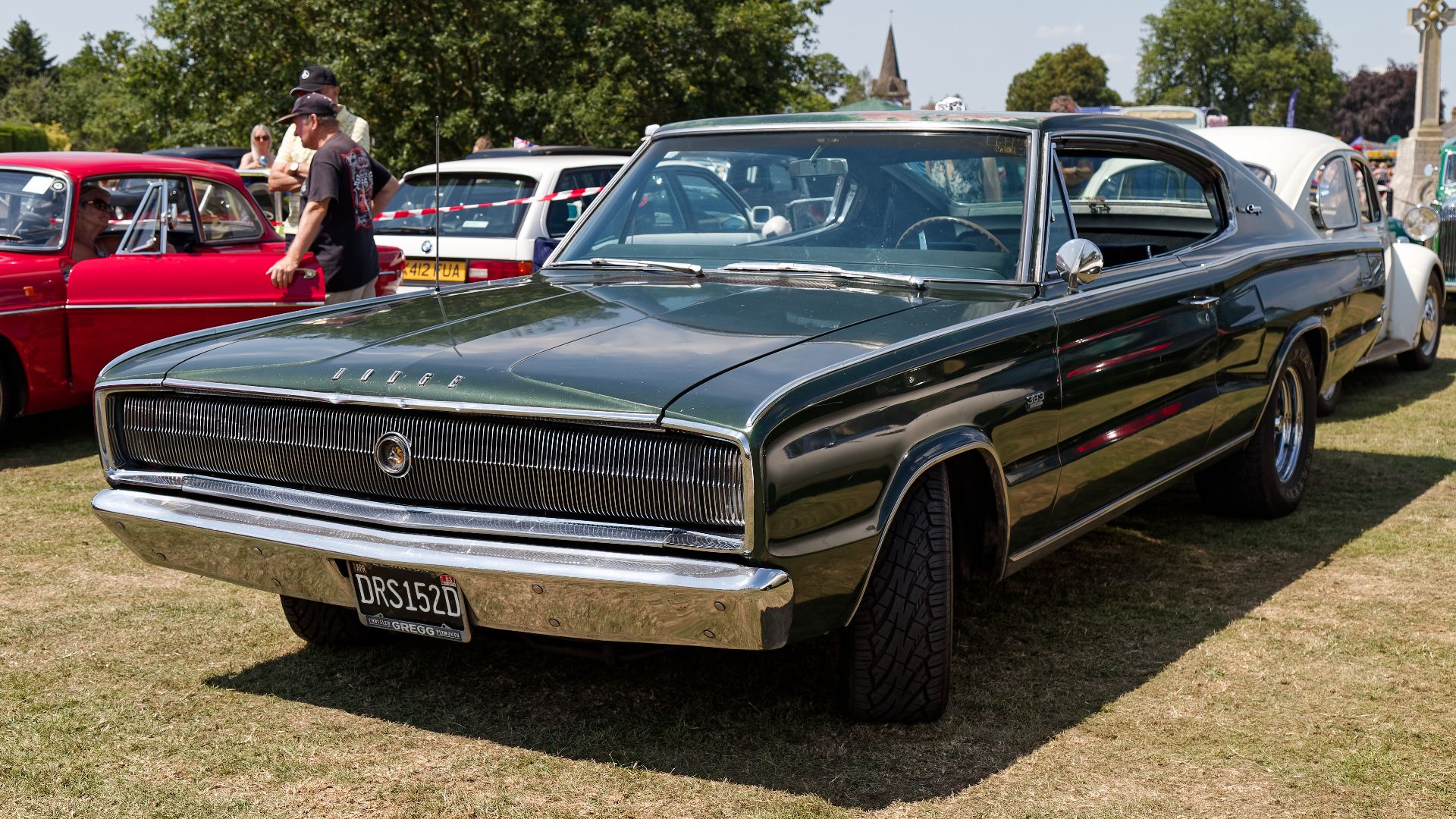
Losing The Paperwork While Improving The Car
Build sheets, window stickers, dealer invoices, service records, factory correspondence, ownership history, race records, and old photographs can contribute enormously to a collector car's story. Don't treat them like old clutter during a restoration. Hagerty specifically recognizes provenance and documentation as factors that can affect collector value. Put originals somewhere secure and create digital copies.

Choosing A Restoration Shop That Doesn't Understand The Model
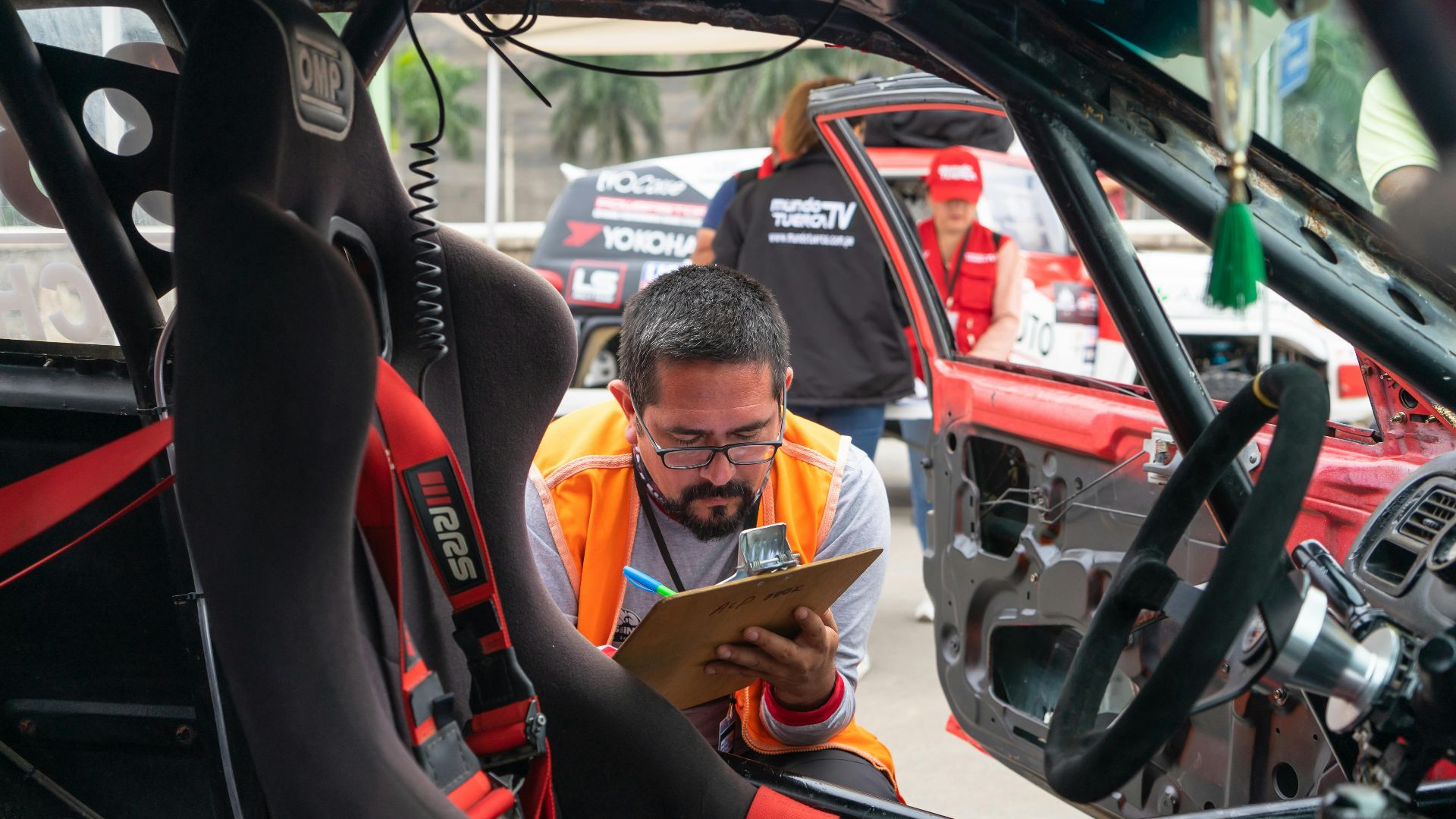
A shop can be excellent at paint and fabrication without understanding the details collectors care about on your specific car. The correct finish, panel gaps, engine markings, hardware, and assembly practices can vary enormously between marques. For a valuable restoration, talk to owners' clubs, judges, and marque specialists before choosing a shop solely because its previous builds looked shiny.
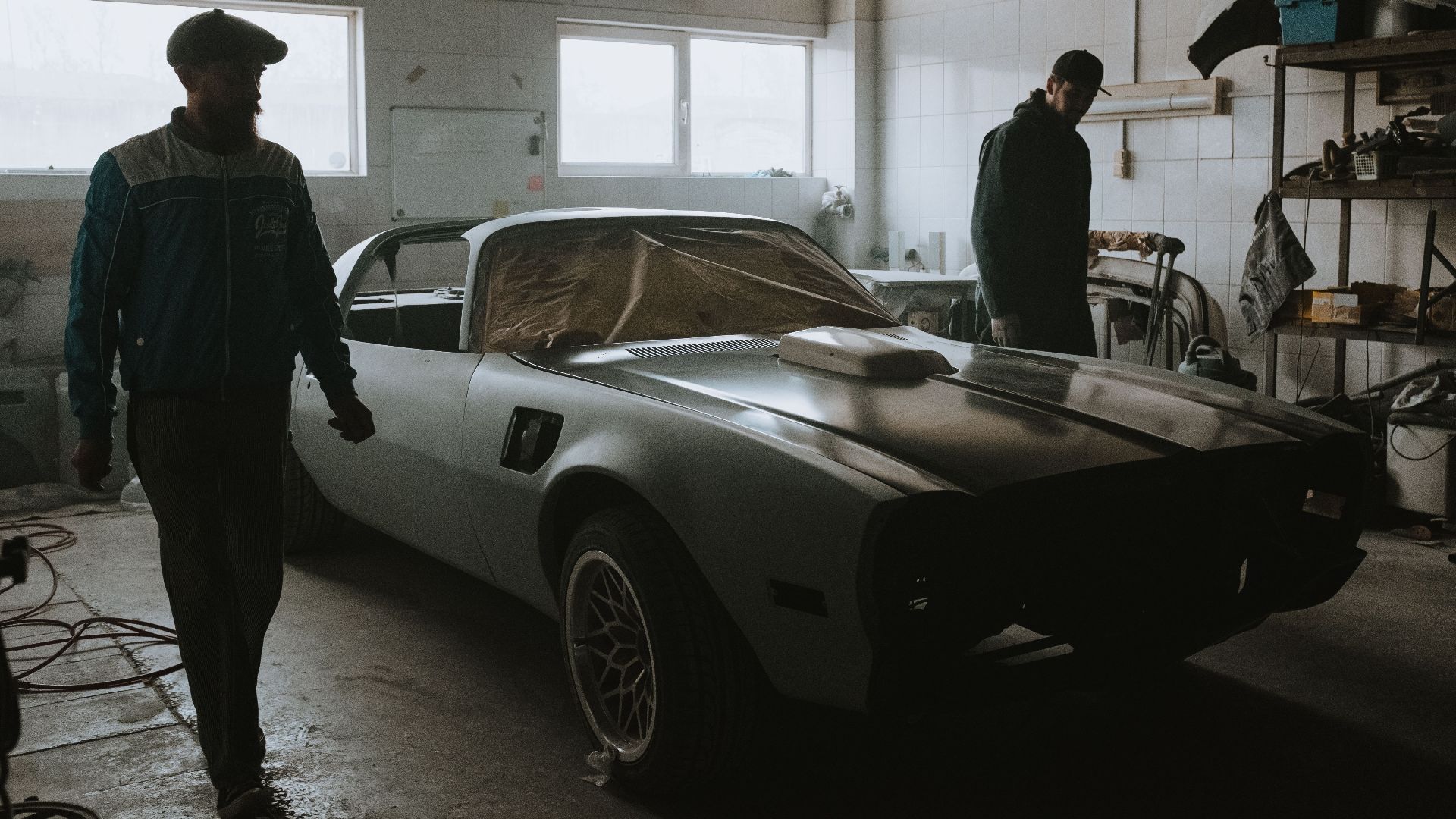
Restoring Without Deciding What The Car Is Supposed To Become
A preservation car, concours restoration, weekend driver, vintage racer, and modern restomod are judged by very different standards. Problems arise when the project starts as one and gradually turns into another. Decide before disassembly whether you're chasing factory correctness, usability, show awards, or personal taste. Otherwise, you can spend concours-level money on a car that ends up too modified for originality buyers and too conservative for restomod buyers.
You May Also Like:
Classic Car Colors That You Used To Be Able To Buy, But Would Make Dealers Today Faint
Why Vintage Car Owners Should Be Careful About Zinc Levels In Modern Motor Oil
Classic Cars That You Can Buy Pretty Cheap And Restore Beautifully