The Oil Change That Could Put Your Classic Engine At Risk
Owning a vintage car means paying attention to details that modern drivers rarely consider. One of those details is hiding inside the motor oil you pour into the engine. Modern lubricants are designed to meet today's performance and emissions requirements, but some older engines have different needs. Understanding the role of zinc-based additives could help protect an expensive and increasingly difficult-to-replace engine. Factinate Ltd
The Ingredient Most Drivers Have Never Heard Of
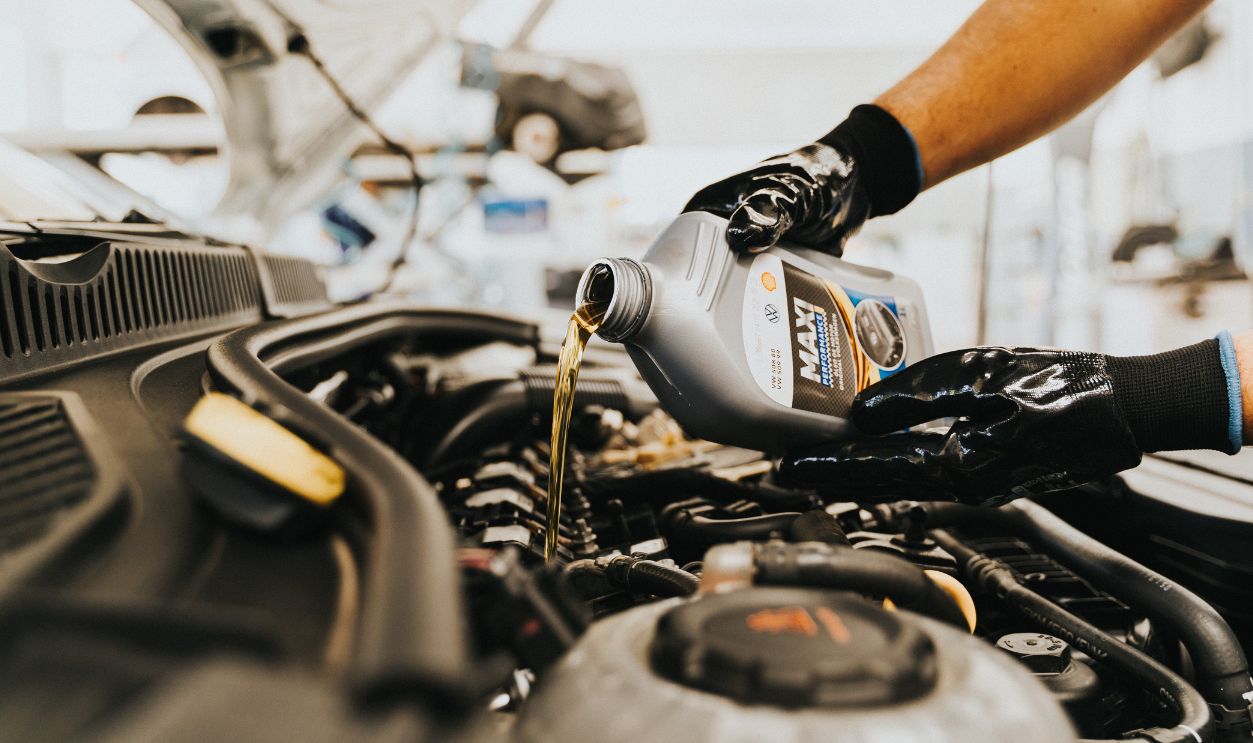
For decades, engine oil manufacturers have used an anti-wear additive called zinc dialkyldithiophosphate, commonly shortened to ZDDP. This chemical contains zinc, phosphorus, and sulfur, and it helps protect metal surfaces under demanding operating conditions. Car enthusiasts usually refer to it simply as zinc, although the complete chemical compound is what matters. Its importance becomes clearer when you examine how older engines were built.
Why Older Engines Need Special Attention
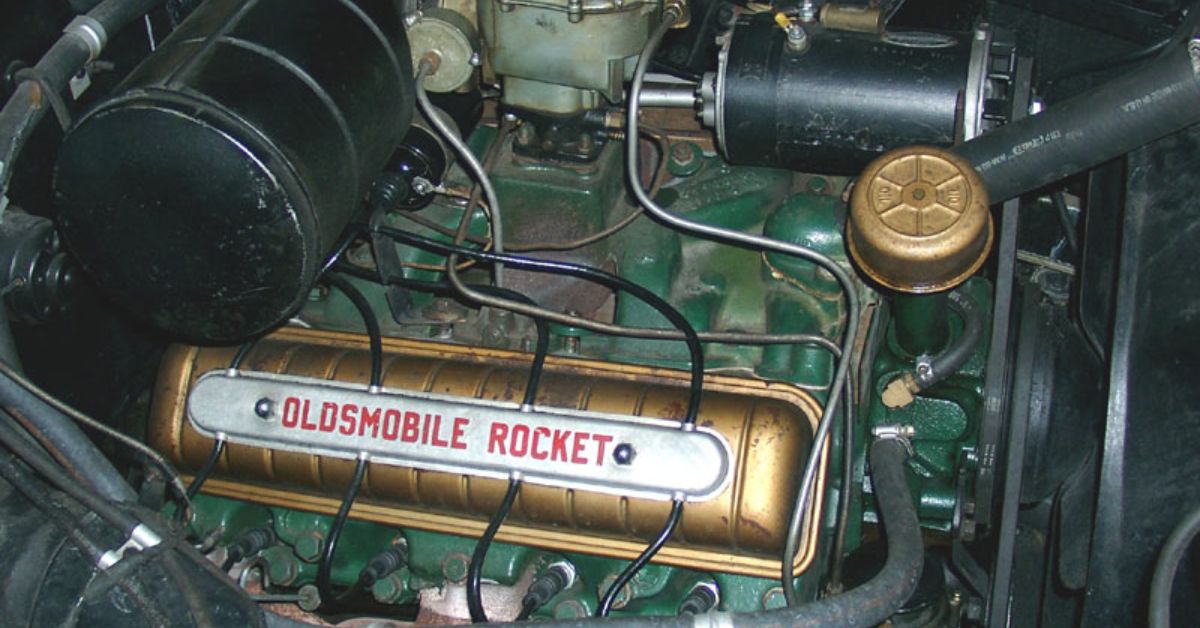
Many classic American engines use a valvetrain design that places considerable pressure on specific moving components. Their camshafts and lifters depend on effective lubrication to prevent excessive wear. When the protective oil film becomes insufficient, these components can experience damaging metal-to-metal contact. That's why oil selection deserves particular attention in engines with traditional flat-tappet camshafts.
The Flat-Tappet Design Changes Everything
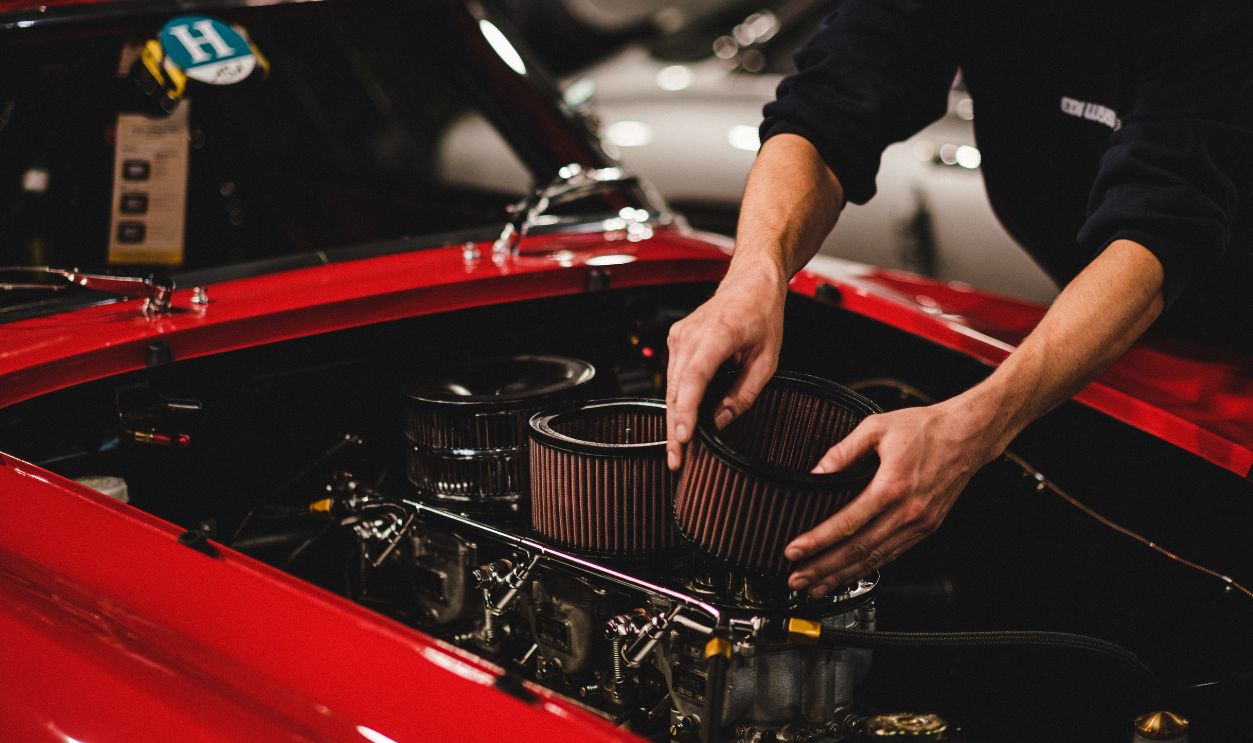
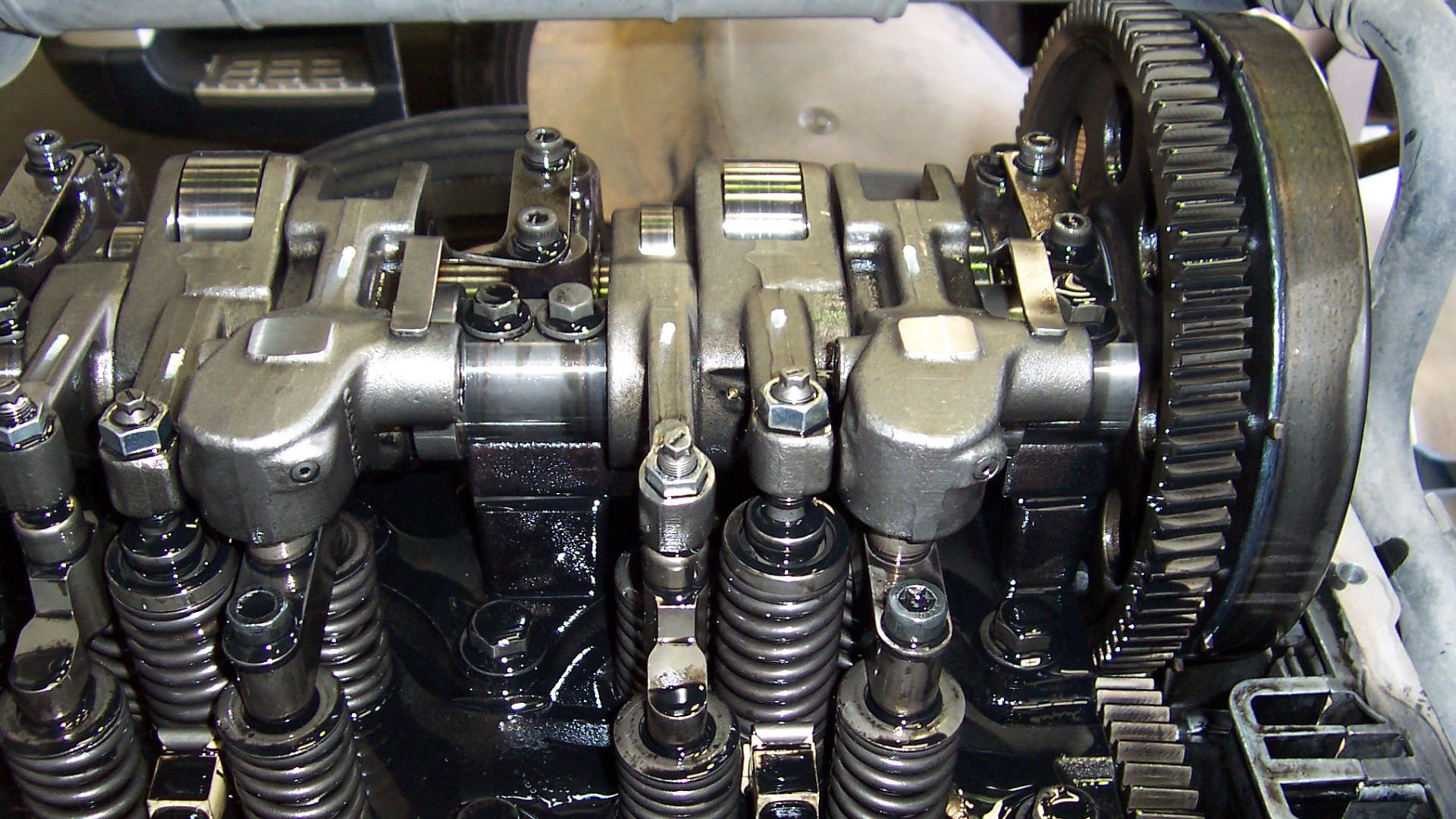
A flat-tappet camshaft uses lifters that slide against the rotating camshaft lobes. Despite their name, flat tappets generally have slightly crowned contact surfaces that help the lifters rotate during operation. This arrangement creates substantial sliding contact under pressure from the valve springs. Effective anti-wear additives are particularly valuable because the contact surfaces experience demanding conditions during operation.

Modern Engines Often Use A Different Approach
Many newer engines use roller lifters or other valvetrain designs that reduce sliding friction at critical contact points. A roller lifter uses a small wheel that rolls against the camshaft rather than relying on the same sliding motion as a flat tappet. This changes the lubrication demands placed on those components. However, roller-equipped engines still require properly formulated oil, and not every modern engine uses roller lifters.
Zinc Creates A Protective Barrier
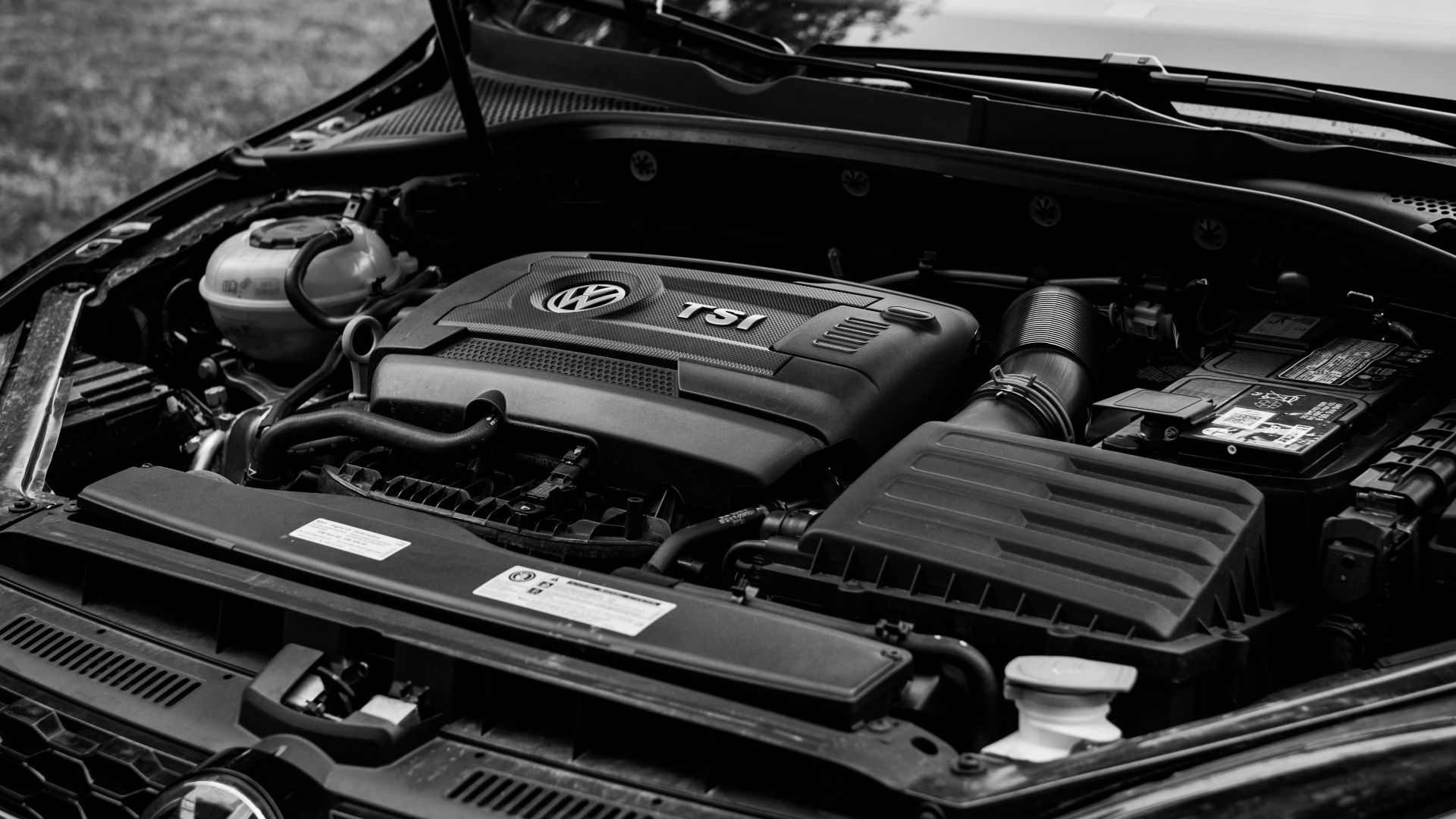
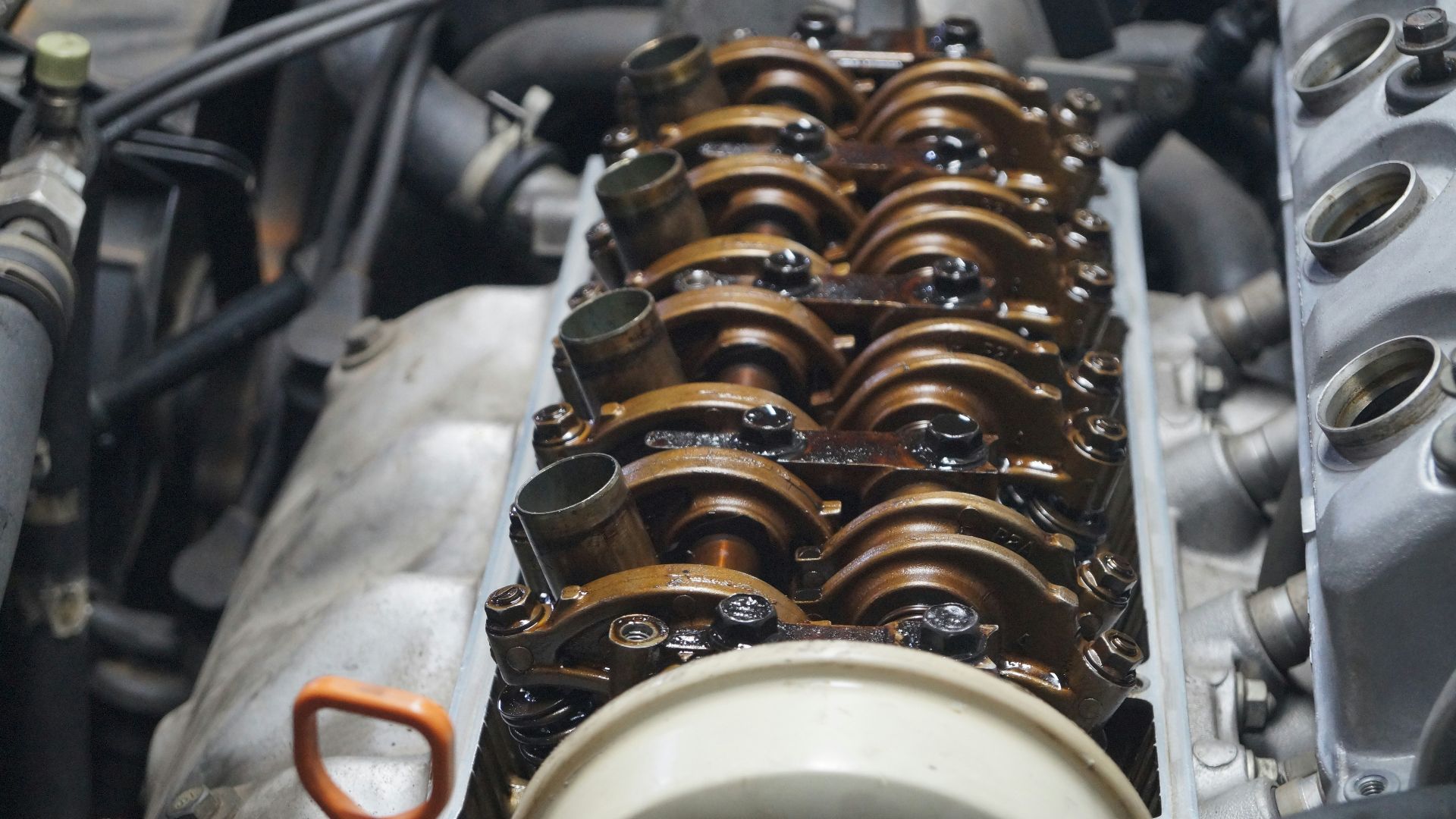
ZDDP works by reacting under heat and pressure to form a protective film on metal surfaces. This film helps reduce direct contact between moving components when the normal lubricating film becomes thin. The protective layer is especially useful in heavily loaded areas such as camshaft lobes and lifter contact surfaces. Without adequate anti-wear protection, these components can experience accelerated wear.
Why Motor Oil Formulas Changed
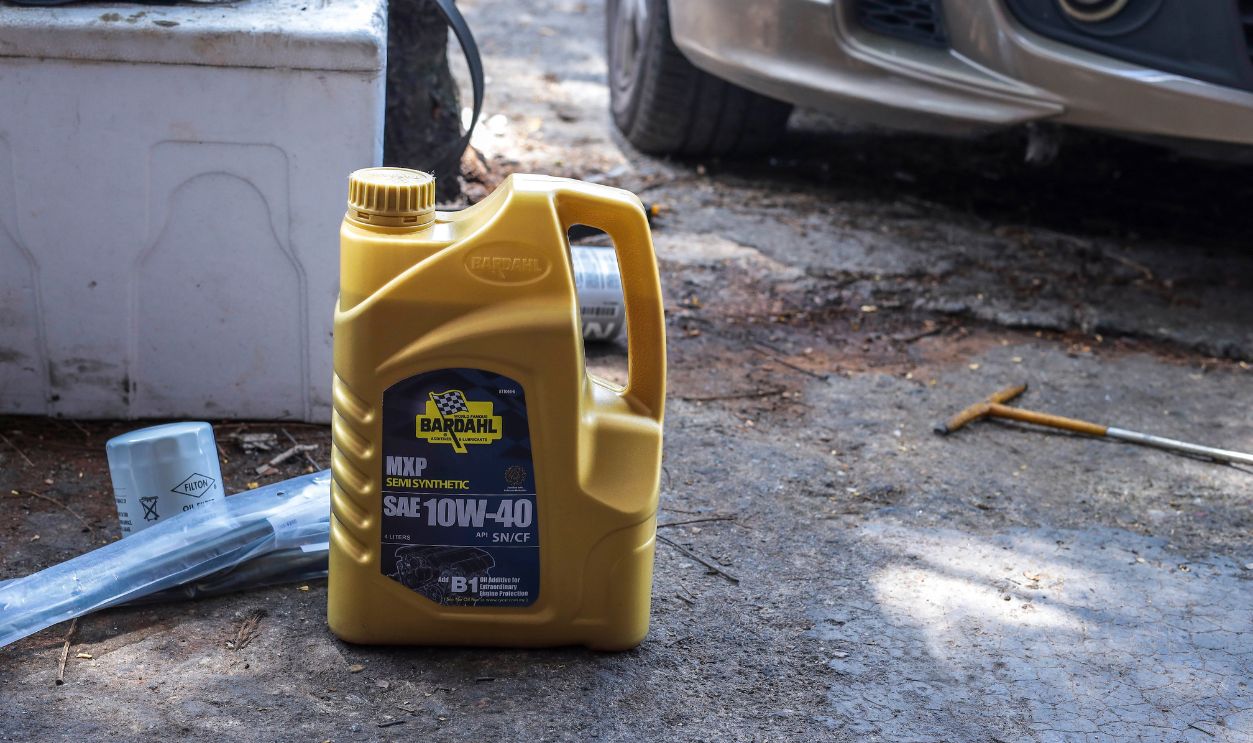
Modern motor oils have evolved alongside engine technology and increasingly strict emissions requirements. One important concern involves phosphorus, which is part of the ZDDP additive package. Phosphorus from engine oil can contribute to catalytic converter deterioration when it enters the exhaust system. Oil manufacturers therefore developed formulations that balance engine protection with emissions-system compatibility.
Catalytic Converters Changed The Equation
Catalytic converters help reduce harmful pollutants in vehicle exhaust, but their effectiveness can be affected by certain contaminants. Phosphorus-containing compounds from burned engine oil can accumulate on catalyst surfaces and reduce their efficiency. This concern helped drive restrictions on phosphorus levels in several passenger-car oil specifications. Protecting modern emissions equipment became an important part of motor oil development.
Today's Oil Still Contains Zinc
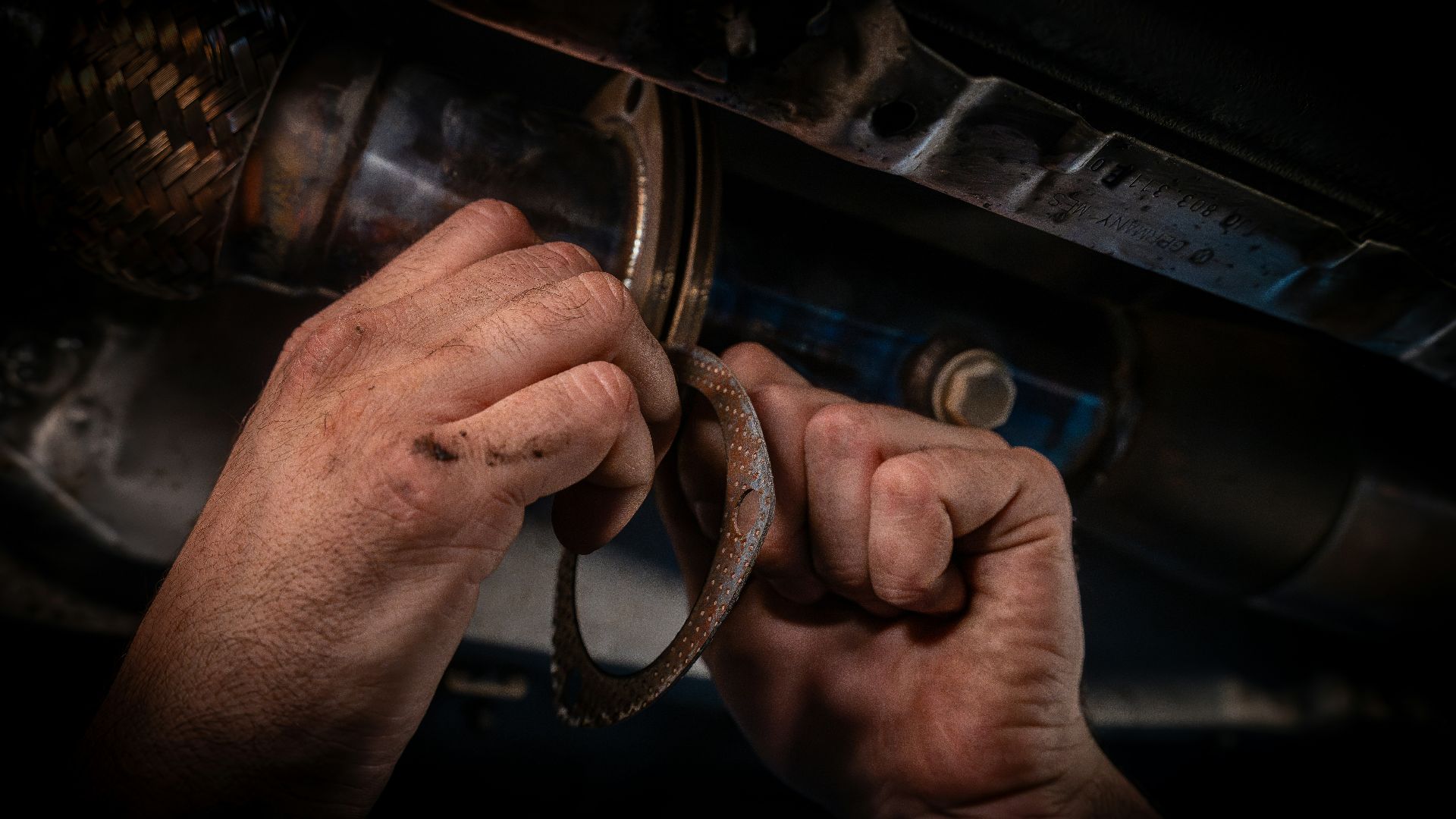
It's misleading to suggest that manufacturers completely removed zinc from modern motor oil. Many current gasoline-engine oils still contain ZDDP because it remains an effective anti-wear additive. The important difference is that certain modern specifications limit phosphorus content and require carefully balanced formulations. For vintage owners, the real question is whether a particular oil provides appropriate protection for their engine.
The Numbers On The Oil Bottle Matter
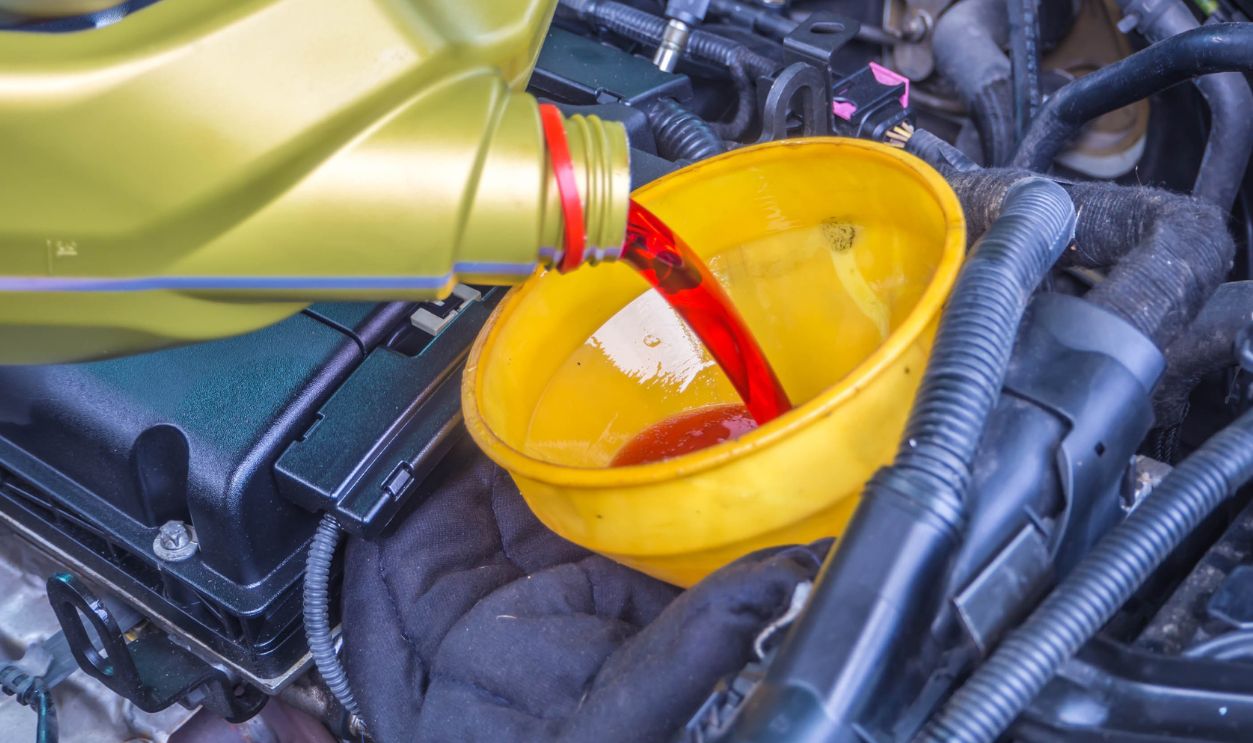
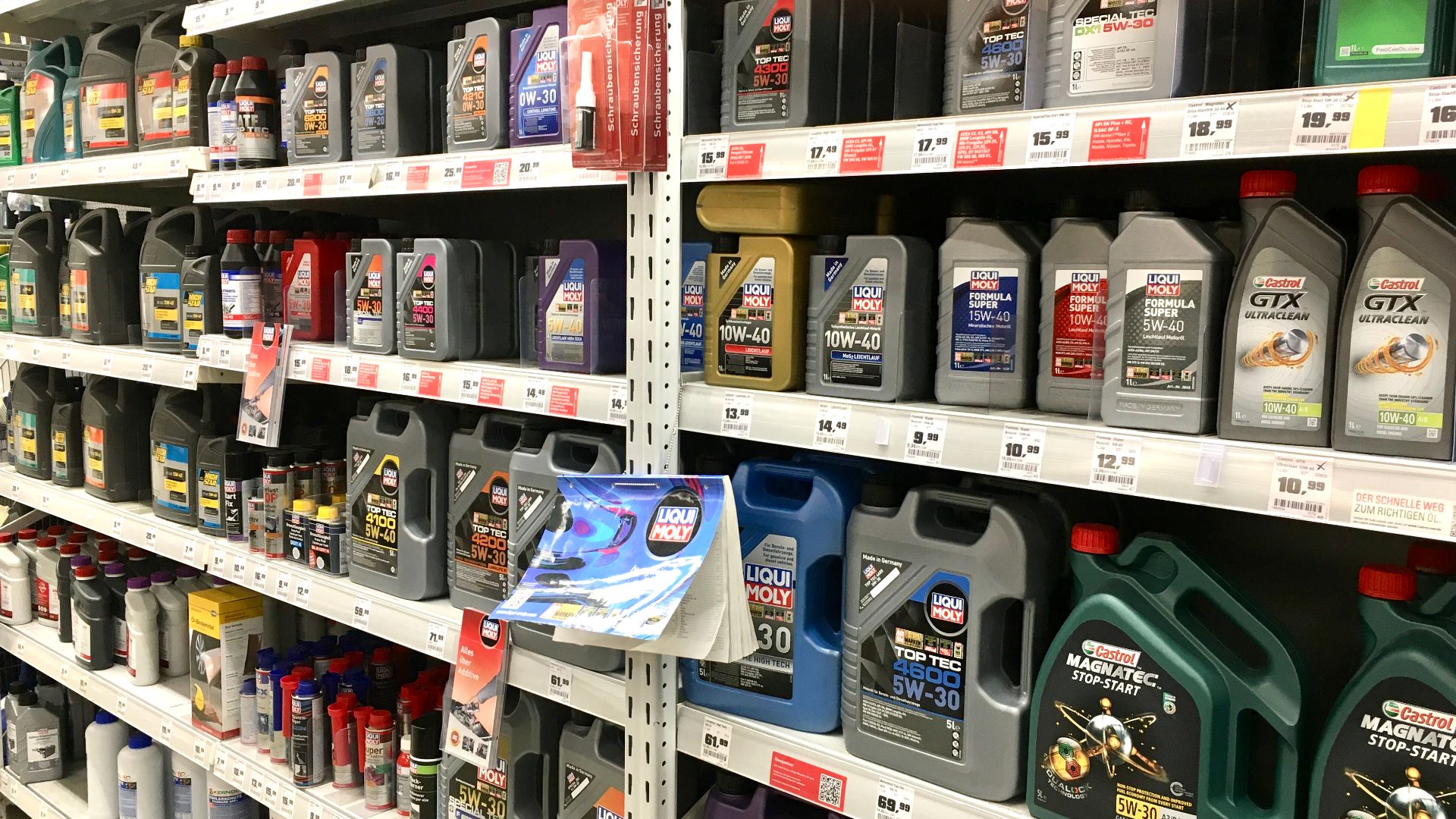
Zinc and phosphorus concentrations are commonly expressed in parts per million, or ppm. Under the ILSAC GF-6A standard, phosphorus content was generally limited to a range of 600 to 800 ppm. That figure refers specifically to phosphorus rather than the total amount of ZDDP or zinc. Modern oil specifications also include performance tests, so additive concentration alone doesn't determine how well an oil protects an engine.
More Zinc Doesn't Automatically Mean Better Oil
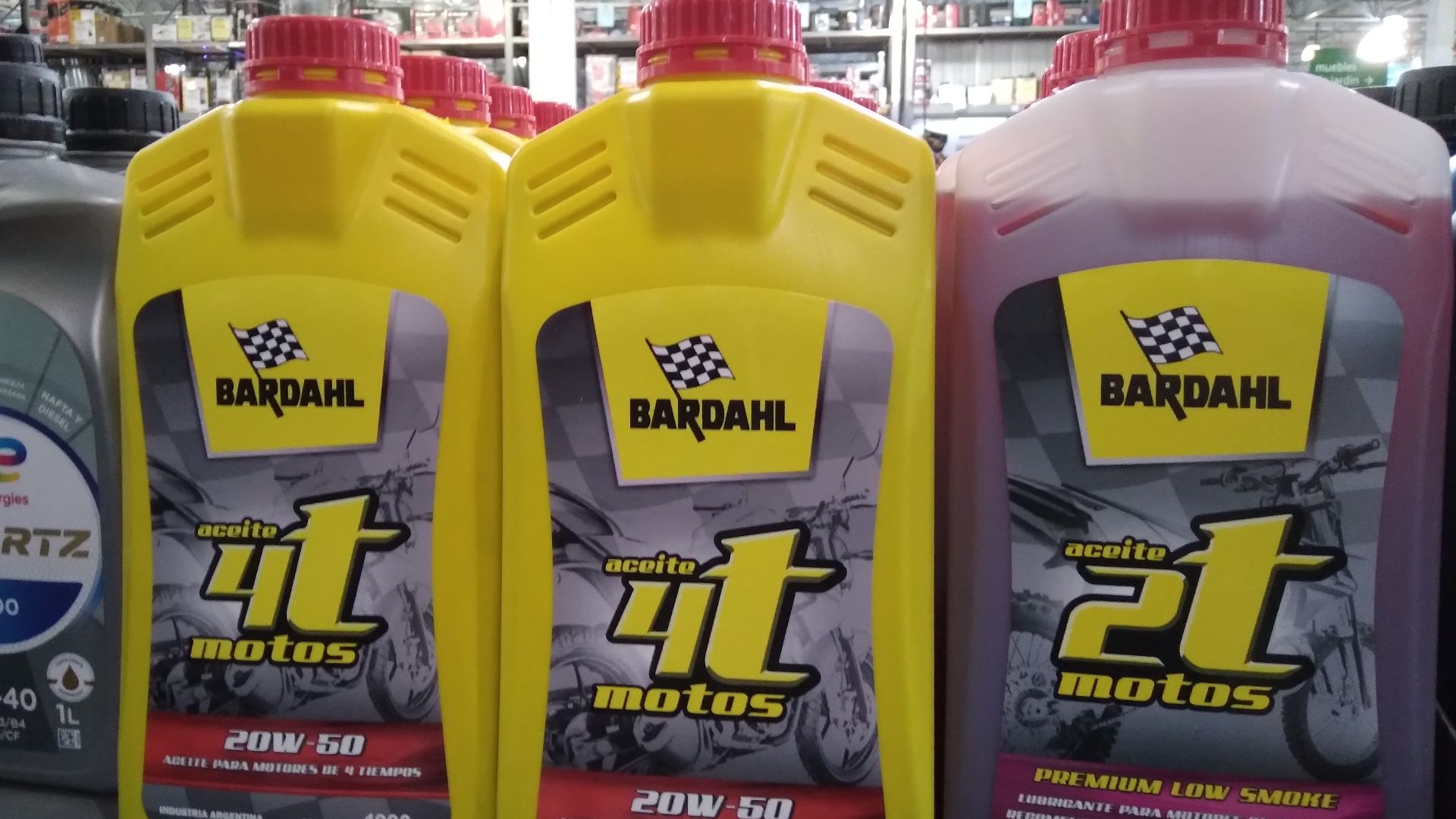
It's tempting to assume that an oil containing the highest possible zinc concentration must provide the best protection. However, engine oil is a carefully balanced mixture of base oils and additives that perform different functions. Increasing one ingredient without considering the others can interfere with the intended formulation. The goal is to choose an oil designed for the engine's operating requirements, not simply the product advertising the largest zinc number.
 Pittigrilli, Wikimedia Commons
The Biggest Risk Comes During Engine Break-In
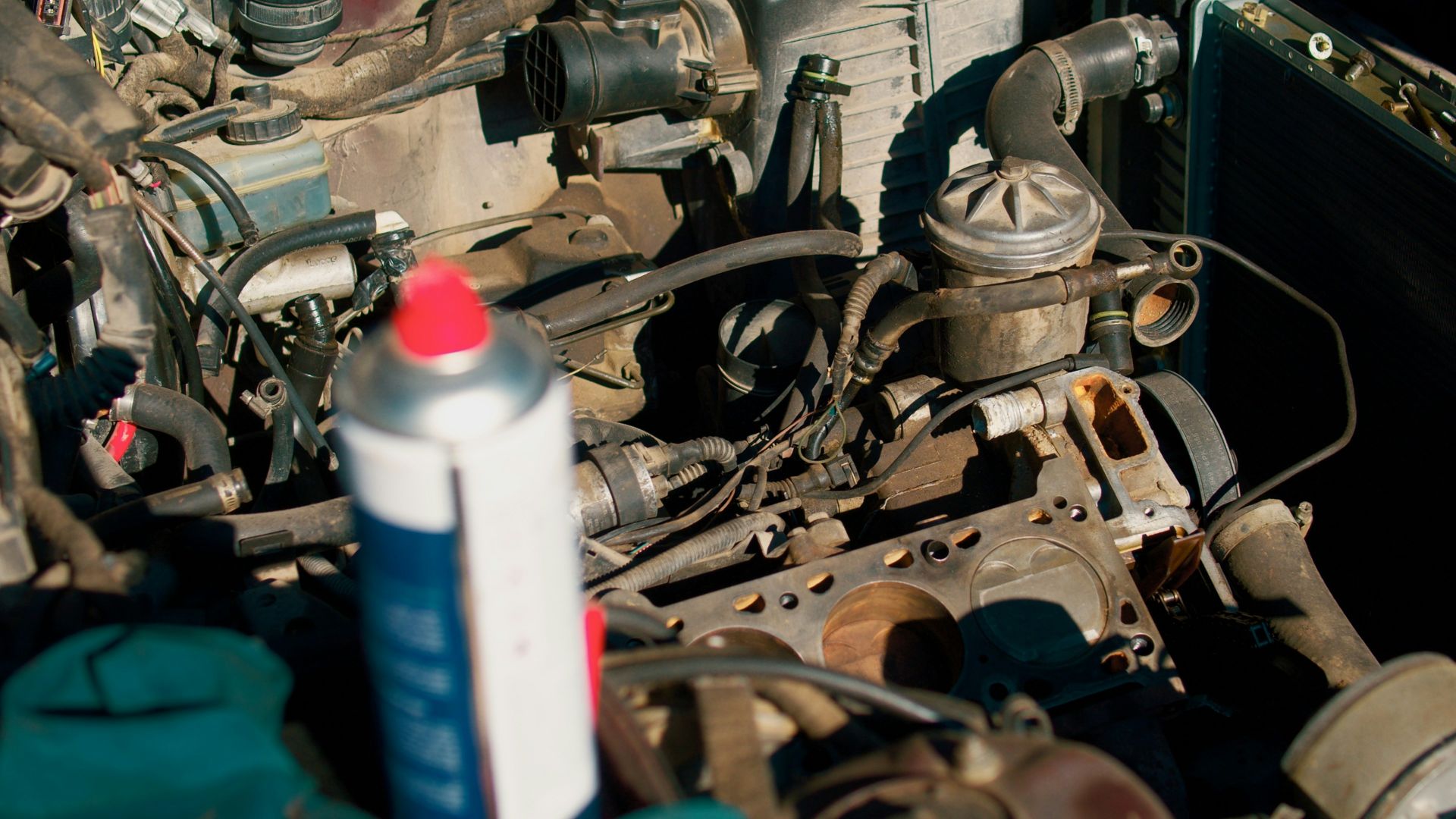
The first startup of a freshly rebuilt engine is especially important when it has a flat-tappet camshaft. During this period, the camshaft lobes and lifters establish their working contact patterns. Improper lubrication or an incorrect break-in procedure can damage these surfaces before the engine has accumulated many miles. That's why camshaft manufacturers and engine builders often specify dedicated break-in lubricants and carefully controlled startup procedures.
A Rebuilt Engine Needs A Different Oil Strategy
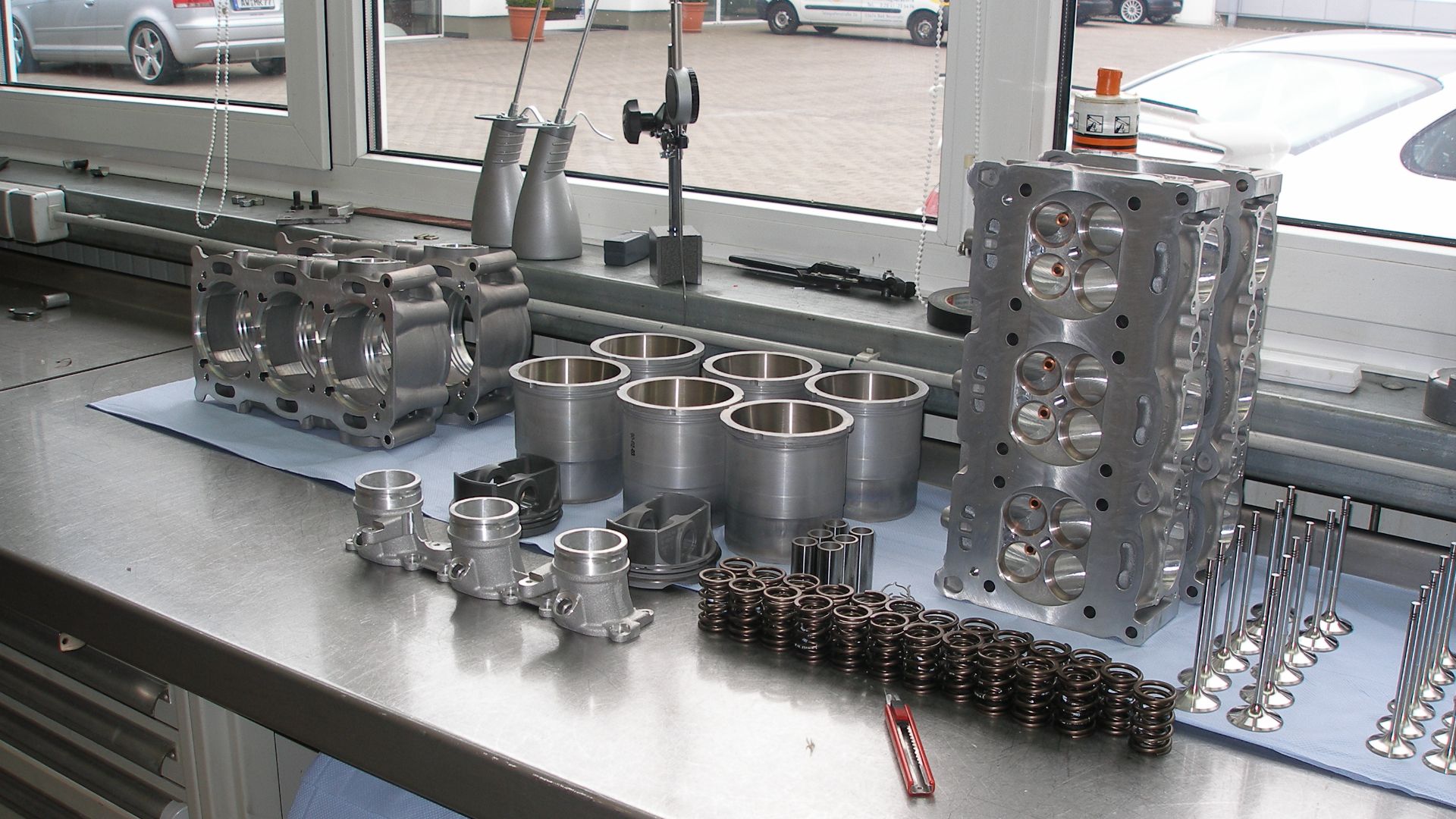
An engine with newly installed camshafts or lifters may need different lubrication during break-in than during normal driving. Specialized break-in oils typically contain elevated anti-wear additives and a detergent package designed for that initial operating period. Driven Racing Oil, for example, specifically formulates its break-in products for new engines and camshaft installations. Once break-in is complete, the engine should transition to the appropriate service oil according to the builder's instructions.
 Roman Boed from The Netherlands, Wikimedia Commons
Valve Spring Pressure Makes A Difference
Not every flat-tappet engine places the same demands on its lubricant. High-performance engines often use stronger valve springs to control valve movement at higher engine speeds. These springs can increase the forces acting between the camshaft lobes and lifters. Consequently, an extensively modified vintage engine may require a different oil formulation from an otherwise similar stock engine.
Your Original Engine May Be Less Demanding
A factory-stock vintage engine with moderate valve spring pressures may have different lubrication needs from a modified racing engine. The condition of the camshaft, lifters, and other components also matters when evaluating wear protection. Modern API standards are designed with backward compatibility in mind, meaning newer oils can be appropriate for many older engines. Owners should avoid assuming that every classic car automatically requires the highest available ZDDP concentration.

Don't Confuse Viscosity With Zinc Content
Motor oil viscosity and additive chemistry are two separate considerations. Numbers such as 10W-30 and 20W-50 describe how an oil behaves at different temperatures, not how much zinc it contains. A thicker oil isn't necessarily better at protecting a flat-tappet camshaft. Choosing the correct viscosity remains important even when selecting a lubricant with additional anti-wear additives.
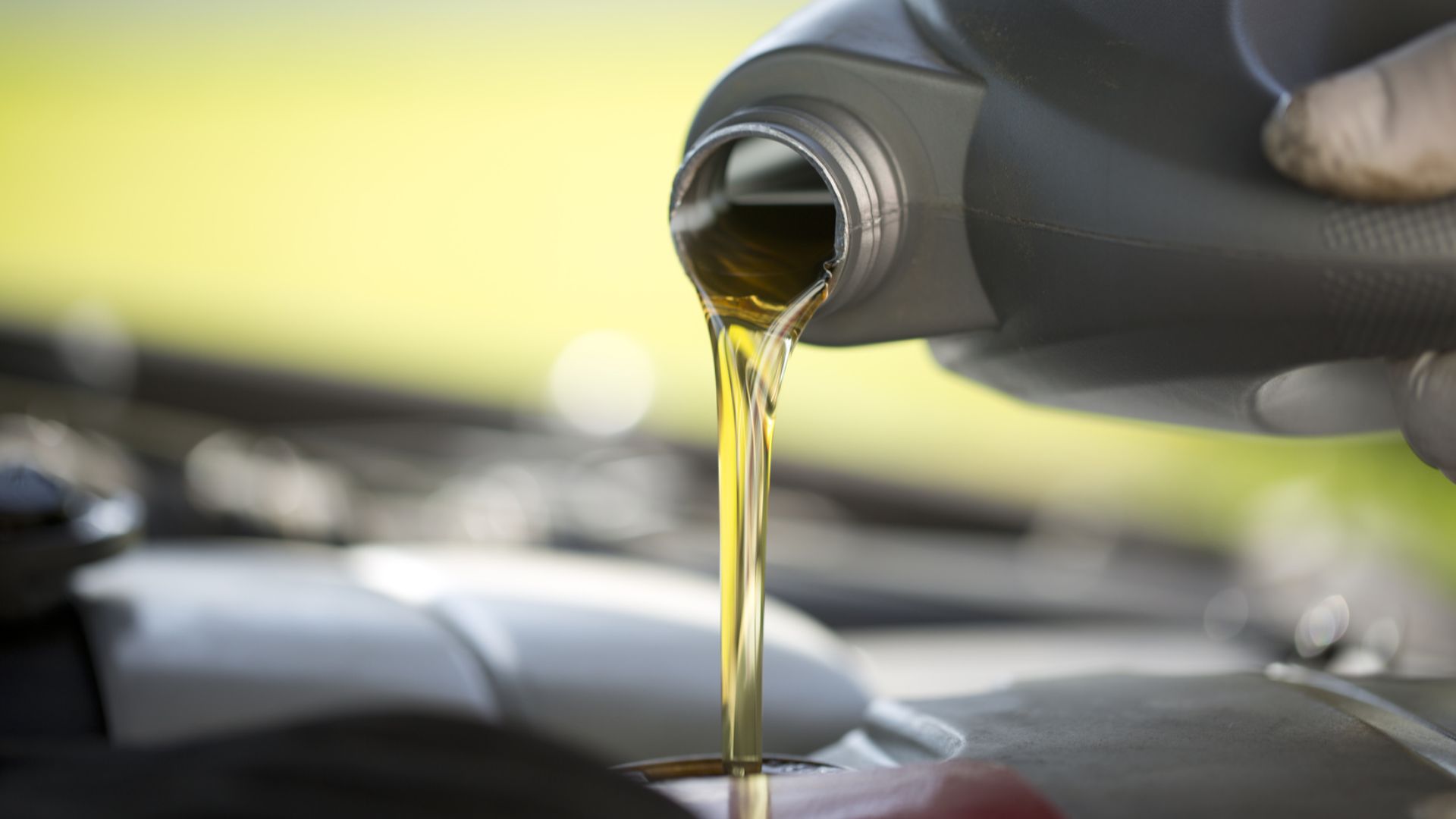
The Thickest Oil Isn't Always The Safest
Some classic-car owners believe that older engines should always use heavy motor oil. However, oil viscosity affects circulation, cold-start performance, and the ability to maintain an appropriate lubricating film. An oil that's excessively thick for a particular engine or operating temperature may not provide the intended protection. The manufacturer's viscosity recommendations and the engine's current mechanical condition should guide the decision.
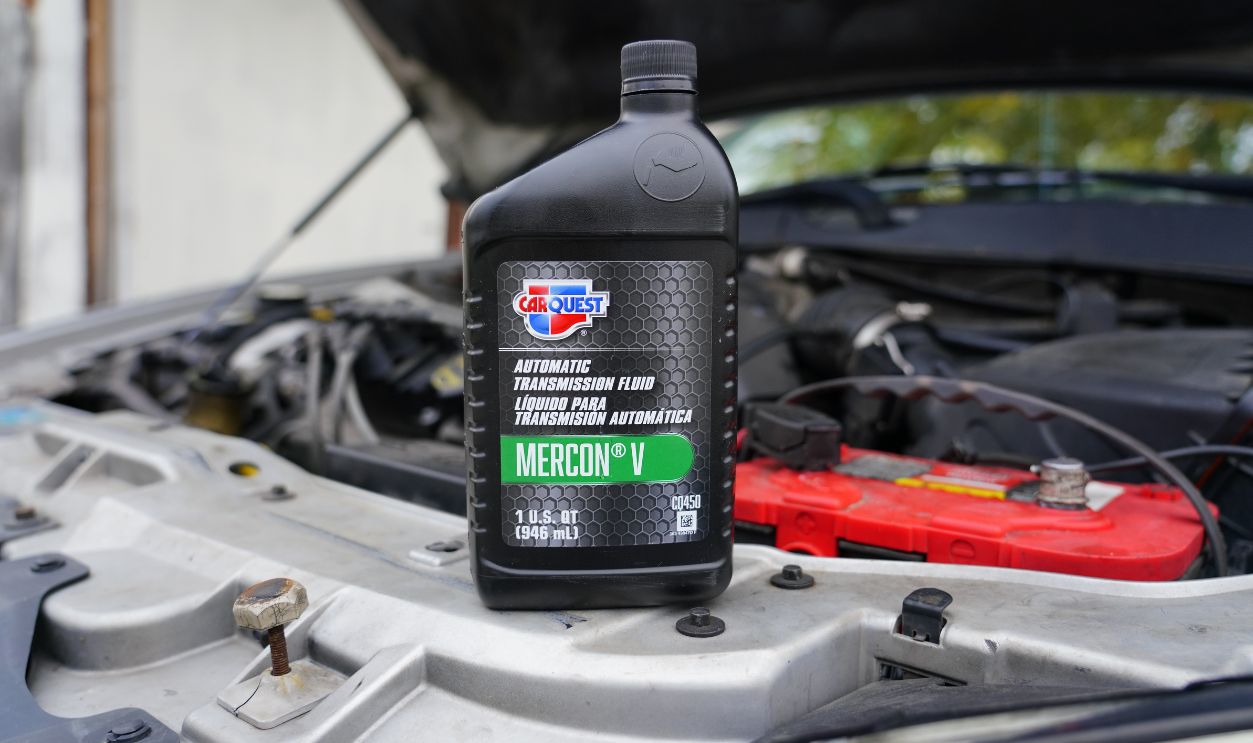 Aaron of L.A. Photography, Shutterstock
Synthetic Oil Isn't Automatically Bad For Classics
Synthetic motor oil sometimes gets blamed for problems in older engines, but its base-stock type doesn't automatically make it unsuitable. Synthetic oils can be formulated with different viscosity grades and anti-wear additive packages, including elevated ZDDP levels. Mobil, for example, identifies certain synthetic formulations with higher ZDDP concentrations that may benefit flat-tappet engines. The specific formulation and its suitability for the engine matter more than whether the label says synthetic or conventional.

Racing Oil Can Be Tempting
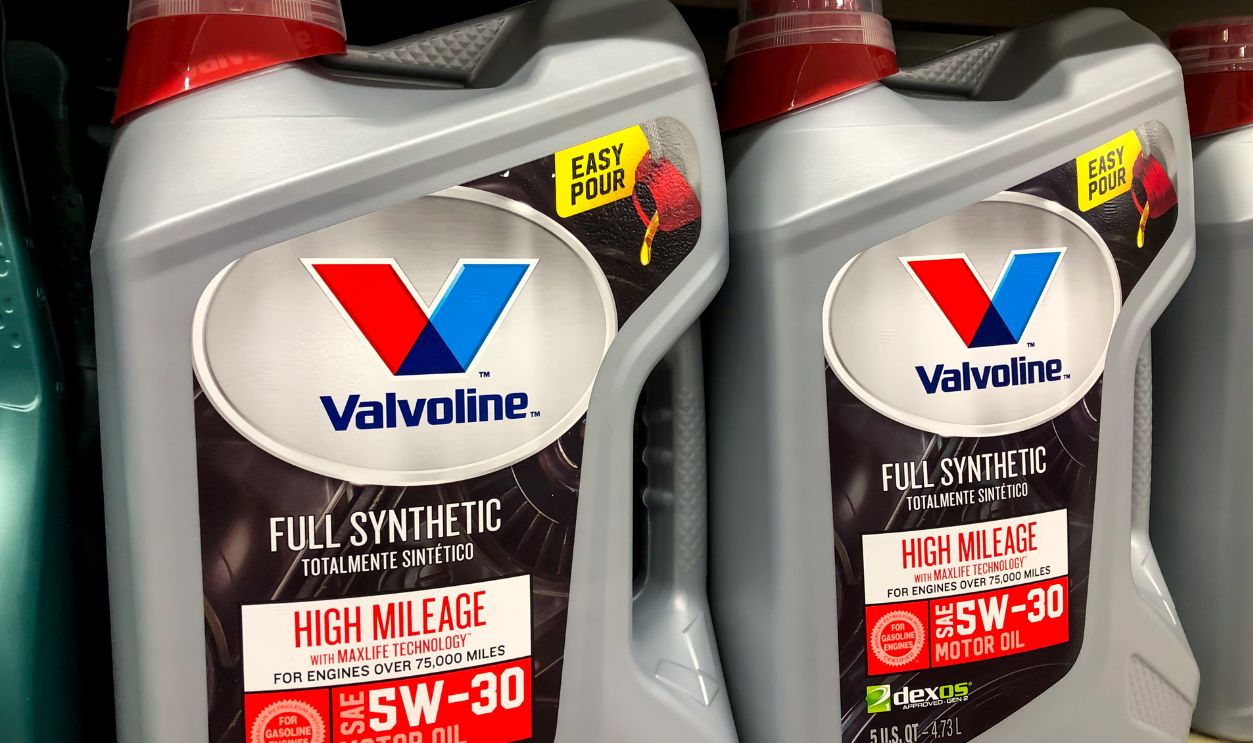
Racing oils often contain specialized additive packages designed for engines operating under high loads and temperatures. Products such as Valvoline VR1 are formulated with elevated zinc and phosphorus concentrations for demanding performance applications. However, racing oils aren't all designed for the same operating conditions or service intervals. A product intended for competition isn't automatically the best choice for a classic car driven regularly on public roads.
 Chris Rycroft from Cambridge, Massachusetts, United States, Wikimedia Commons
Racing Oil Has Its Own Trade-Offs
Some racing lubricants contain reduced detergent levels compared with conventional passenger-car motor oils. Detergents and dispersants help control deposits and keep contaminants suspended until the oil is changed. An oil designed for short racing intervals may therefore be inappropriate for extended street-driving service. Before choosing a racing lubricant, check whether its manufacturer approves it for your vehicle's intended use and maintenance schedule.
Classic-Car Oils Offer Another Option
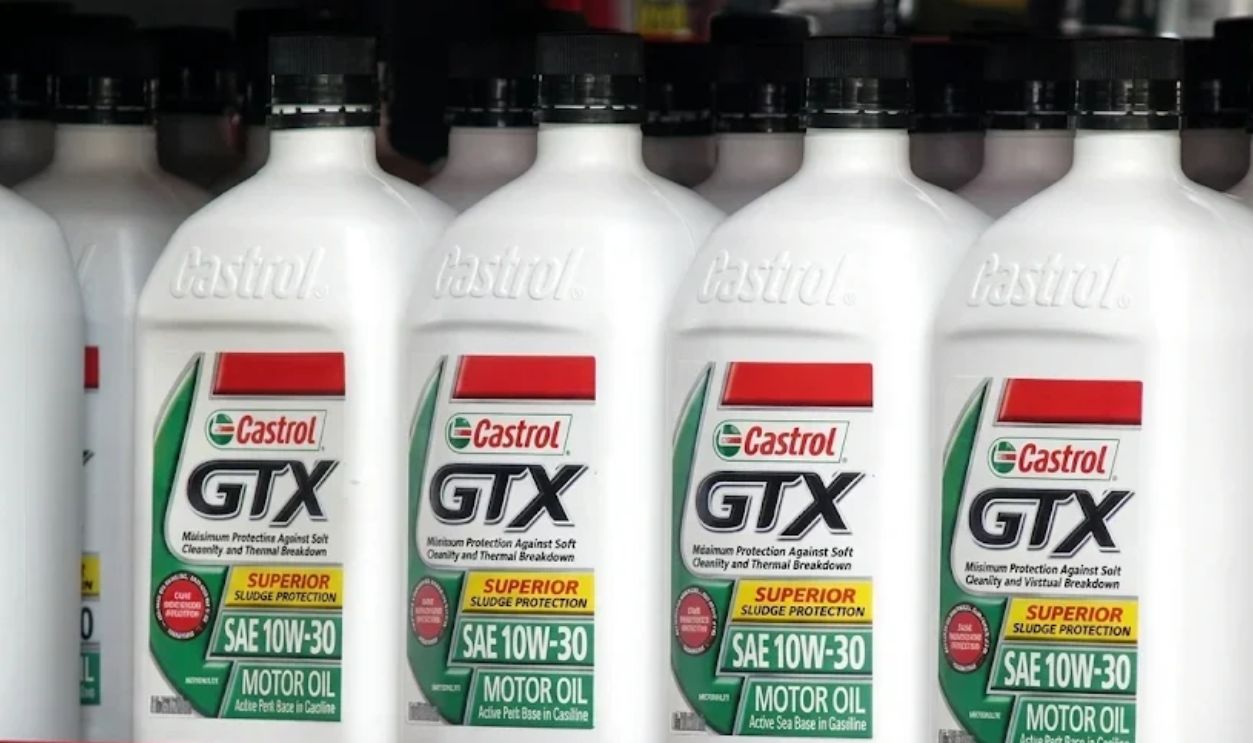
Several lubricant manufacturers now offer products specifically formulated for older engines. Castrol GTX Classic, for example, is designed for pushrod and flat-tappet applications and contains elevated zinc and phosphorus levels. These oils aim to provide suitable wear protection without requiring owners to mix their own additive packages. However, owners must still check viscosity, compatibility, and manufacturer recommendations rather than assuming every classic-car oil fits every vintage engine.
 Frankieleon, Wikimedia Commons
Be Careful With Bottled Zinc Additives
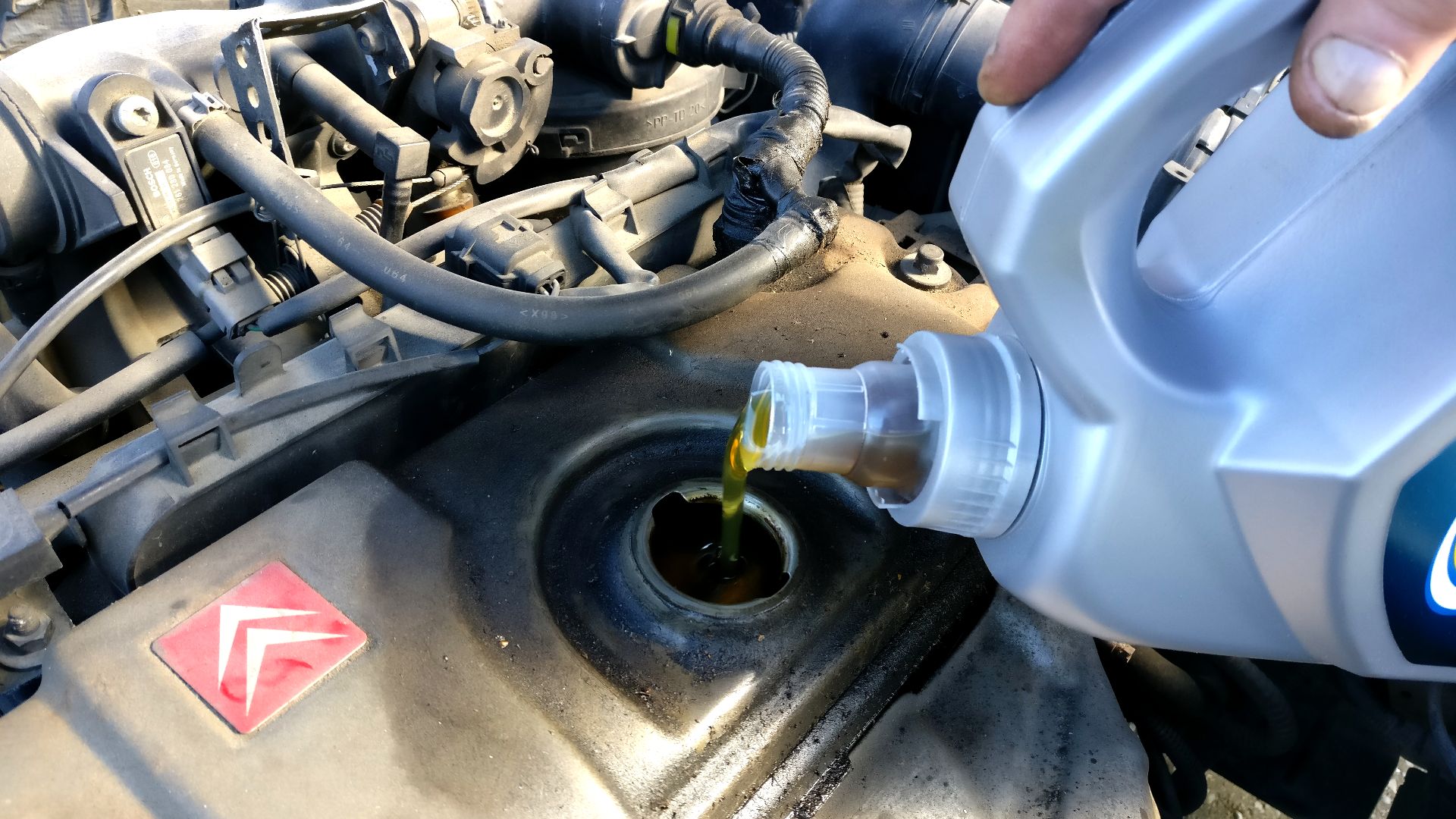
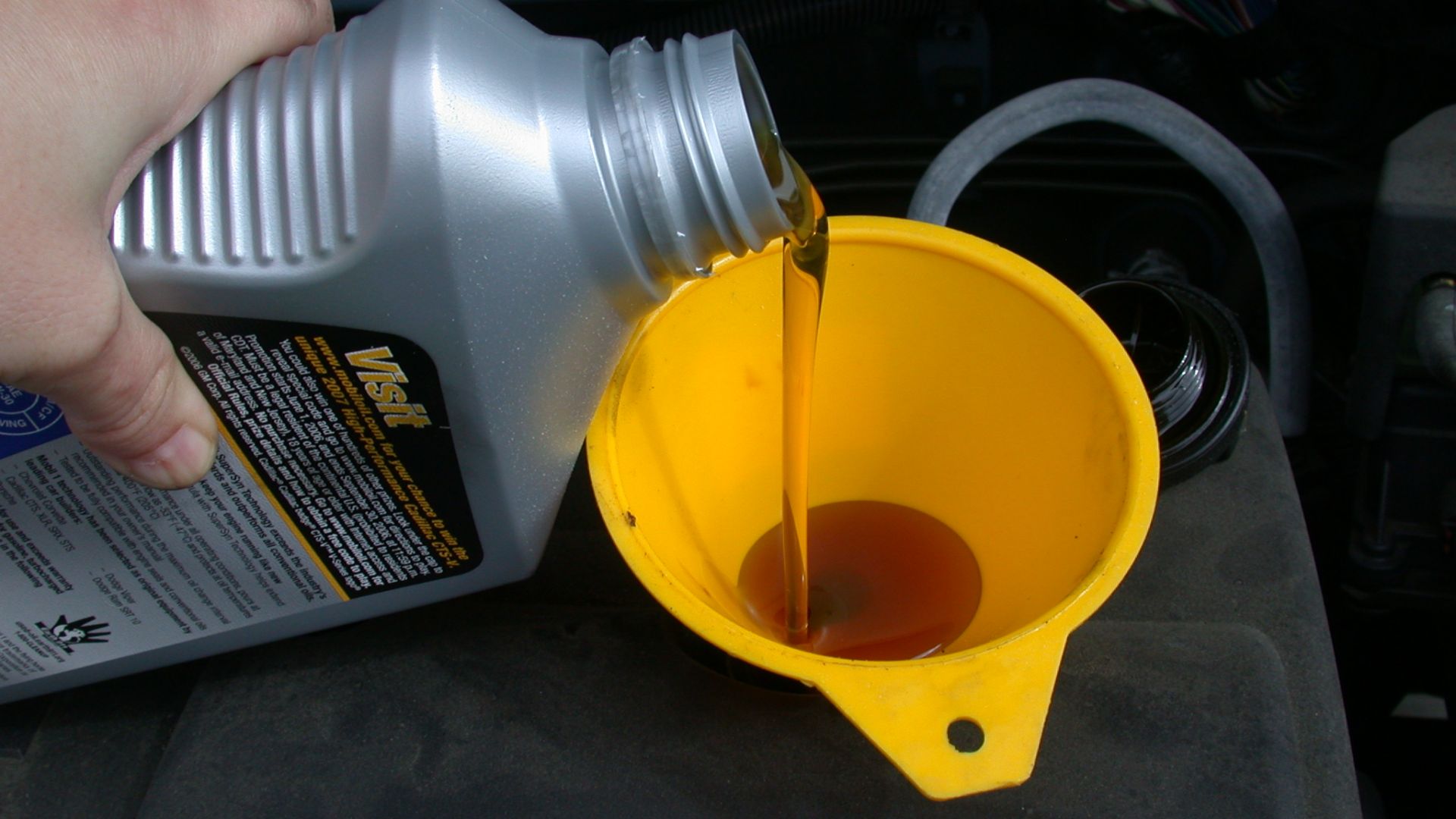
After learning about ZDDP, some owners consider adding a separate zinc supplement to ordinary motor oil. Although aftermarket supplements are available, adding chemicals changes the lubricant's original formulation. Valvoline specifically advises against using third-party zinc additives because excessive concentrations can create problems. Choosing a properly formulated oil is generally preferable to experimenting with additive quantities.
 Santeri Viinamäki, Wikimedia Commons
Too Much Zinc Can Cause Problems
ZDDP is valuable, but increasing its concentration indefinitely doesn't guarantee improved protection. Lubricant manufacturers must balance anti-wear chemistry with detergents, dispersants, corrosion protection, and other additives. Valvoline warns that excessive zinc additive concentrations can become corrosive and potentially harm engine components. The appropriate concentration depends on the complete formulation and the engine's requirements.
What If Your Classic Has A Catalytic Converter?
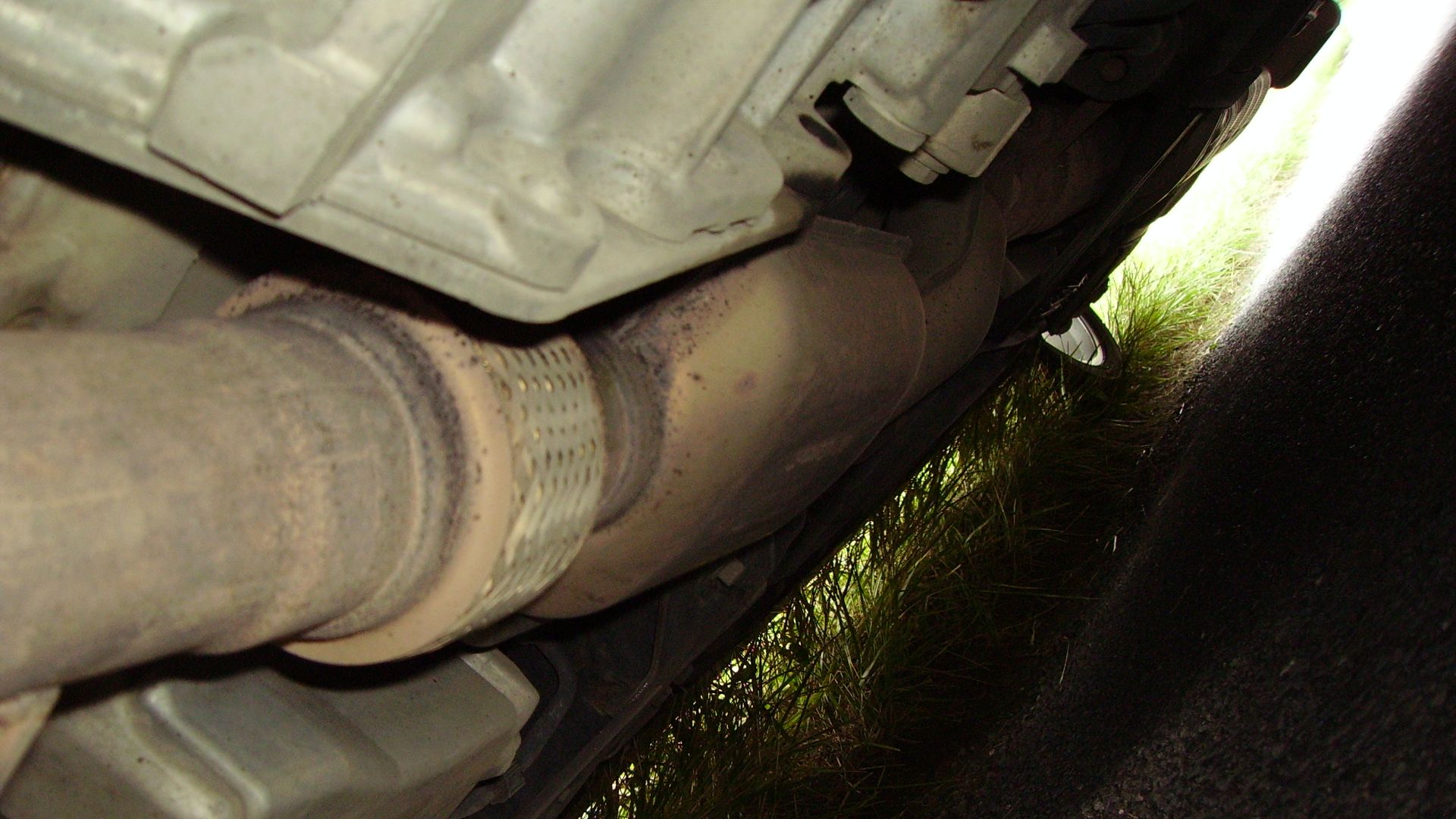
Not every older vehicle is free of modern emissions equipment. Many collector cars from the catalytic-converter era still retain their original exhaust emissions systems. High-phosphorus oils intended for certain racing or classic applications may not be suitable for those vehicles. Both Castrol and Valvoline warn against using specific high-zinc products in vehicles equipped with catalytic converters, making compatibility an essential consideration.
 User Ballista on en.wikipedia, Wikimedia Commons
Diesel Oil Isn't A Guaranteed Shortcut
Some enthusiasts turn to heavy-duty diesel engine oil because certain formulations have historically contained substantial anti-wear additives. However, diesel oils vary in their additive chemistry, viscosity, and intended applications. A diesel specification doesn't automatically guarantee the zinc concentration or gasoline-engine compatibility that a vintage vehicle needs. Check the exact product's specifications rather than assuming every heavy-duty oil is suitable for an older gasoline engine.
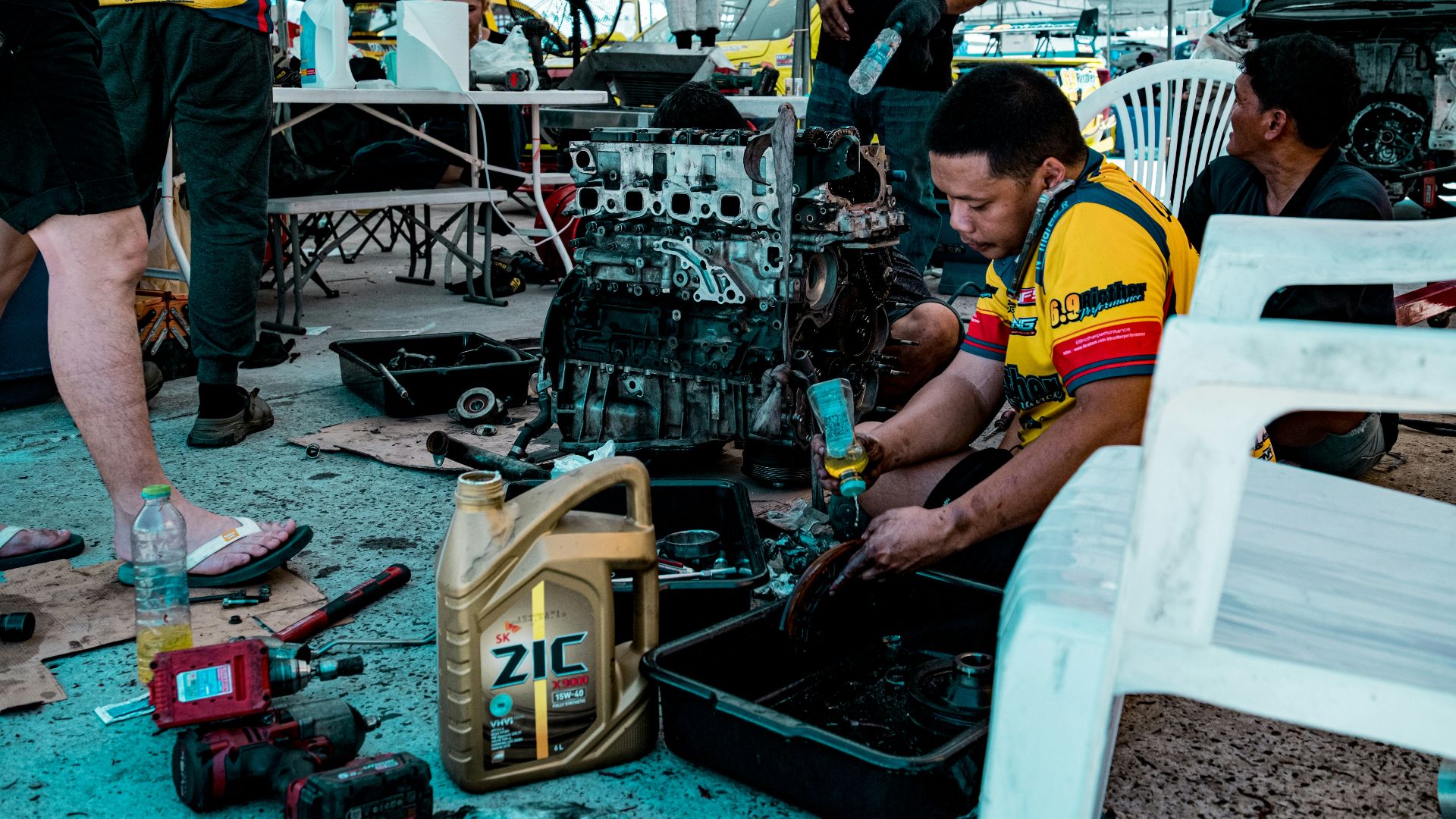
The Owner's Manual Is Still Your Starting Point
Before buying specialty oil, consult the vehicle's original lubrication recommendations. These can identify the viscosity grades and performance classifications intended for the engine when it was manufactured. Because lubricant specifications have changed over time, it may also help to consult an experienced engine builder or a specialist familiar with that particular model. This becomes especially important when the engine has been rebuilt or modified.
 Natallia Ustsinava, Shutterstock
Read The Technical Data Sheet Before Buying
The front of an oil bottle rarely tells you everything about its additive chemistry. Manufacturer technical data sheets can provide information about viscosity, performance specifications, and sometimes zinc or phosphorus concentrations. Mobil also publishes guidance identifying the ZDDP content of certain formulations for owners of flat-tappet engines. Comparing actual specifications is more reliable than choosing a product solely because its packaging mentions classic cars.

The Right Oil Protects More Than Your Camshaft
An engine lubricant must do considerably more than protect the camshaft and lifters. It also needs to lubricate bearings, control deposits, resist oxidation, and maintain appropriate performance across operating temperatures. An oil that provides excellent protection in one area can still be unsuitable if its other characteristics don't match the engine's needs. This is why reputable manufacturers develop complete formulations rather than relying on a single ingredient.

Protect Your Classic Without Overcomplicating Maintenance
Vintage car owners have good reasons to pay attention to zinc and phosphorus levels, especially when maintaining flat-tappet engines. However, modern motor oil isn't automatically dangerous, and extremely high ZDDP concentrations aren't universally necessary. The safest approach is to identify your engine's design, follow the appropriate viscosity and performance recommendations, and choose a lubricant formulated for its operating conditions. Protecting a valuable classic is ultimately about using the right oil, not simply the one with the most zinc.
 Hryshchyshen Serhii, Shutterstock
You May Also Like:
Classic Truck Features That Drivers Miss Now That Pickups Have Gone Luxury
Popular Vehicle Features That Mechanics Say Cause More Trouble Than They’re Worth
The Most Valuable Survivor Cars That Escaped The Crusher Against All Odds