When A Repair Seems To Make Things Worse
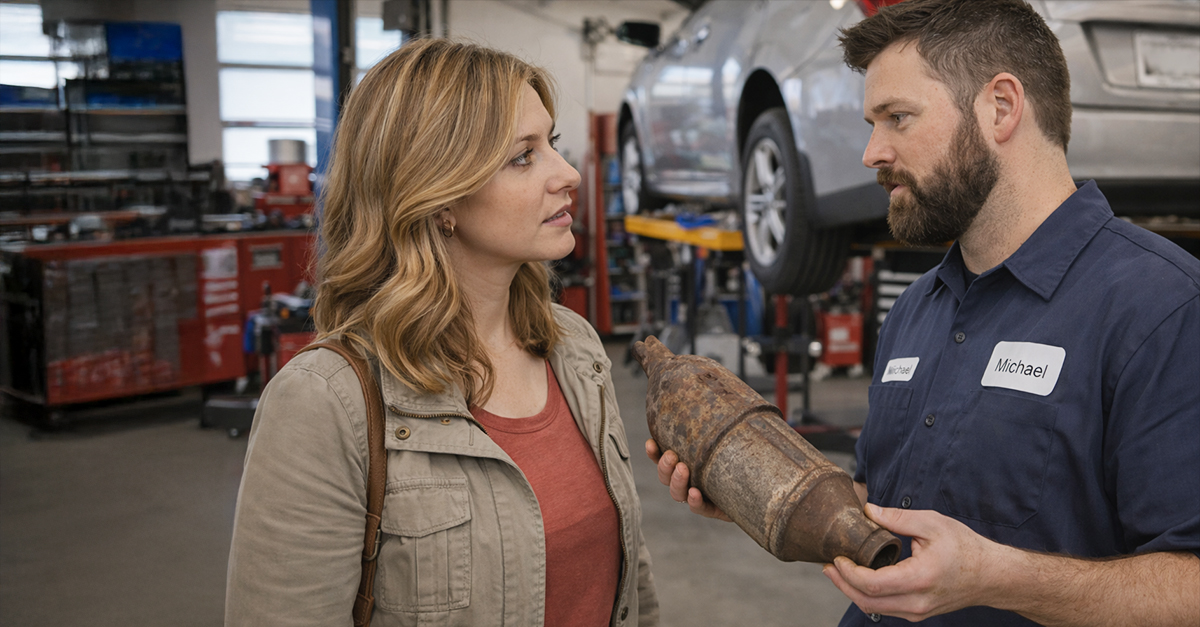
Your exhaust was getting noisy, so you had your catalytic converter replaced. But instead of smoother performance and cleaner emissions, you’re noticing worse gas mileage and more frequent trips to the pump. That’s the opposite of what should happen. You fixed a problem, but something clearly changed. The question is: is this normal or a sign something went wrong?

Fuel Economy Can Change After Replacement
It may sound surprising, but your fuel economy can change after installing a new catalytic converter. In most cases, it should get better. However, if something isn’t functioning properly, or if related components were affected, your engine may burn more fuel than before.
Role Of The Catalytic Converter
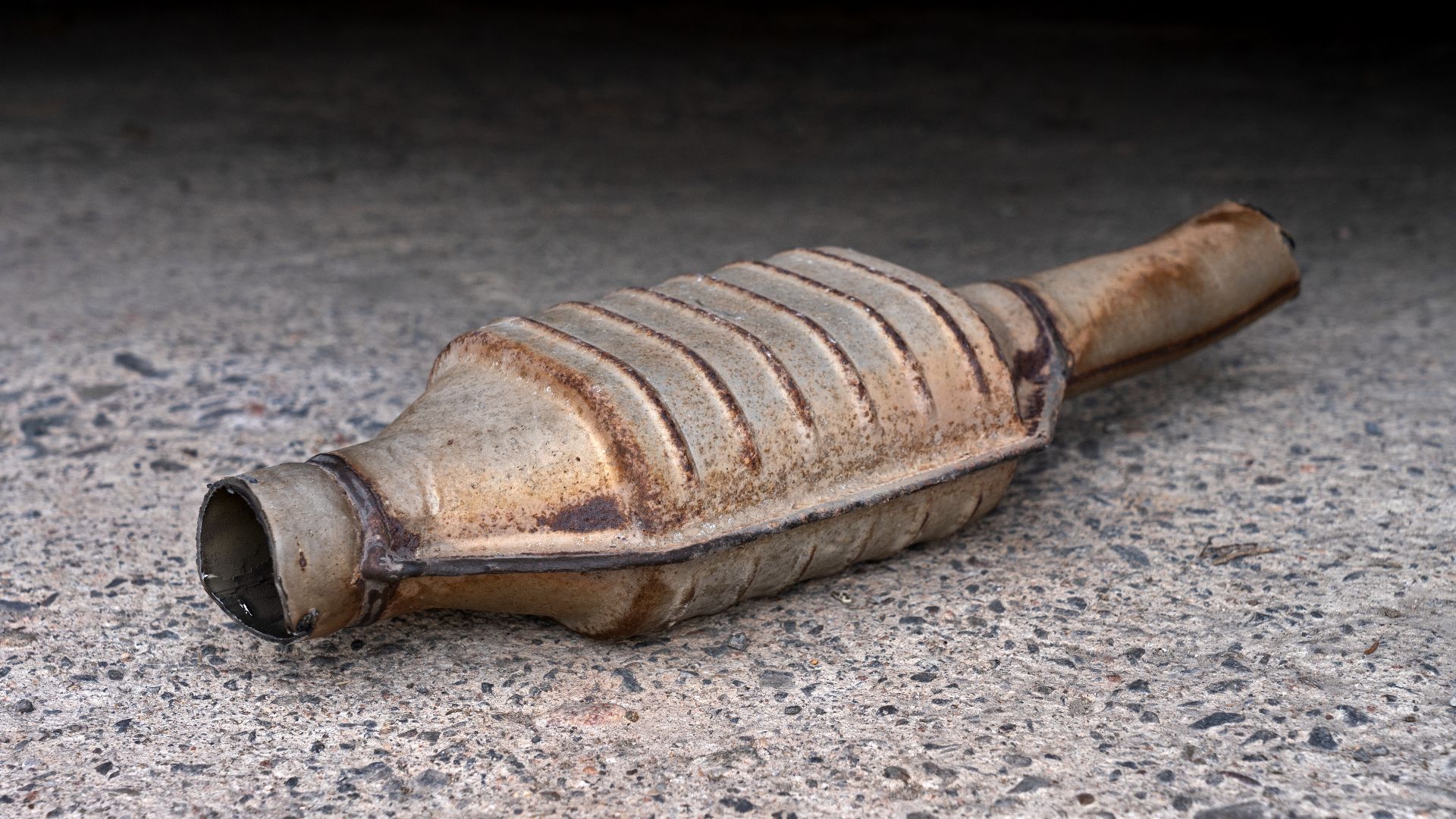
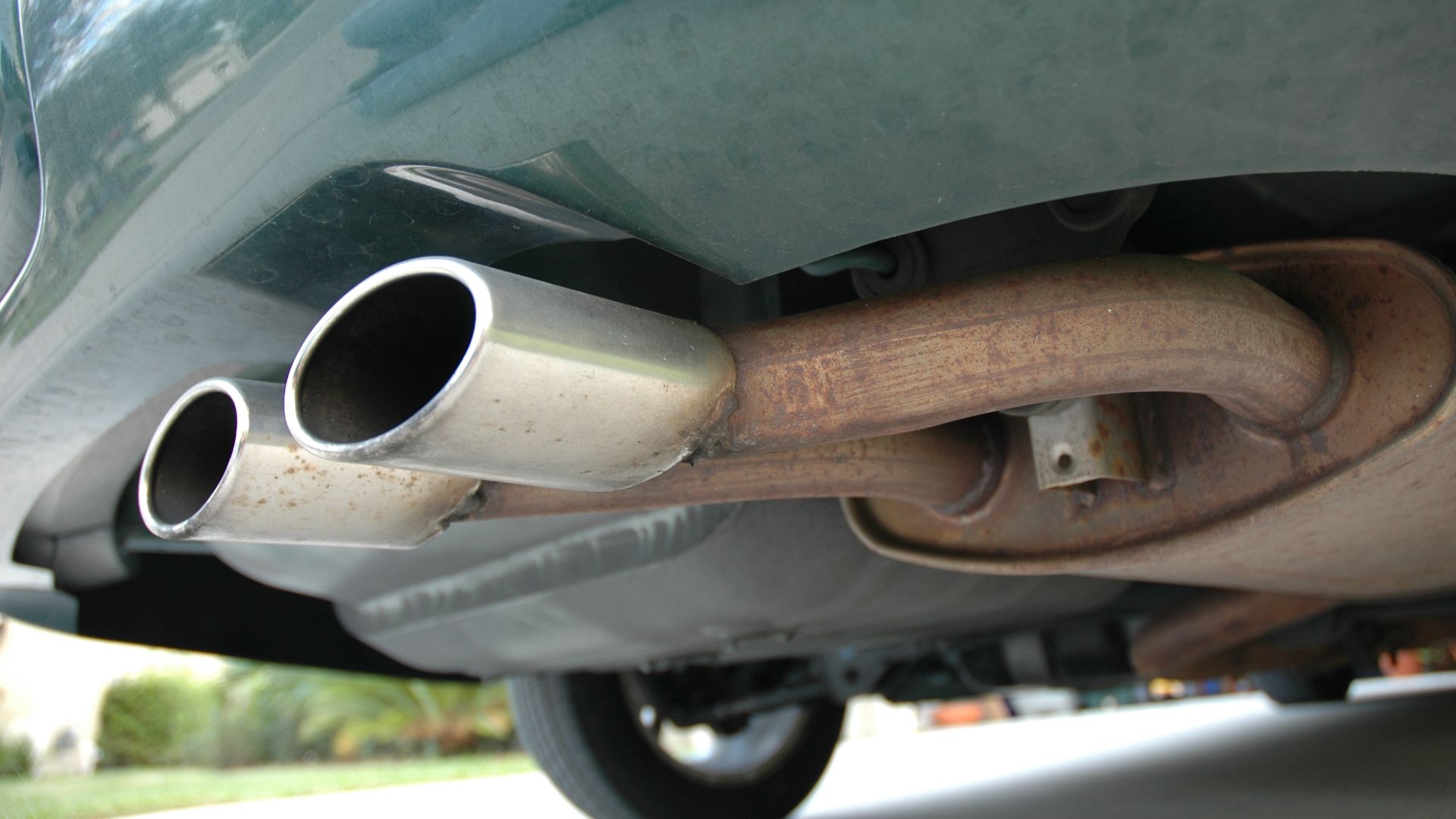
Your catalytic converter is part of the exhaust system. It cuts down on harmful emissions by converting gases before they leave the tailpipe. It doesn’t directly control fuel usage, but it interacts with sensors and airflow. Those interactions can influence how efficiently your engine runs.
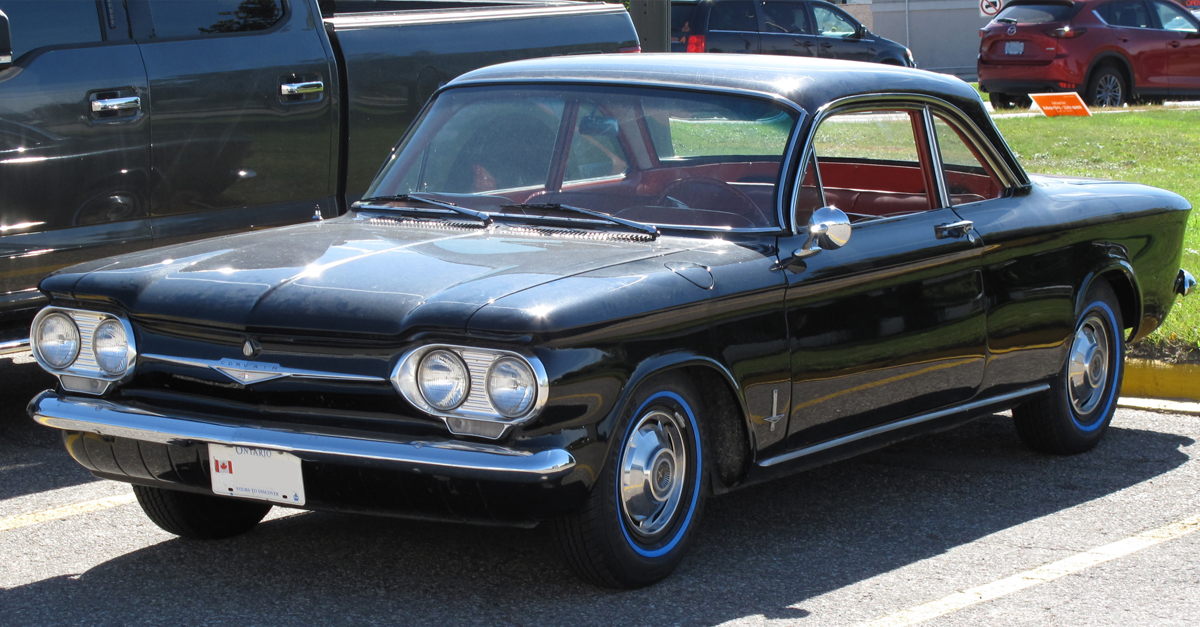
 Santeri Viinamäki, Wikimedia Commons
Why A Failing Converter Hurts Efficiency
Before replacement, a clogged or failing catalytic converter can restrict exhaust flow. That forces your engine to work harder and can reduce fuel efficiency. Replacing it should remove that restriction. If your mileage dropped afterward, something else is clearly contributing to the issue.
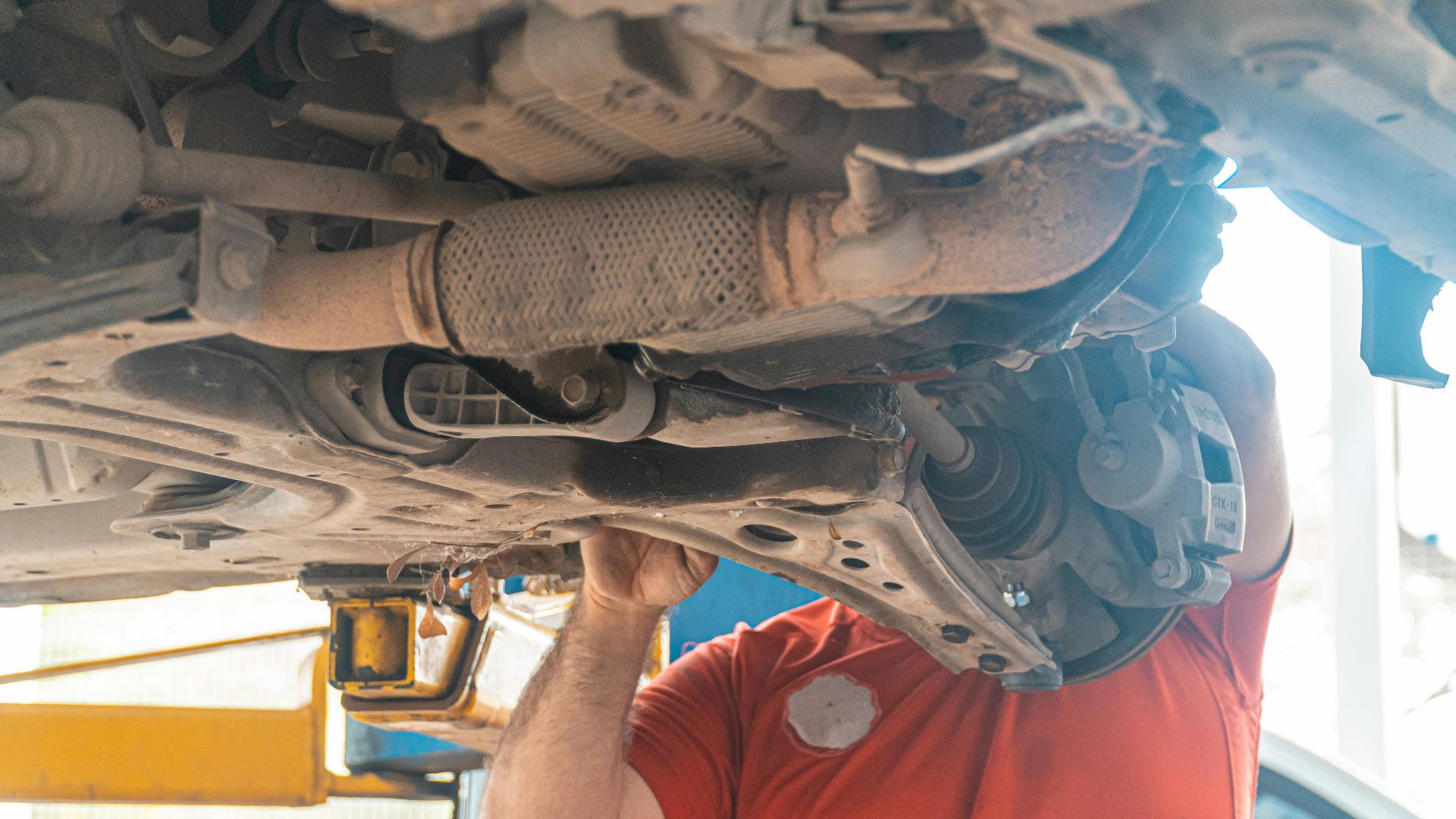 Jose Ricardo Barraza Morachis, Pexels
Aftermarket Vs OEM Parts
One common cause of problems is the type of converter installed. Aftermarket catalytic converters sometimes don’t perform exactly like original equipment parts. Differences in design or materials can affect how your engine’s sensors read exhaust gases, which may lead to less efficient fuel management.
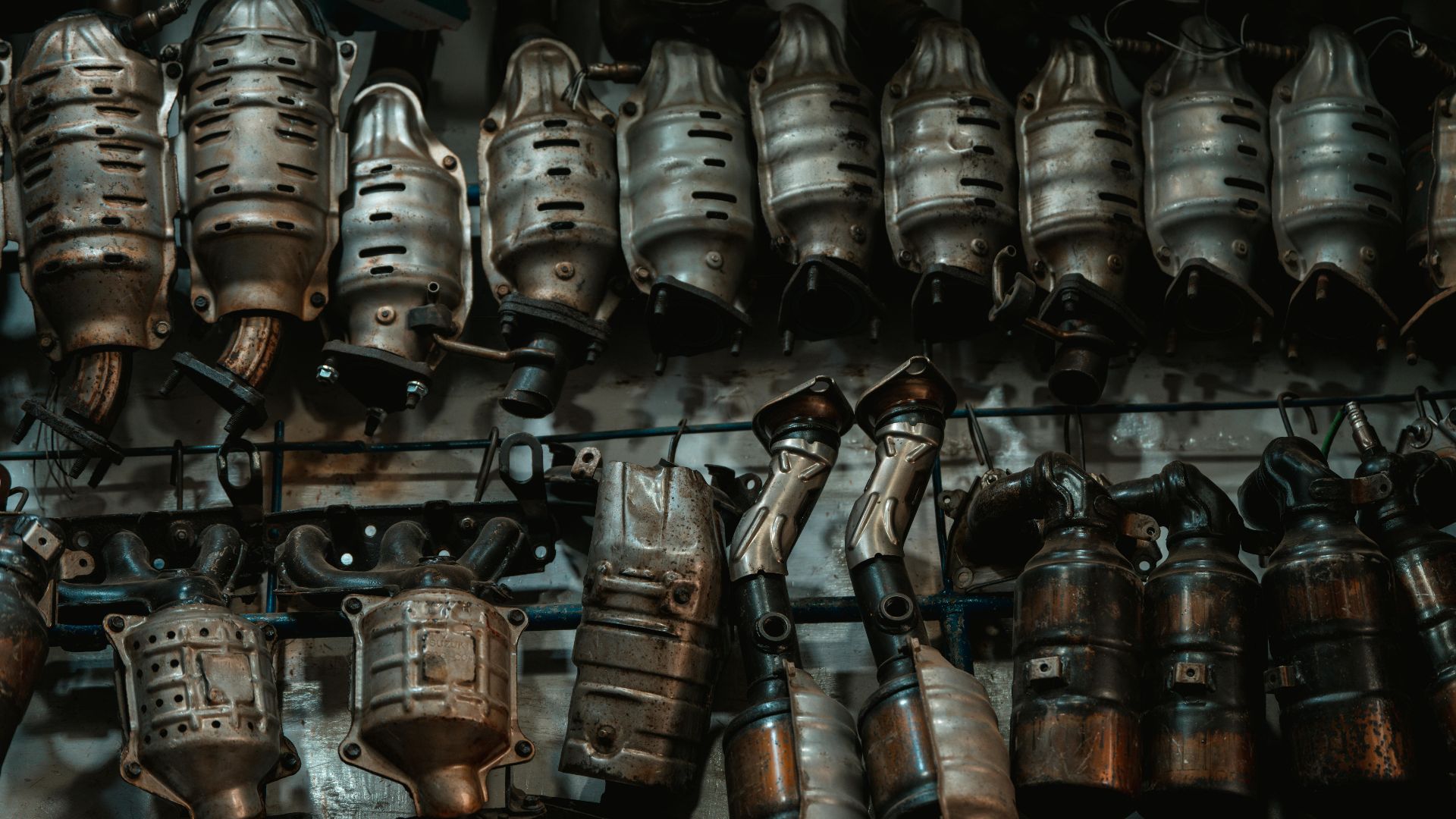
Oxygen Sensors Play A Critical Role
Your vehicle relies heavily on oxygen sensors before and after the catalytic converter. These sensors help adjust the air fuel mixture. If they were in any way damaged, improperly reinstalled, or not calibrated correctly during the repair, your engine may run too rich and burn more fuel.

Improper Installation Can Affect Performance
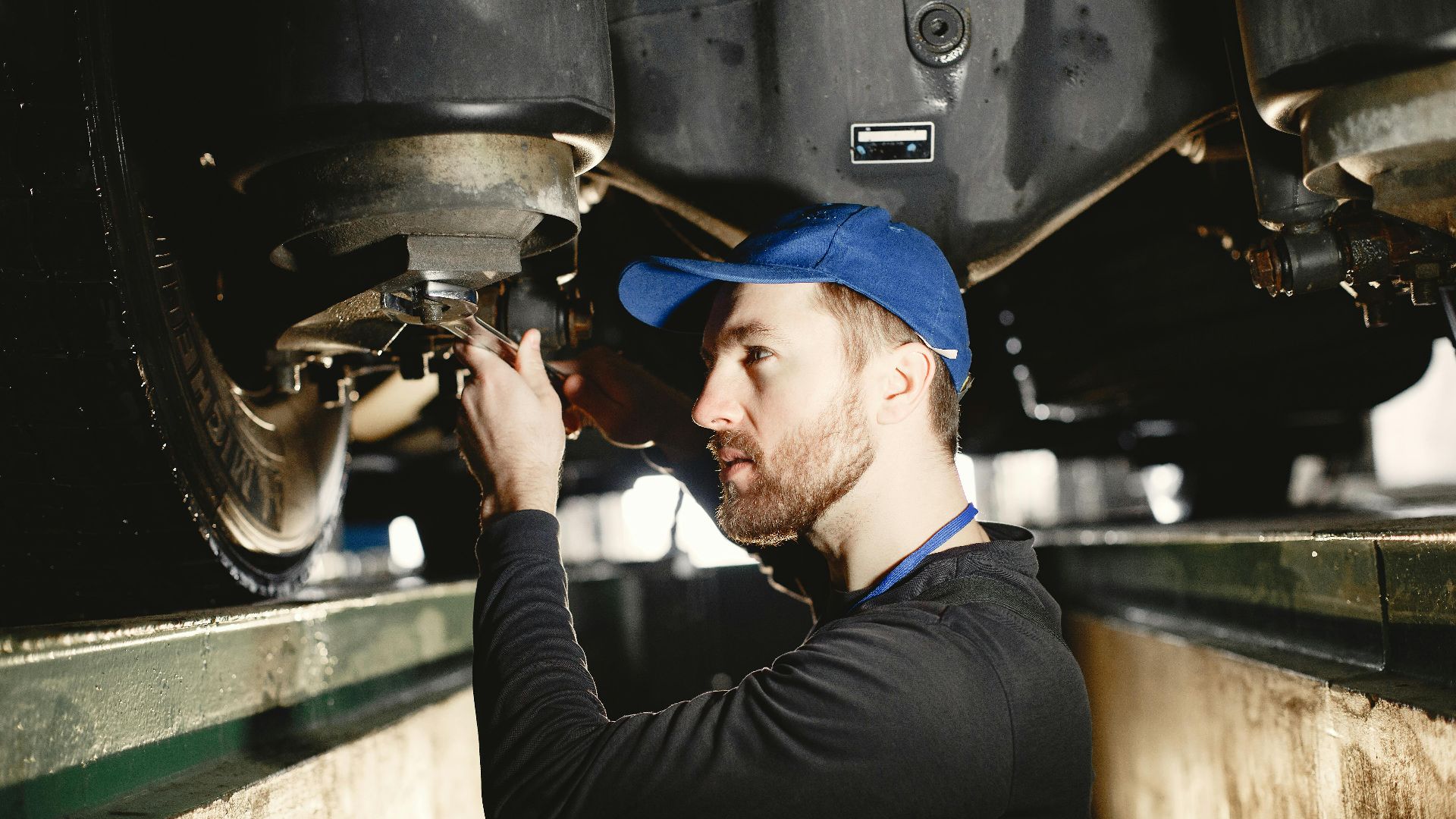
Even a properly functioning converter can cause issues if it wasn’t installed properly. Exhaust leaks, loose connections, or misaligned components can disrupt airflow and sensor readings. These problems often lead to reduced efficiency and sometimes trigger warning lights.
A Rich Fuel Mixture Wastes Gas
If your engine is running rich, meaning too much fuel and not enough air, your mileage will drop quickly. This can happen if the system “believes” it needs to compensate for incorrect readings. A new converter combined with faulty sensor inputs can create this imbalance.
Check Engine Light Clues Matter
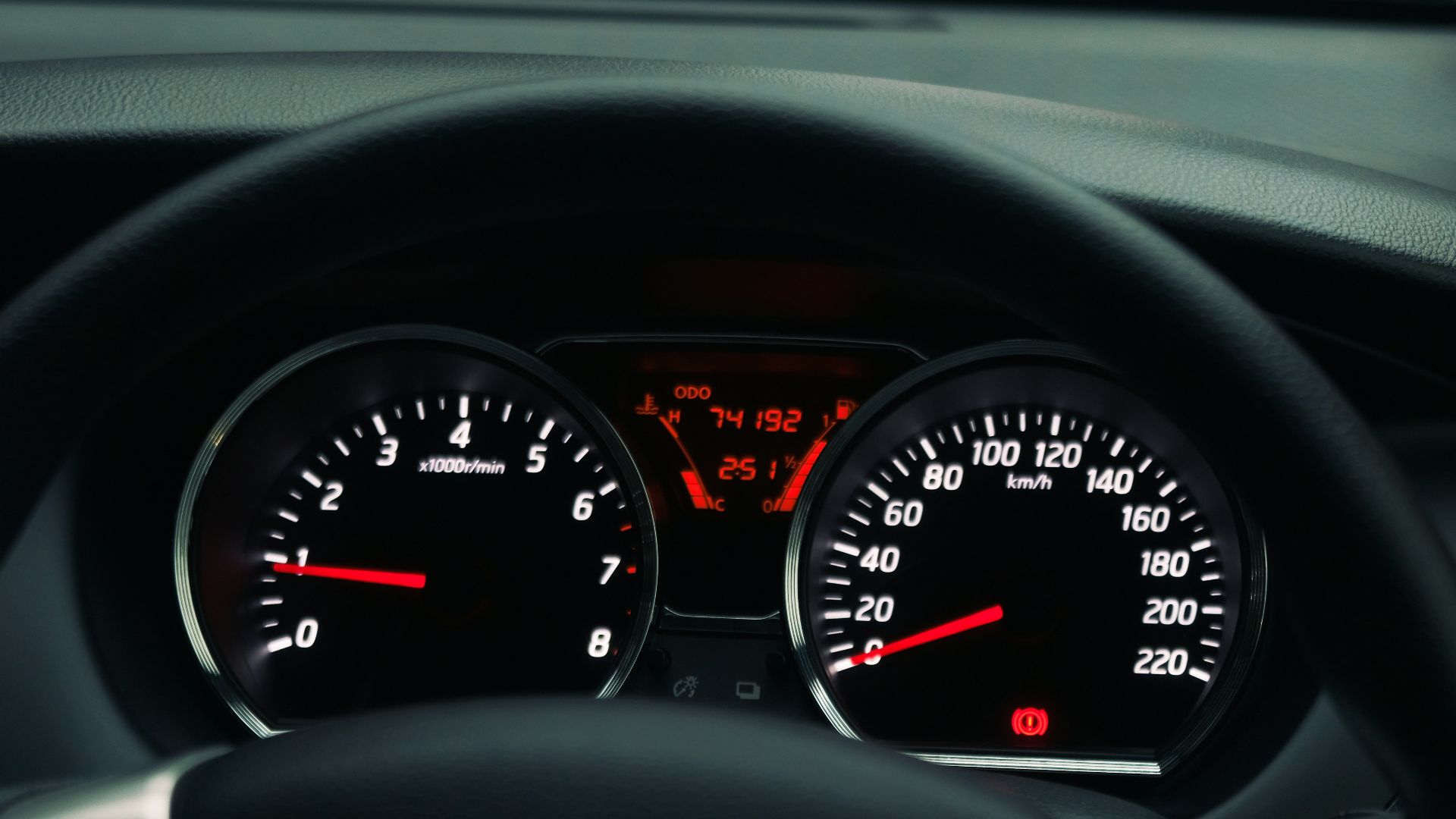
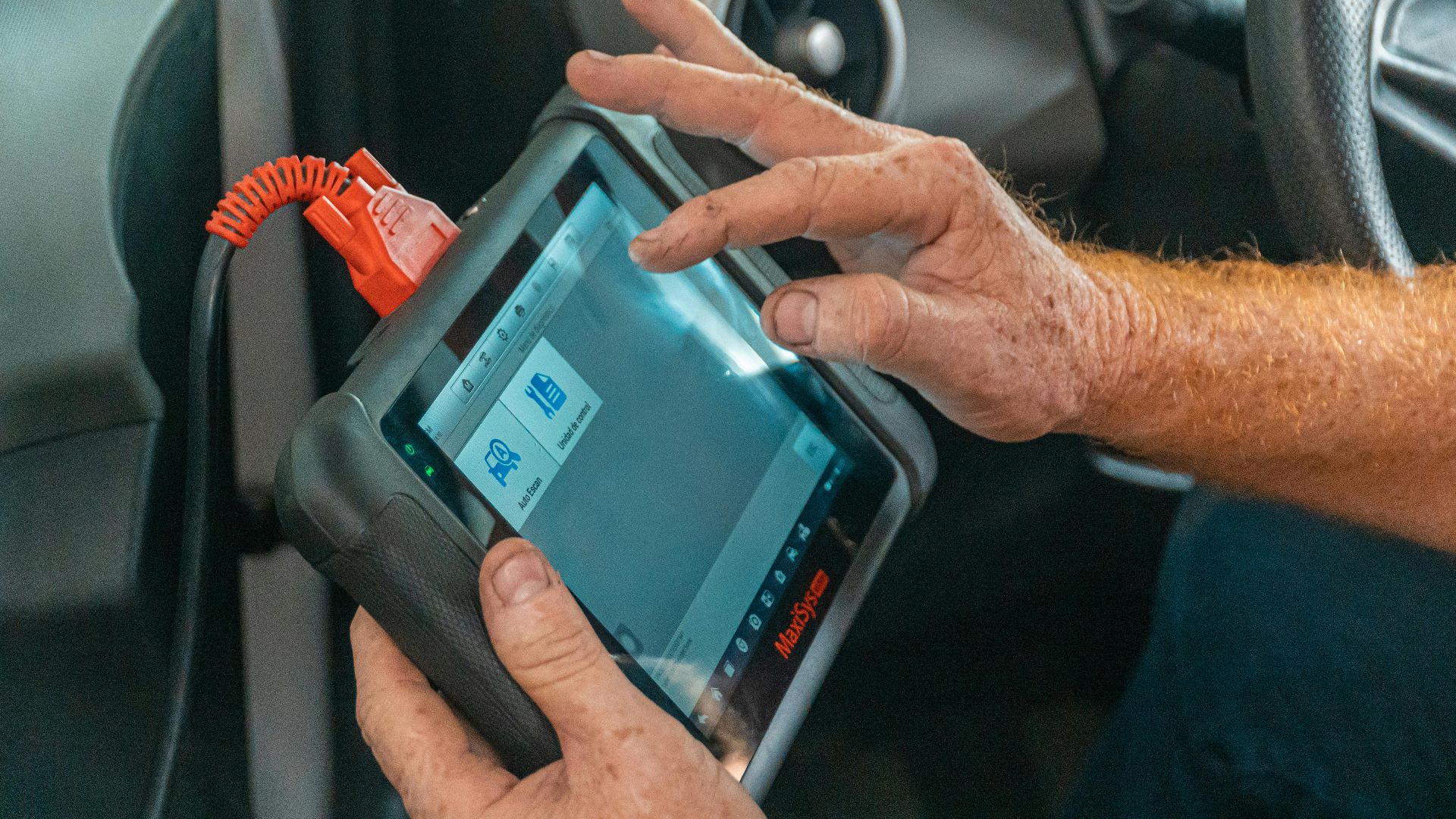
If your check engine light came on after the replacement, don’t ignore it. Diagnostic trouble codes can point directly to oxygen sensors, fuel trim issues, or catalytic converter efficiency problems. These clues are often the fastest way to pinpoint why your mileage dropped.
 Jose Ricardo Barraza Morachis, Pexels
Fuel Trim Adjustments Can Take Time
Modern engines constantly adjust fuel delivery based on sensor data. After a major exhaust component replacement, it can take some time for the system to recalibrate. However, this adjustment period is usually pretty short. Persistent poor mileage suggests a deeper issue.

Exhaust Backpressure Differences
A new catalytic converter can change the exhaust backpressure slightly. While this is usually beneficial, a poorly matched part can alter the airflow in a way that your engine isn’t optimized for. That mismatch can reduce the efficiency of the exhaust system instead of improving it.
 The original uploader was Steevven1 at English Wikipedia., Wikimedia Commons
Cheap Parts Can Create Expensive Problems
Lower cost converters often use fewer or lower quality materials. This can affect how effectively they process exhaust gases and interact with sensors. While they may meet minimum standards, they can still reduce performance and fuel economy.

Driving Conditions Still Matter
It’s also worth considering whether anything else changed at the same time. Seasonal weather, shorter trips, heavier traffic, or different driving habits can all affect your car’s gas mileage. Sometimes the timing makes it seem like the converter is to blame when it isn’t.

Fuel Quality Can Influence Results
Switching fuel types or using lower quality gasoline can also reduce mileage. If you made any changes around the same time as the repair, those could be contributing factors. Fuel system cleanliness also plays a role in overall efficiency.

Related Components Might Be Failing
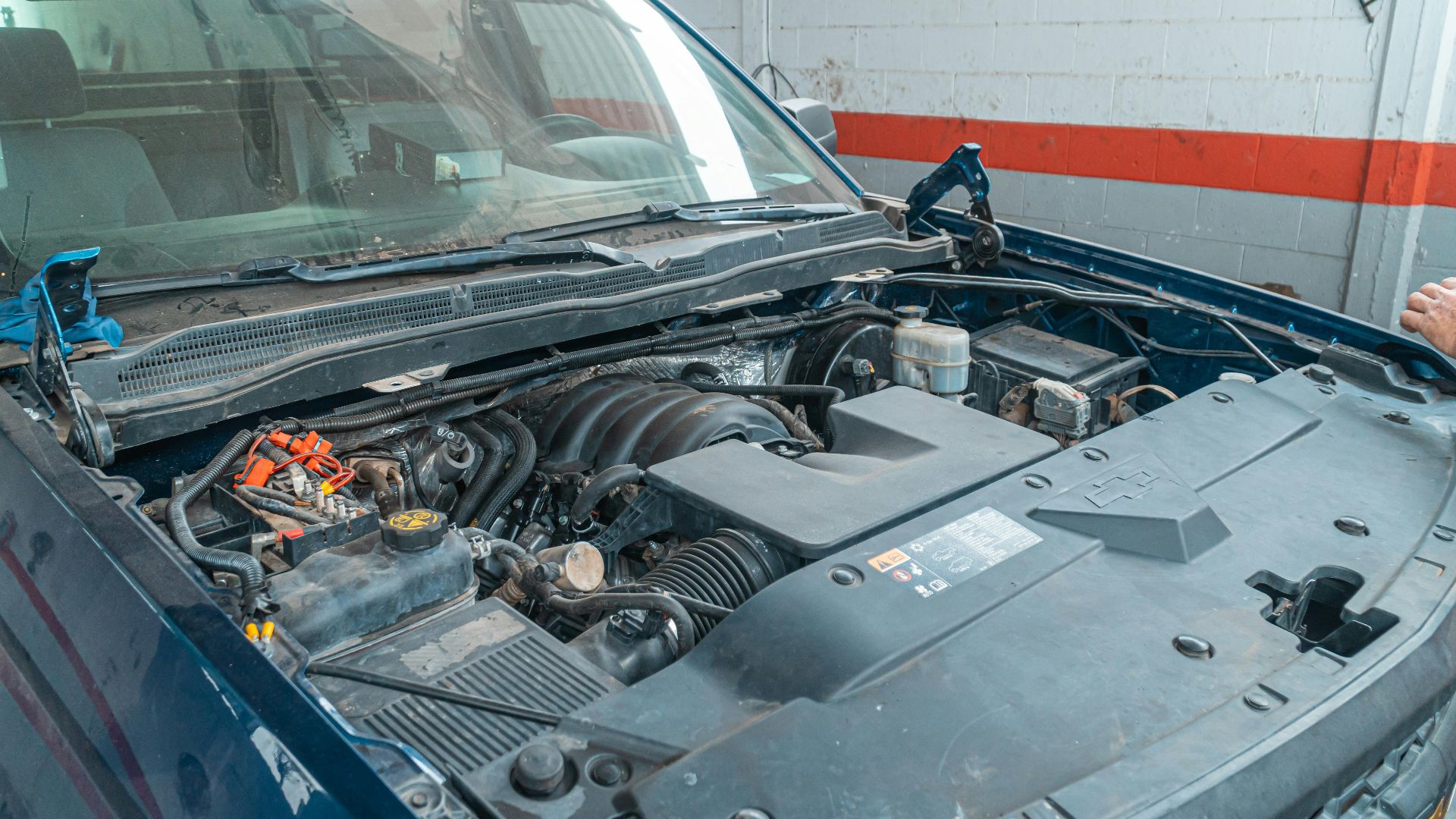
Catalytic converter failure is more often a symptom, not the root problem. Issues like misfires, worn spark plugs, or faulty fuel injectors can damage a converter. If those underlying problems weren’t addressed, they may still be affecting your fuel economy.
 Jose Ricardo Barraza Morachis, Pexels
Your Mechanic Might Have Missed Something
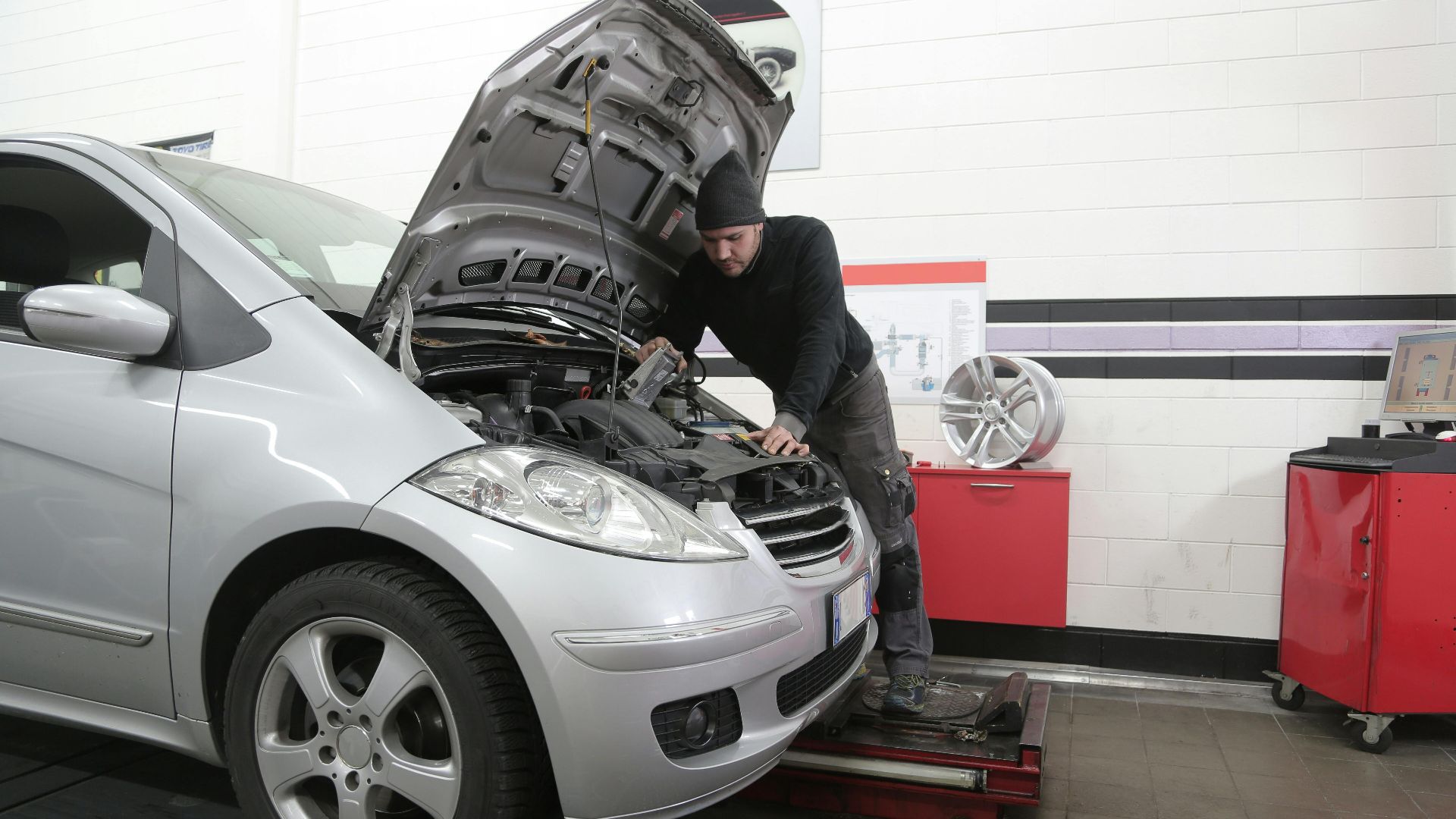
Even good shops can overlook related issues. If the repair focused only on replacing the converter, it could be that they never checked the sensors or fuel system. A second opinion can sometimes locate a simple cause for your reduced mileage.
How To Start Diagnosing The Problem
Start by scanning for trouble codes and checking fuel trim data if possible. Even a basic code reader can give useful information. From there, inspect oxygen sensors, look for exhaust leaks, and confirm that the part installed matches your vehicle’s specifications.
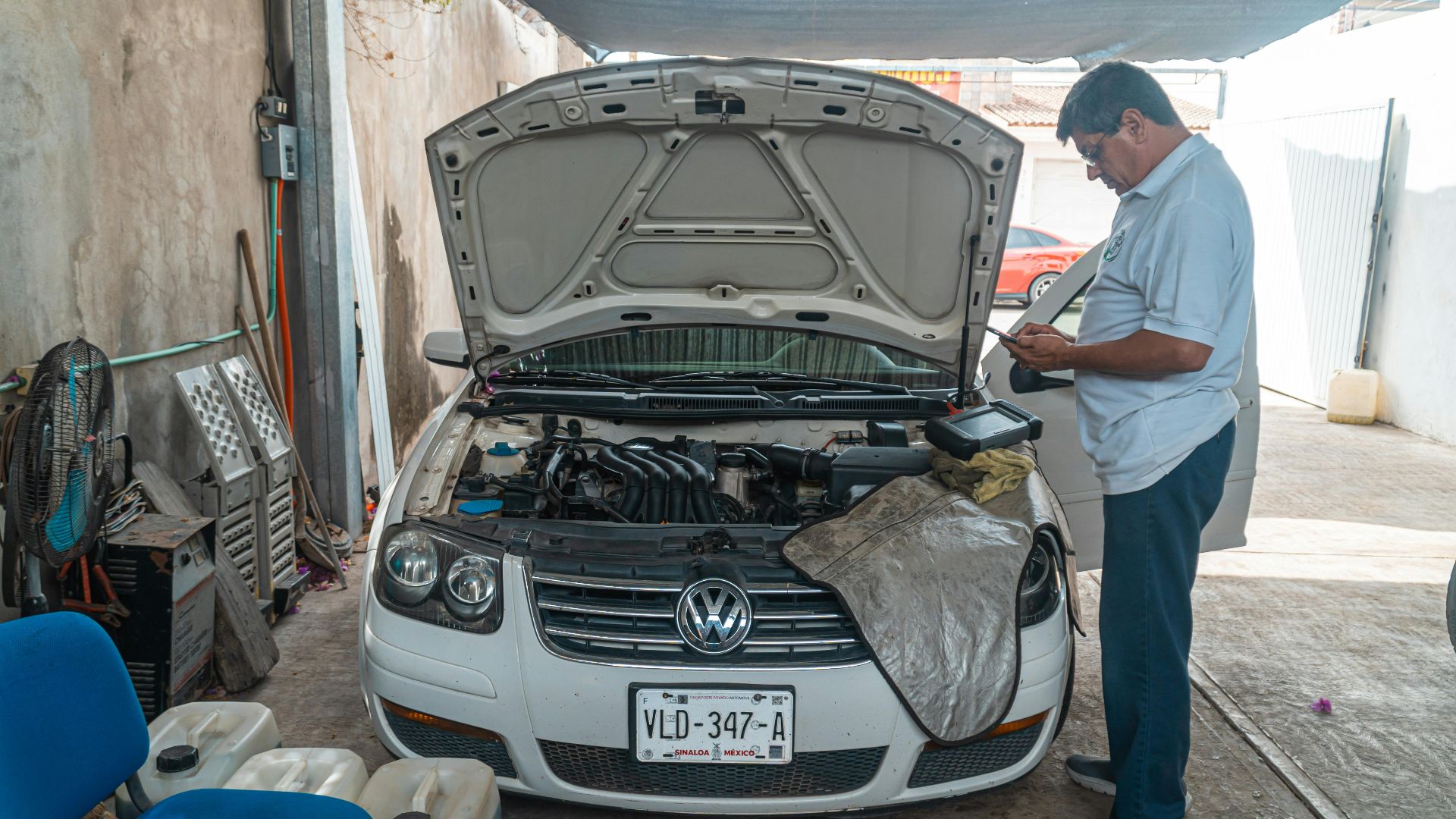 Jose Ricardo Barraza Morachis, Pexels
When To Go Back To The Shop
If the mileage drop started immediately after the repair, it’s reasonable to return to the shop that did the work. Explain the change in performance and ask them to recheck the installation and related components. Many shops will inspect their work at no extra charge.

Can You Keep Driving Like This?
Driving with reduced fuel efficiency isn’t dangerous, but it can indicate a problem that may worsen over time. Running rich can damage your new catalytic converter or other engine components, leading to more expensive repairs down the road.

Bottom Line On Your Situation
Yes, it is possible for gas mileage to get worse after replacing a catalytic converter, but it is not the expected outcome. In most cases, it points to a related issue like sensors, installation errors, or part quality. The good news is that these problems are usually fixable once they've been identified.
You May Also Like:
My car smells like gas when I start it. Can I drive it or should I call for help?