That $2,500 Quote Sounds Fishy
If a shop tells you a transmission flush and fluid replacement will cost $2,500, it makes sense to question it. For many everyday cars, a basic transmission fluid service usually costs a few hundred dollars, not a few thousand. The catch is that some shops use the word “flush” to describe a much bigger repair, and that is where the price can shoot up fast.

What A Transmission Flush Usually Means
A transmission flush usually means swapping out old automatic transmission fluid for new fluid, often with a machine hooked up to the cooler lines. Service guides from chains like Jiffy Lube and Valvoline describe it as a fluid exchange service, not a rebuild or major repair. That is why many drivers expect a price somewhere around $150 to $400, depending on the car and the type of fluid.
 Quality Stock Arts, Shutterstock
Why That Number May Be So Much Higher
The first thing to figure out is whether the quote is really for only a flush. A $2,500 estimate often includes extra work like a pan drop, filter replacement, gasket, diagnostics, cooler line repairs, software updates, leak repairs, or even valve body or mechatronic labor. By the time those parts and labor charges are added up, it is not really “just a flush” anymore, even if the shop still calls it that.

Start With The Owner’s Manual
Your owner’s manual is the best place to start. Automakers spell out whether the transmission fluid should be changed, when it should be changed, and sometimes exactly what fluid spec is required. If the manual does not call for a flush, that matters, because many manufacturers prefer a drain-and-fill instead of a machine fluid exchange.
 Krakenimages.com, Shutterstock
The Right Fluid Matters
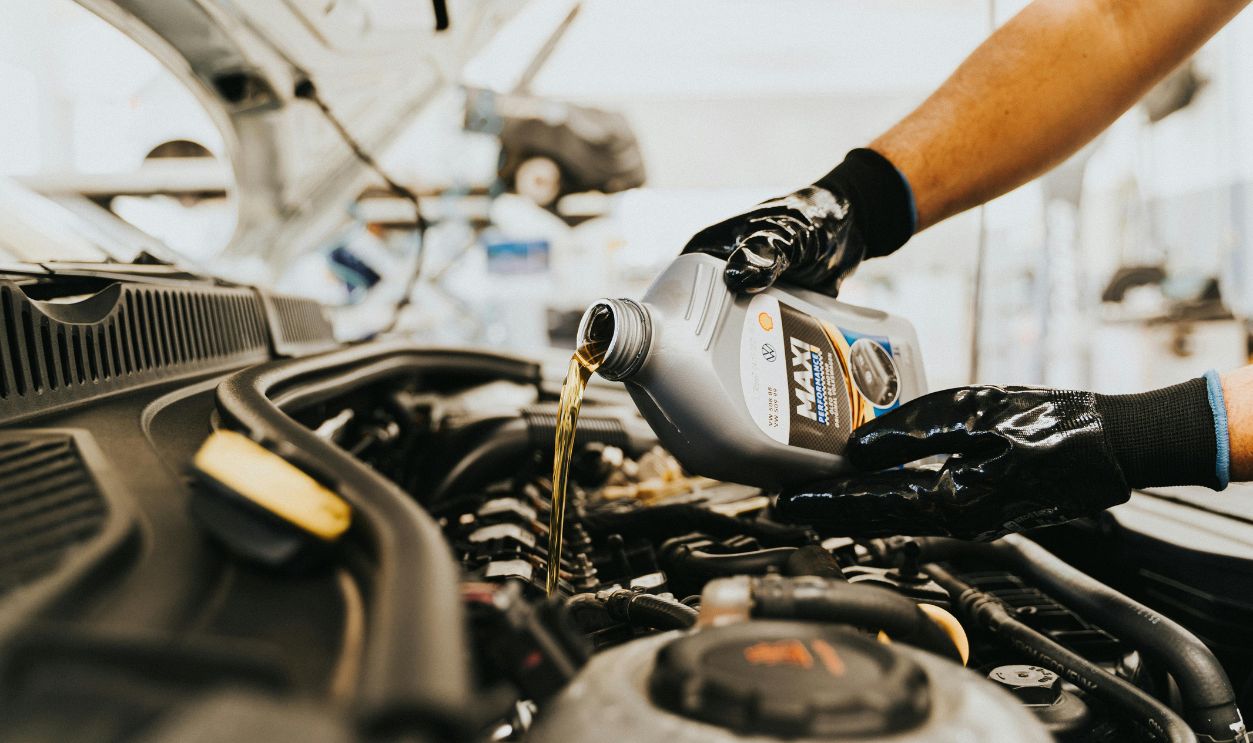
This is not something to guess on. Ford, GM, Toyota, Honda, and other automakers have long listed model-specific transmission fluid requirements in owner manuals and service info. Using the wrong fluid can cause shift problems, and fixing those problems can get expensive fast.
Some Transmissions Are More Complicated To Service
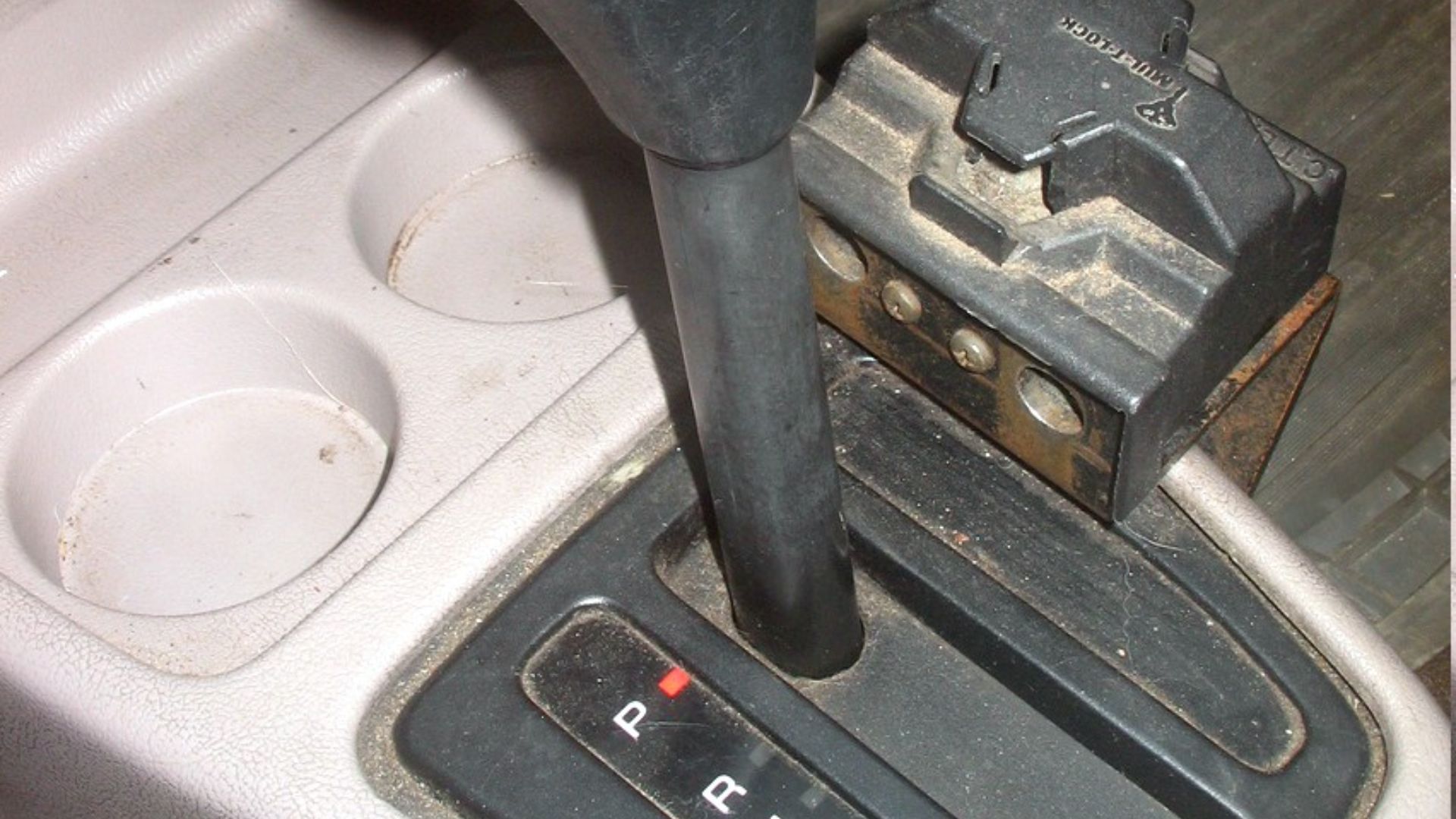
Not every transmission service is simple. Some vehicles need fluid temperature monitoring, scan tool procedures, special fill ports, level-setting steps, or even underbody disassembly just to refill them properly. European luxury cars and some sealed transmissions can push labor costs much higher than drivers expect, even when the job is still mostly fluid service.
 Krzysztof Maria Różański, (Upior polnocy), Wikimedia Commons
“Sealed” Does Not Always Mean Lifetime
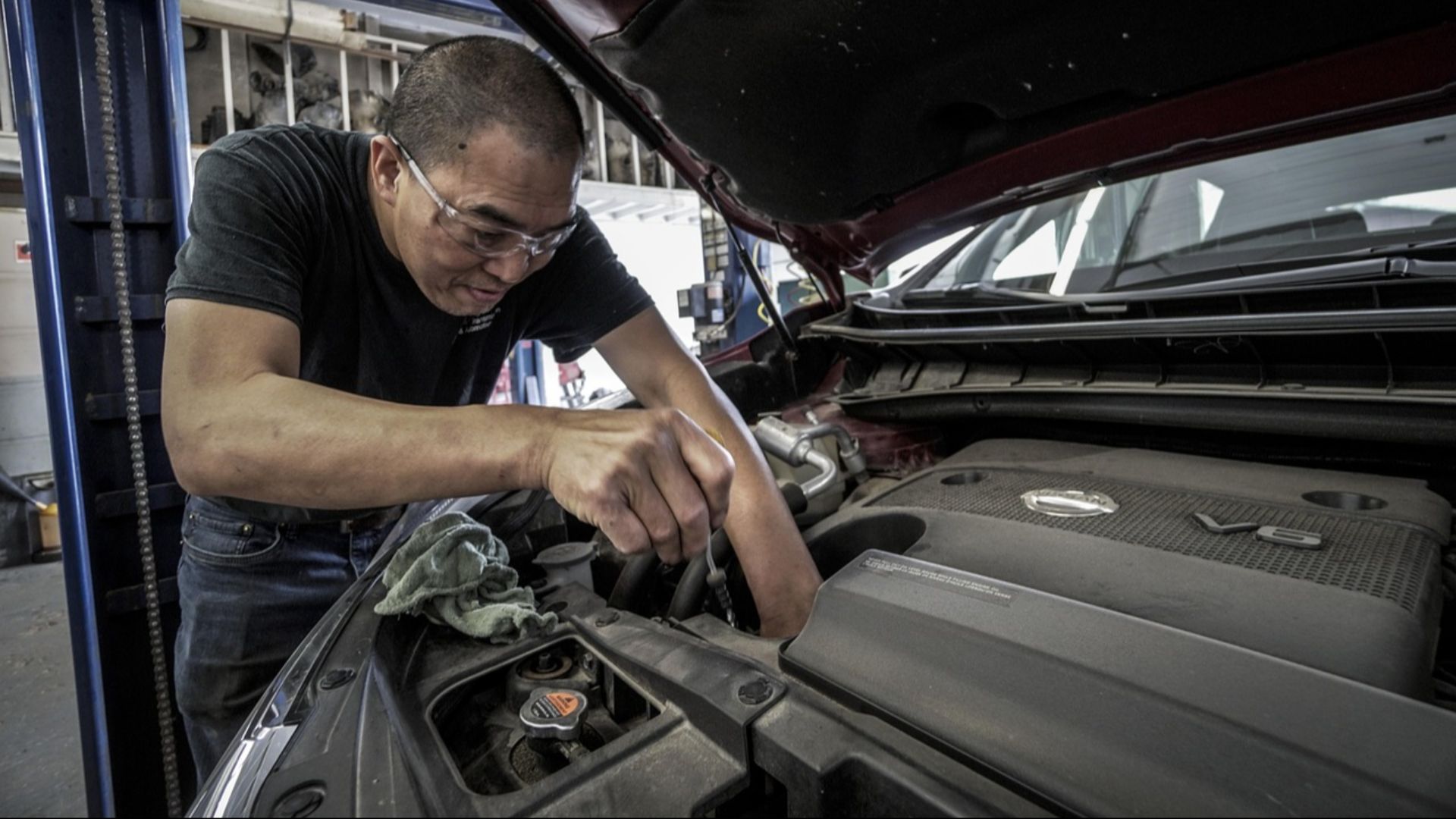
One of the most confusing phrases in car maintenance is “lifetime fluid.” Automakers and suppliers have used that wording for years, but it does not always mean the fluid lasts forever in real-world driving. ZF, a major transmission maker, has recommended service intervals for many of its automatic transmissions, even though some automakers once marketed them as lifetime fill units.
Why ZF Comes Up So Often
ZF has supplied transmissions used in BMW, Audi, Jaguar, Land Rover, Chrysler, and other brands. The company’s aftermarket guidance has said automatic transmission oil changes can make sense around 80,000 to 120,000 kilometers, depending on use and the transmission family. That is one reason drivers get mixed messages when one source says “lifetime” and another says the fluid should be changed.

CVTs Can Change The Price
If your car has a continuously variable transmission, the fluid service may cost more than a basic automatic transmission drain-and-fill. CVTs are often very picky about fluid chemistry, and many use expensive manufacturer-specific fluid. Nissan, Subaru, Honda, Toyota, and others all have model-specific CVT procedures and fluid specs, so a cheap generic flush is usually not the right move.
Dual-Clutch Transmissions Can Cost More Too
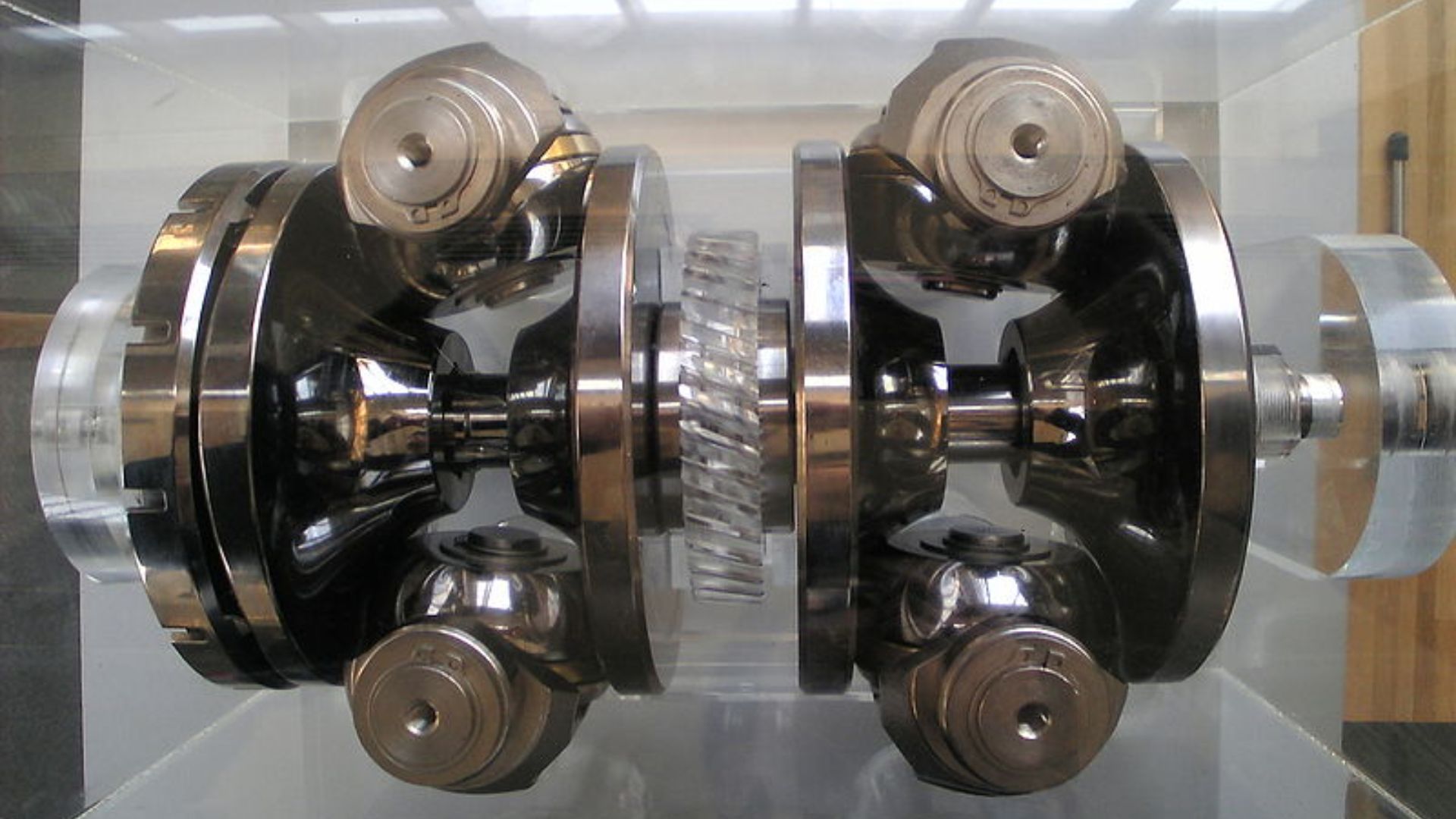
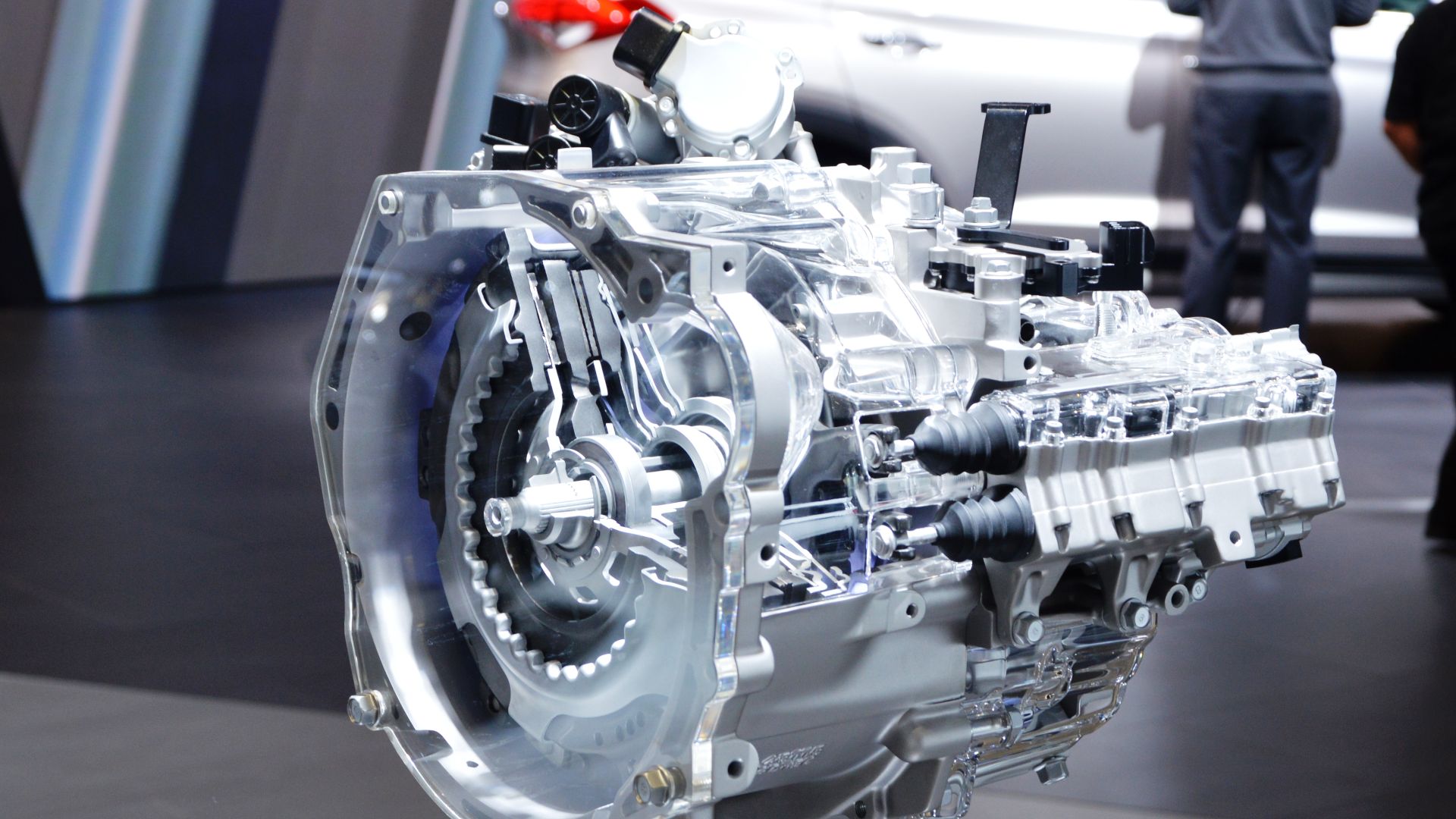
A dual-clutch transmission can need special fluid, separate circuits, filters, adaptation procedures, or more labor than a regular automatic. Volkswagen and Audi DSG services are a classic example where routine maintenance can cost several hundred dollars because the process is more involved. Even then, that is still a long way from $2,500 unless the quote includes much more than routine service.
Pan Drop, Filter, And Gasket Add Up
Some transmissions have a serviceable filter inside the pan, so getting to it means removing the pan, replacing the filter, cleaning the surfaces, and installing a new gasket or an integrated pan assembly. On some ZF units, the pan and filter come as one expensive part. If your estimate includes this kind of work with OEM fluid, the price can climb well above the cheap fluid exchange specials you see advertised.

Luxury Cars Are Often Pricier
A regular sedan may need 4 to 10 quarts of fluid and not much labor. A luxury SUV or German sport sedan may need costly fluid, a specialty pan, more labor time, and model-specific fill and level procedures. In those cases, a transmission service quote can get painful, but it should still be clearly itemized.

What A Real $2,500 Estimate Usually Includes
To honestly reach $2,500, a shop usually needs to be doing more than fluid service. Common add-ons include diagnosing harsh shifts, replacing leaking cooler lines, resealing a pan, replacing a transmission mount, servicing a transfer case on an all-wheel-drive vehicle, doing programming, or dealing with an internal fault. If the invoice is vague, that is a sign to slow down and ask for a full breakdown.

Ask This Right Away
Ask one simple question: “What exactly is being replaced besides the fluid?” That forces the service advisor to separate basic maintenance from actual repair. If they cannot explain the parts, labor, and reason for each item in plain English, the estimate is not clear enough yet.
 Miljan Zivkovic, shutterstock.com
Flush Versus Drain-And-Fill Matters
Many technicians prefer a drain-and-fill, especially on older transmissions with an unknown service history. A machine flush swaps out more old fluid, but some shops are careful with high-mileage units if debris and wear material may already be masking internal problems. The method should be spelled out, because “flush” and “fluid change” are not always the same thing.

Why Some Shops Avoid Flushing High-Mileage Cars
You may have heard stories about a flush “killing” a transmission. A better way to look at it is that a worn transmission may already be close to failure, and fresh fluid or a full exchange can expose problems that dirty old fluid was temporarily hiding. That is why many shops note symptoms like slipping, delayed engagement, or burnt fluid before recommending service.

Burnt Fluid Is A Warning Sign
If the fluid is dark, smells burnt, or has visible debris in it, a flush may not fix much. Burnt fluid can point to overheating or internal clutch wear, and fresh fluid cannot undo mechanical damage. In that case, the right next step may be diagnosis, not a high-priced flush package.
Some Quotes Also Include Diagnostic Time
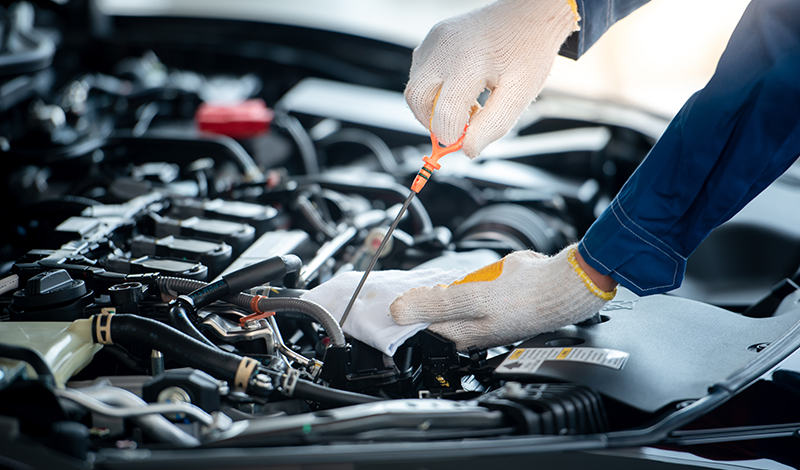
Transmission problems often need scan tool work, road testing, and technician time to figure out whether the issue is electronic, hydraulic, or mechanical. Charging for diagnosis can be completely legitimate. The problem is when those charges get folded into a “flush” quote and make the number sound way more confusing than it should be.
Fluid Alone Can Cost A Lot
OEM transmission fluid is not cheap, especially for newer multi-speed automatics, CVTs, and dual-clutch units. Some vehicles need a lot of it, and some fluids cost much more than engine oil. If your estimate includes 10 to 14 quarts of manufacturer-specified fluid at dealer prices, the parts total alone may already be much higher than an advertised budget service.

Dealer Prices And Independent Prices Can Vary A Lot
Dealers usually charge higher labor rates and tend to stick with OEM parts and fluids. Independent specialists may do the same work for less, especially if they know your make and model well. That is why a second opinion is so useful when a quote jumps from a few hundred dollars into four-digit territory.

Maintenance And Repair Are Not The Same Thing
Routine transmission maintenance is one thing. Fixing leaks, replacing sensors, repairing a valve body, or dealing with shift problems is something else entirely. If your car went in for service but already had slipping, hard shifts, or warning lights, the estimate may no longer be about maintenance at all.
 LightField Studios, Shutterstock
Get The Quote In Writing
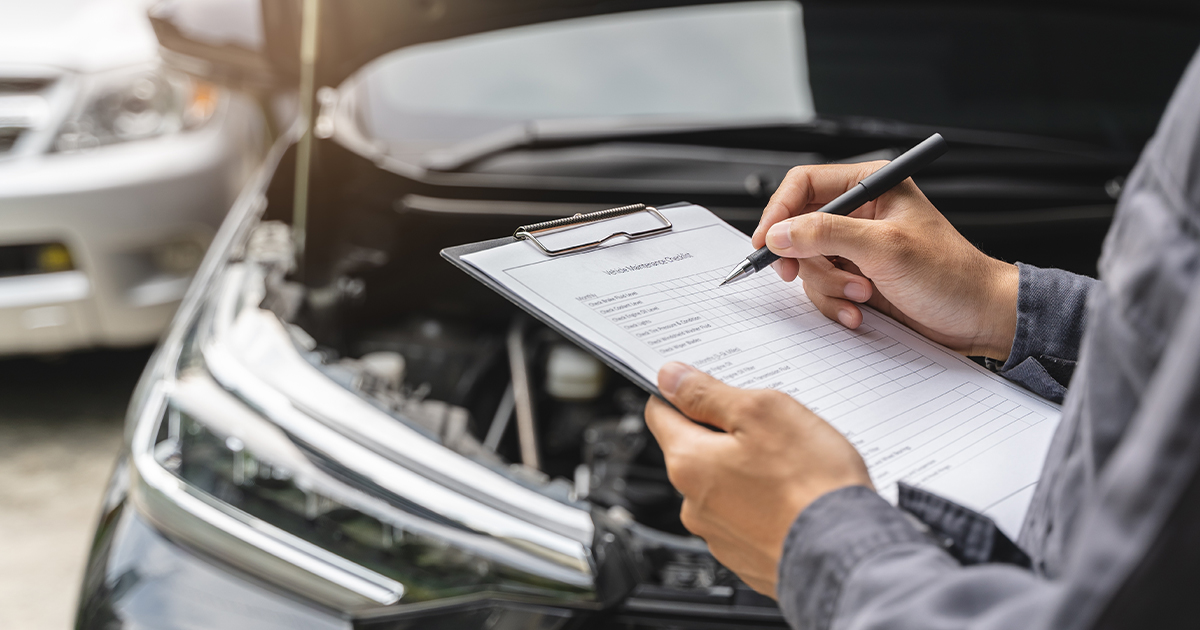
A real estimate should list labor hours, part descriptions or part numbers, fluid type, shop supplies, taxes, and any diagnostic charges. Watch for vague wording like “transmission service package” or “complete flush kit” without any details. Broad labels can hide a lot and make it almost impossible to compare prices.

Does Your Transmission Even Have A Serviceable Filter?
Some automatic transmissions have replaceable filters. Others do not have a traditional serviceable filter during routine maintenance, or they use a screen that usually is not changed unless deeper work is being done. If a shop is charging for a filter, ask for the part number and where it is located on your specific transmission.
Ask About The Fluid Being Used
This is not a minor detail. Manufacturer guidance often calls for a very specific fluid standard, and using a substitute without proven compatibility can create problems. If the shop says “it’s all the same,” that is not a great answer for a modern transmission.

Watch For Signs Of A Bigger Problem
If your transmission slips, shudders, flares between gears, delays engagement, or turns on a warning light, the expensive quote may be tied to a real fault. In that case, the fluid service may be only a small part of the bill. That matters, because normal maintenance price ranges do not mean much once the transmission is already showing signs of trouble.

When $2,500 Could Make Sense
A $2,500 bill can be reasonable for a premium vehicle, a complex transmission, or a job that includes pan and filter parts, OEM fluid, significant labor, diagnostics, and related repairs. It may also make sense if the shop found and fixed a leak or had to handle adaptation and programming work. What does not make sense is calling that whole stack of work a simple flush.
When It Probably Does Not
If you drive a common non-luxury car, have no shift complaints, no leaks, no warning lights, and the quote is literally just for “flush and fluid replacement,” then $2,500 is probably too high. The same goes if the shop cannot give you a detailed breakdown or explain why your vehicle needs more than a standard service. That is the moment to pause and compare estimates.

The Smart Move Before You Say Yes
Call a dealer parts department and ask what fluid and filter your exact transmission uses. Then call one dealer service department and one good independent transmission shop for a labor estimate on that exact job. In a short time, you can usually tell whether the first quote reflects reality or just sticker shock.

The Bottom Line
You are not wrong for thinking a transmission flush is usually far cheaper than $2,500. In many cases, it is. But the word “flush” gets used loosely, and the only way to know whether the estimate is fair is to separate a simple fluid exchange from diagnostics, filters, seals, pans, programming, and real transmission repair.