
When Your Car Smells Like A Gas Station
You turn the key, the engine fires up—and suddenly it smells like you’re standing next to a fuel pump. That whiff of gasoline might seem harmless at first, especially if it fades quickly, but it’s one of those warning signs your car doesn’t throw out for no reason. Sometimes it’s minor. Sometimes it’s the automotive equivalent of waving a red flag while holding a lit match.
So can you keep driving, or is this a pull-over-and-call-for-help situation? Let’s break it down.

That Gas Smell Isn’t Normal
Modern cars are designed to keep fuel sealed tightly within the system. If you’re smelling gasoline inside or around your vehicle, something isn’t doing its job. Even a faint odor means fuel vapors—or actual fuel—are escaping somewhere they shouldn’t.
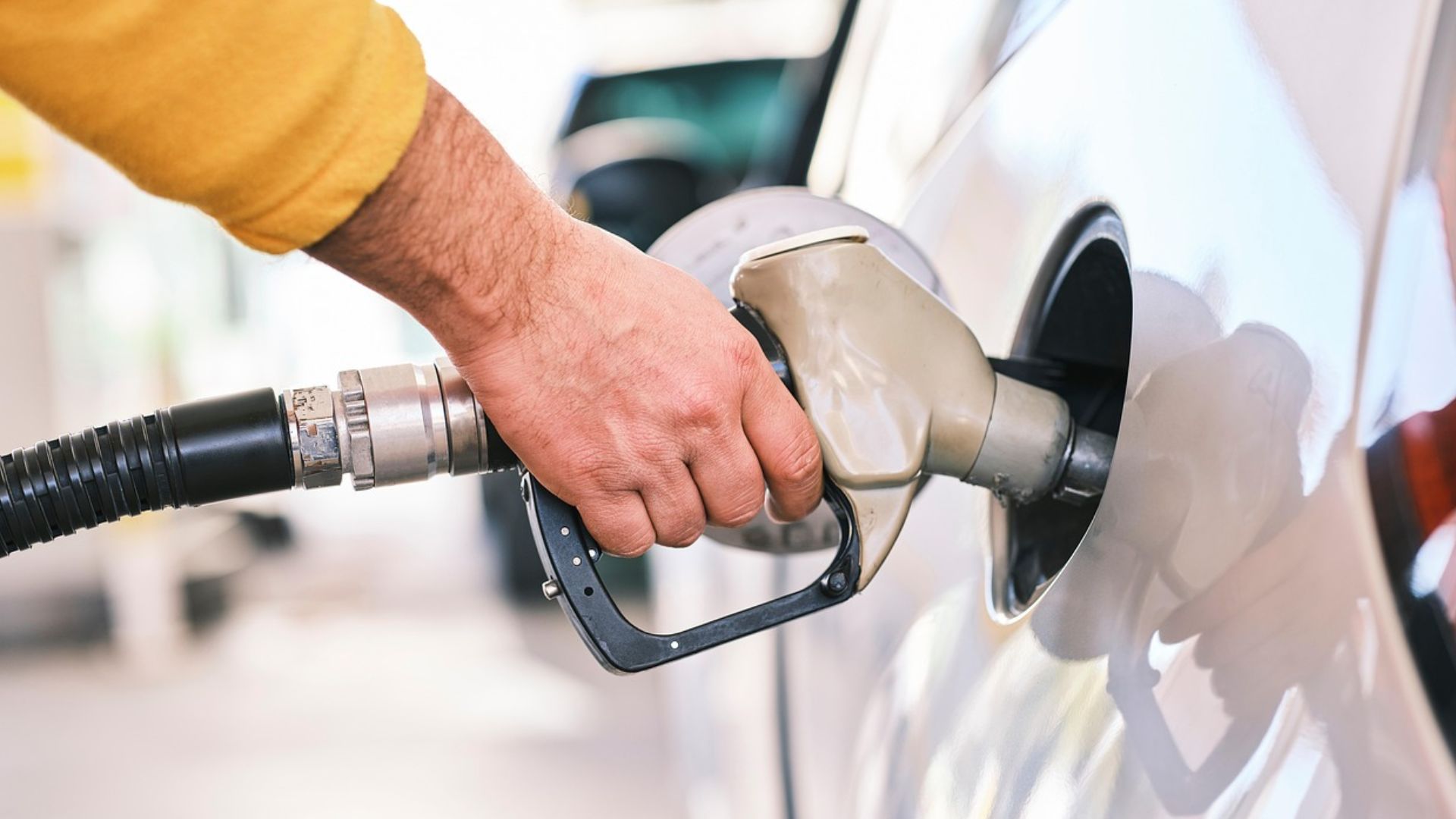
A Quick Smell At Startup Might Be Okay
If the smell only appears briefly when you start your car—especially in cold weather—it could be a temporary rich fuel mixture. Engines sometimes inject extra fuel during startup, and a small amount of odor can sneak through before everything stabilizes.

But If It Lingers, Pay Attention
A smell that sticks around after a few seconds is a different story. That usually points to a leak, a faulty component, or an issue with how fuel is being burned. In other words, it’s not something to shrug off.
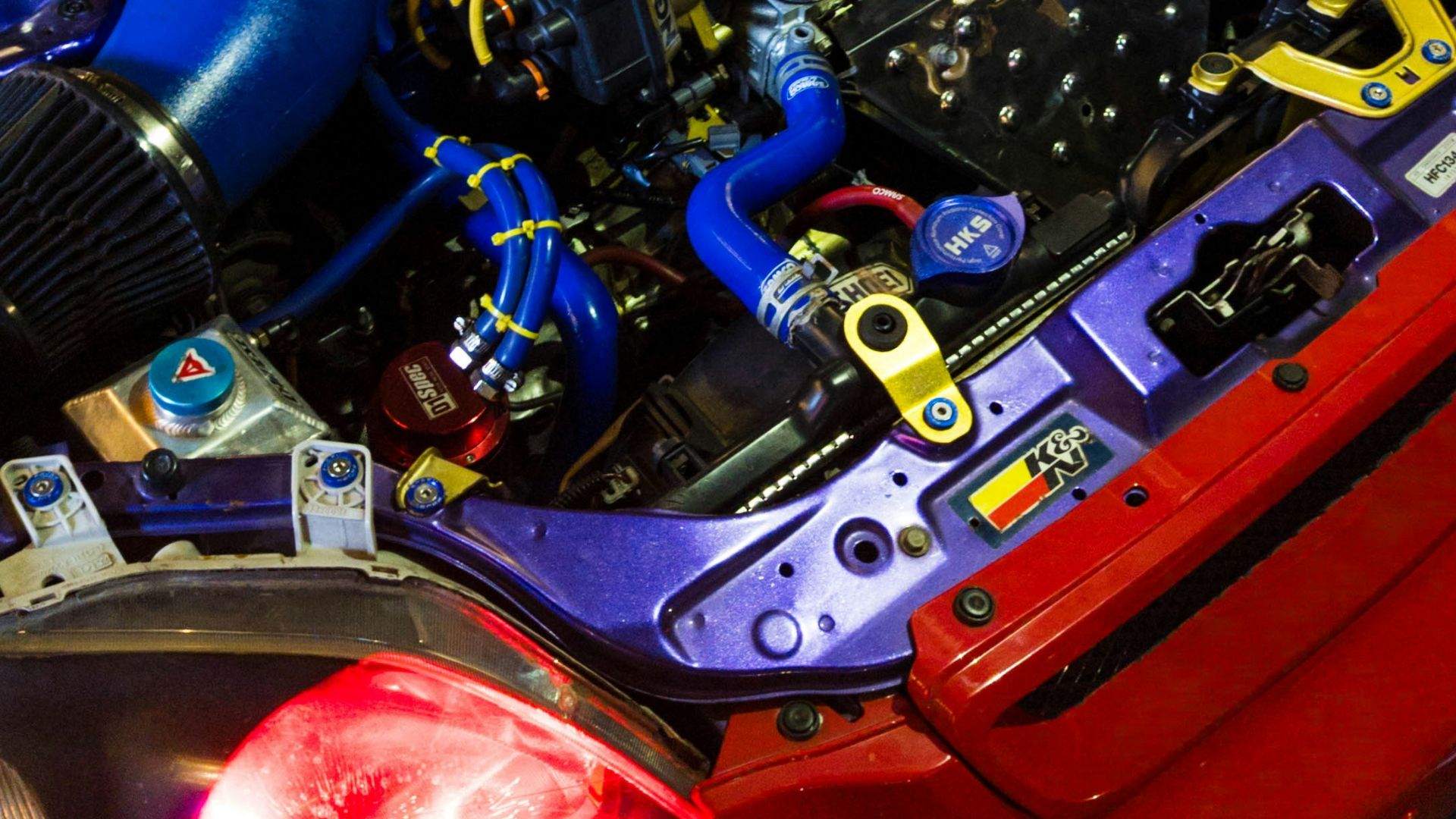
Fuel Leaks Are The Biggest Concern
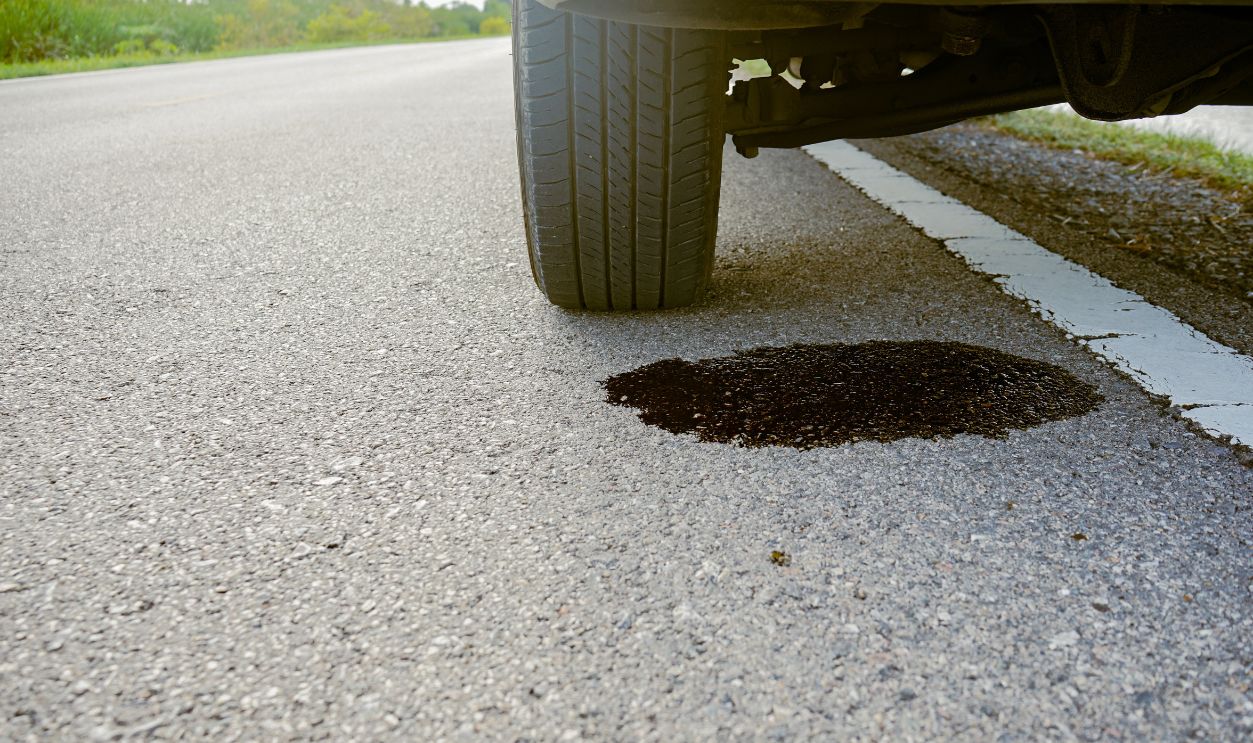
The most obvious—and most serious—cause is a fuel leak. This could be coming from a cracked fuel line, a loose connection, or even a damaged fuel tank. Gasoline is highly flammable, so this is where things move from inconvenient to dangerous.
 Mr.Anuwat Rumrod, Shutterstock
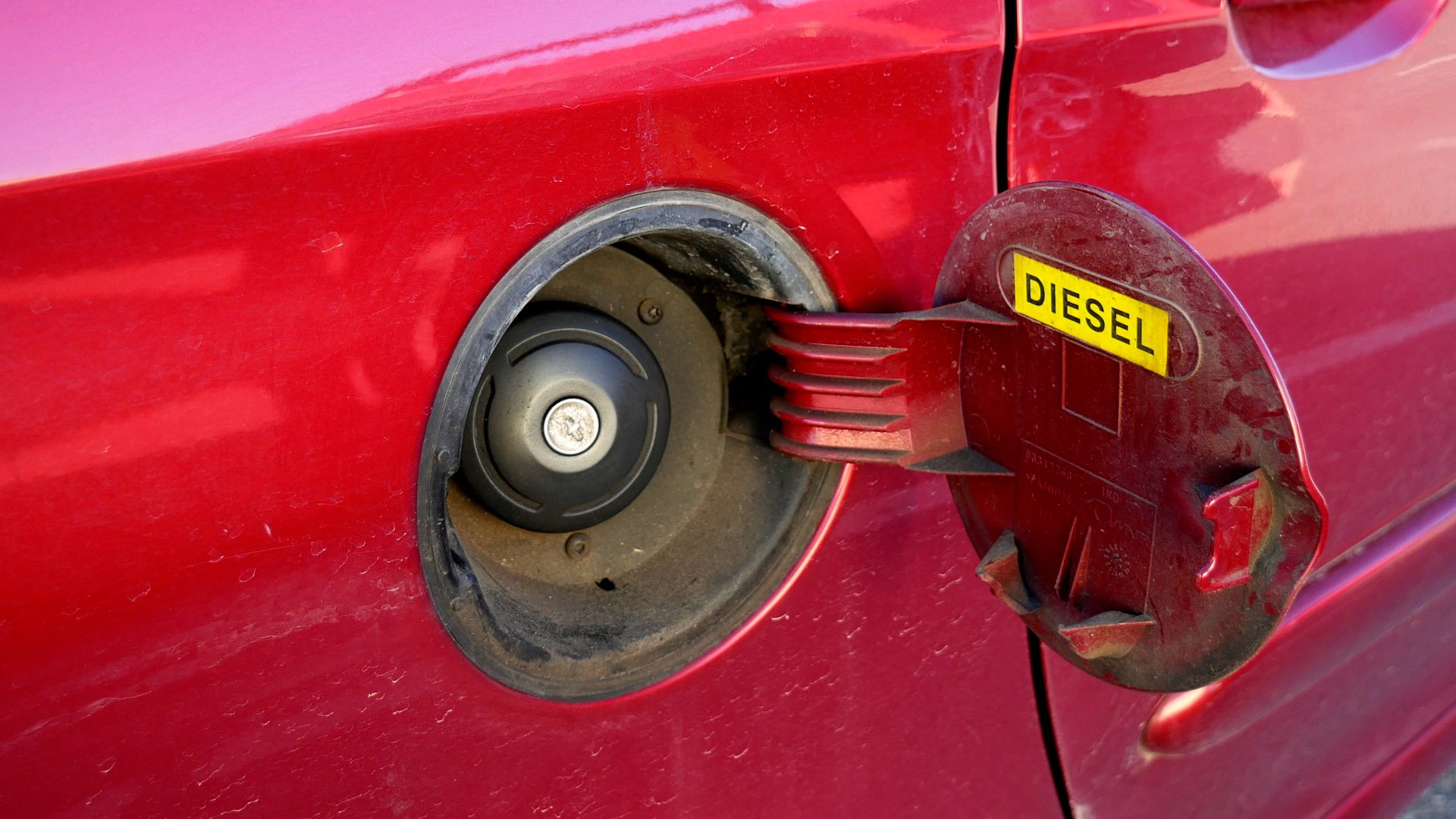
Your Gas Cap Might Be The Culprit
It sounds simple, but a loose or damaged gas cap can let vapors escape. If you’ve recently filled up and didn’t tighten it properly, that smell might be your car reminding you to double-check.
 Santeri Viinamaki, Wikimedia Commons
Fuel Injectors Can Leak Too
Fuel injectors are supposed to deliver precise amounts of fuel into the engine. If one is leaking or not sealing properly, it can release gasoline into areas where it doesn’t belong, creating that unmistakable odor.
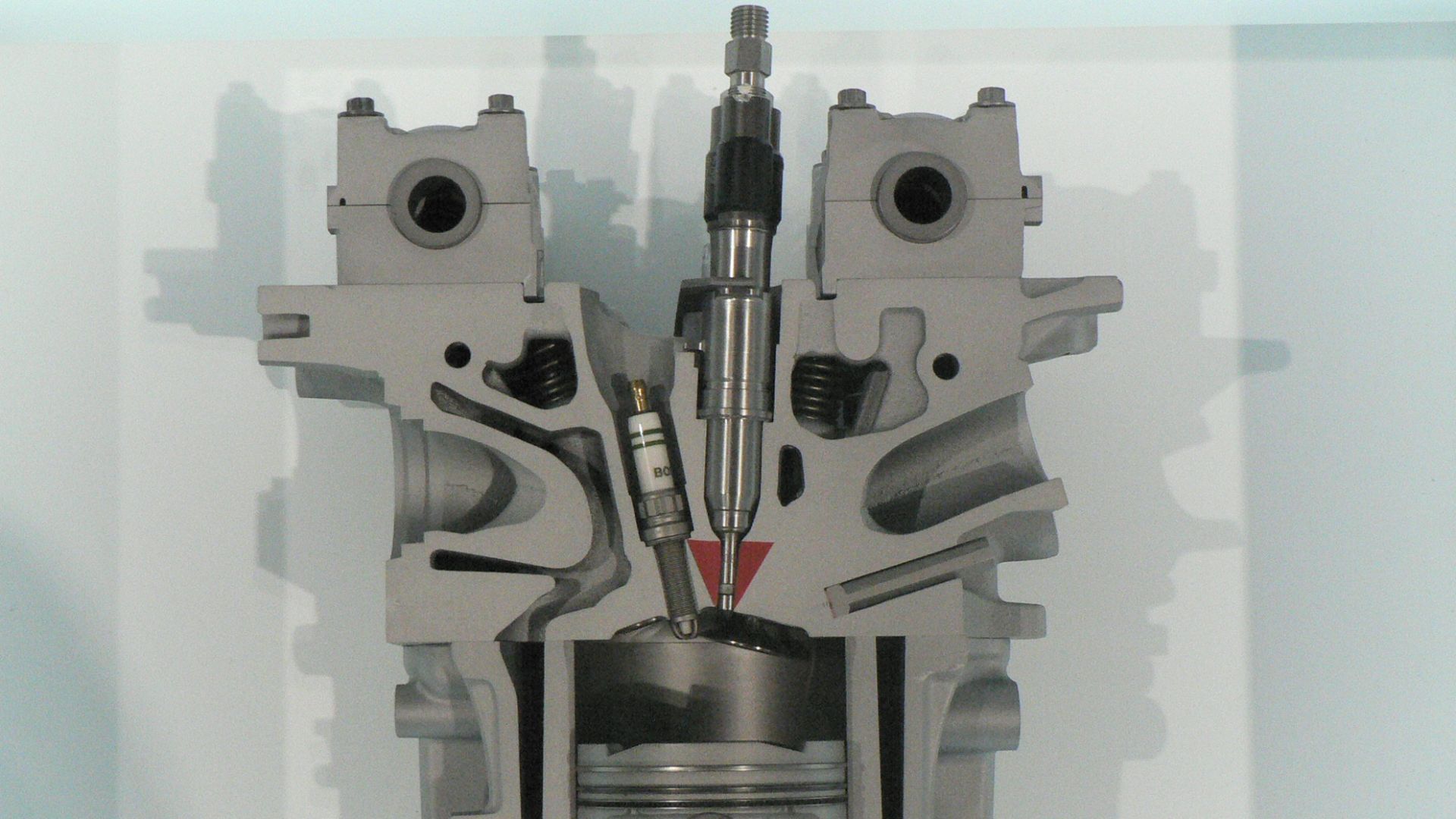 Ton1~commonswiki, Wikimedia Commons
Cracked Fuel Lines Can Sneak Up On You
Fuel lines run underneath your car, and over time they can wear out, crack, or corrode. These leaks aren’t always visible at a glance, but they can definitely make themselves known through smell.
 Peterlewis at en.wikipedia, Wikimedia Commons
Evaporative Emissions System Issues
Your car has a system designed specifically to trap fuel vapors—the EVAP system. If something in that system fails, like a purge valve or charcoal canister, those vapors can escape and reach your nose.
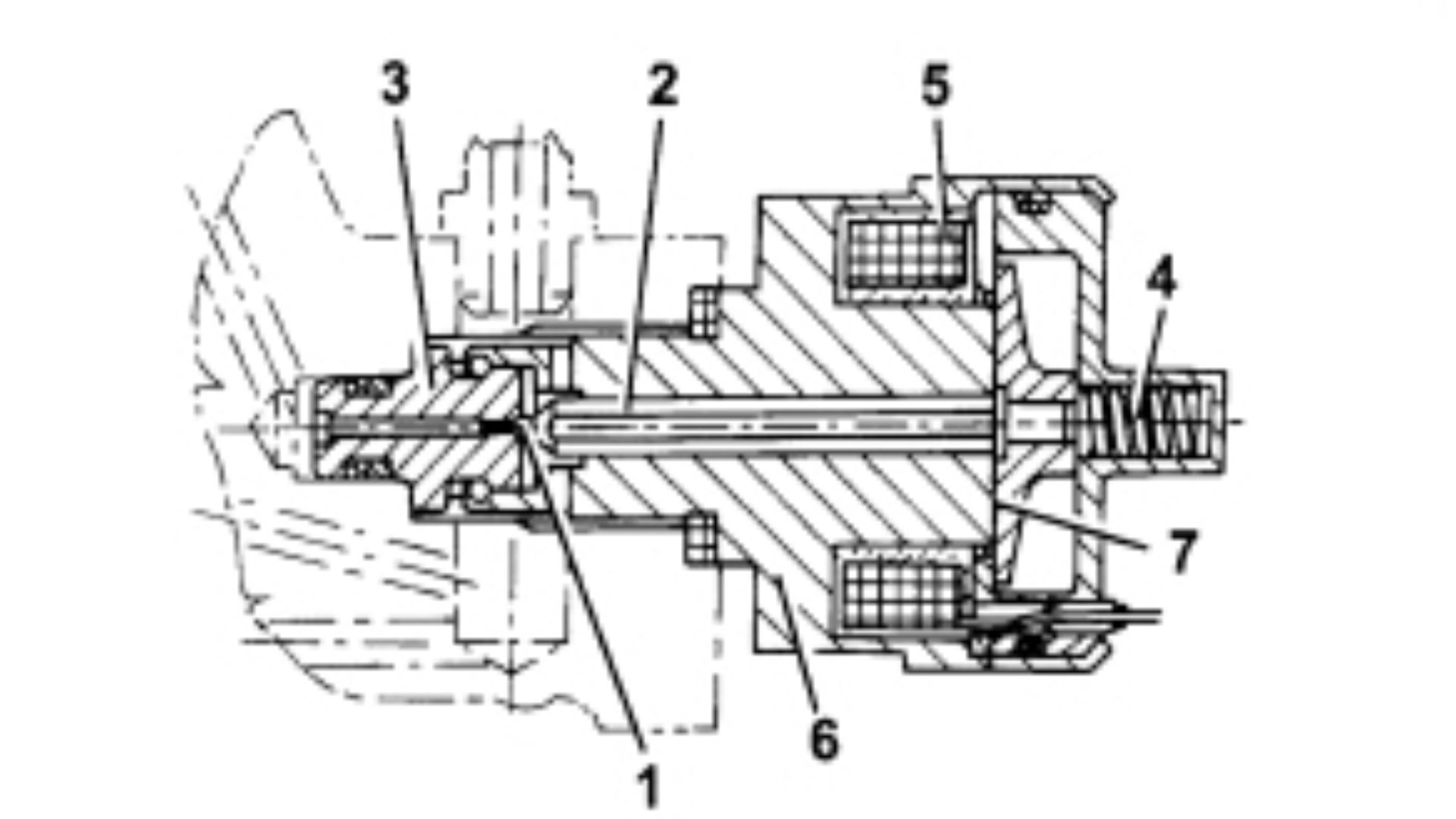
A Faulty Fuel Pressure Regulator
This component helps maintain the right pressure in the fuel system. When it goes bad, it can cause too much fuel to enter the engine—or leak out—leading to a noticeable gasoline smell.
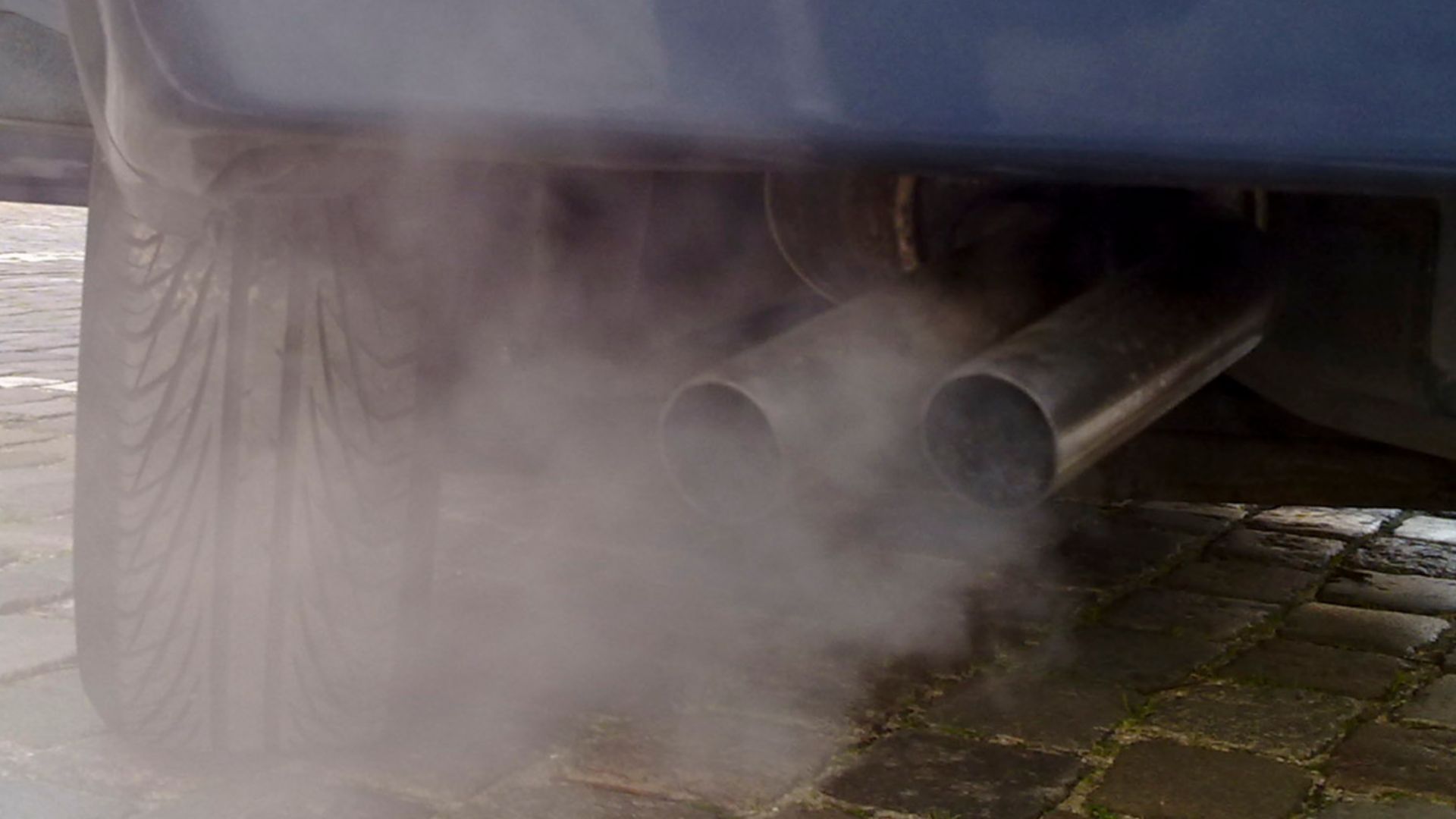
Exhaust Problems Can Make It Worse
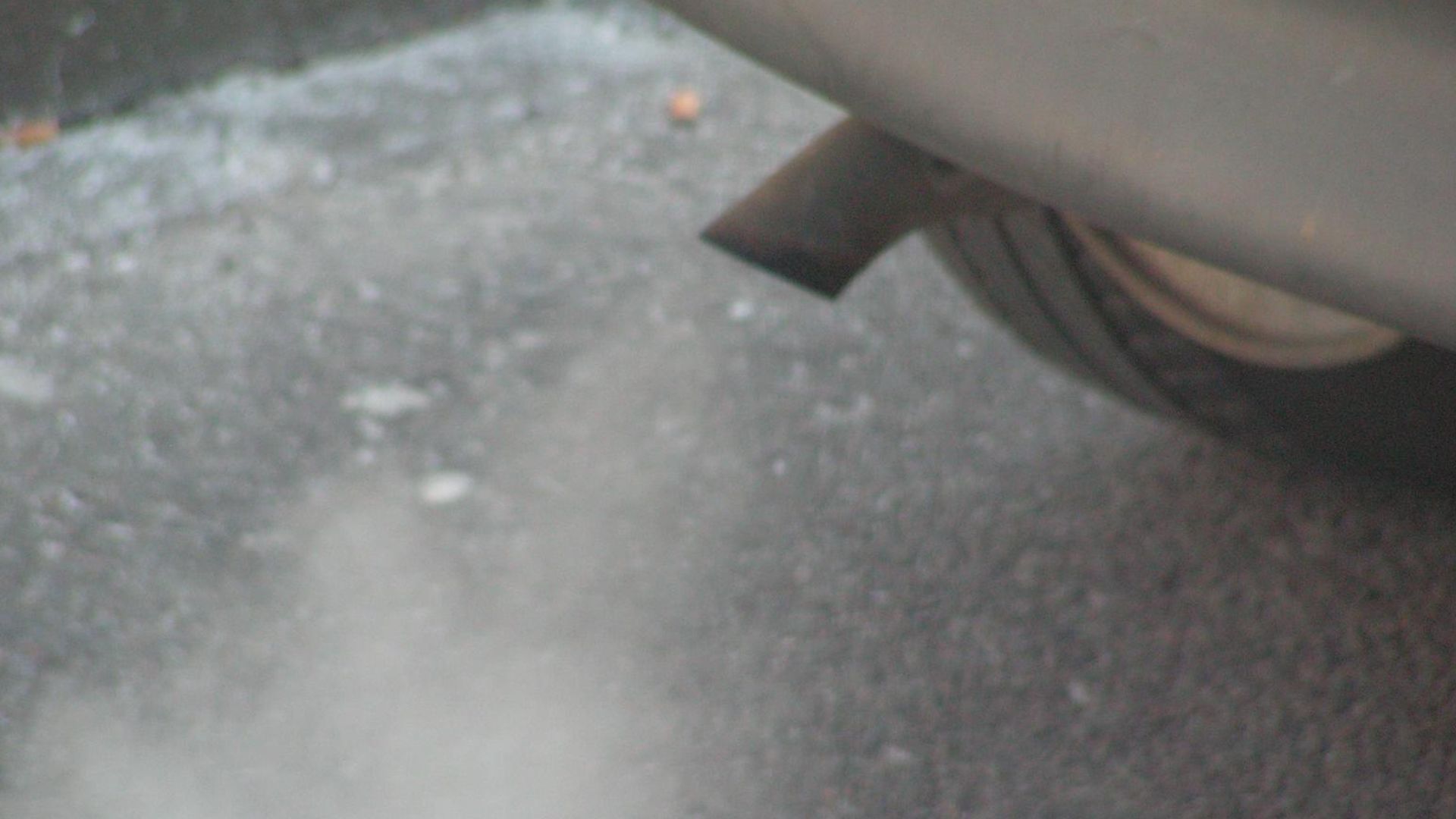
If your exhaust system isn’t working properly, unburned fuel can pass through and create a strong gas odor. This is often paired with rough performance or decreased fuel efficiency.
 Ruben de Rijcke, Wikimedia Commons
Engine Running Rich
An engine running rich means it’s burning more fuel than it should. This can happen due to sensor issues or computer errors, and it often produces a noticeable gasoline smell, especially at startup.
Cold Weather Can Amplify The Smell
Fuel doesn’t vaporize as efficiently in colder temperatures, so engines compensate by using more of it. That can make gasoline odors more noticeable, even if nothing is technically broken.

Fuel Tank Damage Isn’t Always Obvious
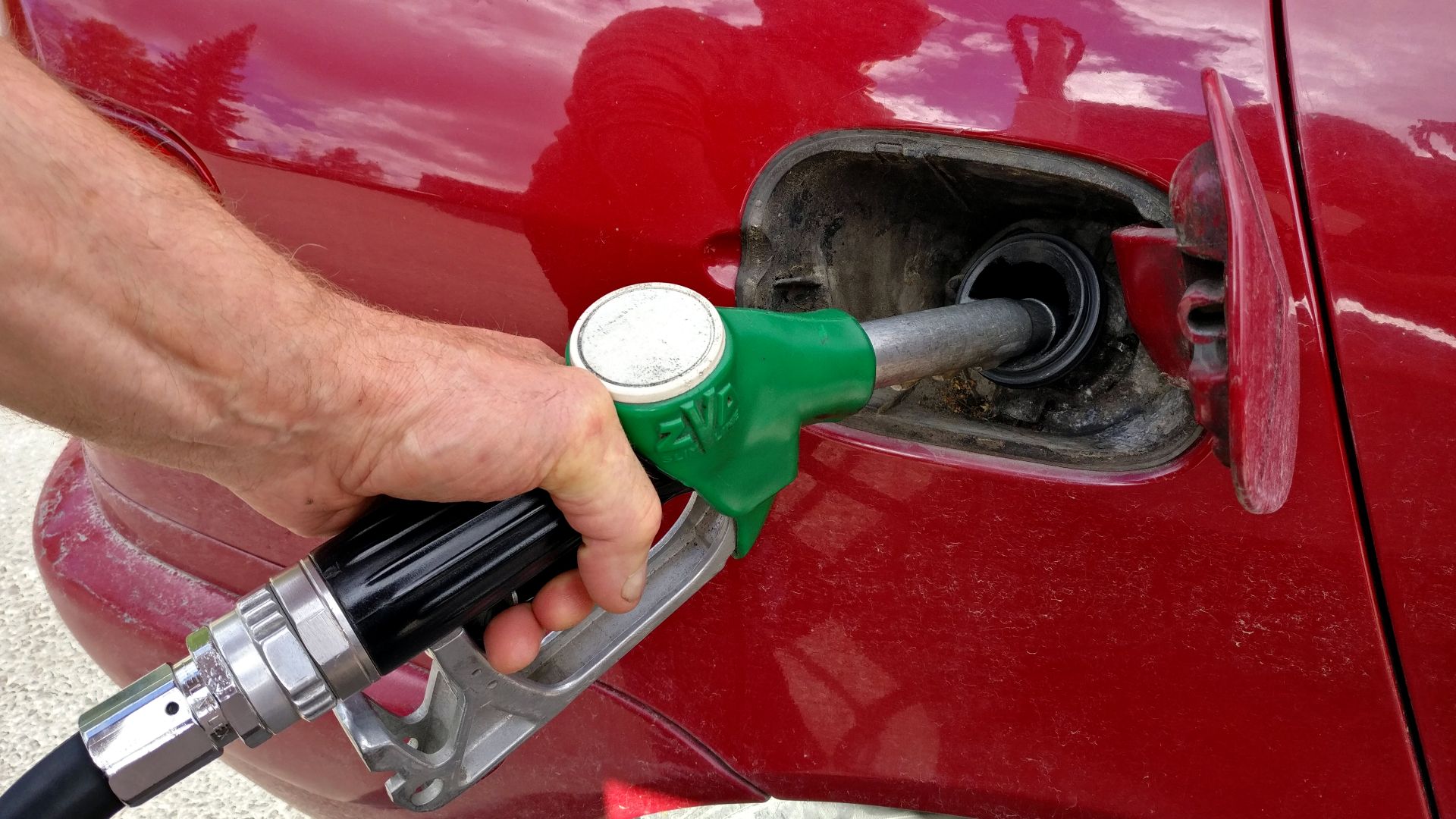
A small crack or puncture in the fuel tank can leak vapors without dripping visible liquid. You might not see anything on the ground, but your nose will pick up on it.
 Santeri Viinamaki, Wikimedia Commons
Interior Smells Mean Bigger Trouble
If you can smell gasoline inside the cabin, that’s a stronger warning sign. It suggests vapors are entering the ventilation system or leaking close to the engine bay—neither of which is good.

You Might Also Notice Poor Performance
Gas smells rarely show up alone. You might also experience rough idling, hesitation, or reduced fuel economy. These symptoms often point to underlying fuel system issues.

Can You Still Drive It?
If the smell is brief and disappears quickly, you can usually drive short distances—but keep an eye (and nose) on it. If it’s strong, persistent, or getting worse, driving is a risk you shouldn’t take.

When It Becomes Dangerous
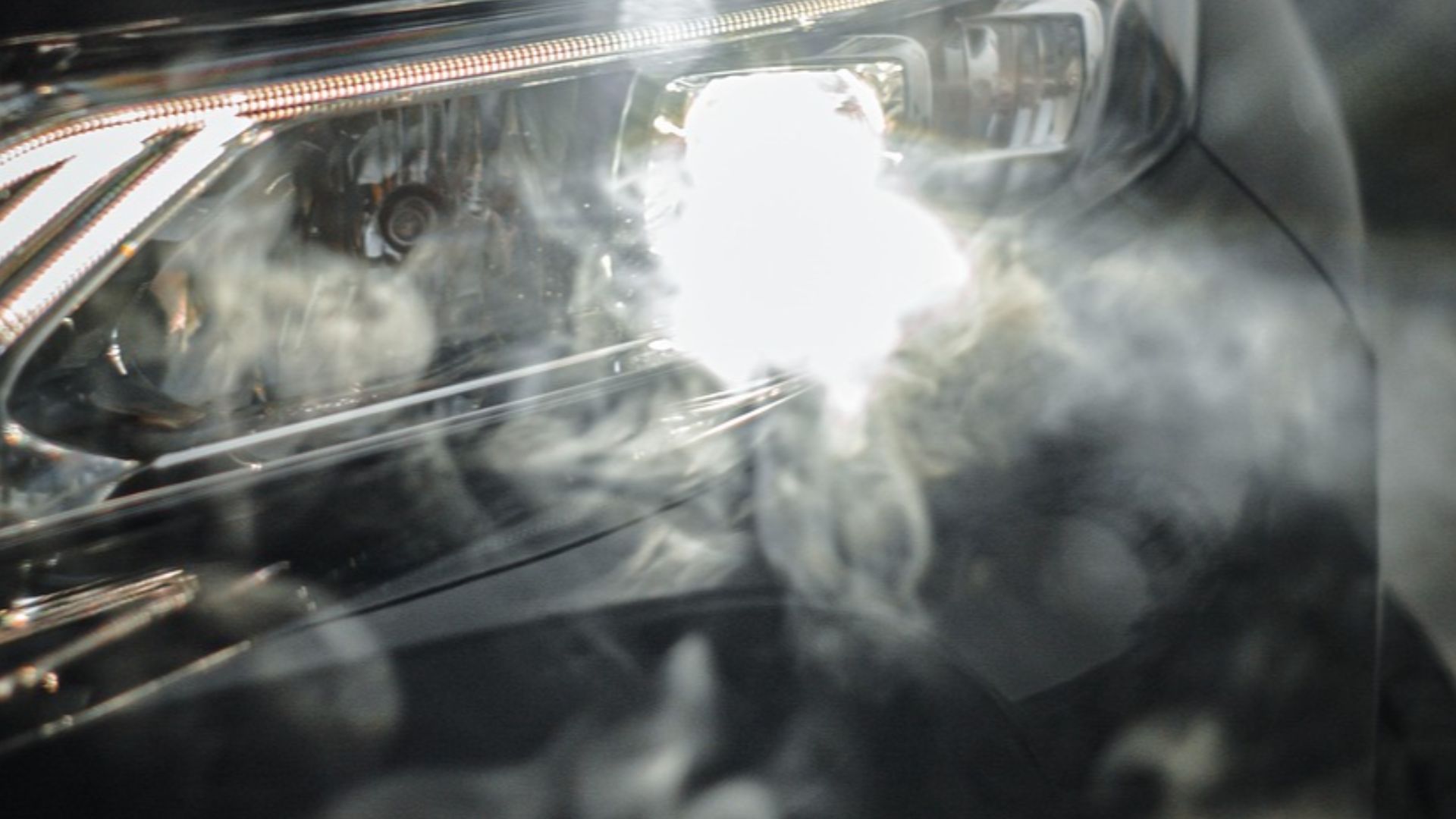
A strong gasoline smell, especially combined with visible leaks or smoke, is a clear sign to stop driving immediately. At that point, you’re dealing with a potential fire hazard.
What To Do Right Away
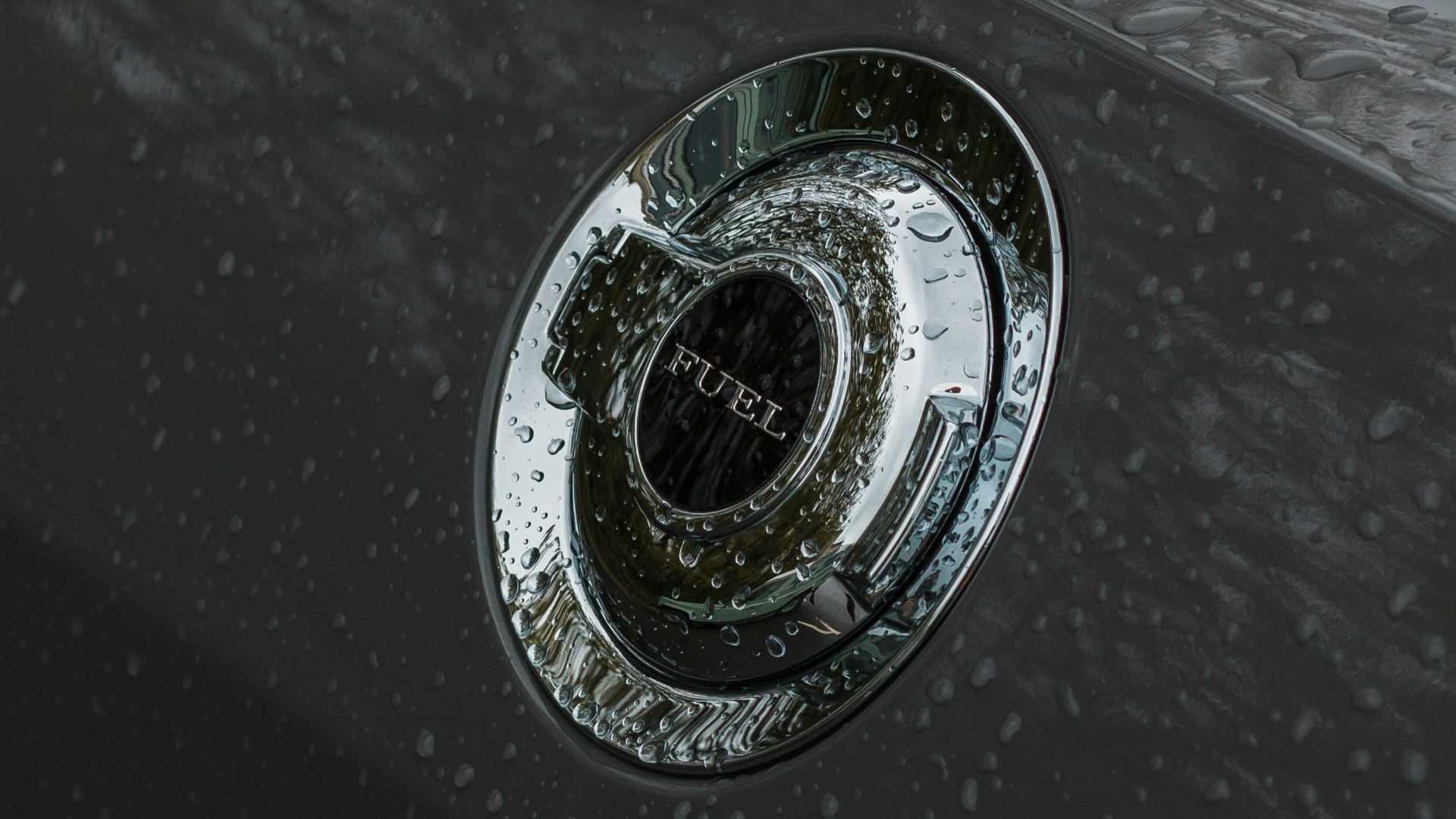
Start by checking the simple things—like your gas cap. If everything looks fine but the smell continues, it’s time to get the car inspected by a professional.
Don’t Ignore Warning Lights
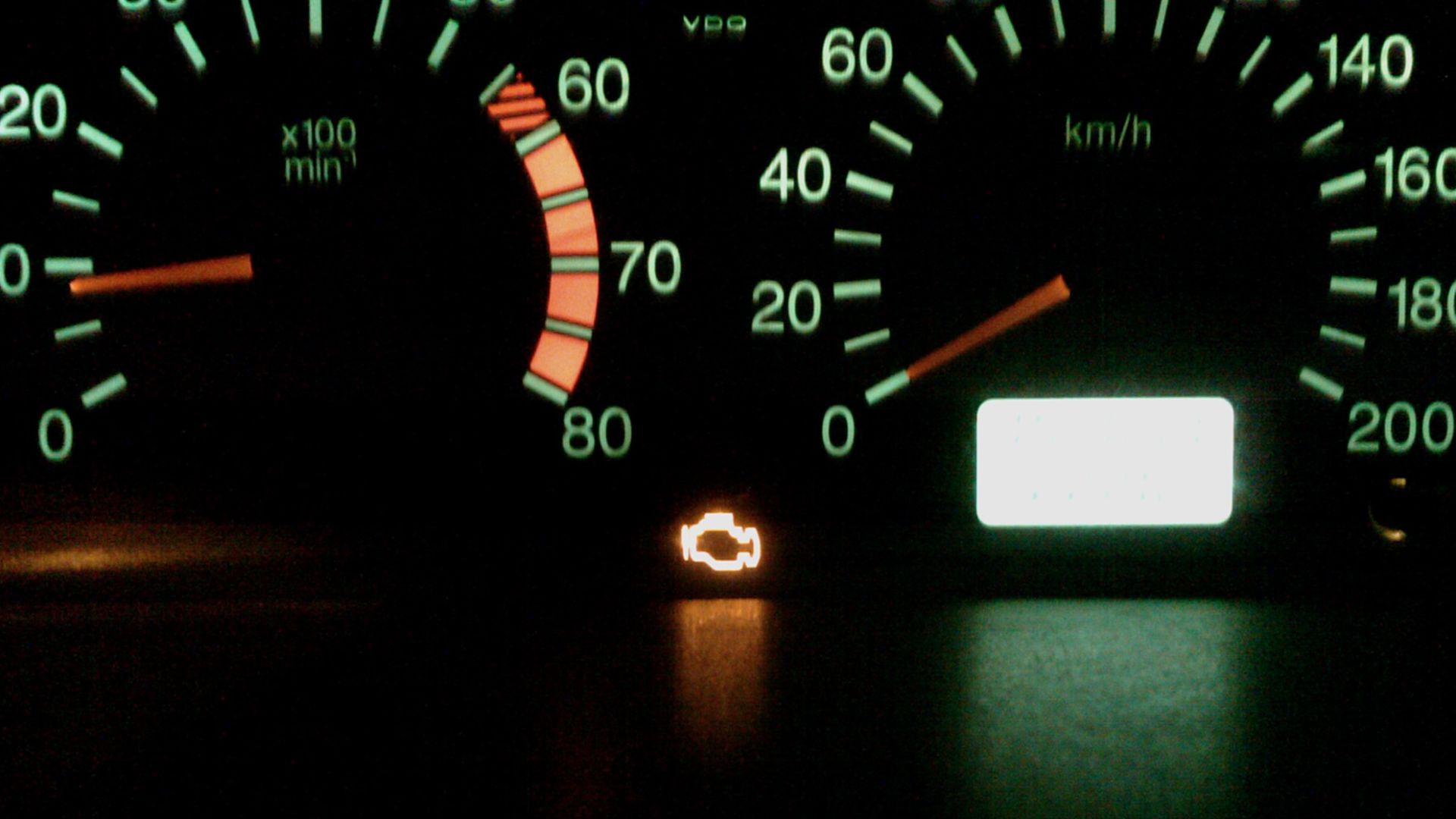
If your check engine light is on along with the smell, that’s your car confirming something’s wrong. Modern systems often detect EVAP or fuel system issues before they become severe.
Small Problems Can Turn Big Fast
What starts as a minor vapor leak can turn into a full-blown fuel leak if left alone. Acting early usually means a cheaper, simpler fix.

When To Call For Help
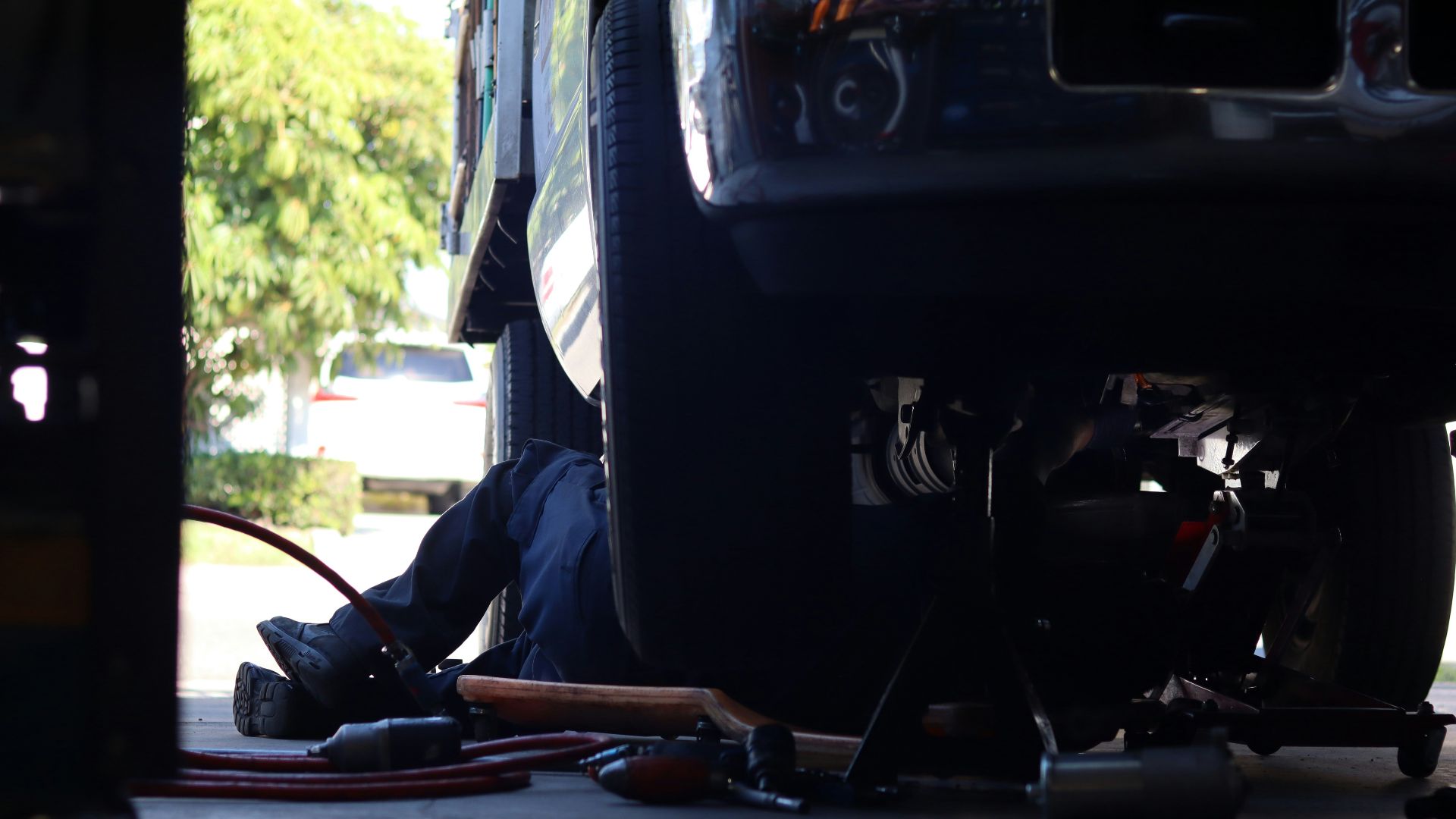
If the smell is strong, persistent, or accompanied by performance issues, it’s best to play it safe and call for assistance. It’s one of those situations where caution beats convenience every time.
Trust Your Nose
Cars don’t usually give off gasoline smells unless something’s off. If you notice it, there’s a reason—and your safest move is to figure out that reason before hitting the road again.

You May Also Like:
Which Is Better For You And Your Family: A Minivan or an SUV?