The Letter Nobody Wants
You open the mailbox, expecting coupons, bills, and maybe one mysterious envelope from a dentist you forgot existed. Instead, your car insurance company has dropped a bomb: they’re canceling or not renewing your policy after an accident. First reaction? Panic. Second reaction? Google. Good news: you still have options.

First, Breathe Before You Spiral
Being dropped feels personal, like your insurer looked at your bumper and said, “We need space.” But insurance companies make decisions based on risk formulas, claims history, payment records, location, and underwriting rules. One accident can hurt, but it does not automatically mean you are doomed forever. It means you need a plan.

Cancellation And Non-Renewal Are Different
Here’s the boring-but-important bit. A cancellation usually means your policy is ending before the term is over. A non-renewal means your insurer will cover you until the policy expires, but won’t offer another term. That difference matters because it affects your timeline, your rights, and how urgently you need new coverage.
Read The Notice Like A Detective
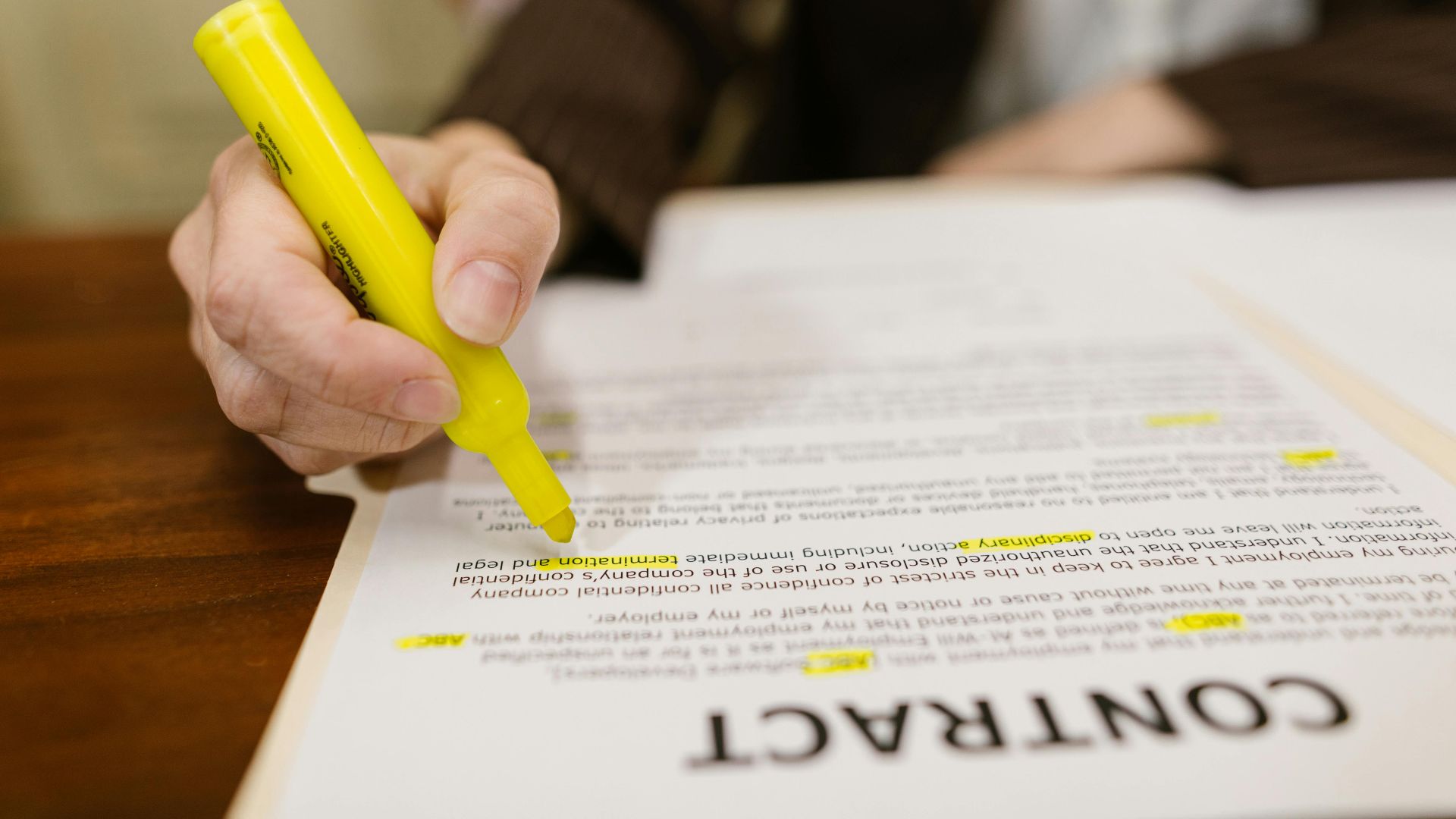
Do not toss the notice into the glovebox and pretend it has entered another dimension. Read it carefully. Look for the reason, the effective date, and whether you can appeal. Insurers usually must provide notice and explain why coverage is ending, though exact rules vary by state or province.

Call Your Insurance Company
Yes, actual phone calls are annoying. Make one anyway. Ask whether the decision is final, whether it is a cancellation or non-renewal, and whether they will reconsider. If the accident details were wrong, your driving record was misread, or a payment issue triggered the problem, you may be able to fix it.

Ask About Reinstatement
Sometimes “dropped” does not mean “gone forever.” If the issue involved a missed payment, paperwork problem, or misunderstanding, the company may reinstate your policy. If the accident involved serious risk factors, reinstatement may be harder. Still, asking costs nothing, and getting reinstated is often easier than starting over.

Do Not Drive Uninsured
This is the big one. Do not gamble by driving without coverage. A lapse can lead to fines, license or registration trouble, higher future premiums, and a world-class headache if another accident happens. Set your new policy to begin exactly when the old one ends. No gap, no drama.
Get Your Paperwork Together
Before shopping, gather the accident report, claim details, your current policy, driving record, vehicle information, mileage, VIN, and any letters from your insurer. Think of it like building your “please insure me” folder. The more organized you are, the easier it is for agents to shop your case.

Be Honest About The Accident
Tempting as it may be to say, “Accident? What accident?” do not do that. Insurers can check claims and driving records. If you hide something, you may get denied, canceled again, or have a future claim rejected. Honesty is not just moral; it is practical.

Shop Beyond The Big Names
The household-name insurers might say no, but the insurance world is bigger than the commercials with mascots and jingles. Look at regional carriers, nonstandard insurers, and companies that specialize in high-risk drivers. These policies can cost more, but they can keep you legal while your record cools off.

Use An Independent Agent
An independent agent can shop multiple companies at once, including insurers you may never find on your own. This is especially helpful after a cancellation or non-renewal. Instead of getting rejected one website at a time, you get someone who knows which companies might actually say yes.

Ask About High-Risk Insurance
After an accident, insurers may label you a higher-risk driver, especially if there were violations, multiple claims, or severe damage. High-risk insurance is not glamorous, but neither is taking the bus because nobody will cover your car. It can be a temporary bridge back to standard coverage.

Look Into Assigned-Risk Plans
If private companies keep slamming the door, your state may have an assigned-risk plan or similar residual market. These programs exist for drivers who legally need insurance but cannot get it through normal channels. Coverage may be basic and expensive, but it beats having no legal option.

Contact Your Insurance Regulator
If the cancellation feels unfair, unclear, or suspicious, contact your state insurance department or provincial regulator. They can explain your rights, review complaint options, and tell you whether the insurer followed the rules. Regulators will not magically make cheap insurance appear, but they can help keep the process honest.

Compare Apples To Apples
When you get quotes, make sure the coverage levels match. One quote may look cheaper because it has lower liability limits, higher deductibles, or missing coverage. Cheap insurance is not a win if it leaves you exposed after the next fender-bender. Compare limits, deductibles, extras, and exclusions.

Raise Your Deductible Carefully
A higher deductible can lower your premium, but do not choose a number that would wreck your budget after a crash. If you cannot comfortably pay a $1,000 deductible, it is not really a smart savings move. Insurance should protect you, not set up a financial jump scare.

Consider Dropping Optional Coverage
If your car is older and not worth much, you might consider dropping collision or comprehensive coverage to lower costs. Keep liability coverage, because that is usually required and protects you if you injure someone or damage property. The goal is lean coverage, not reckless coverage.
Improve Your Risk Profile
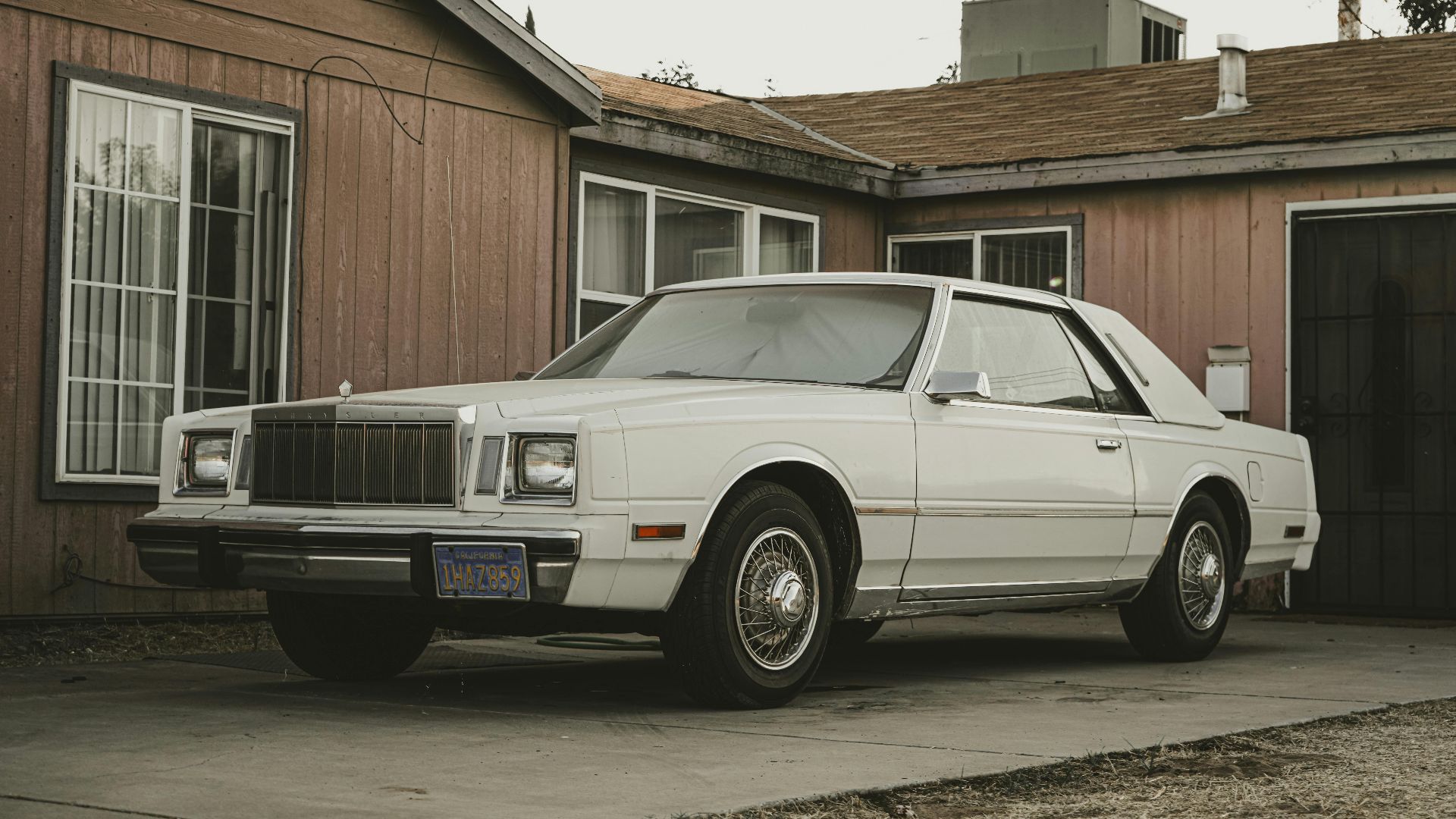
Insurance companies love boring drivers. Become one. Avoid tickets, pay on time, keep continuous coverage, drive fewer miles if possible, and consider a defensive driving course if it earns a discount. You are basically trying to look like a cardigan-wearing accountant to an insurance algorithm.

Ask About Telematics
Usage-based insurance programs track driving habits through an app or plug-in device. If you brake smoothly, avoid speeding, and drive at safer hours, you may qualify for better rates. It is not for everyone, especially privacy-conscious drivers, but it can help prove you are less risky now.

Check For Discounts
Do not assume high-risk means no discounts. Ask about bundling home or renters insurance, paperless billing, automatic payments, anti-theft devices, low mileage, good student discounts, defensive driving courses, and professional associations. Insurers do not always volunteer every discount. Make them open the coupon drawer.

Fix Any Credit Or Payment Issues
In many places, insurers may use credit-based insurance scores, where allowed. Late payments, collections, or unstable billing history can make things worse. Pay insurance premiums on time, avoid missed payments, and clean up errors on your credit report. Boring financial habits can eventually help your rates.

Understand SR-22 Or FR-44 Requirements
If your accident involved serious violations like DUI, reckless driving, or license suspension, you may need an SR-22 or similar certificate proving minimum insurance coverage. Not every insurer files these forms, so ask upfront. This is not separate insurance; it is proof your insurer sends to the state.

Do Not Let The Car Sit Uninsured
Even if you stop driving, your state may still require insurance on a registered vehicle. If you truly will not drive, ask your DMV or regulator about suspending registration, storage coverage, or other legal options. Guessing here can get expensive very quickly.
Expect Higher Prices For A While
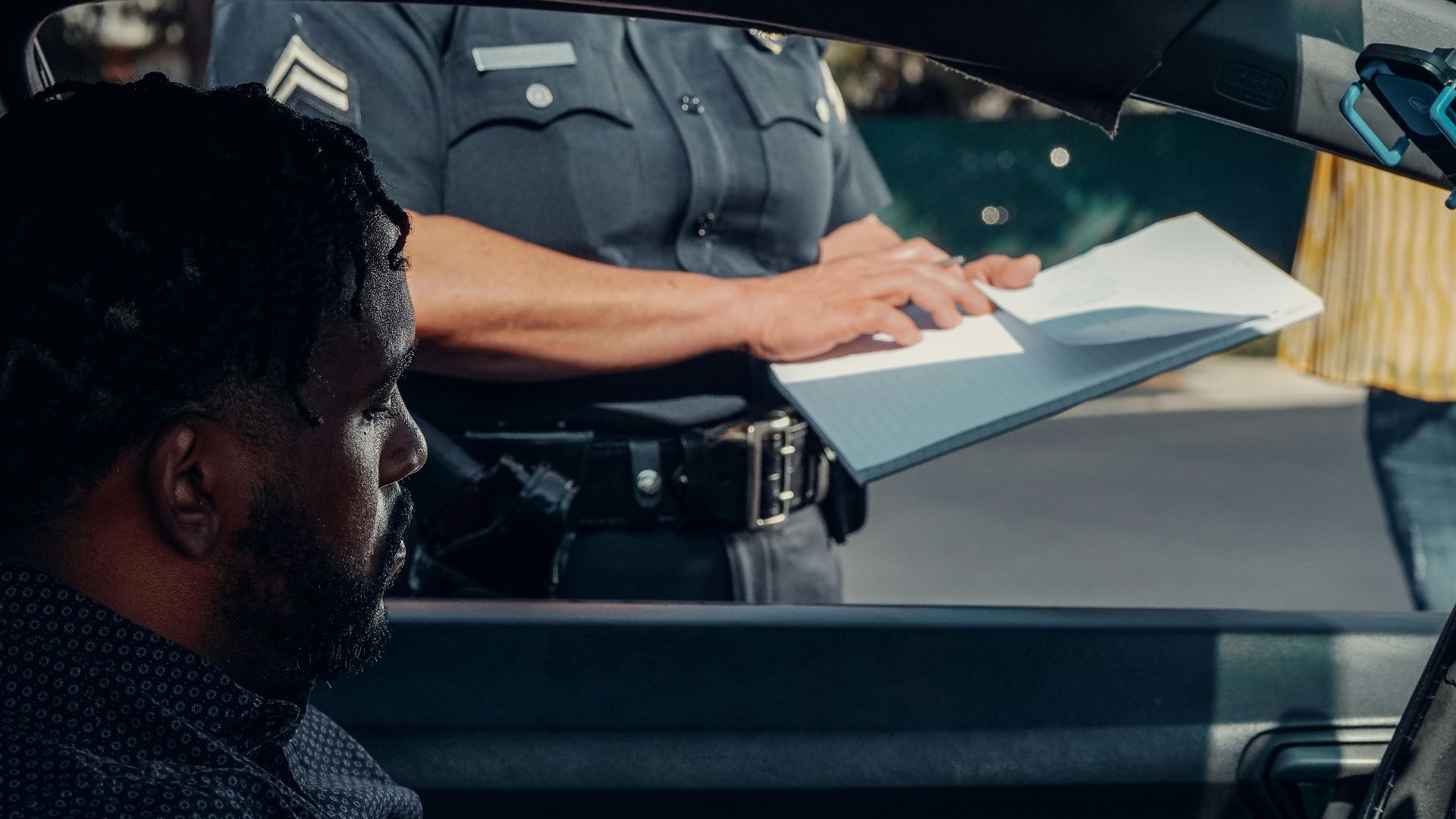
This part stings: your next policy may cost more. A recent accident, cancellation, or non-renewal can make insurers cautious. But insurance records are not permanent life sentences. With clean driving, steady coverage, and time, you may be able to move back toward standard companies and better rates.

Re-Shop Every Six Months
Do not marry your high-risk policy. Date it reluctantly. Once you have coverage, set a calendar reminder to compare quotes at renewal. As the accident gets older and your record improves, more insurers may become interested. Loyalty is nice; overpaying forever is not.

Know When To Appeal
If your insurer made a mistake, appeal quickly. Provide repair records, police reports, claim documents, proof of payment, or anything that supports your case. Keep notes from every call, including names and dates. A calm paper trail beats an angry voicemail every time.

The Road Back To Normal
Getting dropped after an accident feels like your driving life just hit a pothole the size of a swimming pool. But the route forward is clear: understand the notice, avoid a lapse, shop widely, use an independent agent, check high-risk options, and rebuild your record. This is a detour, not the end of the road.
You May Also Like:
The Chevy Vega Disaster That Ended In Engines Melting Down
Chrysler’s 440 was bigger, cheaper—and oftentimes faster than the legendary Hemi.