
The Emotional Attachment Versus The Repair Bills
That old truck has history: road trips, moves, hardware store runs. Maybe it’s been paid off for years. Your partner sees a reliable machine that just needs “one more fix”, but you see another repair estimate that could fund a small vacation. So, who’s right? The answer all comes down to math, reliability, and what makes sense for your current finances. Sometimes fixing what you have is the smartest move. Other times, it’s a slow drain that costs more than replacing it.

Start With The Real Numbers, Not The Latest Repair Bill
It’s easy to react to a single large repair quote, but what matters is the bigger picture. Add up what you’ve spent on repairs over the past 12 to 24 months. Then estimate what upcoming maintenance might look like. If annual repair costs are climbing consistently, that trend matters more than one isolated fix.

Compare Repair Costs To The Vehicle’s Value
A common rule of thumb is this: if a repair costs more than 50 percent of the vehicle’s current market value, it’s time to think seriously about replacing it. So, for example, if the truck is worth $6,000 and the repair is $4,000, that’s a red flag. You’re investing heavily in an asset that may never return that value.

Consider Reliability, Not Just Cost
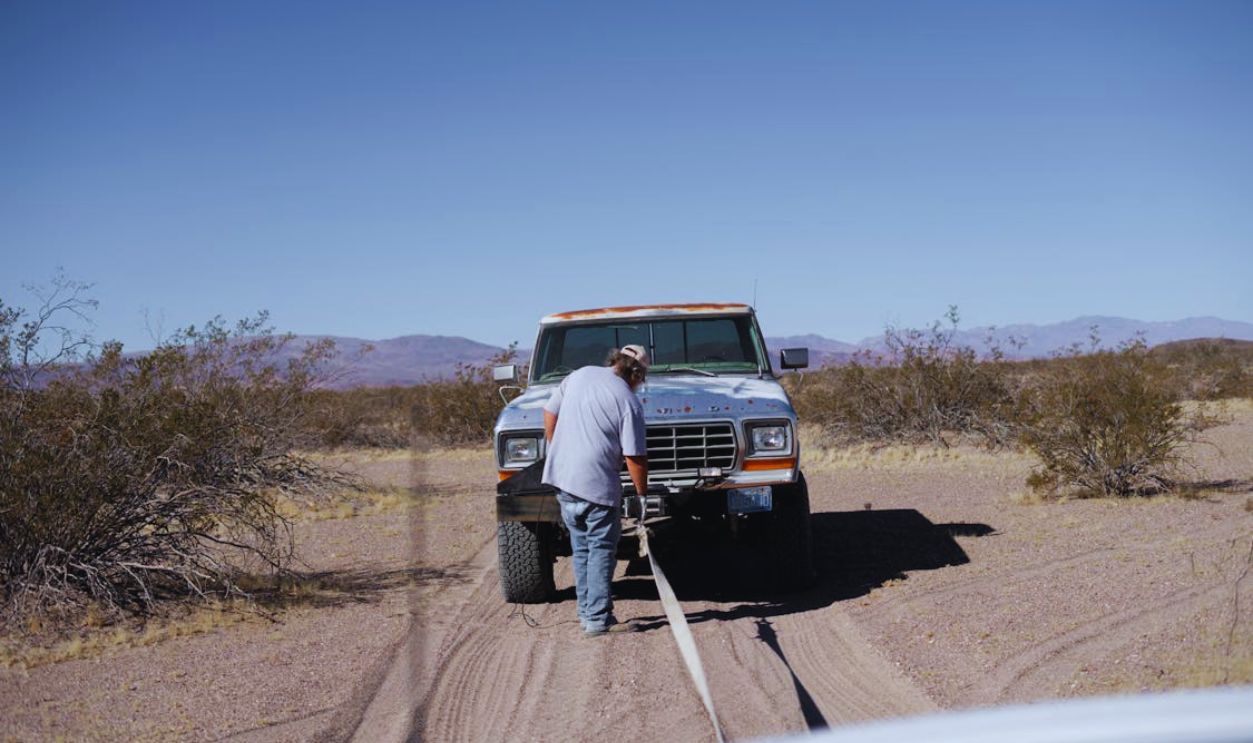
Even affordable repairs can be frustrating if the vehicle breaks down often. Frequent towing, missed work, safety concerns, and stress have real costs. If you’re constantly worrying about whether the truck will start or make it through a trip, reliability becomes part of the equation.
Major System Failures Change The Math
Engines, transmissions, and frame issues are big-ticket repairs. If one of these fails in a high-mileage vehicle, it may signal the beginning of more costly problems. On the other hand, replacing wear items like brakes, batteries, alternators, or suspension parts is normal maintenance and doesn’t automatically mean the vehicle is finished.
How Mileage Plays A Role
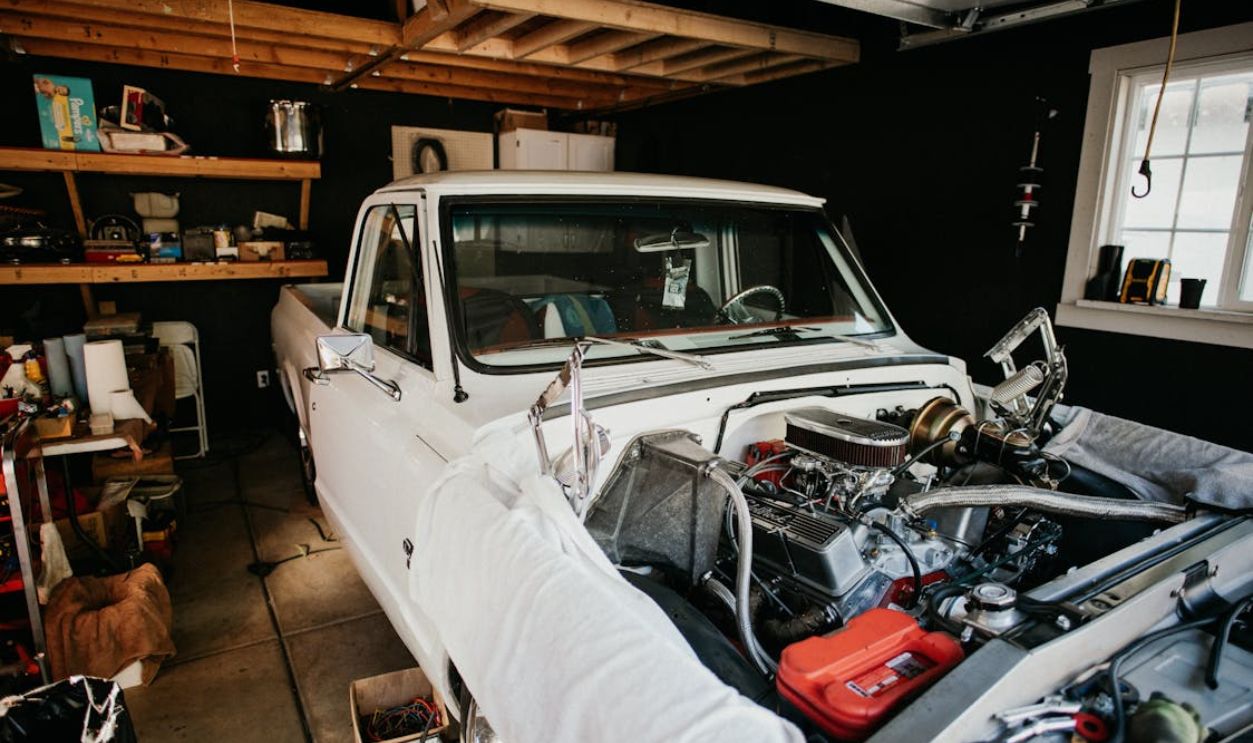
A well-maintained truck with 120,000 miles might still have plenty of life left. A neglected one with 250,000 miles is a different story. Consider whether the truck has been maintained consistently or patched together reactively. Maintenance history often predicts future performance.

Calculate The Monthly “True Cost” Of Keeping It
Take your average annual repair and maintenance costs and divide them by 12. Compare that to what a car payment would be on a newer vehicle. If you’re effectively spending $400 a month in repairs on an old truck, a $450 payment on something more reliable might not look so bad.

Don’t Forget Insurance And Registration Differences
Newer vehicles often cost more to insure and register. Factor those increases into your comparison. A paid-off truck with lower insurance might still make sense if repair costs are manageable.

Emotional Value Is Real, But It Has A Price
There’s nothing wrong with loving an old vehicle. But it’s important to separate nostalgia from financial reality. If attachment is driving the decision, acknowledge it openly so you can weigh it against the actual cost.

Safety Features Matter
Older trucks may lack modern safety features like backup cameras, advanced airbags, stability control improvements, or driver-assistance systems. If safety upgrades are important to you, that may tip the scale toward replacing it.
Opportunity Cost Is Often Ignored
Money spent on repeated repairs can’t be used elsewhere—retirement savings, debt reduction, home improvements. Sometimes the real question isn’t “Can we afford to fix it?” but “Is this the best use of our money right now?”

When Fixing It Makes Sense
Repairing an old truck often makes sense if the issue is isolated, the rest of the vehicle is solid, repair costs are lower than replacement costs, and you’ve maintained it well. A $1,500 repair on an otherwise dependable truck can be far cheaper than stepping into a new loan.
When It’s Probably Time To Let It Go
If repair bills are stacking up, reliability is dropping, major systems are failing, and the truck’s resale value is low, you may be in diminishing returns territory. At some point, continuing to repair becomes more expensive than replacing.
Get A Professional Inspection Before Deciding
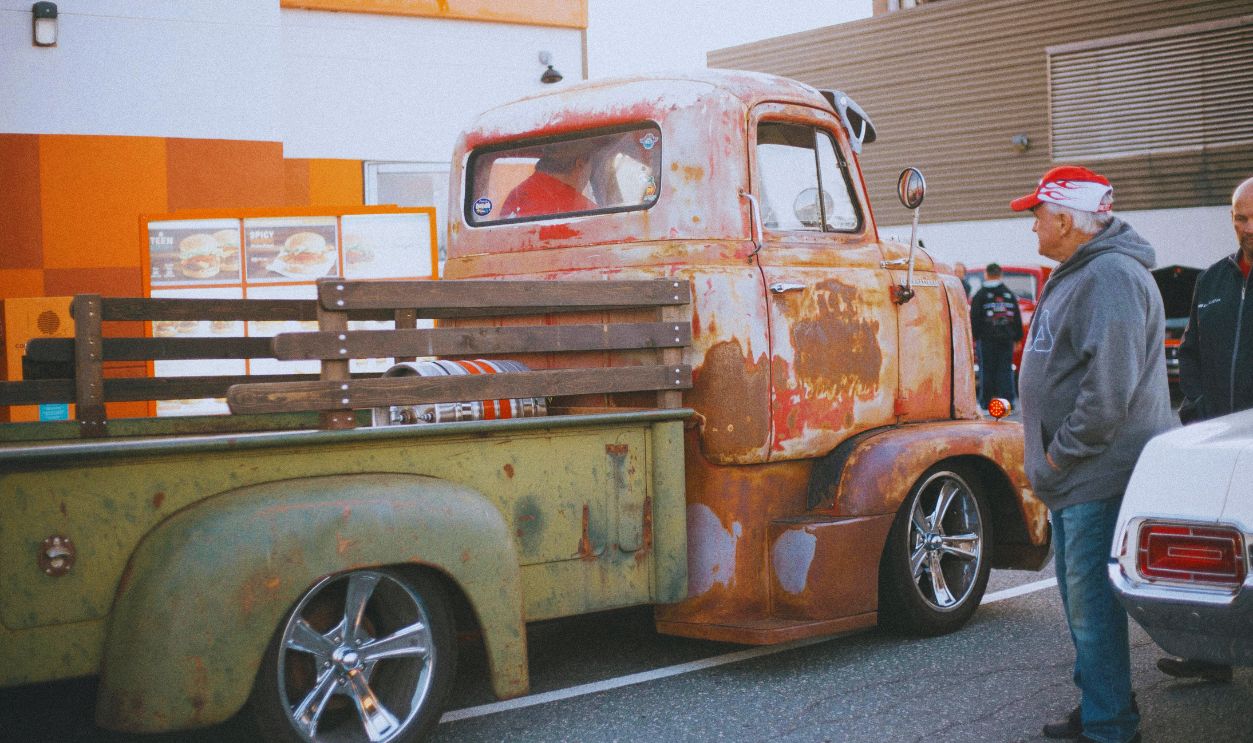
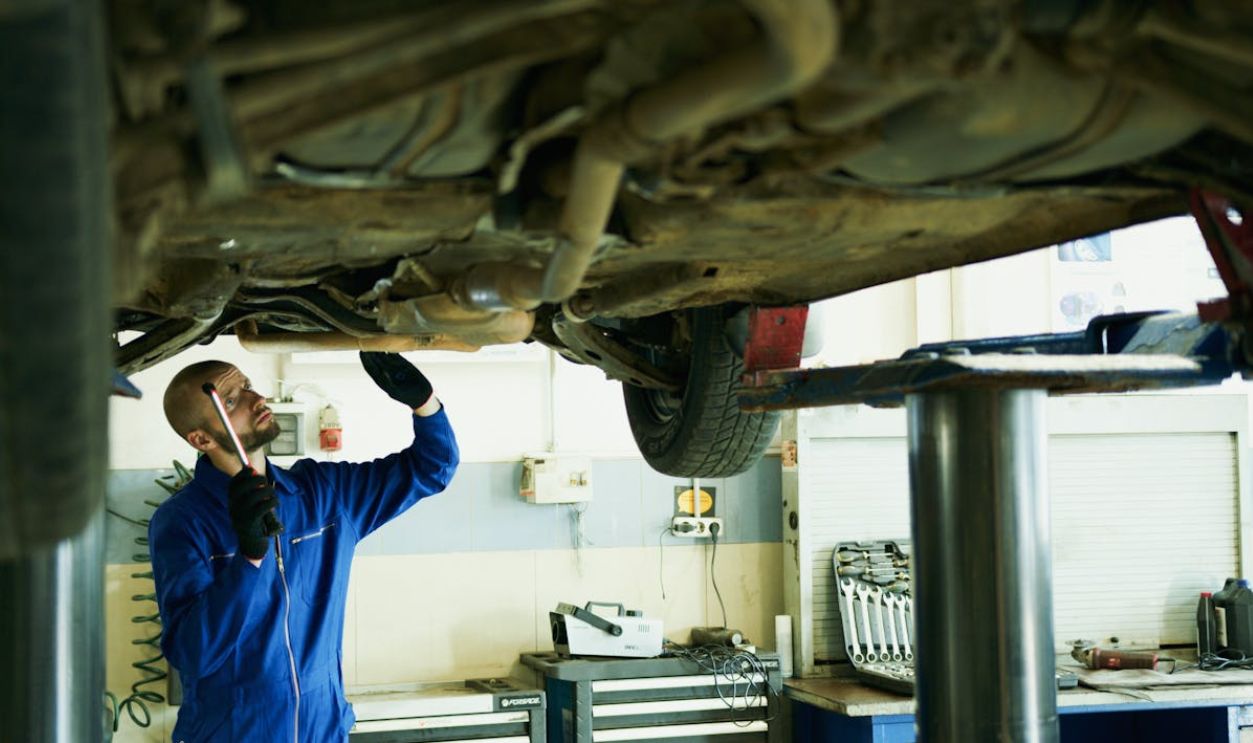
If you’re unsure, have a trusted mechanic do a full inspection and give you a realistic forecast. Ask what repairs are likely in the next year or two. That forward-looking assessment can clarify whether you’re facing minor maintenance or a cascade of expenses.
If You Decide To Sell, Know Its Market Value
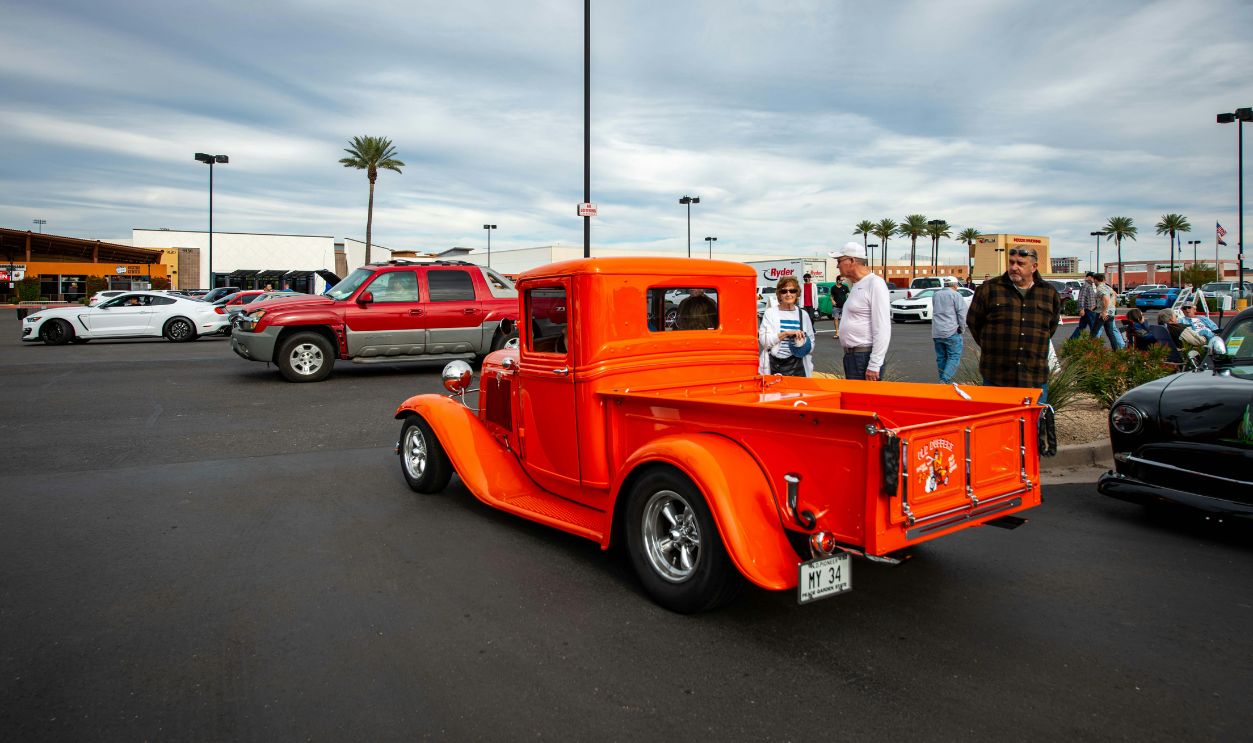
Check online marketplaces, local listings, and valuation tools to understand what your truck is worth. Be honest about condition and mileage. Pricing it correctly increases your chances of a smooth sale.

Trading It In Versus Selling Privately
Trading in is convenient but usually brings less money. Selling privately often nets more, especially if the truck still runs well. However, private sales require time, paperwork, and meeting buyers. Choose based on your tolerance for effort versus speed.
Fix Minor Issues Before Selling
If you plan to sell privately, fixing inexpensive cosmetic or minor mechanical issues can improve appeal and price. Deep cleaning, replacing small broken components, and gathering maintenance records can increase buyer confidence.
Be Transparent With Buyers
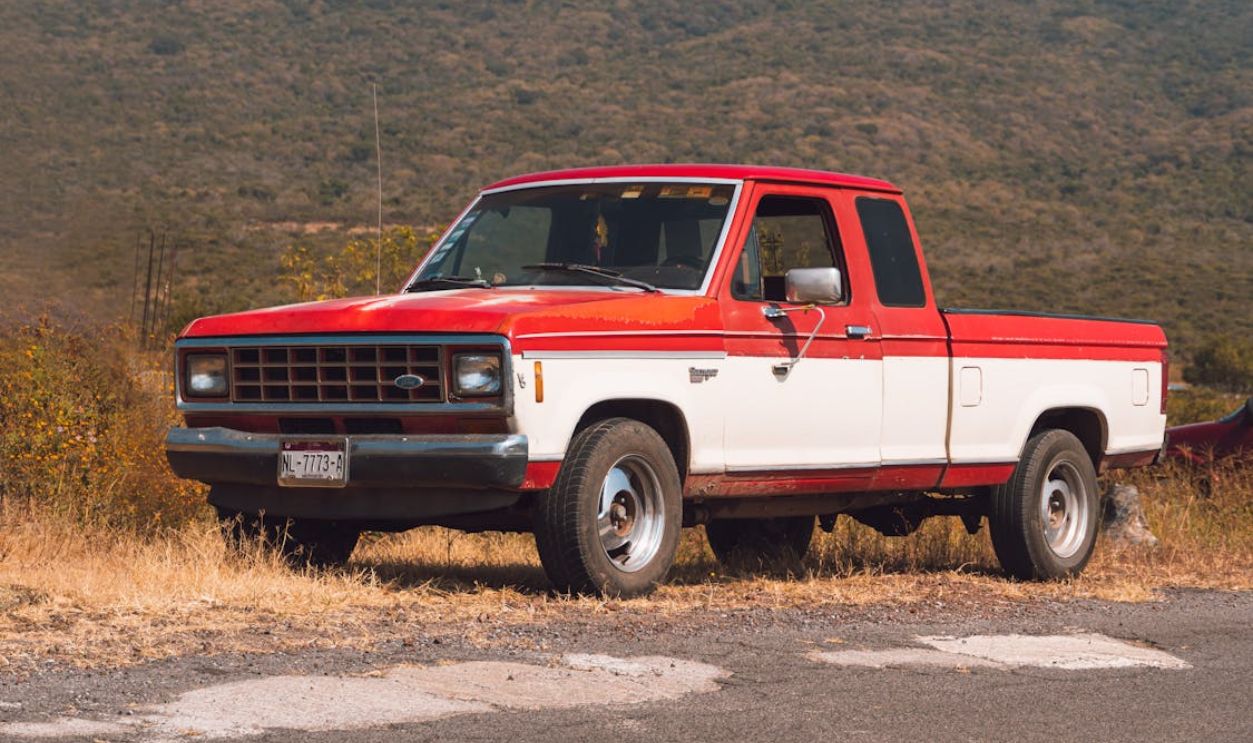
Disclose known issues honestly. Transparency builds trust and avoids legal headaches later. Most buyers understand older vehicles come with wear and tear.

If You Replace It, Avoid Repeating The Cycle
If you buy another used vehicle, prioritize reliability ratings and maintenance history. A slightly newer, well-documented vehicle may save you years of frustration compared to jumping into another high-mileage unknown.
Run The Numbers Together
Instead of arguing emotionally, sit down and compare actual numbers. Project two years of continued repairs versus two years of payments, insurance, and depreciation on a replacement vehicle. Seeing the data side by side often removes some tension.

Final Thoughts: It’s Not About Winning The Argument, It’s About Long-Term Value
Sometimes keeping the old truck is the financially smart move. Sometimes it’s a money pit disguised as loyalty. The right answer comes from comparing repair trends, reliability, safety, and opportunity cost—not just the latest estimate or emotional attachment. When the math is clear, the decision usually becomes clearer too.
You May Also Like: