When Fake Leather Meant Luxury
There was a time when covering a perfectly good steel car roof in fake leather was considered the height of automotive sophistication. During the 1960s and 1970s, vinyl roofs appeared on everything from Cadillacs and Lincolns to humble family sedans. They looked expensive, cost manufacturers relatively little, and helped sell cars. So why did they practically disappear?
An Idea With Older Roots
Vinyl roofs weren't entirely a 1970s invention. Early automobiles sometimes featured fabric-covered roofs, while luxury cars borrowed styling cues from horse-drawn carriages and convertible tops. By the 1950s, manufacturers were experimenting with modern synthetic coverings that could reproduce the appearance of traditional coachwork without requiring an actual folding roof. The result was a decorative feature that suggested old-fashioned luxury on a thoroughly modern automobile.
Ford Helped Start The Craze
One important milestone arrived with the 1956 Lincoln Continental Mark II, which offered a textured roof treatment resembling convertible fabric. Ford subsequently helped popularize vinyl-covered roofs on more affordable models, particularly the 1962 Thunderbird. By the middle of the decade, other manufacturers were enthusiastically adopting the idea. What had initially been associated with exclusive luxury cars was rapidly becoming a mainstream styling option.
Every Car Could Look Expensive
The appeal was simple: a vinyl roof made an ordinary automobile look more prestigious. A Chevrolet Impala, Ford LTD, or Plymouth Fury could acquire something resembling the formal roofline of a Cadillac or Lincoln. Manufacturers offered contrasting colors, decorative moldings, and different textures, allowing buyers to personalize their cars without paying for major mechanical upgrades. For Detroit, it was an inexpensive way to make familiar models feel special.
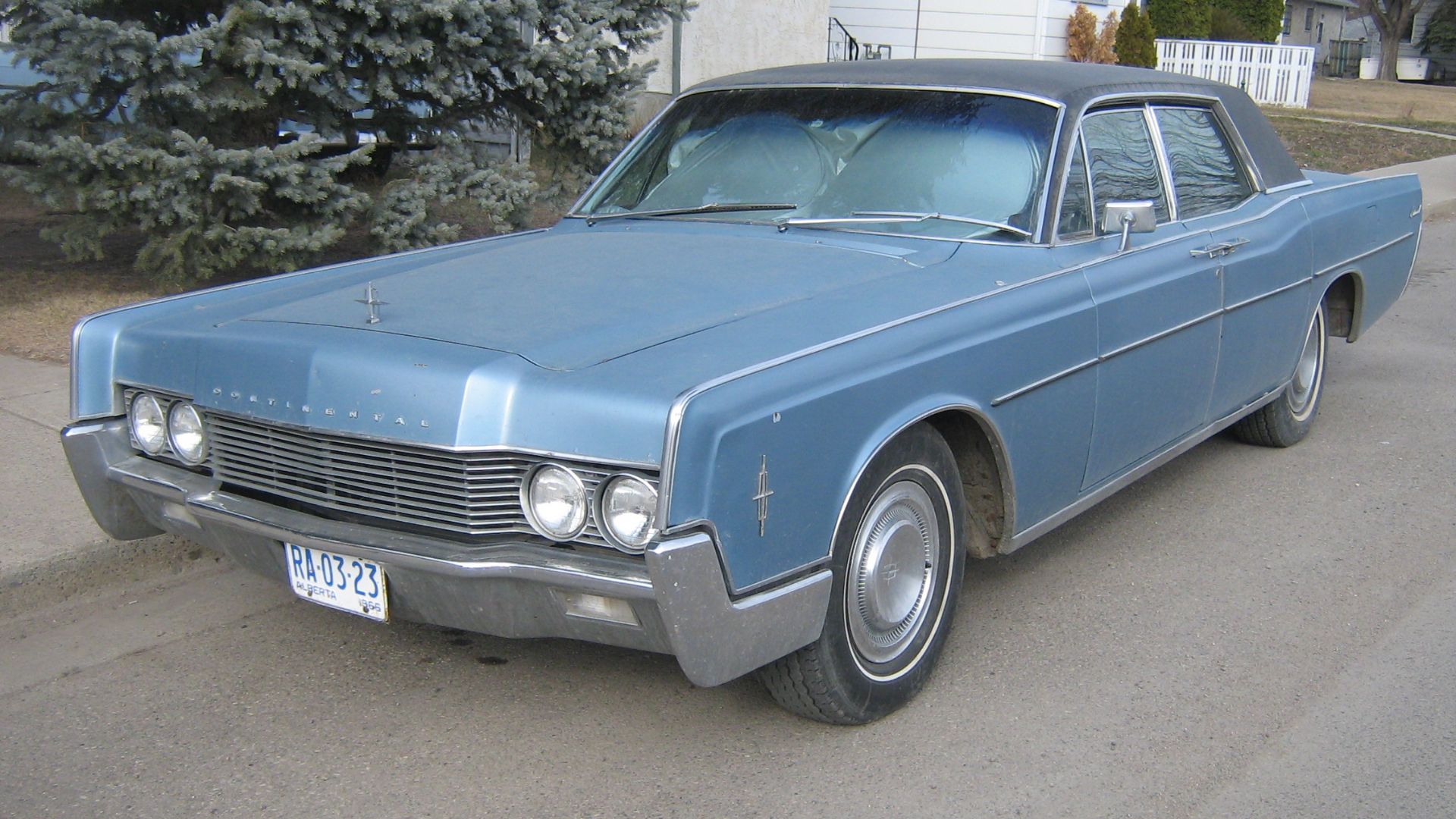 dave_7 from Lethbridge, Canada, Wikimedia Commons
The Seventies Changed Everything
By the early 1970s, vinyl roofs were practically everywhere. A 1971 Time report estimated that 43% of American-made cars wore them. Across the entire decade, approximately 38 million domestic cars were built with padded vinyl tops. Buyers could find them on everything from compact economy cars to full-sized luxury sedans. What had once been an exclusive option had become one of Detroit's most recognizable styling signatures.
Landau Roofs Took Over
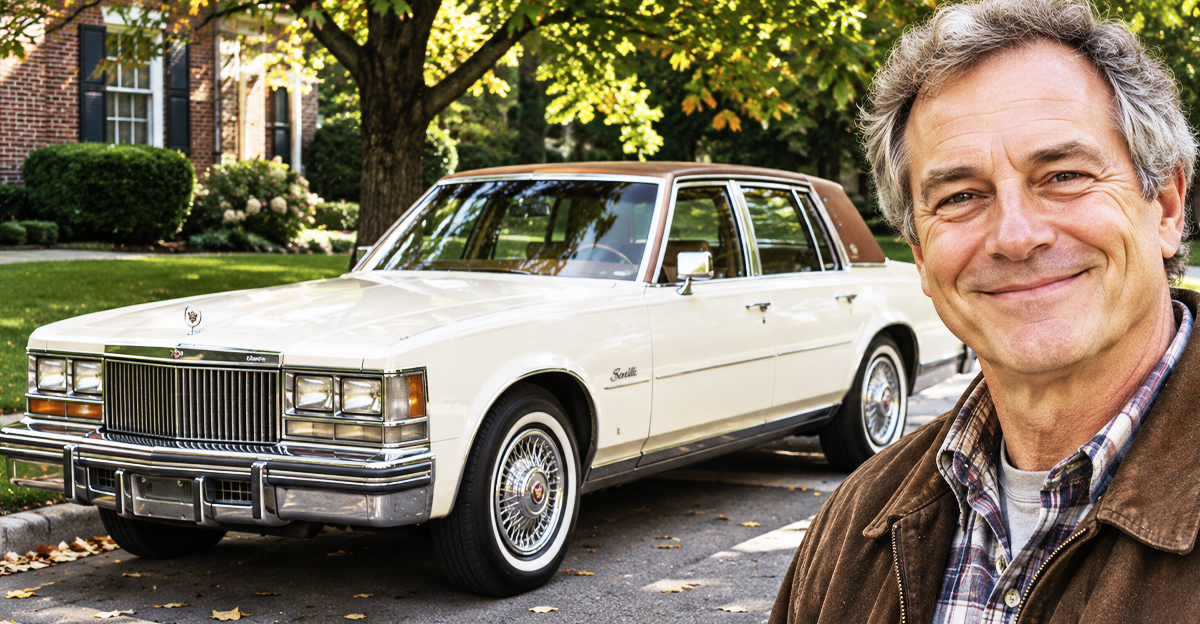
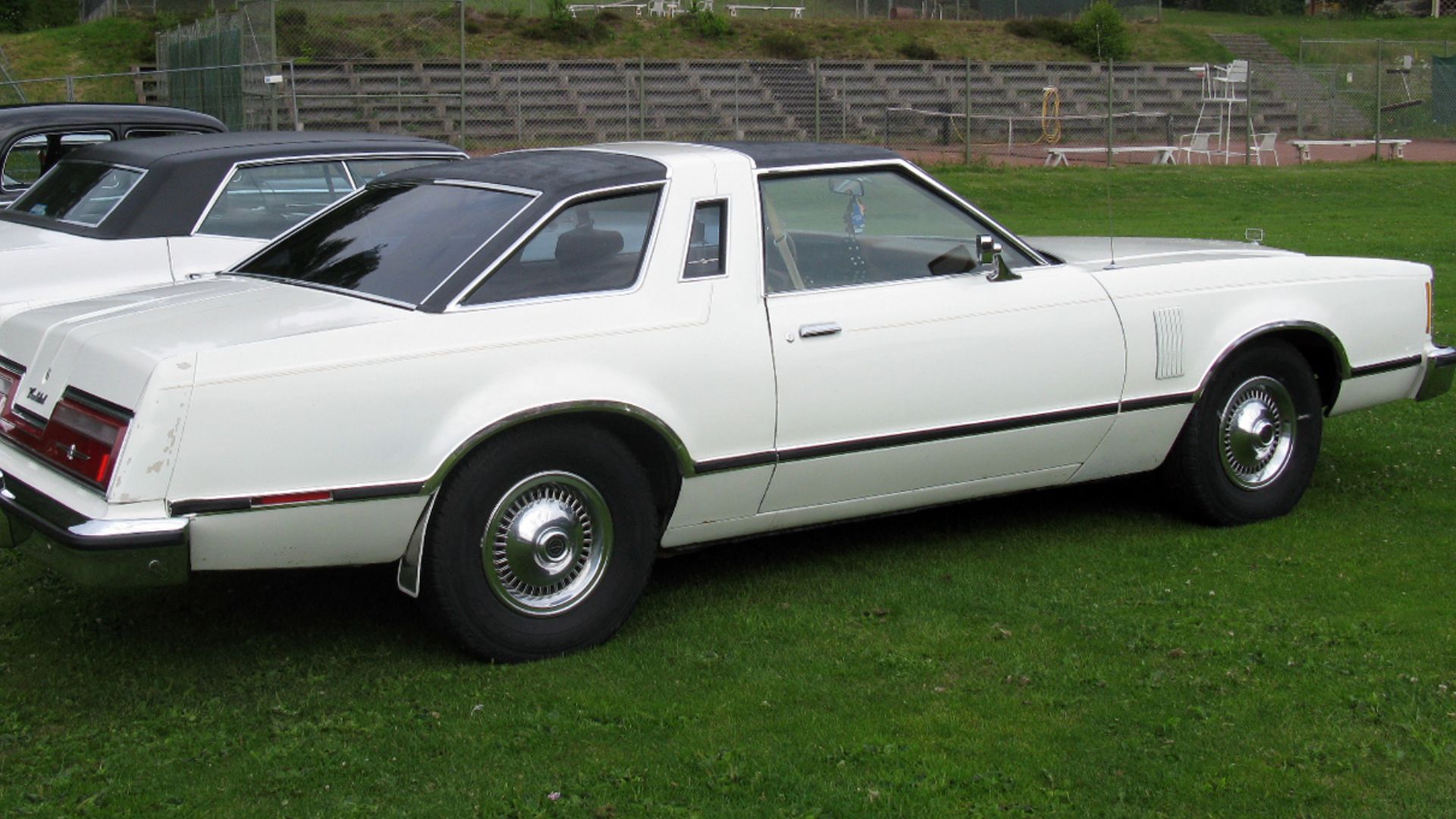
As vinyl roofs became commonplace, automakers introduced increasingly elaborate variations. Full-length coverings gave way to partial landau roofs, canopy tops, and padded carriage-style treatments. Some included decorative landau bars, opera windows, or contrasting trim. The 1977 Ford Thunderbird Town Landau was a particularly flamboyant example, combining padded vinyl with elaborate exterior ornamentation. For buyers who associated decoration with prestige, more was apparently better.
The Problems Beneath The Vinyl
Unfortunately, vinyl roofs weren't always as attractive beneath the surface. As coverings aged, they could crack, shrink, or separate from the metal underneath. Moisture trapped beneath damaged vinyl could accelerate corrosion, sometimes leaving owners with serious rust problems hidden from view. Sun exposure also caused fading and deterioration. Repairing a damaged covering could involve removing trim, stripping old adhesive, treating rust, and installing new material.
Buyers Began Losing Interest
The decline started before the decade ended. Vinyl roof installations peaked at nearly 4.9 million American cars in 1973, then fell to approximately 3.3 million in 1979. By 1981, the figure had dropped to around 1.5 million. Rising vehicle prices, expensive financing, and difficult economic conditions encouraged buyers to skip unnecessary options. At the same time, vinyl roofs were beginning to look increasingly old-fashioned.
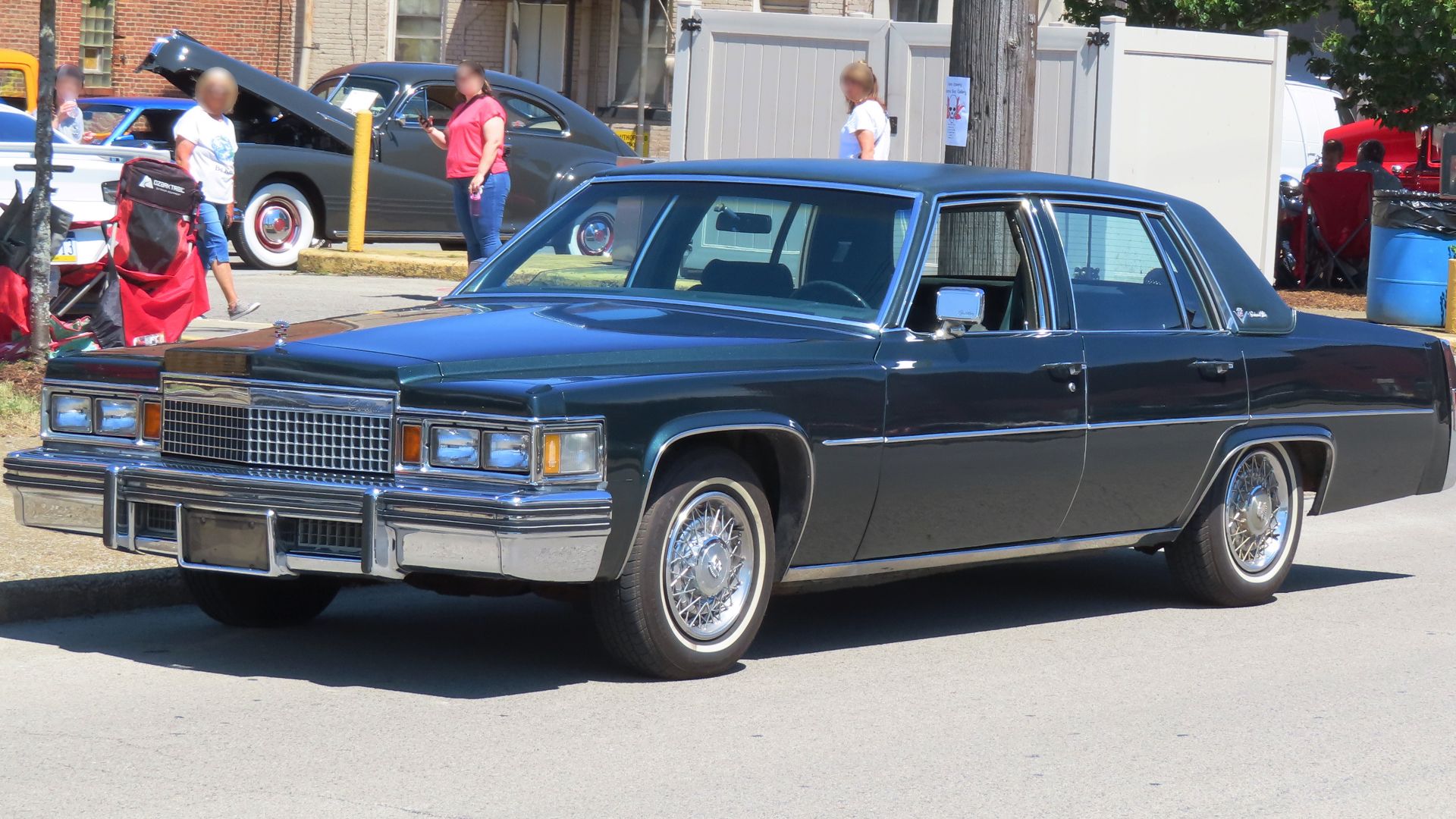 MercurySable99, Wikimedia Commons
Aerodynamics Replaced Ornamentation
The 1980s brought a dramatic change in automotive design. Manufacturers increasingly favored smoother bodywork, improved aerodynamics, and cleaner rooflines. Ford's redesigned 1983 Thunderbird represented this new direction, followed by the radically styled 1986 Taurus. Decorative vinyl coverings looked out of place on these modern shapes. The same industry that had once promoted padded roofs as symbols of sophistication was now emphasizing efficiency, simplicity, and contemporary styling.
They Didn't Disappear Overnight
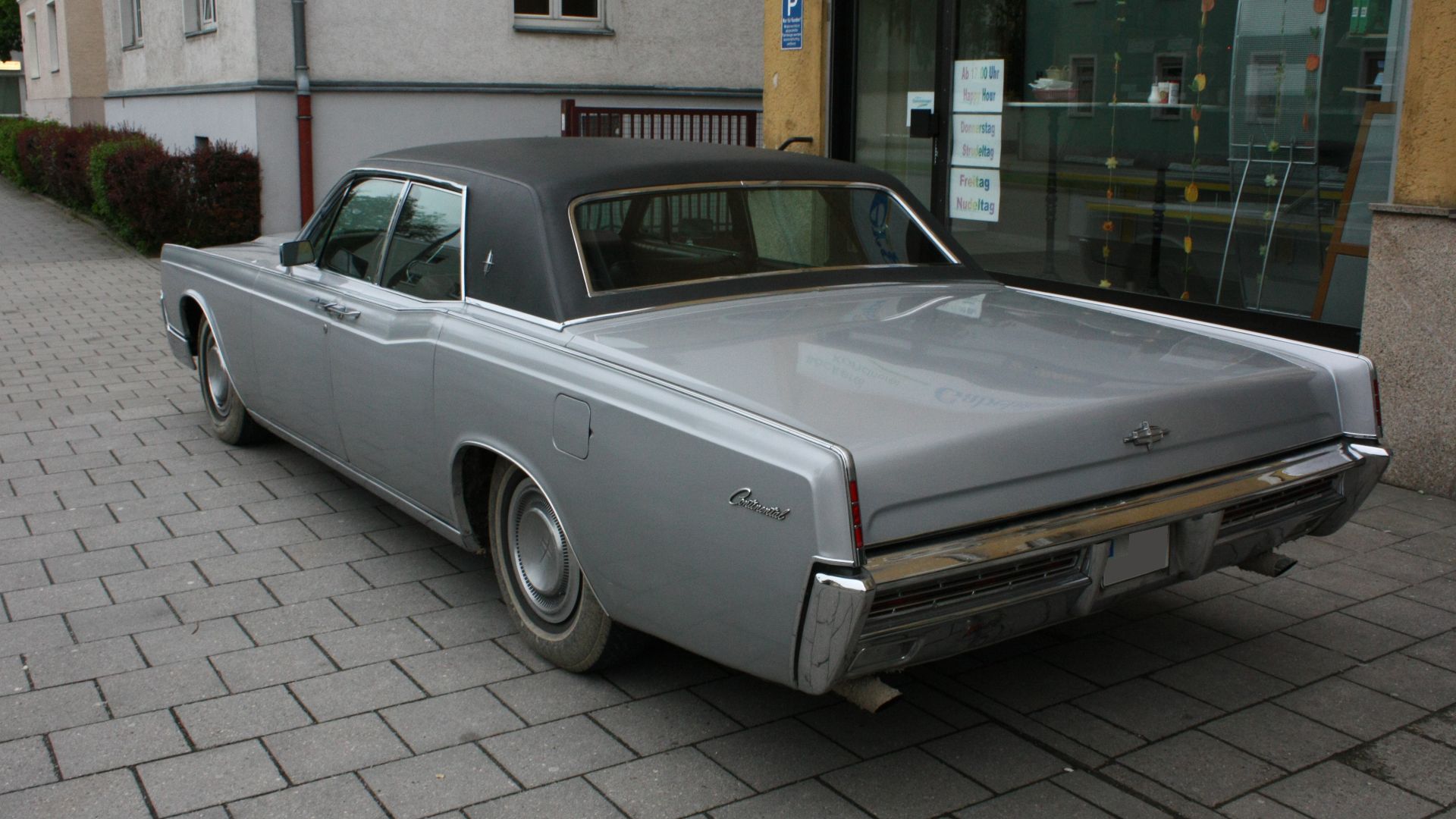
Despite their declining popularity, vinyl roofs survived on traditional luxury cars throughout the 1980s and beyond. Lincoln Town Cars, Cadillac Broughams, and other formal sedans continued offering the look to customers who appreciated its old-fashioned elegance. Some factory applications lasted into the 1990s, while aftermarket installers kept the tradition alive. Vinyl roofs didn't vanish because manufacturers suddenly couldn't make them. They disappeared because most buyers no longer wanted them.
A Symbol Of Another Era
Today, a well-preserved vinyl roof can be an important part of a classic American car's character. A 1970s Thunderbird, Monte Carlo, or Cadillac simply wouldn't look quite the same without one. Yet the feature's rise and fall reveals how dramatically automotive tastes can change. What once made an ordinary sedan look expensive eventually made it look outdated. For millions of American drivers, however, vinyl roofs remain an unmistakable reminder of Detroit's most extravagantly decorated decade.
You May Also Like:
Vinyl Wrap Or Paint: Which Is Better For Your Car?
The Timeless Evolution Of Cadillac
Factory Swivel Seats That Made 1970s Cars Feel Like Rolling Living Rooms