When Car Seats Could Actually Turn Around
Forget heated seats, giant touchscreens, and massage functions. Back in the 1970s, some American cars offered something considerably more entertaining: front seats that actually swiveled toward the doors. Suddenly, getting out of your car felt less like climbing out of a bathtub and more like standing up from your favorite living room chair. General Motors made the feature famous, and Chrysler experimented with the idea before that.
But were these rotating seats a brilliant invention or just another wonderfully weird automotive gimmick?  Craig Howell, CC BY 2.0, Wikimedia Commons
The Idea Was Older Than The 1970s
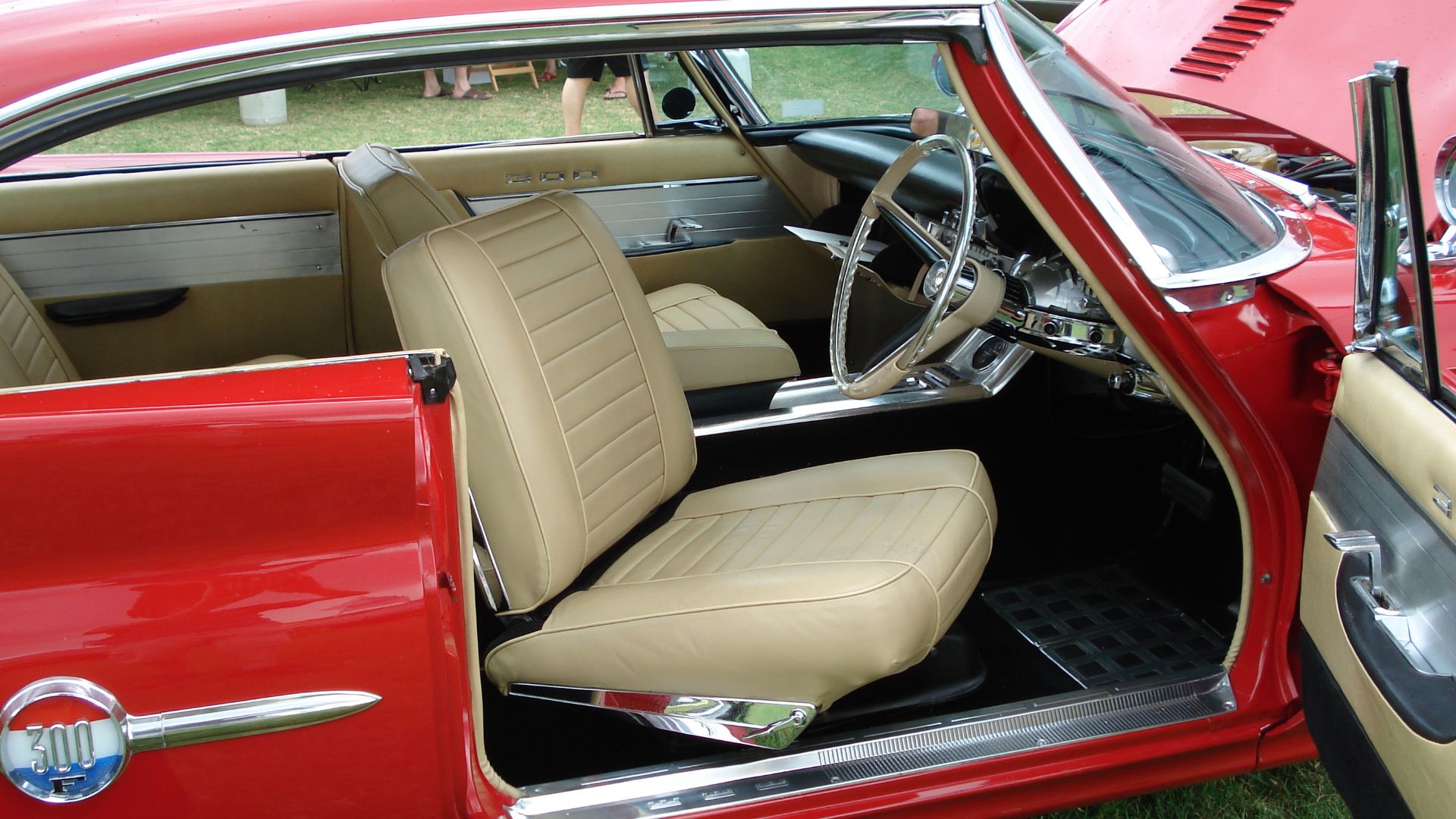
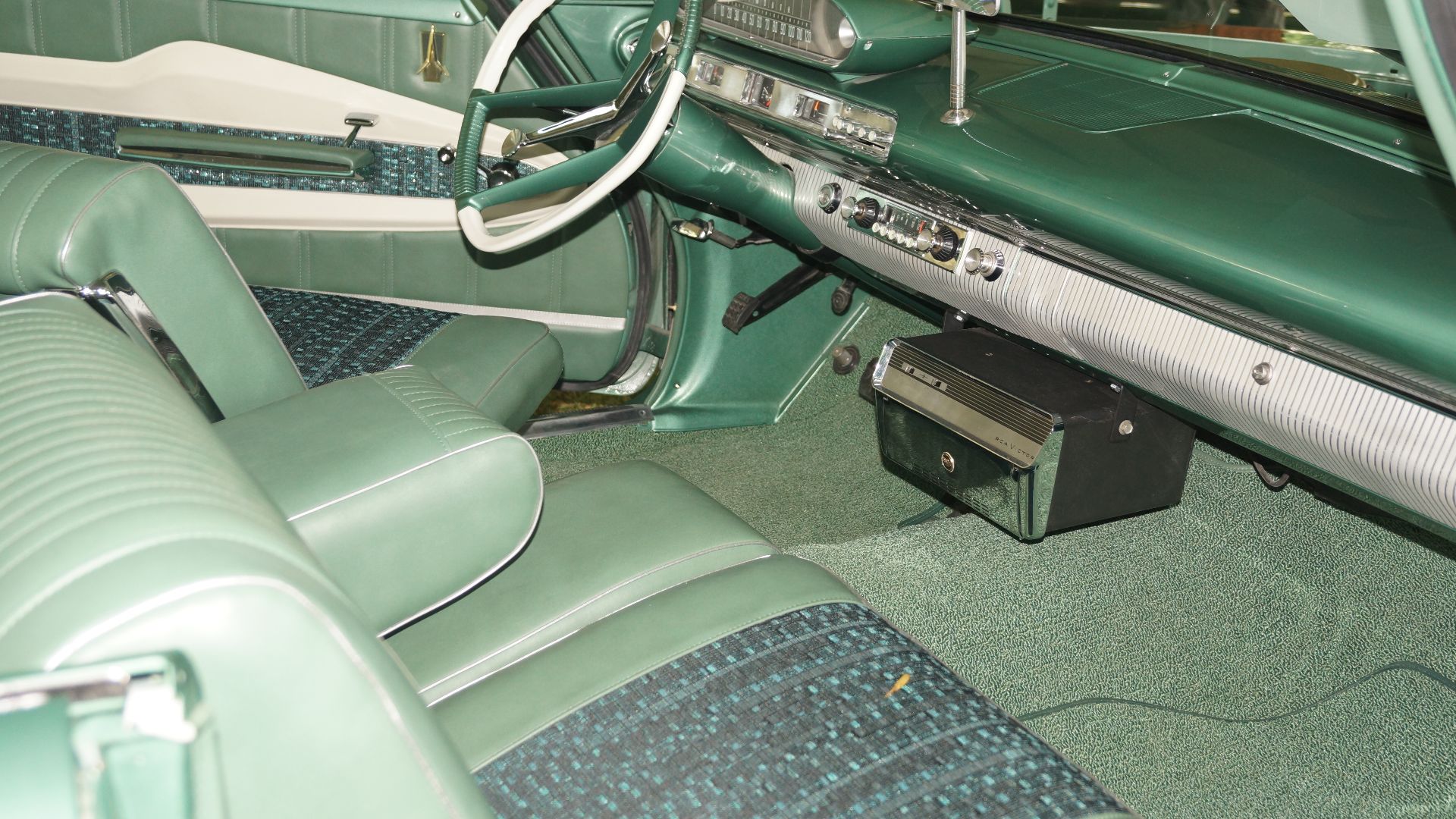
Swivel seats didn't suddenly appear when disco became popular. Chrysler had already offered its Swivel Seat option on certain 1959 models, more than a decade before General Motors made the feature famous. The idea was simple: make getting into and out of a low passenger car easier. Apparently, Detroit had been thinking about living-room-style seating long before shag carpeting became fashionable.
Chrysler's 1959 Experiment Started It All
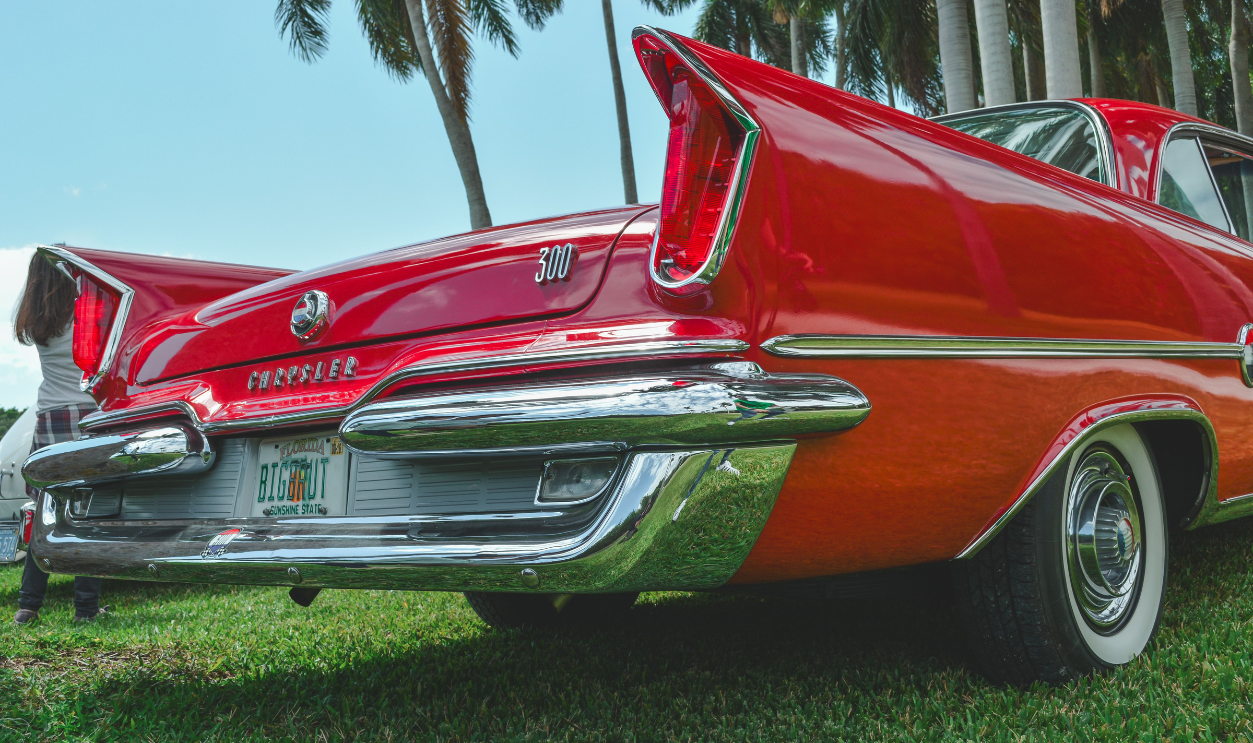
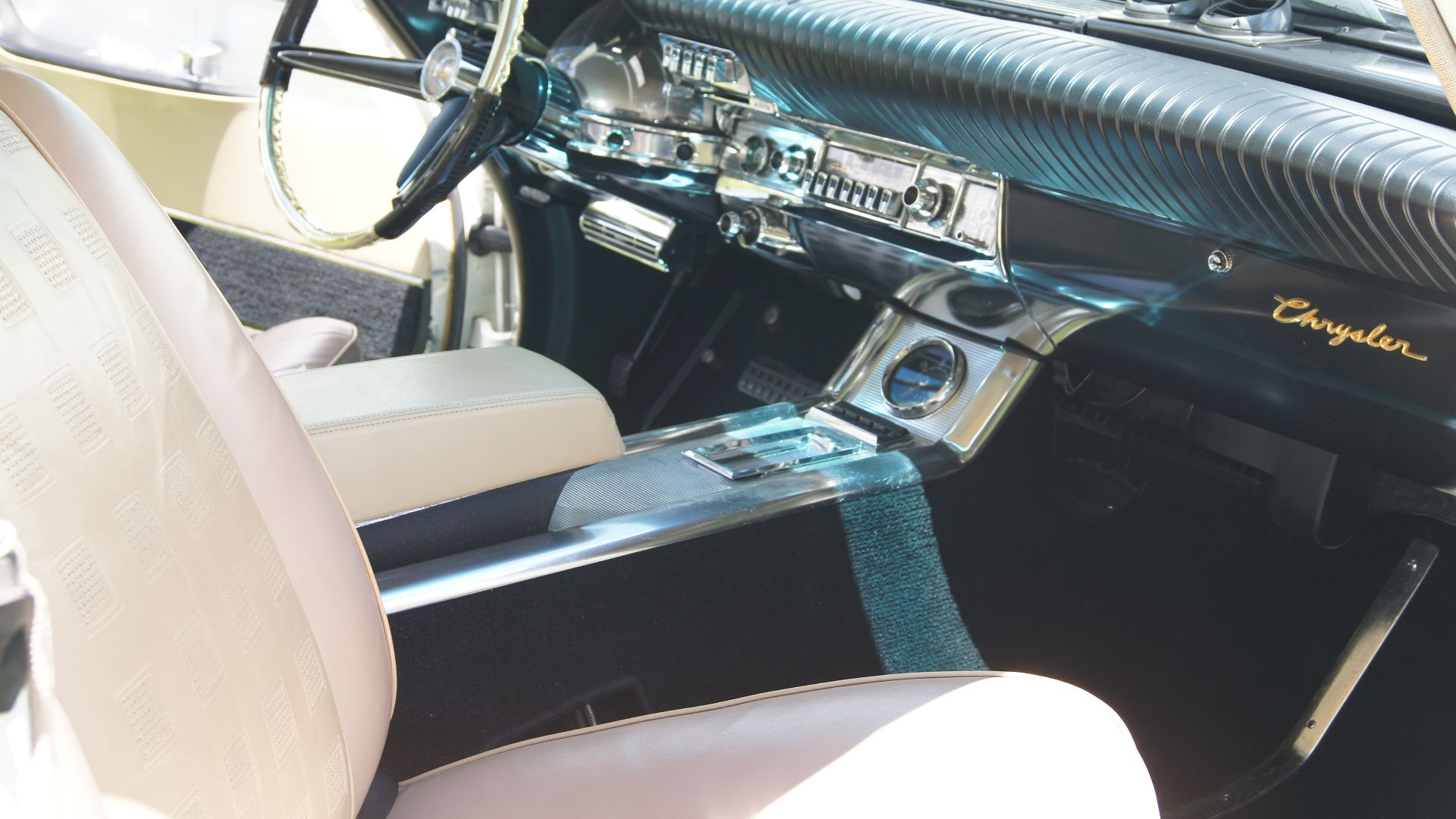
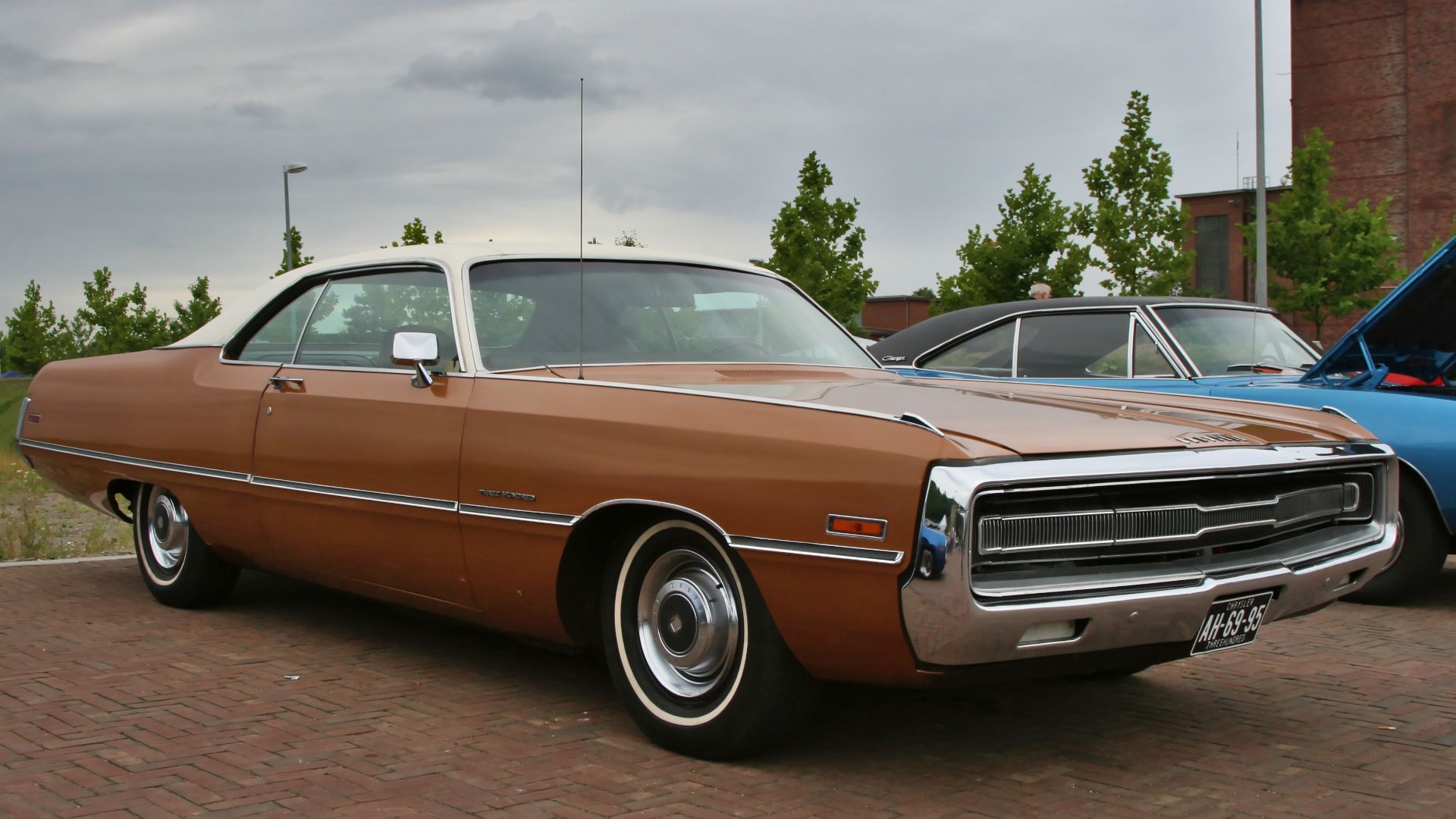
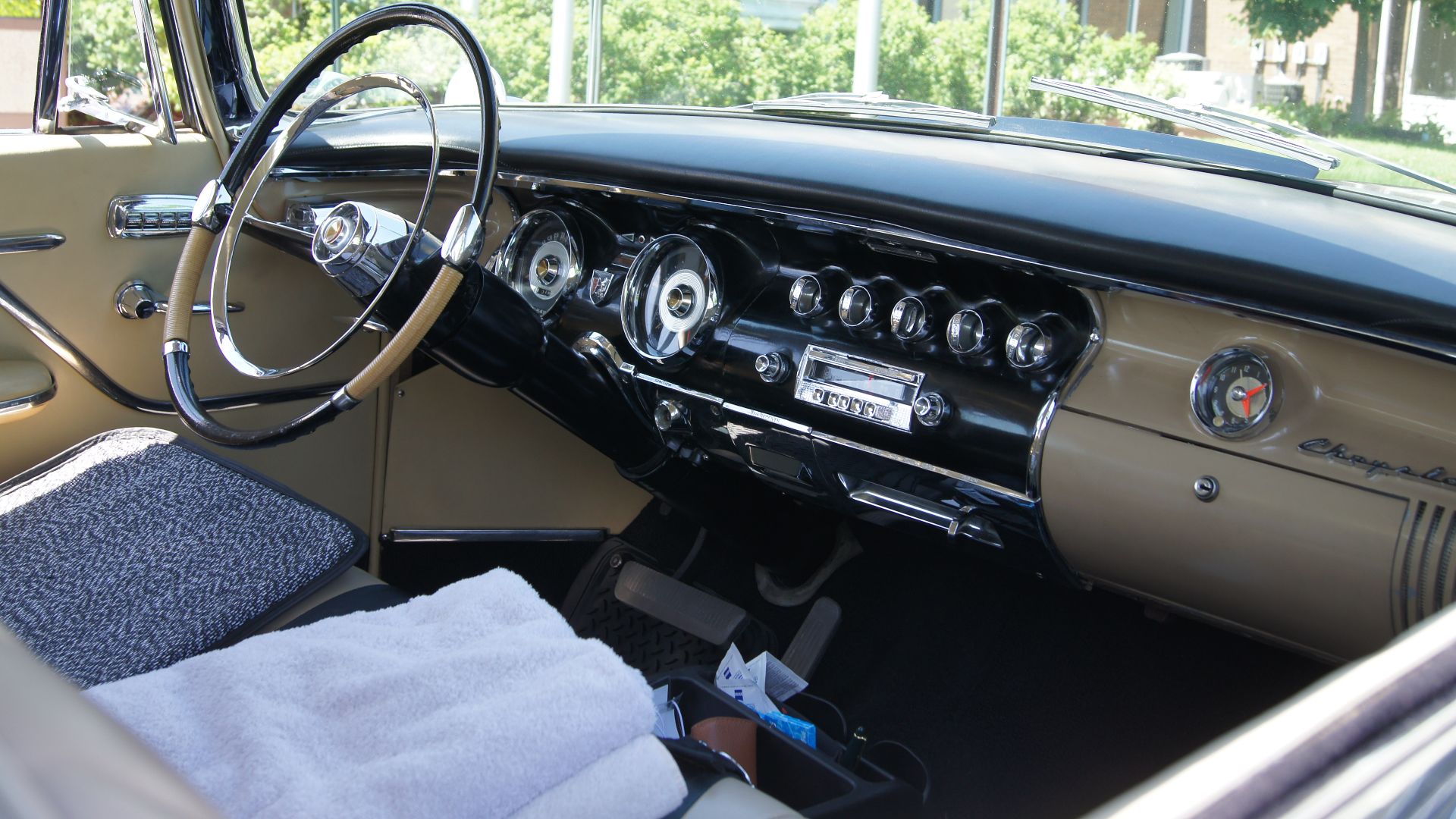
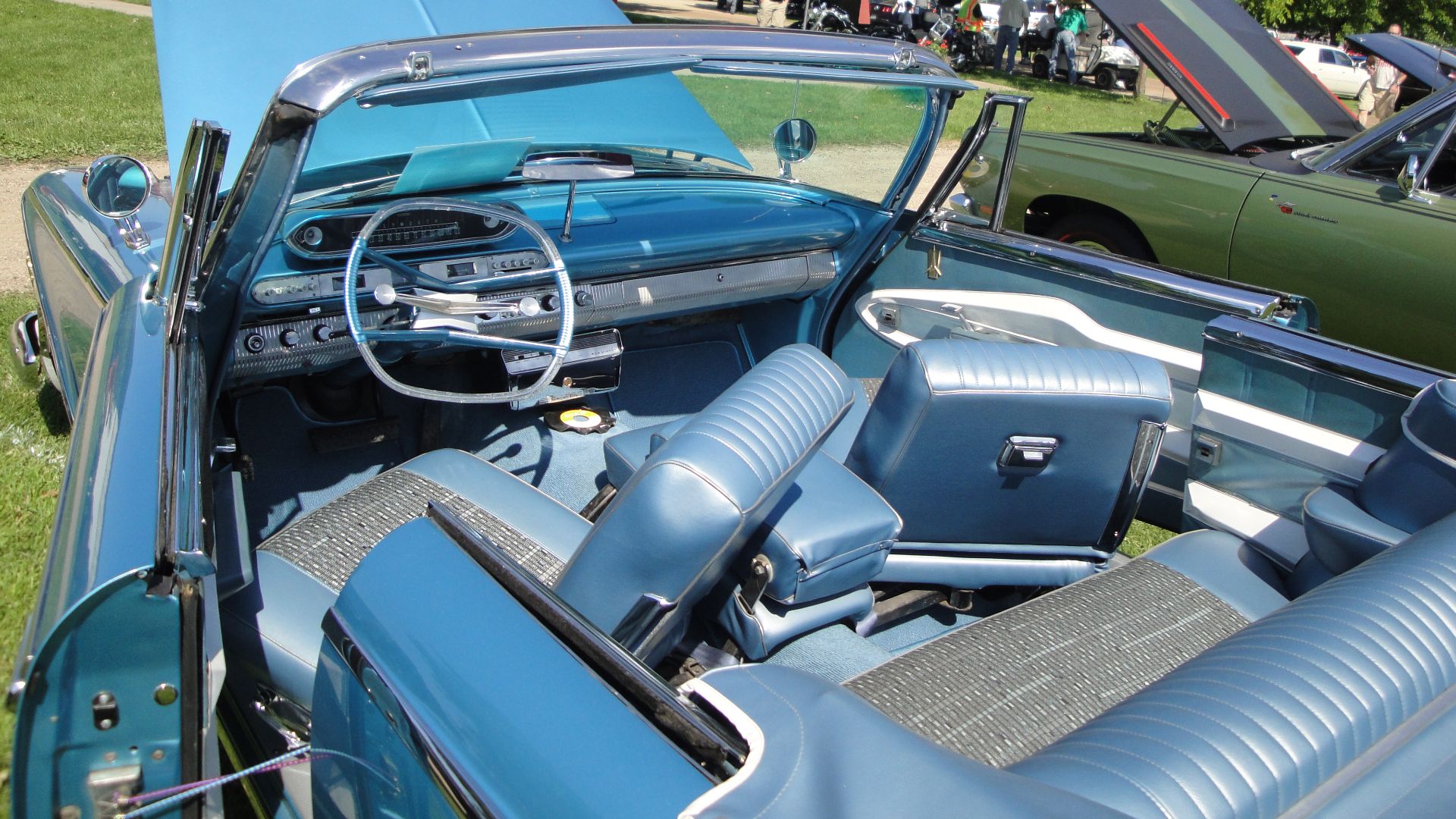
The 1959 Chrysler 300E and other Chrysler models could be equipped with front seats that pivoted outward toward the doors. These weren't rotating lounge chairs designed for passengers to face backward while driving. They were entry-and-exit aids. The idea was especially appealing in an era when luxury cars had low seating positions and enormous steering wheels.
The Feature Even Appeared On The Imperial
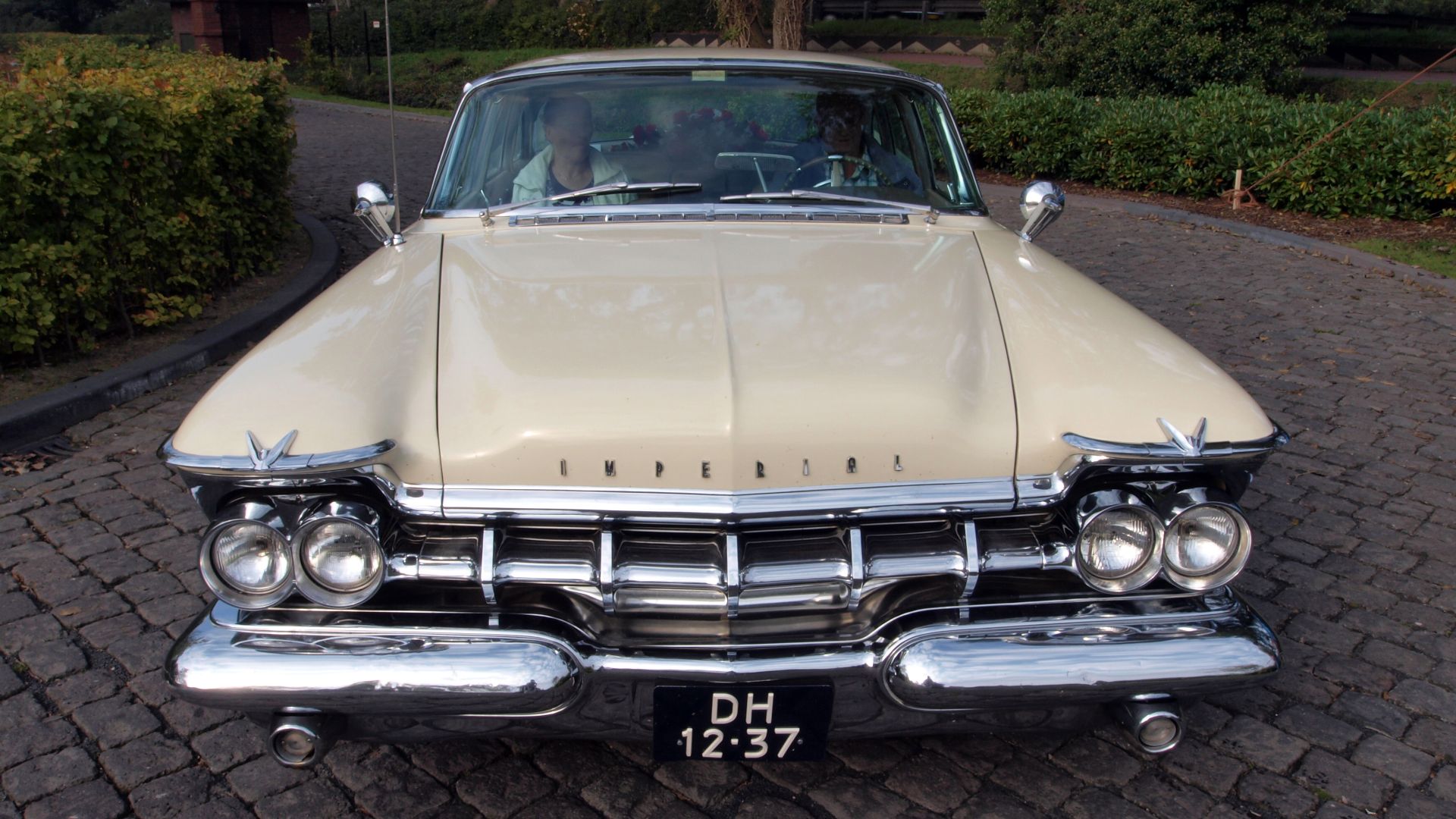
Chrysler's luxury Imperial also offered swivel seating around the turn of the 1960s. On certain versions, the seats could be linked to door operation, helping occupants turn outward as they exited. It was an ambitious touch for an already extravagant automobile. Considering how much chrome and ornamentation Imperial offered, rotating seats almost seemed restrained by comparison.
Then Chevrolet Brought The Idea Back
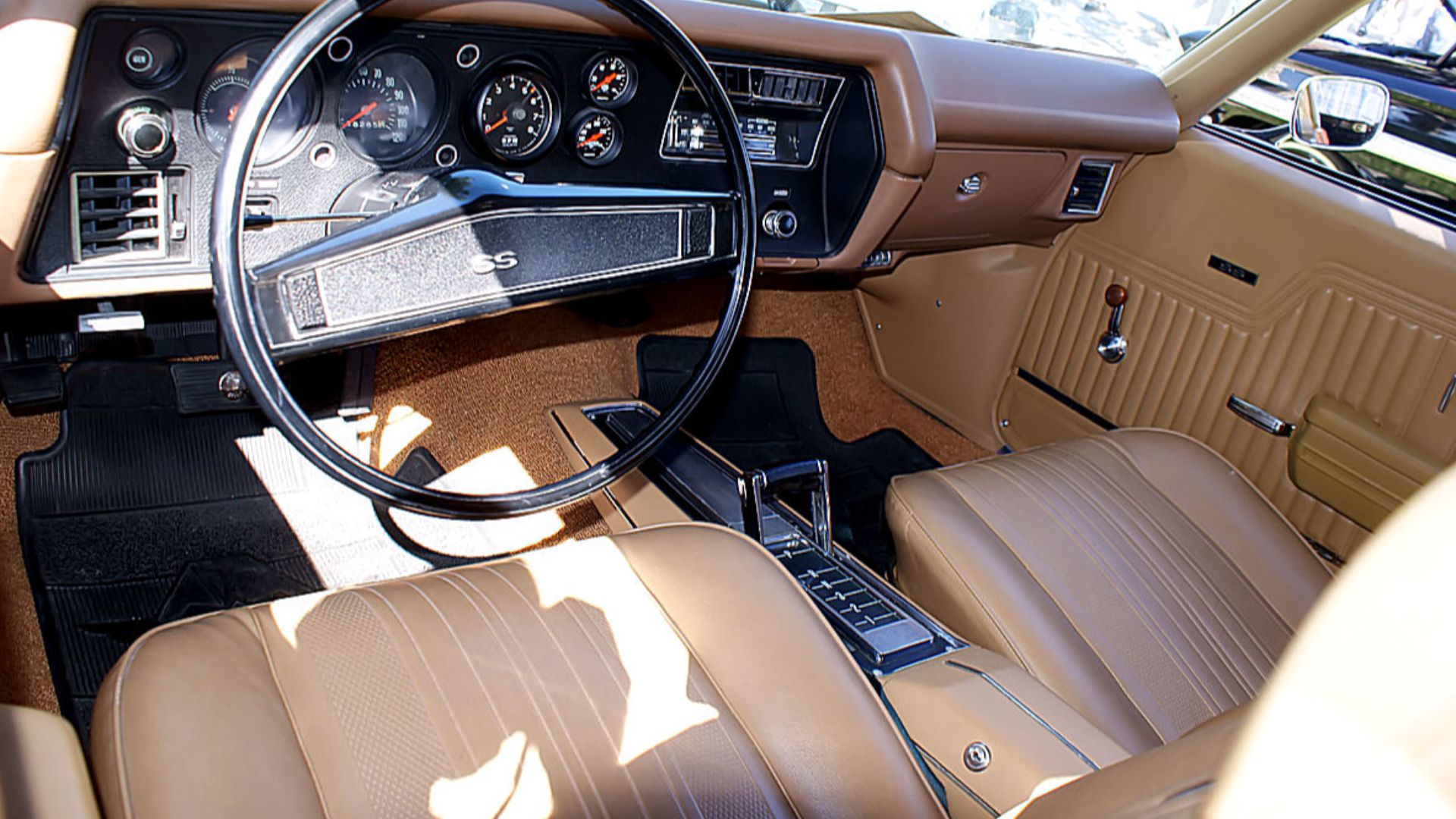
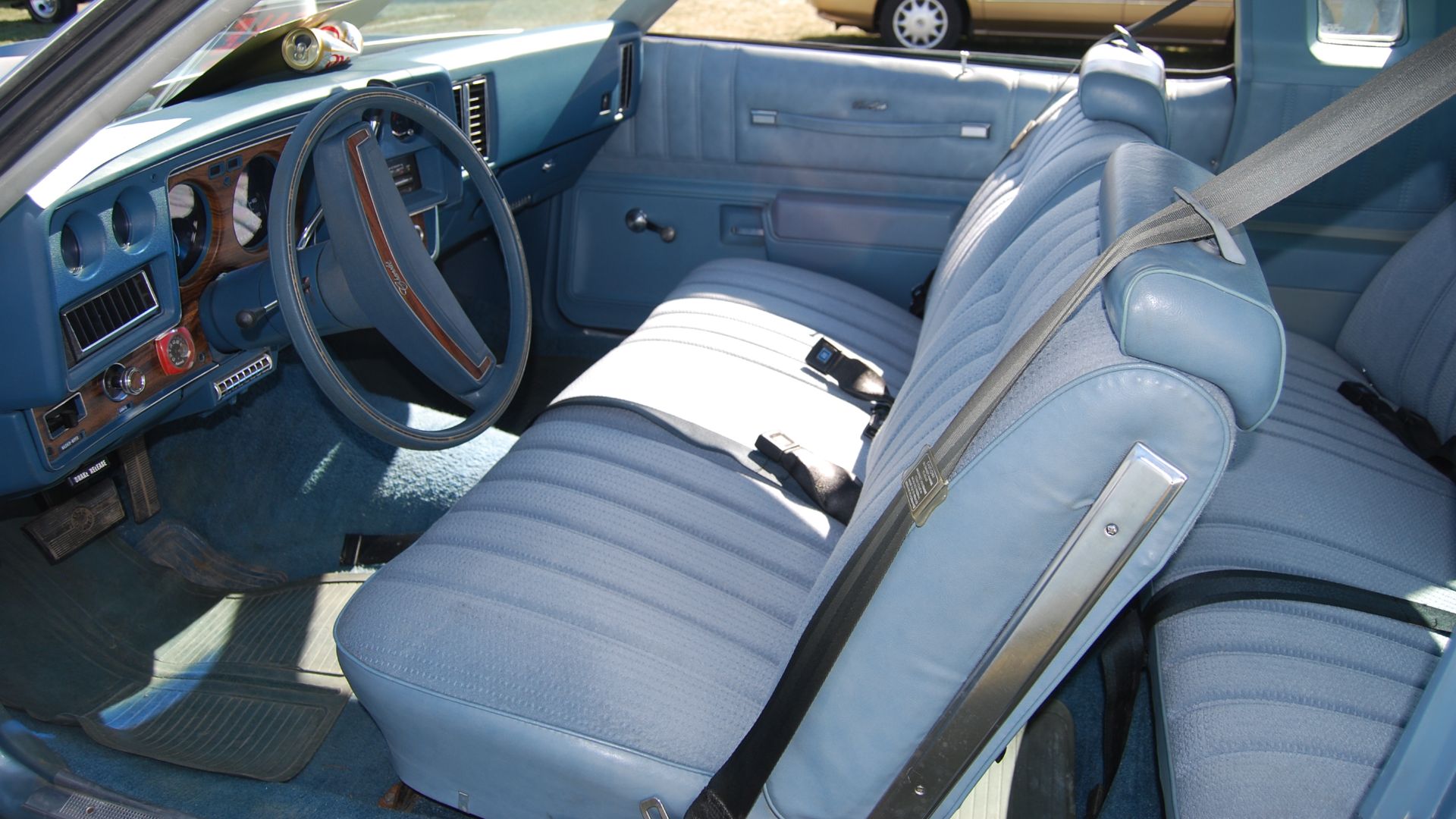
For 1973, Chevrolet introduced its famous swivel-bucket seating arrangement on selected midsize models. The feature became particularly associated with the redesigned Chevelle and Monte Carlo. These cars were larger and more comfort-oriented than their predecessors, making swiveling seats seem like a natural luxury addition. Detroit had rediscovered an old idea and dressed it for the polyester decade.
The 1973 Chevrolet Monte Carlo Was A Perfect Match
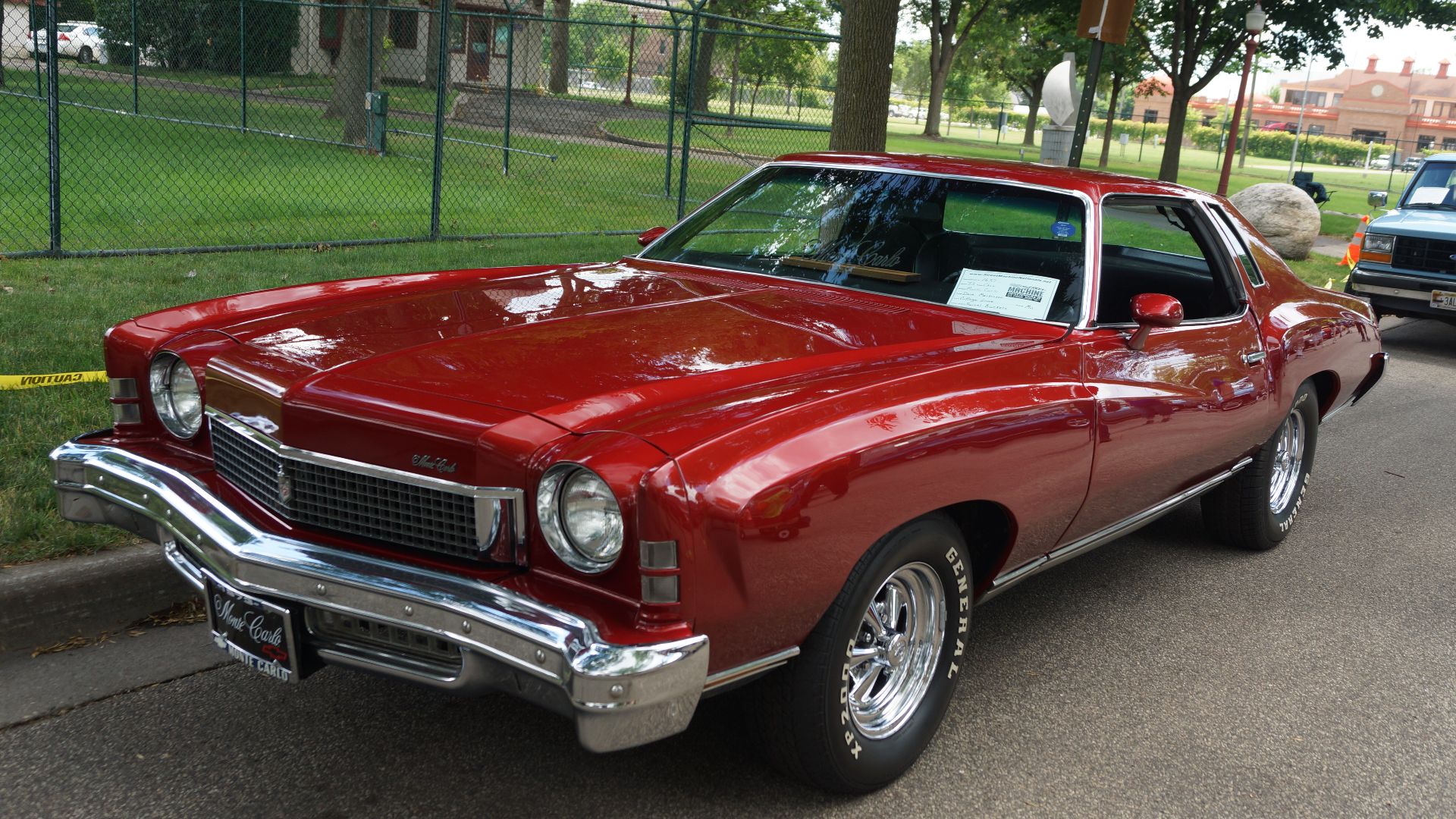
The second-generation Monte Carlo arrived for 1973 with a long hood, formal roofline, and a cabin designed around personal luxury. Available swivel bucket seats complemented that personality beautifully. Instead of squeezing around the steering wheel, drivers could turn toward the open door. It was the sort of convenience that made owners feel they'd purchased something special.
 Greg Gjerdingen from Willmar, USA, Wikimedia Commons
The Chevrolet Chevelle Malibu Got Them Too
The 1973 Chevelle Malibu was another Chevrolet that could be ordered with swivel bucket seats. Depending on the body style and equipment, buyers could combine them with a sporty console-centered interior. The seats weren't exclusive to expensive luxury cars, which made them particularly memorable. Imagine discovering that your ordinary family coupe had furniture that could move.
 Greg Gjerdingen, Wikimedia Commons
The Laguna Made Swivel Seats Look Sporty
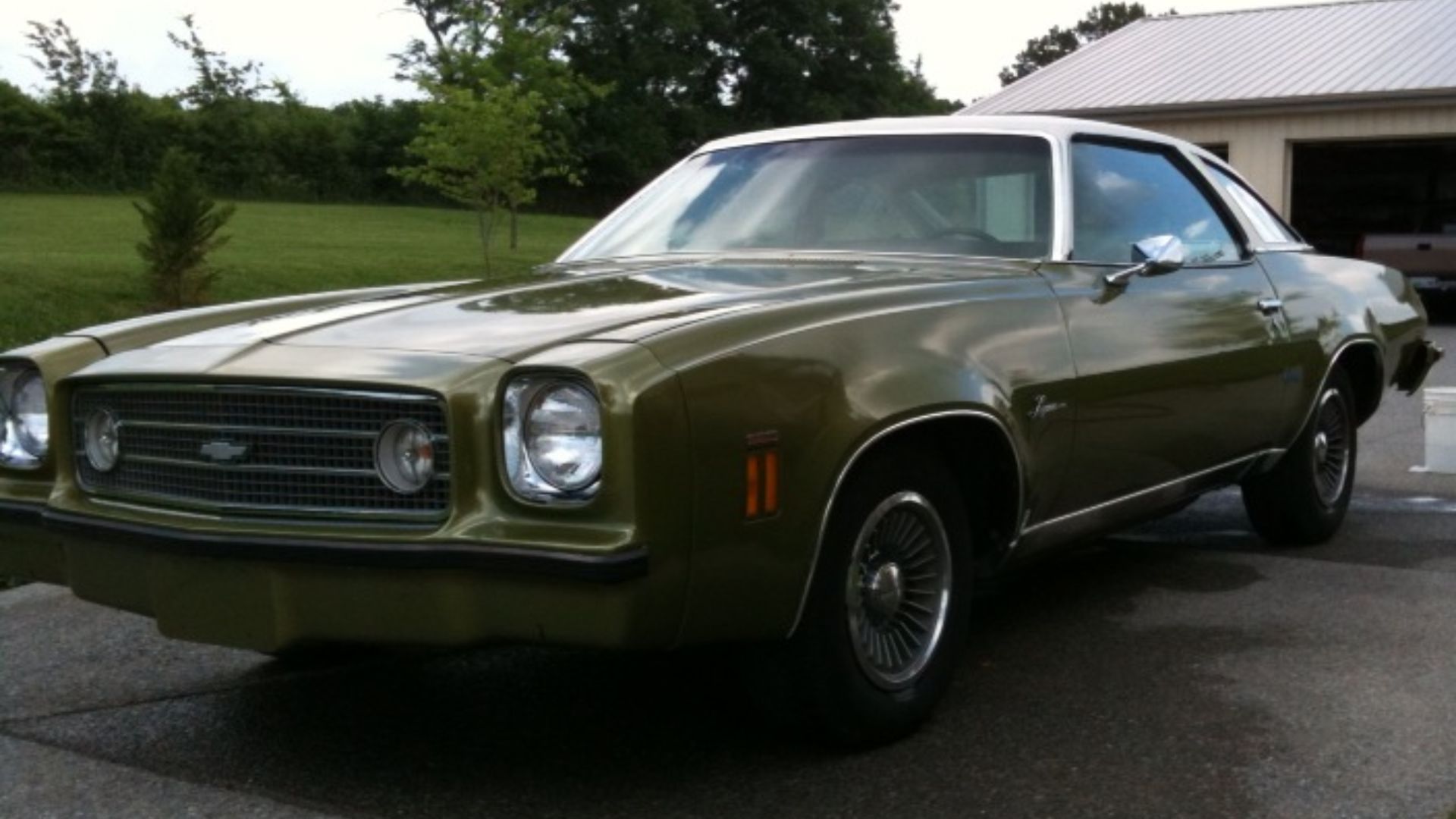
Chevrolet's Laguna debuted for 1973 as a more upscale Chevelle variant, and its available swivel bucket seats suited the car's sporty image. The Laguna's distinctive front-end styling already separated it from ordinary Malibus. Add rotating front seats, and suddenly the interior seemed almost futuristic. It was a curious combination of muscle-car attitude and living-room convenience.
 Vegavairbob (talk)Robert Spinello, Wikimedia Commons
Oldsmobile Joined The Swivel-Seat Party
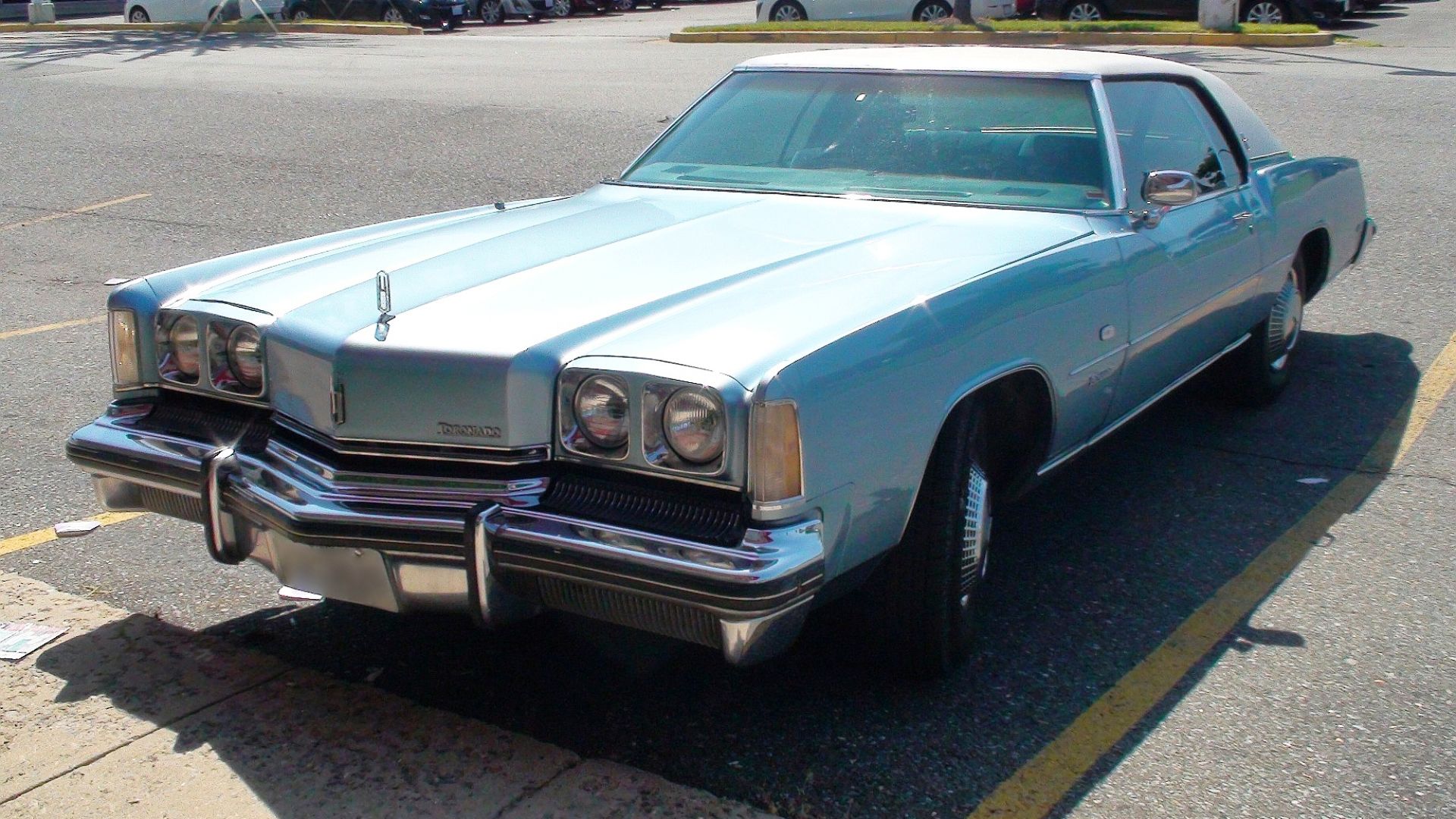
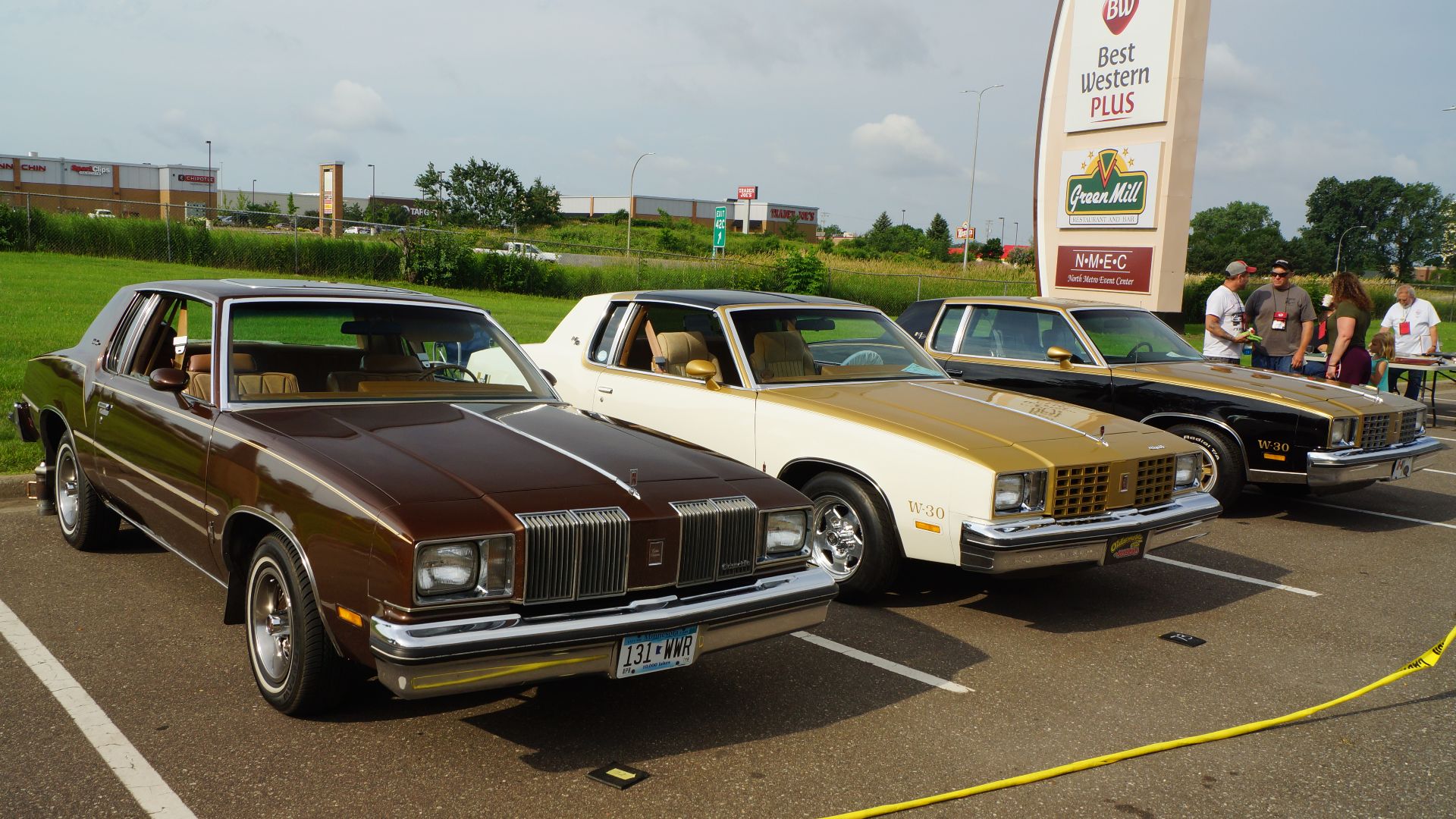
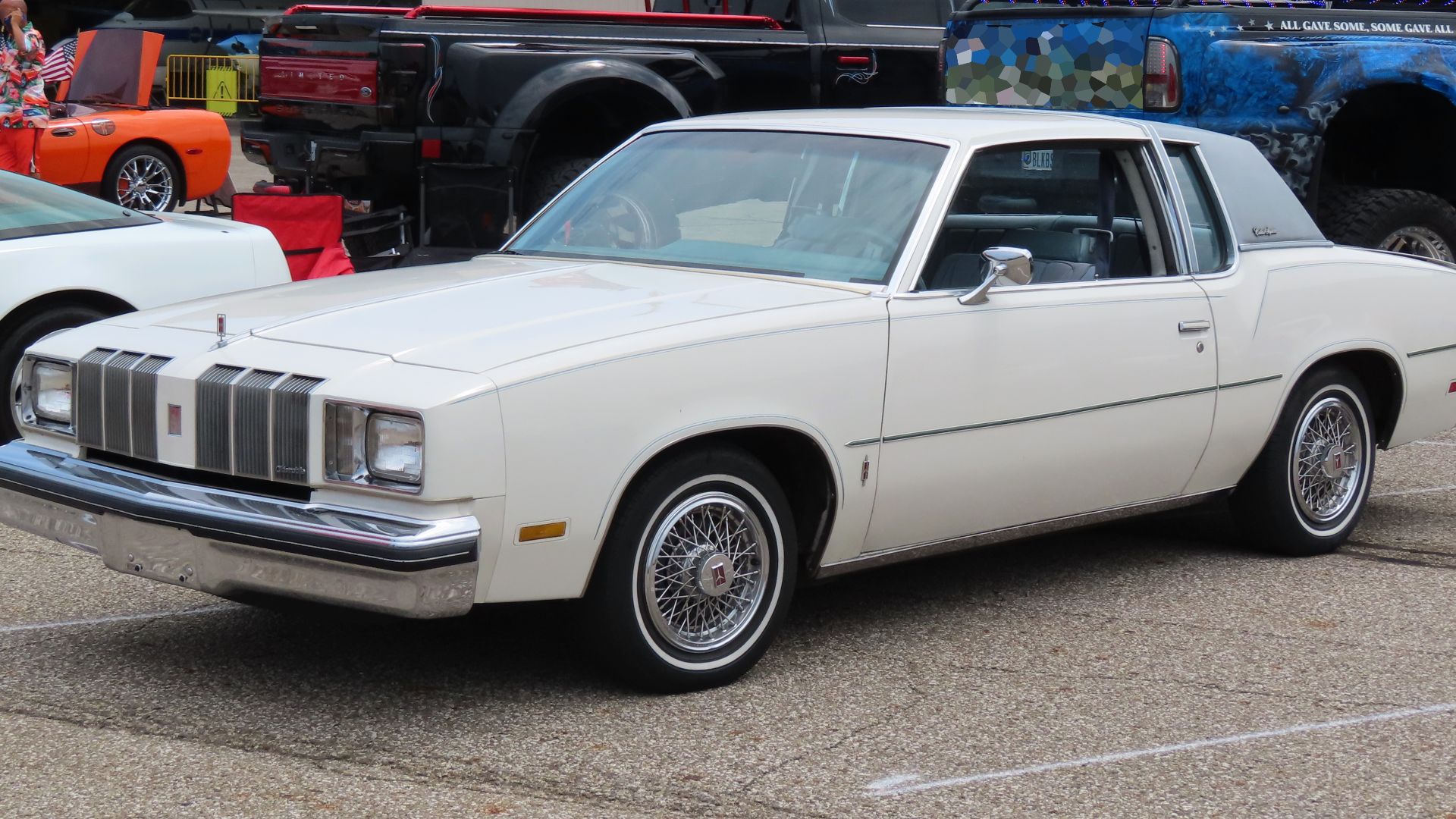
Oldsmobile offered swivel bucket seats on selected 1973-era Cutlass models, including the popular Cutlass Supreme coupe. The feature suited Oldsmobile's reputation for comfortable, upscale transportation. Buyers could enjoy the appearance of sporty bucket seats without sacrificing convenient entry and exit. It was especially attractive to customers who wanted luxury without moving into a full-size sedan.
 Illegitimate Barrister, Wikimedia Commons
The Cutlass Supreme Made Them Feel Fancy
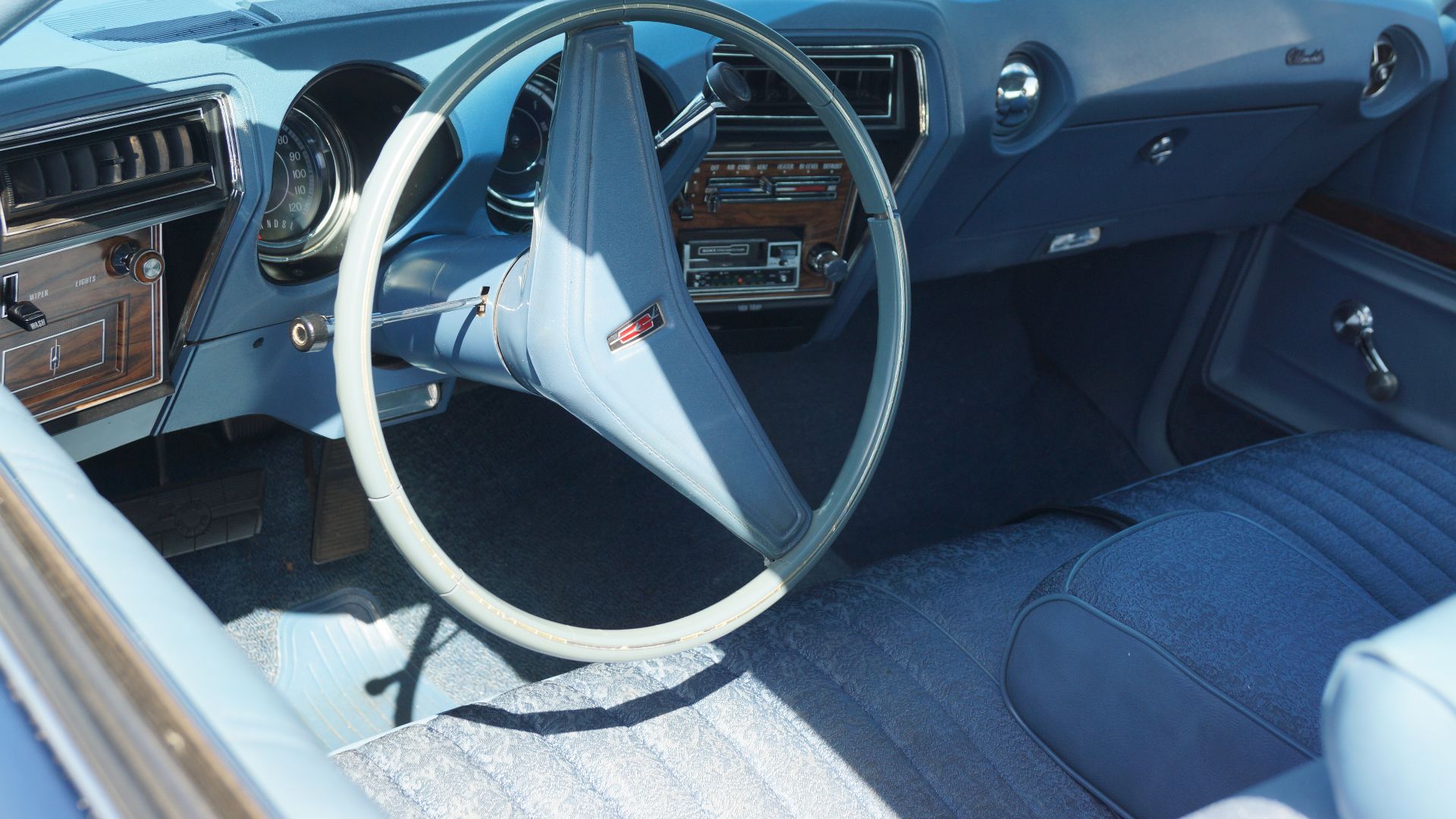
The 1973 Cutlass Supreme became part of a generation of American personal-luxury coupes that prioritized comfort and style. Its available swivel buckets fit right in with the plush upholstery and elaborate interior trim of the period. For drivers accustomed to fixed bench seats, rotating buckets were a genuine conversation starter. Every passenger wanted to try them at least once.
 Greg Gjerdingen, Wikimedia Commons
The Pontiac Grand Prix Had Its Own Version
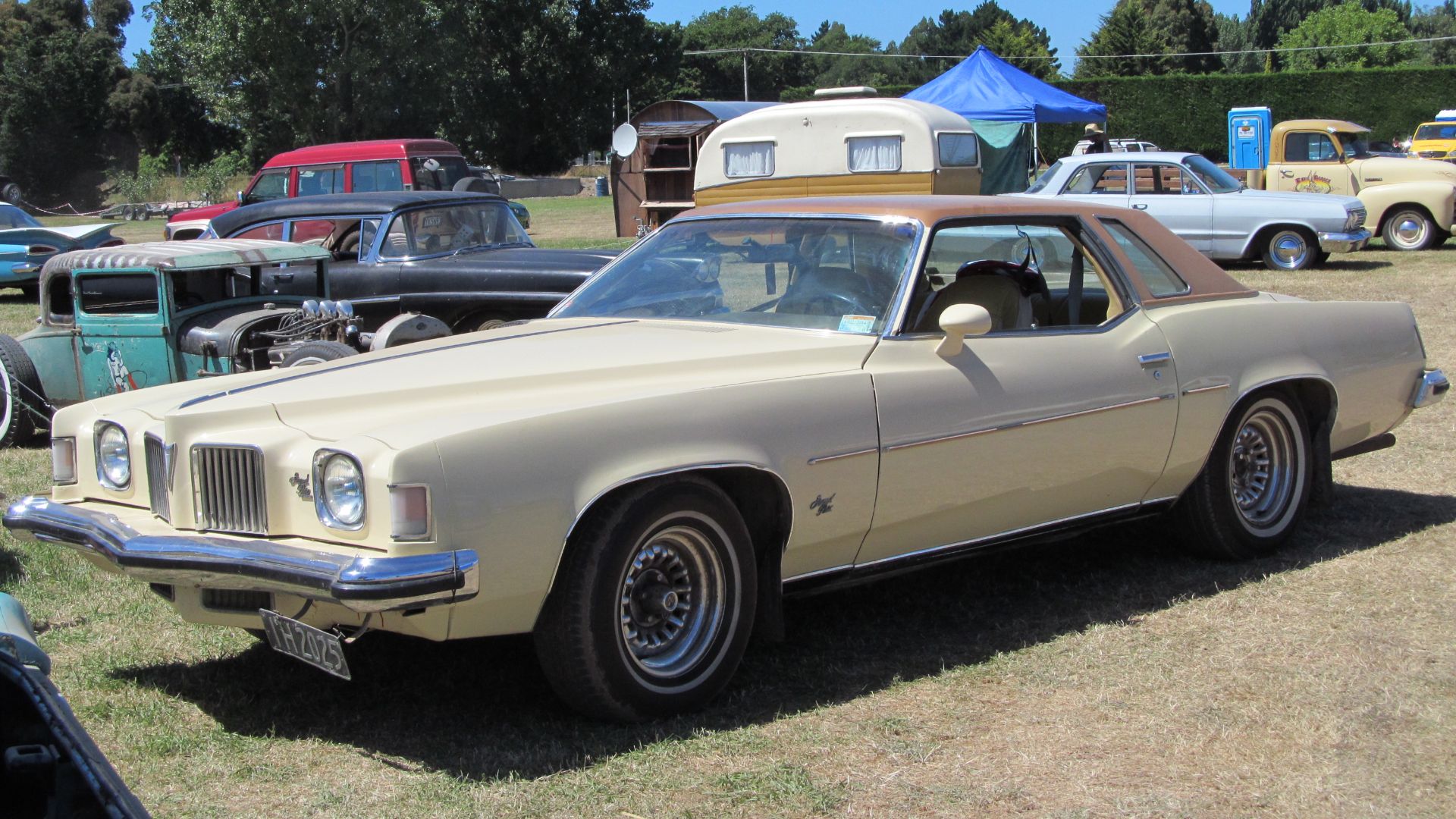
Pontiac's redesigned 1973 Grand Prix was another GM personal-luxury coupe associated with swivel bucket seating. Its wraparound dashboard and driver-focused interior already looked unusual, and the rotating seats added another memorable detail. Pontiac wanted the Grand Prix to feel like a sophisticated performance machine. Swivel seats made it feel a little like a private lounge.
 Riley from Christchurch, New Zealand, Wikimedia Commons
The Pontiac LeMans Was Another Swivel-Seat Candidate
The 1973 and 1974 Pontiac LeMans also appeared with factory swivel bucket seats in certain configurations. Pontiac's midsize lineup combined sporty styling with increasingly luxurious interiors, making the option a natural fit. The seats were particularly interesting in two-door models, where long doors and low seating positions could make entering and exiting surprisingly awkward.
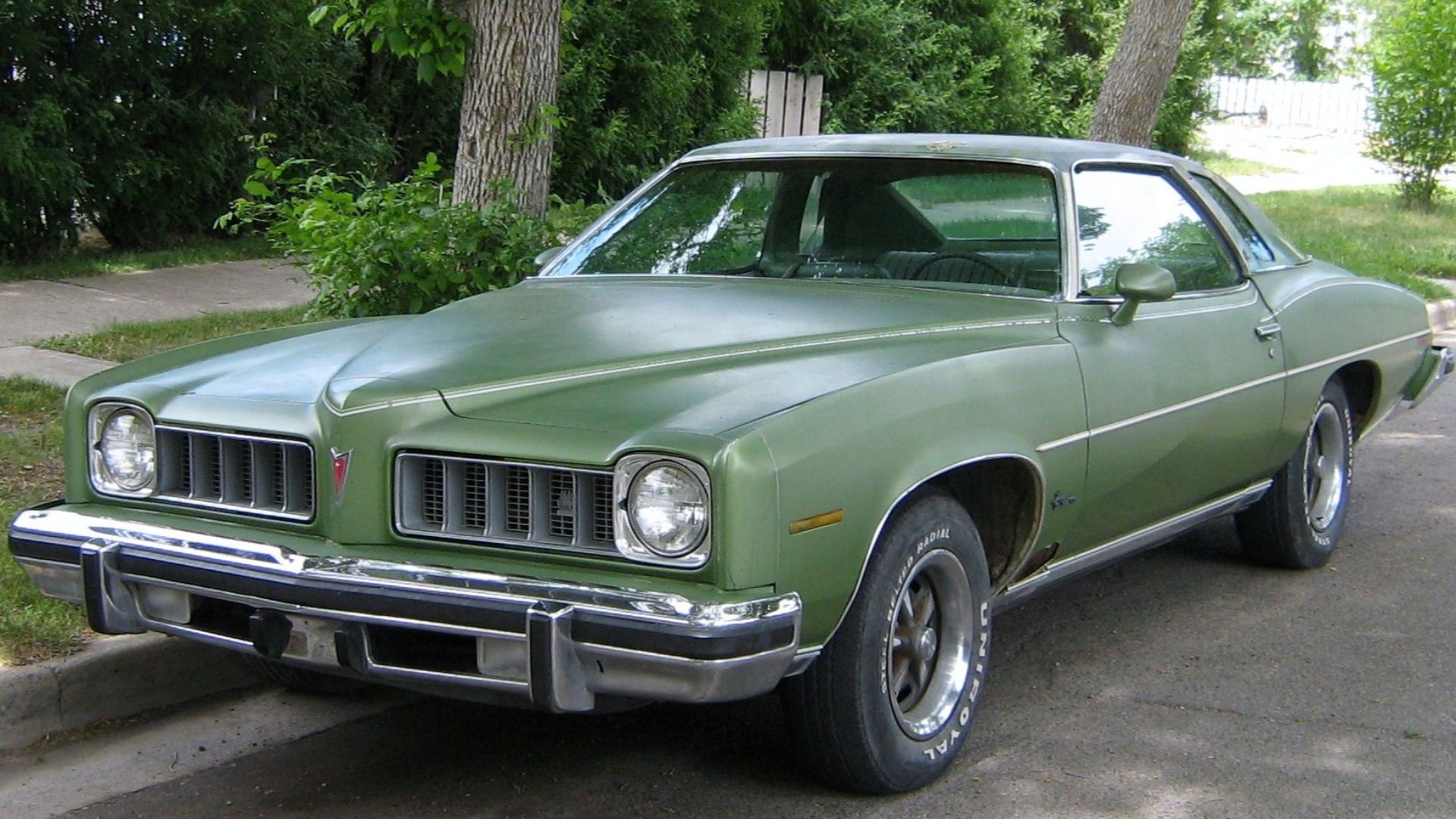
Even The 1973 Pontiac GTO Could Have Them
Yes, the GTO name appeared alongside swivel bucket seats in 1973. By then, the legendary muscle car had become an option package on the Pontiac LeMans rather than a standalone model. Buyers could combine V8 performance with the convenience of rotating front seats. It was a wonderfully 1970s combination: horsepower under the hood and a miniature furniture showroom inside.
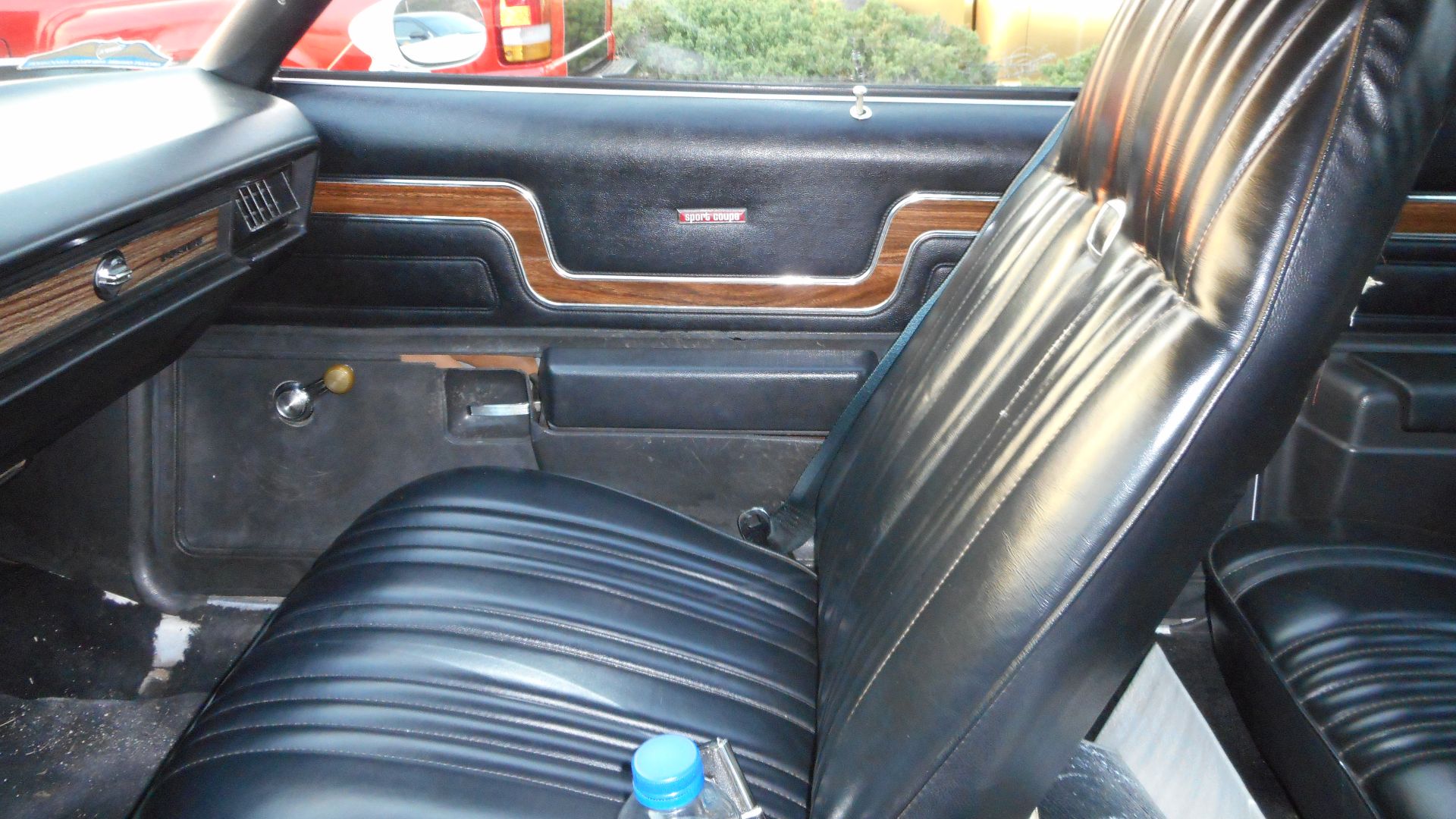
The Chevrolet El Camino Joined In
The El Camino might have been part pickup, but its cabin shared plenty with Chevrolet's midsize passenger cars. Factory-style swivel bucket seating was available in the 1973–1977 generation, depending on equipment. That meant a driver could haul lumber in the back while enjoying rotating bucket seats up front. Few vehicles better captured Detroit's willingness to mix practicality with unusual luxury.
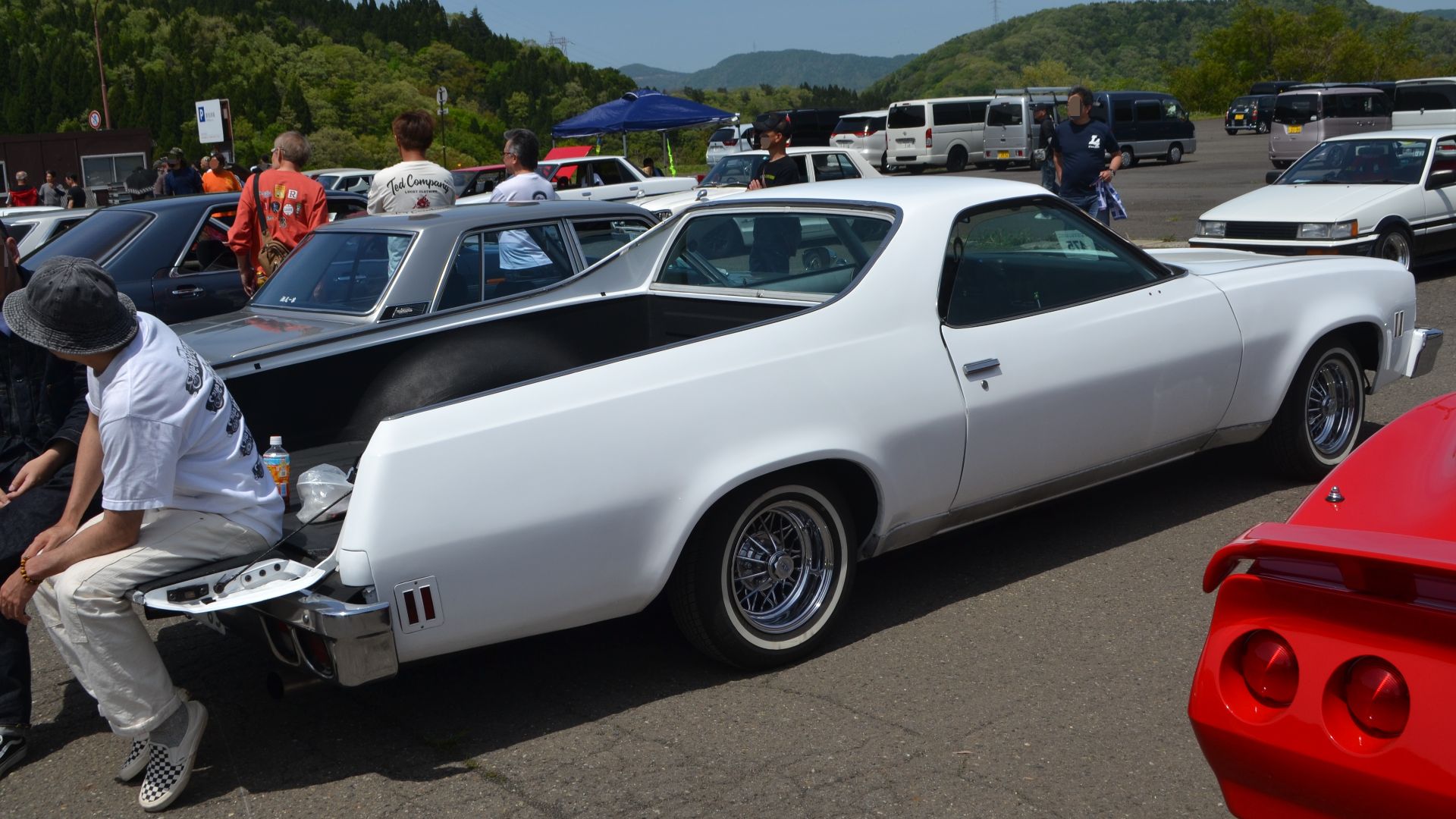
They Didn't Actually Spin All The Way Around
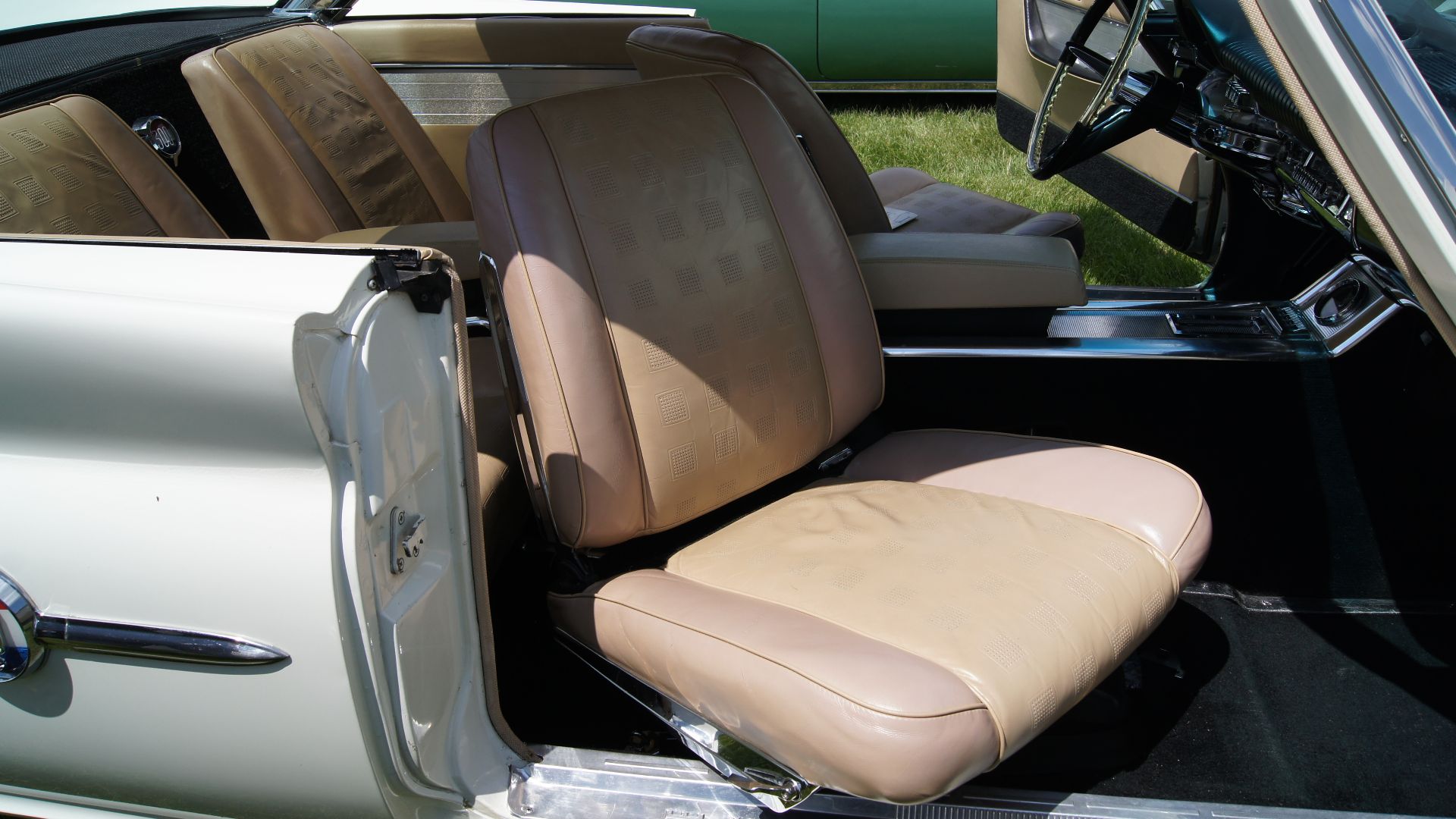
Despite the name, GM's swivel bucket seats weren't designed to rotate a complete 360 degrees. They turned approximately 90 degrees outward toward the doors, helping occupants enter or exit. Chrysler's earlier system rotated about 40 degrees. The point wasn't to face your friends in the back seat while driving. It was to make getting in and out less of a gymnastics routine.
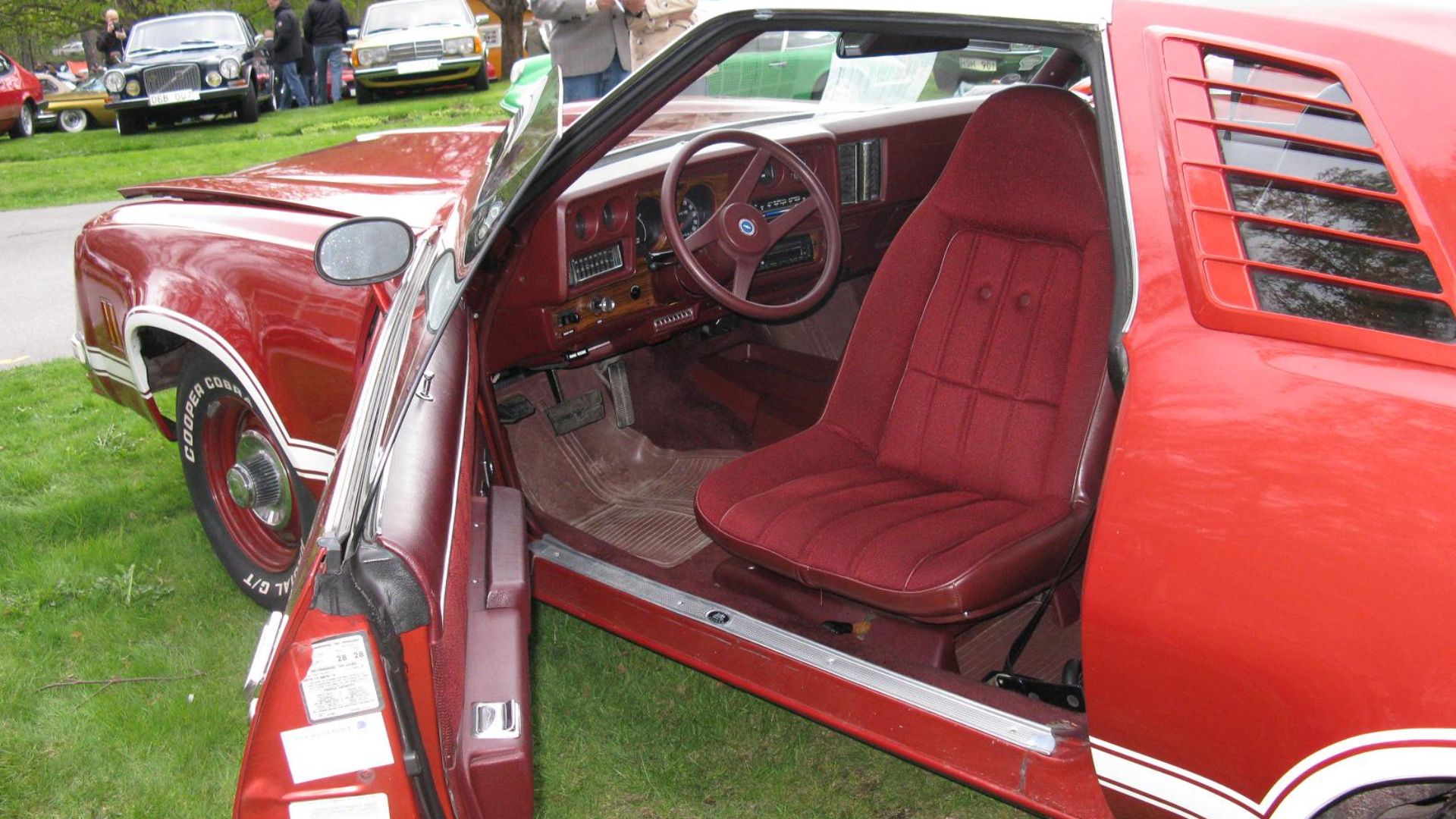
There Was A Release Lever
GM's swivel buckets used a mechanical release that allowed the seat to rotate outward. Drivers could turn the seat toward the open doorway, sit down, and rotate it back into its forward-facing position. The mechanism locked the seat for normal driving. No electric motors or complicated computer controls were necessary. Just a lever and a little elbow grease.
 Greg Gjerdingen from Willmar, USA, Wikimedia Commons
The Seats Still Slid Forward And Backward
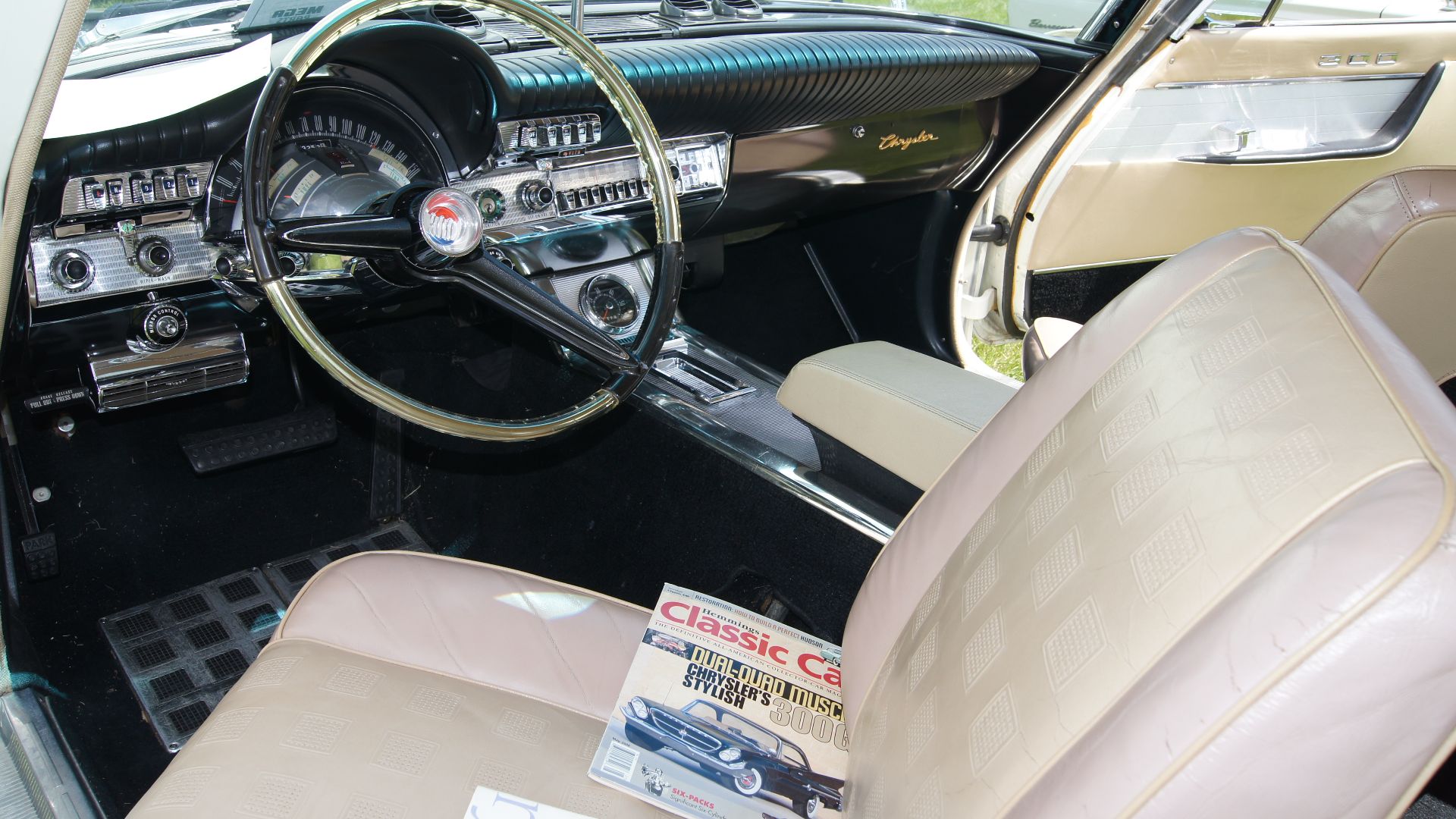
Rotating wasn't their only trick. GM's swivel bucket seats retained conventional fore-and-aft adjustment, allowing drivers to position themselves comfortably behind the steering wheel. That meant the seats needed a more complicated mounting arrangement than ordinary fixed buckets. The added hardware was clever, but it also introduced additional components that could wear with age.
 Greg Gjerdingen from Willmar, USA, Wikimedia Commons
Long Doors Made The Idea More Useful
Many 1970s American coupes had enormous doors, low rooflines, and substantial center consoles. Sliding into the driver's seat could require some impressive twisting, especially in a crowded parking space. Swivel seats addressed that problem by letting occupants sit down from the side. Of course, the benefit was greatest when there was enough room to open the door properly.
 Greg Gjerdingen, Wikimedia Commons
Older Drivers Could Appreciate Them
For drivers with stiff knees, sore backs, or limited flexibility, rotating the seat toward the doorway could make entry and exit easier. Instead of lowering themselves sideways into a fixed seat, occupants could sit down facing outward and turn into position. It was a practical accessibility benefit long before modern vehicles offered specialized mobility equipment as a familiar option.
 MercurySable99, Wikimedia Commons
Passengers Loved Showing Them Off
A swivel seat was the kind of feature that practically demanded a demonstration. Imagine picking up a friend in your new Monte Carlo and rotating the passenger seat toward the sidewalk. It was an instant conversation starter. Owners could show off something more memorable than an upgraded radio or fancy wheel covers. Sometimes a simple mechanical trick was enough to impress the neighborhood.
 Greg Gjerdingen from Willmar, USA, Wikimedia Commons
They Matched The Decade's Plush Interiors
The 1970s were famous for deeply padded seats, elaborate upholstery patterns, simulated woodgrain, and interiors designed around comfort. Swivel buckets fit perfectly into that environment. In a Monte Carlo or Cutlass Supreme, they could make the cabin feel more like a private lounge than a conventional automobile. Detroit was selling an experience, not merely somewhere to sit.
Not Everyone Thought They Were Convenient
For some drivers, swivel seats were more trouble than they were worth. Releasing the mechanism, rotating the seat, sitting down, and turning it forward added steps to a process that usually took seconds. Some owners simply climbed in normally and ignored the feature. What sounded brilliant in a dealership demonstration could become an unnecessary ritual during everyday errands.
 Greg Gjerdingen from Willmar, USA, Wikimedia Commons
Tight Parking Spaces Could Ruin The Fun
Swivel seats worked best when the door could open wide. Unfortunately, supermarket parking lots weren't always cooperative. When another vehicle was parked close beside you, there might not be enough room to rotate outward comfortably. In those situations, the fancy seat could offer little advantage over an ordinary bucket. Even the cleverest 1970s convenience feature couldn't make a parking space wider.
 Triple-green, Wikimedia Commons
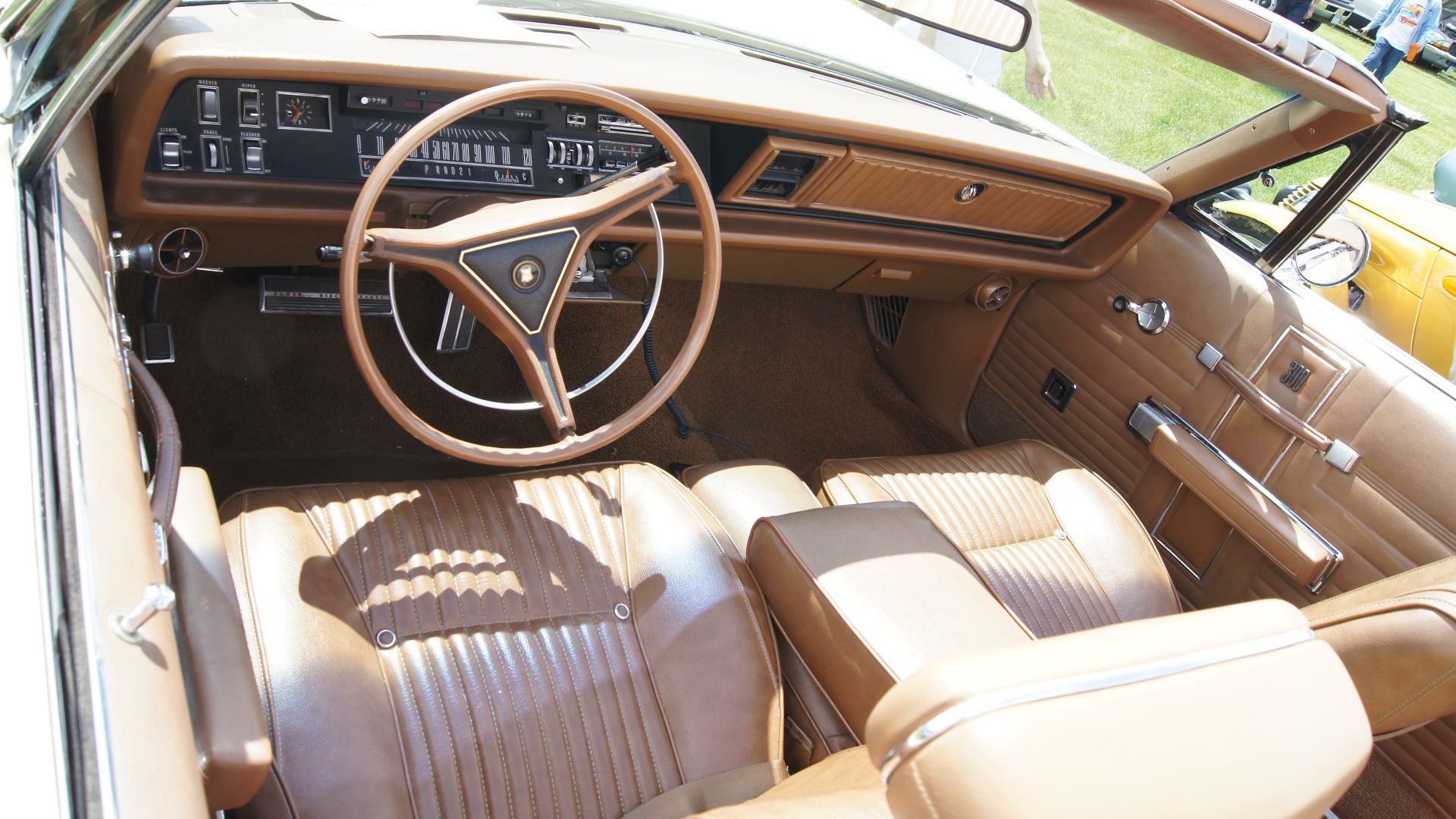
Extra Hardware Meant Extra Things To Maintain
A conventional bucket seat needs tracks, adjusters, and a secure mounting structure. A swivel bucket adds rotating hardware, locking components, and additional moving parts. After decades of use, worn or seized mechanisms can become restoration headaches. Owners rebuilding these interiors may need to repair the original hardware rather than simply installing ordinary replacement seat tracks.
 Greg Gjerdingen from Willmar, USA, Wikimedia Commons
The Locking Mechanism Was Important
Factory swivel seats were designed to lock in their forward-facing position for driving. That distinction matters because an unsecured rotating seat could create obvious safety problems during sudden braking or a collision. A properly functioning latch was essential. Modern owners restoring these cars should treat the seat-locking mechanism as safety equipment, not merely a charming vintage accessory.
 Greg Gjerdingen from Willmar, USA, Wikimedia Commons
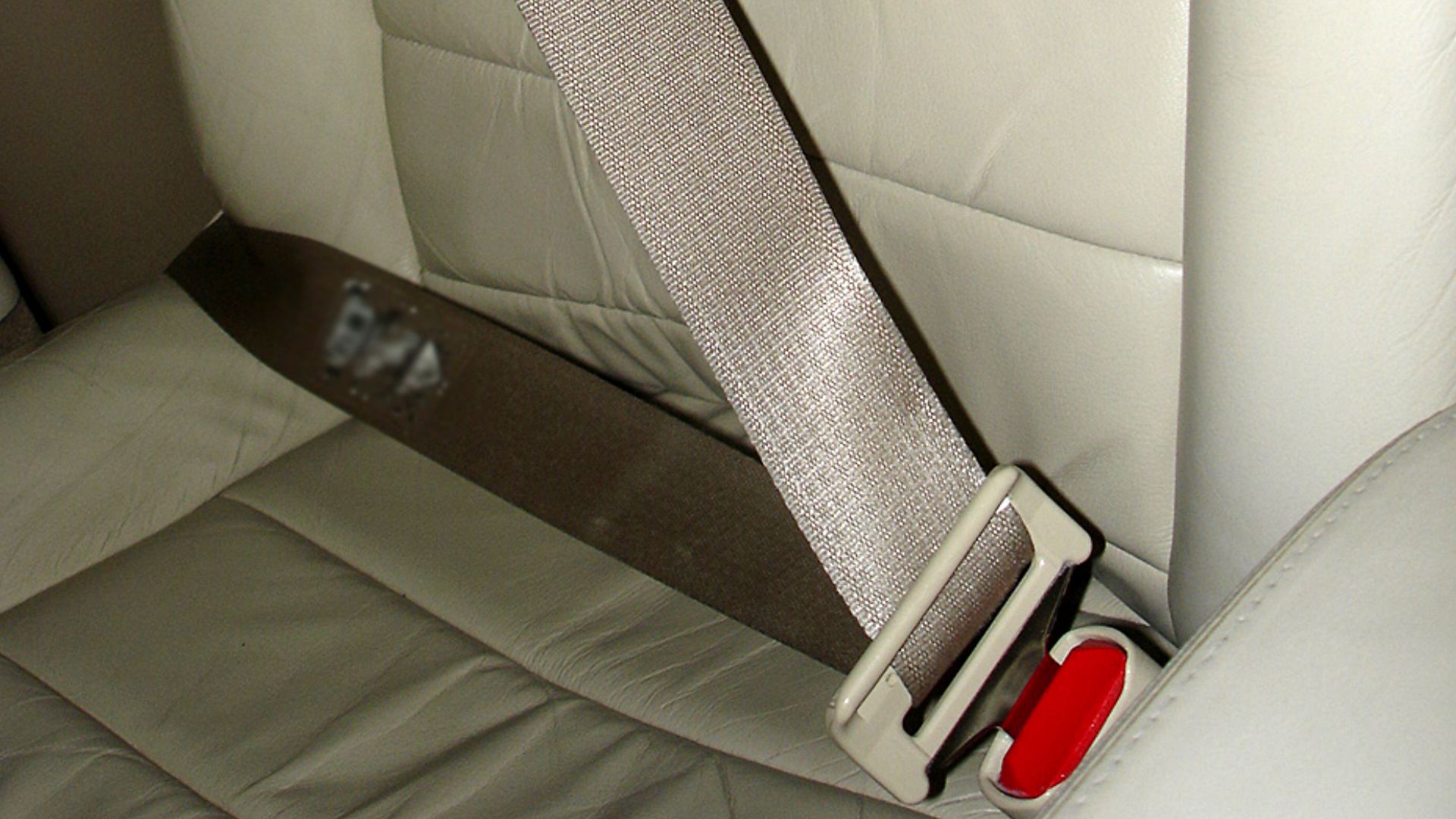
Seat Belts Were Part Of The Equation
GM's swivel-seat era overlapped with major changes in American seat-belt requirements. The rotating seats still needed to work with the vehicle's restraint system, and occupants were expected to face forward with the seats locked while driving. The feature wasn't intended for traveling sideways. It was an entry-and-exit convenience, not permission to turn the cabin into a moving conversation pit.
 User Gerdbrendel on en.wikipedia, Wikimedia Commons
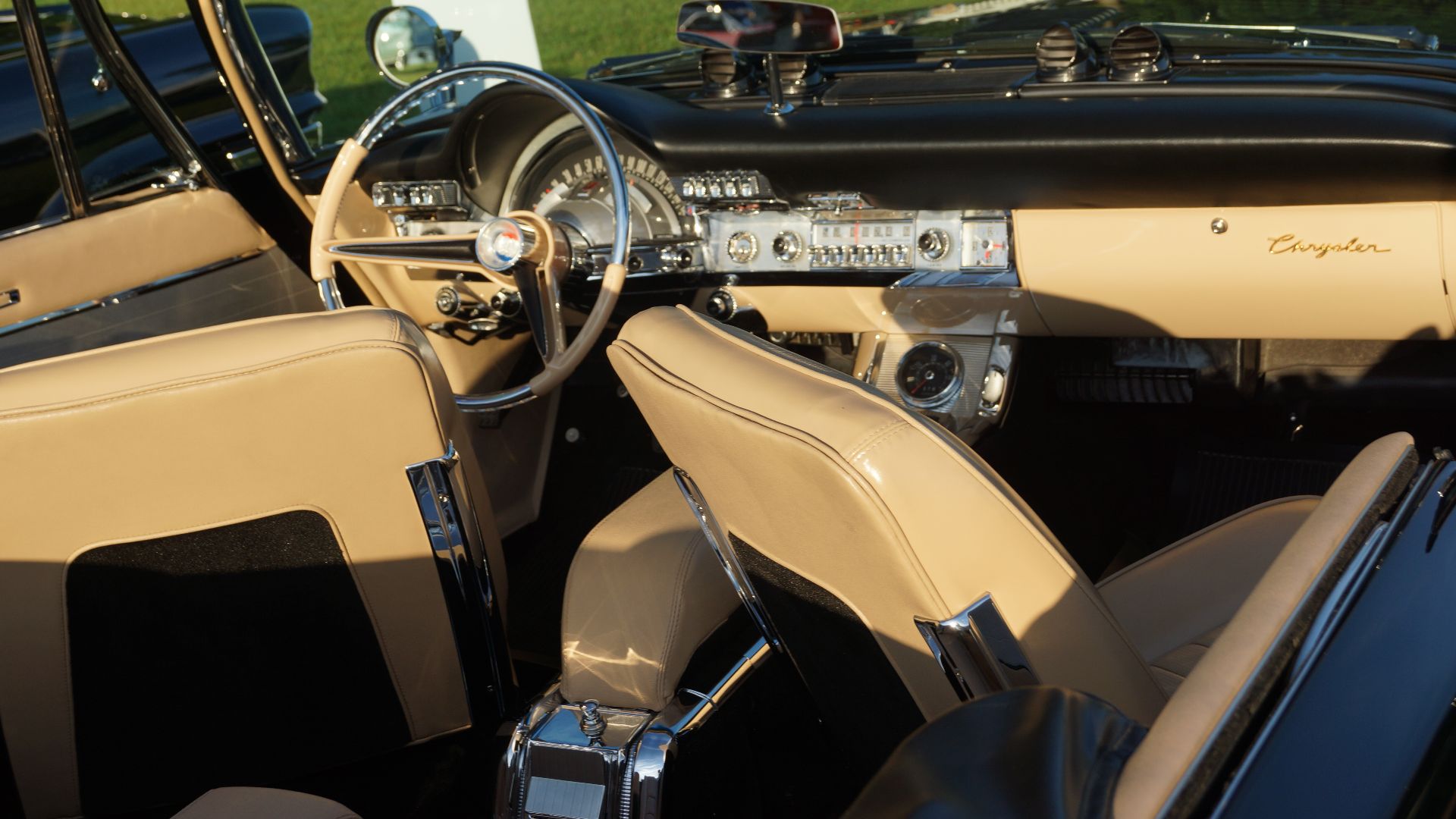
Chrysler's Earlier Automatic System Was Even Stranger
Remember Chrysler's original swivel seats? For 1960 and 1961, the company offered a mechanism that linked seat movement to door operation. Opening the door could swing the seat outward, while closing it helped return the seat to its normal position. It sounded wonderfully futuristic, although the cables and springs added complexity. GM's later system took a simpler, manually operated approach.
 Greg Gjerdingen, Wikimedia Commons
GM Kept Them Through The 1977 Model Year
GM's famous swivel buckets weren't a one-year experiment. The feature remained available on selected midsize models during the 1973–1977 generation. That's a surprisingly respectable run for such an unusual interior option. It also explains why enthusiasts can still find original swivel-seat cars today, particularly among surviving Monte Carlos, Chevelles, Cutlasses, and Grand Prix coupes.

The 1978 Downsizing Helped End The Party
For 1978, General Motors introduced smaller, redesigned midsize cars. The swivel bucket seats didn't return with the new generation. The more compact interiors, revised seating arrangements, and changing design priorities left the feature behind. There isn't one clearly documented reason explaining the decision, but the end of the old midsize platform also marked the end of GM's famous rotating buckets.

Collectors Still Hunt For Original Swivel Seats
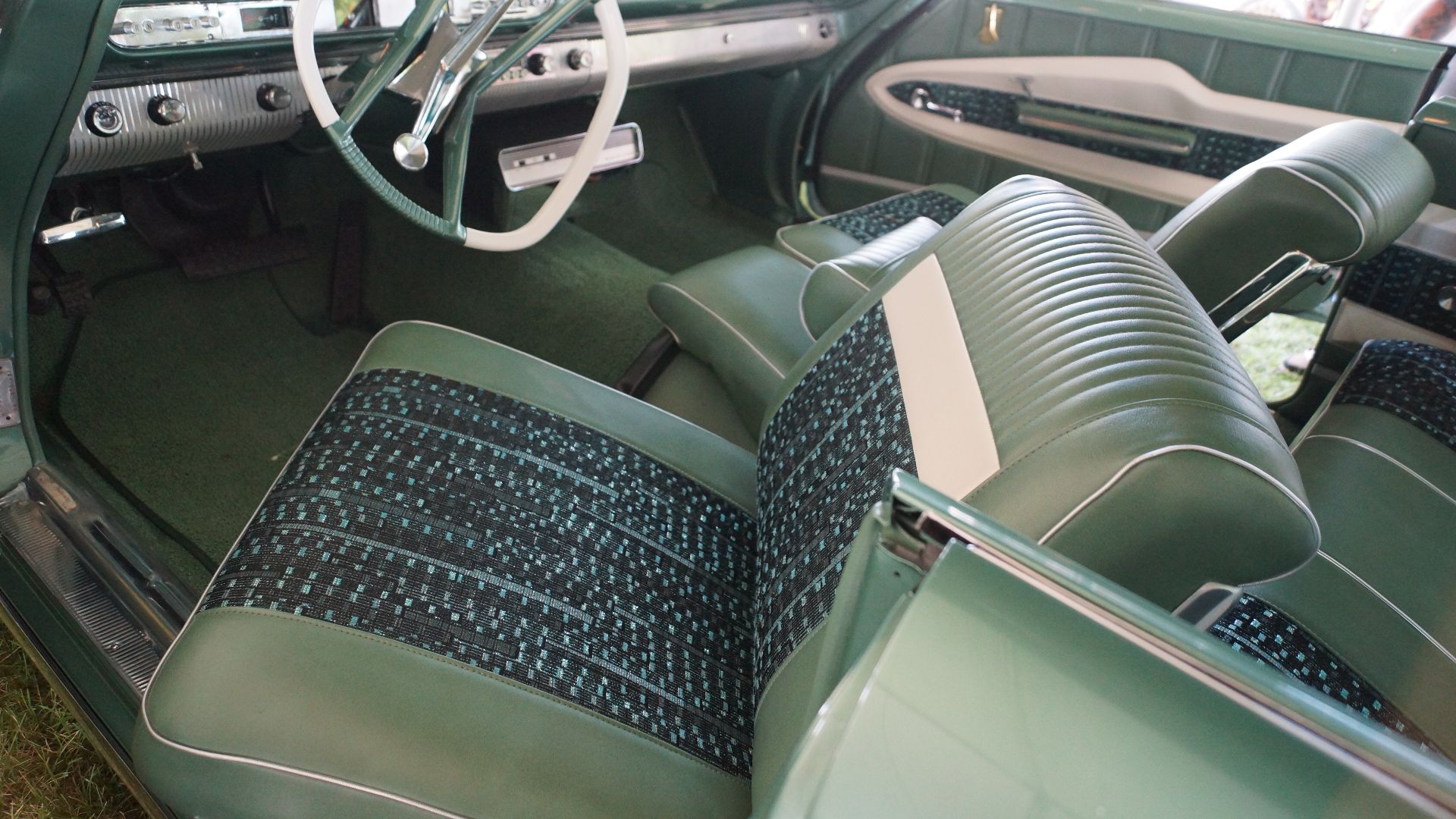
Today, factory swivel buckets are a memorable feature of 1973–1977 GM restorations. Enthusiasts look for original seat frames, swivel mechanisms, trim pieces, and upholstery when restoring period-correct interiors. Reproduction foam and other restoration components are available for certain applications. A surviving set can help distinguish an ordinary vintage coupe from one with a particularly interesting factory option.
 Greg Gjerdingen from Willmar, USA, Wikimedia Commons
They Remain One Of Detroit's Most Memorable Ideas
Modern cars offer heated steering wheels, power-adjustable seats, and enough electronics to run a small office. Yet few features have quite the personality of 1970s swivel buckets. They were clever, occasionally inconvenient, and undeniably memorable. Whether you loved them or thought they were ridiculous, they made ordinary cars feel a little more special. And isn't that exactly what a great nostalgic car feature should do?
 Greg Gjerdingen from Willmar, USA, Wikimedia Commons
You May Also Like: Studies Now Show That Advanced Driver-Assistance Systems (ADAS) May Be Doing More Harm Than Good