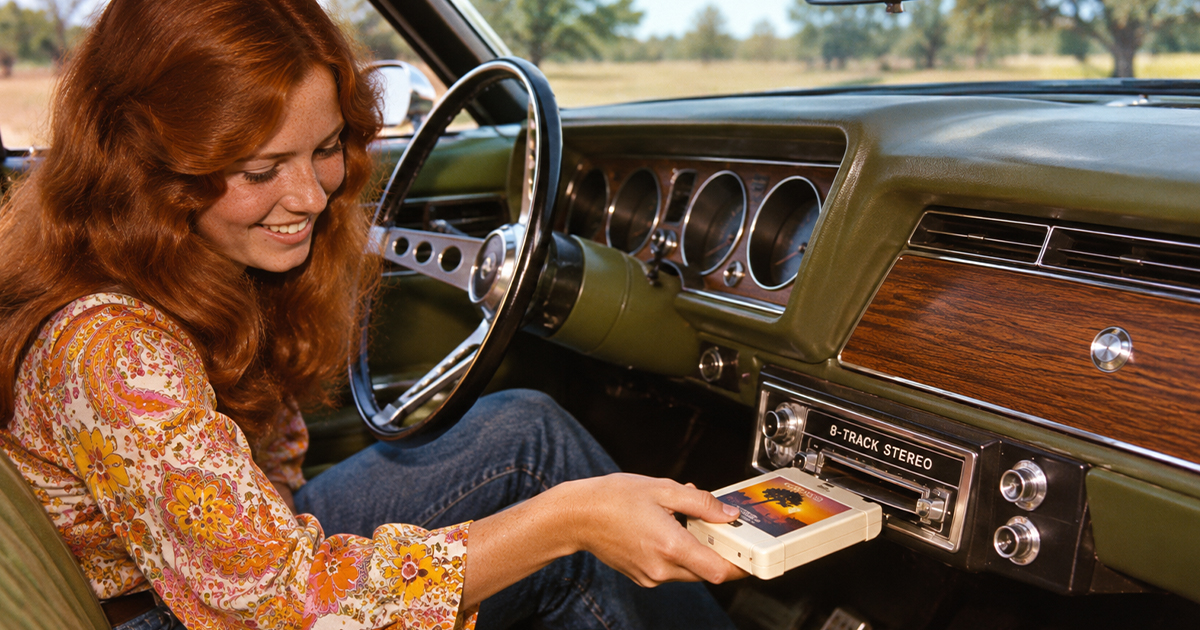
When Your Car Stereo Was Almost As Exciting As The Car Itself
Before Bluetooth, streaming, or even cassette decks became everyday equipment, there was the glorious eight-track player. In the 1960s and 1970s, having one installed in your new car meant you were serious about music, and you were willing to pay extra for the privilege. These chunky cartridges turned ordinary commutes into rolling concerts, even if your favorite song occasionally faded out at the worst possible moment. Remember the satisfying clunk of pushing one into the dashboard? Those were the days.
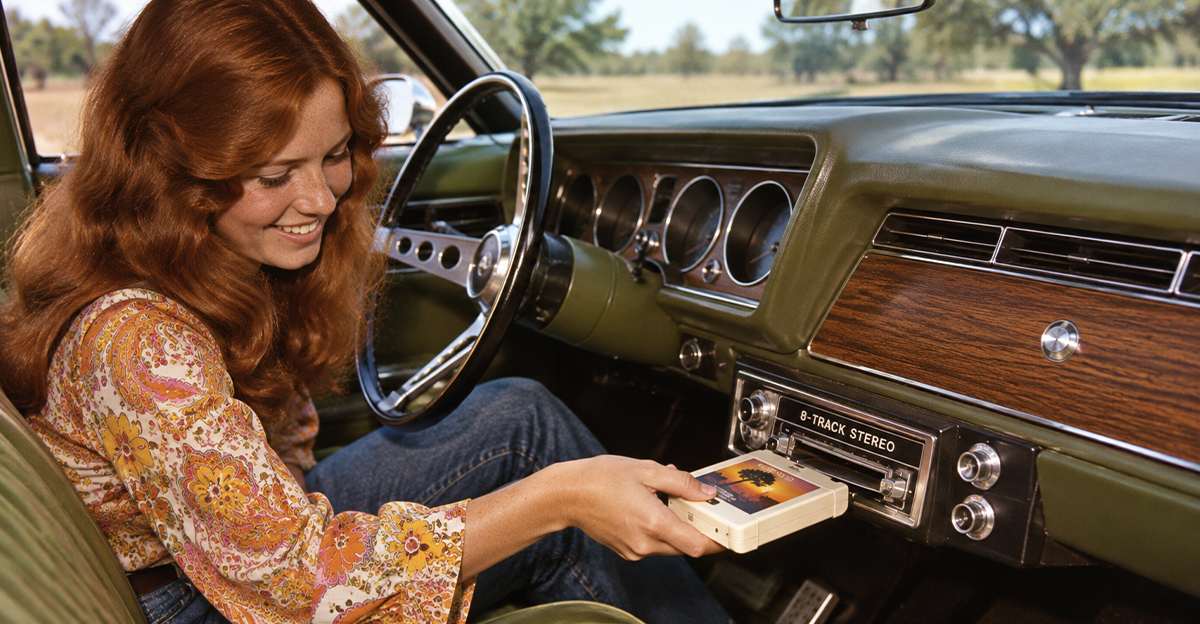
The Eight-Track Was Once A Luxury
Today, music playback is practically expected in every vehicle. But when factory eight-track players first appeared, they were premium equipment that could add a substantial amount to a car's sticker price. Buyers were already paying extra for automatic transmissions, air conditioning, and power steering. Spending even more to play their favorite albums on the road was a serious decision.
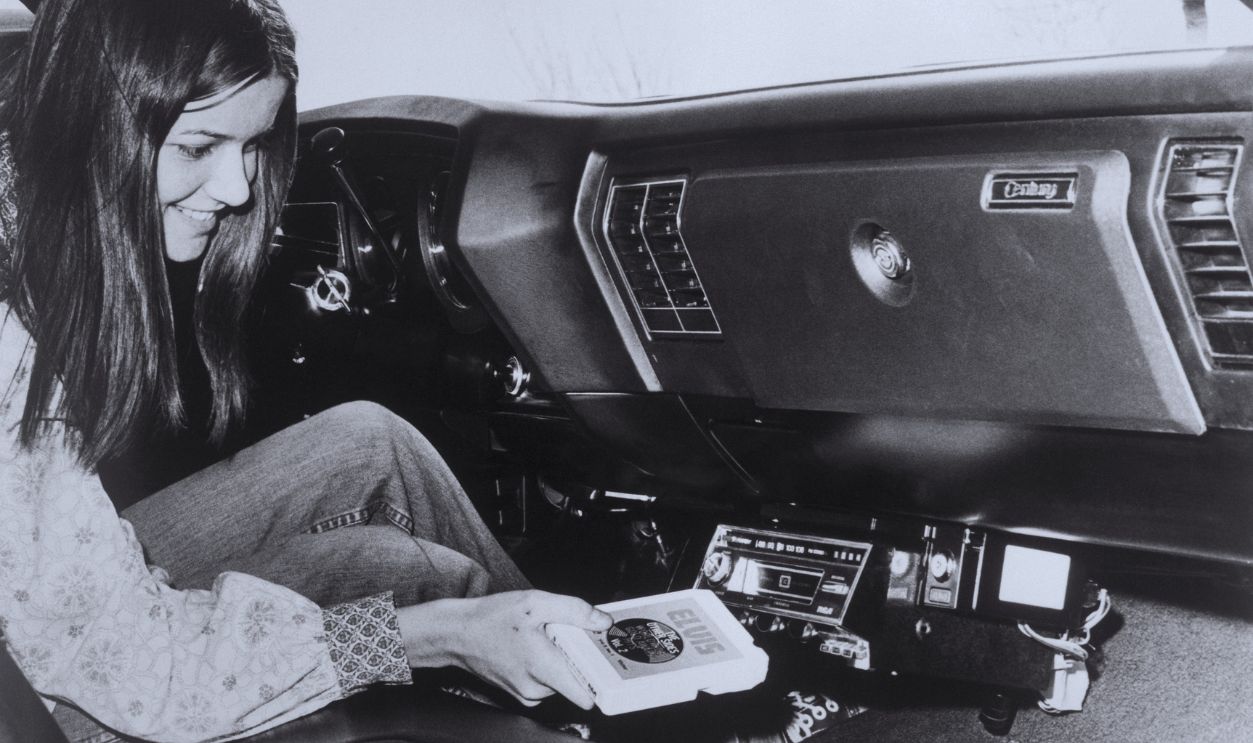
Ford Helped Bring Eight-Tracks Into American Cars
Ford was instrumental in making eight-track players a factory automotive option. For the 1966 model year, the company offered the Stereo-Sonic eight-track system on selected Ford and Mercury vehicles, with Lincoln also participating in the rollout. It was a major development because drivers could finally enjoy prerecorded stereo albums without relying on radio stations to play their favorite songs.
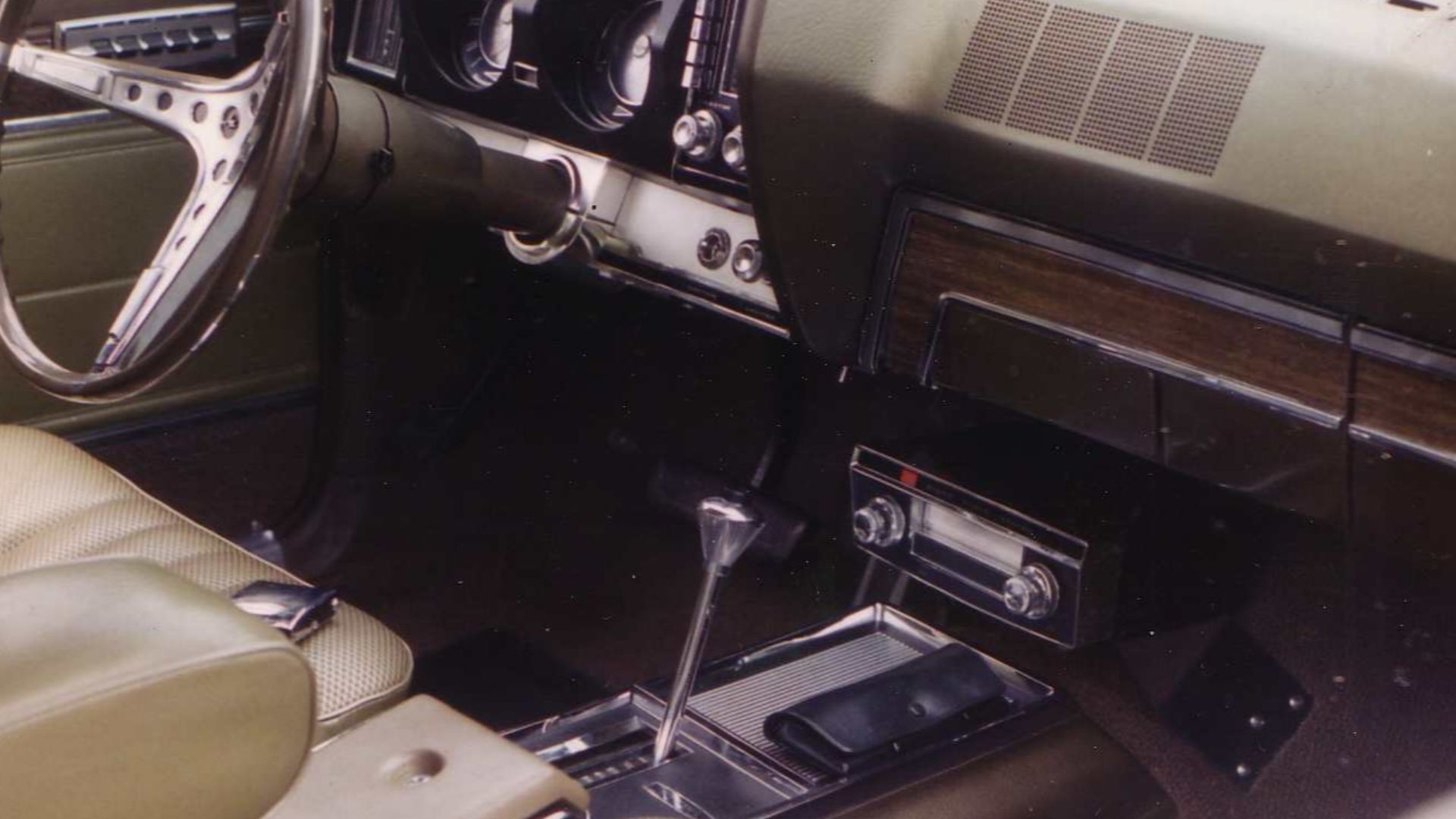
The Technology Had Some Famous Backers
The eight-track format emerged from a collaboration involving inventor Bill Lear, electronics companies, and music-industry partners. Lear, better known for the Learjet, helped develop and commercialize the Stereo 8 cartridge system during the 1960s. His goal was a practical, convenient music format that worked especially well in automobiles. It was a surprisingly influential contribution from a man associated with private aircraft.
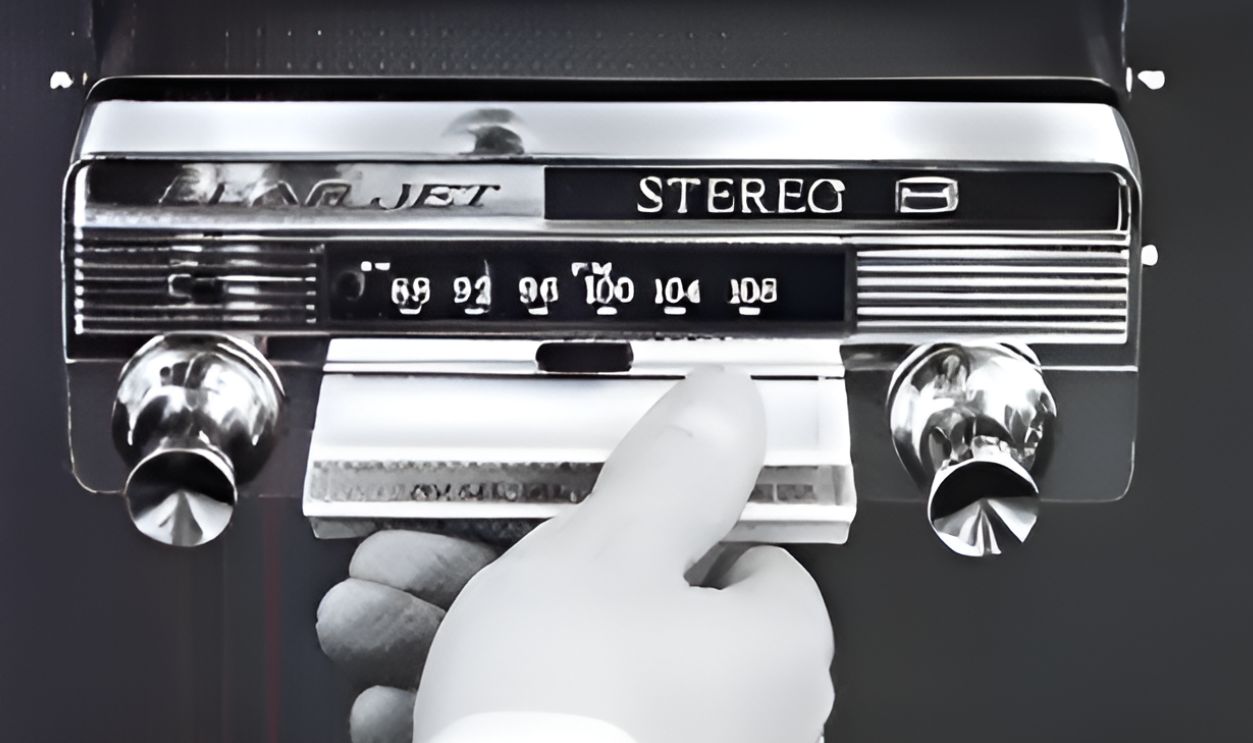 Lear Jet Corporation, Wikimedia Commons
The Price Could Make Buyers Think Twice
Factory eight-track equipment could cost well over $100 when introduced, depending on the manufacturer and package. Some mid-1960s Ford Stereo-Sonic installations were priced around $128, a significant expense at the time. For perspective, that was money a buyer could have put toward other desirable options. Yet for music lovers, the ability to choose their own soundtrack was worth the extra cash.
You Were Buying Freedom From The Radio
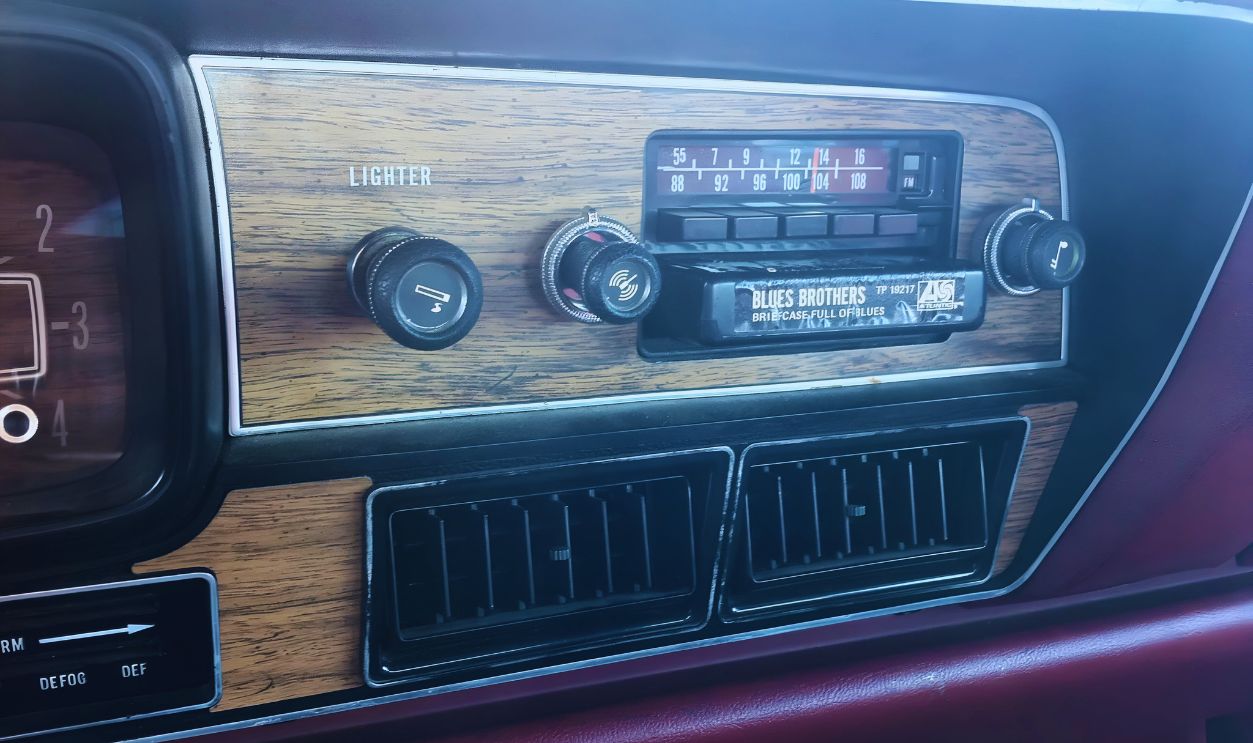
Before personal music players became common, drivers depended heavily on AM radio and whatever local stations happened to broadcast. An eight-track changed that relationship completely. You could listen to an entire album whenever you wanted, regardless of the radio schedule. Long road trips suddenly had their own soundtracks, and the driver finally had some control over the playlist.
The Cartridges Were Enormous
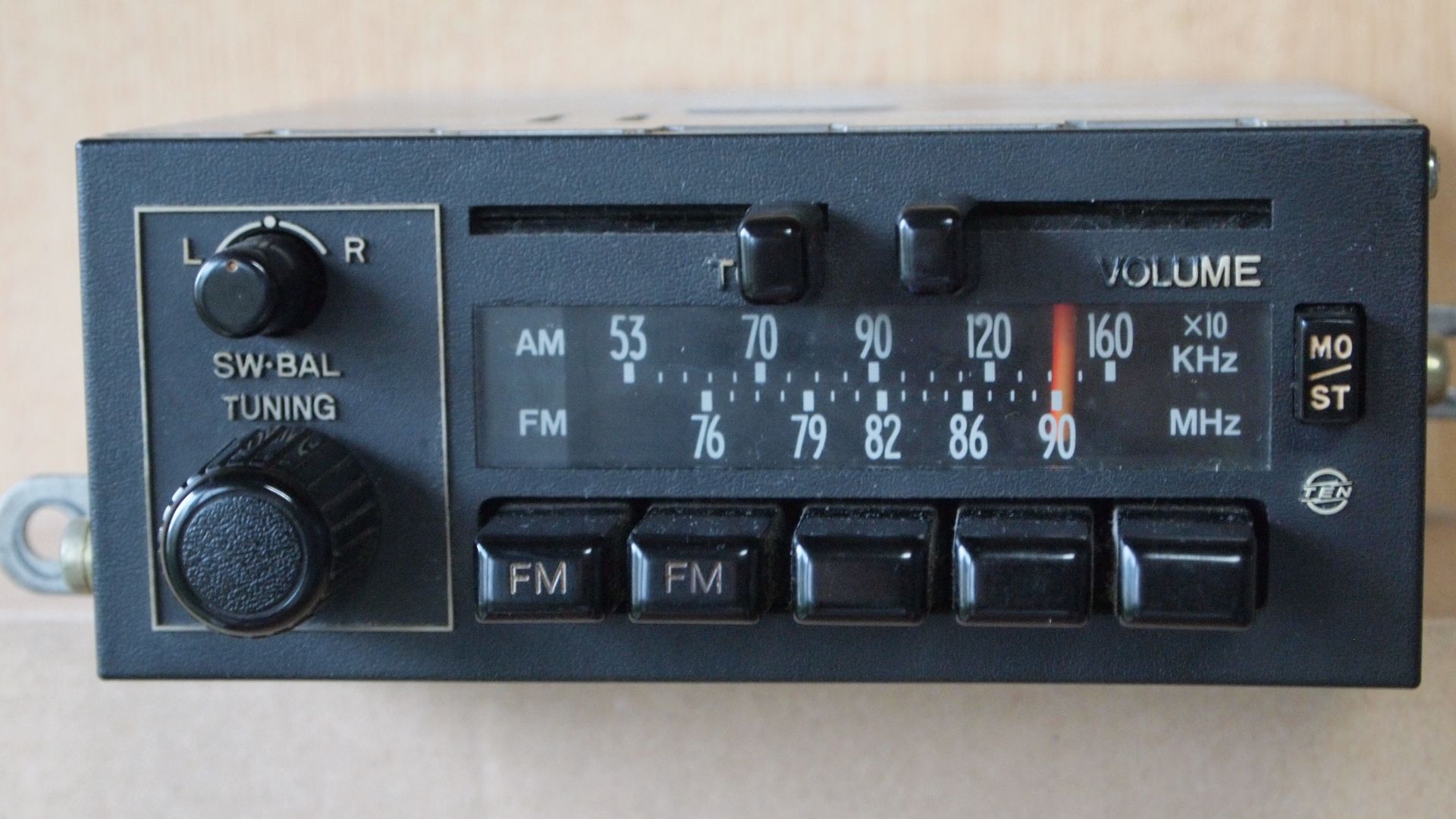
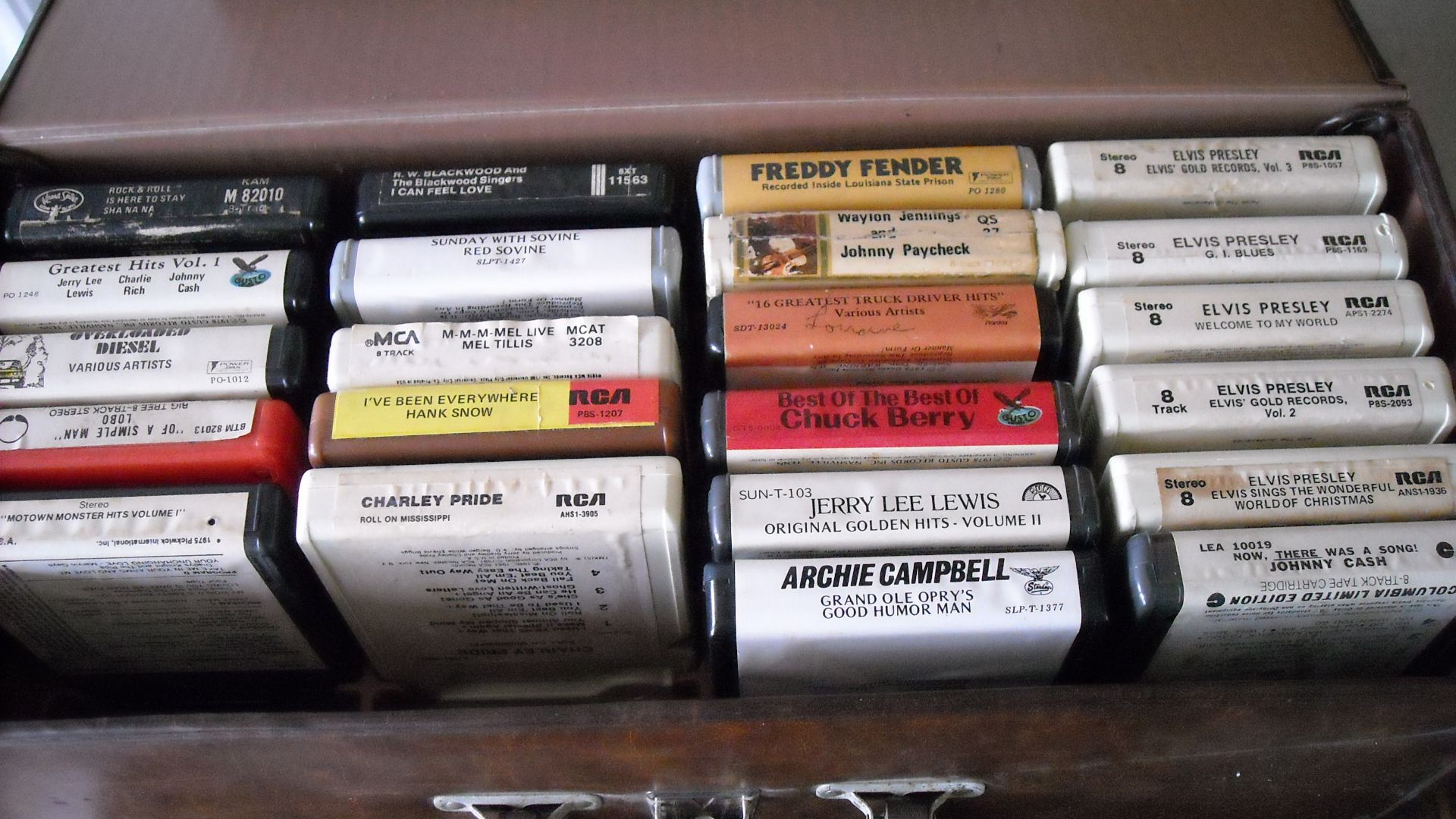
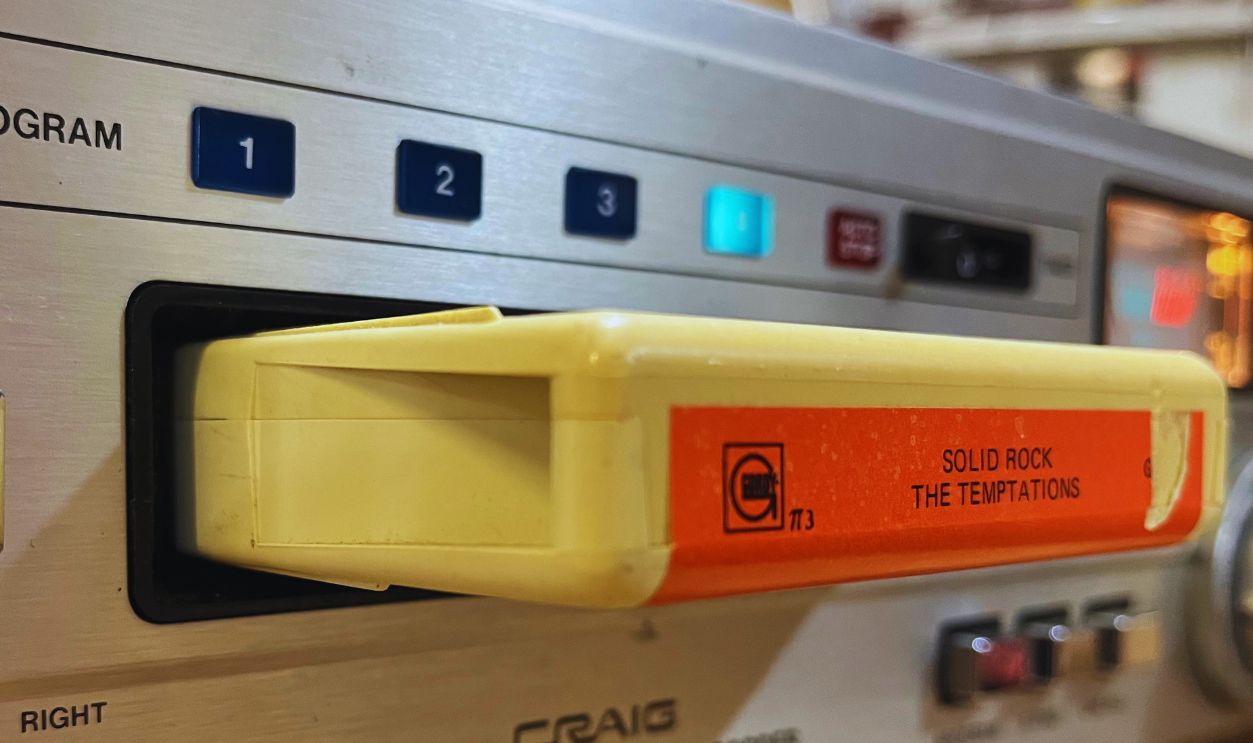
An eight-track cartridge was roughly the size of a small paperback book, making it considerably bulkier than the cassette tapes that eventually replaced it. A serious music collection could occupy an entire glove compartment or spill into the center console. Some owners bought dedicated carrying cases to keep their cartridges organized. Apparently, loving music meant sacrificing a surprising amount of interior storage space.
That Satisfying Clunk Was Part Of The Experience
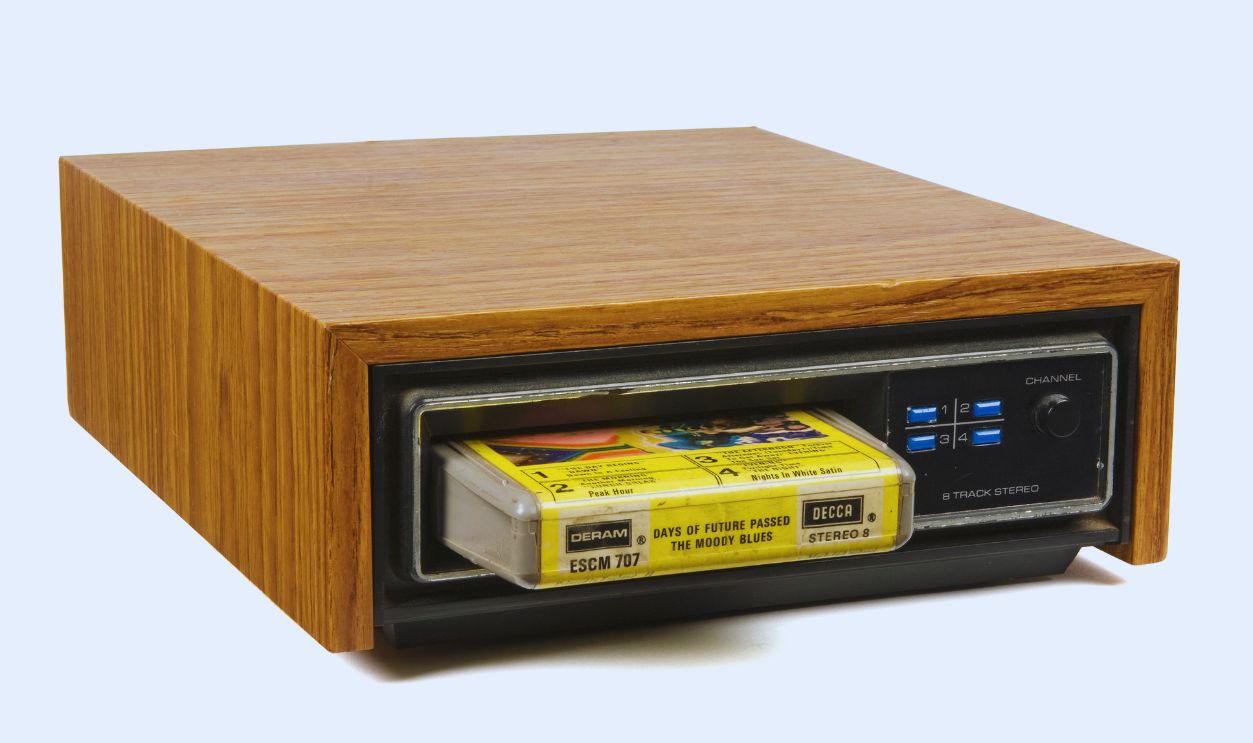
There was something wonderfully mechanical about inserting an eight-track cartridge. You pushed the plastic shell into the player until it engaged with a solid clunk, and the music started almost immediately. No scrolling through menus, no pairing devices, and certainly no software updates. If the cartridge worked, you were ready to go. If it didn't, things became considerably more interesting.
The Tape Played In An Endless Loop
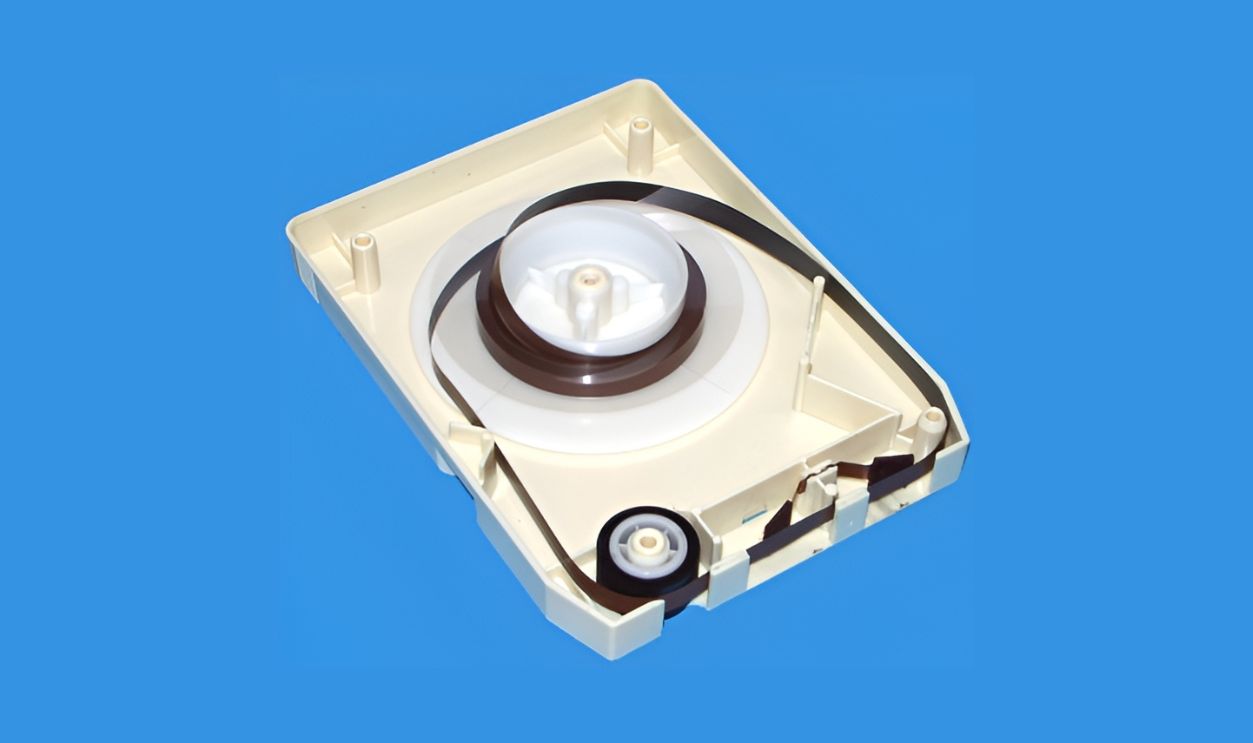
Unlike a cassette, an eight-track cartridge didn't need to be flipped over to play its other side. The magnetic tape formed a continuous loop inside the cartridge, allowing playback to repeat indefinitely. Once the final program finished, the system returned to the beginning. This was perfect for drivers who wanted uninterrupted music, although passengers might eventually beg for a different album.
Eight Tracks Didn't Mean Eight Songs
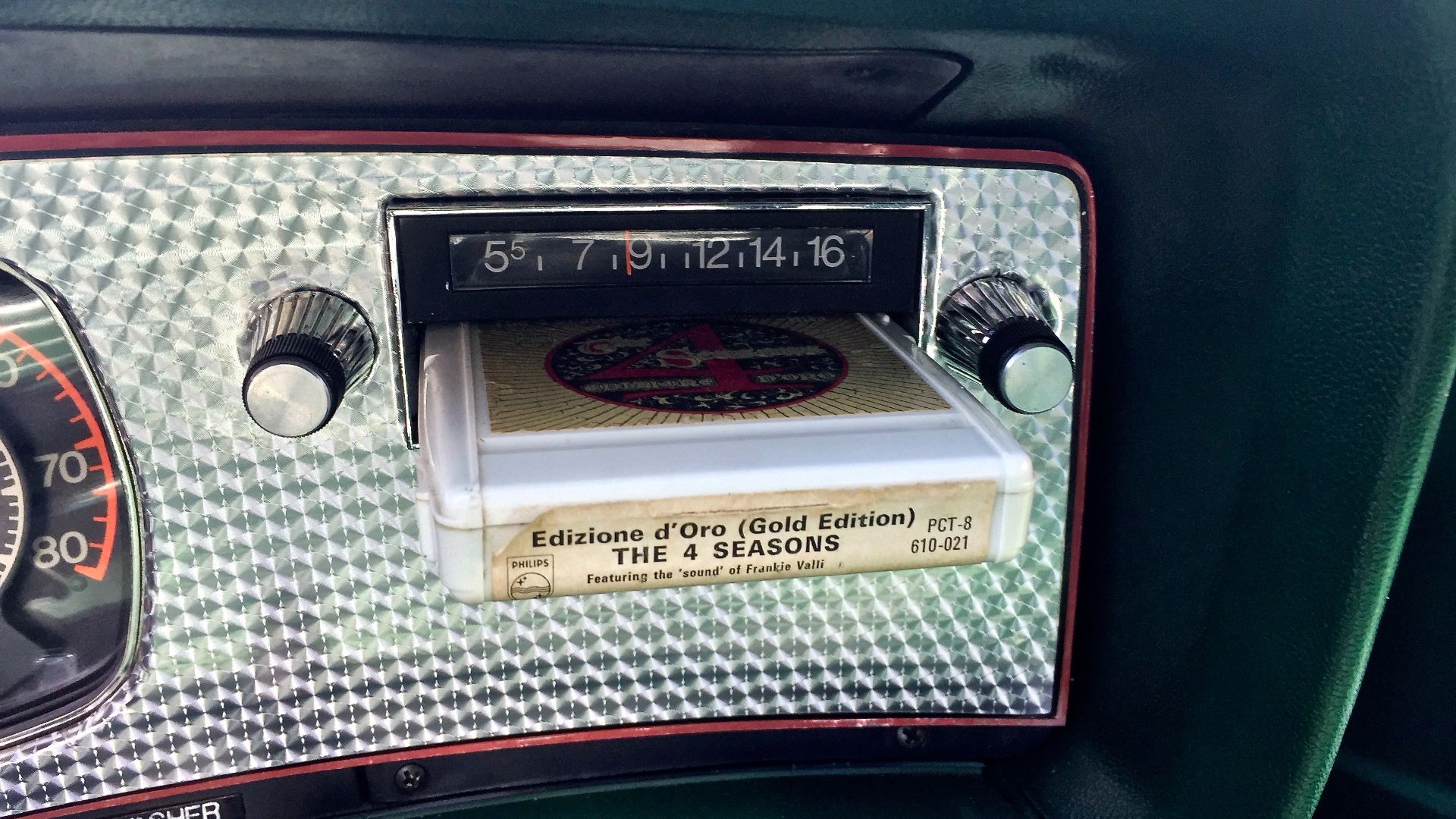
Despite its name, an eight-track cartridge didn't contain eight separate songs or eight independent programs. The tape had eight parallel tracks arranged into four stereo programs, each using two tracks. The player switched between those programs as the tape moved. That arrangement made continuous playback possible, but it also created one of the format's most notorious annoyances.
The Famous Click Could Interrupt Your Favorite Song
Every eight-track owner remembers that unmistakable click when the player switched programs. Unfortunately, it didn't always happen between songs. Sometimes the music faded out halfway through a guitar solo, the mechanism clicked, and the song resumed on the next program. Record companies occasionally had to divide tracks awkwardly to fit the cartridge's four-program arrangement. It was annoying, but somehow everyone got used to it.
You Couldn't Easily Skip To Your Favorite Song
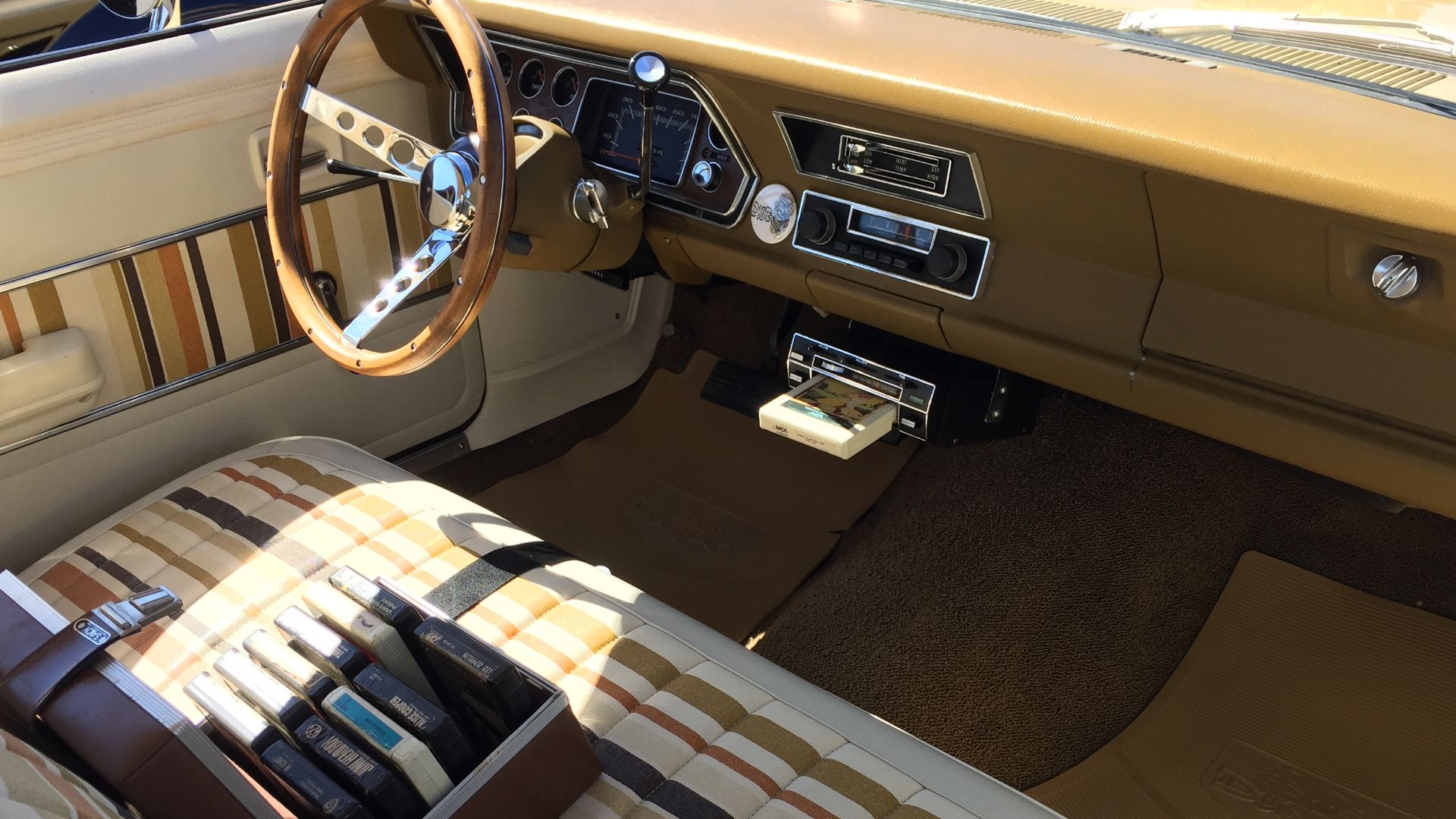
Modern drivers can select virtually any song in seconds. Eight-track owners weren't so lucky. Most players allowed you to switch between the four programs, but you couldn't instantly jump to a particular song within one. Some machines offered fast-forward, although rewind generally wasn't practical with the endless-loop design. If your favorite track had just passed, you might have quite a wait.
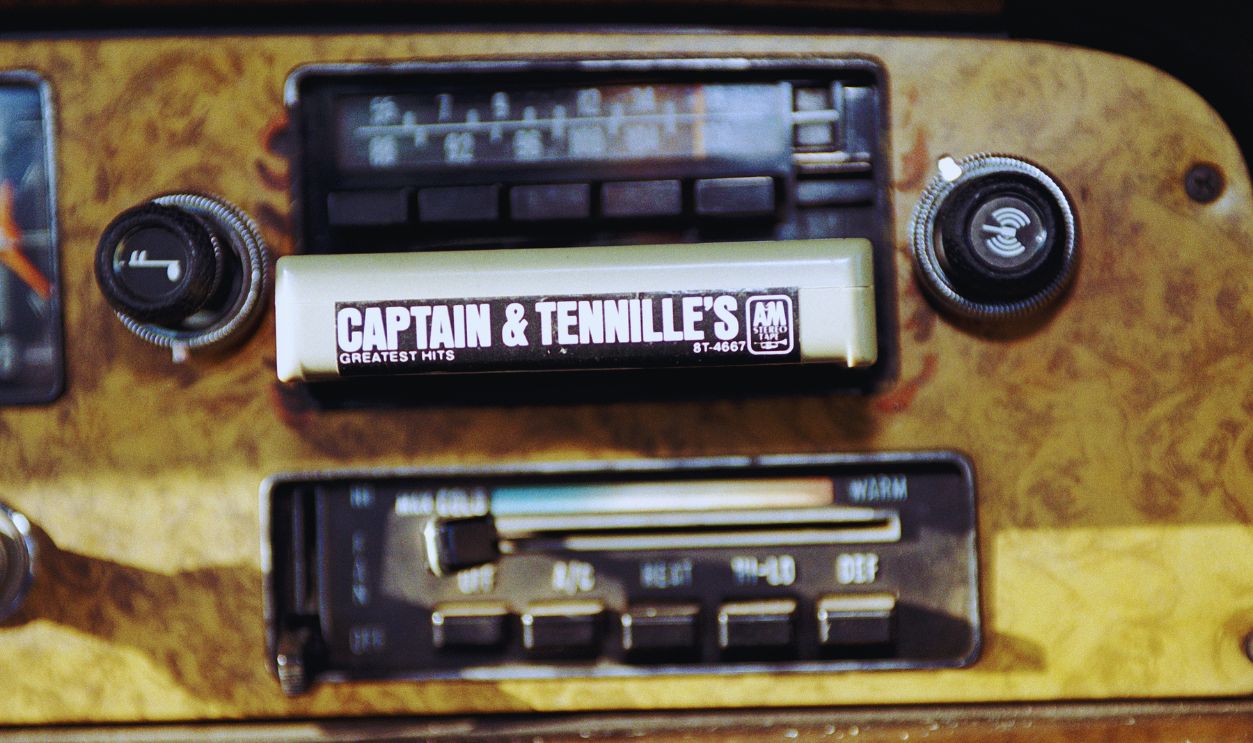
Some Players Had A Program Button
The program selector was one of the most important controls on an eight-track player. Pressing it moved the playback head to another pair of tracks, usually accompanied by a mechanical click. Small indicator lights or numbers showed which program was playing. It was a remarkably simple interface, although choosing Program 3 didn't necessarily mean hearing the third song.
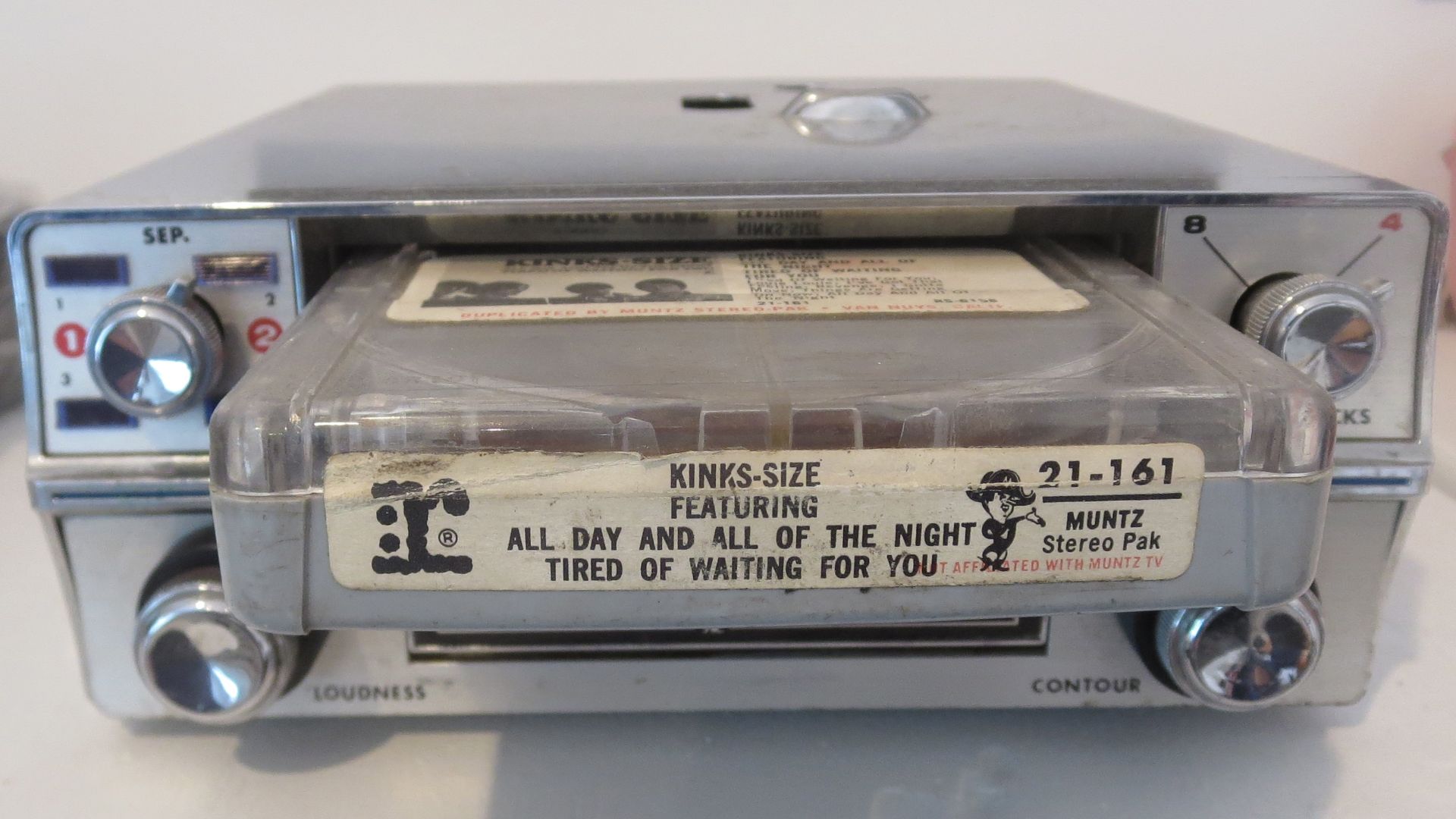 Leonard Nevarez, Wikimedia Commons
A Mustang With An Eight-Track Was Something Special
The 1966 Ford Mustang was among the vehicles available with Ford's Stereo-Sonic system. Picture a young driver cruising in a Mustang with a favorite album playing through the speakers. It was a very different experience from listening to ordinary AM radio. The combination of sporty styling and personal music helped make the eight-track a desirable accessory for younger buyers.
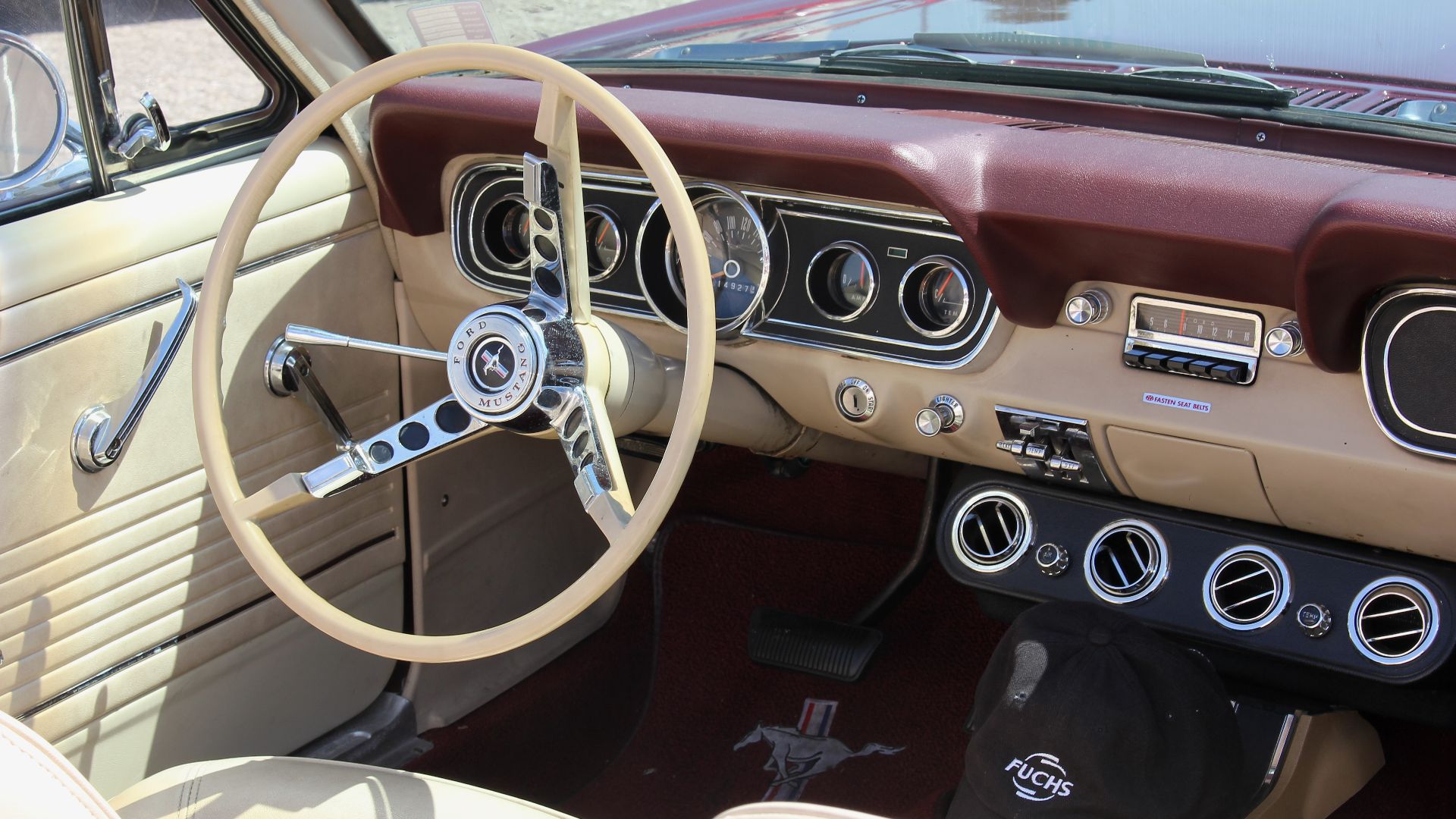 Lothar Spurzem, Wikimedia Commons
The Thunderbird Was Made For This Kind Of Luxury
Ford's Thunderbird was another natural home for the eight-track player. Already marketed as a personal-luxury automobile, the Thunderbird offered buyers a comfortable interior and plenty of optional equipment. A factory stereo tape player added another touch of sophistication. On a long highway journey, having your favorite music available whenever you wanted made the car feel genuinely modern.
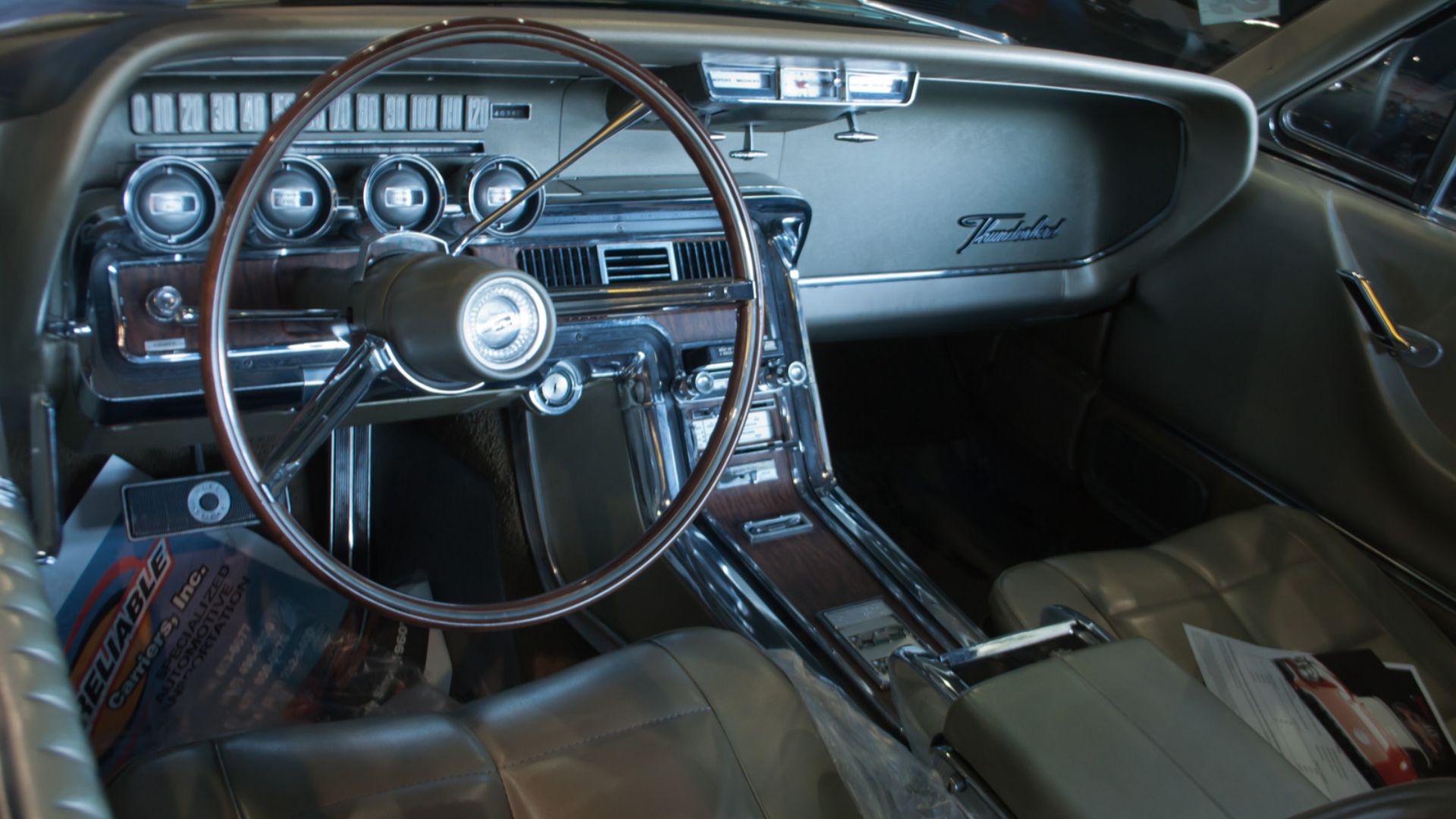 skinnylawyer from Los Angeles, California, USA, Wikimedia Commons
Other Automakers Quickly Joined The Party
Ford didn't enjoy the eight-track advantage for long. By the late 1960s, Chrysler and General Motors were offering their own factory tape-player options. What had started as an unusual feature became a recognizable part of American automotive culture. Depending on the model and year, buyers could order tape systems in everything from sporty coupes to luxurious full-size cars.
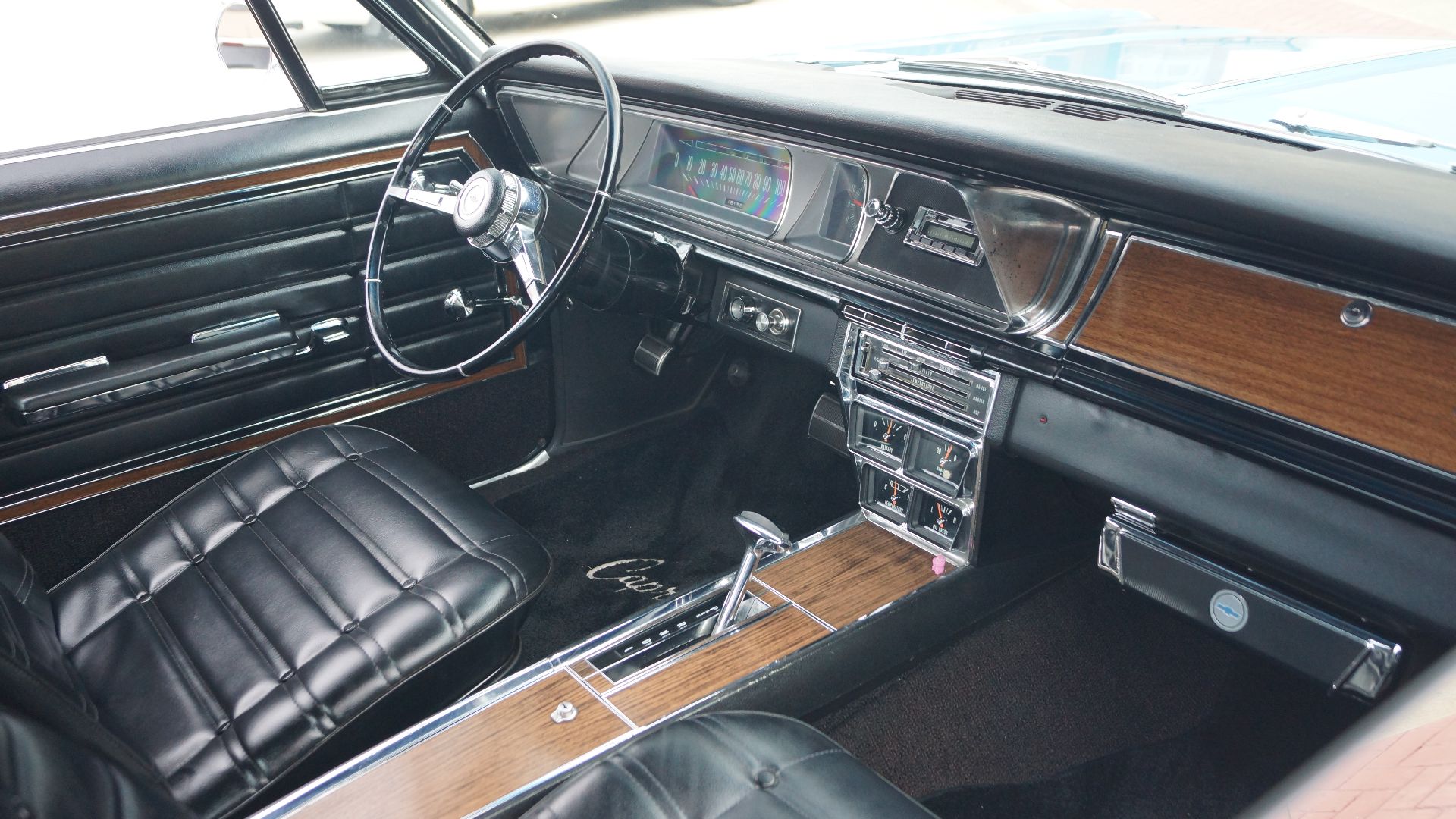 Greg Gjerdingen from Willmar, USA, Wikimedia Commons
Aftermarket Players Opened The Door To Everyone
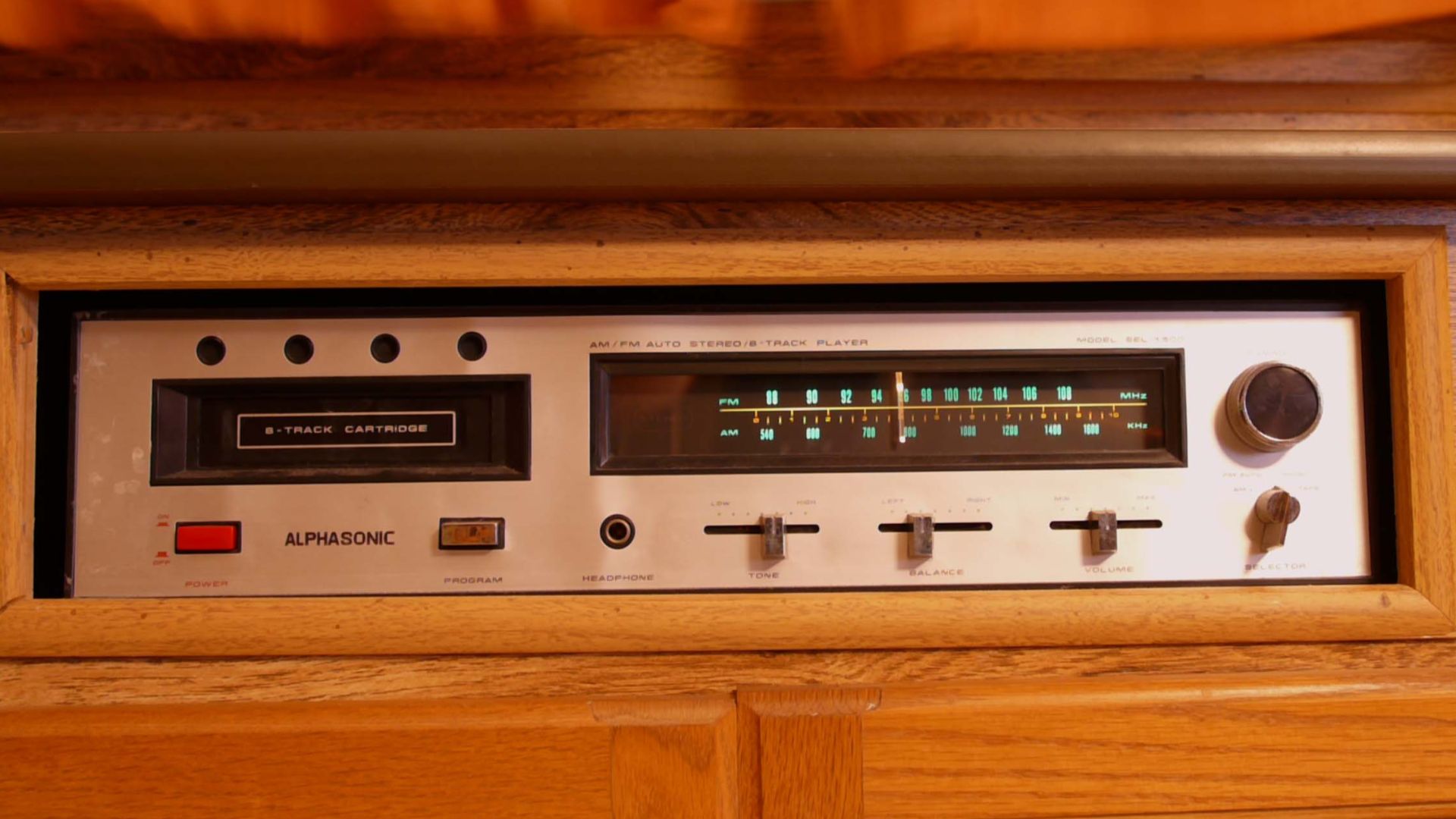
You didn't necessarily need to buy a new car to enjoy eight-track music. Aftermarket units became popular with drivers who wanted to upgrade older vehicles. Many were mounted beneath the dashboard, where the cartridge stuck out prominently. Installation often involved brackets, wiring, and additional speakers. For teenagers with used cars, an aftermarket eight-track could be a prized investment.
Under-Dash Players Had Their Own Personality
Not every eight-track player was neatly integrated into the factory dashboard. Aftermarket models frequently hung beneath it in a separate metal housing. Some featured chrome trim, large buttons, and illuminated program indicators. They could look wonderfully out of place in an older car, but that was part of the appeal. Your vehicle might have been secondhand, but your stereo was cutting-edge.
The Car Stereo Became A Status Symbol
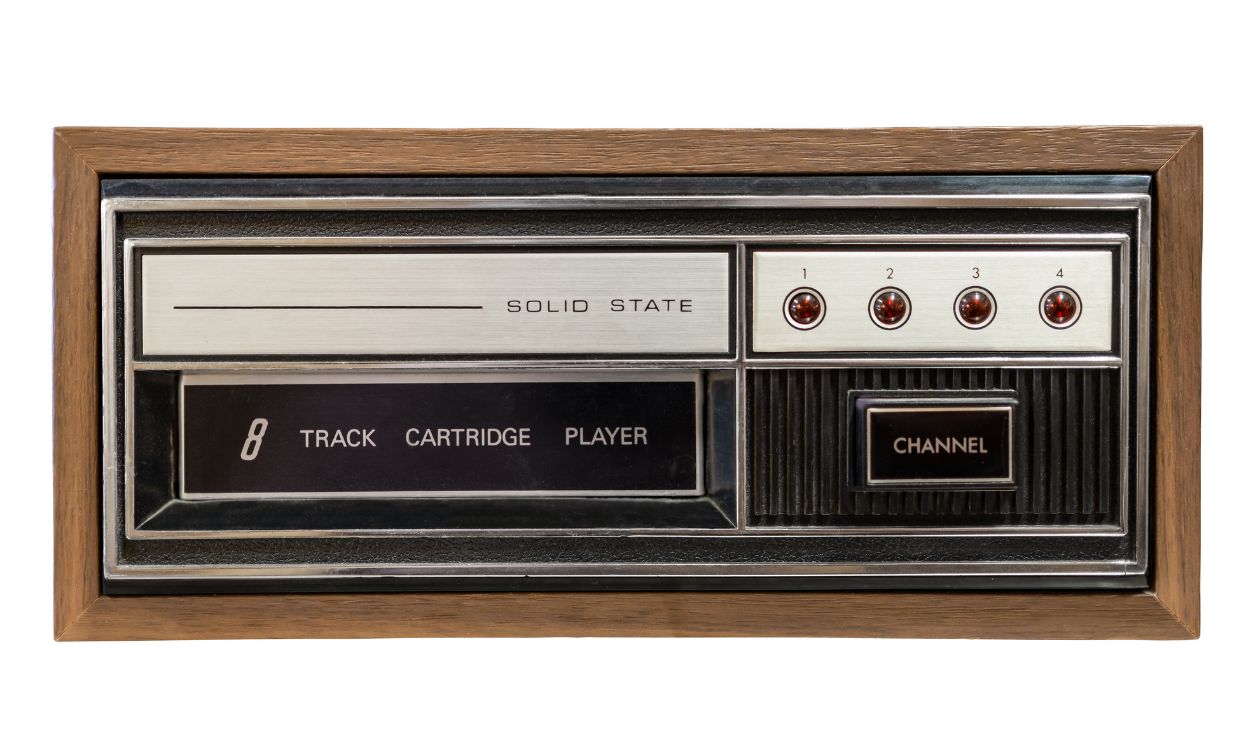
In the late 1960s and early 1970s, an eight-track player could say something about its owner's priorities. Some people spent extra money on wheels, upholstery, or engine upgrades. Others wanted better music. A factory stereo system suggested that the driver appreciated comfort and entertainment. It was an early version of today's premium audio packages, just with considerably more plastic cartridges.
Stereo Sound Made A Big Difference
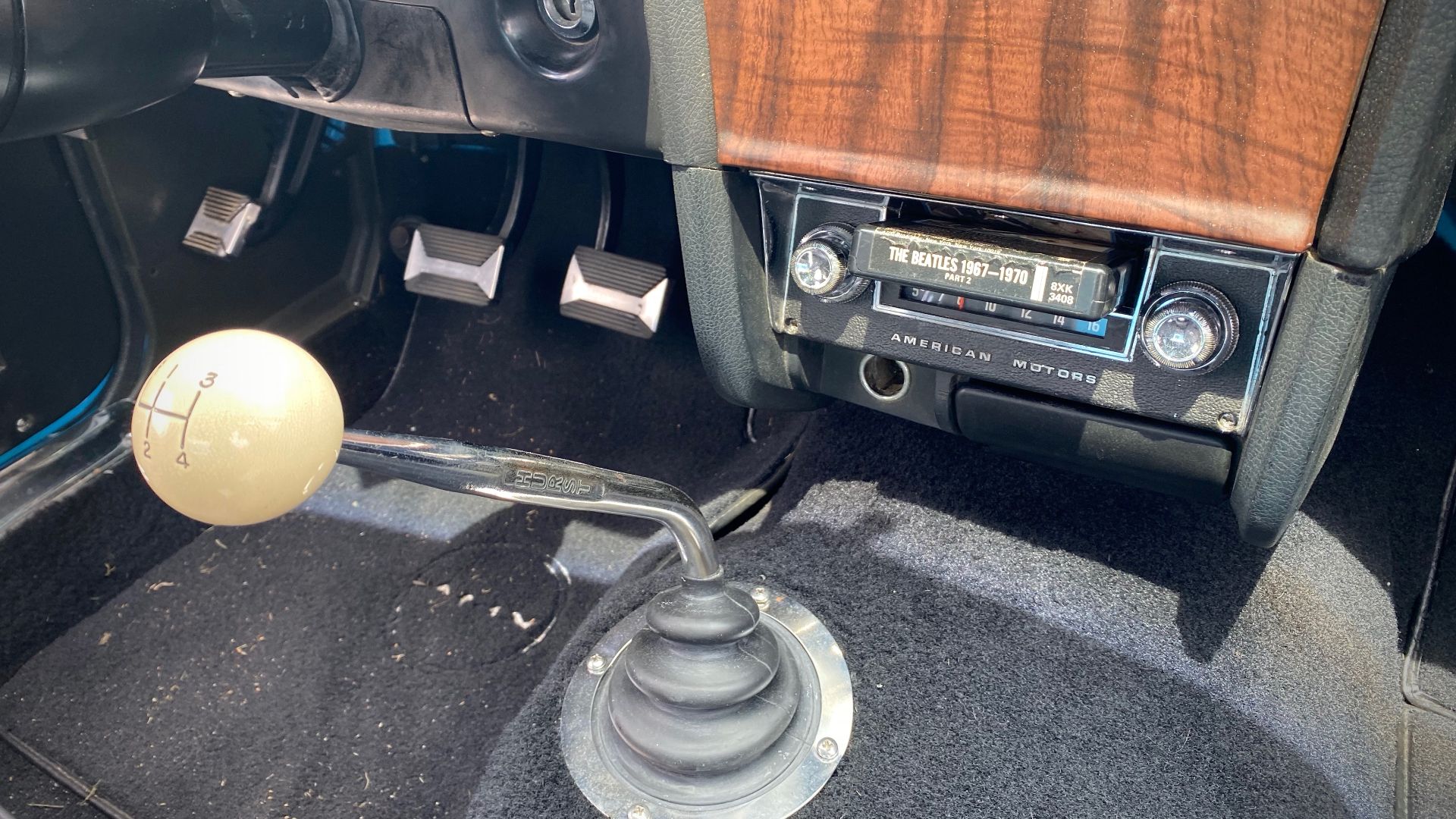
Many motorists had grown accustomed to relatively basic monaural car radios. Eight-track systems helped popularize stereo listening inside vehicles, using separate left and right audio channels. With the right speaker arrangement, music could sound fuller and more spacious. It wasn't necessarily high-fidelity by modern standards, but hearing familiar recordings in stereo while driving was exciting.
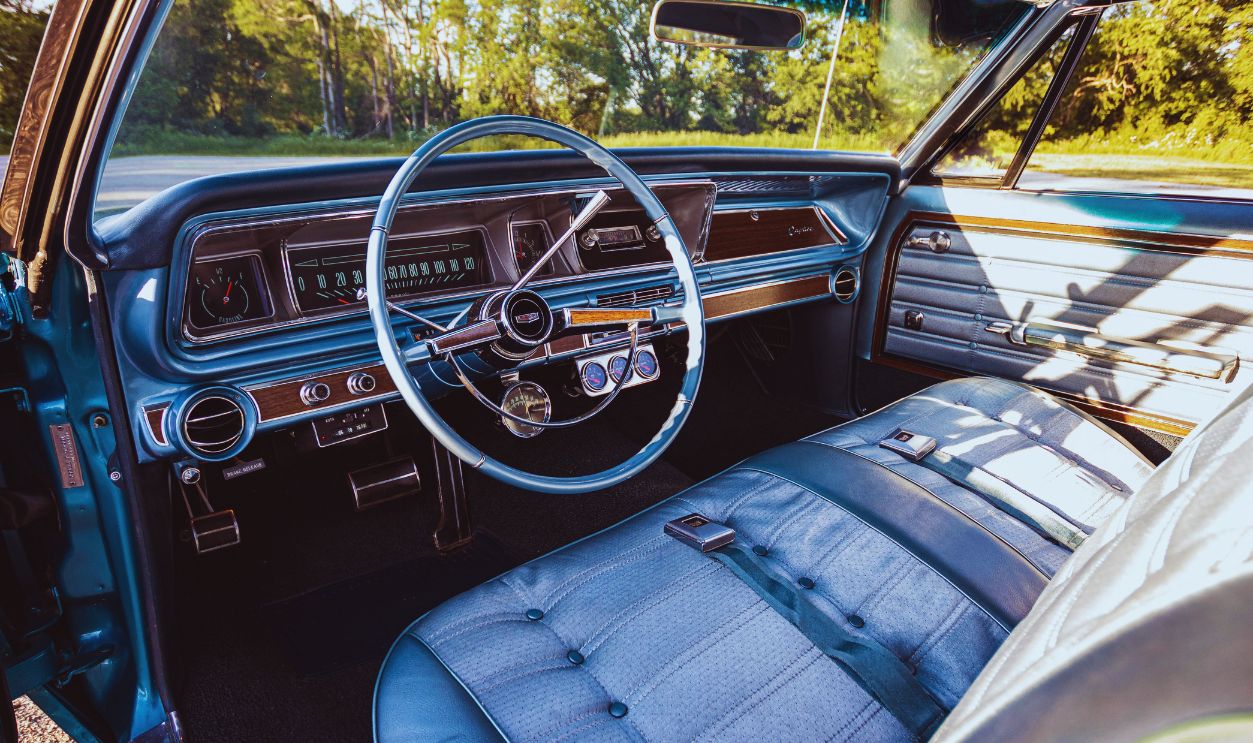
Rock Albums Became Road-Trip Essentials
The eight-track era overlapped with an extraordinary period in popular music. Albums by Led Zeppelin, Fleetwood Mac, the Eagles, and Pink Floyd became natural companions for highway driving. Instead of hoping a DJ would play a favorite track, motorists could bring entire albums along. Of course, the cartridge's program divisions sometimes interrupted the carefully planned flow of the original record.
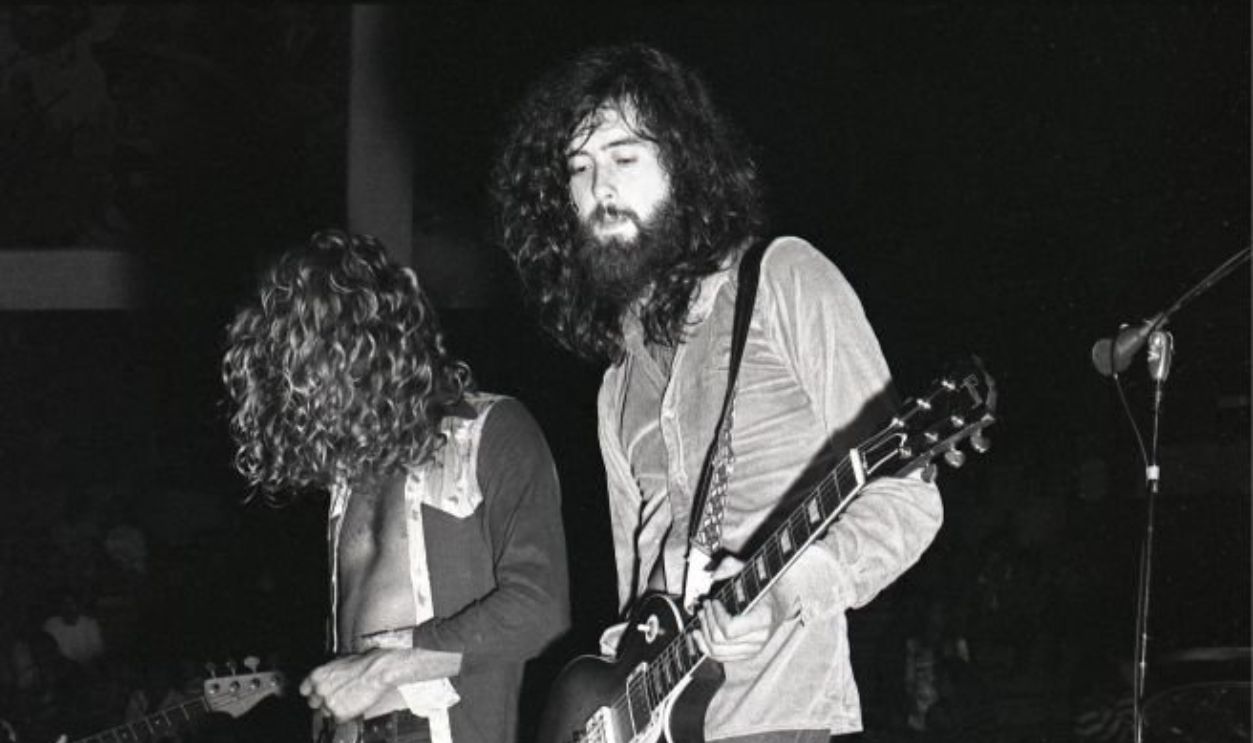 Robert Knight Archive, Getty Images
Country Music Found A Perfect Home On Eight-Track
Eight-track players weren't just for rock fans. Country music became closely associated with the format, particularly among truck drivers and motorists spending long hours on the highway. Recordings by Johnny Cash, Merle Haggard, Dolly Parton, and Willie Nelson were well suited to life on the road. A favorite country cartridge could make hundreds of miles feel considerably shorter.
 Heinrich Klaffs, Wikimedia Commons
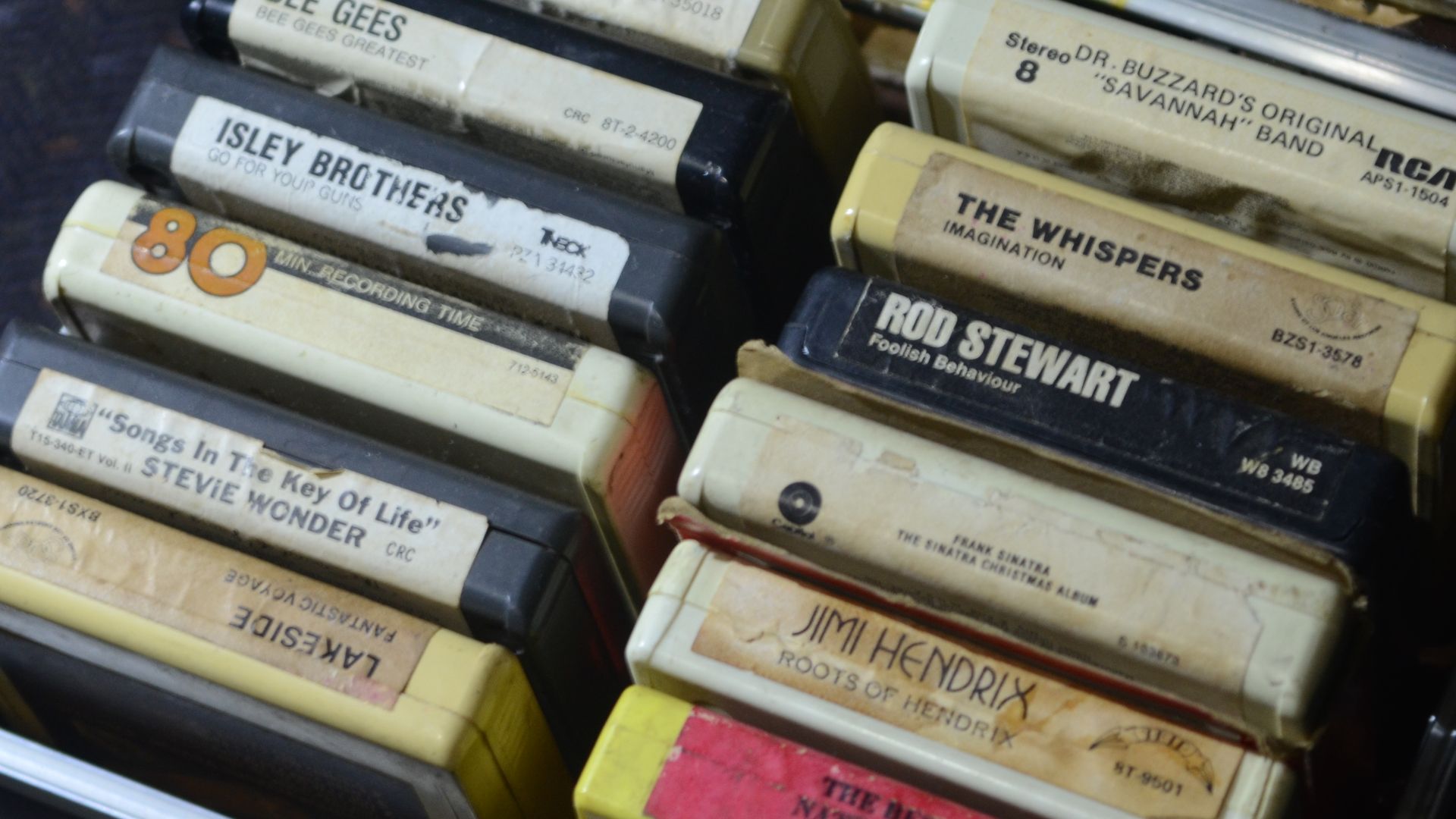
The Glove Compartment Became A Record Collection
Once drivers started buying eight-tracks, they needed somewhere to store them. Glove compartments, door pockets, and center consoles quickly filled with bulky cartridges. Dedicated storage cases became popular, especially among people who owned dozens of albums. Finding the right tape could involve rummaging through an impressive collection of plastic shells while a passenger complained about the music selection.
 Goose Green Photography, Wikimedia Commons
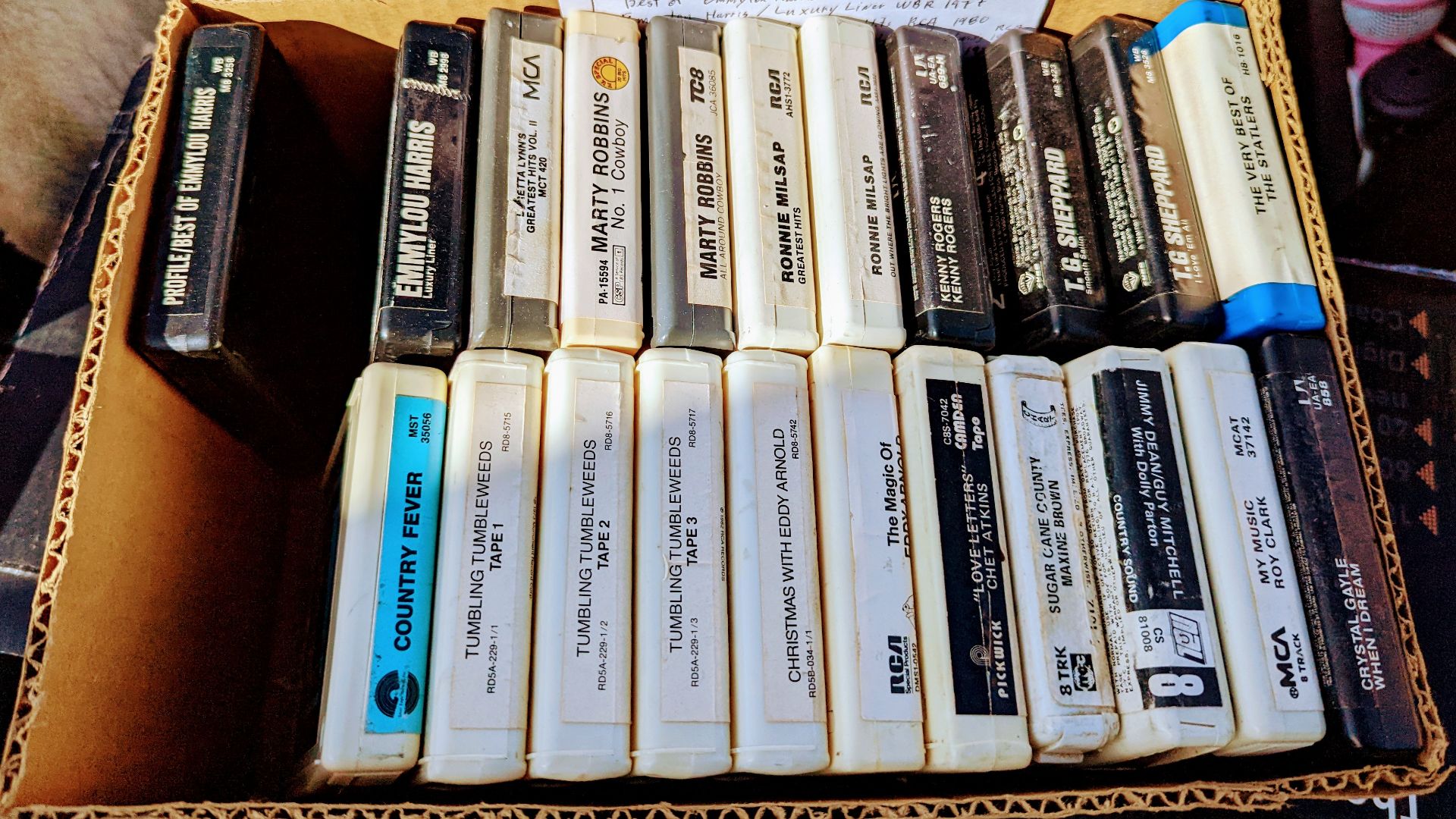
Some People Had Entire Cases Full Of Them
Eight-track carrying cases were practically accessories in their own right. Many featured imitation leather, handles, and individual compartments for cartridges. Owners could bring a substantial music collection into the car without leaving tapes scattered across the seats. The cases were especially useful for long trips, although choosing which albums to pack could become a surprisingly serious decision.
Summer Heat Was An Eight-Track's Worst Enemy
Leaving cartridges inside a parked car during summer could cause serious problems. High temperatures could damage the tape, deform plastic components, and accelerate deterioration of the internal pressure pads and rollers. The result might be distorted playback or a cartridge that refused to work properly. Owners learned that a favorite album left baking on the dashboard might never sound quite the same.
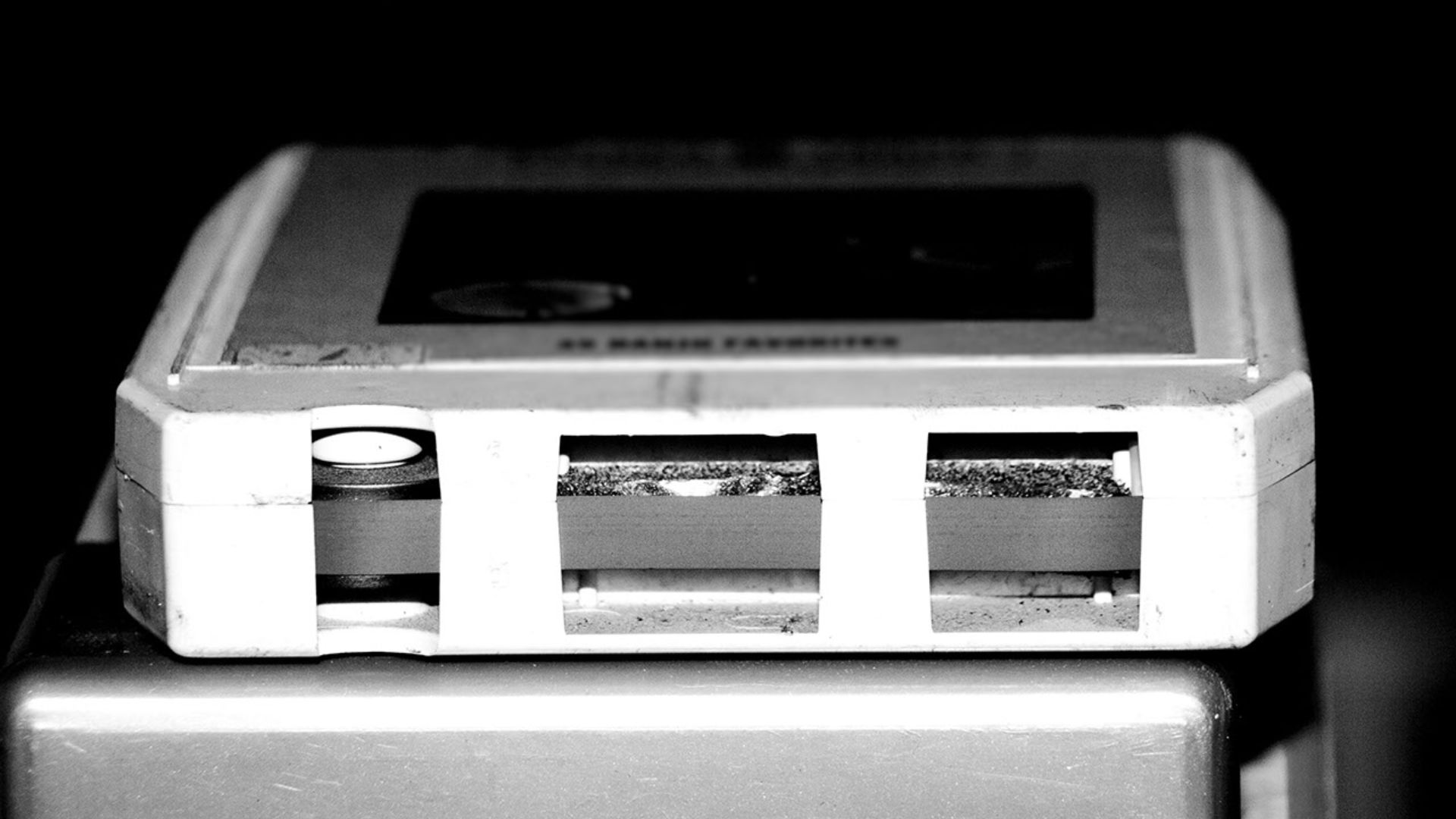
Sometimes The Player Ate Your Music
Few experiences were more frustrating than removing an eight-track cartridge and discovering a length of magnetic tape trailing behind it. Worn components, damaged cartridges, or mechanical problems could cause the tape to jam. Repairing the mess wasn't always easy because the cartridge's endless-loop design was more complicated than it appeared. Occasionally, your favorite album became an expensive pile of tangled ribbon.
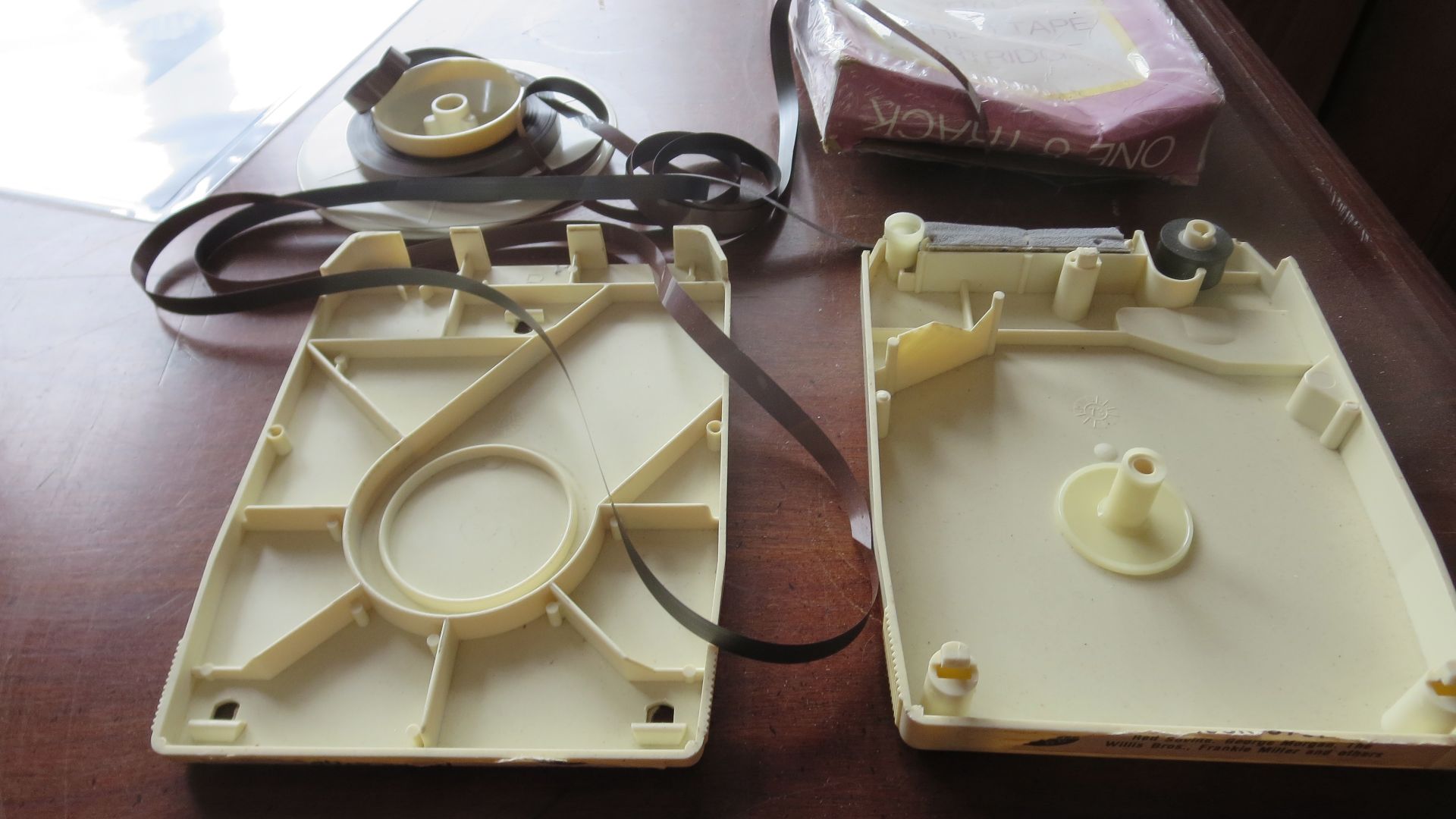 Leonard Nevarez, Wikimedia Commons
The Sound Quality Wasn't Always Wonderful
Although eight-tracks were marketed as stereo entertainment, they had limitations. Tape hiss, mechanical noise, speed fluctuations, and playback-head alignment problems could affect sound quality. Worn cartridges sometimes produced muffled music or unwanted sounds from adjacent tracks. Still, many owners accepted those imperfections because the convenience was extraordinary. Having your own music in the car mattered more than achieving perfect sound.
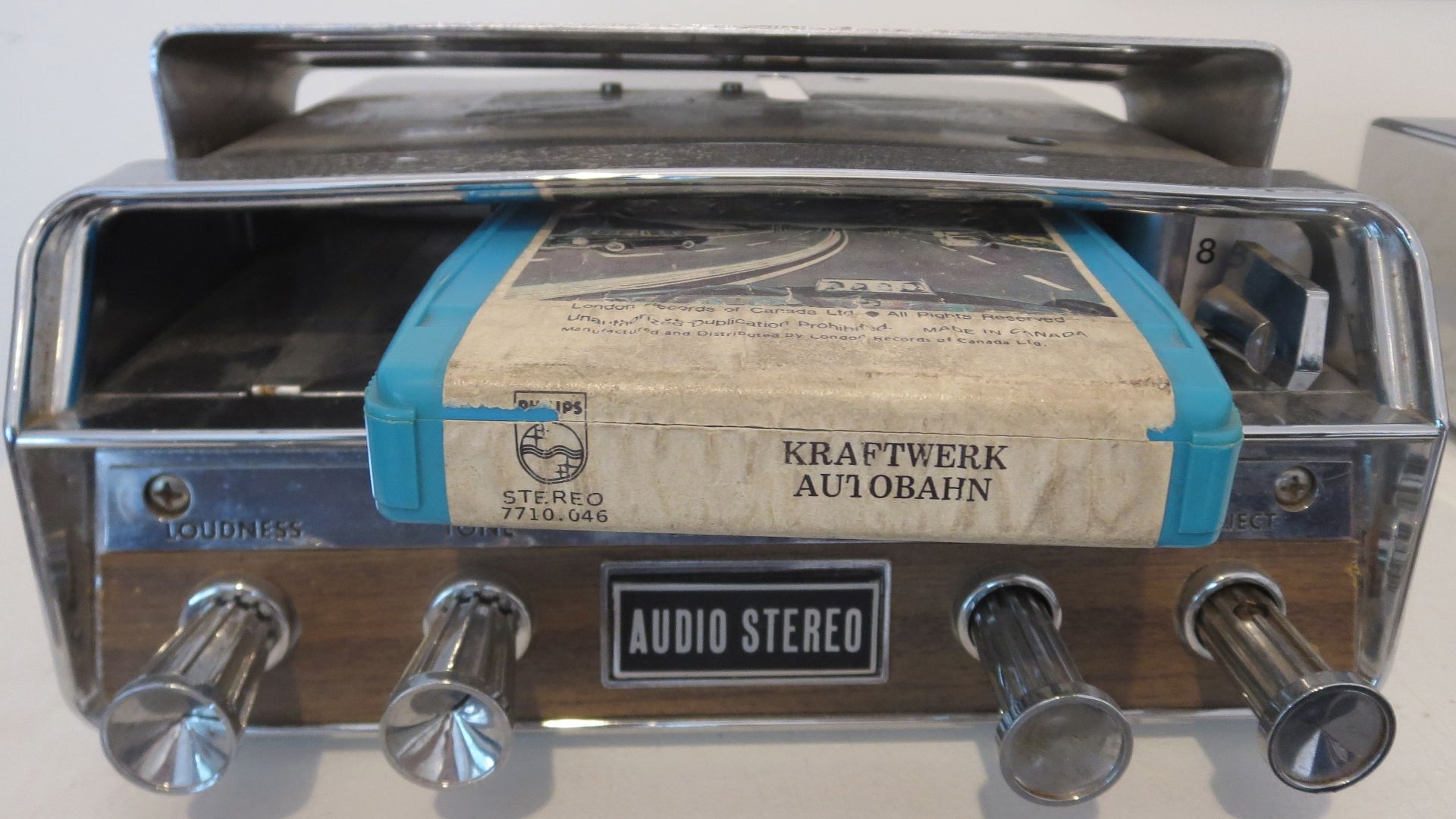 Leonard Nevarez, Wikimedia Commons
Some Eight-Tracks Could Play Four-Channel Sound
The 1970s even brought quadraphonic eight-track systems, sometimes called Q8. These special cartridges carried four separate audio channels rather than the usual two, allowing sound to come from four speakers. Ford offered quadraphonic equipment on selected vehicles. It was an ambitious attempt to bring surround-style listening to the automobile, although the extra cost and limited popularity kept it from becoming mainstream.
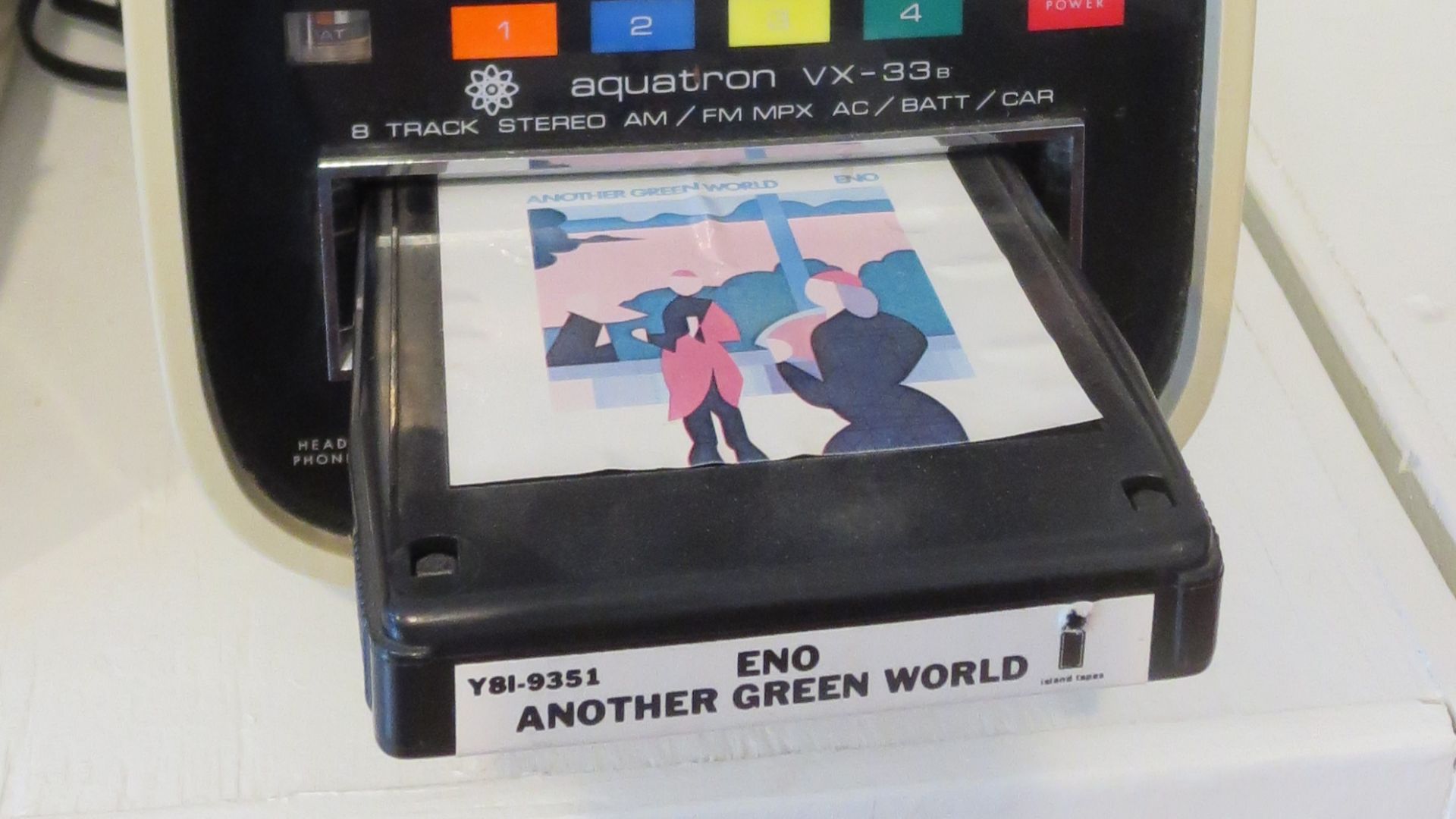 Leonard Nevarez, Wikimedia Commons
Home Eight-Track Players Made The Format More Appealing
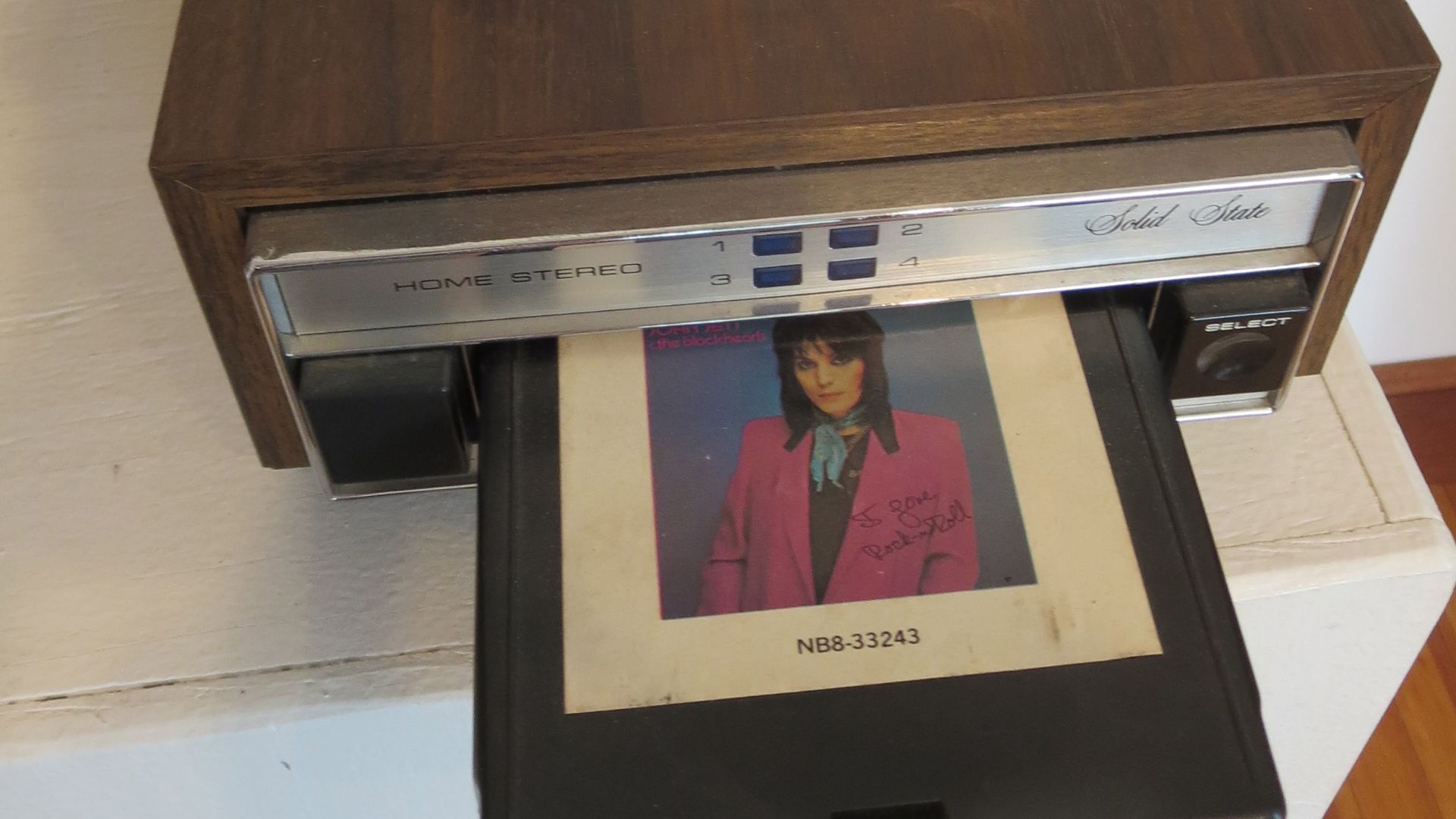
One reason eight-tracks became so popular was that owners could enjoy the same cartridges at home and in the car. Manufacturers sold home stereo systems and portable players compatible with the format. A music fan could listen to an album in the living room, grab the cartridge, and continue enjoying it during a drive. That portability was a major selling point.
 Leonard Nevarez, Wikimedia Commons
The Eight-Track Was A Big Business
The format wasn't merely a quirky accessory enjoyed by a few enthusiasts. Eight-track equipment and cartridges became a major consumer market during the late 1960s and 1970s. Millions of players were installed in automobiles or sold for home use. At its peak, the format accounted for a significant portion of prerecorded music sales. For a while, it looked like the future of portable entertainment.
Cassette Tapes Eventually Won The Battle
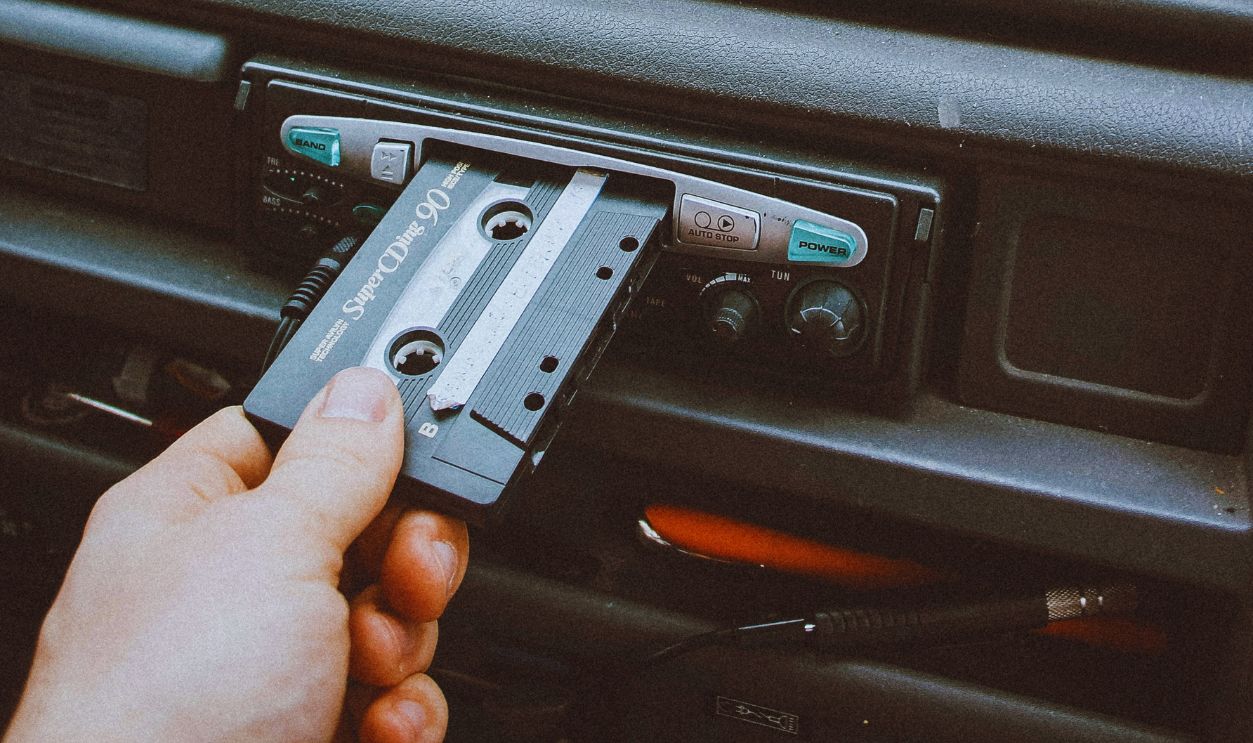
Compact cassettes existed before eight-tracks became popular, but improvements in cassette equipment helped them gain ground during the 1970s. Cassettes were smaller, easier to store, and better suited to recording personal music collections. They also offered more convenient control over playback. By the early 1980s, the eight-track's disadvantages were becoming increasingly difficult to ignore.
Factory Eight-Track Players Slowly Disappeared
As buyers shifted toward cassettes, automakers gradually moved away from eight-track options. The transition wasn't immediate, and some vehicles continued offering eight-track equipment into the early 1980s. Record companies also reduced their support for the format. What had once been an expensive and desirable factory accessory was becoming outdated, even though many perfectly functional players remained on the road.
 That Hartford Guy, Wikimedia Commons
Collectors Still Love Original Eight-Track Systems
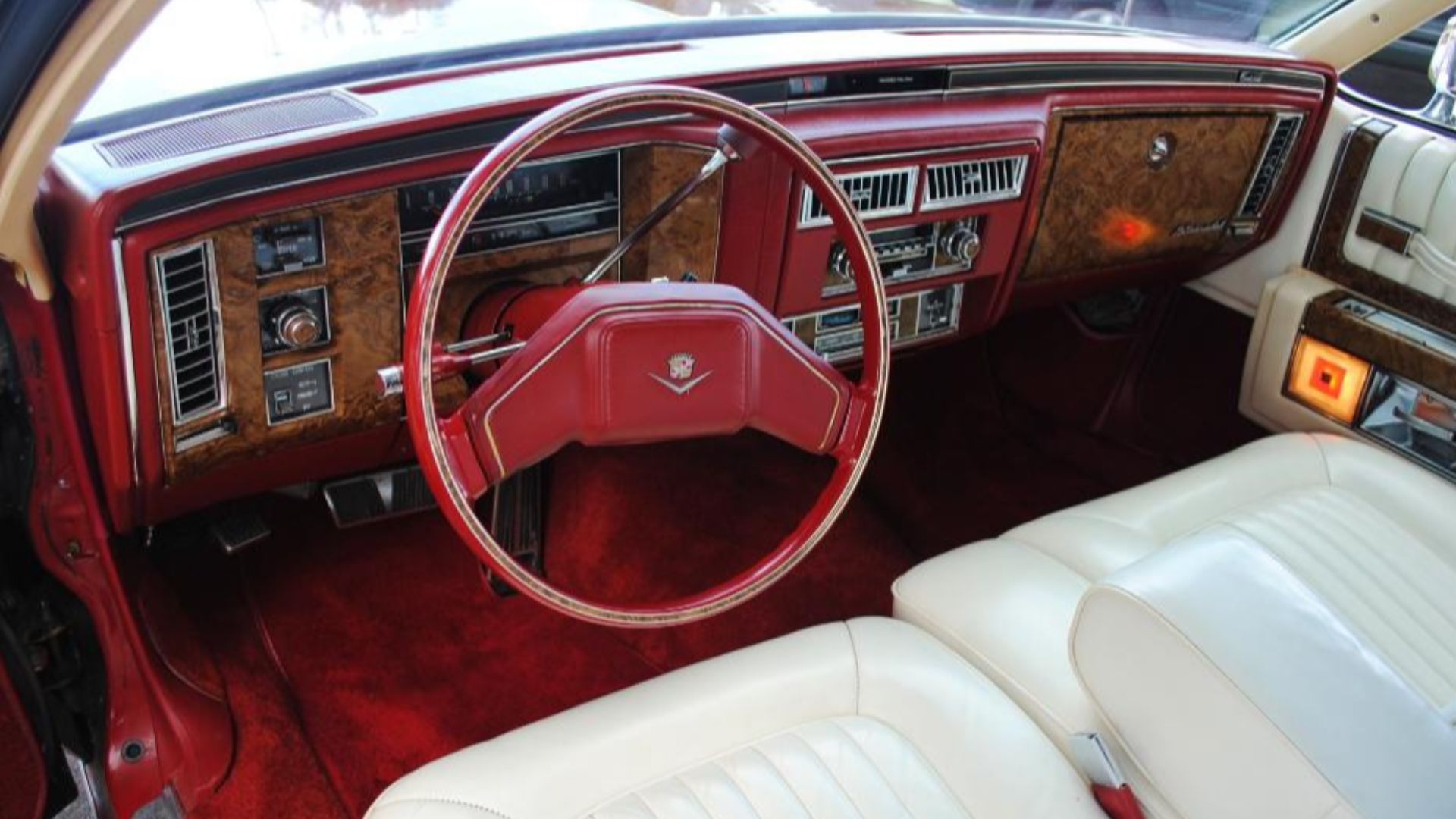
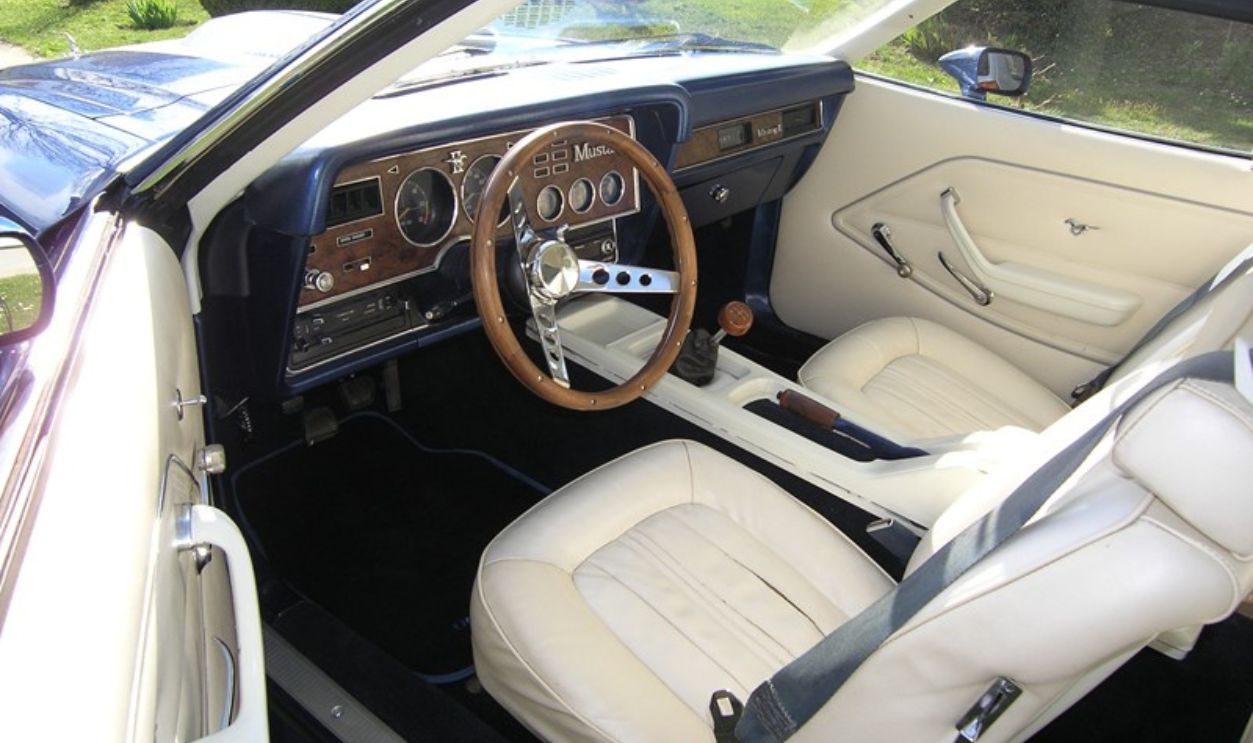
Today, a working factory eight-track player can be a delightful detail in a restored 1960s or 1970s automobile. Enthusiasts often try to preserve original radios, speakers, and tape equipment rather than replacing them with modern electronics. Restoring a player may require new belts, cleaning, lubrication, or repairs to its mechanism. The reward is an authentic soundtrack to match the car's era.
 Christian Pirker, Wikimedia Commons
The Eight-Track Made Driving Feel Different
For an entire generation, the eight-track player represented something bigger than a stereo accessory. It meant independence, personal taste, and the freedom to choose the music accompanying every journey. Yes, the cartridges were bulky, the players sometimes jammed, and songs occasionally stopped halfway through. But hearing your favorite album in your own car was a luxury worth remembering. Modern technology may be better, but it will never reproduce that satisfying mechanical click.
You May Also Like: Factory Swivel Seats That Made 1970s Cars Feel Like Rolling Living Rooms