
The Future Had a Few Bugs
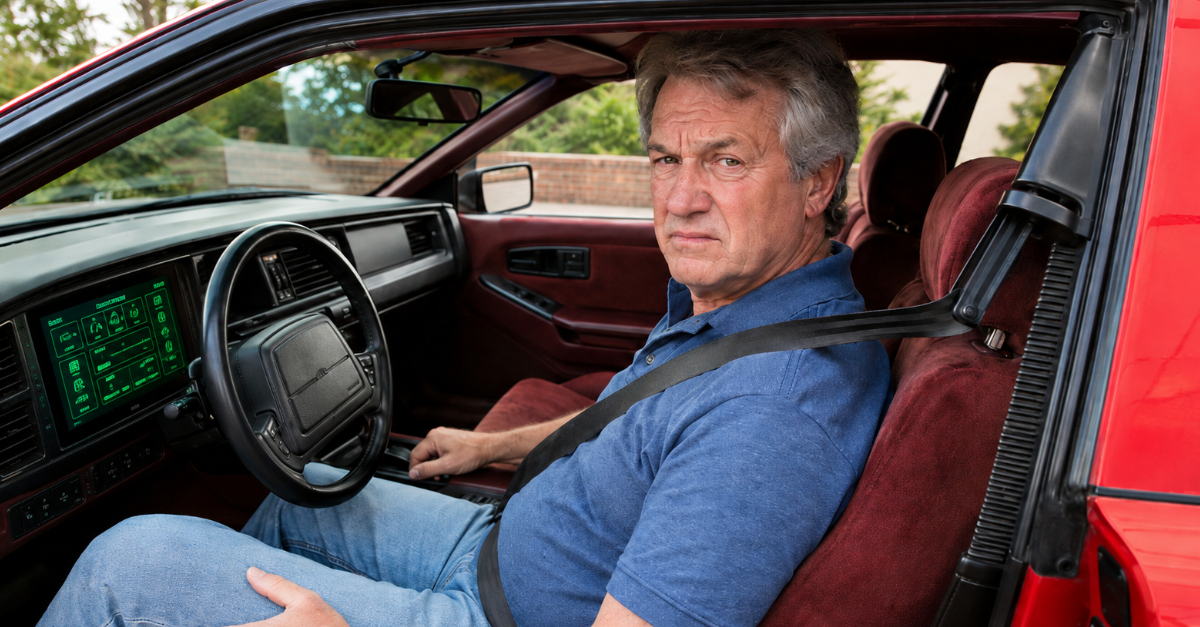
Car companies in the 80s were willing to try almost anything. Some of those ideas were brilliant. Others were strange, complicated, or so unreliable that owners probably wished they had stuck with roll-up windows. Do you remember these?
Automatic Seatbelts
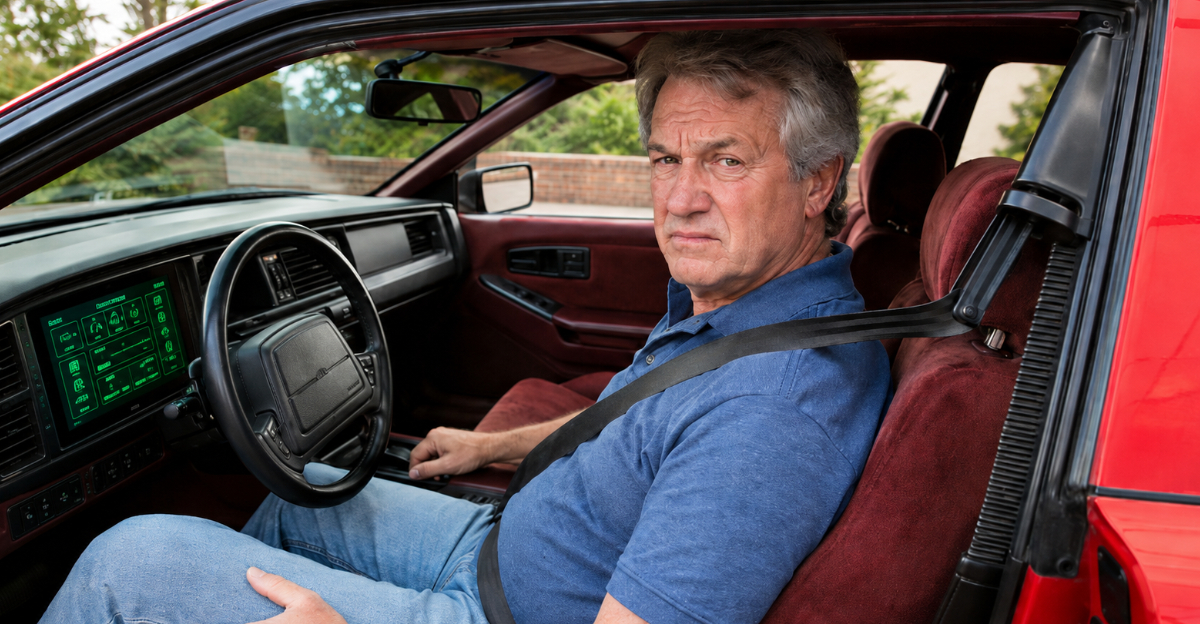
Open the door and the shoulder belt slid forward along a motorized track. Close it and the belt moved back around you automatically. Many systems still required the lap belt to be fastened manually, meaning the technology managed to feel futuristic and inconvenient at exactly the same time.

Nissan’s Tiny Dashboard Record Player
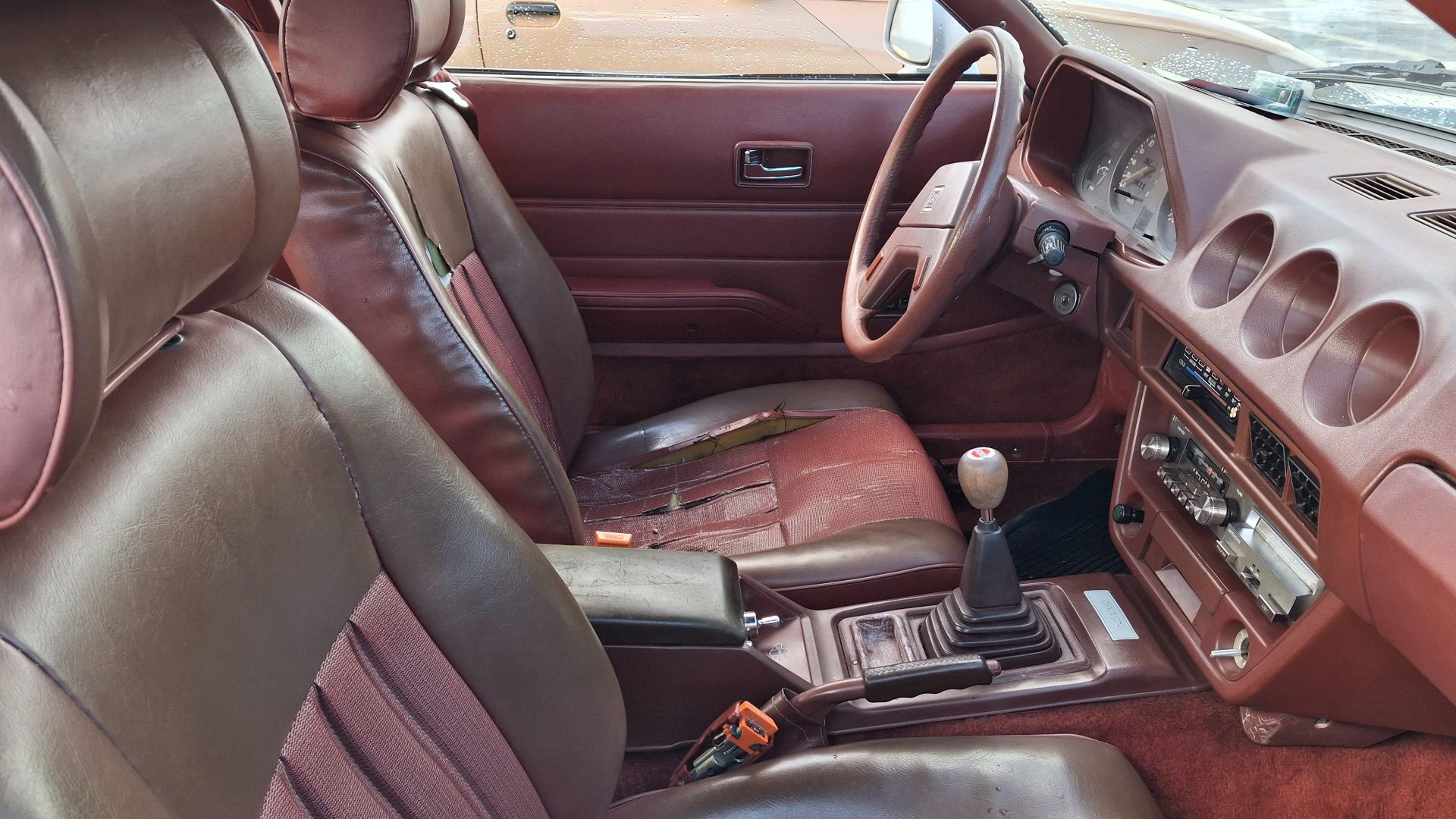
Early-80s Datsun and Nissan Maximas could speak warning messages using a miniature phonograph-style record hidden inside the dashboard. A tiny needle physically played reminders about open doors, forgotten headlights, and other problems. It was wonderfully clever—and about as 80s as a warning system could possibly get.
Built-In Car Phones
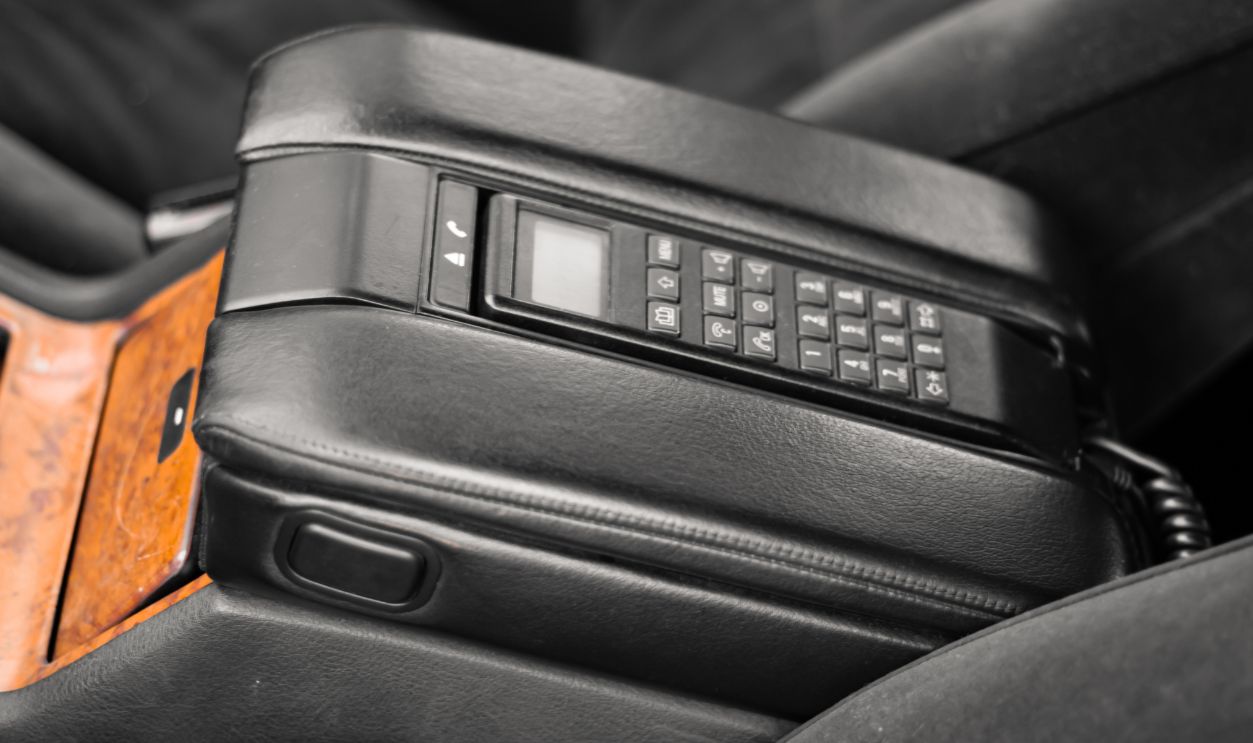
A permanently installed telephone once made a luxury car feel like a rolling executive office. The handset sat beside the driver, the antenna lived outside, and making a call could cost a small fortune. A few survived into the early 2000s, but personal cellphones, Bluetooth, and the end of analog service soon finished them off.
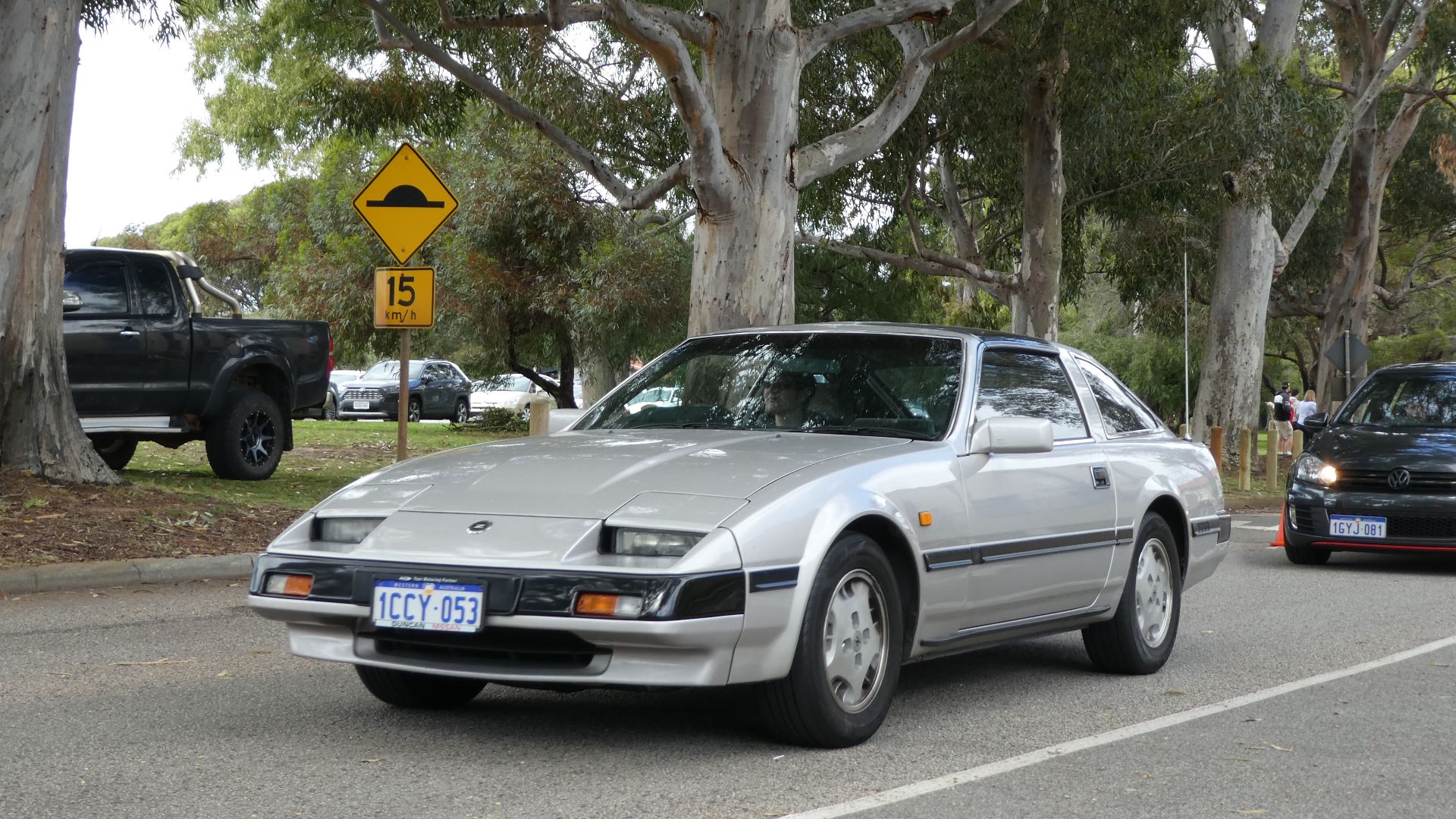
Nissan’s Bodysonic Seats
The 1984 Nissan 300ZX 50th Anniversary Edition placed audio transducers inside the seats so drivers could physically feel the music. Bass vibrations came straight through the seat cushion, turning every song into a mild amusement-park ride. Somehow, the idea did not become standard equipment on the family sedan.
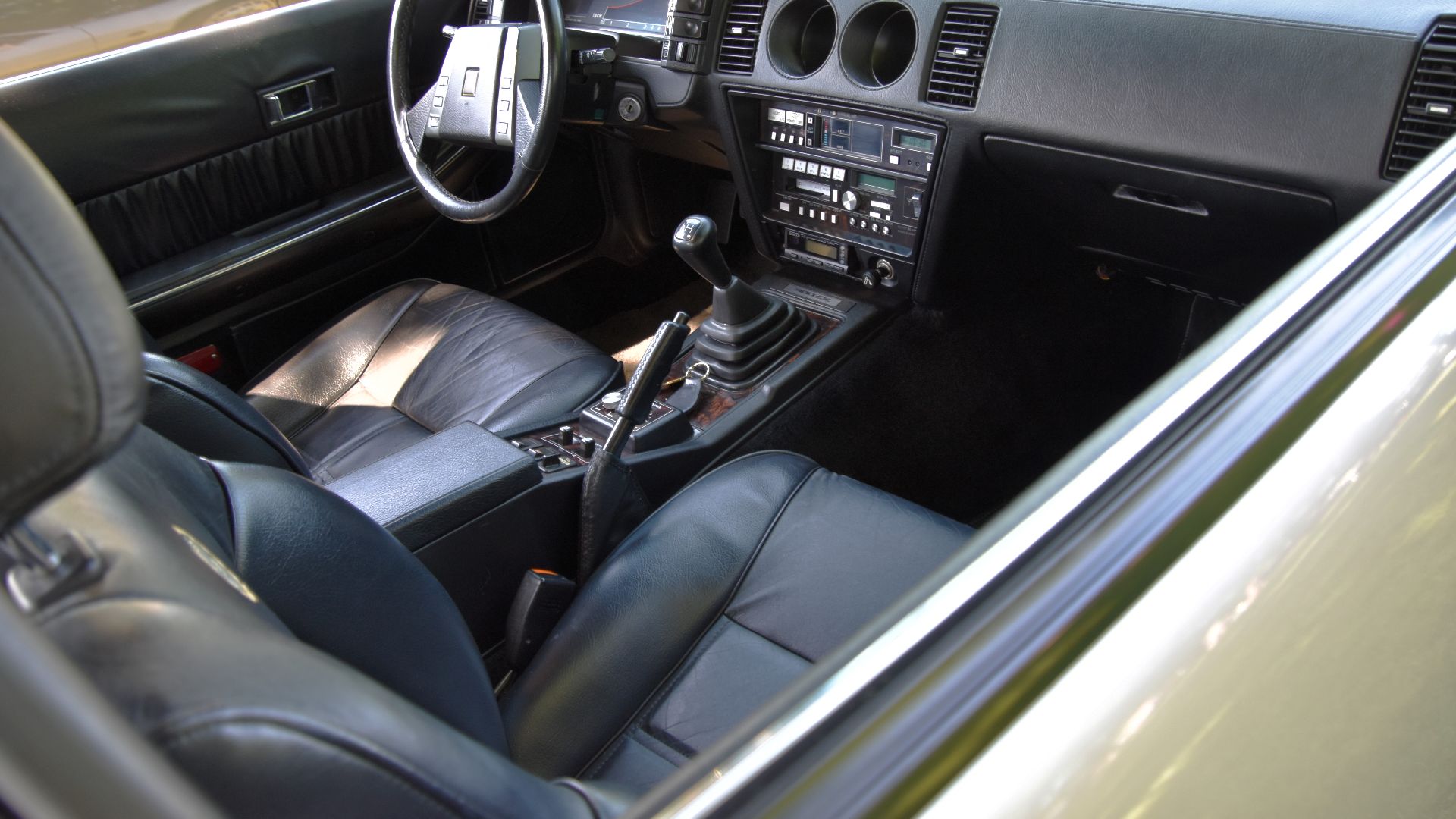 Charles from Port Chester, New York, Wikimedia Commons
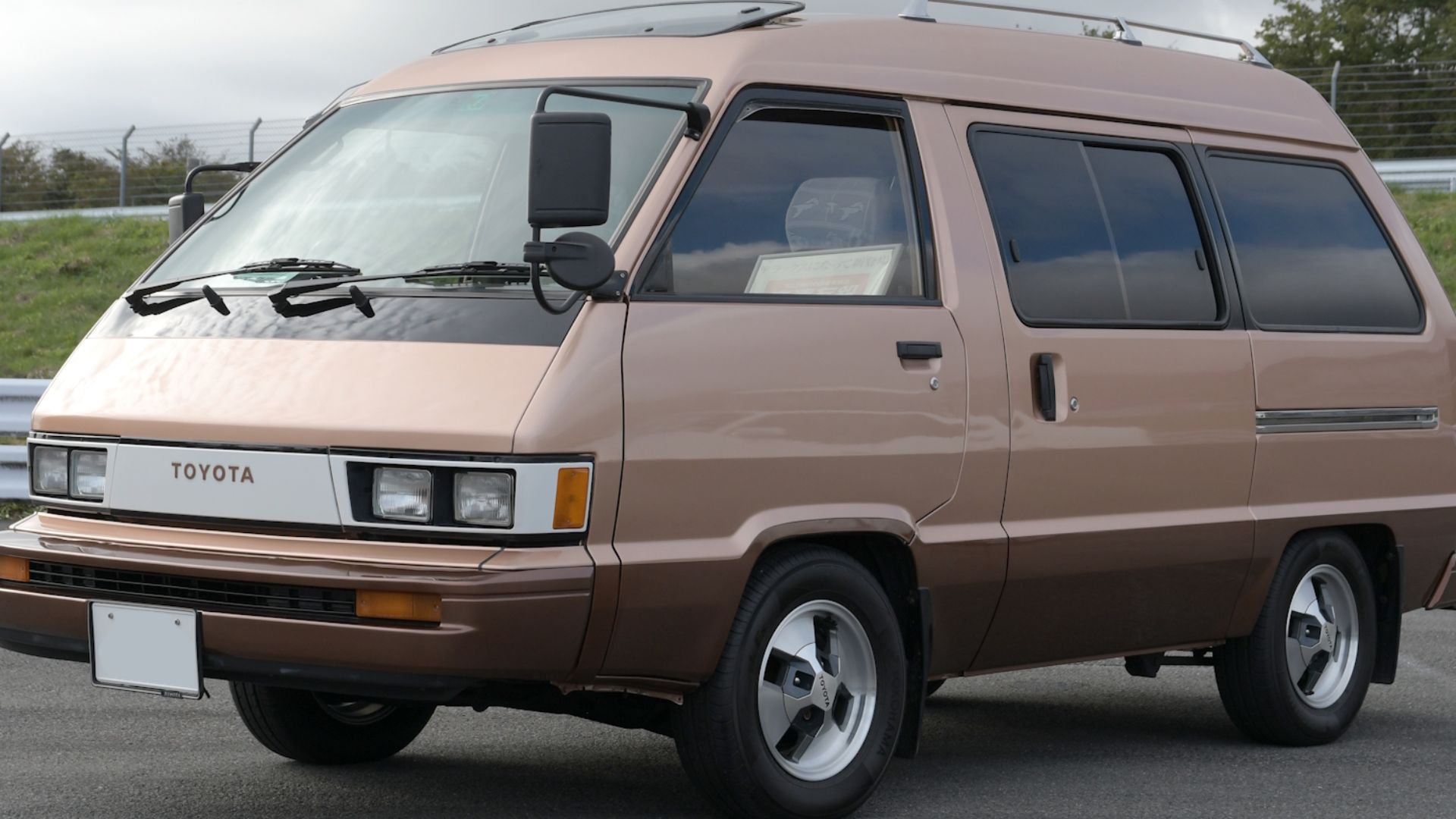
The Toyota Van’s Cooler and Ice Maker
The 1984 Toyota Van could be ordered with Toyota’s Cooler/Ice Maker, a refrigerated compartment that could freeze trays of actual ice cubes. It required the available dual-air-conditioning system, making an already unusual van feel even more like a tiny rolling hotel room.
Nissan’s Interchangeable Rear End
The 1987 Nissan Pulsar NX could switch personalities by replacing its normal rear hatch with an optional Sportbak canopy. Owners could turn the car from a coupe into something resembling a tiny wagon—or remove both sections and create a strange little open-backed vehicle nobody quite knew how to describe.
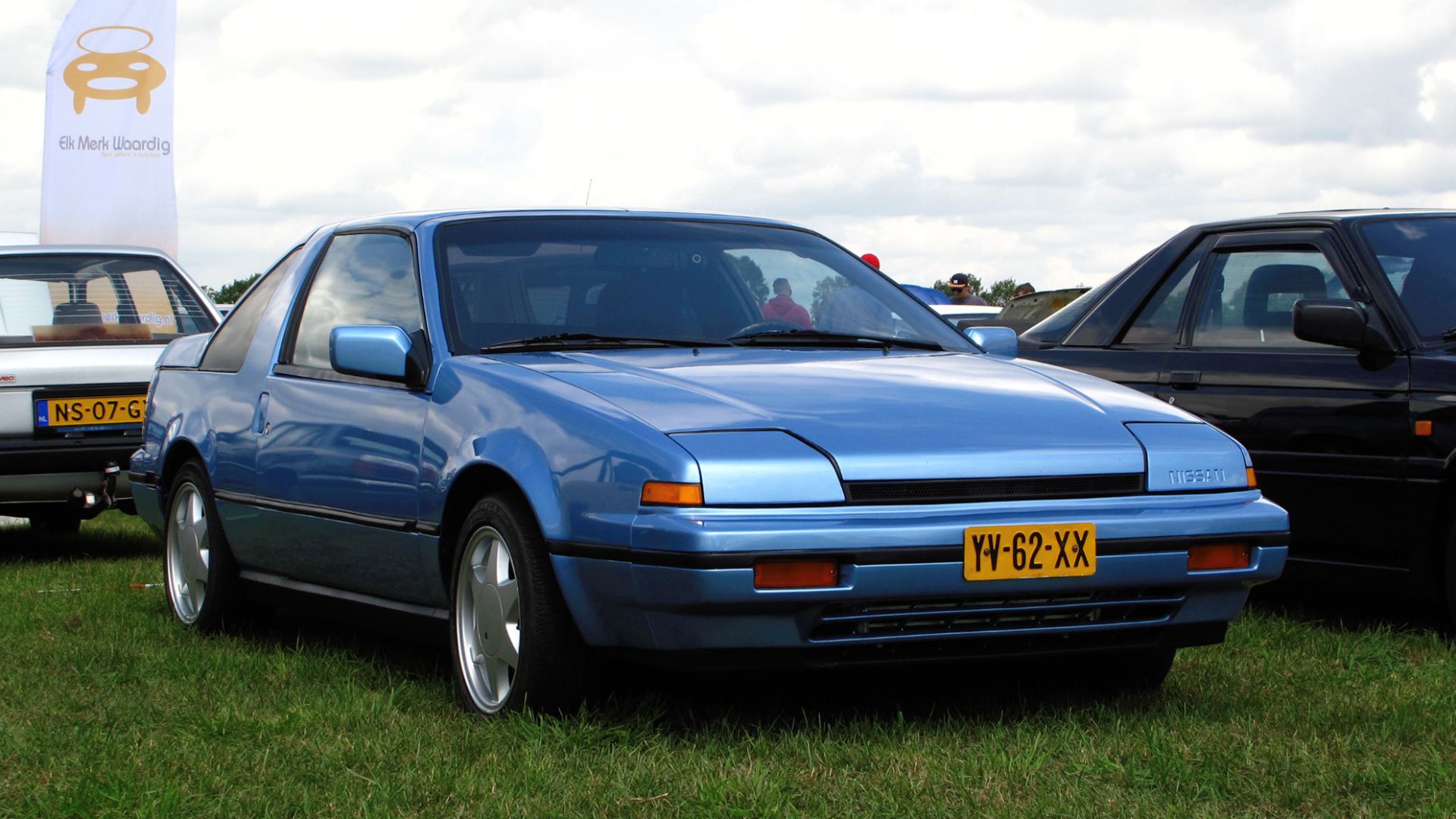 Rutger van der Maar, Wikimedia Commons
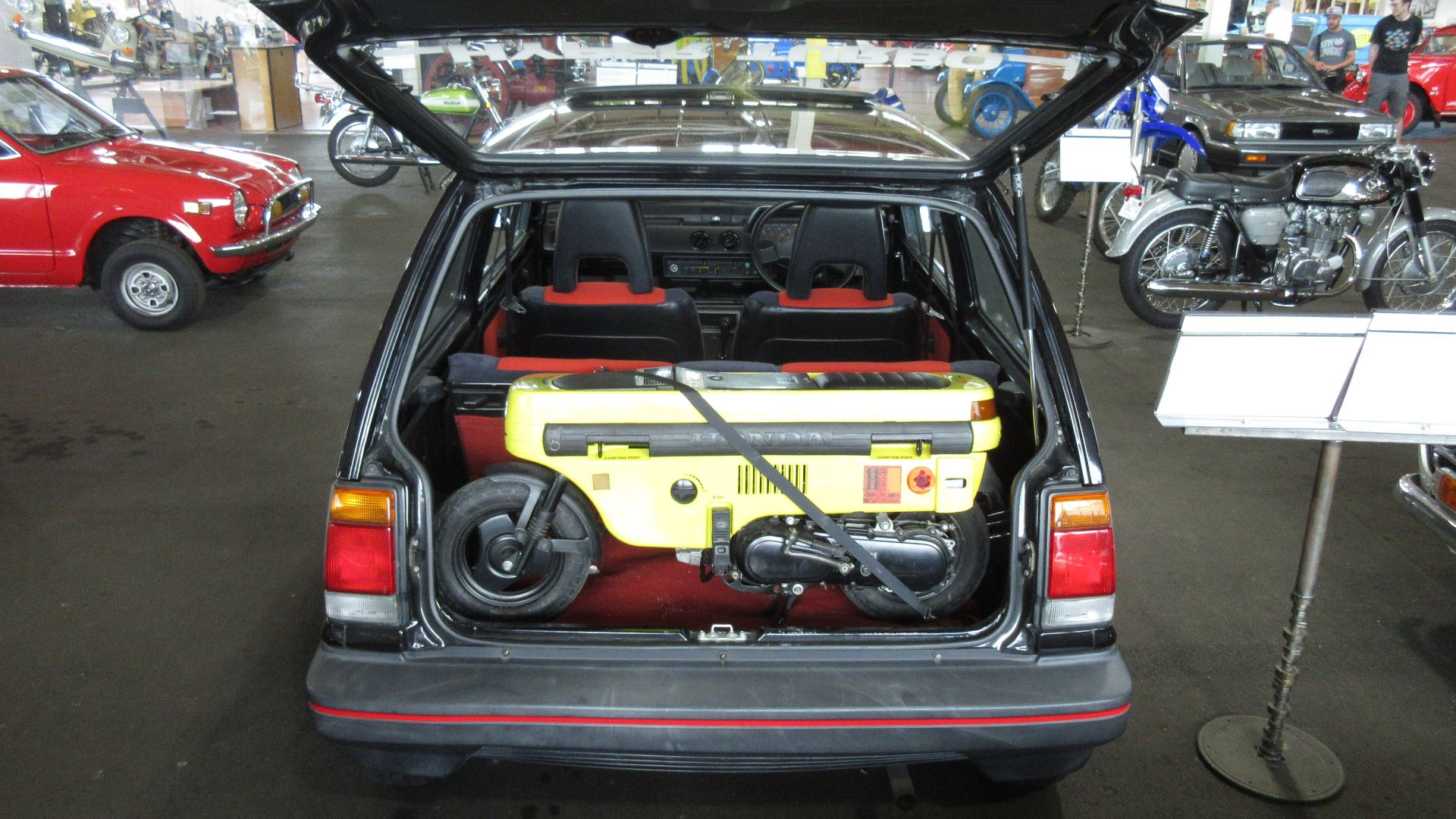
Honda’s Scooter in the Trunk
Honda designed the folding Motocompo scooter specifically to fit inside the luggage area of the Honda City. Drivers could park the car, unfold the tiny scooter, and continue through crowded streets on two wheels. It was brilliant, ridiculous, and apparently not something buyers were begging other automakers to copy.
Audi’s Cable-Operated Crash Protection
Audi’s procon-ten system used heavy cables running around the engine. In a serious frontal impact, the engine’s movement tightened the seatbelts and pulled the steering wheel away from the driver. Airbags and modern belt pretensioners eventually accomplished the same job without an elaborate mechanical tug-of-war under the hood.
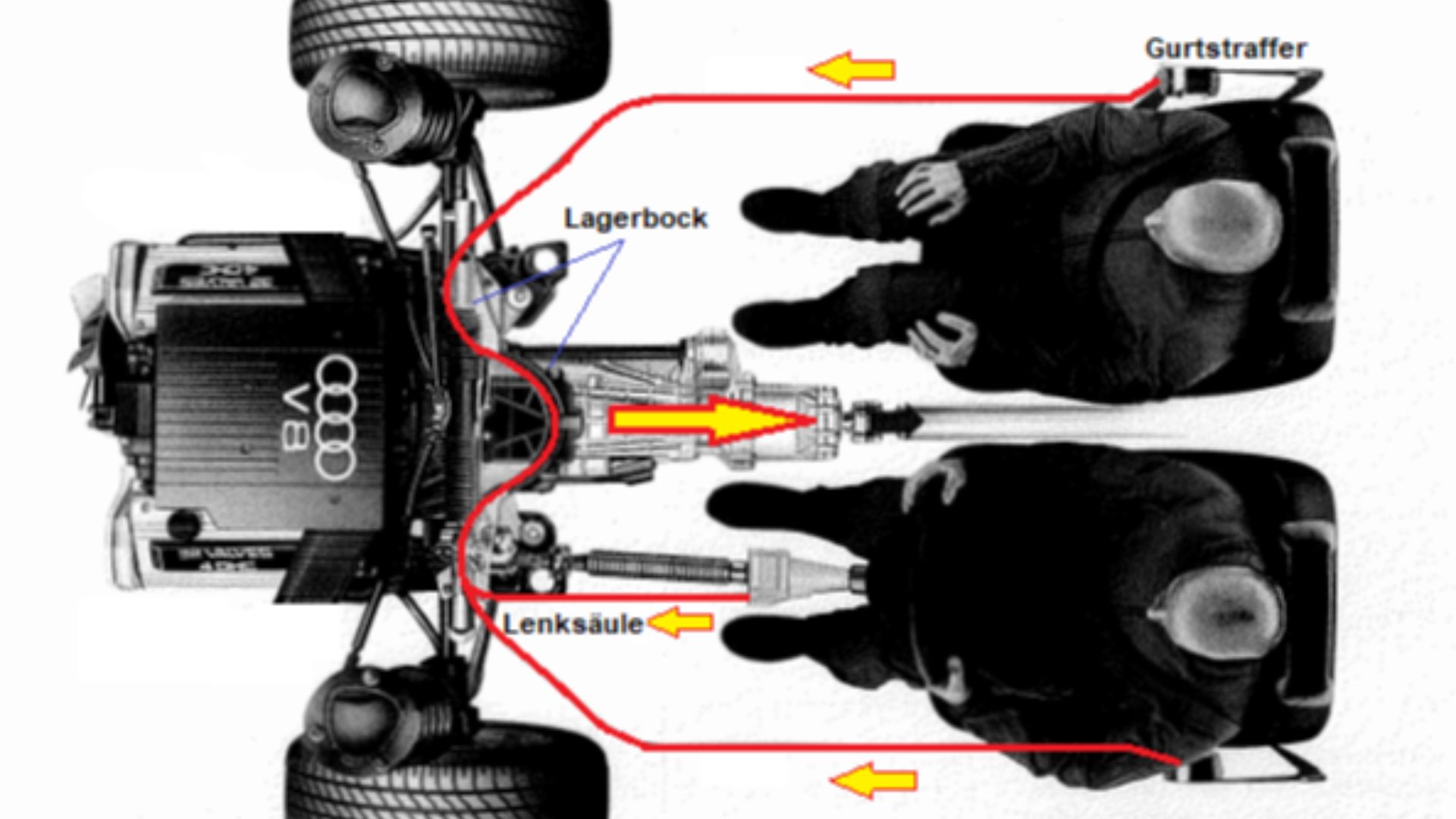 Julianmuhle, Wikimedia Commons
Chrysler’s Talking Dashboard
Chrysler’s Electronic Voice Alert lowered the radio and verbally warned drivers about open doors, keys left in the ignition, forgotten headlights, low fuel, and other problems. It sounded like the car had appointed itself assistant manager. Drivers could disable the system, which some owners may have considered its most useful feature.
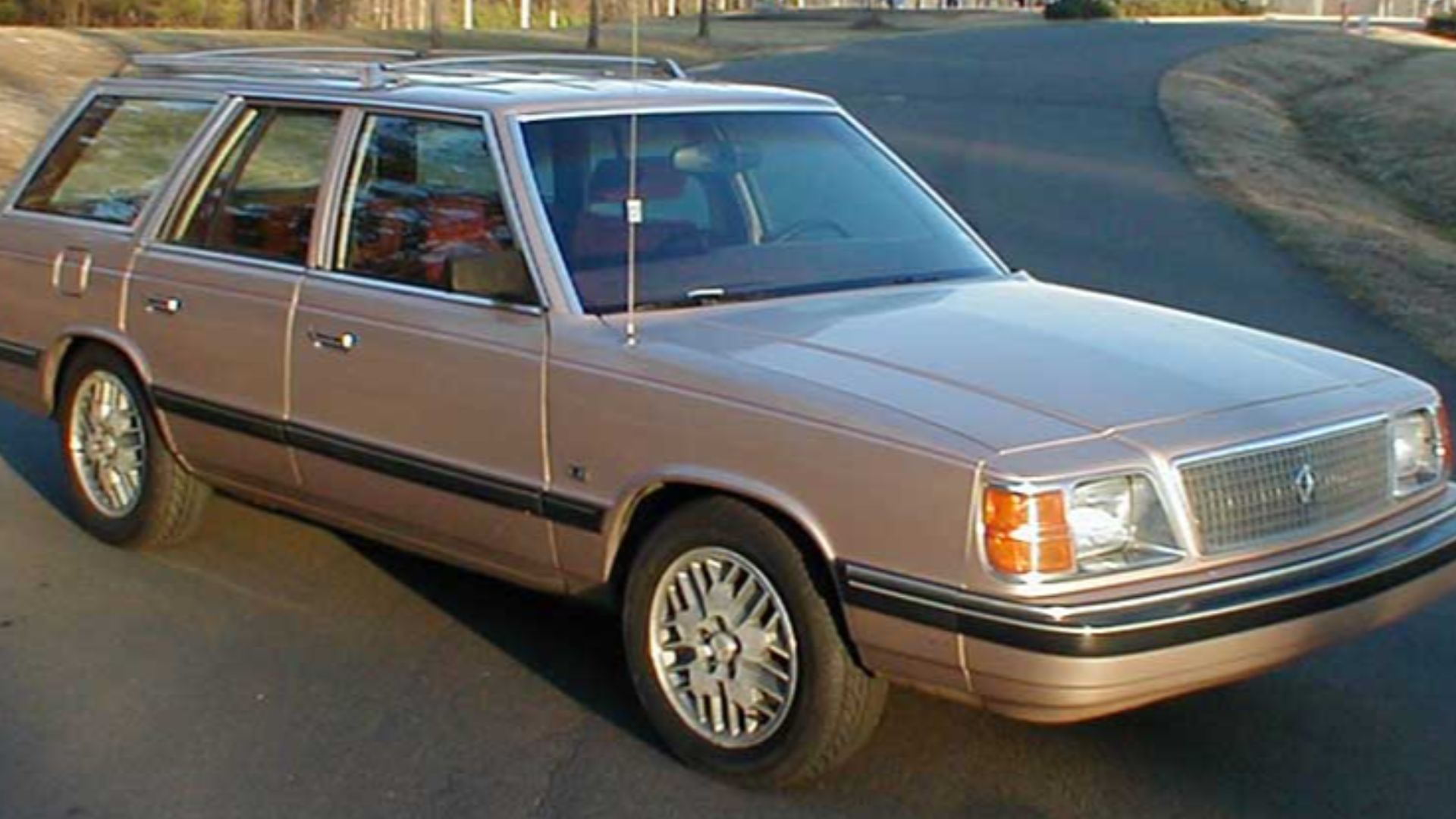 photographed by rallyxer, Wikimedia Commons
Arcade-Style Digital Dashboards
The 80s loved glowing digital speedometers, electronic bar graphs, and instrument panels that looked borrowed from an arcade machine. By the late 90s, most manufacturers had returned to ordinary round gauges. Digital clusters eventually came back, but the pulsing orange bars and fluorescent-green numbers mostly stayed behind.
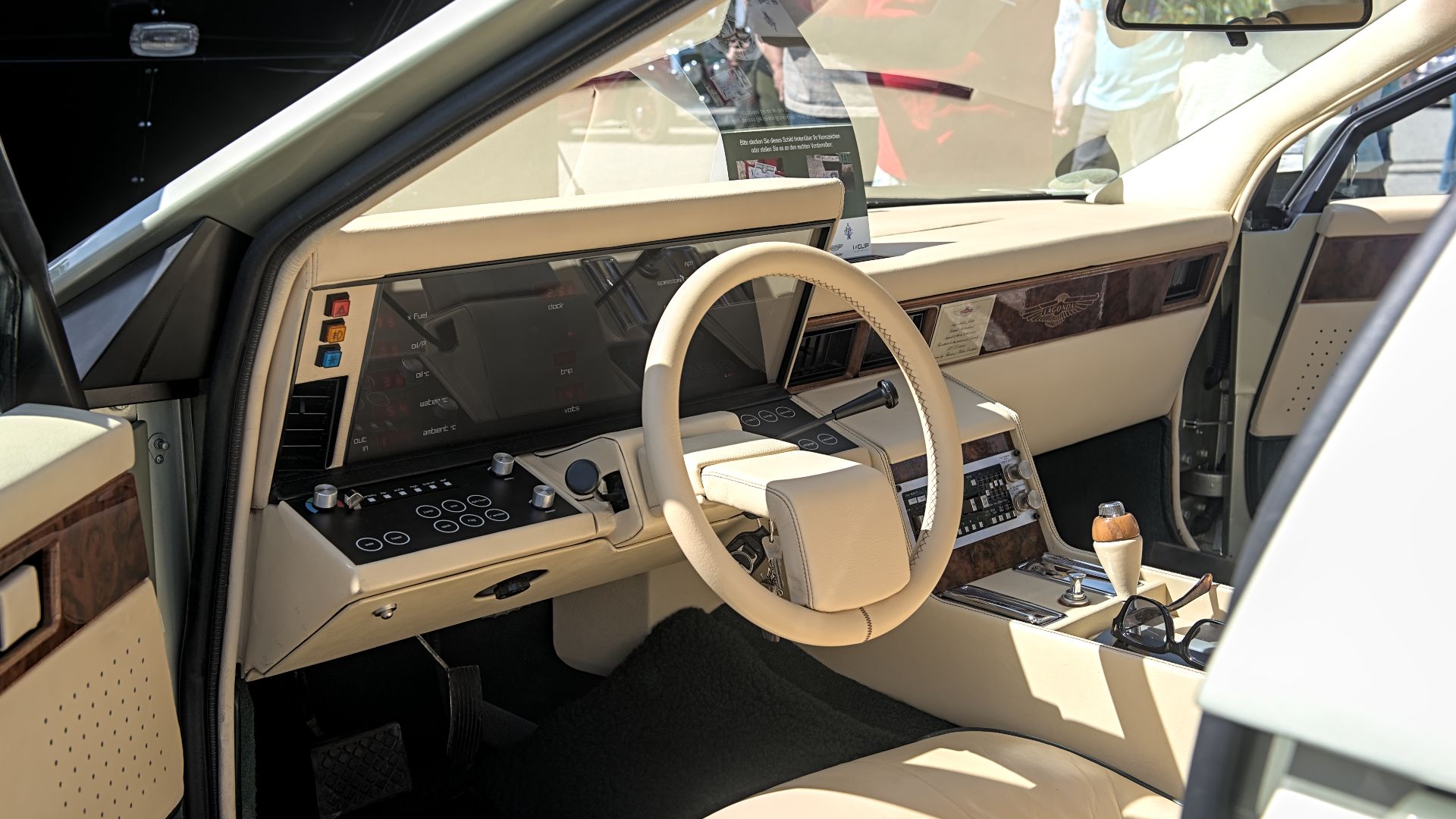 Alexander Migl, Wikimedia Commons
Then Some of the Ideas Came Back—Sort Of
The next group also disappeared in their original forms, but the ideas behind them were not necessarily bad. They were often too expensive, too complicated, or being controlled by computers with less power than a modern coffeemaker. Decades later, several returned wearing much better technology.
 ZidaneHartono, Wikimedia Commons
Buick’s Touchscreen Dashboard
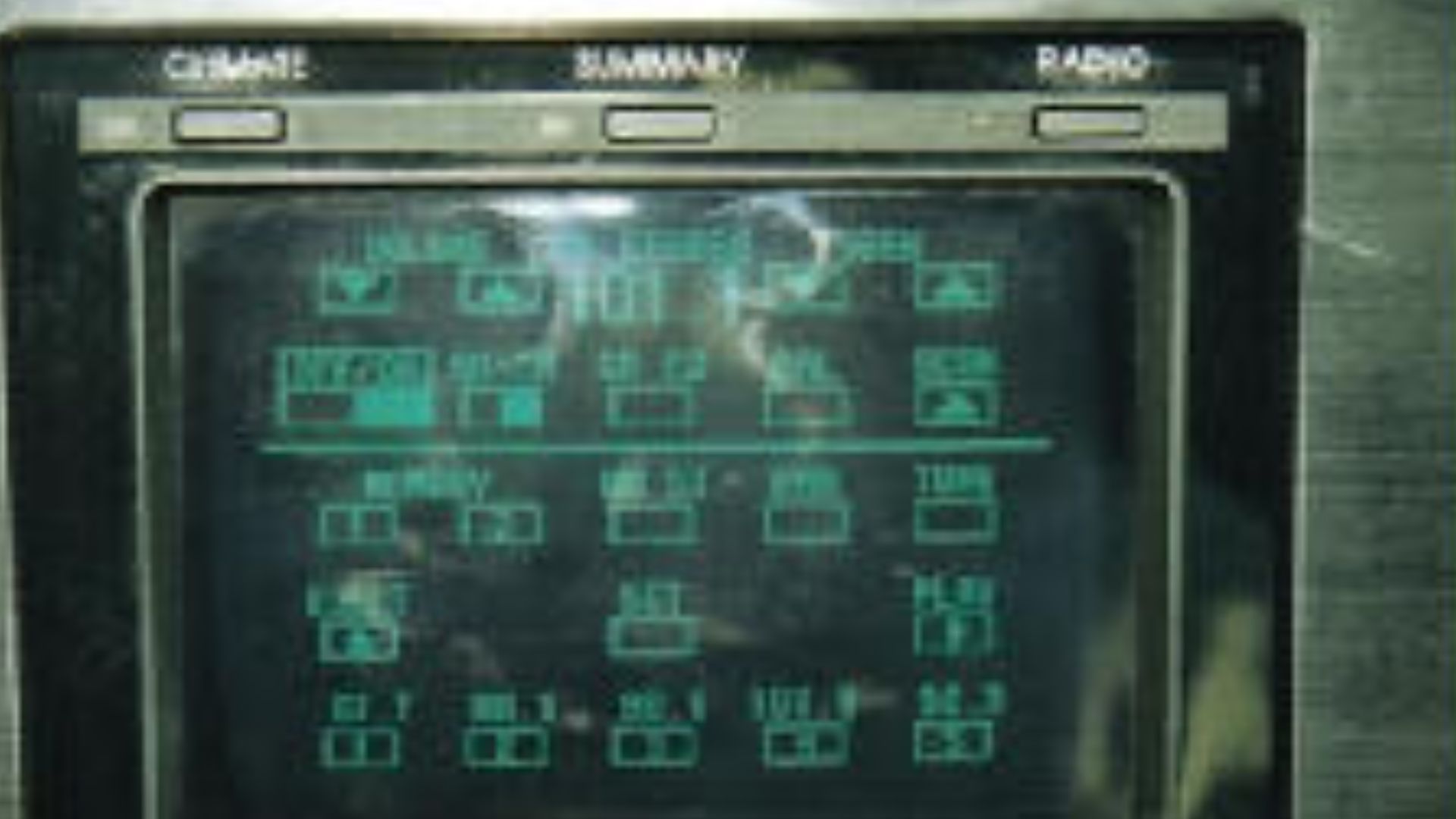
The 1986 Buick Riviera used a green CRT touchscreen to control the stereo, climate system, trip information, maintenance reminders, and vehicle diagnostics. Buick abandoned the idea after only a few years. Then automakers waited long enough for everyone to forget—and filled nearly every modern dashboard with touchscreens.
 User:Tamas Szabo~commonswiki, Wikimedia Commons
Honda’s Navigation System Without Satellites
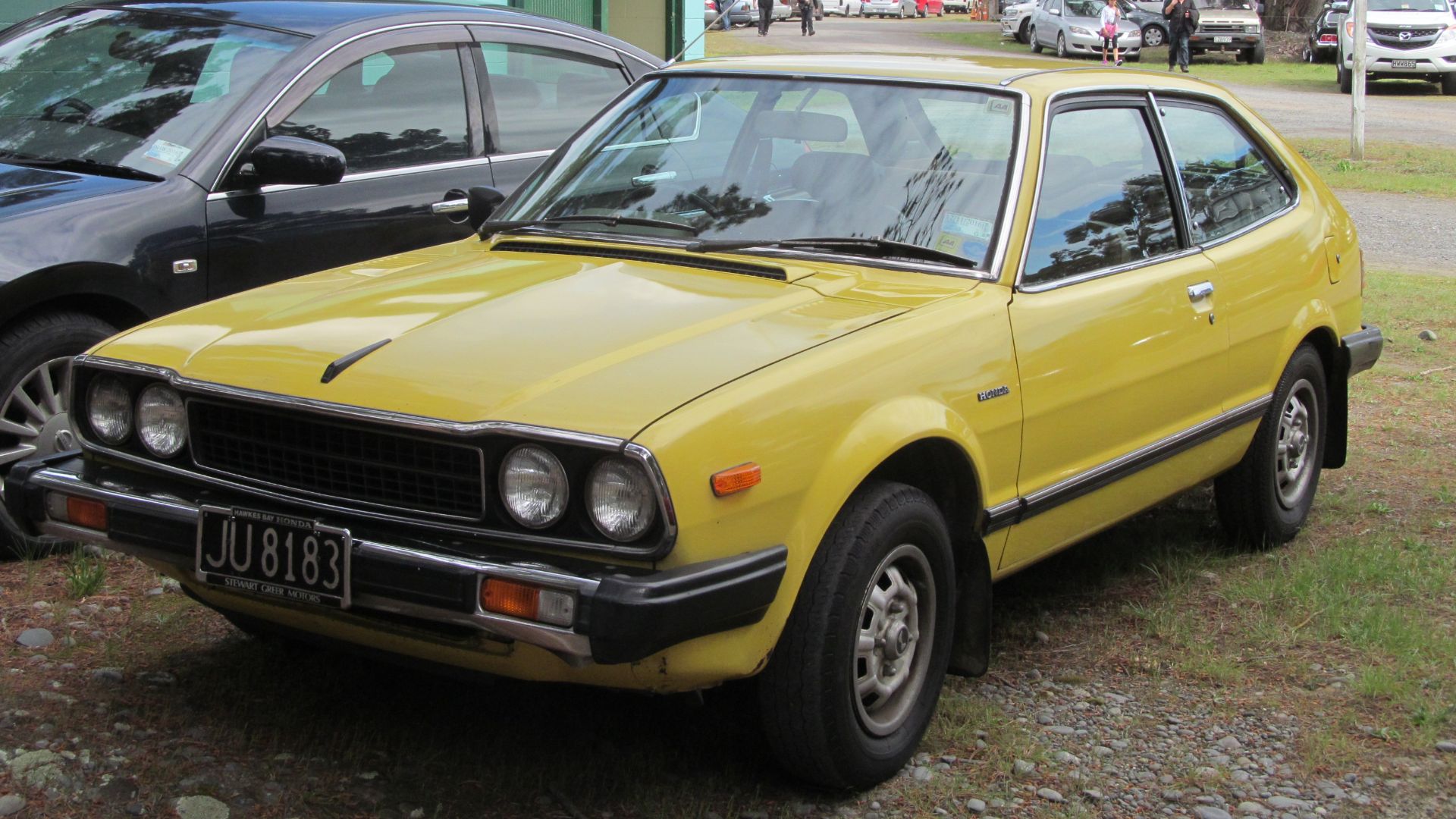
Honda’s 1981 Electro Gyrocator used a gas-rate gyroscope to track the car’s movement while transparent map sheets were placed over a small screen. It could not calculate a route or tell drivers where to turn, but it could show roughly where the car was—assuming the correct plastic map was installed.
 Riley from Christchurch, New Zealand, Wikimedia Commons
Toyota’s In-Dash Television
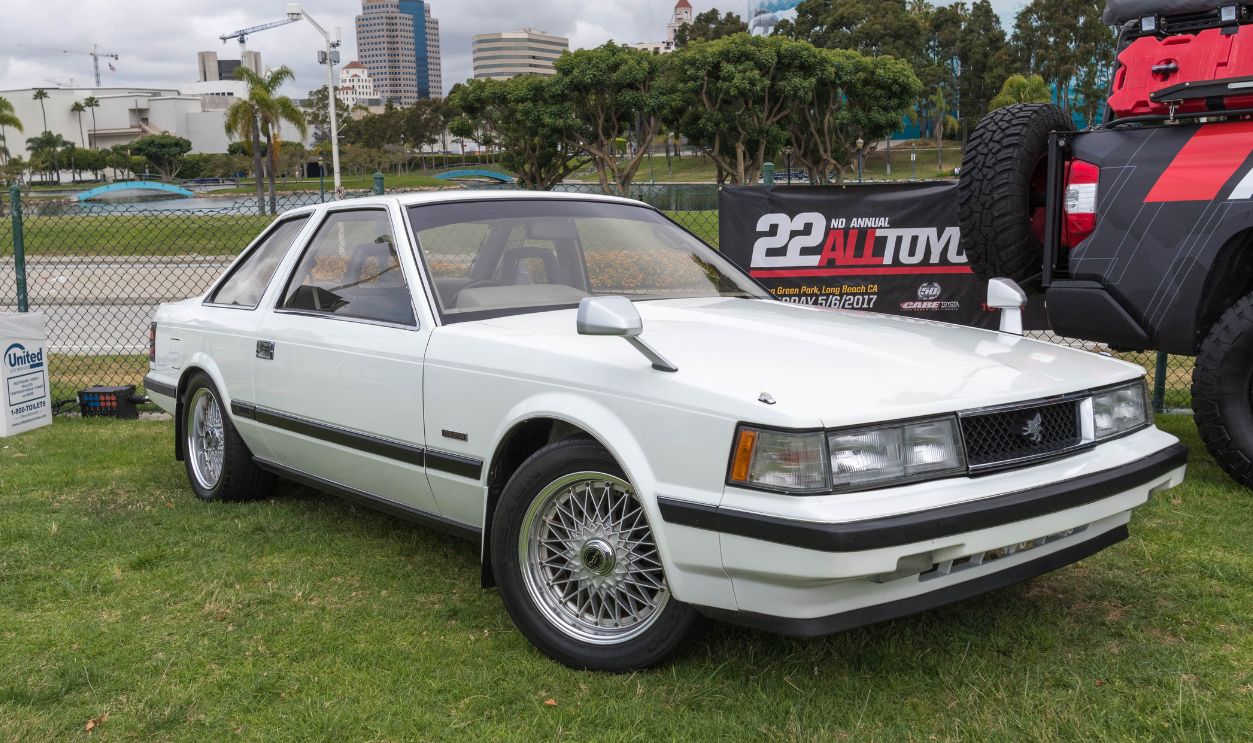
The Japanese-market 1985 Toyota Soarer 3000 GT-Limited offered a color CRT that displayed digital instrumentation and could receive television broadcasts while the car was stationary. Modern infotainment systems can do far more, but few let you catch a soap opera while sitting in a parking lot.
Cadillac’s V8 That Became a Four-Cylinder
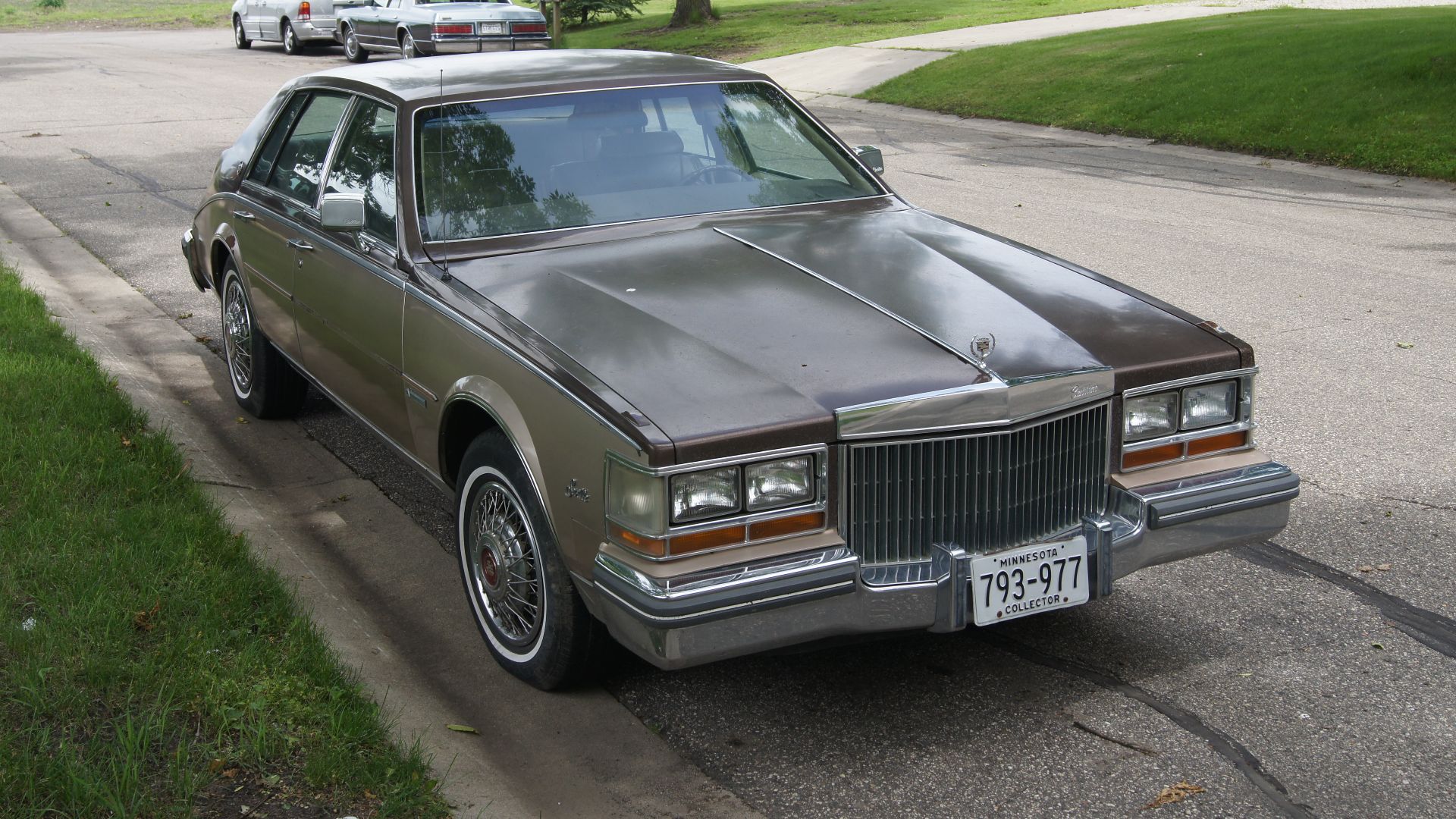
Cadillac’s 1981 V8-6-4 engine could shut down cylinders and operate on eight, six, or four depending on how much power the driver needed. The idea was decades ahead of its time, but the computer controlling it was very much from 1981. Cadillac removed it from most passenger cars after one year, although its limousines kept the system through 1984.
 Greg Gjerdingen from Willmar, USA, Wikimedia Commons
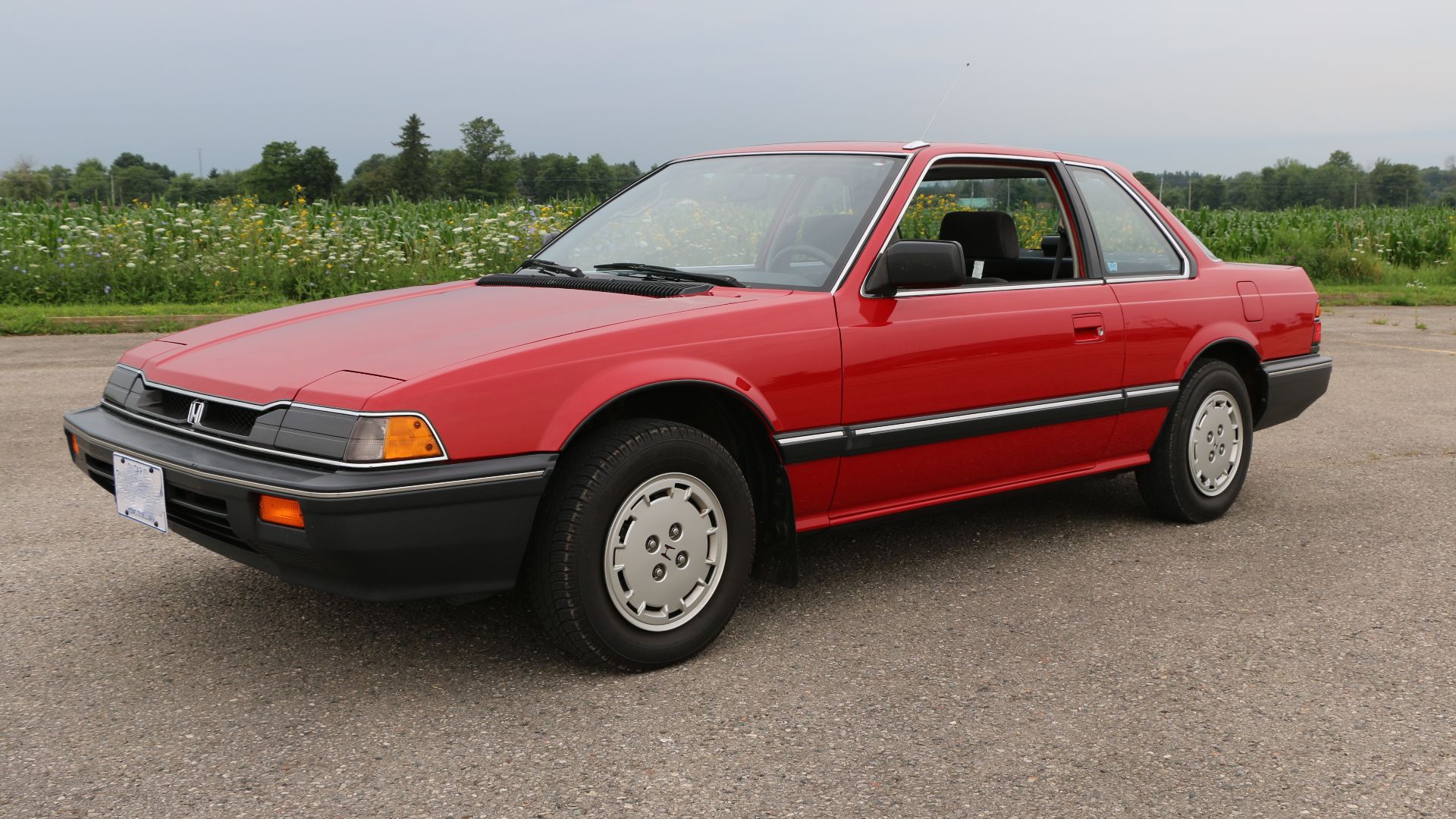
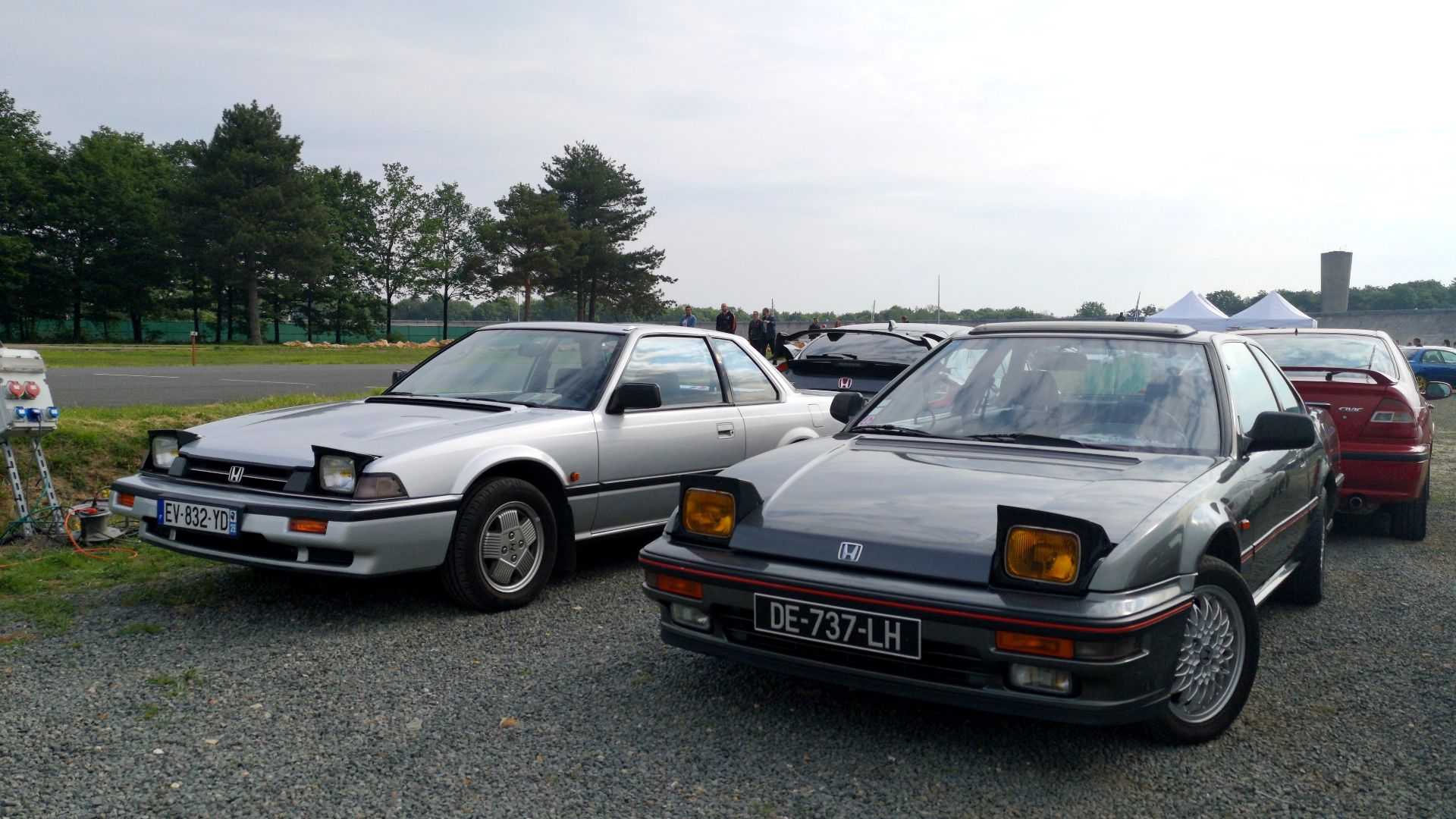
Honda’s Mechanical Four-Wheel Steering
The 1987 Honda Prelude used a completely mechanical four-wheel-steering system. Depending on how far the steering wheel was turned, the rear wheels could move with the fronts or slightly against them. The technology soon vanished, only to return decades later on expensive performance cars using computers and electric motors.
Nissan’s Road-Reading Suspension
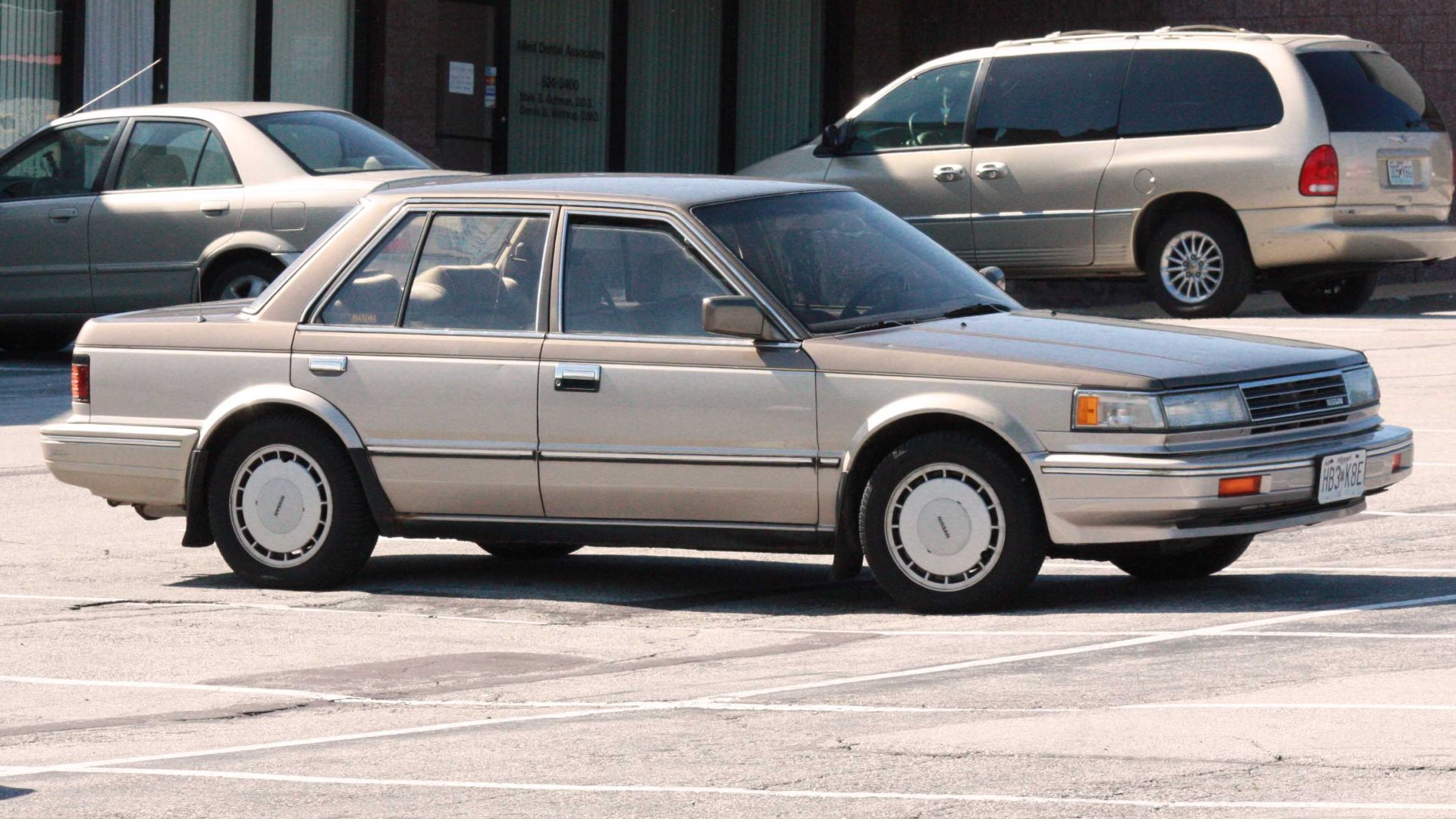
The U.S.-market 1988 Nissan Maxima offered Super Sonic Suspension, which used an ultrasonic sensor to examine the road ahead and adjust the shock absorbers. The name sounded like something invented for a cartoon. Today, luxury manufacturers use cameras and advanced electronics to achieve a remarkably similar result.
 Ryanandlenny, Wikimedia Commons
Toyota’s Original Computer-Controlled Shocks
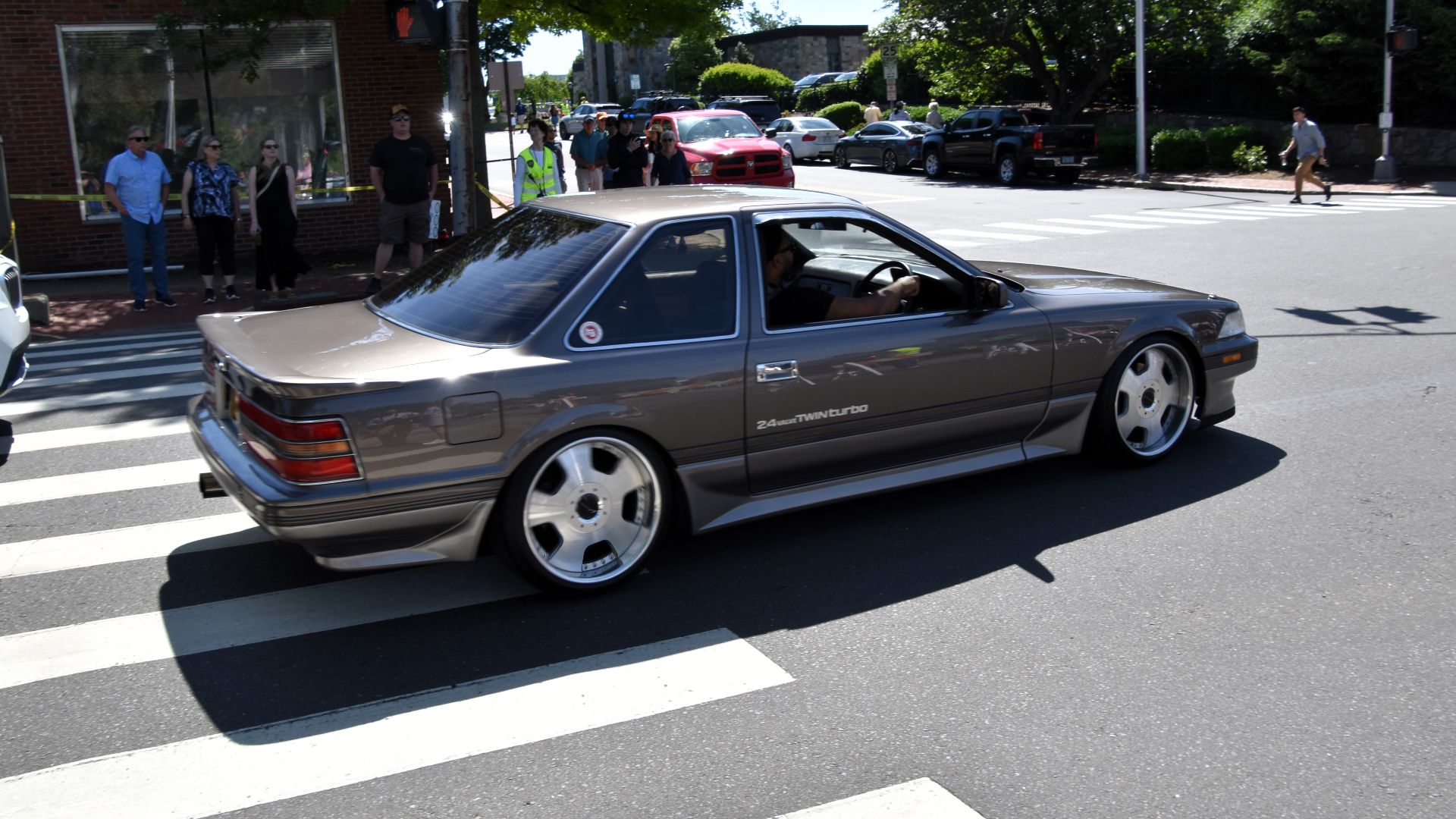
Toyota introduced TEMS on the Soarer in 1983. Sensors and a microprocessor adjusted the firmness of the shock absorbers, while drivers could also choose between different settings. The original system eventually disappeared, but its basic idea evolved into the electronically controlled suspensions found in later Toyotas and luxury cars.
 Charles from Port Chester, New York, Wikimedia Commons
Subaru’s Raise-It-Yourself Suspension
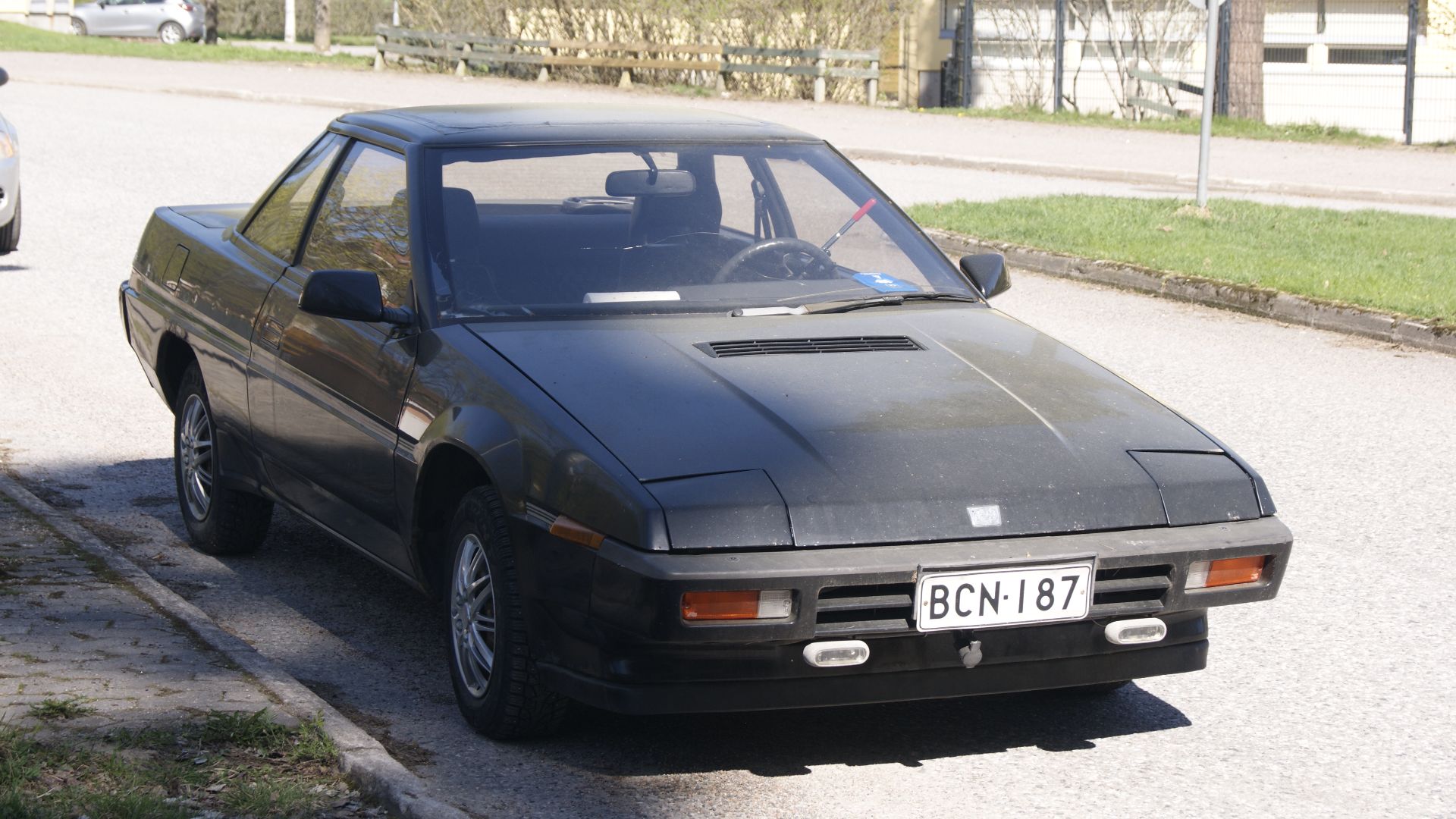
Some Subaru XT models used an electro-pneumatic suspension that could automatically level the car and alter its ride height. Drivers could raise it for additional ground clearance, then lower it again for normal driving. Modern air suspension does similar things, though usually in vehicles costing considerably more than an old Subaru.
 Dogs.barking.duster.rolling, Wikimedia Commons
Cadillac’s Built-In Mechanic
Several 80s Cadillacs could display diagnostic codes and live vehicle information through the digital climate-control panel. Press the correct combination of buttons and the car would reveal what was wrong without a separate scanner. The feature survived on a few models into the early 2000s, then quietly disappeared while ordinary OBD-II diagnostics took over.
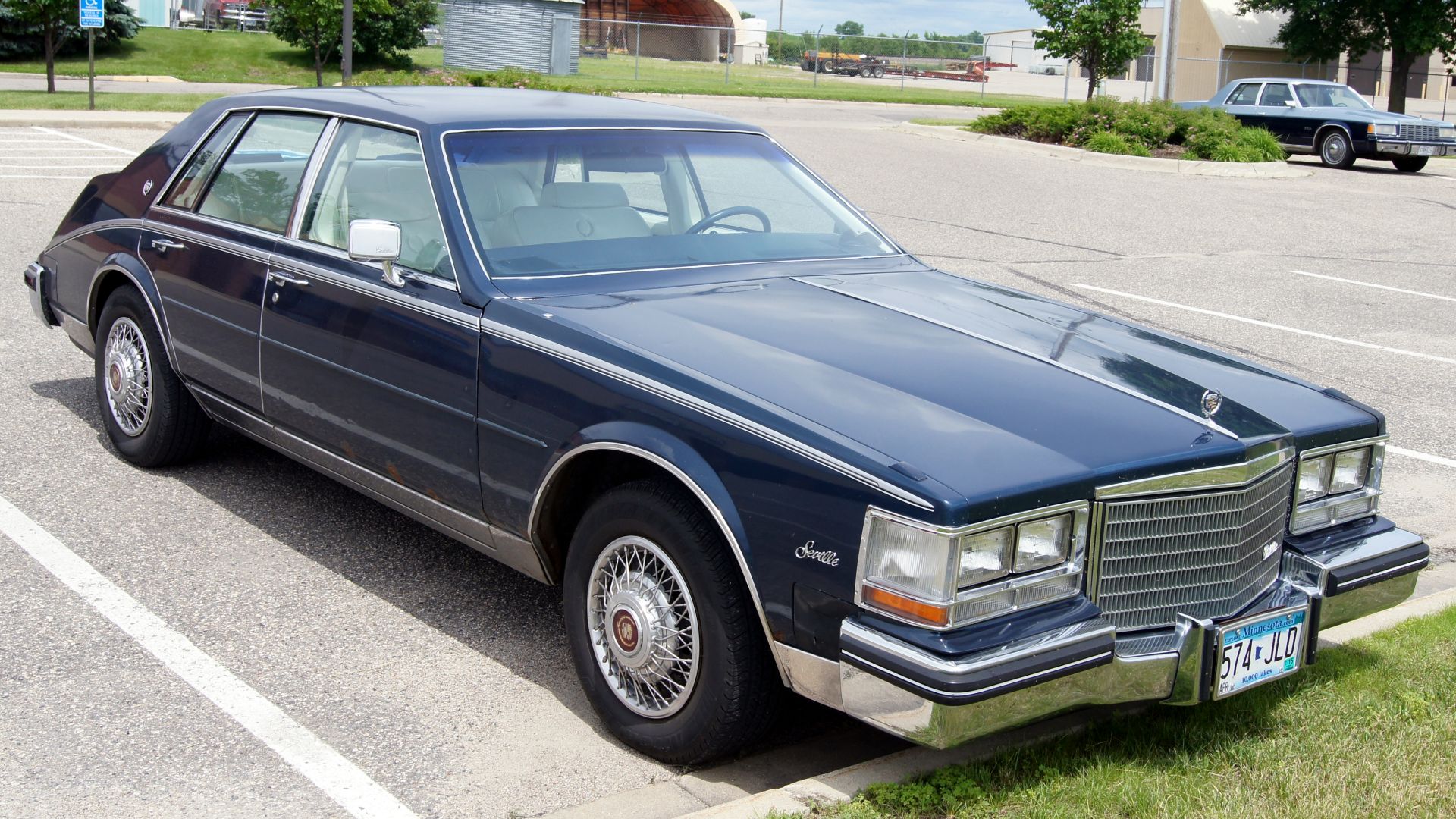 Greg Gjerdingen from Willmar, USA, Wikimedia Commons
The 80s Were Not Completely Wrong
Most of these features disappeared because they were too complicated, too unreliable, or built before the technology could properly support them. Yet touchscreens, navigation, adaptive suspension, cylinder deactivation, digital gauges, and four-wheel steering eventually returned.
The 80s really did predict the future. They just delivered the rough draft.
You Might Also Like:
Cars That Were Supposed To Be “The Next Corvette”—But They Never Took The Crown





.jpg)
.jpg)