
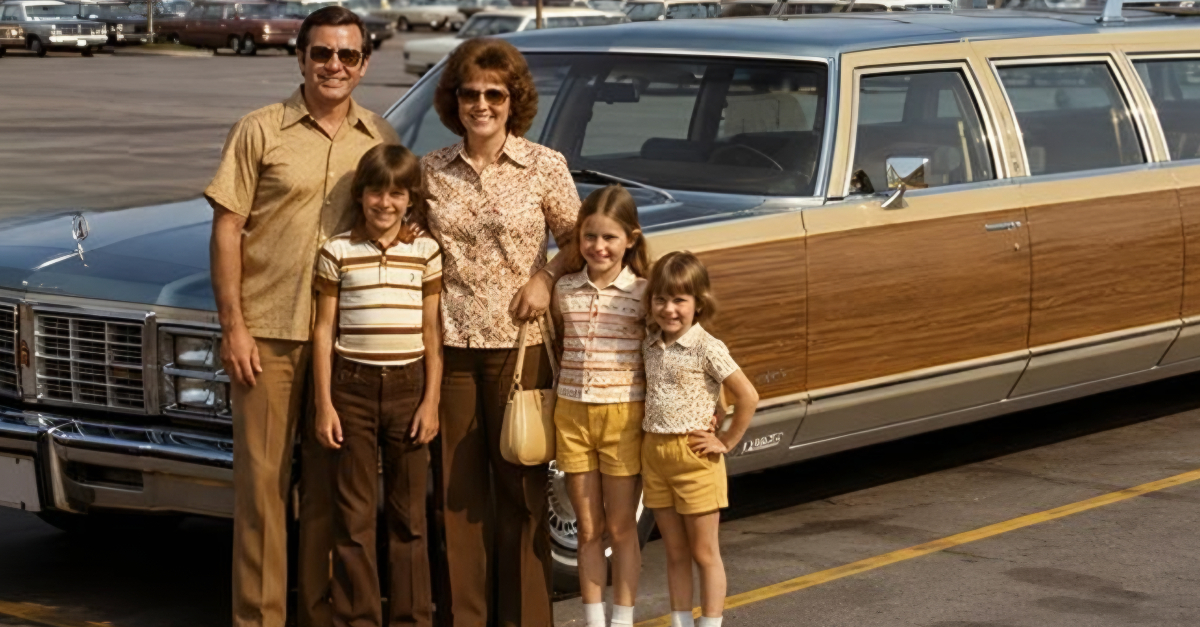
Land Yachts Ahead
There was a time when bigger automatically meant better in the car world. Families wanted giant trunks, pillow-soft seats, and enough sheet metal to make modern parking spots feel tiny. Automakers happily delivered enormous sedans and wagons that floated down the road like cruise ships.
Some of these monsters stretched longer than many modern SUVs, and a few could seat a full vacation crew. Here are some of the biggest production “family cars” regular buyers could actually bring home.
Cadillac Fleetwood Brougham
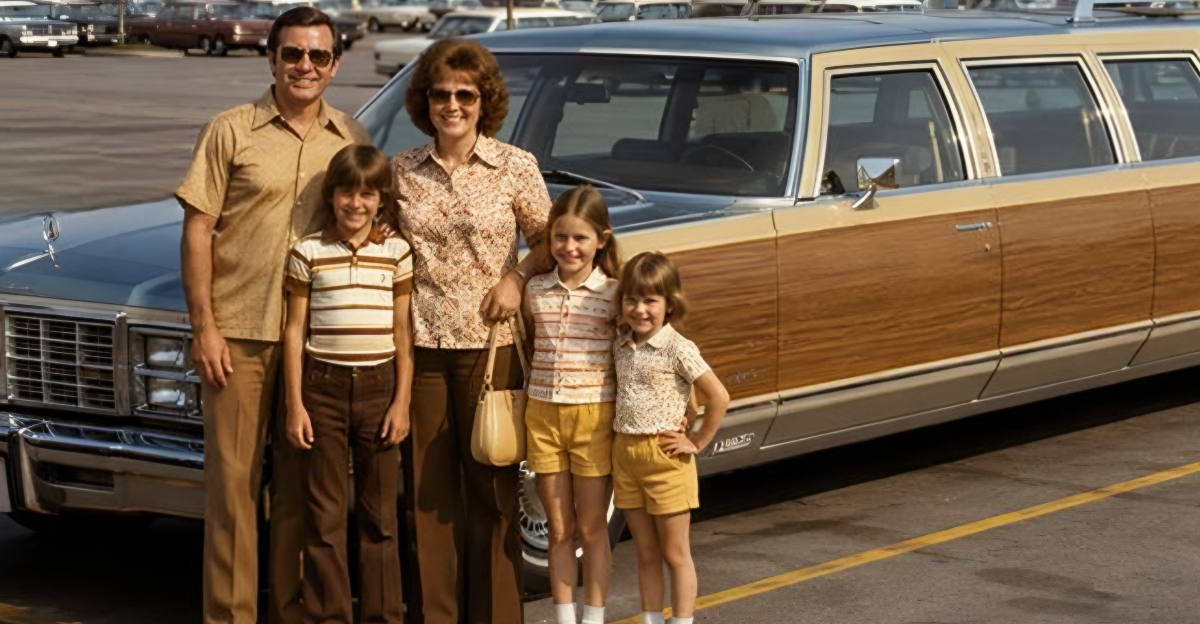
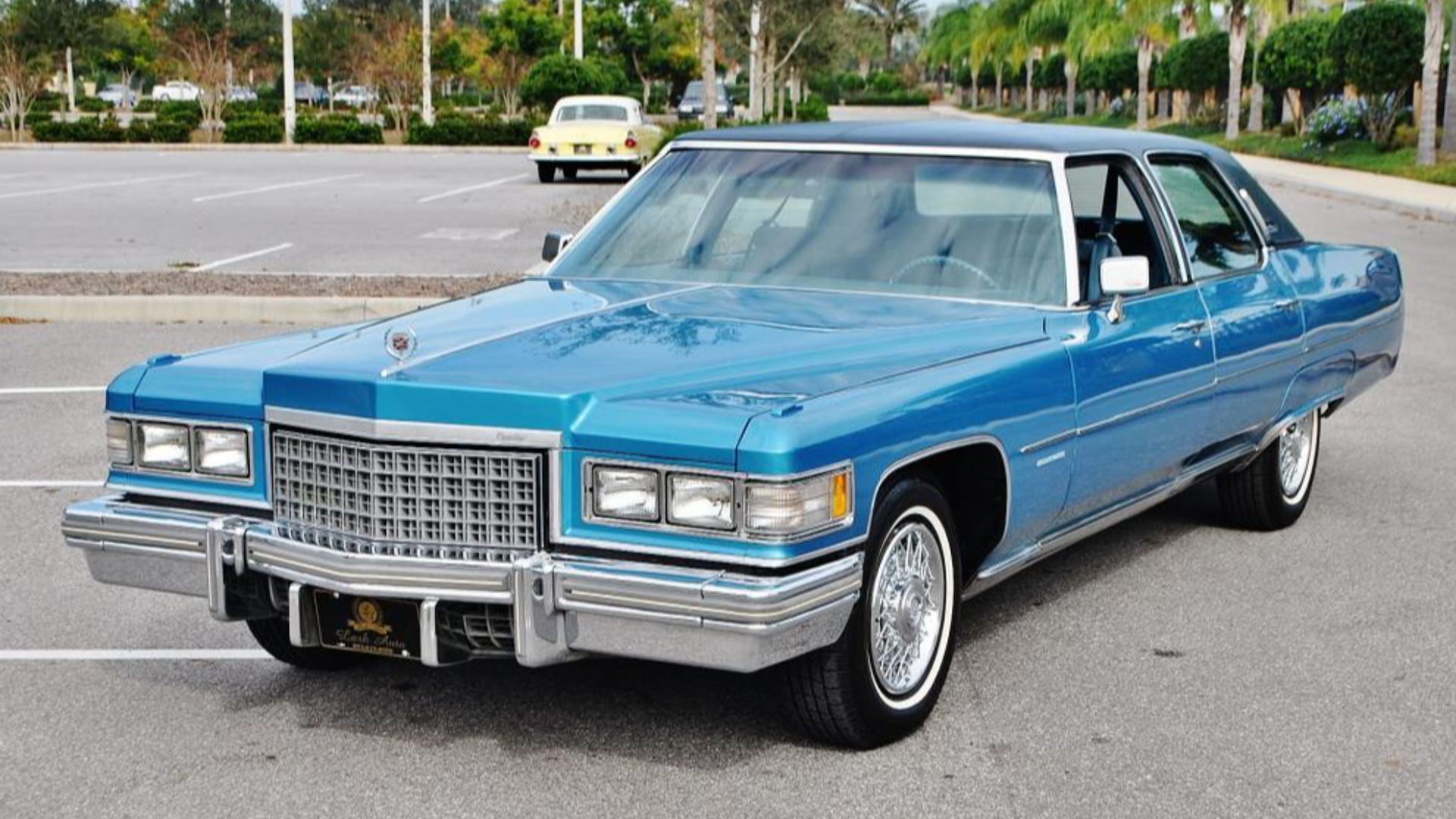
The Cadillac Fleetwood Brougham looked less like a sedan and more like a luxury hotel suite on wheels. The 1976 Fleetwood Brougham stretched about 233.7 inches long, making it one of the great American land yachts.
It had a giant hood, an enormous trunk, and a cabin built around comfort, not cornering. Driving one felt like steering a couch through town. Parking one felt like docking a yacht.
 That Hartford Guy, Wikimedia Commons
Oldsmobile Custom Cruiser
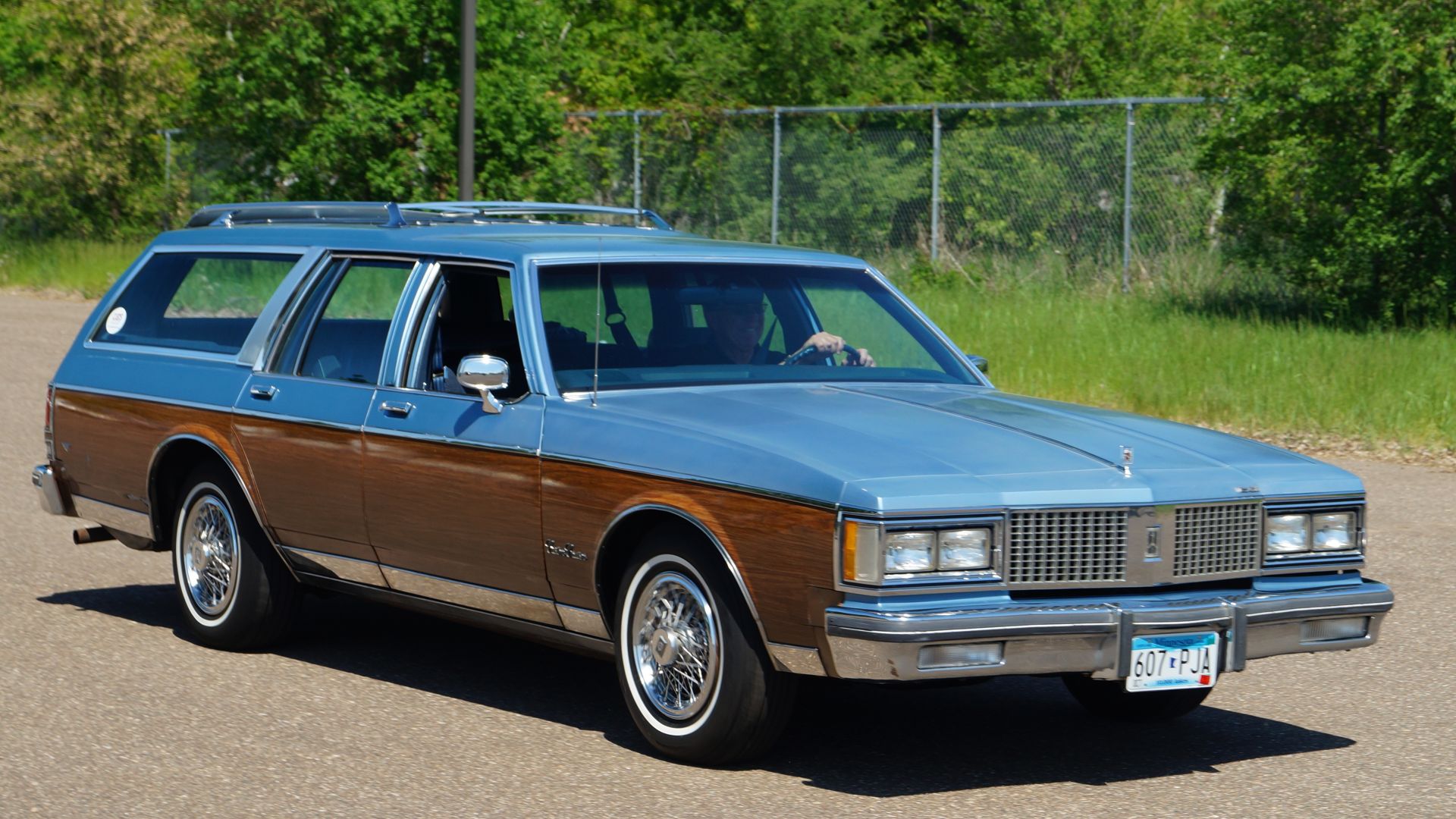
The Oldsmobile Custom Cruiser wagon was absolutely gigantic, especially in the 70s and early 80s. Families loved the available rear-facing third-row seat, which turned every road trip into an adventure for kids.
These wagons stretched forever, and the fake wood paneling somehow made them feel even larger. At gas stations, owners had to accept that comfort and cargo space came with a serious thirst.
 Greg Gjerdingen from Willmar, USA, Wikimedia Commons
Buick Electra 225
Nicknamed the “Deuce and a Quarter,” the Buick Electra 225 earned legendary status among giant American sedans. The name originally pointed to the car’s roughly 225-inch length, and the 1970 Electra 225 measured about 225.8 inches.
It delivered smooth rides, massive bench seats, and enough chrome to announce its arrival from a block away. Six adults could ride comfortably without getting too familiar.
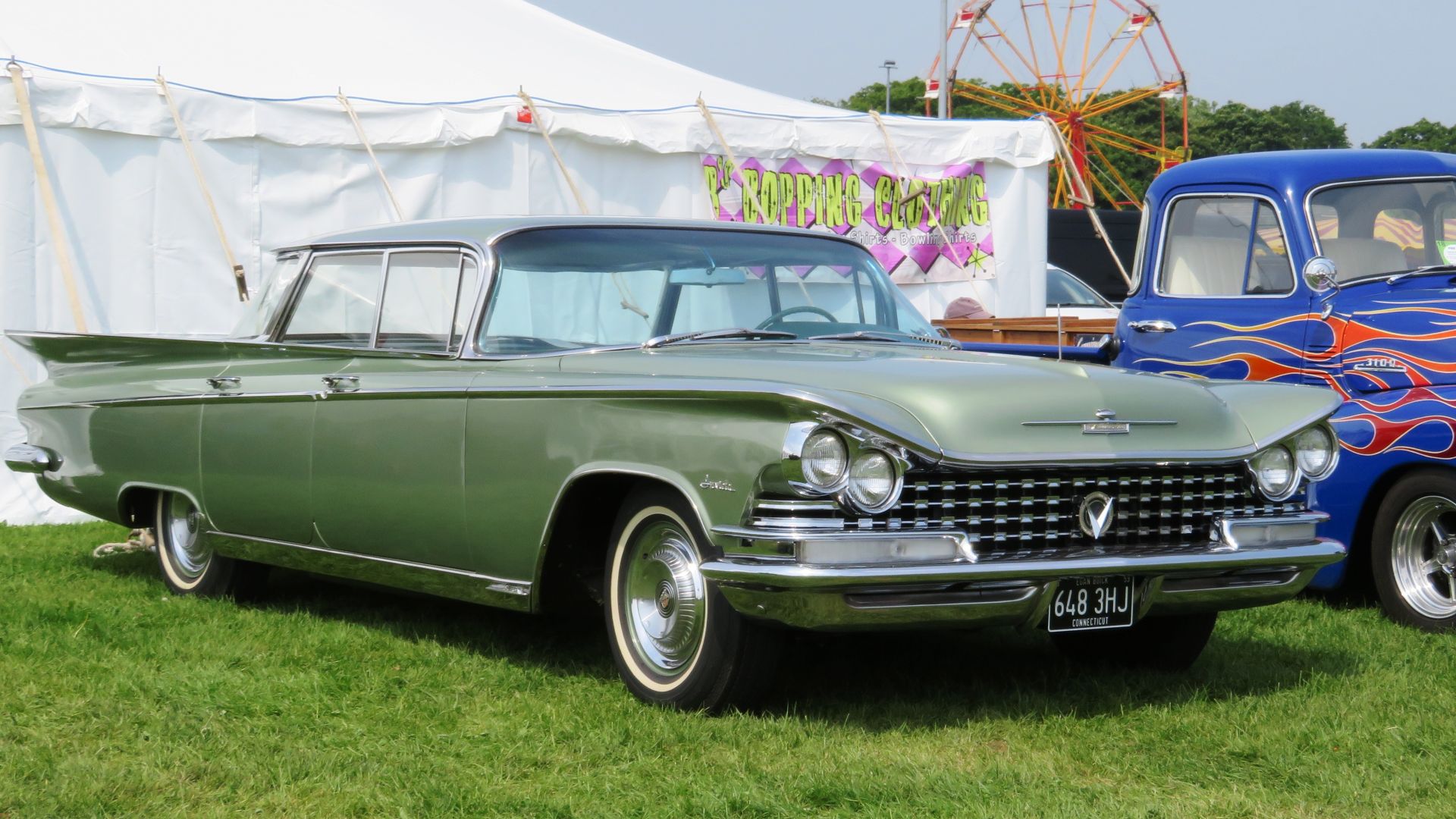
Lincoln Continental Mark V
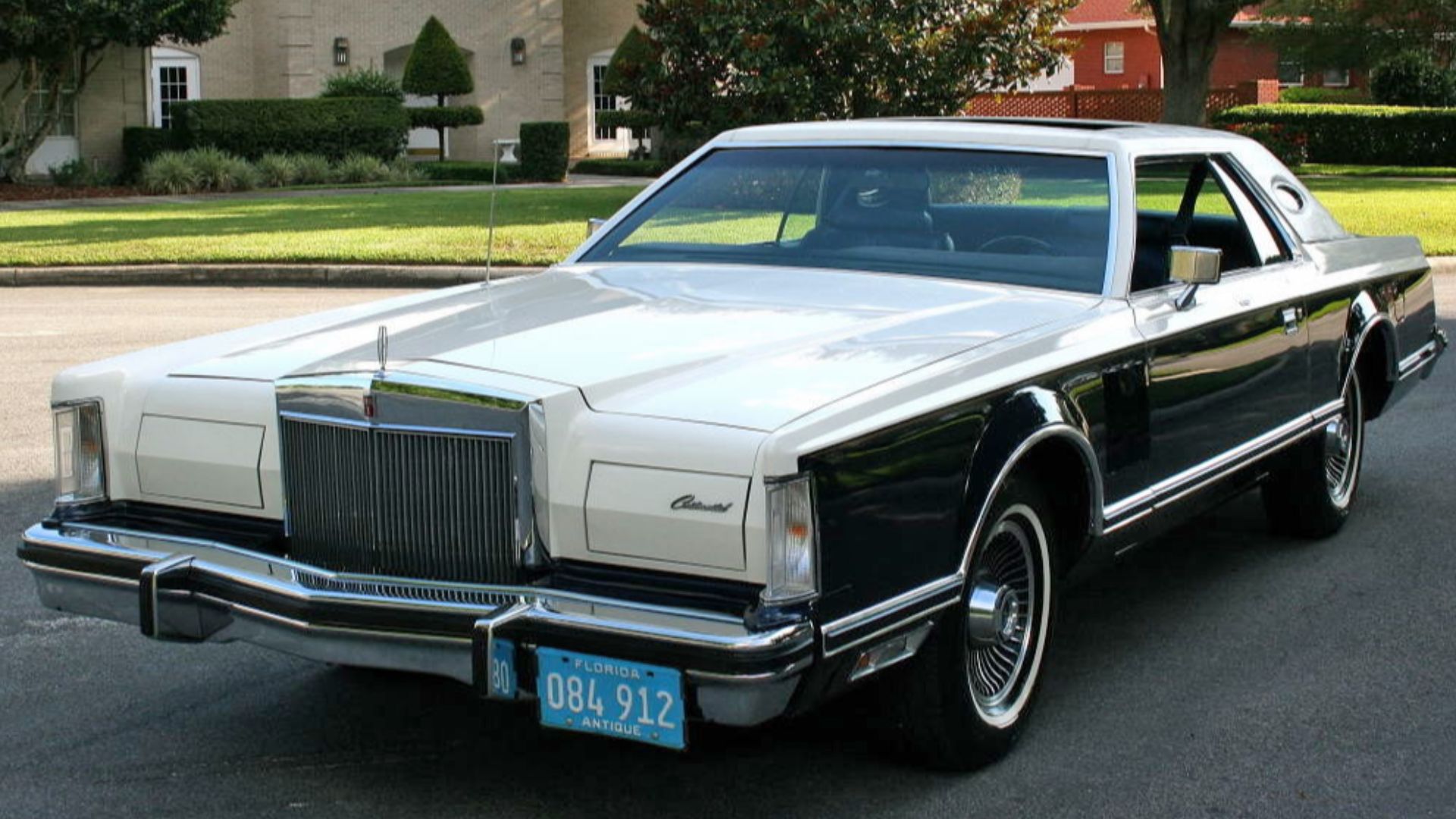
The Lincoln Continental Mark V looked like it was designed with a ruler that never stopped. Sold from 1977 through 1979, this personal-luxury coupe stretched about 230 inches and was the longest two-door coupe Ford ever marketed.
It had a dramatic hood, opera windows, and padded-vinyl-roof glamour. It wasn’t the most practical family choice, but plenty of households used big coupes as everyday cars back then.
 That Hartford Guy, Wikimedia Commons
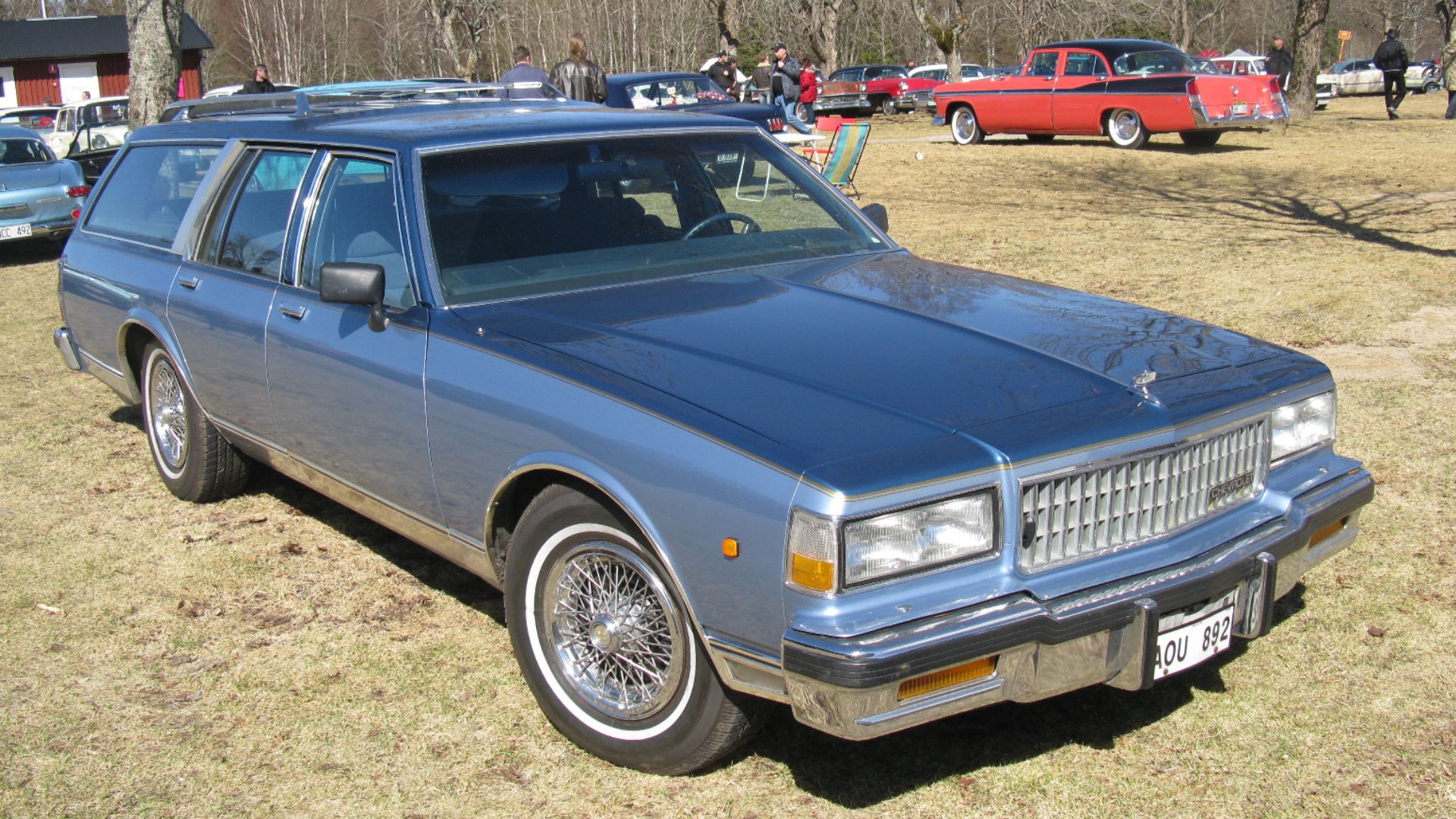
Chevrolet Caprice Classic Wagon
The Chevrolet Caprice Classic wagon became the ultimate suburban family machine. These huge wagons hauled kids, luggage, groceries, pets, and sometimes furniture without complaint. The rear-facing third-row seat became iconic for generations of children. With V8 power and soft suspension, the Caprice floated down highways while taking up nearly every inch of the driveway.
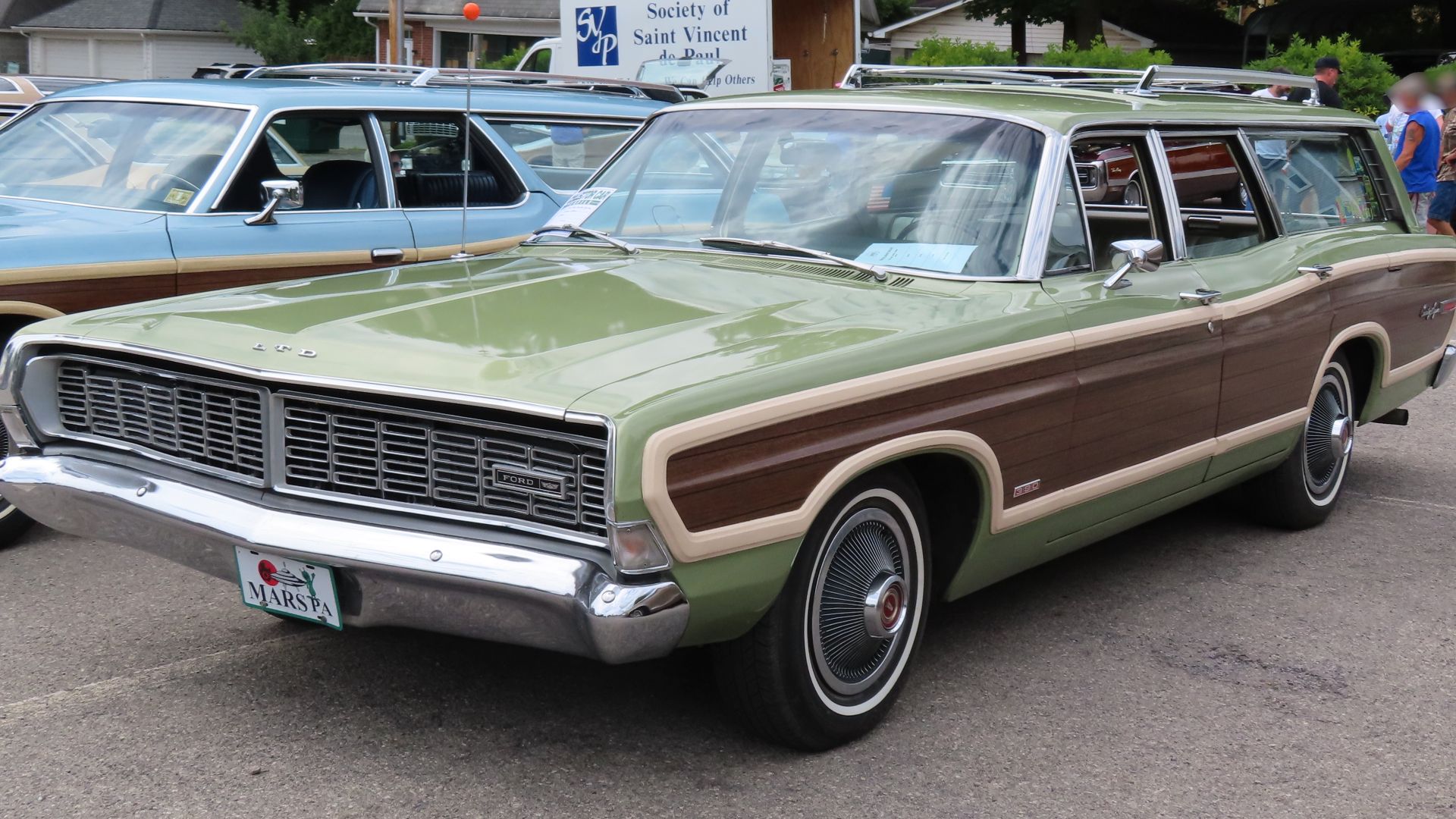
Ford LTD Country Squire
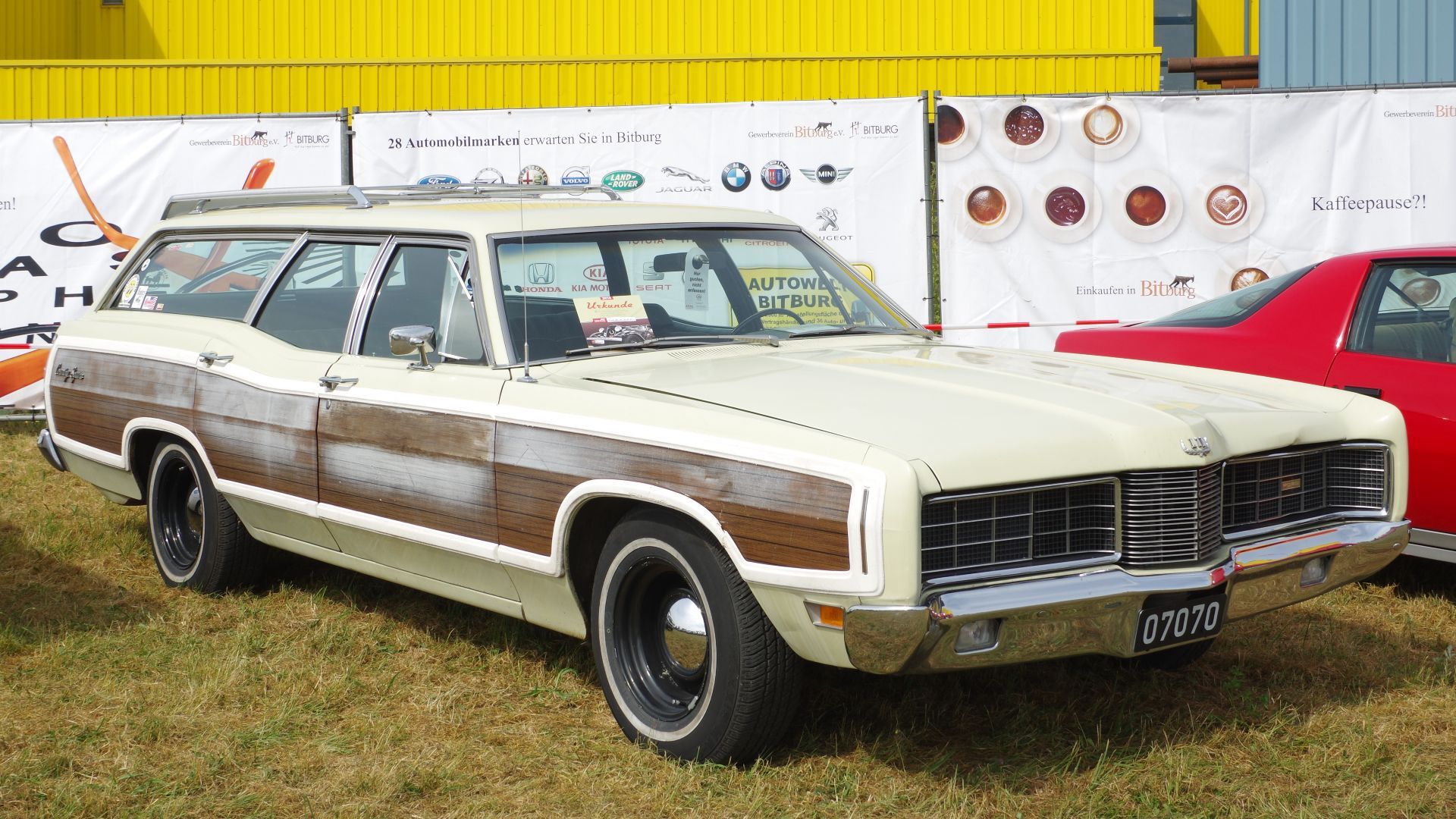
The Ford LTD Country Squire wagon was one of the definitive American land yachts. The faux wood trim gave it instant station wagon credibility, while the giant cabin made cross-country trips surprisingly comfortable. Some 70s versions were long enough to make modern parking spaces feel optimistic.
Parents loved the practicality, while kids loved riding in something closer to a bus than a normal car.
 Berthold Werner, Wikimedia Commons
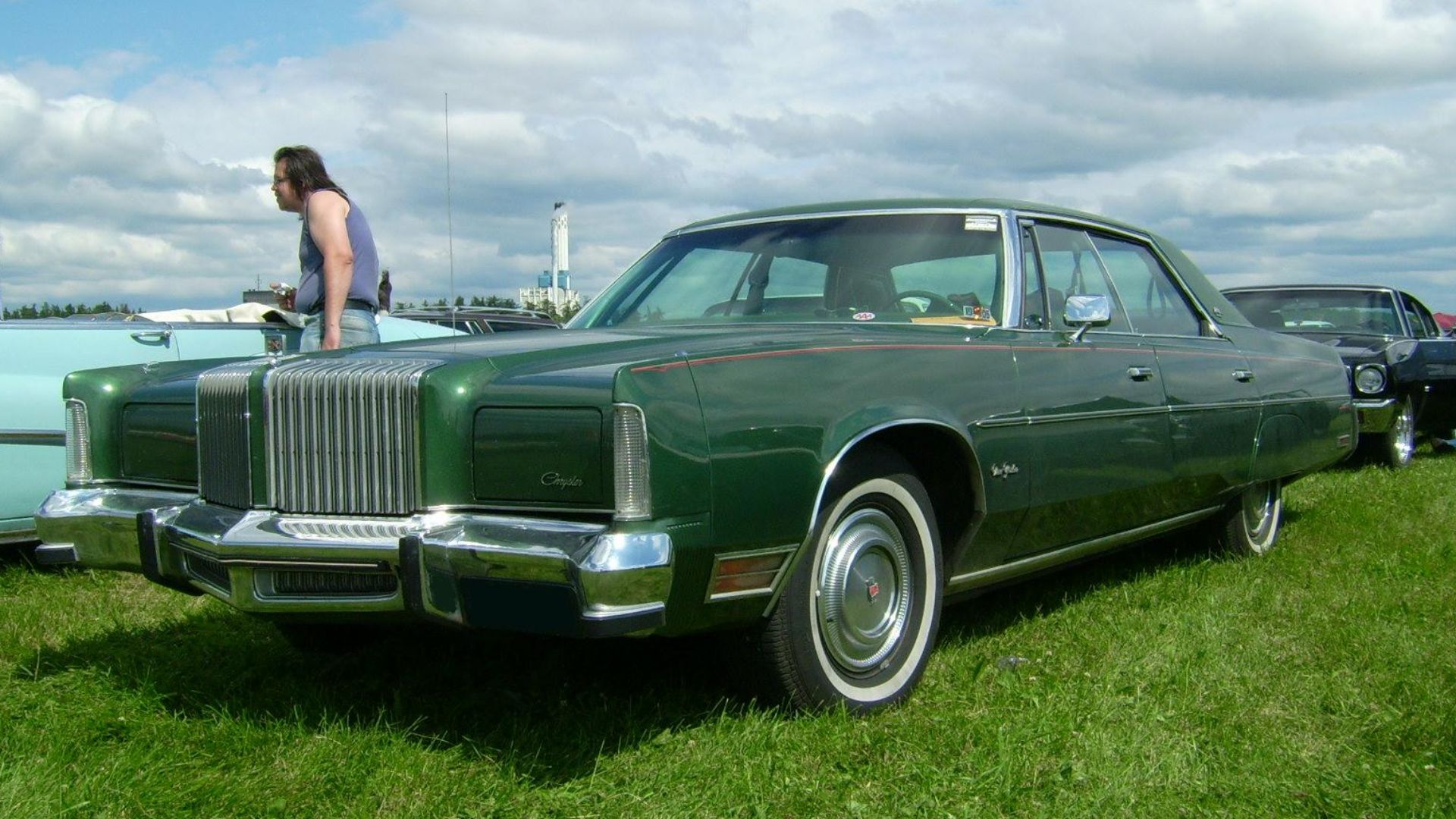
Chrysler New Yorker
For decades, the Chrysler New Yorker represented oversized American luxury. Massive bench seats, cushy suspensions, and giant steering wheels came standard. These cars were designed for comfort above all else, and they delivered it in enormous proportions.
In many neighborhoods, the New Yorker became the official car of grandparents who drove exactly 12 miles under the speed limit.
Mercury Colony Park
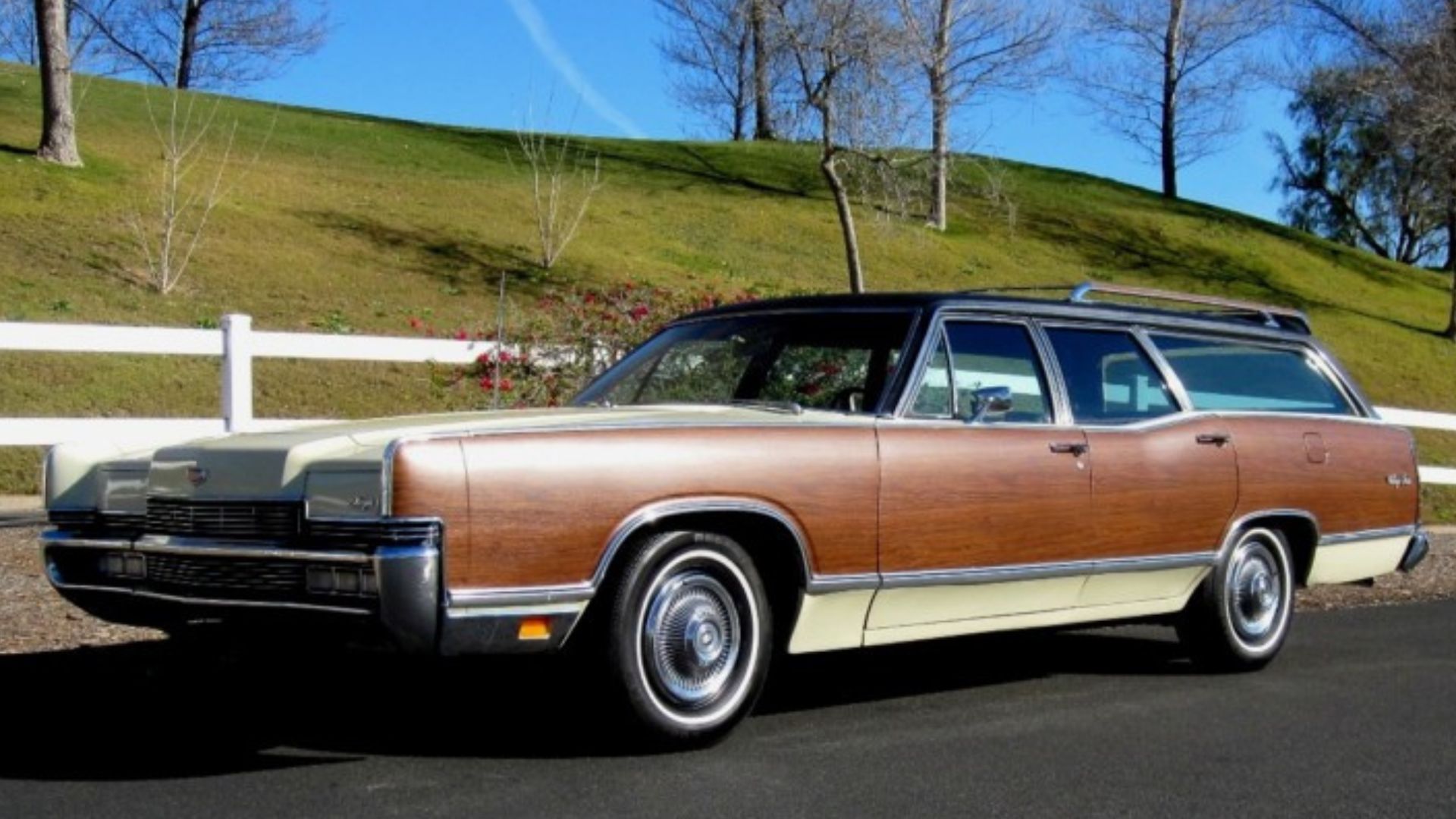
The Mercury Colony Park wagon was basically Ford’s Country Squire with extra luxury touches. It featured massive cargo space, faux wood sides, and enough room for large families and their vacation luggage. Drivers often joked that you needed nautical experience before piloting one. Despite their size, these wagons became beloved symbols of 70s and 80s family life.
 That Hartford Guy, Wikimedia Commons
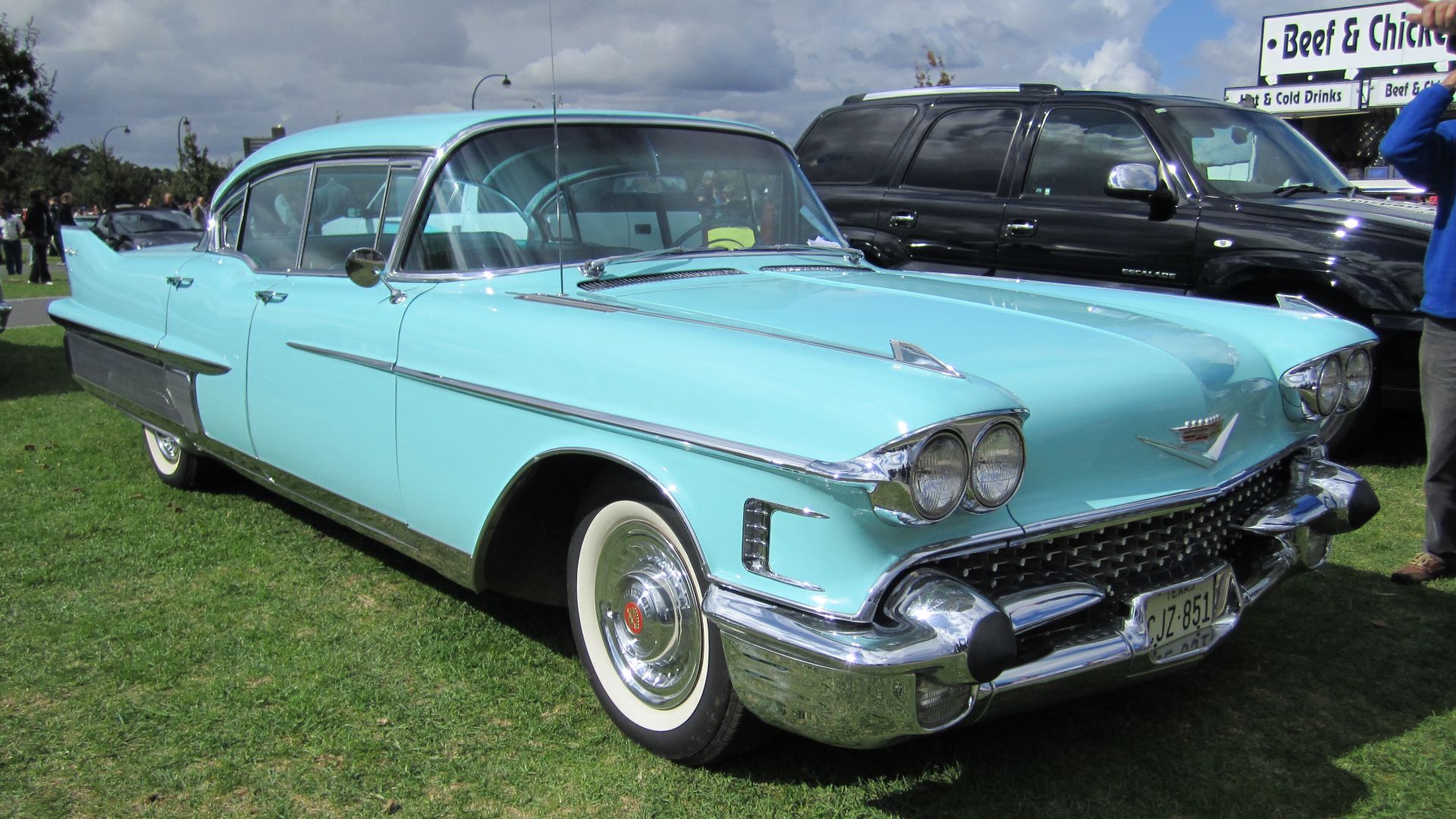
Cadillac Sedan DeVille
The Cadillac Sedan DeVille practically defined the phrase “land yacht.” During the 70s, these cars became enormous, elegant cruisers with long fenders and gigantic overhangs. Passengers enjoyed incredible comfort, while drivers got a hood so long it sometimes felt endless from behind the wheel. Even modern full-size SUVs can look modest parked next to a peak-era DeVille.
Pontiac Bonneville Brougham
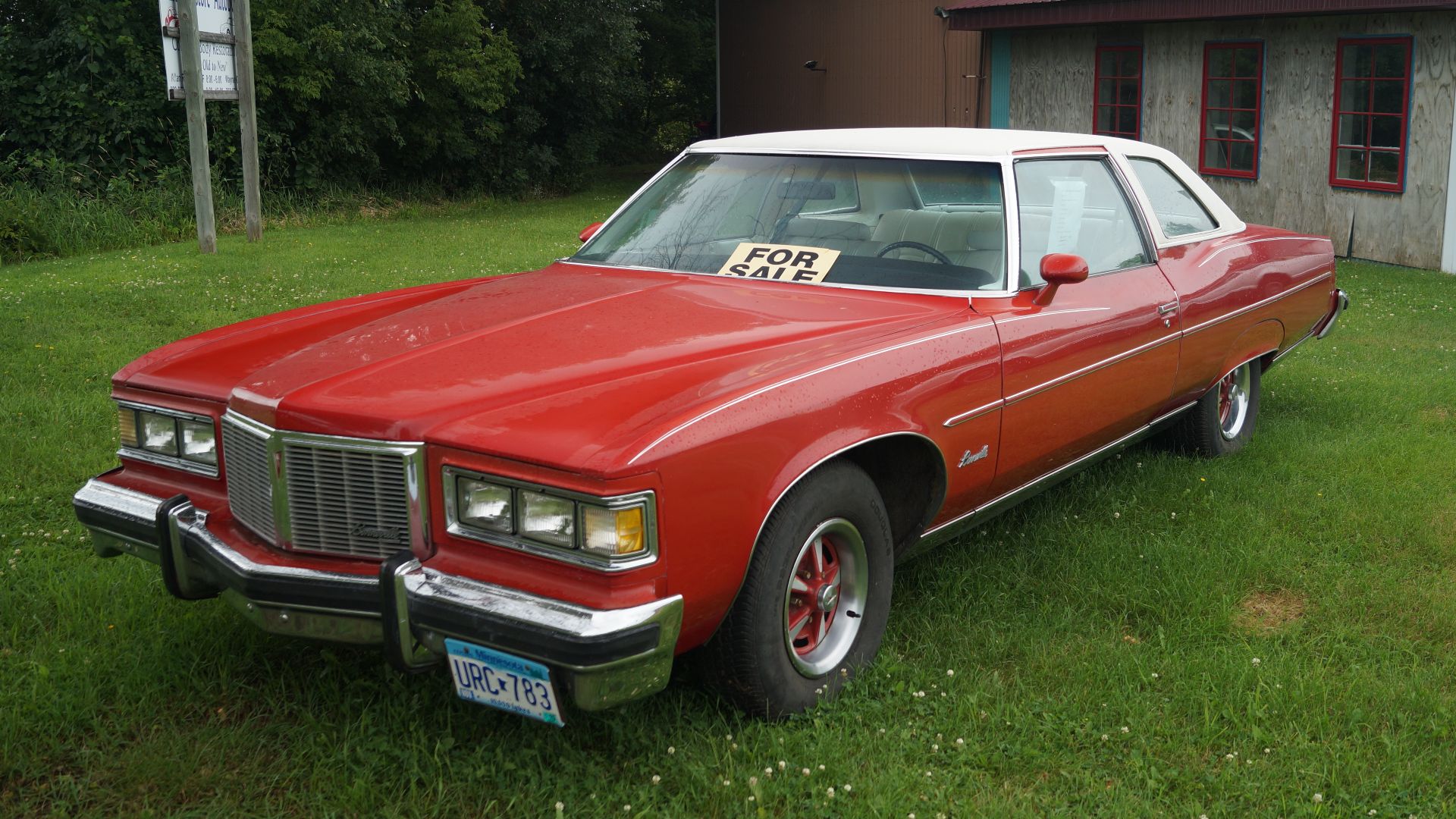
The Pontiac Bonneville Brougham combined big-car luxury with classic Pontiac styling. These sedans offered huge interiors and soft rides that soaked up bumps like they barely existed. Families often used them for long-distance road trips because everybody had space to stretch out. Fuel economy was never the selling point here. Comfort and size were the entire mission.
 Greg Gjerdingen from Willmar, USA, Wikimedia Commons
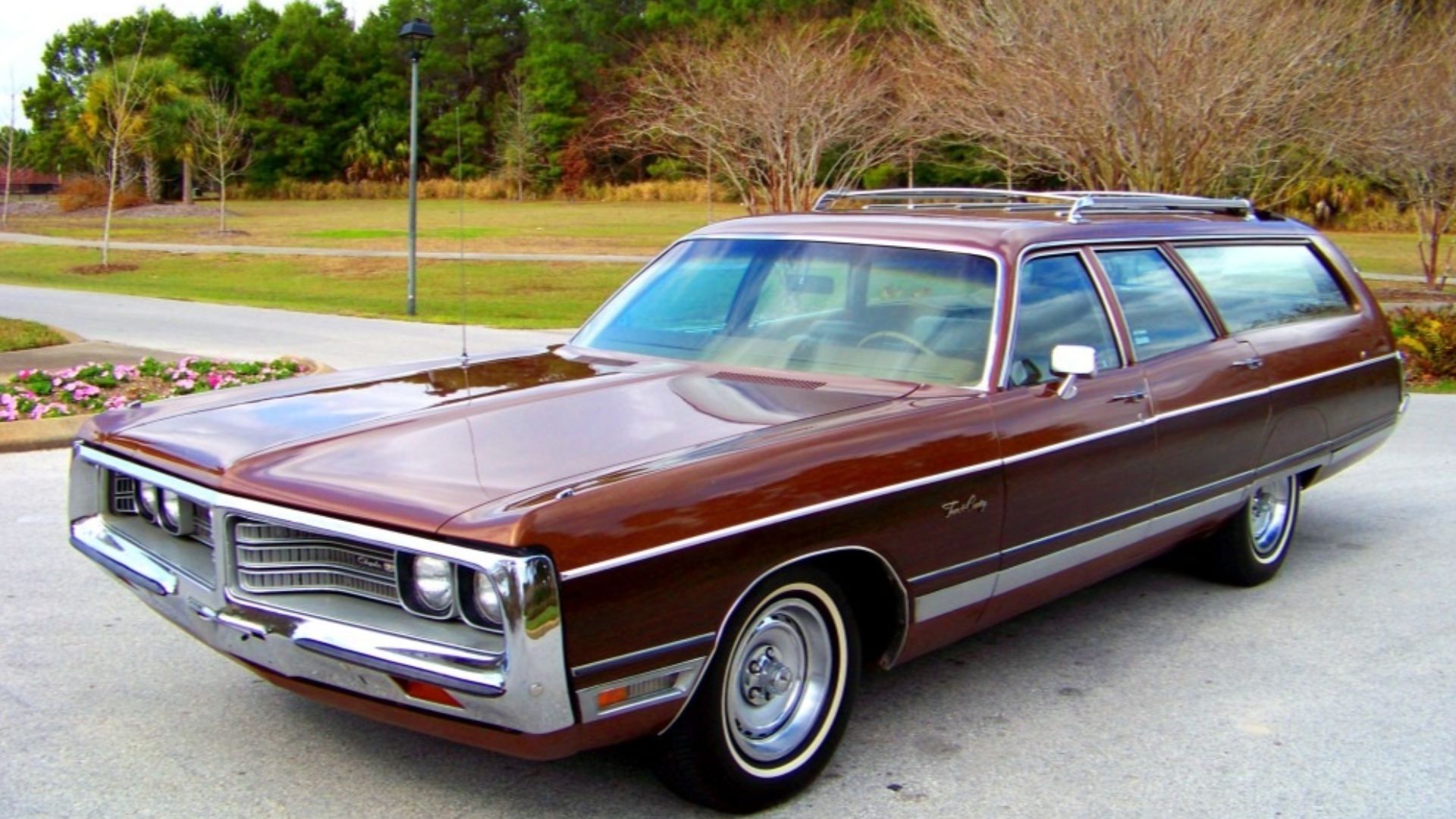
Chrysler Town & Country Wagon
The Chrysler Town & Country wagon mixed upscale styling with massive practicality. Earlier versions helped build the wood-bodied wagon image before faux paneling became the norm. By the 70s, these wagons were gigantic family haulers with cavernous interiors.
Kids could practically host meetings in the back seat. They also had enough cargo space to swallow bicycles, coolers, and camping gear all at once.
Dodge Monaco Wagon
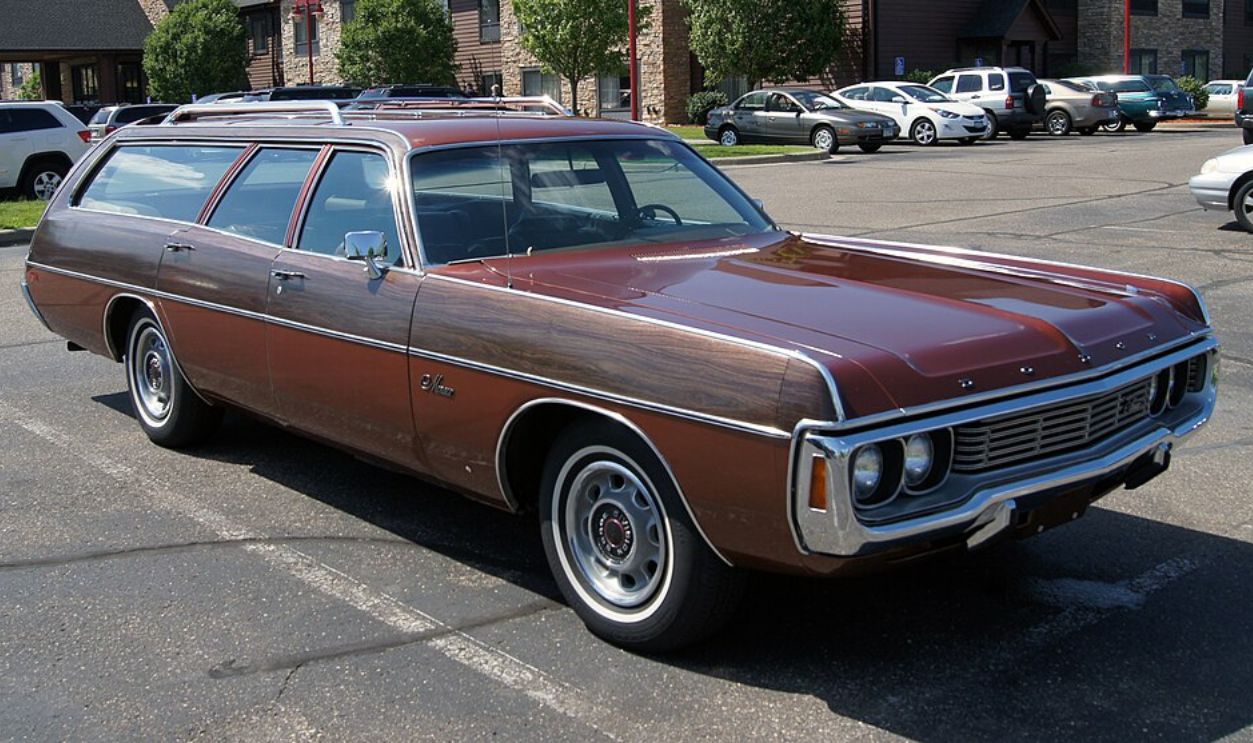
The Dodge Monaco wagon became famous for its gigantic proportions and sturdy build. It was especially useful for large families who needed room for passengers and endless cargo. The long roofline made it feel like a rolling hallway. These cars weren’t subtle, but subtlety was never really the point during America’s giant wagon era.
 Greg Gjerdingen from Willmar, USA, CC BY 2.0, Wikimedia Commons
AMC Ambassador Wagon
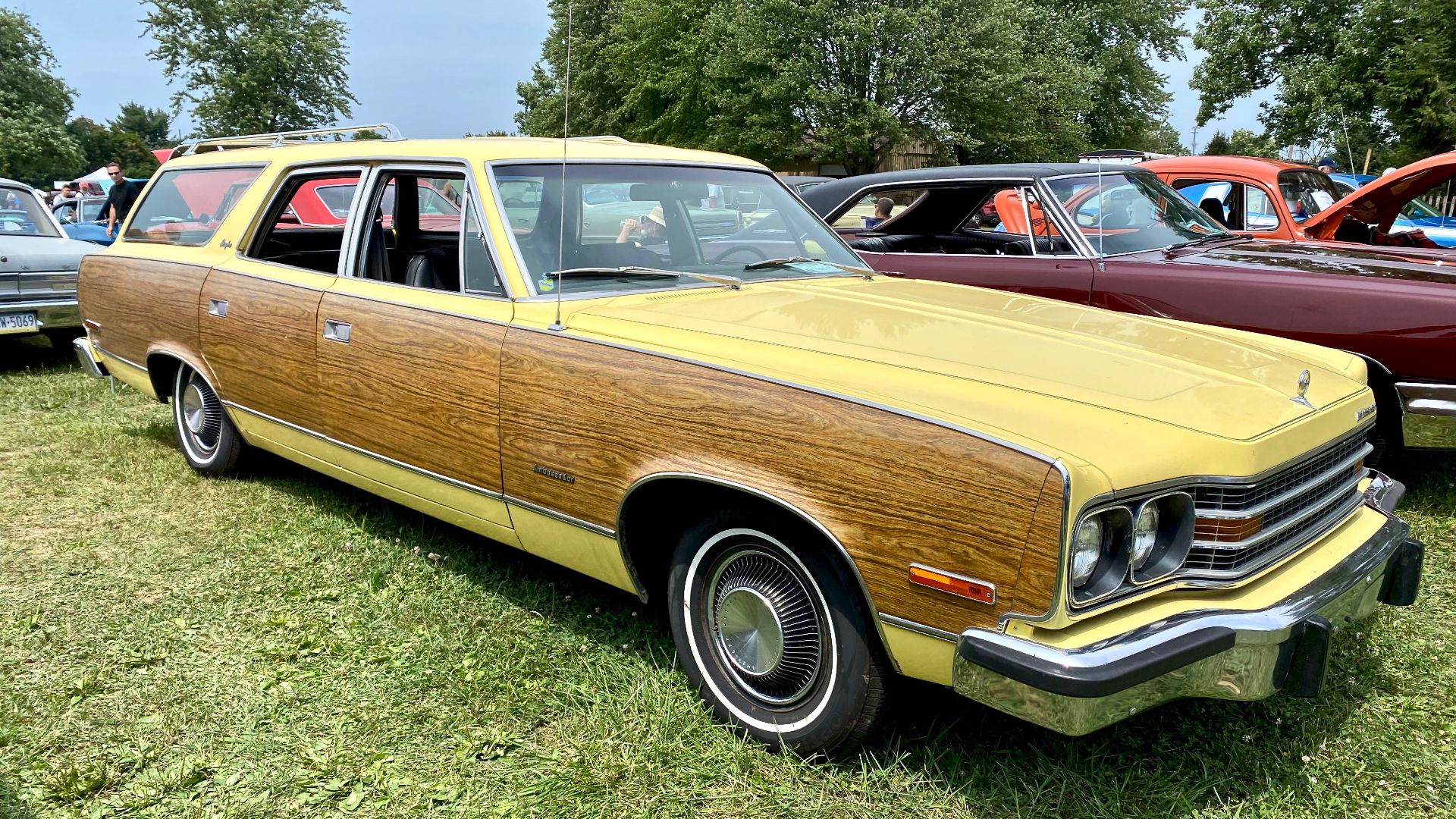
AMC may have been smaller than Detroit’s Big Three, but the Ambassador wagon still delivered serious size. It offered broad bench seats, large cargo areas, and a comfortable ride. While it lacked the prestige of Cadillac or Lincoln, families appreciated its practicality. Today, seeing one on the road feels like spotting a dinosaur from another automotive age.
Imperial LeBaron
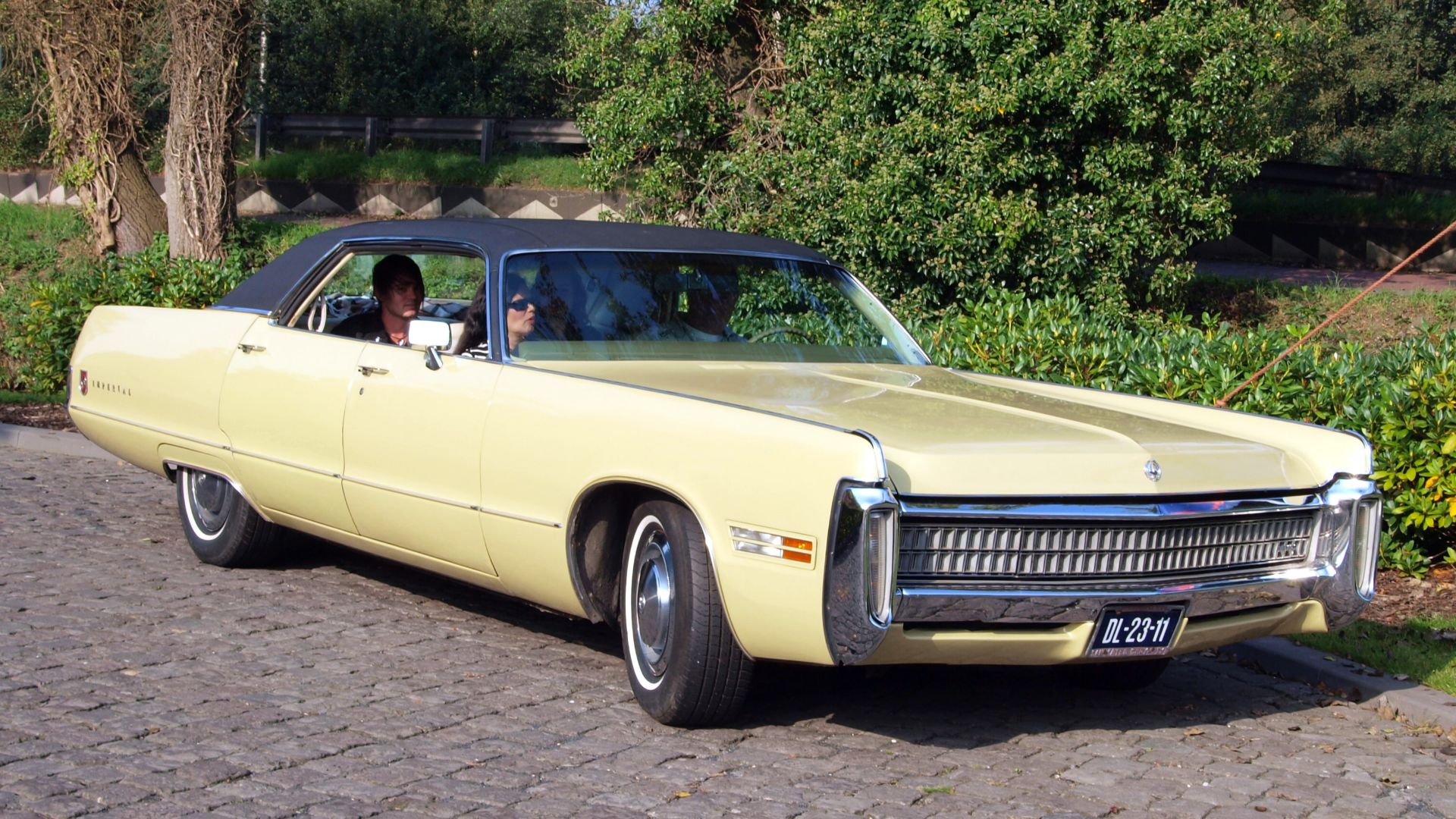
The Imperial LeBaron represented Chrysler’s top-tier luxury ambitions, and the car was absolutely enormous. Huge proportions, hidden headlights, and thickly padded interiors gave it undeniable presence.
These weren’t just big sedans. They were rolling statements. Owners loved the smooth ride and imposing design, even if squeezing into parking spaces required patience and several attempts.
Chevrolet Impala Wagon
The Chevrolet Impala wagon spent decades as one of America’s go-to family vehicles. In its largest years, it offered absurd amounts of passenger and cargo room. Families packed these wagons with coolers, luggage, pets, and restless kids for summer vacations. Some versions even featured power rear windows, which felt surprisingly futuristic at the time.
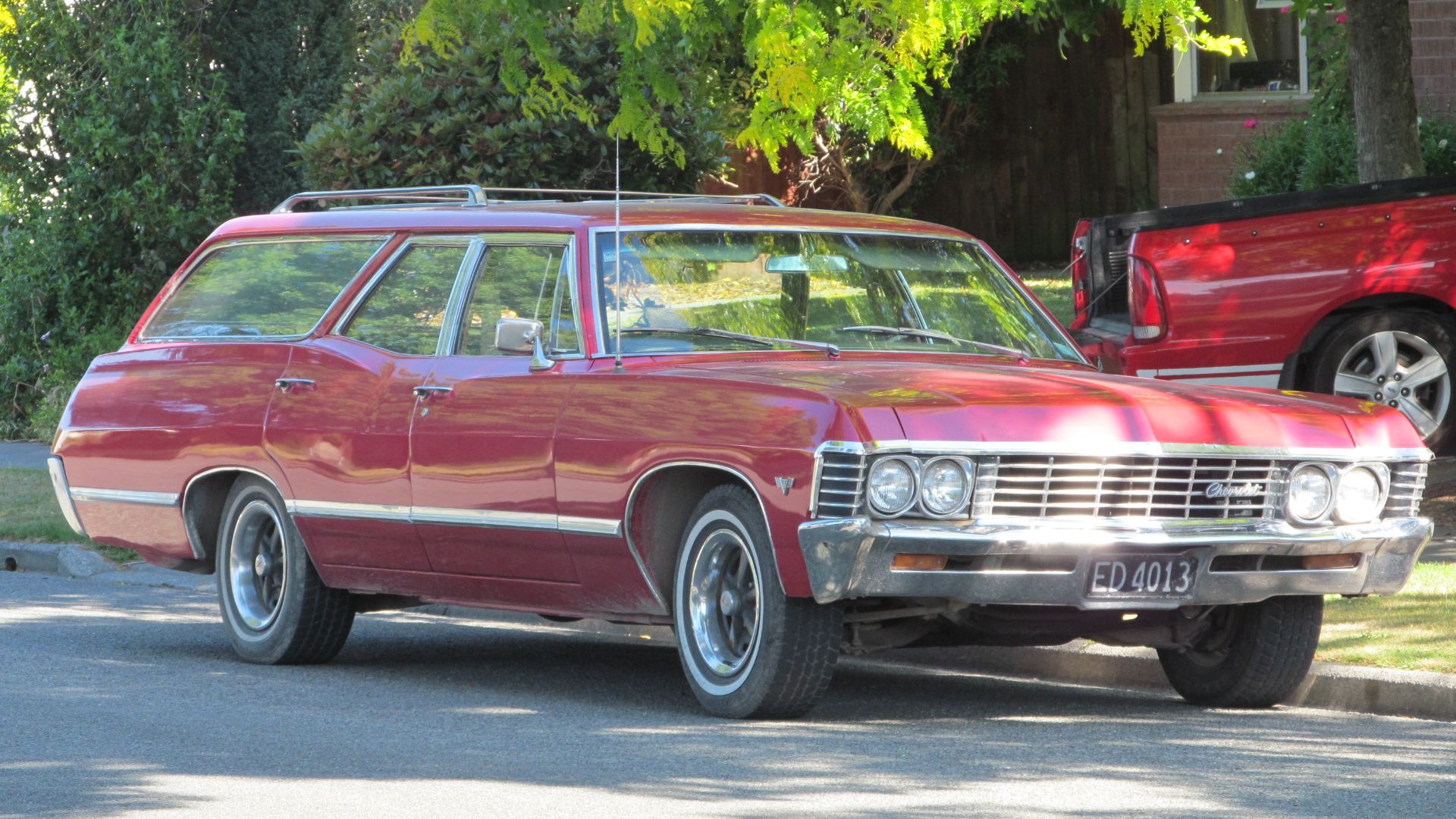 Riley from Christchurch, New Zealand, Wikimedia Commons
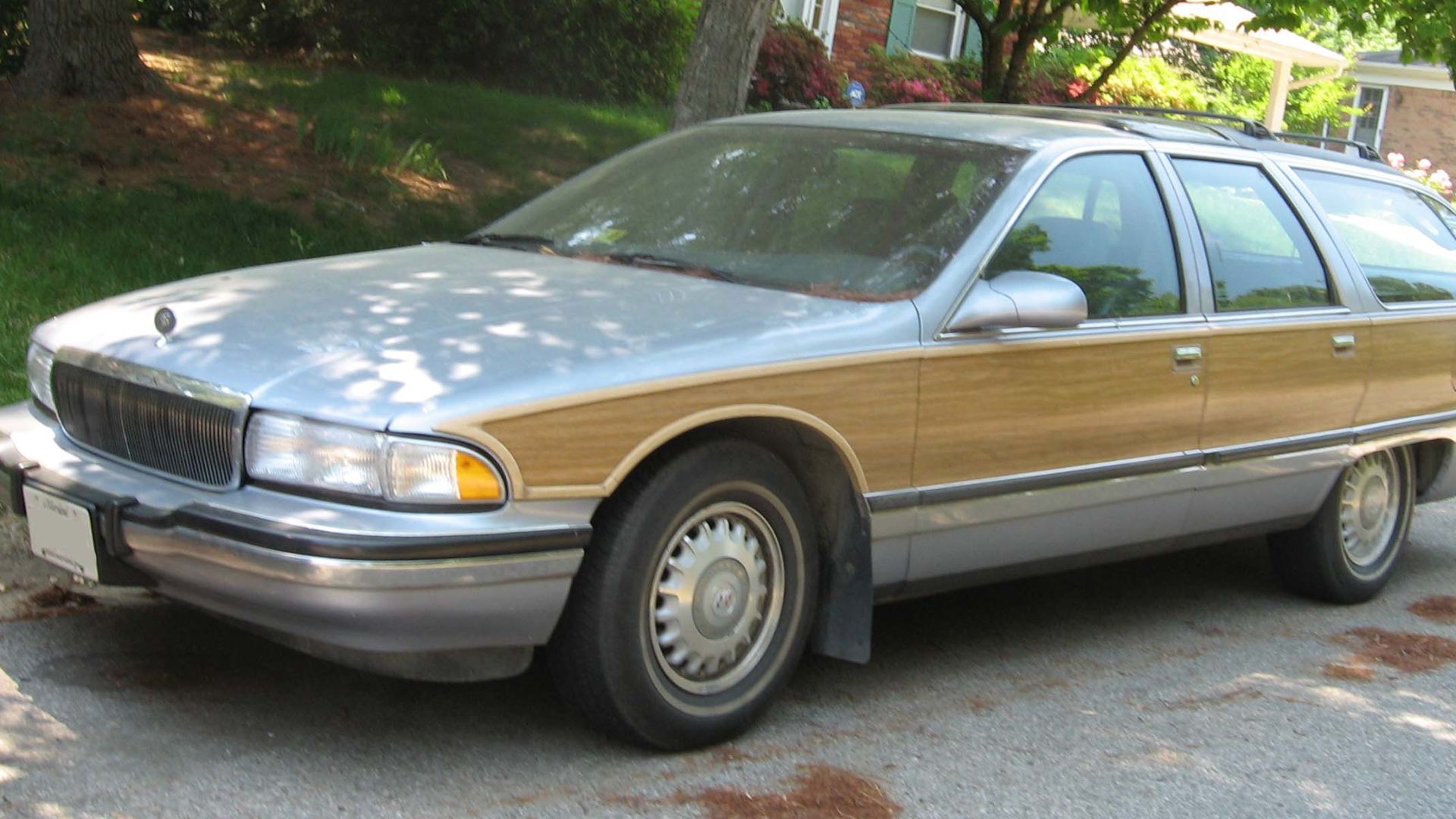
Buick Roadmaster Wagon
The 90s Buick Roadmaster wagon brought the giant American family car into a newer era. From 1994 through 1996, the Roadmaster Estate used GM’s 5.7-liter LT1 V8, related to the engine in the Corvette, Camaro, and Firebird but tuned for big-car duty. The wood-grain sides returned for nostalgia points, and the cabin could carry an entire family comfortably. It became one of the last true full-size American wagons.
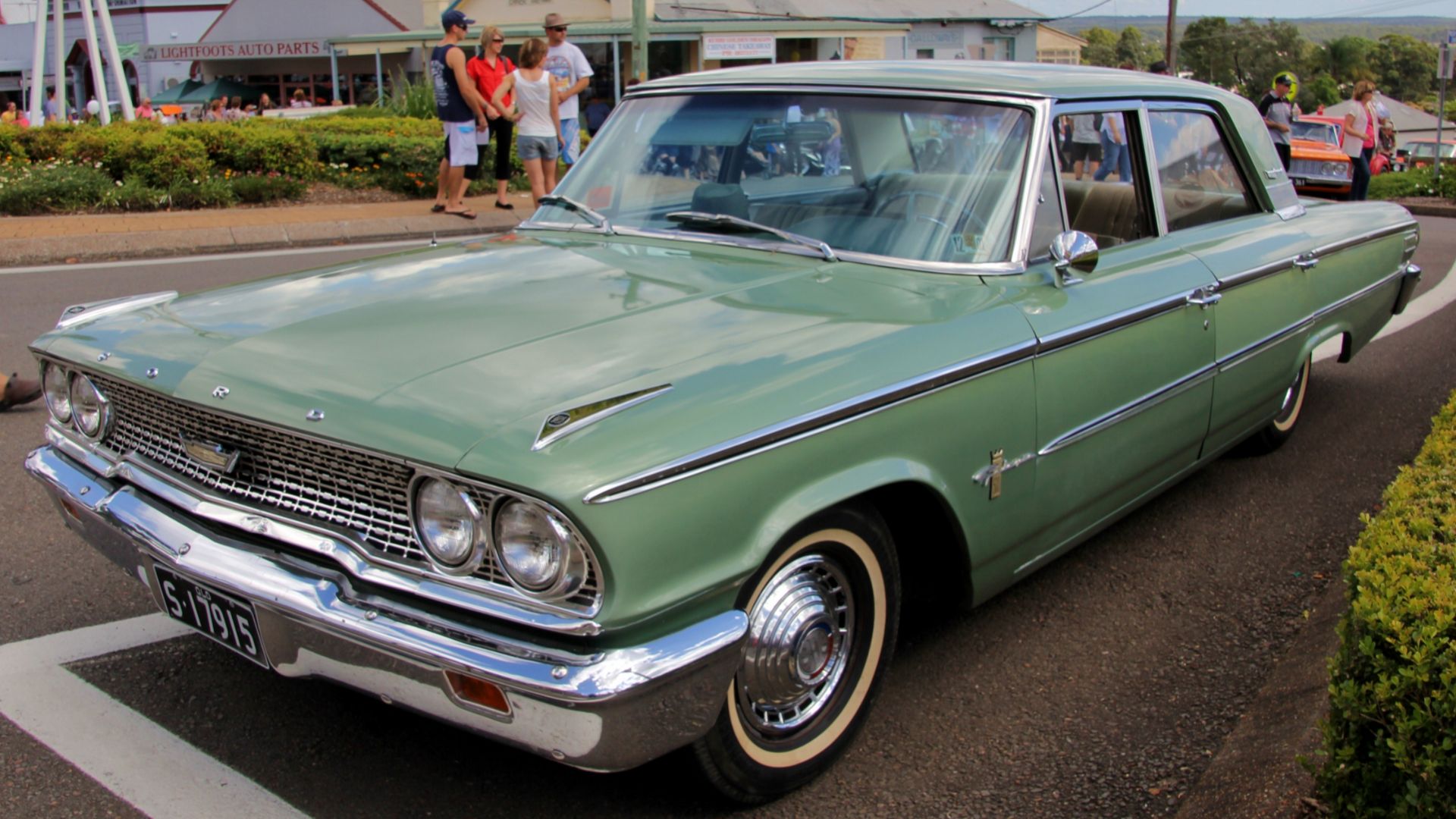
Ford Galaxie 500
The Ford Galaxie 500 dominated American roads during the 60s with its gigantic dimensions and comfortable ride. Families loved its broad interiors and huge trunks. Some versions looked almost endless when viewed from the side. The Galaxie captured the era when Detroit believed every new model should somehow be longer, lower, and wider than the previous year.
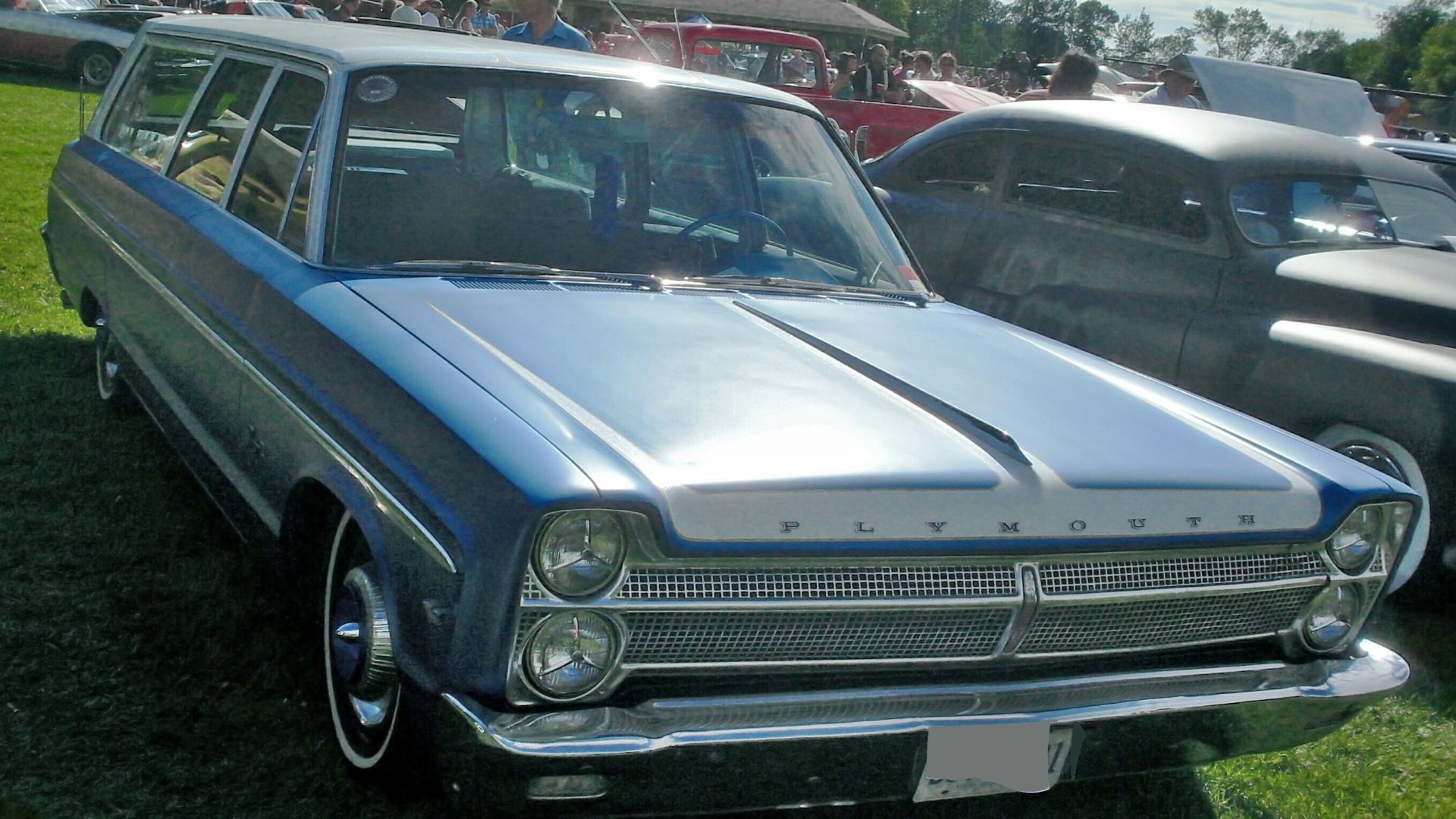
Plymouth Fury Wagon
The Plymouth Fury wagon became a staple for growing families during the 60s and 70s. It combined huge interior space with classic Mopar styling. These wagons seemed capable of carrying everything except restraint at the gas pump. Kids often remember the rear-facing seats fondly, while parents probably remember wrestling these enormous machines into crowded parking lots.
Lincoln Town Car
The Lincoln Town Car survived far longer than most traditional American land yachts. Even in the 90s and 2000s, it remained huge compared to most sedans. The soft ride and giant bench-style seating made it popular with older buyers, livery services, and families who liked old-school comfort. Driving one felt relaxed and floaty, almost like gliding rather than actually steering.
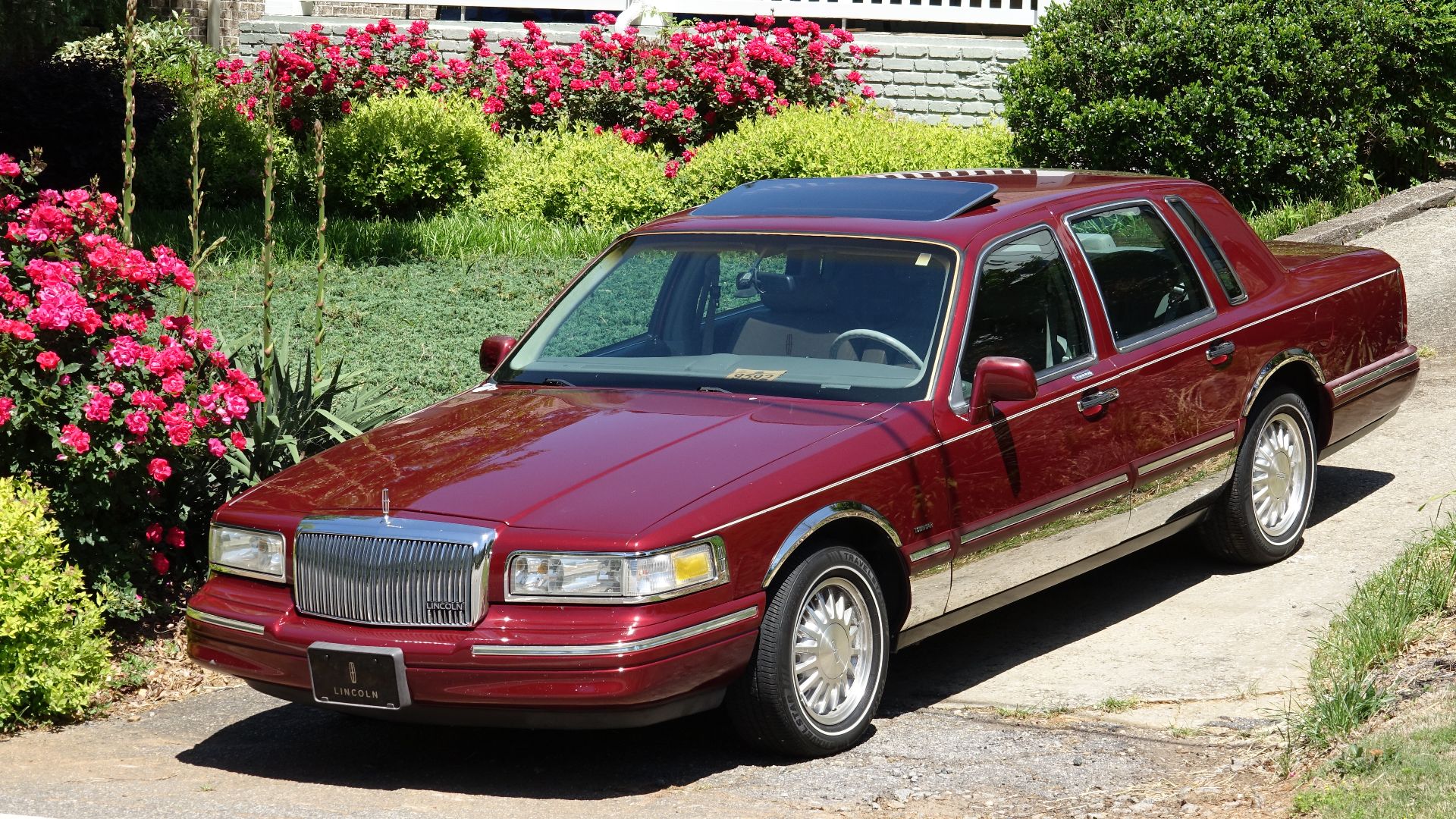 Ruben de Rijcke, Wikimedia Commons
Chevrolet Kingswood Estate
The Chevrolet Kingswood Estate wagon delivered giant dimensions and classic wood-paneled styling. It was one of those vehicles where children could disappear somewhere in the back during road trips. The long body and available big-block V8 engines made it unmistakably American. Today, they’re remembered as rolling symbols of peak station wagon culture.
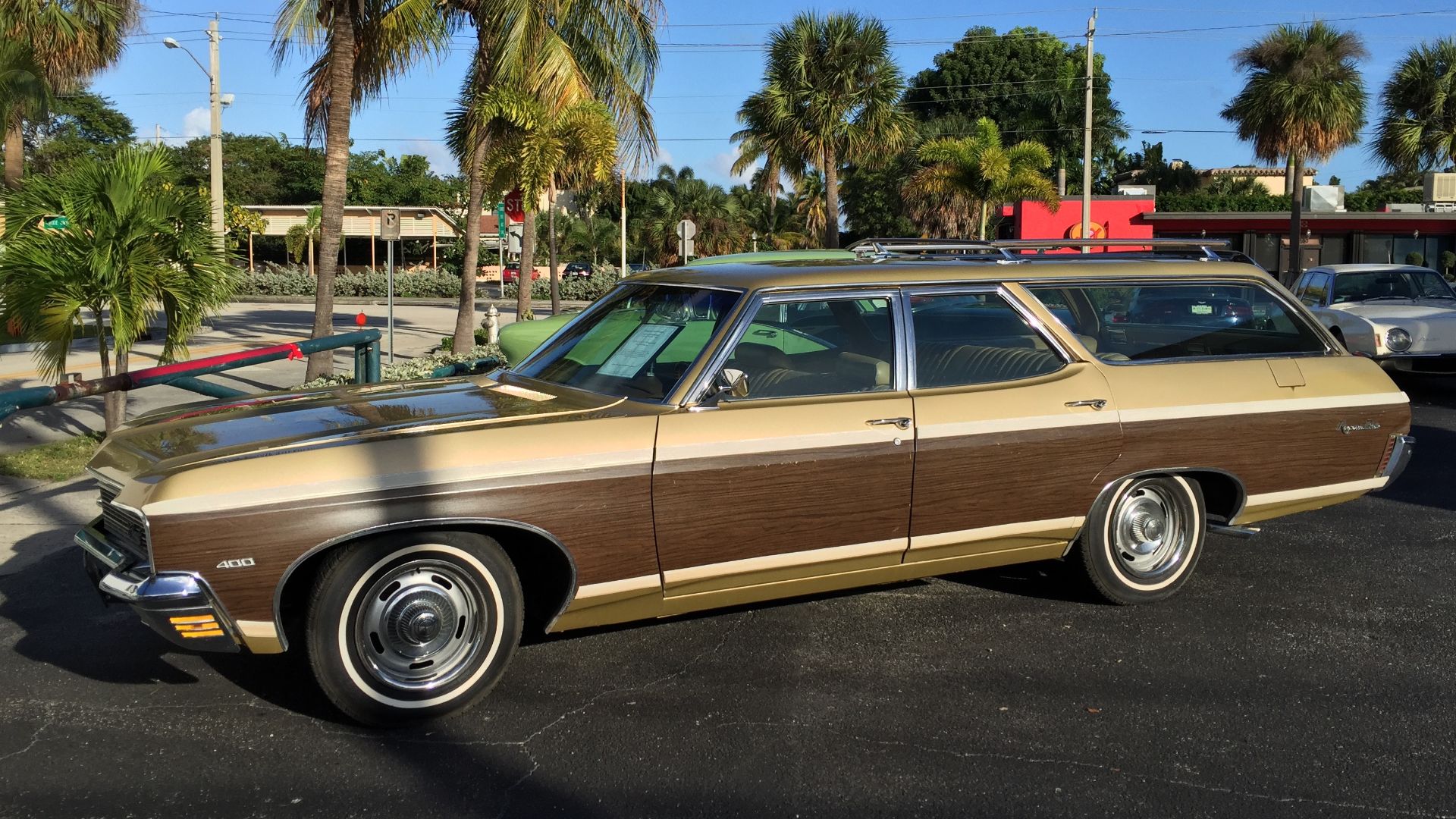
Dodge Polara
The Dodge Polara grew to impressive sizes during the late 60s and early 70s. These full-size sedans and wagons offered roomy cabins and broad bench seats that could fit several passengers comfortably. Some versions stretched beyond what most modern drivers would consider manageable. Yet back then, this was simply what a normal family car could look like.
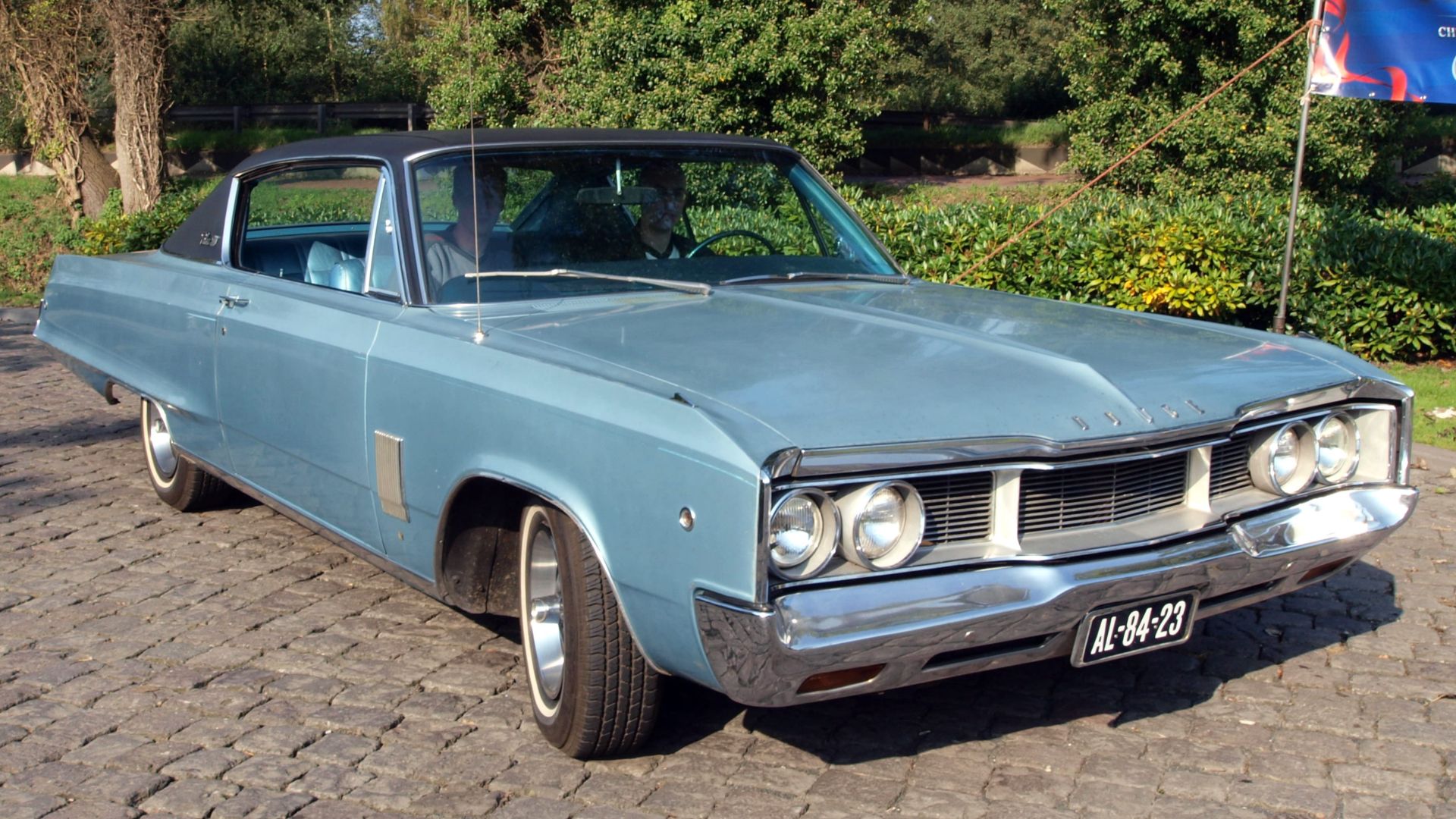
Pontiac Catalina Wagon
The Pontiac Catalina wagon delivered huge proportions with a little extra Pontiac flair. Families loved the roomy seating and giant cargo area, especially for vacations and camping trips. The ride quality leaned soft and comfortable, perfect for long highway cruises. Like many wagons of its era, it felt less like a car and more like mobile living space.
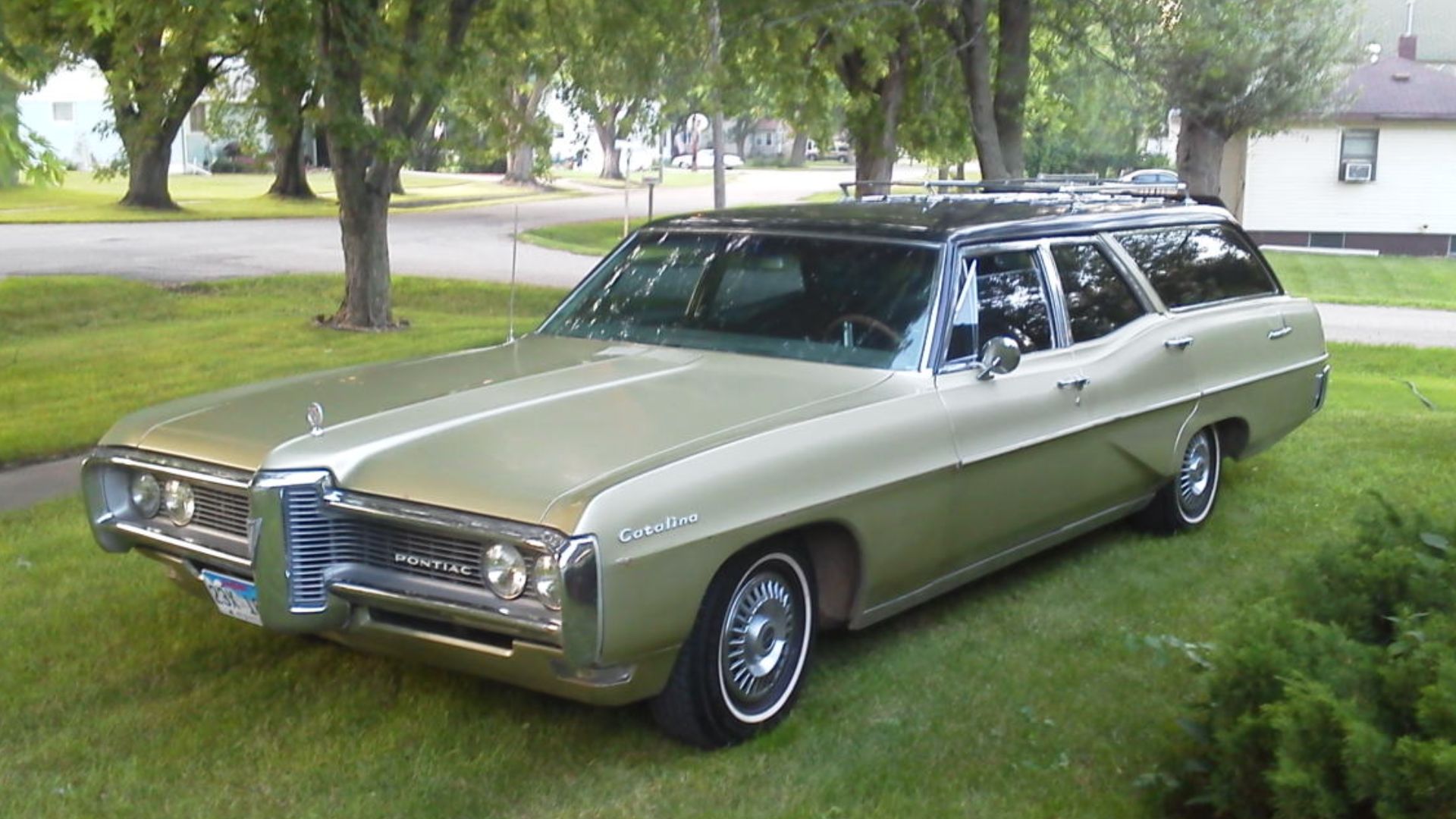
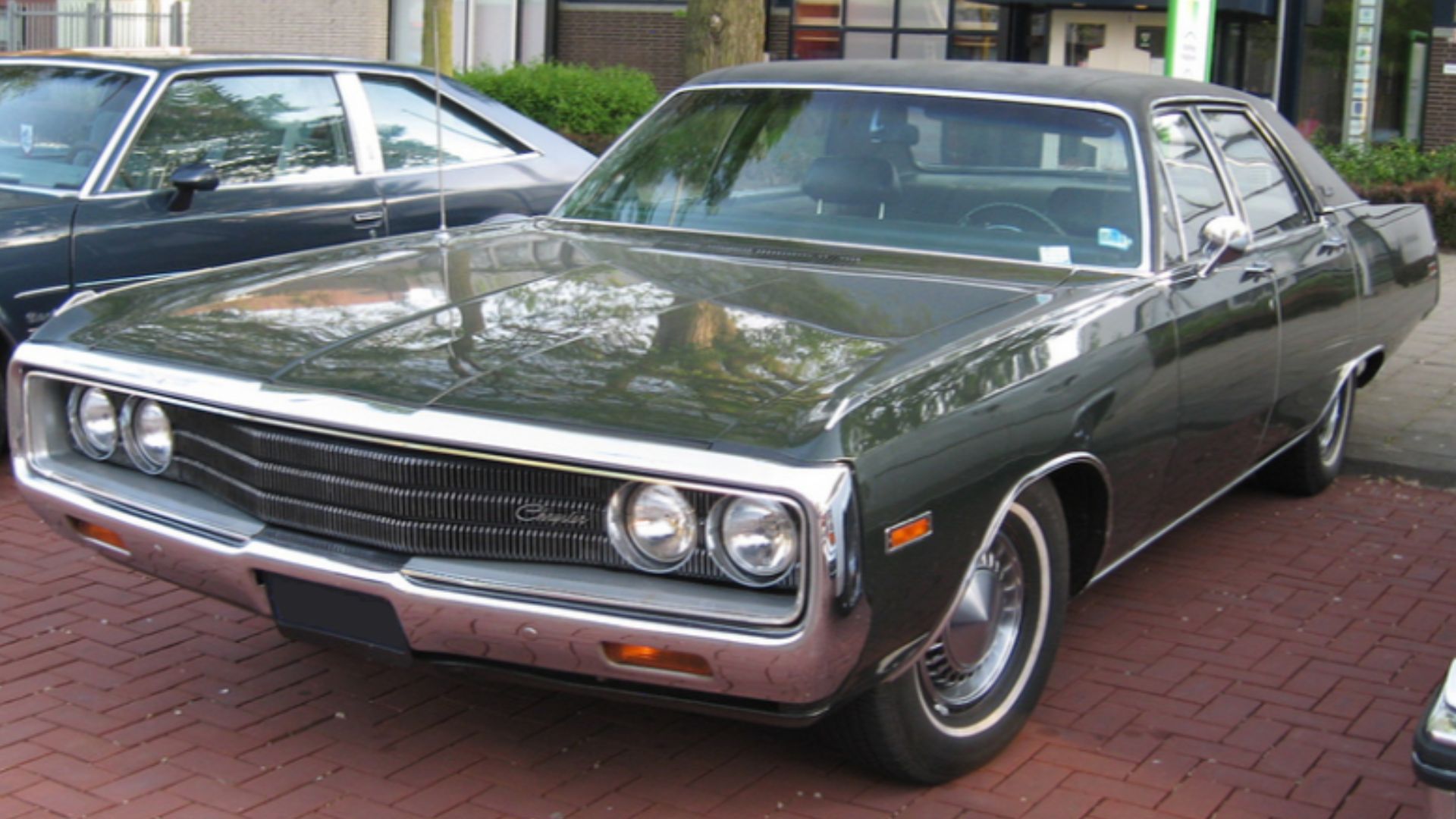
Chrysler Newport
The Chrysler Newport offered full-size comfort without the price tag of higher-end Chrysler models. That still meant massive dimensions, giant interiors, and V8 engines under the hood. Many owners praised the smooth highway ride and sofa-like seating. In today’s compact crossover era, a Newport can look almost shockingly oversized in person.
 Distancerunner15, Wikimedia Commons
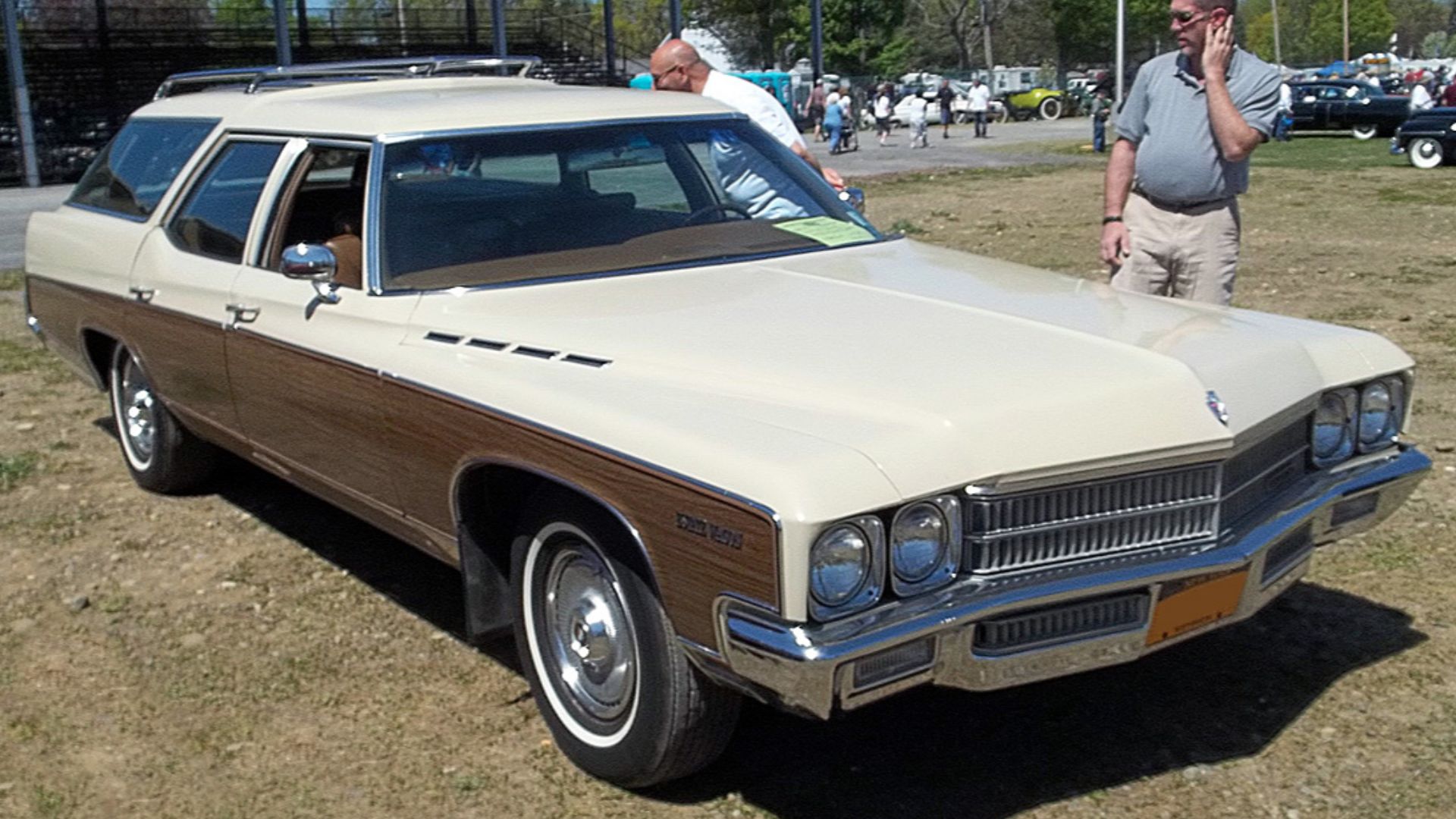
Buick Estate Wagon
The Buick Estate Wagon became famous for combining luxury touches with truly gigantic proportions. The fake wood sides gave it instant wagon credibility, while the soft suspension made long drives comfortable.
Some early-70s GM full-size wagons used the famous clamshell tailgate design, with the glass retracting upward and the tailgate disappearing downward. It was clever engineering wrapped inside an absolutely enormous vehicle.
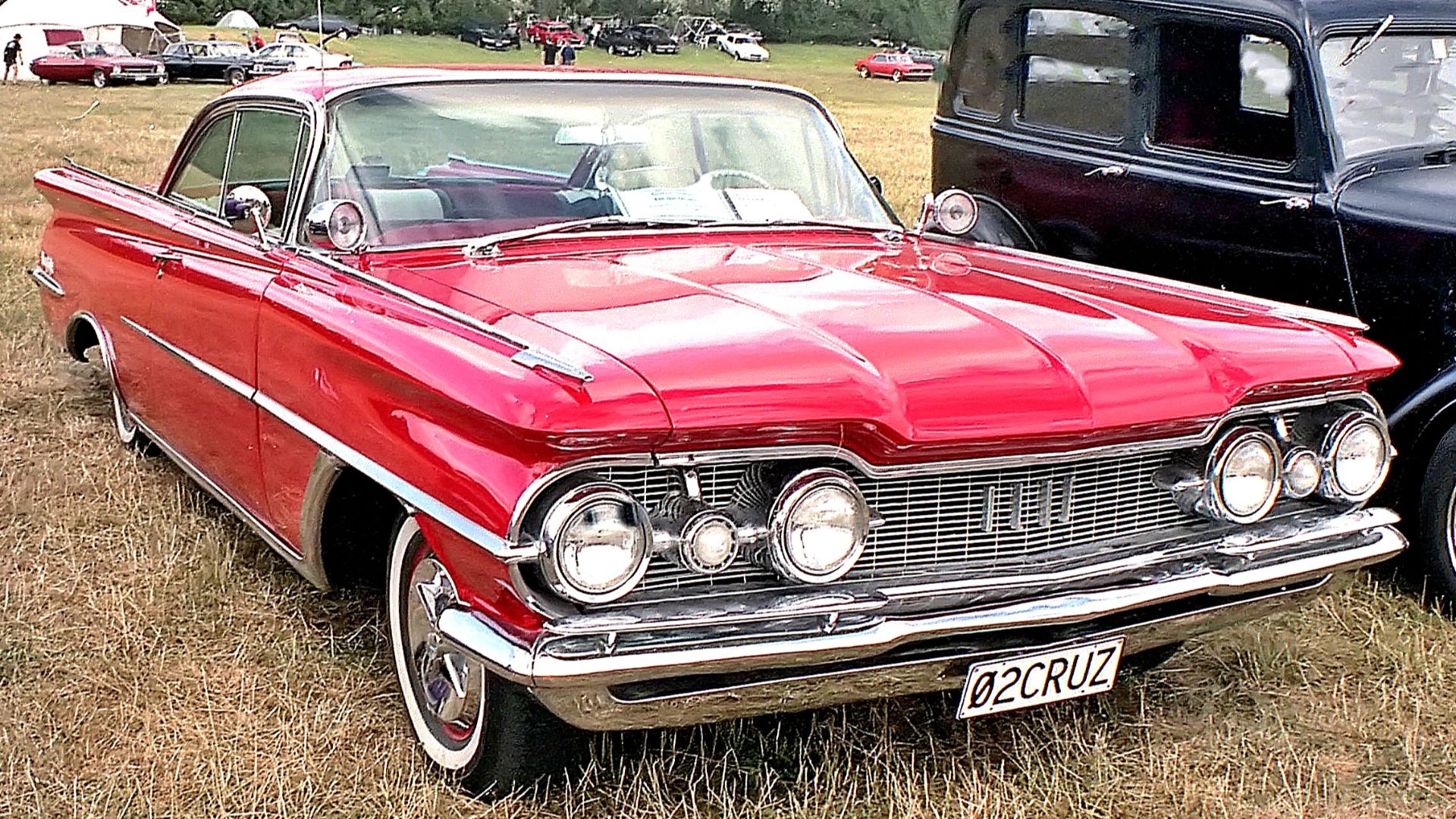
Oldsmobile Ninety-Eight
The Oldsmobile Ninety-Eight deserves a spot among the great family-sized boats. The 1970 model measured about 225.2 inches long and rode on a 127-inch wheelbase, giving passengers huge room to stretch out. It offered big Oldsmobile comfort without quite wearing a Cadillac badge. For many families, that made it the perfect mix of prestige, space, and everyday usability.
 GPS 56 from New Zealand, Wikimedia Commons
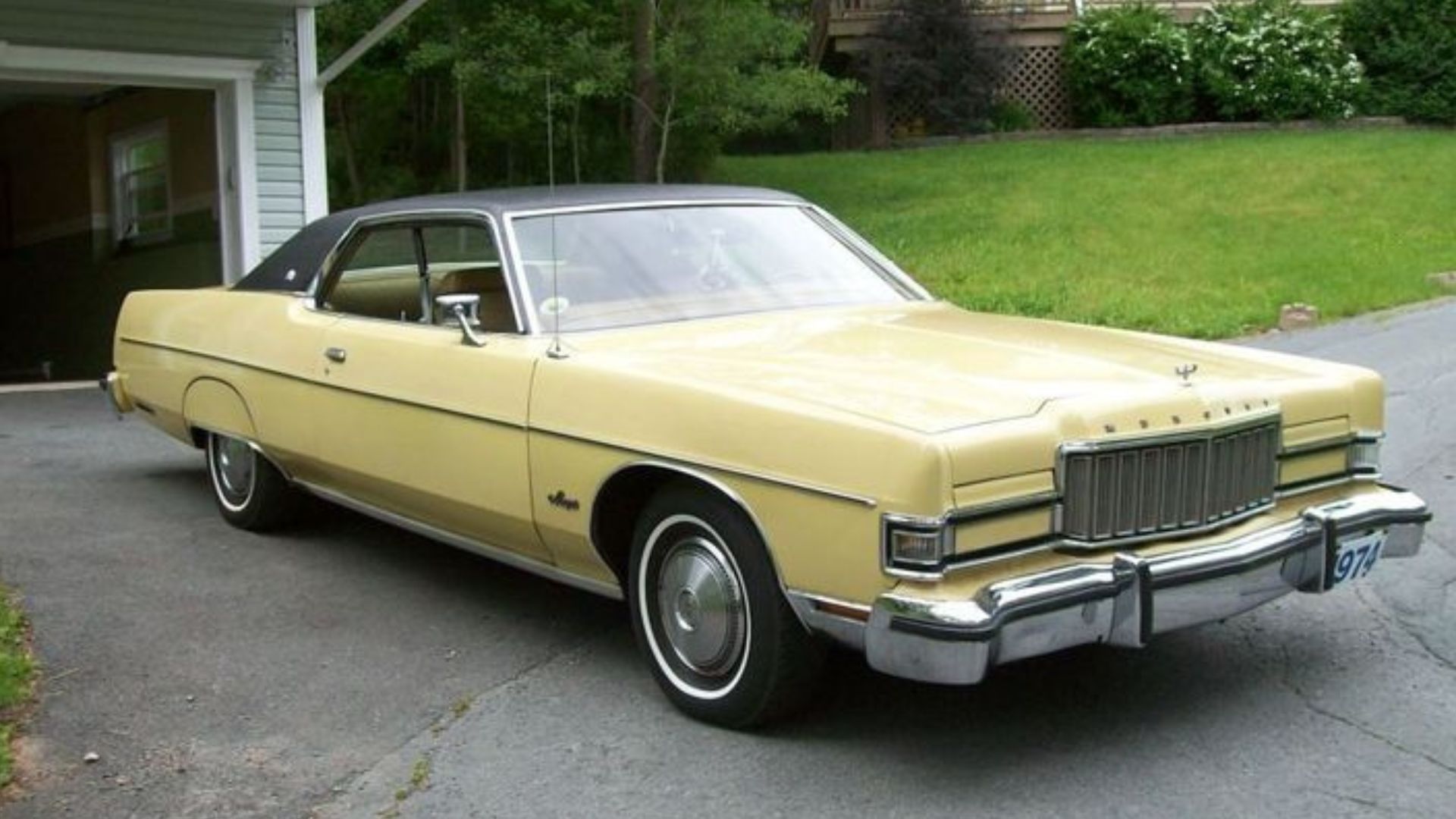
Mercury Marquis Brougham
The Mercury Marquis Brougham brought luxury styling to the oversized sedan formula. Plush seating, giant trunks, and long wheelbases made these perfect highway cruisers. Many older drivers adored the soft suspension and light steering. They weren’t sporty in any sense of the word, but that wasn’t what buyers wanted from giant American sedans anyway.
 That Hartford Guy, Wikimedia Commons
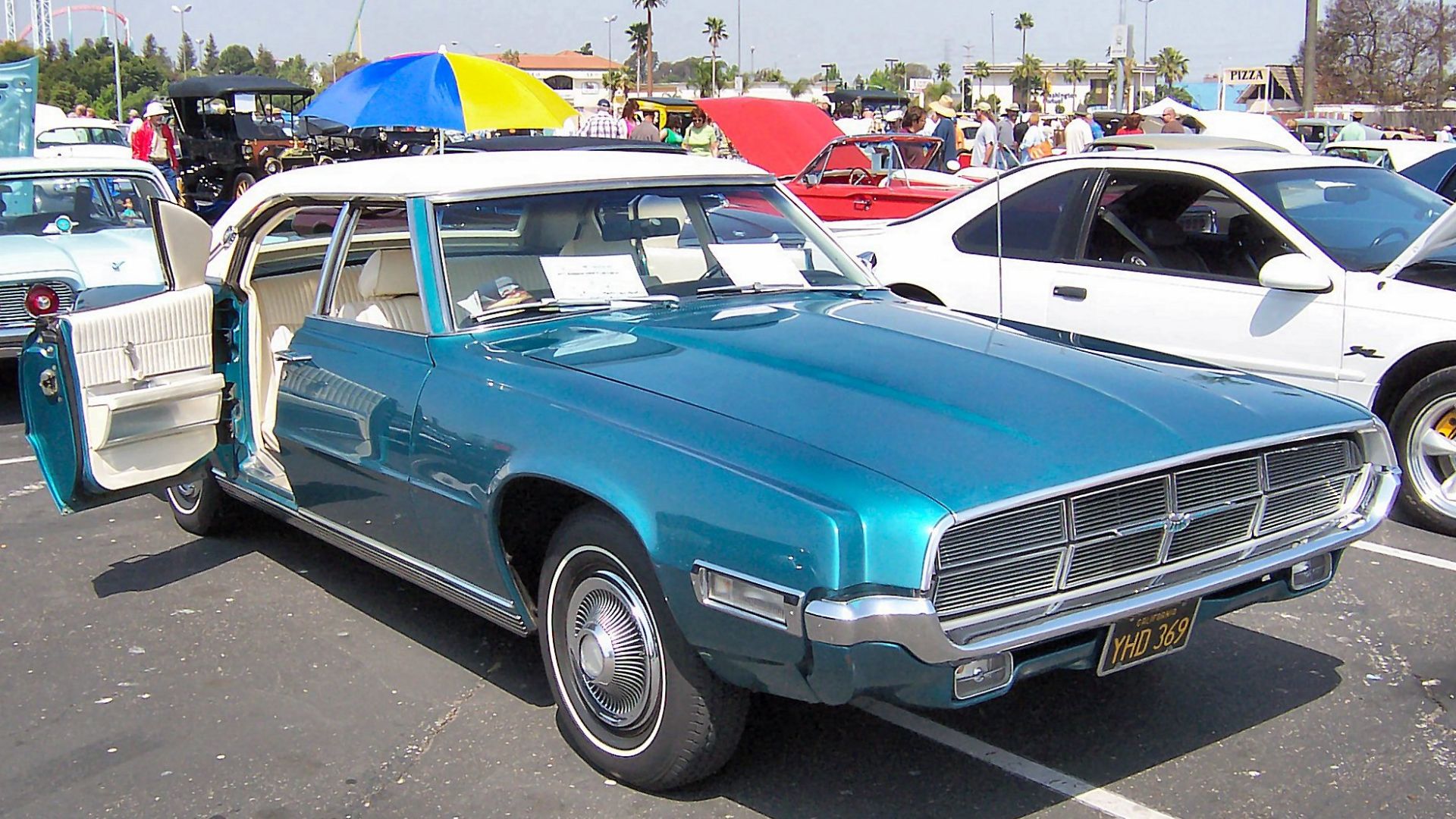
Ford Thunderbird Four-Door Landau
The four-door Ford Thunderbird from 1967 to 1971 shocked buyers who expected the name to stay strictly coupe-focused. Ford added rear-hinged back doors, giving the car dramatic presence and easier access to its roomy rear seat. While not a traditional family sedan at first glance, plenty of families still used these giant Thunderbirds as everyday transportation.
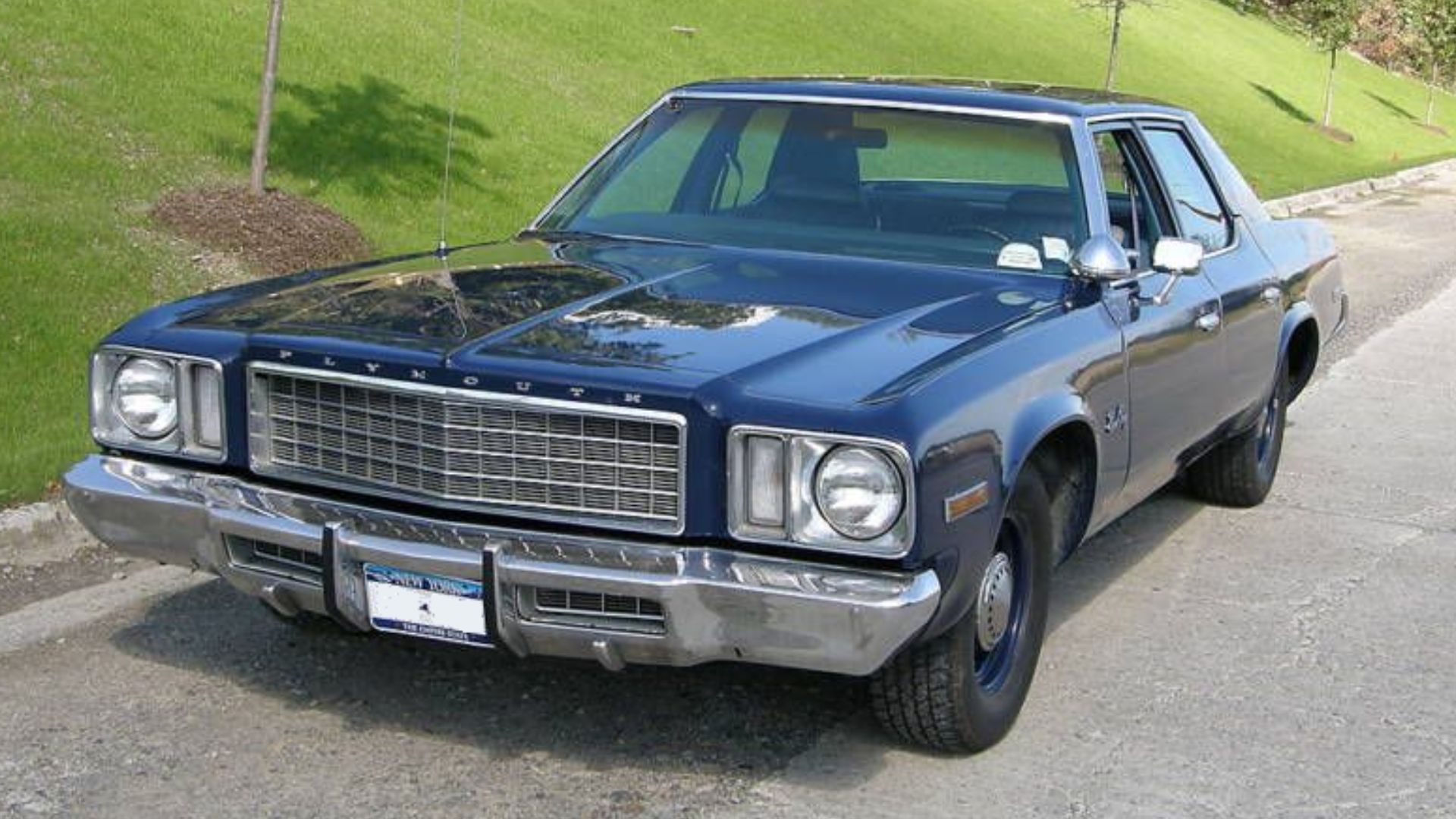
Plymouth Gran Fury
The Plymouth Gran Fury became a favorite among police departments and families alike because of its size and durability. Huge interiors and broad bench seats made it practical for daily life. The long hood and trunk gave it classic American proportions. Even decades later, seeing one parked beside a modern sedan highlights just how enormous these cars really were.
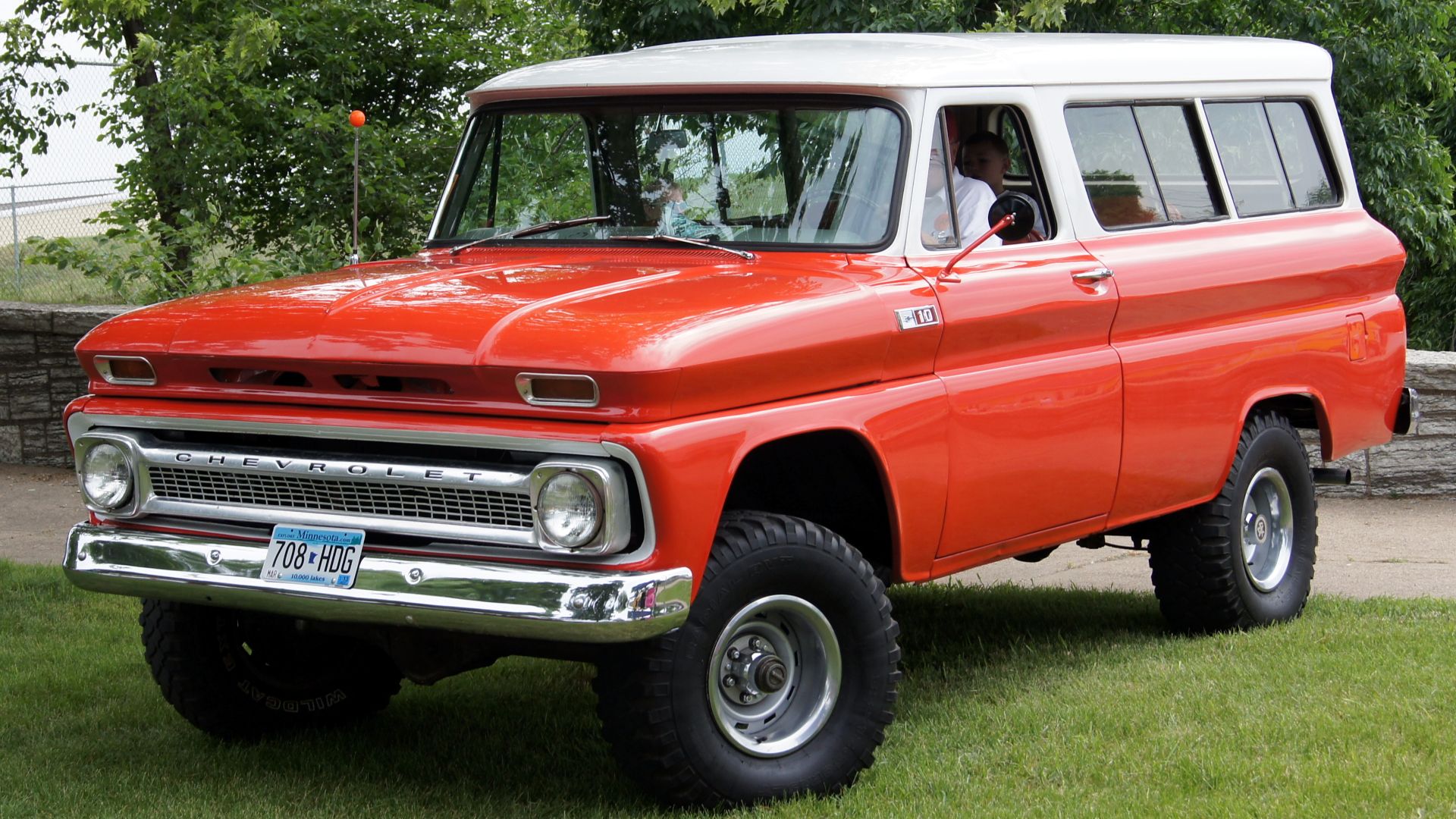
Chevrolet Suburban Carryall
Long before SUVs took over the world, the Chevrolet Suburban Carryall already existed as a giant people-hauler. Early versions blurred the line between wagon and truck, but families loved the enormous interior and practicality. The Suburban survived for generations because Americans never fully lost their appetite for oversized family transportation.
 Greg Gjerdingen from Willmar, USA, Wikimedia Commons
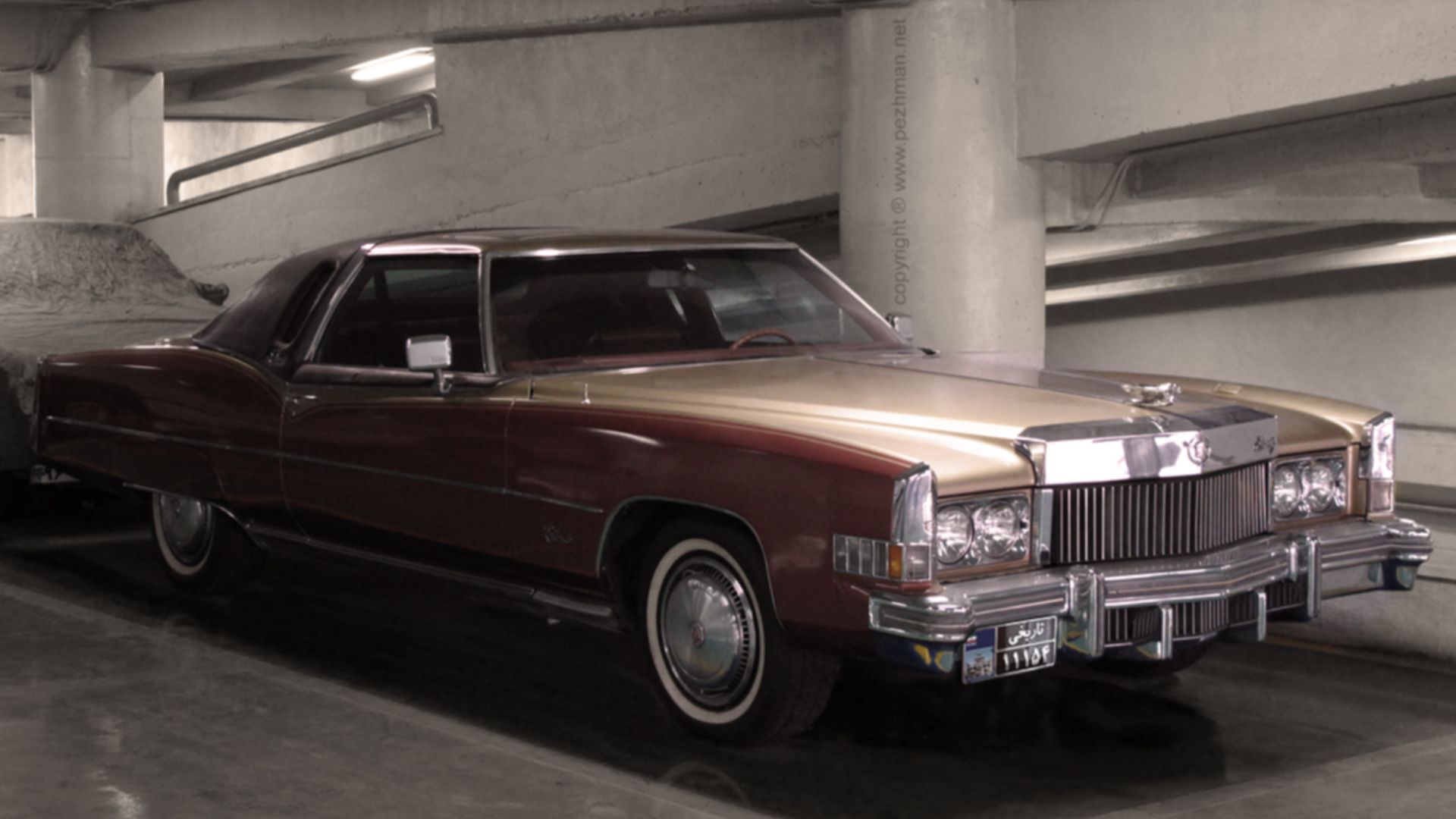
Cadillac Eldorado Biarritz
While technically a personal-luxury coupe, the Cadillac Eldorado Biarritz deserves mention because of its outrageous dimensions and family-hauling reality. Some 70s Eldorados stretched well beyond 18 feet long and featured massive hoods, trunks, and front-wheel-drive packaging.
Families still piled into these luxury monsters for vacations and weekend drives. They represented peak American automotive extravagance before downsizing hit the industry.
 PEZHMAN Designworks, Wikimedia Commons
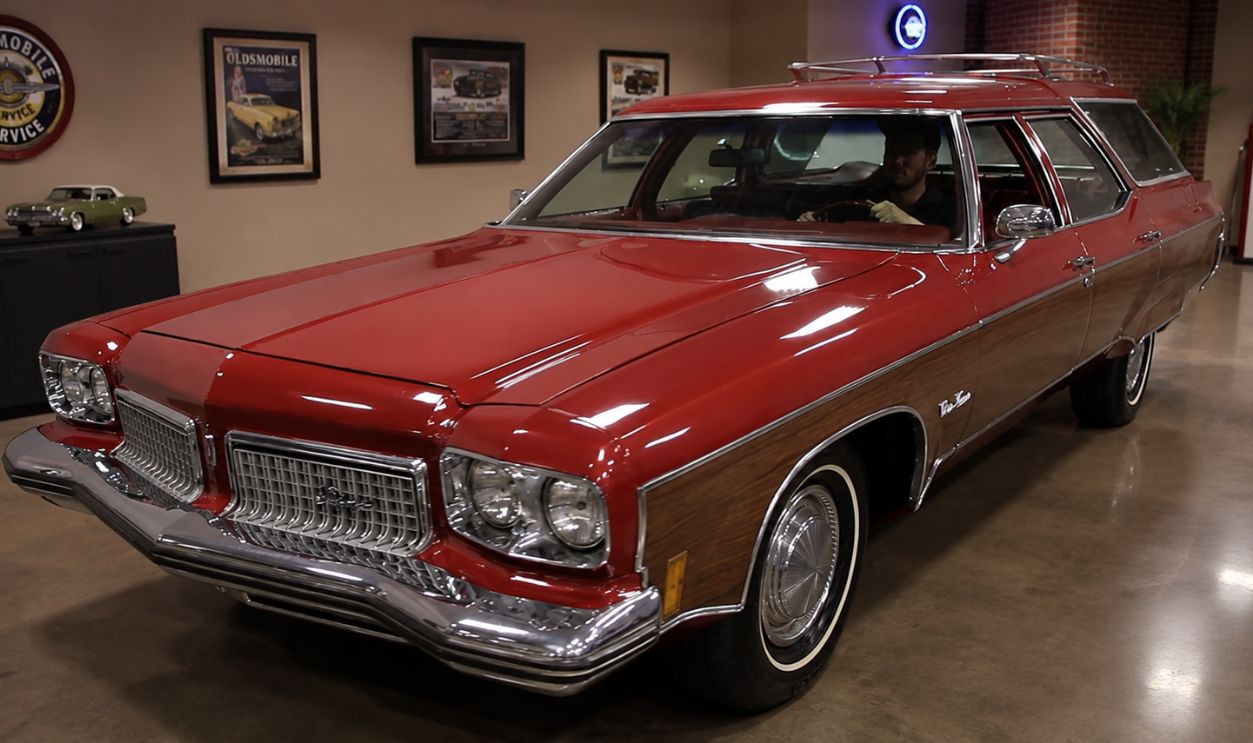
Oldsmobile Delta 88 Wagon
The Oldsmobile Delta 88 wagon was another huge GM family hauler from the land-yacht era. It shared the same basic full-size mission as Chevrolet, Buick, and Pontiac wagons, giving families three rows, a giant cargo hold, and a soft highway ride. It wasn’t as flashy as a Cadillac, but it did the family-car job with serious square footage.
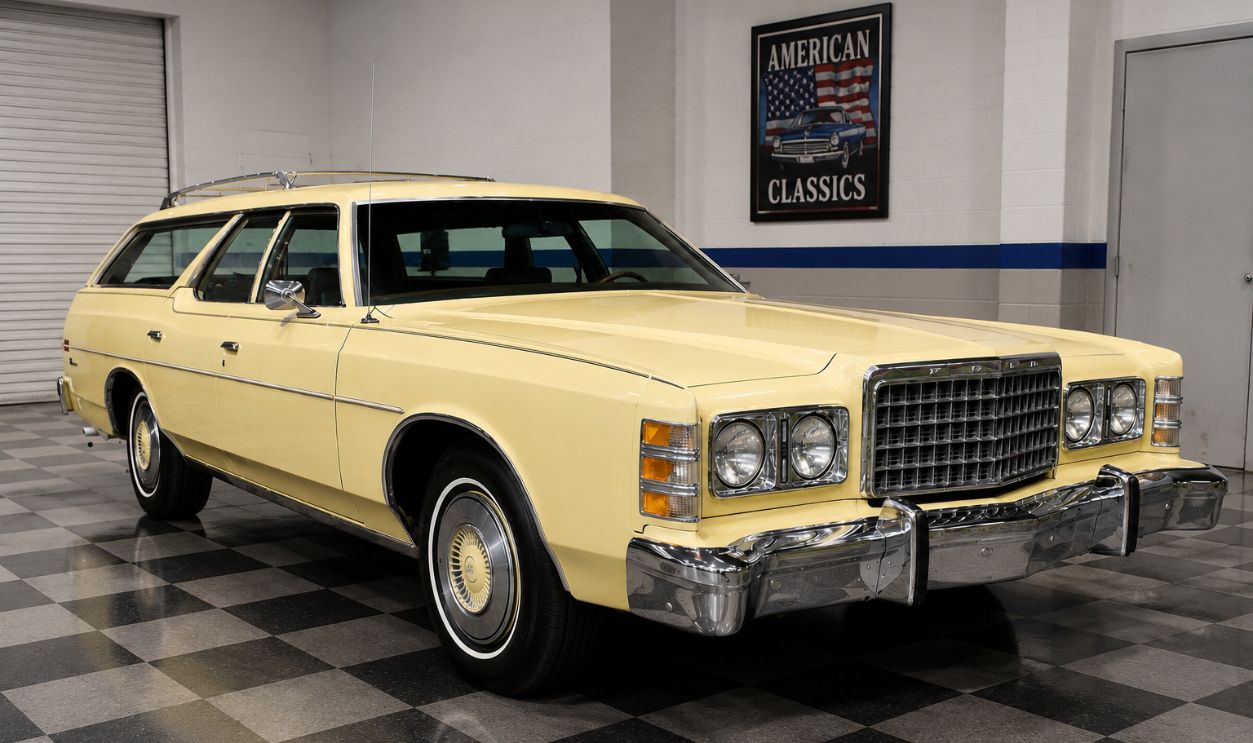
Ford Custom 500 Wagon
The Ford Custom 500 wagon served as durable family transportation during the era when every wagon looked massive. These cars prioritized space, comfort, and simplicity. Families loaded them with luggage and kids for cross-country trips that sometimes lasted days.
Their giant proportions reflected an era when Americans viewed bigger cars as safer and more comfortable.
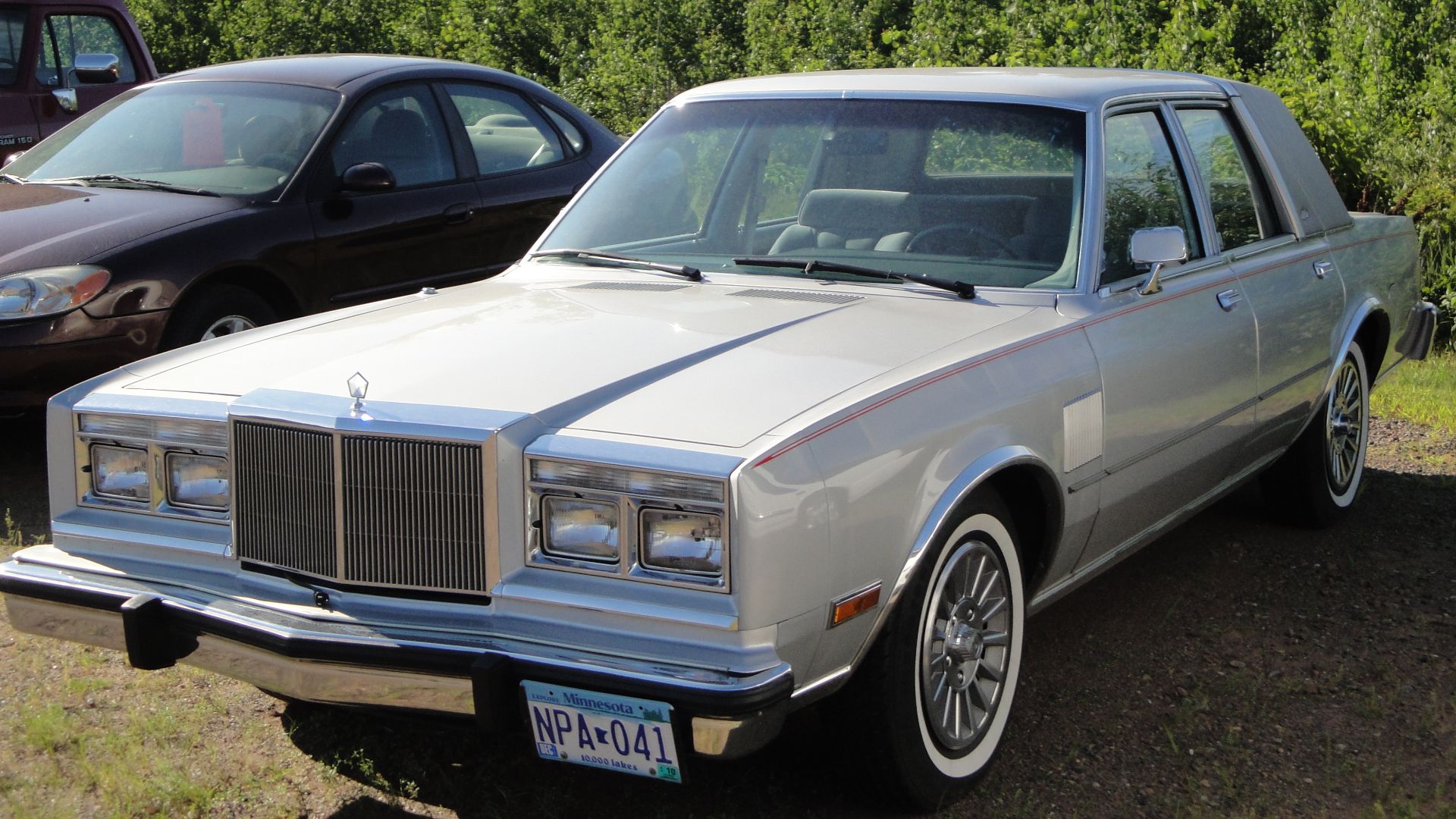
Chrysler Fifth Avenue
The Chrysler Fifth Avenue arrived during the 80s when downsizing had technically started, yet it still carried the old-school luxury-sedan spirit. Plush interiors and soft suspensions kept the land yacht mood alive, even if it was smaller than the 70s giants. Drivers often joked that the car floated more than it cornered. It became one of the last traditional American luxury sedans before tastes changed completely.
 Greg Gjerdingen from Willmar, USA, Wikimedia Commons
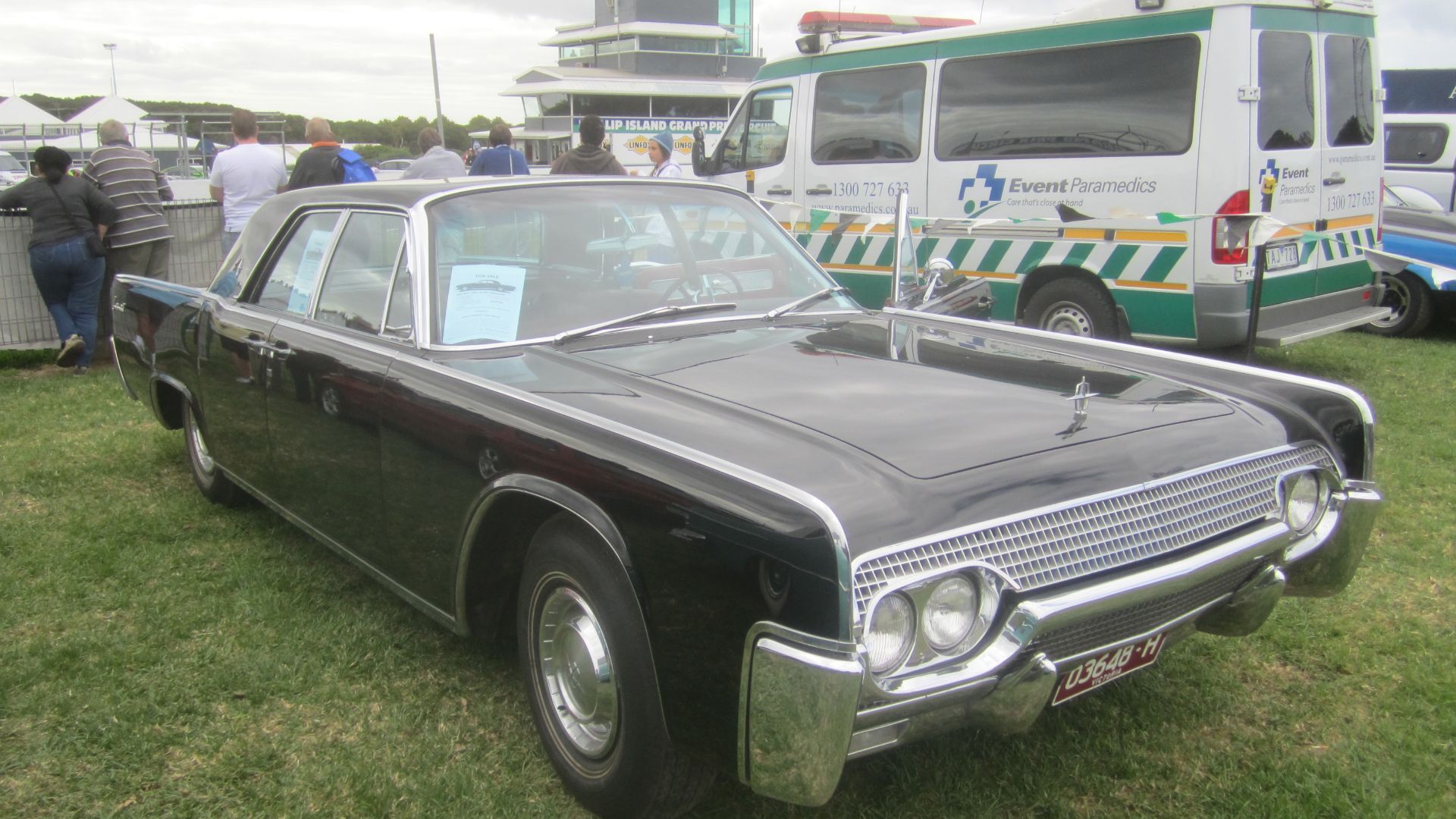
Lincoln Continental Sedan
The Lincoln Continental sedan remained massive through multiple generations. The long wheelbase created huge rear-seat space, while the soft suspension delivered classic American comfort. Some models became favorites for chauffeur services because passengers could practically stretch out like they were in a lounge chair. Even by luxury standards, these cars felt exceptionally large.
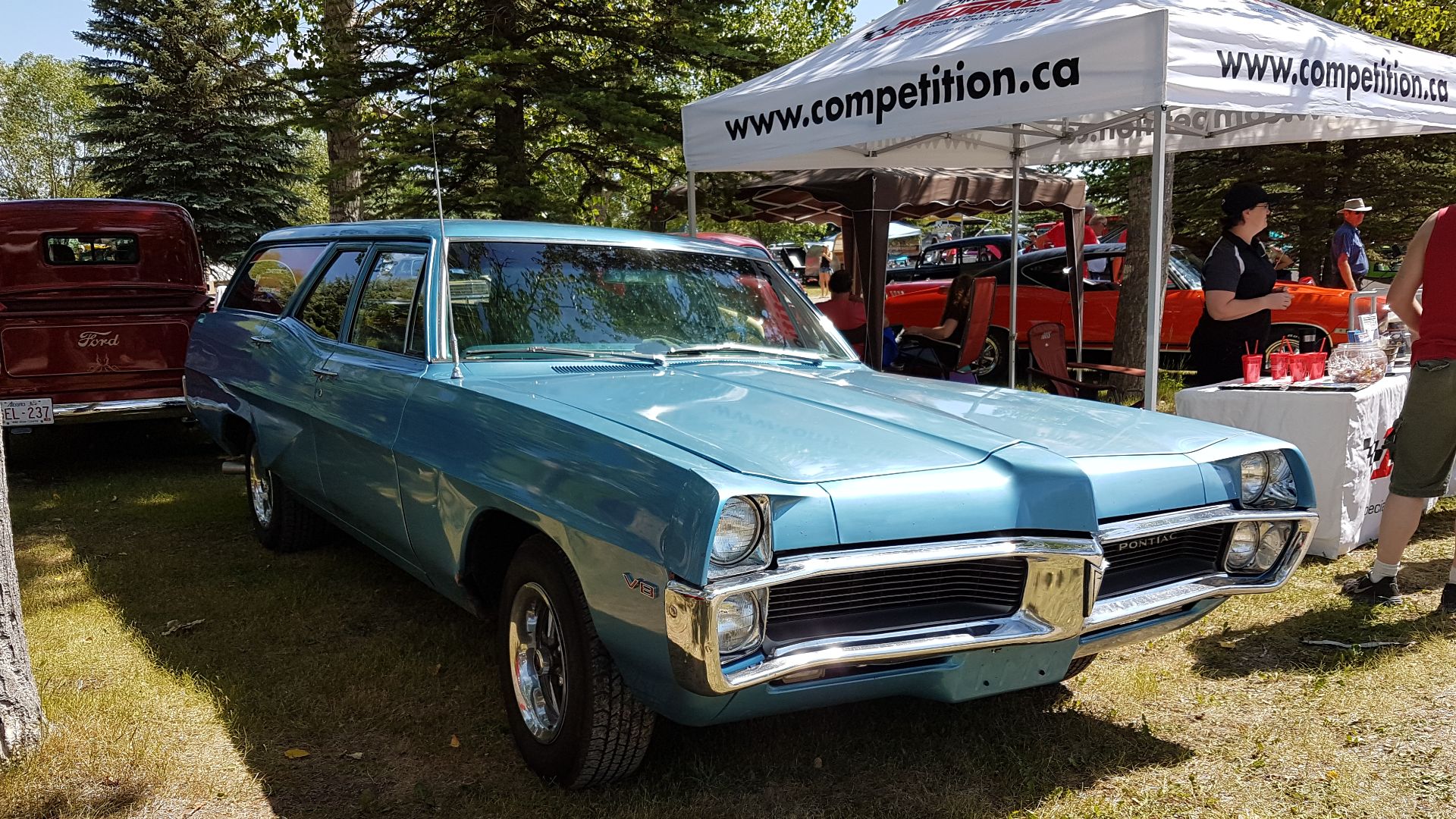
Pontiac Parisienne Wagon
The Pontiac Parisienne wagon brought Canadian-market flair to the giant GM wagon formula. Like its cousins, it offered huge cargo capacity and comfortable seating for large families. Road trips felt easy thanks to the soft ride and spacious cabin. Today, surviving examples instantly transport people back to the heyday of giant station wagons.
 dave_7 from Canada, Wikimedia Commons
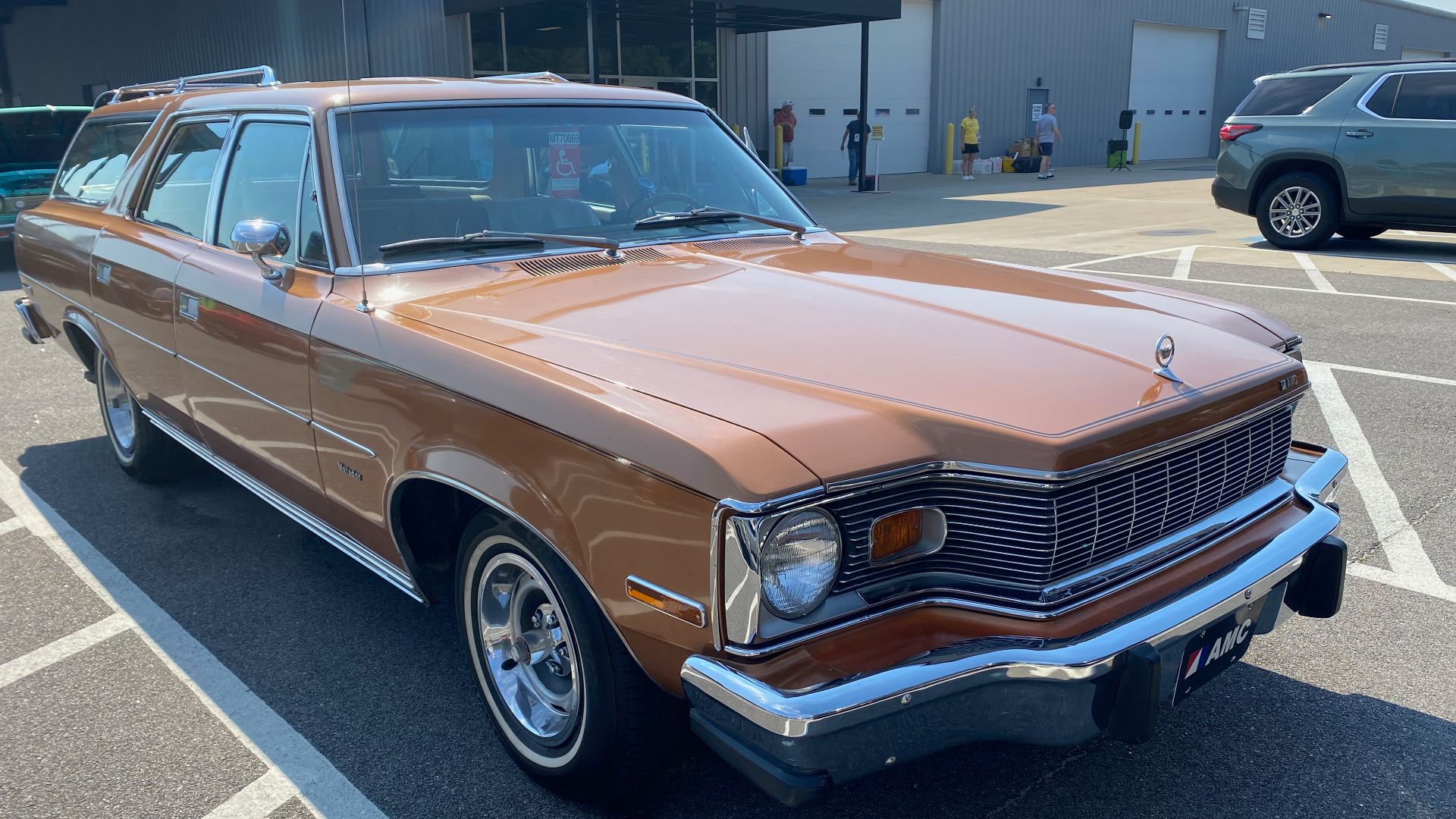
AMC Matador Wagon
The AMC Matador wagon looked quirky compared to some rivals, but it still delivered serious size. Families appreciated the roomy interior and practical design. Its unusual styling helped it stand out in crowded parking lots filled with other giant wagons.
Despite AMC’s struggles, the Matador became a memorable part of America’s oversized family-car era.
The End Of The Land Yacht Era
By the late 70s and early 80s, fuel crises, emissions rules, and changing consumer tastes pushed automakers to shrink their cars dramatically. Suddenly, gigantic sedans and wagons started disappearing from dealerships.
Modern SUVs may feel large today, but many still can’t match the sheer length and sofa-like comfort of these classic land yachts. For anyone who rode in one growing up, they remain unforgettable rolling pieces of American history.
 MercurySable99, Wikimedia Commons
You Might Also Like:
Pickup Trucks That Mechanics Trust Most—And Actually Drive Themselves





.jpg)
.jpg)
.jpg)