
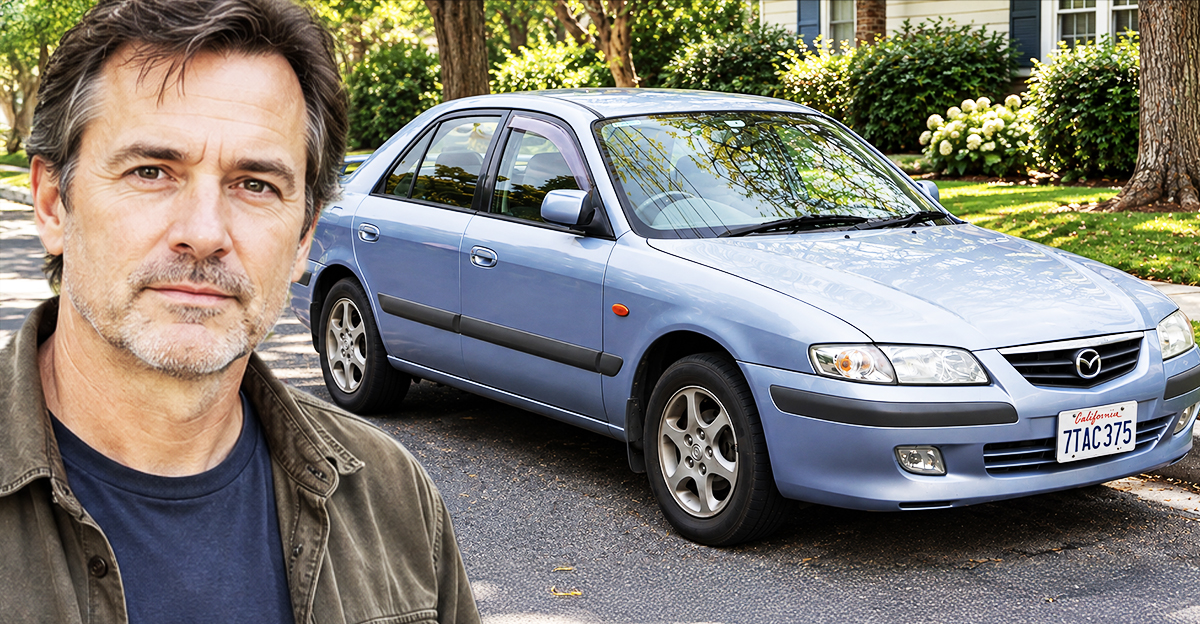
A Once-Familliar Sight
There was a time when spotting a Mazda 626 required no effort whatsoever. They sat in suburban driveways, filled employee parking lots, and hauled families to school and soccer practice. Then, almost without anyone noticing, they disappeared. So what happened to one of Mazda's most familiar American cars?
Mazda Needed A Different Kind Of Car
Mazda introduced the 626 series to Americans in 1978, at a crucial moment for the company. Mazda had built much of its reputation around rotary engines, but the fuel crises of the 1970s made efficiency increasingly important. The piston-engined 626 offered something reassuringly conventional: a practical, economical car that could compete for ordinary American families.
 OSX, Wikimedia Commons; Factinate Ltd
The Early Cars Had Character
Those first 626s weren't quite the anonymous family sedans people may remember from the 1990s. They were rear-wheel drive and had a distinctly Japanese late-1970s personality. Mazda then made a dramatic change, introducing a front-wheel-drive 626 for 1983. It worked. The redesigned car won Motor Trend's Import Car of the Year award, and the 626 made Car and Driver's 10Best list the following year.
Remember The Five-Door?
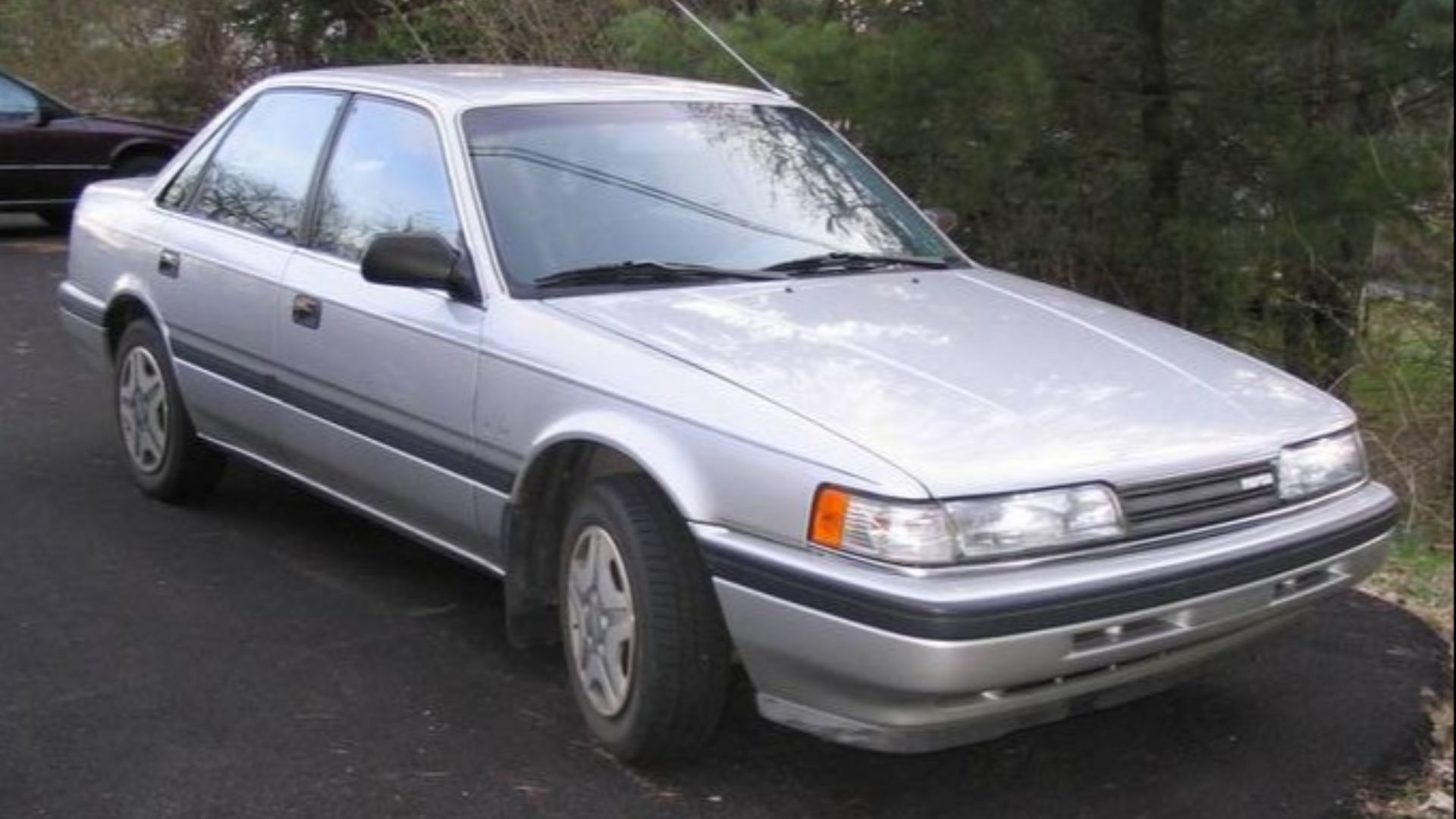
The 626 wasn't always just another four-door sedan, either. Mazda offered five-door hatchback versions, coupes, and some genuinely interesting technology during its long run. The wonderfully obscure 1988 626 Turbo combined a turbocharged 2.2-liter engine with available four-wheel steering. Mazda itself now describes that one-year model as a technological showcase that was ahead of its time. (Below: 1988 Mazda 626)
Then Came The MX-6
The 626 family also produced the sporty MX-6. For 1988, Mazda gave its 626 coupe a separate North American identity as the MX-6. Production began at Mazda's new factory in Flat Rock, Michigan, which also built the closely related Ford Probe. In 1989, Mazda began assembling four-door 626 sedans there as well, turning the Japanese family car into an American-built one. (Below: 1988 Mazda MX-6)
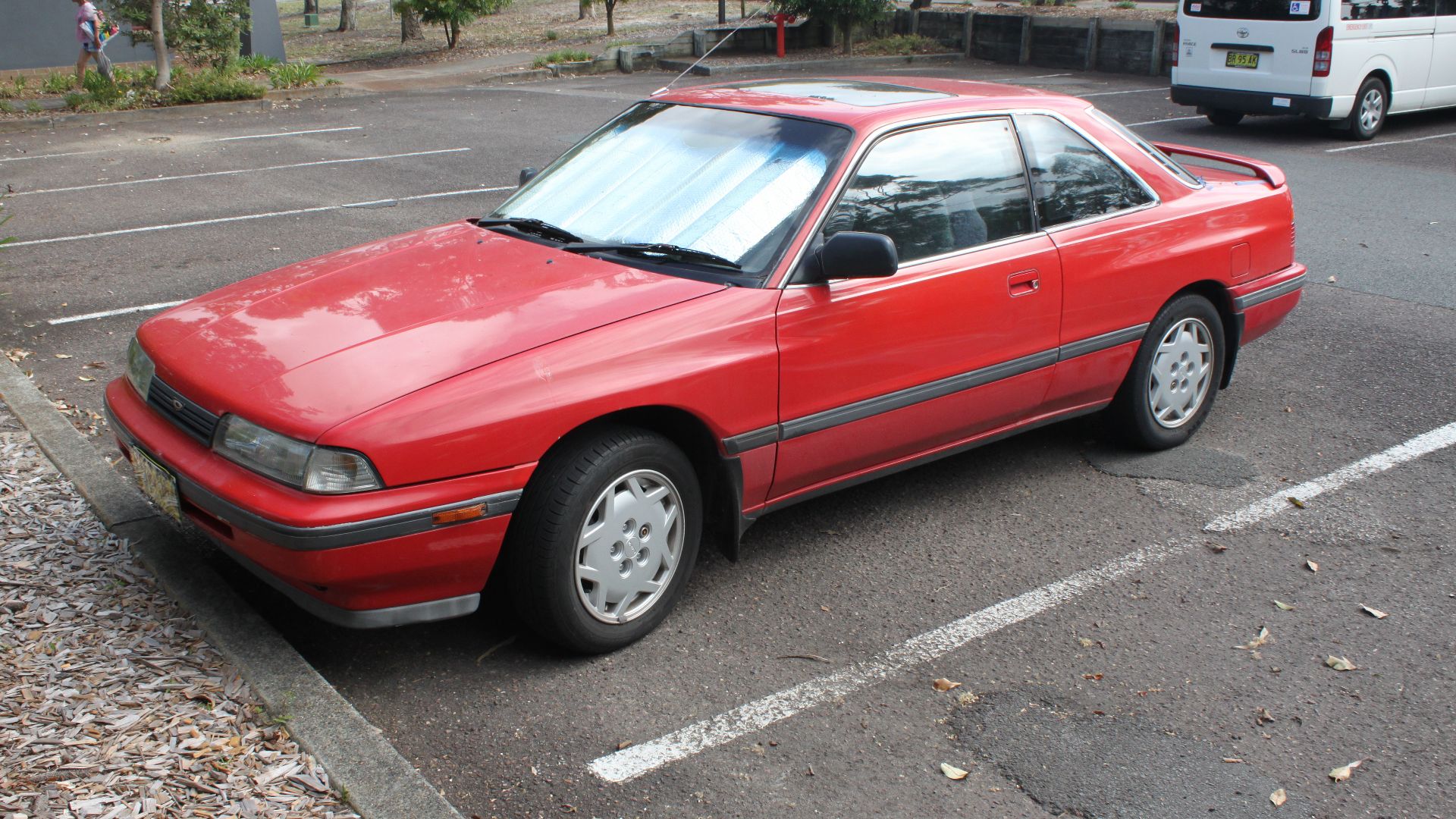 Jeremy from Sydney, Australia, Wikimedia Commons
It Became Part Of The Scenery
By the 1990s, the 626 had settled into perhaps its most memorable role: sensible transportation. It occupied the same broad world as the Honda Accord, Toyota Camry, Nissan Altima, and Mitsubishi Galant. It wasn't usually the car on a teenager's bedroom wall. It was the car their parents drove. In 2001 alone, Mazda sold 50,997 of them in the United States.
Nearly A Million American-Built 626s
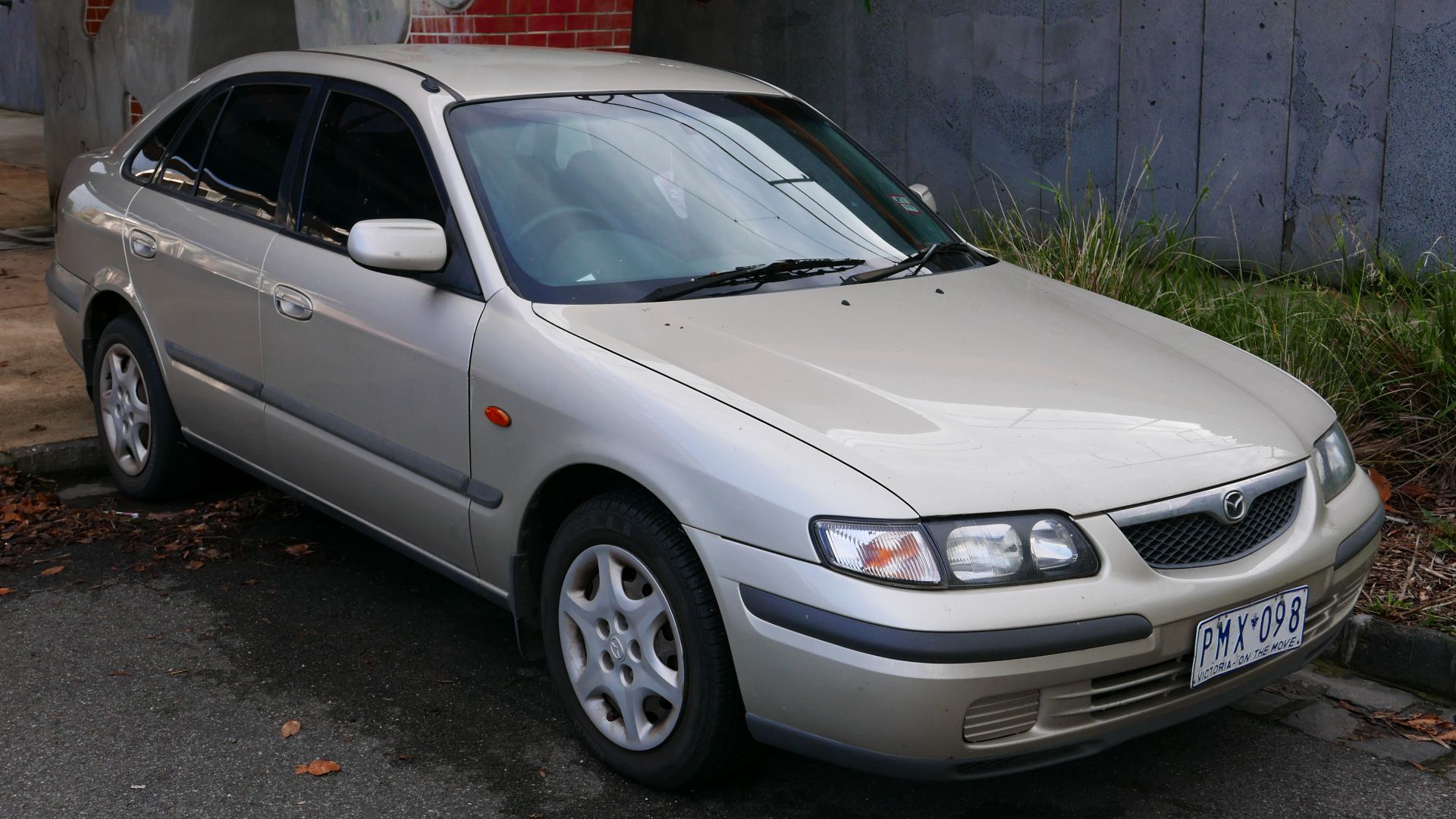
That familiarity wasn't an illusion. When Flat Rock finally stopped building the 626 on August 30, 2002, the Michigan plant had produced 926,674 Mazda 626s since sedan production began there in 1989. That's an enormous population of cars that once circulated through American roads, used-car lots, college campuses, and commuter parking lots. (Below: 1999 Mazda 626)
So Where Did They Go?
Mostly, they suffered the ordinary fate of ordinary cars. The newest American-market 626s are now nearly a quarter-century old, while early examples are approaching 50. Unlike RX-7s and Miatas, inexpensive 626s generally weren't preserved as future collectibles. As values fell, aging cars eventually reached the point where rust, transmission trouble, collision damage, or one expensive repair could exceed what the entire car was worth.
Mazda Retired The Name
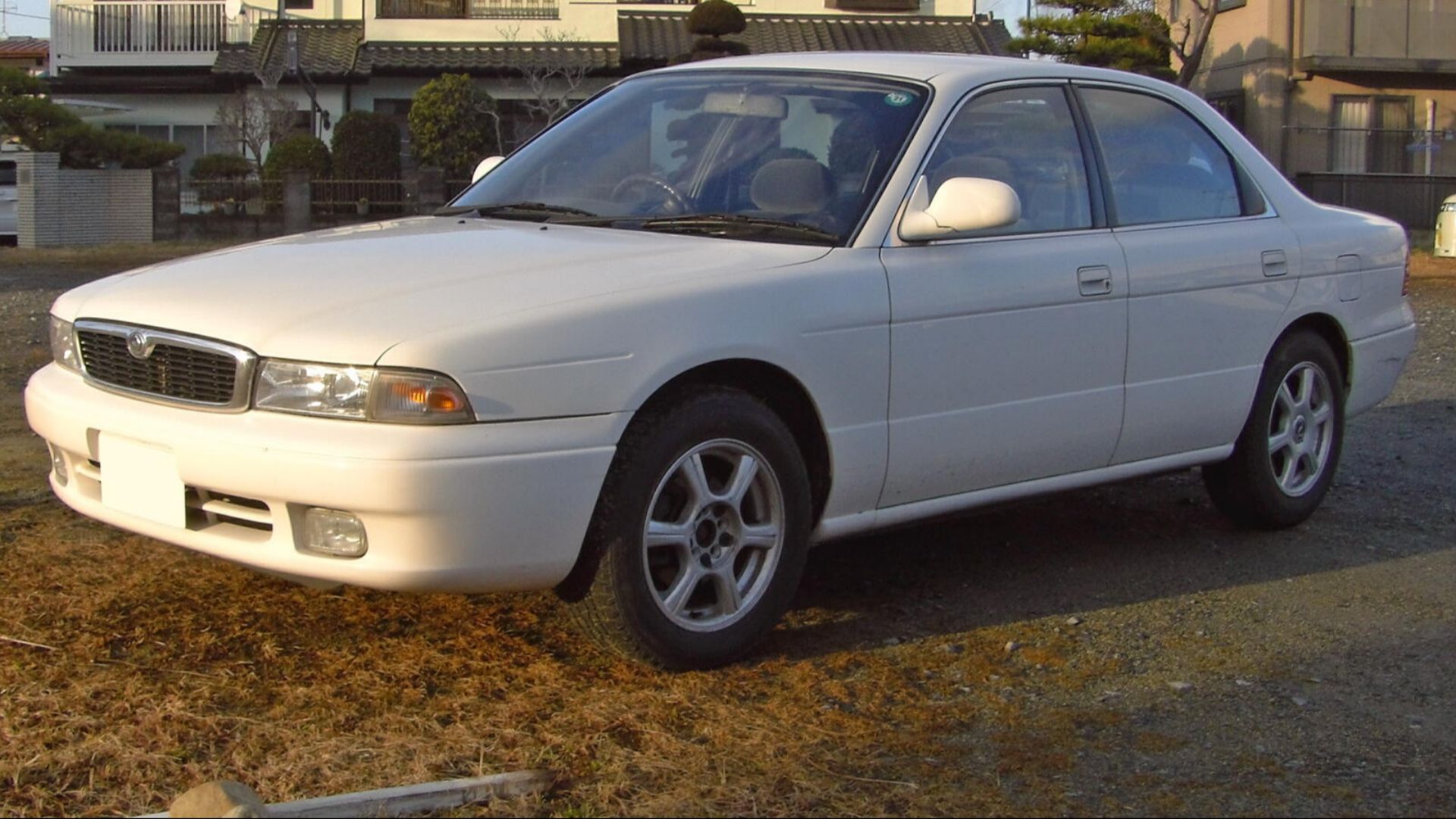
The disappearance was also unusually clean because Mazda didn't keep the familiar badge alive. The final 626 rolled out of Flat Rock in 2002, and Mazda launched the 2003 Mazda6 as its replacement. The company wanted something sportier and more expressive than the increasingly conservative 626, and backed the new car with a massive launch campaign. (Below: 1994 Mazda 626)
Suddenly, Seeing One Feels Special
That's the strange thing about once-common cars. Nobody thinks to preserve them while they're everywhere. Then one afternoon an immaculate 1990s 626 appears in traffic and suddenly looks more interesting than cars worth ten times as much. It isn't exotic. It isn't particularly valuable. It simply survived.
And sometimes that's enough to make an old family sedan fascinating.
You May Also Like:
Before SUVs, These Minivans From The 80s And 90s Defined American Family Life






_Classic_sedan_(2015-07-24).jpg;%20https://www.factinate.com/)