When Bedroom Walls Became Dream Garages
The 1990s produced sports cars that seemed designed for posters, video games, and school-notebook sketches. Some offered record-breaking performance, while others made the dream feel almost attainable. Whether your favorite came from Italy, Japan, Germany, or Detroit, these machines helped define an unforgettable automotive decade.
McLaren F1
The McLaren F1 placed its driver in the center, flanked by two passenger seats, and wrapped its occupants in a carbon-fiber structure. Its naturally aspirated 6.1-liter BMW V12 produced 618 horsepower in the standard road car. A prototype later reached 240.1 mph, establishing a production-car benchmark that became part of the F1’s legend.
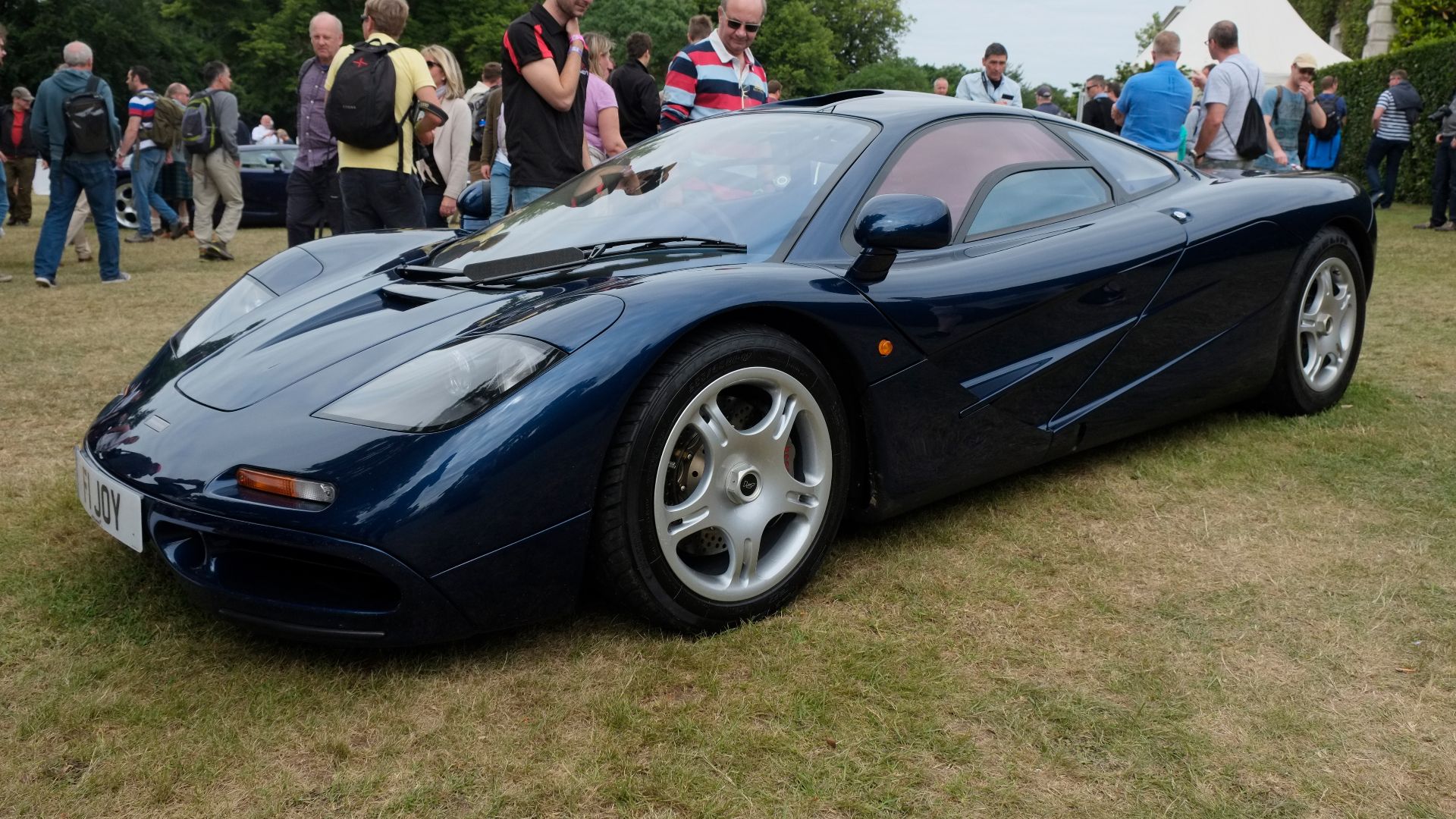 Andrew Basterfield, Wikimedia Commons
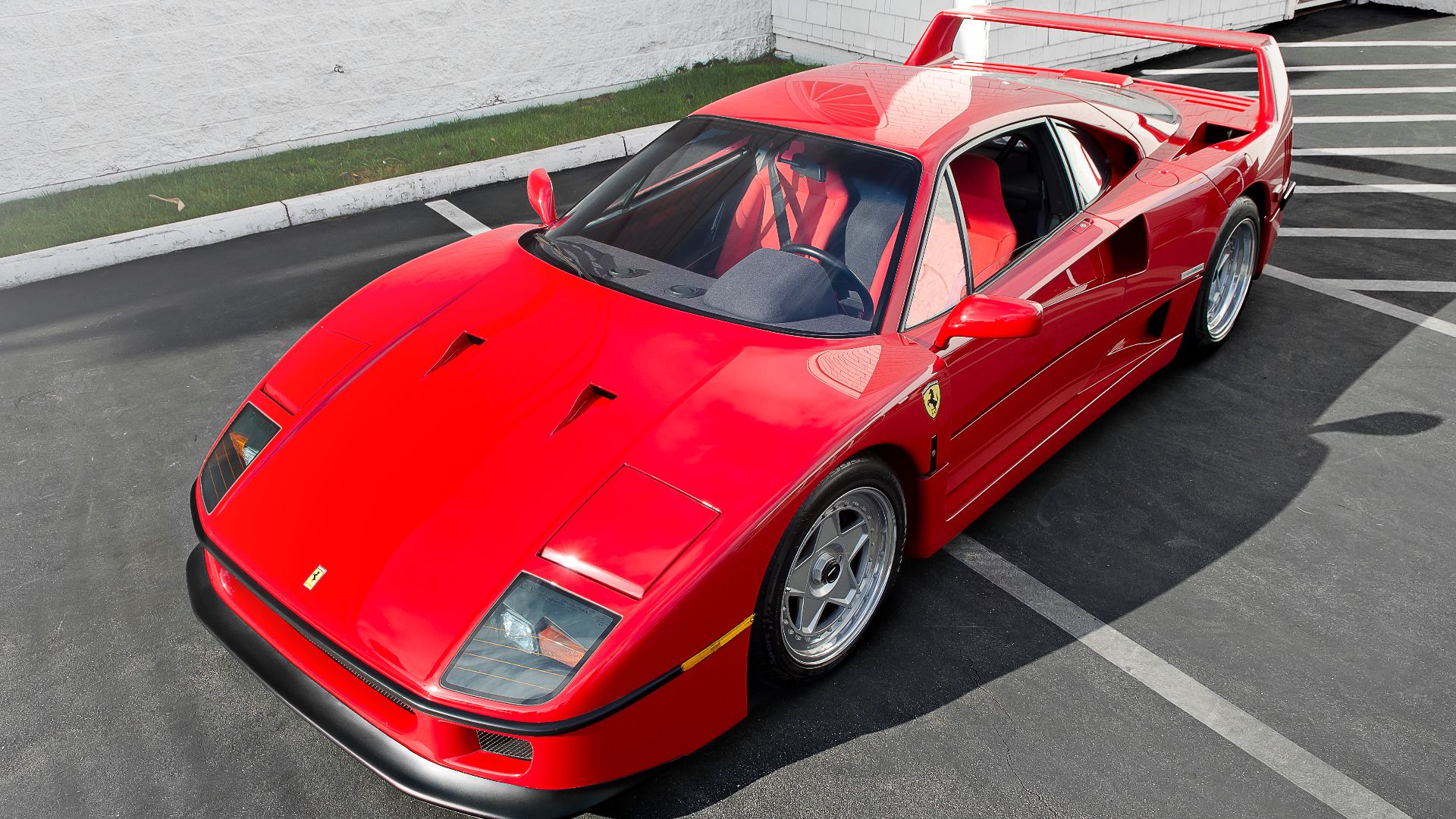
Ferrari F40
The Ferrari F40 entered production in 1987, but its popularity remained enormous throughout the following decade. Its twin-turbocharged V8 produced 478 horsepower, while its lightweight construction and towering rear wing communicated speed before the engine even started. For countless young enthusiasts, a red F40 was the bedroom-wall poster.
Lamborghini Diablo
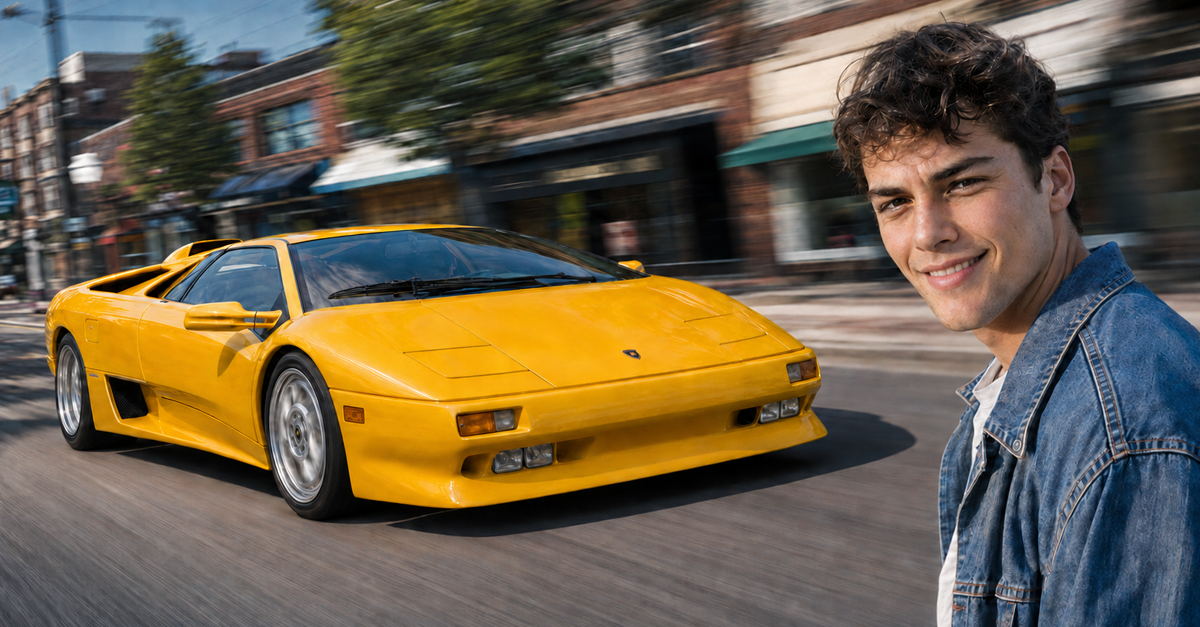
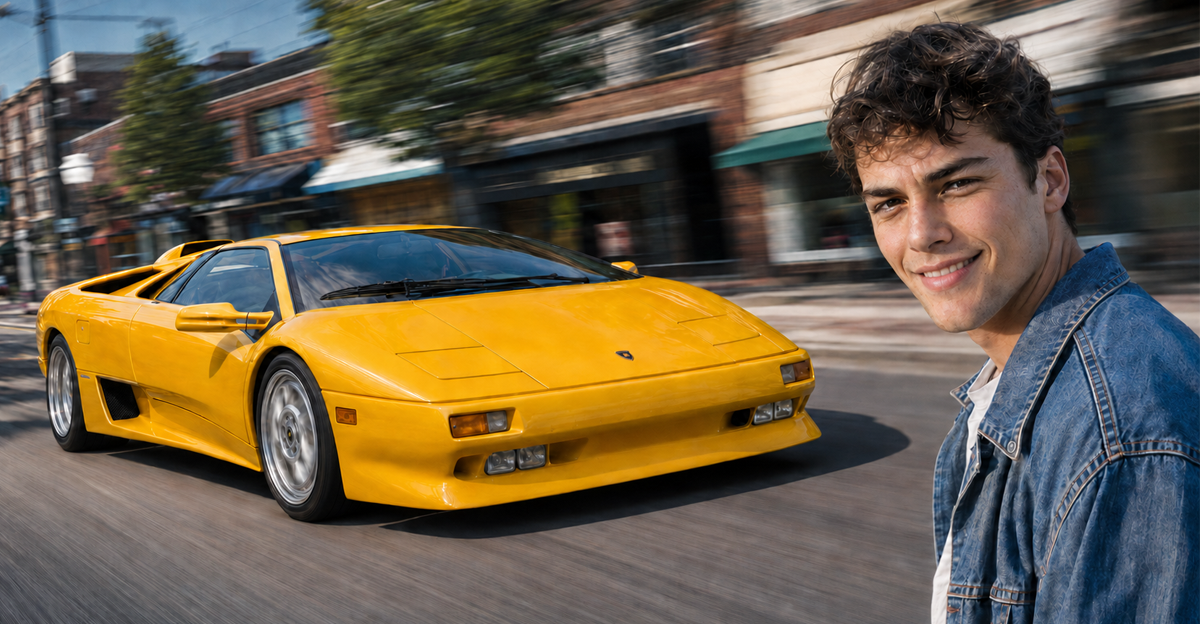
Lamborghini introduced the Diablo in 1990 as the successor to the Countach. Early models used a 5.7-liter V12 producing 485 horsepower and could exceed 200 mph. Its wedge-shaped body, scissor doors, and outrageous proportions made it look like nothing else in the school parking lot.
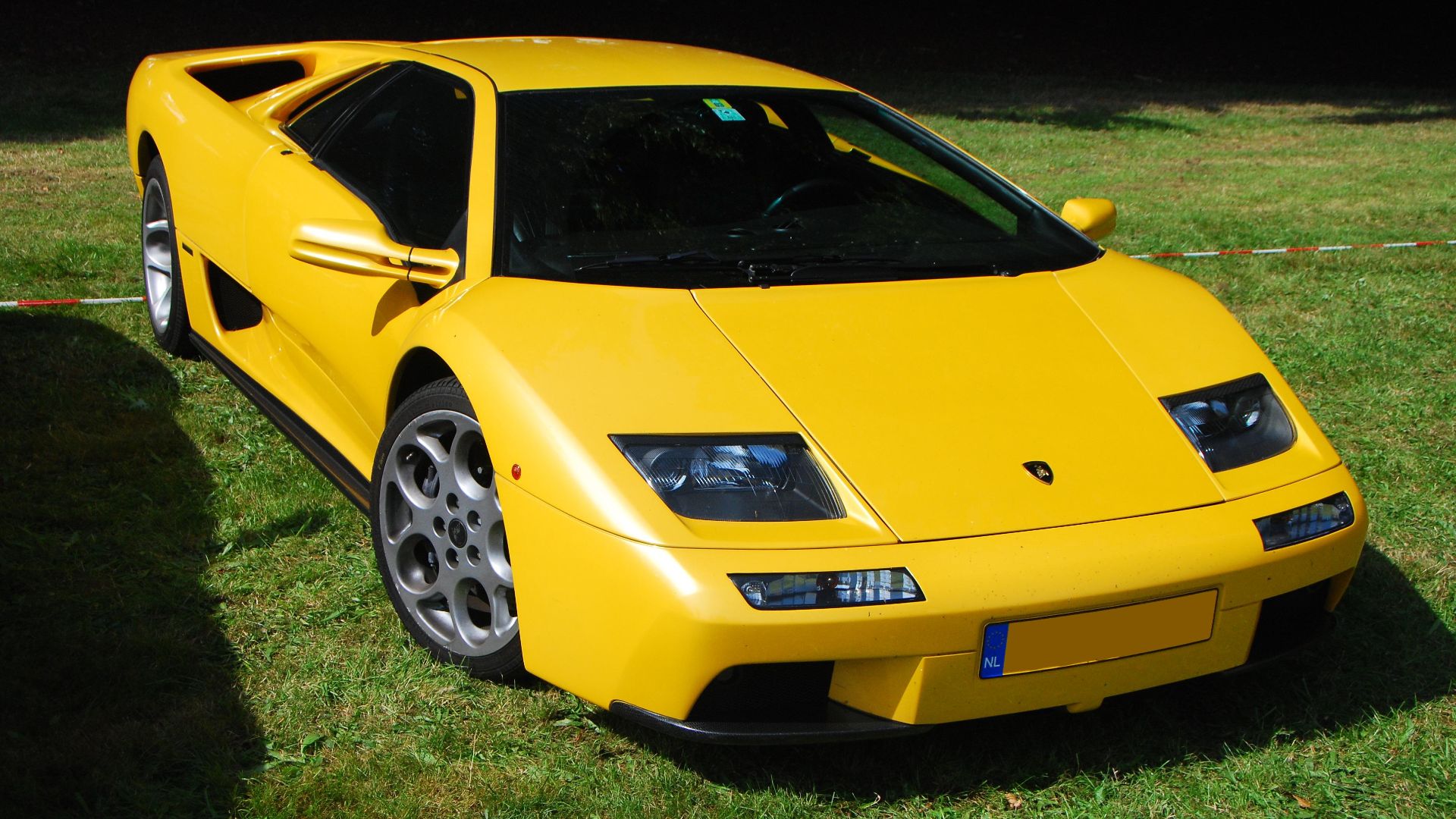 Janderk1968, Wikimedia Commons
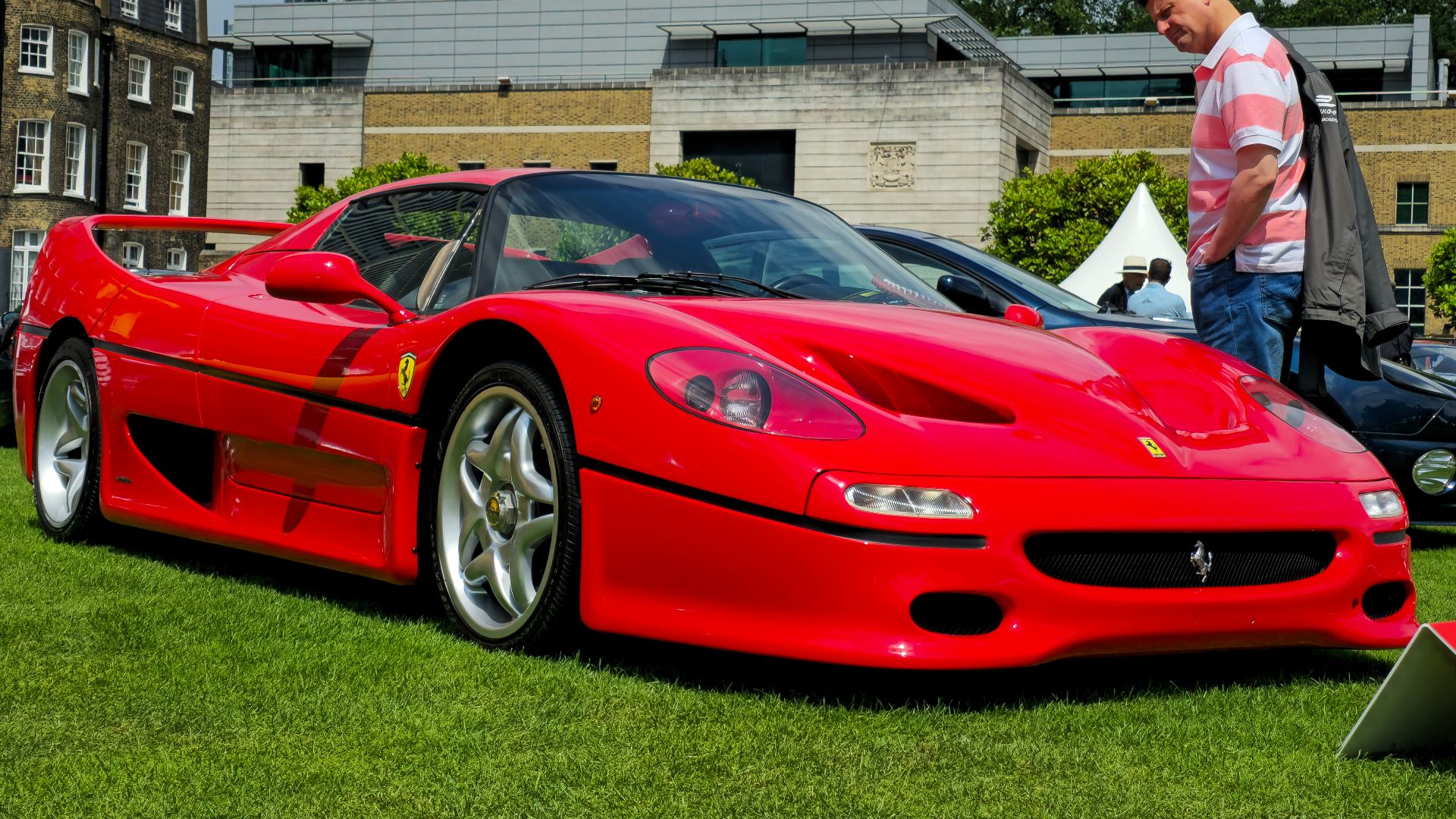
Ferrari F50
Ferrari unveiled the F50 in 1995 to celebrate the company’s approaching 50th anniversary. Its naturally aspirated 4.7-liter V12 was derived from Ferrari’s Formula One engine technology and served as a structural part of the car. Ferrari built only 349 examples, which made seeing one outside a magazine feel nearly impossible.
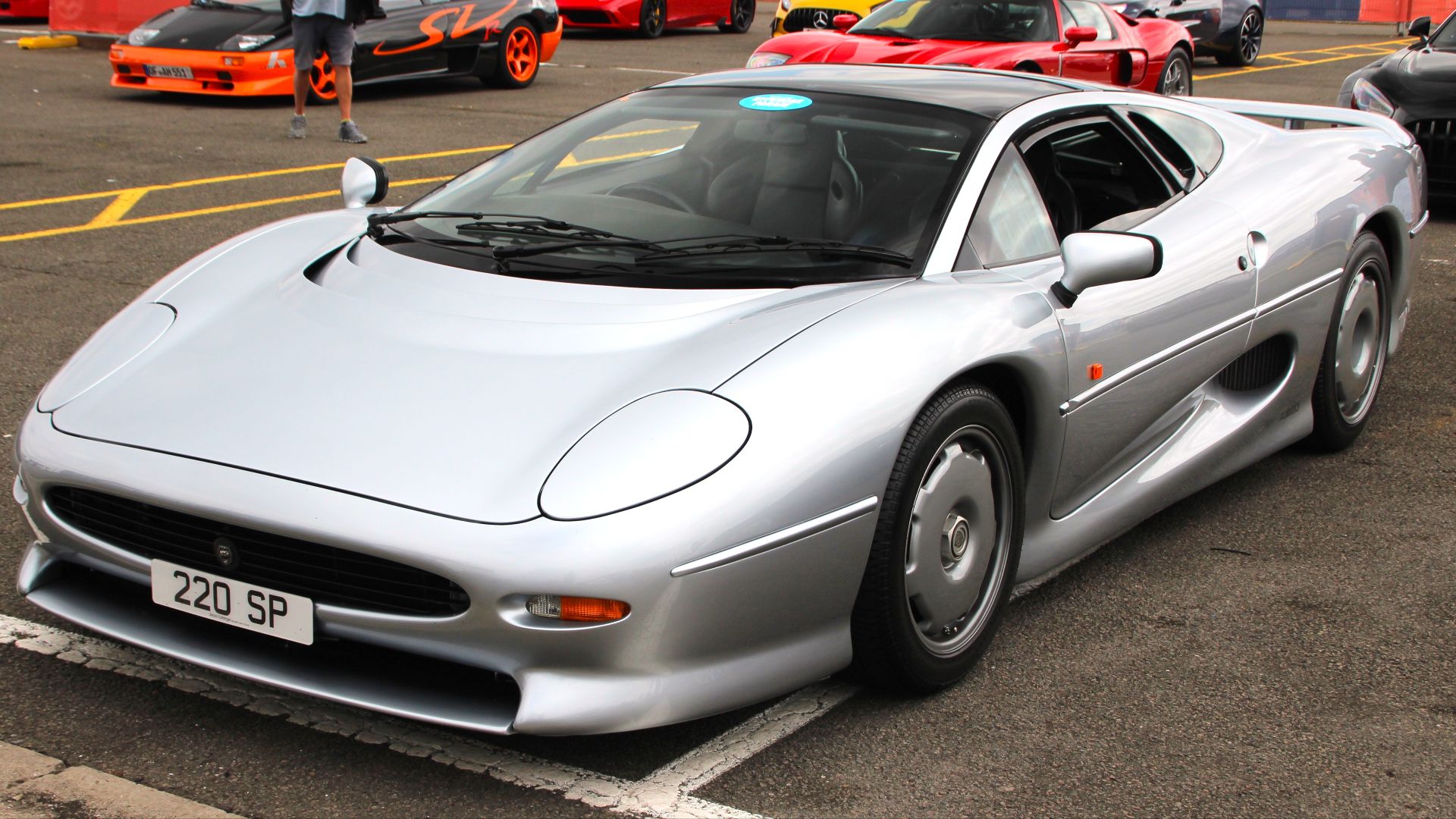
Jaguar XJ220
The production Jaguar XJ220 arrived with a twin-turbocharged V6 instead of the concept car’s proposed V12 and all-wheel-drive system. It nevertheless produced 542 horsepower and reached more than 210 mph in independent testing. Its enormous dimensions and smooth bodywork gave young fans a futuristic alternative to the sharper Italian supercars.
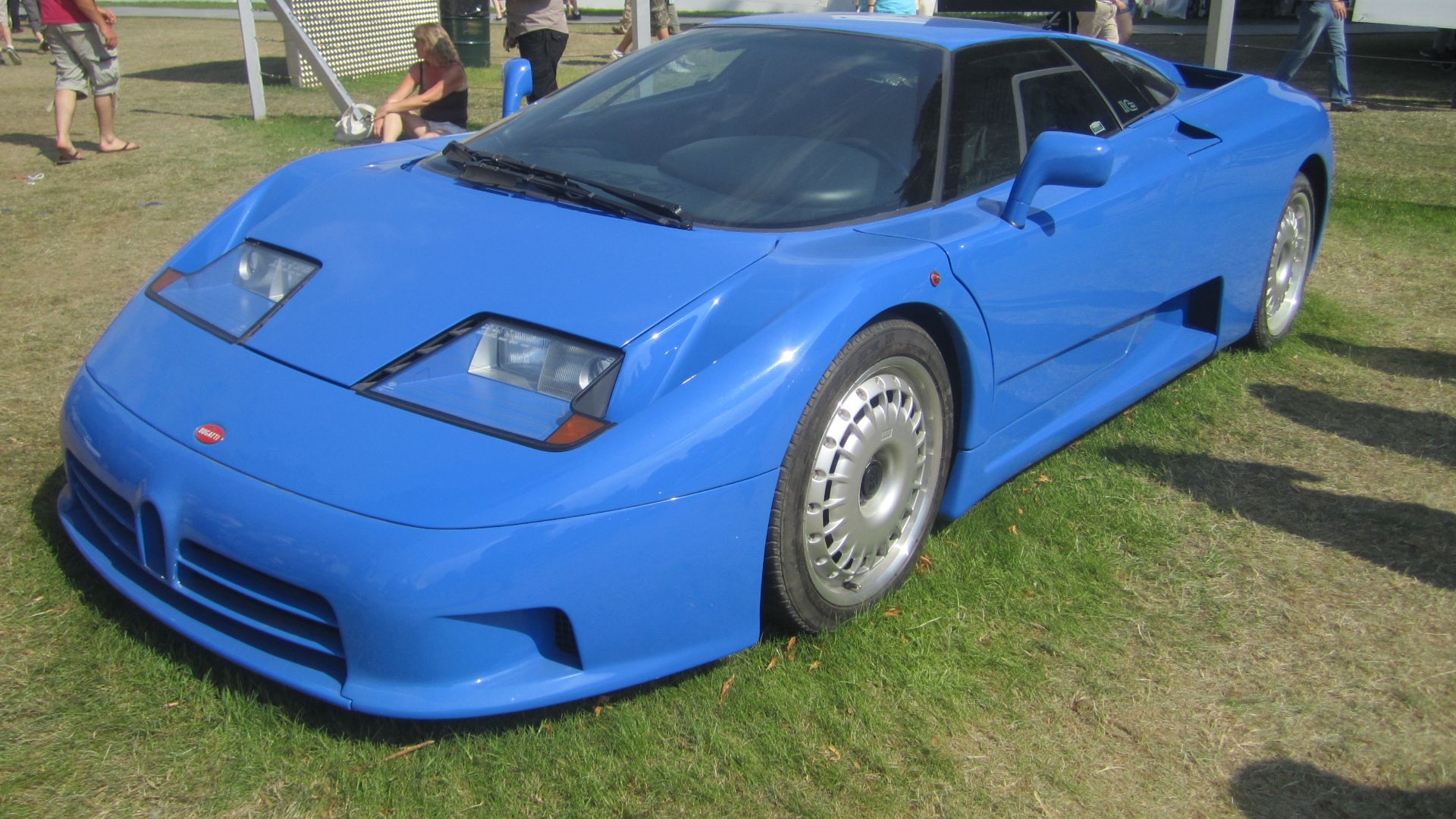
Bugatti EB110
The EB110 revived the Bugatti name under Italian businessman Romano Artioli. It combined a quad-turbocharged V12 with four-wheel drive, a six-speed transmission, and a carbon-fiber chassis. The company collapsed in 1995, but the EB110’s ambitious engineering secured its place among the decade’s most fascinating machines.
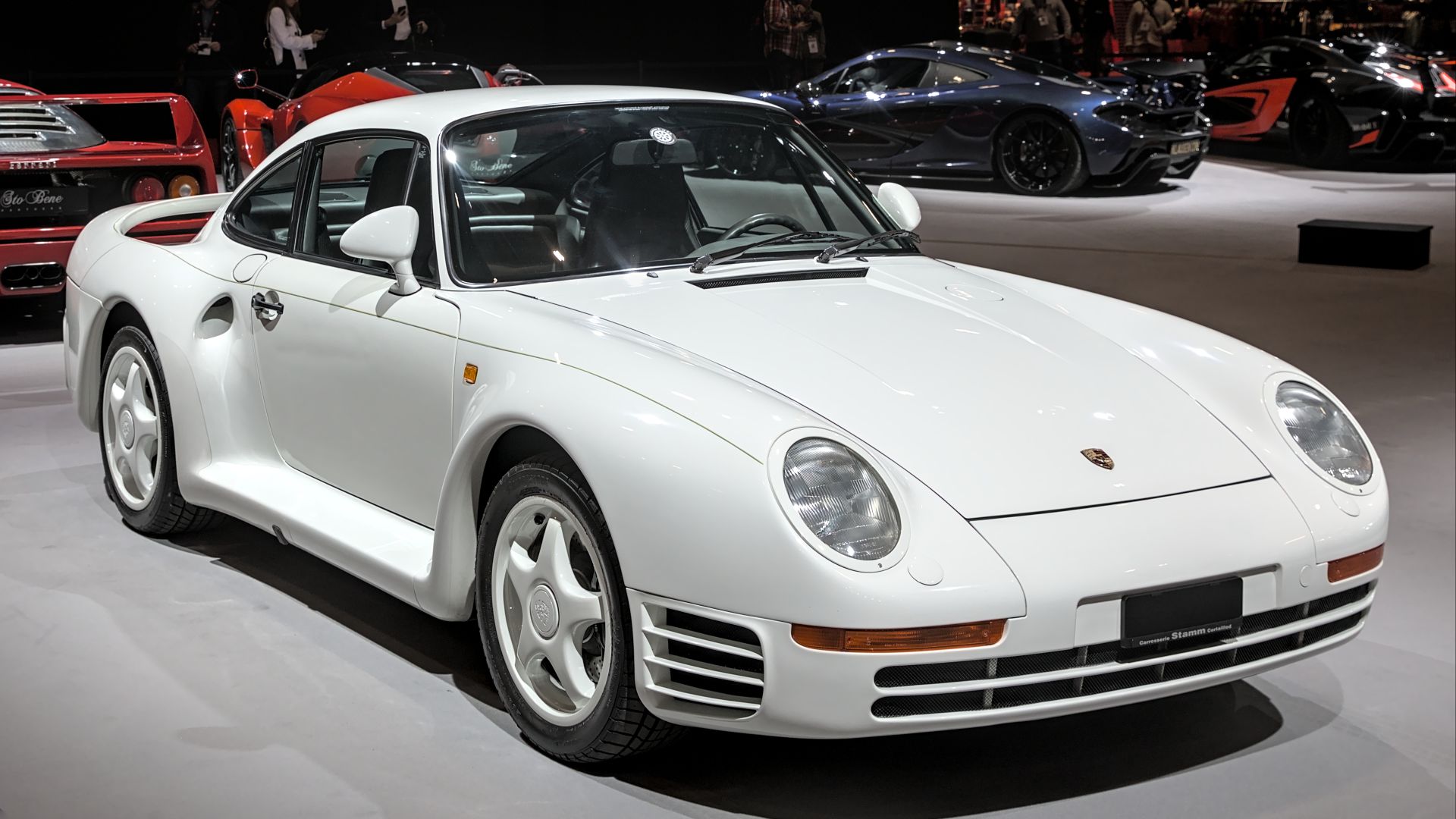
Porsche 959
The Porsche 959 entered production before the 1990s, yet it remained a technological wonder as the new decade began. Its 450-horsepower twin-turbo flat-six, electronically controlled all-wheel drive, and adjustable suspension anticipated features that later became common on high-performance cars. Porsche produced just 292 series examples, ensuring that the 959 remained a rare and mysterious poster choice.
 Alexander-93, Wikimedia Commons
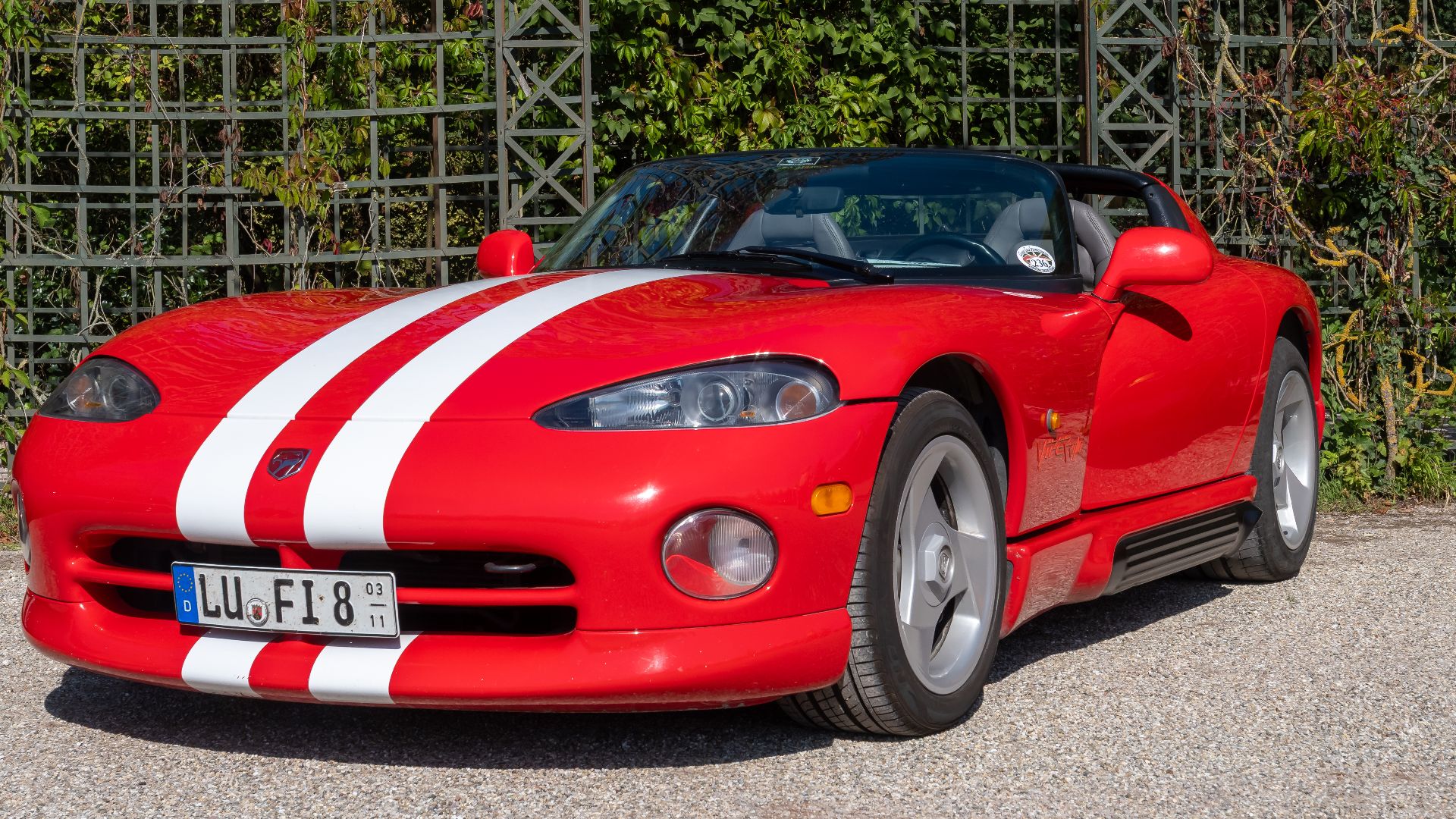
Dodge Viper RT/10
Dodge launched the Viper RT/10 for the 1992 model year with an 8.0-liter V10 and deliberately minimal equipment. Early cars lacked exterior door handles, side windows, and conventional weather protection. With 400 horsepower and muscular bodywork, it offered an unapologetically American counterpoint to Europe’s sophisticated supercars.
 Matti Blume, Wikimedia Commons
Acura NSX
The Acura NSX proved that a mid-engine sports car could deliver exotic performance without demanding constant compromise. Honda gave it an aluminum monocoque body, a high-revving V6, and development input from Formula One champion Ayrton Senna. Its visibility, comfort, and usability forced established supercar manufacturers to reconsider what customers should accept.
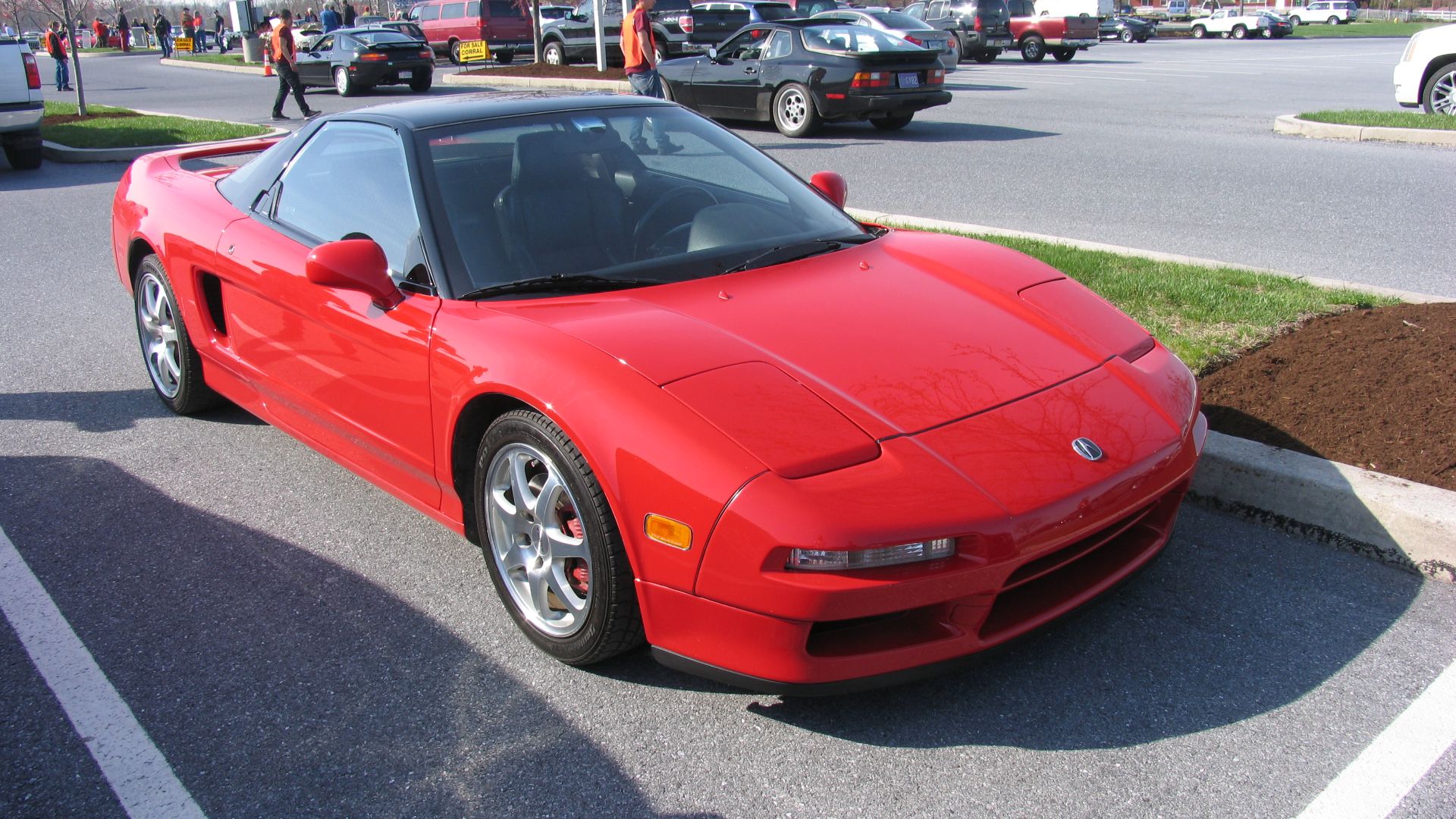 ilikewaffles11, Wikimedia Commons
Toyota Supra Turbo
Toyota introduced the fourth-generation Supra in 1993 with rounded styling and a rear wing that became one of the decade’s defining shapes. Turbo models used the twin-turbocharged 2JZ-GTE inline-six, officially rated at 320 horsepower in the United States. Its sturdy engine and enormous tuning potential eventually made the Supra even more famous than it had been when new.
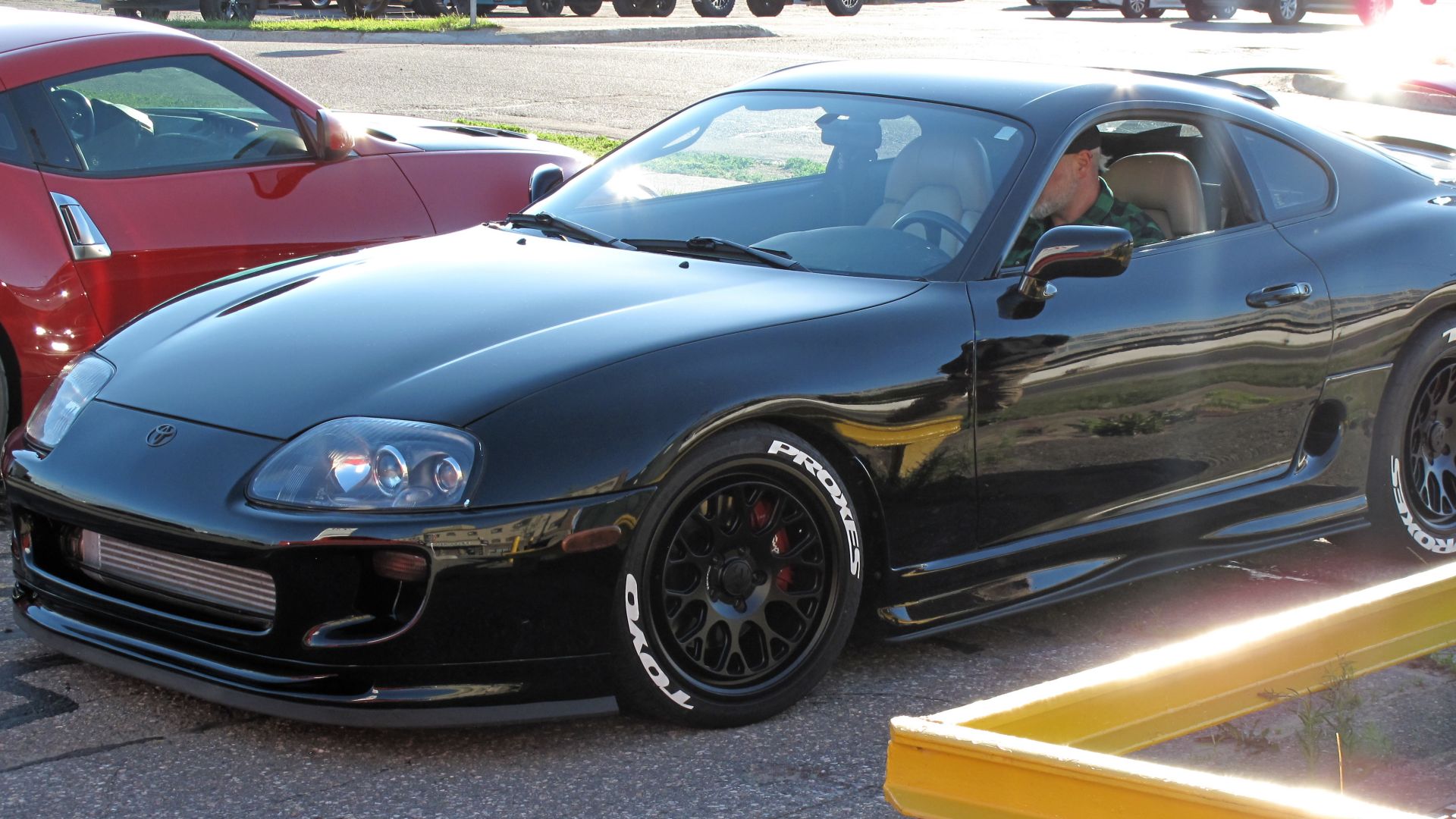
Mazda RX-7
The third-generation Mazda RX-7 arrived in Japan in 1991 and reached North America for the 1993 model year. Its compact rotary engine used sequential twin turbochargers, while the lightweight chassis prioritized balance and responsiveness. The smooth body and pop-up headlights made it as desirable in photographs as it was on a winding road.
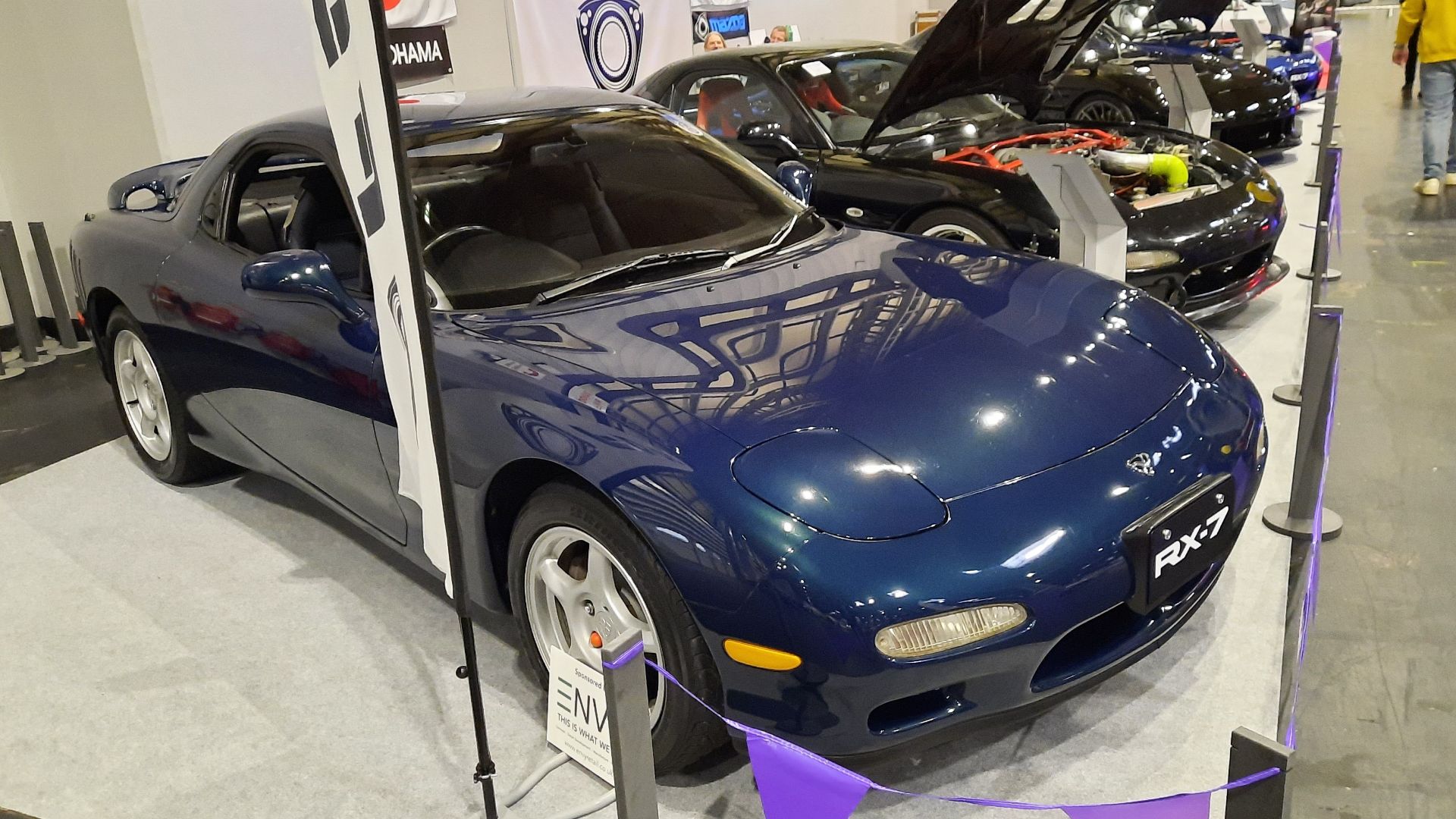 Kieran White from Manchester, England, Wikimedia Commons
Nissan 300ZX Twin Turbo
The Z32-generation Nissan 300ZX entered the 1990s with wide proportions and an unusually modern cabin. Its twin-turbocharged 3.0-liter V6 produced 300 horsepower in American specification, and the car offered four-wheel steering. Nissan had transformed the familiar Z into a serious rival for considerably more expensive performance cars.
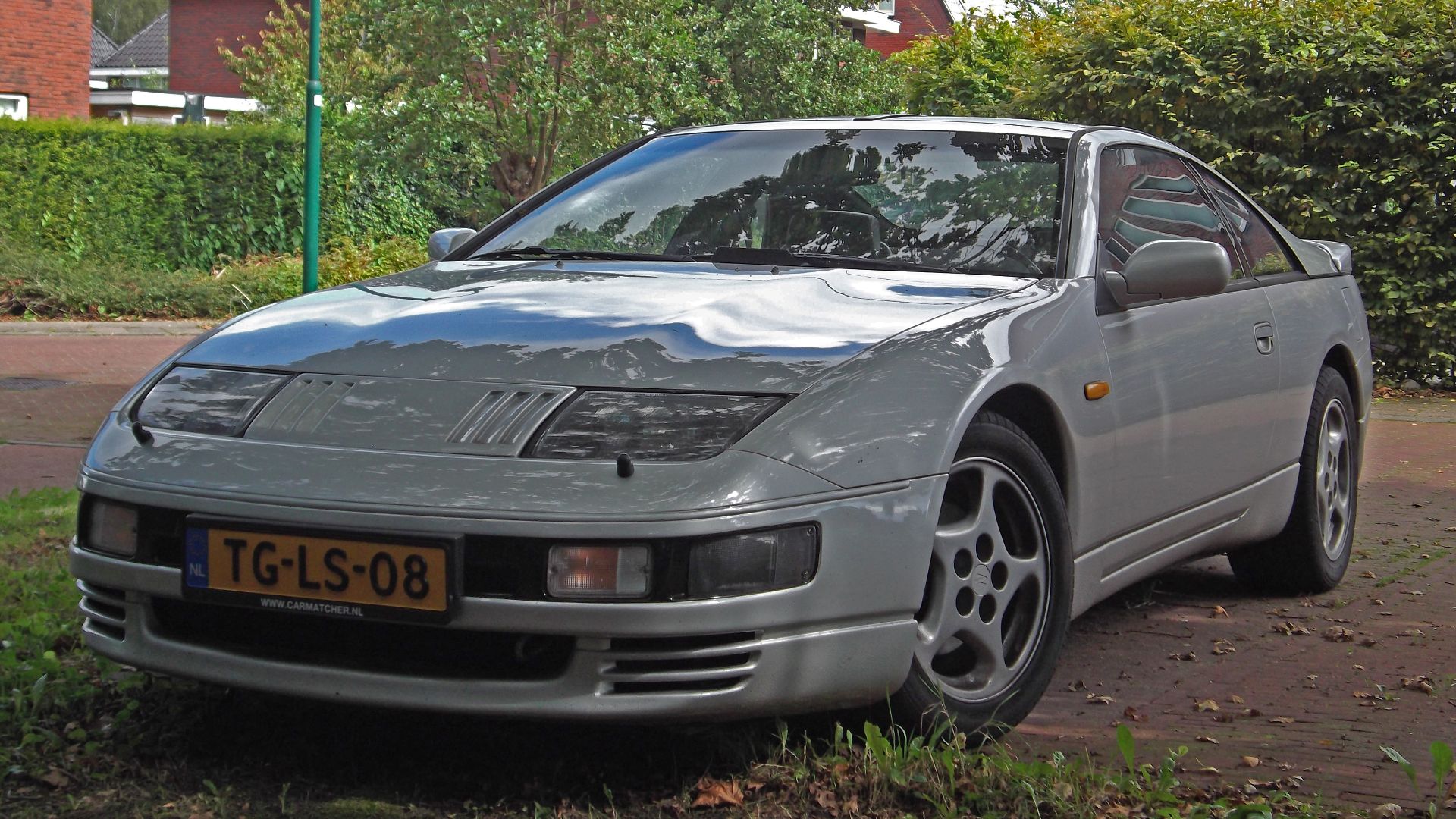 Dennis Elzinga, Wikimedia Commons
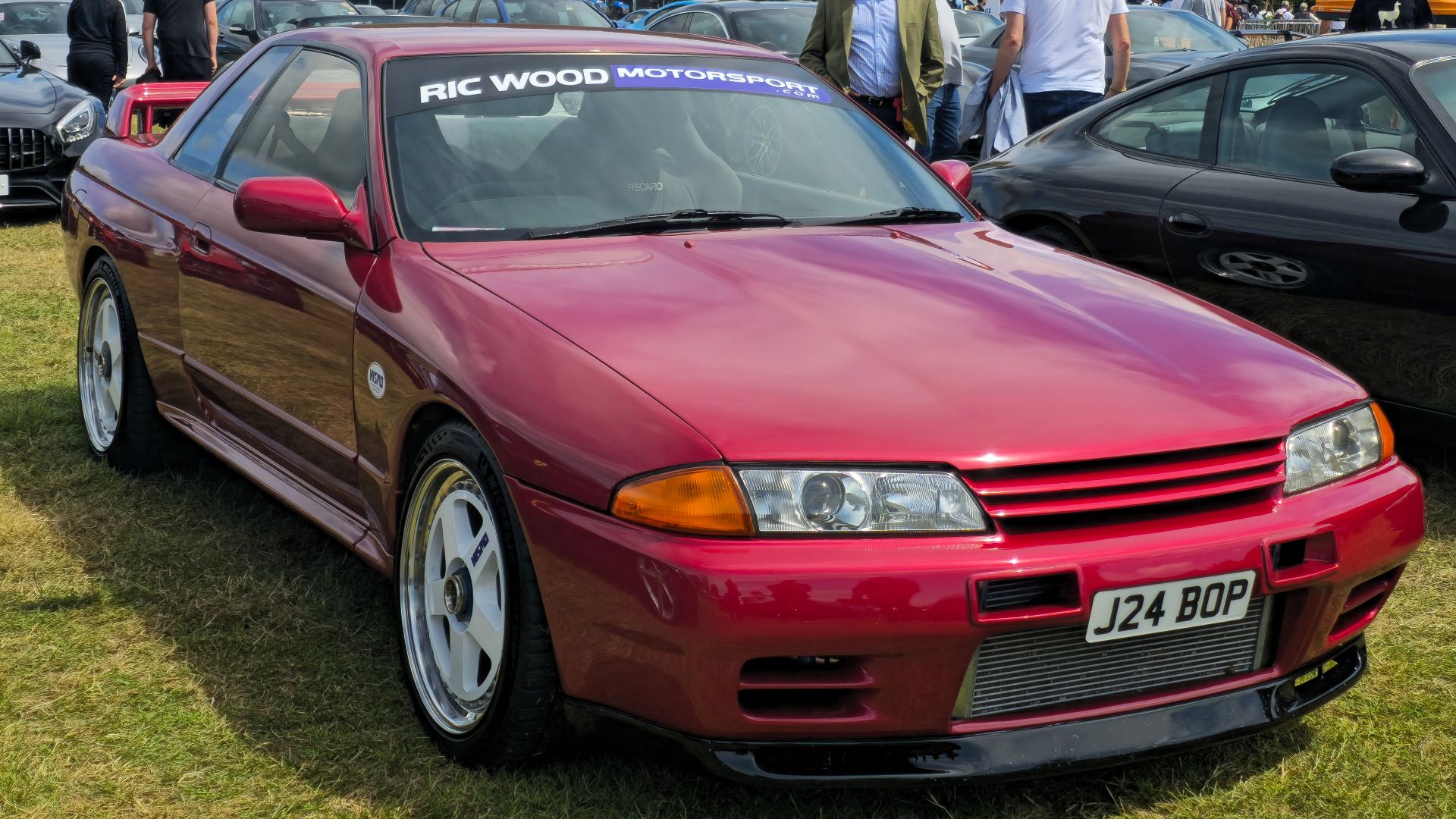
Nissan Skyline GT-R
Most North American enthusiasts could not buy a new Skyline GT-R locally, which only increased its mystique. The R32 and R33 models combined the RB26DETT twin-turbo inline-six with the ATTESA all-wheel-drive system, while the R34 arrived in 1999. Racing success, magazines, imported videos, and early driving games helped turn “Godzilla” into an international obsession.
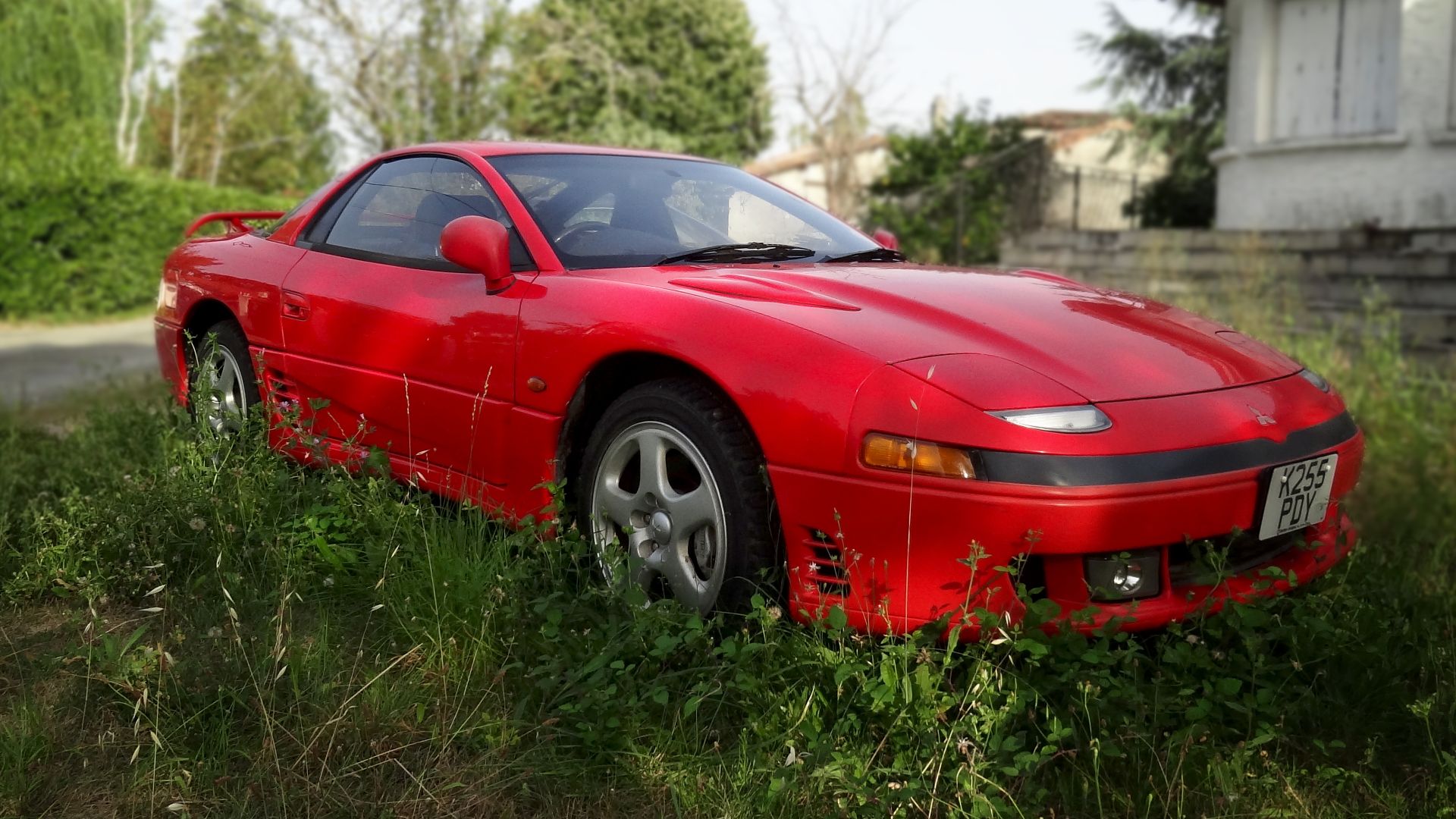
Mitsubishi 3000GT VR-4
The Mitsubishi 3000GT VR-4 packed remarkable technology beneath its dramatic bodywork. Depending on the year, it offered a twin-turbocharged V6, full-time all-wheel drive, four-wheel steering, and electronically controlled suspension. Early examples even used active aerodynamic components, giving owners an equipment list that sounded borrowed from a concept car.
 Falcon Photography from France, Wikimedia Commons
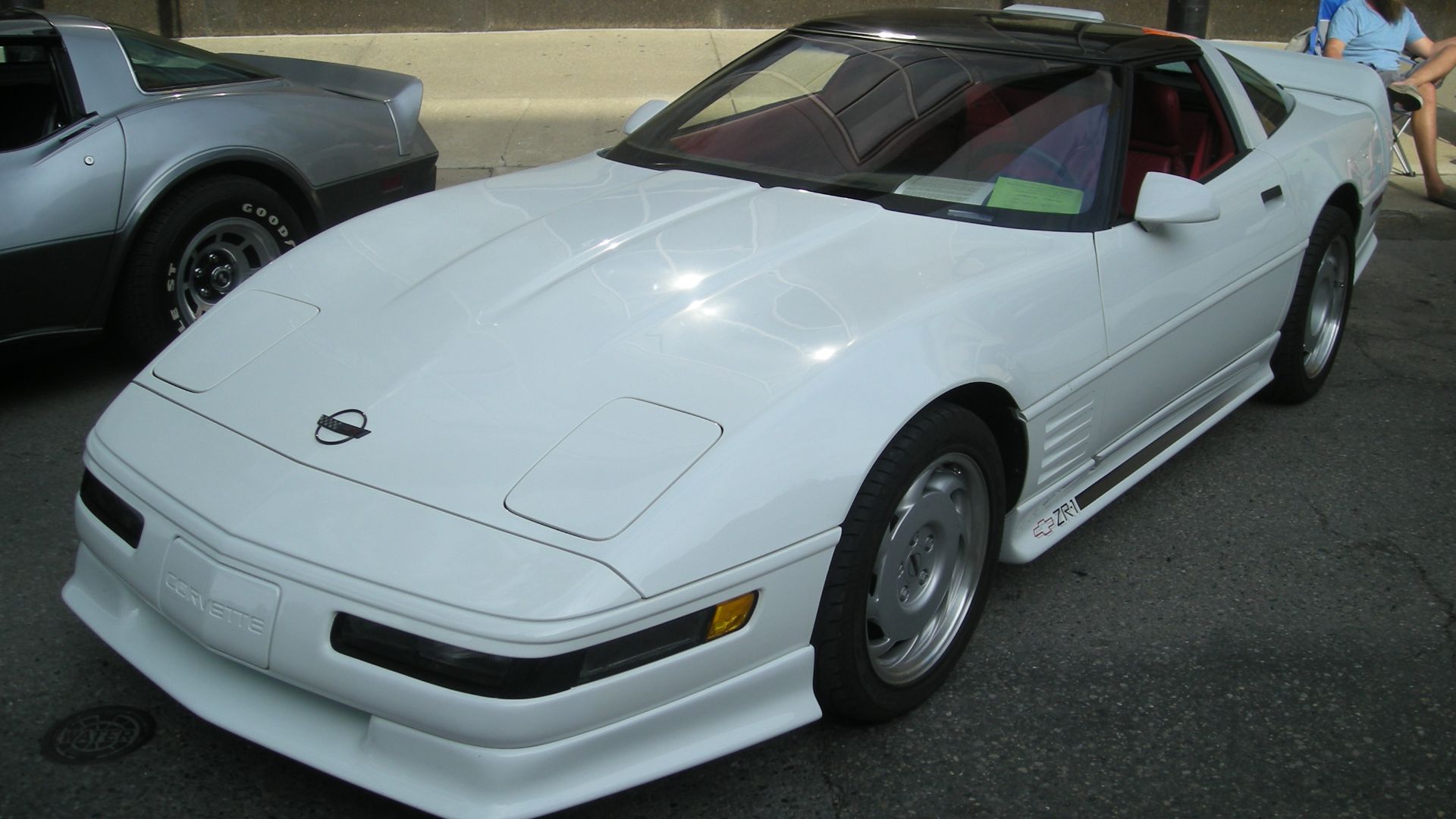
Chevrolet Corvette ZR-1
Chevrolet introduced the Corvette ZR-1 for 1990 with the Lotus-developed LT5 V8 beneath its clamshell hood. The 5.7-liter engine initially produced 375 horsepower before rising to 405 horsepower for 1993. Its wide rear bodywork and exceptional high-speed capability proved that an American production car could challenge Europe’s best.
 Michael Barera, Wikimedia Commons
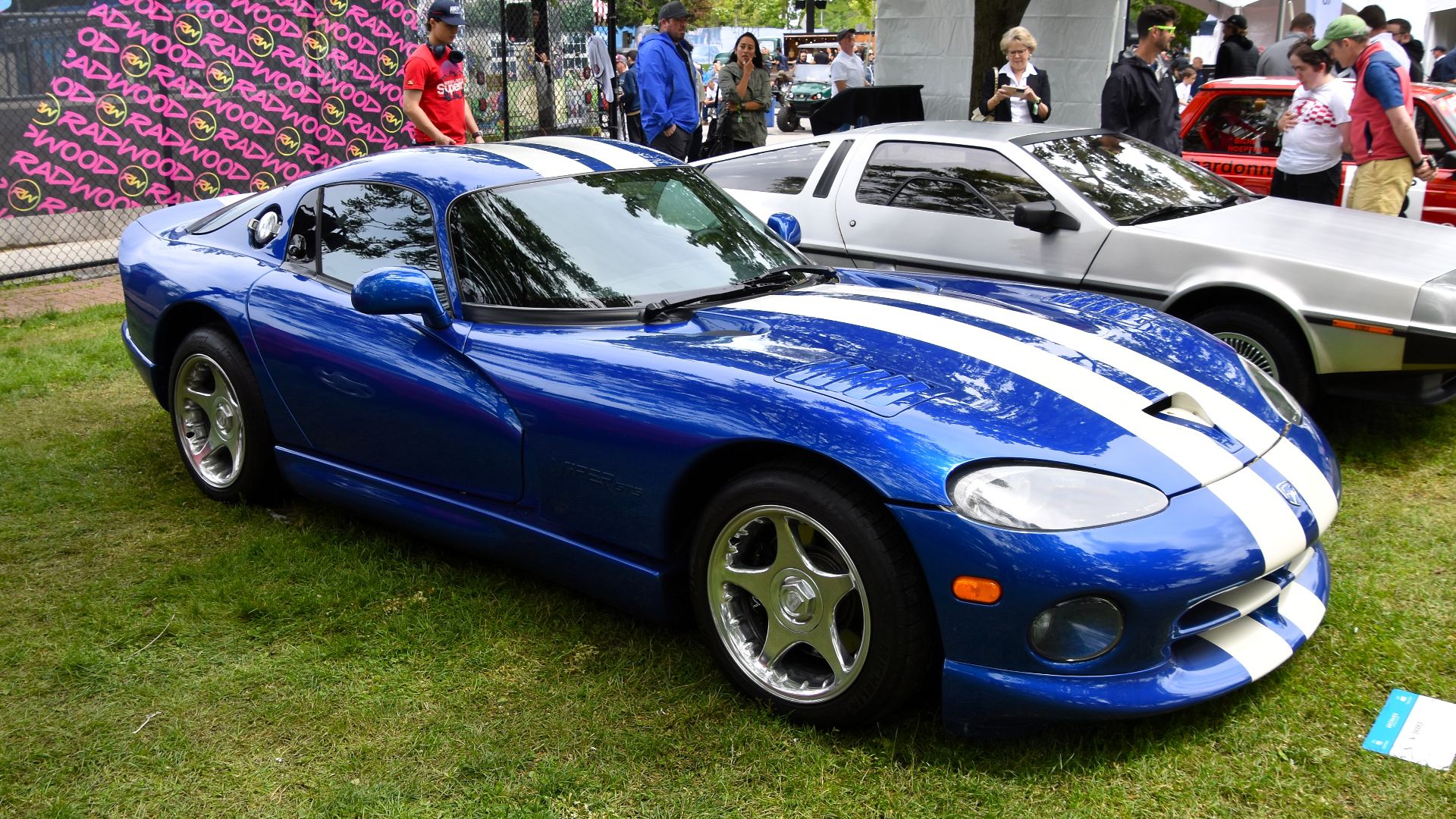
Dodge Viper GTS
The Viper GTS arrived for 1996 with a fixed roof, double-bubble design, and unmistakable racing stripes. Its 8.0-liter V10 produced 450 horsepower, while its shape recalled the Shelby Daytona Coupe without simply copying it. A blue GTS with white stripes became one of the decade’s most recognizable American poster cars.
 Charles from Port Chester, New York, Wikimedia Commons
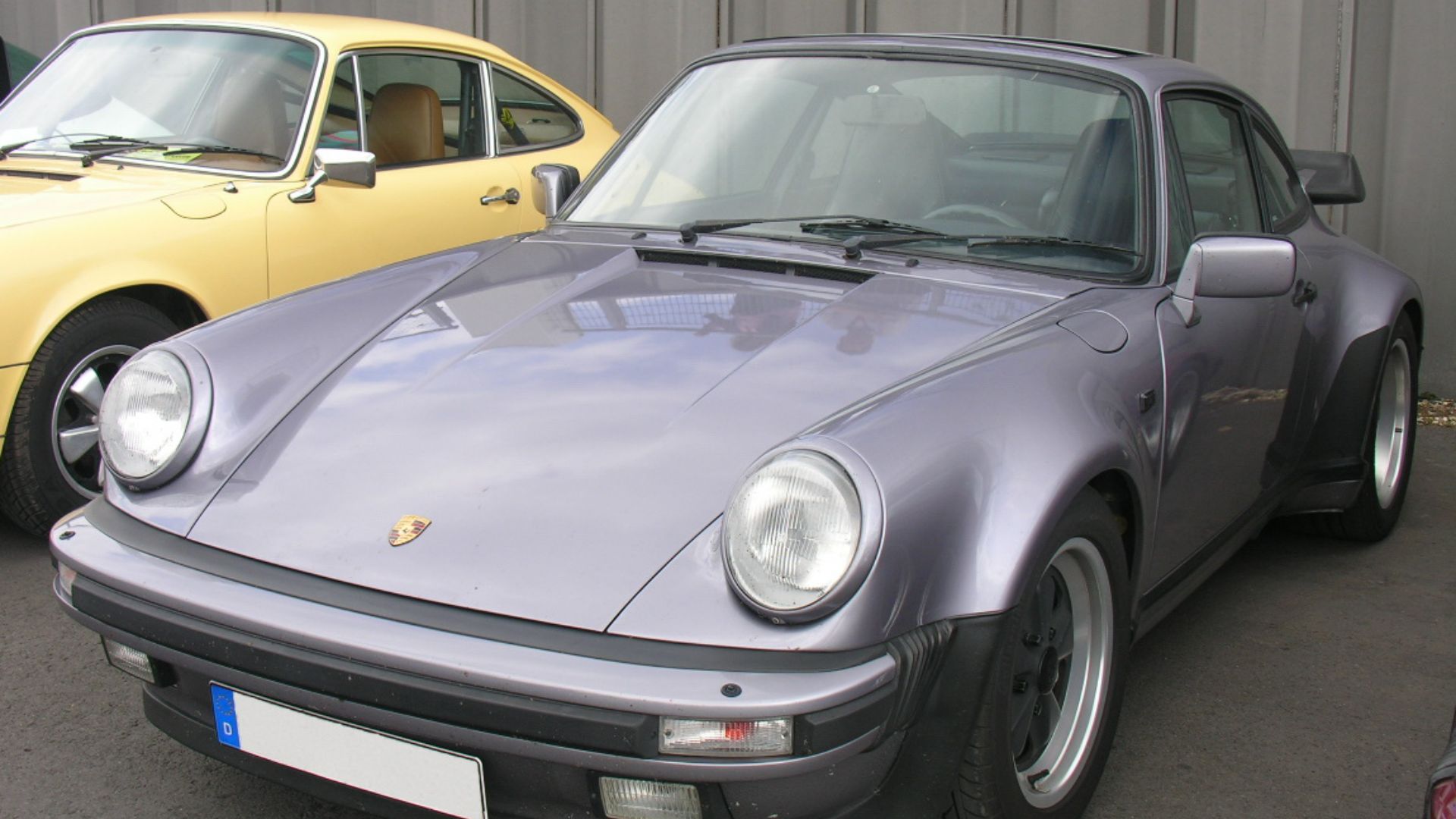
Porsche 911 Turbo
Porsche introduced the 993-generation 911 Turbo for the 1996 model year with twin turbochargers and all-wheel drive. Its 3.6-liter flat-six produced 400 horsepower in American specification, combining serious speed with the familiar 911 silhouette. Because the 993 was the final air-cooled 911 generation, its appeal has only strengthened with time.
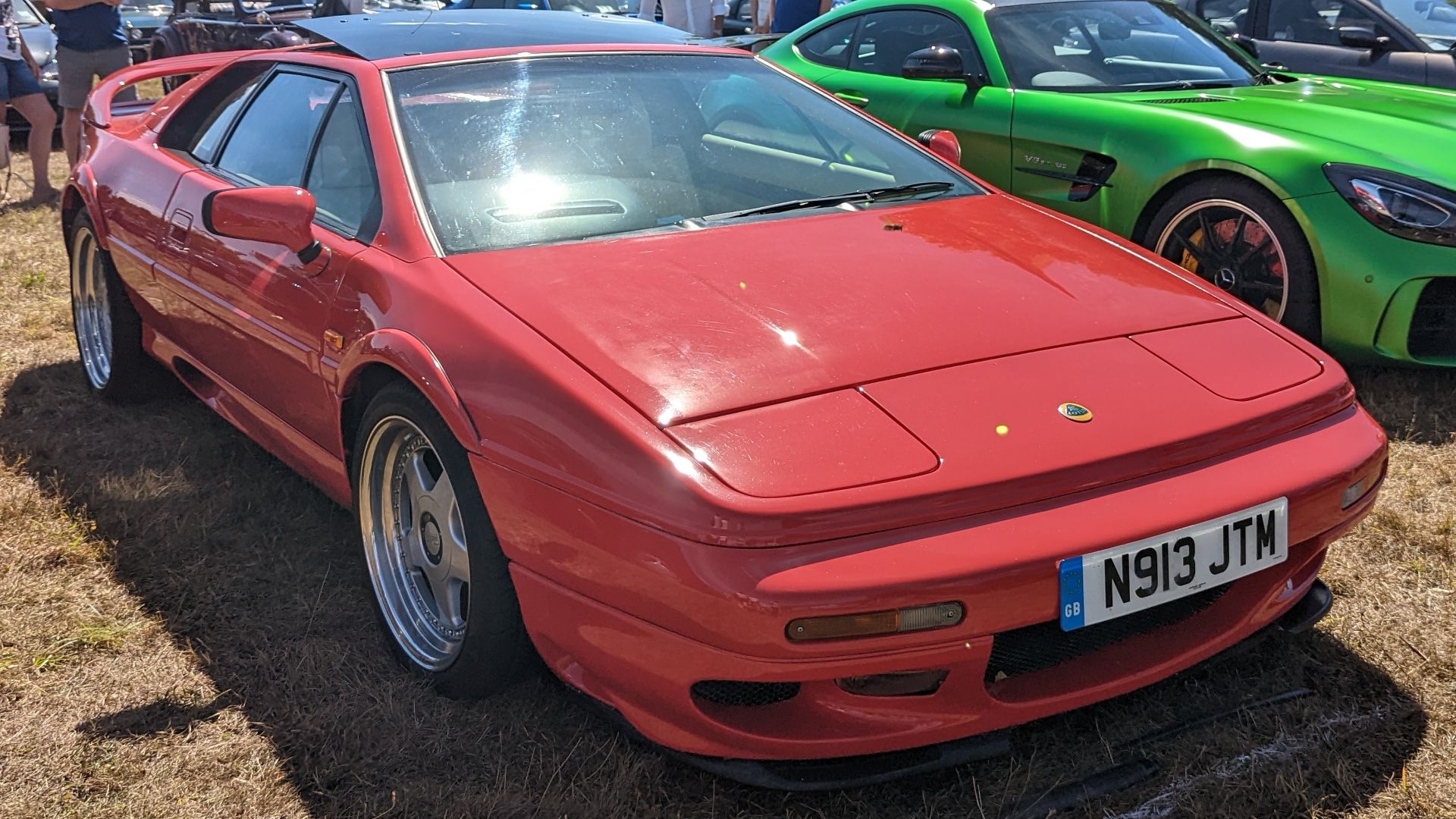
Lotus Esprit V8
The Lotus Esprit had already survived several automotive eras when it gained a twin-turbocharged V8 for 1996. The new 3.5-liter engine produced 350 horsepower, giving the familiar wedge the performance to remain relevant. Its low roof, hidden headlights, and mid-engine layout preserved the exotic formula children had admired for years.
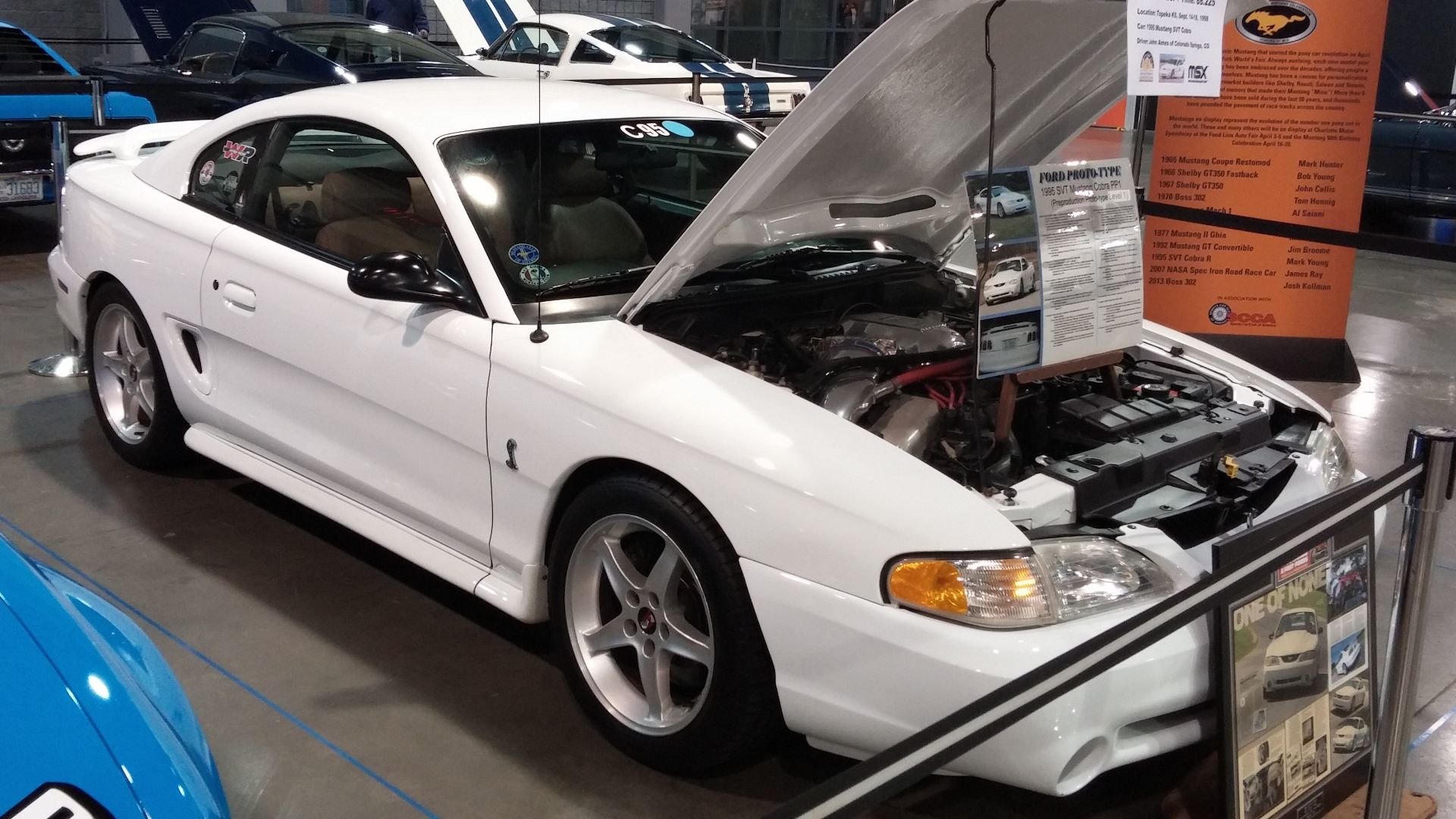
Ford Mustang SVT Cobra R
Ford’s Special Vehicle Team created the limited-production 1995 Mustang Cobra R for buyers who intended to race. Its 5.8-liter V8 produced 300 horsepower, while Ford removed the rear seat, air conditioning, radio, and several comfort features. Only 250 were built, and buyers originally had to provide evidence of a competition license.
 Trailers of the East Coast, Wikimedia Commons
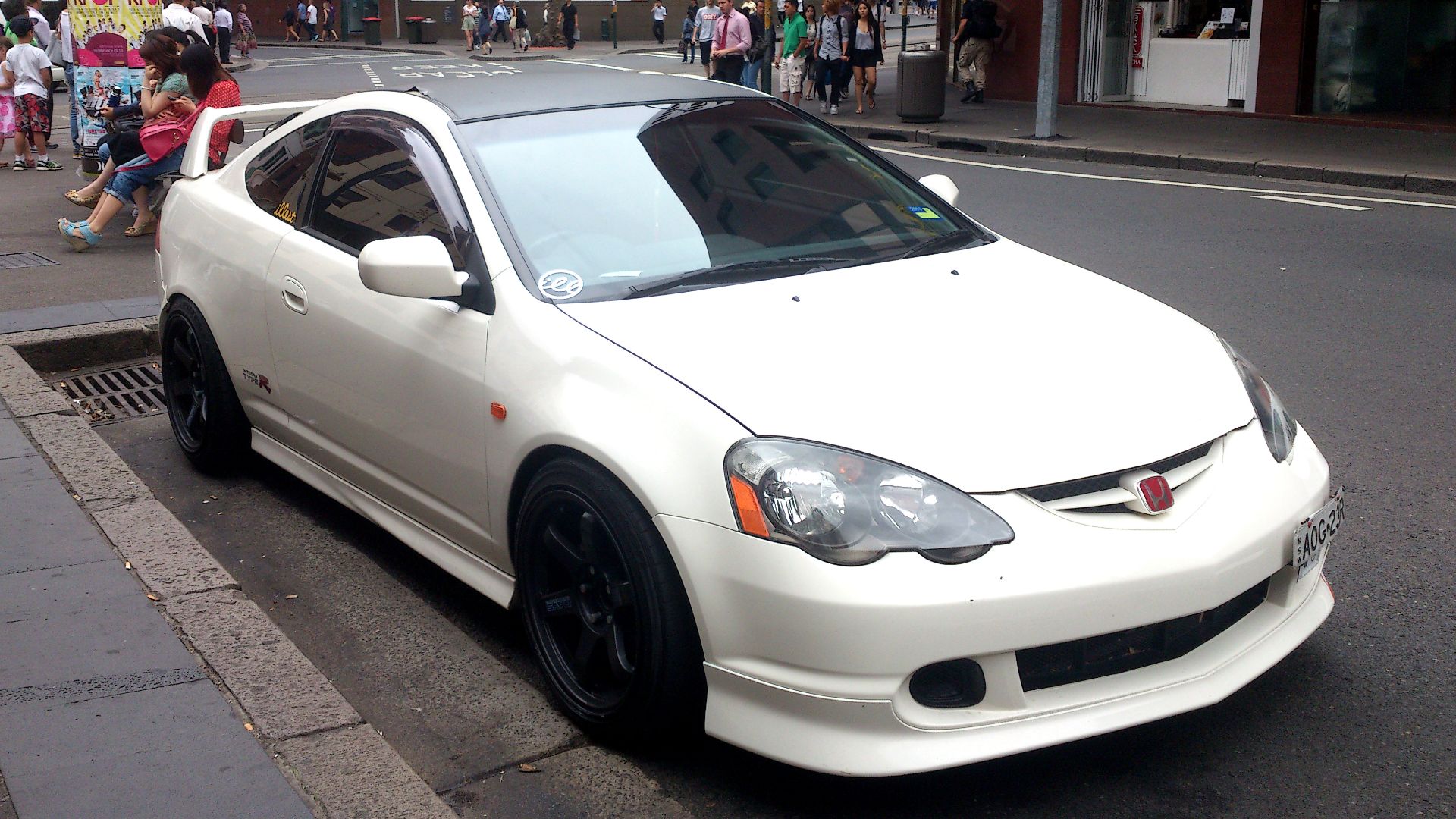
Honda Integra Type R
The Integra Type R demonstrated that a dream car did not need a huge engine or exotic layout. Its hand-finished VTEC four-cylinder revved beyond 8,000 rpm, while engineers reduced weight and strengthened the body. North American cars wore Acura badges, but the Championship White Honda version became particularly coveted by young enthusiasts.
Toyota MR2 Turbo
The second-generation Toyota MR2 offered a mid-engine layout and styling that invited comparisons with more expensive Italian machinery. North American Turbo models used a 2.0-liter turbocharged four-cylinder producing 200 horsepower. Its compact size and Toyota badge made the exotic-car formula seem just close enough to reality.
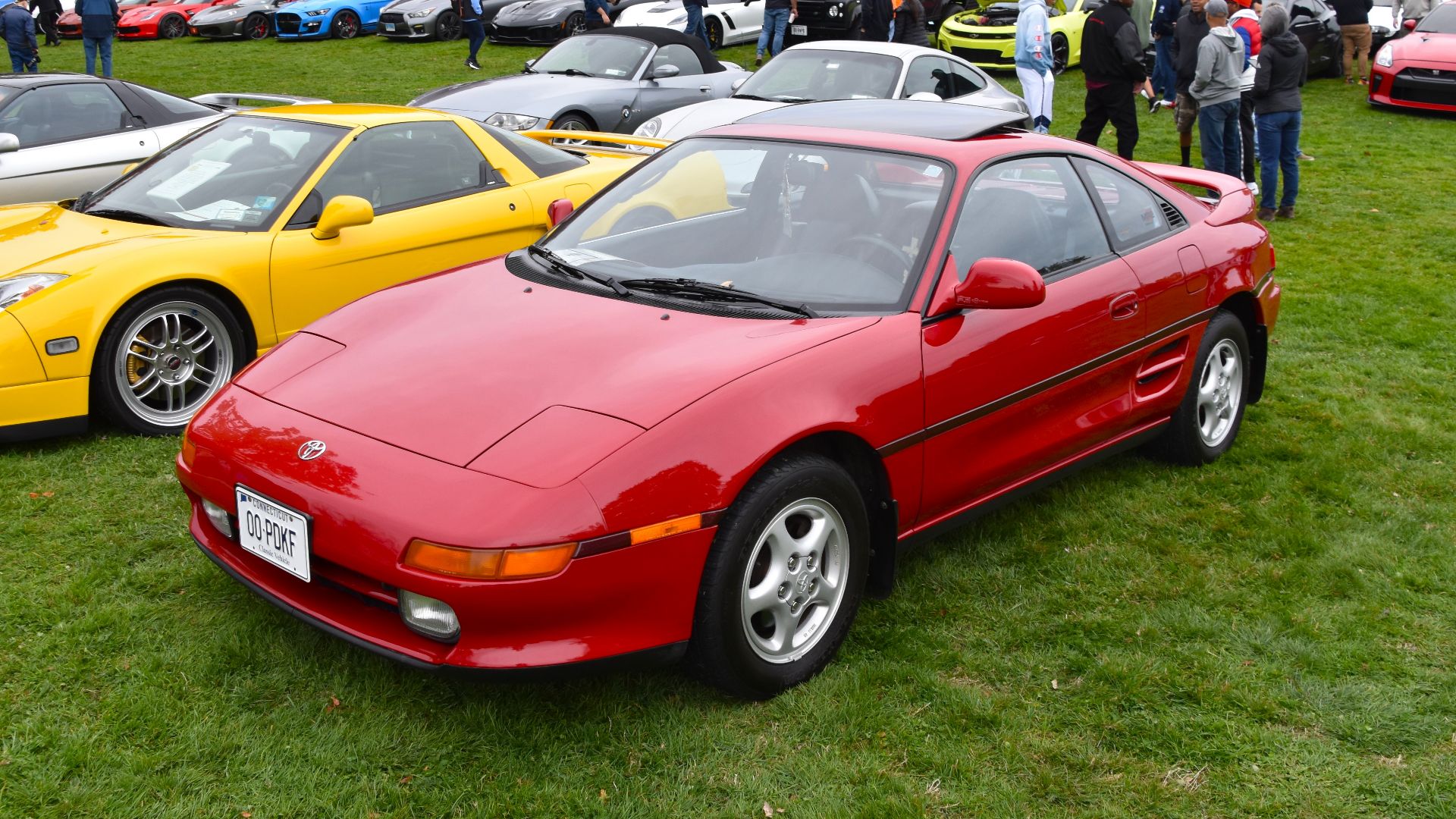 Charles from Port Chester, New York, Wikimedia Commons
Mitsubishi Eclipse GSX
The second-generation Mitsubishi Eclipse arrived for 1995 with flowing bodywork that captured the decade’s design direction. The GSX paired its turbocharged 4G63 four-cylinder with all-wheel drive, while the GS-T sent power to the front wheels. Its combination of speed, tunability, and relative affordability made the Eclipse a gateway dream car.
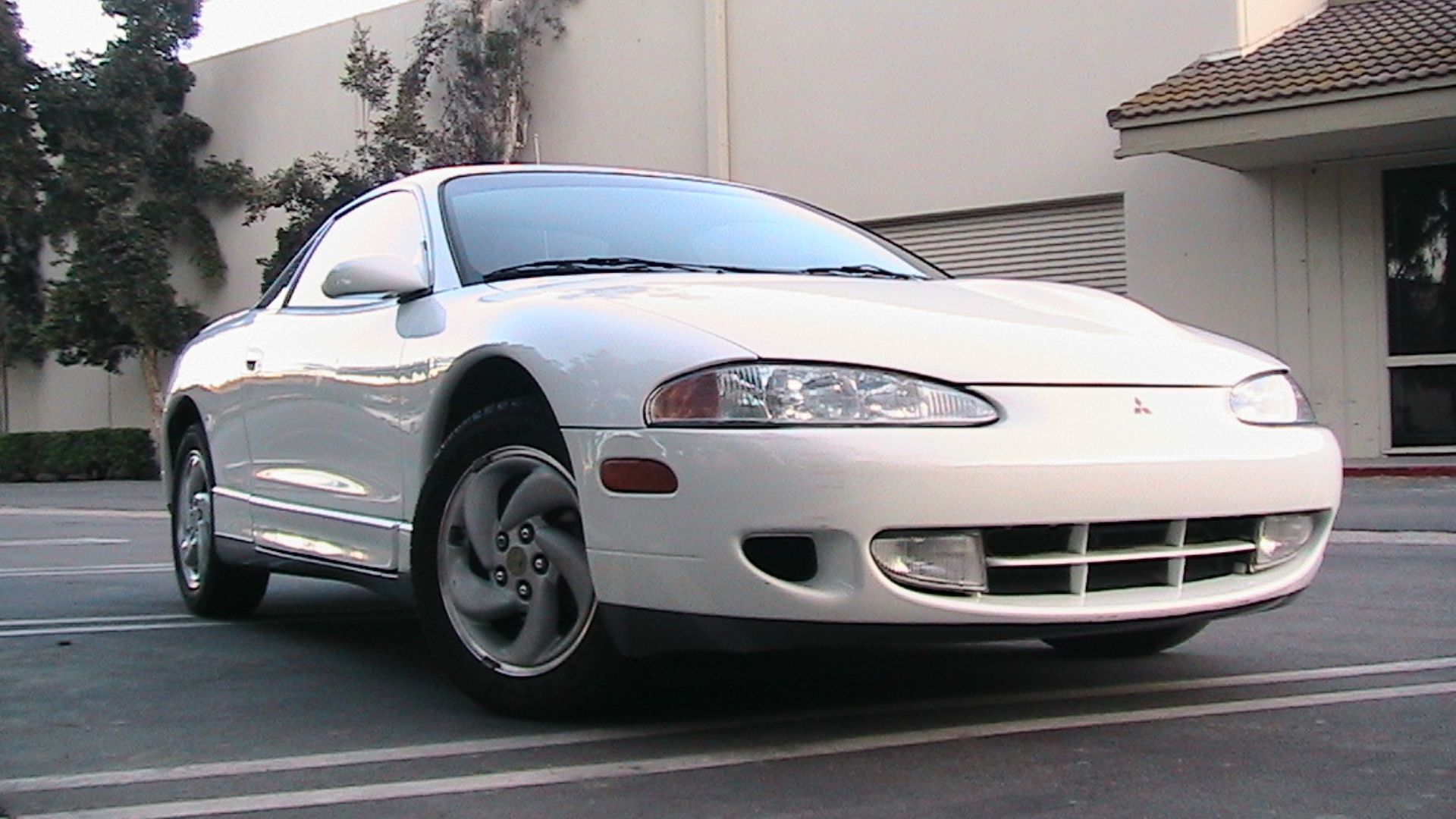 The Dude 421, Wikimedia Commons
Mazda MX-5 Miata
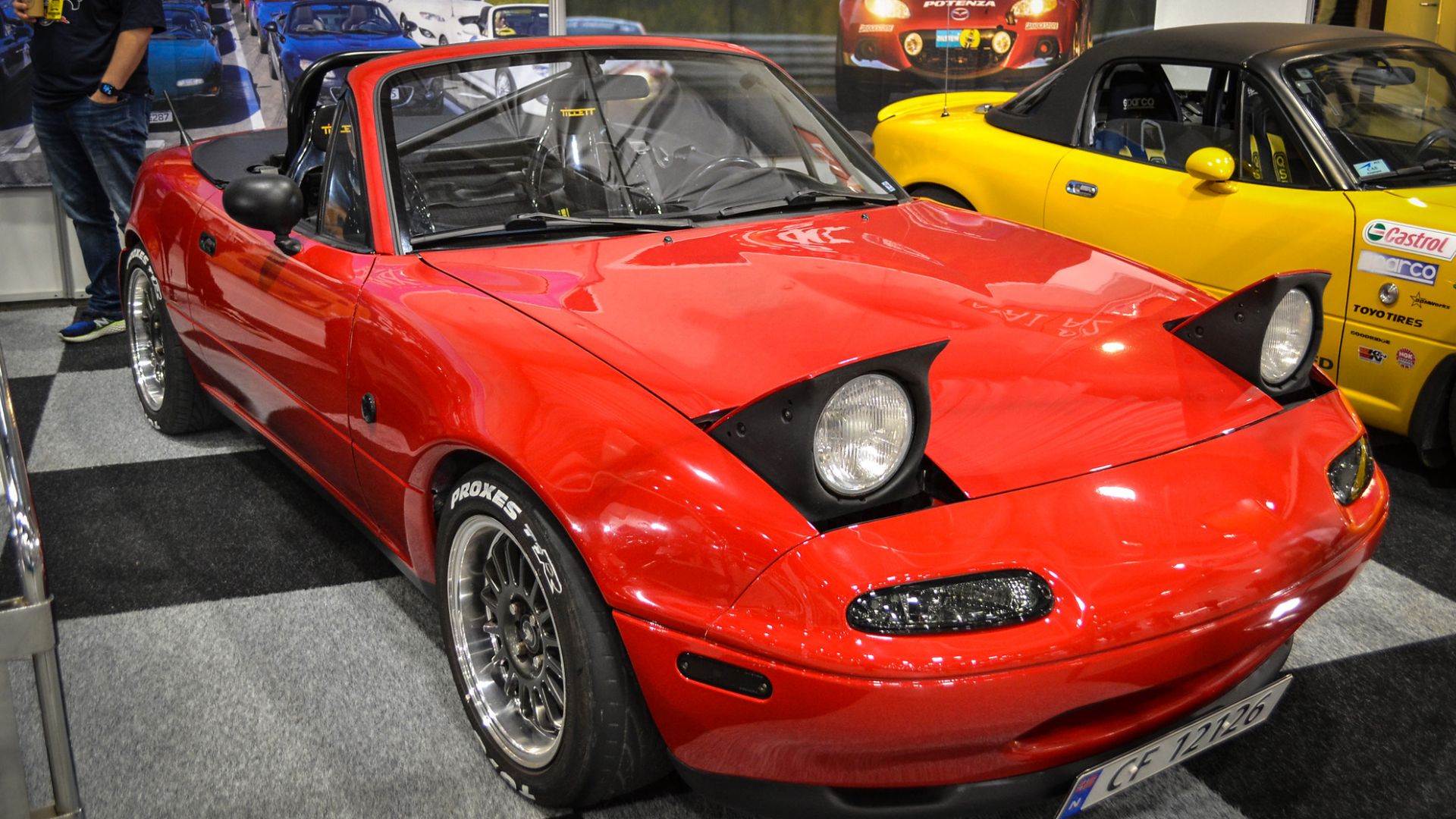
Mazda unveiled the MX-5 Miata at the 1989 Chicago Auto Show, placing it perfectly for 1990s success. Its modest power mattered less than its light weight, rear-wheel drive, precise handling, and cheerful pop-up headlights. Unlike most poster cars, the Miata was a dream that many young drivers could realistically hope to own.
Mercedes-Benz CLK GTR
Mercedes-Benz created the CLK GTR to compete in the FIA GT Championship, then produced a tiny number of street-legal versions for homologation. The road car used a mid-mounted 6.9-liter V12 producing 560 horsepower beneath carbon-fiber bodywork. Only 25 roadgoing cars were planned, placing it firmly beyond ordinary supercar rarity.
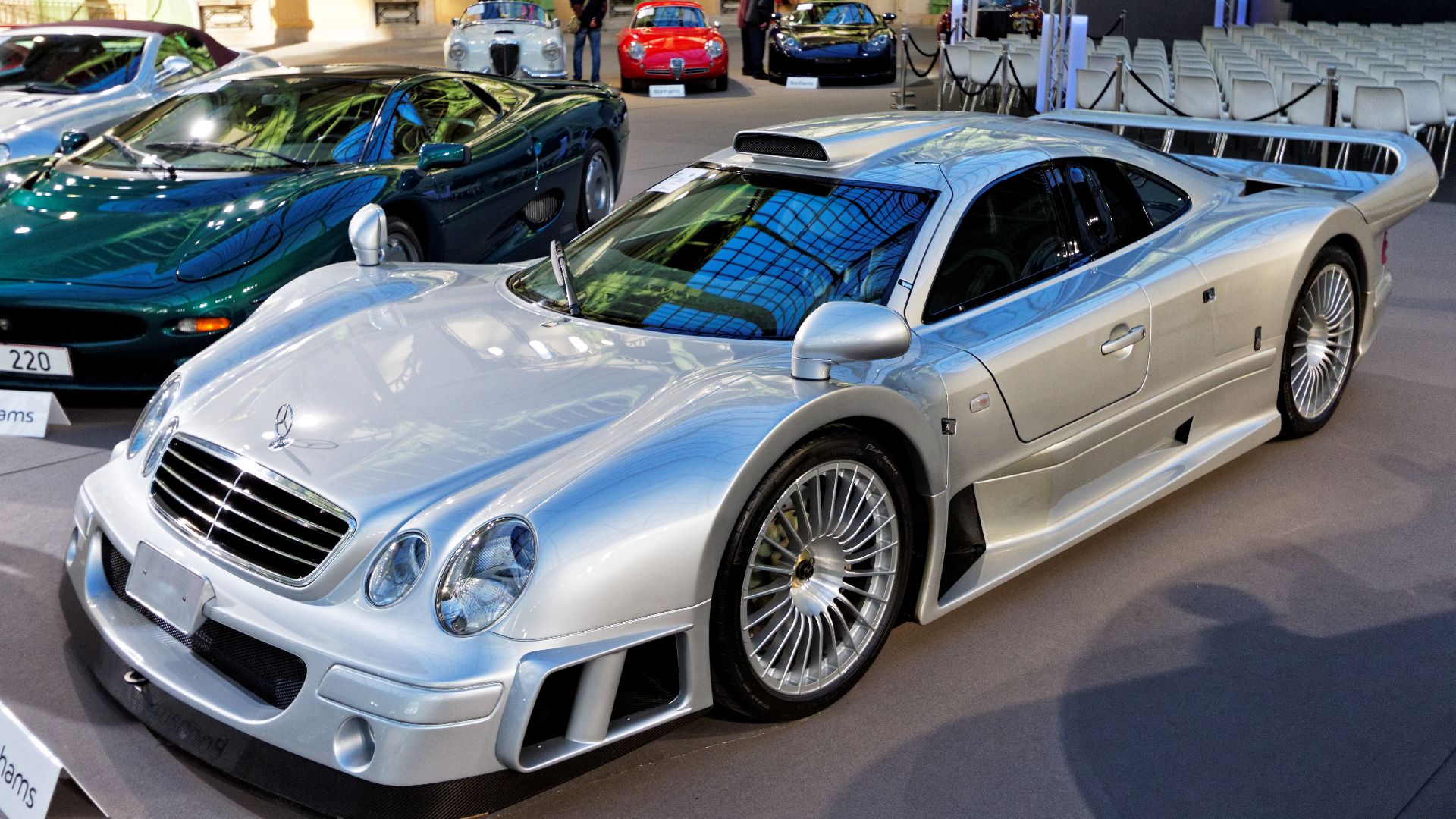 Thesupermat, Wikimedia Commons
BMW Z8
BMW presented the Z8 concept in 1997 and began series production in 1999. Its aluminum structure contained the 5.0-liter V8 from the contemporary BMW M5, while its styling paid tribute to the 1950s BMW 507. An appearance in The World Is Not Enough gave children one final cinematic dream car before the decade ended.
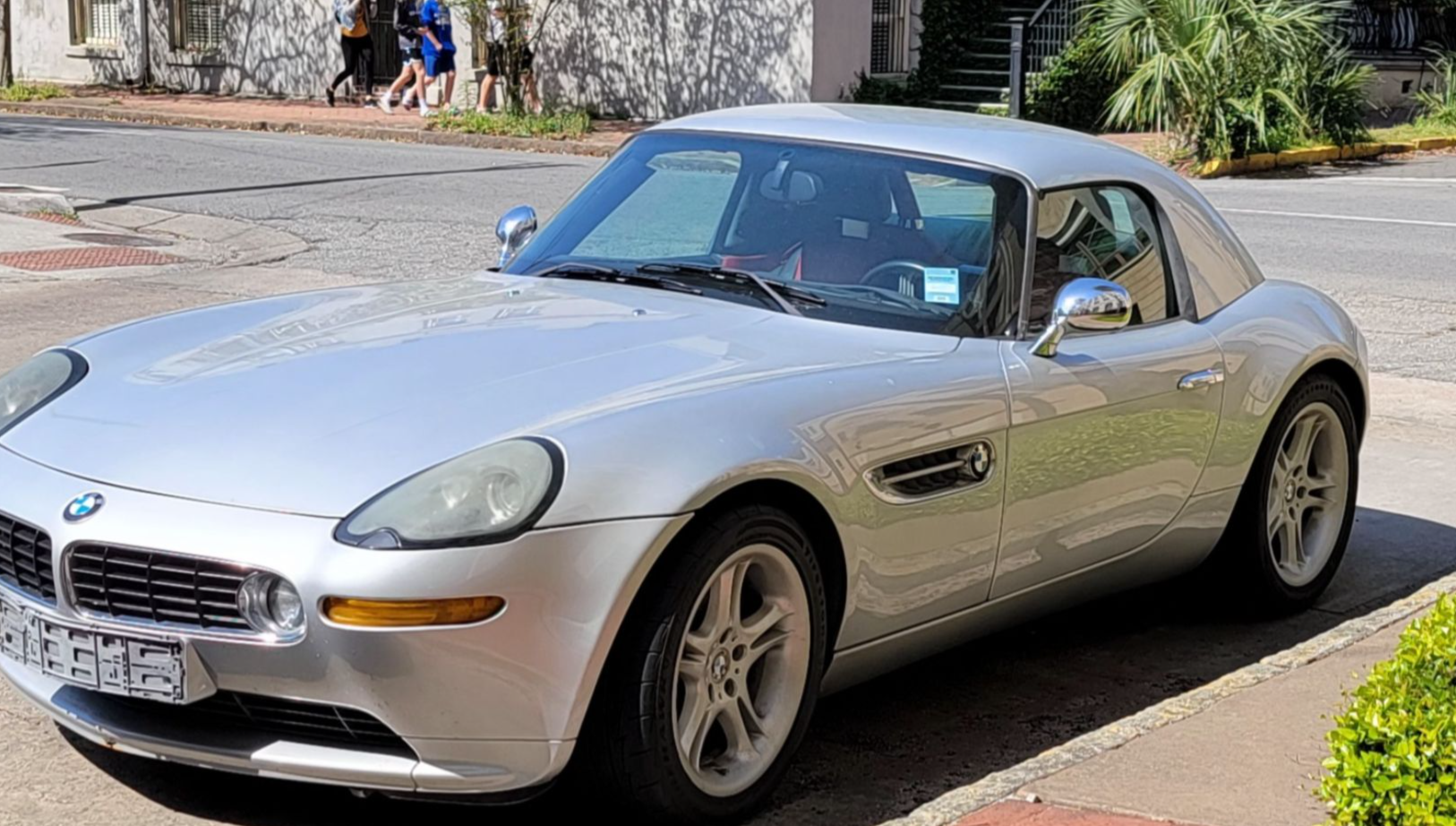 UltraTech66, Wikimedia Commons
The Cars That Escaped The Garage
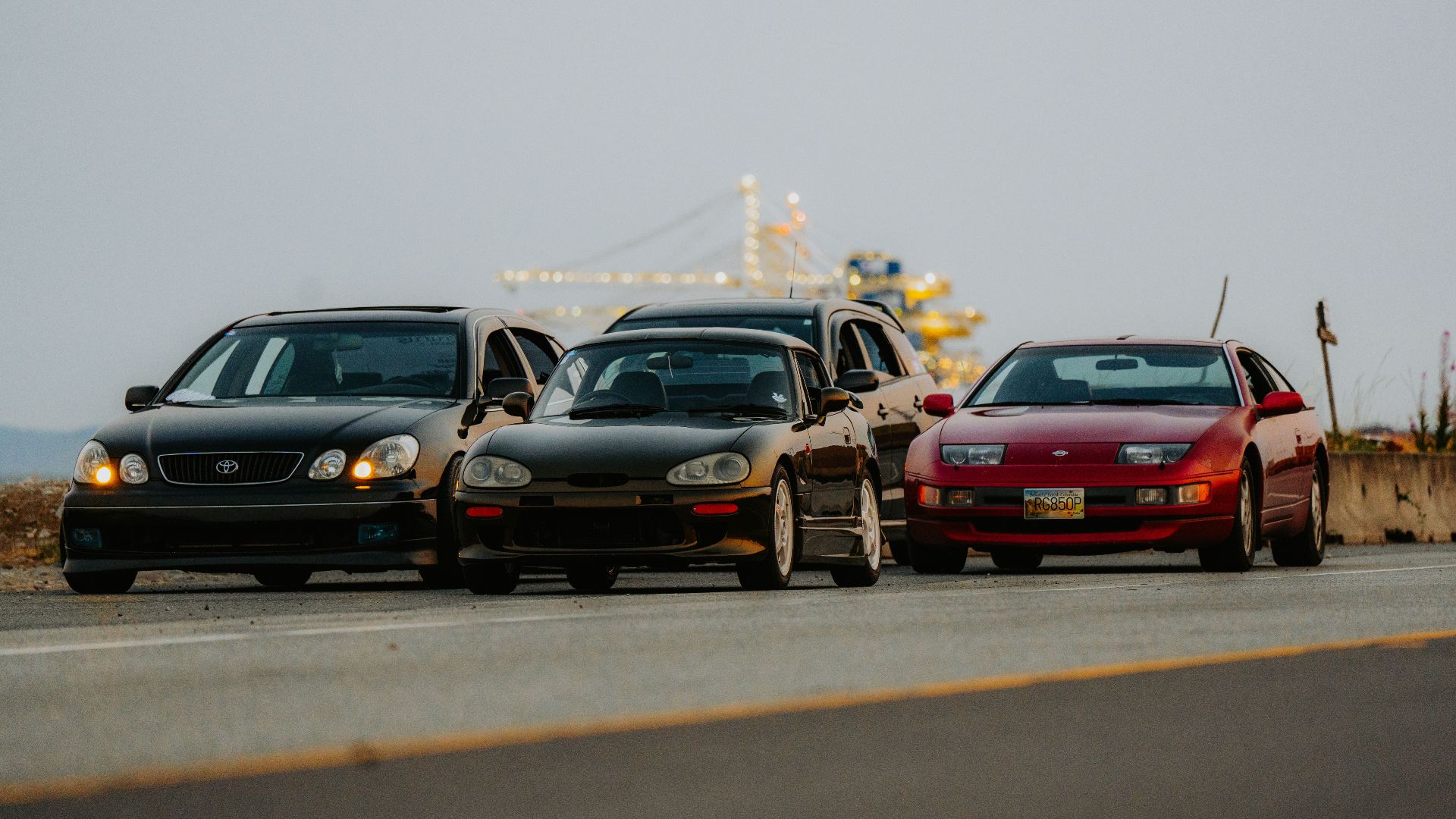
Plenty of 1990s dream cars remained distant fantasies, but a few could eventually be found on used-car lots. Miatas, MR2s, Mustangs, Eclipses, and older Corvettes allowed former poster collectors to experience part of the era for themselves. Unfortunately, rising collector interest has made clean examples of many models increasingly difficult to find.
Which One Earned The Wall Space?
Choosing one car depended on whether you valued beauty, technology, rarity, or outright excess. The McLaren F1 may have been the decade’s ultimate achievement, but a Supra, Viper, Diablo, or RX-7 could inspire just as much devotion. Whichever machine occupied your bedroom wall, it probably helped shape the cars you still notice today.
You May Also Like:
The Unsung Heroes Of American Sports Cars
These 1960s Convertibles Were Once The Cars Everyone Dreamed About
The Cars People Miss Most—Even Though They Weren't Very Good
Sources: 1, 2, 3, 4, 5, 6, 7, 8, 9, 10, 11, 12, 13, 14, 15, 16, 17, 18, 19