Cheap Cars Deserve Some Credit
The 1990s gave us plenty of exotic supercars, but most drivers were shopping for something far less dramatic. They needed affordable transportation that could survive commuting, grocery runs, and questionable cassette collections. Some of those everyday cars were much better than their reputations suggest.
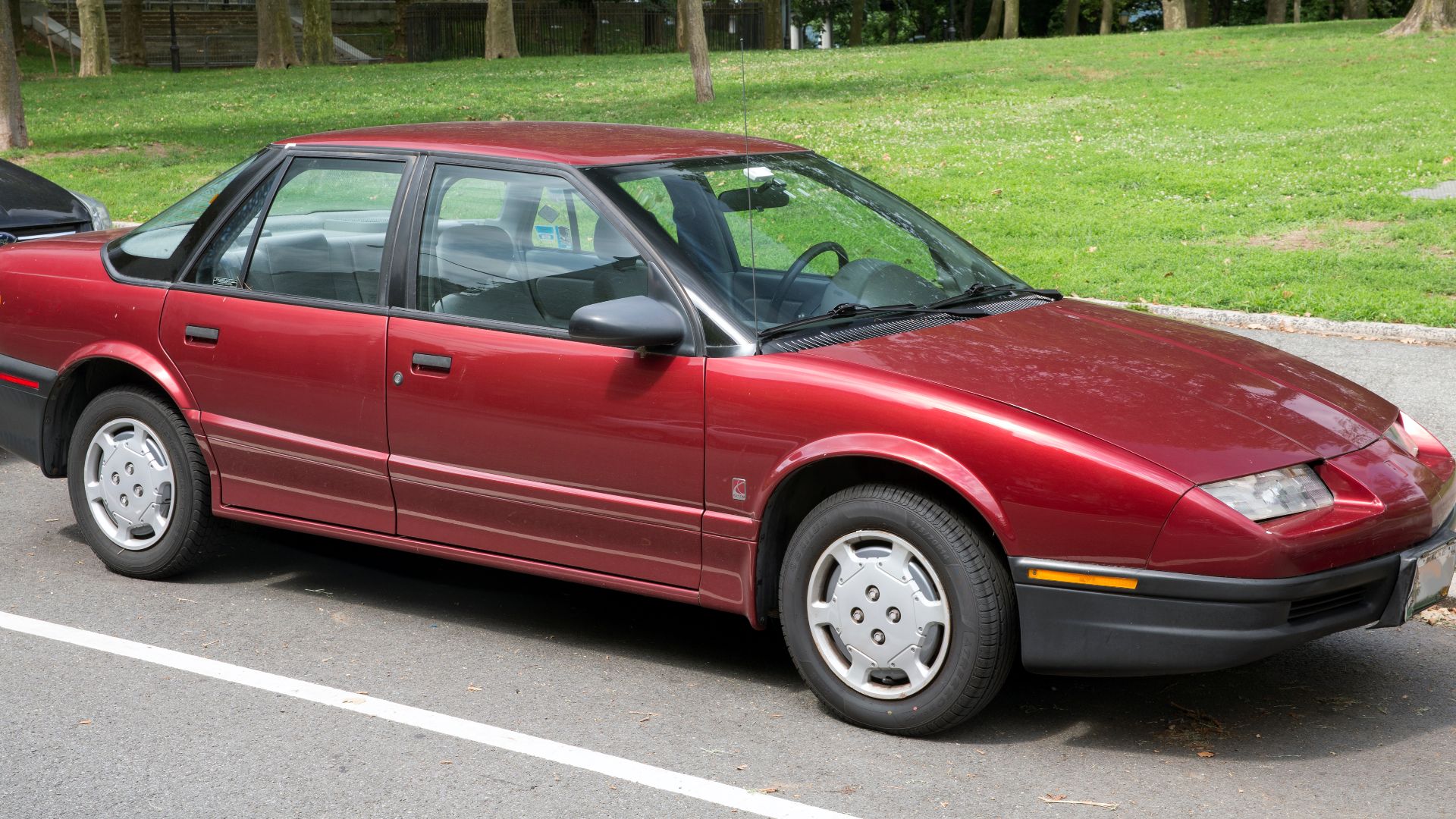
Saturn S-Series
Saturn promised a different kind of car company, and the S-Series largely delivered. Its dent-resistant plastic body panels shrugged off parking-lot bumps, while the lightweight design helped fuel economy. The cabin was basic, but these cars were practical, approachable, and surprisingly enjoyable with a manual transmission.
 Mr.choppers, Wikimedia Commons
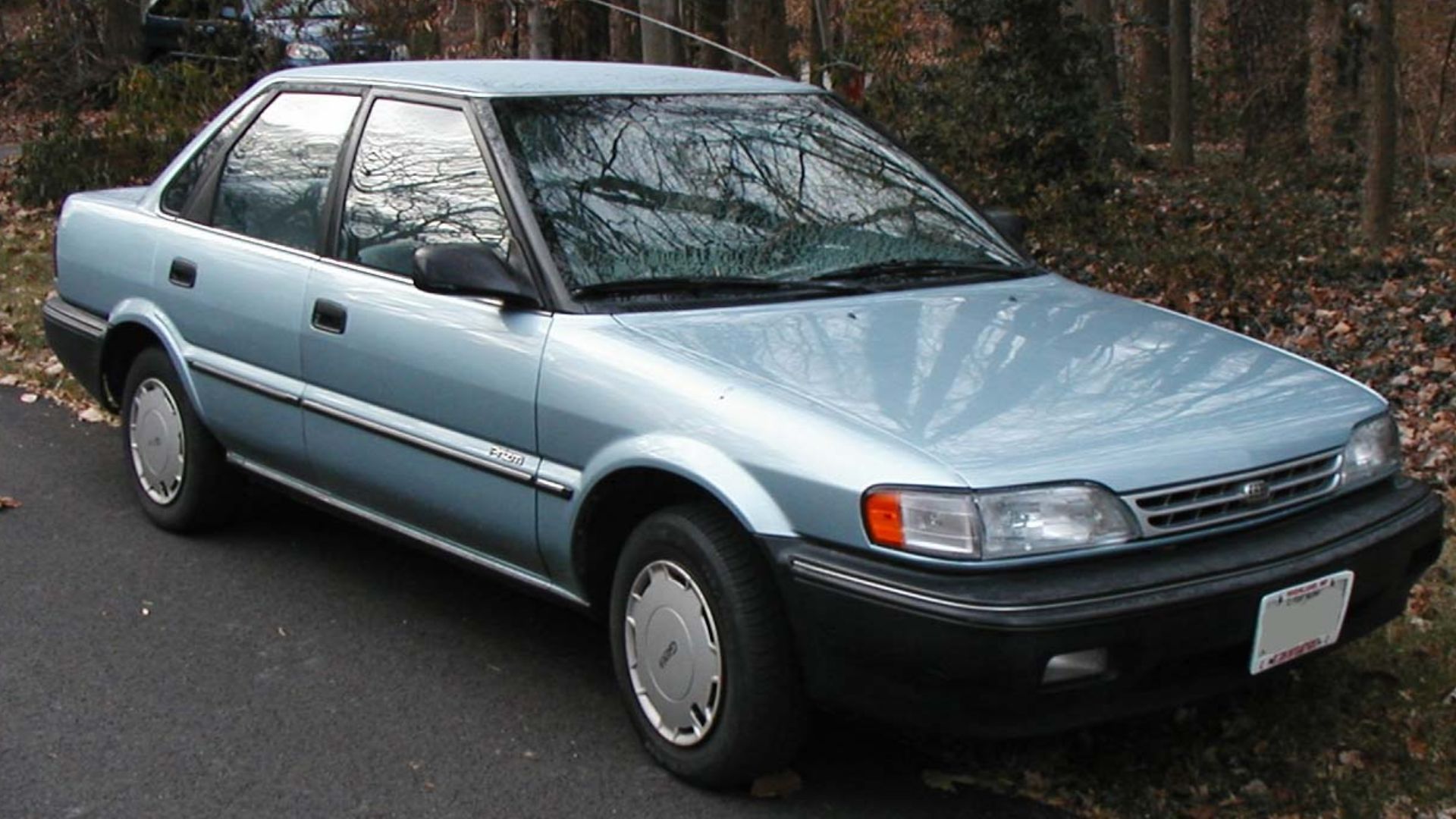
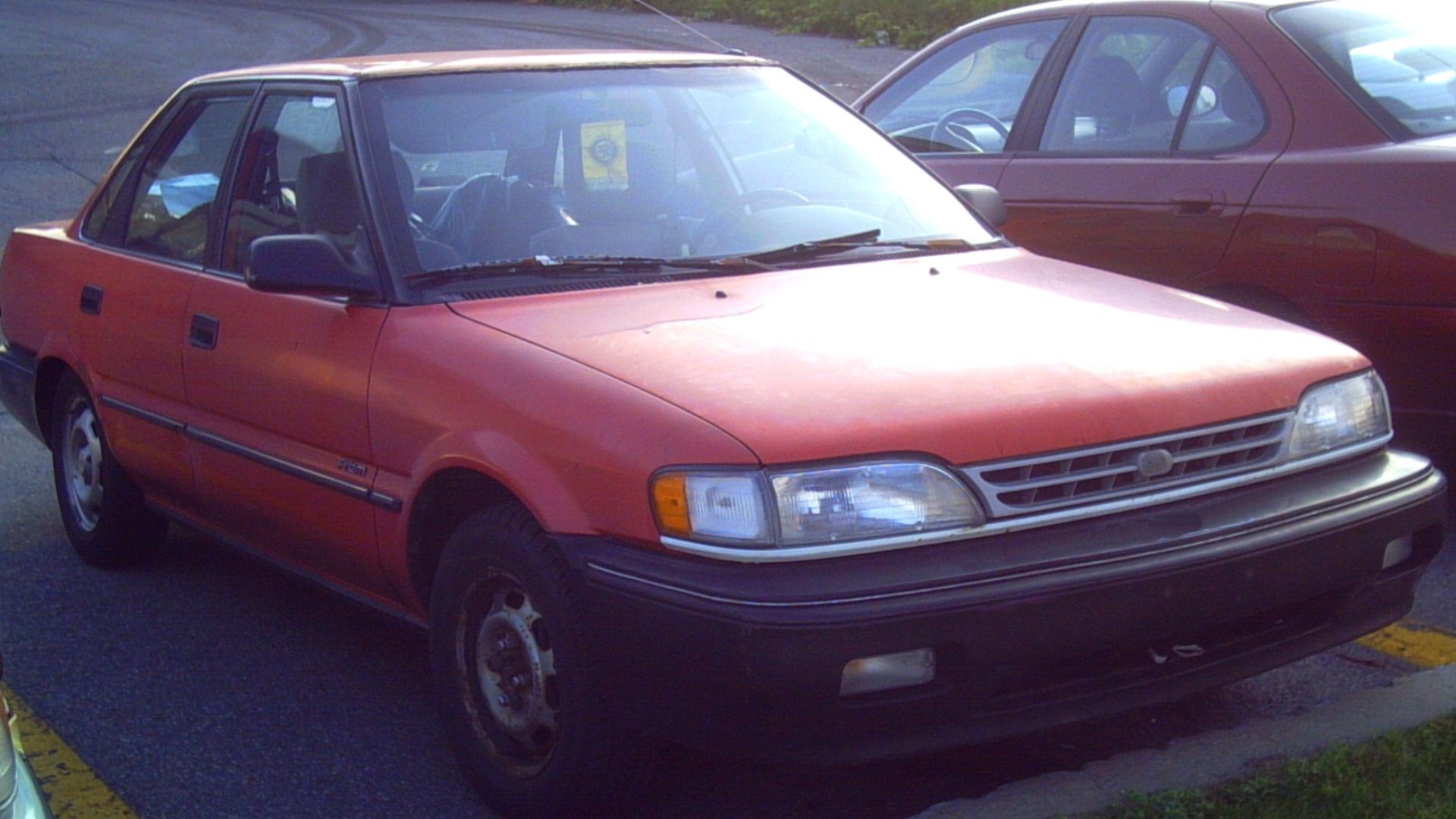
Geo Prizm
The Geo badge may not inspire much excitement, but the Prizm had an excellent secret: it shared much of its engineering with the Toyota Corolla. Buyers received dependable transportation, sensible fuel economy, and solid build quality, usually for less money than they would have paid at a Toyota dealership.
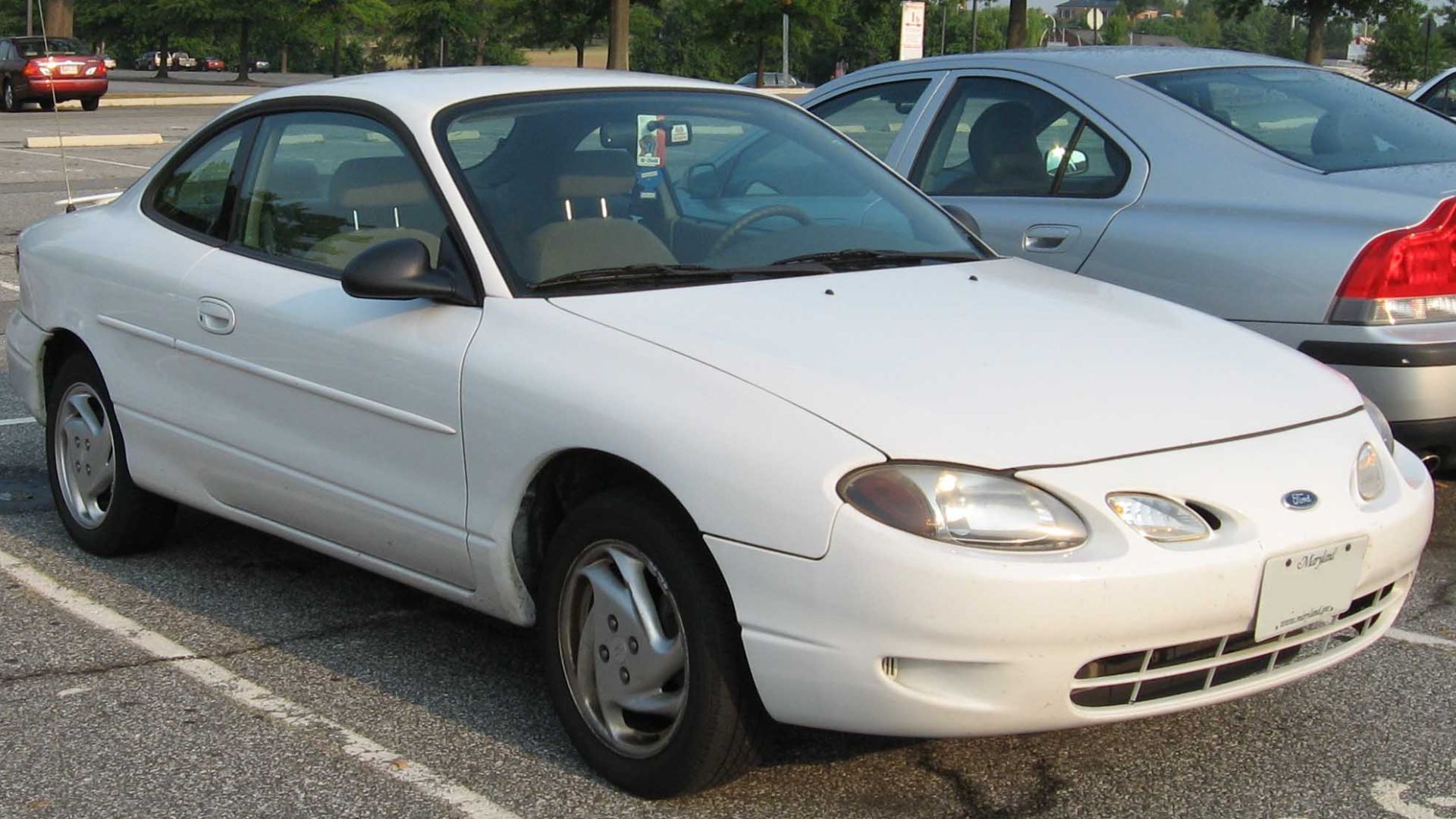
Ford Escort ZX2
The Escort name usually brings to mind plain economy cars, but the ZX2 coupe was different. It looked sporty, felt lively, and offered enough power to make an ordinary commute entertaining. It was not a true performance car, yet it delivered plenty of fun for young drivers on tight budgets.
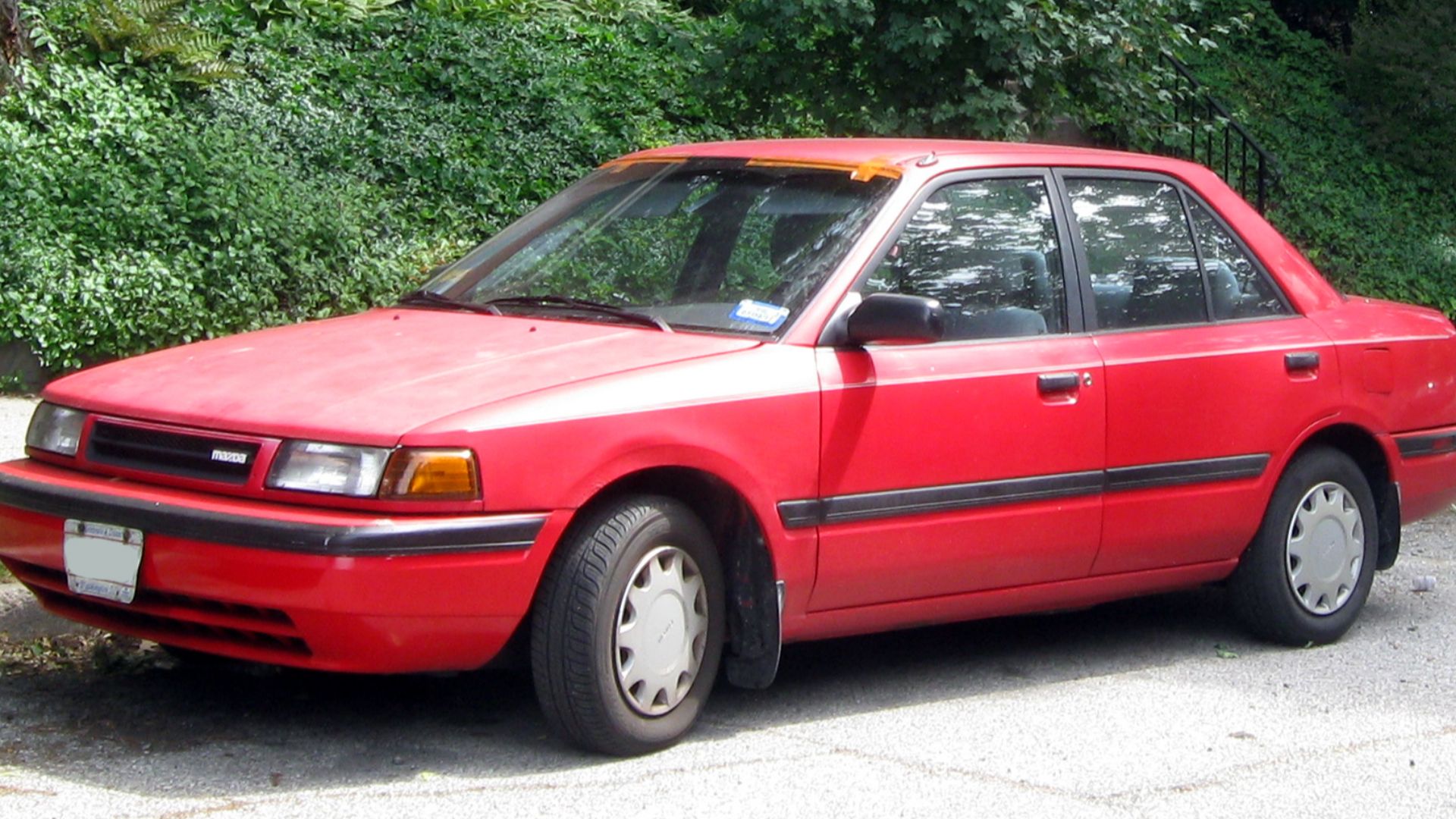
Mazda Protegé
The Protegé quietly demonstrated Mazda’s talent for making everyday cars feel sharper than expected. Its steering was responsive, its controls were simple, and its compact size made city driving easy. It never attracted the attention given to the Civic or Corolla, but it deserved to be taken just as seriously.
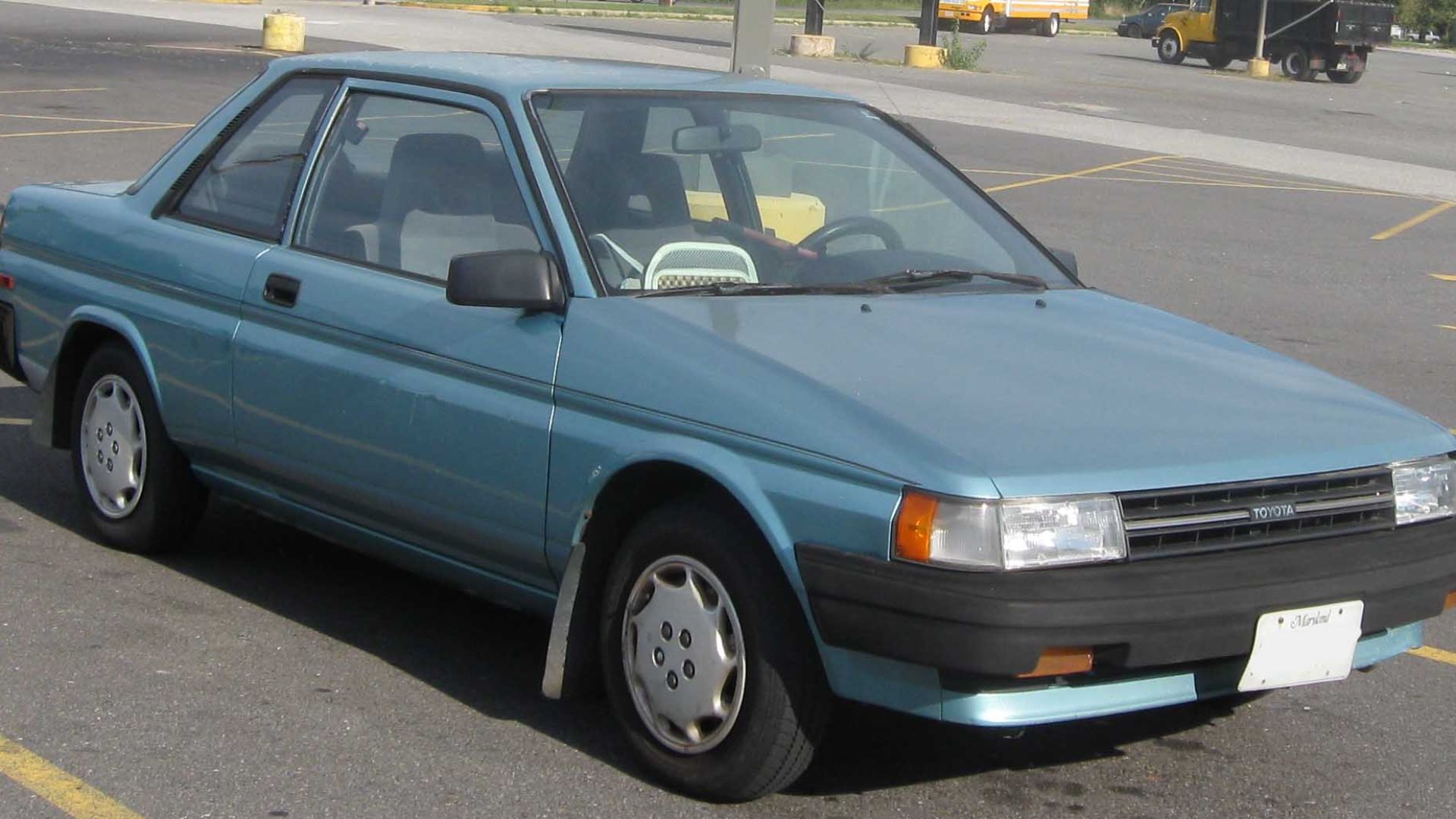
Toyota Tercel
Nobody bought a Tercel to impress the neighbors. They bought one because it was inexpensive, efficient, and nearly impossible to kill with ordinary use. Its tiny engine and sparse interior were hardly glamorous, but the Tercel handled basic transportation with the determined reliability of a kitchen appliance.
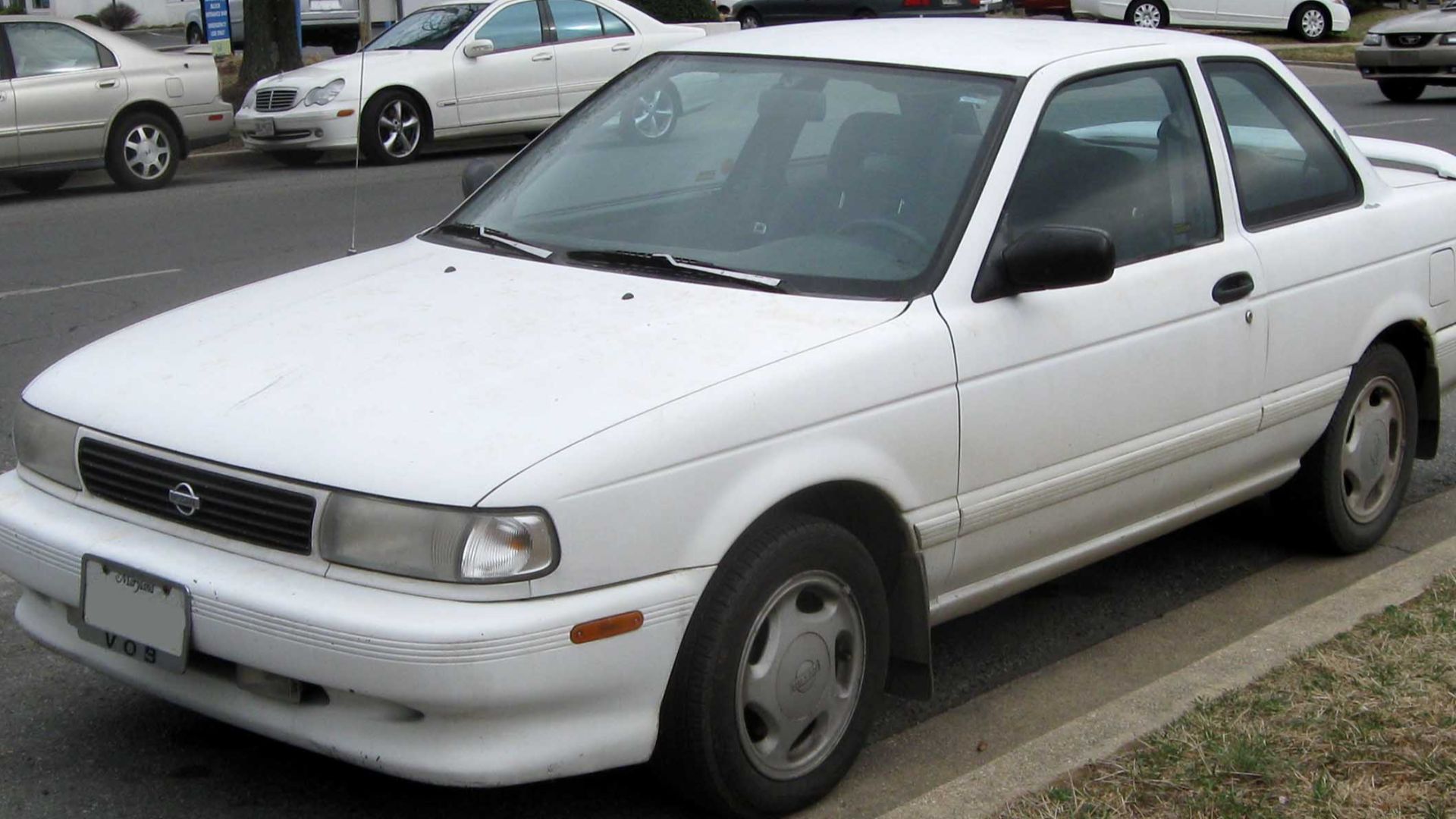
Nissan Sentra SE-R
The early Sentra SE-R looked like a forgettable economy coupe until the driver pressed the accelerator. Its eager engine, light body, and sharp handling turned it into one of the decade’s best affordable performance bargains. Enthusiasts remember it, but the wider car-buying public largely missed the message.
Dodge And Plymouth Neon
The original Neon arrived with cheerful styling, a roomy cabin, and the famous promise of “Hi.” It could be noisy and imperfect, but it was also quick for its price and genuinely playful. Well-kept examples reveal why the Neon created so much excitement when it first appeared.
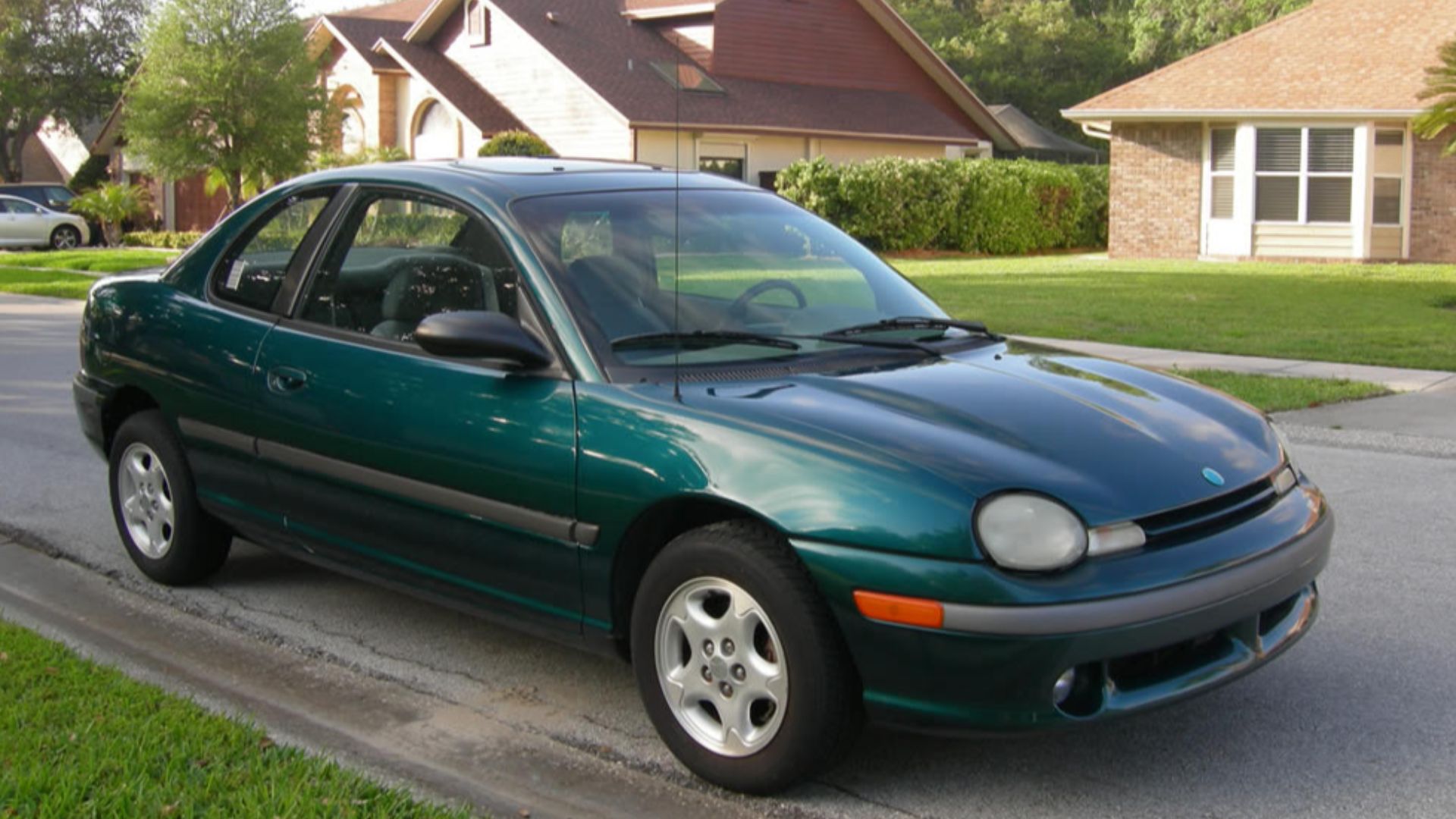 Distancerunner15, Wikimedia Commons
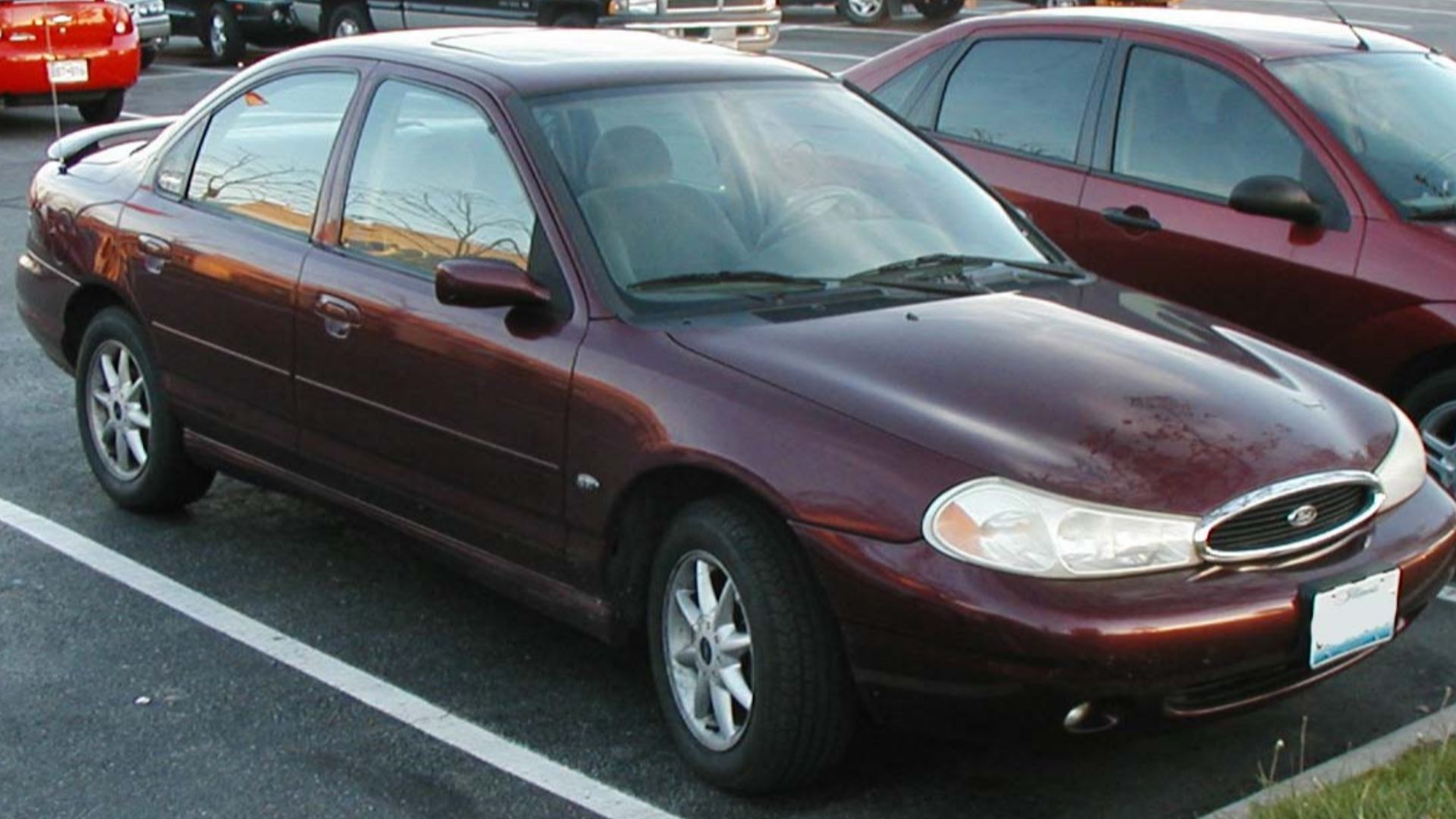
Ford Contour
Ford marketed the Contour as a world-class compact sedan, though American buyers never fully embraced it. The back seat was tight, but the car handled beautifully and felt more sophisticated than many domestic rivals. The sportier versions were especially impressive, offering European character without a European price.
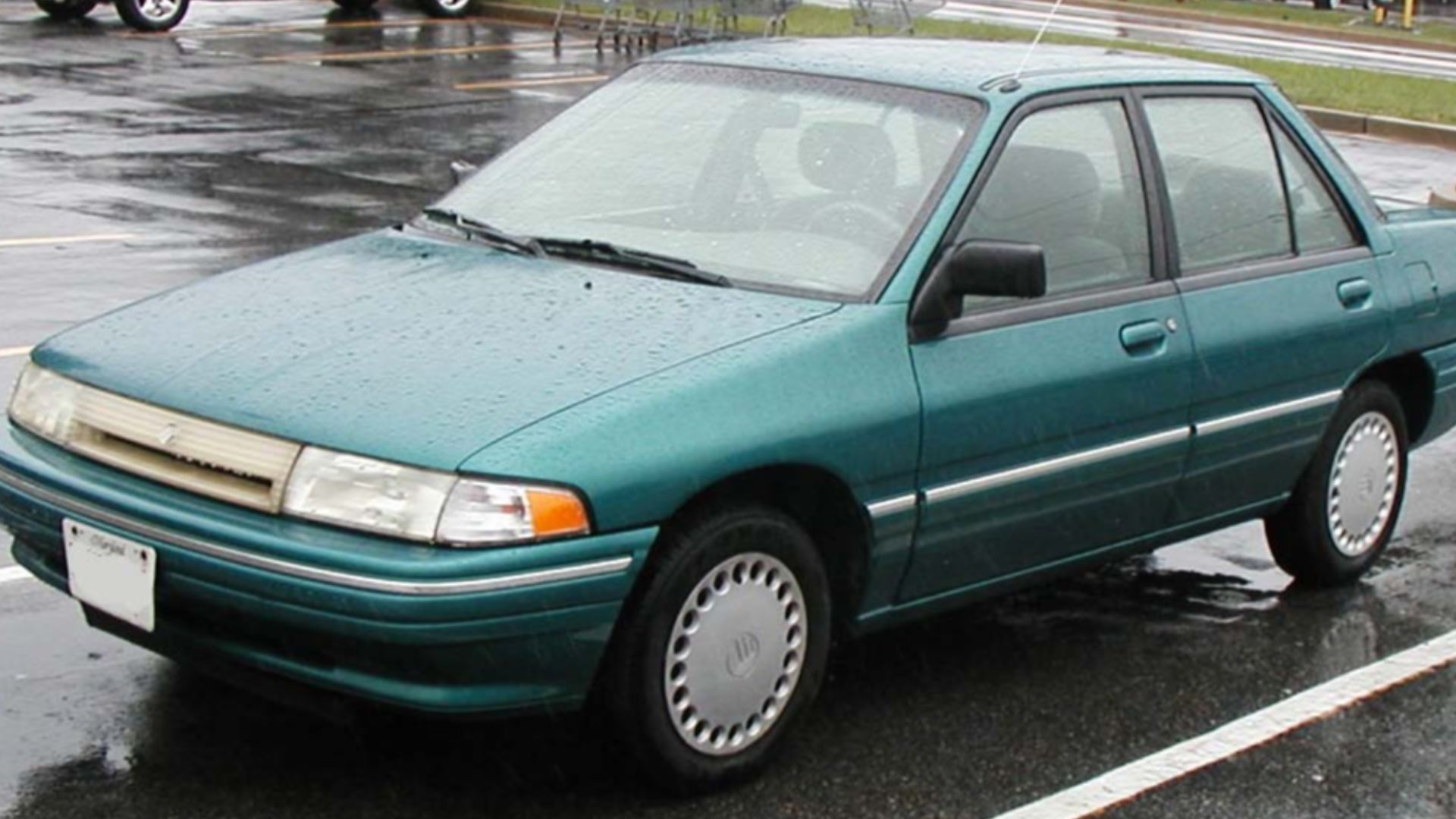
Mercury Tracer
The Mercury Tracer rarely appears in nostalgic conversations, which is exactly why it belongs here. Beneath its conservative styling was a straightforward, economical compact closely related to the Ford Escort. It offered useful space, manageable running costs, and the kind of simplicity that becomes more appealing with age.
Toyota Paseo
The Paseo looked like a small sports car but behaved more like a stylish Tercel. That disappointed drivers expecting serious speed, yet it made sense as an affordable commuter with personality. It was economical, reliable, easy to drive, and far more interesting than the typical economy coupe.
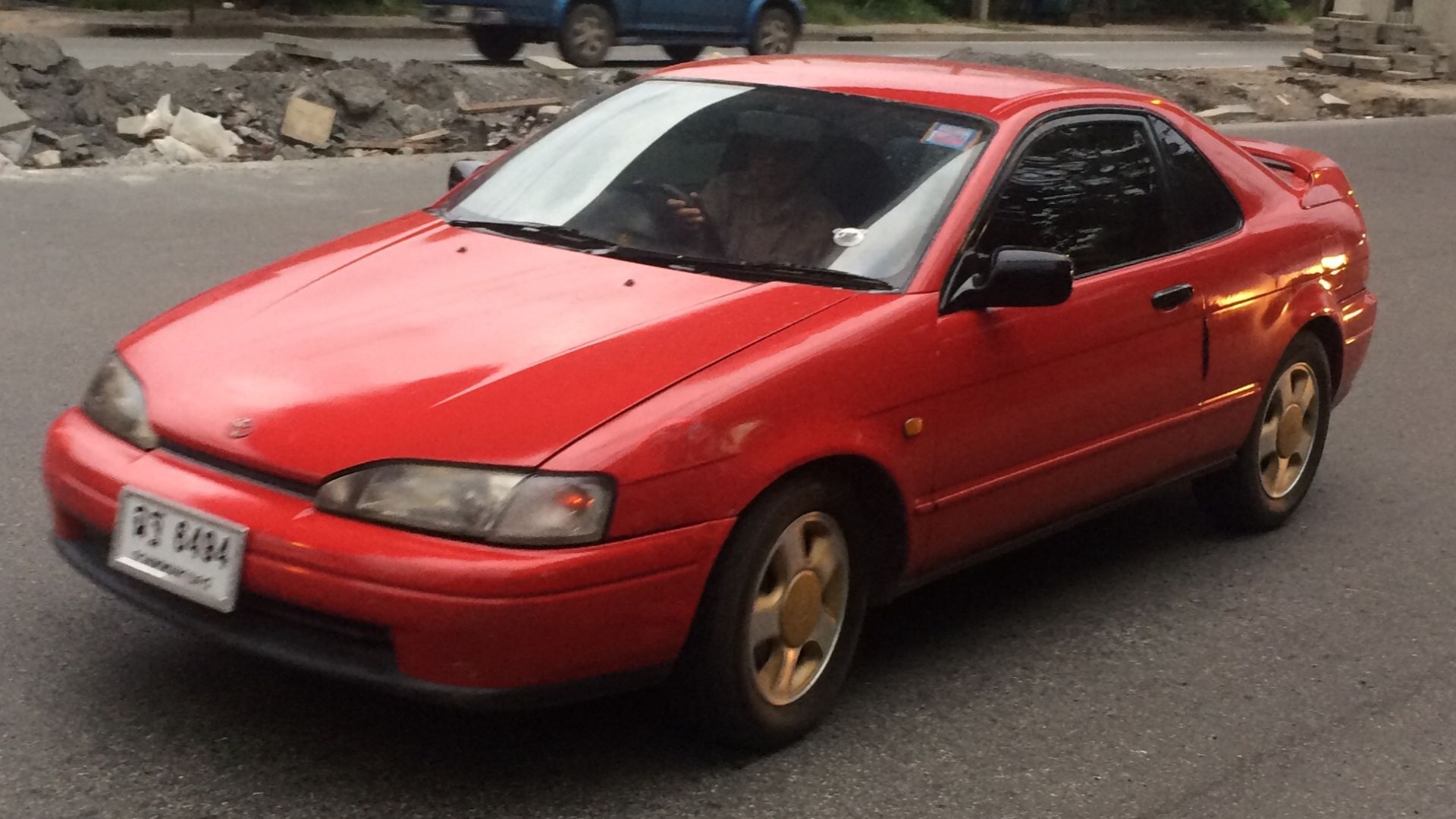 Jirapat Chroenkeskij, Wikimedia Commons
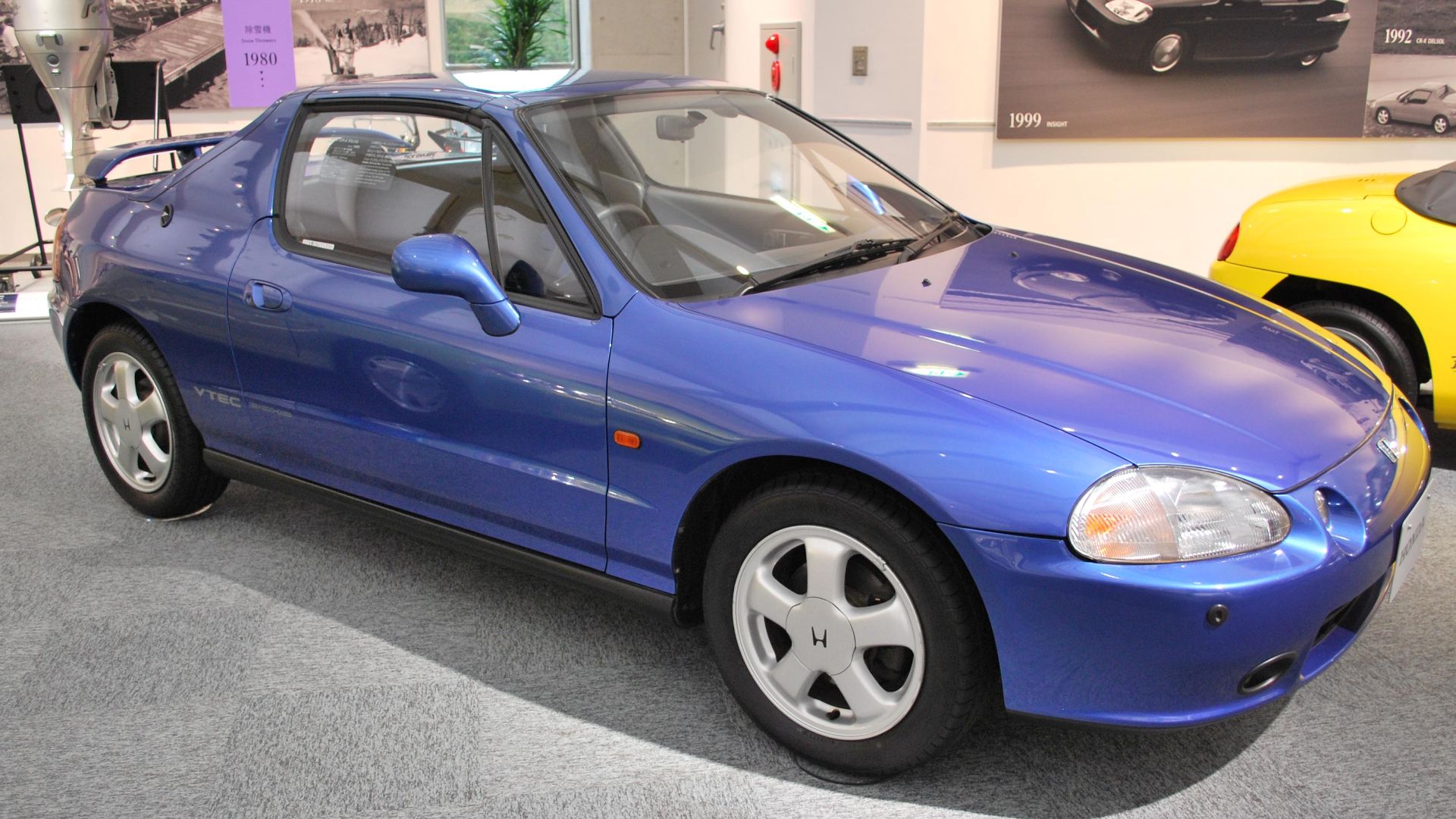
Honda Del Sol
The del Sol never completely replaced the beloved CRX in enthusiasts’ hearts. Still, its removable roof panel, dependable Honda mechanicals, and playful handling made it a charming little runabout. It was heavier than its predecessor, but it offered open-air fun without the expense of a traditional convertible.
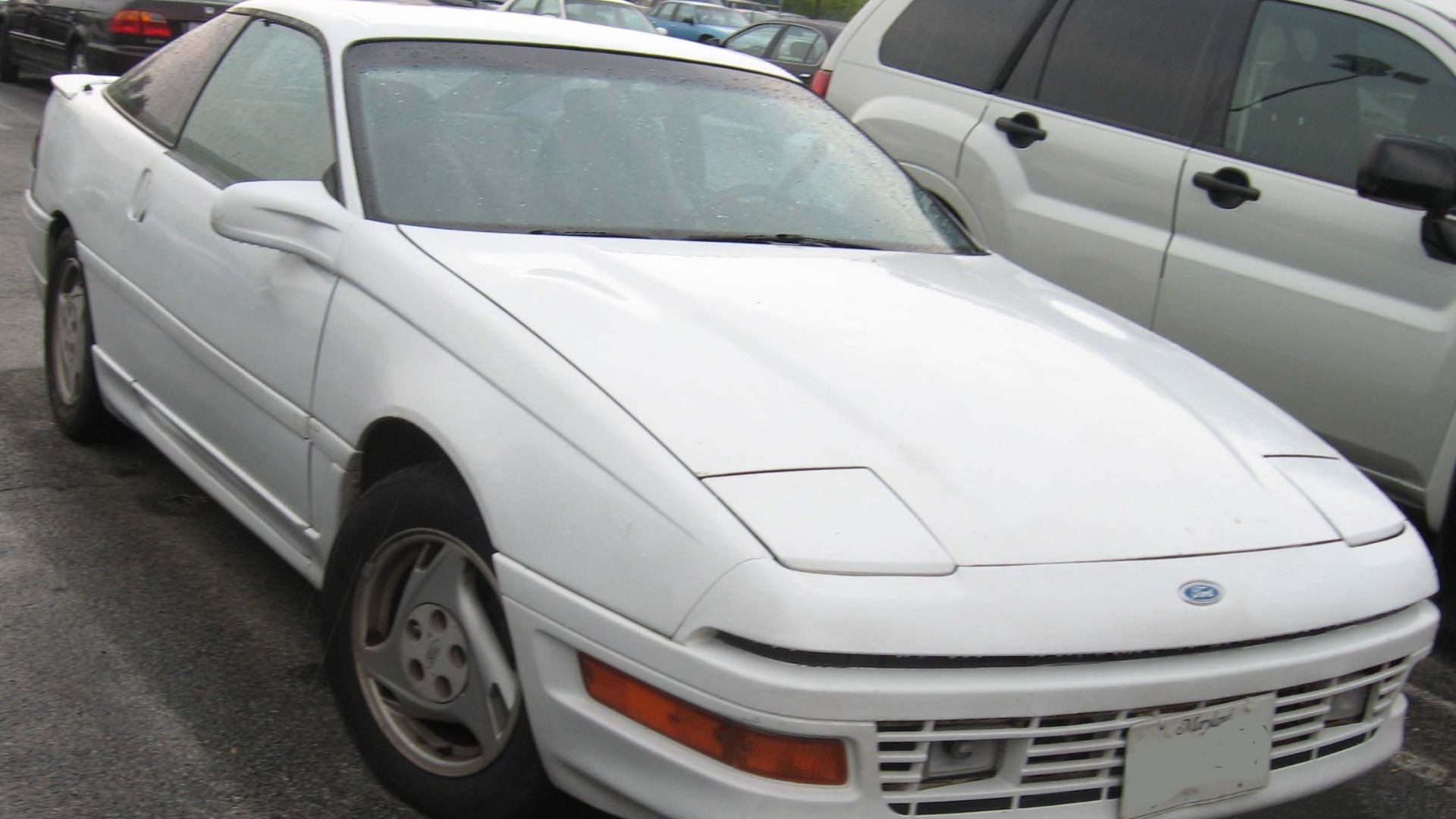
Ford Probe
Its unfortunate name has become an easy punchline, but the Probe was a sleek and capable coupe. Developed with help from Mazda, it offered attractive styling, composed handling, and available V6 power. It was supposed to represent Ford’s future, yet today it is mostly remembered for the jokes.
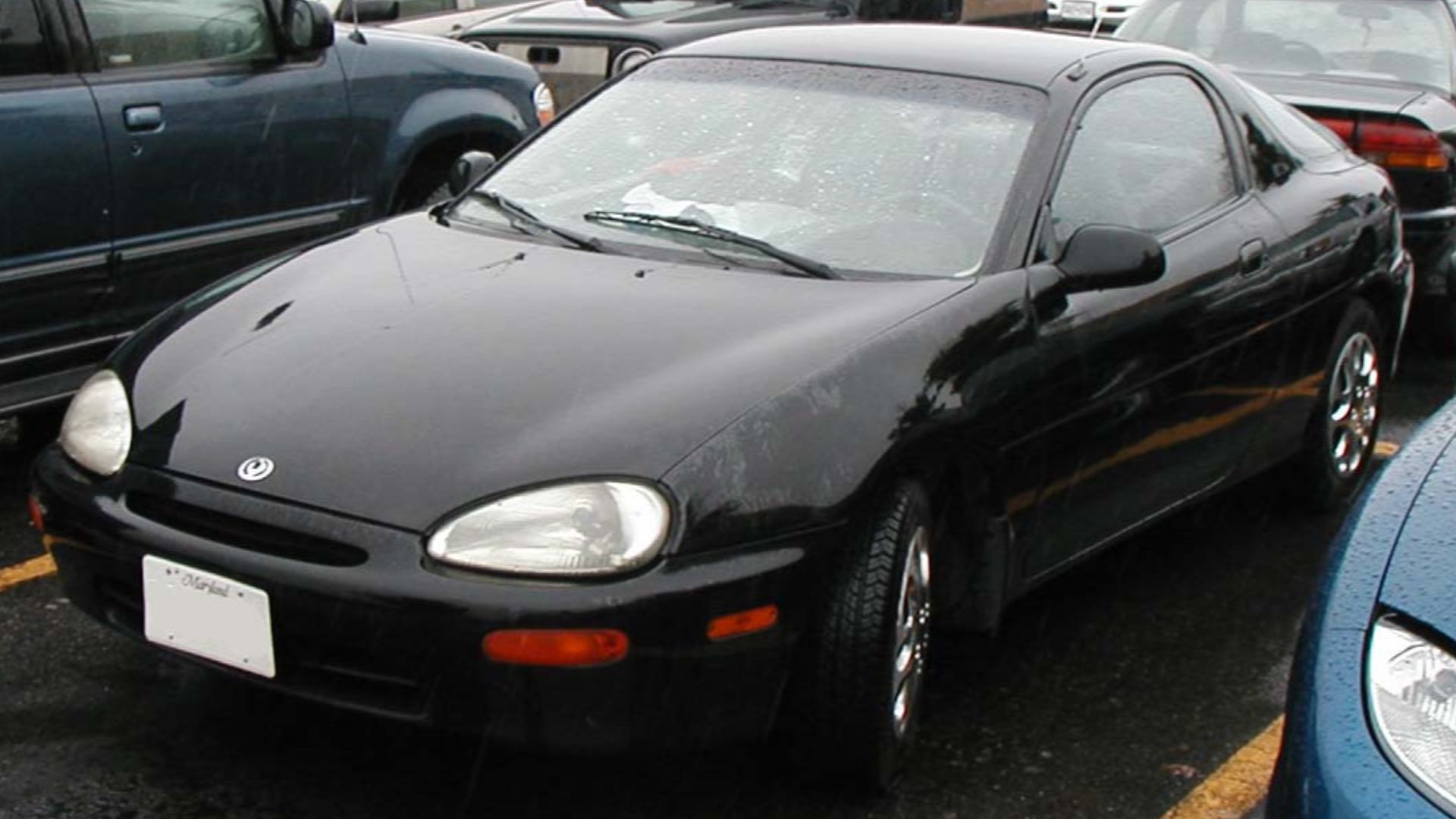
Mazda MX-3
The MX-3 packed unusual engineering into a tiny and affordable coupe. Some versions were available with a remarkably small V6 engine, giving the car a smooth personality that few competitors could match. It was not especially fast, but its clever design and nimble handling made it memorable.
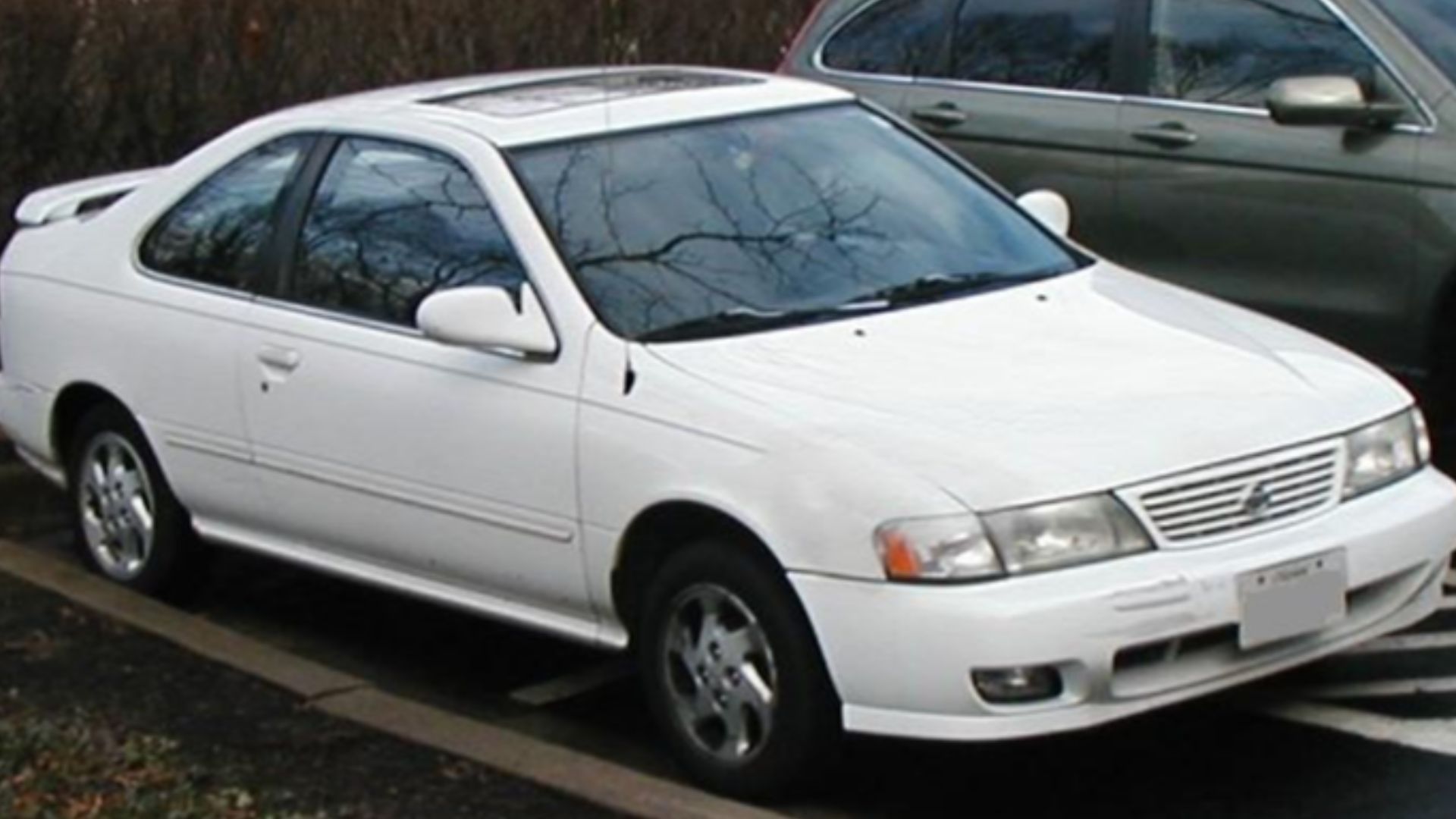
Nissan 200SX
The 1990s 200SX was essentially a Sentra dressed in sportier clothing. Basic versions were ordinary, but the SE-R model brought stronger performance and real enthusiast appeal. It offered a useful combination of reliability, affordability, and driving fun without attracting the higher prices attached to more famous Japanese coupes.
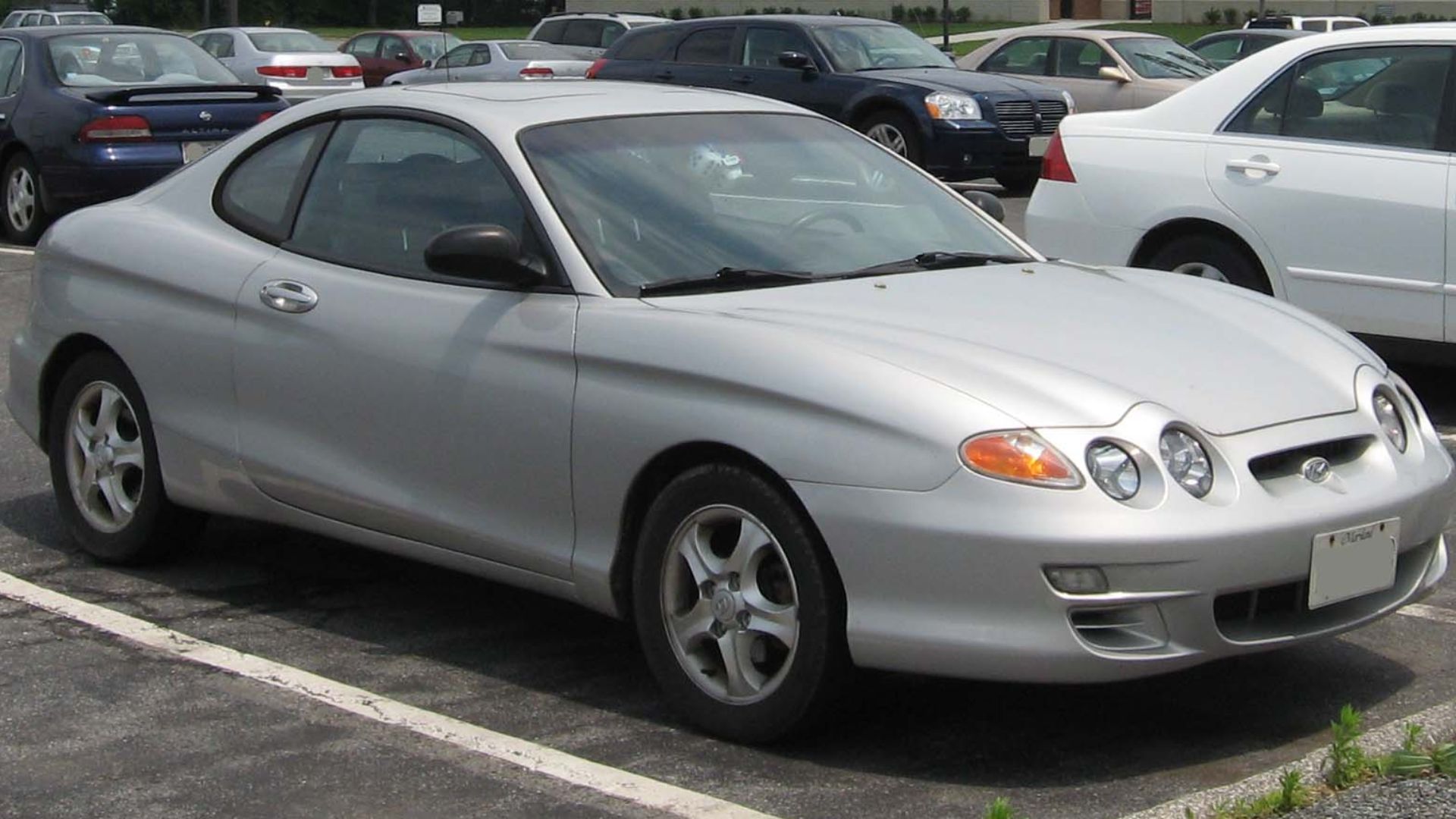
Hyundai Tiburon
Early Hyundais had damaged the brand’s reputation, but the Tiburon showed that the company was improving quickly. Its dramatic styling promised more performance than it delivered, though the car was still affordable and enjoyable. For many younger buyers, it offered an attainable alternative to increasingly expensive Japanese sport compacts.
Mitsubishi Mirage
The Mirage rarely received much attention unless it was wearing performance-oriented badges in another market. Ordinary American versions were basic but light, efficient, and easy to maintain. They lacked glamour, yet their low weight gave them an uncomplicated, responsive feeling that many newer economy cars have lost.
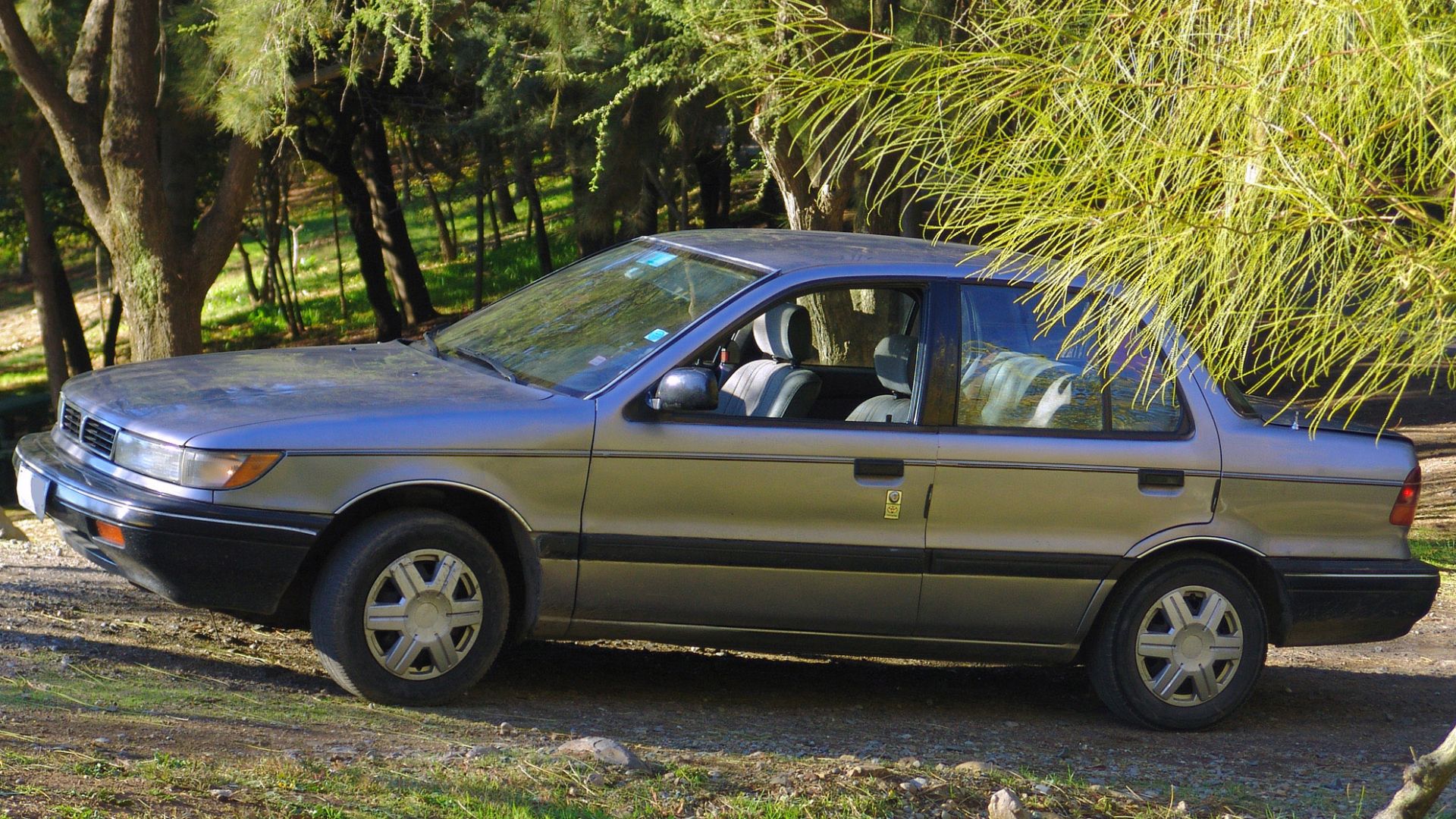 order_242 from Chile, Wikimedia Commons
Subaru Impreza L
Before every Impreza became associated with giant wings and rally-inspired performance, the basic Impreza L was simply a sturdy compact car. Available all-wheel drive made it especially useful in snowy regions. It was not fast, but it delivered excellent visibility, dependable traction, and honest mechanical simplicity.
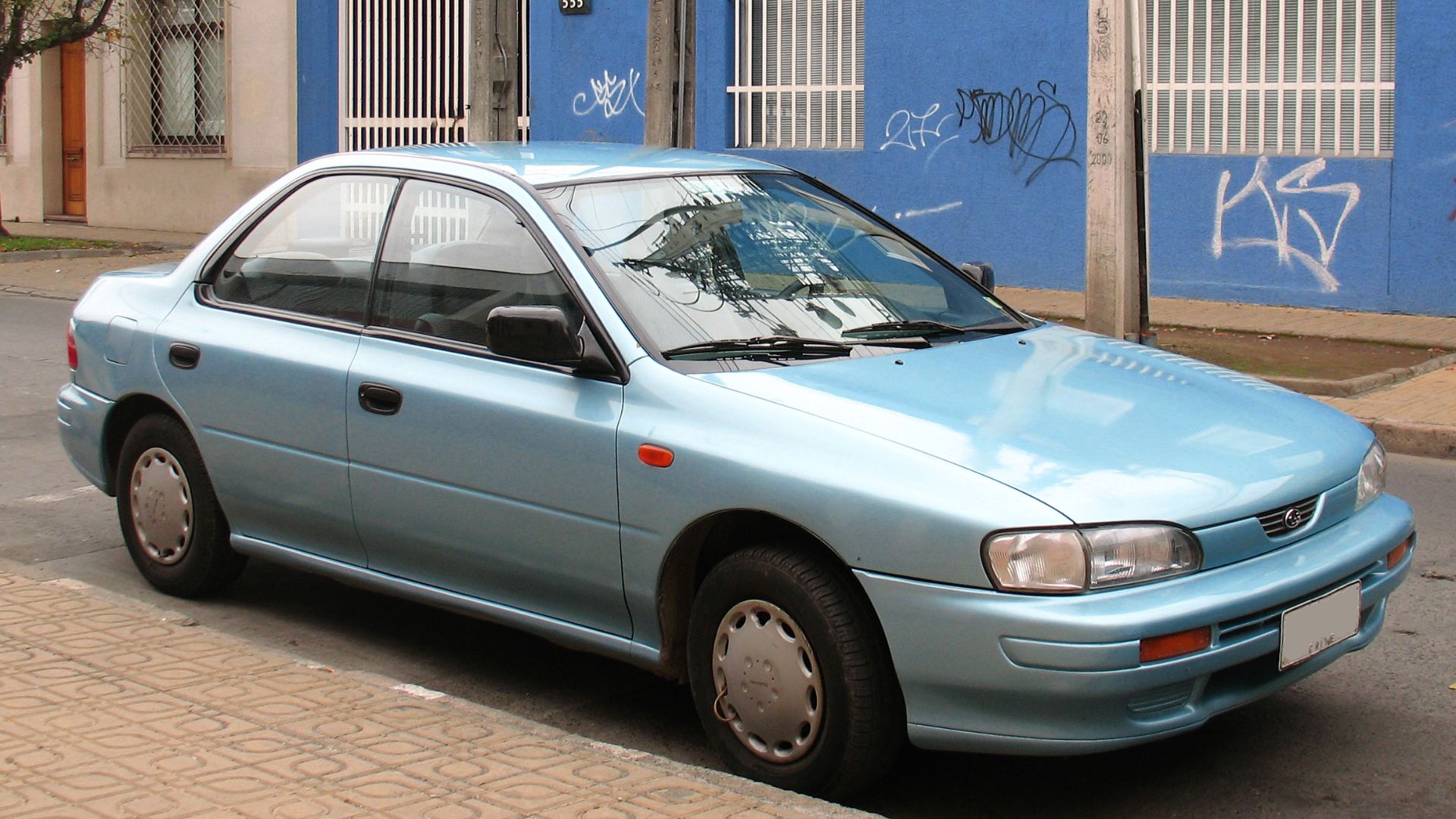 order_242 from Chile, Wikimedia Commons
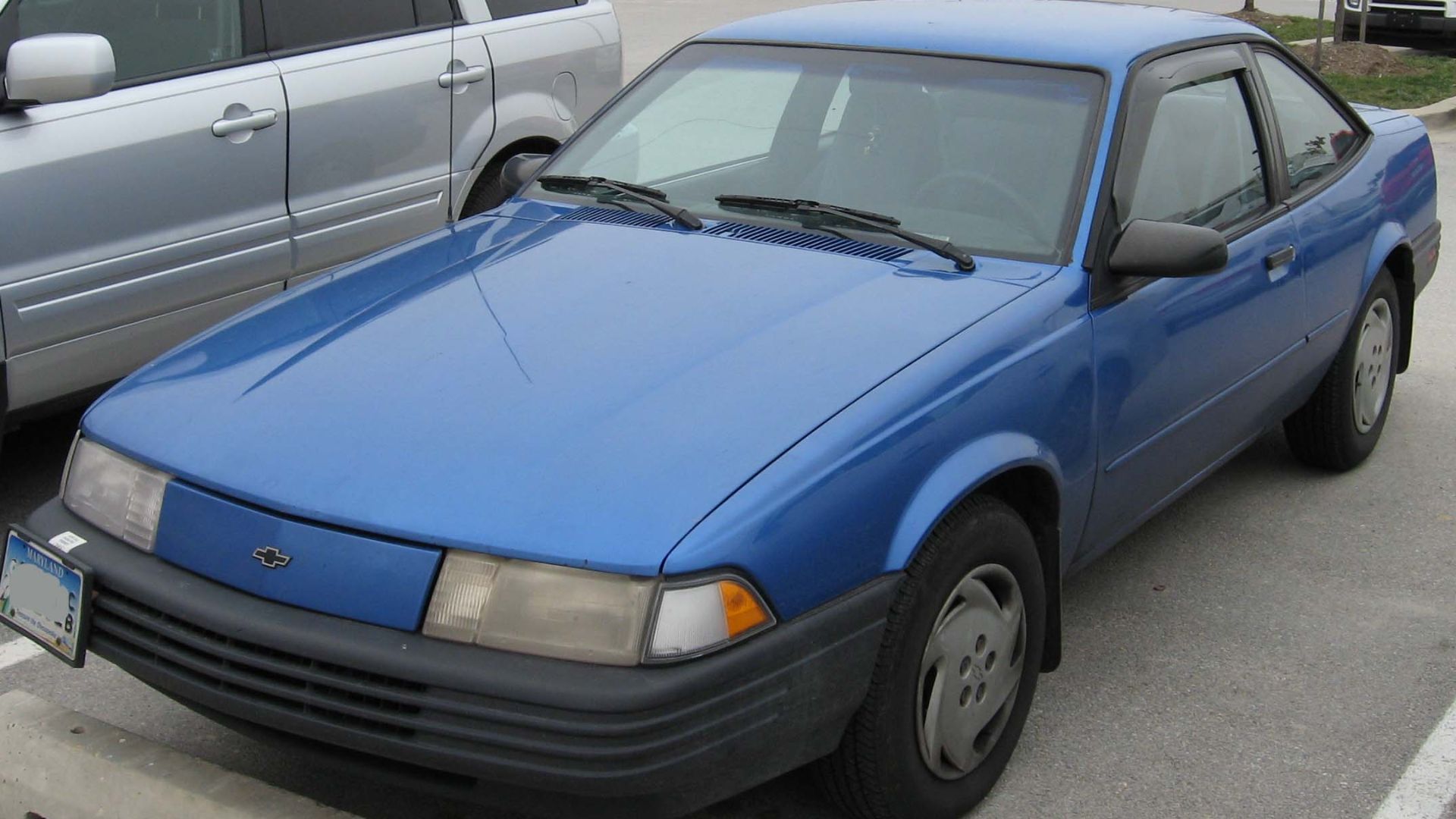
Chevrolet Cavalier
The Cavalier spent years as a rental-car regular, which did little for its reputation. Nevertheless, it was inexpensive to buy, cheap to repair, and available in several practical body styles. It was never sophisticated, but countless examples absorbed years of abuse and continued carrying people to work.
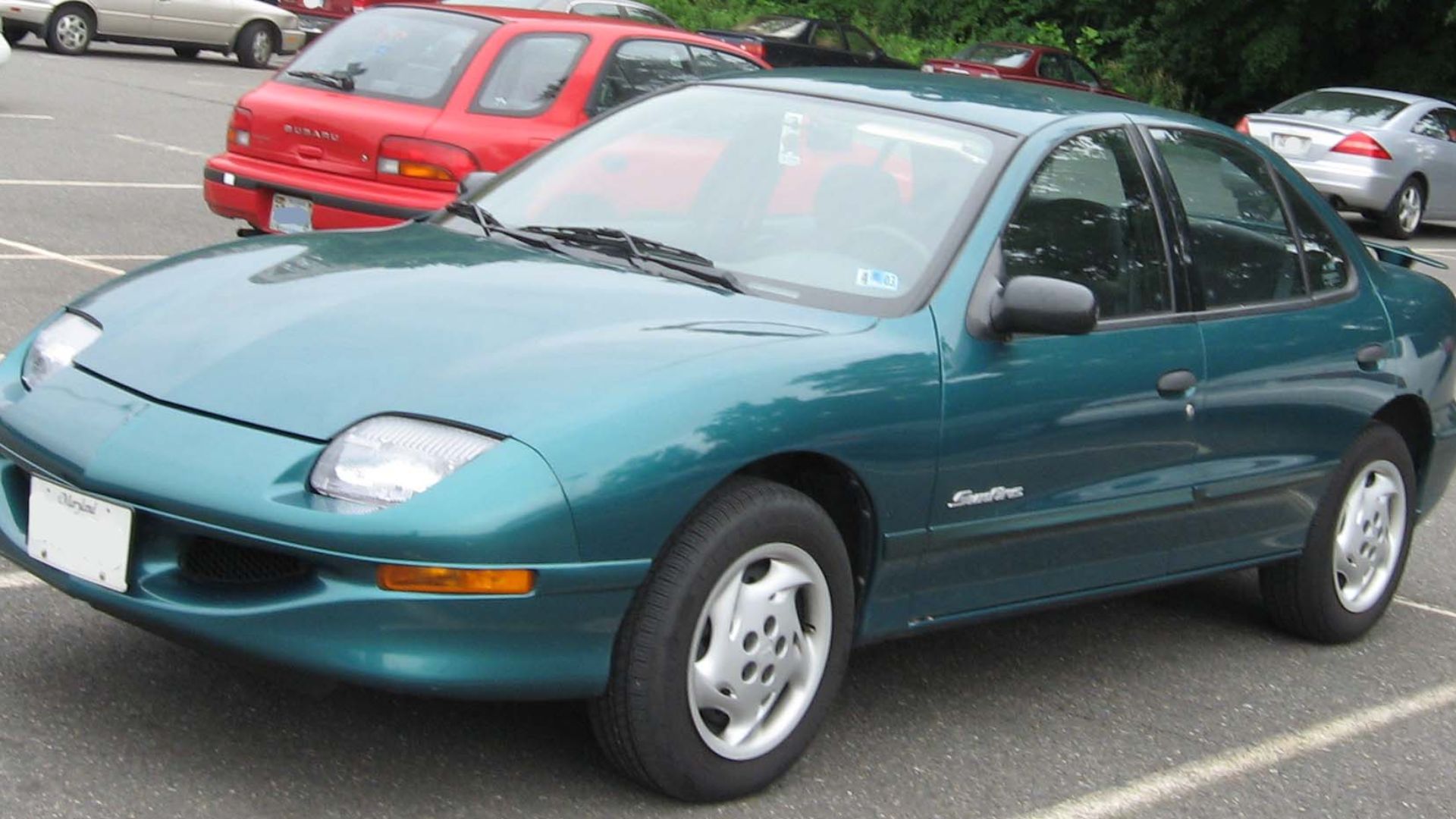
Pontiac Sunfire
The Sunfire shared its basic engineering with the Cavalier but wore far more dramatic styling. Its interior plastics were hardly luxurious, and refinement was limited. Even so, it offered inexpensive transportation with a little visual attitude, making it popular among drivers who wanted something less anonymous.
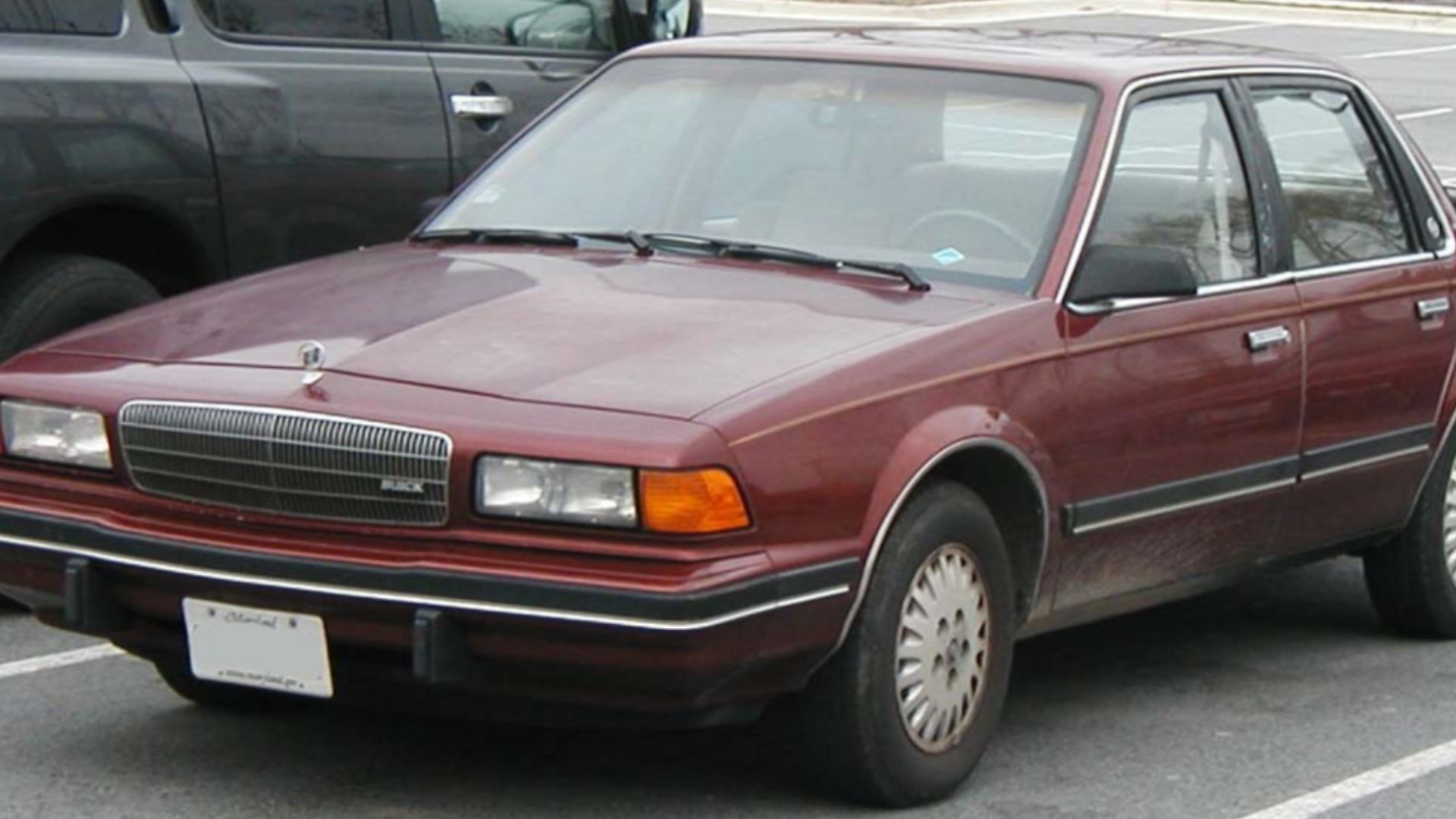
Buick Century
The Century was not aimed at young enthusiasts, but it was comfortable, roomy, and remarkably good at covering long distances. Its soft suspension and bench-seat atmosphere belonged to an earlier era. That traditional approach now gives the Century a relaxed charm missing from many modern sedans.
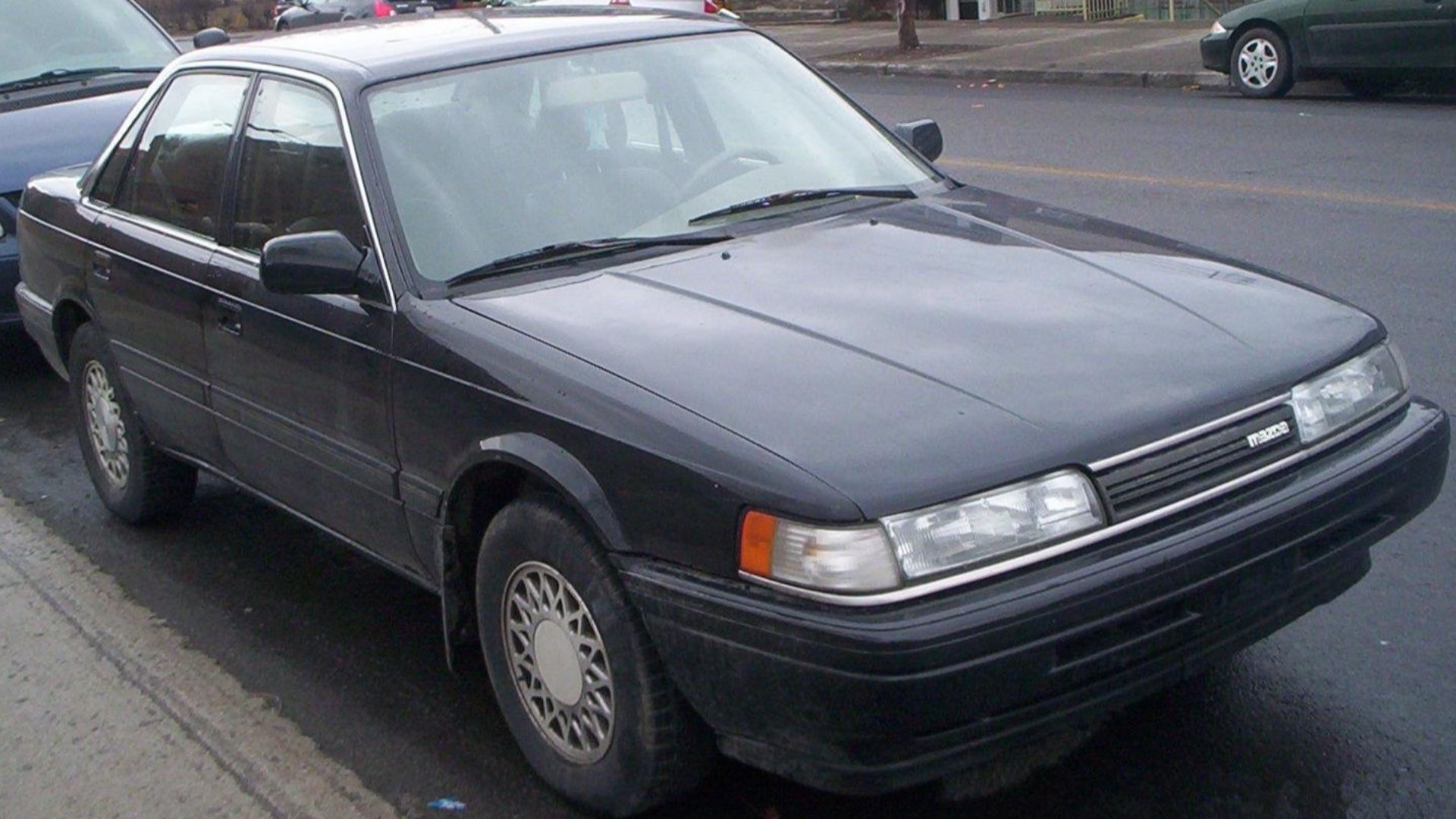
Mazda 626
The 626 often disappeared behind better-known rivals like the Accord and Camry. That was unfortunate because Mazda’s family sedan offered composed handling, attractive styling, and a comfortable cabin. Some versions had mechanical weaknesses, but a good example could be a refined and genuinely pleasant everyday car.
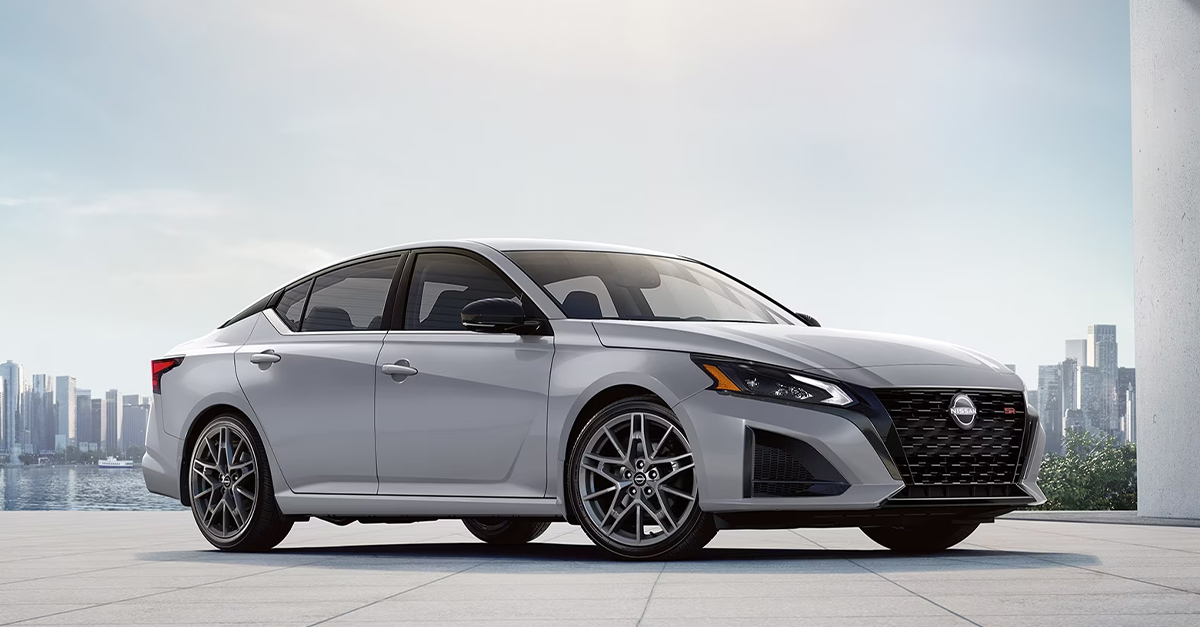
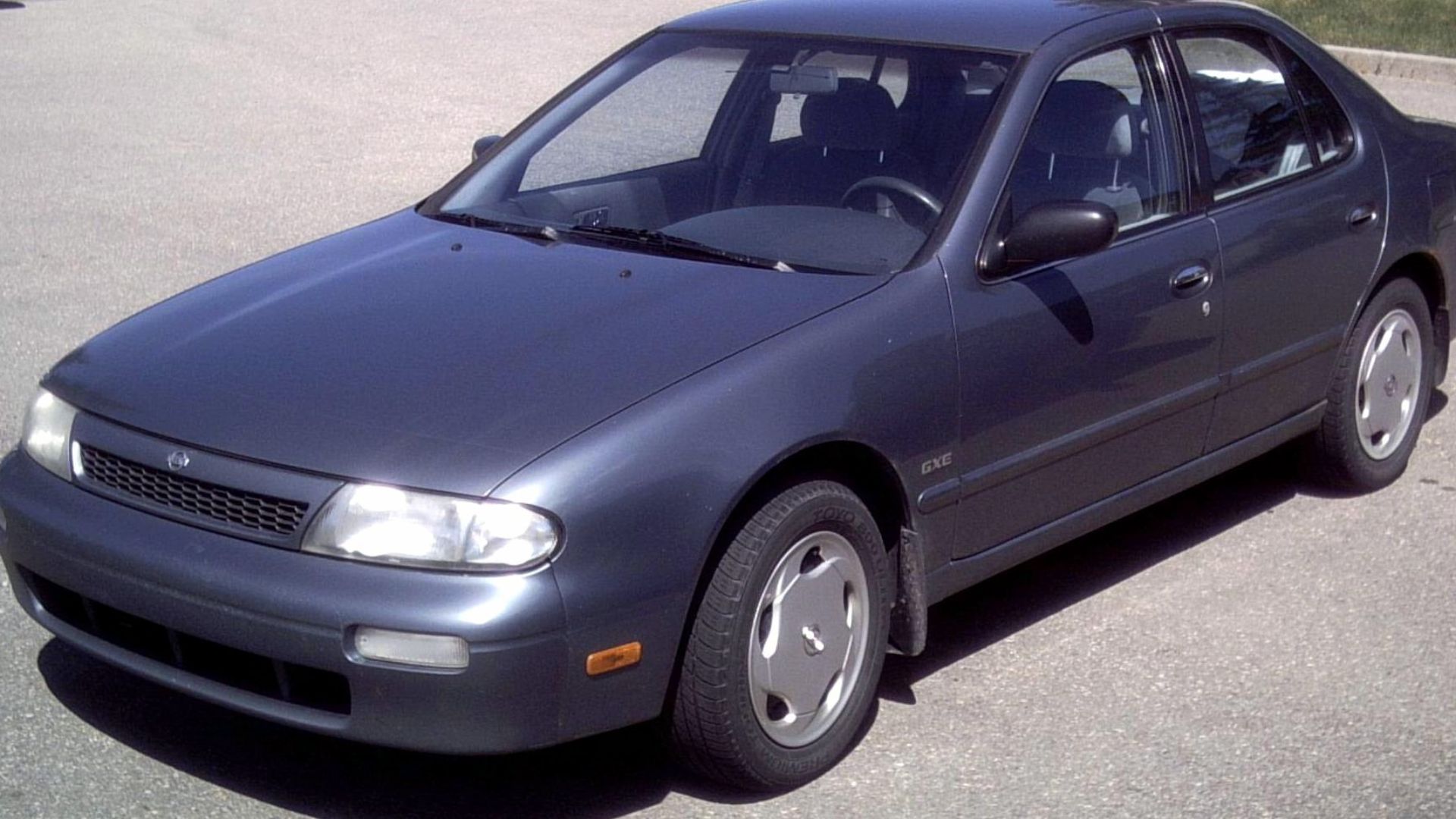
Nissan Altima
The first-generation Altima was compact by modern standards, yet it combined family-car practicality with a surprisingly energetic personality. Its four-cylinder engine was strong, and its handling was sharper than buyers expected. Before the Altima became a common rental sedan, it was a distinctive and appealing underdog.
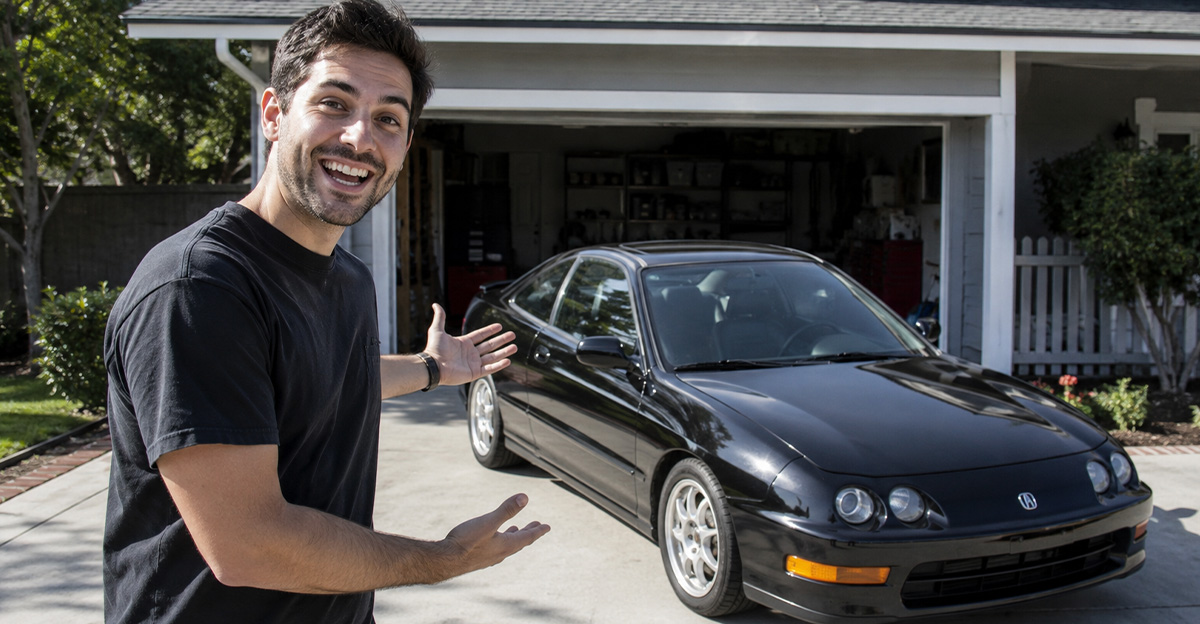
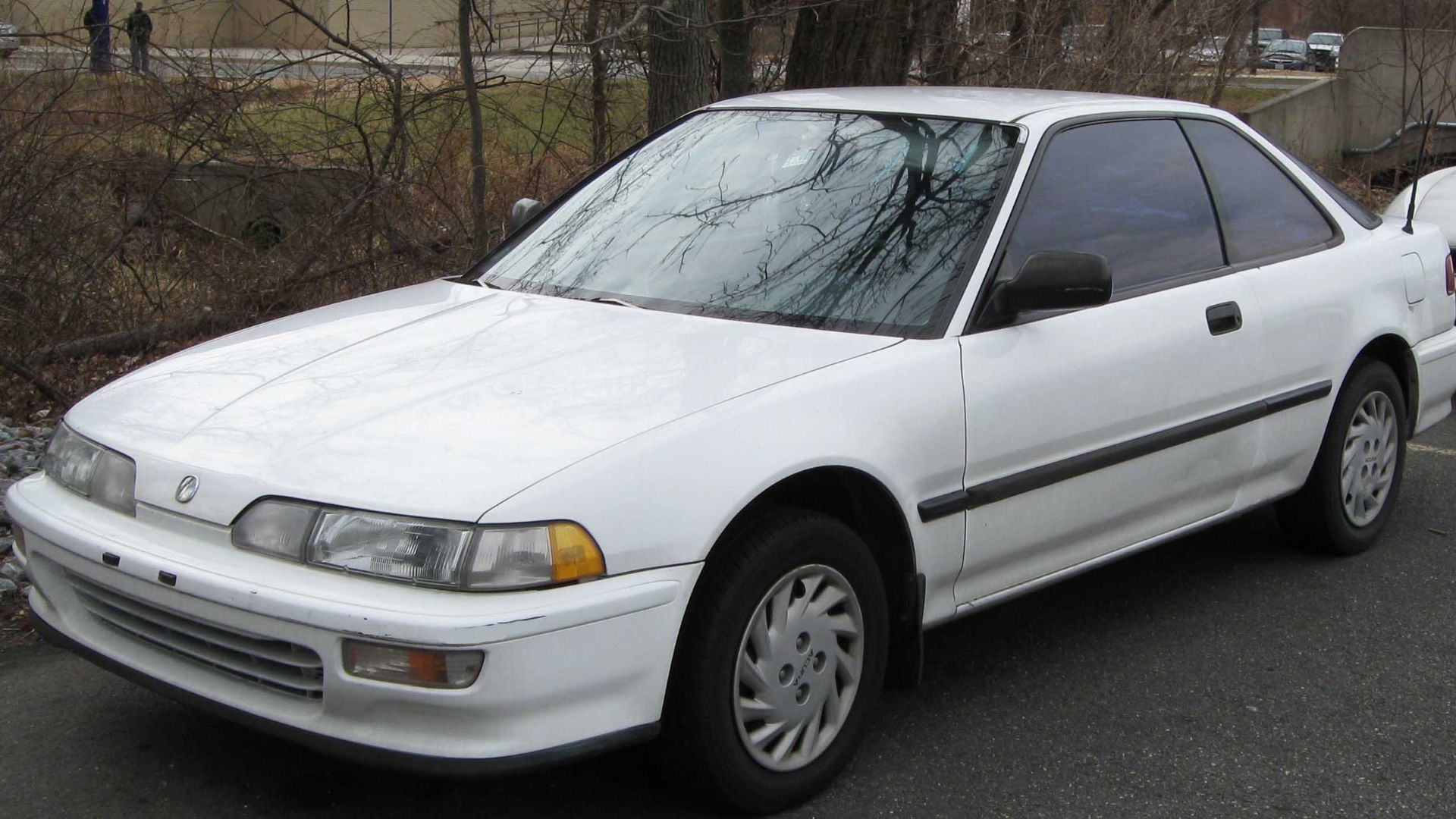
Acura Integra
The Integra was more expensive than an ordinary economy car, but it remained attainable for many younger drivers. Even basic versions offered precise steering, smooth engines, and excellent build quality. Performance models received the attention, though every Integra benefited from Honda engineering and a wonderfully balanced chassis.
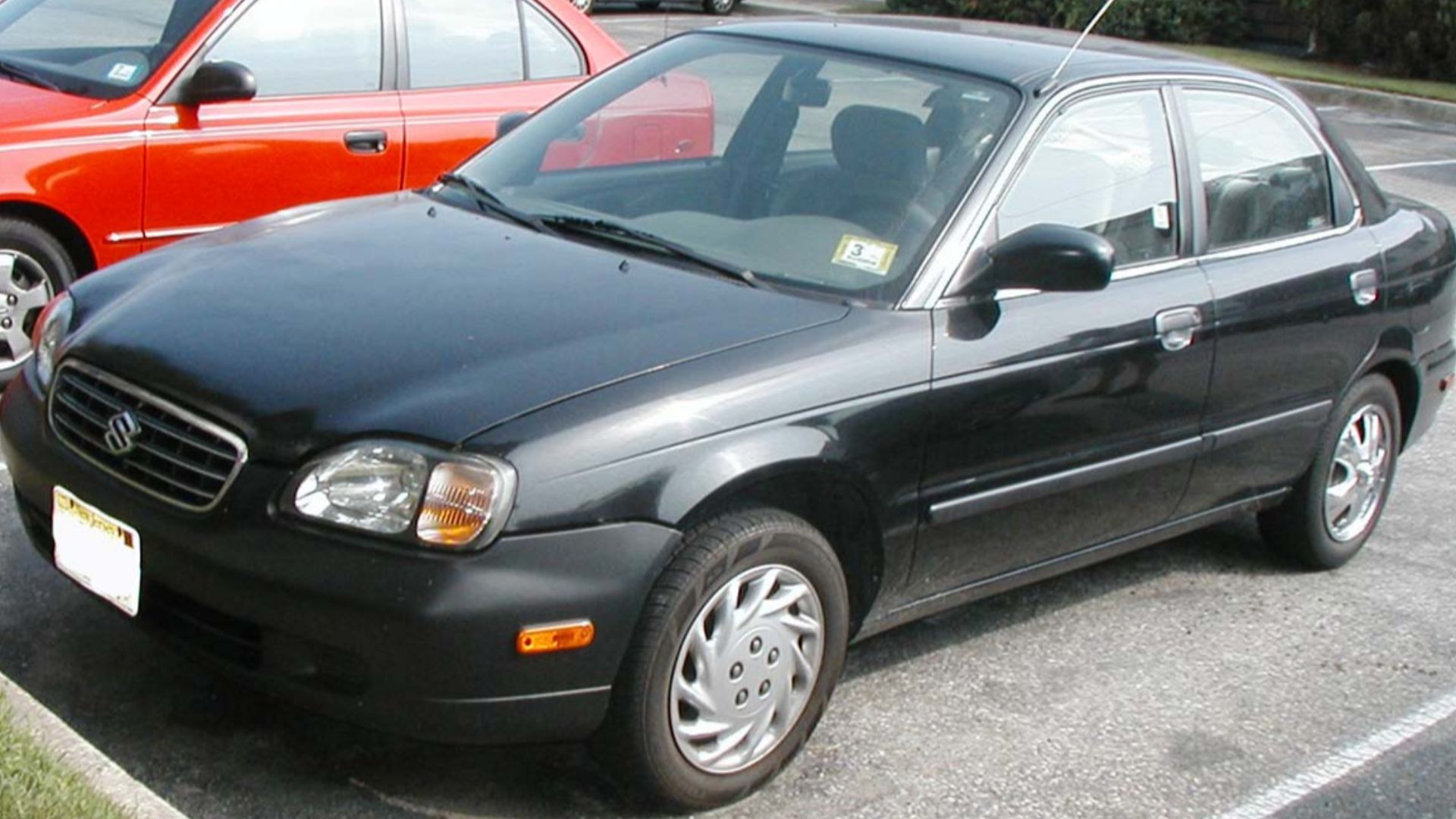
Suzuki Esteem
The Esteem was easy to overlook when new and even easier to forget today. Yet it provided efficient transportation, useful interior space, and available wagon practicality at a low price. It felt lightweight and inexpensive because it was, but simplicity helped keep ownership relatively straightforward.
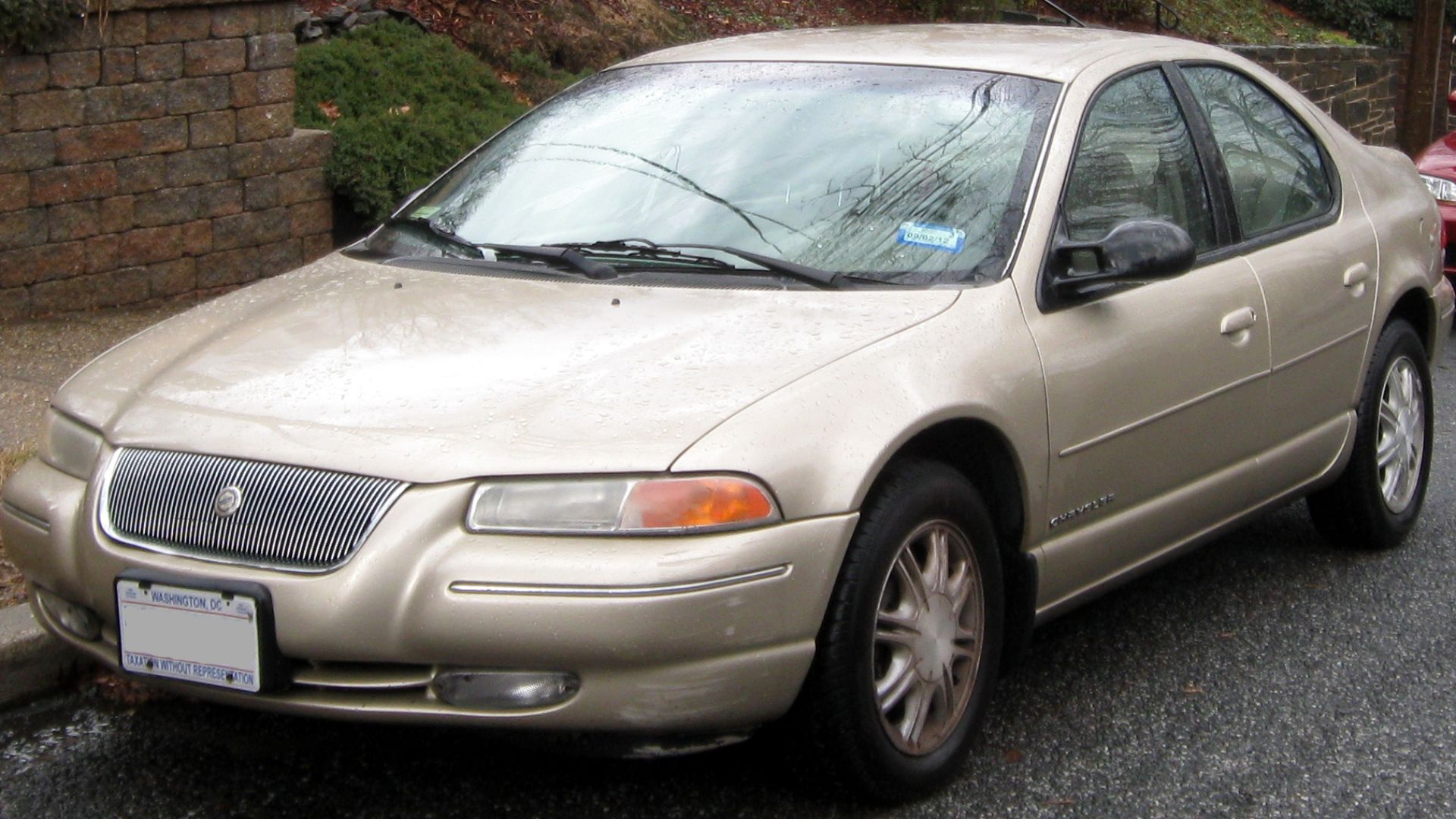
Chrysler Cirrus
The Cirrus was one of Chrysler’s stylish “cab-forward” sedans, offering a roomy cabin and modern appearance for reasonable money. Quality was inconsistent, but the car was more comfortable and capable than its current reputation suggests. When properly maintained, it made a surprisingly pleasant family cruiser.
The Ordinary Cars That Worked
These cars were not bedroom-poster material, and few collectors are fighting over them today. That does not mean they were failures. Many offered clever engineering, dependable service, or unexpected driving enjoyment. Sometimes the most interesting automotive memories come from cars that simply got people where they needed to go.
You May Also Like:
Every Motor Trend Car Of The Year Winner From The 1970s—And The Car That Actually Should Have Won