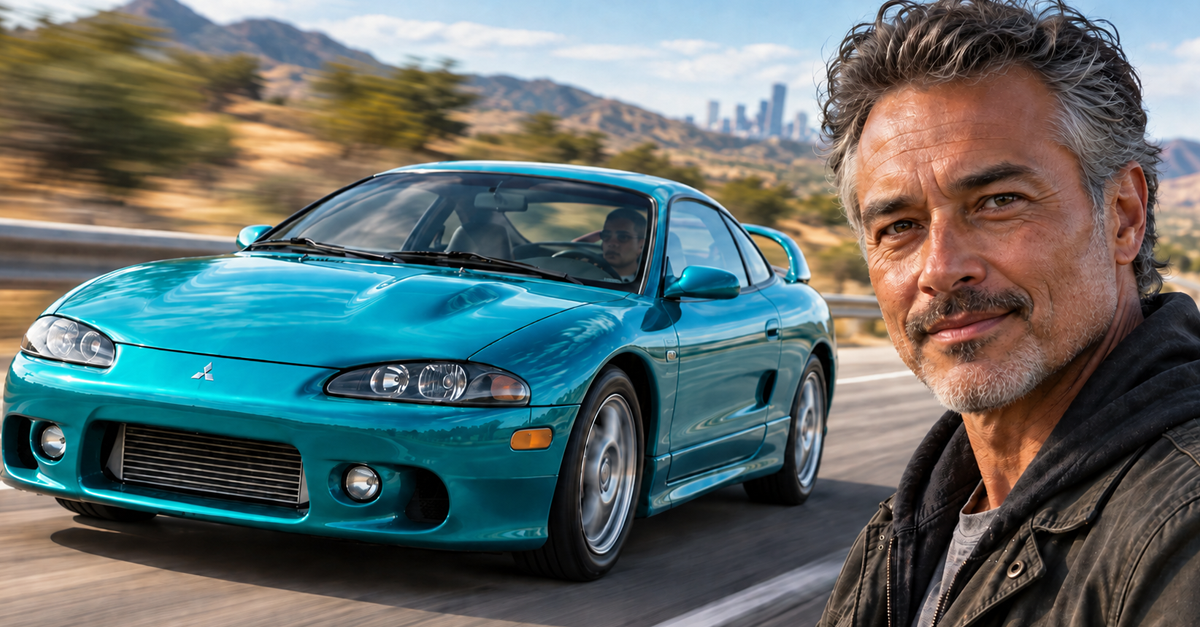
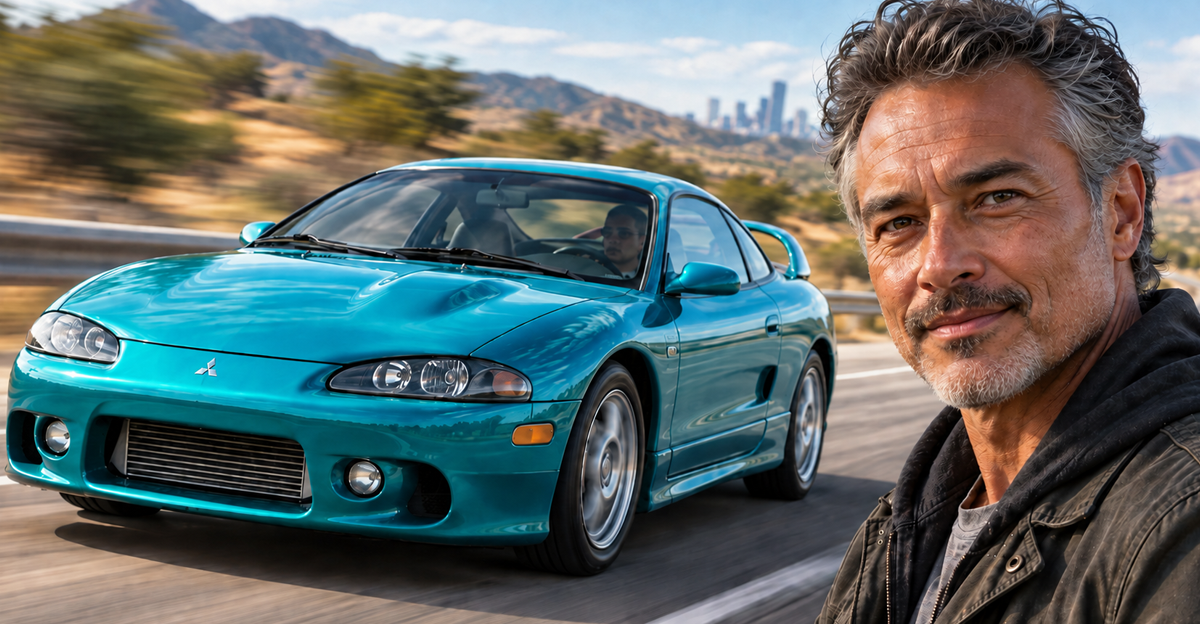
Remember When These Were Everywhere?
These Japanese cars were once everywhere on American roads, filling driveways, commuter lots, high school parking lots, and shopping centers throughout the 1990s. They were so common that most people barely noticed them. Today, many have all but disappeared. When was the last time you saw one of these on the road?
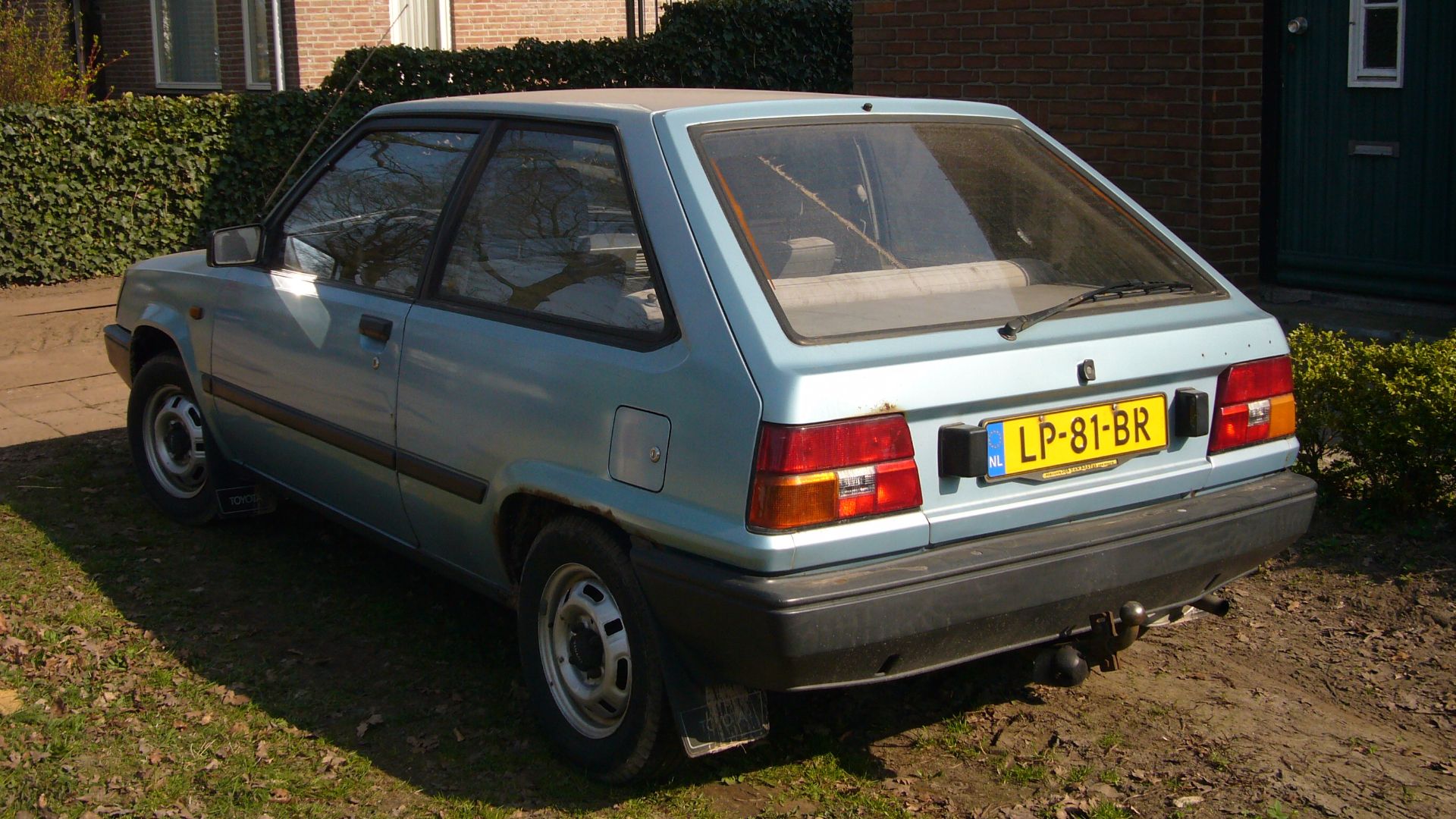
Toyota Tercel
The Tercel was Toyota's small, inexpensive alternative to the Corolla throughout the 1990s. Sedans and coupes offered simple four-cylinder transportation without much unnecessary equipment. Toyota finally retired the Tercel from the U.S. after the 1998 model year.
 Rutger van der Maar, Wikimedia Commons
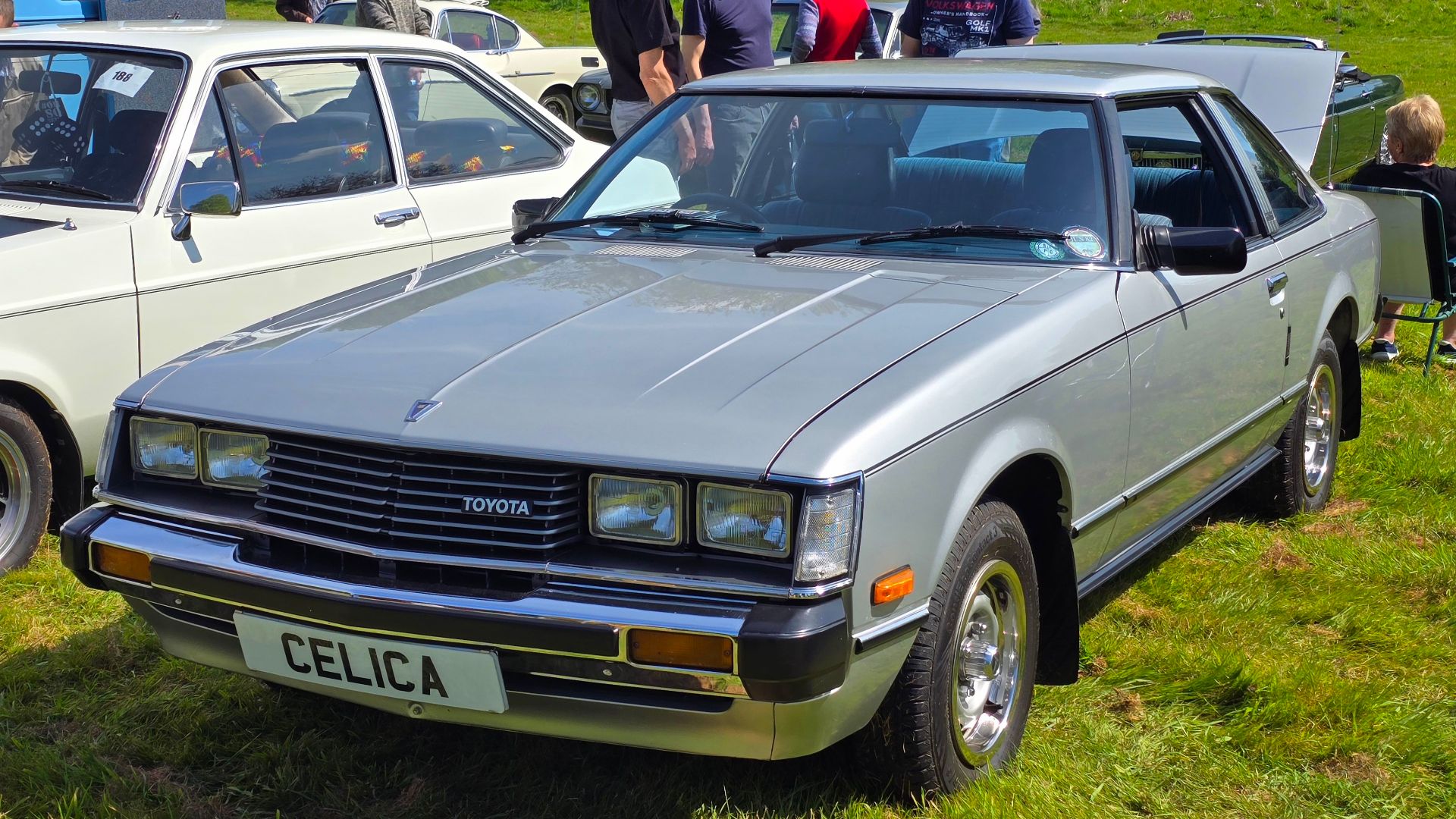
Toyota Celica
The Celica was once a major part of Toyota's American lineup rather than an enthusiast rarity. Toyota expected around 100,000 buyers for the redesigned 1990 range, which included several front-wheel-drive models and the All-Trac Turbo. U.S. sales finally ended after the 2005 model year.
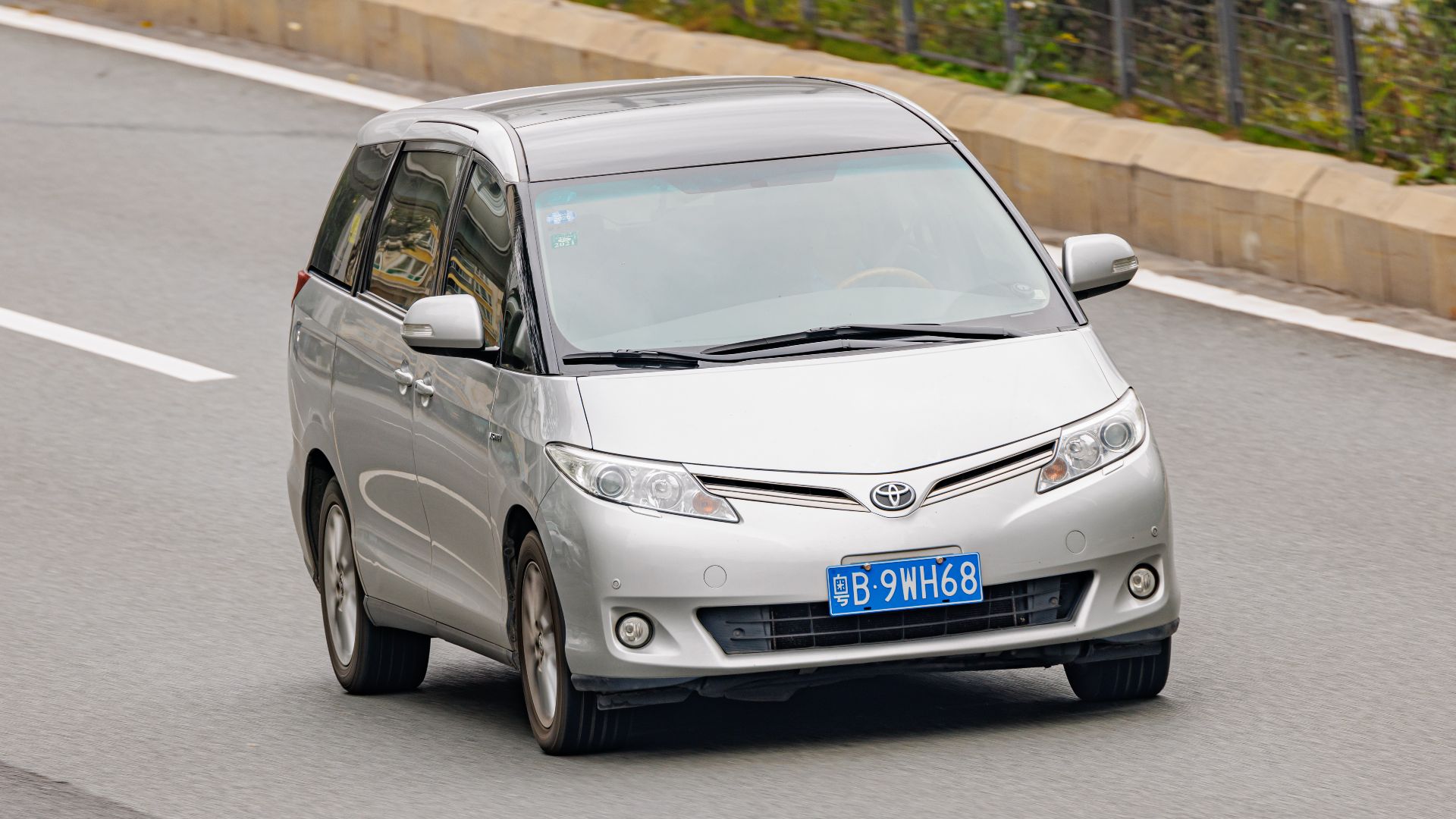
Toyota Previa
The egg-shaped Previa was impossible to confuse with another minivan. Its unusual layout placed the four-cylinder engine underneath the front seats, while the cabin could accommodate seven people. Toyota sold this generation in America from 1991 through 1997.
 Dinkun Chen, Wikimedia Commons
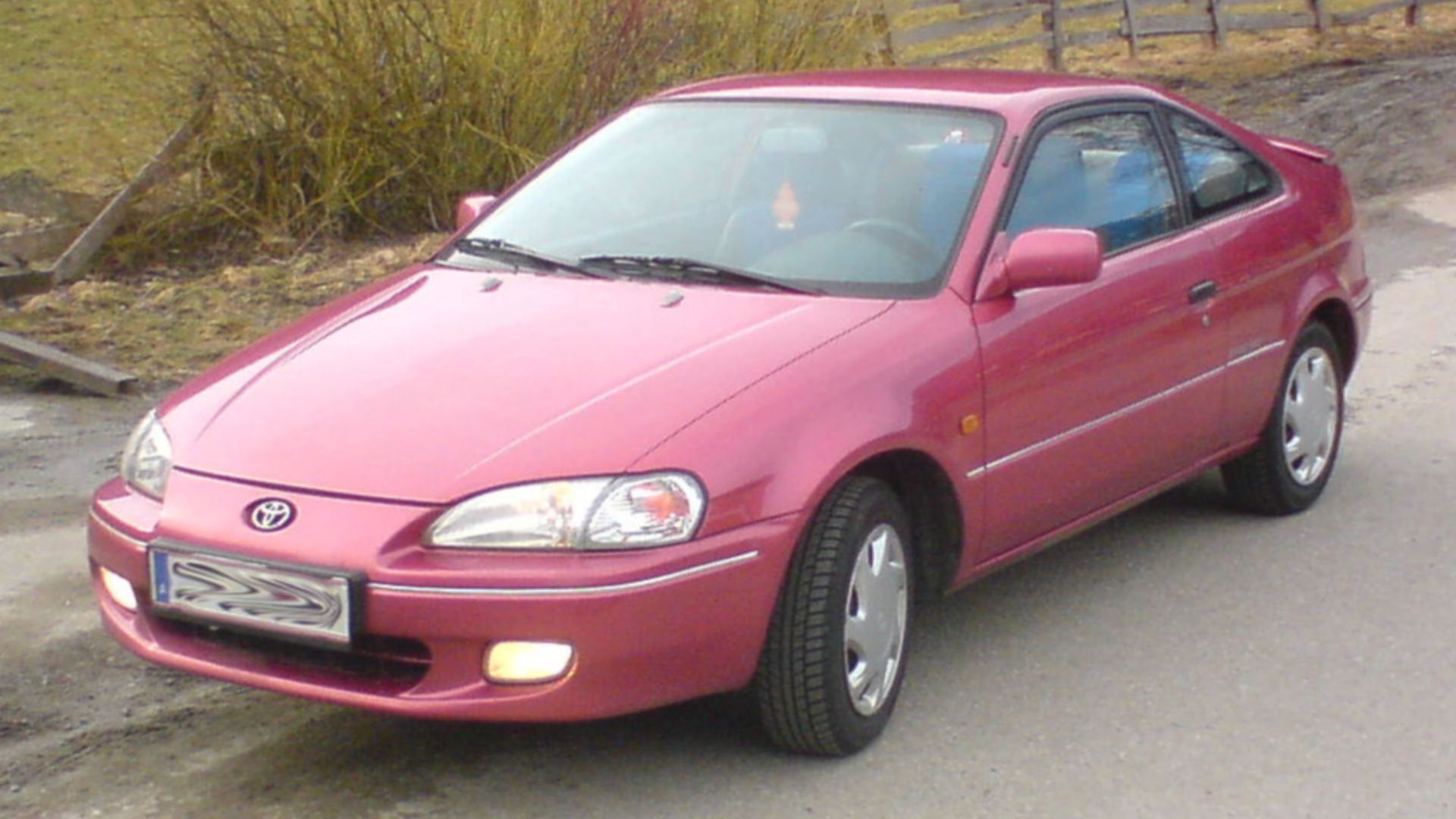
Toyota Paseo
The Paseo took humble Tercel mechanicals and wrapped them in a small two-door body. The original 1992 model used a 1.5-liter four-cylinder producing 100 hp and could be ordered with a five-speed manual. Toyota's American history records just two Paseo generations, covering 1991 through 1997.
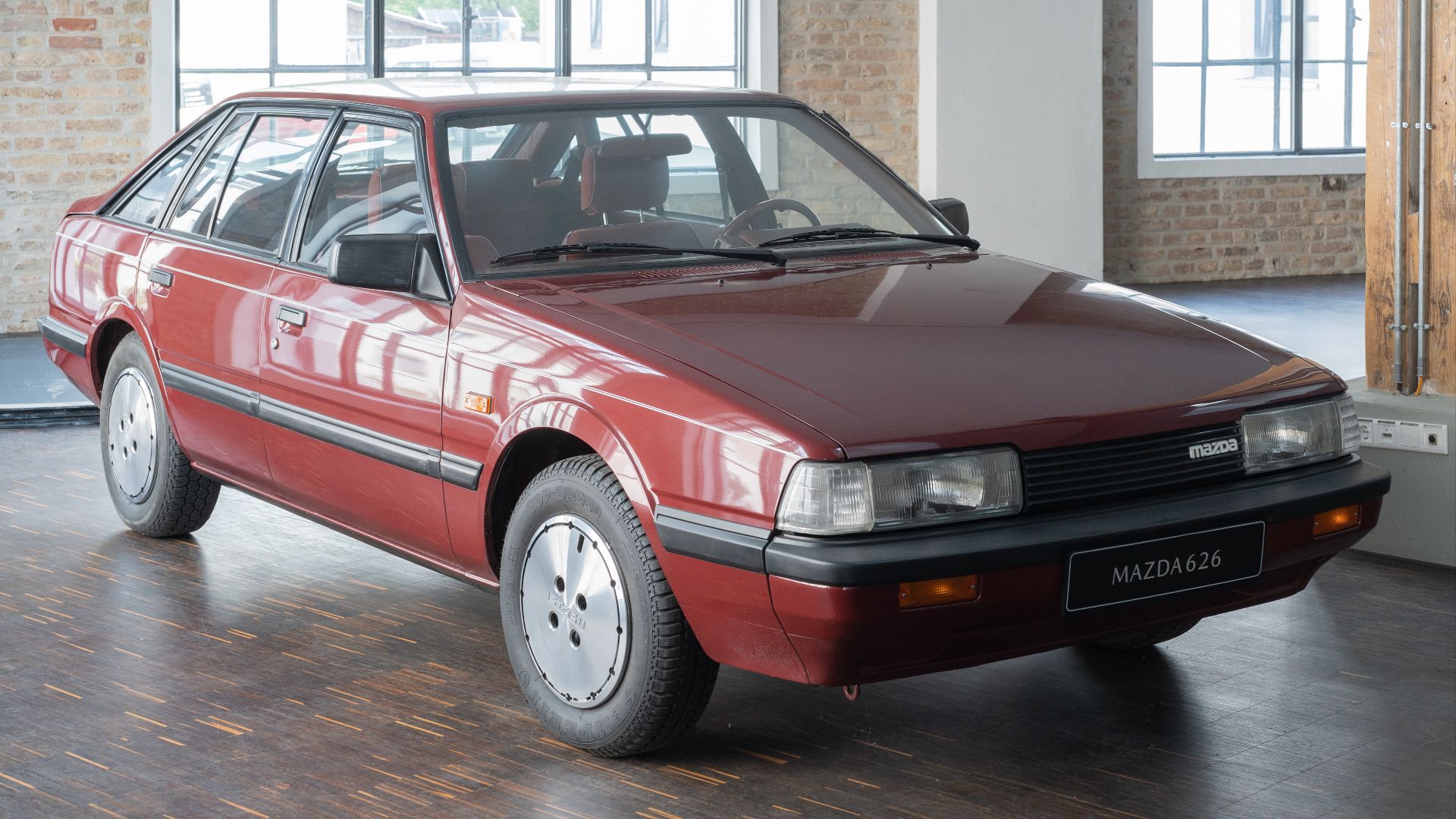
Mazda 626
Before the Mazda6, the 626 was Mazda's mainstream family sedan. Mazda described it as its largest-selling model when the redesigned 1993 version arrived to challenge the Accord and Camry. Buyers could choose a basic four-cylinder or a 164-hp V6.
 Tobias ToMar Maier, Wikimedia Commons
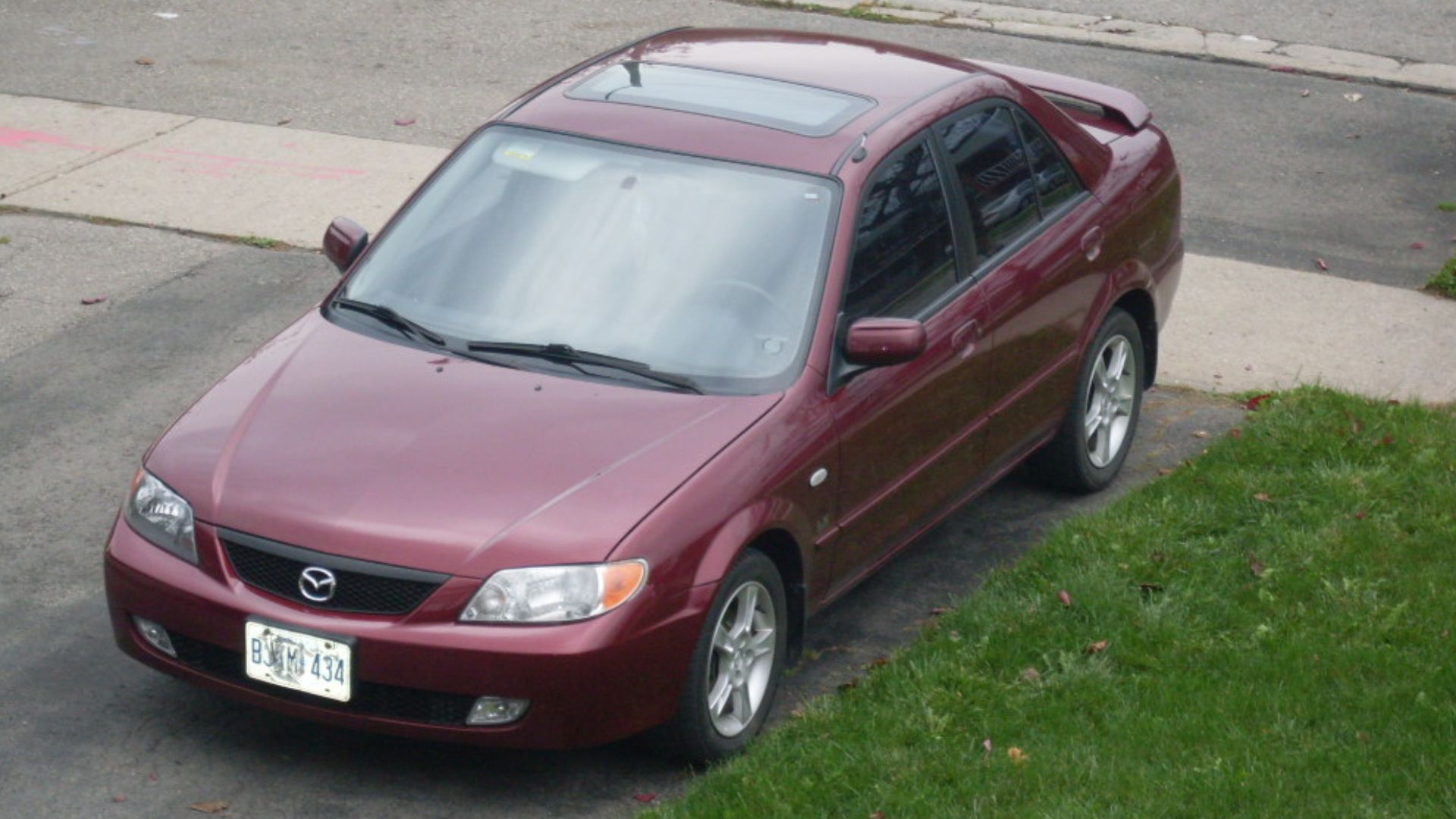
Mazda Protegé
The Protegé spent the 1990s battling some of America's biggest compact-car names. It competed directly with the Civic, Corolla, Sentra, and several domestic rivals. In 1996, the Protegé ES even won a major eight-car compact comparison.
Mazda MX-6
Mazda completely redesigned the MX-6 for 1993 with a lower, wider, curvier body. It shared its basic platform with the Mazda 626 and Ford Probe, while offering an available 164-hp V6. Today, the MX-6 is far less familiar than either its looks or capabilities once suggested.
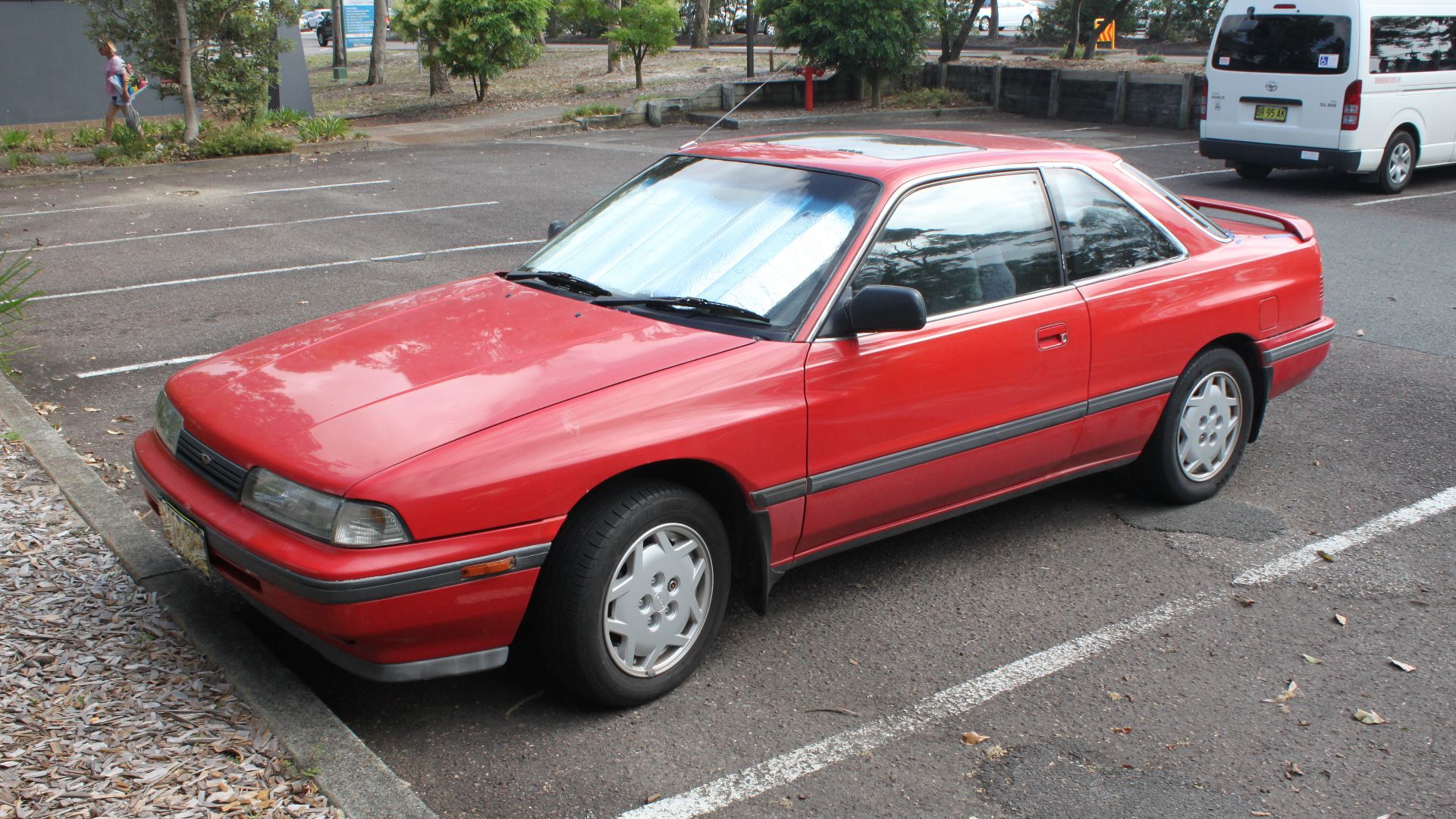 Jeremy from Sydney, Australia, Wikimedia Commons
Mazda MPV
The original MPV mixed minivan practicality with unusually truck-like available four-wheel drive. Car and Driver liked it enough to put the Mazda on its 1990 10 Best list. By 1992, it was competing directly against four-wheel-drive versions of the Caravan, Previa, Aerostar, and Astro.
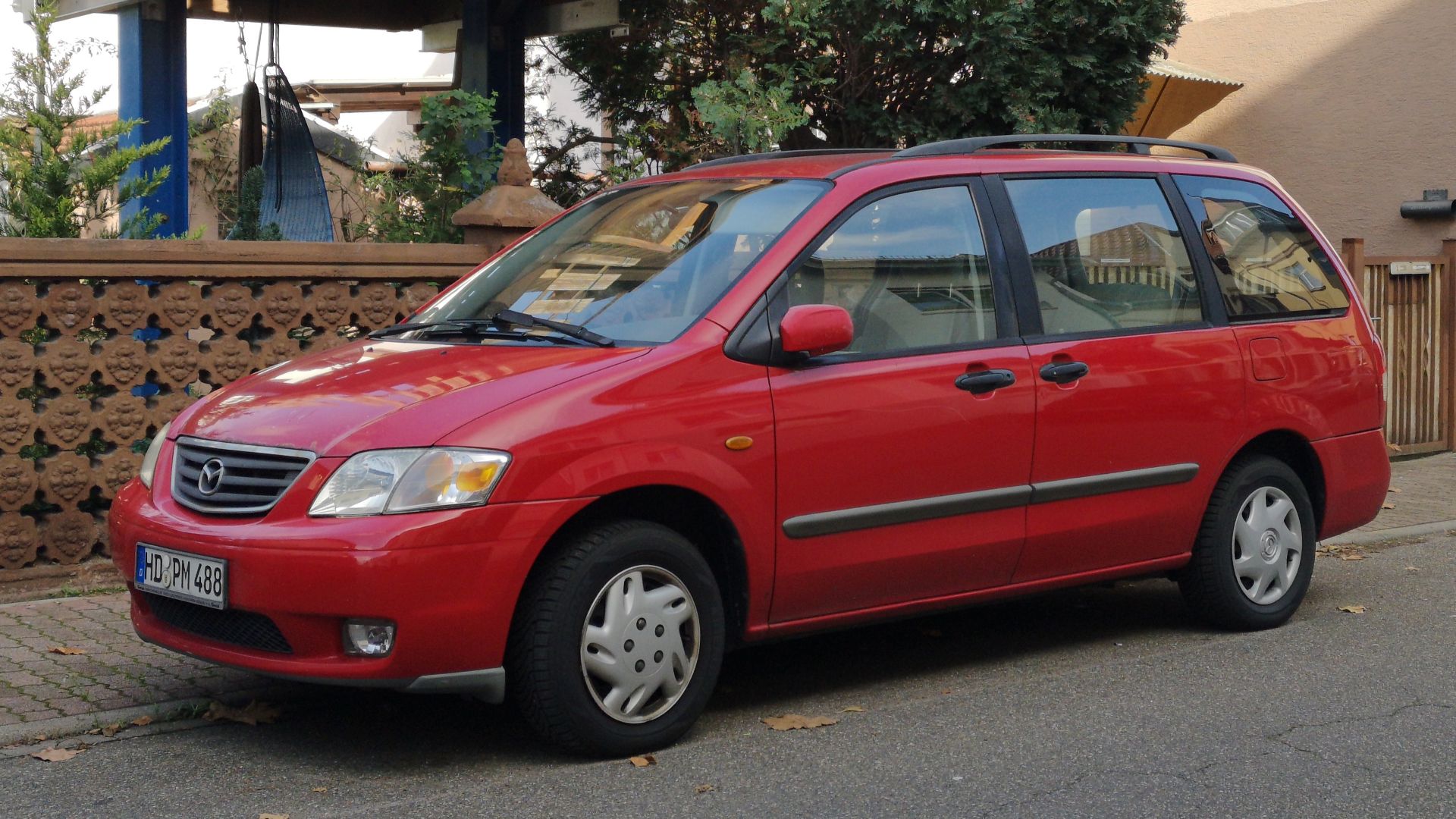
Mazda 323
The 323 was the kind of basic hatchback that once made perfect sense as a first car or commuter. By 1994, the little Mazda was down to just 82 hp, but simplicity and economy were the point. That year was also the final model year for the 323 in the United States.
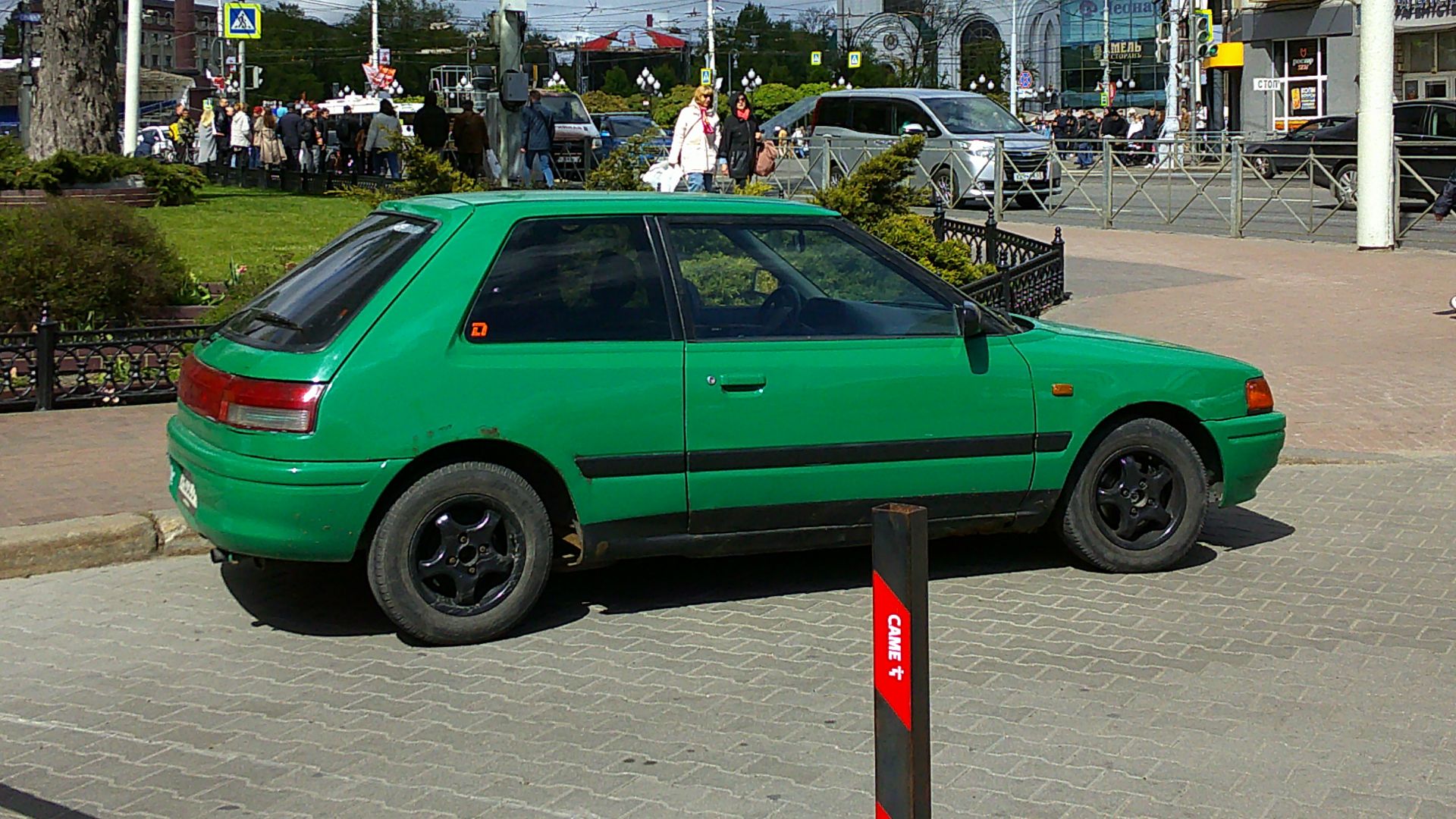 Artyom Svetlov, Wikimedia Commons
Nissan Stanza
The Stanza entered the 1990s with an all-new generation. Its four-cylinder engine was related to the one used in the sportier 240SX, but the Stanza remained a straightforward family sedan. Nissan replaced the name with the Altima for 1993.
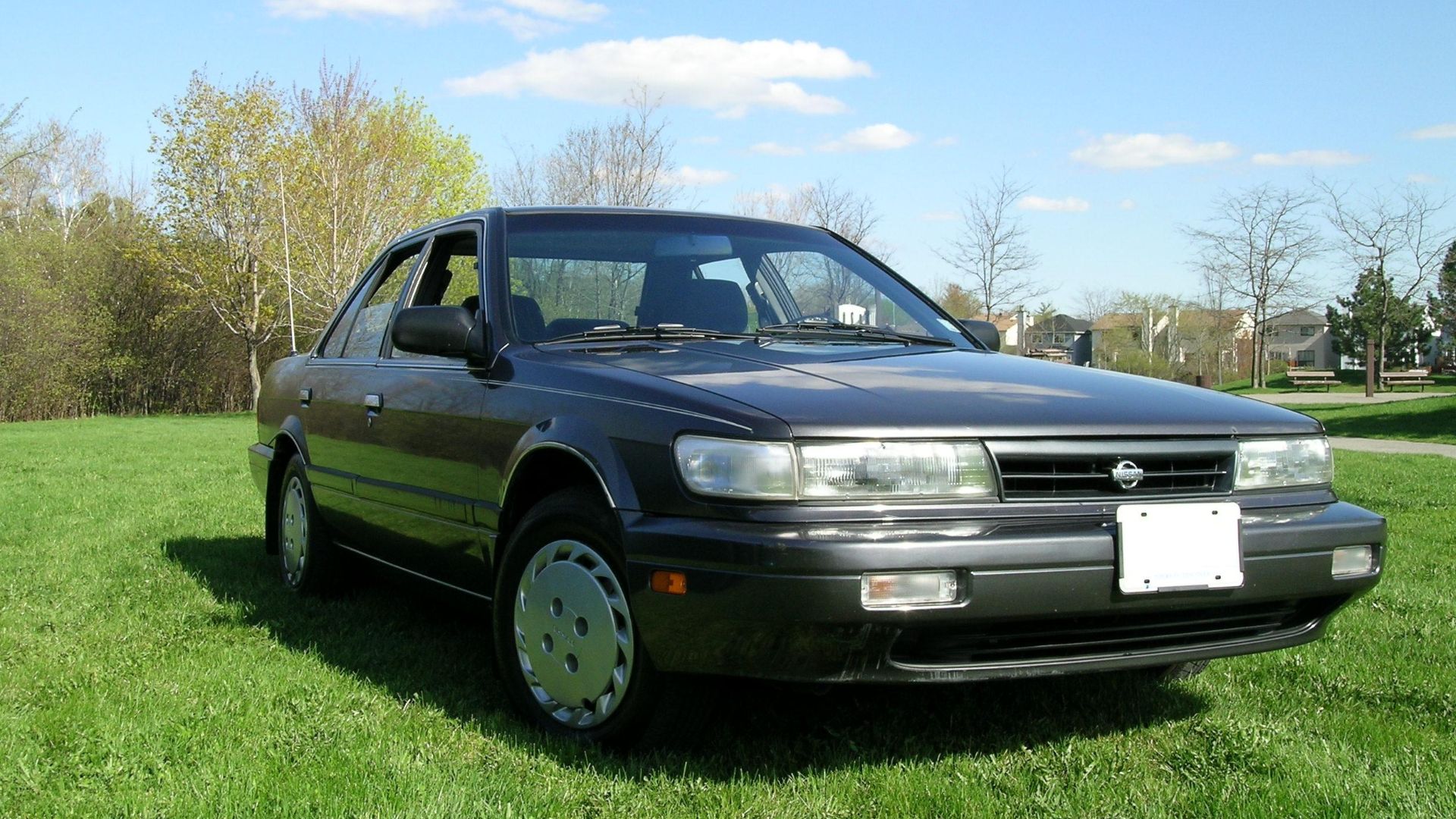 Tim Addison, Wikimedia Commons
Nissan 240SX
The 240SX offered something increasingly unusual in an affordable Japanese coupe: rear-wheel drive. Nissan redesigned it for 1995 with a 155-hp four-cylinder and a more comfort-oriented personality. At the time, Nissan hoped to find around 20,000 American buyers per year.
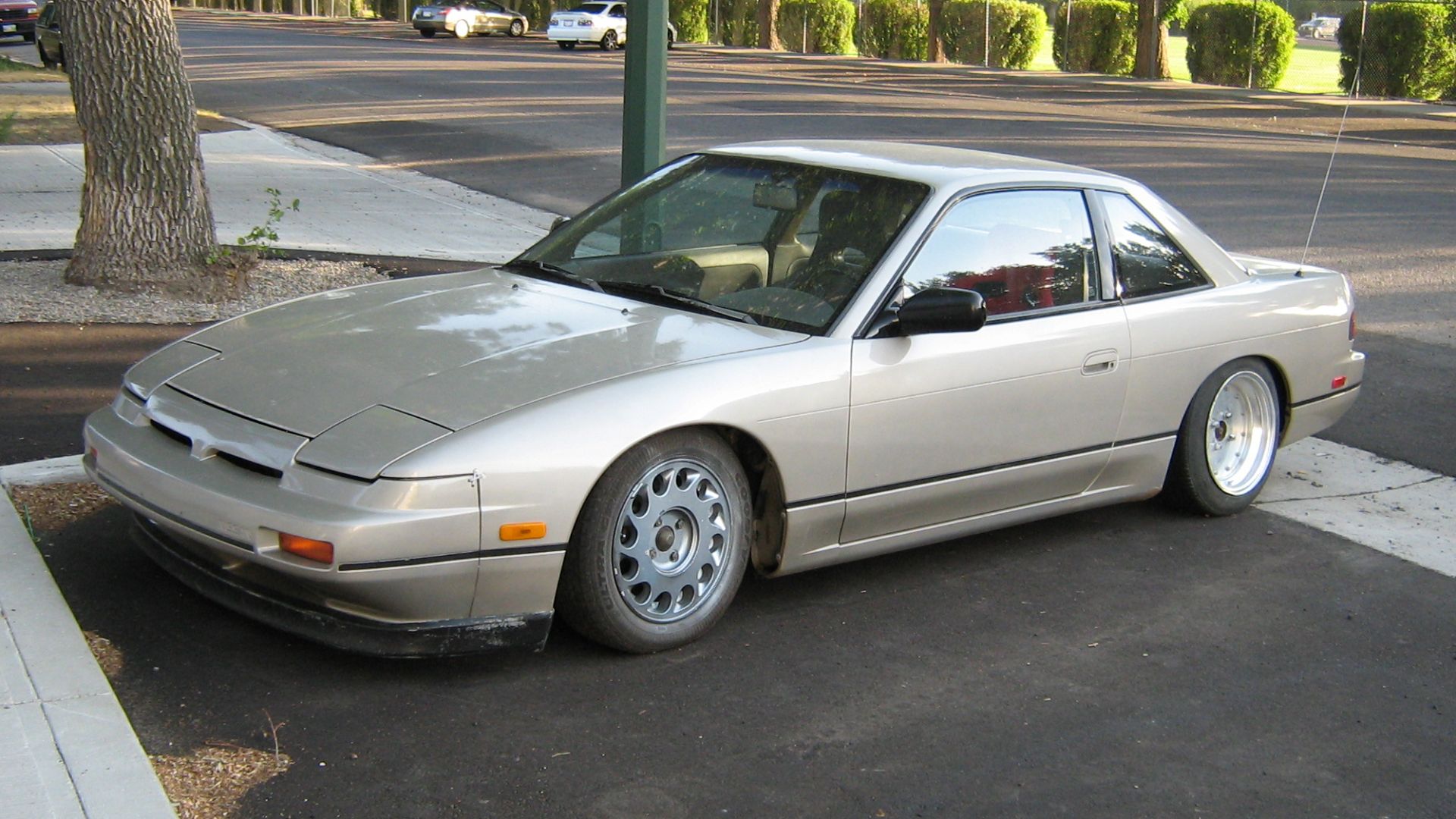 dave_7 from Lethbridge, Canada, Wikimedia Commons
Nissan 200SX
Nissan revived the 200SX name in America for a Sentra-based coupe in 1995. The performance-oriented SE-R received a 2.0-liter engine and five-speed manual, while cheaper versions targeted ordinary coupe buyers. Nissan expected annual sales of roughly 40,000 200SXs when it launched.
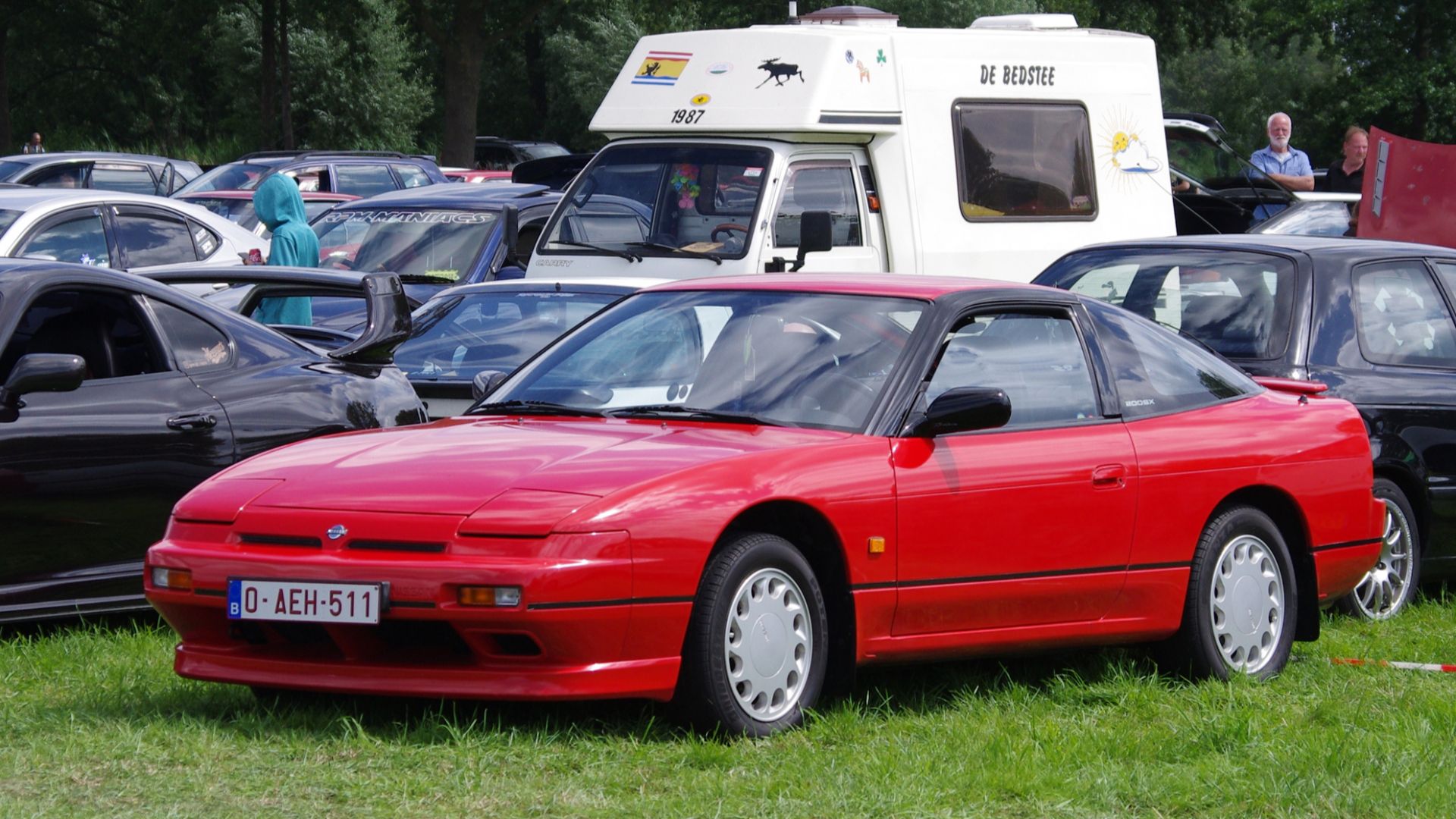 Rutger van der Maar, Wikimedia Commons
Nissan NX
Few inexpensive cars of the era were as instantly recognizable as the rounded Nissan NX. The lineup included the NX1600 and quicker NX2000, which shared key hardware with the Sentra SE-R. In period testing, the NX2000 reached 60 mph in about 7.5 seconds.
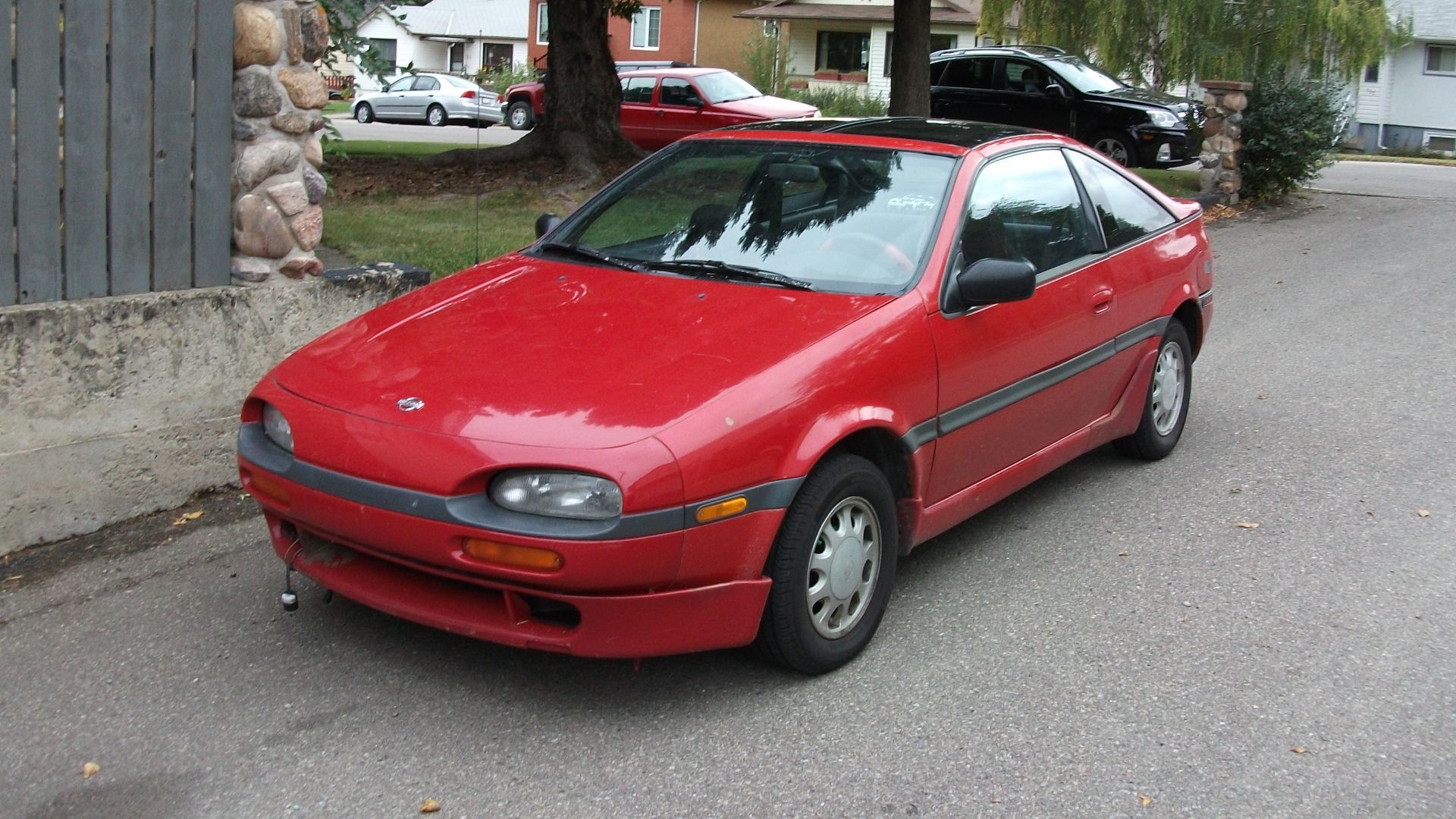 dave_7 from Lethbridge, Canada, Wikimedia Commons
Nissan Quest
The original Quest arrived for 1993 as a joint project with Ford, which sold its version as the Mercury Villager. Nissan's seven-seat minivan used a 3.0-liter V6 and was assembled in Ohio. The Quest survived through several later generations, but Nissan eventually dropped the name from its U.S. lineup.
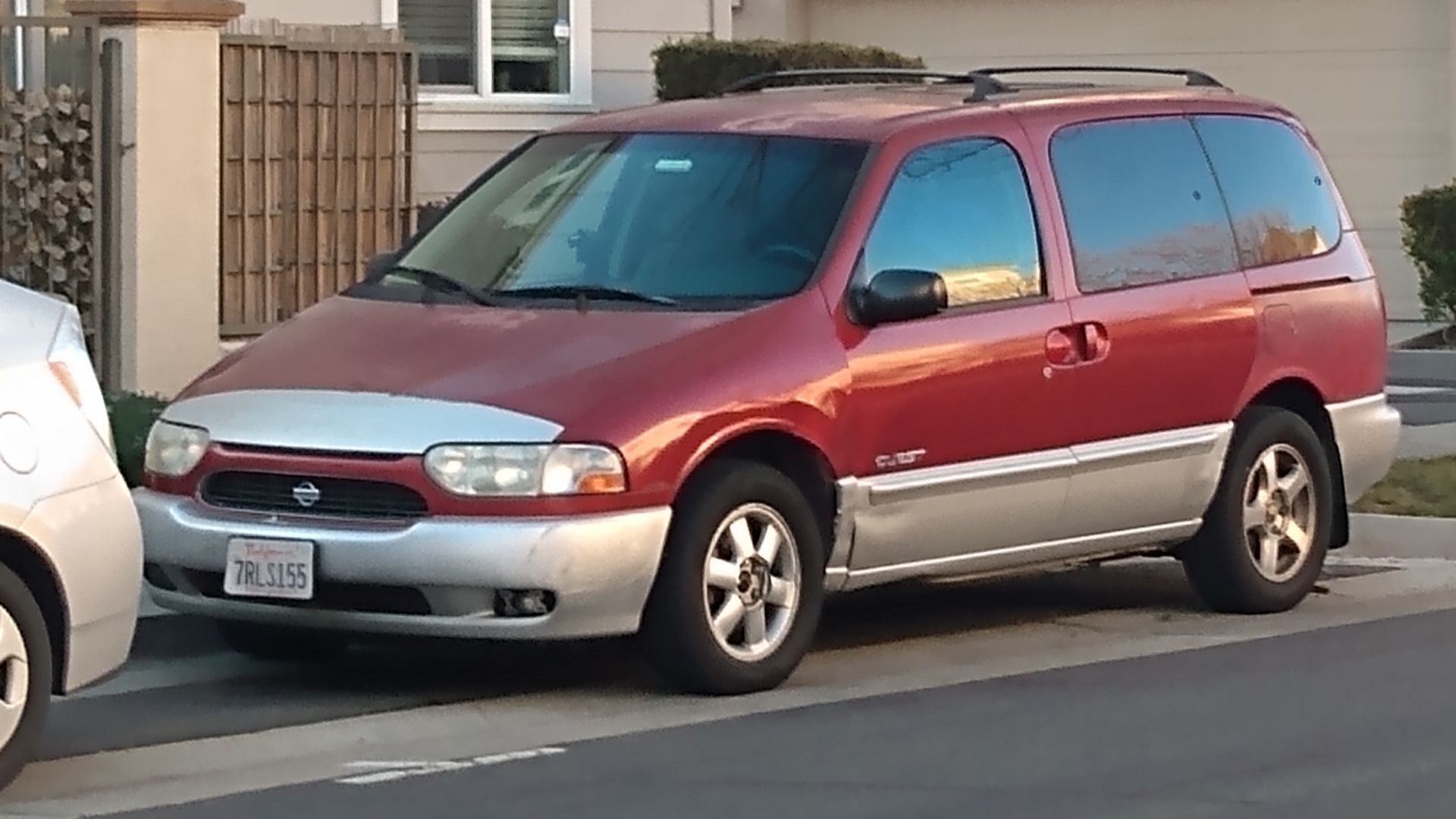 DestinationFearFan, Wikimedia Commons
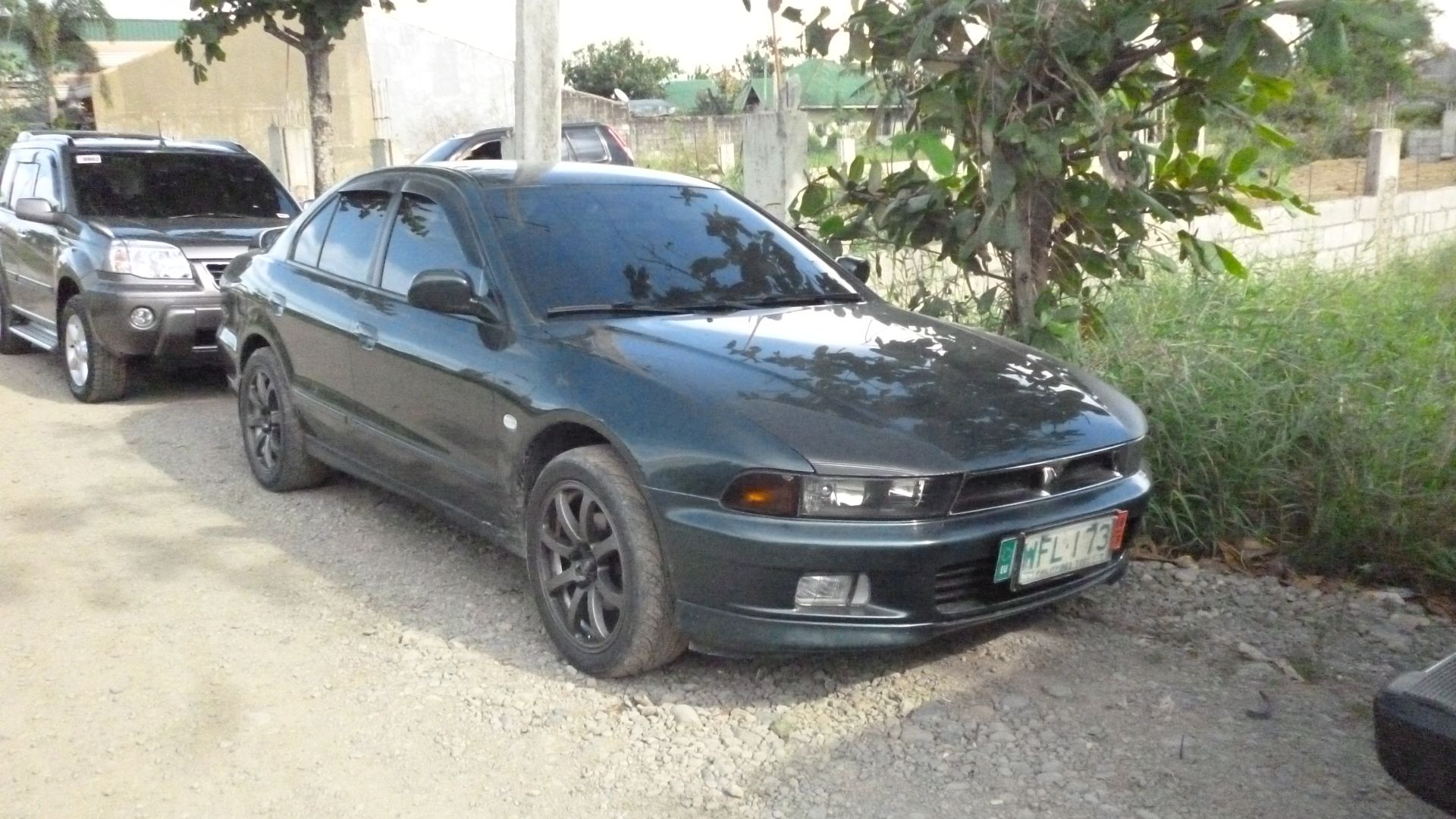
Mitsubishi Galant
The Galant was once a completely mainstream midsize sedan. It competed directly with major family cars like the Camry, Taurus, Altima, 626, and Intrepid. That put Mitsubishi squarely in one of America's most important car segments during the 1990s.
 Captainmorlypogi1959, Wikimedia Commons
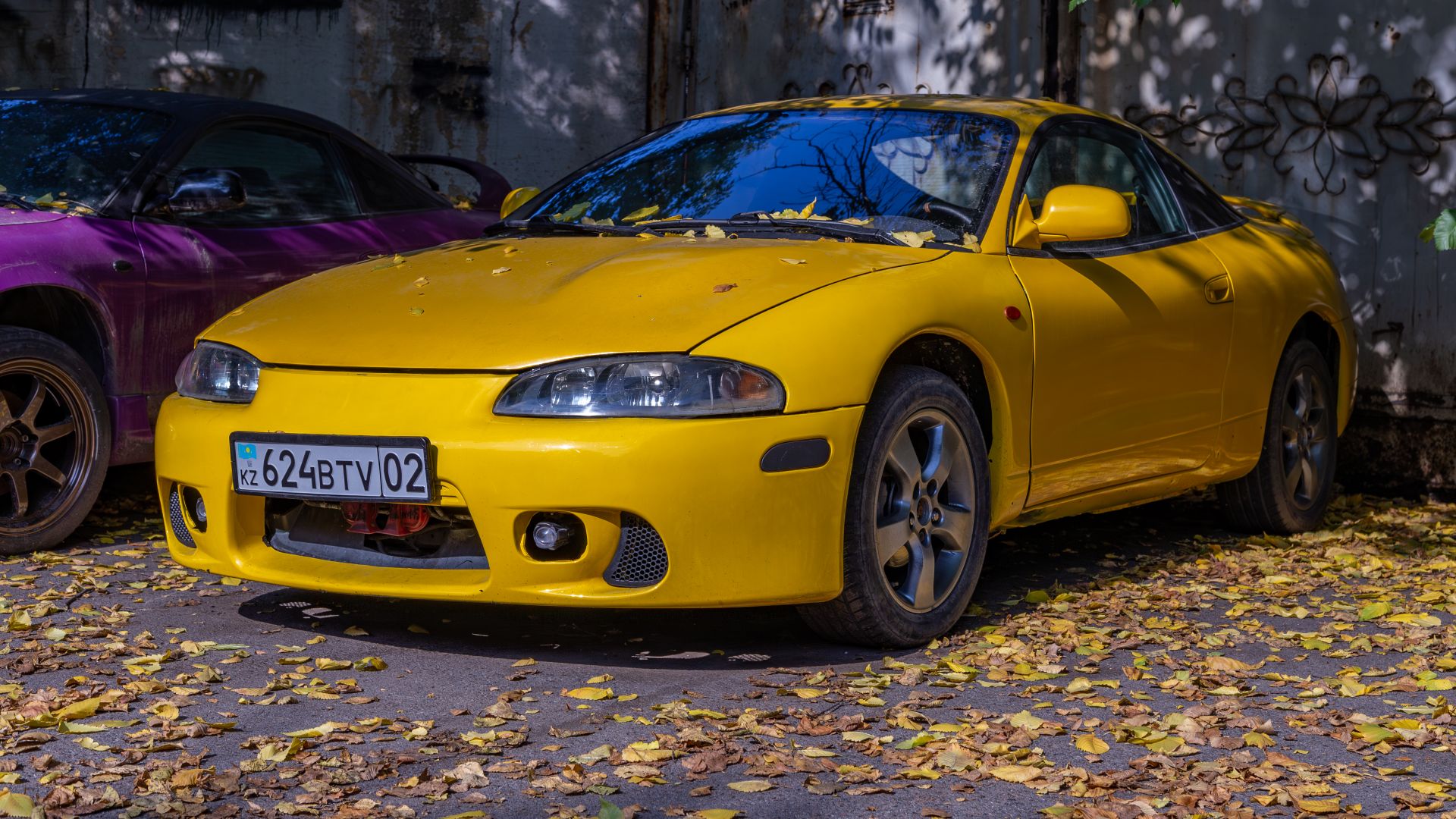
Mitsubishi Eclipse
The Eclipse combined affordable pricing with styling that looked far more exotic than a normal commuter car. The redesigned 1995 model offered turbocharged versions producing 210 hp, including the all-wheel-drive GSX. Mitsubishi eventually ended Eclipse production after the 2012 model year.
 Nikolai Bulykin, Wikimedia Commons
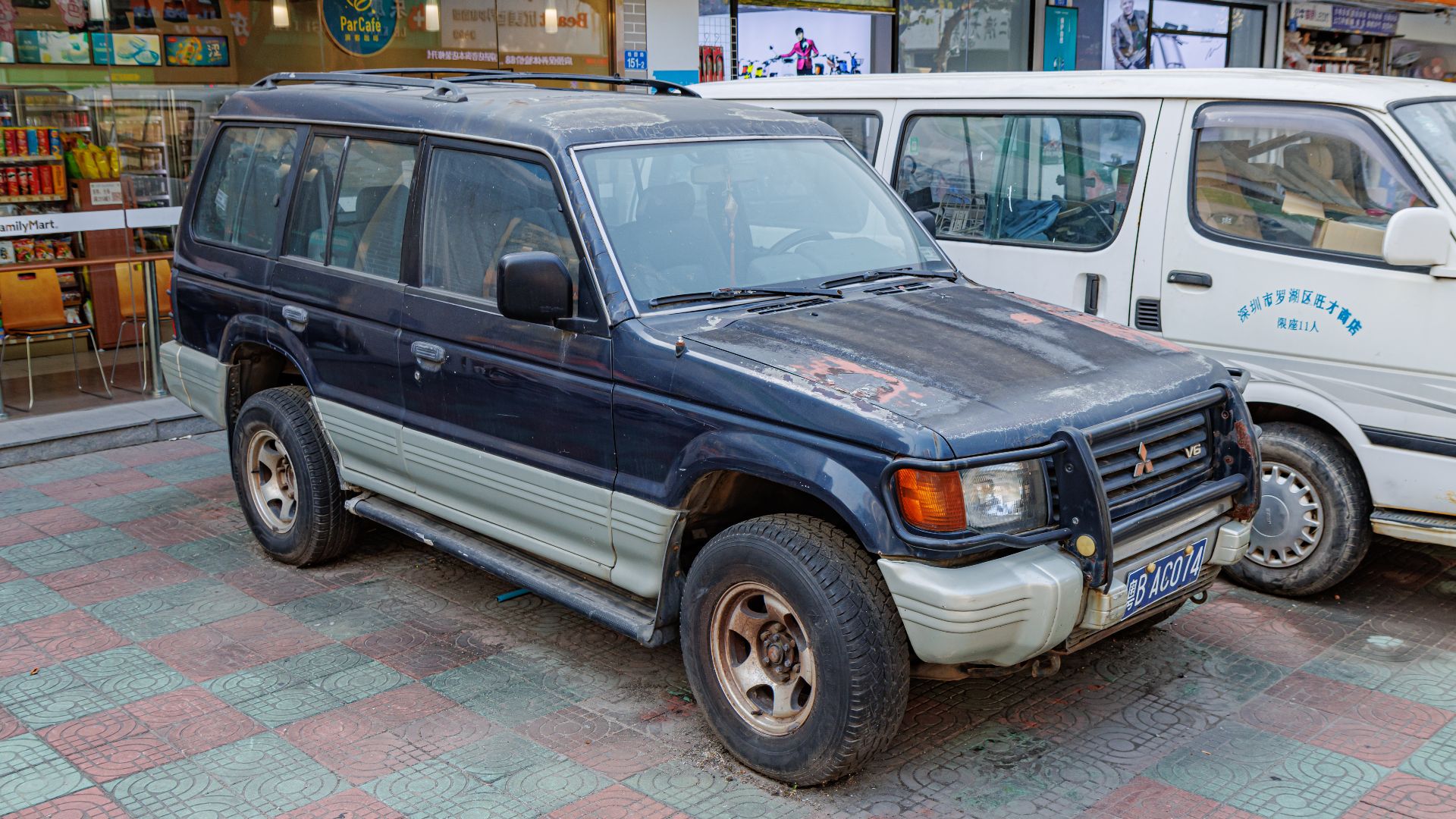
Mitsubishi Montero
Before Mitsubishi's American lineup shrank dramatically, the Montero competed with major SUVs from Toyota, Jeep, Ford, and Isuzu. A 1994 Montero SR packed a 215-hp V6 and a sophisticated four-wheel-drive system. Mitsubishi eventually withdrew the Montero from the U.S. market after 2006.
 Dinkun Chen, Wikimedia Commons
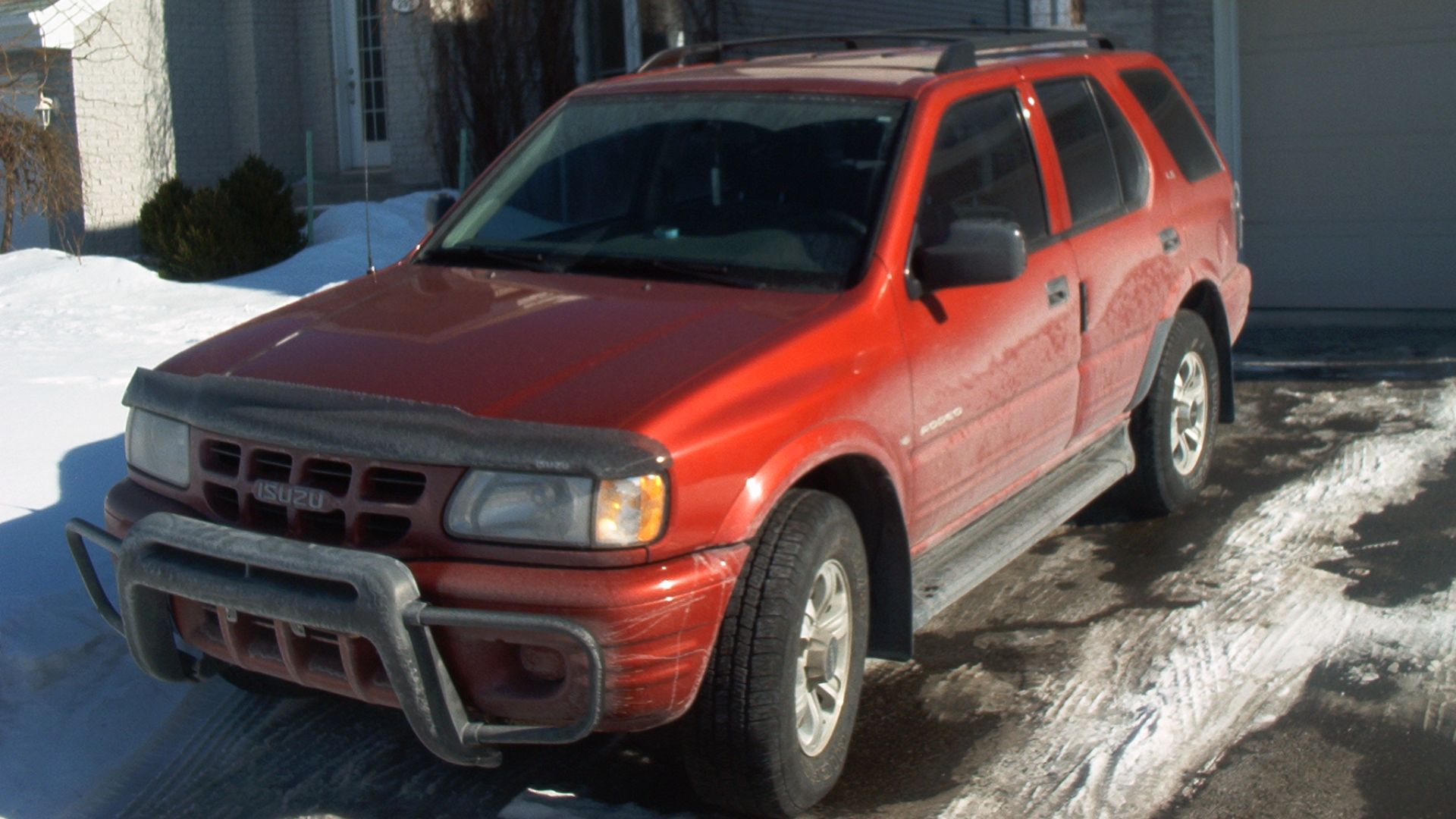
Isuzu Rodeo
The Rodeo was not some obscure SUV that sold in tiny numbers. It became Isuzu's best-selling vehicle after its 1990 introduction, with annual sales around 60,000 from 1994 onward. Honda sold thousands more rebadged Rodeos as the Passport.
 Take Me Higher at English Wikipedia, Wikimedia Commons
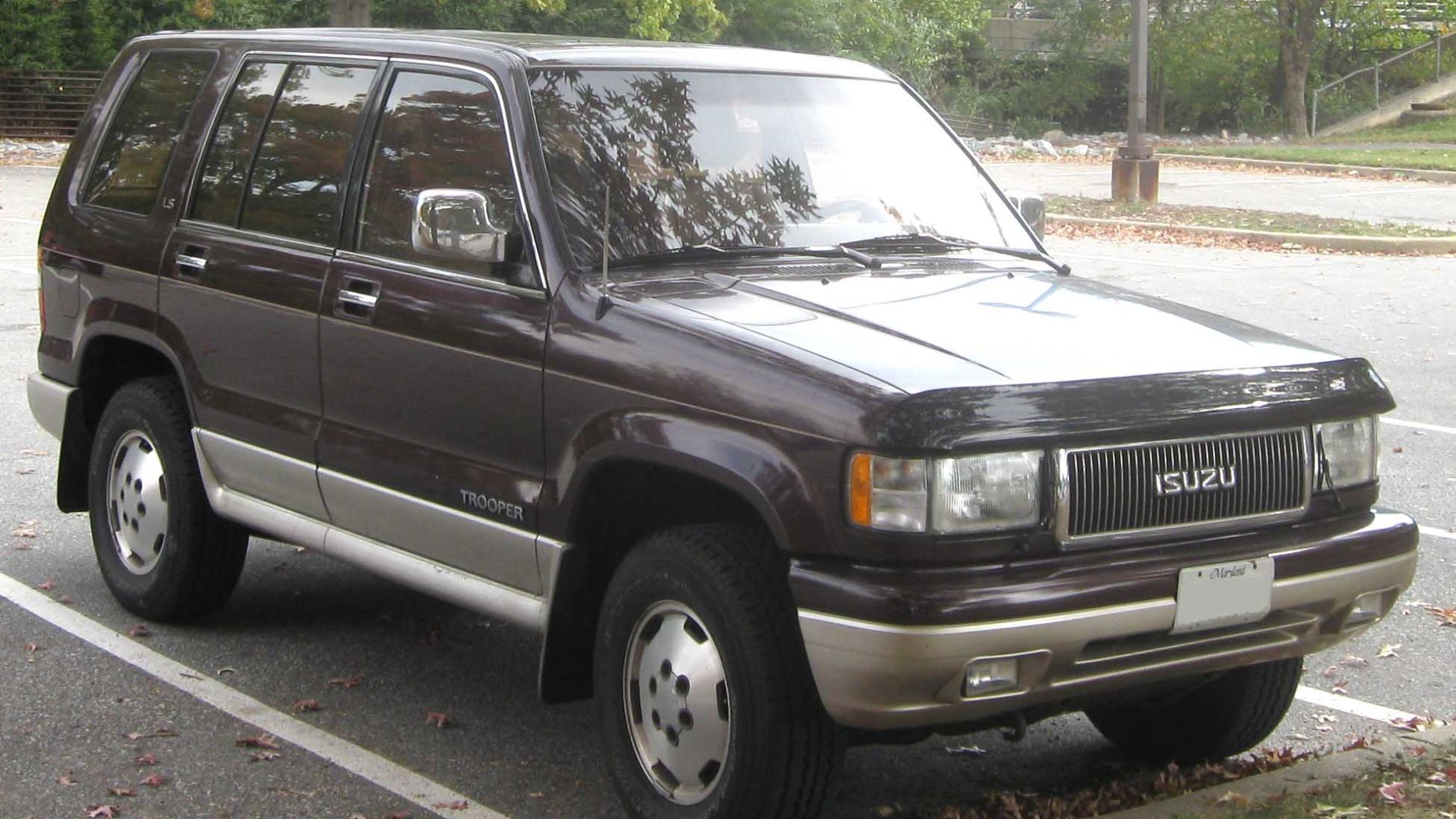
Isuzu Trooper
The boxy Trooper competed directly against vehicles like the Ford Explorer, Jeep Cherokee, Toyota 4Runner, and Nissan Pathfinder. By 1998, its V6 produced 215 hp and its huge interior remained one of its strongest selling points. Isuzu eventually discontinued the Trooper in the American market.
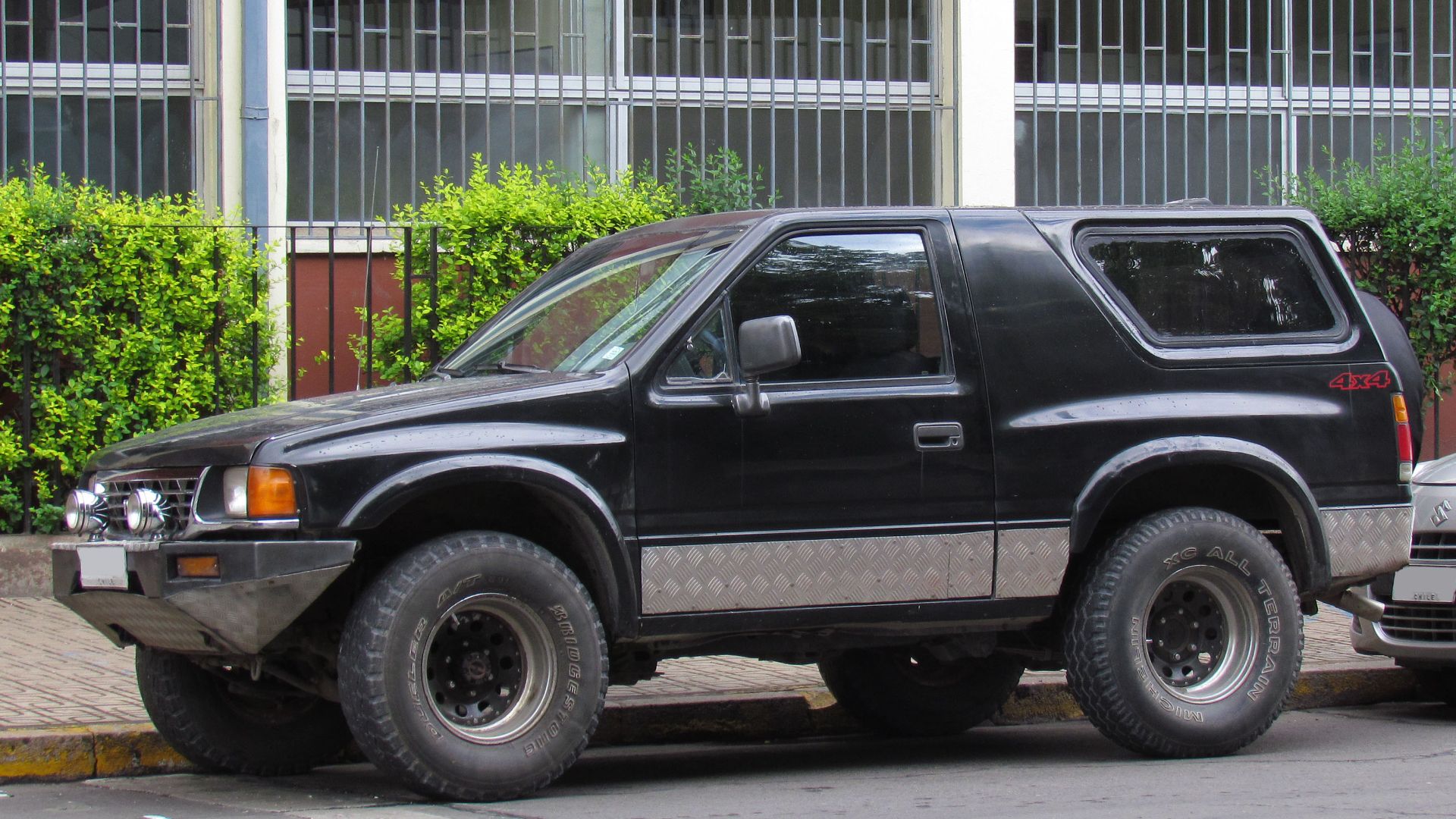
Isuzu Amigo
The two-door Amigo arrived for 1990 as a youthful alternative to conventional SUVs. Early versions could be had for less than $13,000, and the model offered a short wheelbase, available four-wheel drive, and open-air styling. It disappeared after 1994, returned for 1998, then vanished again after 2000.
 RL GNZLZ from Chile, Wikimedia Commons
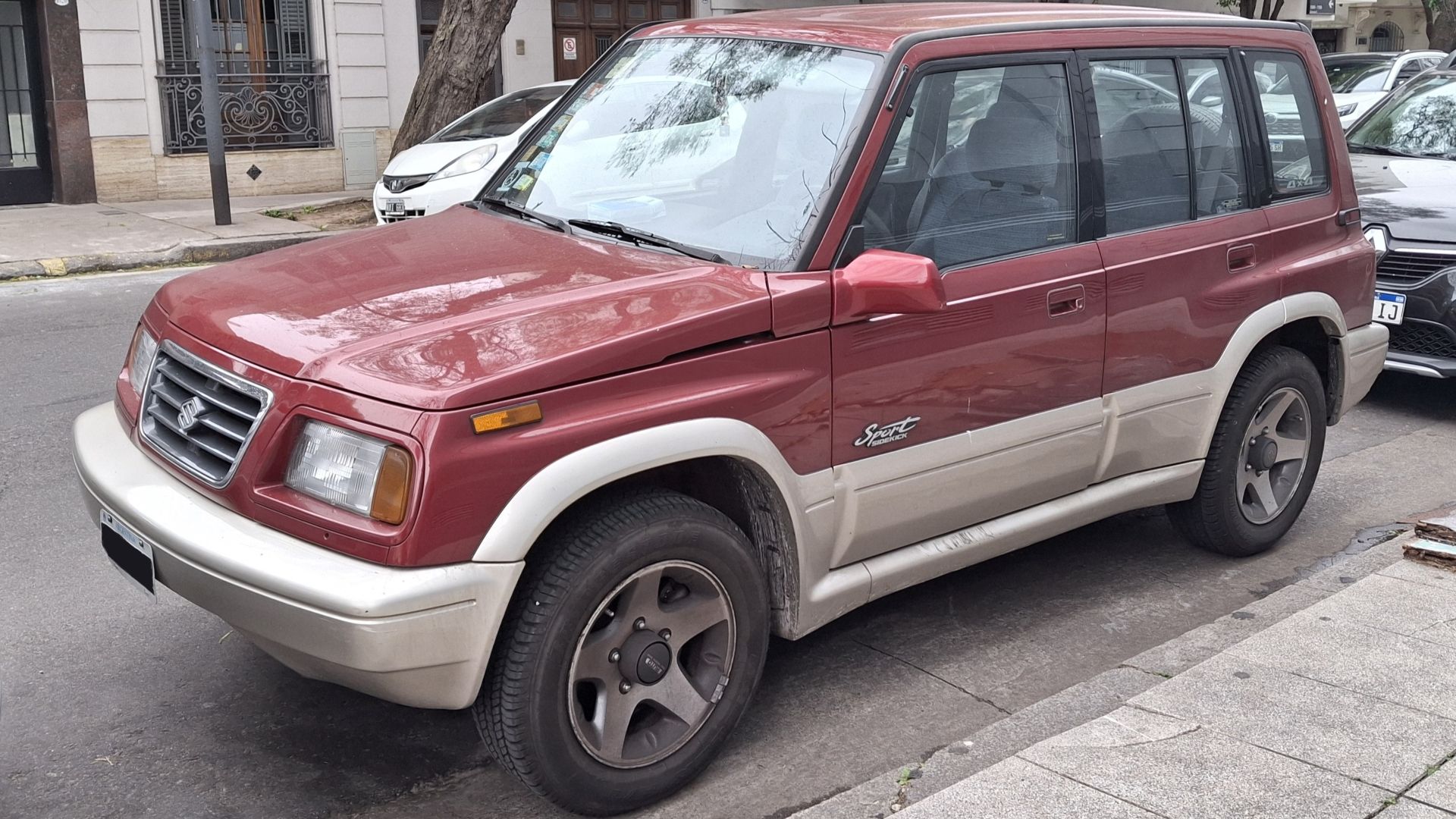
Suzuki Sidekick
Suzuki introduced the Sidekick for 1989 as a larger companion to the Samurai. Its compact dimensions and available four-wheel drive made it an early version of the small SUVs that would eventually dominate American streets. General Motors also sold a closely related version as the Geo Tracker.
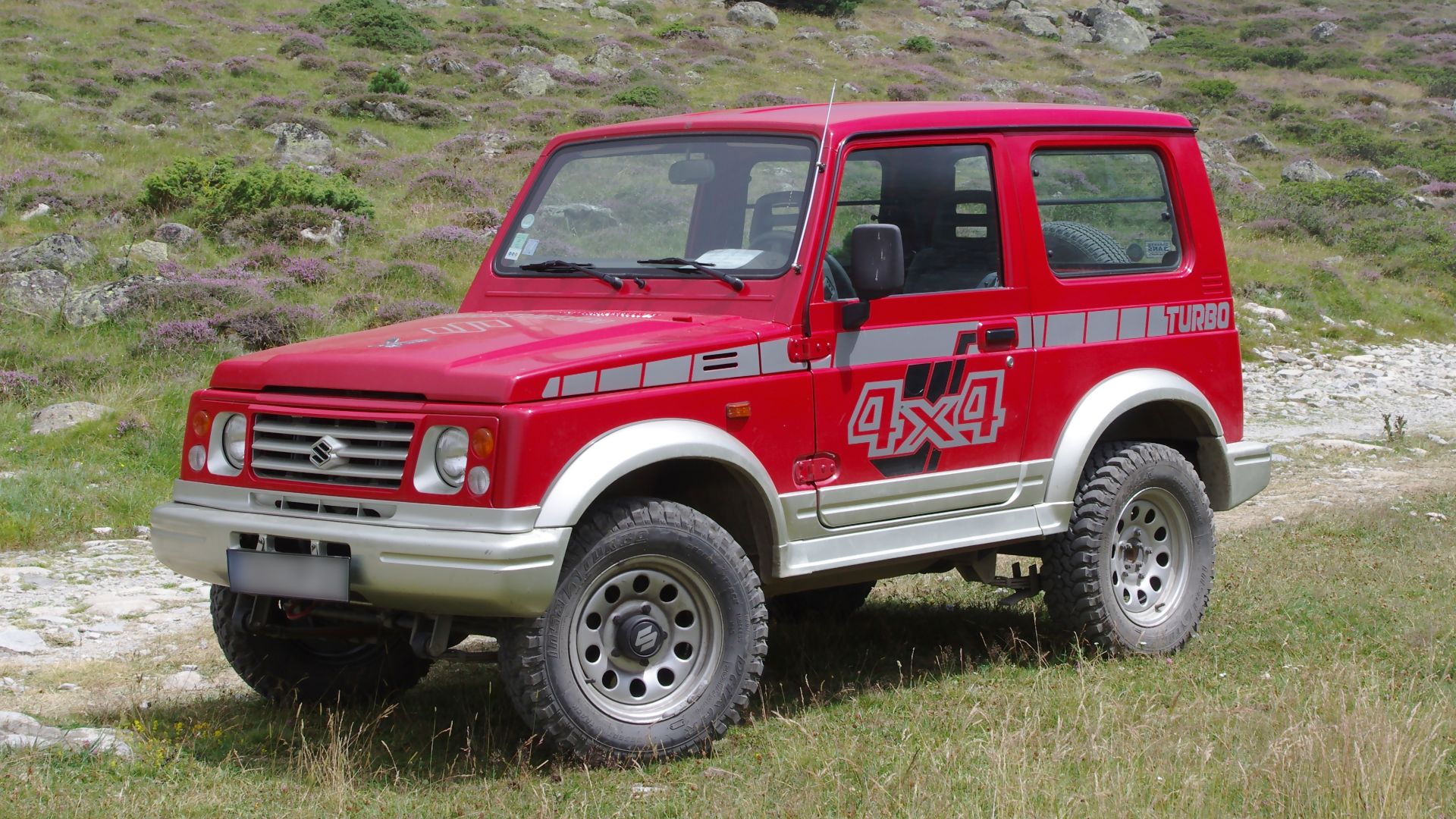
Suzuki Samurai
The tiny Samurai gave Suzuki an astonishing entrance into the American car market. Suzuki sold about 47,000 during its first year, then passed 100,000 sales after roughly a year and a half. Despite that early success, the Samurai disappeared from the U.S. after the 1995 model year.
Subaru Loyale
Before Outbacks and Foresters filled snowy parking lots, Subaru sold cars like the Loyale. For 1990, Subaru renamed its existing sedan, wagon, and coupe family under the Loyale badge. The inexpensive, utilitarian model disappeared after only a few years, just as Subaru's modern identity was beginning to take shape.
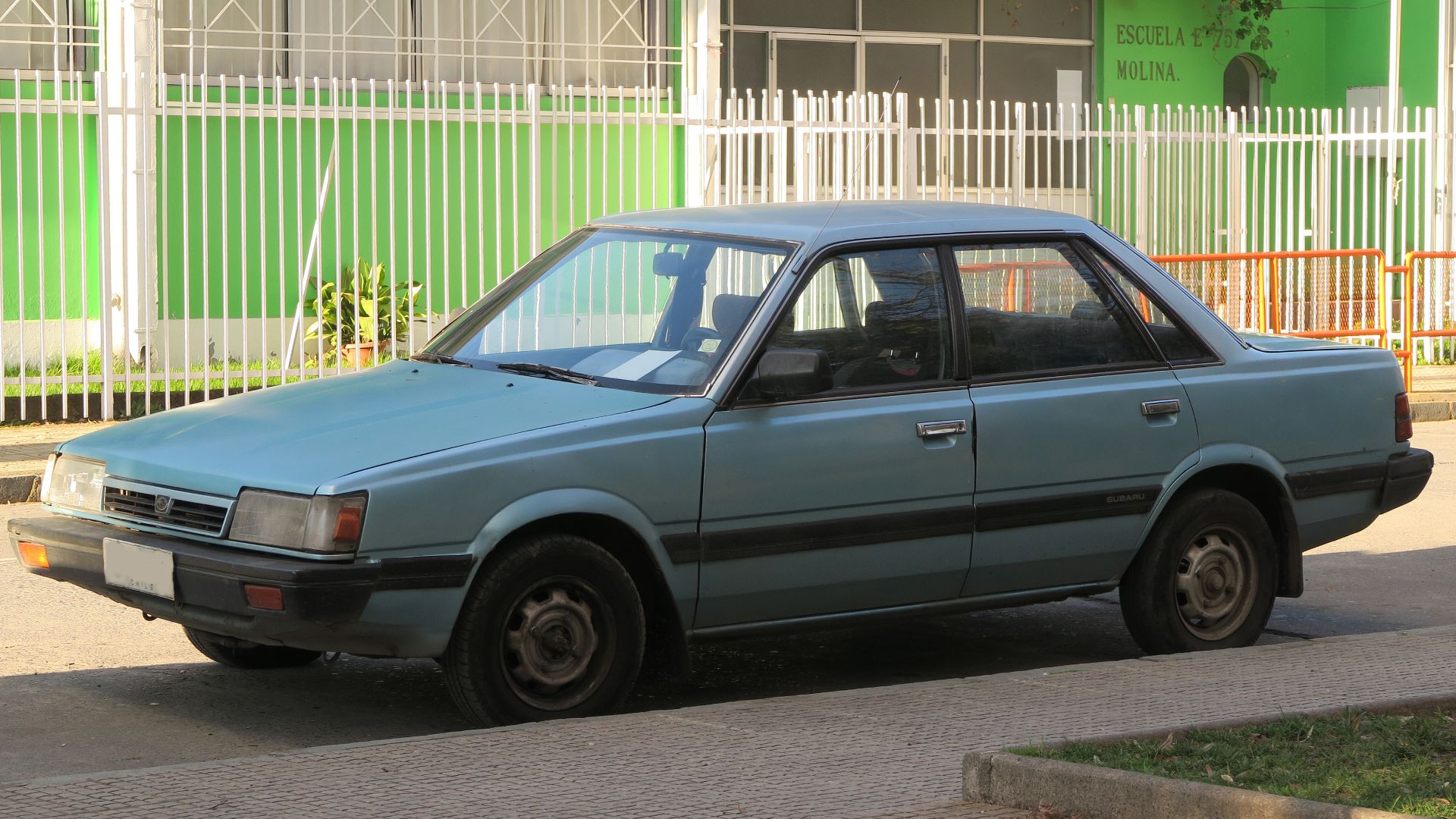 RL GNZLZ from Chile, Wikimedia Commons
Acura Legend
The Legend was not merely an early Acura. It was America's best-selling luxury nameplate for six consecutive years through 1993, according to Acura. The second-generation sedan and coupe lasted through 1995 before the new 3.5 RL replaced the Legend as Acura's flagship.
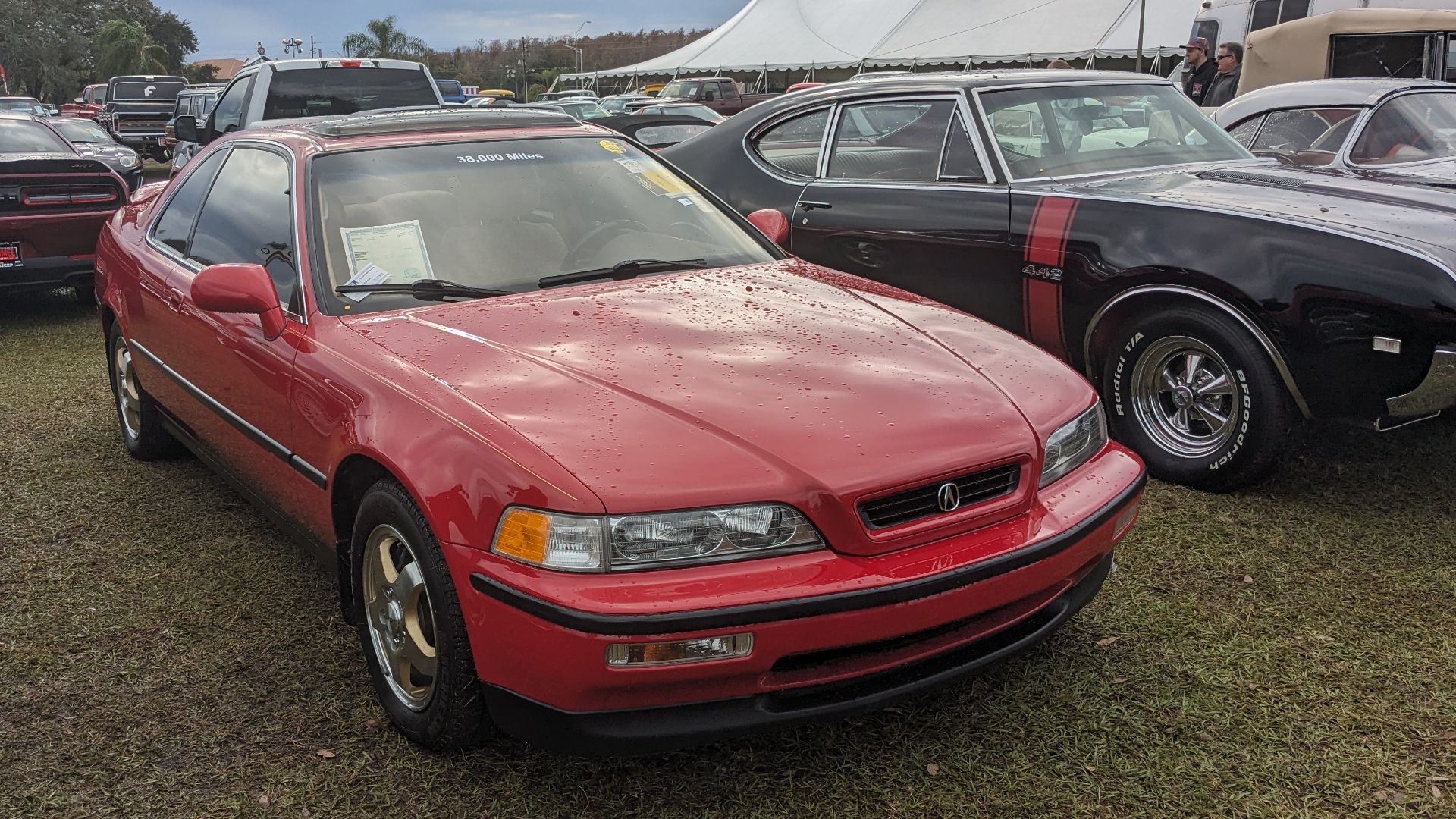 Pokemonprime, Wikimedia Commons
The Cars We Ignored Became The Ones We Miss
Most of these vehicles were never exotic enough to preserve simply because they were special. They were commuters, family cars, inexpensive coupes, and everyday SUVs that accumulated miles until newer vehicles replaced them. That ordinary status is exactly why seeing one today can bring the 1990s rushing back.
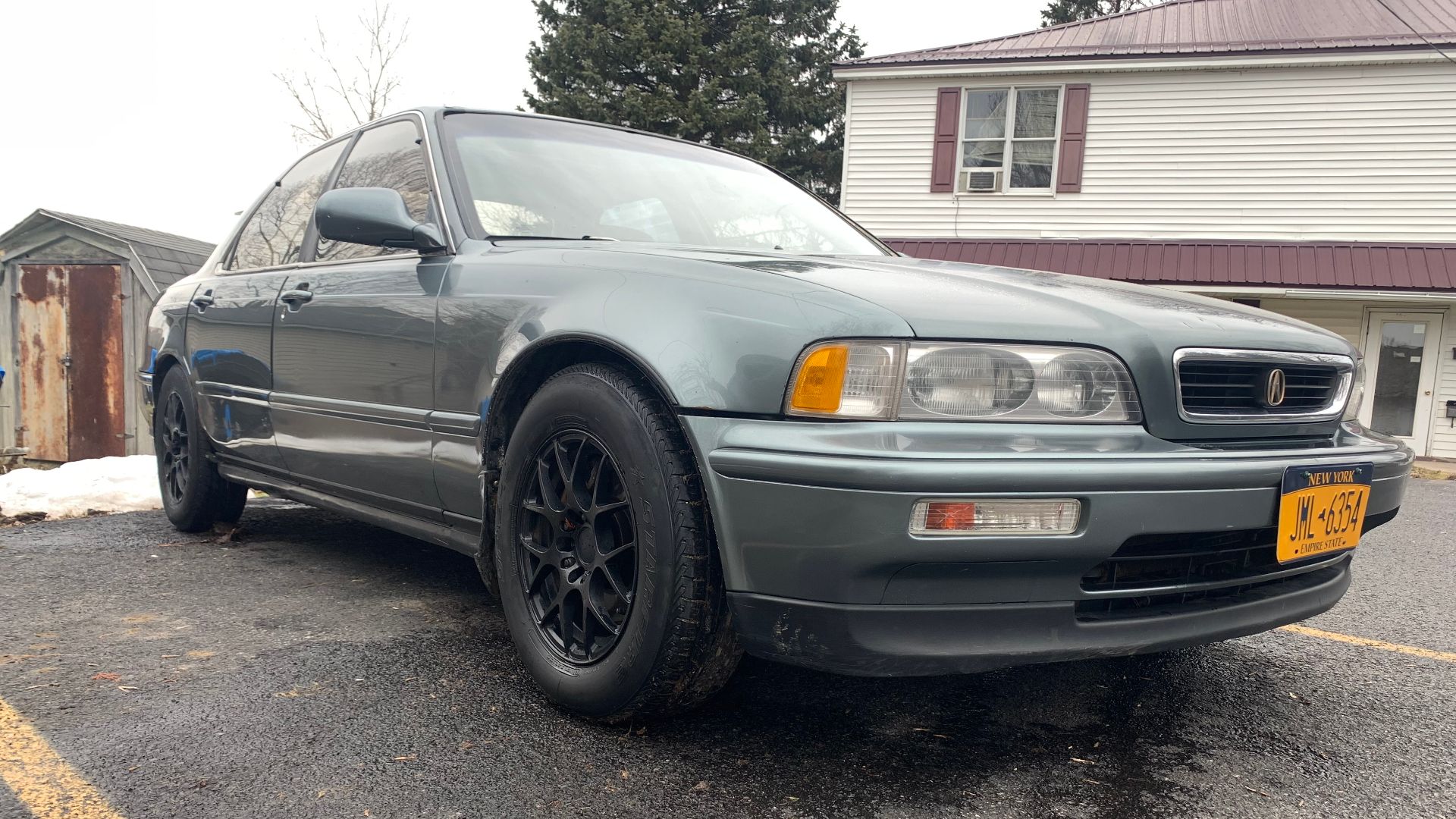 Dimarcomafia, Wikimedia Commons
You May Also Like:
Only Real Gearheads Can Name These Forgotten SUVs From One Rear-End Clue—How Many Do You Recognize?
Cars That Looked Boring In The 1990s, But Became Secret Enthusiast Favorites
Sports Cars Every Kid Dreamed About In The 1990s—Which One Was On Your Bedroom Wall?
Sources: 1, 2, 3, 4, 5, 6, 7, 8, 9, 10, 11, 12, 13, 14, 15, 16, 17, 18, 19