The Minivan Changed Family Travel Forever
Before SUVs became the default family vehicle, the minivan transformed how Americans traveled. Starting in the mid-1980s, these roomy, easy-to-drive vans replaced station wagons in countless driveways by combining car-like handling with space for kids, cargo, and road trips. For millions of families, they became part of everyday life.
Chrysler Created The Modern Minivan
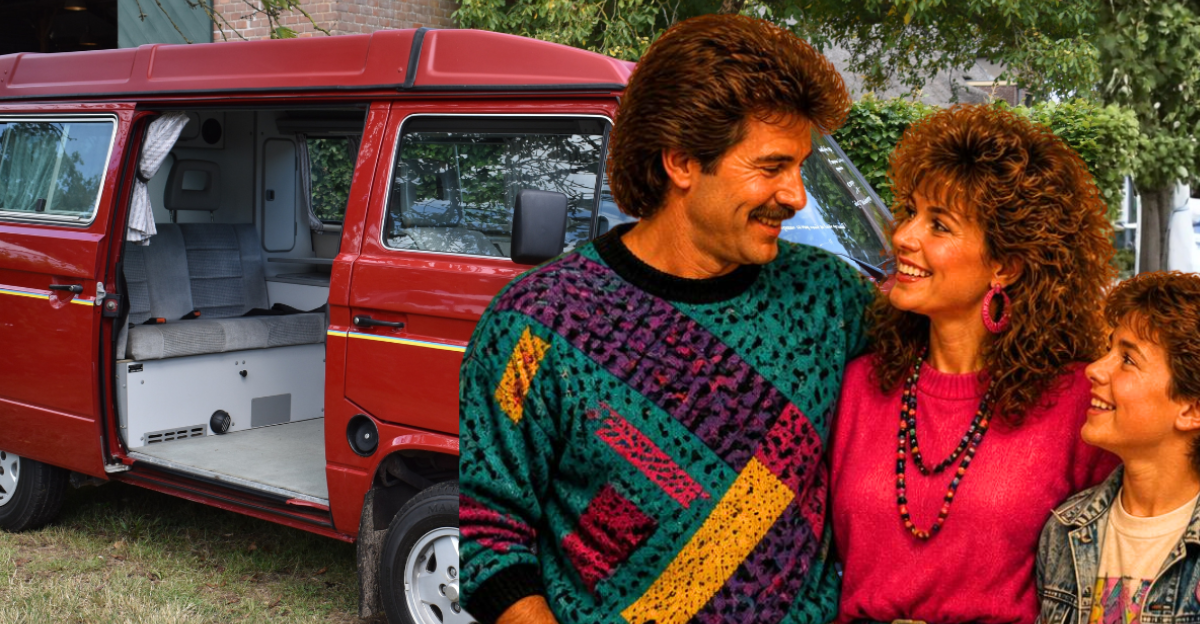
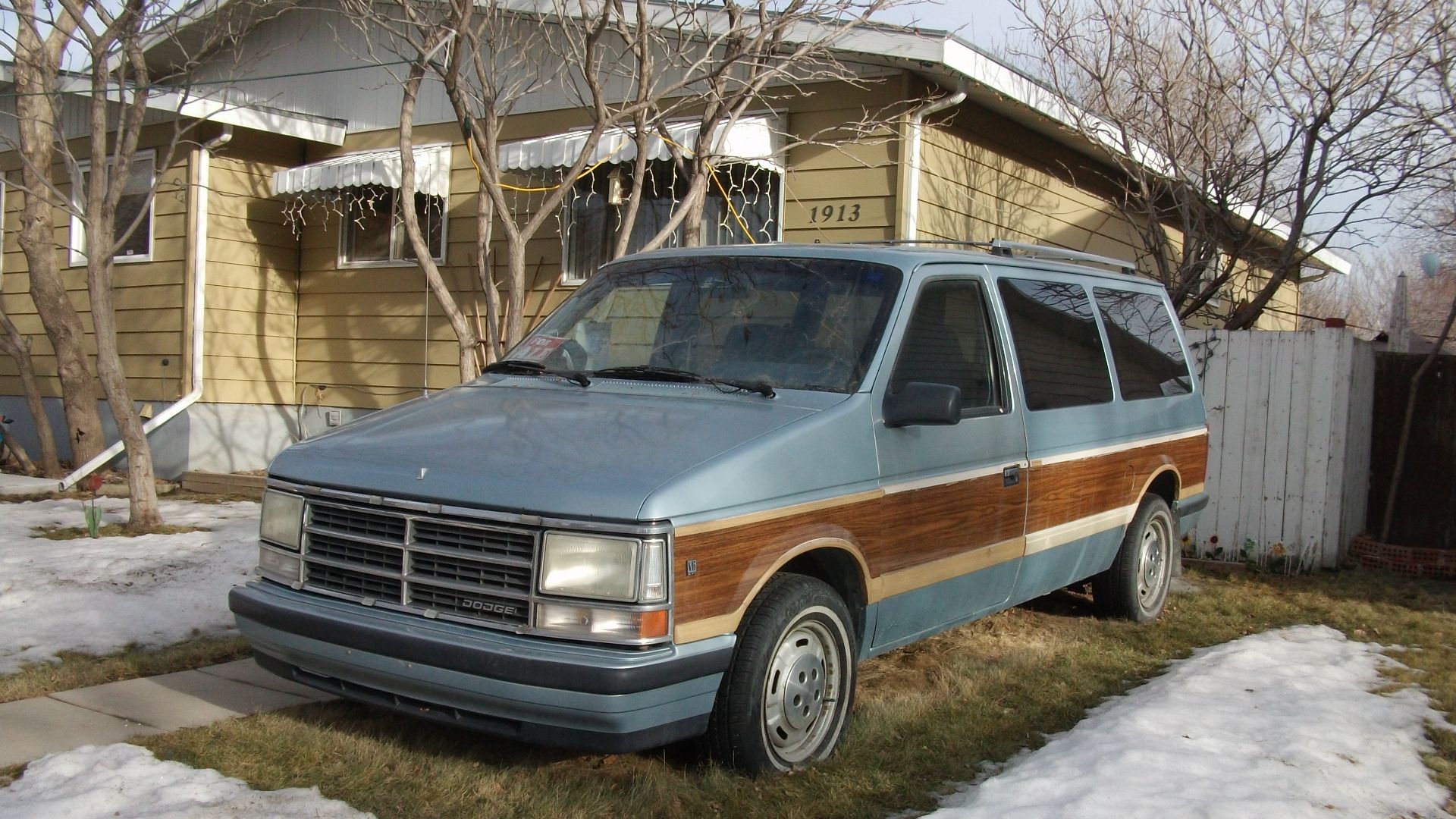
When Chrysler introduced the 1984 Dodge Caravan and Plymouth Voyager, it effectively created the modern American minivan. Built with front-wheel drive, a low floor, and a sliding side door, they were easier to load than traditional vans while still seating up to seven people. Their success quickly convinced every major automaker to build a competitor.
Dodge Caravan Became The Neighborhood Favorite
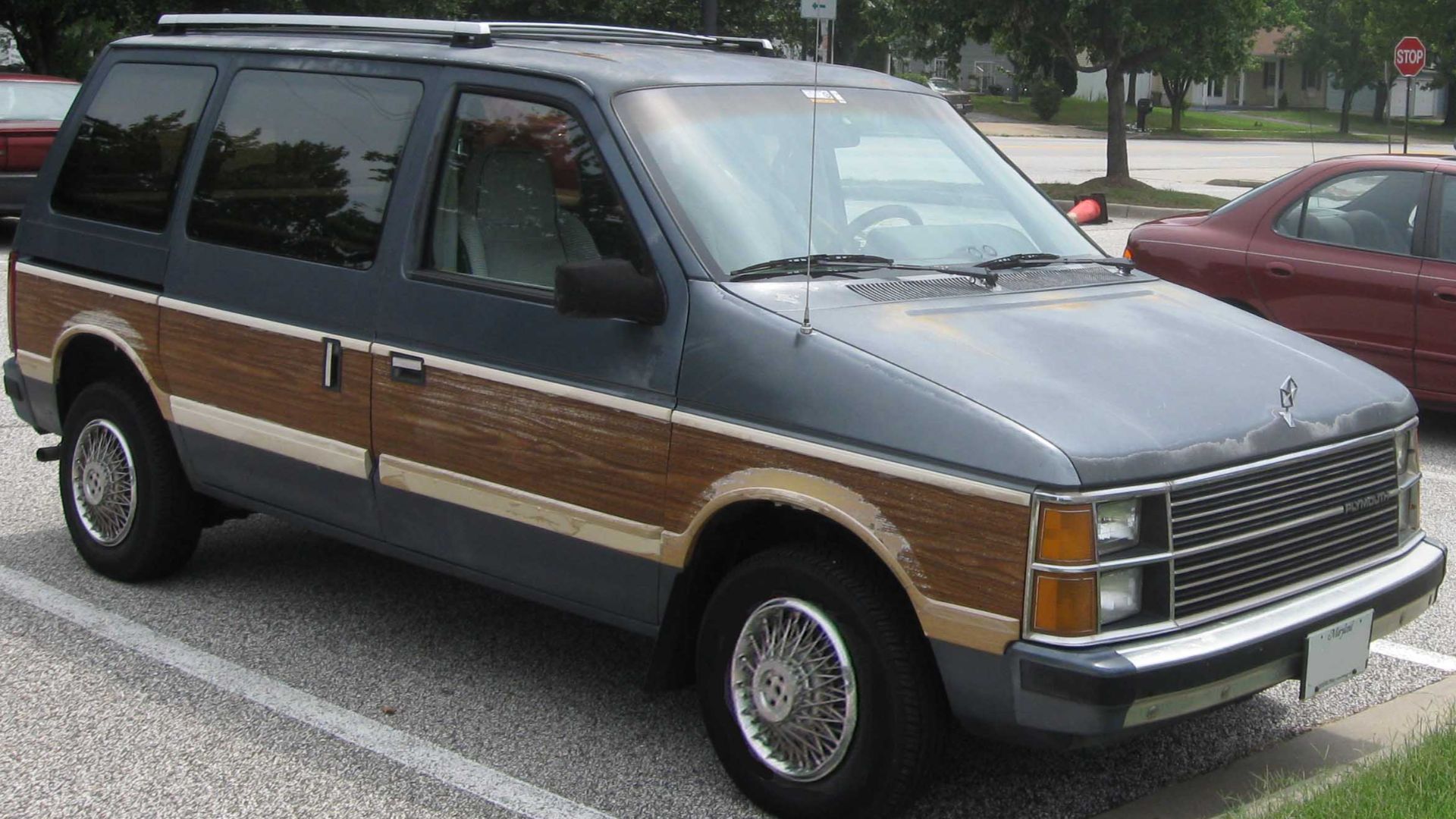
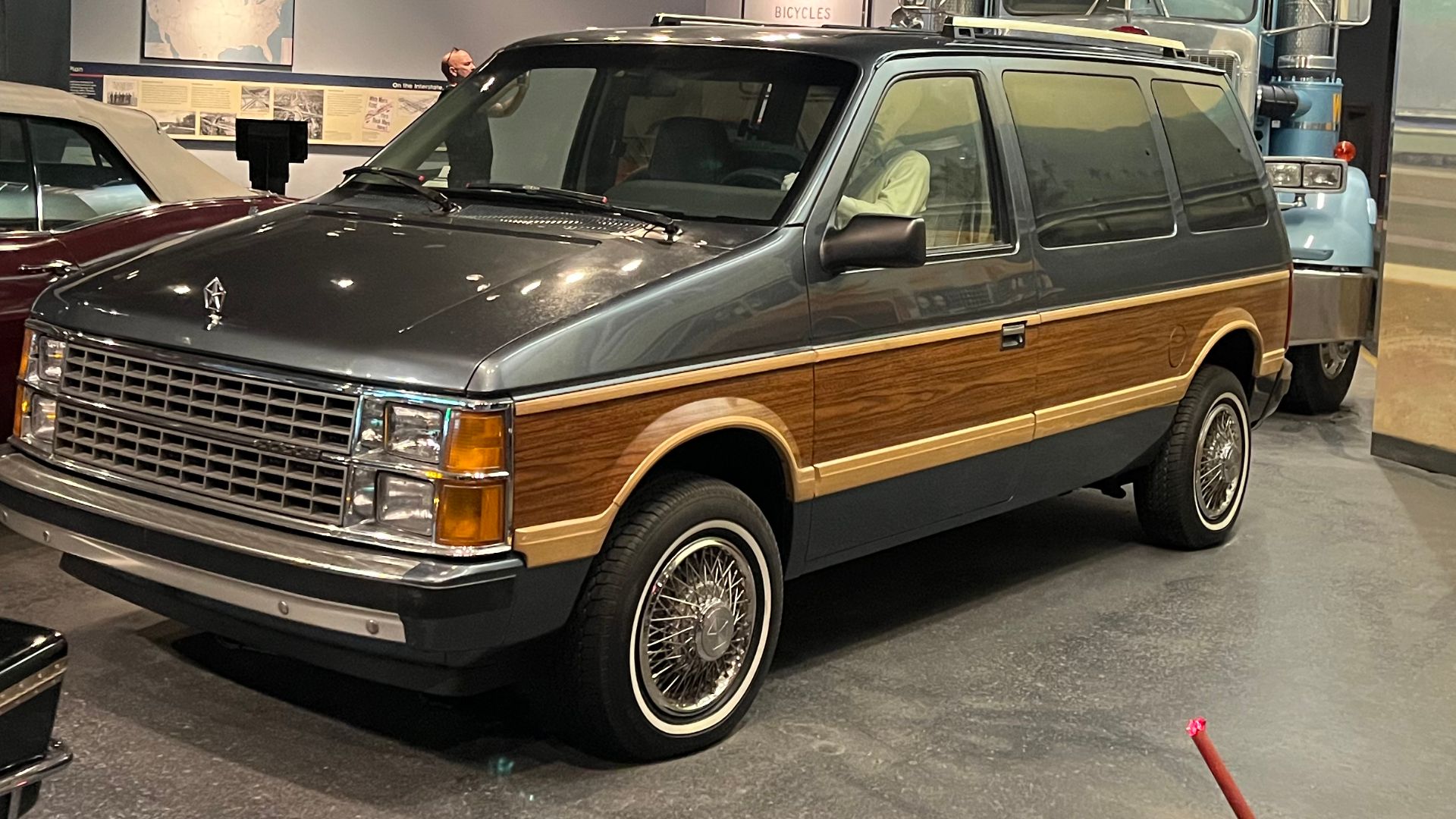
The Dodge Caravan quickly became one of America's most recognizable family vehicles. Parents appreciated its practical layout, generous cargo room, and affordable price, while children remembered countless vacations spent in the back seats. It remained one of Chrysler's most successful nameplates for decades.
 lostplanetcomics1, Wikimedia Commons
Plymouth Voyager Helped Launch A Revolution
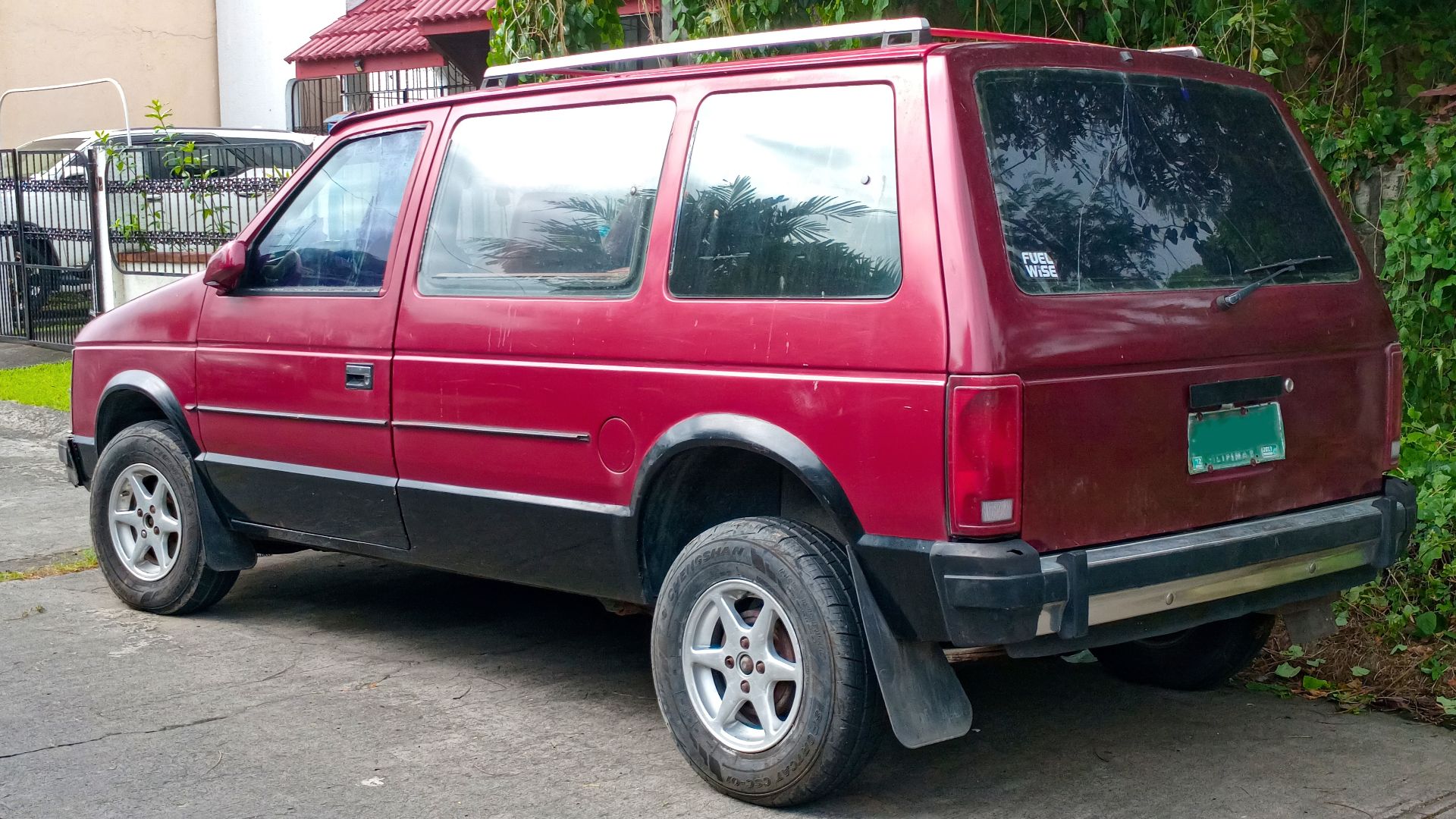
The Plymouth Voyager shared nearly everything with the Caravan but appealed to a slightly different audience through Plymouth dealerships. Together, the two models dominated the early minivan market and helped establish an entirely new vehicle segment that competitors rushed to enter.
 Ethan Llamas, Wikimedia Commons
Chrysler Town & Country Added Luxury
Families who wanted more upscale features gravitated toward the Chrysler Town & Country. It offered woodgrain trim, plush interiors, and premium options rarely found in family transportation at the time. It proved that practicality and comfort could coexist in a people mover.
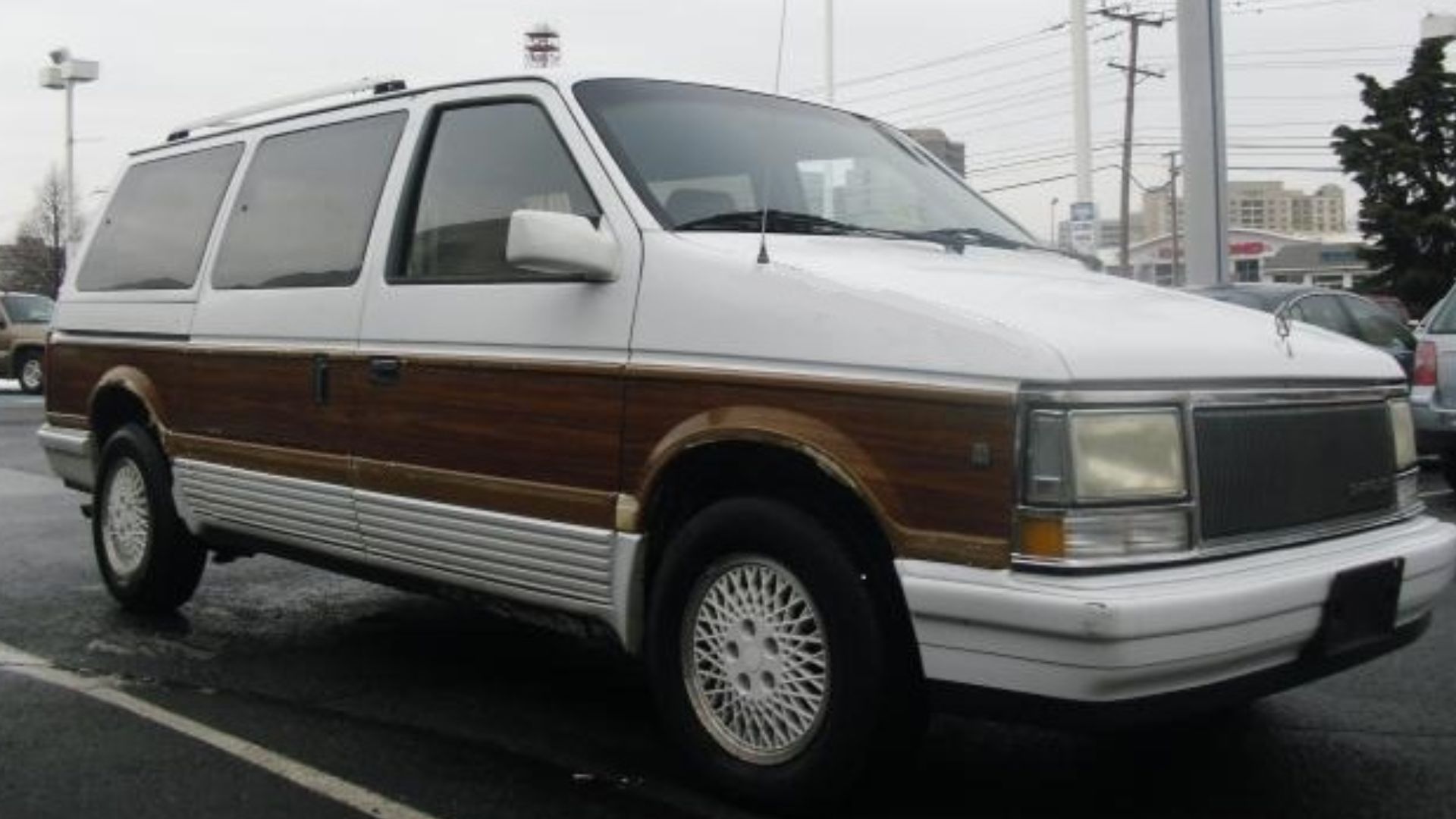 GotAfastcar, Wikimedia Commons
Ford Aerostar Took A Different Approach
Rather than copying Chrysler's front-wheel-drive formula, Ford built the Aerostar on a rear-wheel-drive platform with truck-inspired engineering. It appealed to buyers who wanted greater towing capability while still needing three rows of seating. The Aerostar became a familiar sight throughout the late 1980s and early 1990s.
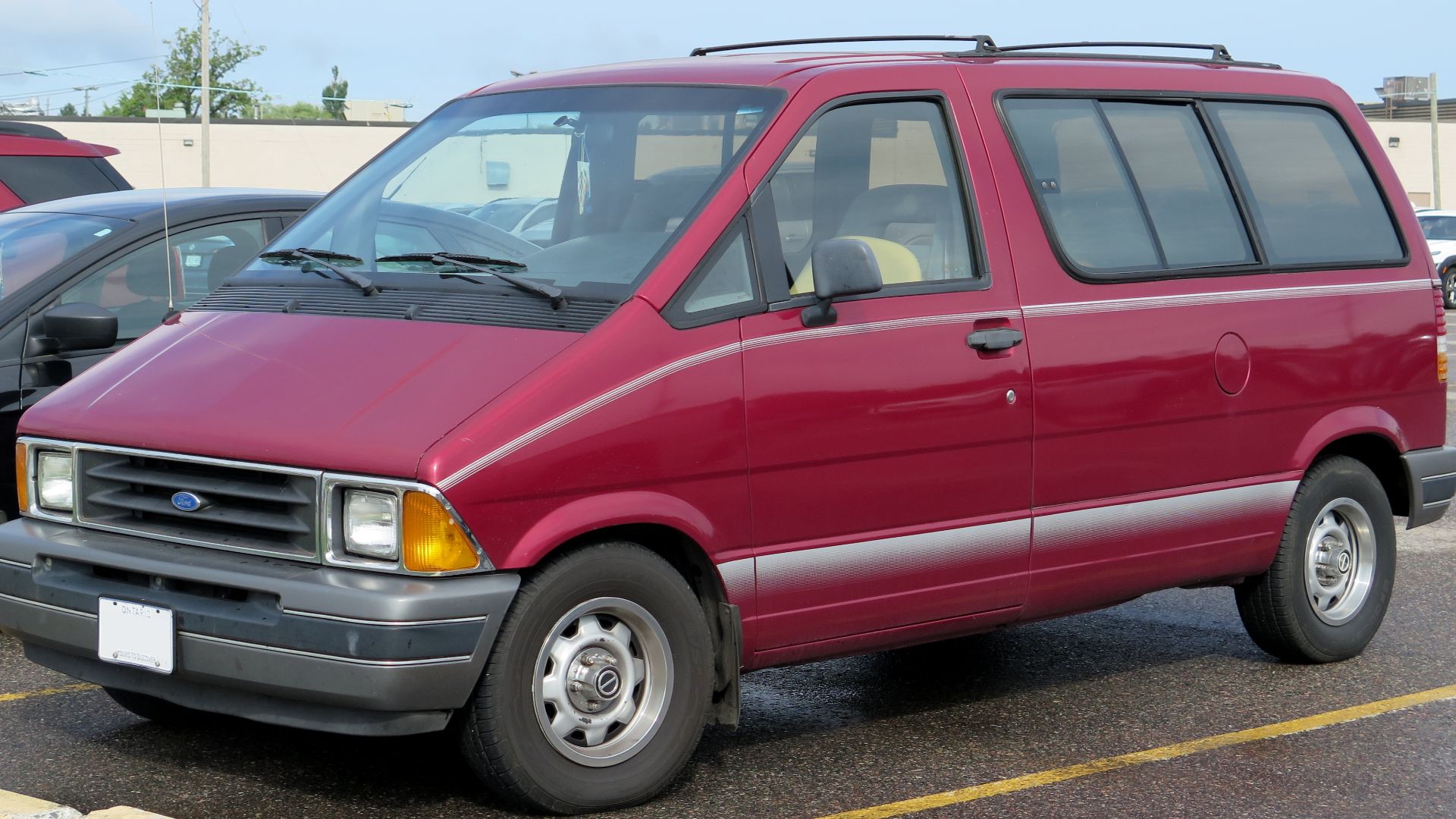
Chevrolet Astro Balanced Work And Family
The Chevrolet Astro blurred the line between work van and family vehicle. Its sturdy rear-wheel-drive design made it popular with buyers who occasionally towed trailers or carried heavy loads, yet it still comfortably transported growing families. It carved out its own loyal following despite Chrysler's dominance.
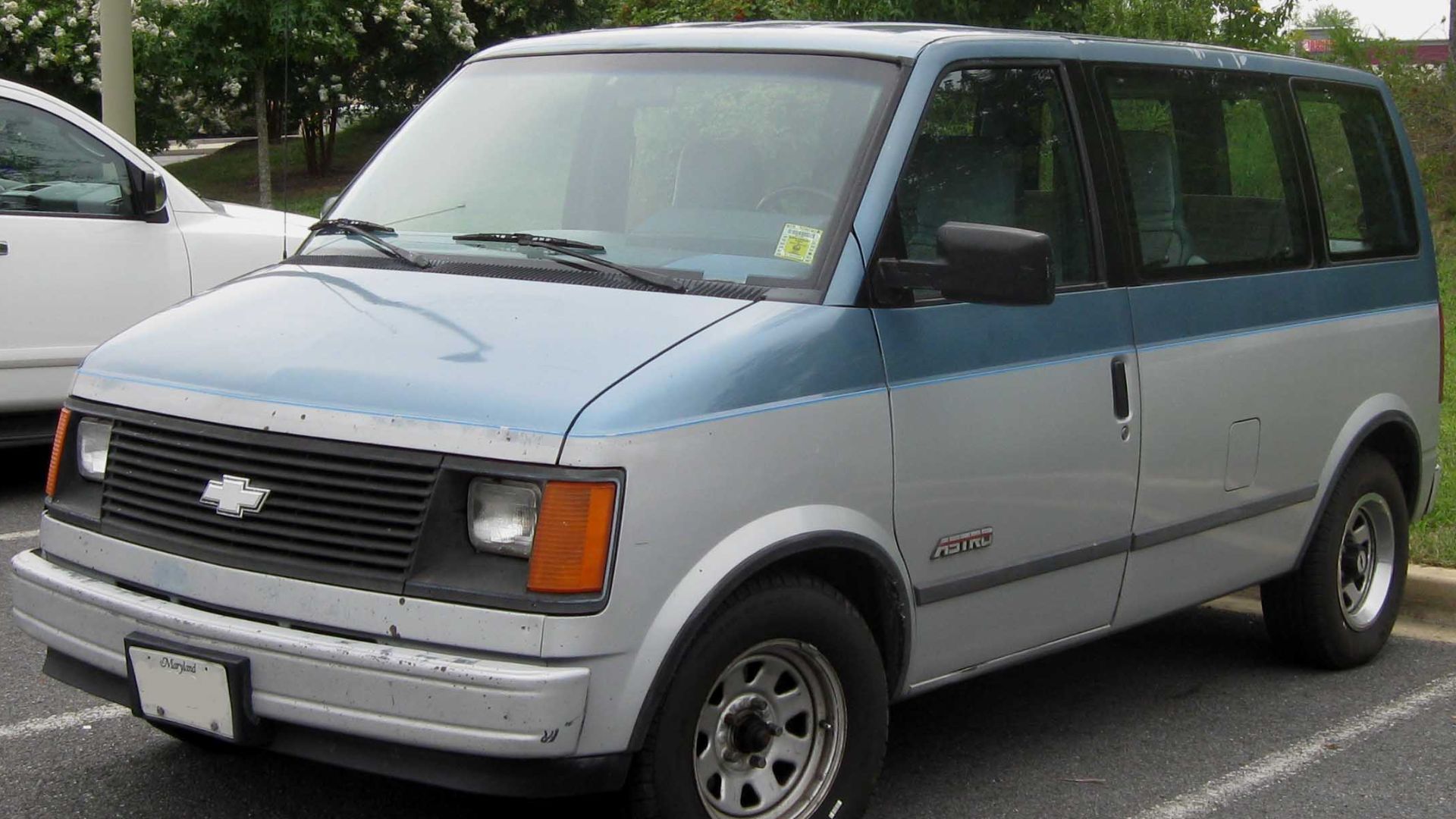
GMC Safari Was Astro's Twin
Mechanically identical to the Astro, the GMC Safari offered nearly the same capability with slightly different styling and trim levels. Buyers who preferred GMC dealerships often chose the Safari, making it another common fixture in suburban neighborhoods throughout the late 1980s and 1990s.
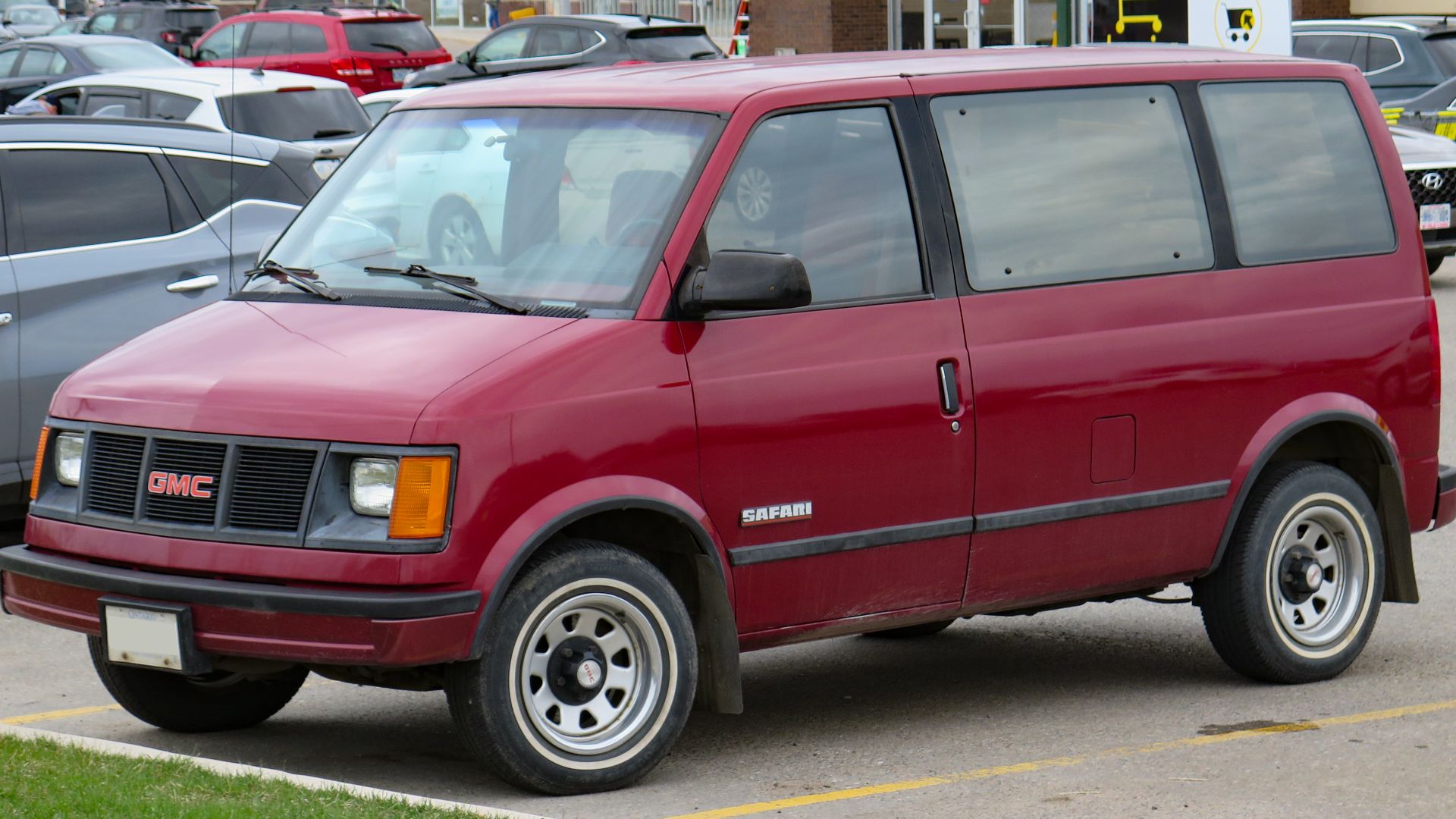
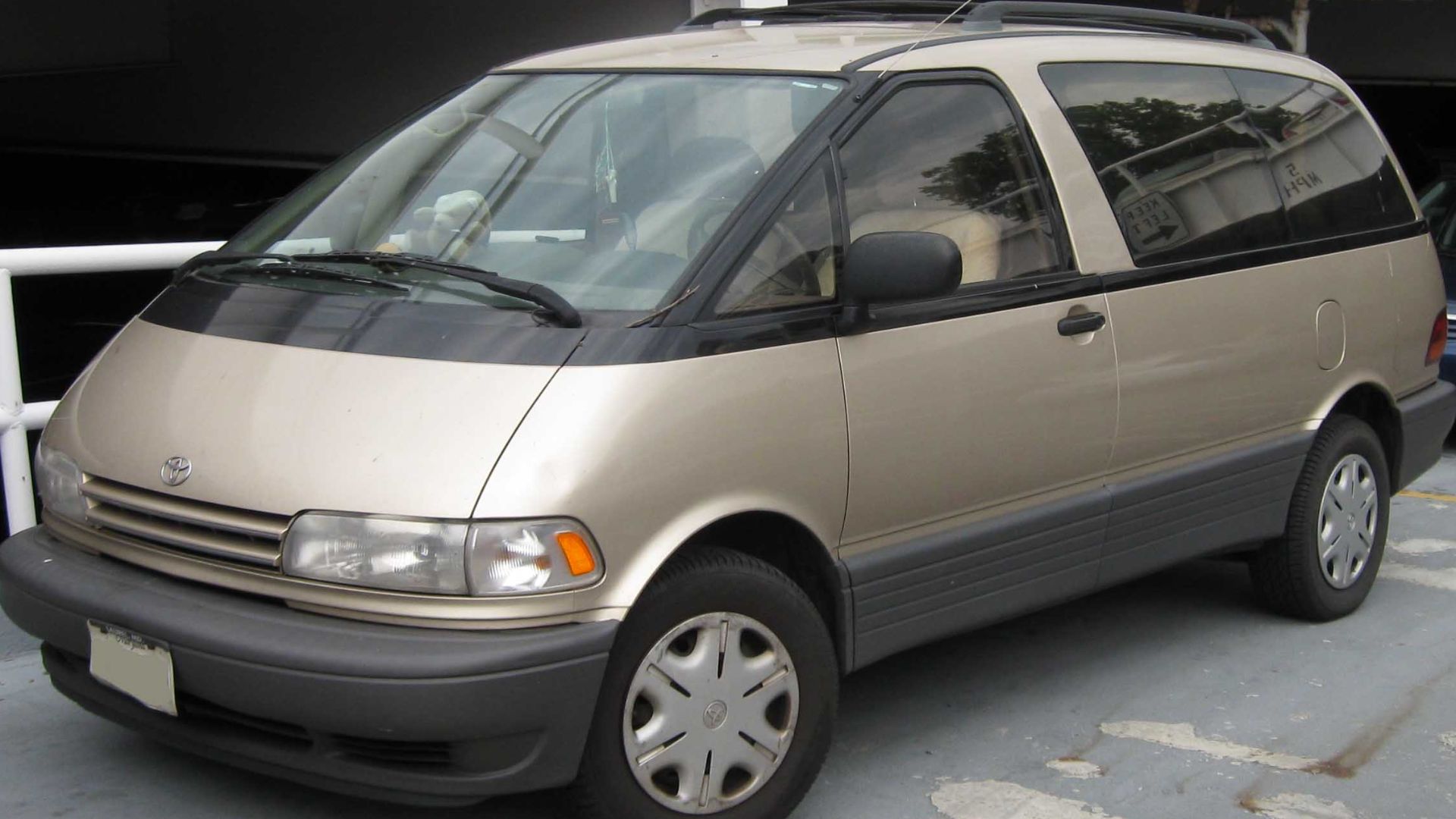
Toyota Previa Looked Like It Came From The Future
When Toyota introduced the Previa for 1991, it immediately stood out thanks to its rounded, egg-shaped styling. Its unusual mid-engine layout gave it excellent weight distribution while providing a spacious cabin. Even decades later, the Previa remains one of the most distinctive minivans ever built.
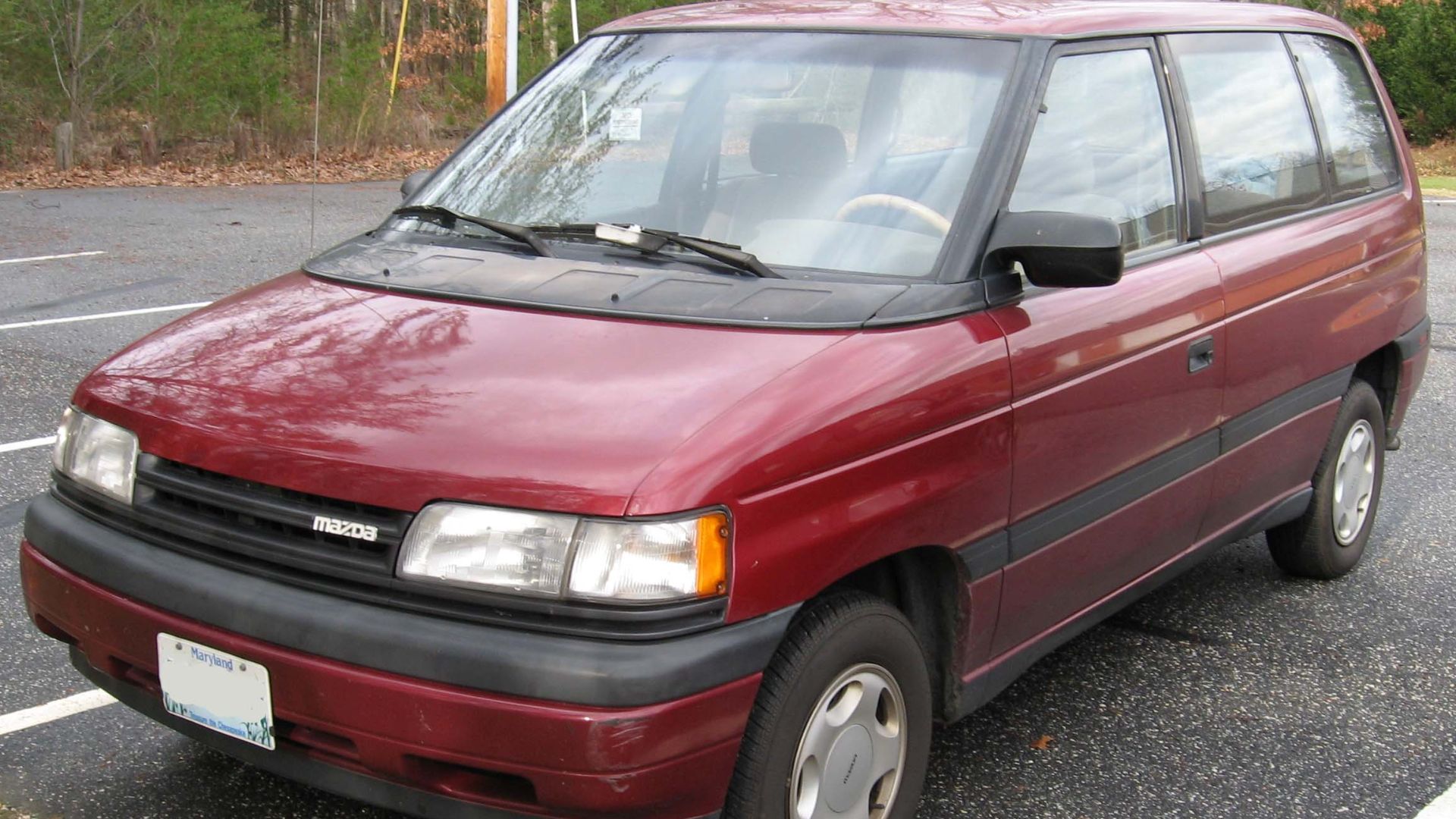
Mazda MPV Offered Something Different
Mazda entered the segment with the MPV in 1989, offering available four-wheel drive and optional V6 power. Unlike many rivals, early MPVs used a conventional passenger door on one side rather than dual sliding doors, giving the van a unique personality while still delivering family-friendly practicality.
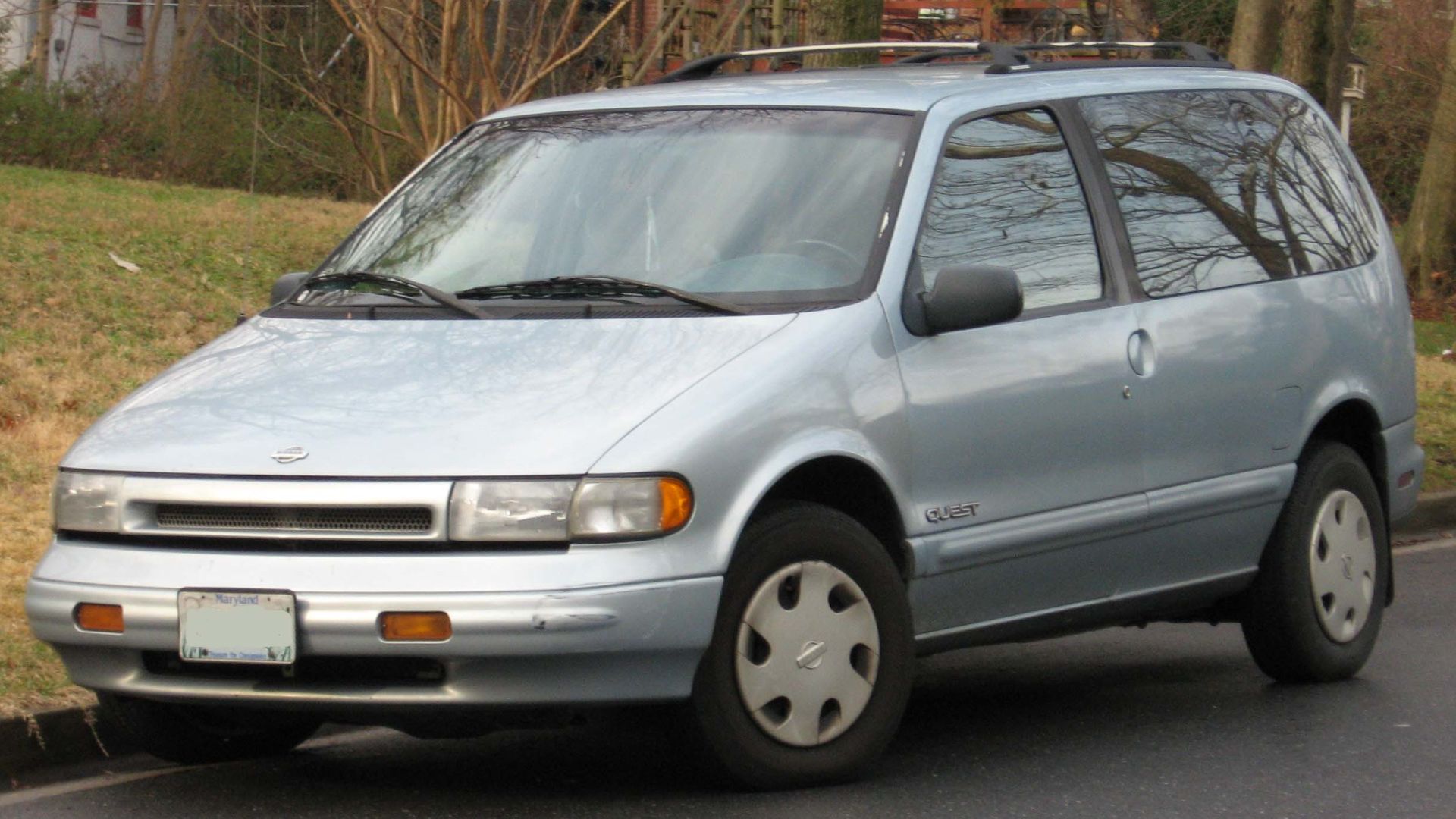
Nissan Quest Arrived With Ford's Help
The Nissan Quest debuted for the 1993 model year through a joint venture between Nissan and Ford. Sharing much of its engineering with the Mercury Villager, it brought Japanese reliability and a more refined driving experience to buyers looking beyond the domestic brands.
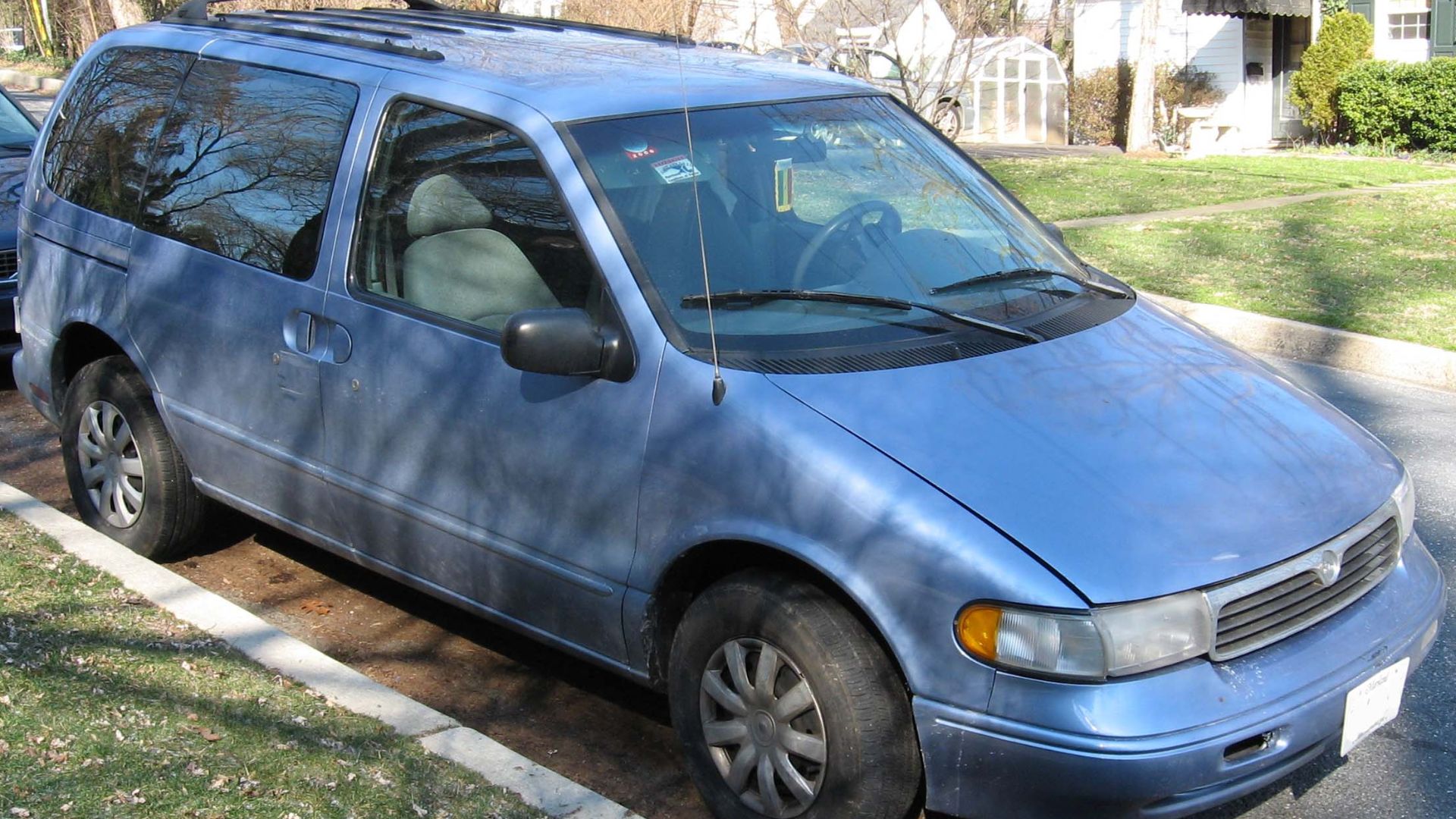
Mercury Villager Offered An Upscale Alternative
Ford sold its version of the Quest as the Mercury Villager. With softer styling and more premium trim, it appealed to families wanting something a little different without sacrificing practicality. It became one of Mercury's best-known vehicles during the 1990s.
Chevrolet Lumina APV Broke Every Styling Rule
General Motors shocked buyers when it introduced the Chevrolet Lumina APV in 1990. Nicknamed the "Dustbuster" because of its wedge-shaped nose, it featured futuristic styling unlike anything else on the road. While opinions were divided, nobody confused it with another minivan.
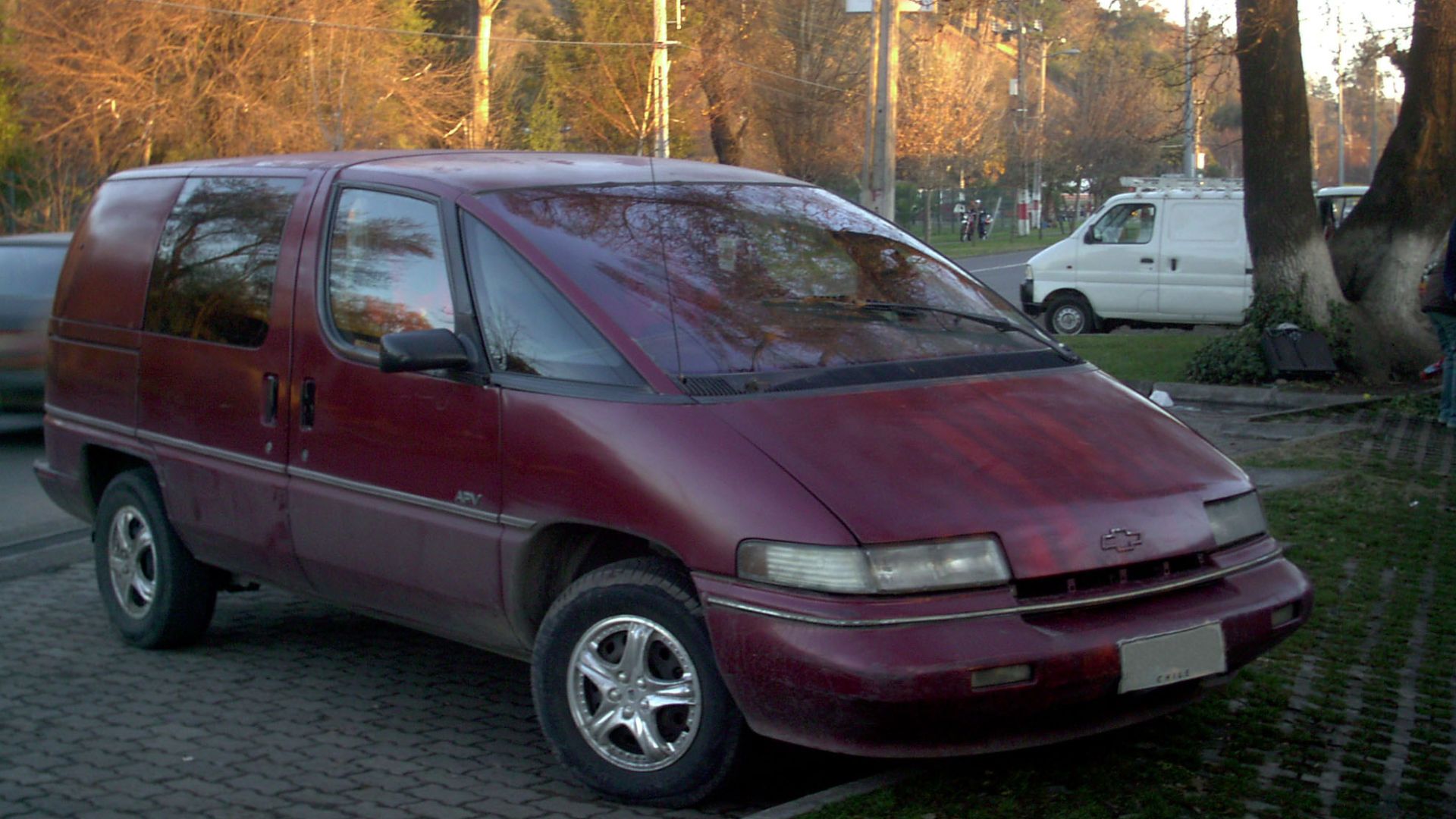 order_242 from Chile, Wikimedia Commons
Pontiac Trans Sport Shared The Same Bold Design
The Pontiac Trans Sport used the same futuristic platform as the Lumina APV but added Pontiac's sporty branding. Its dramatic windshield and angular shape made it one of the most recognizable family vehicles of the early 1990s, even if its styling proved controversial.
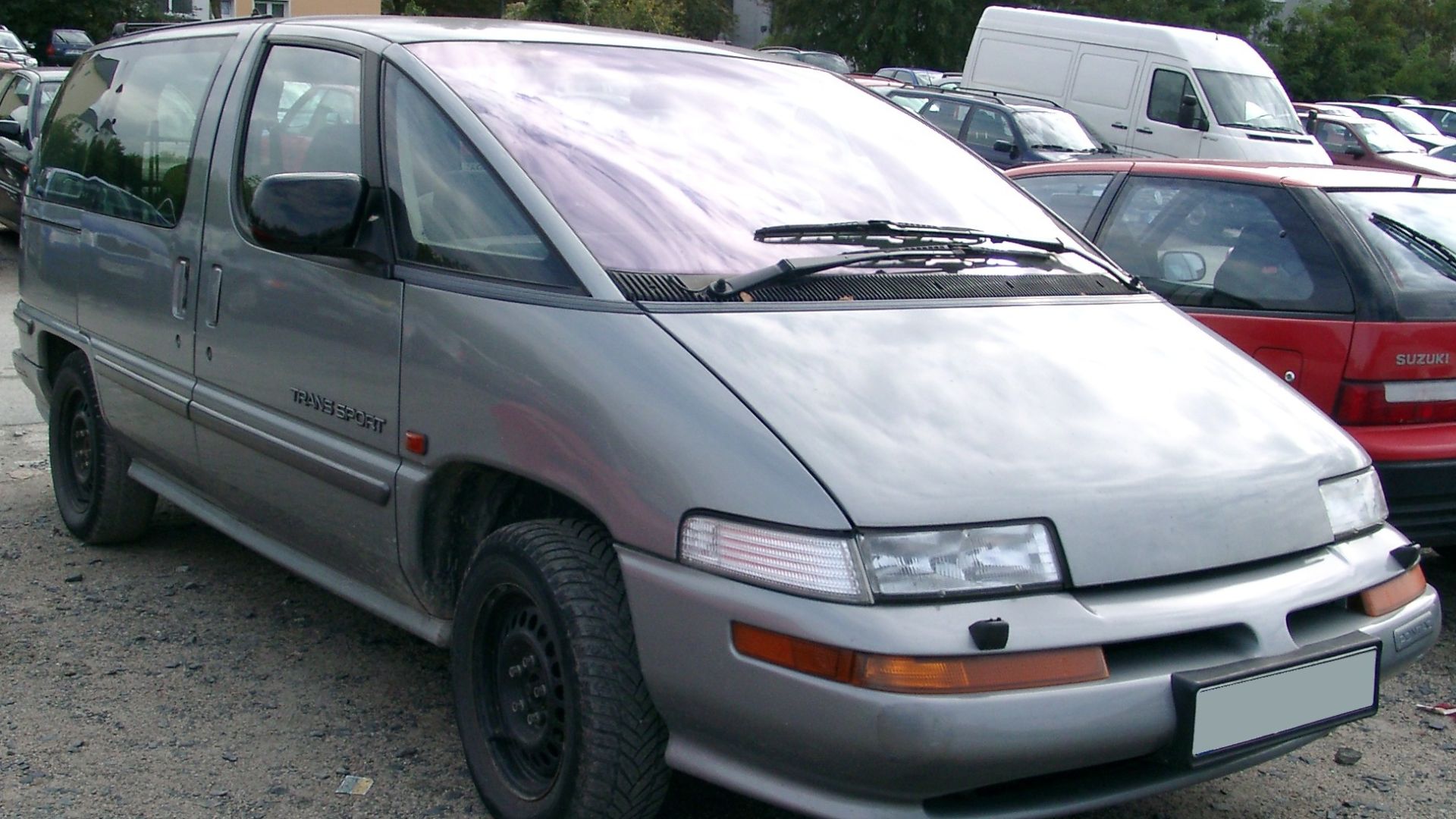 Rudolf Stricker, Wikimedia Commons
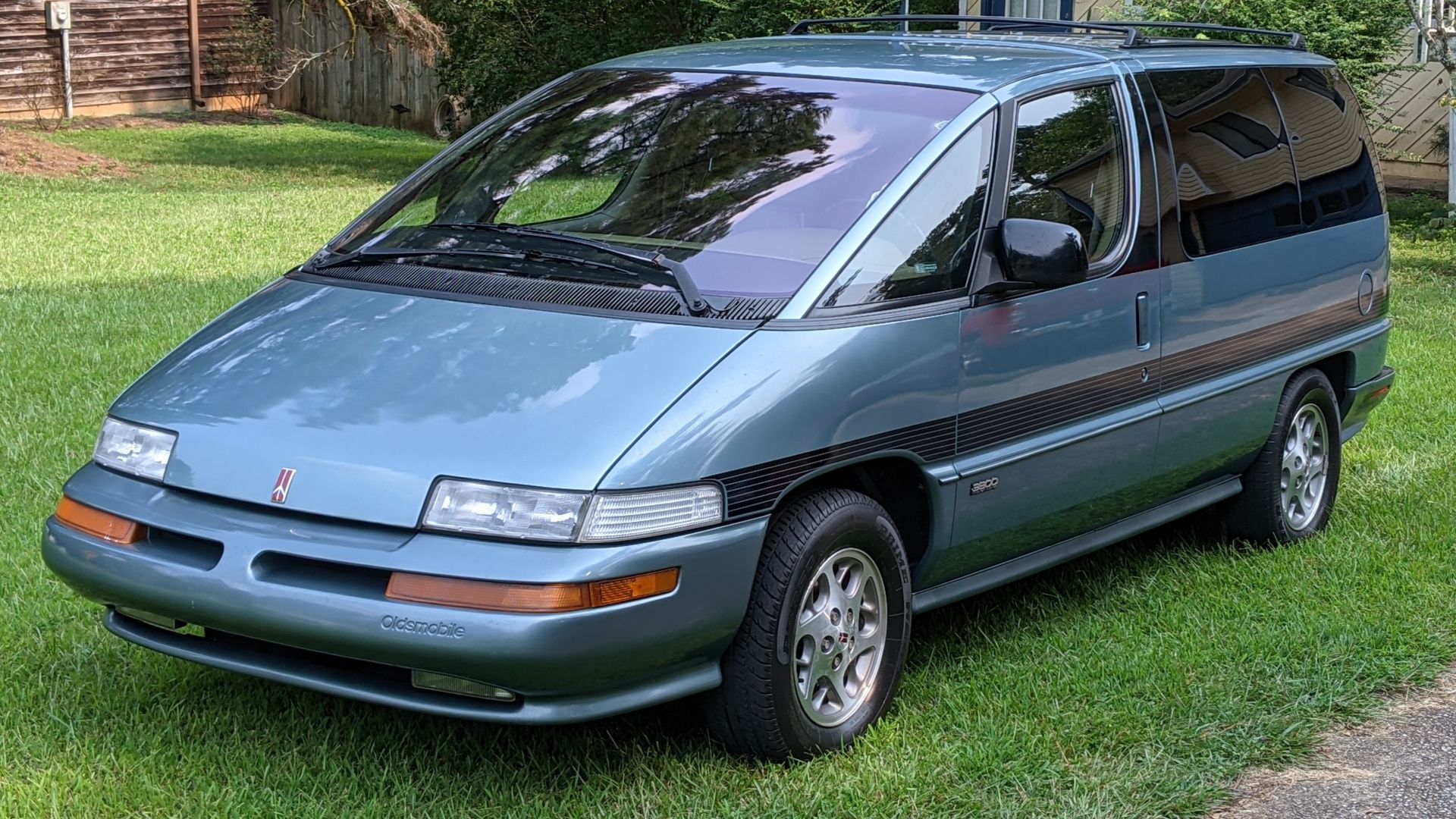
Oldsmobile Silhouette Marketed Premium Comfort
Oldsmobile completed General Motor's trio with the Silhouette, advertising it as "the Cadillac of minivans." Higher-end interior materials and additional features targeted buyers seeking extra comfort while still needing room for kids, groceries, and sports equipment.
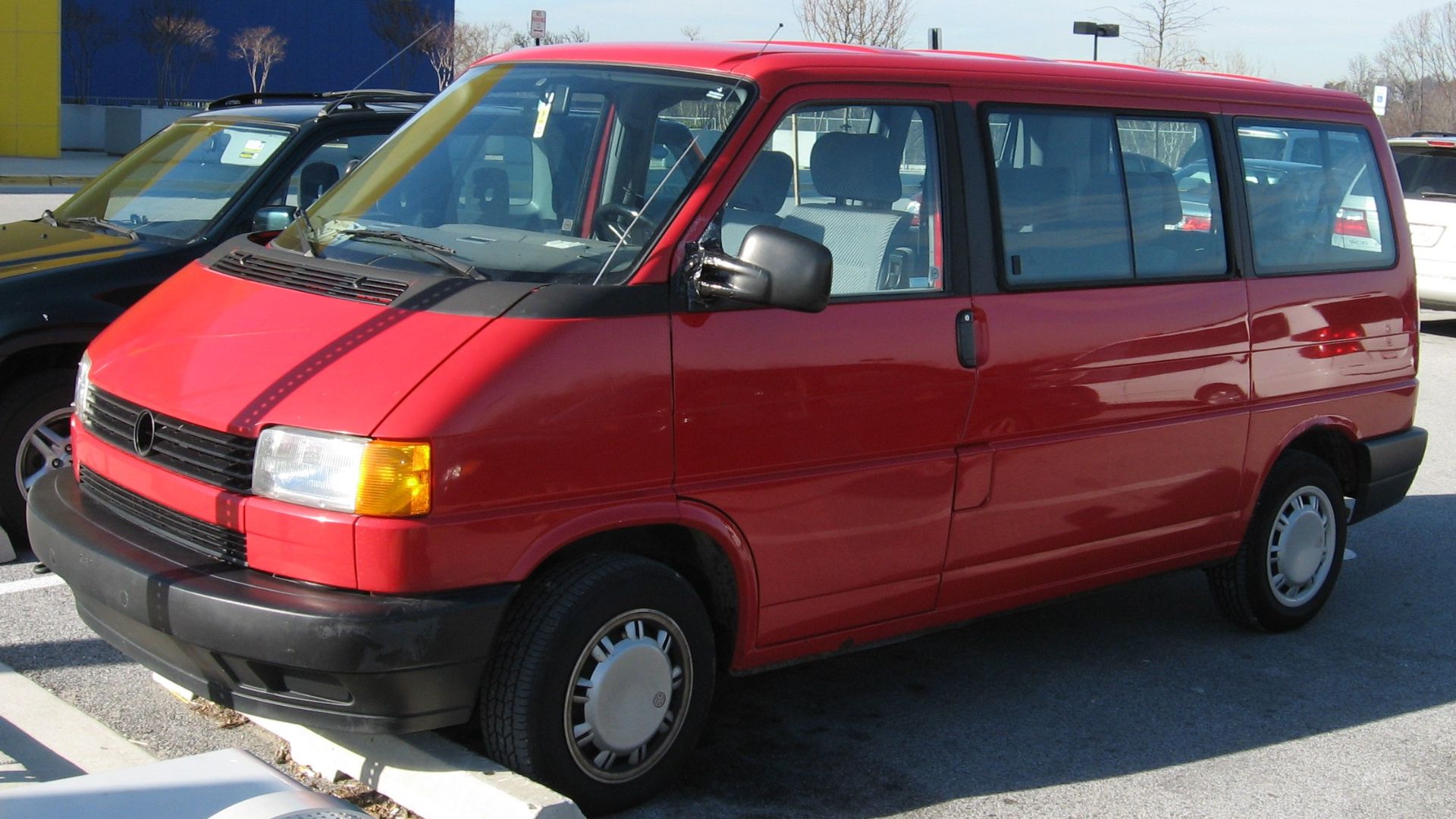
Volkswagen Eurovan Brought European Flavor
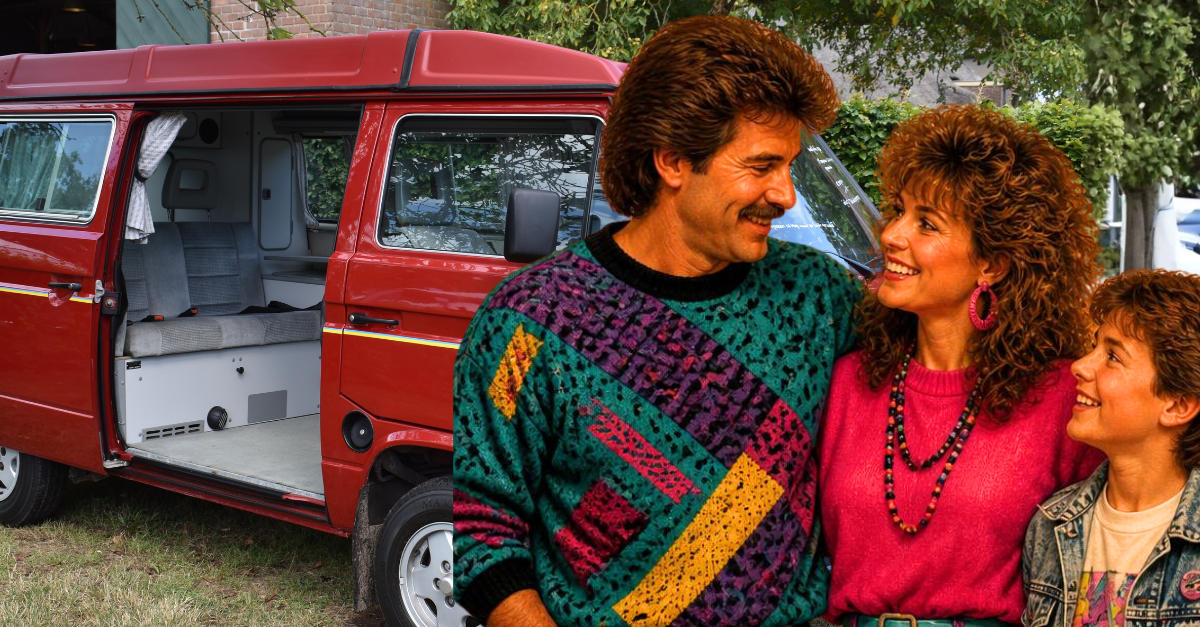
Volkswagen introduced the Eurovan to North America during the early 1990s with front-wheel drive, flexible seating, and European engineering. It differed from American rivals in both styling and driving feel, giving families another practical option beyond Detroit's offerings.
Toyota Van Helped Bridge The Gap
Before the Previa arrived, Toyota sold the simply named Toyota Van in North America. Derived from a commercial vehicle sold overseas, it featured a compact footprint and cab-forward design that made excellent use of interior space despite its relatively small size.
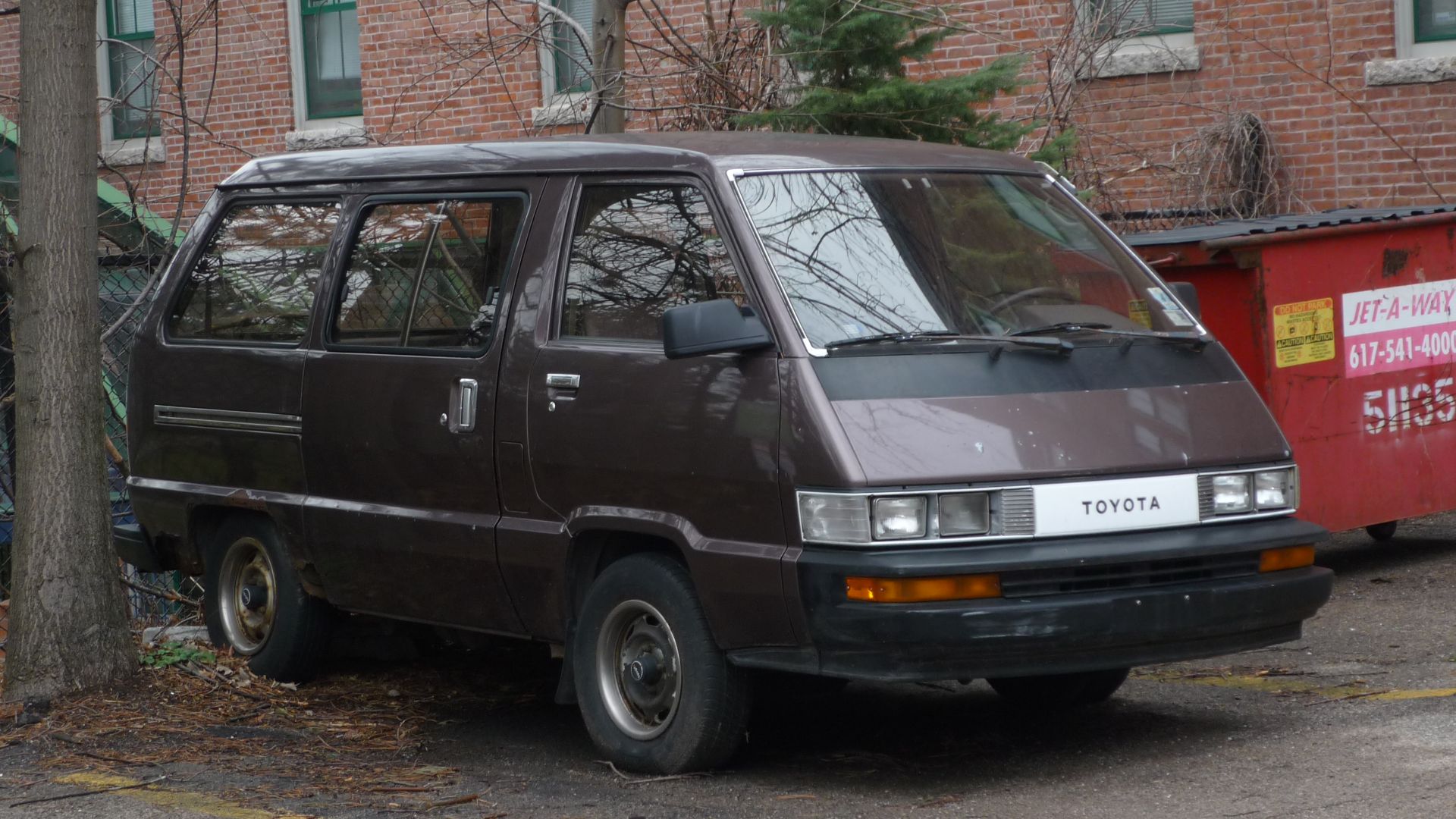 Jason Lawrence from New York, Wikimedia Commons
Sliding Doors Became A Parenting Superpower
One of the biggest reasons minivans became so popular was the sliding door. Parents could load children in crowded parking lots without worrying about swinging doors into neighboring cars. Combined with a low step-in height, it made everyday errands dramatically easier.
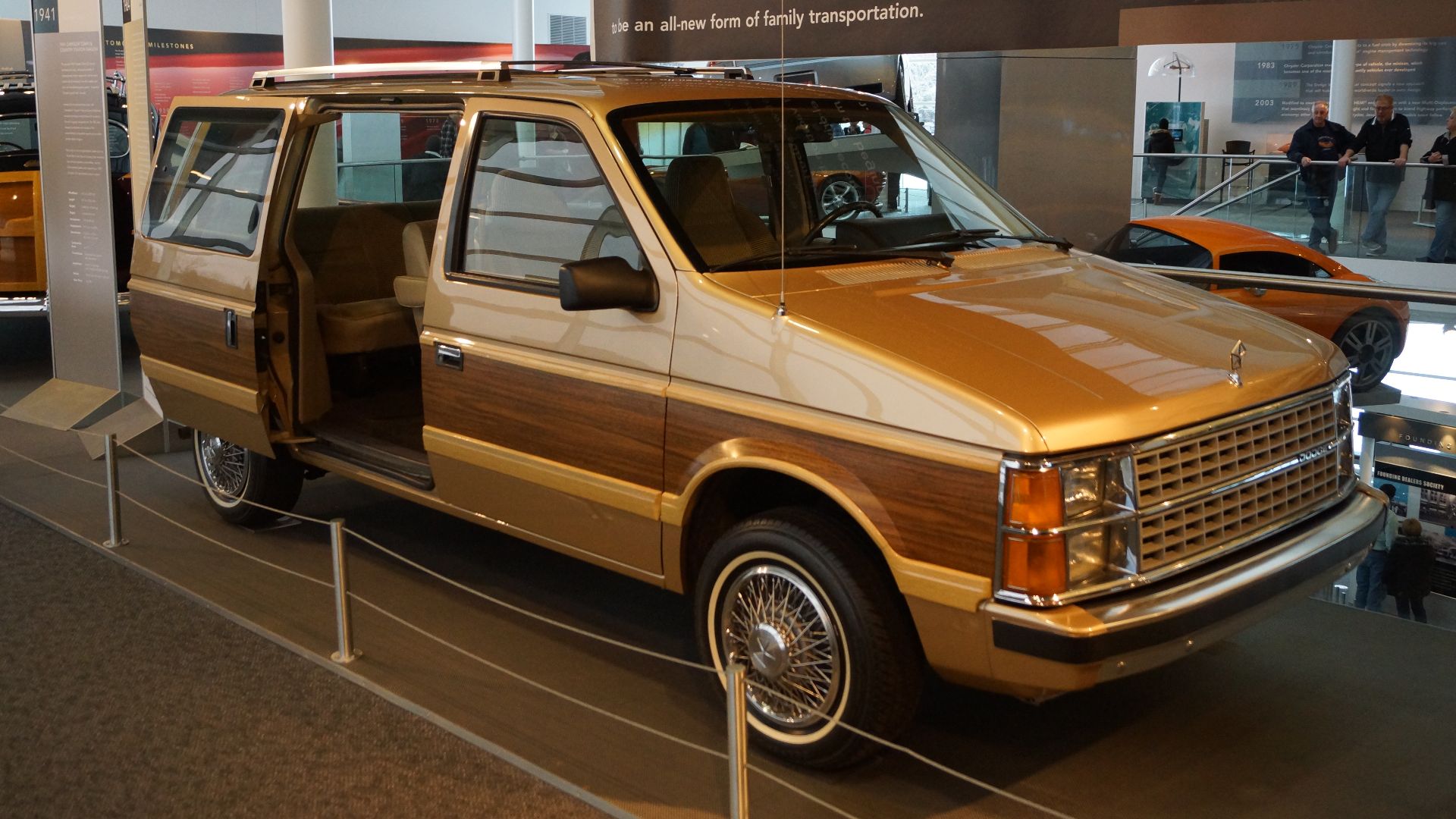 Greg Gjerdingen from Willmar, USA, Wikimedia Commons
Station Wagons Slowly Disappeared
As minivan sales climbed throughout the late 1980s, traditional full-size station wagons steadily faded from American roads. Families appreciated the higher seating position, flexible cargo space, and improved passenger access, making the minivan the new default family vehicle for much of the 1990s.
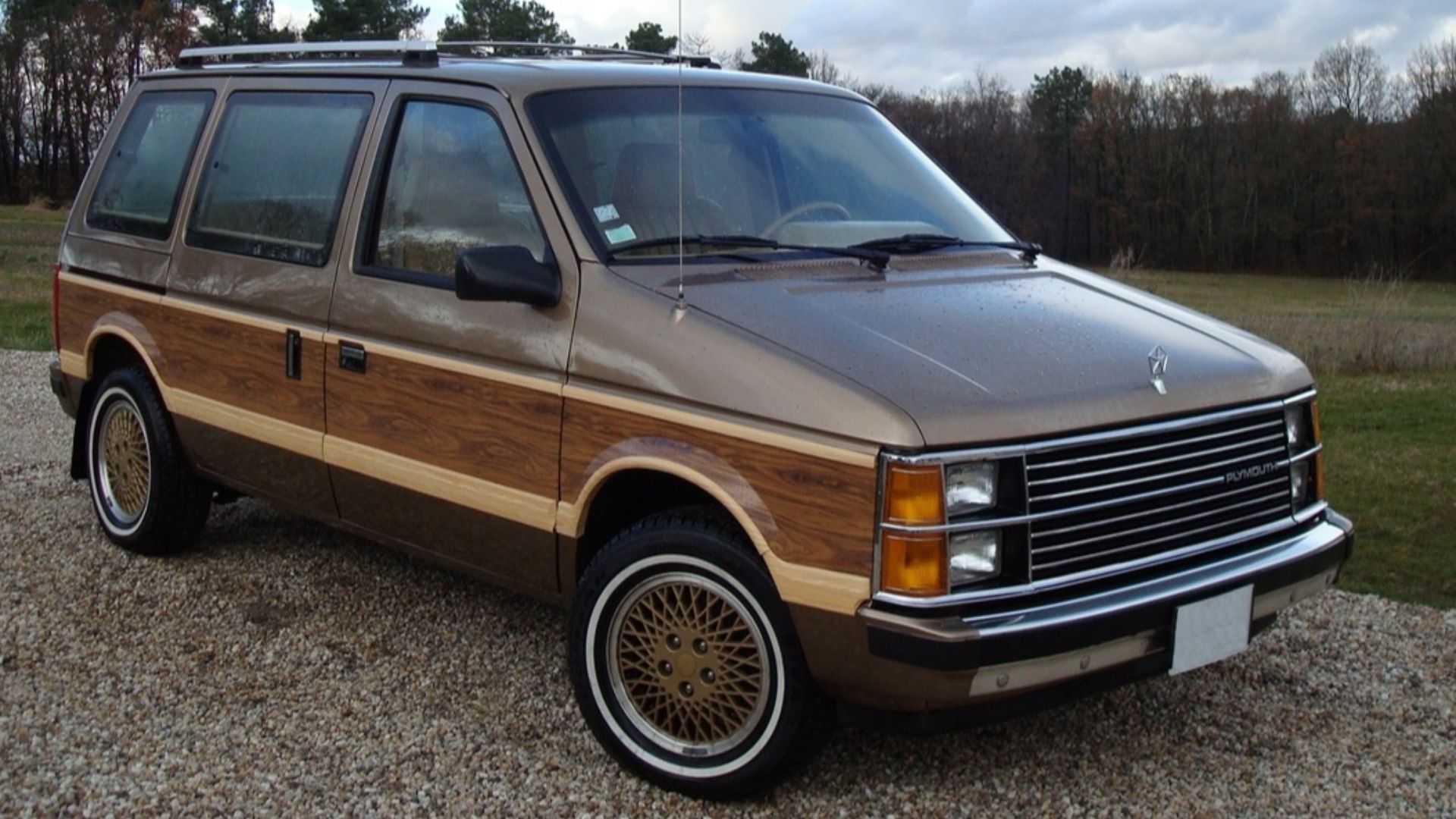 CetteUneVoiture, Wikimedia Commons
Then SUVs Changed Everything
By the late 1990s, SUVs began replacing minivans as America's preferred family transportation. Buyers increasingly wanted rugged styling and available four-wheel drive, even if they rarely left paved roads. Although minivans never disappeared, SUVs gradually became the dominant choice.
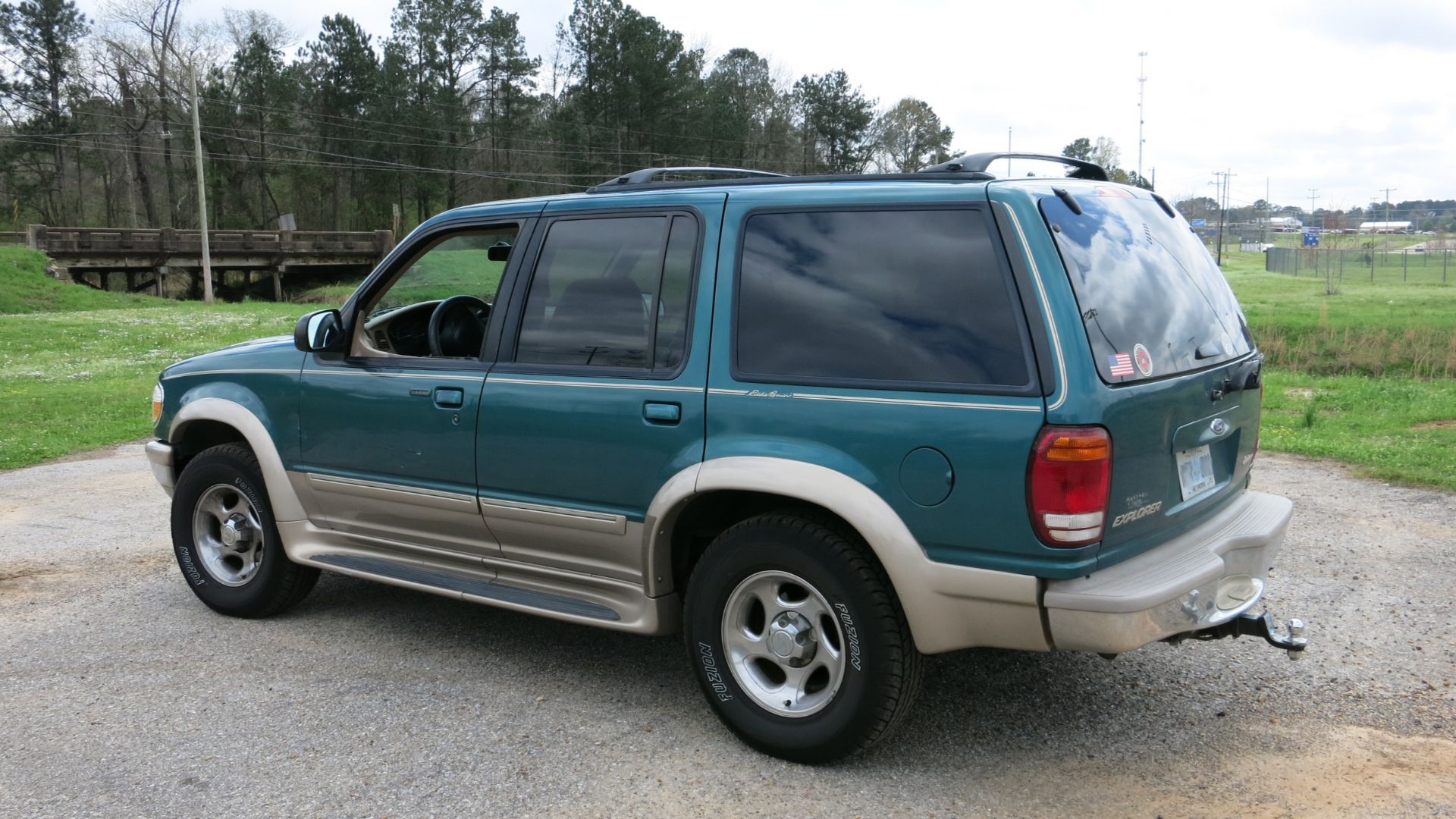
Their Legacy Still Lives On
Today's minivans owe nearly everything to those pioneering models from the 1980s and 1990s. Features like flat floors, flexible seating, sliding doors, and family-focused interiors remain central to the segment. Even in the SUV era, these classic vans helped redefine how American families traveled together.
 dave_7 from Lethbridge, Canada, Wikimedia Commons
You May Also Like:
Cars So Dangerous, The Government Had To Step In To Save Us All
Inside Bill Gates's Garage: These Are His Most Incredible Cars