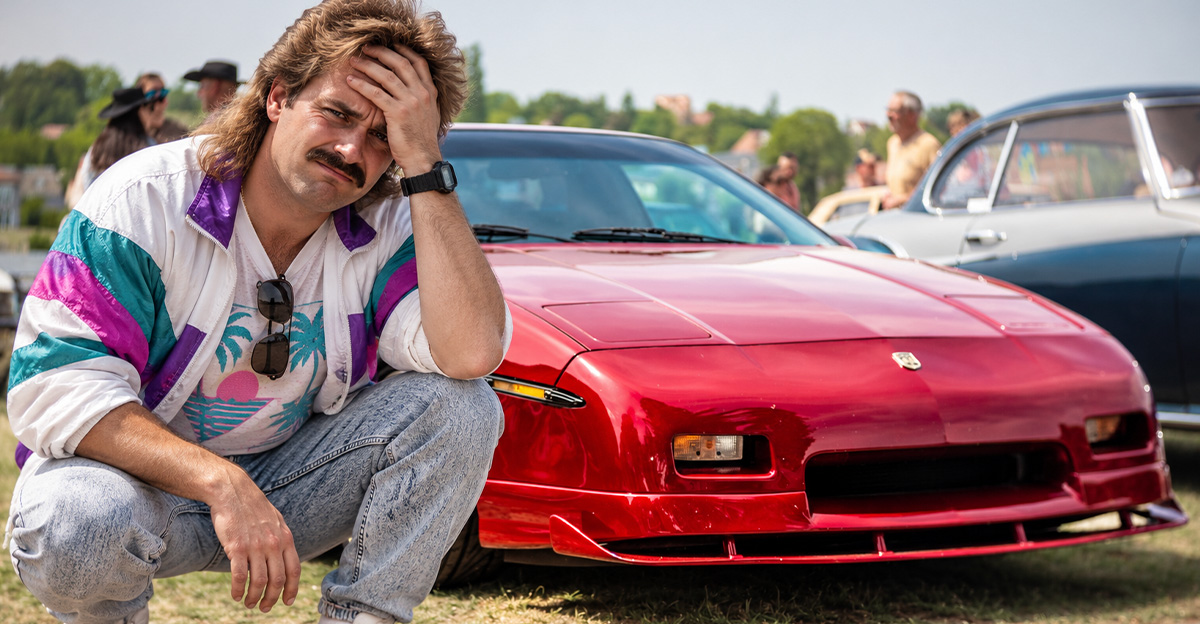
Detroit Had A Problem
The 1980s were supposed to be Detroit’s comeback decade. American automakers had survived fuel shortages, recession, tougher emissions rules, and a flood of increasingly impressive Japanese imports. The answer was a new generation of smaller, smarter, supposedly world-class American cars. Some sold brilliantly. Others became punchlines. None could make Detroit’s problems disappear overnight.
The Old Formula Wasn't Working
For decades, American manufacturers knew what their customers wanted: big engines, roomy interiors, soft seats, and enough chrome to signal passing aircraft. Then gasoline prices soared and buyers began noticing compact Hondas and Toyotas that used less fuel and seemed to run forever. Detroit suddenly needed an entirely different kind of car.
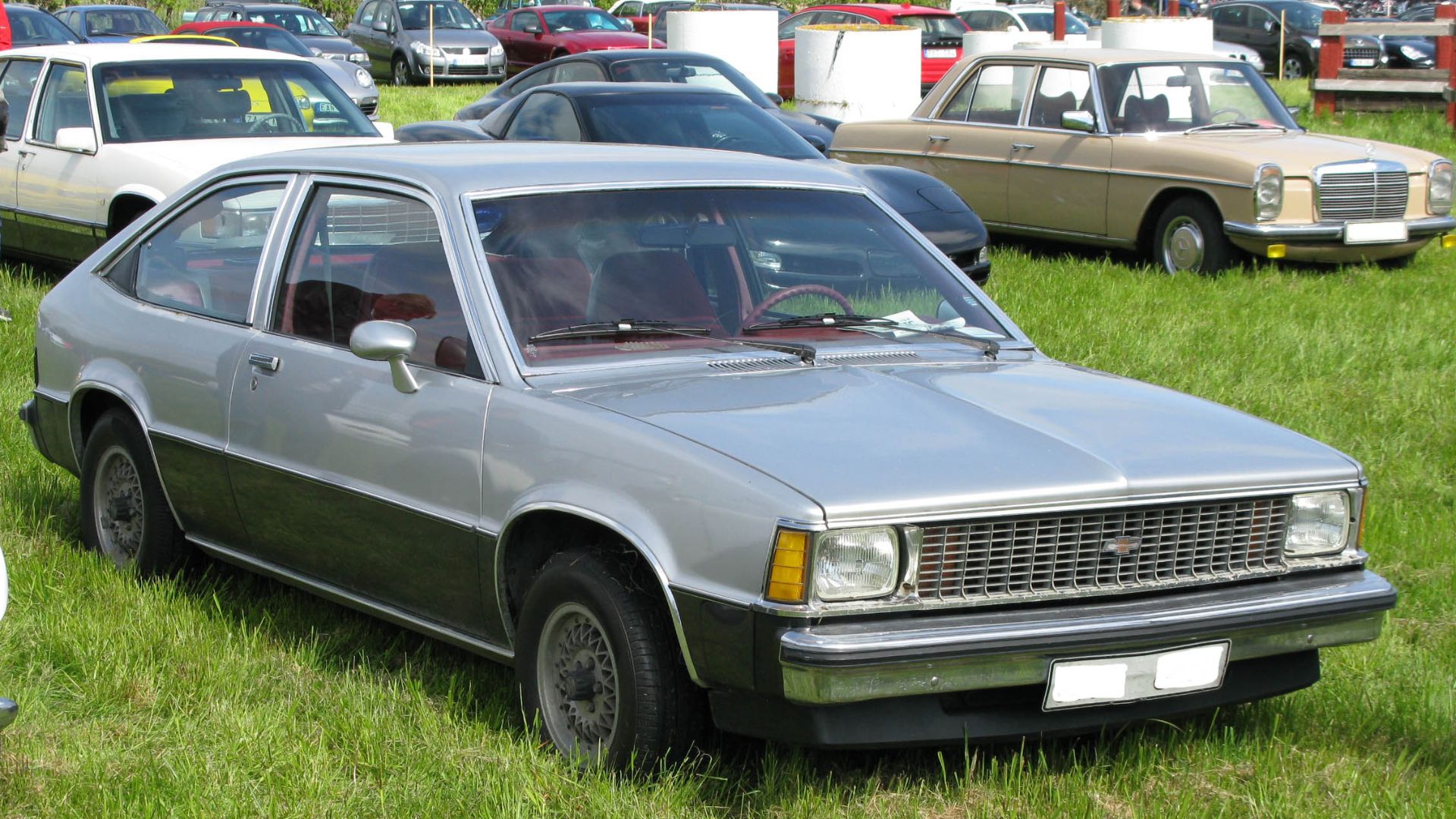
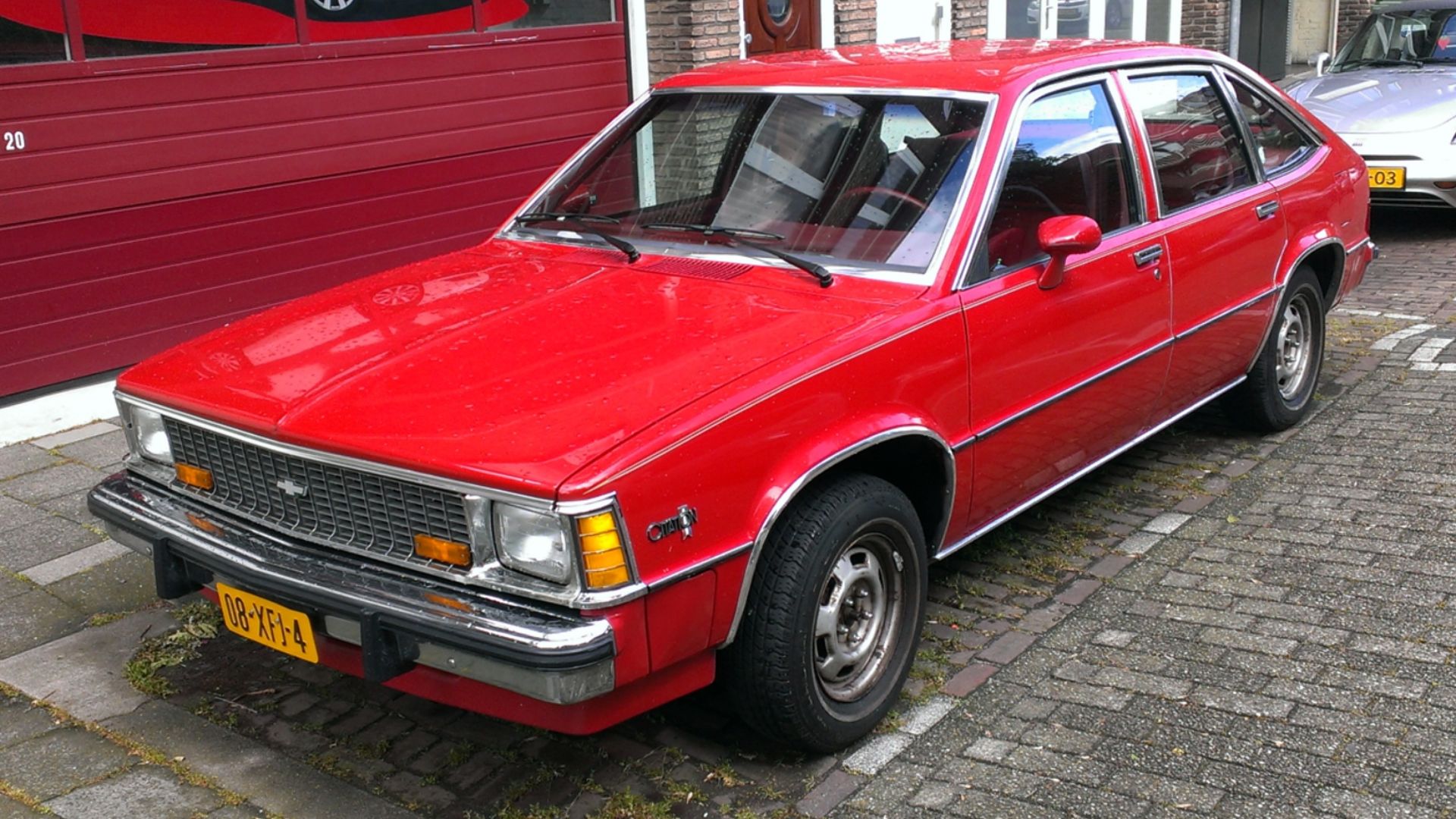
Chevrolet Citation
Few cars arrived with more promise than the Chevrolet Citation. Introduced for 1980, Chevy’s new front-wheel-drive compact represented a dramatic break with the past. Buyers initially rushed to dealerships. Unfortunately, complaints about quality, drivability, and braking problems quickly damaged the Citation’s reputation. Its spectacular launch turned into an equally spectacular lesson.
 Herranderssvensson, Wikimedia Commons
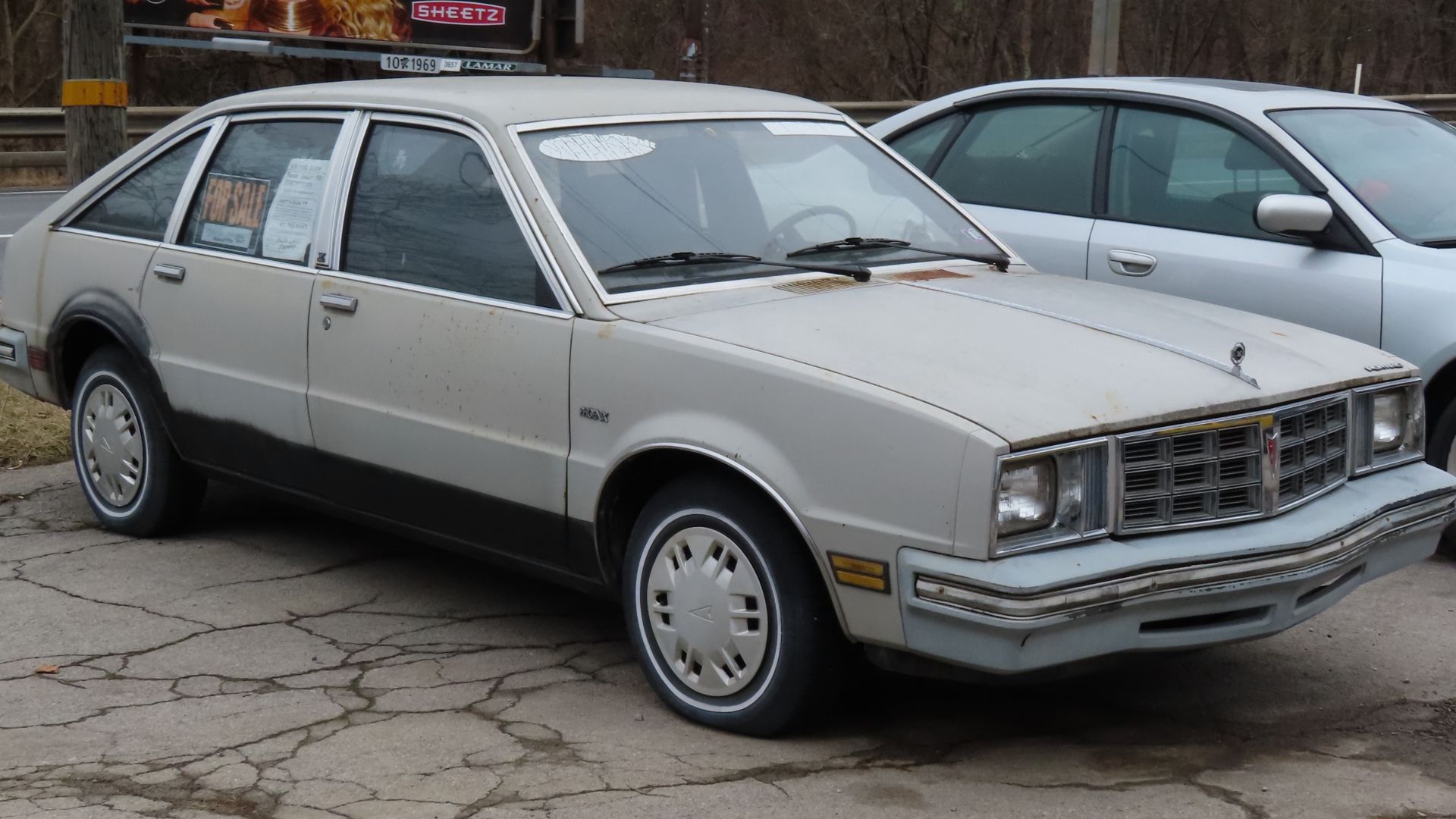
Pontiac Phoenix
Pontiac received its own version of GM’s new X-body compact, calling it the Phoenix. The name suggested something rising triumphantly from the ashes, which was perhaps tempting fate. Like its Chevrolet cousin, the Phoenix offered front-wheel drive and efficient packaging, but shared many of the engineering and quality problems that hurt the entire X-car family.
 MercurySable99, Wikimedia Commons
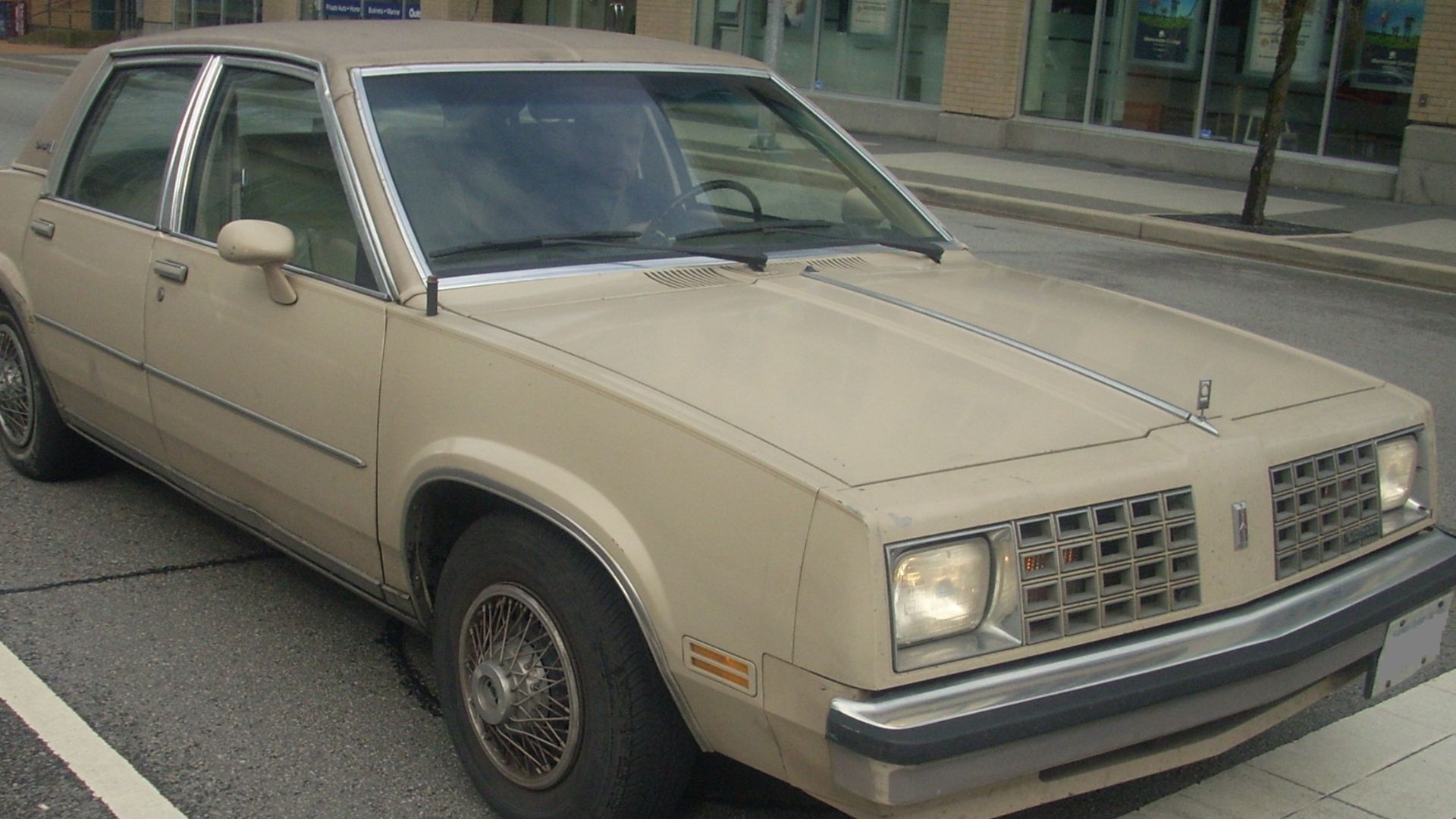
Oldsmobile Omega
Oldsmobile buyers traditionally expected something a little more sophisticated than a Chevrolet. The front-wheel-drive Omega attempted to bring the division into a smaller, more fuel-conscious age. Unfortunately, beneath the different grille and trim sat much of the same X-car engineering. Customers increasingly wondered why GM was selling so many versions of essentially the same machine.
Buick Skylark
Buick also joined the X-car party with the Skylark. It was intended to show that traditional American comfort could survive in a modern compact package. Instead, it became another example of GM’s growing reliance on shared platforms. Buyers who remembered when Buick meant something distinctive were beginning to notice how similar everything looked underneath.
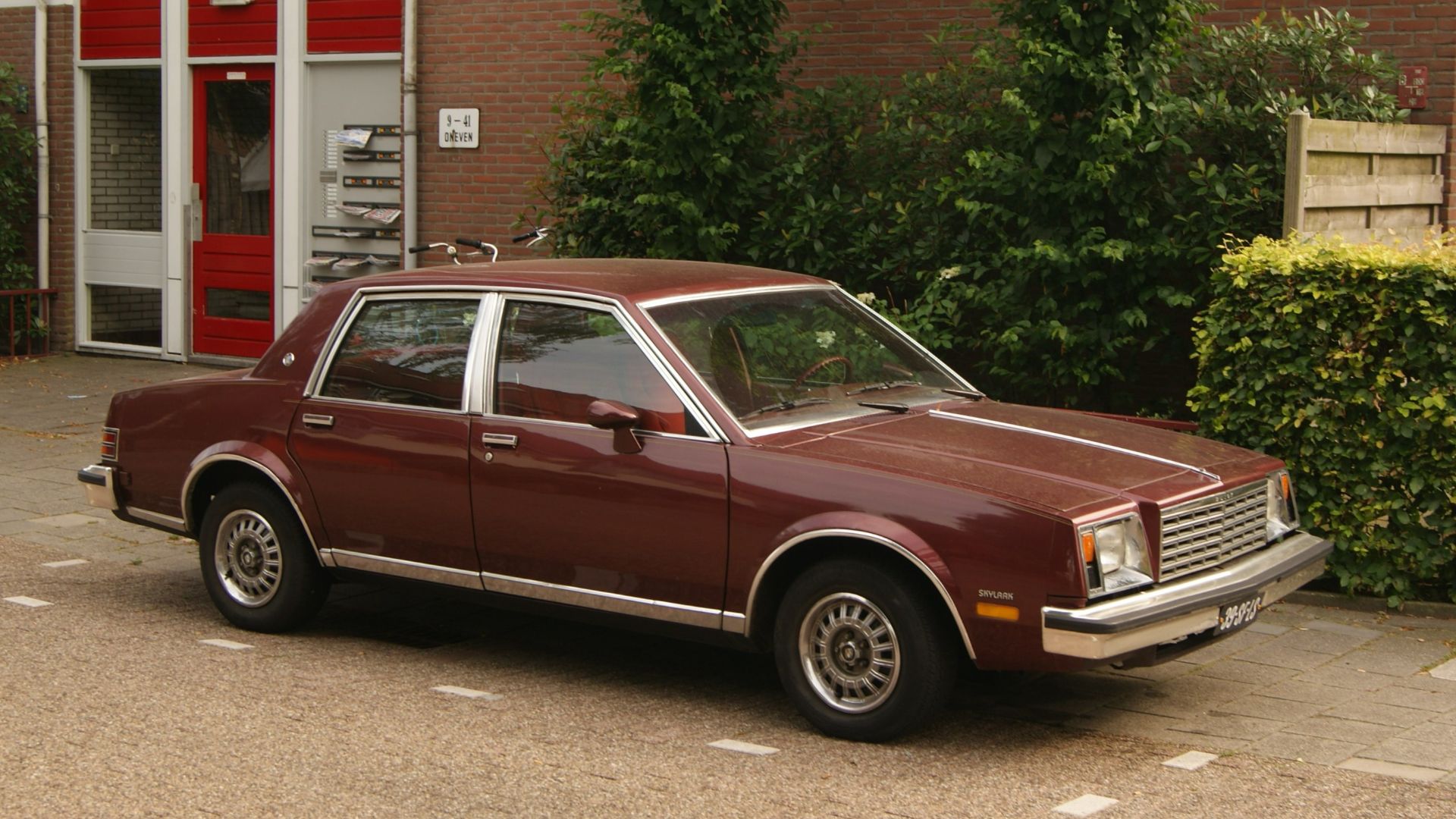 Niels de Wit from Lunteren, The Netherlands, Wikimedia Commons
The X-Car Hangover
The X-cars were supposed to demonstrate that General Motors could beat the imports at their own game. Instead, early reliability complaints and widely publicized brake concerns became symbolic of Detroit’s quality struggles. GM eventually improved the cars, but reputations are stubborn things. Buyers who felt burned once did not necessarily return for another test drive.
Cadillac Cimarron
Then came perhaps the most famous example of 1980s badge engineering. Cadillac desperately wanted a smaller luxury car that could compete with European brands. Its answer was the Cimarron, based heavily on GM’s humble J-car platform. Customers quickly noticed its resemblance to the much cheaper Chevrolet Cavalier. A Cadillac badge could only accomplish so much.
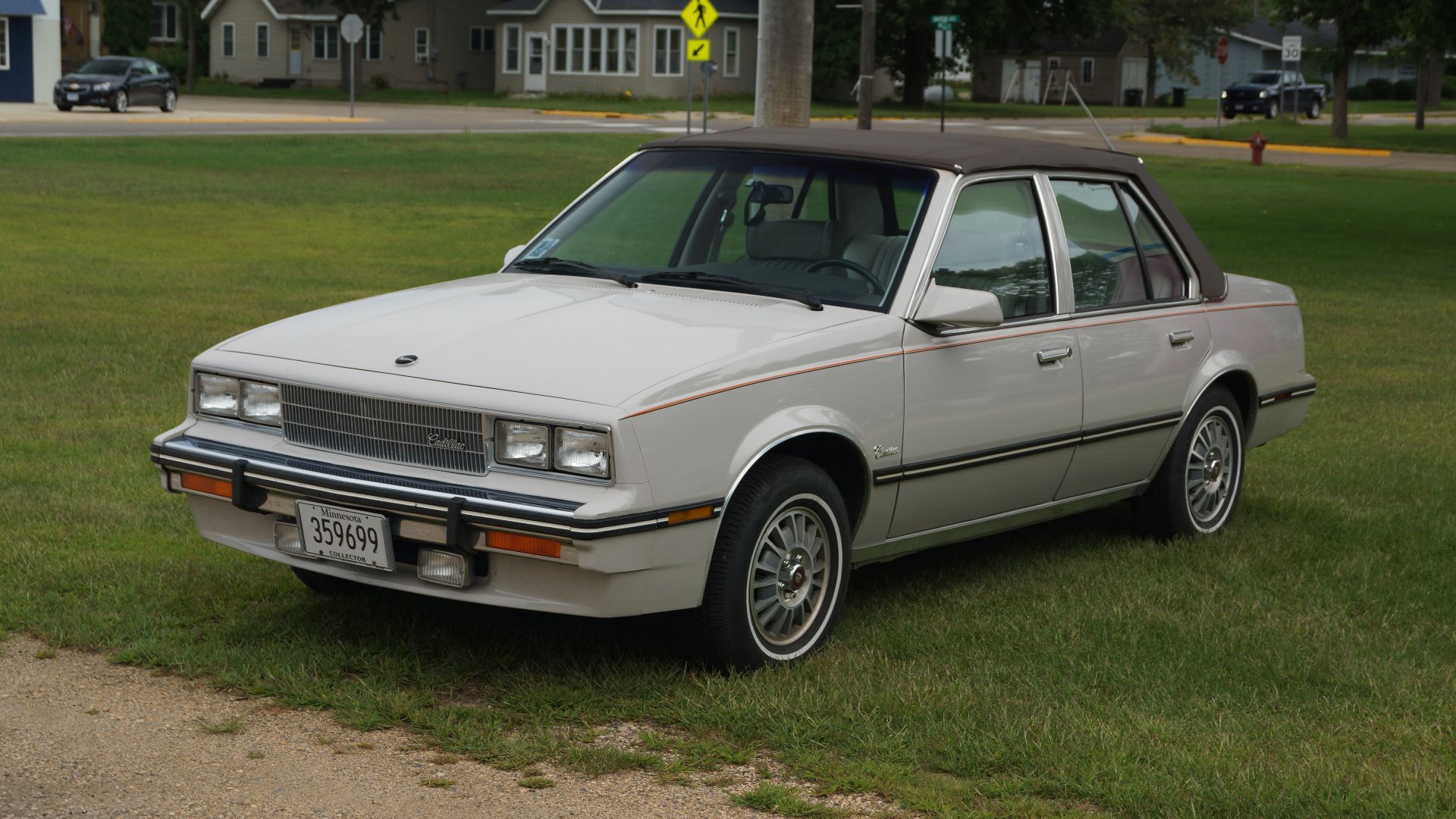 Greg Gjerdingen, Wikimedia Commons
Chevrolet Cavalier
The Cavalier itself was far more successful. Introduced for 1982, it became an enormously important small car for Chevrolet and sold in impressive numbers. It was affordable, practical, and available in numerous body styles. Yet it rarely convinced buyers that Detroit had leapfrogged Honda or Toyota in engineering. Competence was good. Leadership was harder.
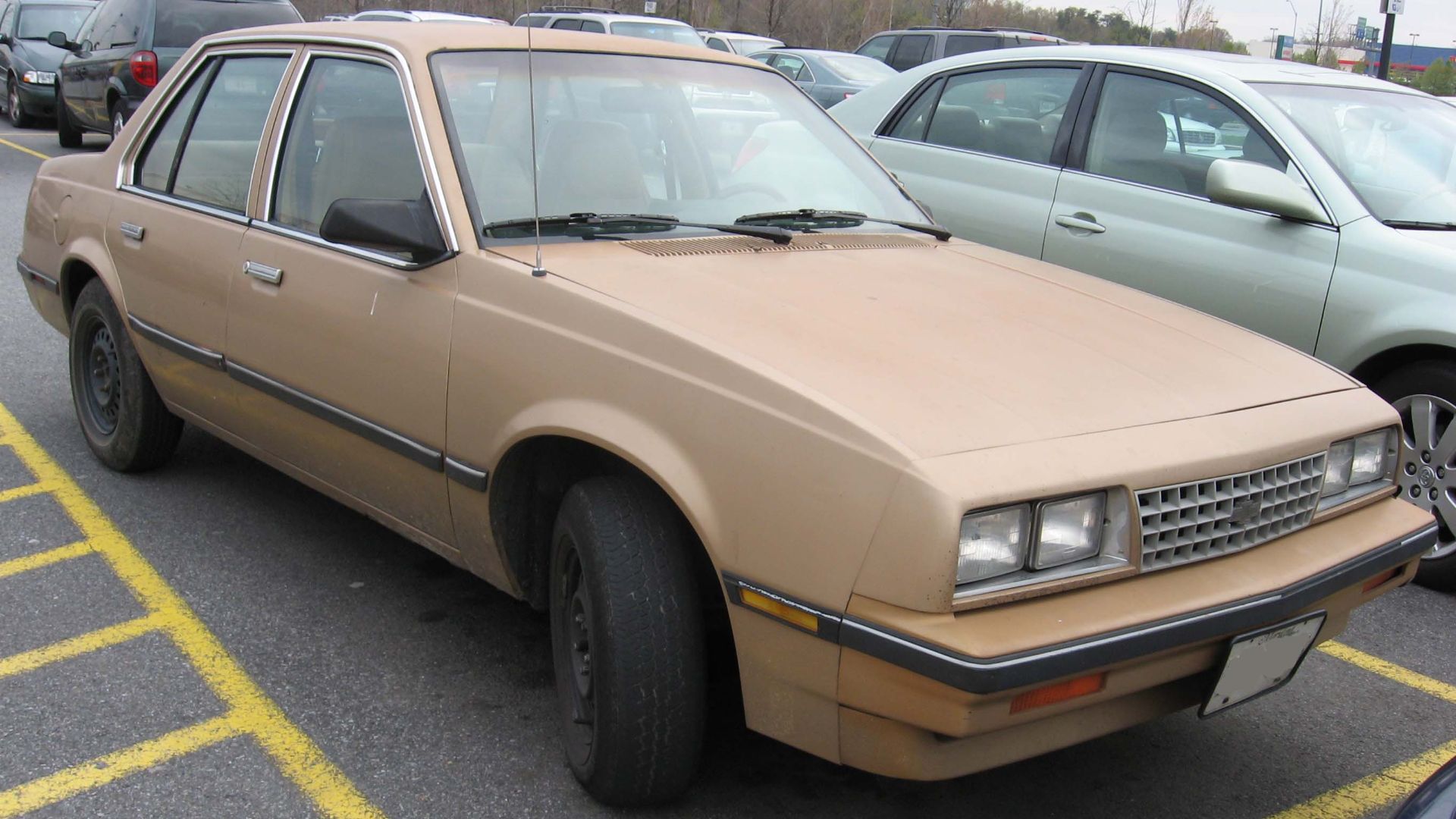
Pontiac J2000
Pontiac’s version of the J-car arrived as the J2000 before eventually wearing the Sunbird name. Sportier styling helped separate it from the Cavalier, at least visually. But once again, GM dealerships were filled with closely related cars wearing different badges. Detroit was cutting development costs, while customers were becoming increasingly sophisticated about what was underneath.
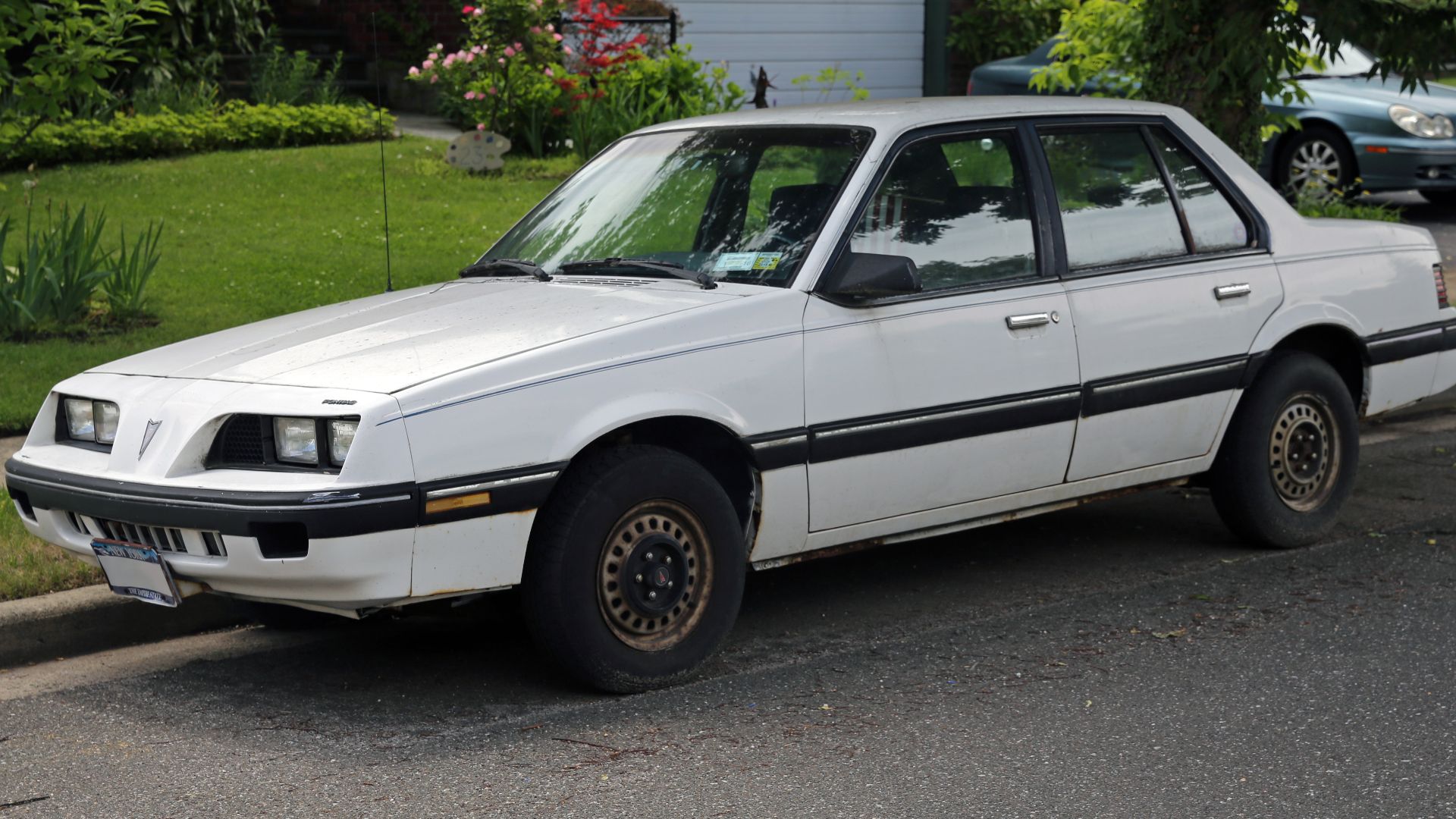 Mr.choppers, Wikimedia Commons
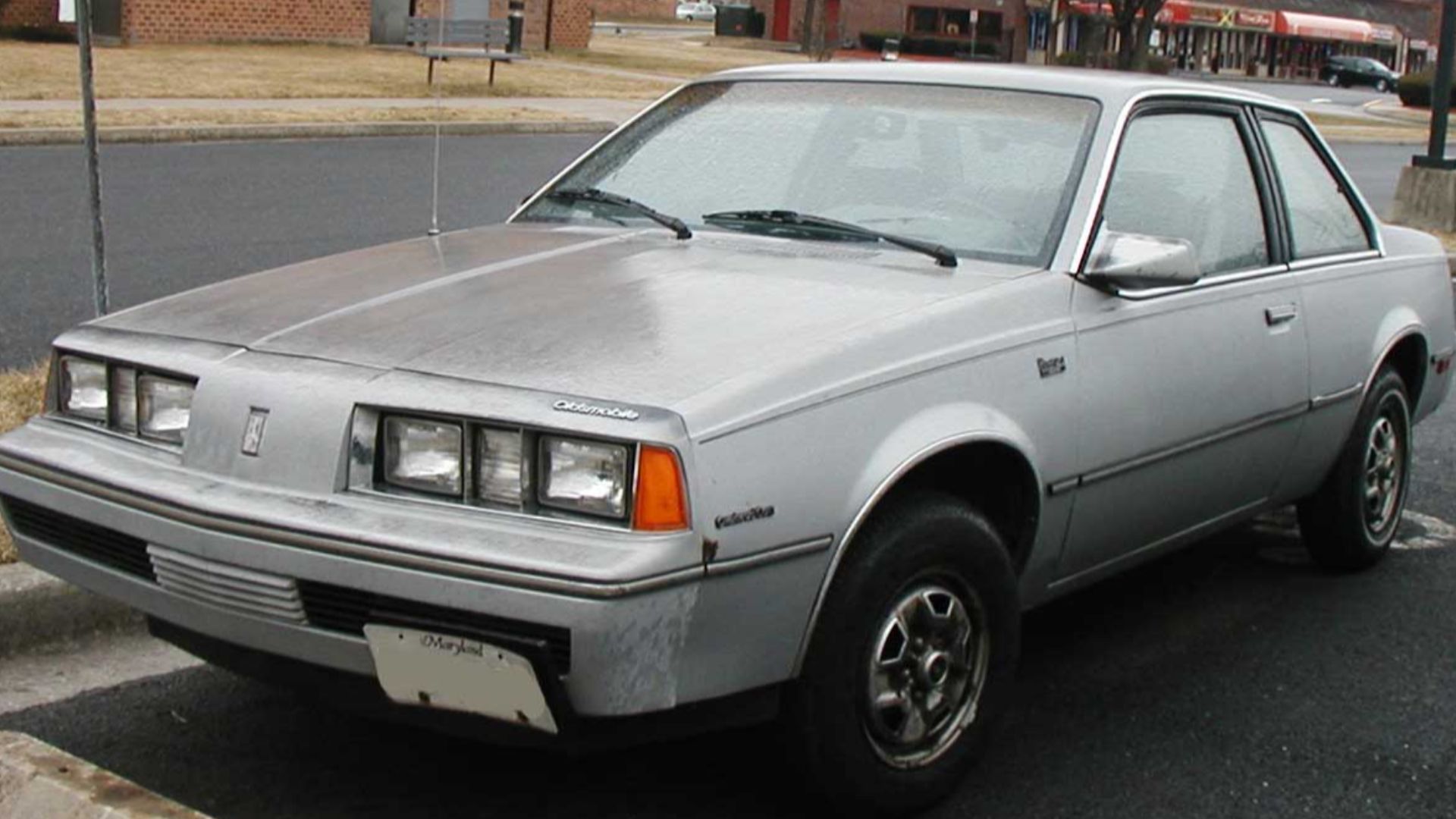
Oldsmobile Firenza
Oldsmobile called its J-car the Firenza, giving an Italian-sounding name to a thoroughly American economy platform. The strategy made sense on a corporate spreadsheet, but it created another identity problem. Oldsmobile had once occupied a clear position between Chevrolet and Buick. By the 1980s, younger buyers sometimes struggled to understand why they needed one.
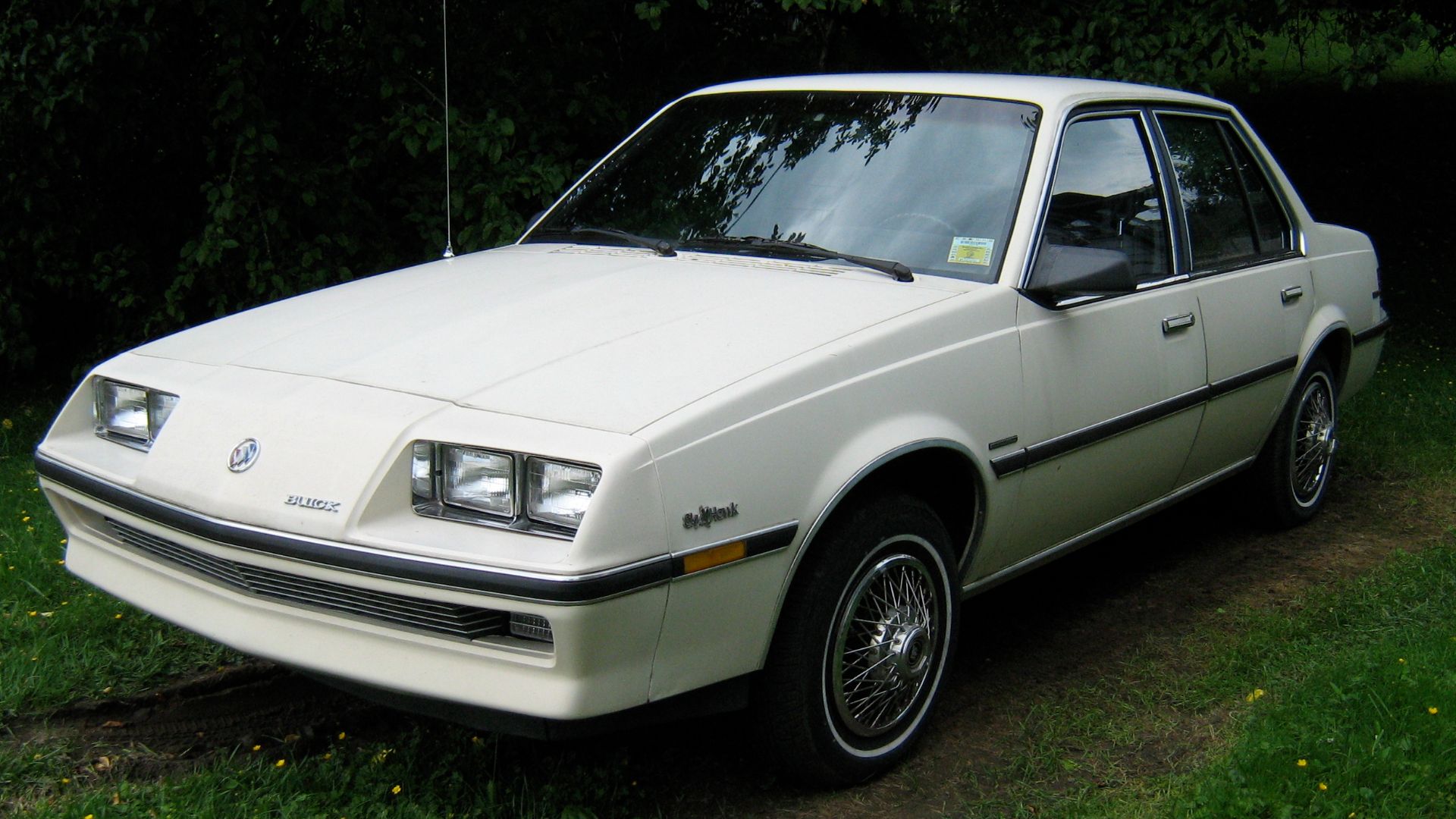
Buick Skyhawk
Buick’s J-car was the Skyhawk, another attempt to keep traditional GM customers within the family as they downsized. It looked respectable and offered familiar dealership service, but that was not enough to generate excitement. The imports were increasingly building reputations around engineering and durability. Detroit was still leaning heavily on branding and dealer loyalty.
Too Many Cars, Too Little Difference
GM’s strategy produced enormous economies of scale, but there was a catch. A Cavalier, Sunbird, Firenza, Skyhawk, and Cimarron could be remarkably similar beneath their different trim. Baby Boomers who grew up knowing exactly what separated Chevrolet from Oldsmobile and Cadillac watched those differences blur. The brands were beginning to lose their identities.
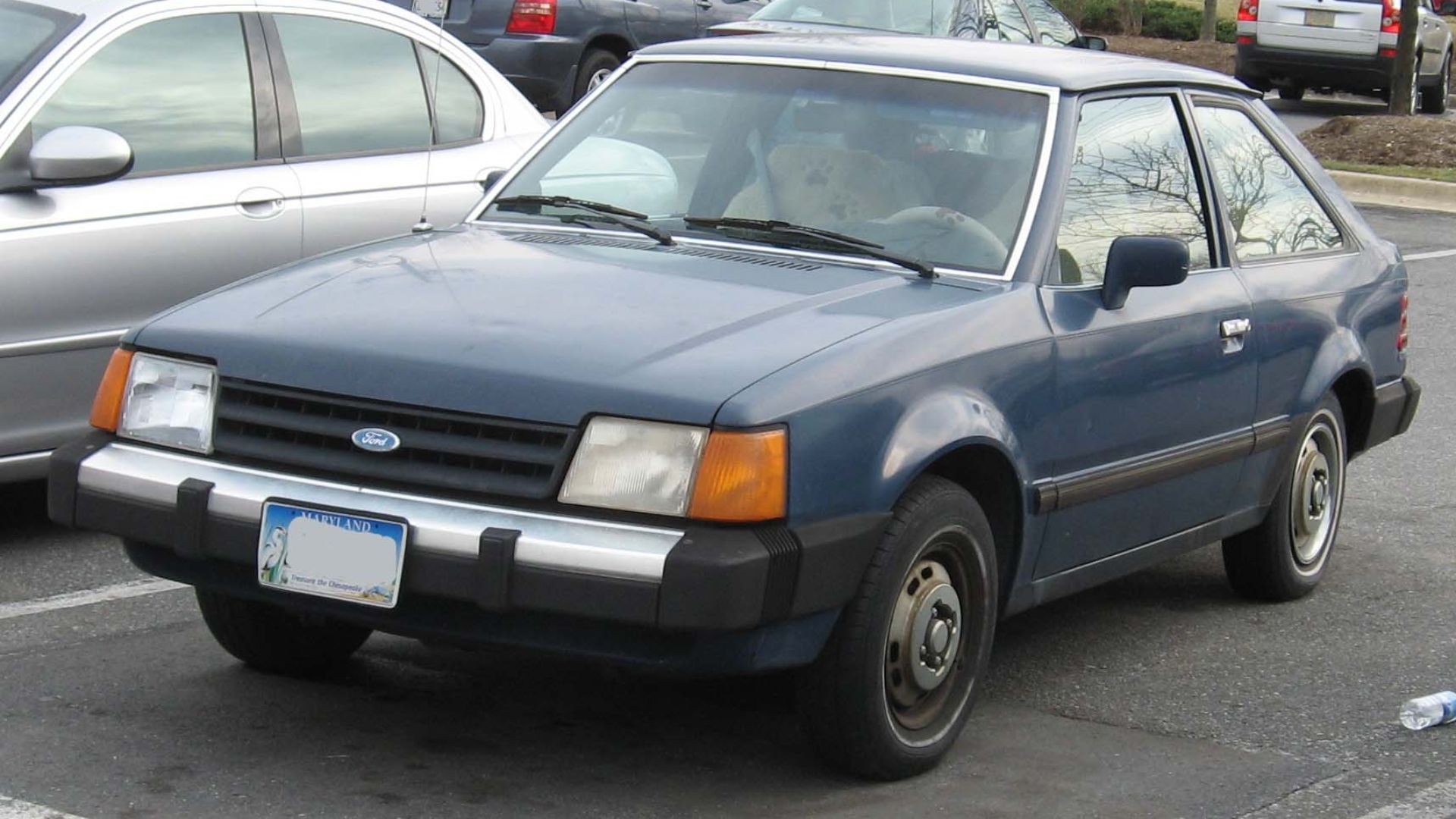
Ford Escort
Ford’s Escort was a much stronger response to changing times. Introduced in America for 1981, it was economical, affordable, and became a major seller. For many families, it did exactly what was required. But even strong sales could not instantly erase memories of Detroit’s troublesome 1970s compacts. Ford still had years of reputation rebuilding ahead.
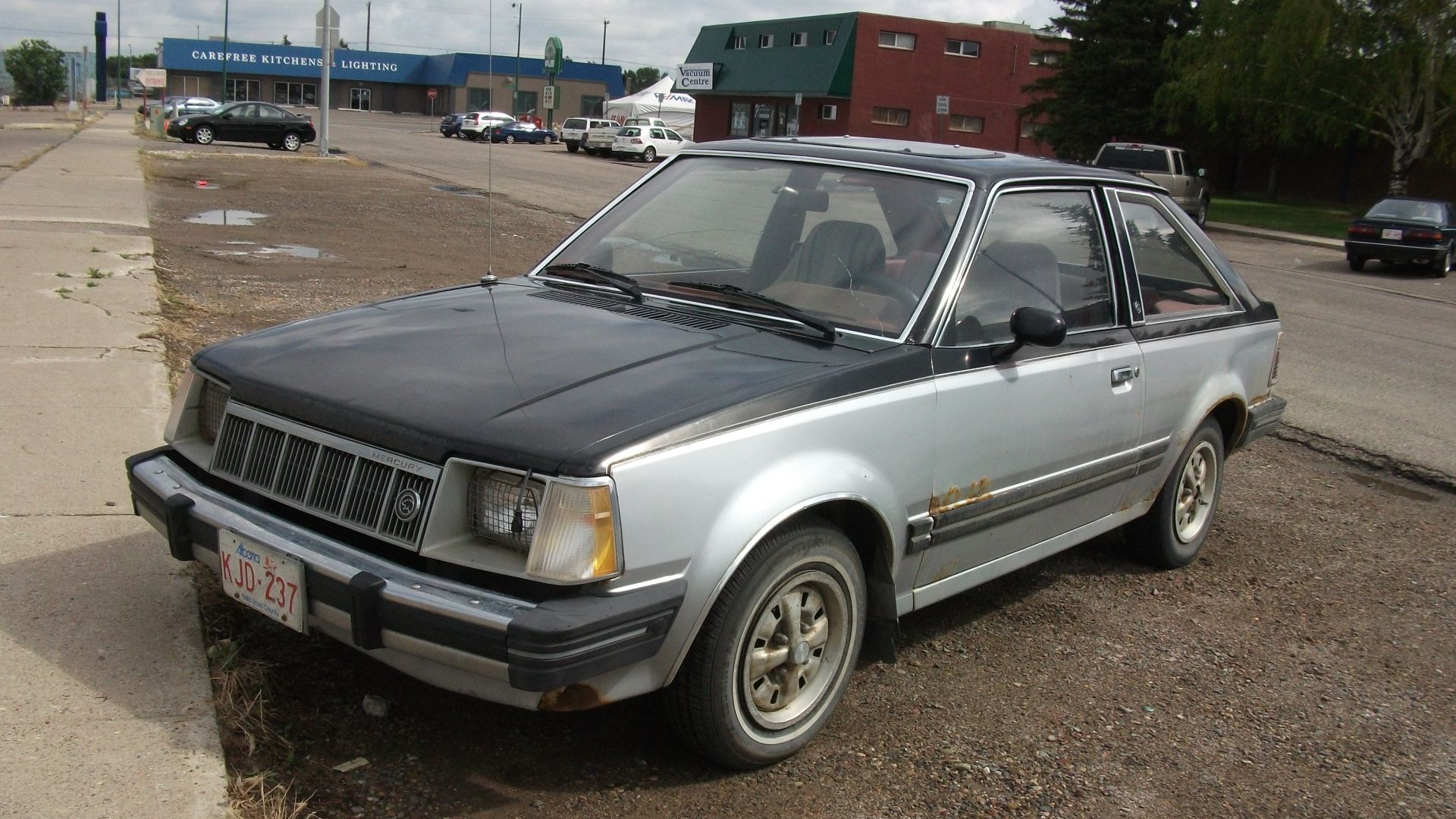
Mercury Lynx
Mercury received its own Escort-based compact called the Lynx. It offered different styling and somewhat more upscale positioning, but the family resemblance was impossible to miss. Like GM, Ford was discovering that sharing platforms made excellent financial sense. The danger was creating multiple brands that seemed to be selling slightly different versions of the same car.
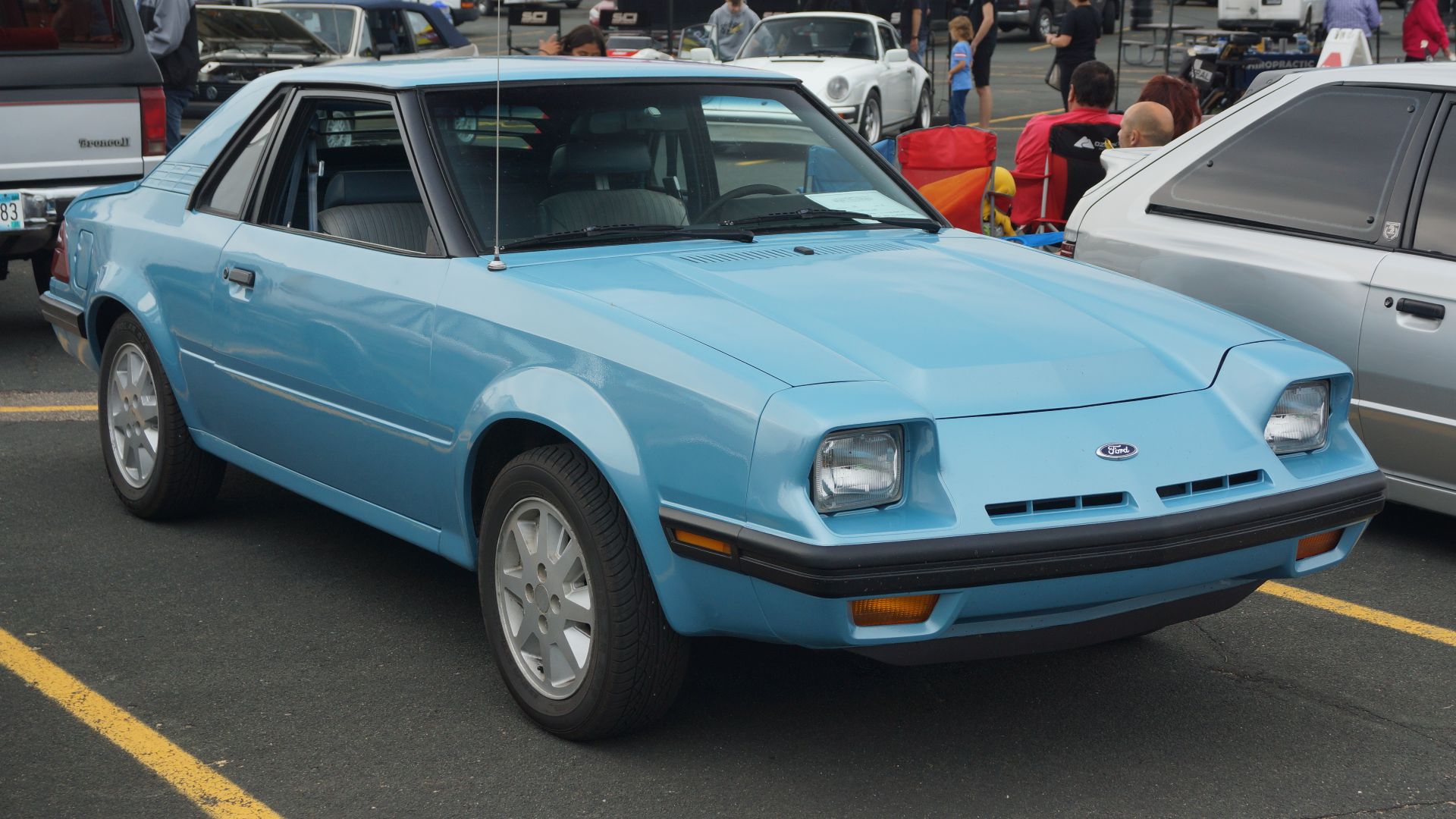
Ford EXP
The Ford EXP was a genuinely interesting idea. Introduced for 1982, it combined Escort mechanical pieces with a sleek two-seat coupe body. Ford hoped younger buyers might want efficiency without surrendering style. Unfortunately, modest performance worked against the sporty appearance. The EXP looked ready for excitement but often delivered the acceleration of an economy commuter.
 Greg Gjerdingen, Wikimedia Commons
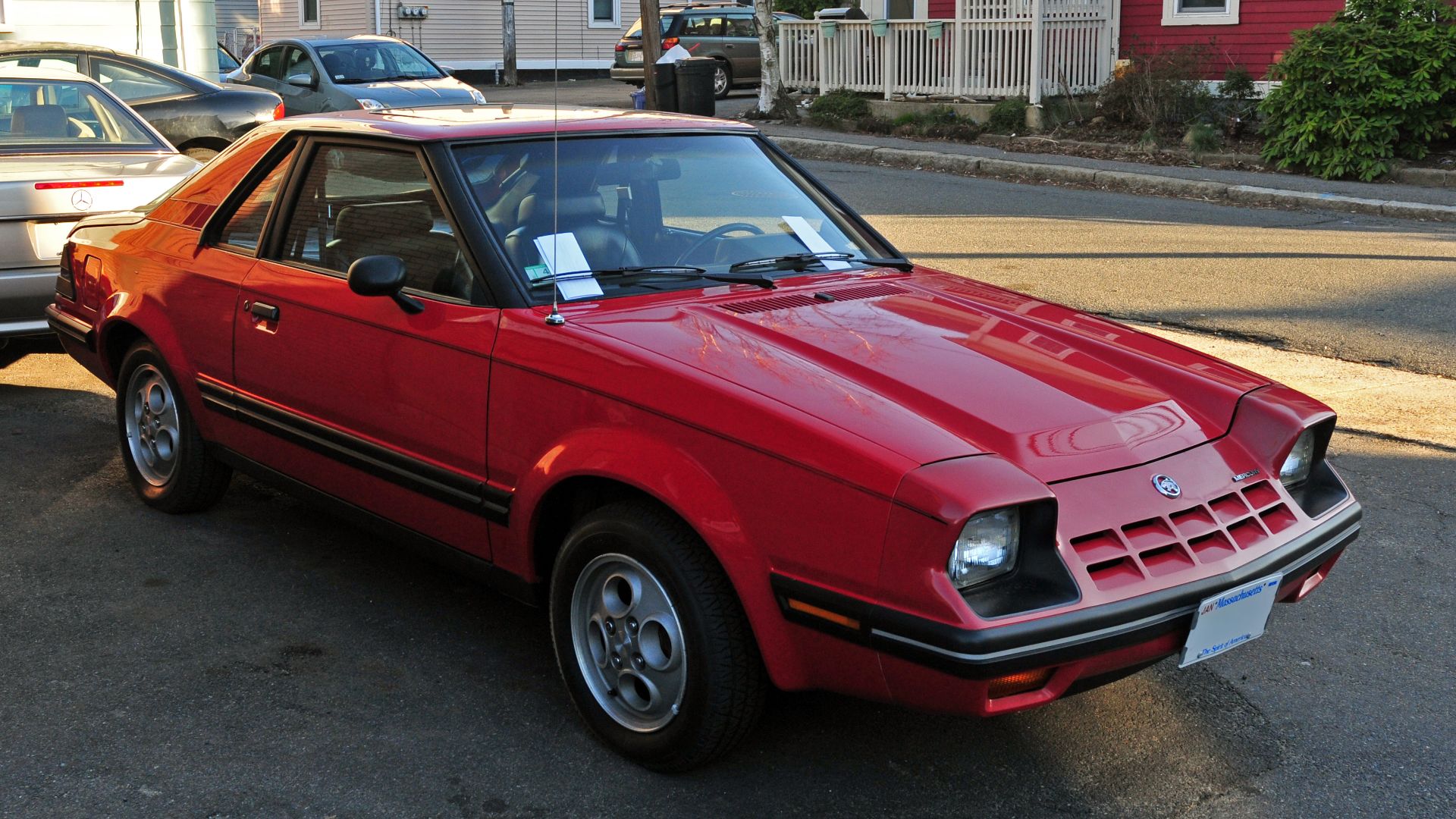
Mercury LN7
Mercury’s version of the EXP was called the LN7, complete with distinctive rear styling and a slightly fancier image. Unfortunately, a two-seat economy coupe was a remarkably narrow proposition. Buyers seeking economy could purchase a practical hatchback. Buyers seeking performance had far more exciting choices. The LN7 disappeared after only a brief run.
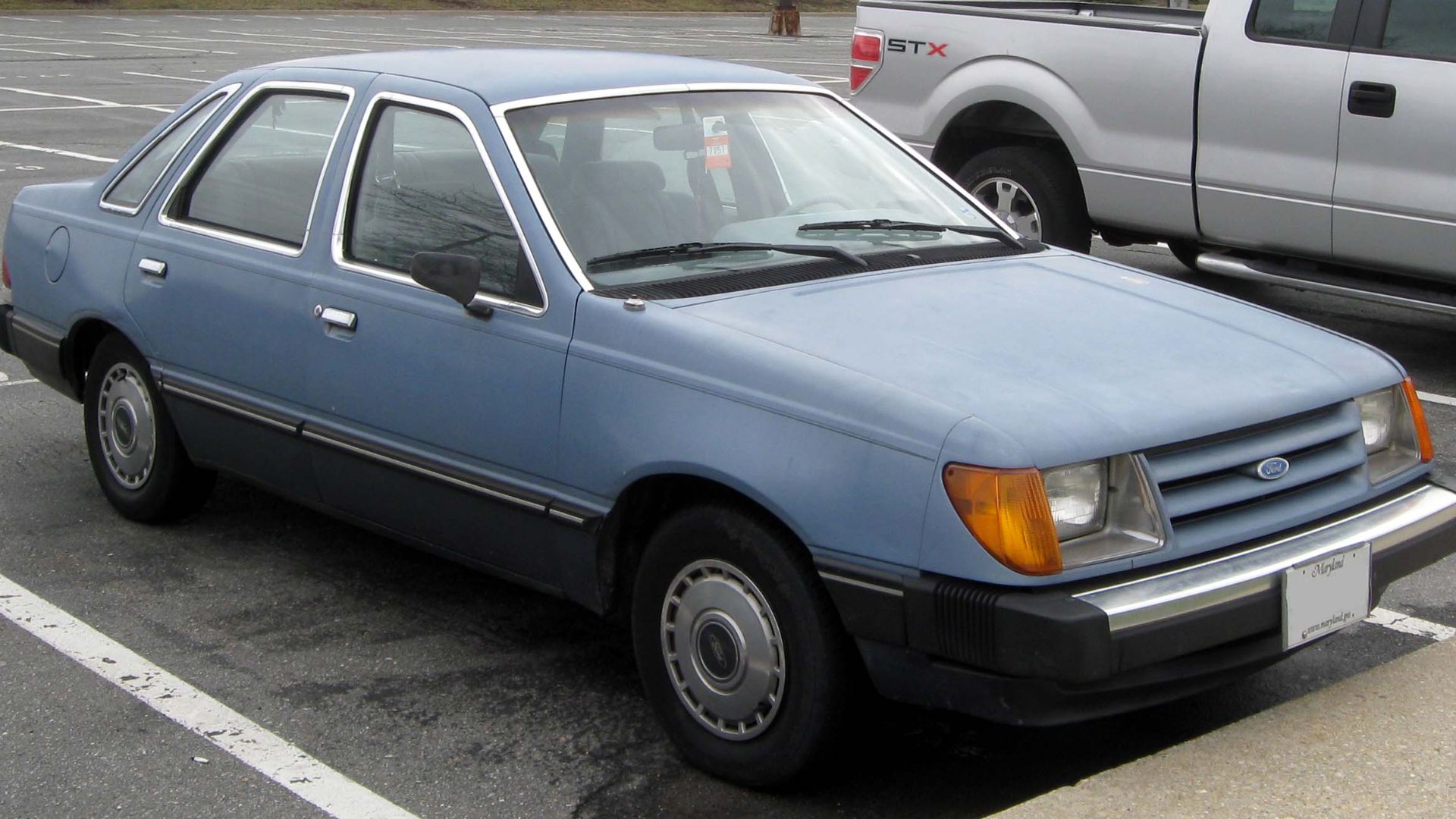
Ford Tempo
The 1984 Ford Tempo represented another serious attempt at modernization. It featured aerodynamic styling, front-wheel drive, and a cabin designed around fuel-conscious family transportation. Tempos became common sights on American roads. Yet few owners considered them aspirational machines. They helped stabilize Ford’s lineup, but the truly transformative Ford was still waiting in the wings.
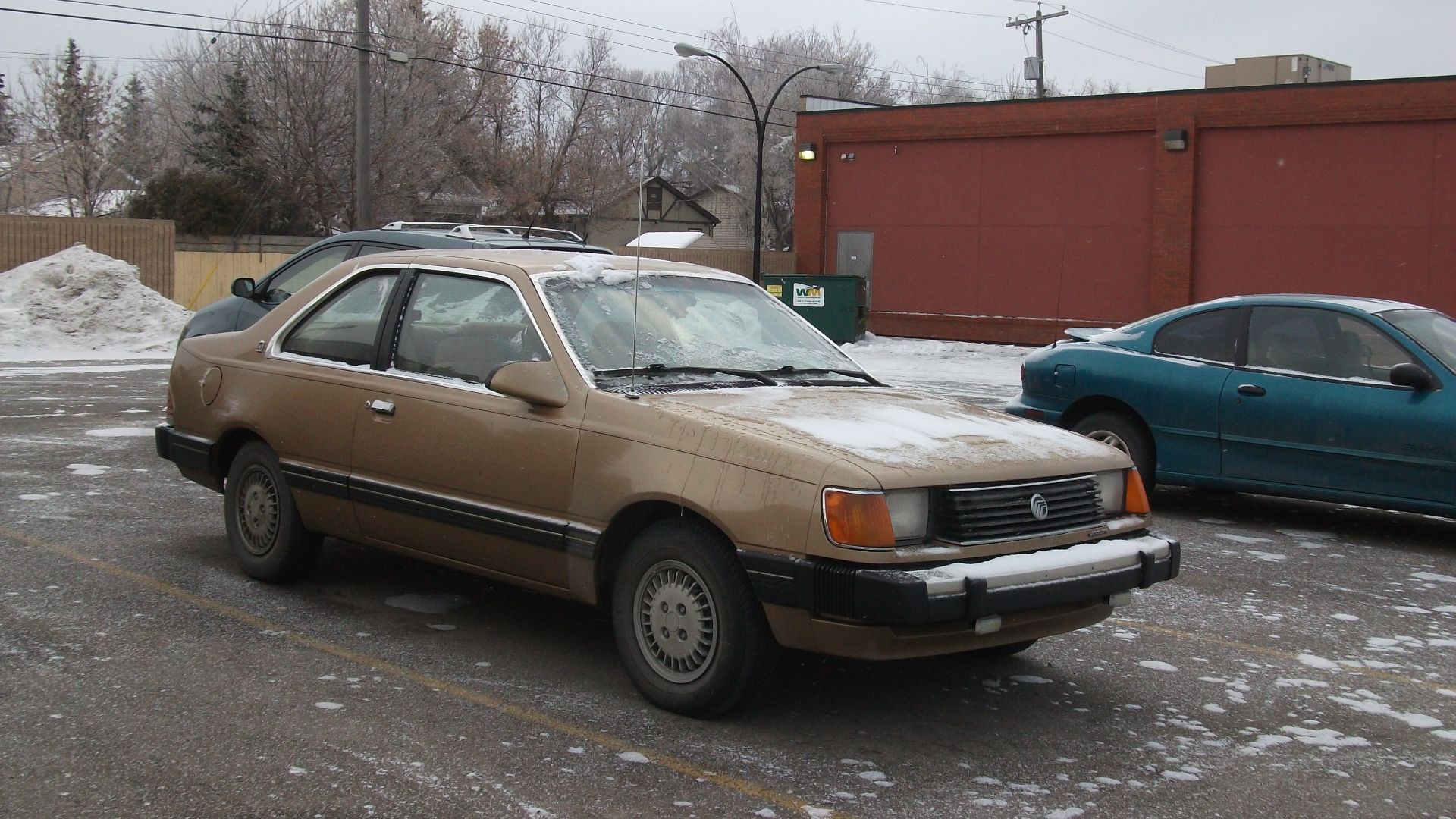
Mercury Topaz
Naturally, Mercury received a version called the Topaz. It offered slightly dressier styling but shared the Tempo’s fundamental mission. These cars were sensible transportation during an era when sensible transportation mattered enormously. Their problem was emotional. People bought them because they needed cars. Very few teenagers taped photographs of Mercury Topazes to their bedroom walls.
 dave_7 from Lethbridge, Canada, Wikimedia Commons
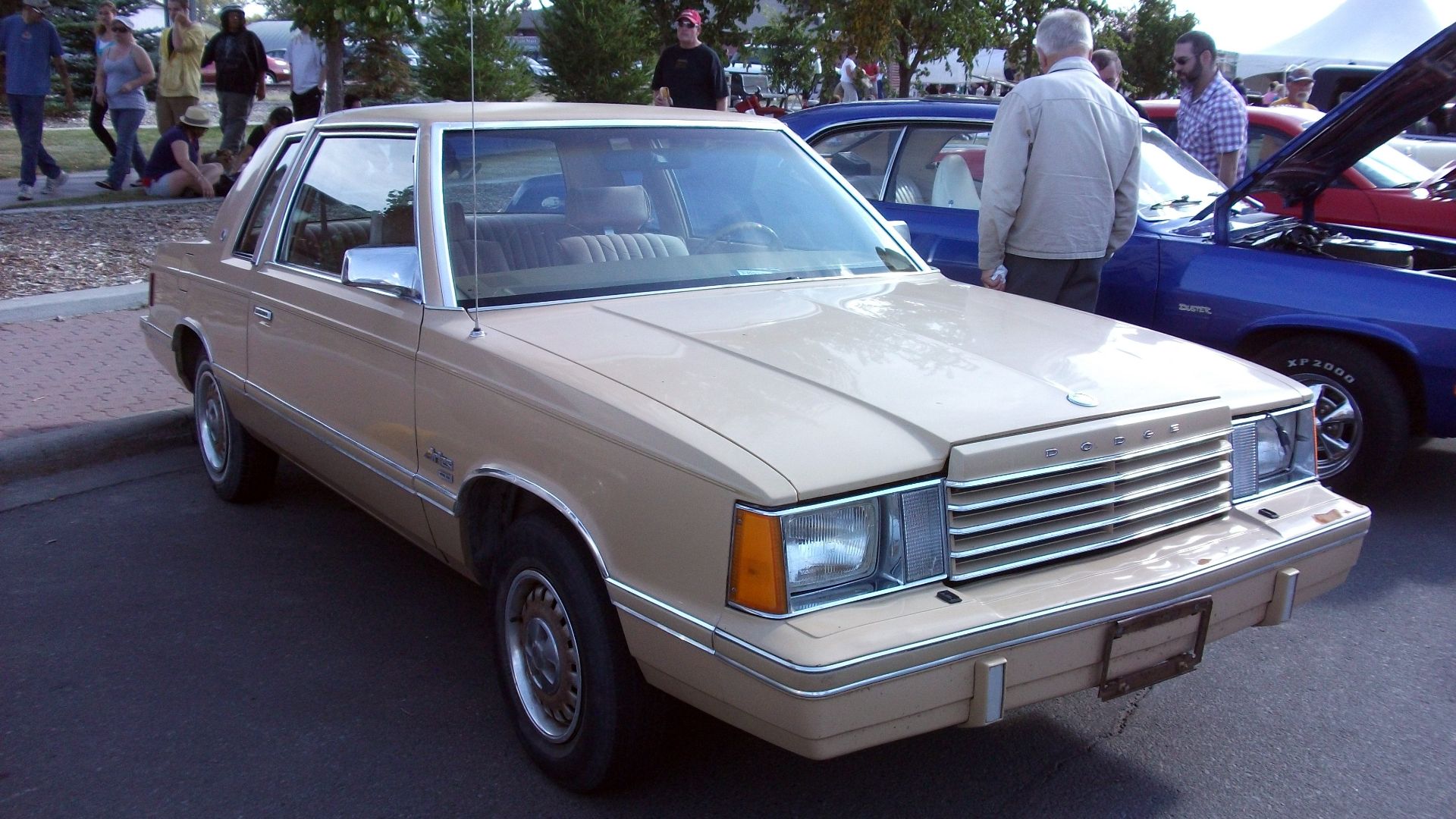
Dodge Aries
The Dodge Aries deserves an important qualification. Chrysler’s K-cars actually did help save Chrysler. Introduced for 1981, the Aries gave the company the efficient front-wheel-drive platform it desperately needed. It spawned numerous derivatives and generated crucial sales. But one successful platform could not solve the larger problems facing the entire American automotive industry.
 dave_7 from Lethbridge, Canada, Wikimedia Commons
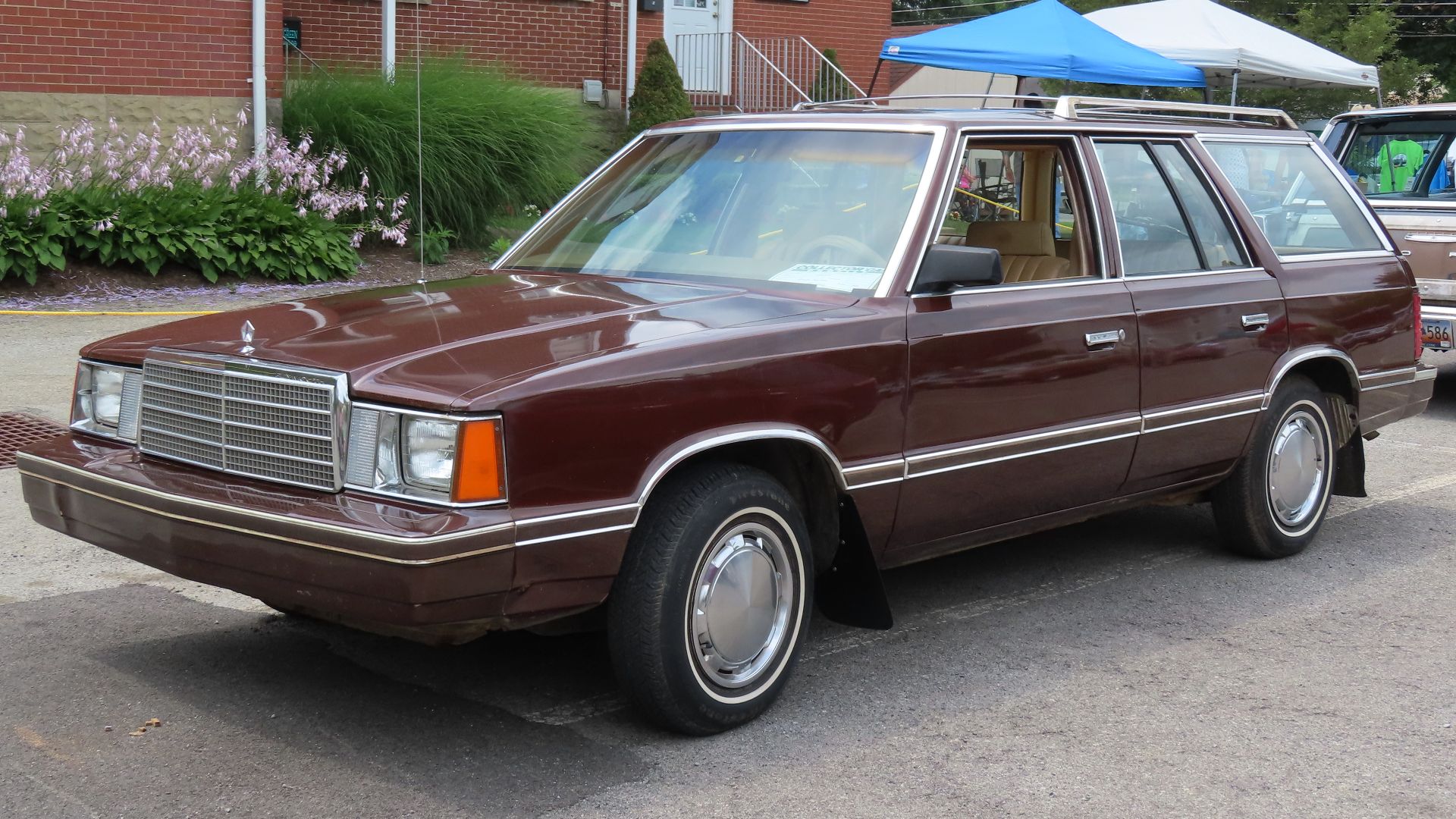
Plymouth Reliant
The Plymouth Reliant was the Aries’ corporate sibling and became equally symbolic of Chrysler’s recovery. These square little sedans and wagons were everywhere. They were affordable, roomy, and economical enough for the times. Nobody confused them with glamorous machinery, but glamour was beside the point. Chrysler needed cash flow, and the Reliant helped provide it.
 MercurySable99, Wikimedia Commons
Chrysler's K-Car Dependence
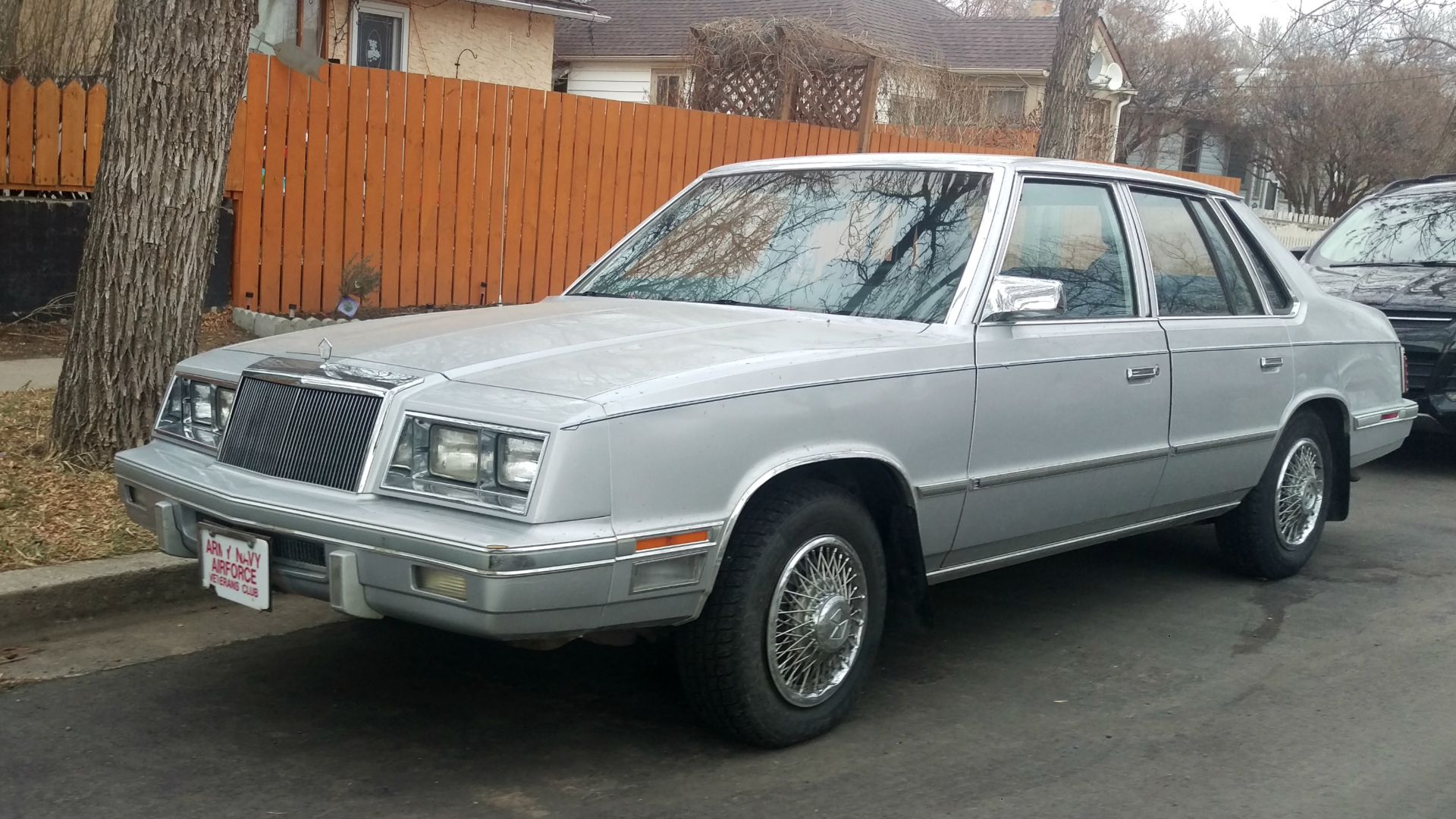
Success brought another problem. Chrysler stretched its K-car architecture into an astonishing variety of vehicles. Sedans, coupes, convertibles, luxury models, and eventually minivan-related designs all shared elements of the formula. It was clever survival engineering, but critics joked that Chrysler could build almost anything by starting with a K-car and adding different trim.
 dave_7 from Canada, Wikimedia Commons
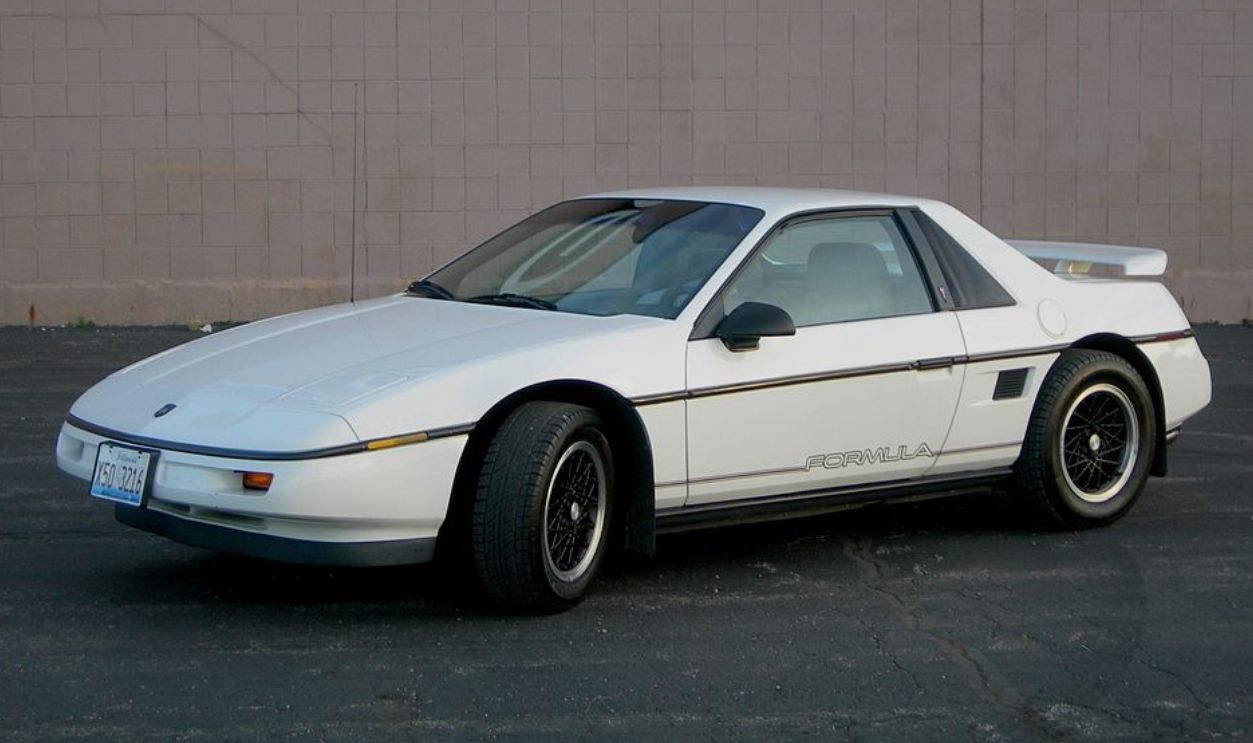
Pontiac Fiero
The Fiero looked like exactly the sort of car that could make Americans excited about Detroit again. A mid-engine two-seater with dramatic styling seemed positively exotic when it arrived for 1984. Unfortunately, early models were slower than their appearance suggested, and highly publicized engine-fire problems damaged its image before later improvements could fully redeem it.
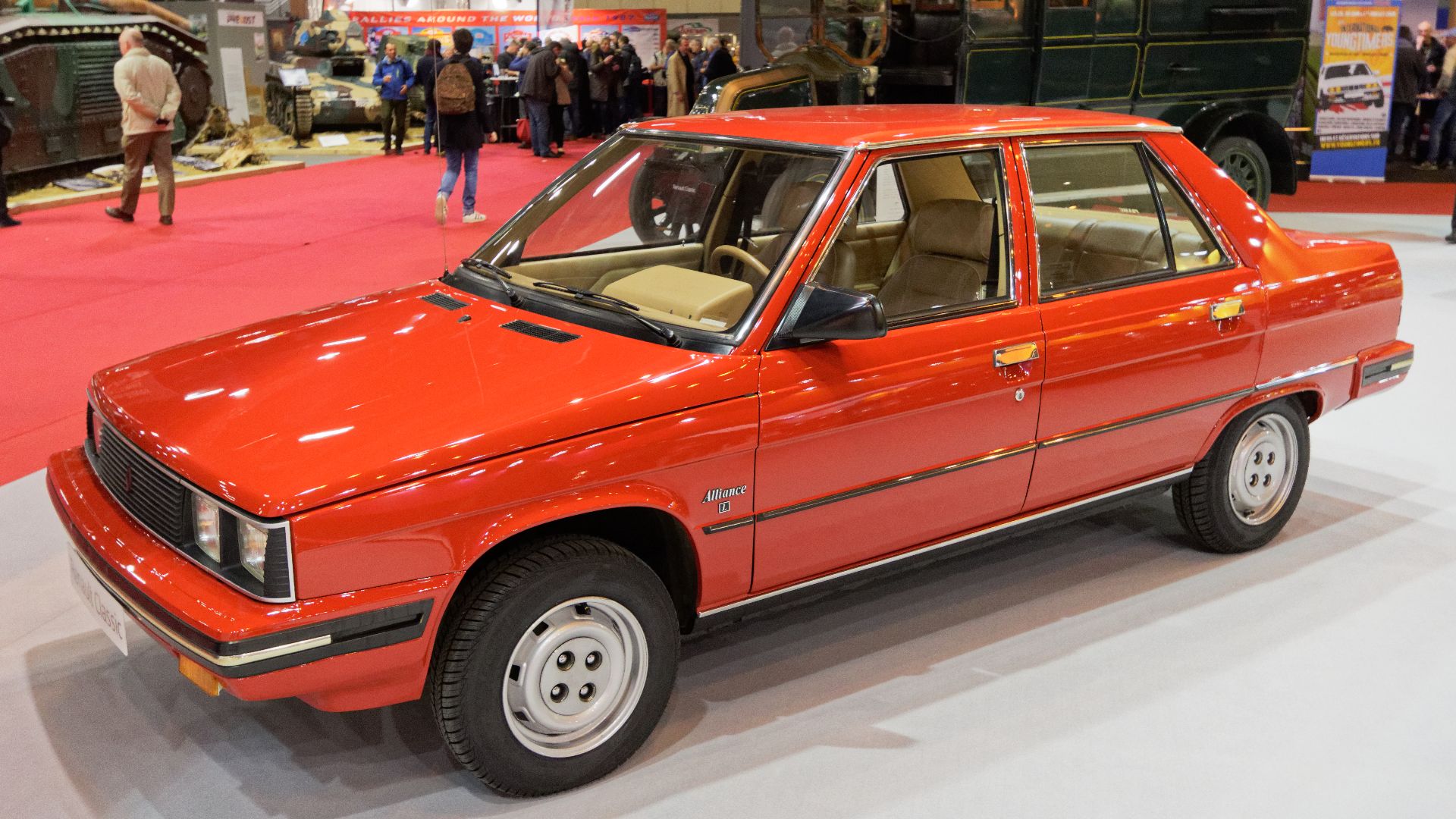
AMC Alliance
American Motors badly needed a miracle, and the Renault-based Alliance appeared capable of providing one. Built in Wisconsin and introduced for 1983, the small front-wheel-drive car initially received strong praise and won Motor Trend’s Car of the Year award. Early enthusiasm faded as quality concerns appeared and the American market changed beneath AMC’s feet.
 Thesupermat, Wikimedia Commons
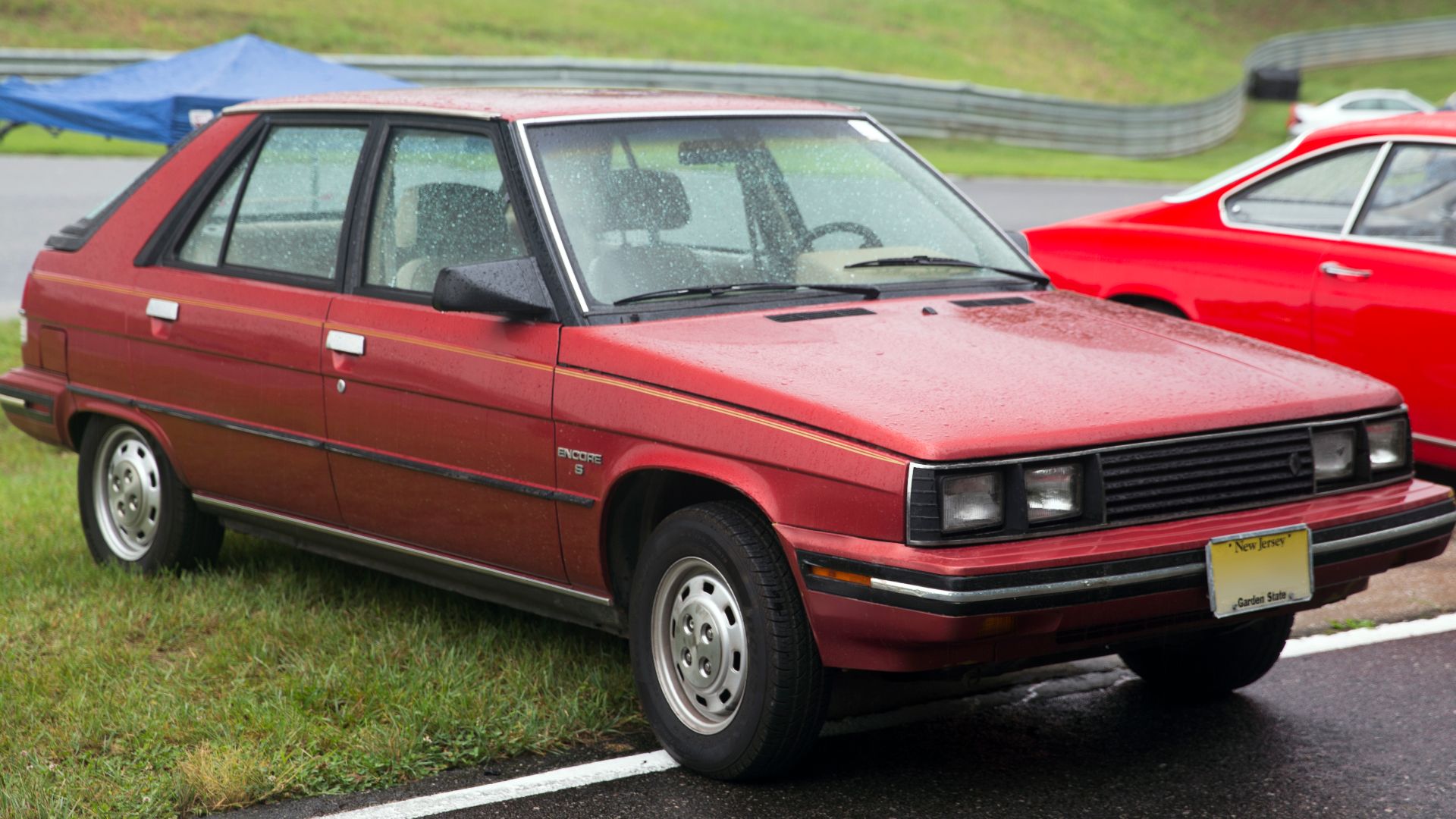
Renault Encore
The Encore hatchback expanded AMC’s Renault-derived lineup and seemed well suited to an America that had recently been obsessed with fuel economy. Unfortunately for AMC, gasoline became cheaper and buyers began moving toward larger, more powerful vehicles again. The company had placed a huge bet on tiny economy cars just as American tastes began changing.
 Mr.choppers, Wikimedia Commons
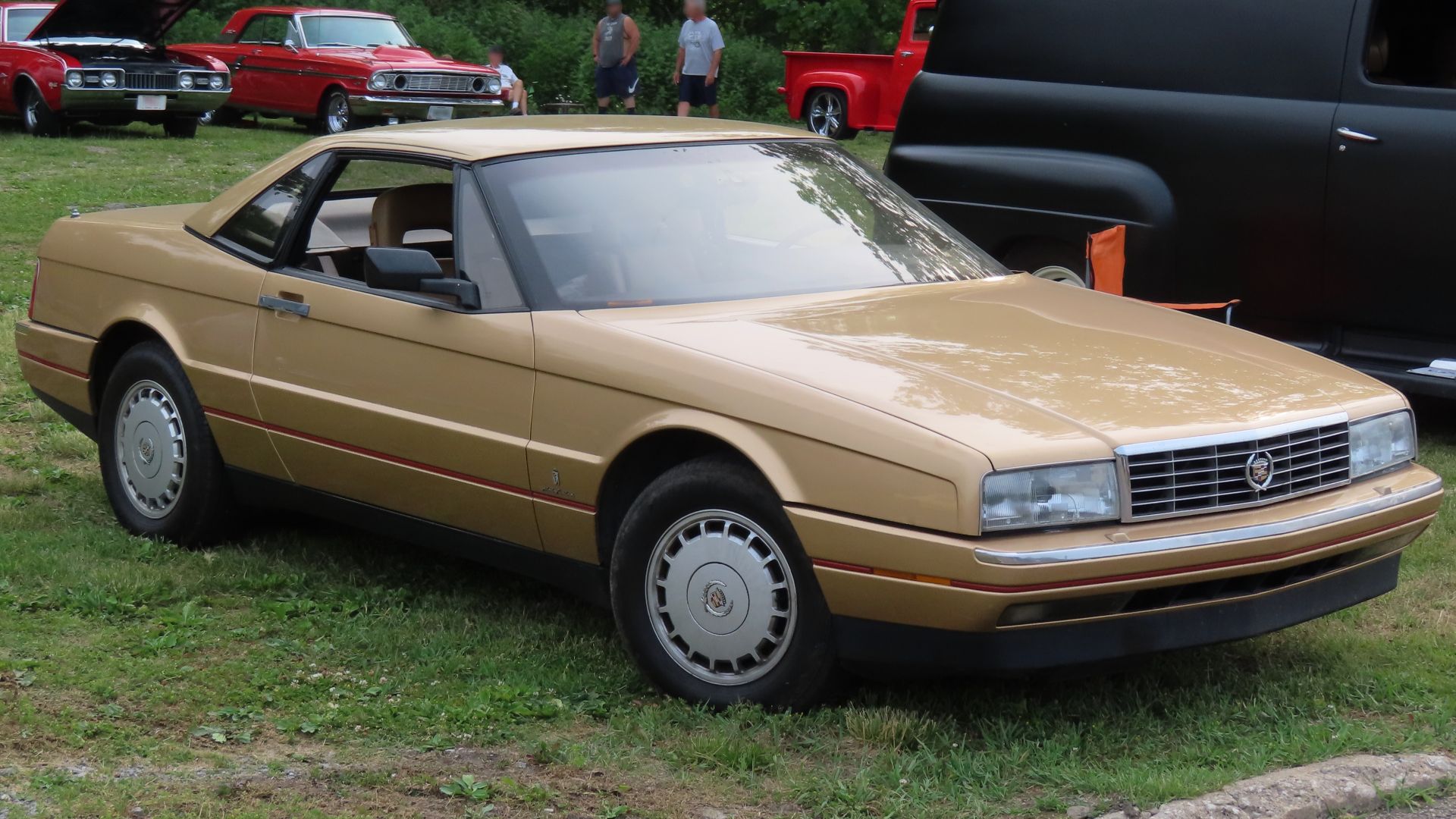
Cadillac Allanté
Cadillac tried another route with the Allanté. Introduced for 1987, it featured bodies designed and built by Pininfarina in Italy before being flown to Detroit for final assembly. That extraordinary production process certainly sounded exotic. It also contributed to a high price. The Allanté attracted attention but never became the image-changing blockbuster Cadillac hoped for.
 MercurySable99, Wikimedia Commons
Detroit Eventually Learned
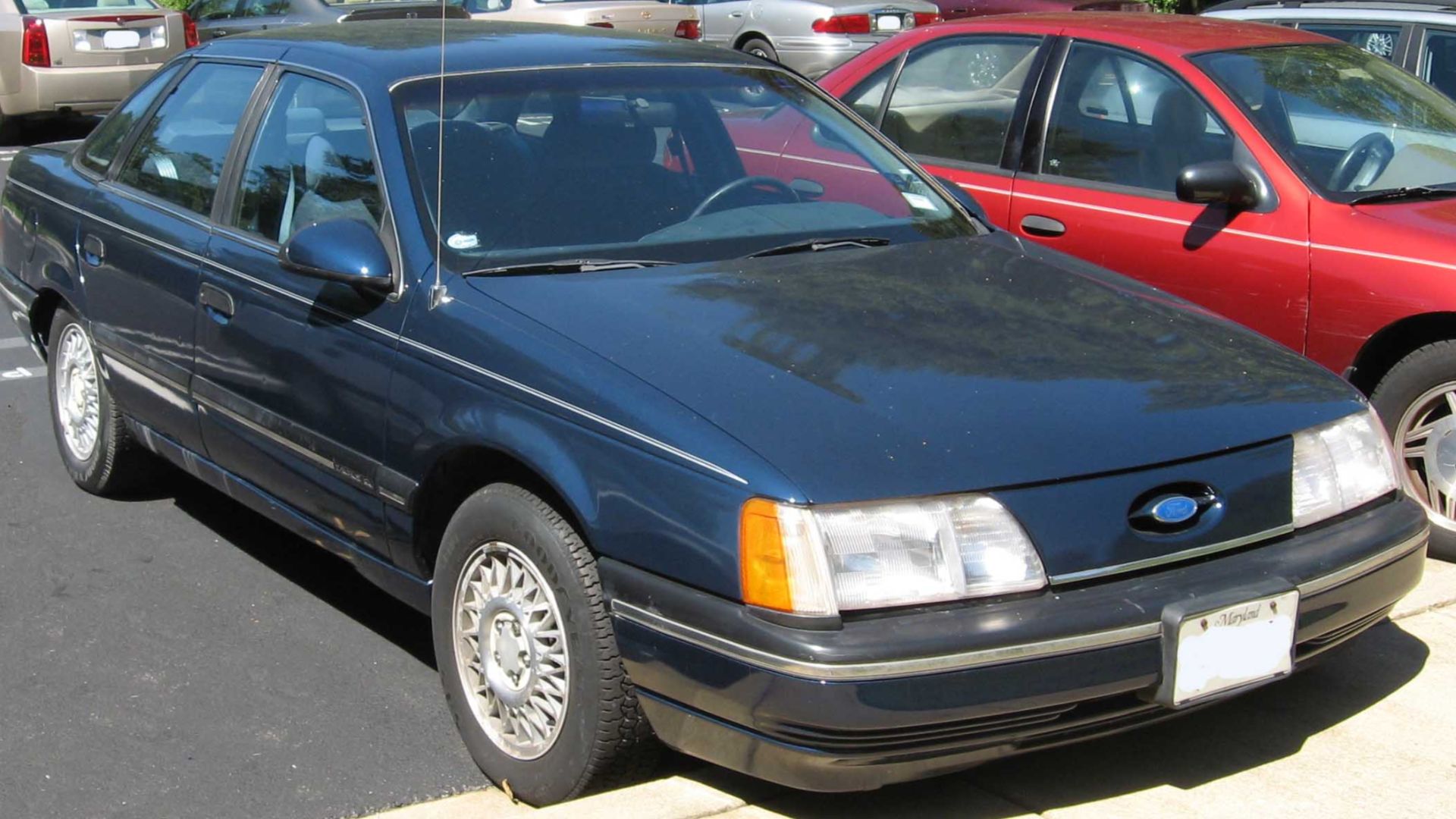
The funny thing is that Detroit did recover much of its confidence, just not through one magical automobile. Better manufacturing, improved quality, bolder designs, minivans, trucks, performance cars, and landmark models such as the Ford Taurus gradually changed the industry. The 1980s experiments mattered because even the failures taught Detroit something important: customers had stopped buying a badge simply because their parents did.
You May Also Like:
The $3.3 Million Plymouth Is One Of Just Five Ever Made—And They Called It “The White Elephant”