Mercedes Has A Collection Almost Nobody Gets To See
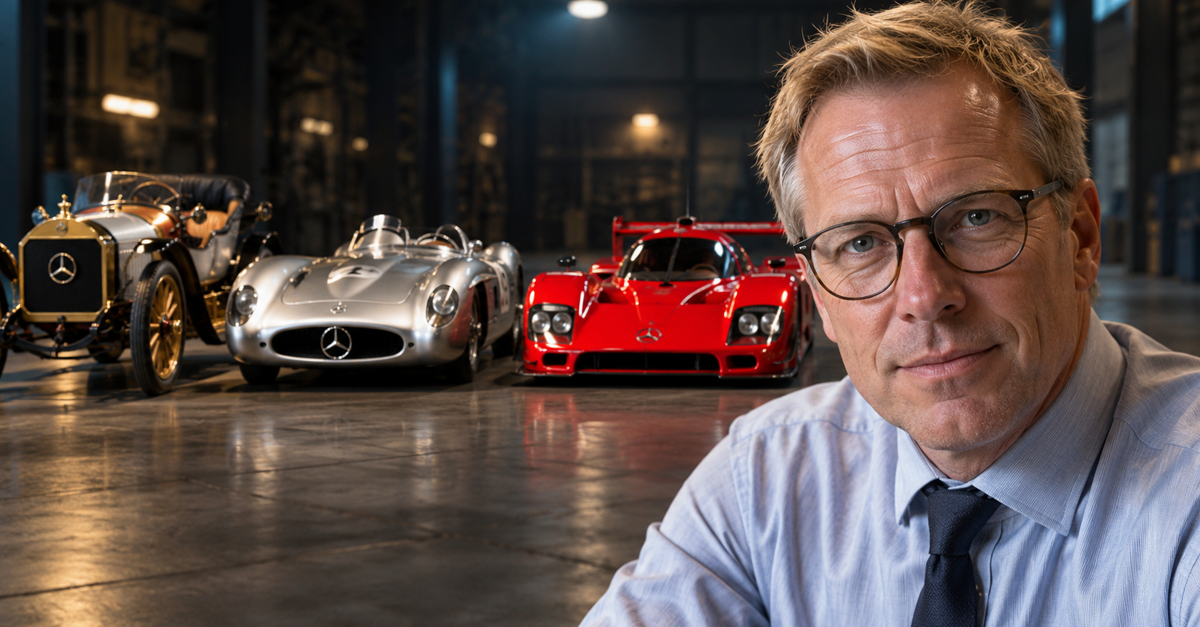
Mercedes has one of the greatest car collections on Earth, and most people will never see it. More than 1,000 historic vehicles are preserved behind closed doors, from priceless racers and prototypes to celebrity cars and engineering experiments. Mercedes calls these hidden storage sites the “Holy Halls.”
The Mercedes-Benz Museum Shows Only A Fraction
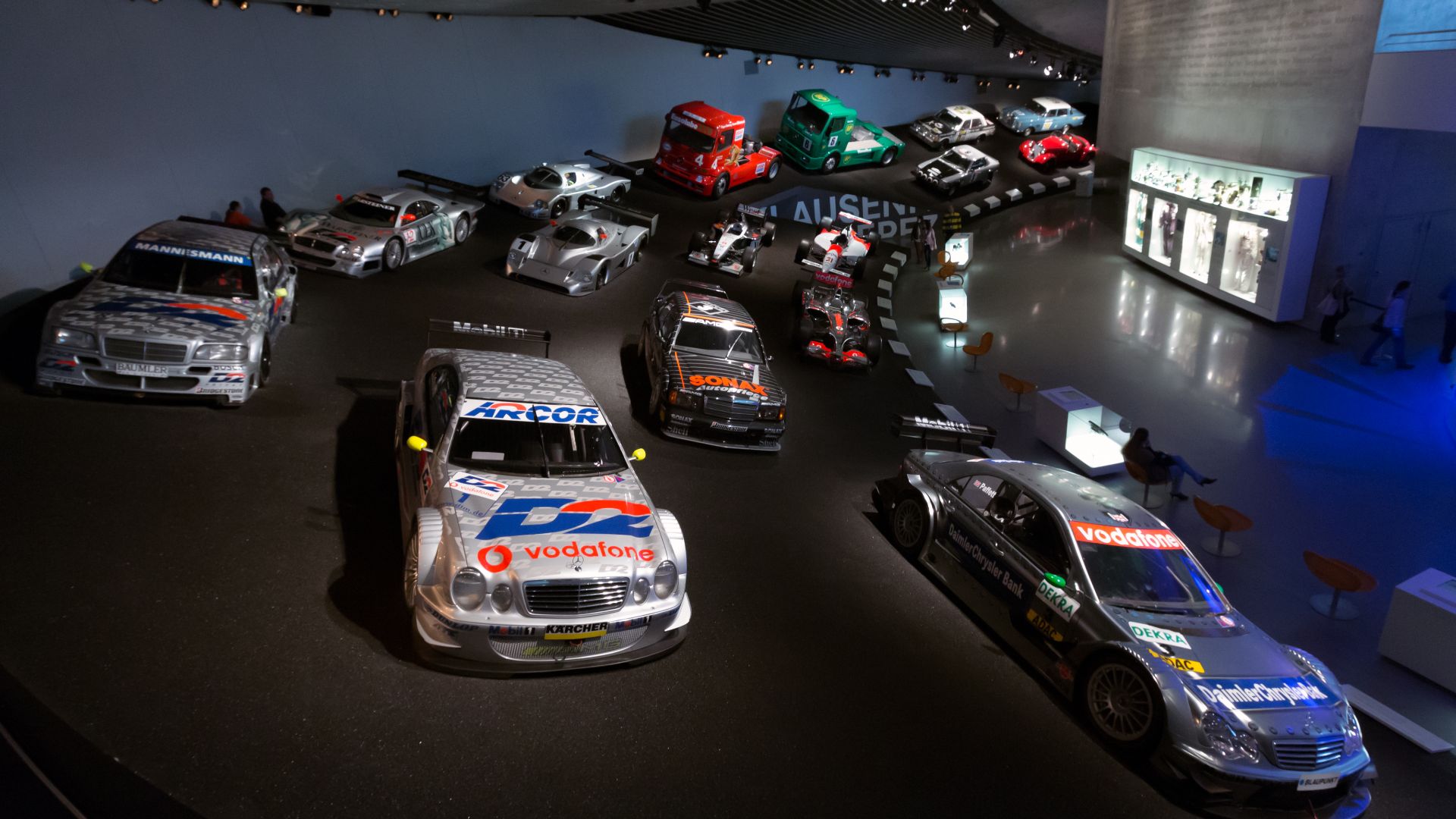
The Mercedes-Benz Museum in Stuttgart displays roughly 160 vehicles, offering visitors an impressive tour through the brand’s history. But it represents only a small part of the company’s full collection. Many of the rarest and strangest machines are stored elsewhere, far from the museum floor.
The “Holy Halls” Look Surprisingly Ordinary
Those hidden cars are spread across roughly a dozen discreet industrial buildings in and around Stuttgart. From the outside, there is little to suggest that priceless automotive history is sitting behind the doors. That anonymity is part of what makes the Holy Halls feel so secretive.
 User:Enslin, Wikimedia Commons
Mercedes Takes The Secrecy Seriously
During one rare media visit, a Mercedes curator reportedly asked journalists not to take phone photographs because embedded location data could reveal which buildings contained the cars. The facilities are not normally open for public tours. That only adds to the strange appeal of knowing more than a century of automotive history is sitting behind anonymous walls.
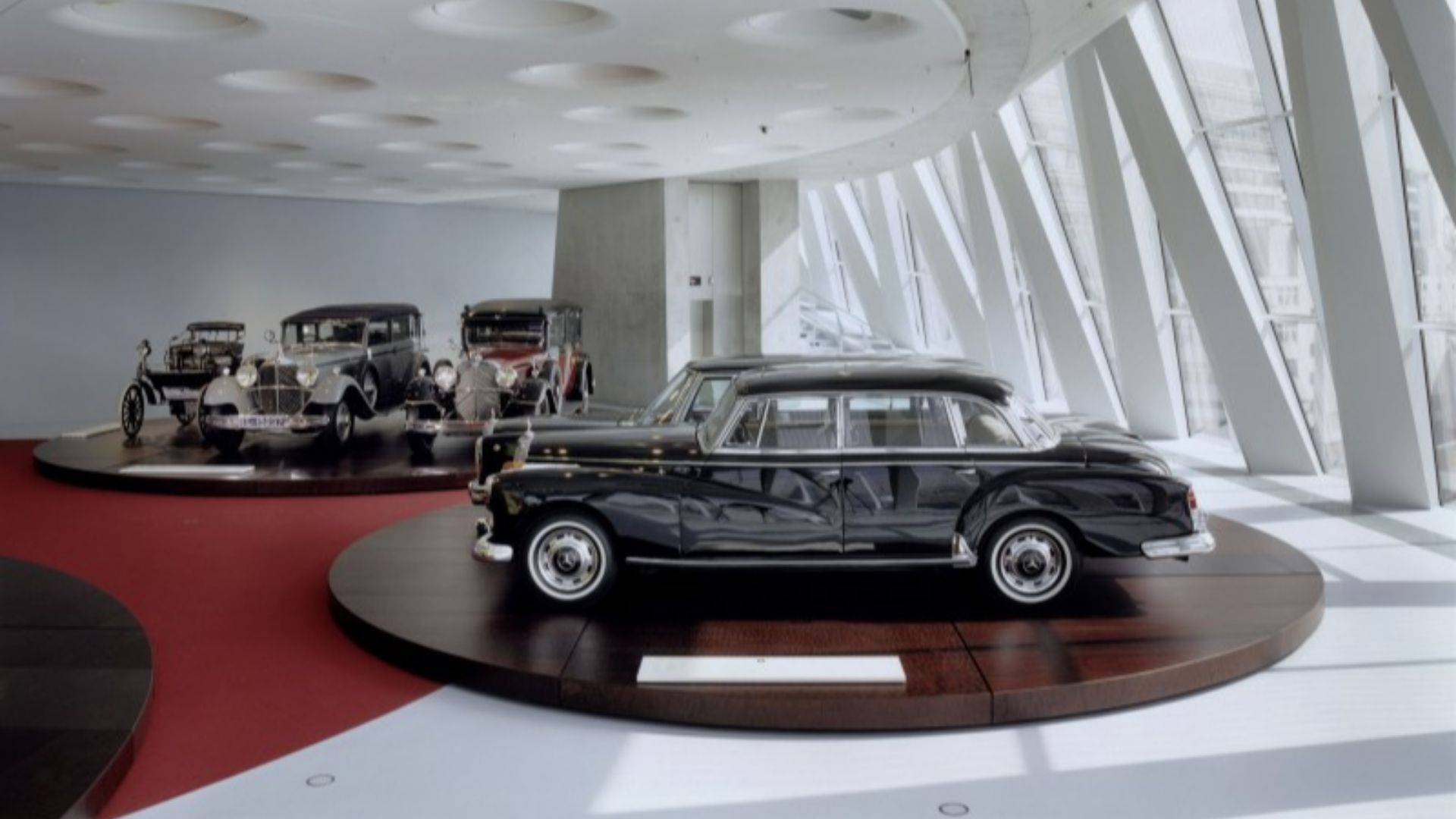 DaimlerChrysler AG
Original uploader was Cete at de.wikipedia, Wikimedia Commons
DaimlerChrysler AG
Original uploader was Cete at de.wikipedia, Wikimedia Commons
Not Every Car Is A Priceless Race Winner
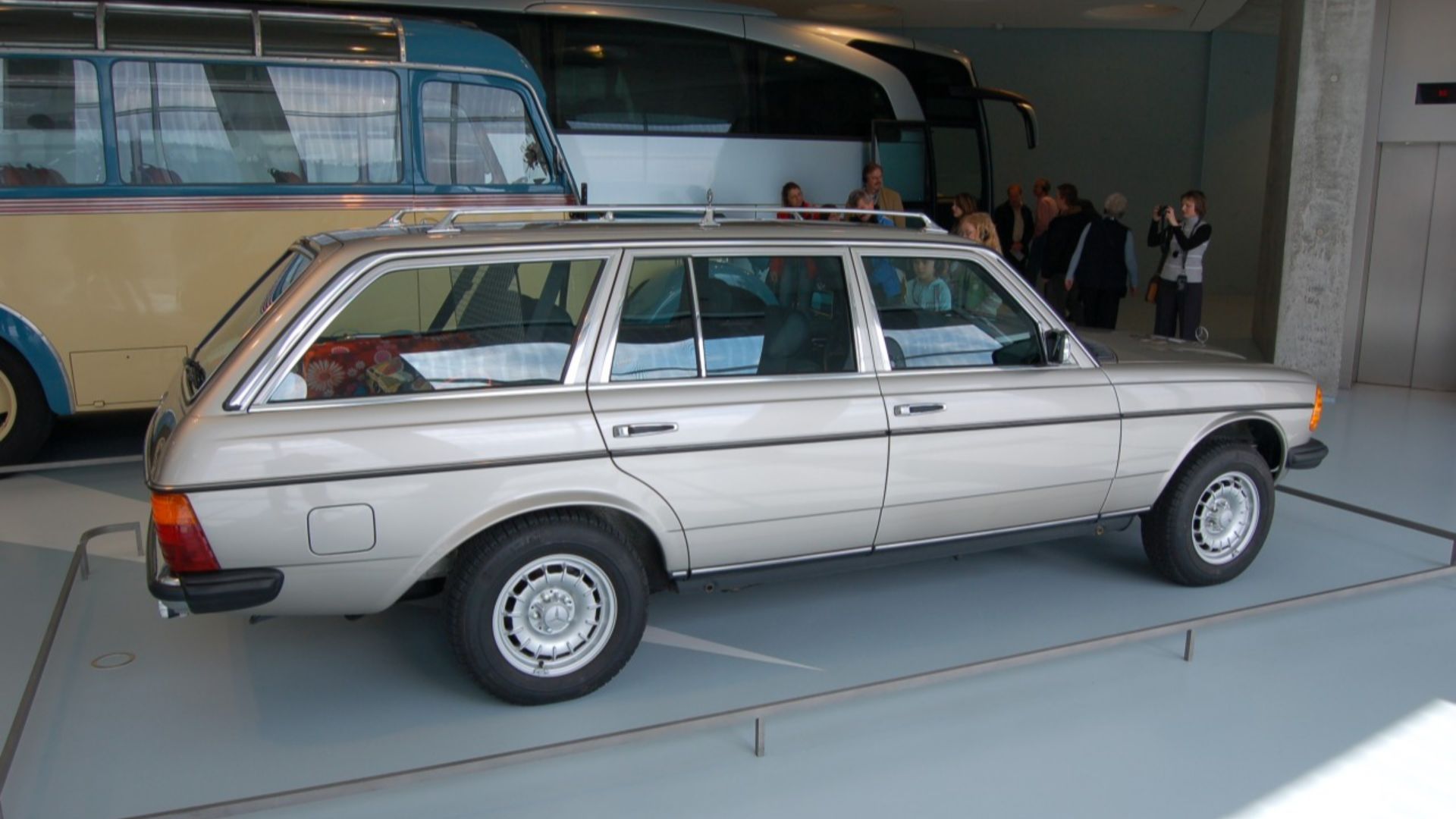
The collection is not limited to obvious showstoppers. Mercedes preserves production cars, experimental models, unusual specifications, concepts, and vehicles that represent important points in the company's history. That means an ordinary-looking sedan can sit surprisingly close to an irreplaceable Silver Arrow.
 Stephen Hanafin from Kilkenny, Ireland, Wikimedia Commons
Keeping Old Cars Alive Is Serious Work
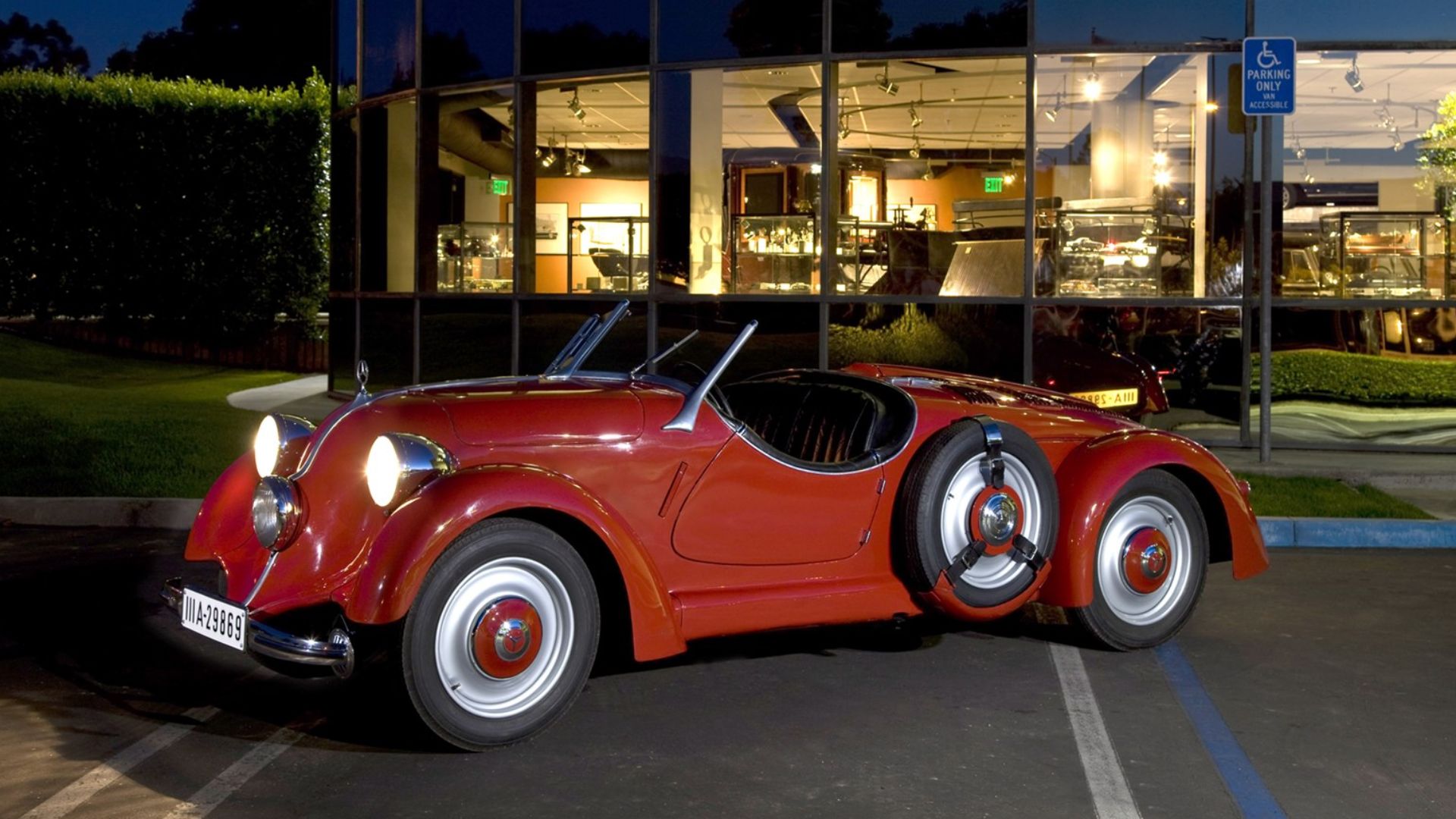
Storage involves much more than shutting the doors and turning off the lights. During a tour, Mercedes said its halls were maintained at about 20 degrees Celsius and 50 percent humidity, while fluids were removed from many vehicles intended for long-term storage. Cars are not needlessly started simply to keep their engines running.
 Mercedes-Benz USA, LLC., Wikimedia Commons
Old Electronics Can Be Worse Than Old Engines
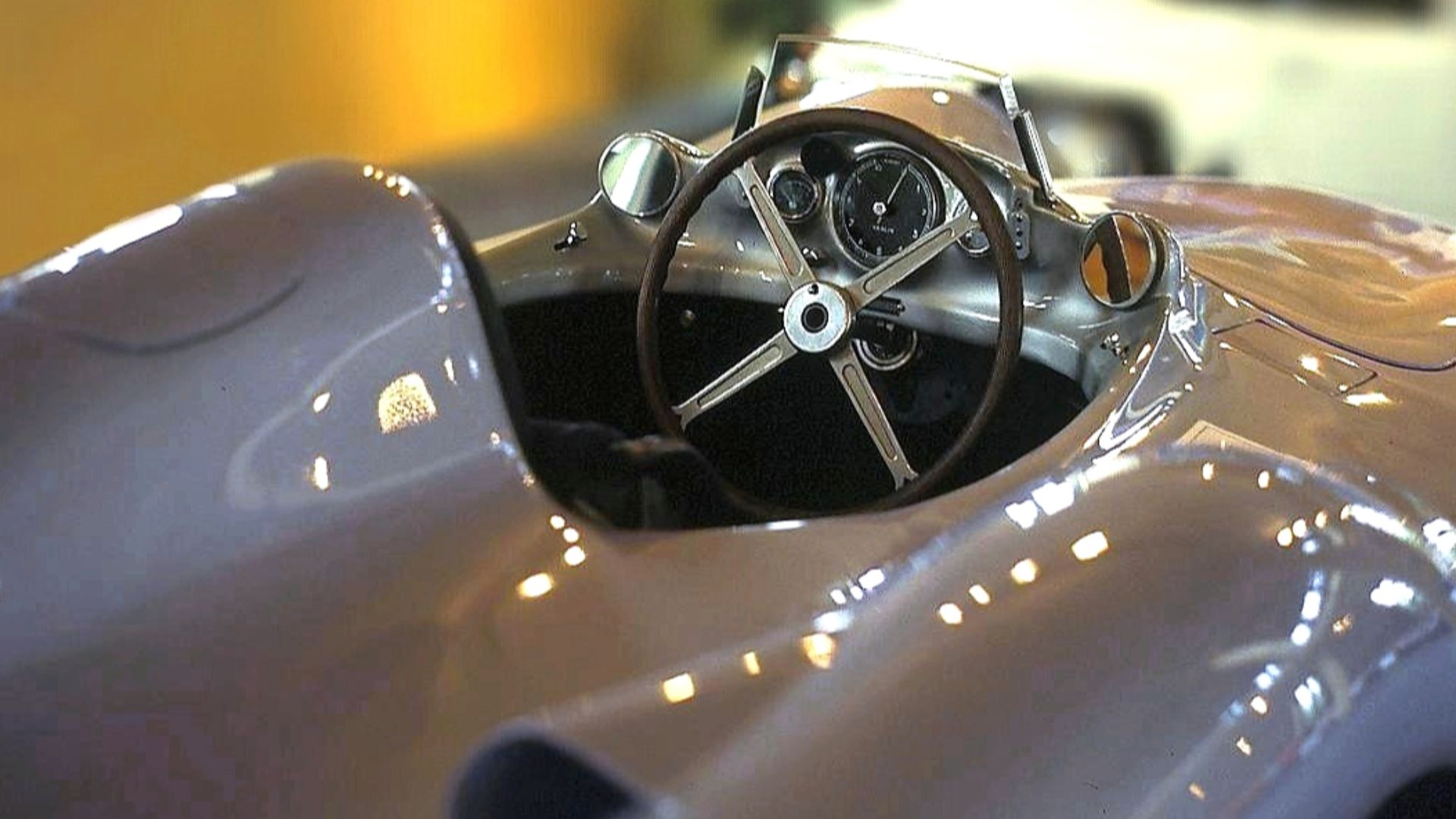
Surprisingly, electronics have become one of the collection's toughest preservation problems. Mercedes specialists told Wheels that rubber, tires, and many mechanical pieces can be recreated, while obsolete electronics, software, batteries, and computer hardware can be far harder to replace. Keeping a comparatively recent racing car operational can require vintage laptops and software as well as mechanics.
These Cars Do Not Always Stay Hidden
The Holy Halls may be storage facilities, but the collection is far from static. Historic vehicles regularly leave for exhibitions, concours events, demonstrations, and classic-car gatherings around the world, and Mercedes still runs important racing machinery in public when conditions allow. Here are some of the most remarkable cars Mercedes keeps tucked away inside.
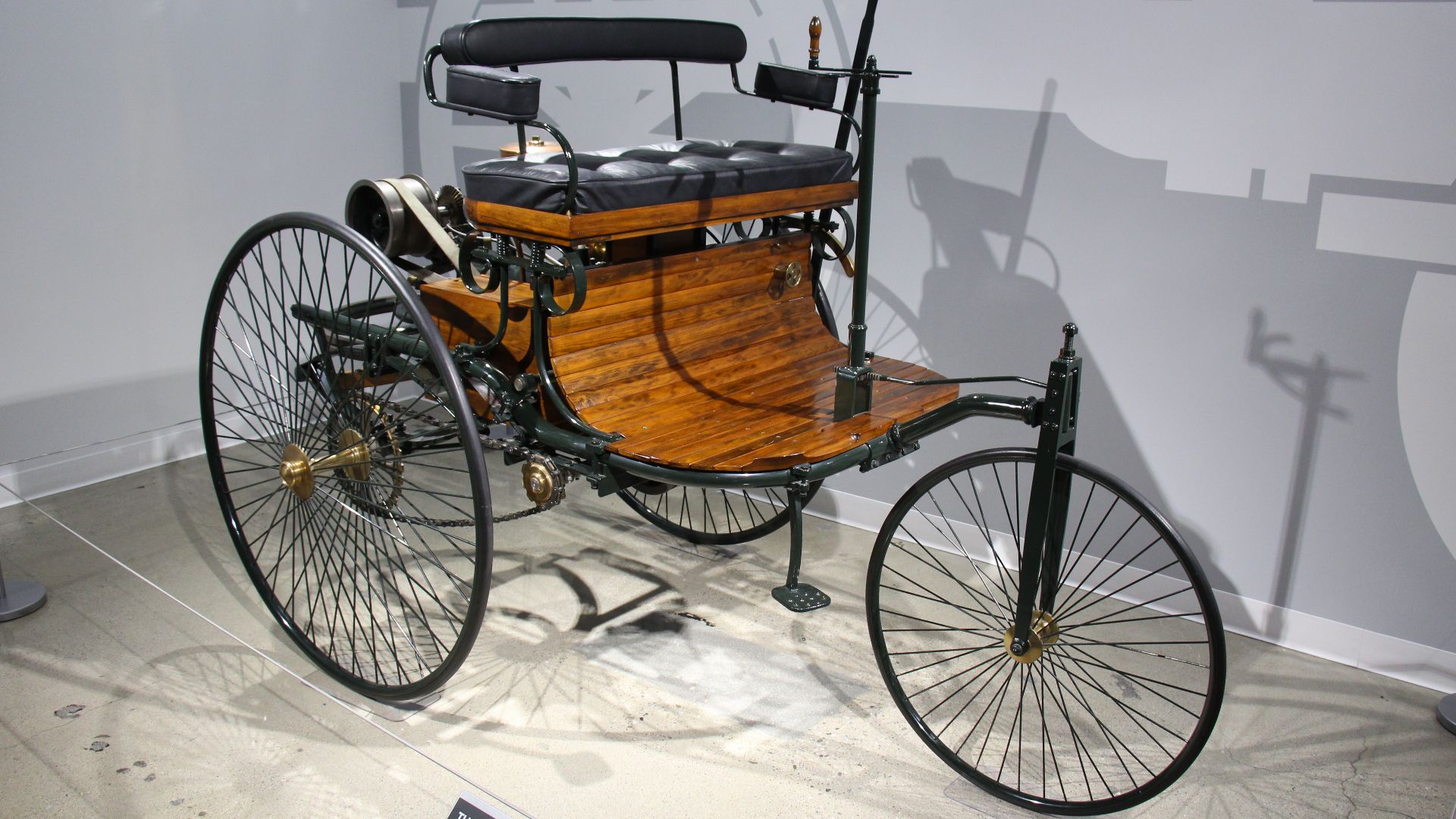
Benz Patent Motor Car
Among the collection's historical cornerstones is the Benz Patent Motor Car, which debuted in 1886 as the world’s first automobile. Mercedes' hidden collection stretches from machines of this pioneering era through modern performance cars. Few manufacturers can fill one storage system with vehicles covering that much automotive history.
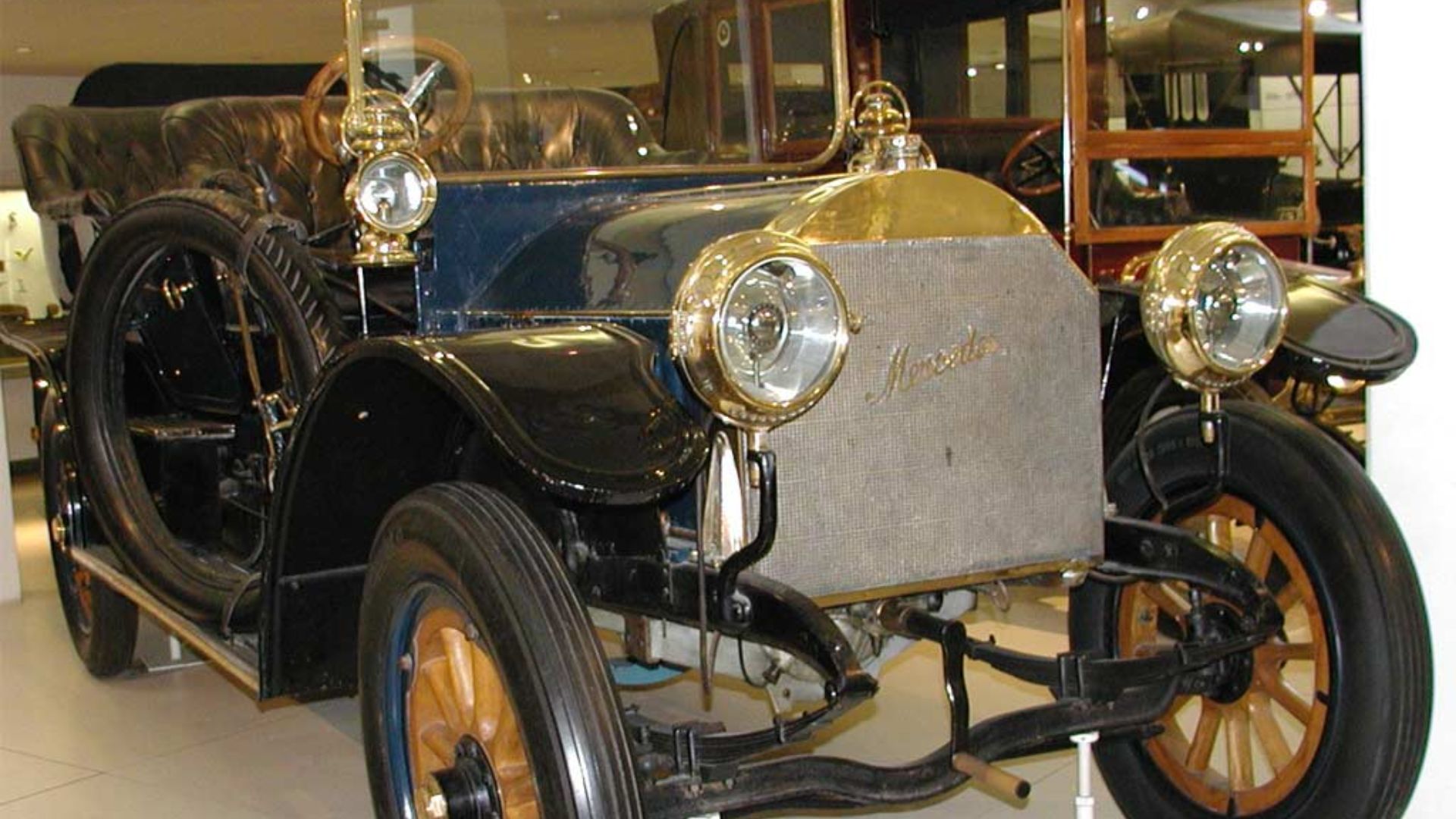
Mercedes Simplex
The collection also includes early Mercedes machines such as the Simplex, from an era when the basic layout of the modern automobile was rapidly taking shape. Mercedes identifies the 35 PS developed around the turn of the century as a decisive early step toward the modern car. It makes today's luxury sedans look like the distant descendants of something remarkably primitive. (The Auto Channel)
 Benutzer:Softeis at de.wikipedia, Wikimedia Commons
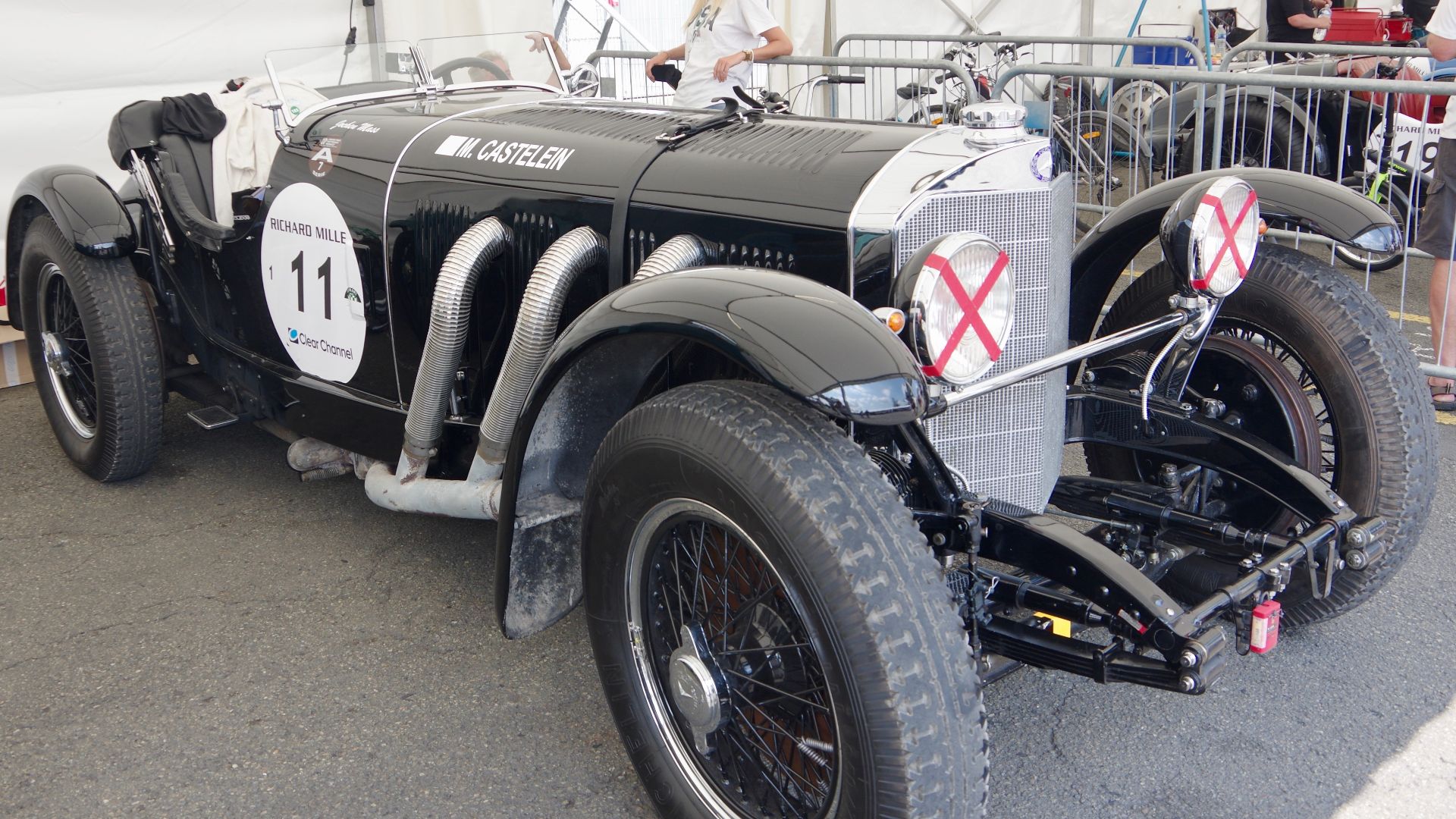
Mercedes-Benz SSK
Rows of early cars also include machines from Mercedes-Benz's supercharged S-series, including the formidable SSK. Built around the end of the 1920s, the SSK came from a family of road and competition cars that became closely associated with Mercedes performance. One was spotted tucked among other historic machinery during a visit to the collection and Classic Center.
 David Merrett from Daventry, England, Wikimedia Commons
Mercedes-Benz 540 K Streamliner
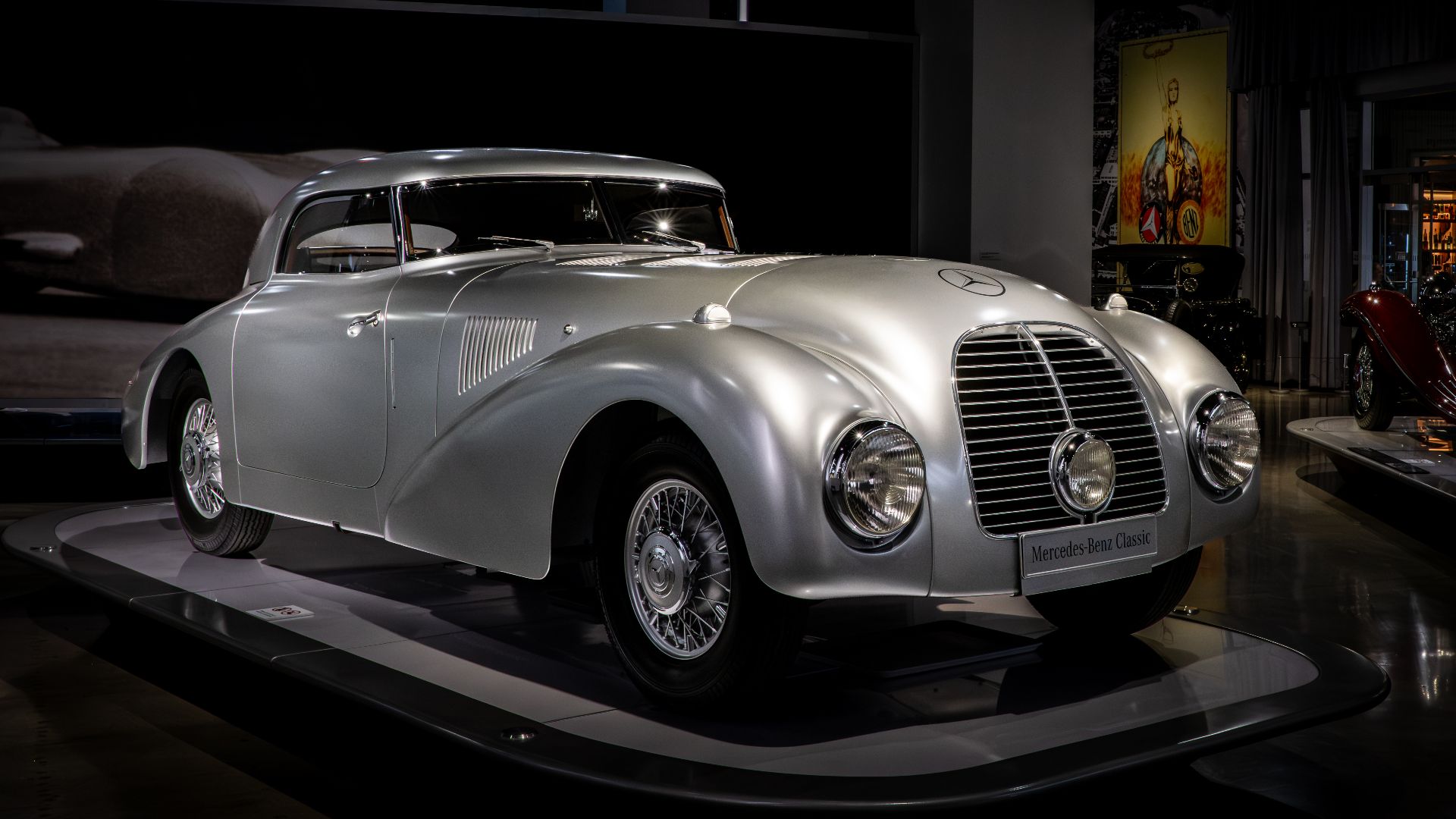
Mercedes' collection preserves examples from the extravagant 500 K and 540 K family as well. The 540 K became one of the company's defining luxury performance cars of the 1930s, while the extraordinary 540 K Streamliner demonstrated Mercedes' growing interest in aerodynamics. Mercedes still operates the surviving Streamliner at major heritage events.
 Guywelch2000, Wikimedia Commons
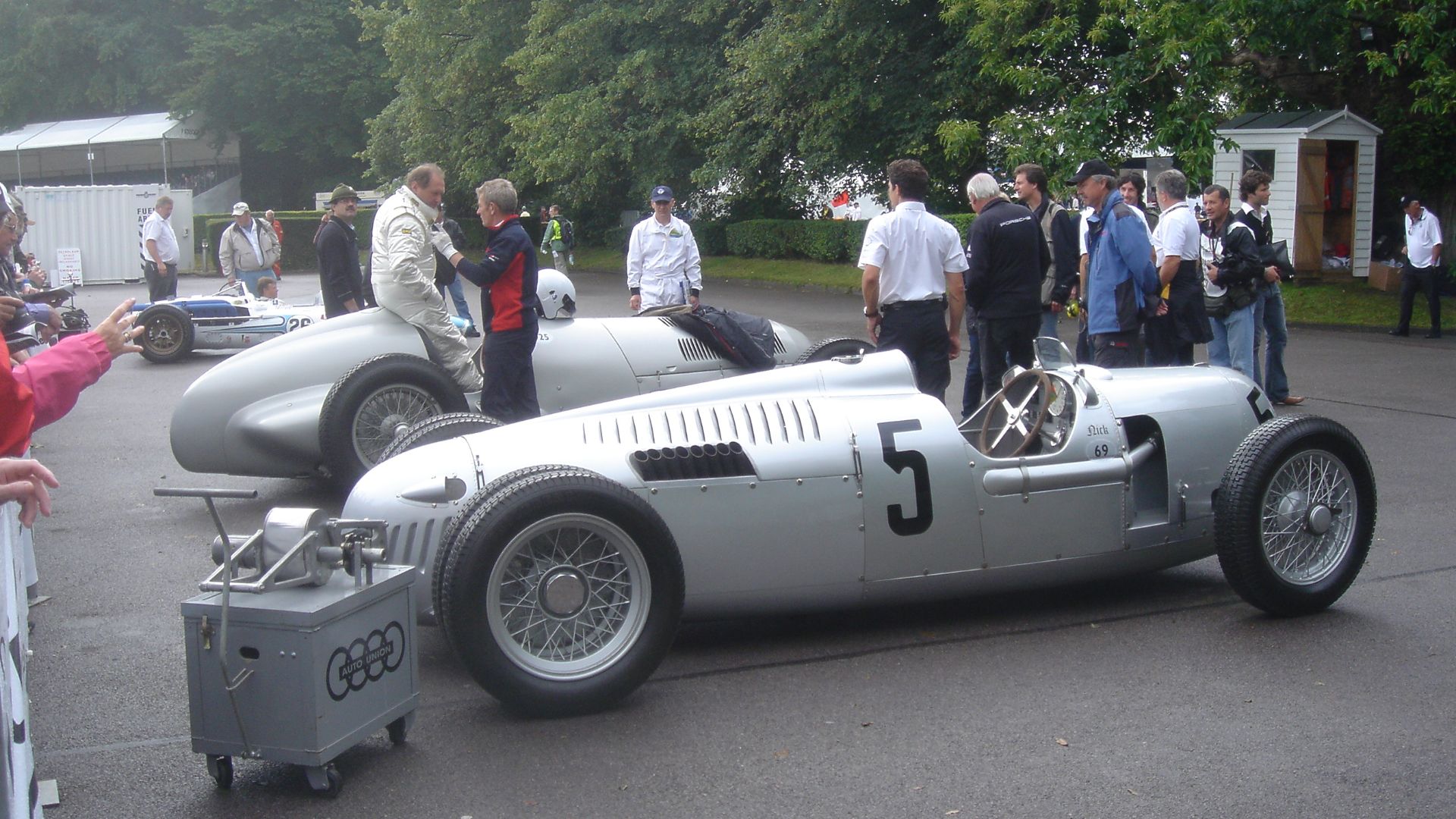
Mercedes-Benz Silver Arrow
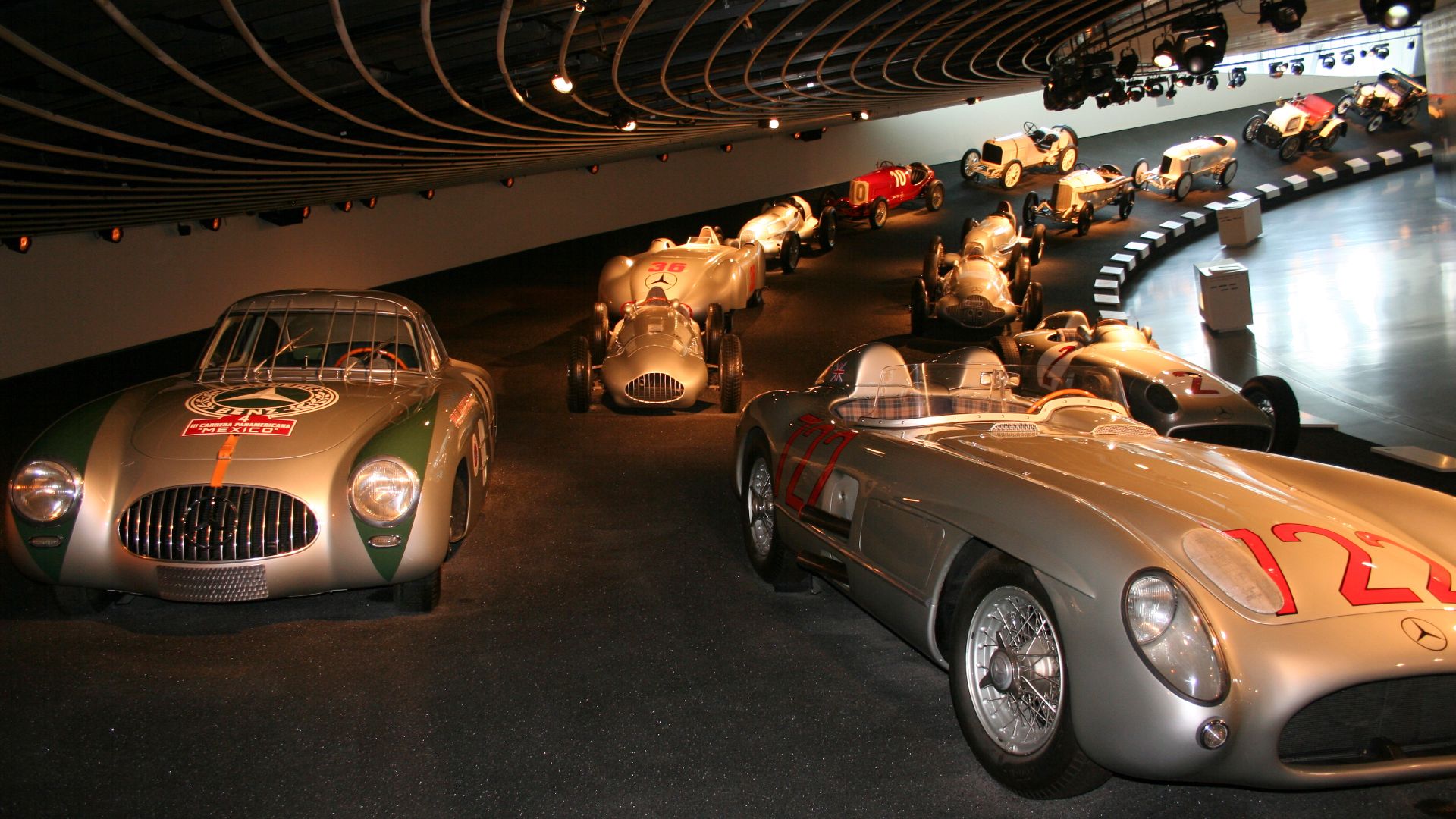
One of the most dramatic areas is devoted to Mercedes racing history. Reports from inside describe rows of competition cars ranging from prewar Silver Arrows to sports prototypes, touring cars, and Formula 1 machinery. Some of the newer F1 cars are stored in individual clear-fronted compartments stacked along a wall.
 Joeke-Remkus de Vries, Wikimedia Commons
Mercedes-Benz W 196 R
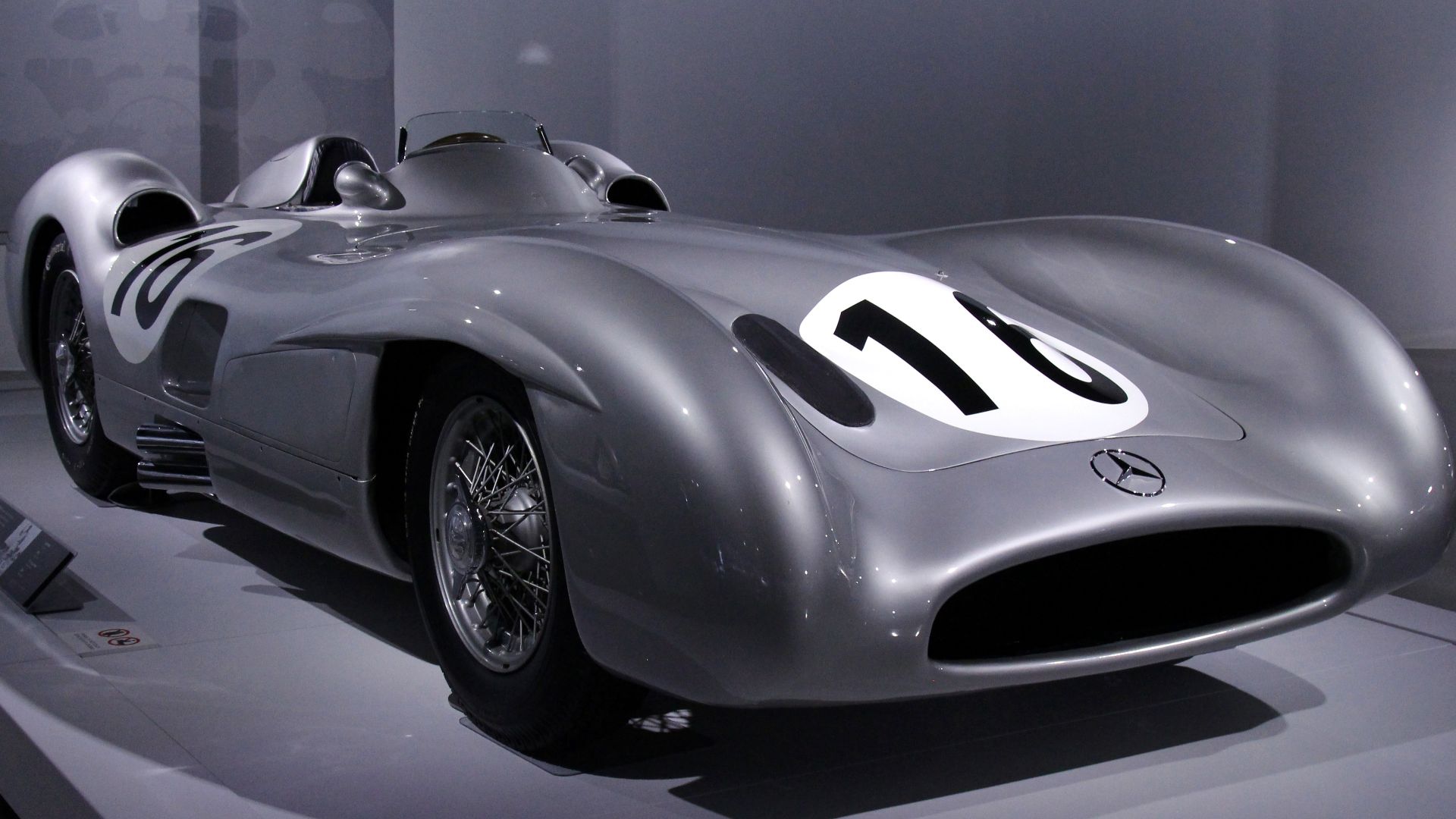
Among the great postwar Mercedes racers is the W 196 R, introduced when Mercedes returned to Formula 1 in 1954. Juan Manuel Fangio won the French Grand Prix on the car's debut weekend and went on to take the 1954 and 1955 world championships. Mercedes produced both streamlined and open-wheel versions depending on the circuit.
 Prayitno / Thank you for (12 millions +) view from Los Angeles, USA, Wikimedia Commons
Mercedes-Benz 300 SLR “722”
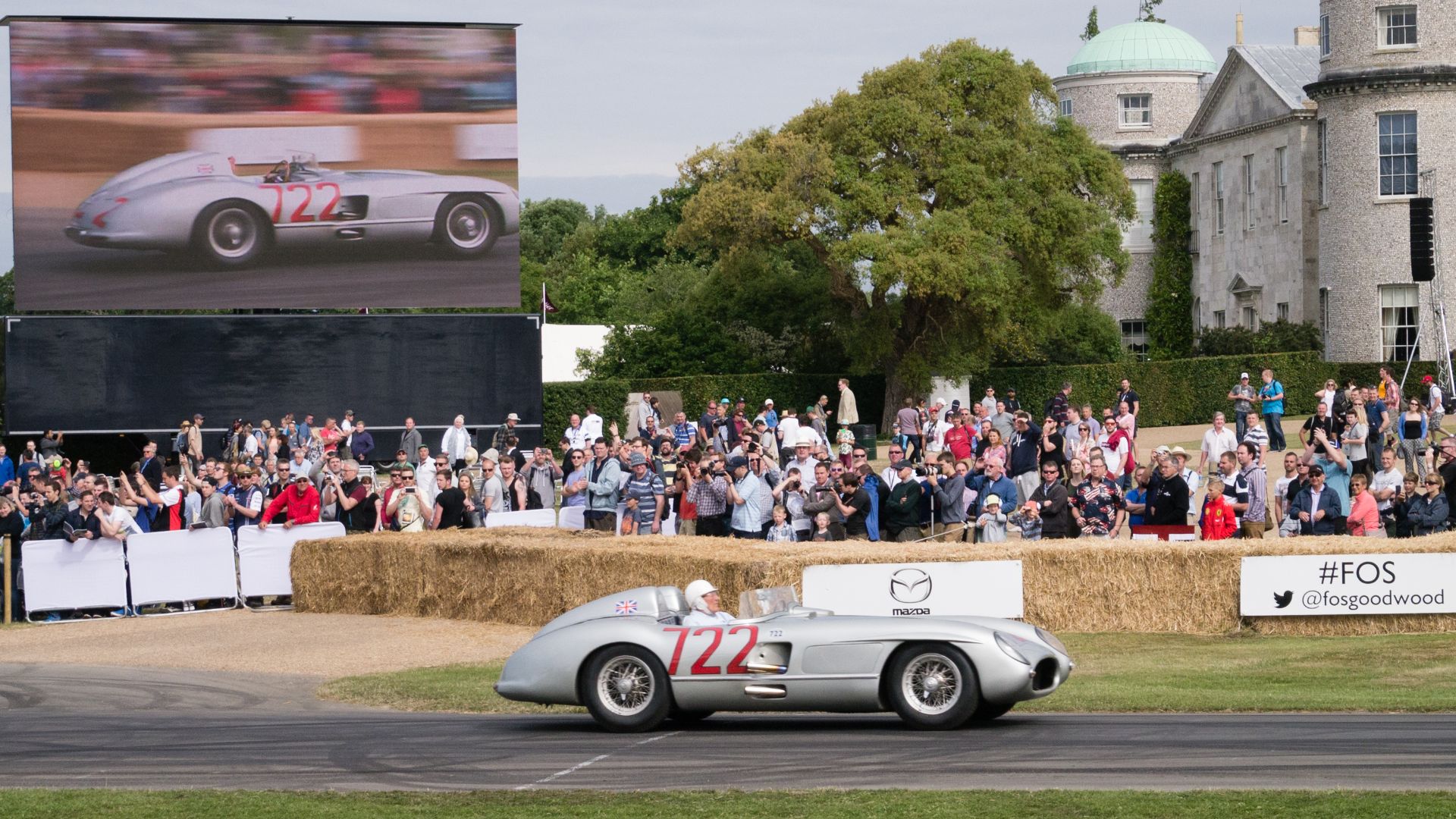
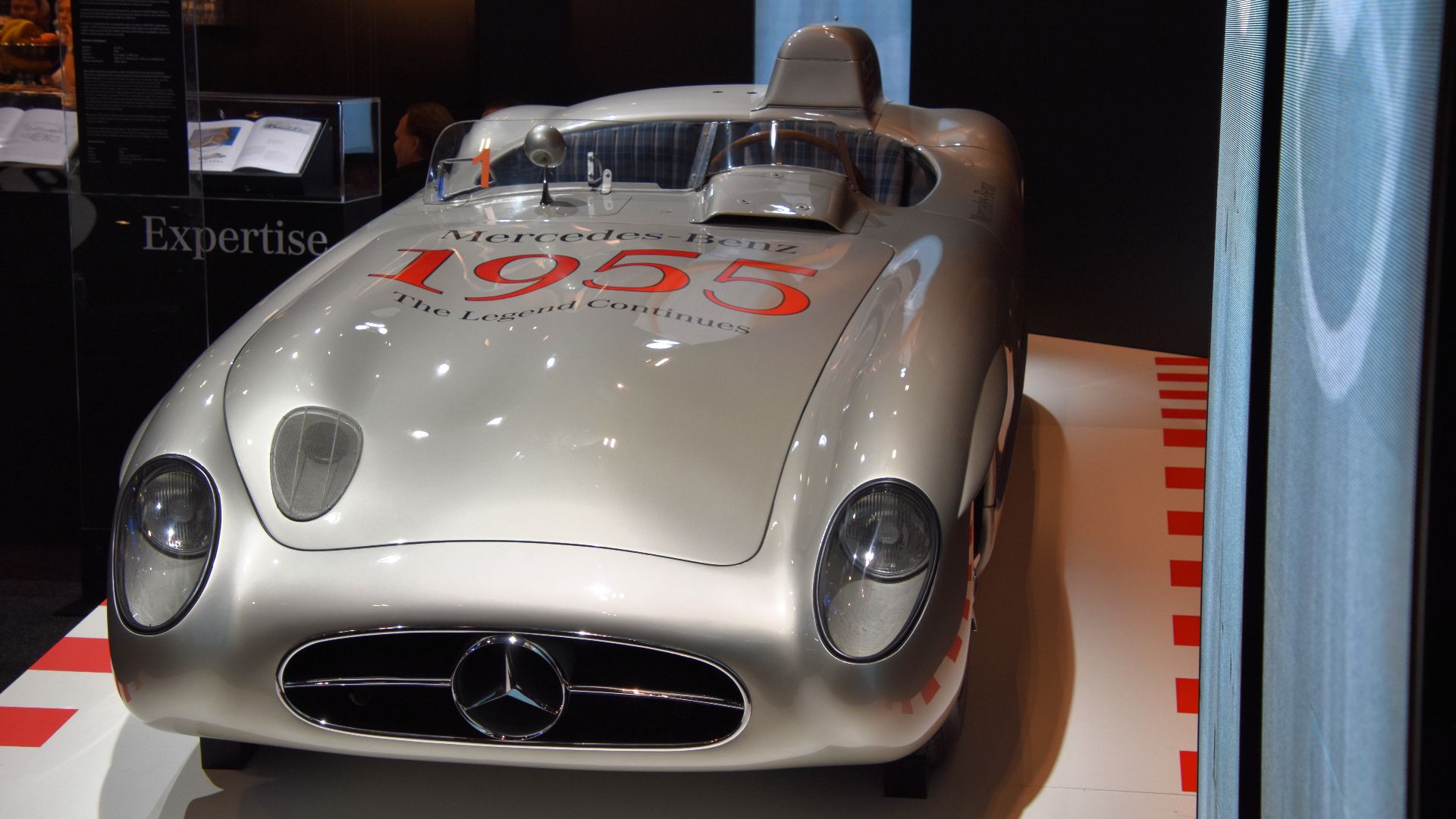
Few cars in the collection carry a story like the 300 SLR associated with Stirling Moss and Denis Jenkinson's 1955 Mille Miglia victory. Their number 722 car covered the notoriously demanding Italian road race in 10 hours, 7 minutes, and 48 seconds, setting a record that was never beaten before the original Mille Miglia ended. Mercedes still maintains 300 SLRs from its own collection for heritage appearances.
 Edvvc from London, UK, Wikimedia Commons
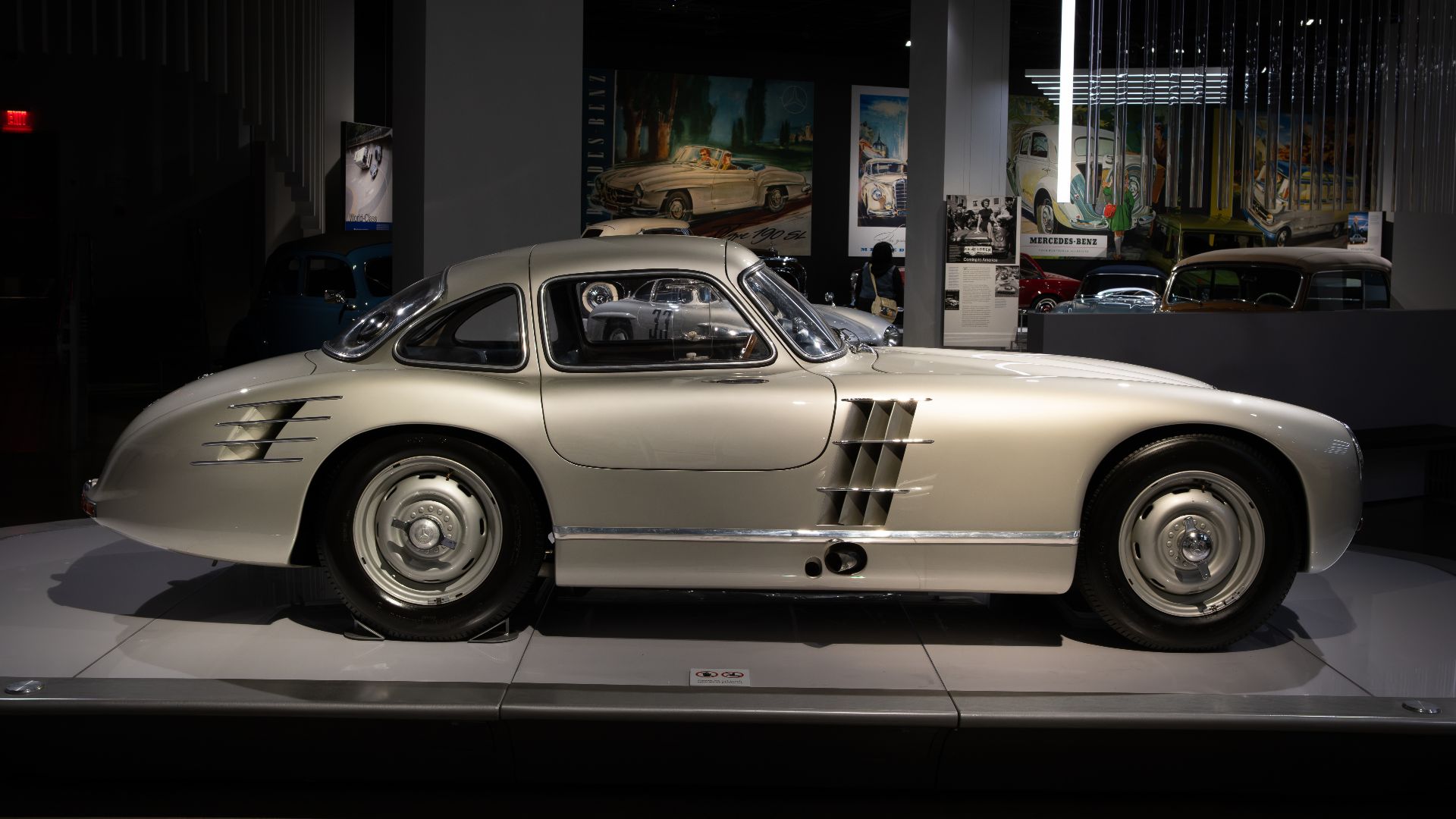
Mercedes-Benz 300 SLR Uhlenhaut Coupé
The value of the collection became very real in 2022. Mercedes sold one of its two 1955 300 SLR Uhlenhaut Coupés, previously part of the non-public collection, for €135 million. The private sale set a record for a car sold at auction and demonstrated just how extraordinary some of the company's preserved vehicles really are.
 Guywelch2000, Wikimedia Commons
Mercedes-Benz C 111
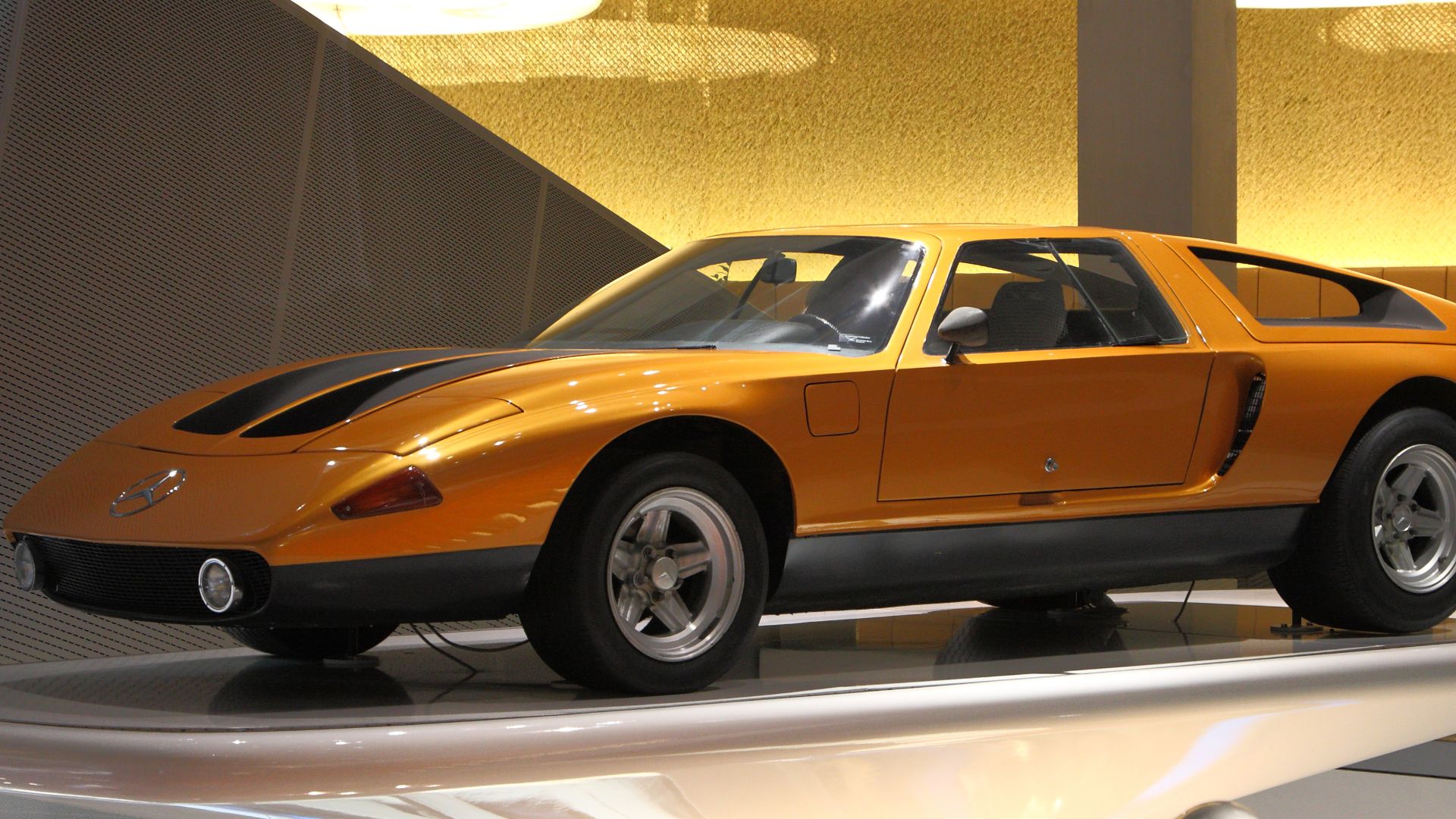
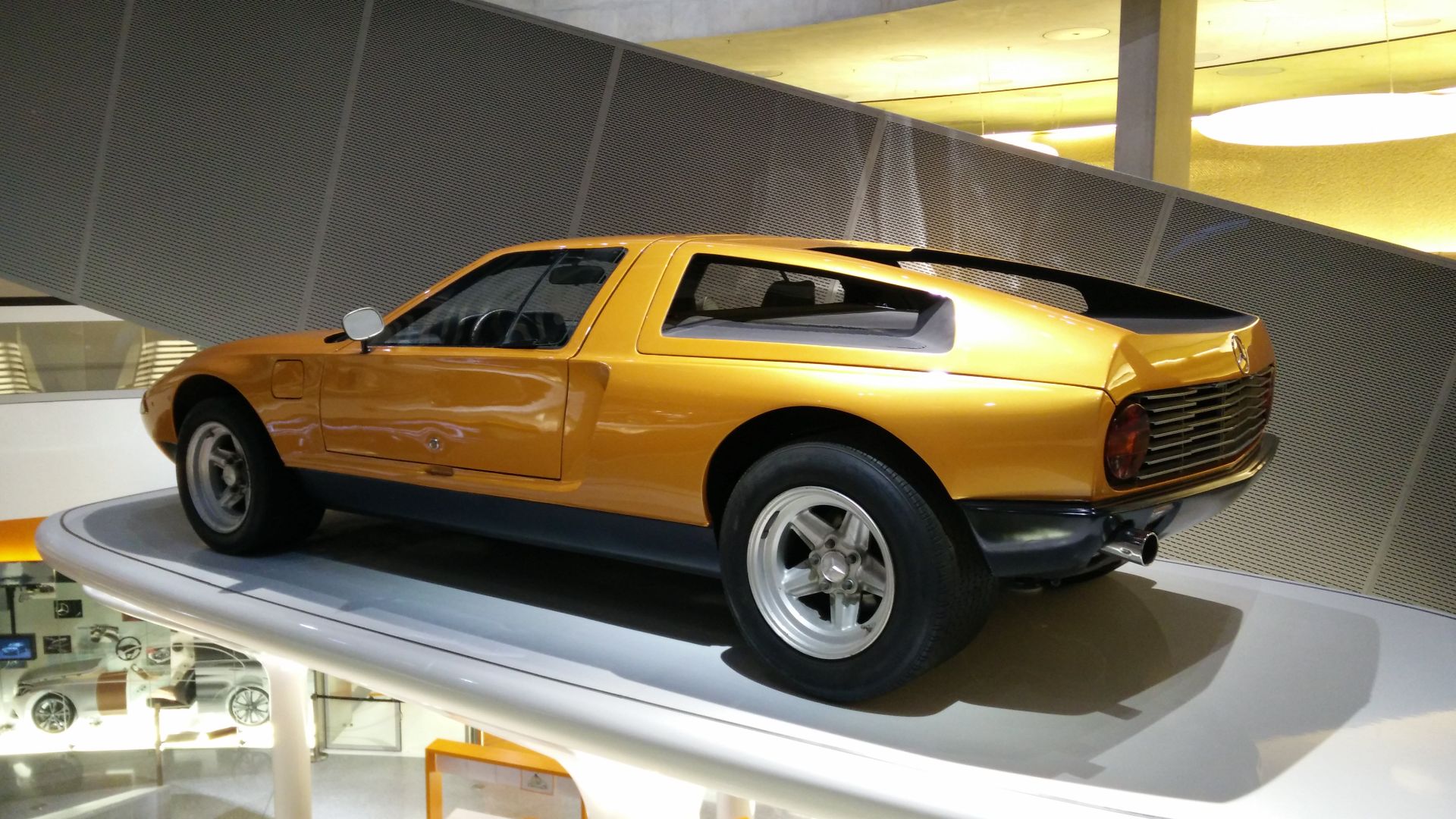
Then there are the bright orange C 111 experimental cars. Mercedes used different versions to investigate technologies including rotary engines, diesel power, turbocharging, aerodynamics, and high-speed record attempts. One 1970 C 111-II with a four-rotor Wankel engine produced 350 hp and was capable of around 300 km/h, yet Mercedes never put the C 111 into production.
Mercedes-Benz C 111 Collection
A 2019 visit counted 14 C 111 examples among the approximately 16 that had been produced in various forms. That makes the Holy Halls an unusually complete record of how the experimental program developed. The cars may look similar at first glance, but Mercedes continually changed their engines, aerodynamics, and technical purpose. (WhichCar)
 Nathanael Burton, Wikimedia Commons
Ayrton Senna’s Mercedes-Benz 190 E 2.3-16
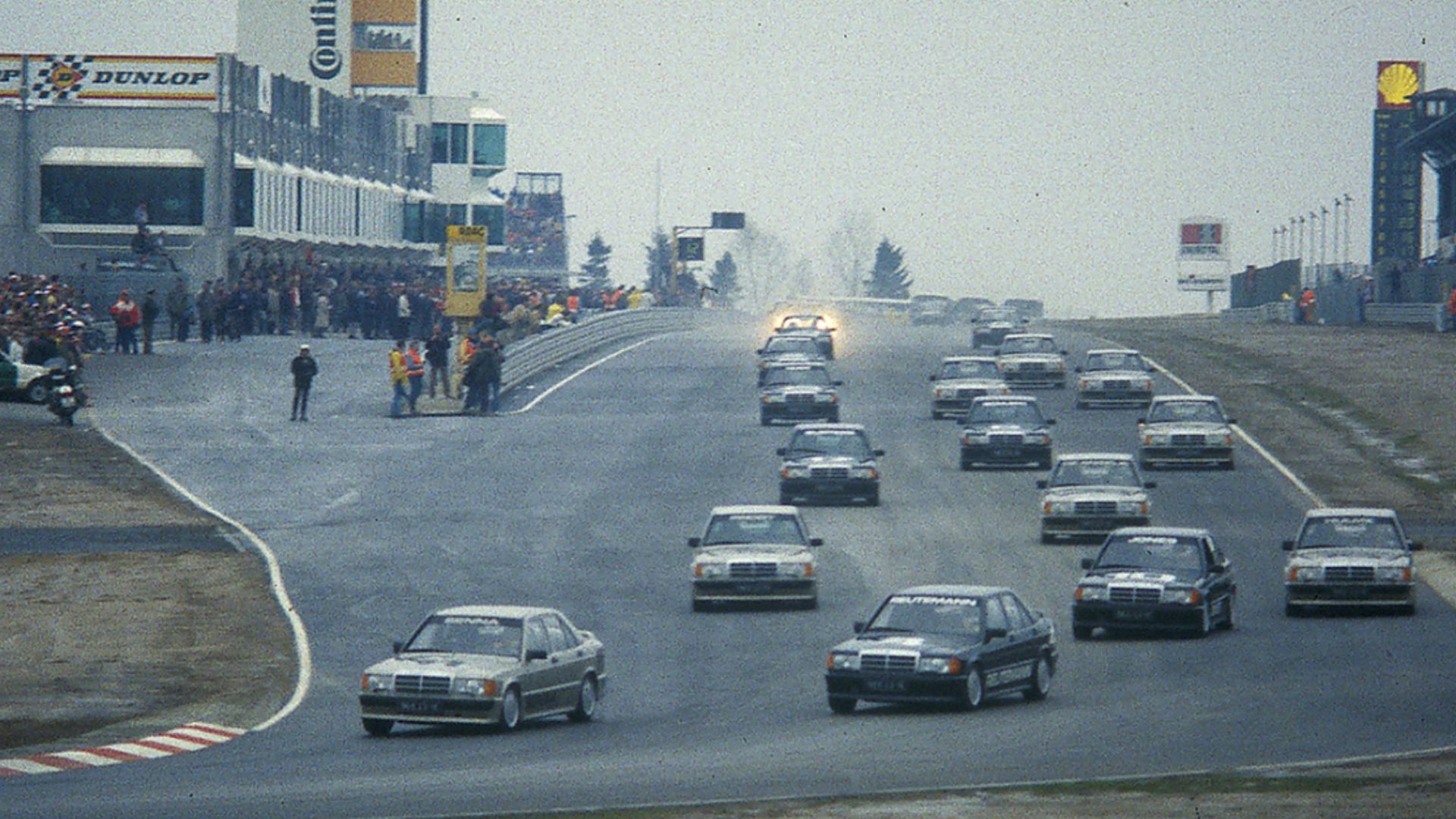
One remarkably understated treasure is the Mercedes-Benz 190 E 2.3-16 driven by Ayrton Senna at the Nürburgring in 1984. Mercedes organized a race with 20 near-identical 190 E 2.3-16 sedans and a field packed with established racing champions. The then 24-year-old Senna won, years before becoming a three-time Formula 1 world champion.
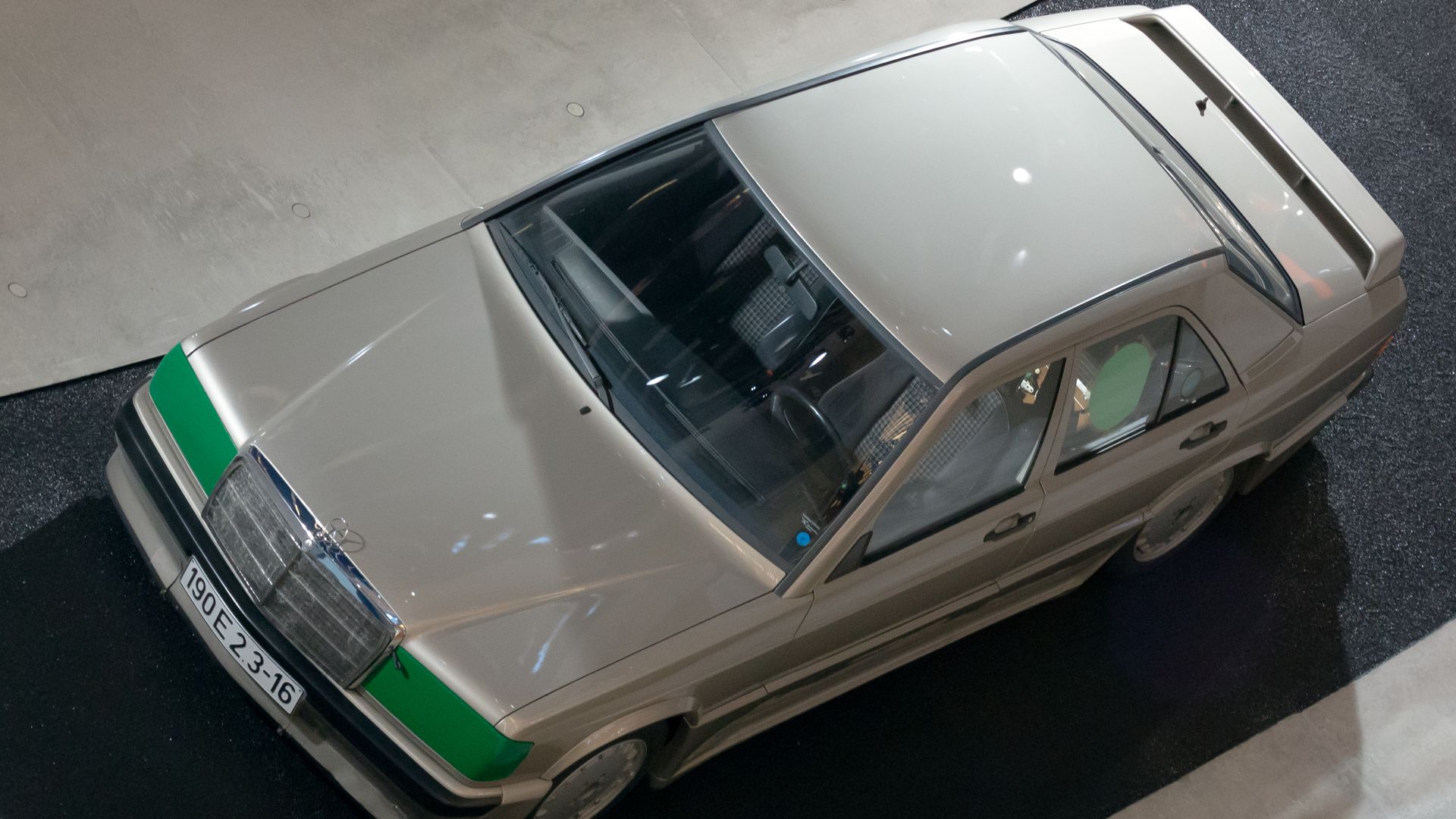
Mercedes-Benz 190 E 2.3-16 Nardò Record Car
Senna's car is not the only special 190 E preserved by Mercedes. In 1983, three 190 E 2.3-16 prototypes ran 50,000 kilometers around the Nardò test track in just over eight days while setting endurance records. One of those record cars was later photographed in Mercedes' collection still carrying the grime accumulated during its run.
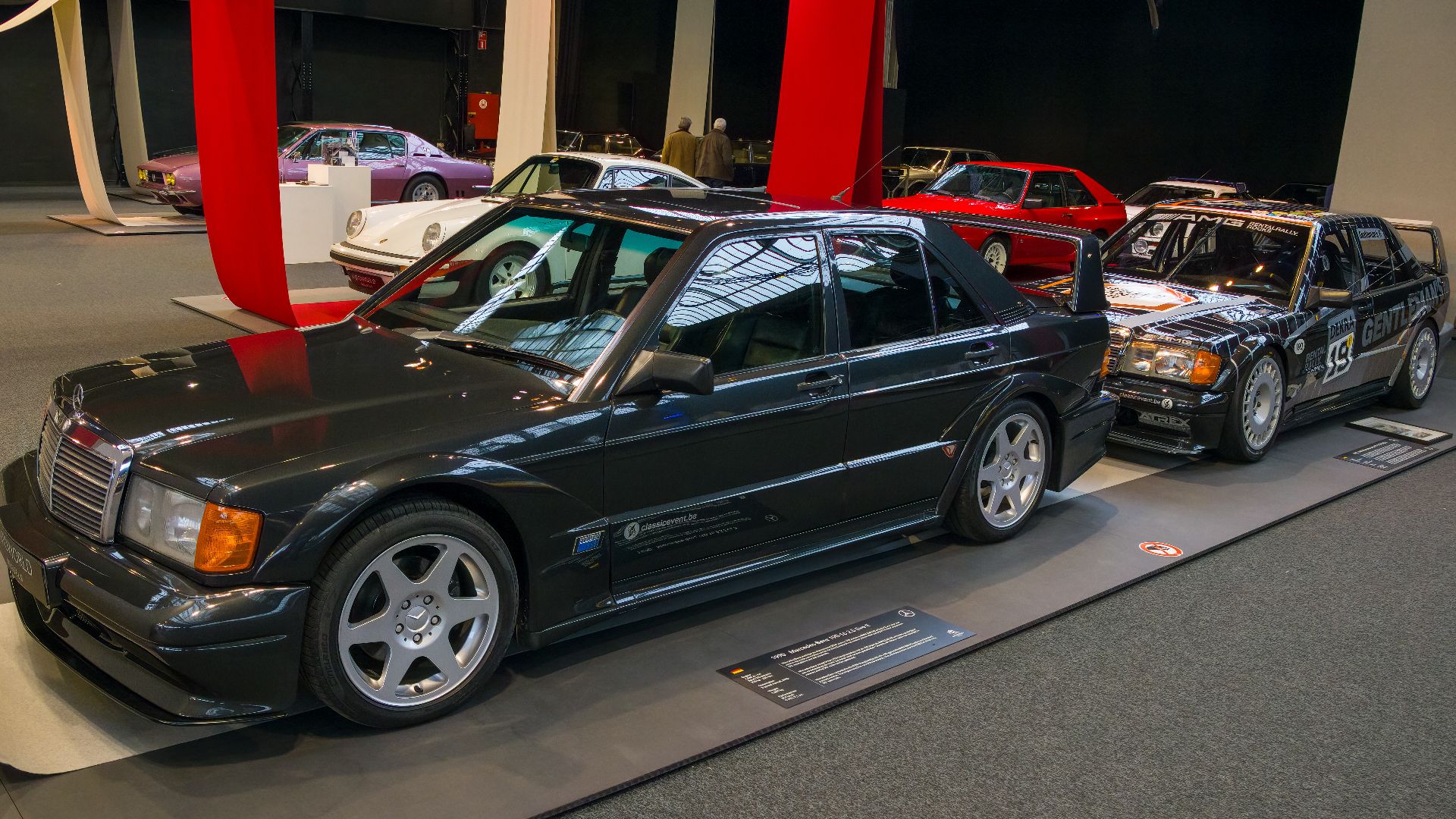
Mercedes-Benz 190 E 2.5-16 Evolution II
The Holy Halls also preserve the harder-edged side of the 190 E story, including the 190 E 2.5-16 Evolution II. The dramatically winged sedan was developed as Mercedes intensified its touring-car program and has become one of the most recognizable performance cars of the era. Mercedes specifically included the Evo II among the stars documented from the secret collection.
 Clemens Vasters from Viersen, Germany, Germany, Wikimedia Commons
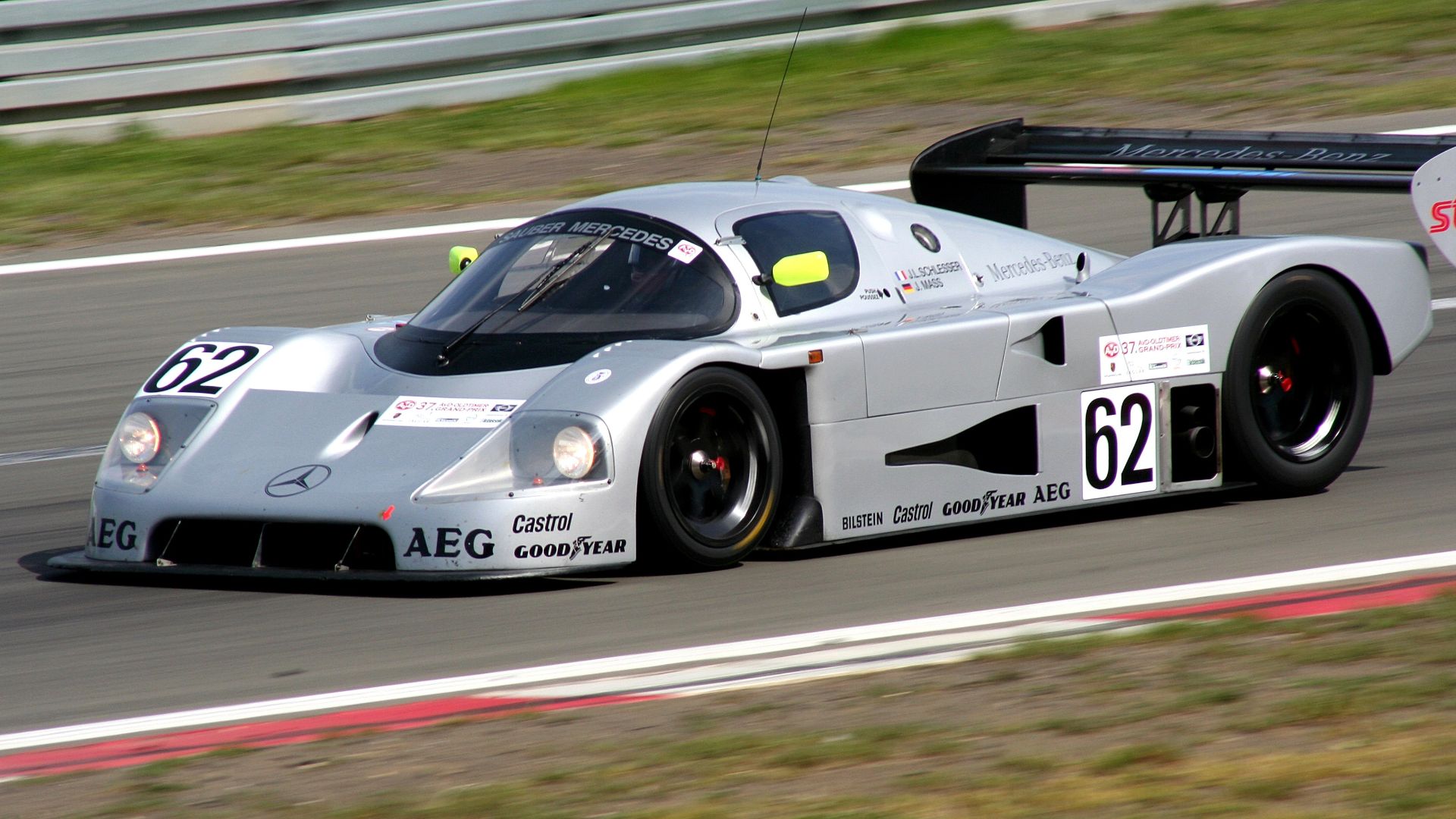
Sauber-Mercedes C 9
Mercedes' sports-car racing revival is there too, including the Sauber-Mercedes C 9. These Group C machines helped return Mercedes to the front of international endurance racing during the late 1980s. Mercedes' own description of the Holy Halls collection specifically identifies the C 9 among its preserved motorsport highlights.
 Spurzem - Lothar Spurzem, Wikimedia Commons
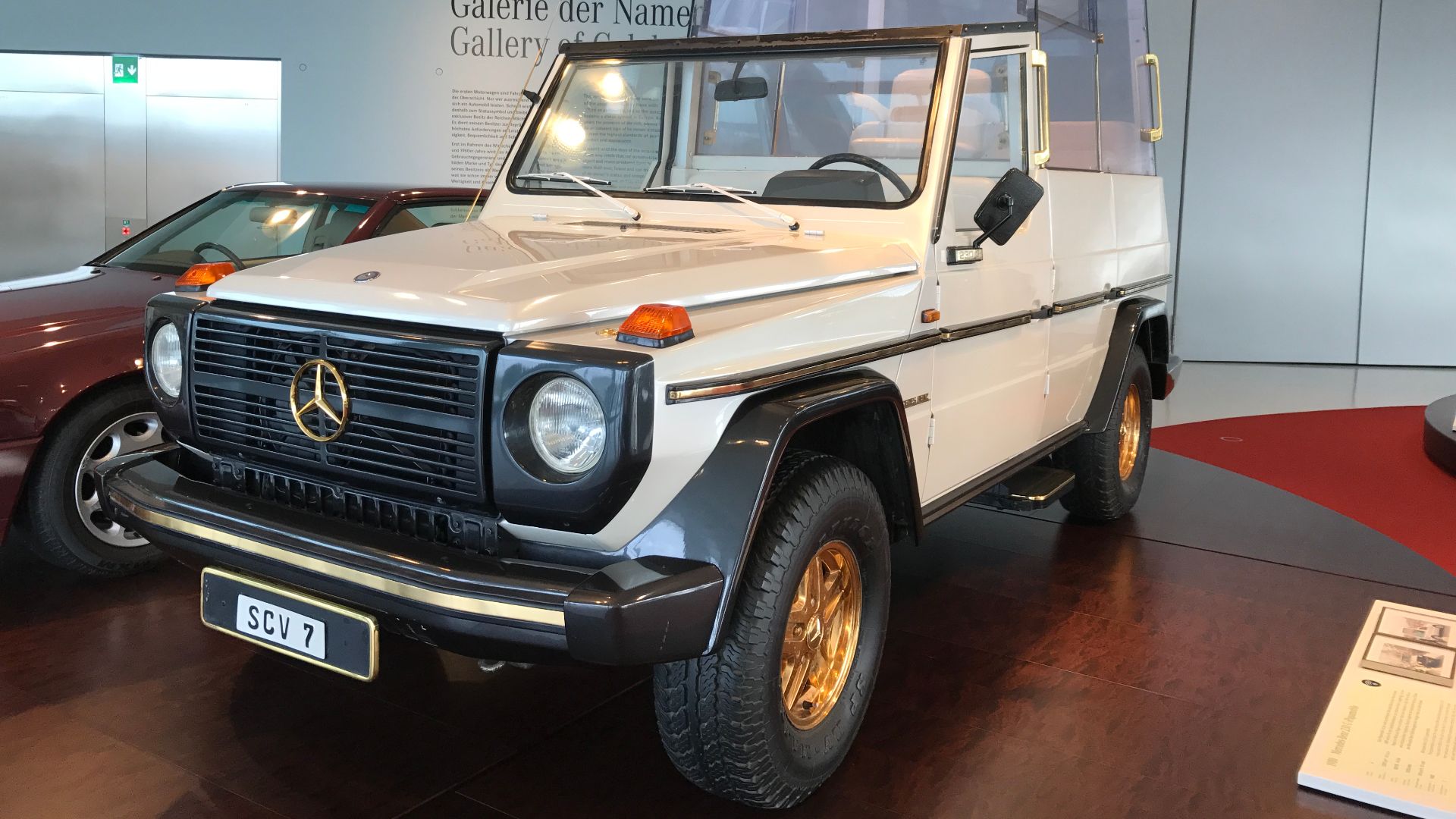
Mercedes-Benz Popemobile
The collection gets considerably stranger once you move away from racing cars. Mercedes has preserved special vehicles built for papal use, including versions based on the G-Class and large luxury sedans. These machines document a very different branch of the company's engineering history, focused on visibility, security, and ceremonial transportation rather than lap times. (The Auto Channel)
Arnold Schwarzenegger's Mercedes-Benz S-Class
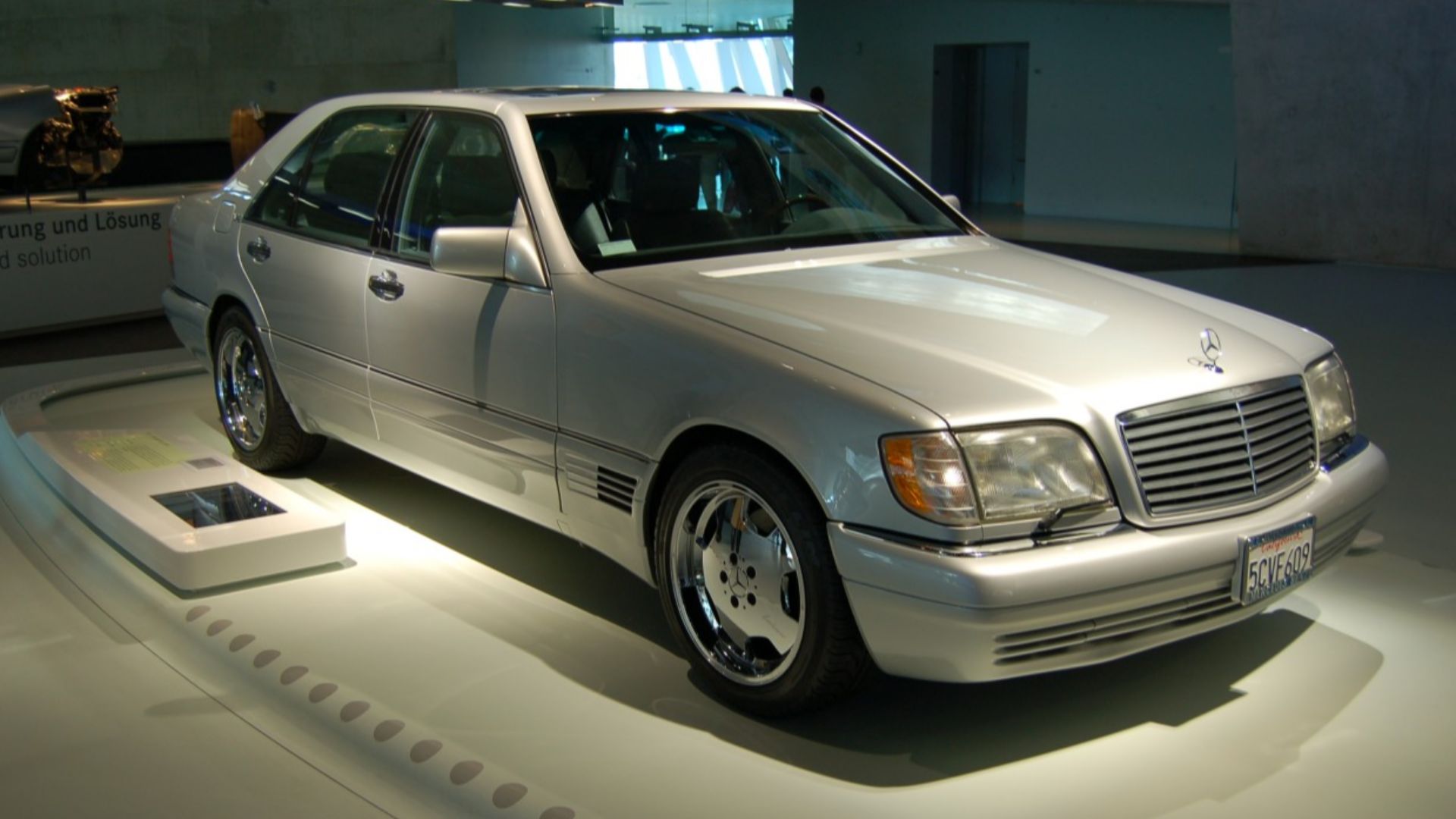
Not every celebrity-connected car is quite so formal. During one Holy Halls tour, curator Holger Lützenkirchen pointed out a silver W140-generation S-Class with gold detailing that he identified as having belonged to Arnold Schwarzenegger. In a building full of race winners and prototypes, even an unusually decorated S-Class comes with a story.
 stephenhanafin from Kilkenny, Ireland, Wikimedia Commons
There Are Cars Mercedes Never Intended To Sell
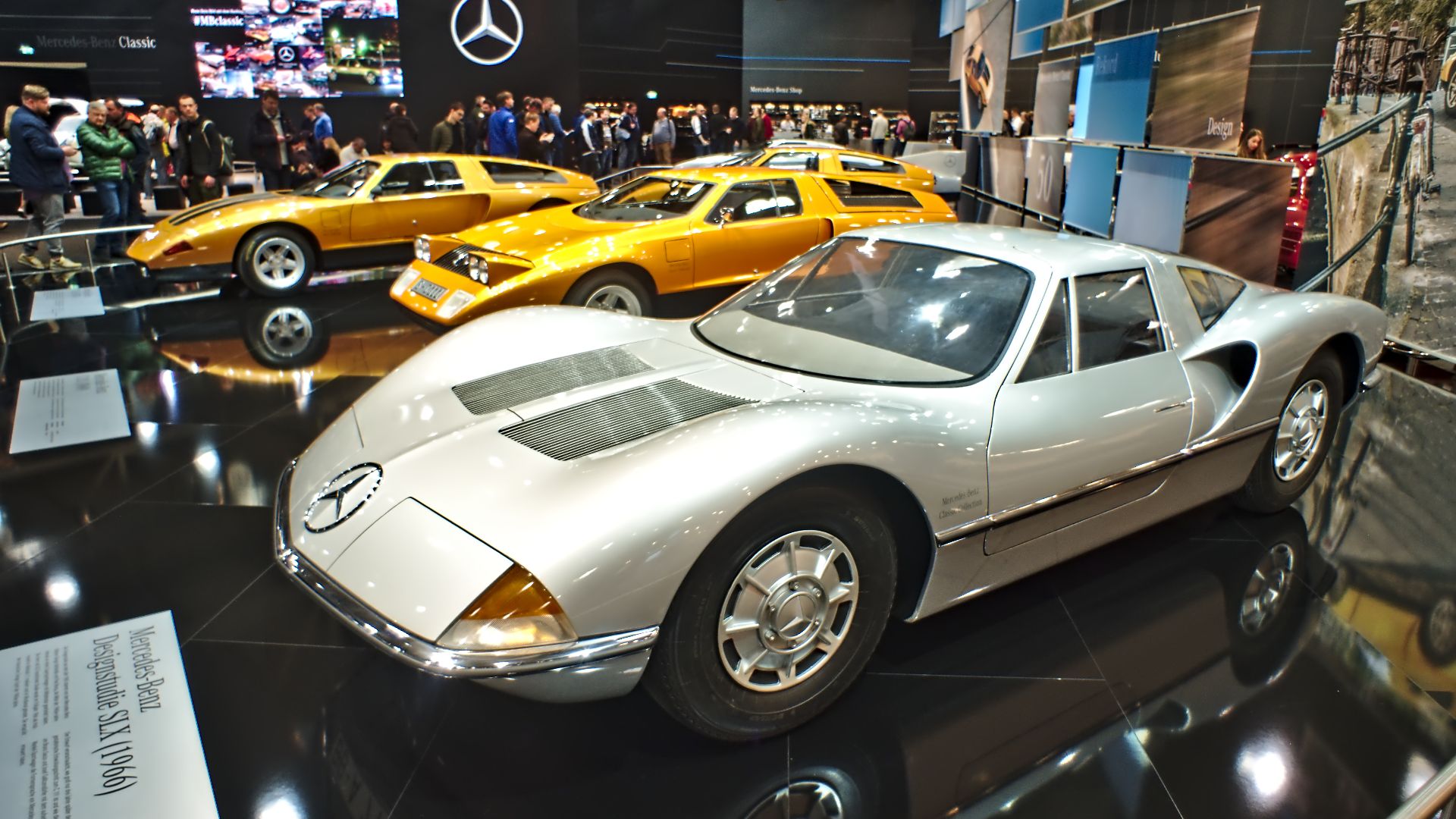
Some of the most intriguing vehicles are prototypes and engineering experiments that ordinary customers never had a chance to buy. Mercedes' own Holy Halls book highlights machines such as the experimental SLX project, unusual C 111 variants, and the autonomous-driving S 500 Intelligent Drive. For engineers and serious Mercedes fans, these one-offs may be even more fascinating than the famous production cars.
 Thomas Vogt from Paderborn, Deutschland, Wikimedia Commons
The Formula 1 Wall Keeps Getting More Modern
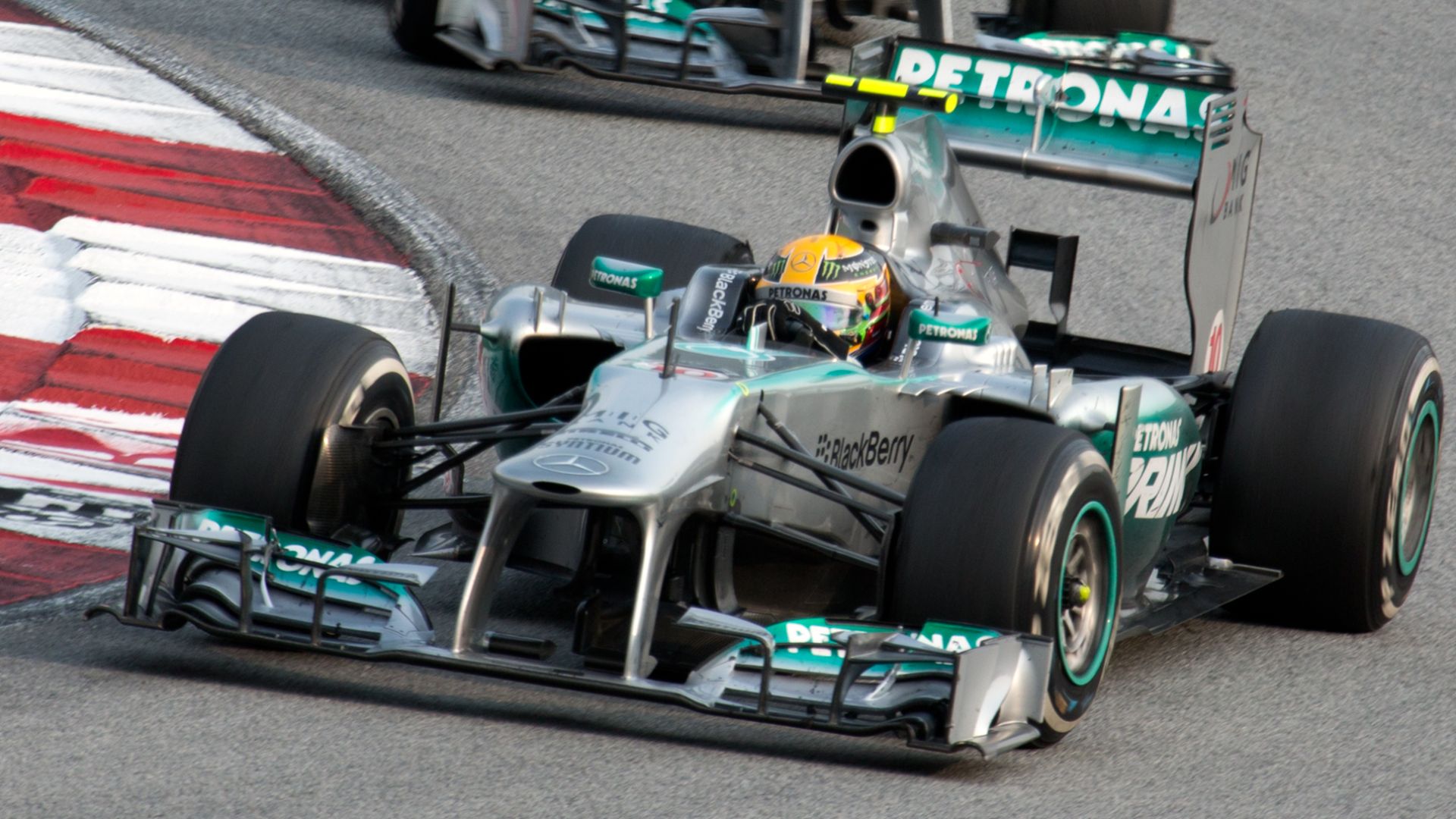
The collection does not stop at Fangio, Senna, or even the Group C era. Mercedes has preserved modern Formula 1 machinery, including championship-era Silver Arrows and cars representing its more recent racing history. Earlier visits have described dozens of modern F1 cars stored together, creating one of the strangest sights anywhere inside the Holy Halls.
Which Mercedes Would Get Your Garage Pass?
Picking one car from the Holy Halls is almost unfair. You could go back to the birth of motoring, grab a supercharged SSK, choose Senna's humble-looking 190 E, or head straight for a Silver Arrow or 300 SLR. Mercedes may have more than 1,000 historical vehicles tucked away, but the harder question is which one you would actually want the keys to.
 Charles from Port Chester, New York, Wikimedia Commons
You May Also Like:
GM Axed Pontiac After 84 Years—But Did It Save The Wrong Brand?
A Sinkhole Swallowed Eight Priceless Corvettes Inside A Museum—Here’s What Happened To Every One