A Name That Sounded Powerful From The Start
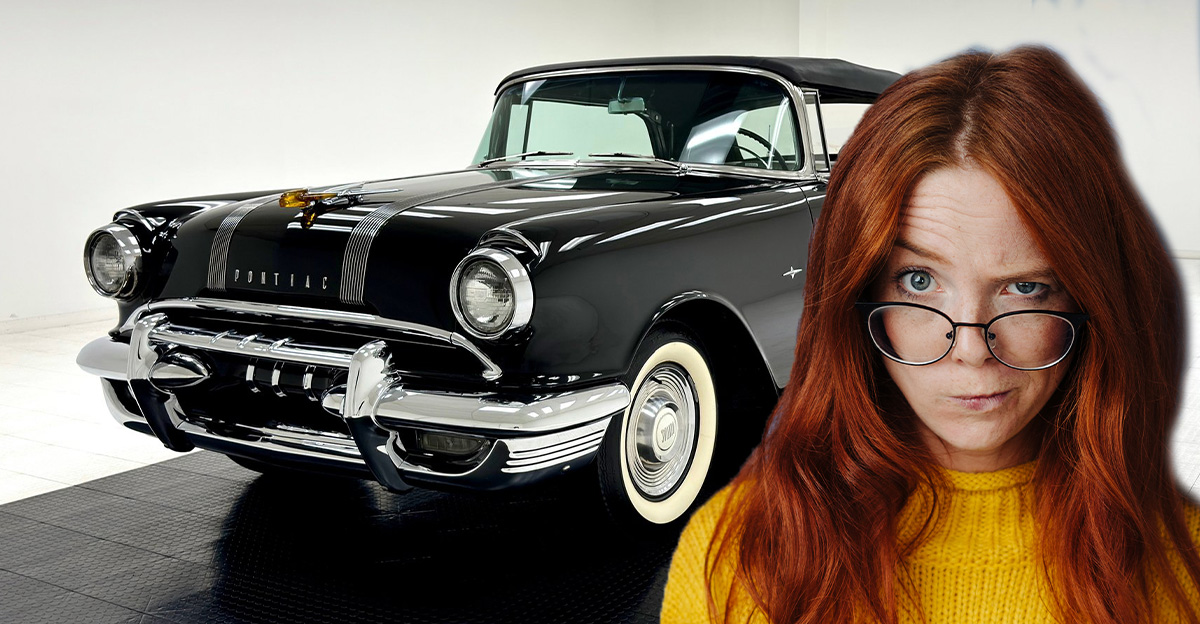
Pontiac was a name that seemed destined for a car badge. Strong. Short. A little mysterious. When General Motors revived the Pontiac brand in the 1920s, it wasn’t just looking for another division—it wanted a personality. That personality would be tied to an unexpected source: a famous Native American chief whose legacy would echo through American history and, eventually, American highways.
The Man Behind The Name: Chief Pontiac
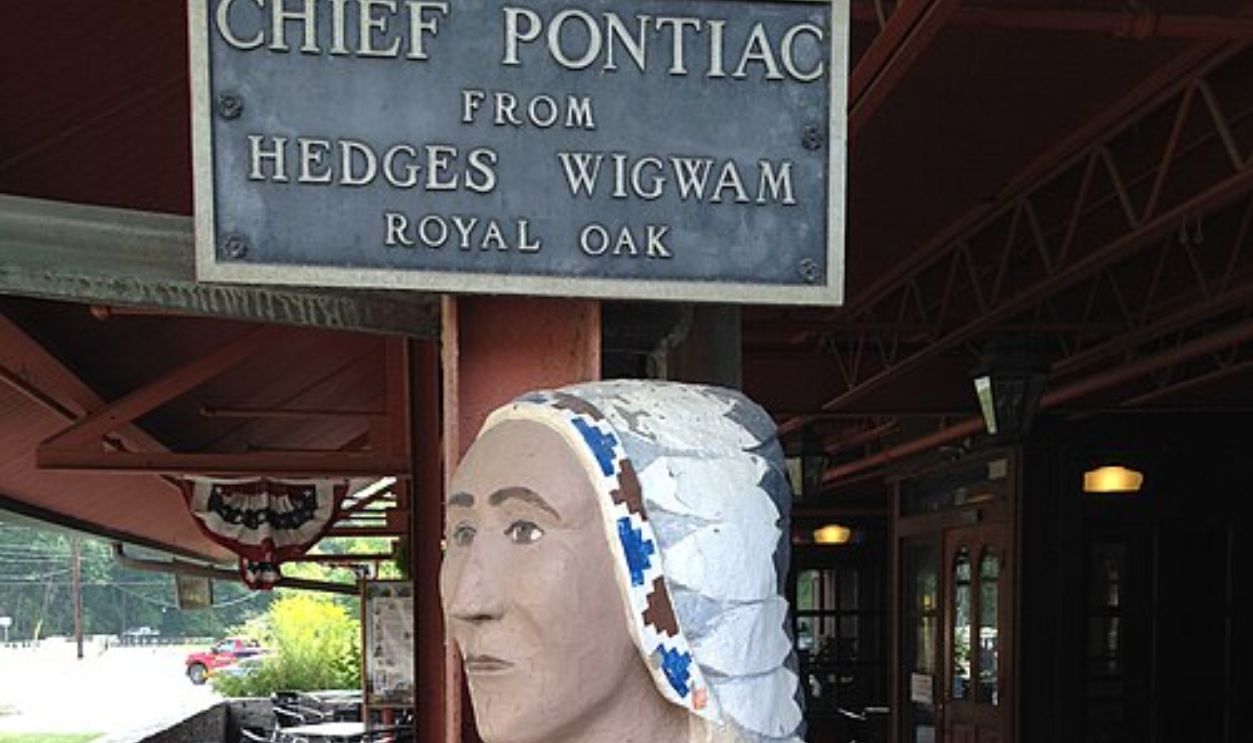
Chief Pontiac was an 18th-century Odawa leader known for organizing resistance against British rule after the French and Indian War. He was widely regarded as strategic, charismatic, and fiercely independent—qualities that early automotive marketers loved to borrow. By the early 20th century, Pontiac’s name had become synonymous with leadership and defiance, at least in popular history books.
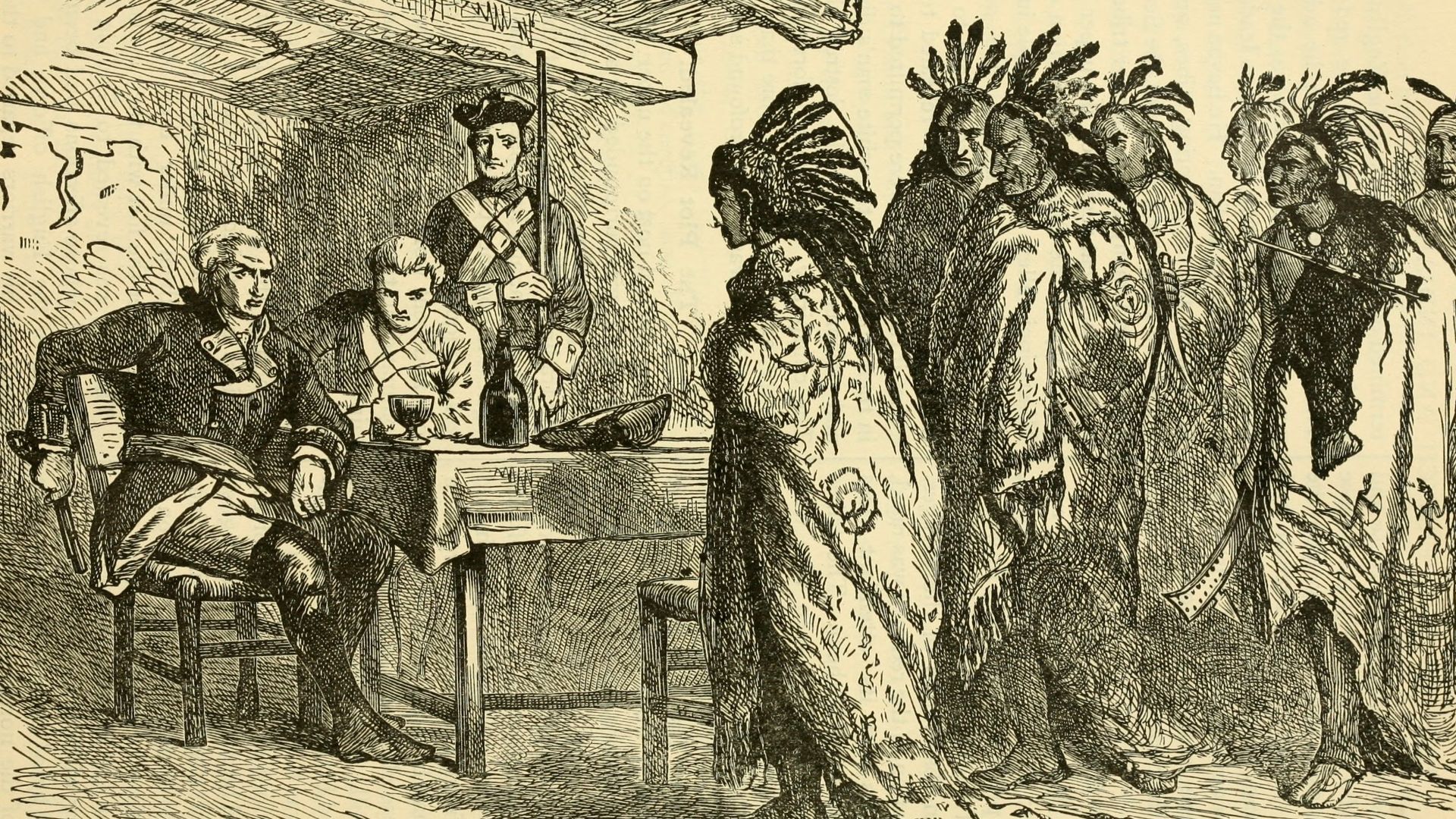 Northrop, Henry Davenport, 1836-1909, Wikimedia Commons
America’s Long Tradition Of Borrowed Names
When Pontiac was named, the U.S. had a long habit of using Native American names for places, products, and teams. From states like Dakota to brands like Winnebago, these names were seen as exotic, noble, and distinctly “American.” Few corporations stopped to consider whether borrowing these identities came with responsibilities—or consequences.
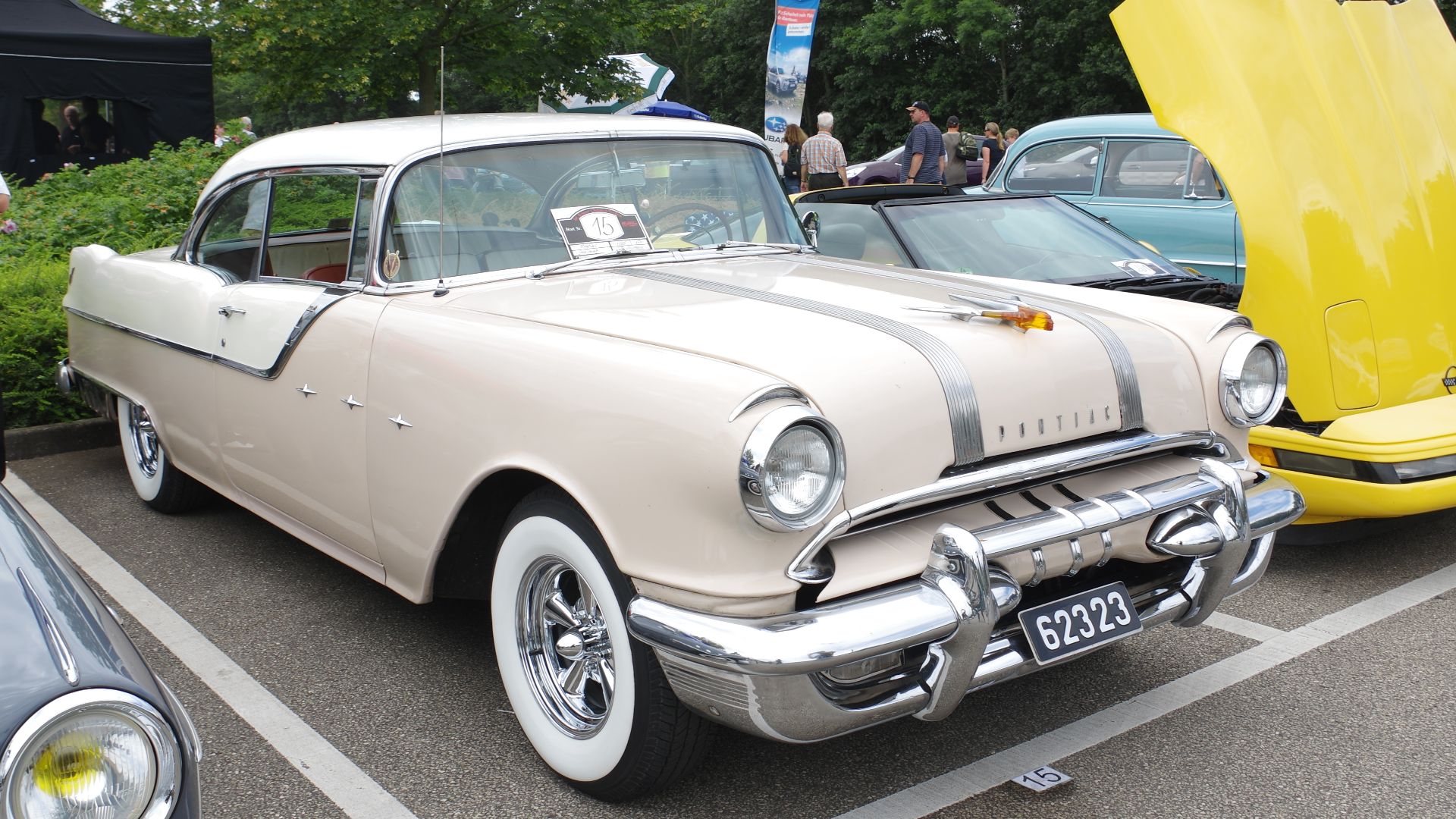 Berthold Werner, Wikimedia Commons
Pontiac Enters The Automotive Scene
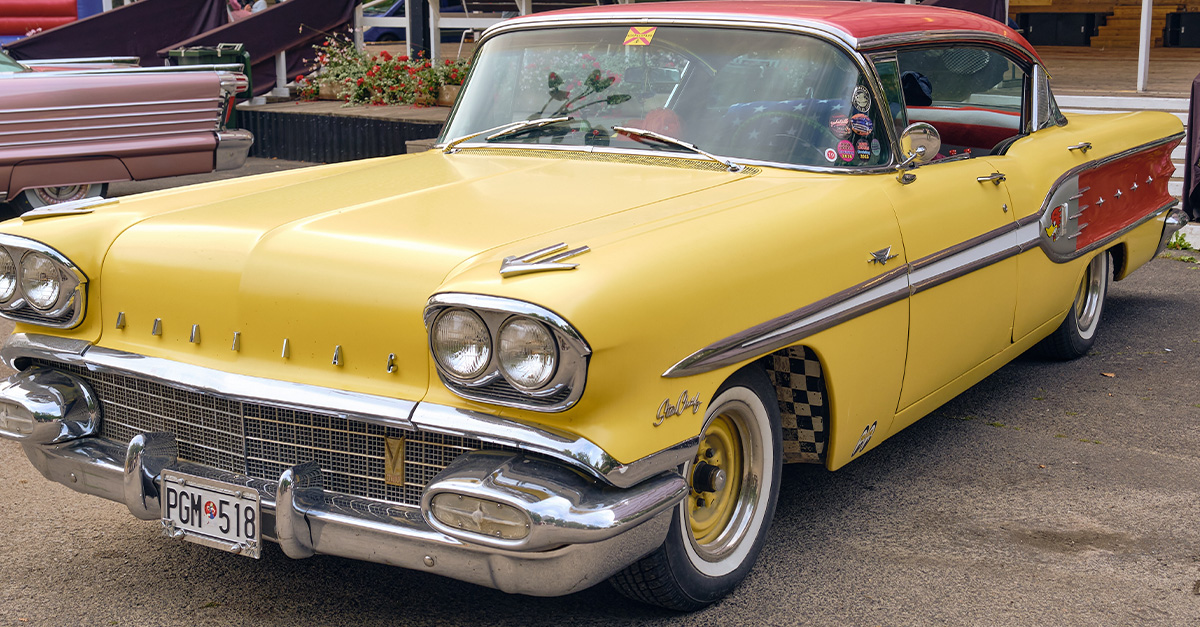
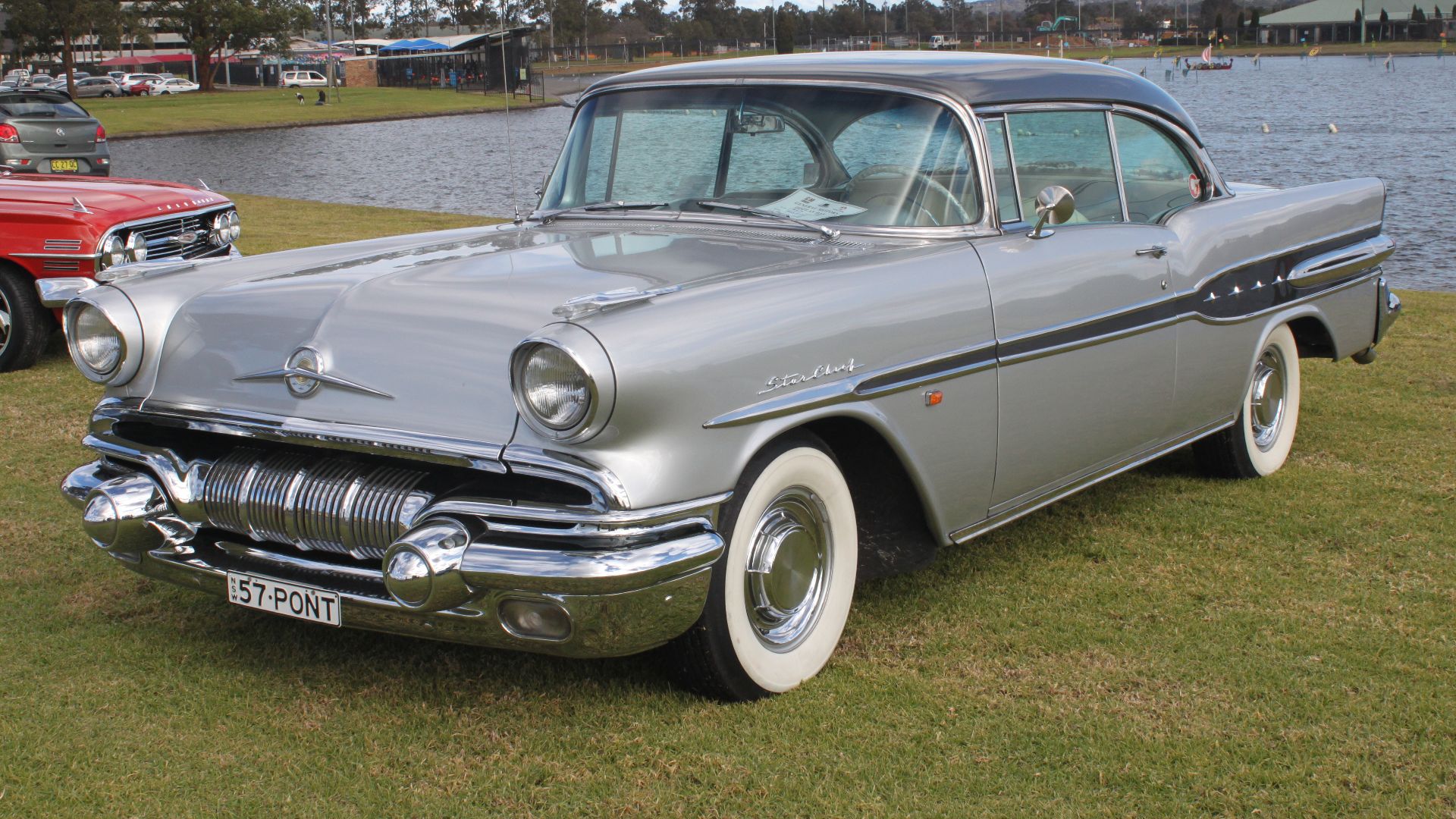
Pontiac began life in 1926 as a companion brand to Oakland, positioned between Chevrolet and Oldsmobile. The goal was simple: sell affordable cars with a little extra excitement. The name Pontiac helped instantly differentiate the brand, giving it a bold identity without the cost of building one from scratch.
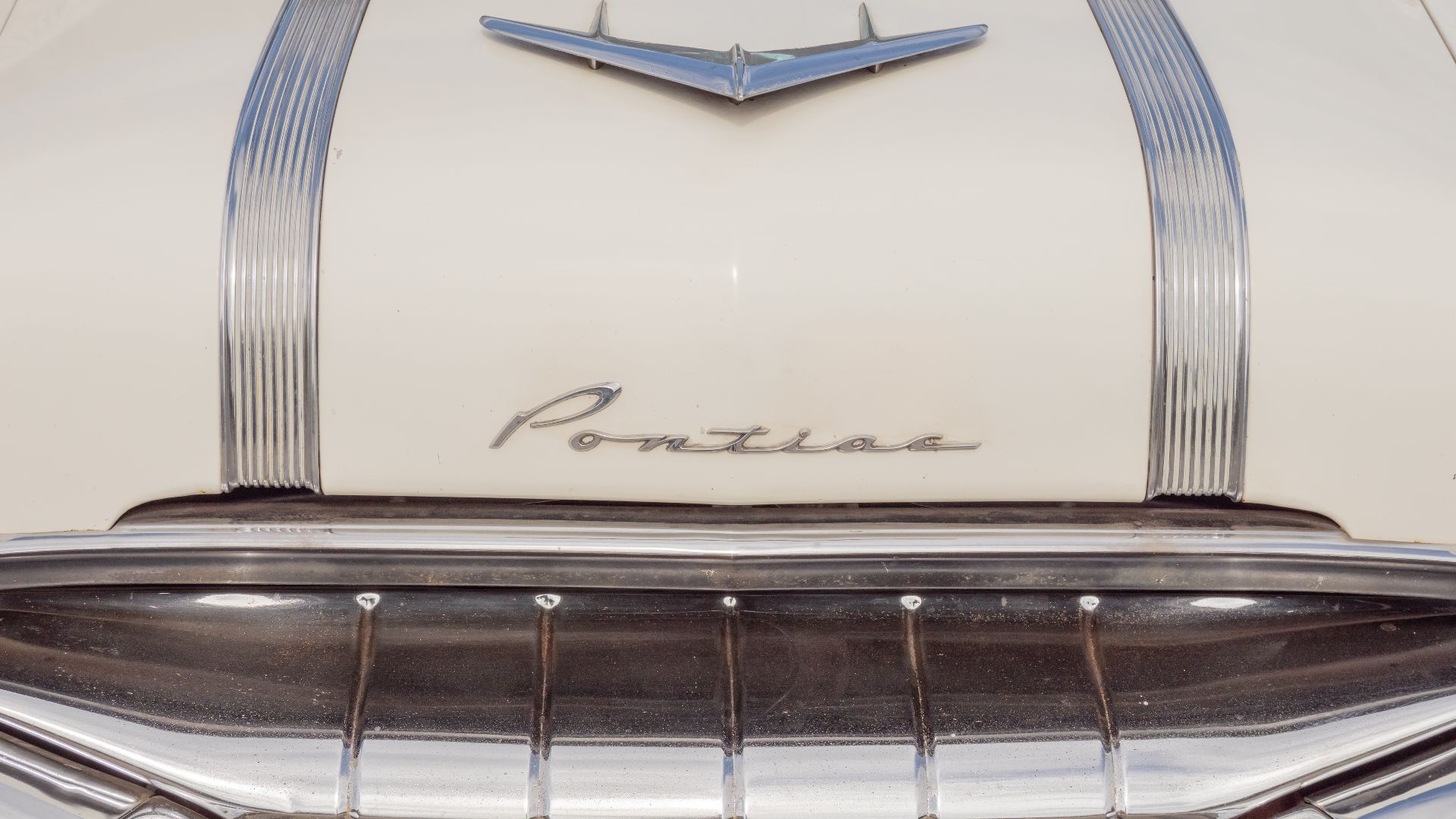
Why General Motors Loved The Name
To GM executives, “Pontiac” sounded strong without being intimidating. It evoked bravery and leadership, but also felt approachable. Most importantly, it tied the brand to American history rather than European luxury or industrial coldness. Pontiac felt homegrown—and that was gold in the booming U.S. car market.
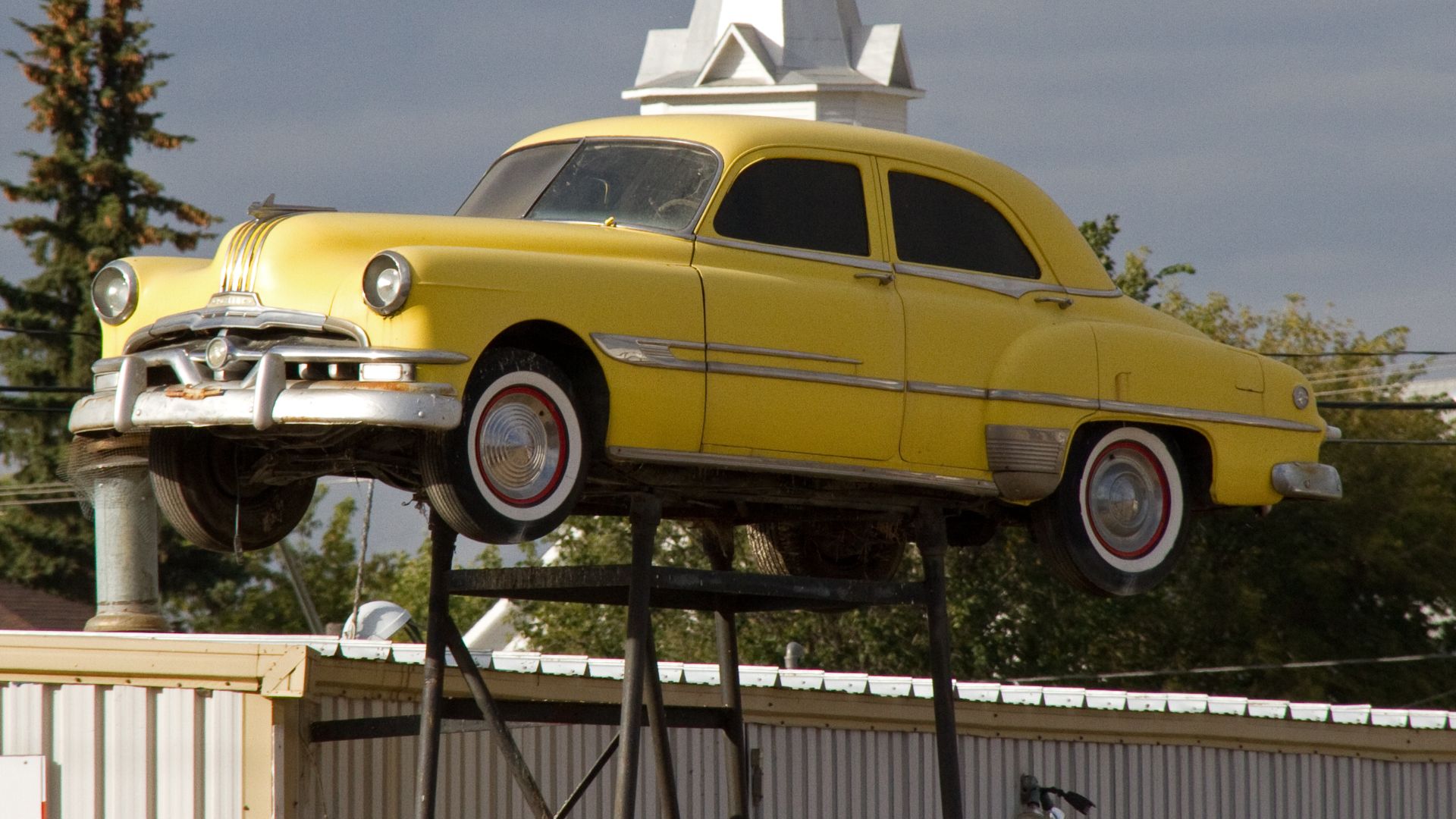 Tony Hisgett from Birmingham, UK, Wikimedia Commons
Turning A Historical Figure Into A Logo
The name didn’t stand alone. Early Pontiac branding featured Native American head imagery, including a prominent headdress logo. These visuals reinforced the association, even if they leaned heavily on stereotypes rather than historical accuracy. At the time, few questioned whether this was respectful or reductive.
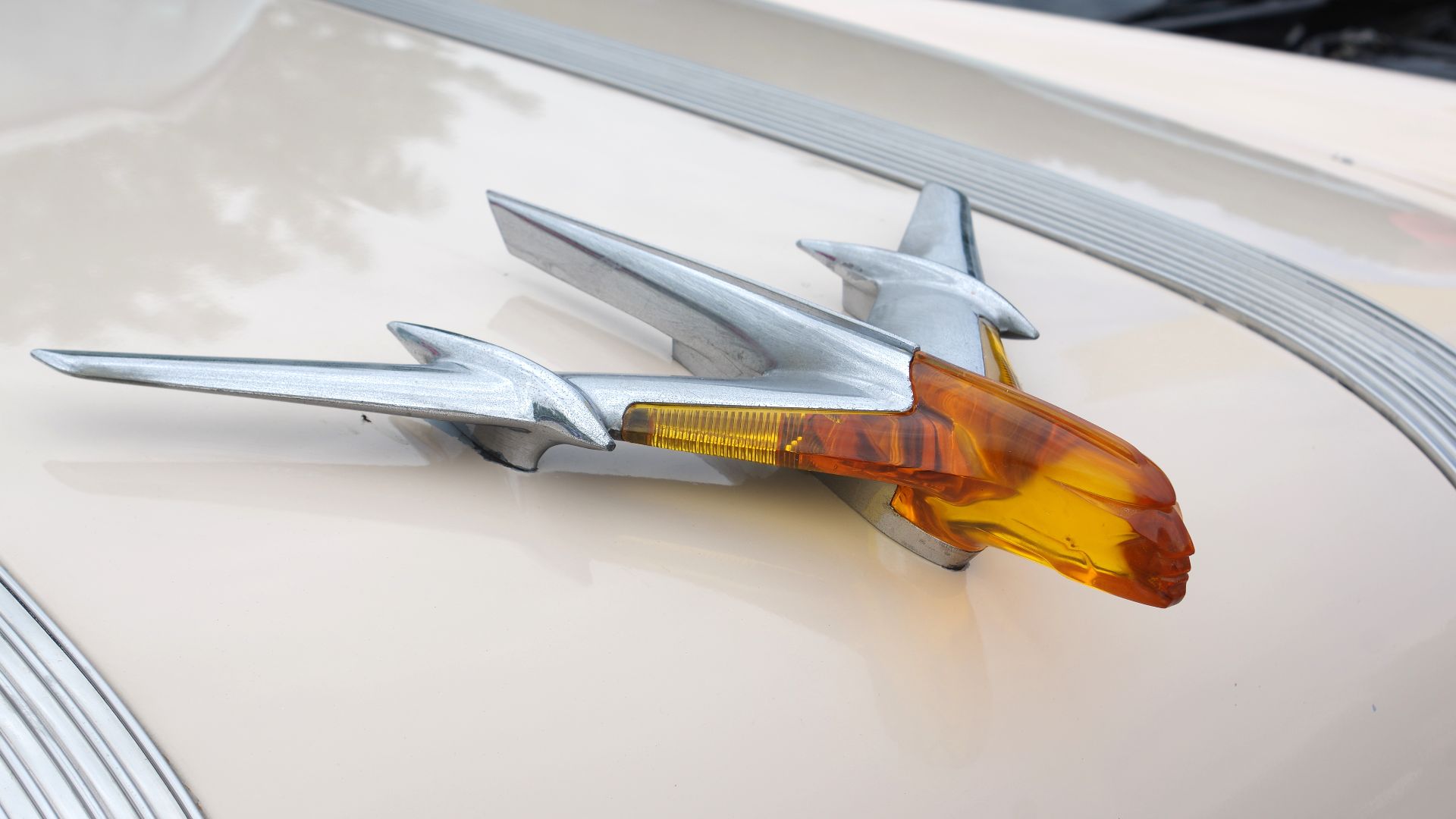 Berthold Werner, Wikimedia Commons
The Rise Of Pontiac’s Performance Image
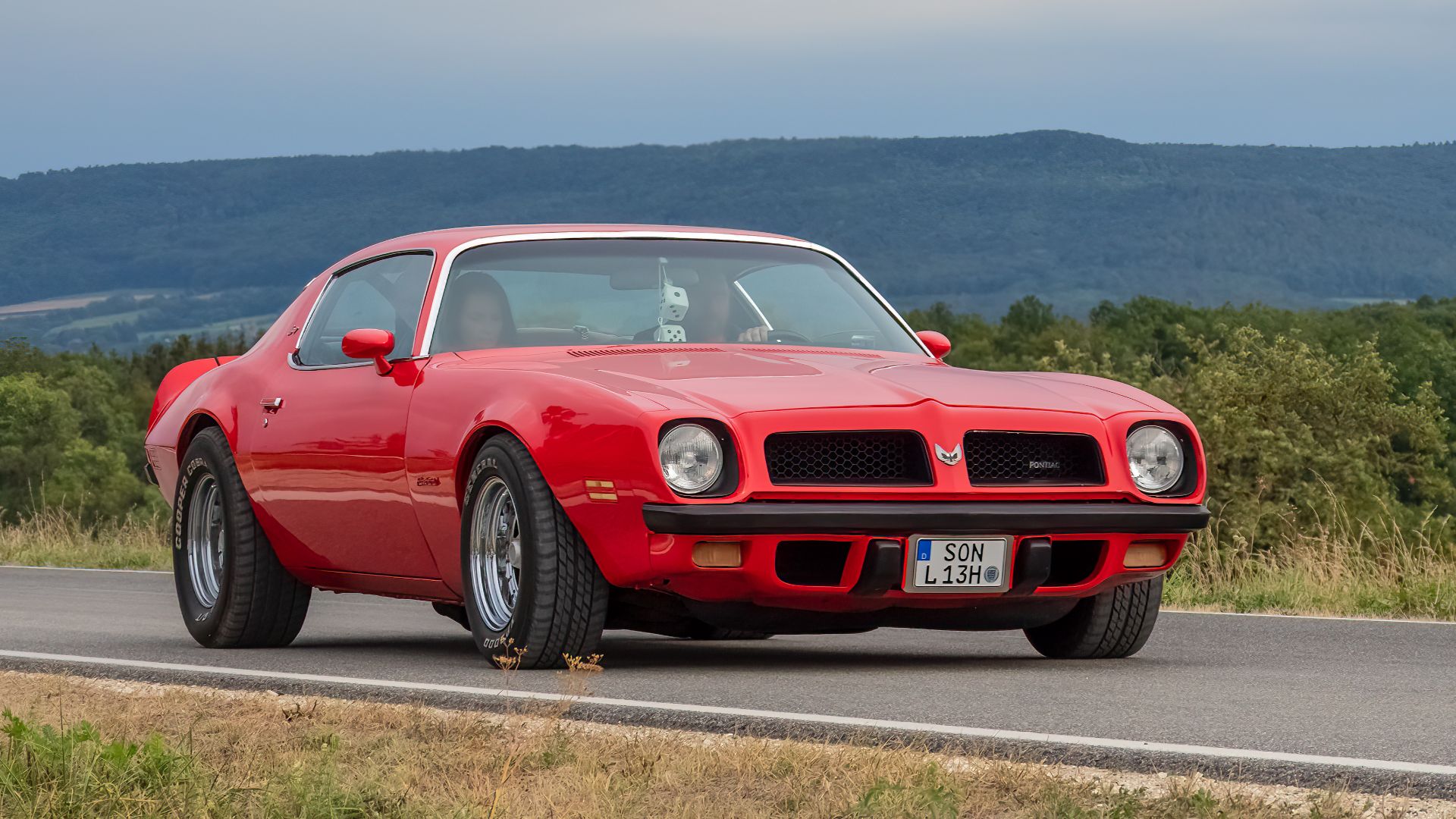
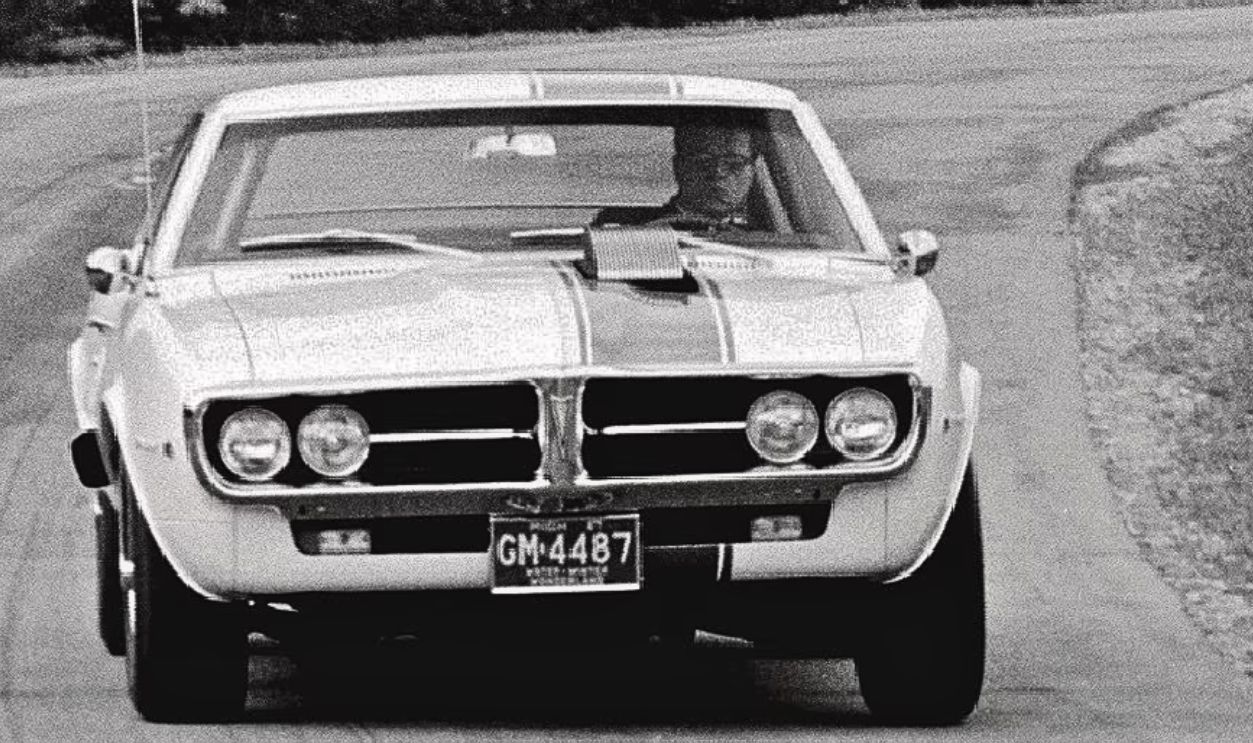
As decades passed, Pontiac evolved from a sensible mid-market brand into something much louder. By the 1950s and 1960s, Pontiac had become GM’s performance rebel, responsible for cars like the GTO and Firebird. The name Pontiac now meant speed, attitude, and youth—not history.
When The Name Became A Background Detail
Ironically, Pontiac’s success pushed its namesake into the background. Buyers weren’t thinking about an 18th-century chief when they revved a V8 at a stoplight. Pontiac became just a car brand—its original meaning diluted by horsepower, decals, and drag strips.
Cultural Awareness Begins To Shift
By the late 1960s and 1970s, America was rethinking many long-standing traditions. Native American activists began pushing back against the use of Indigenous names and imagery in sports and media. What had once been considered honorific started to feel outdated and insensitive.

Pontiac’s Name Enters A Gray Area
Pontiac wasn’t immediately targeted, but the discomfort was there. Unlike place names, Pontiac was a commercial brand profiting from a real person’s identity. The more society discussed cultural appropriation, the more Pontiac’s name felt like a relic of a less thoughtful era.
The Logo Quietly Evolves
Rather than making a loud announcement, Pontiac slowly phased out overt Native American imagery. The iconic arrowhead logo replaced earlier depictions of Native figures. It was a subtle shift—one that suggested awareness without admitting regret.
 Jeremy from Sydney, Australia, Wikimedia Commons
Why GM Didn’t Rename The Brand
By the time concerns grew louder, Pontiac was too established to rename easily. Decades of brand equity, racing success, and pop culture relevance made a name change risky. GM chose evolution over reinvention, hoping the issue would fade into the background.
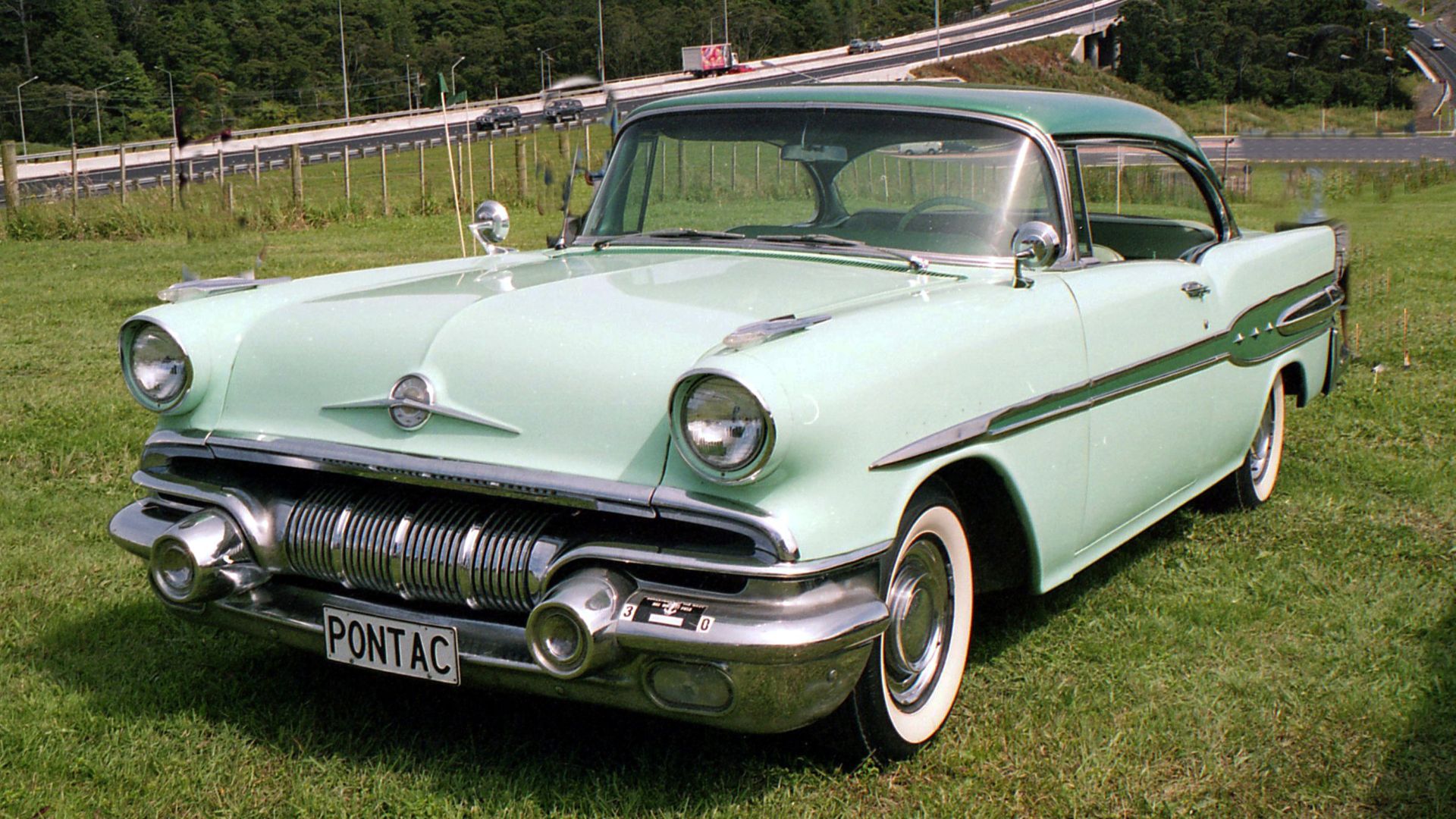 GPS 56 from New Zealand, Wikimedia Commons
A Name Frozen In Time
Unlike newer brands, Pontiac was locked into its historical context. What once sounded powerful now carried baggage. The brand couldn’t change its origin story, only how loudly it referenced it.
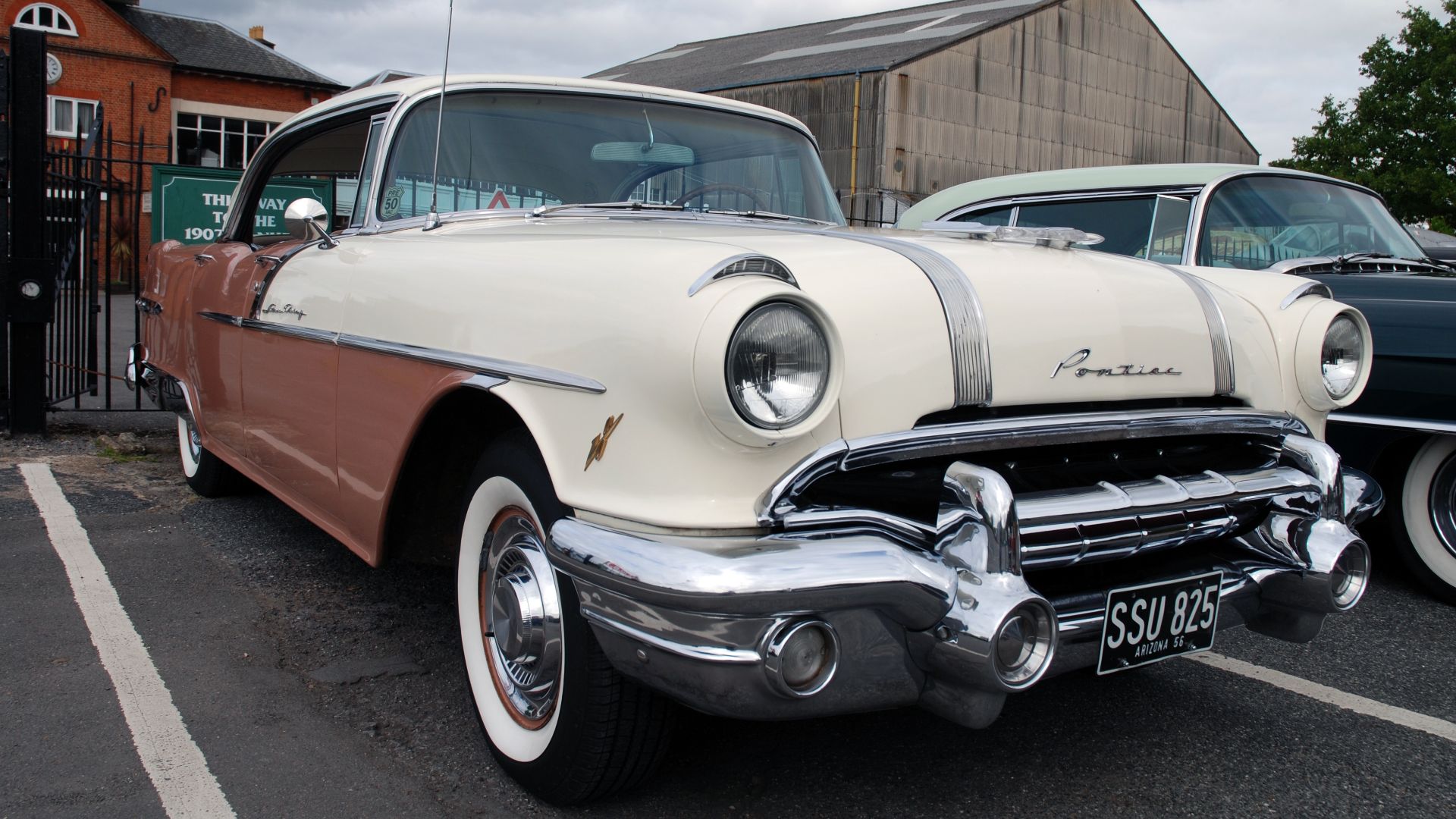 allen watkin from London, UK, Wikimedia Commons
Performance Cars Distract From The Past
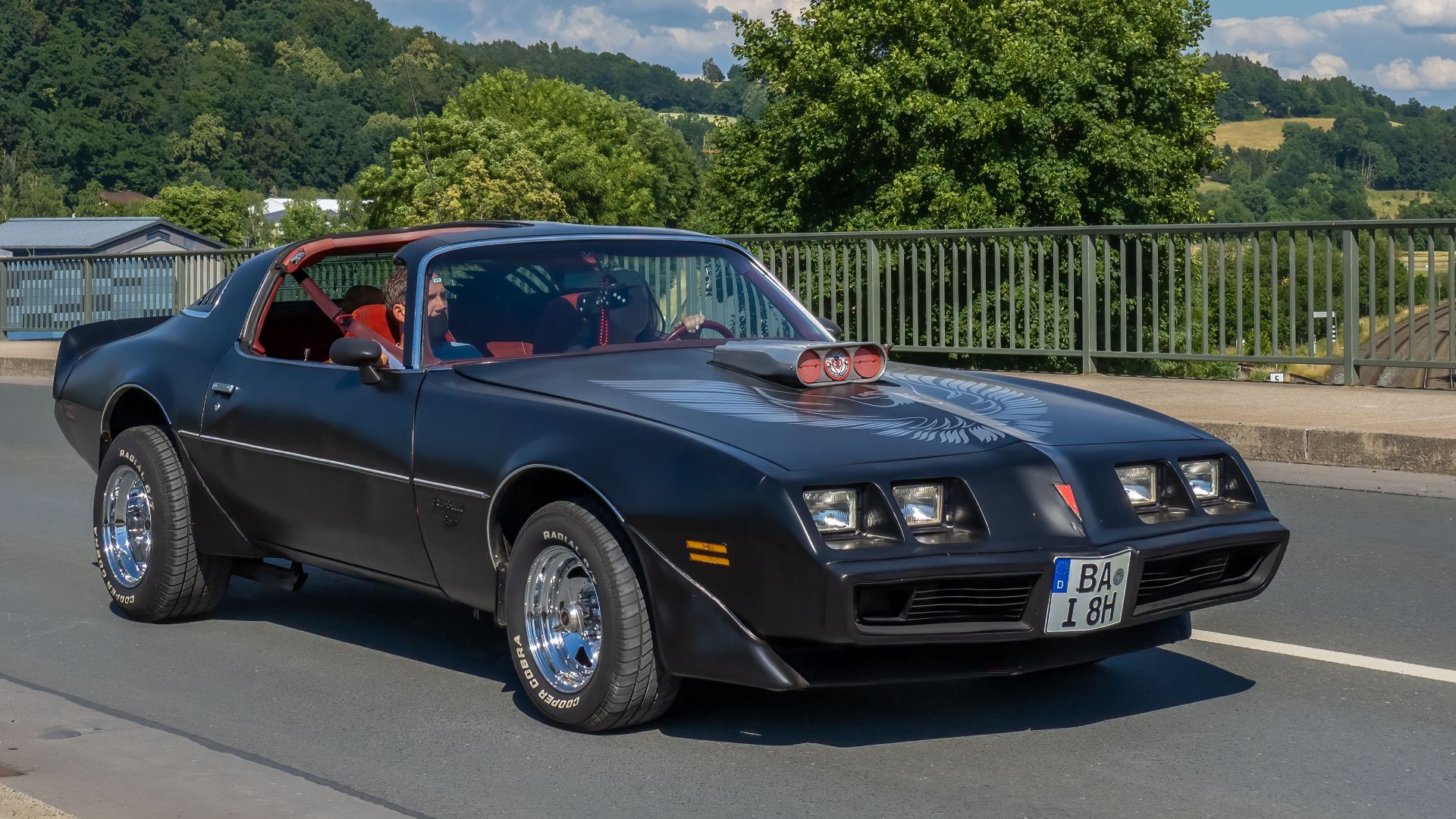
Cars like the Trans Am and GTO helped shift attention away from the name itself. Pontiac sold excitement, not history lessons. For many buyers, the name simply meant muscle—not meaning.
Native American Voices Grow Louder
As conversations around representation expanded in the 1990s and 2000s, corporate America faced increasing pressure to reckon with the past. Teams, brands, and mascots were reexamined. Pontiac, though quieter than others, was part of that broader conversation.
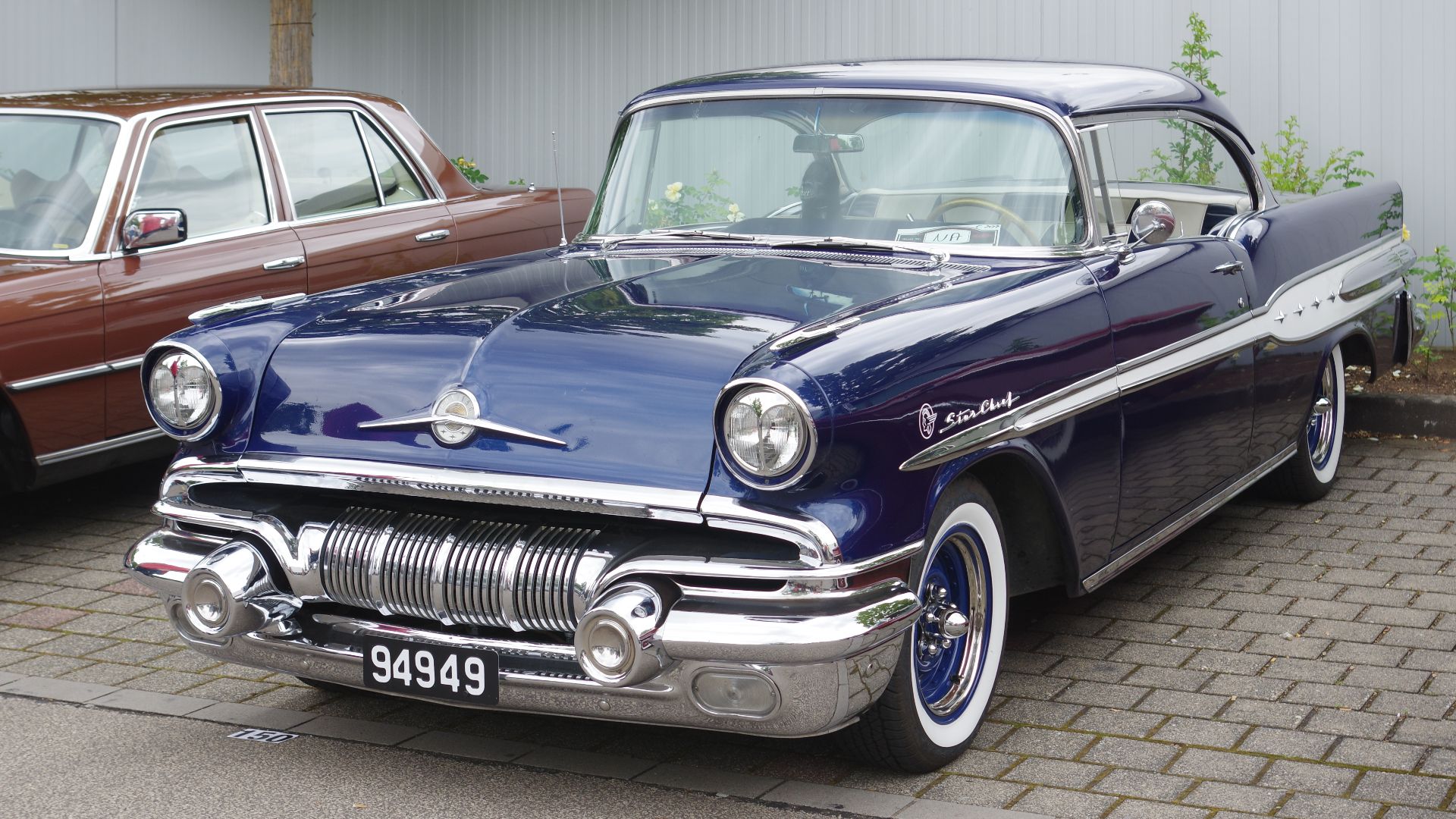 Berthold Werner, Wikimedia Commons
The Regret Was Mostly Unspoken
Pontiac never issued a public apology or explanation for its name. But the gradual removal of imagery and avoidance of historical references spoke volumes. The regret wasn’t dramatic—it was silent and strategic.
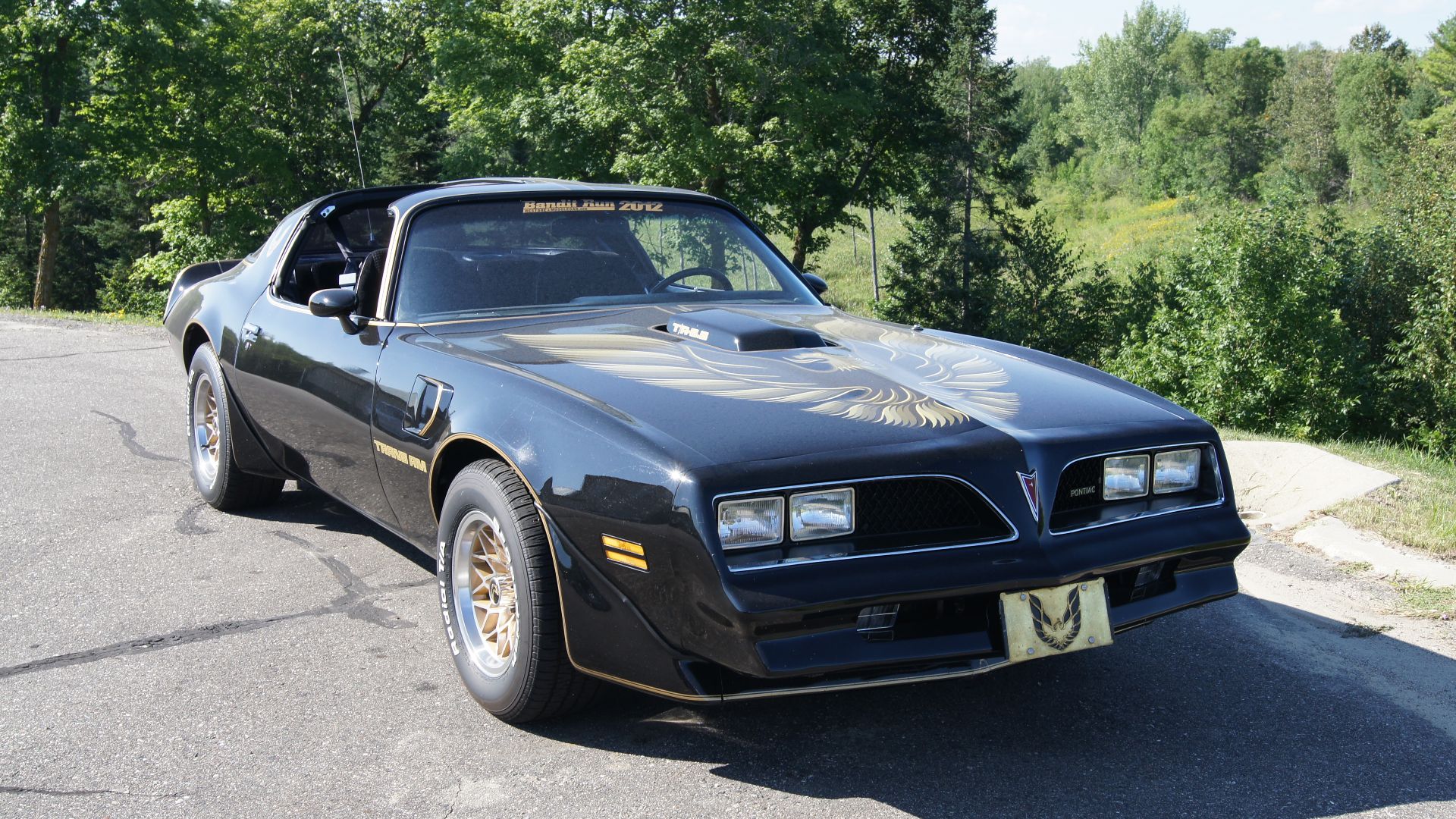 Greg Gjerdingen from Willmar, USA, Wikimedia Commons
Pontiac’s Decline Complicates The Story
As Pontiac struggled financially in the 2000s, naming concerns became secondary. Sales dropped, competition intensified, and GM faced existential threats. The brand’s cultural legacy was overshadowed by economic reality.
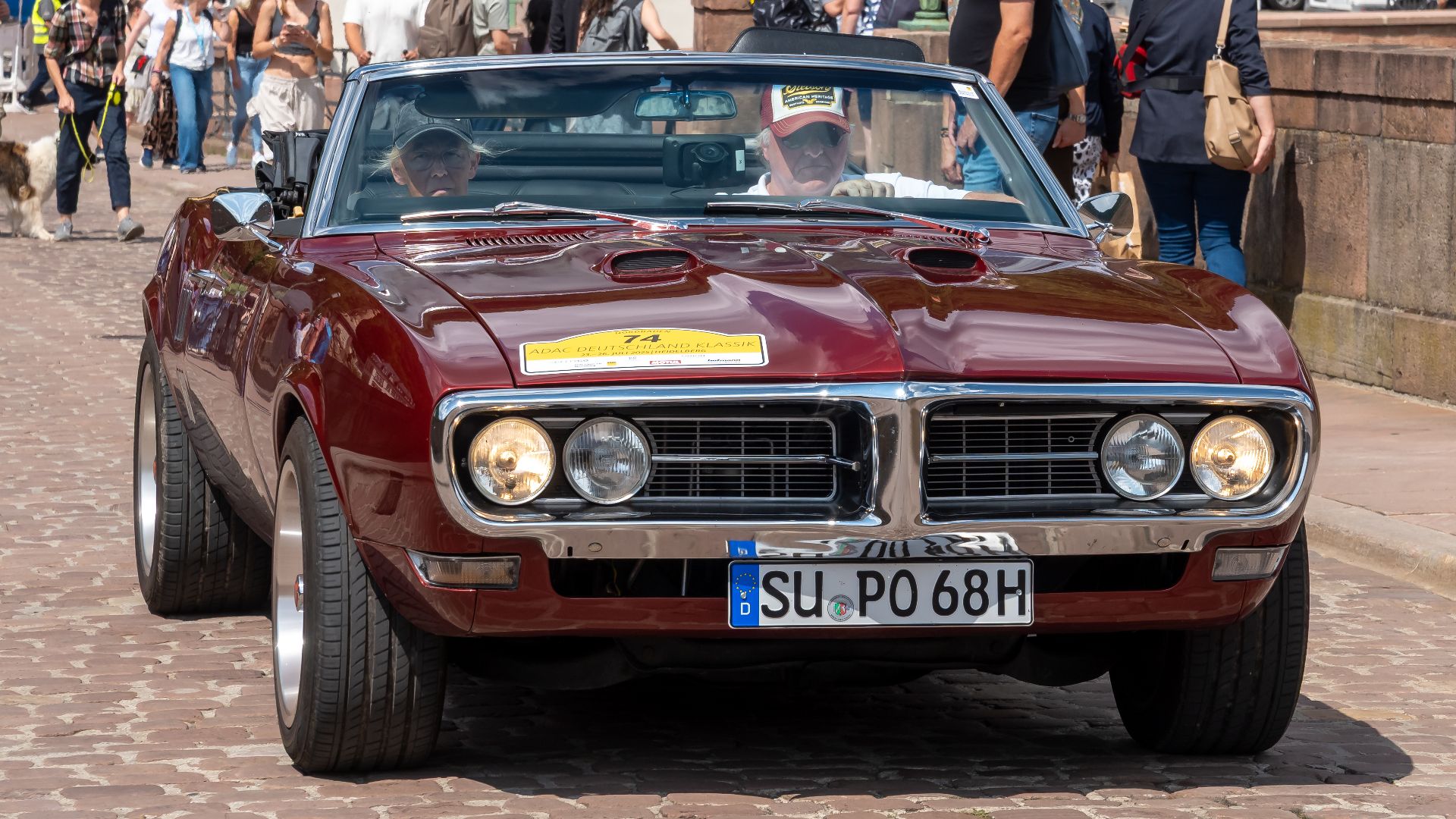 Matti Blume, Wikimedia Commons
The End Of Pontiac As A Brand
In 2010, GM officially discontinued Pontiac as part of its post-bankruptcy restructuring. The brand ended not with controversy, but with a whimper. Yet its name lived on in discussions about branding, identity, and cultural responsibility.
 Raysonho @ Open Grid Scheduler / Scalable Grid Engine, Wikimedia Commons
Looking Back With Modern Eyes
Today, it’s impossible to ignore the complexities of Pontiac’s naming. What once seemed respectful now feels careless. The brand reflects a time when corporations borrowed cultural symbols without consultation or consent.
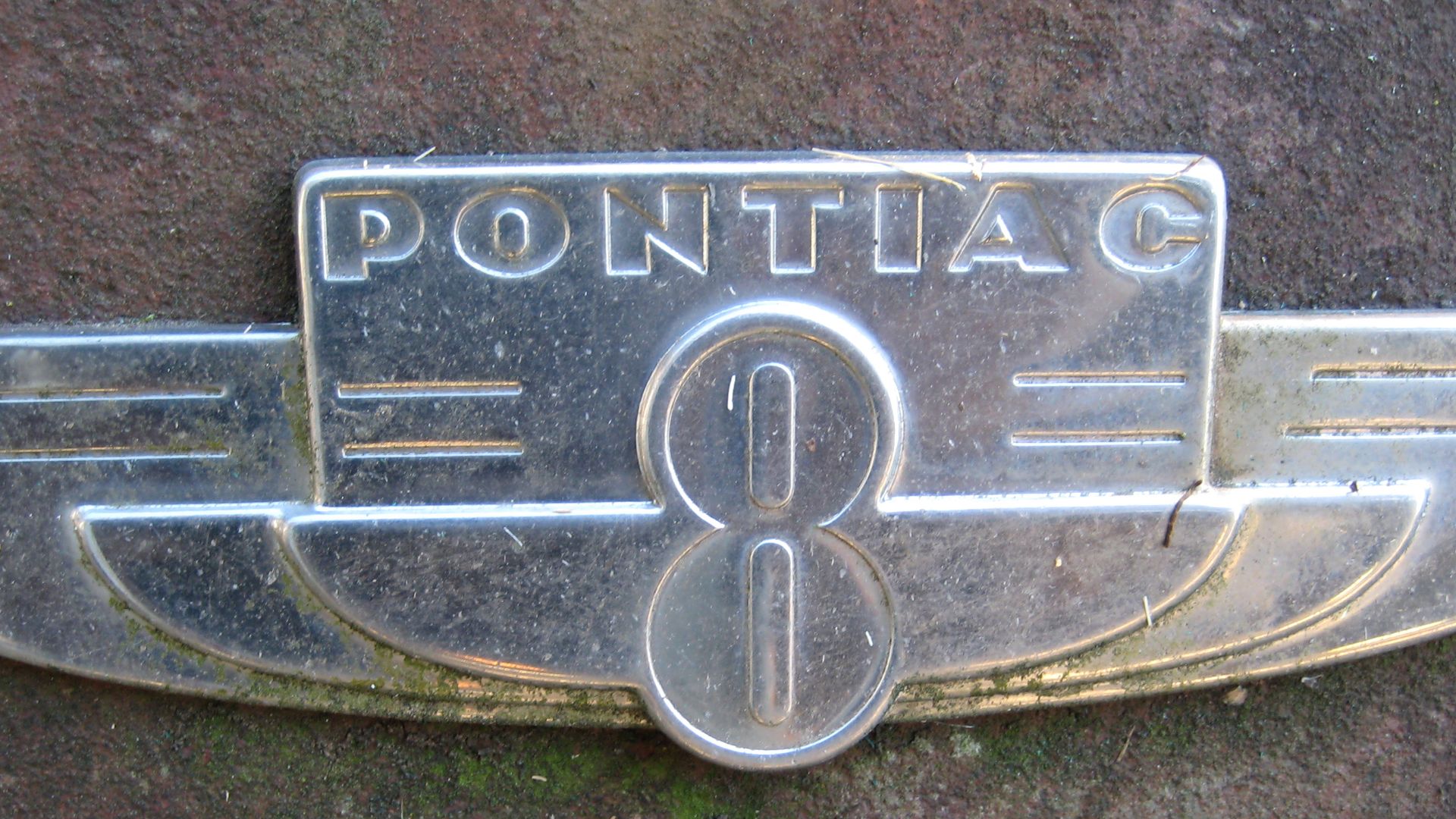 JOHN LLOYD from Concrete, Washington, United States, Wikimedia Commons
Was The Name Ever Truly An Honor?
That question remains open. While some argue the name celebrated a strong historical figure, others point out that celebration without understanding is hollow. Intent matters—but impact matters more.
Lessons Modern Automakers Have Learned
Today’s brands are far more cautious. Naming now involves global research, cultural consultants, and legal reviews. Pontiac’s story serves as a cautionary tale about the long-term consequences of seemingly harmless decisions.
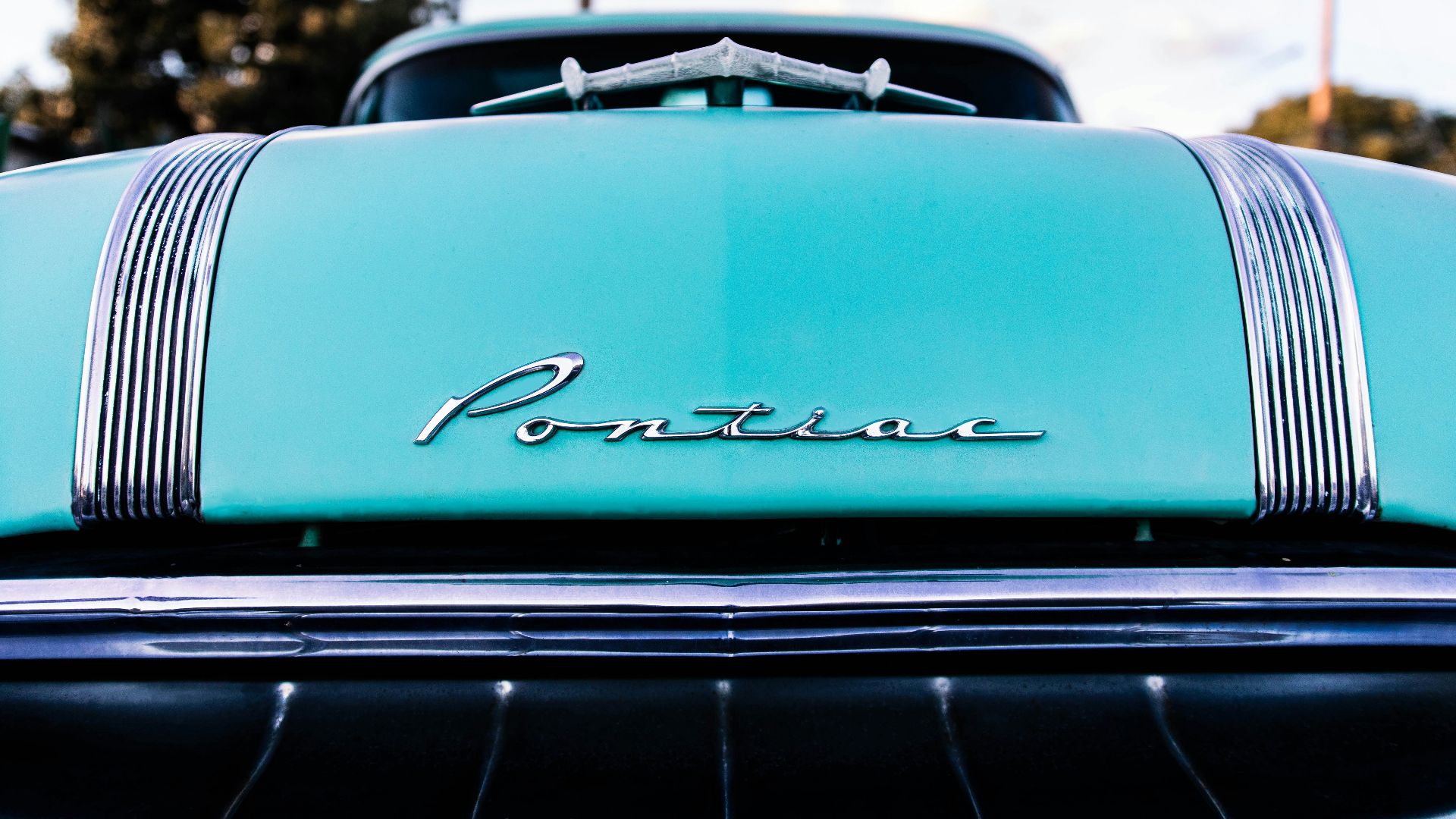
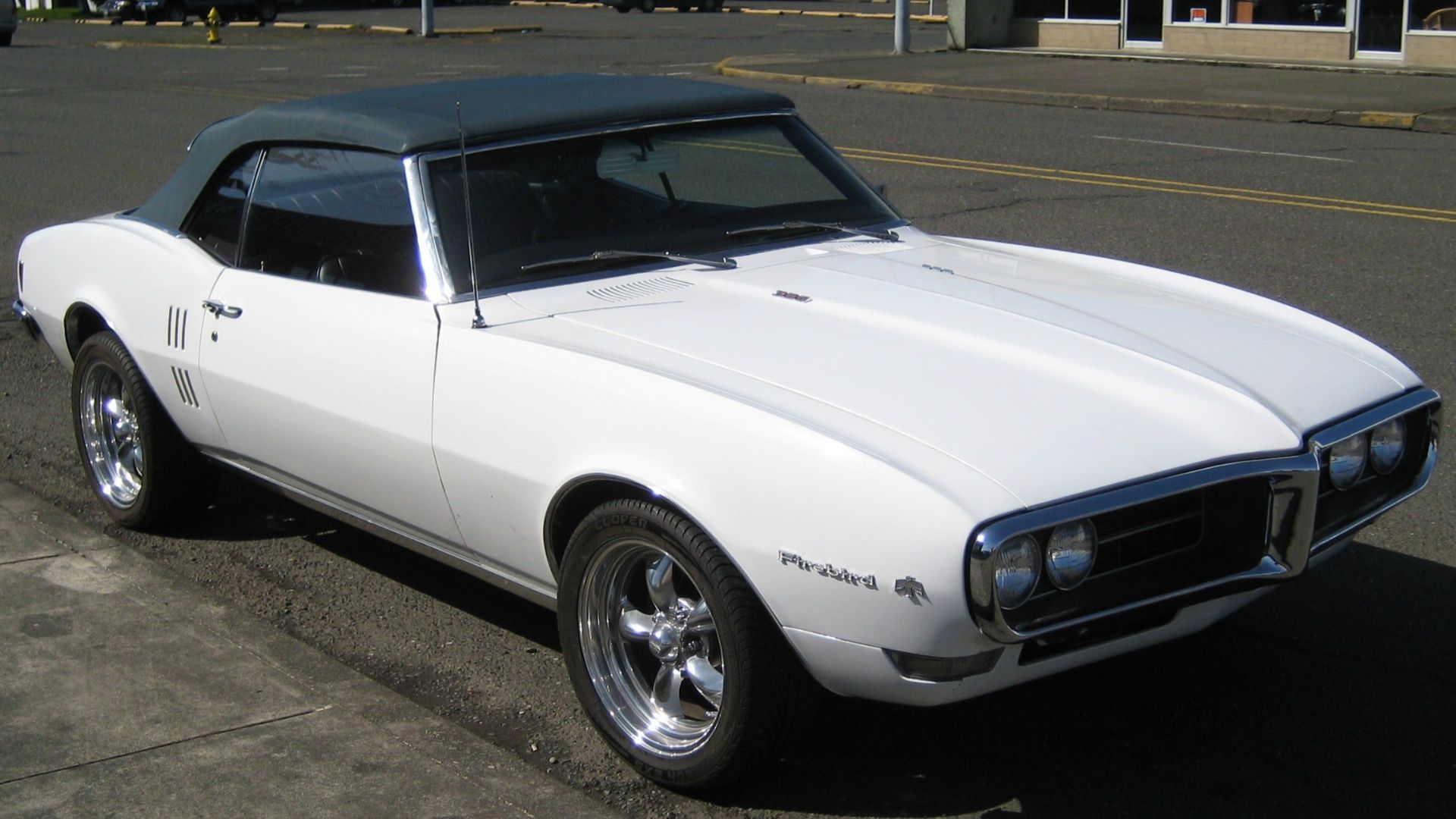 JOHN LLOYD from Concrete, Washington, United States, Wikimedia Commons
The Difference Between History And Marketing
Pontiac blurred the line between honoring history and exploiting it. Over time, that blur became uncomfortable. Modern branding increasingly recognizes that stories borrowed from real people deserve respect, not just profit.
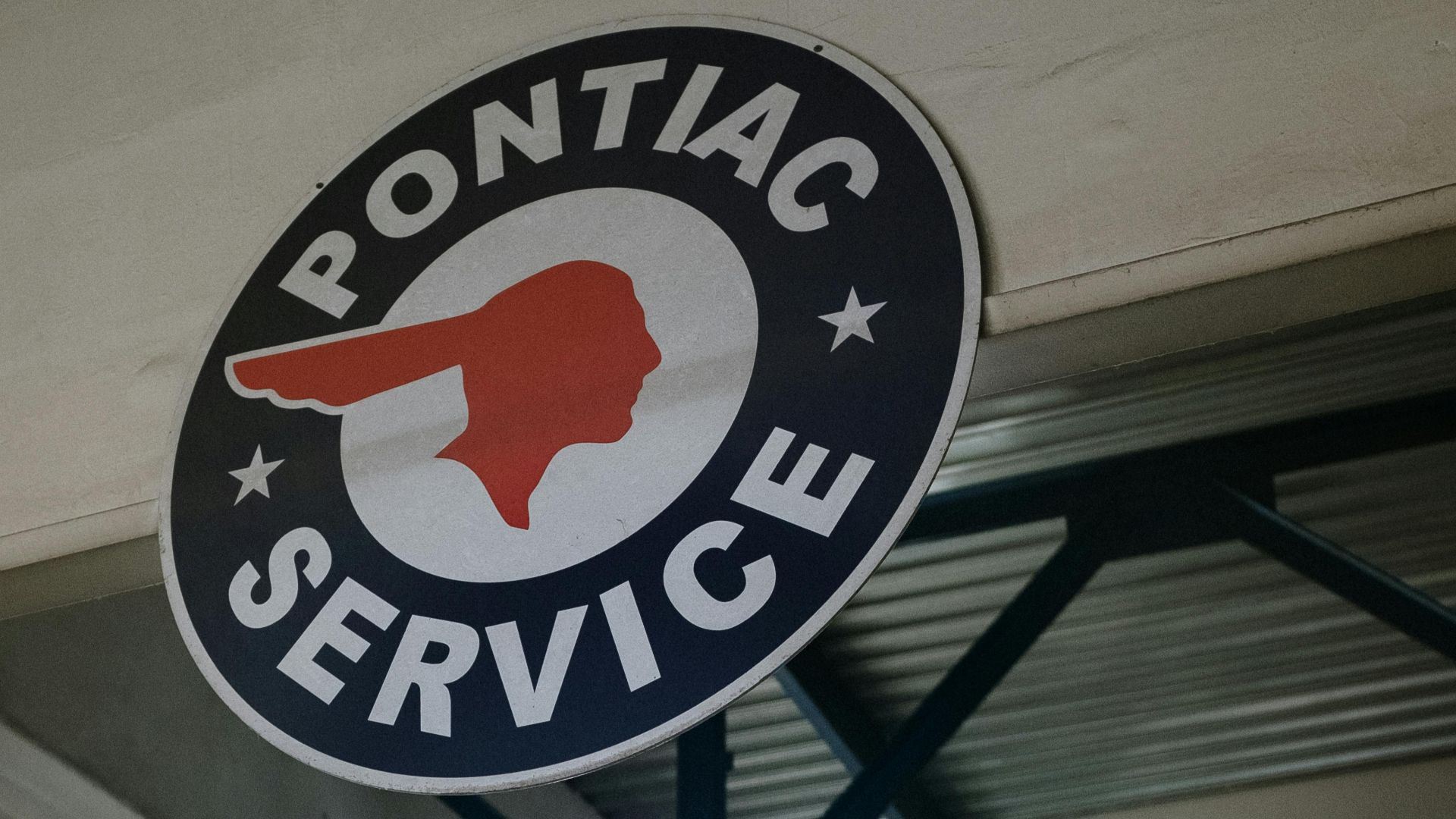
Why Regret Doesn’t Always Mean Erasure
Pontiac wasn’t renamed, rebranded, or publicly disavowed. Instead, its legacy invites discussion. Regret can exist without revision—and sometimes, reflection matters more than correction.
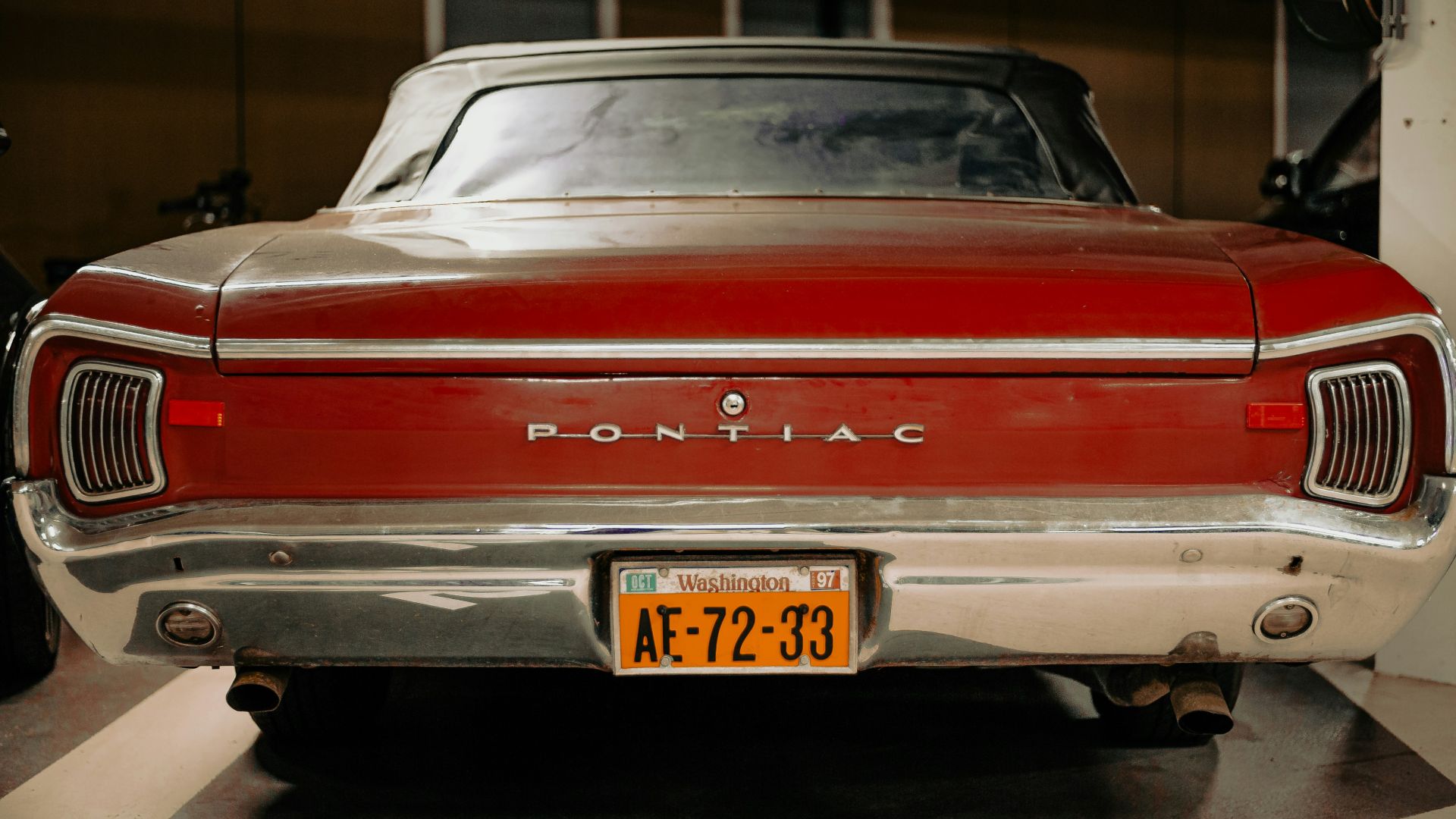
Pontiac’s Name Still Sparks Debate
Even years after its demise, Pontiac’s name raises questions about how we remember the past. It reminds us that branding choices can outlive their creators—and their intentions.
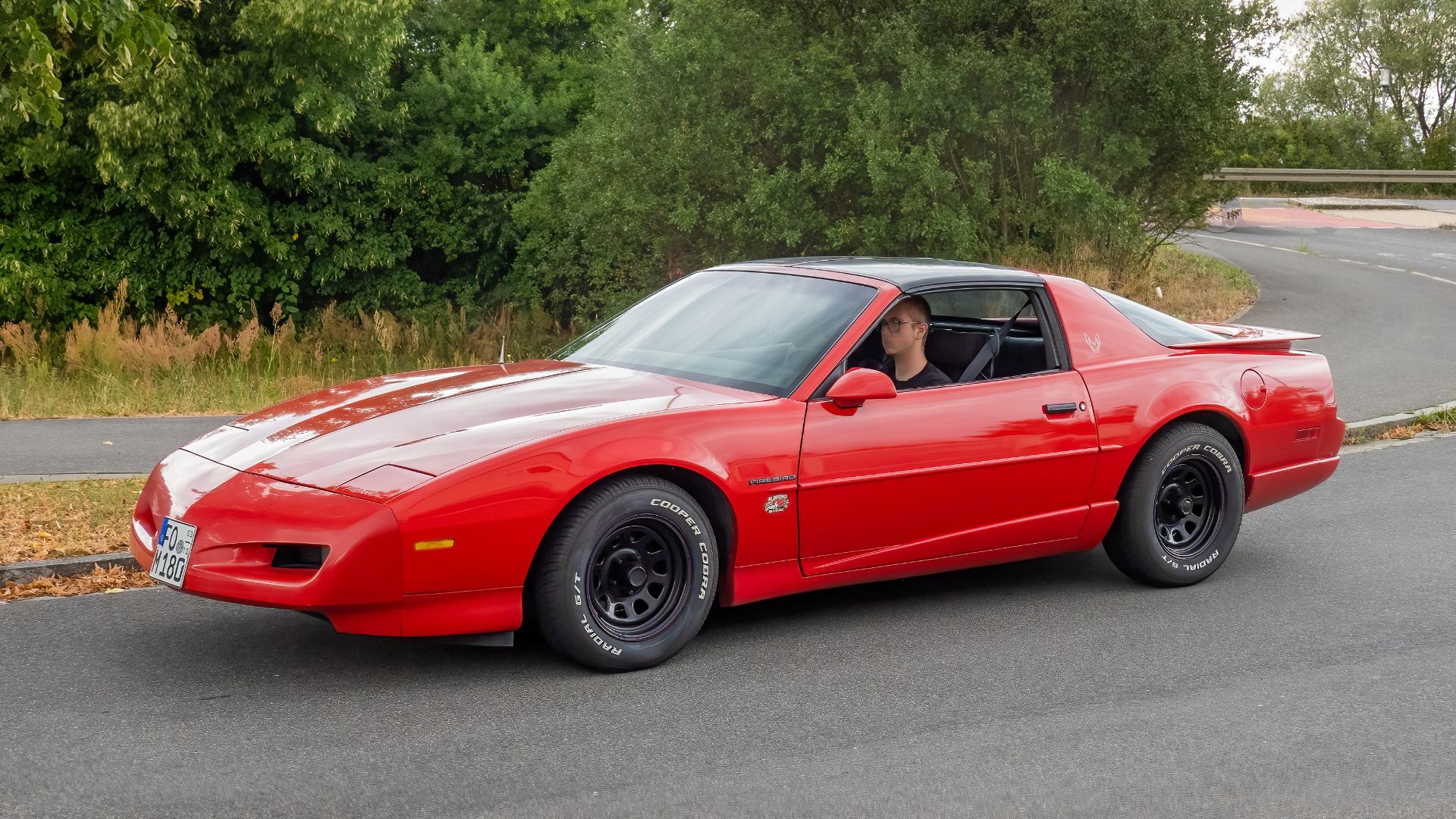
A Brand Shaped By Its Era
Pontiac was a product of 20th-century America, with all its ambition, blind spots, and bravado. Its name made sense then. It feels complicated now.
 Robert Yarnall Richie, Wikimedia Commons
Pontiac's Mixed Legacy Lives On
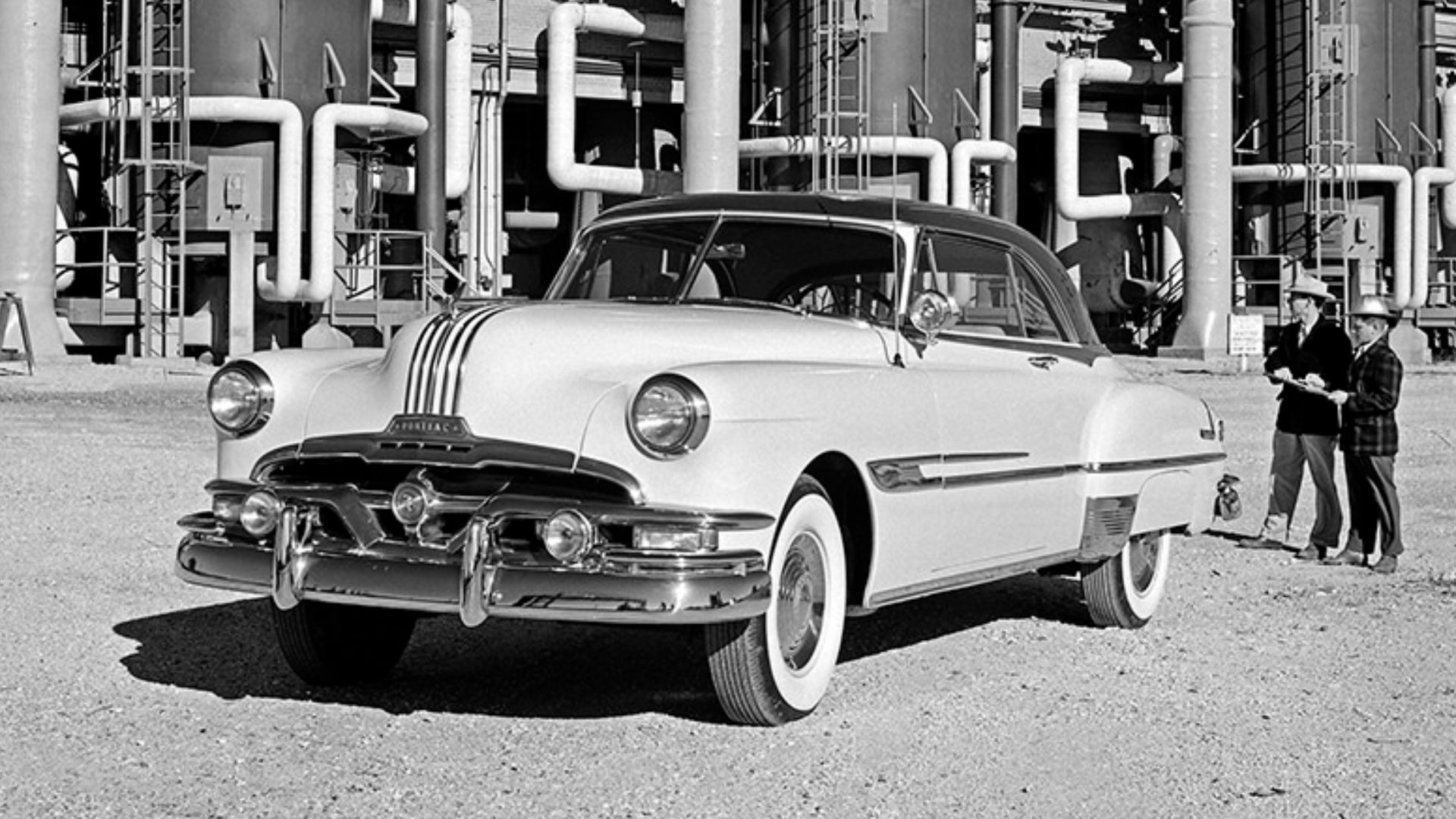
Pontiac didn’t just build cars—it built a legacy tied to a real historical figure. That choice gave the brand power, identity, and eventually, discomfort. The regret wasn’t loud, but it was real. And in that quiet reckoning, Pontiac left behind a lesson every modern brand would do well to remember.
You May Also Like:
Exactly What You Need To Know To Avoid Getting Scammed By A Private Seller
The 1979 Oil Crisis And The Death Of The American V8