Legends…Or Just Loud?
Some cars become icons. Posters on bedroom walls. Dream machines. Status symbols. But popularity and greatness aren’t always the same thing. Sales numbers, marketing hype, and nostalgia can inflate reputations far beyond reality. So which beloved vehicles might not deserve the pedestal history gave them? We already know what’s sitting at the top of the list…but what about the other 29? Let’s count them down.
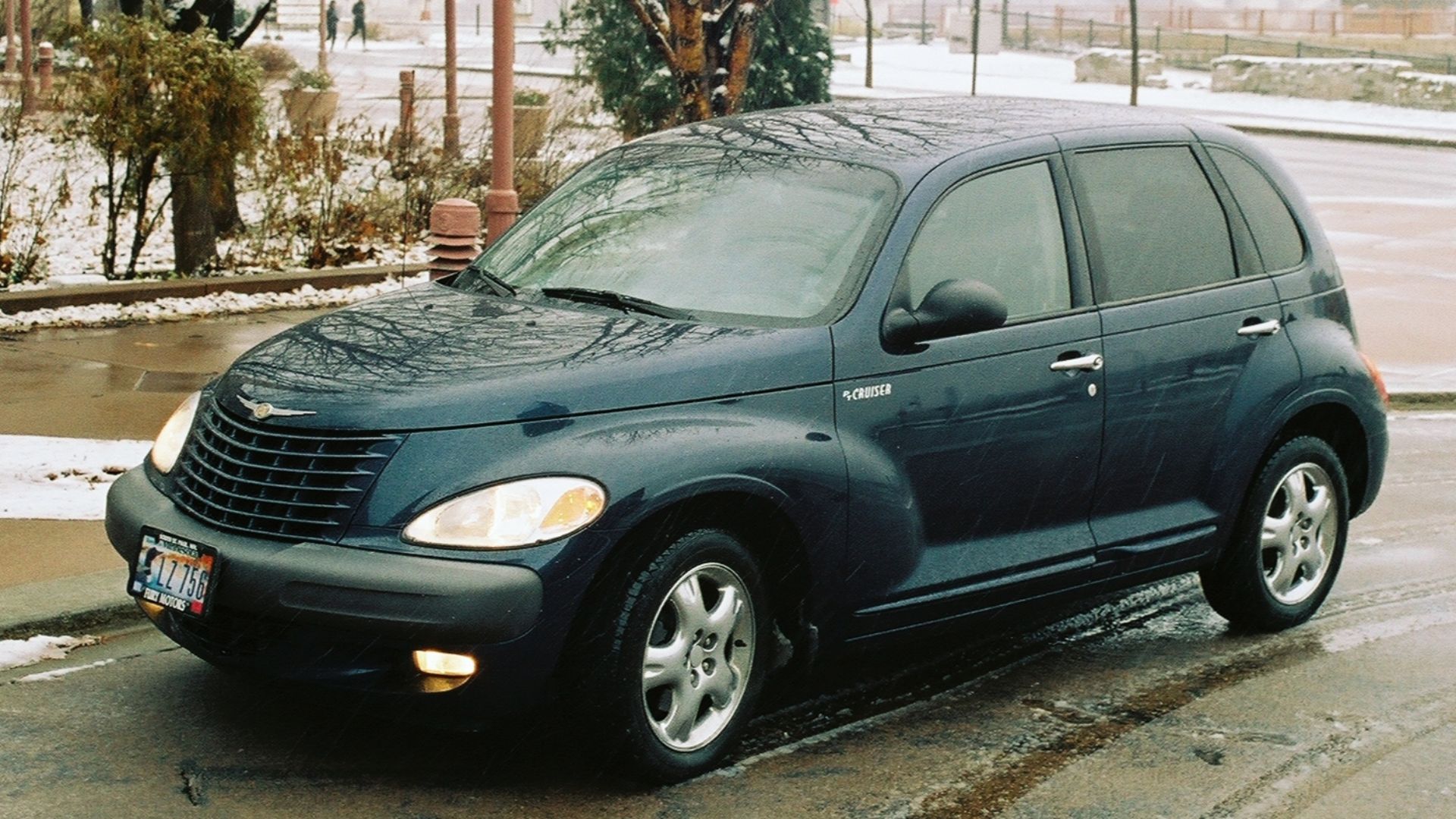
30: Chrysler PT Cruiser
At its peak in 2001, Chrysler sold over 144,000 PT Cruisers in the U.S. In fact, DaimlerChrysler moved about 144,717 PT Cruisers in a single year during the early-2000s surge. Retro styling drove the hype—but 150 horsepower and bargain-bin interiors didn’t age well. It wasn’t terrible. It just wasn’t the revolution people pretended it was, despite the early waiting lists.
 Greg Gjerdingen from Willmar, USA, Wikimedia Commons
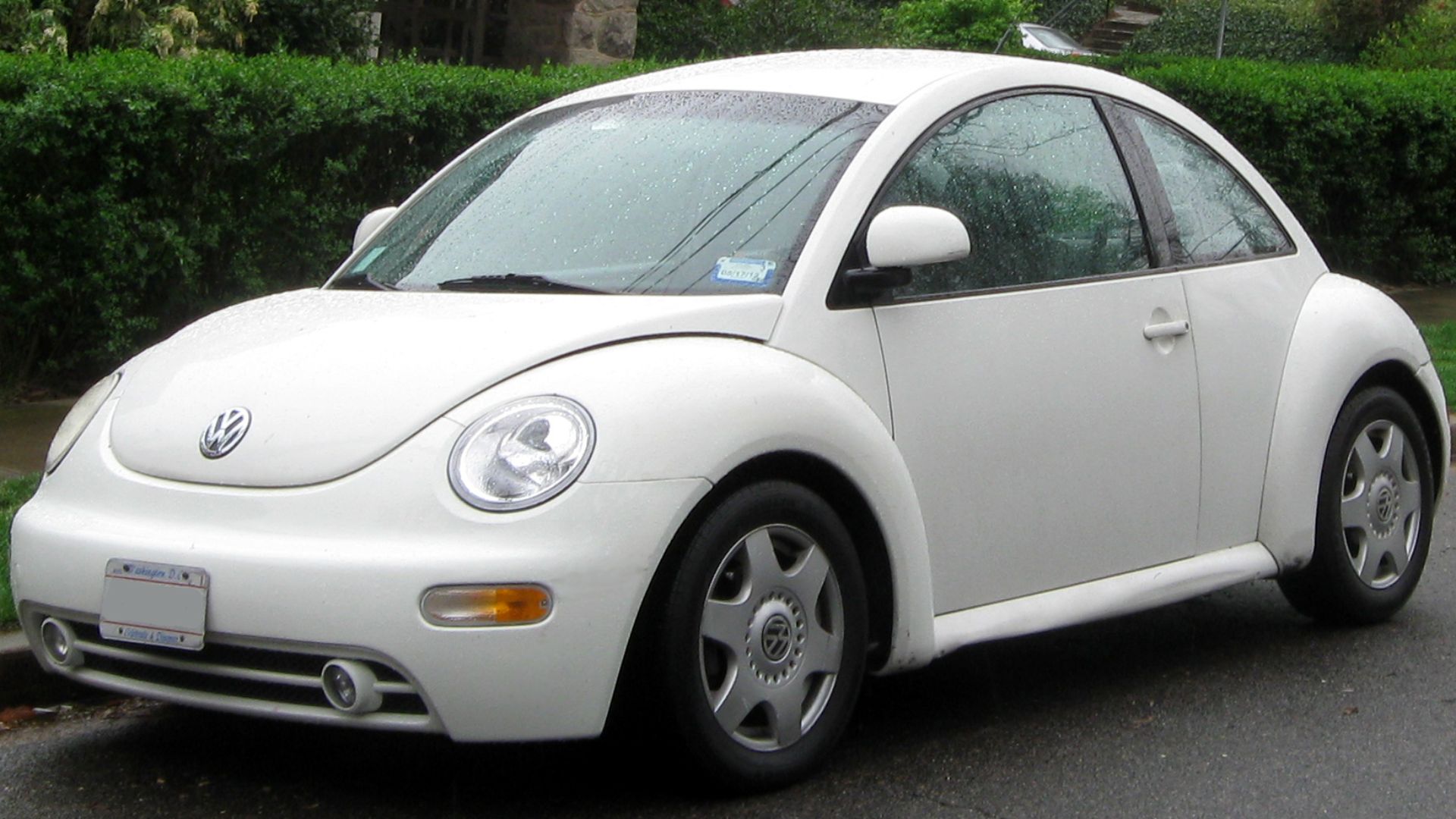
29: Volkswagen Beetle (New Beetle 1998–2010)
The original Beetle changed the world. The New Beetle sold nostalgia with flower vases and soft curves. Fun? Sure. But under the skin, it was just a Golf with quirky styling and modest performance numbers. Sentiment carried it further than substance for many buyers.
28: Hummer H2
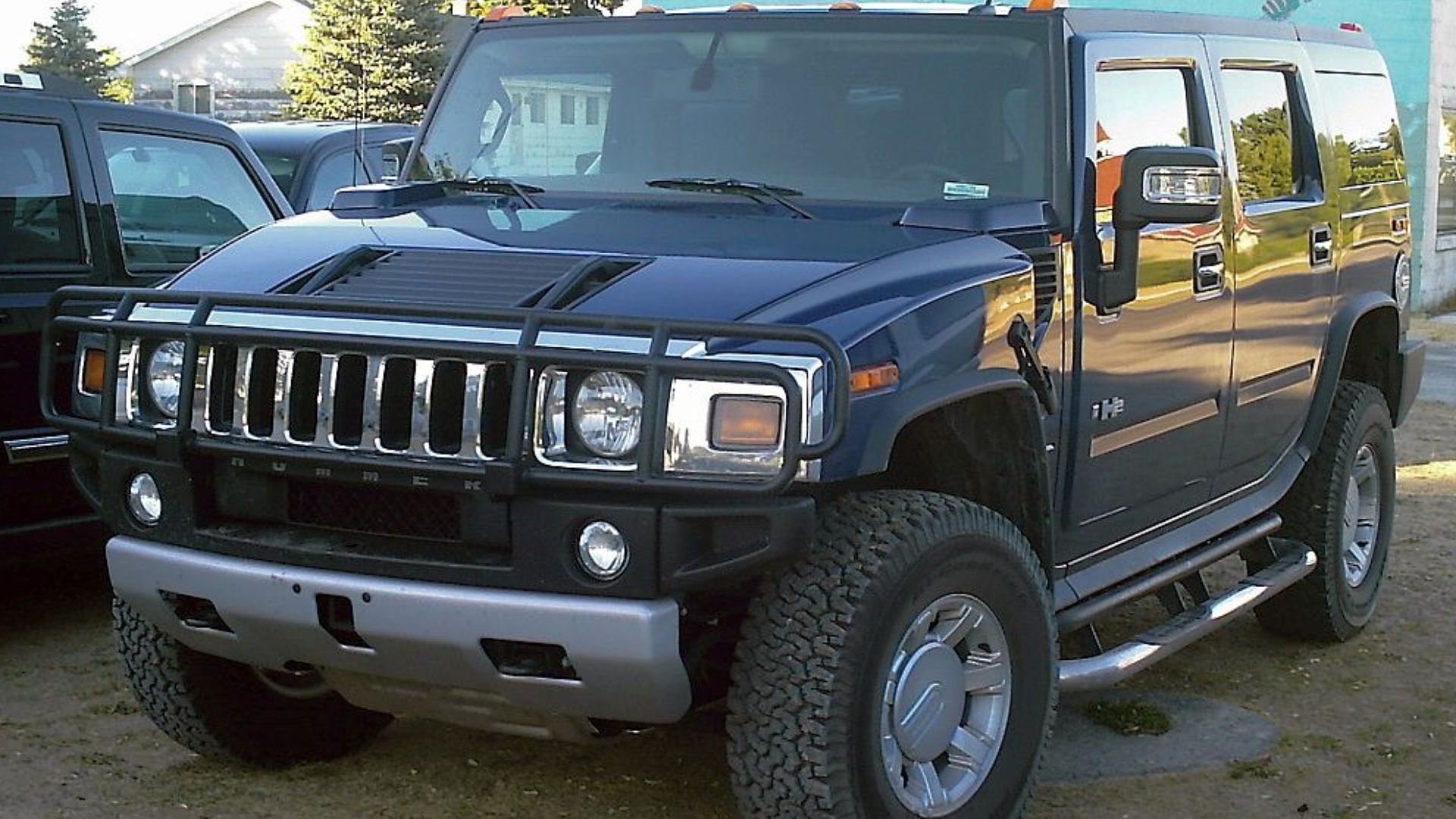
Weighing over 6,400 pounds, the H2 looked military-tough but shared parts with GM SUVs like the Tahoe and Suburban. Despite the image, it wasn’t based on the military Humvee. Real-world fuel logs put early H2 models at around 10 mpg combined. It wasn’t nearly as capable off-road as buyers assumed from the aggressive marketing. Image did most of the heavy lifting here.
27: Chevrolet SSR
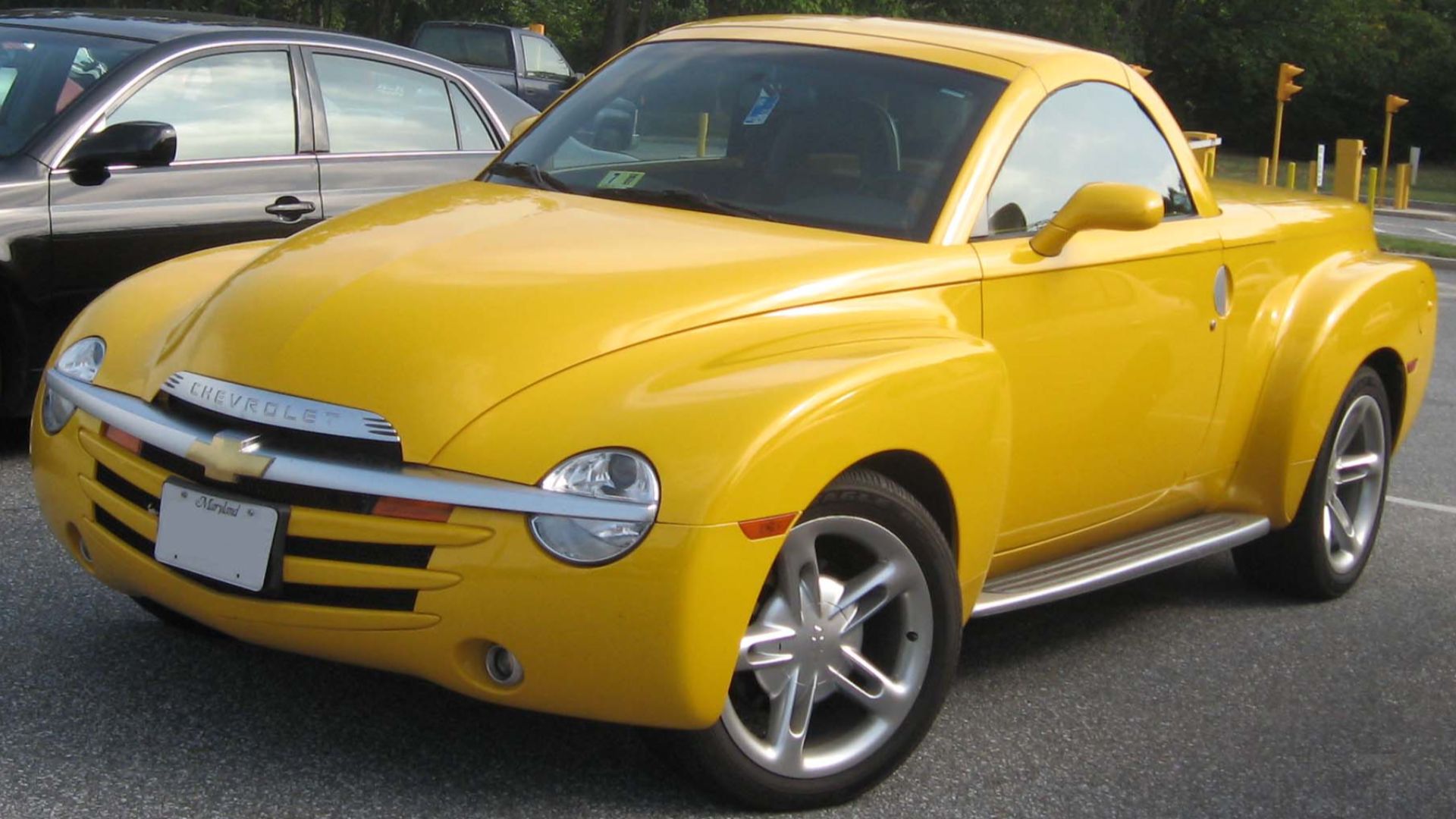
A retro pickup with a retractable hardtop sounds bold. In reality, it was heavy, expensive, and awkwardly positioned in the market. Production totaled about 24,150 units, with roughly 24,112 sold to the public. Cool idea. Questionable execution from the start.
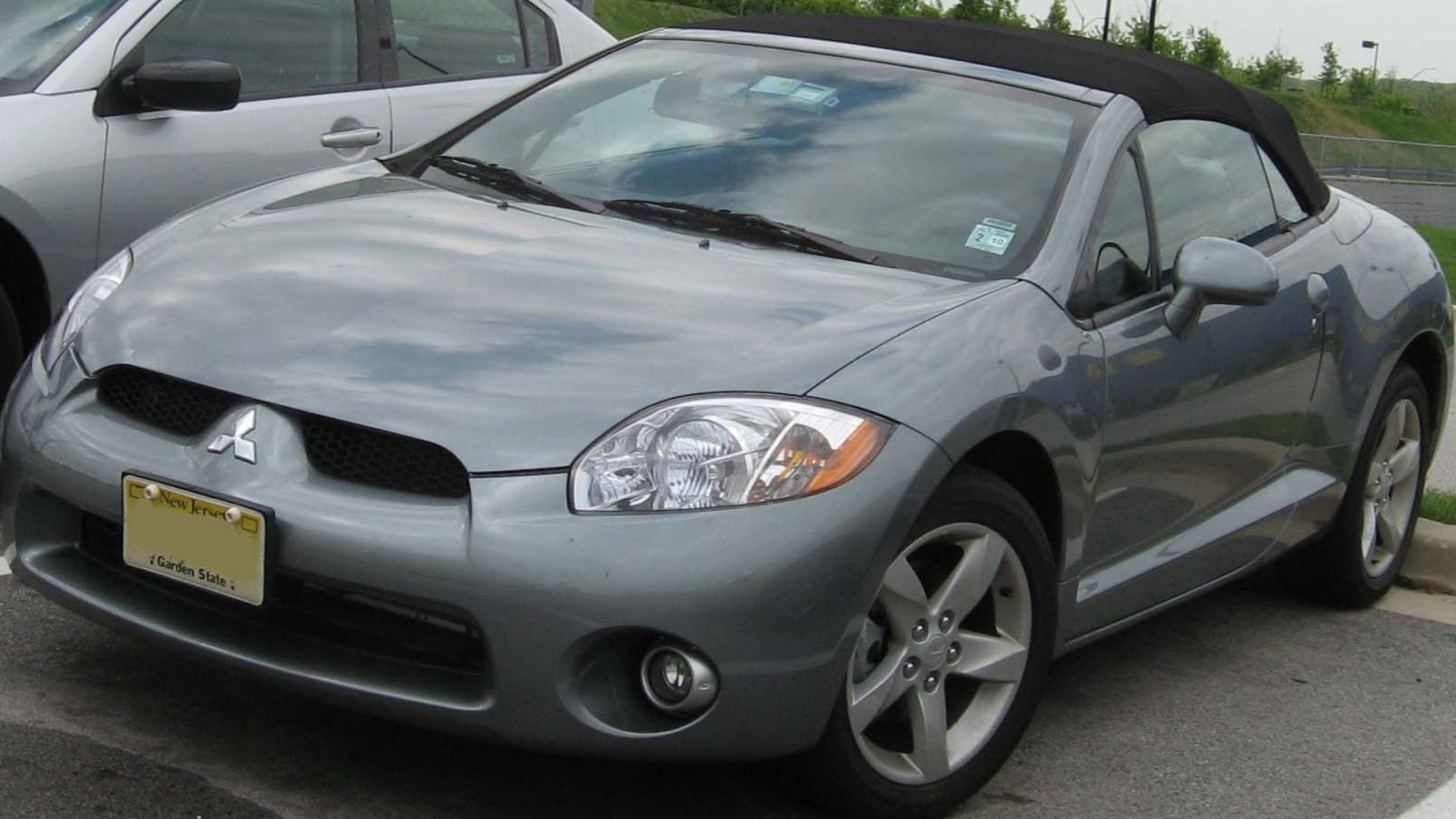
26: Mitsubishi Eclipse (4th Gen)
The early Eclipse earned tuner credibility. By the late 2000s, it was heavier, front-wheel drive only, and no longer turbocharged. The badge still screamed performance—while the specs whispered otherwise to disappointed longtime fans.
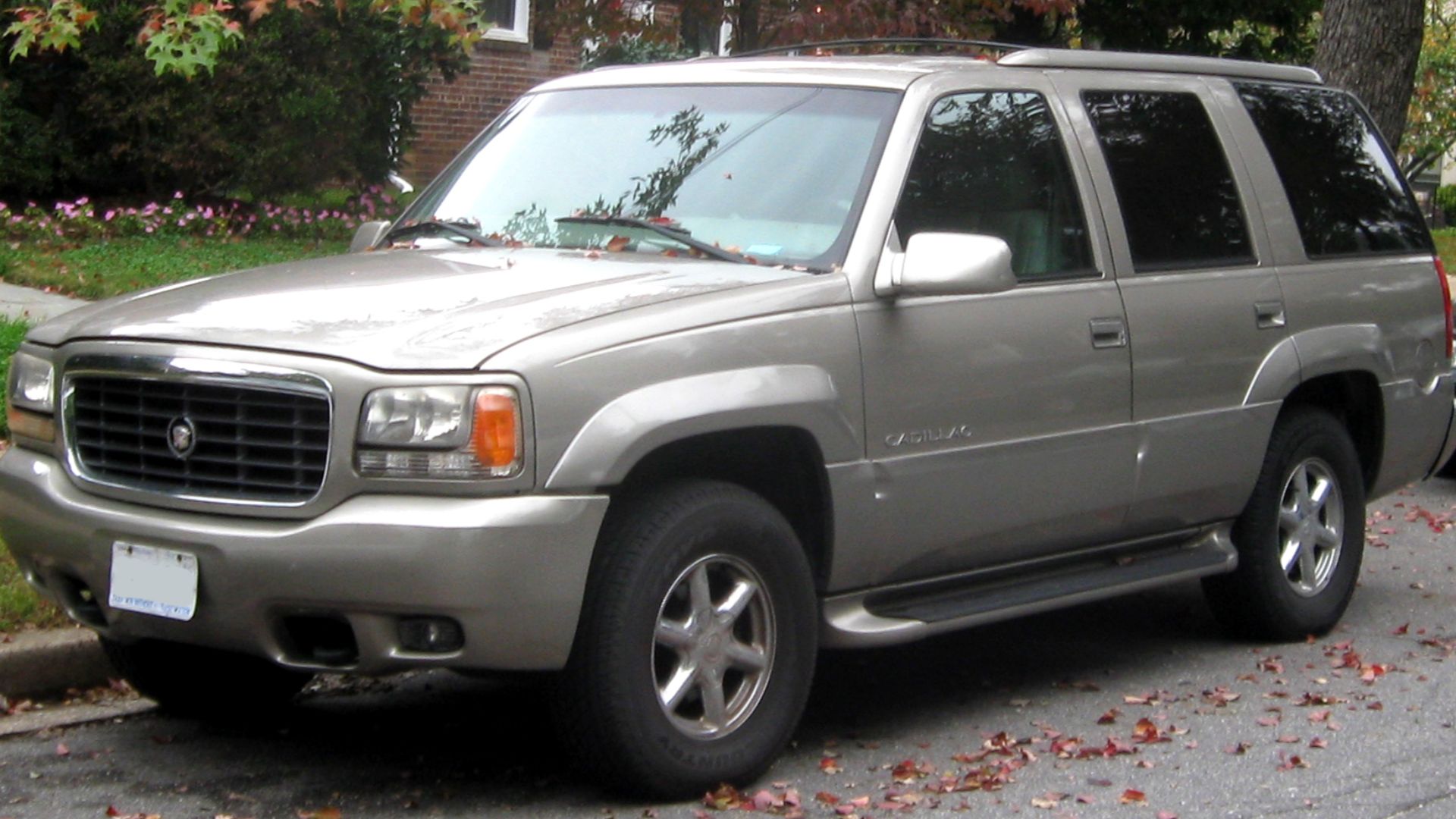
25: Cadillac Escalade (Early 2000s)
The Escalade became a cultural icon, especially after 2002 when sales surged past 30,000 units annually. Even in 2006, Cadillac sold about 39,017 Escalade and Escalade ESV units in the U.S. and Canada combined. But beneath the chrome and celebrity status, it was closely related to the Tahoe. Luxury? Yes. Revolutionary? Not exactly.
24: Toyota Supra (Mk4)
Yes, it made up to 320 horsepower in U.S. twin-turbo form. Yes, tuners love it. But from 1993–1998, total U.S. retail sales were just 11,239 units. Prices today reflect movie fame more than stock performance figures. Brilliant platform—but hype now exceeds factory reality.
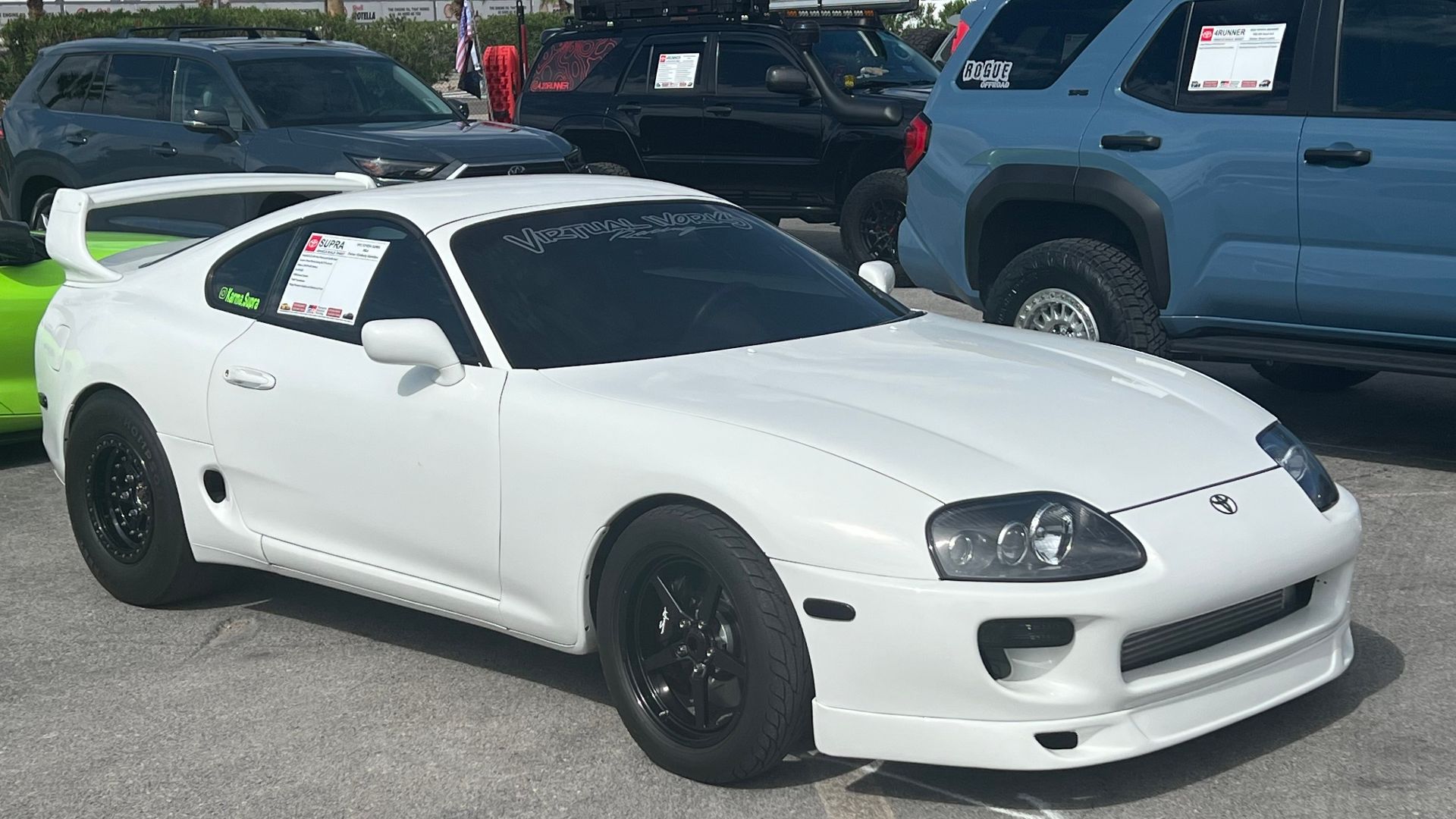 TaurusEmerald, Wikimedia Commons
23: Plymouth Prowler
A factory hot rod with no V8. Chrysler gave it a 3.5-liter V6 producing 214 horsepower at launch, later bumped to 253 hp. Total production reached 11,702 units. It looked wild. It moved… moderately for something that dramatic.
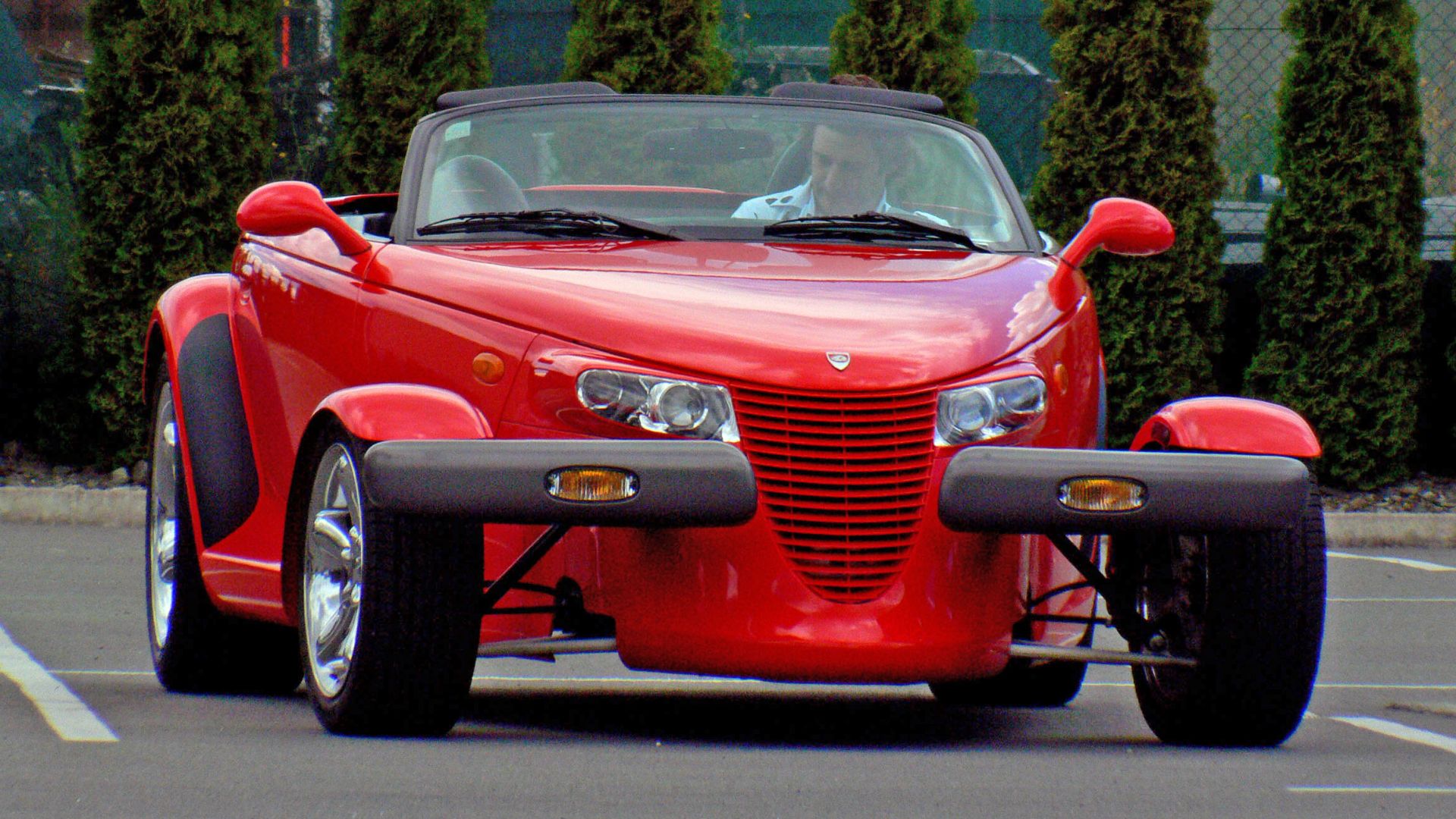 Bernard Spragg. NZ from Christchurch, New Zealand, Wikimedia Commons
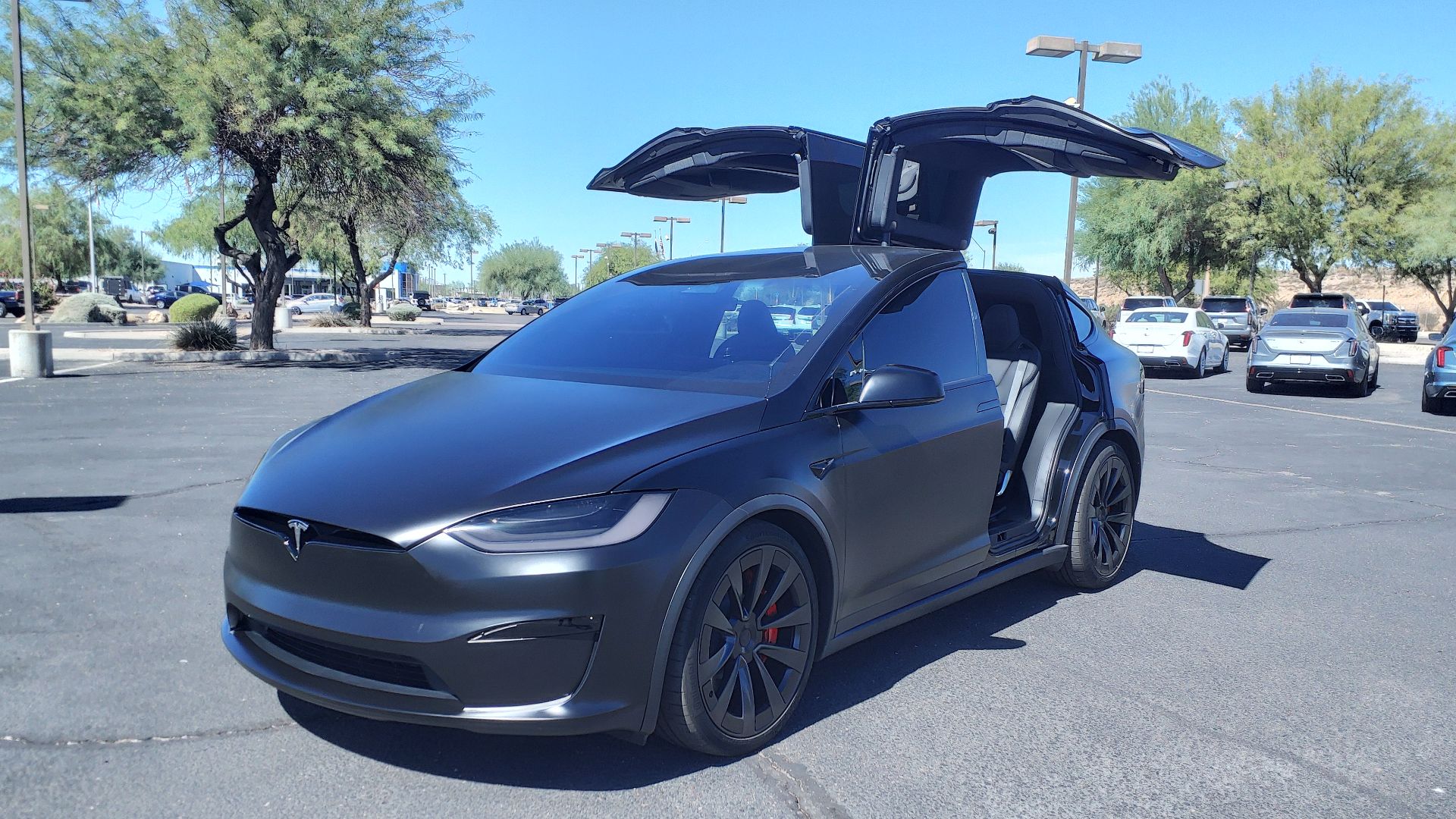
22: Tesla Model X
Falcon-wing doors grabbed headlines worldwide. Early production brought quality-control complaints and software growing pains that frustrated buyers. It’s quick, sure—but complexity and price made it more spectacle than necessity for many households.
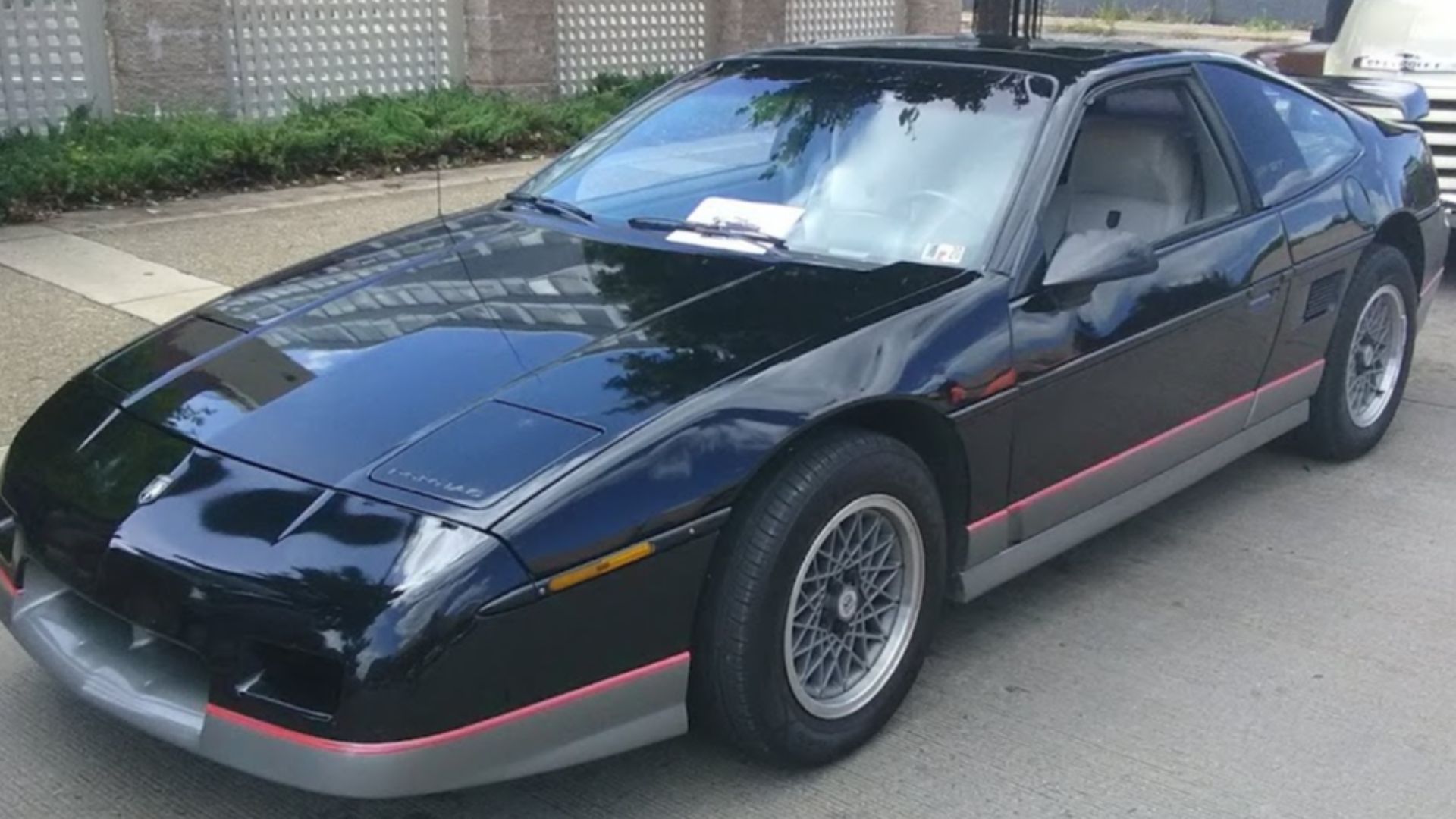
21: Pontiac Fiero
Mid-engine layout. Sports car promise. Early models produced just 92 horsepower from the base 2.5-liter engine. The issue grew serious enough that GM recalled about 125,000 1984 Fieros over fire risks. Later versions improved, but the hype never quite matched the actual performance numbers drivers experienced.
 MercurySable99, Wikimedia Commons
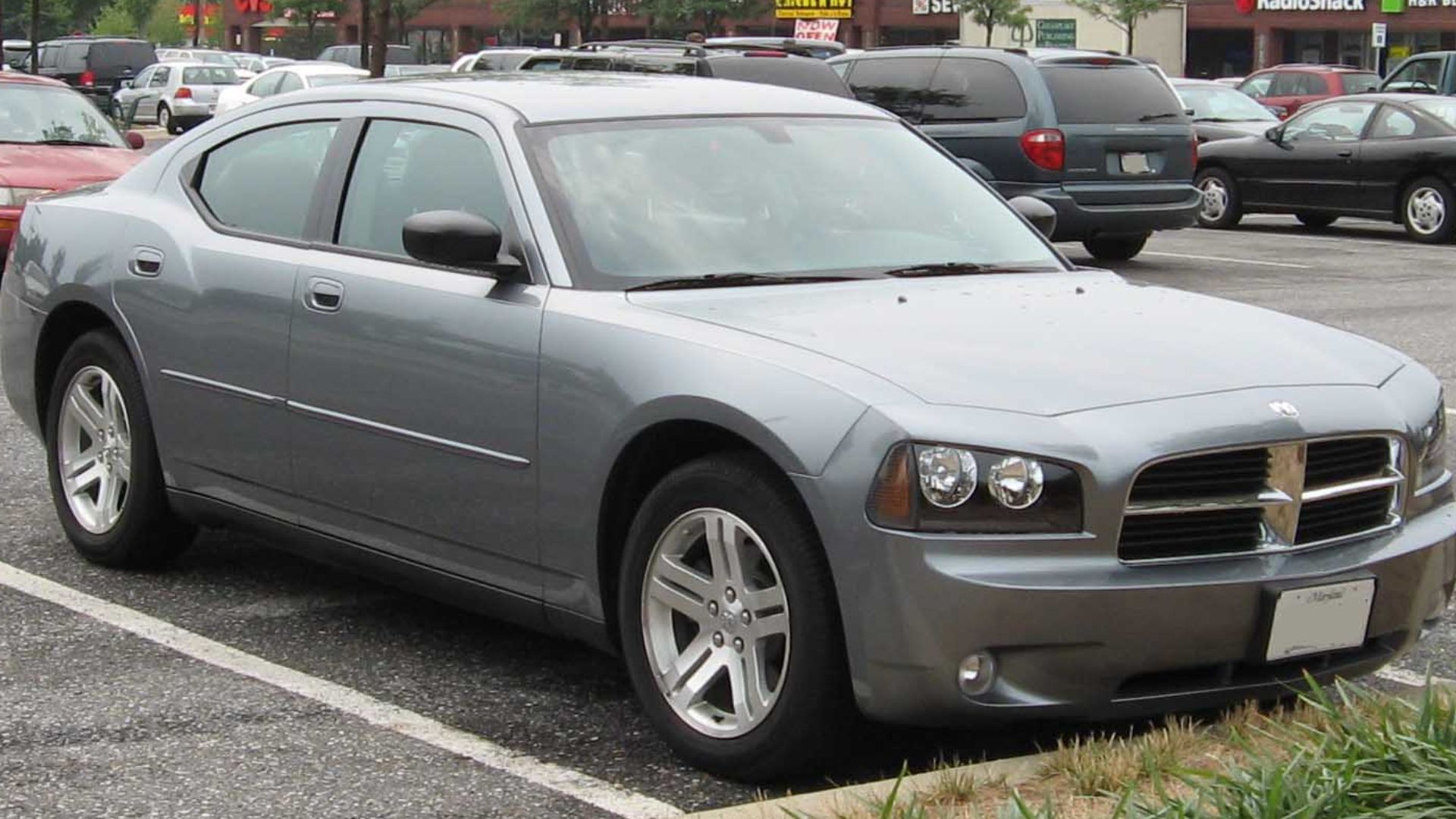
20: Dodge Charger (Modern V6 Models)
The Hellcat is chaos in the best way. The base V6 rental-spec Charger? Not so much. The name evokes muscle-car heritage, but many versions are fleet sedans with aggressive styling and average acceleration.
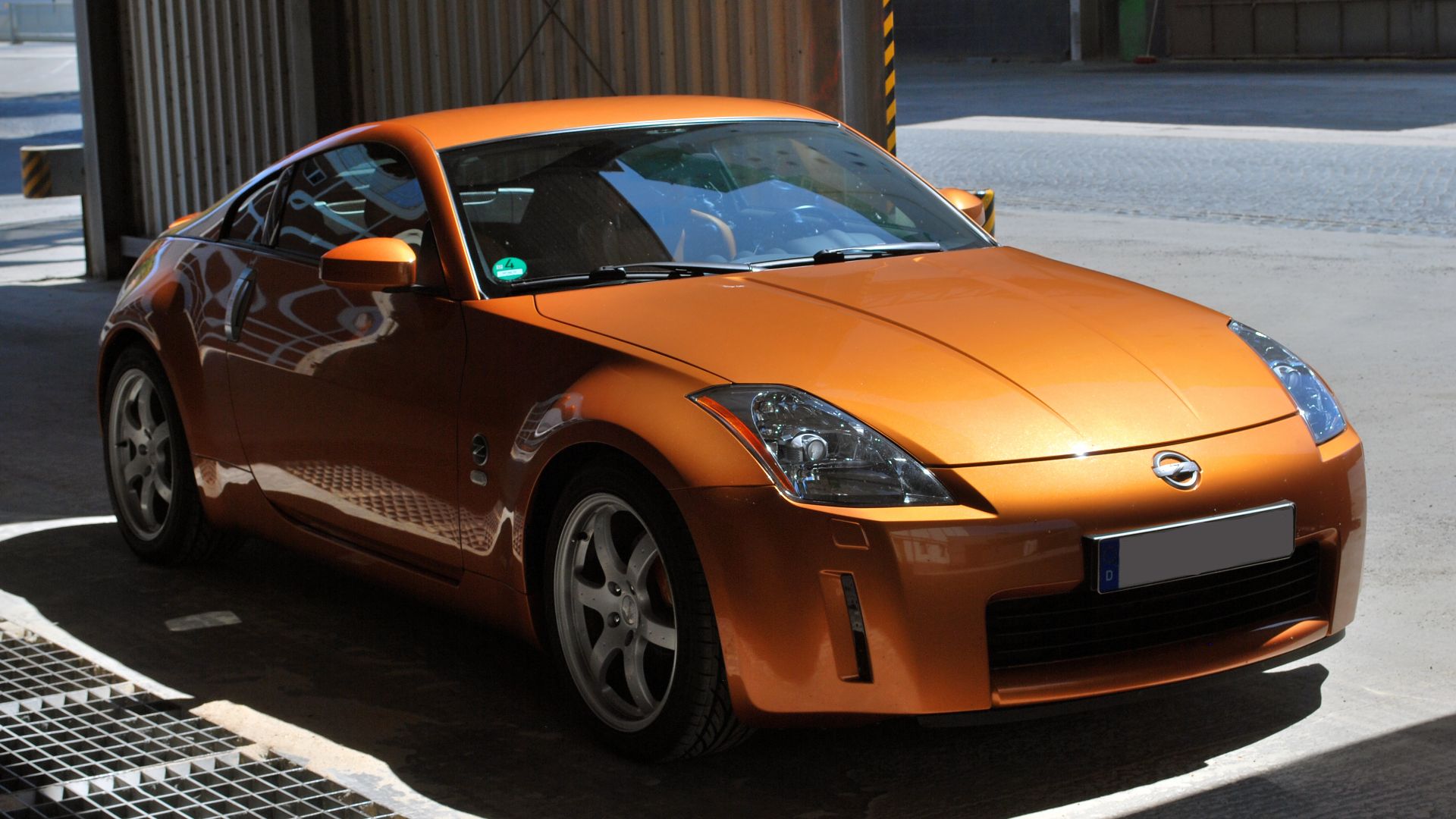
19: Nissan 350Z
Strong 287–306 horsepower output made it respectable in its class. But interior quality and daily drivability critiques were common among owners. It was good—just not the Porsche killer some claimed at the time.
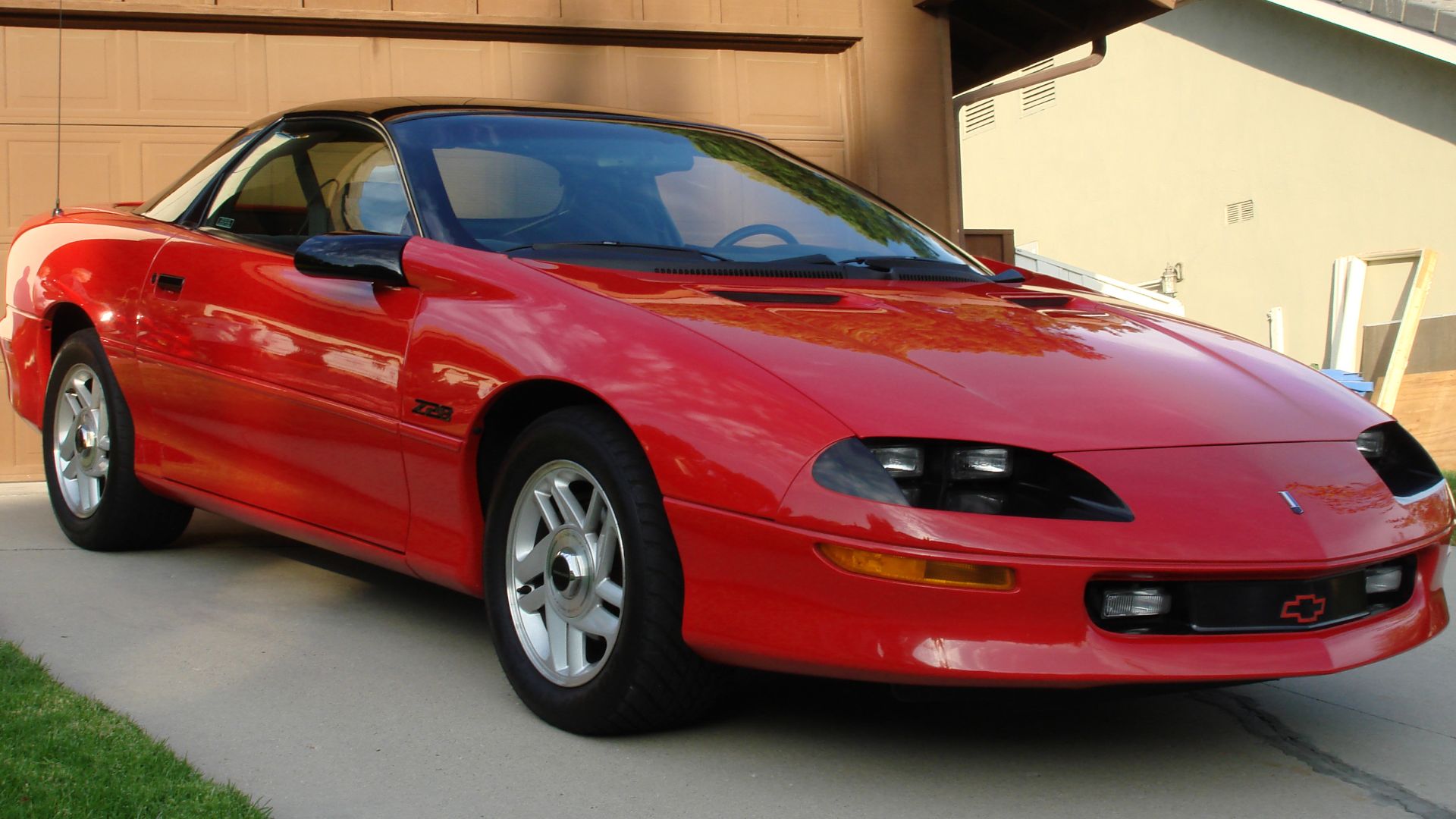
18: Chevrolet Camaro (4th Gen)
Performance was decent for the money in the late 90s. Build quality and interior design were less inspiring to live with. Sales declined sharply before its 2002 hiatus. Nostalgia does a lot of the remembering today.
 Rich Niewiroski Jr., Wikimedia Commons
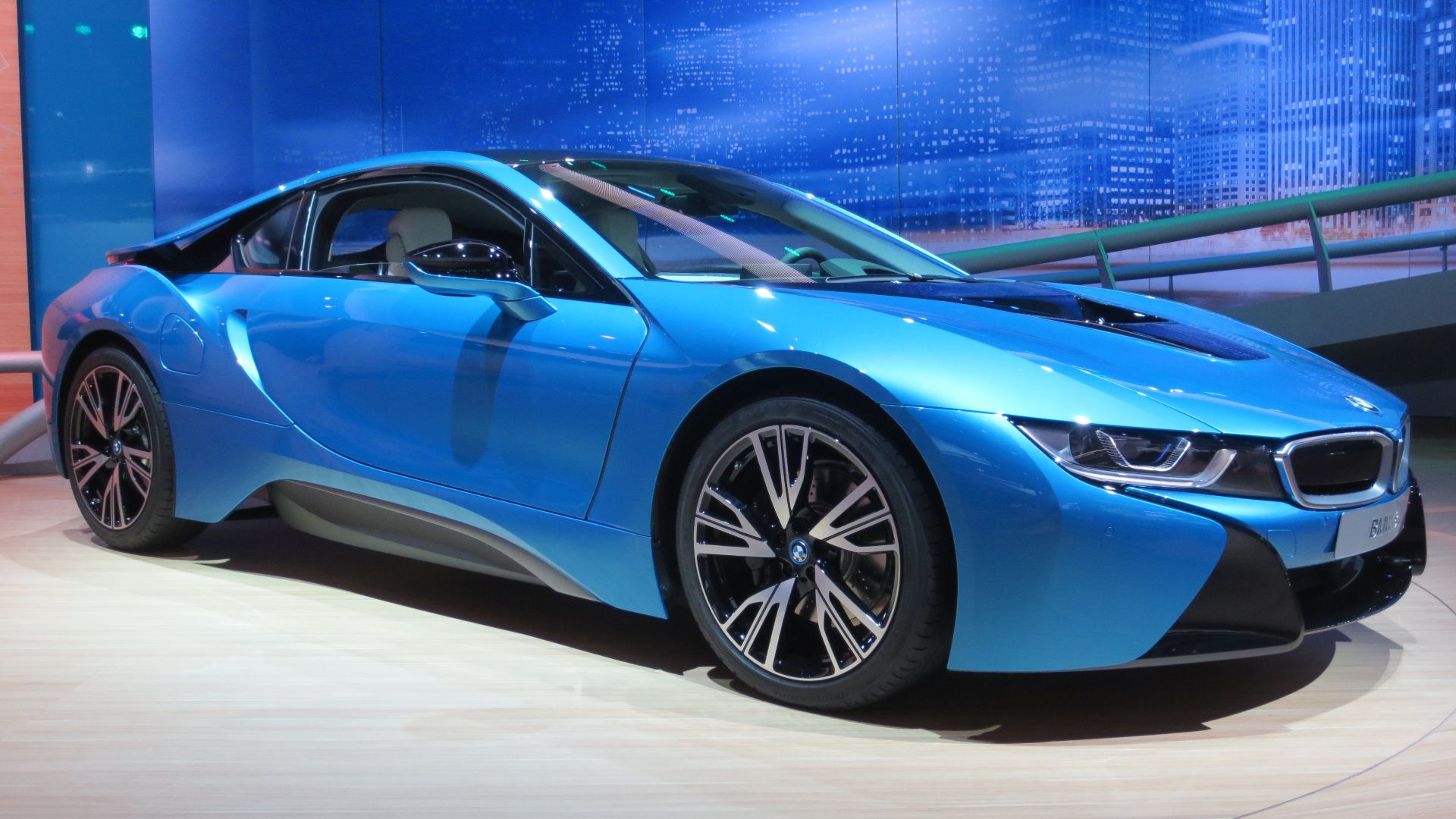
17: BMW i8
Futuristic styling turned heads everywhere. Hybrid drivetrain. Around 369 combined horsepower. Yet performance didn’t match the supercar looks many assumed at first glance. It was more tech demo than track weapon.
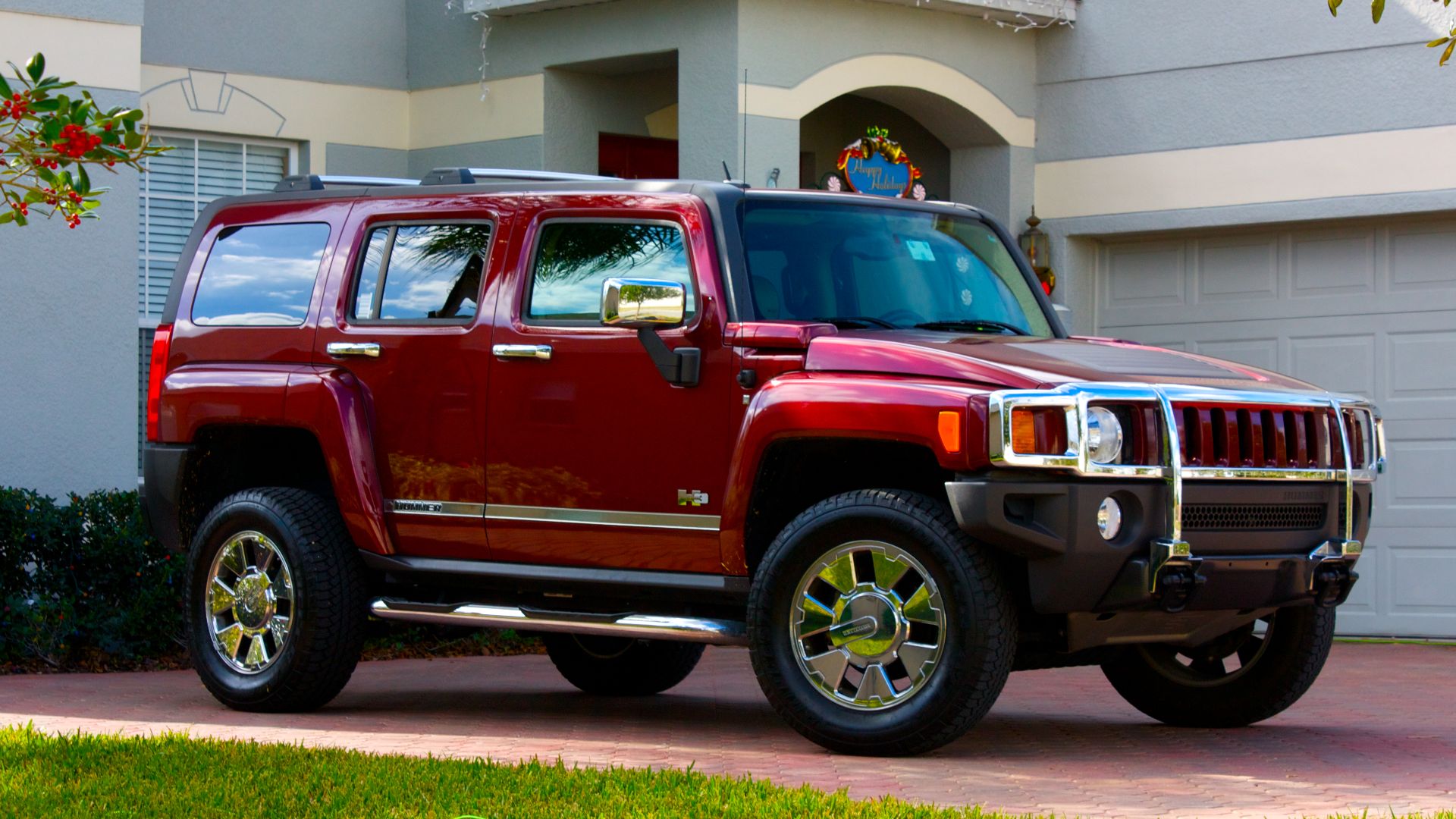
16: Hummer H3
Smaller than the H2, but still heavy and thirsty at the pump. Based partly on the Chevrolet Colorado platform, it offered image at a premium price. Capability didn’t always justify the badge or expectations.
 Marcus Quigmire from Florida, USA, Wikimedia Commons
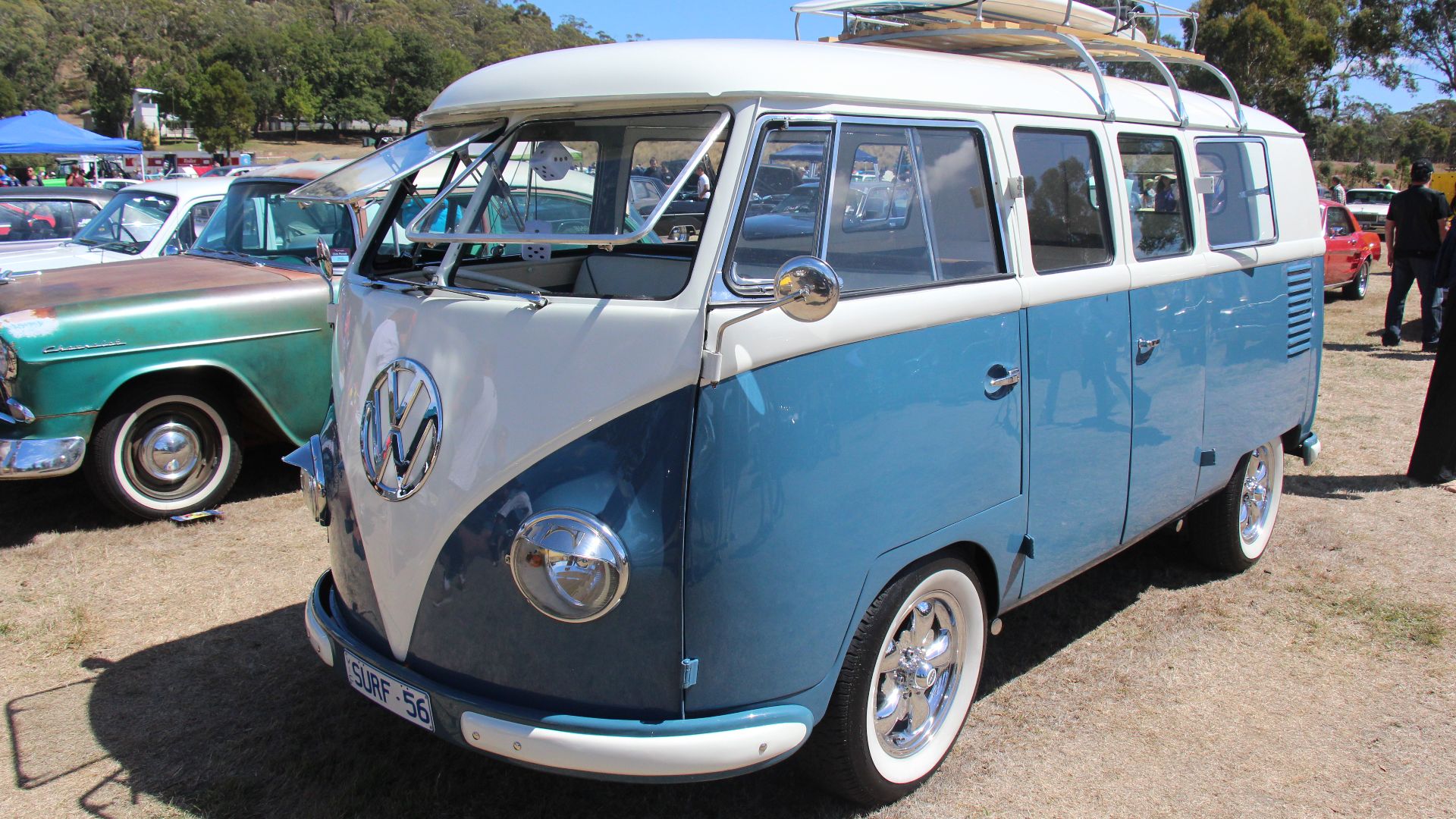
15: Volkswagen Microbus (Classic U.S. Versions)
Cultural legend of the 60s counterculture movement. Power output often under 70 horsepower. Slow, charming, and mechanically simple—but objectively mediocre by modern standards or performance expectations.
14: DeSoto Adventurer
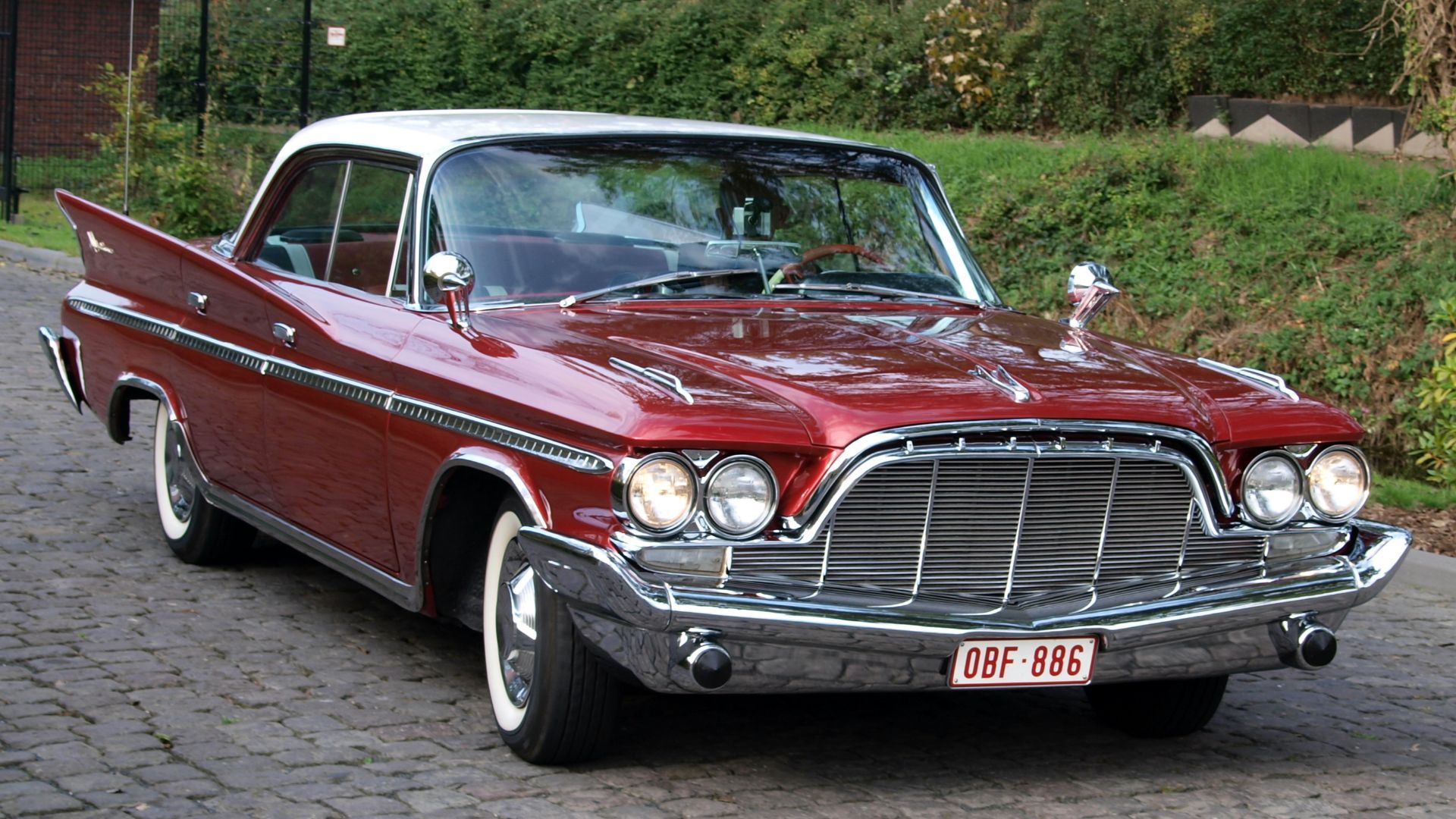
Late-50s horsepower wars pushed numbers past 345 hp in some trims. But the brand folded in 1961. Flashy, yes. Long-term impact? Limited compared to longer-lasting rivals.
13: Chevrolet El Camino
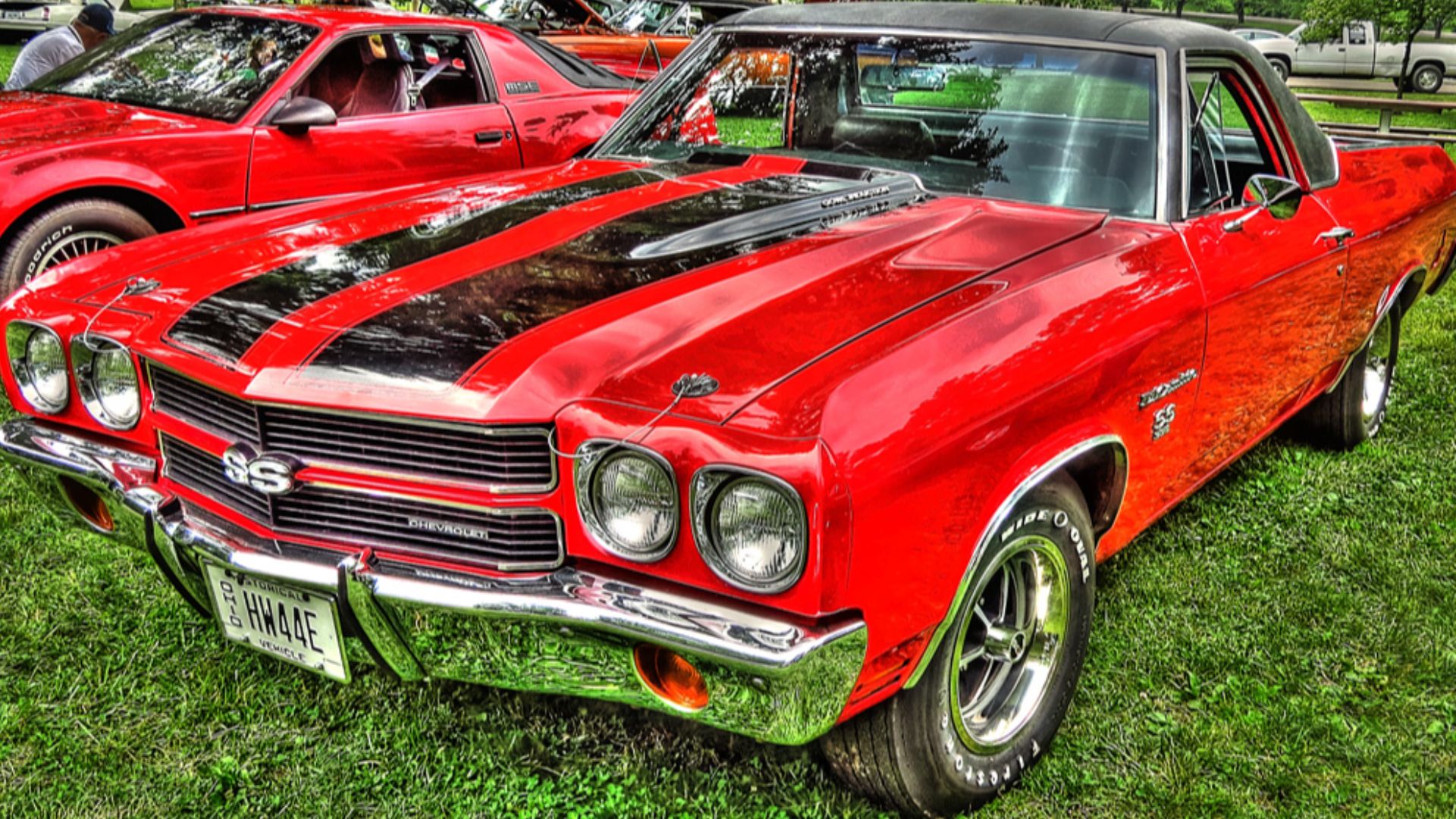
Car? Truck? Identity crisis. It filled a niche but never dominated it for long stretches. Sales fluctuated heavily across generations. Memorable doesn’t automatically mean essential in the broader automotive landscape.
 Don O'Brien from Piketon, Ohio, United States, Wikimedia Commons
12: Infiniti QX56 (Early Years)
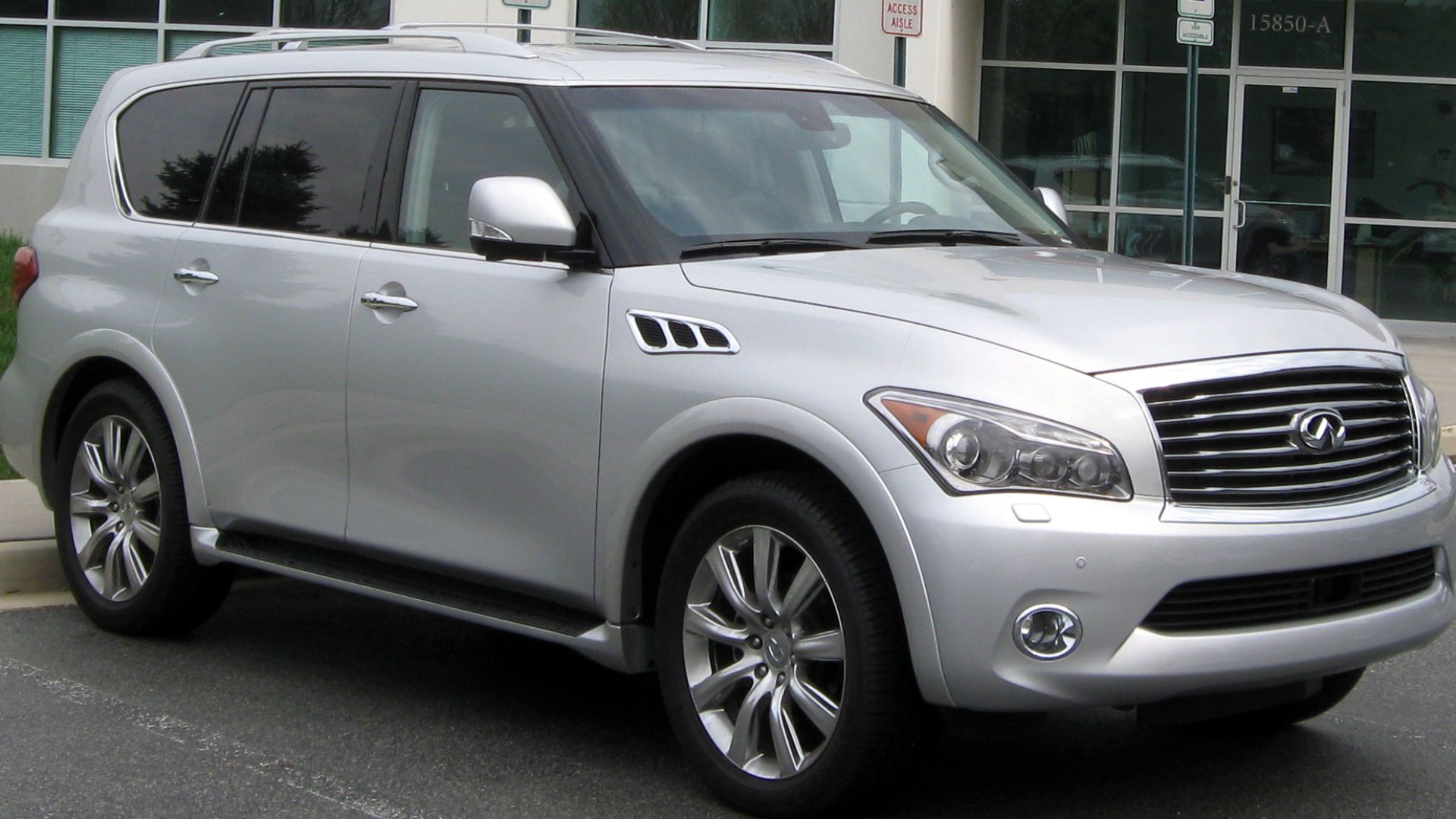
Big V8 power. Big fuel bills. Interior quality lagged behind European competitors at similar price points. It was imposing—but refinement and resale value weren’t always there.
11: Smart Fortwo (First U.S. Wave)
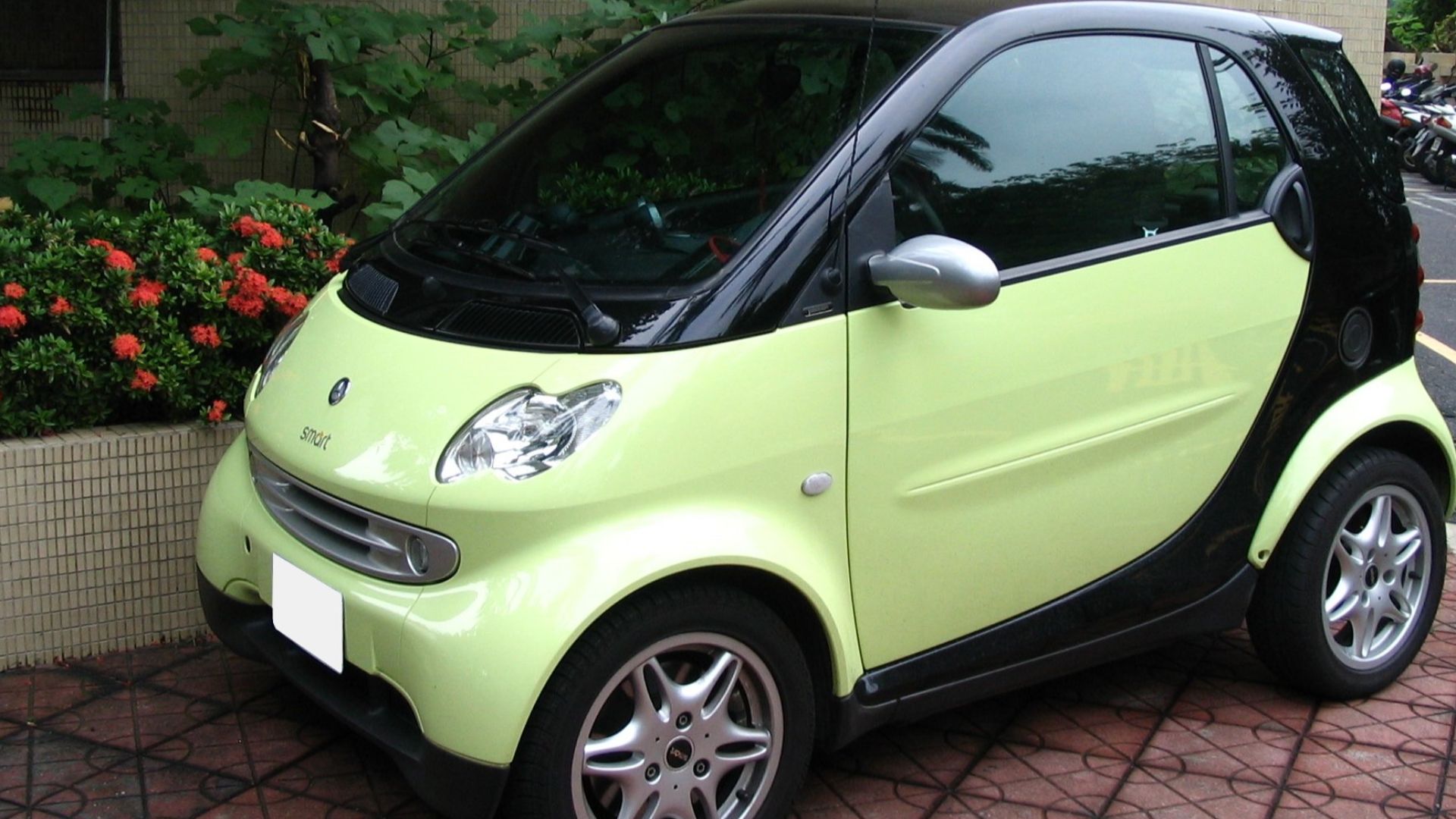
Urban novelty that drew curiosity everywhere. In 2008, Smart sold nearly 25,000 cars in the U.S., but by 2011 that number fell below 5,000 annually. Highway compromise. It was clever—but not the revolution many predicted for city commuting.
 Elijah van der Giessen from Edmonton, Canada, Wikimedia Commons
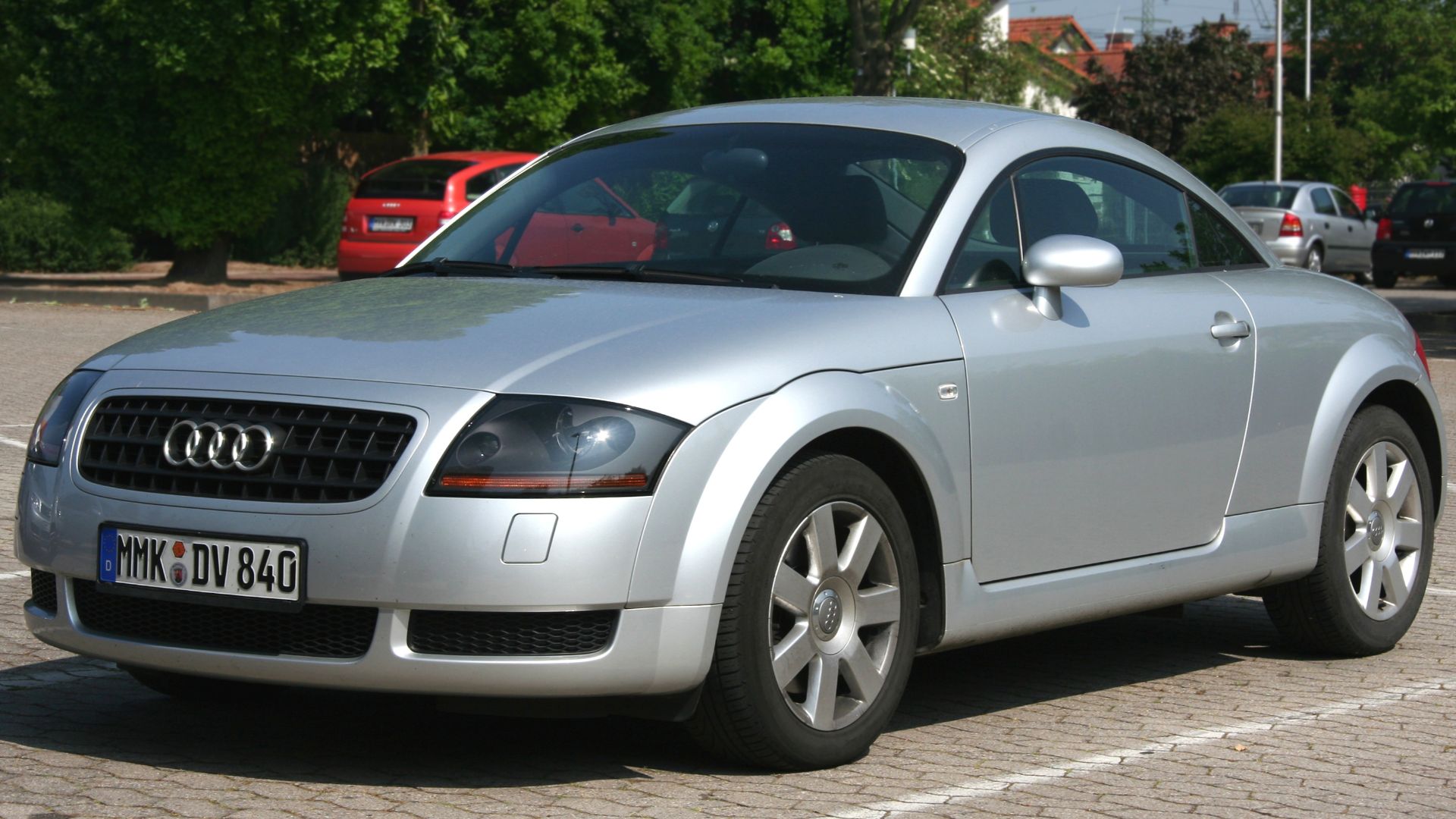
10: Audi TT (First Gen)
A design icon when it debuted in 1998. Clean lines. Bauhaus cool. But early high-speed stability concerns led to suspension revisions and the addition of a rear spoiler after recalls. Gorgeous? Absolutely. A pure driver’s car? Not quite. The styling often got remembered more vividly than the steering feel.
 Lothar Spurzem, Wikimedia Commons
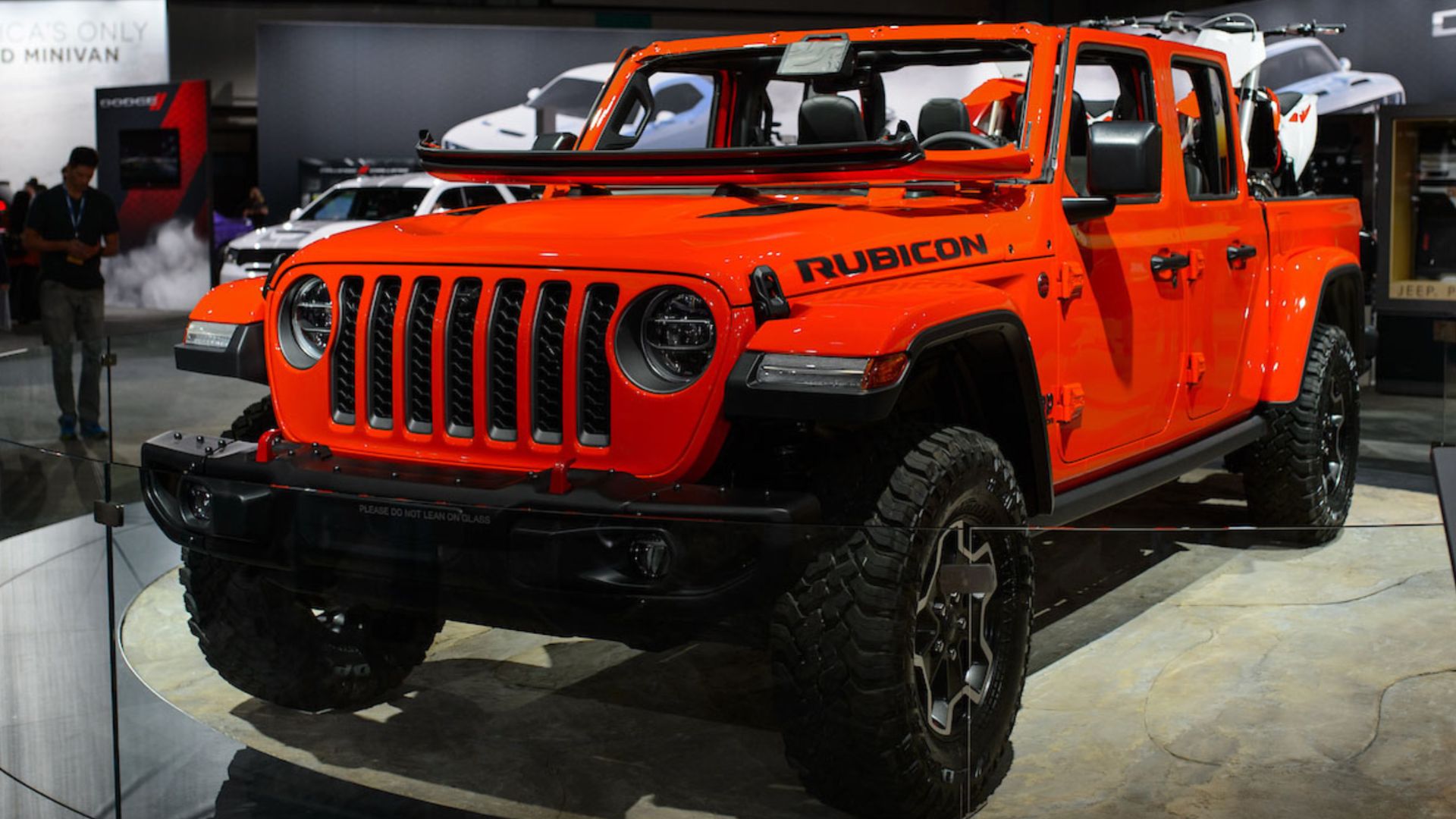
9: Jeep Gladiator (Modern)
The name returned with massive hype and strong launch buzz. It’s capable off-road and undeniably versatile. But high pricing, long wheelbase compromises, and mixed ride reviews cooled early excitement. It’s good at many things—just not revolutionary at any of them.
 Optimuspedia, Wikimedia Commons
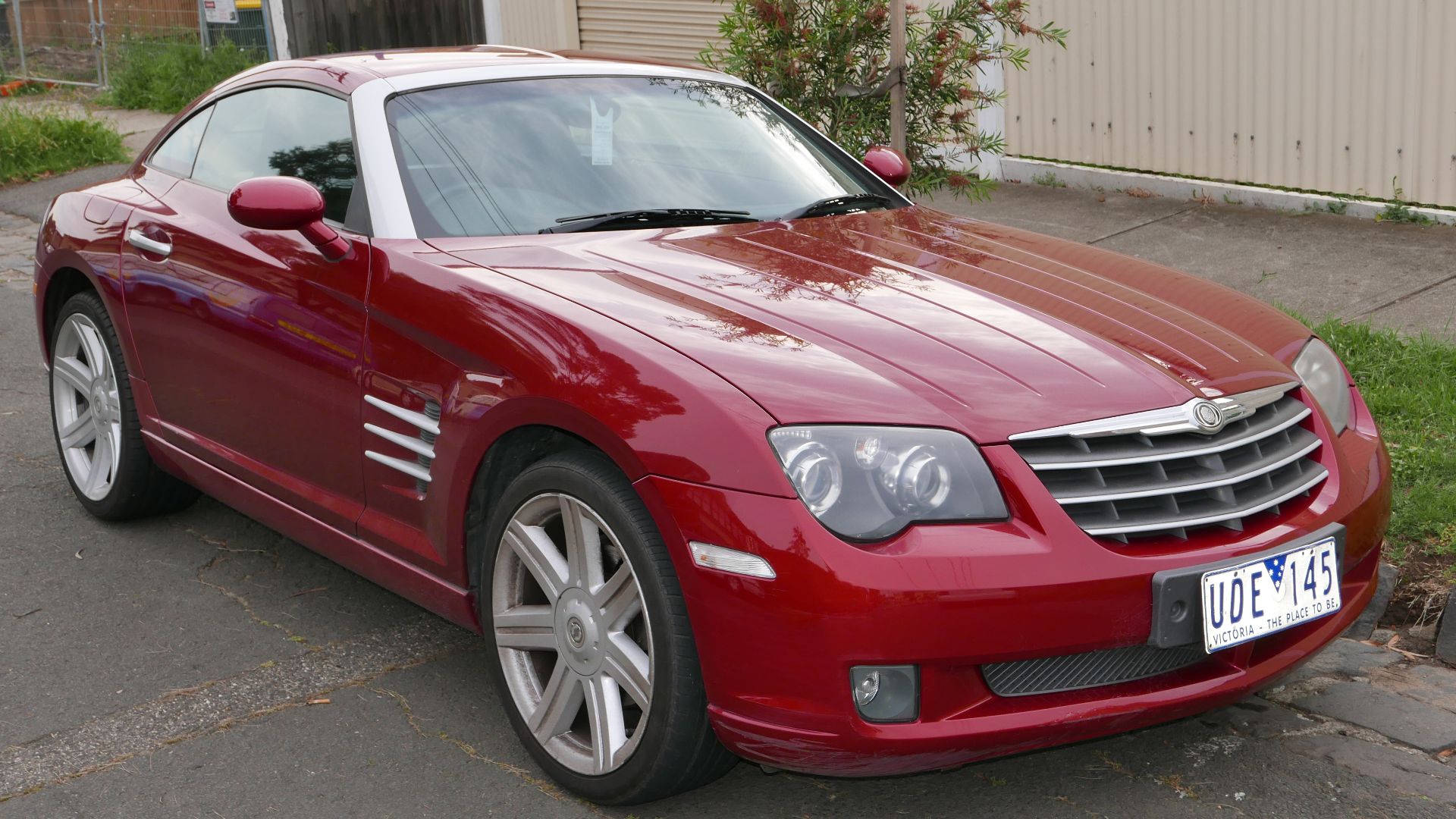
8: Chrysler Crossfire
Shared Mercedes-Benz SLK bones gave it legitimate credentials. The styling? Polarizing from day one. Sales fell quickly after launch, and excitement faded just as fast. It looked dramatic, felt decent, and left little long-term impact. The hype burned brighter than the legacy.
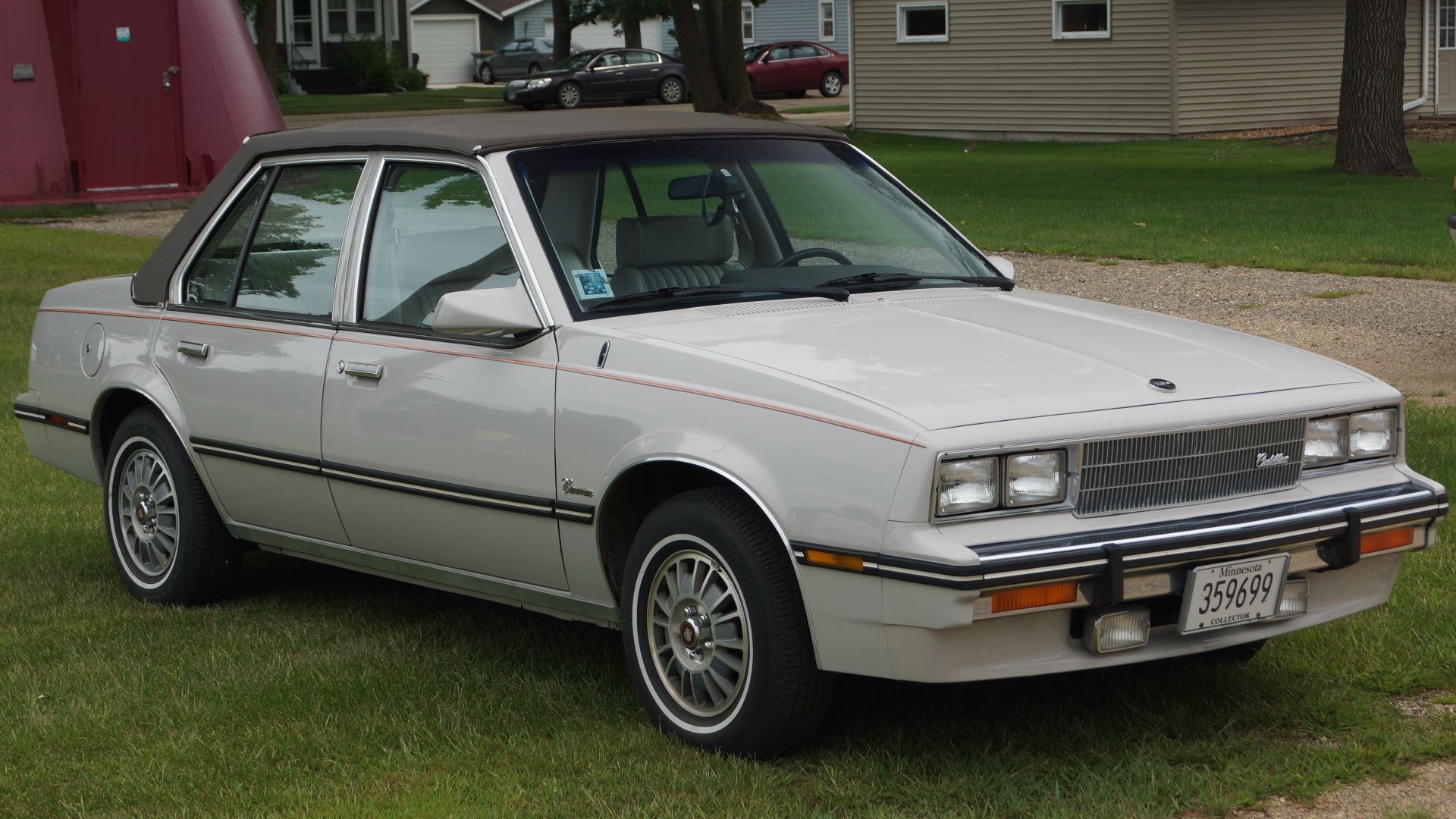
7: Cadillac Cimarron
Luxury badge. Compact economy-car roots derived from the Chevrolet Cavalier. It’s become textbook badge engineering gone wrong. Buyers expected European-level refinement with an American crest. What they got felt suspiciously familiar for the money.
 Greg Gjerdingen, Wikimedia Commons
6: Pontiac GTO (2004–2006 Revival)
Strong LS V8 power. Legitimate performance numbers. But understated styling left many wondering where the drama went. It was quick and capable—but never quite captured the swagger people expected from the GTO name. The myth of the badge weighed heavier than the sheet metal.
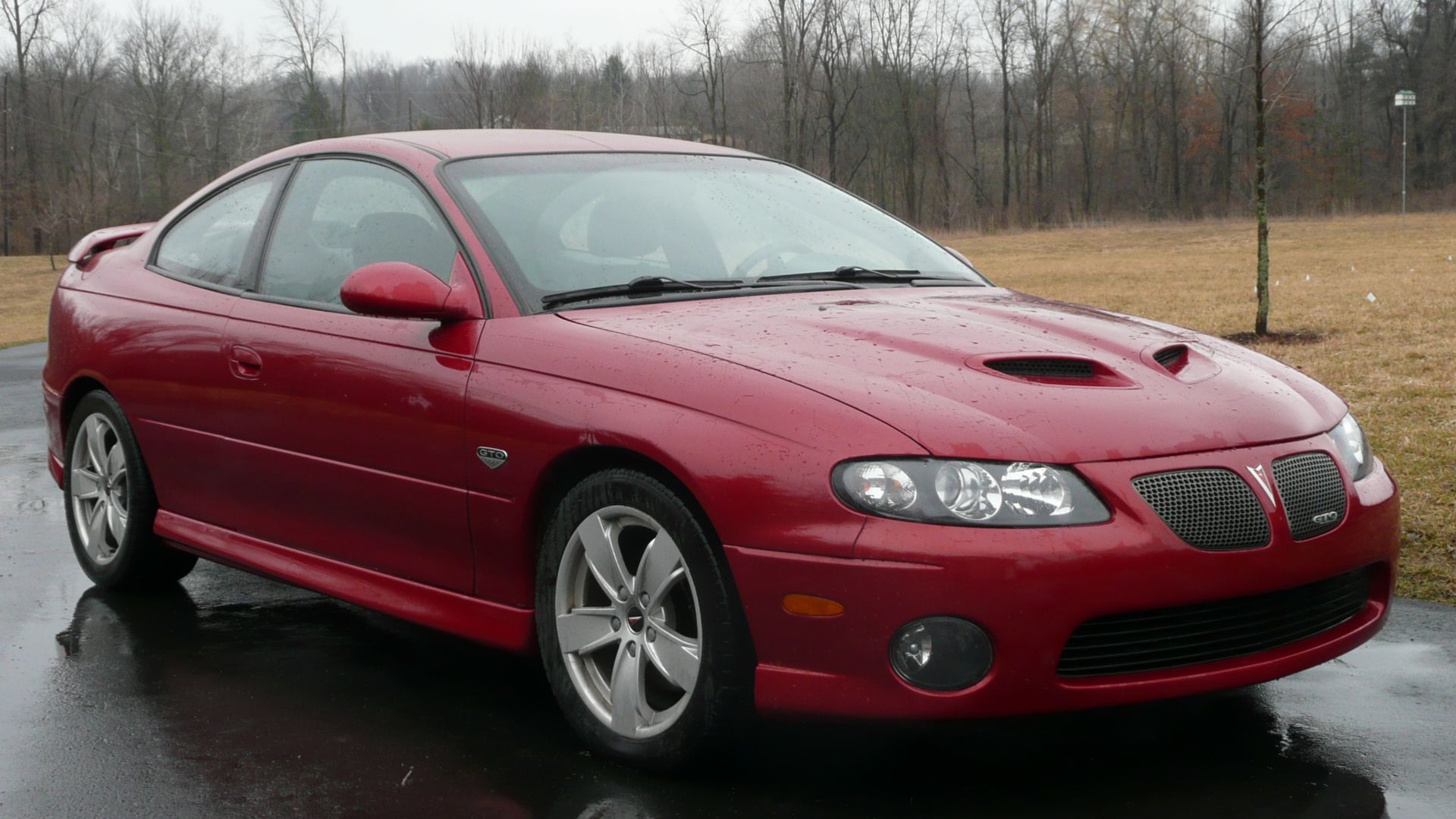 MyName (Crossley1 (talk)), Wikimedia Commons
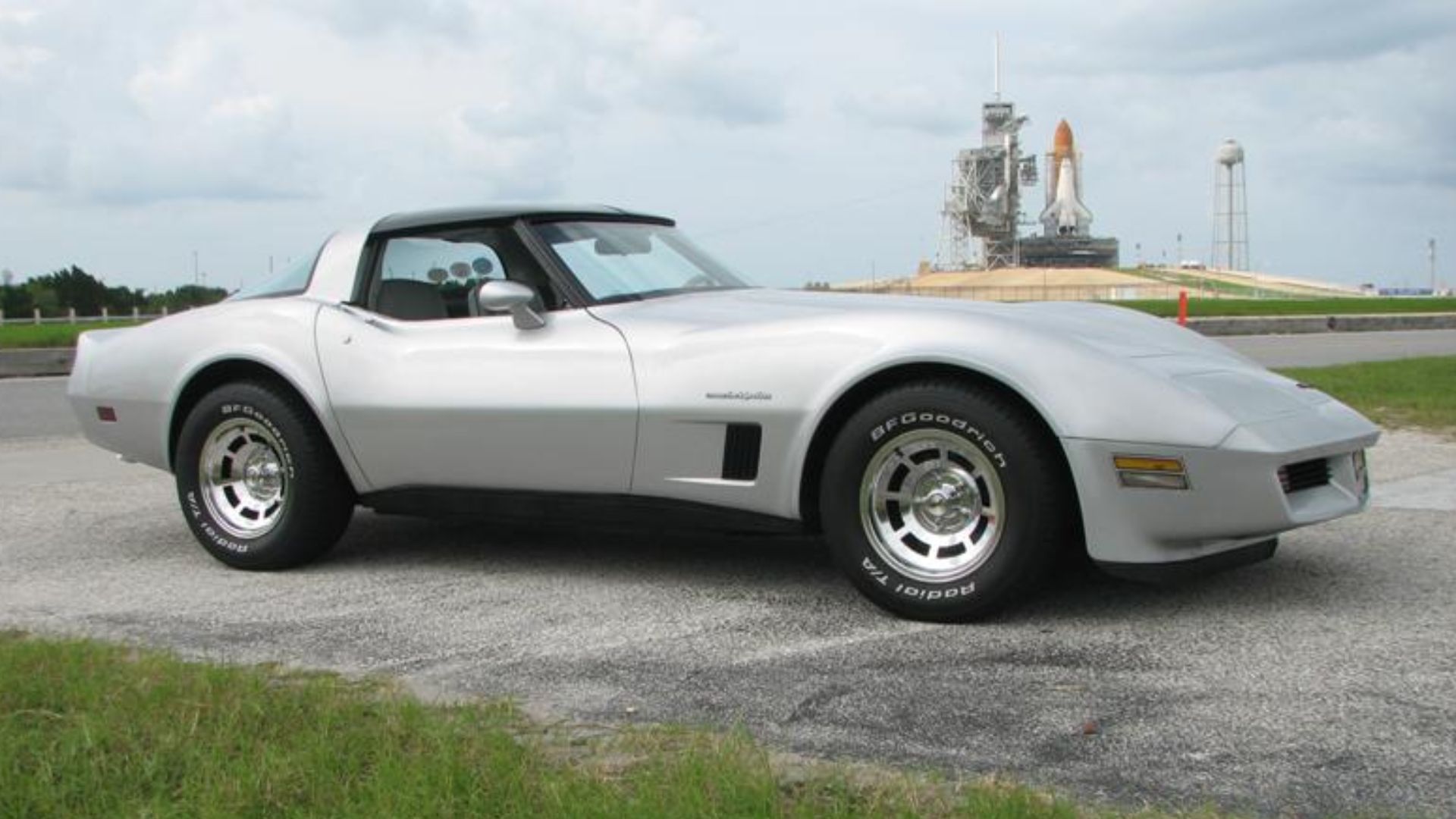
5: Chevrolet Corvette (C3 Era)
Those curves are undeniable. Late-60s big-block glory cast a long shadow. But emissions-era horsepower dipped as low as 165 hp in mid-70s models. The image stayed aggressive—even when real-world performance often wasn’t. Style aged beautifully. Acceleration, less so.
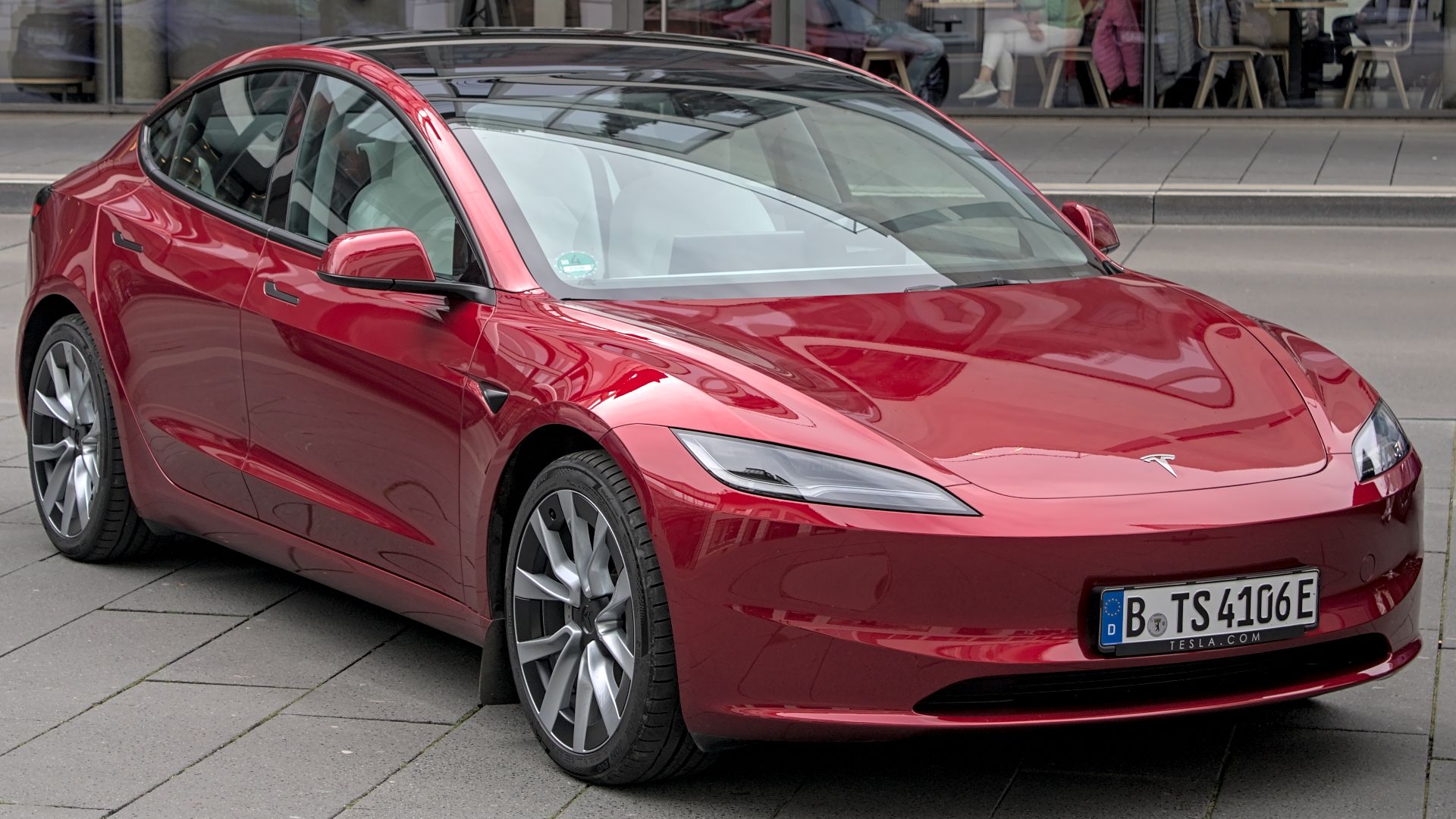
4: Tesla Model 3
Mass-market EV success story. Over 500,000 global deliveries in peak years. It pushed the industry forward and forced competitors to react. But early build-quality complaints and ultra-minimalist interiors split opinion. For some, it’s the future. For others, it’s clever software wrapped around average execution. The hype sometimes outpaced the hardware.
 Alexander-93, Wikimedia Commons
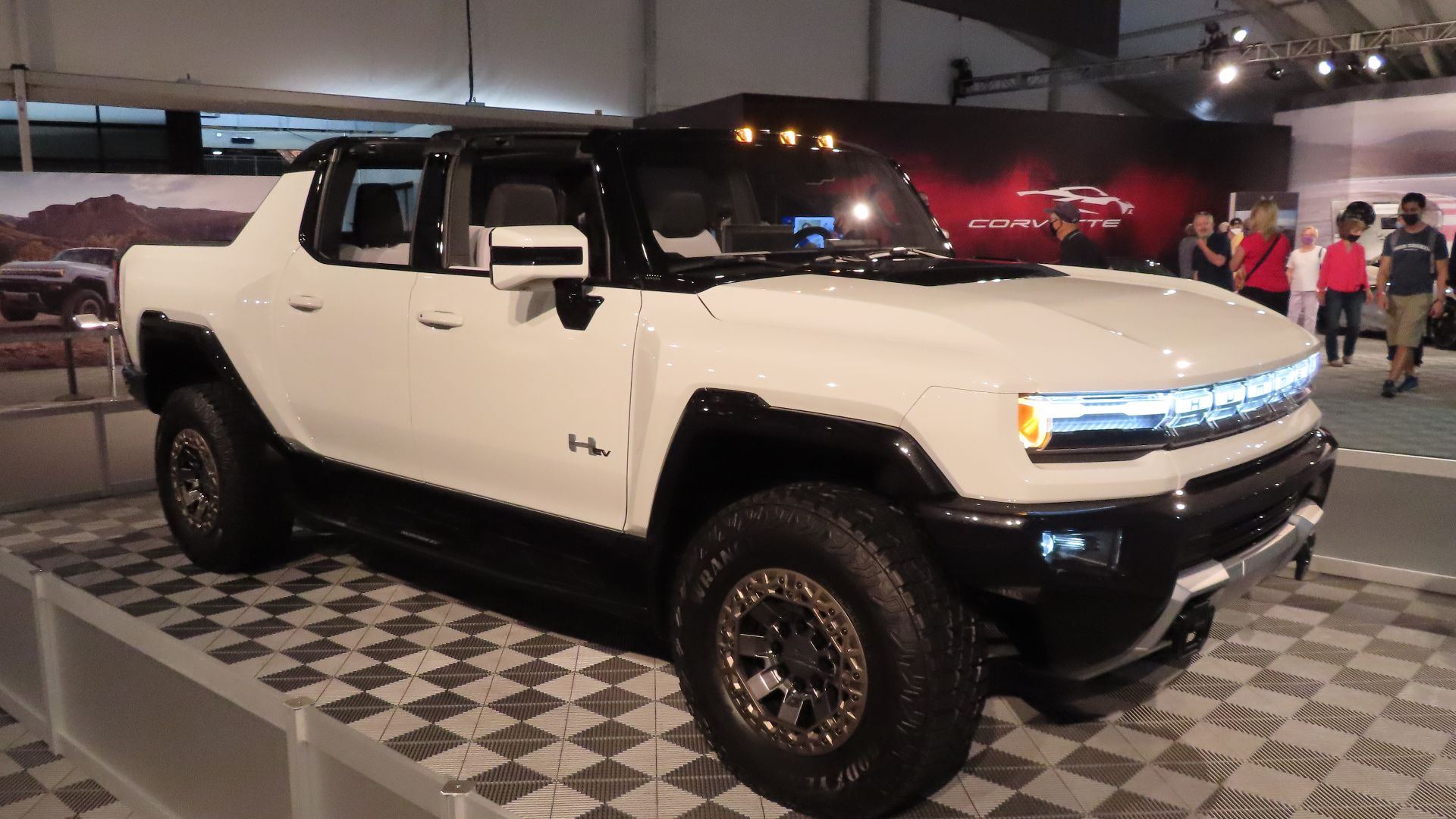
3: Hummer EV
Nearly 9,000 pounds with up to 1,000 horsepower and a claimed 0–60 time around 3 seconds. It’s outrageous and technically impressive. But it’s also enormous, expensive, and wildly excessive. CrabWalk makes headlines. Real-world utility? Less clear. It blurs the line between innovation and indulgence.
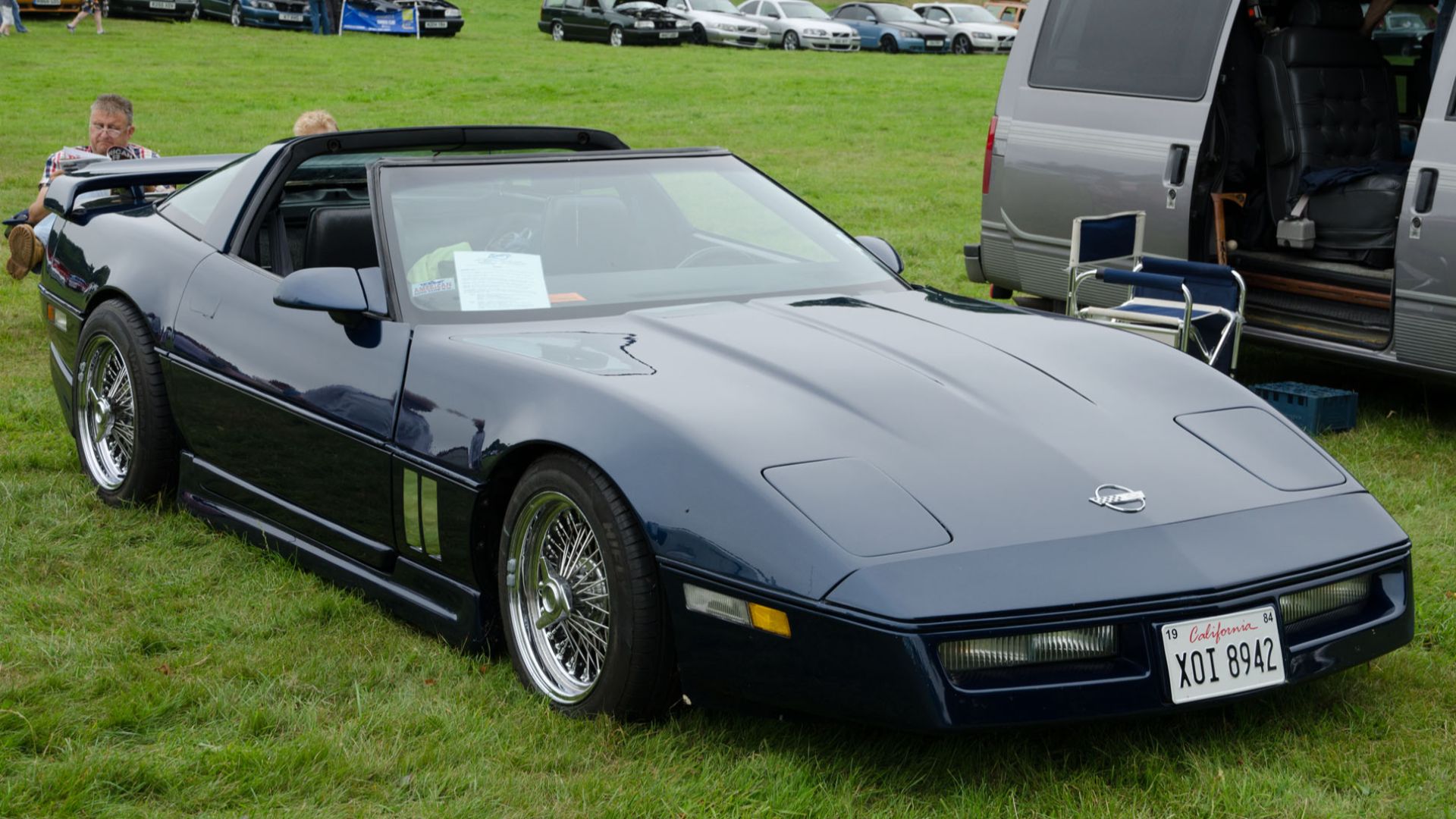
2: Chevrolet Corvette (C4)
A huge step forward in 1984 with sharper handling and improved chassis rigidity. Later variants were genuinely quick. But early horsepower numbers were modest, the ride was punishing, and the digital dash aged like forgotten arcade tech. Important? Absolutely. Untouchable? Not exactly.
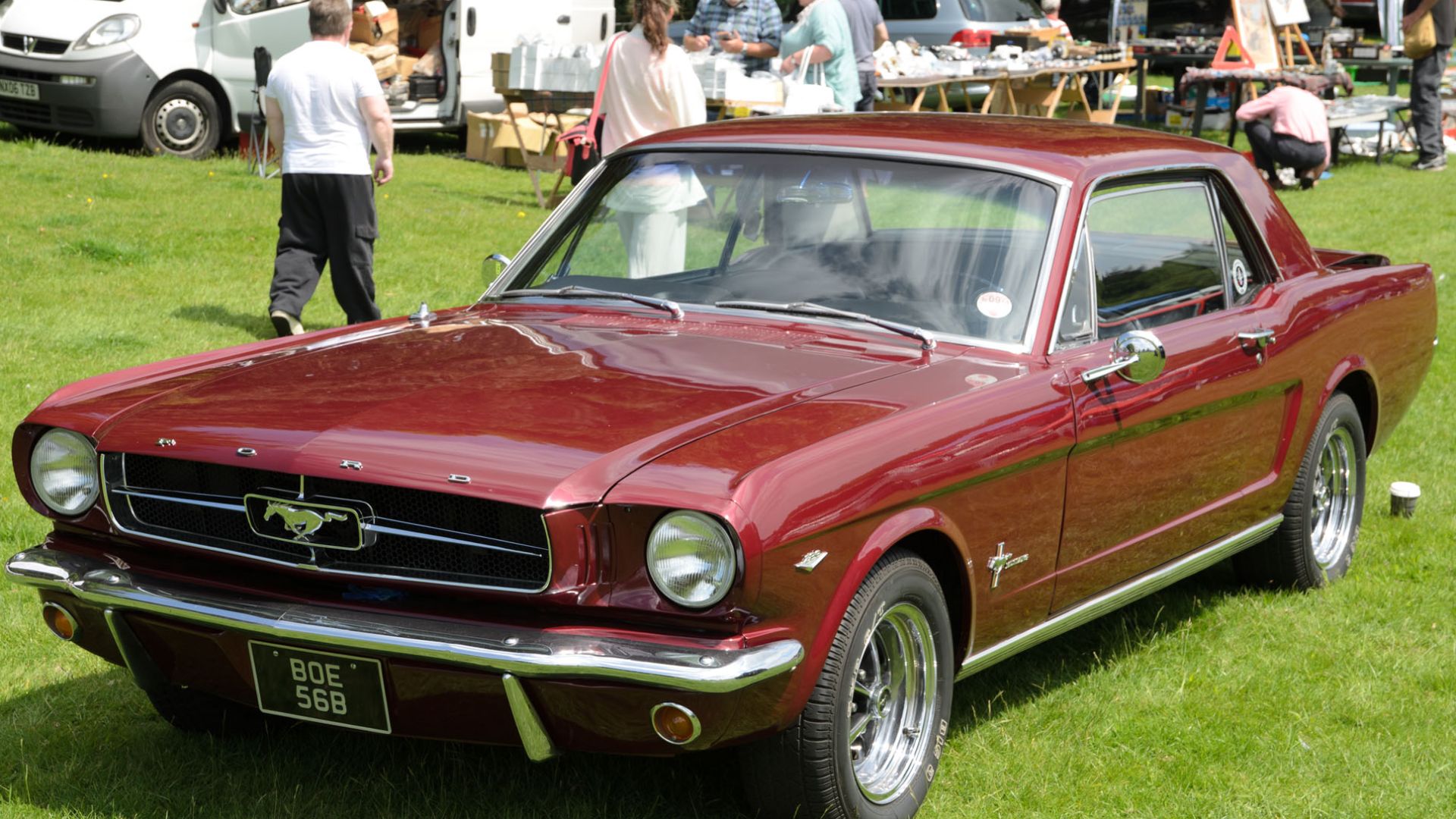
1: Ford Mustang
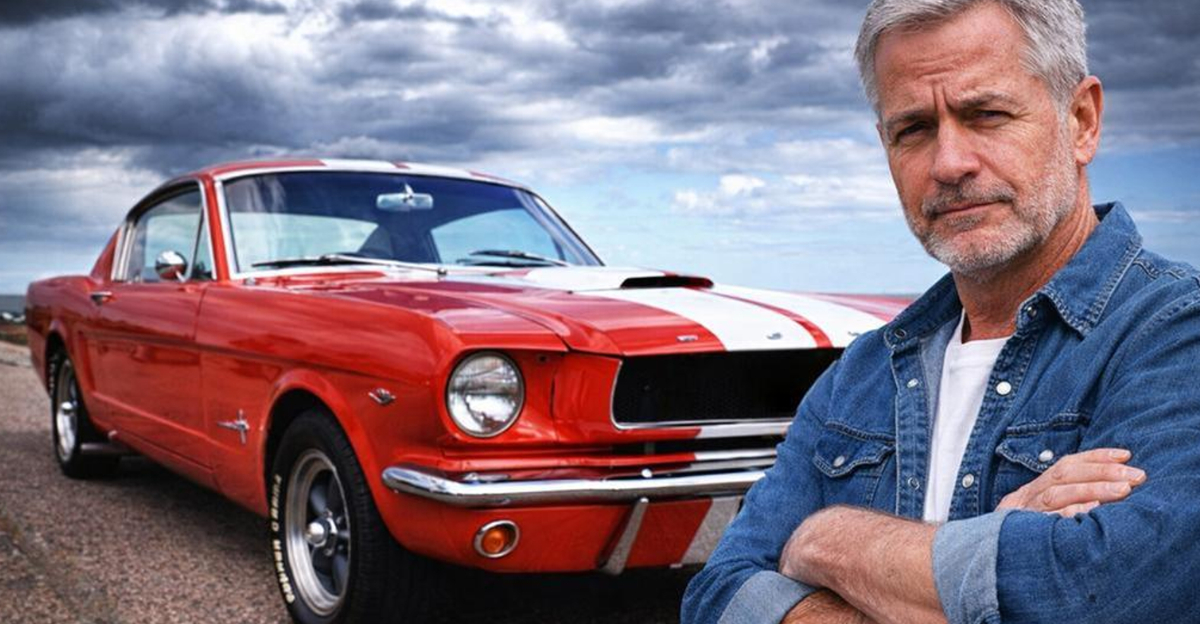
Over 10 million Mustangs have been sold since 1964. Cultural icon. But for every GT, Boss, or Shelby poster car, there were millions of base models built for commuting, not conquering stoplights. The Mustang has lived as both a muscle-car hero and an airport rental staple.
Entire generations were praised more for heritage than class-leading performance. Yet the badge enjoys near-automatic reverence in car culture. The legend is built on the highs—but protected from the lows. And when reputation consistently outpaces the average experience, “overrated” isn’t an insult. It’s an argument.
You Might Also Like:
Chevrolet Used To Build American Muscle Legends, And Gearheads Still Pay Big Money For Them
Car Things Baby Boomers Did That No One Born After 2000 Has Ever Done