When Legends Get Loud
For decades, the American motorcycle story has been told like a one-horse race—Harley-Davidson thundering down the highway while everyone else eats dust. But that version skips a crucial chapter. Long before Harley became the name in heavyweight cruisers, another American brand wasn’t just competing—it was trying to outsell them outright. That brand was Indian Motorcycle, and its rise, fall, and resurrection is one of the strangest, boldest sagas in motorcycling history.
Before Harley Had A Reputation
Indian Motorcycle didn’t arrive late to the party. Founded in 1901, Indian was already building motorcycles when the industry itself was barely defined. While Harley-Davidson was still experimenting, Indian was already thinking big—about speed, scale, and national dominance.
Born From Pedals, Not Pistons
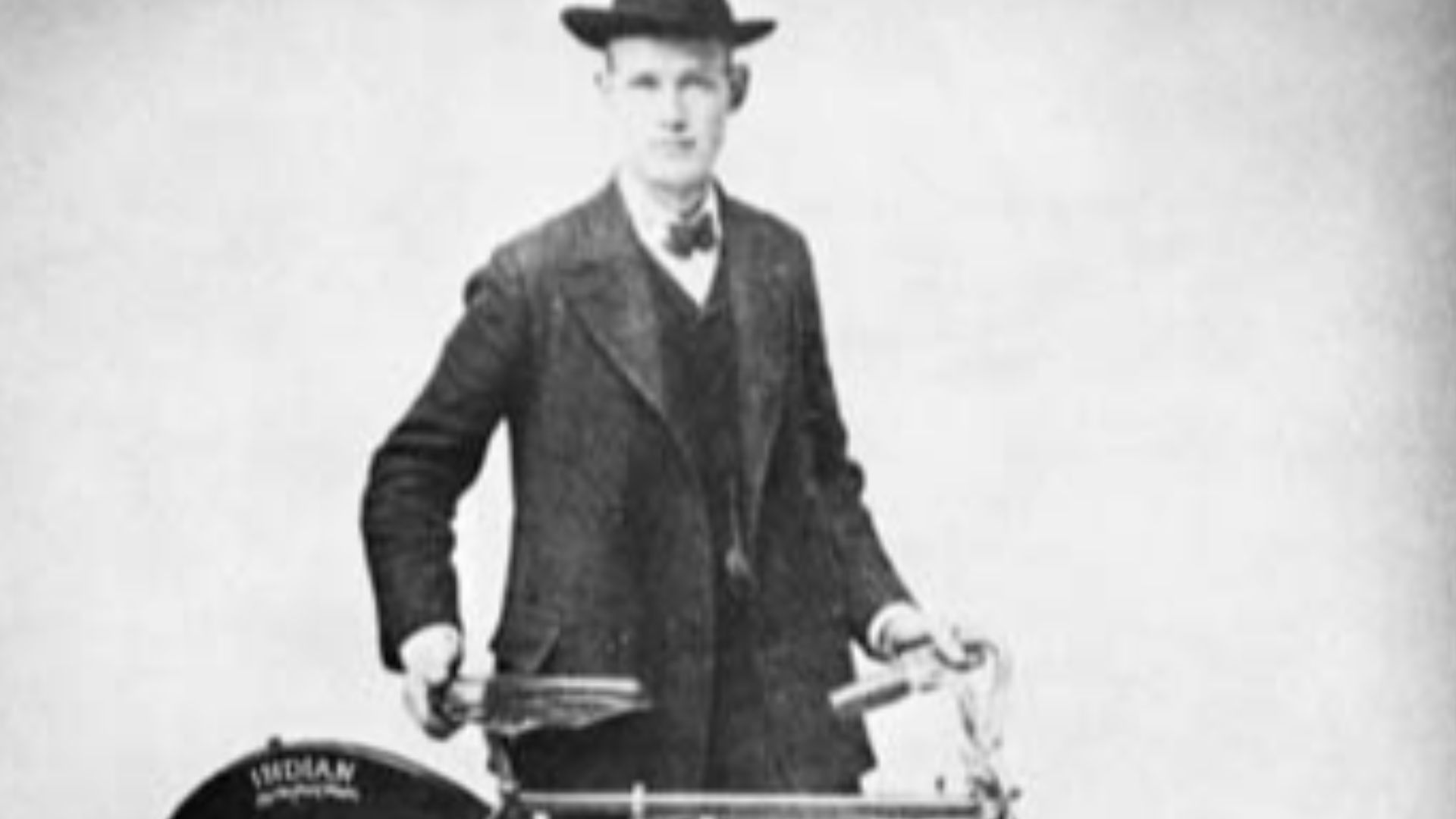
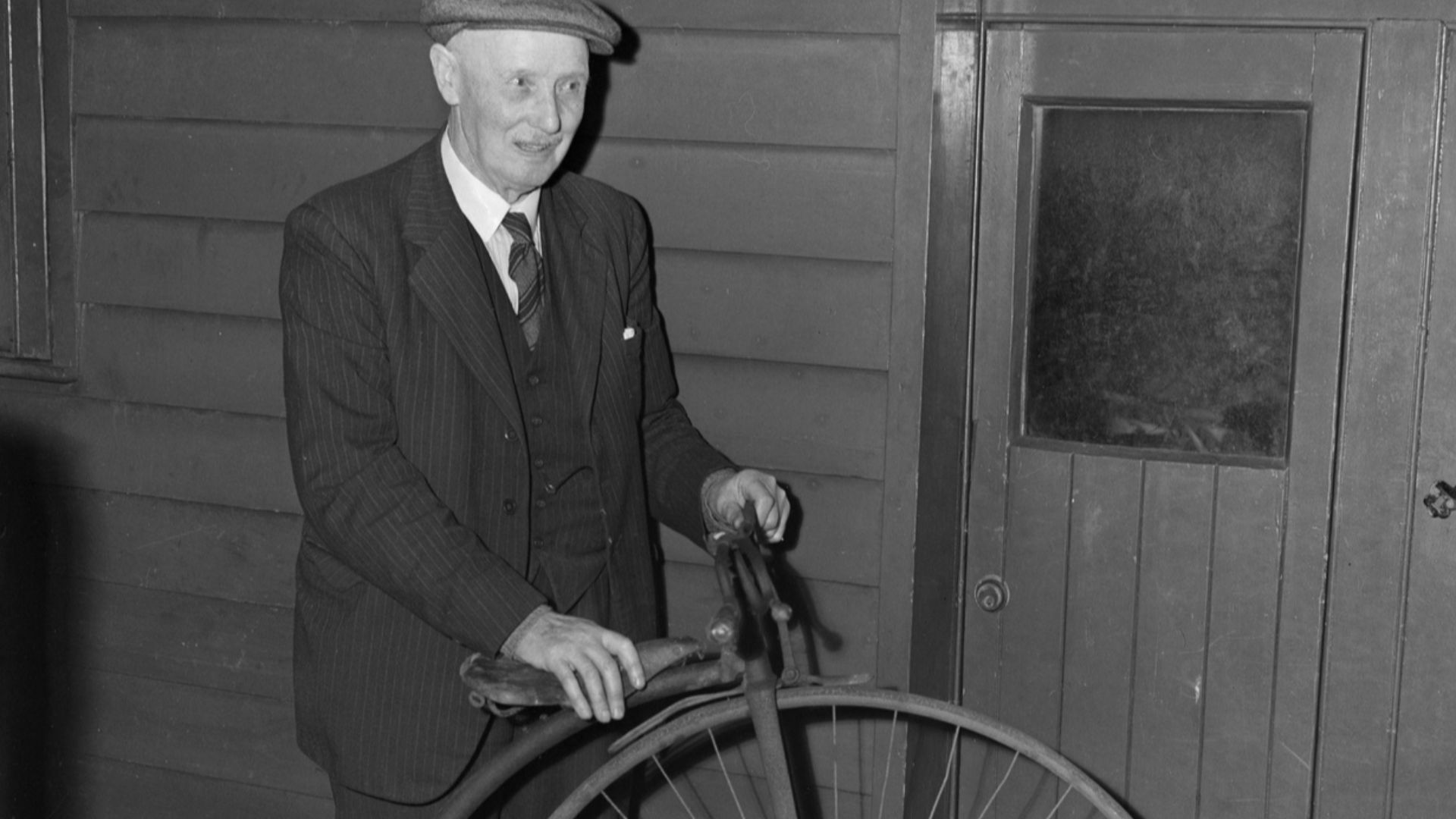
Indian’s roots weren’t in roaring engines but humble bicycles. That early focus on balance, frames, and ride quality helped shape motorcycles that felt refined rather than improvised. It gave Indian an early edge when motorcycles were still viewed as unreliable contraptions.
 Geoff Charles, Wikimedia Commons
Racing Wasn’t Marketing—It Was Proof
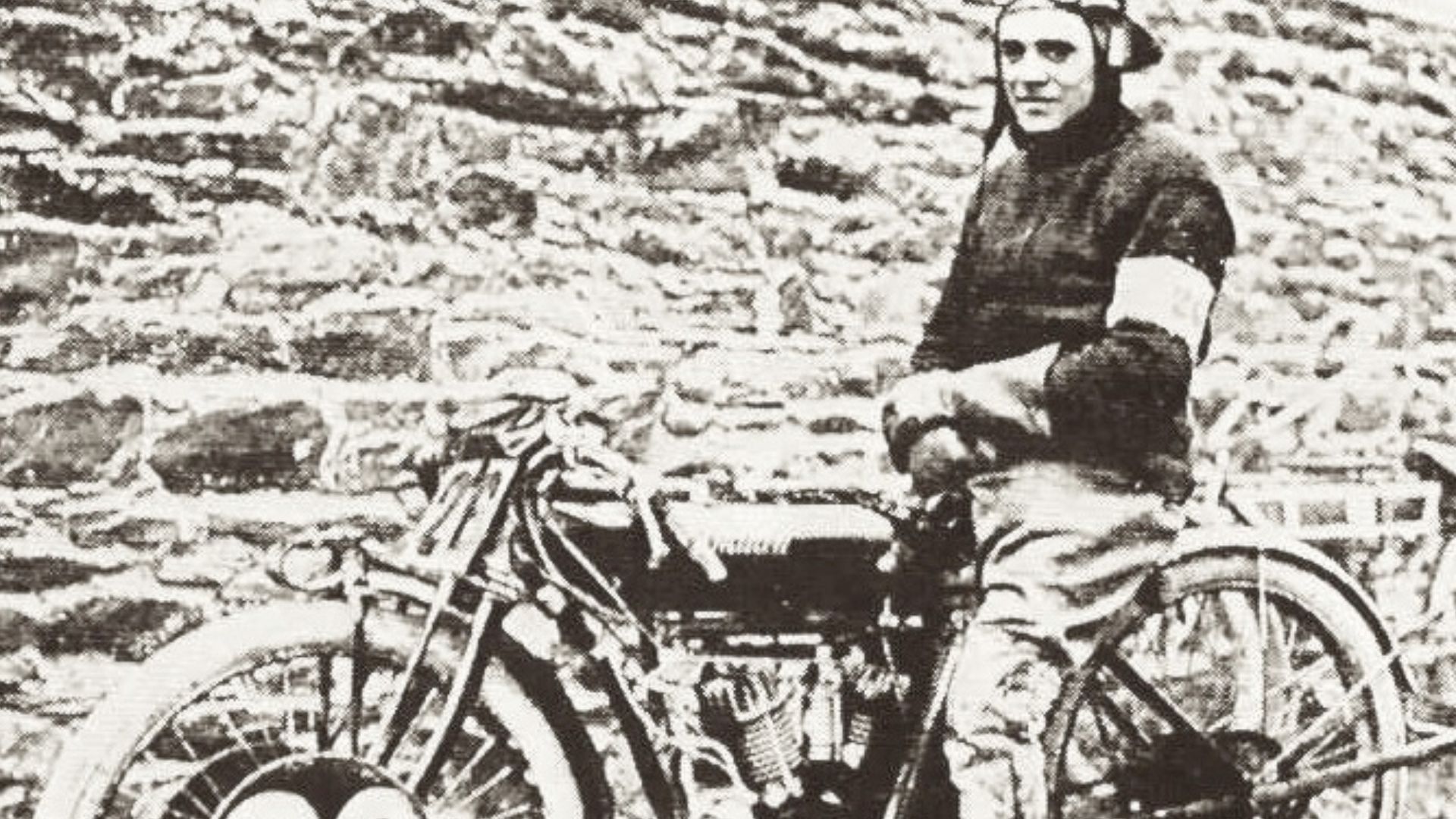
Indian didn’t just claim superiority; it raced to prove it. The brand dominated early competition, most famously sweeping the Isle of Man TT in 1911. That victory sent a message—Indian wasn’t just American, it was world-class.
 Unknown author, Wikimedia Commons
A Name Designed To Stand Out
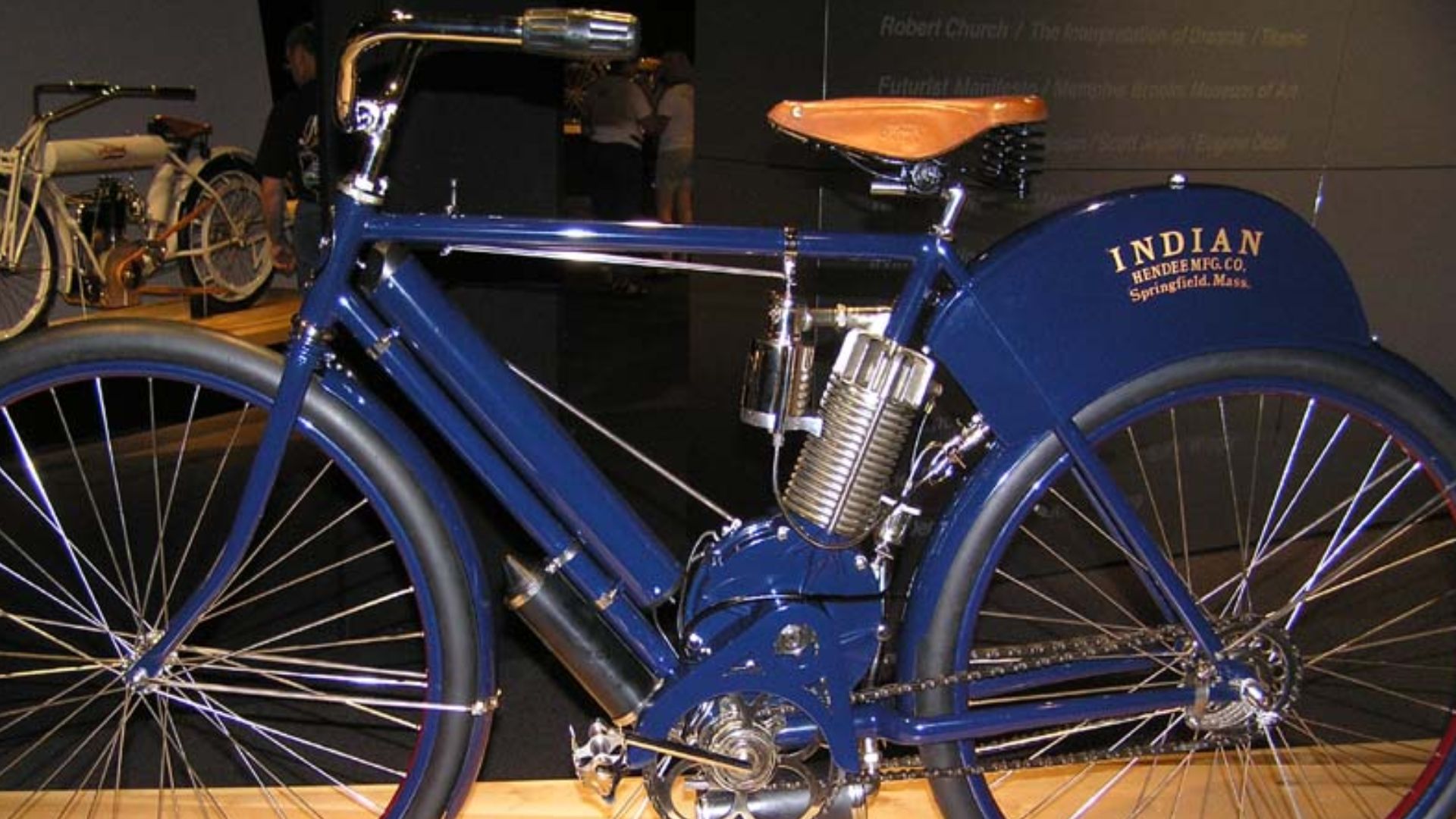
The company officially adopted the Indian Motorcycle name in the early 1920s, leaning fully into branding that felt bold, distinctive, and impossible to confuse with competitors. In an era before corporate identity was polished, Indian already understood the power of image.
 Daniel Hartwig from New Haven, CT, USA, Wikimedia Commons
The Scout And The Chief Take Over
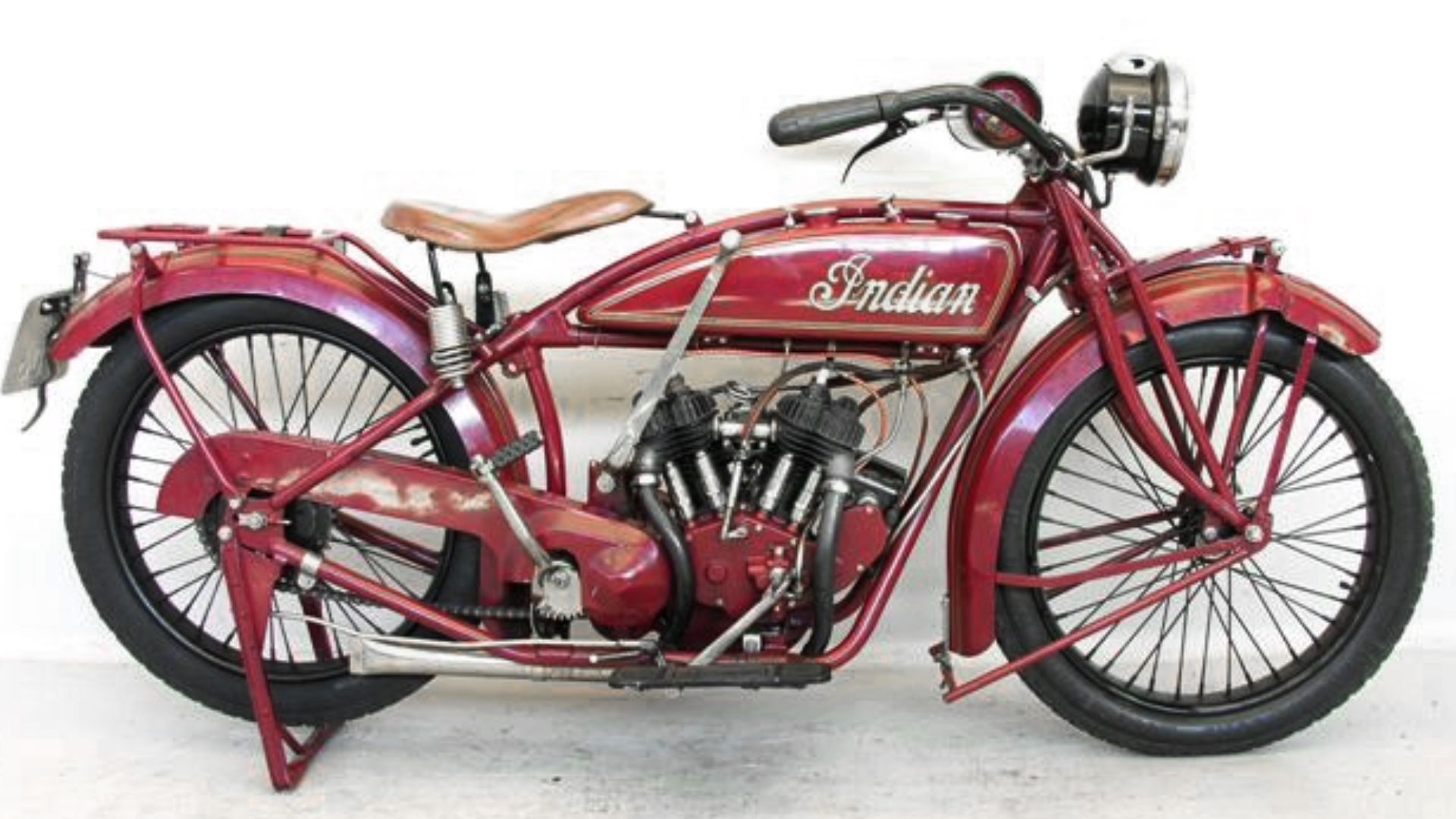
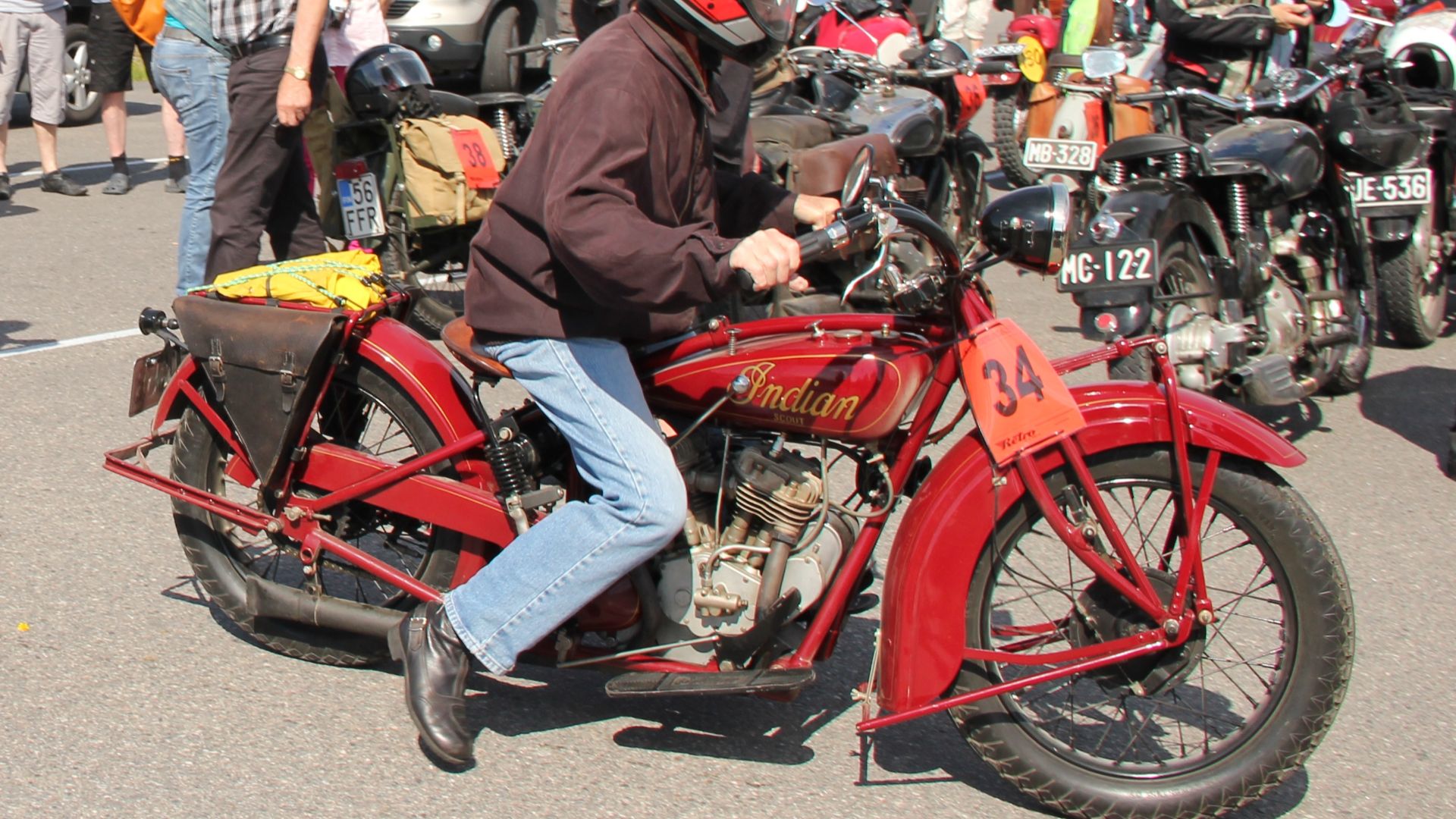
If Indian had a golden era, it was built on the backs of the Scout and the Chief. These motorcycles became cultural icons—fast, durable, and versatile enough for authorities, racers, and everyday riders alike. They weren’t niche machines; they were everywhere.
 Piero at Dutch Wikipedia, Wikimedia Commons
Harley Wasn’t The Only Heavyweight
The rivalry with Harley-Davidson wasn’t symbolic—it was practical. Indian often sold more bikes in key periods, making it a legitimate threat rather than a footnote. For years, the American motorcycle crown was genuinely up for grabs.
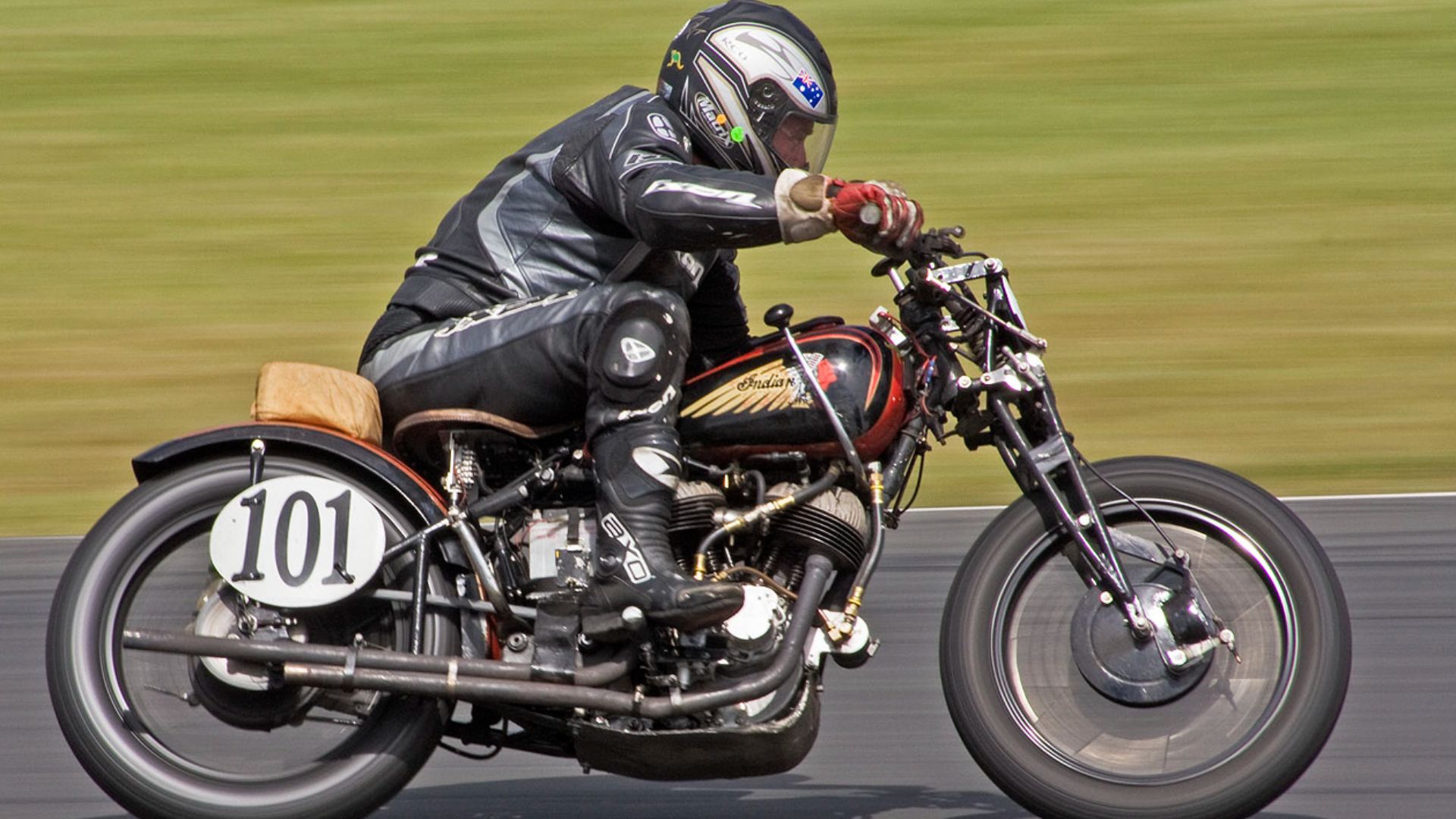 Richard Taylor, Wikimedia Commons
Two Brands, Two Philosophies
Where Harley leaned into tradition and mechanical familiarity, Indian wasn’t afraid of experimentation. Design choices, performance tuning, and comfort often skewed more progressive. Riders noticed, and many preferred the difference.
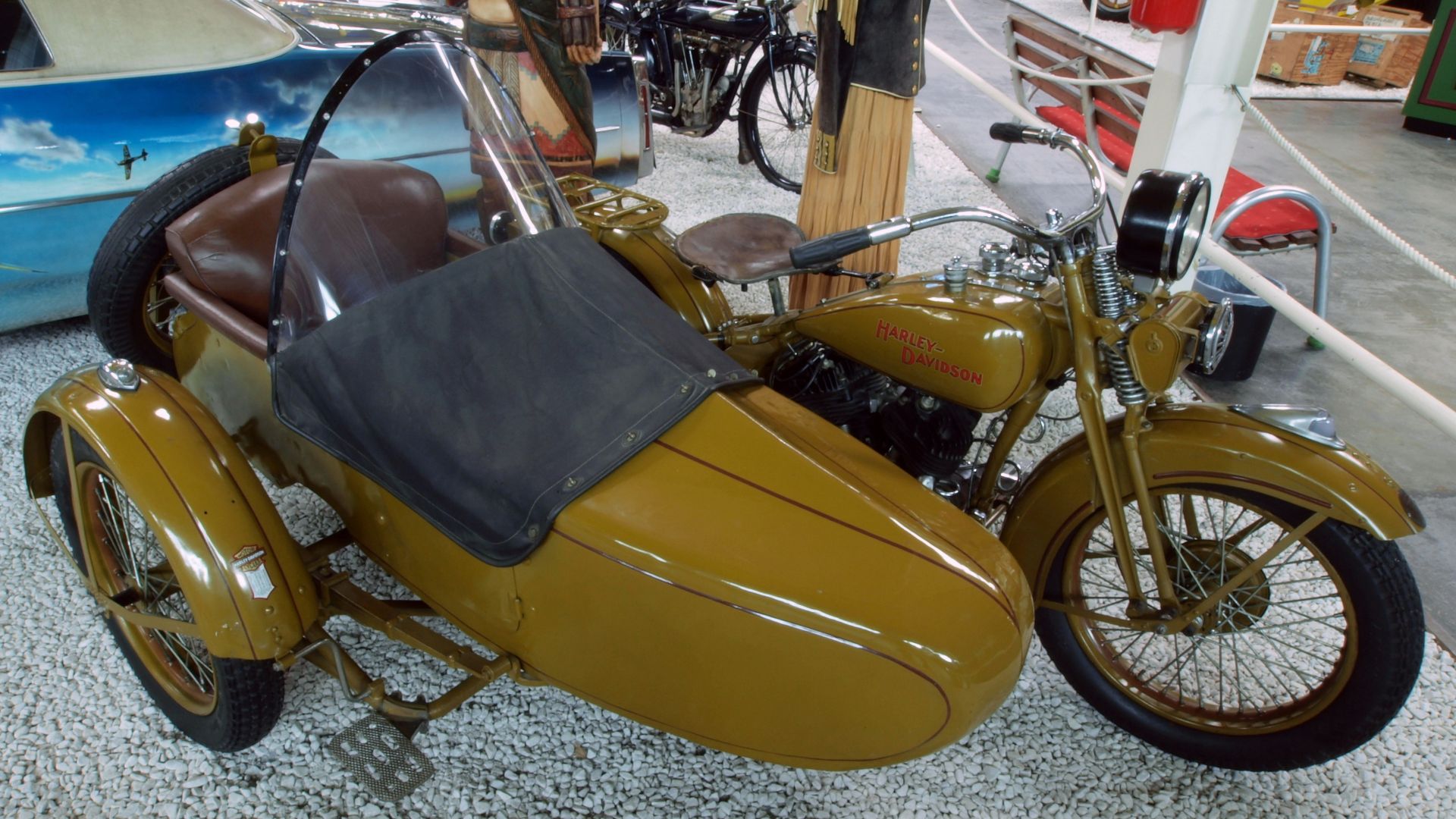
Comfort Was Part Of The Strategy
Indian motorcycles gained a reputation for smoother rides and thoughtful ergonomics. Long before “touring comfort” became a marketing buzzword, Indian was quietly building bikes meant to be ridden hard and far.
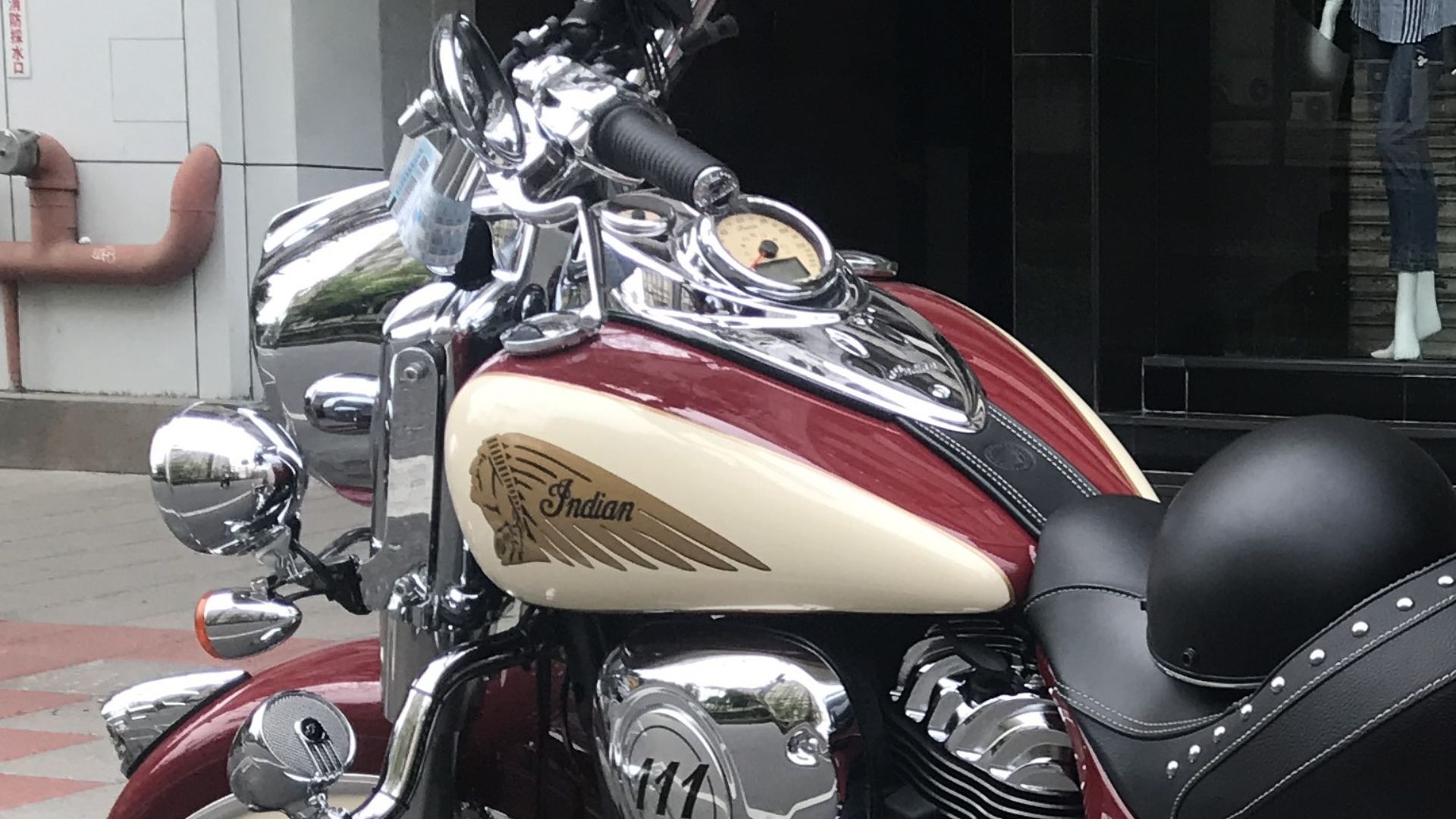
Power Was Never An Afterthought
Indian engines were competitive in displacement and often aggressive in output. This wasn’t accidental—Indian wanted riders who craved performance without sacrificing reliability. That balance became part of its identity.
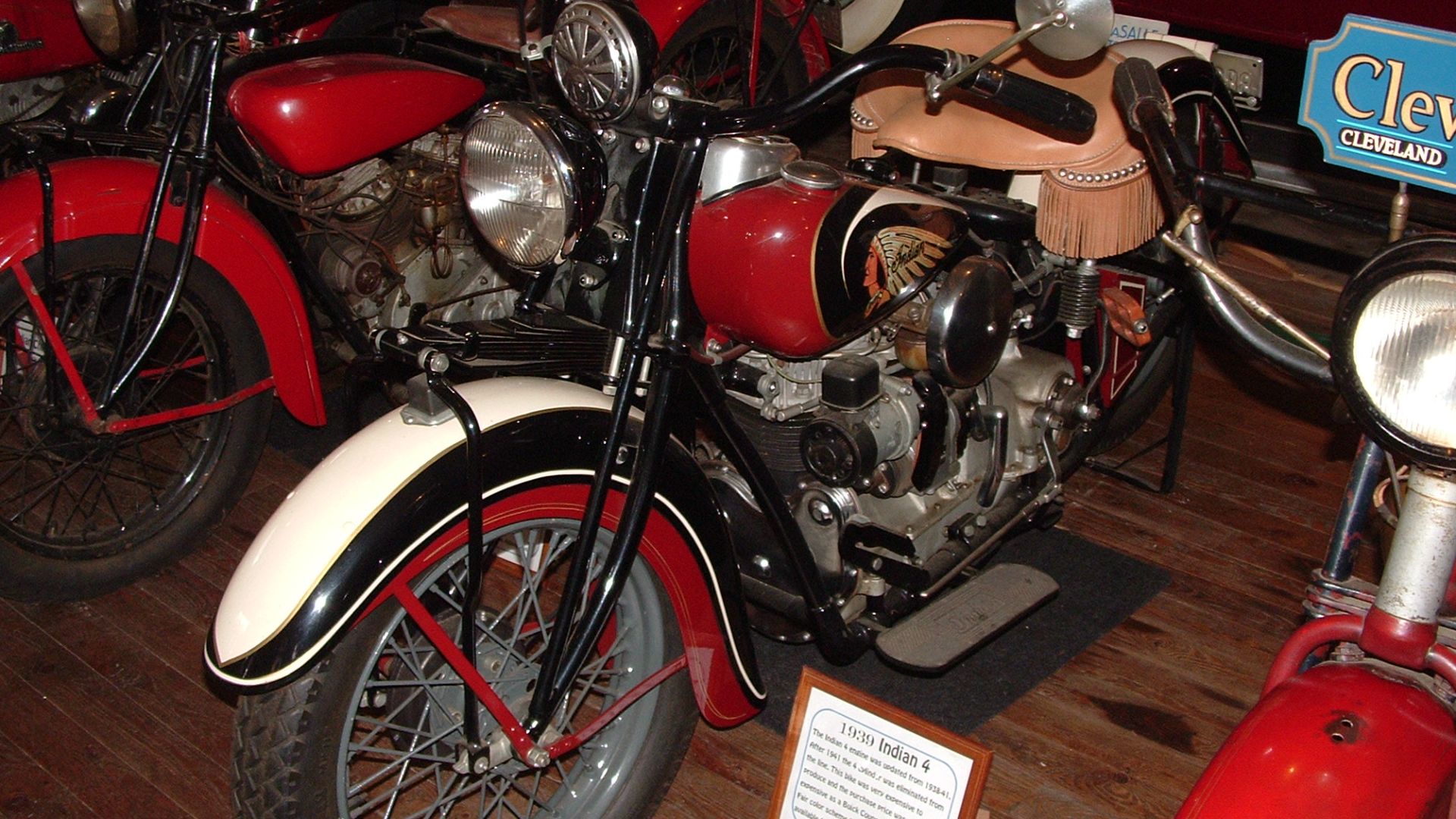
Custom Culture Before It Was Cool
While Harley eventually dominated customization culture, Indian was there early with machines that invited personalization. Owners modified them for racing, utility, and style long before aftermarket catalogs exploded.
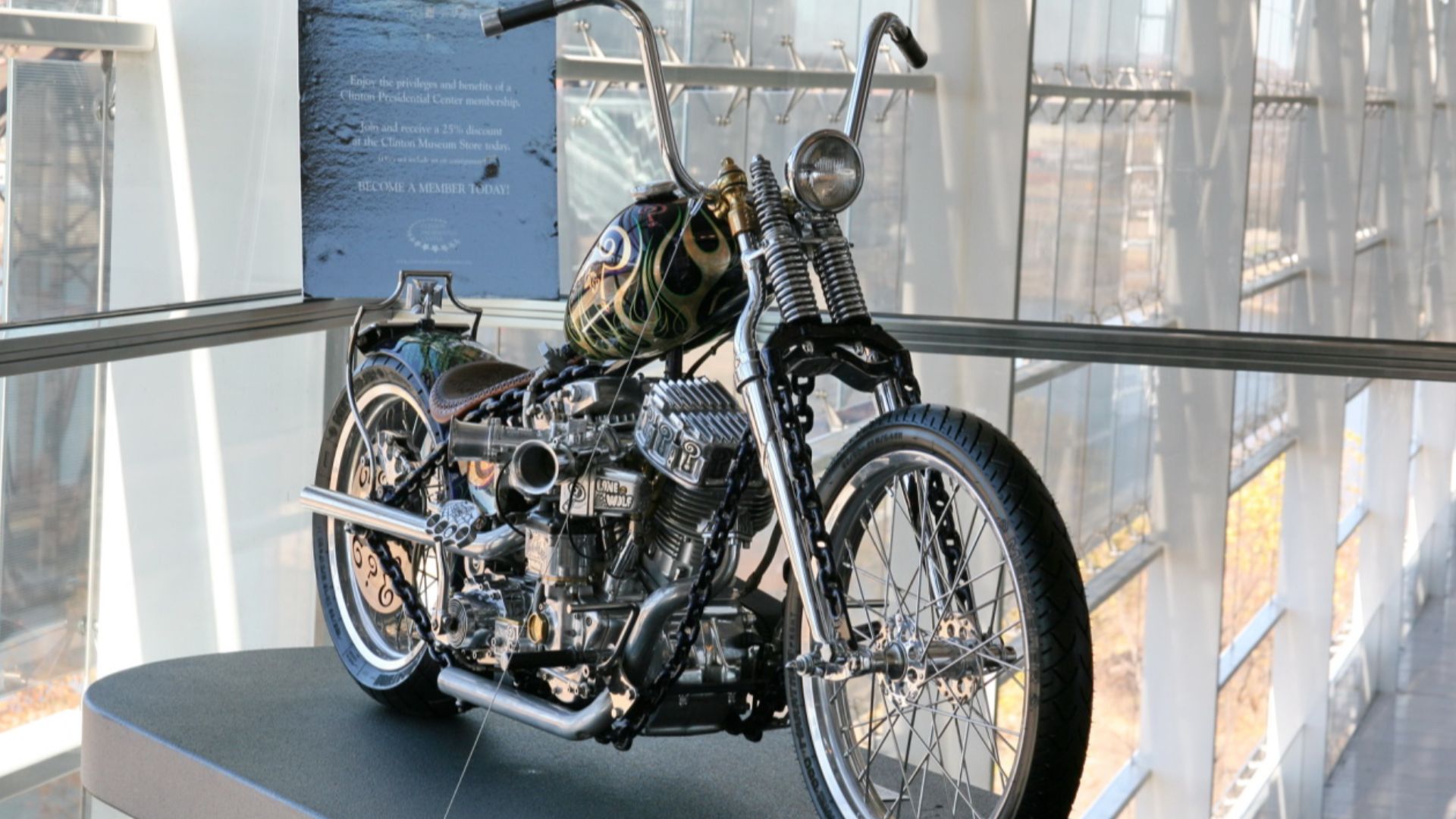 Cliff I now live in Arlington, VA (outside Washington DC), USA, Wikimedia Commons
WWI Changed Everything
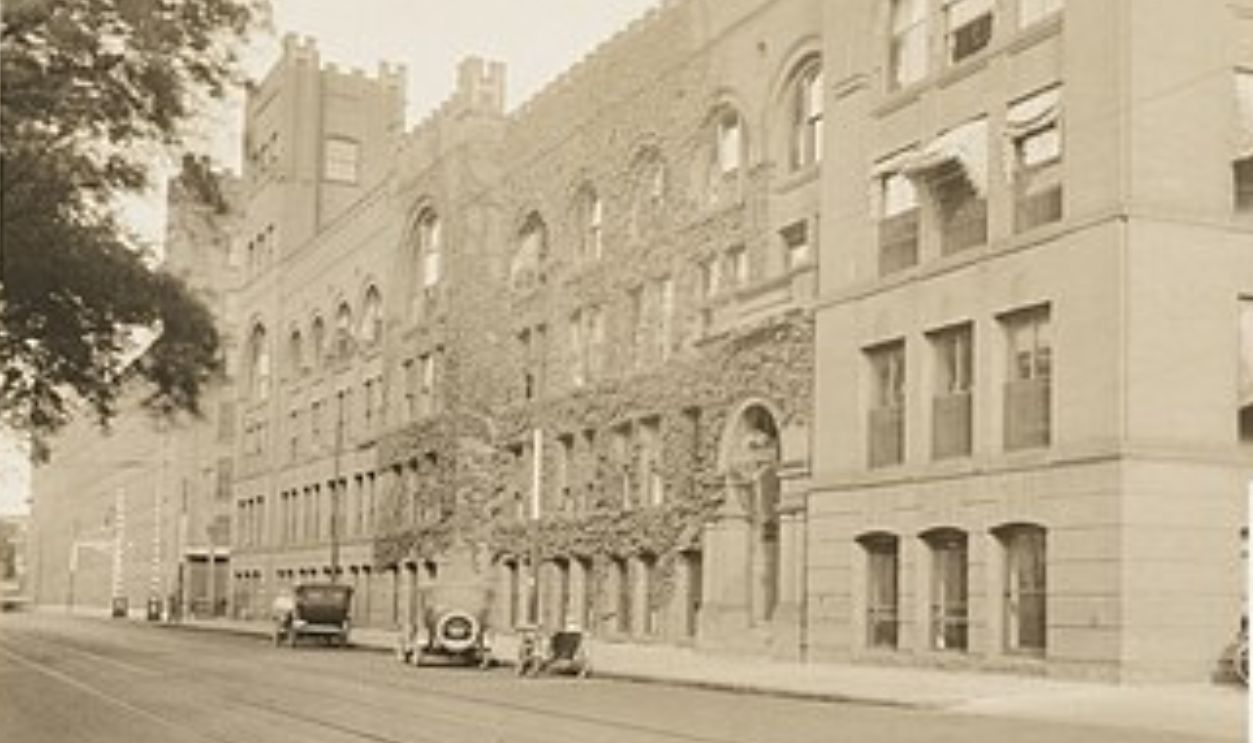
Military contracts brought massive production numbers, but they came at a cost. Indian focused heavily on government supply, weakening dealer relationships at home. When the conflict ended, the market had shifted—and Indian was vulnerable.
 Unknown author, Wikimedia Commons
Innovation Didn’t Stop The Bleeding
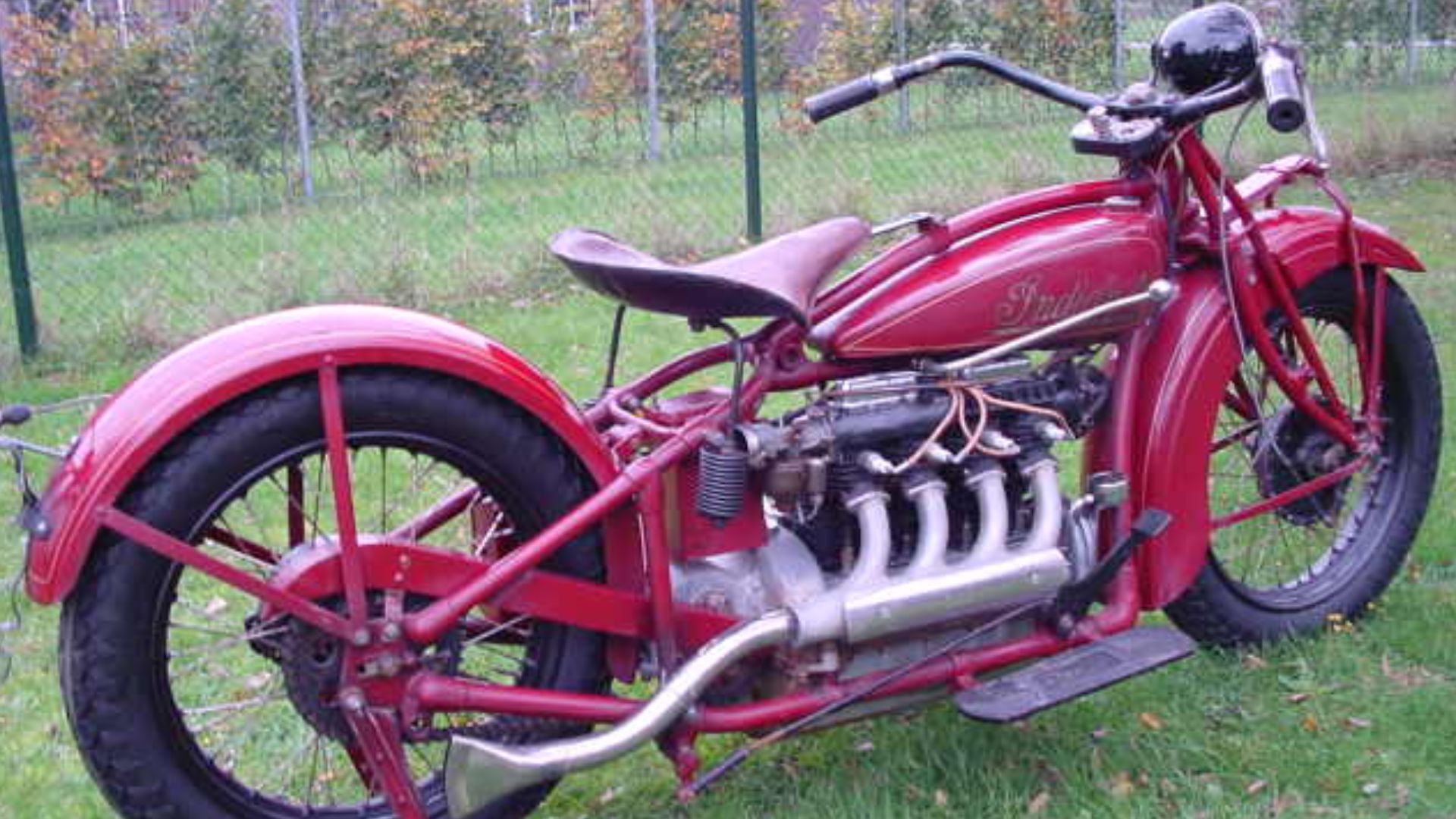
Between the wars, Indian continued innovating, experimenting with designs and engineering ideas that sometimes confused buyers. Not every bold move landed, and the company struggled to define a clear direction.
The Depression Tightened The Grip
The Great Depression was brutal to motorcycle manufacturers, and Indian was no exception. Sales slowed, resources thinned, and competition intensified. Survival became the goal, not dominance.
 Piero at Dutch Wikipedia, Wikimedia Commons
WWII Was A Missed Opportunity
Indian contributed to the effort again, but this time it failed to secure the most lucrative contracts. That single disadvantage echoed for decades, leaving Indian underpowered in the crucial post-war rebound.
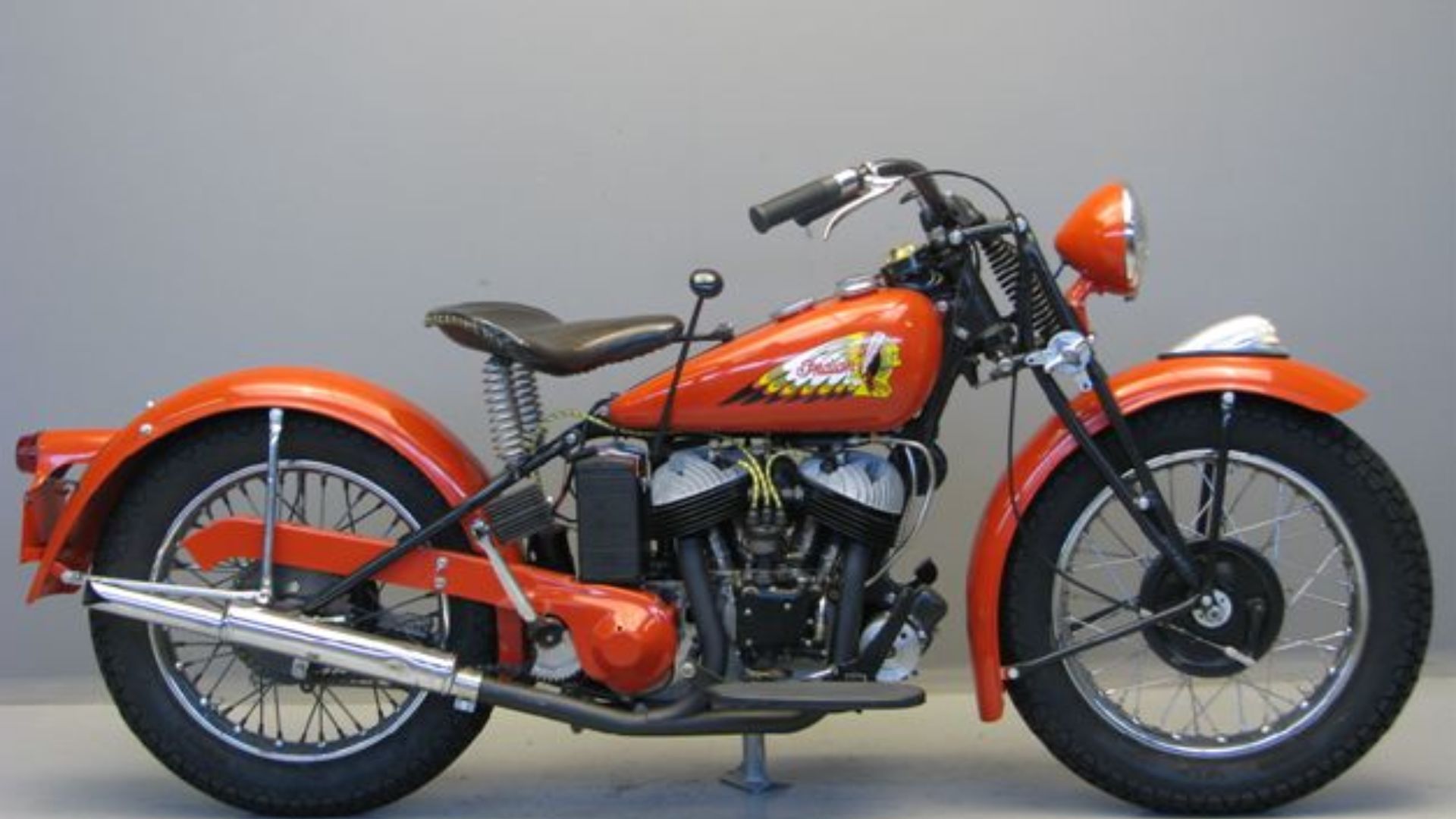 Yesterdays Antique Motorcles, Wikimedia Commons
The Post-War Slide
After the conflict, Harley surged ahead while Indian stumbled. Management decisions, financial strain, and shifting consumer tastes all played a role. By the early 1950s, the brand was running on borrowed time.
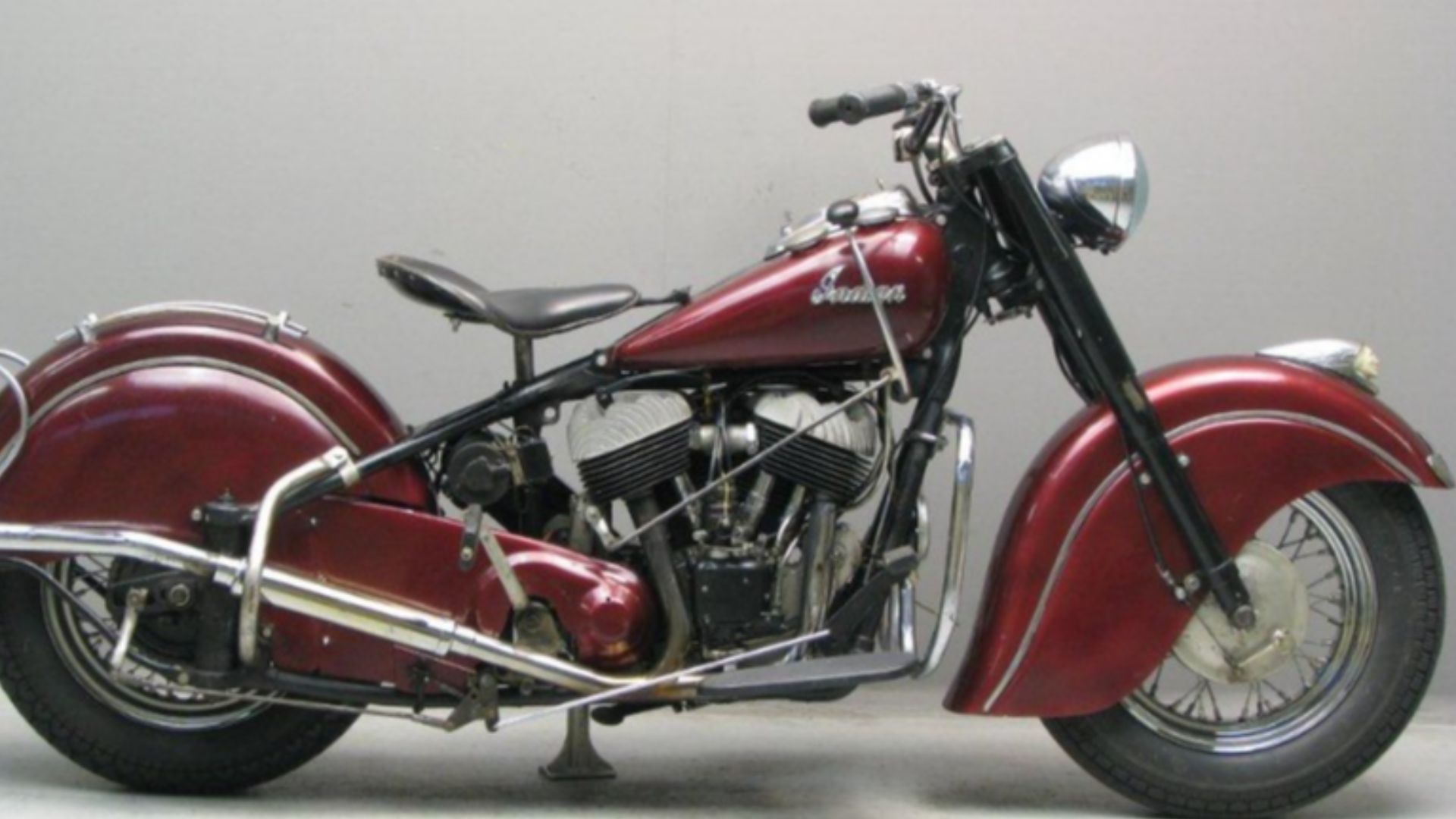 Yesterdays Antique Motorcycles, Wikimedia Commons
1953: The Lights Go Out
Indian Motorcycle ceased independent operations in 1953. For a company that once rivaled Harley, the fall felt sudden—even shocking. The American motorcycle race had lost its strongest challenger.
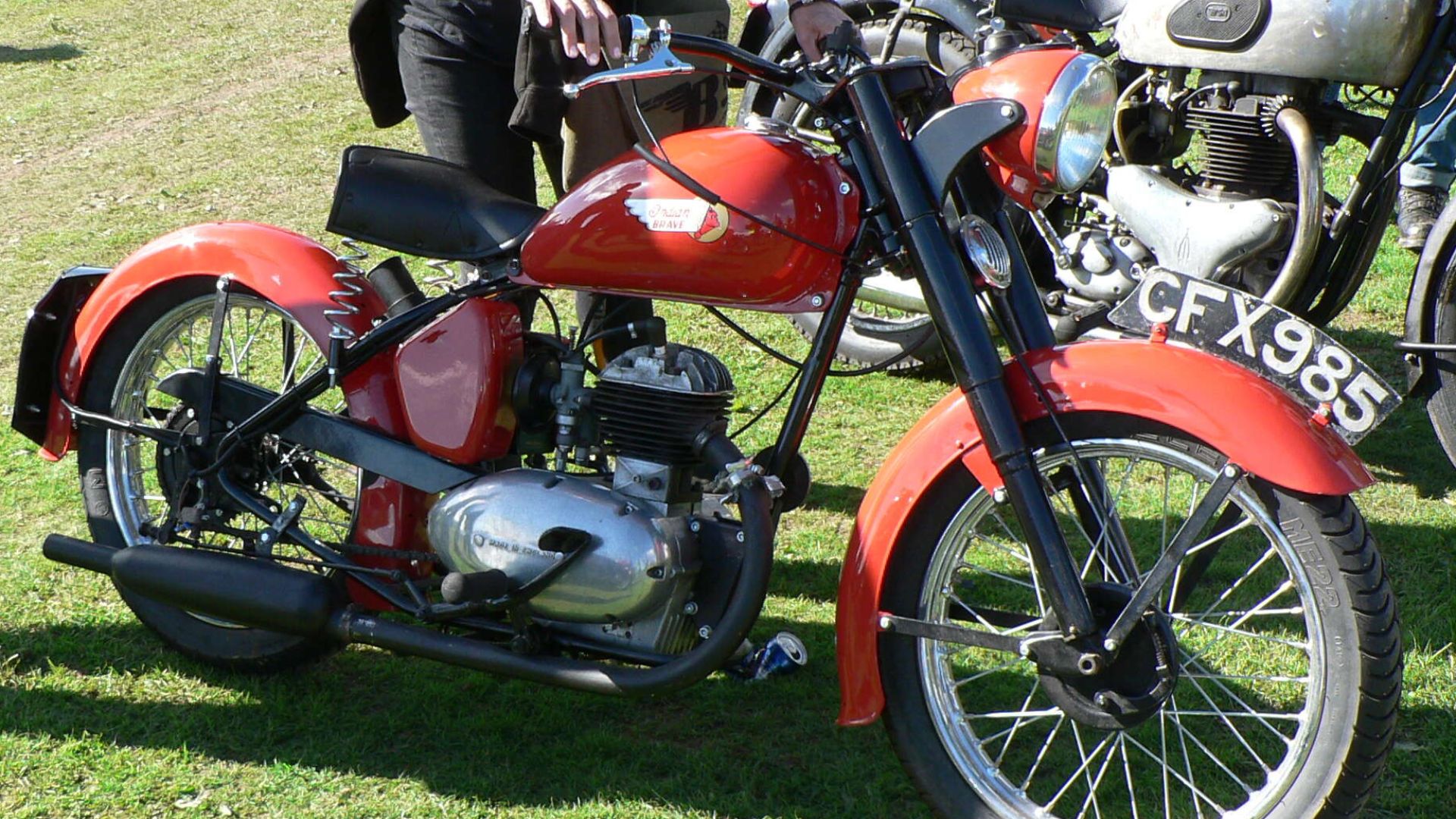
A Name That Refused To Go
Despite the shutdown, the Indian name kept resurfacing. Various revival attempts tried to cash in on nostalgia, but most lacked resources or vision. The logo survived, but the soul remained elusive.
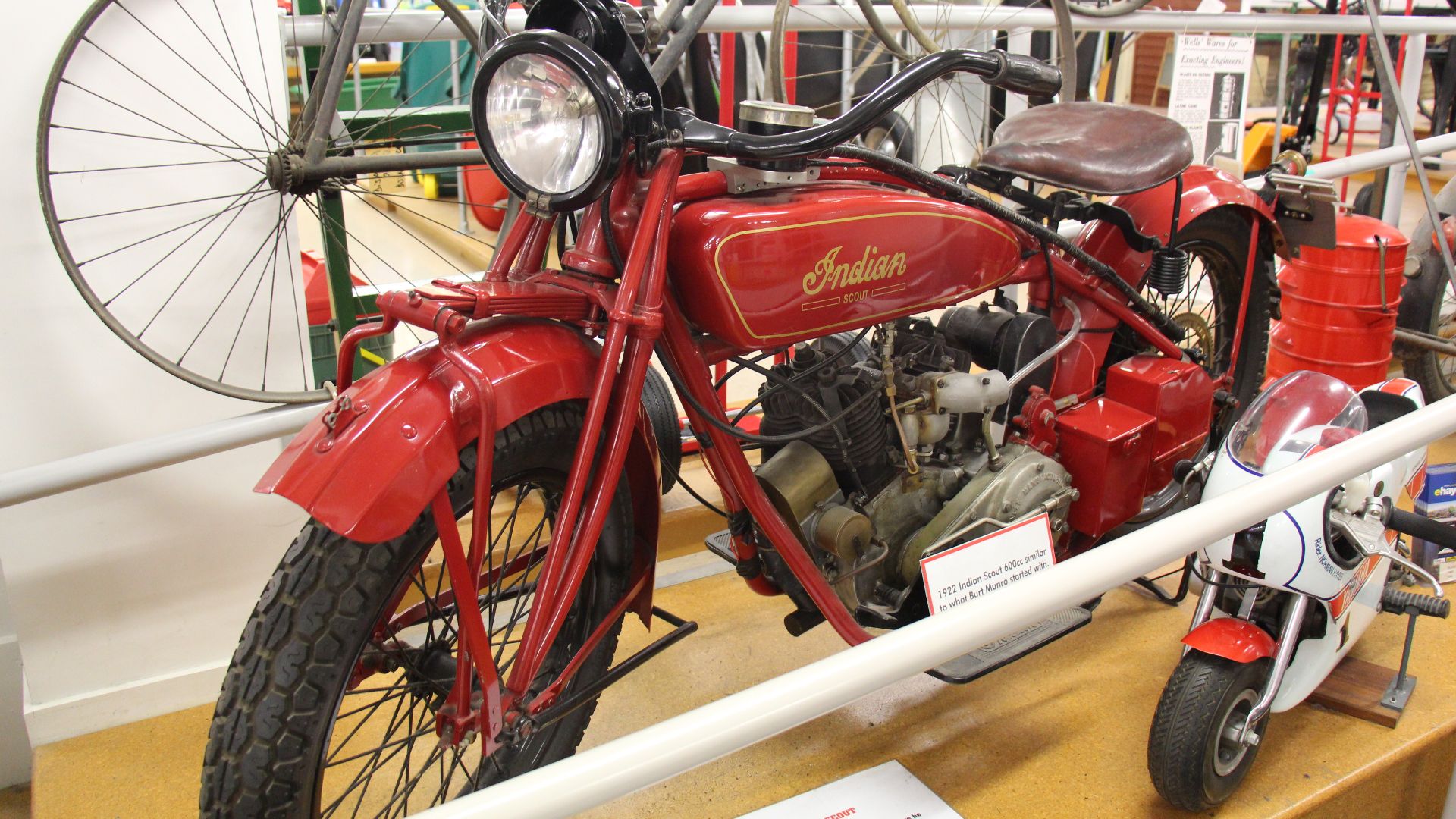
Polaris Changes The Equation
Everything changed in 2011 when Polaris Industries acquired Indian. This wasn’t a branding exercise—it was a full-scale resurrection. Engineering, manufacturing, and strategy finally aligned.
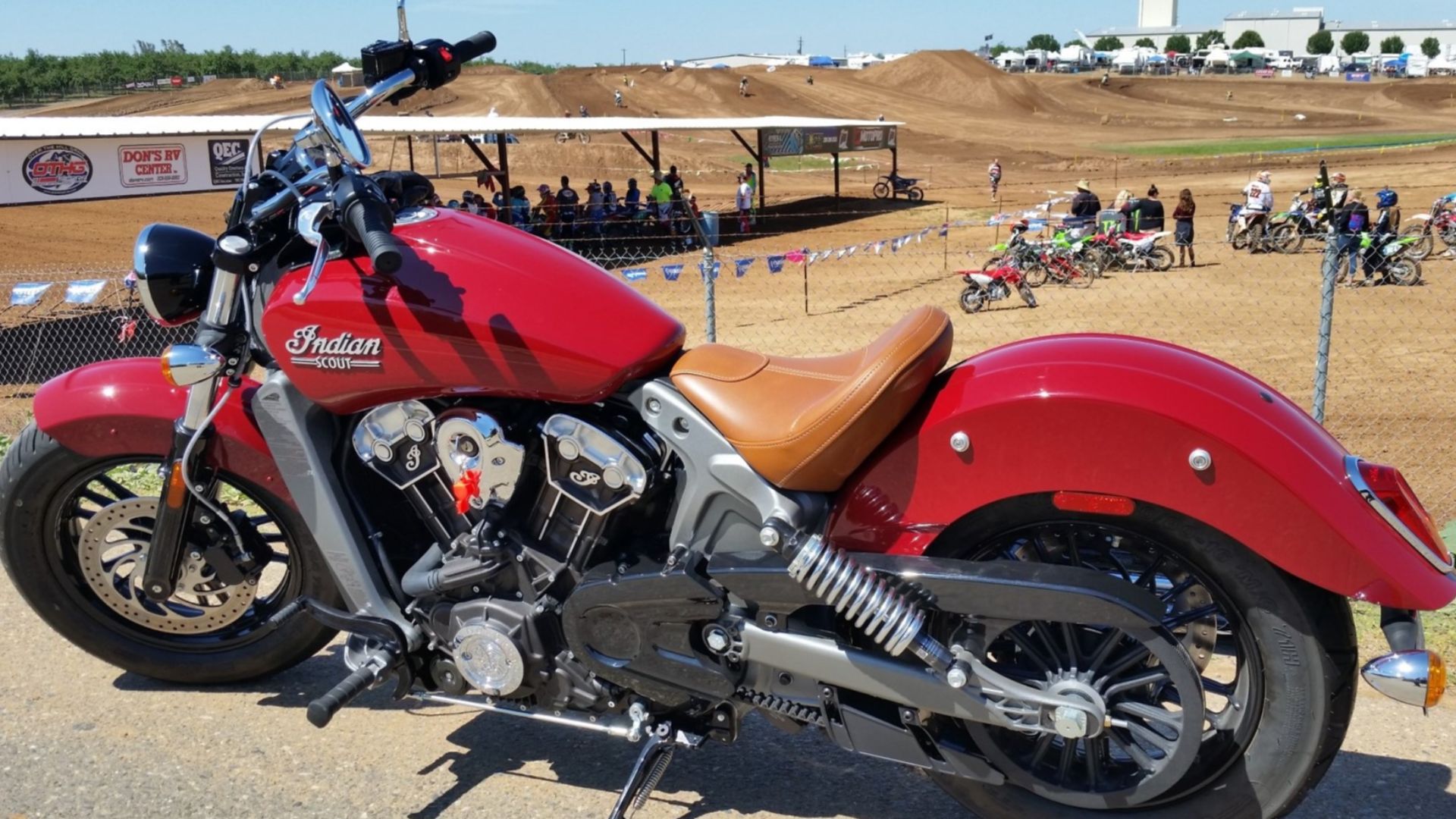
Old Style, New Muscle
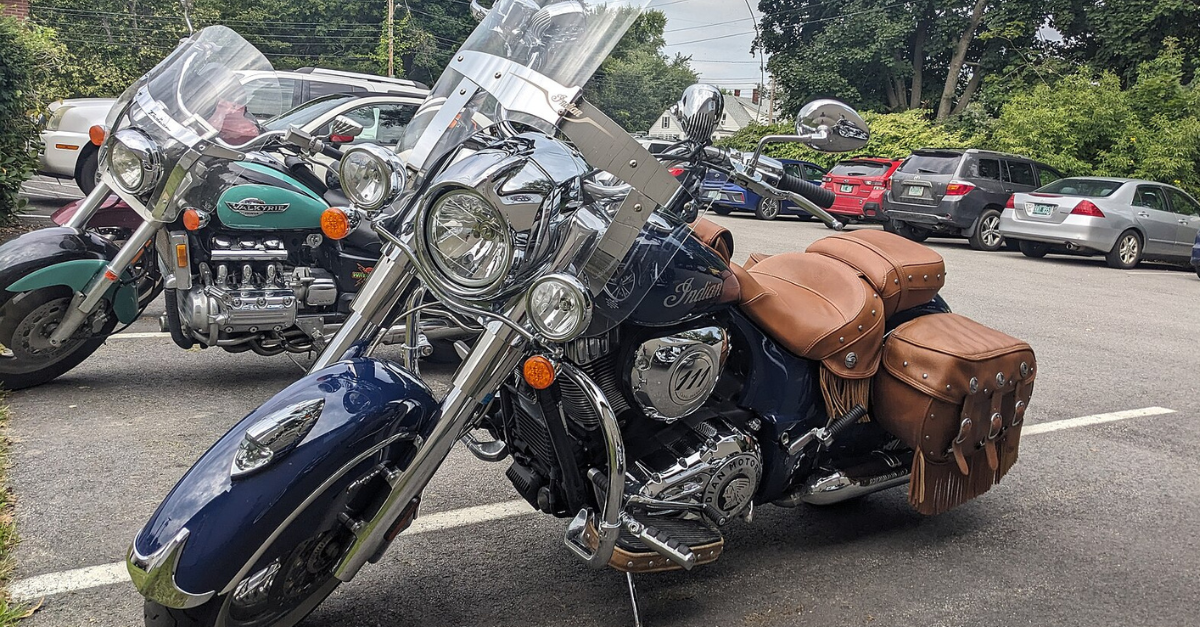
Modern Indian motorcycles blended classic visuals with modern tech. Fuel injection, refined suspension, and contemporary reliability sat beneath unmistakably old-school styling. It felt authentic instead of gimmicky.
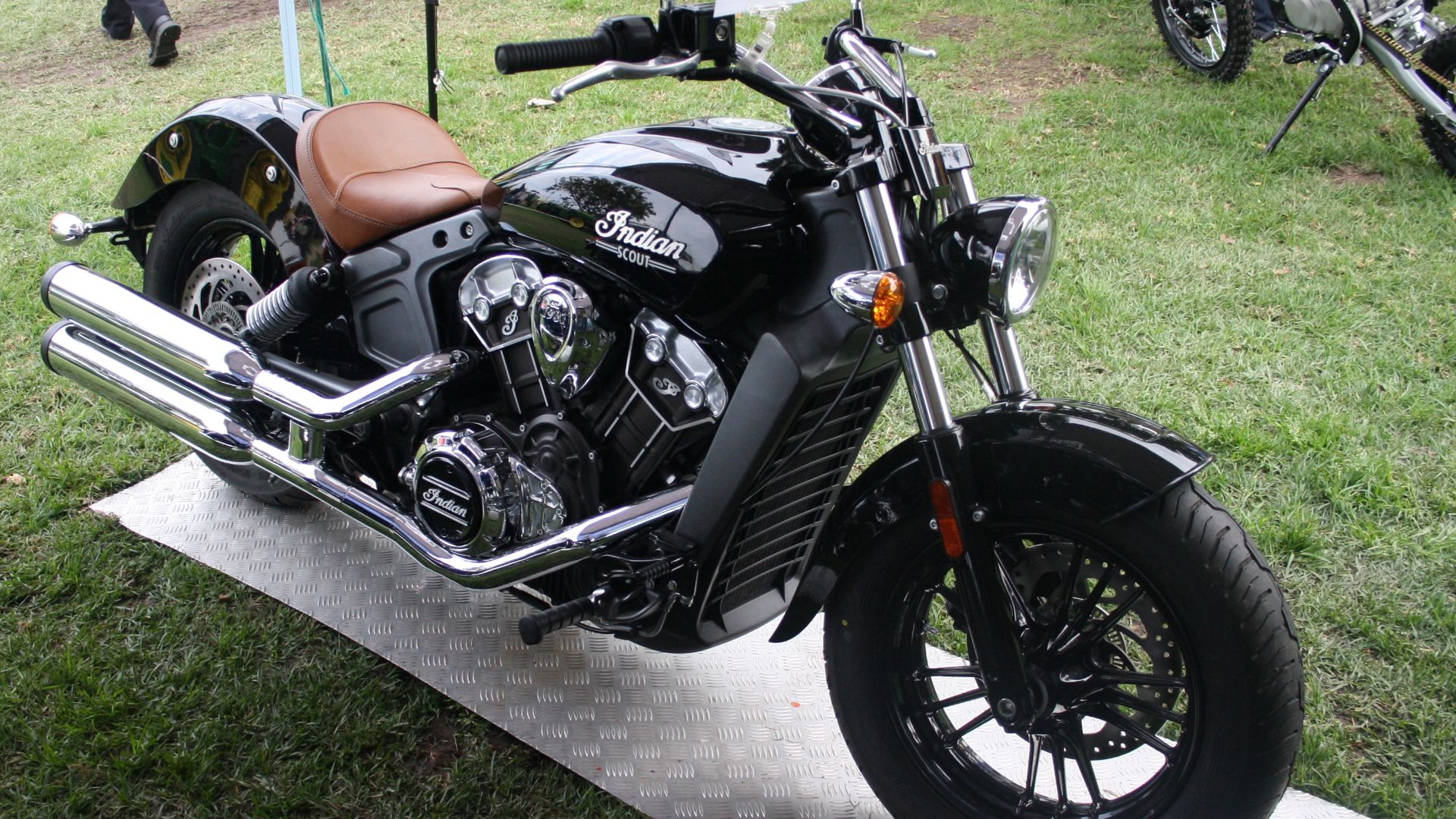 Bob Adams from Amanzimtoti, South Africa, Wikimedia Commons
Back In Harley’s Lane
Indian returned directly to Harley’s territory—heavyweight cruisers, tourers, and performance baggers. The rivalry that once defined American motorcycling was suddenly alive again, not as nostalgia but as competition.
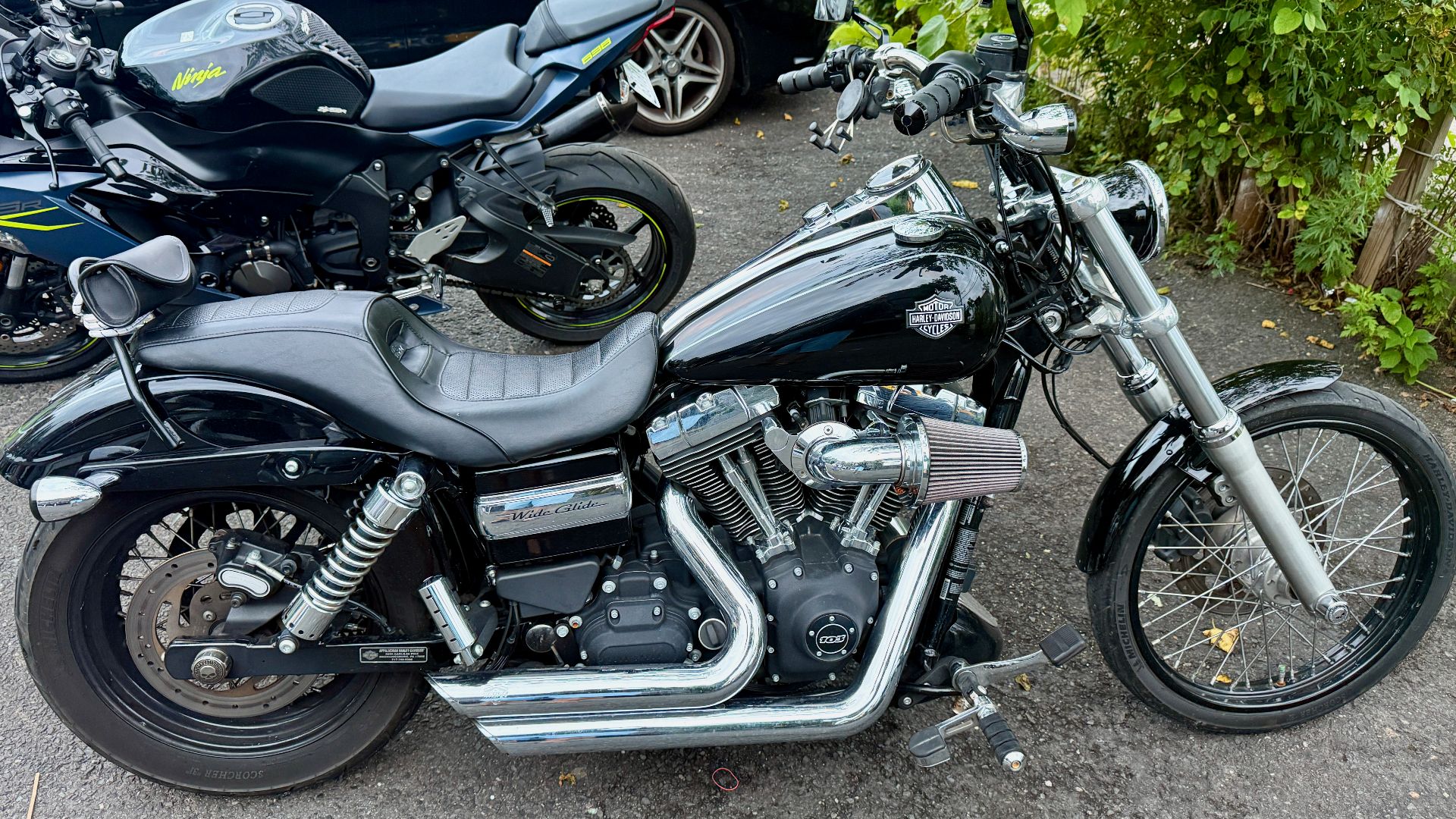 Oleg Yunakov, Wikimedia Commons
Loyalty Builds Quietly
Indian’s modern fanbase didn’t arrive overnight. Riders drawn to heritage without repetition found a brand that respected history while moving forward. The community grew—not louder than Harley’s, but deeply committed.
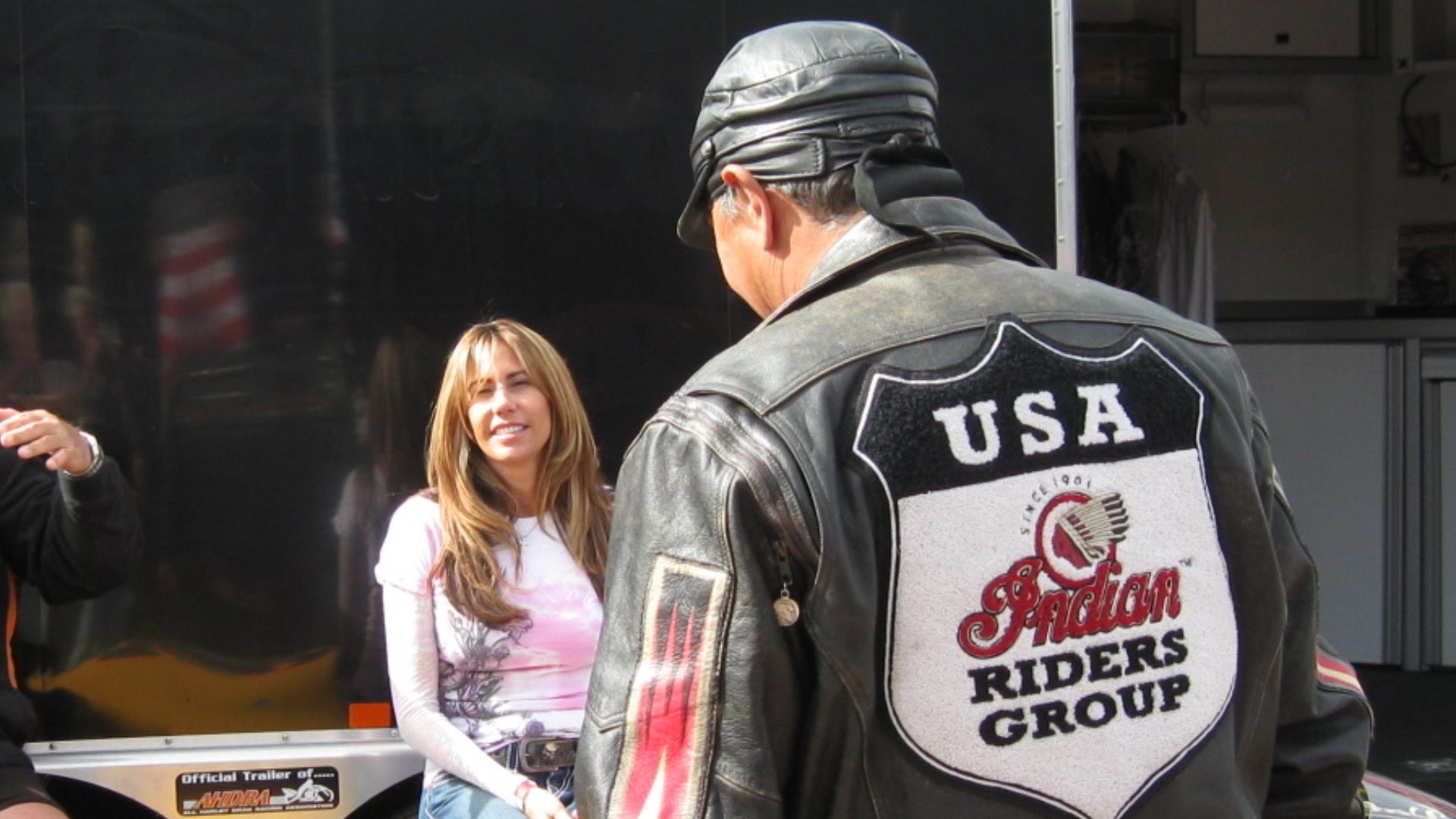 Phoenician Patriot, Wikimedia Commons
The Rivalry That Never Ended
Indian may not dominate sales today, but its presence reshaped the conversation. It proved Harley was never untouchable—and never alone. The brand that once tried to outsell Harley still hasn’t said its final word.
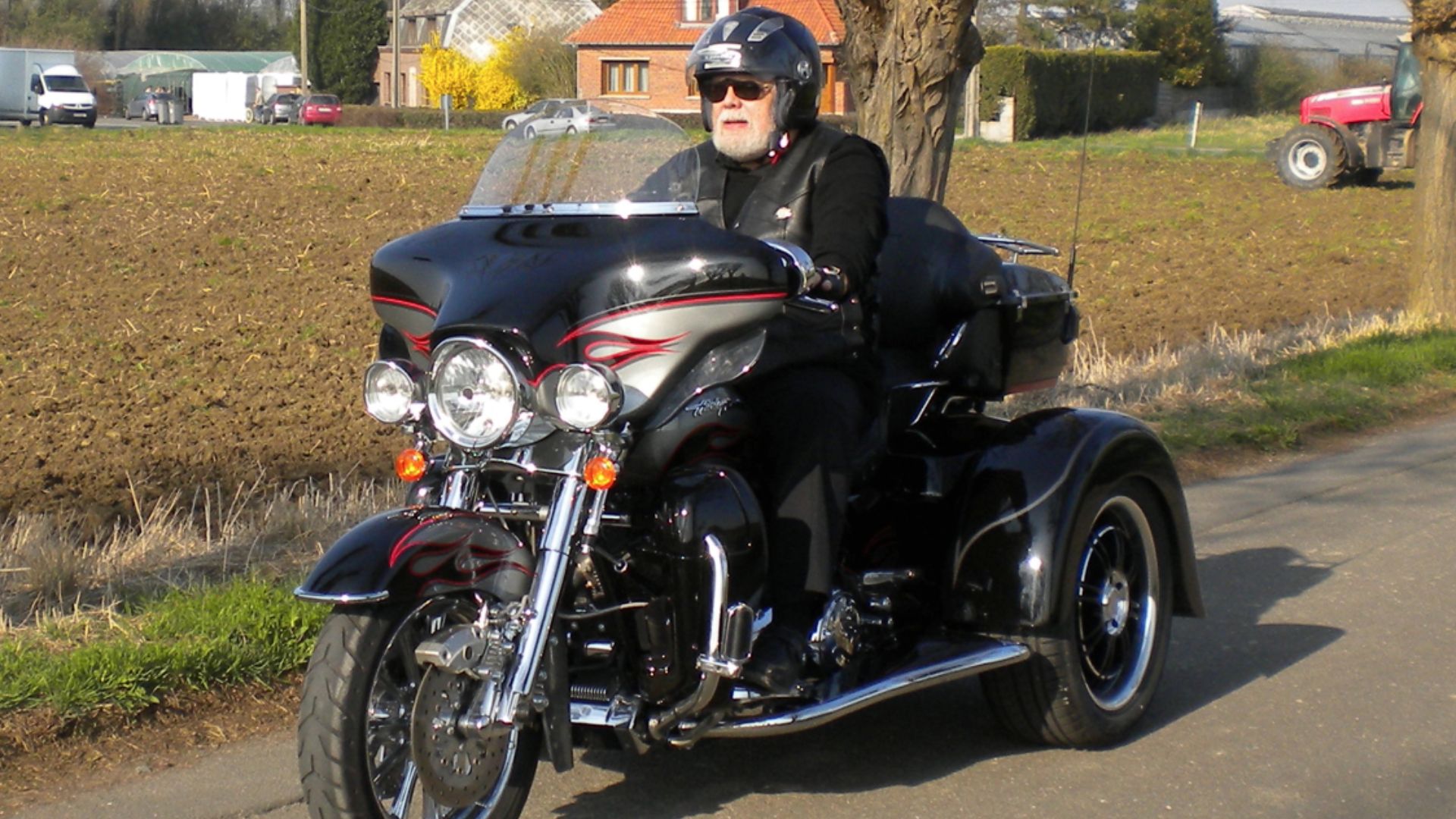 Alain.Darles, Wikimedia Commons
You May Also Like:
The Unbelievable Story Of The World’s First Wooden Motorcycle