When The Roar Fell Silent
There are moments in automotive history when everything changes at once. The 1979 oil crisis was one of them. One year, American roads were filled with the sound of V8s rumbling confidently toward the horizon. The next, drivers were sitting in fuel lines, watching gas gauges drop and wondering how something so fundamental could disappear so quickly. The oil crisis didn’t just change how Americans drove—it changed what American cars were allowed to be.
America Before The Crisis: Power Without Apology
For decades, American cars were built with confidence bordering on arrogance. Bigger was better. Heavier meant safer. More cylinders meant success. Gasoline was cheap, and nobody asked how many miles per gallon their car got—because it didn’t matter. A V8 wasn’t a luxury or a performance option. It was simply how cars were built.
 Joe deSousa, Wikimedia Commons
The Golden Age Of The American V8
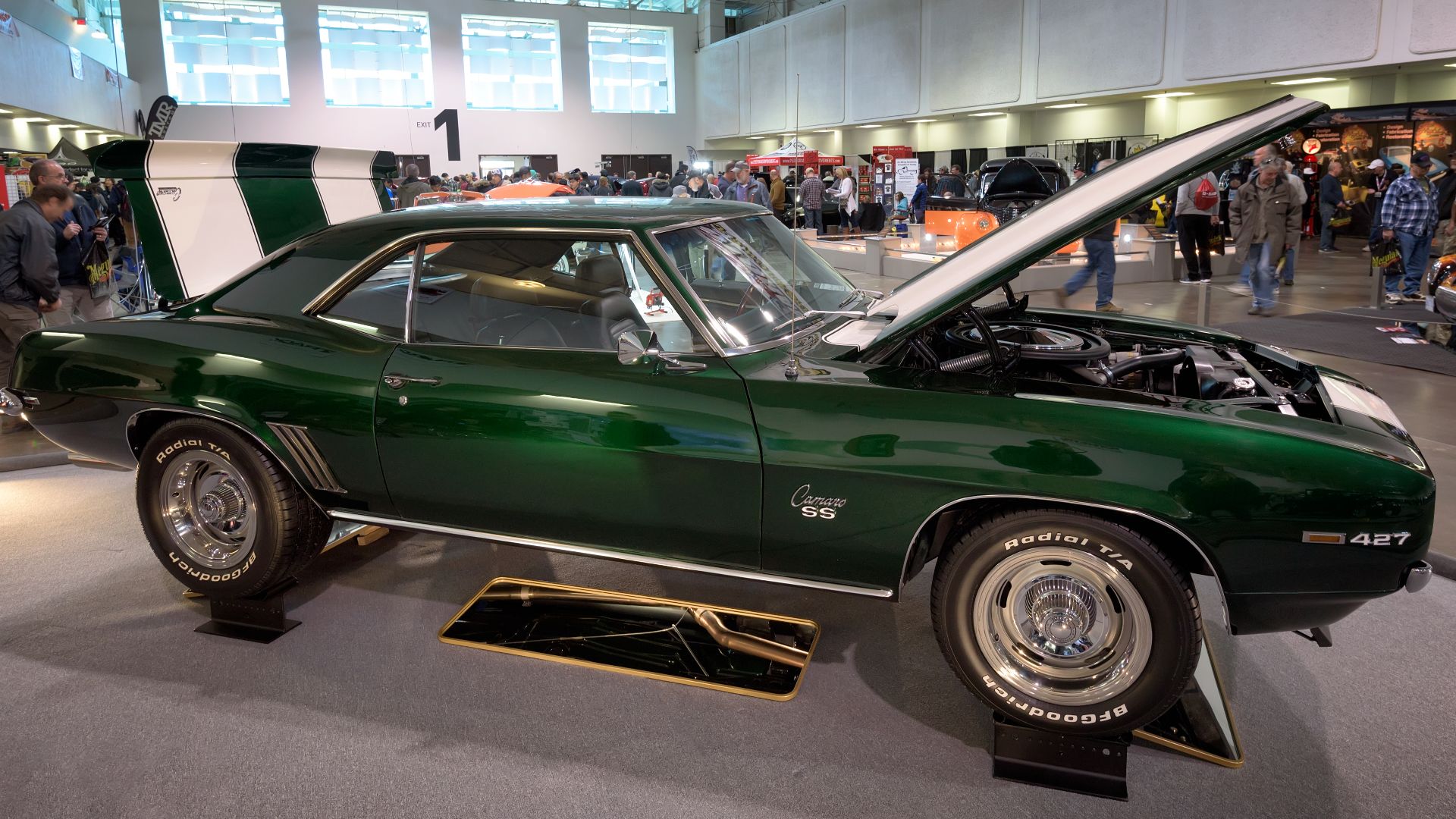
By the late 1960s, the American V8 had reached its peak. Muscle cars filled dealership lots. Engines like the Chevy 427, Ford 428 Cobra Jet, and Chrysler’s 426 Hemi weren’t just powerful—they were cultural icons. Horsepower wars were fought in magazine pages and at stoplights. This was Detroit at full swagger.
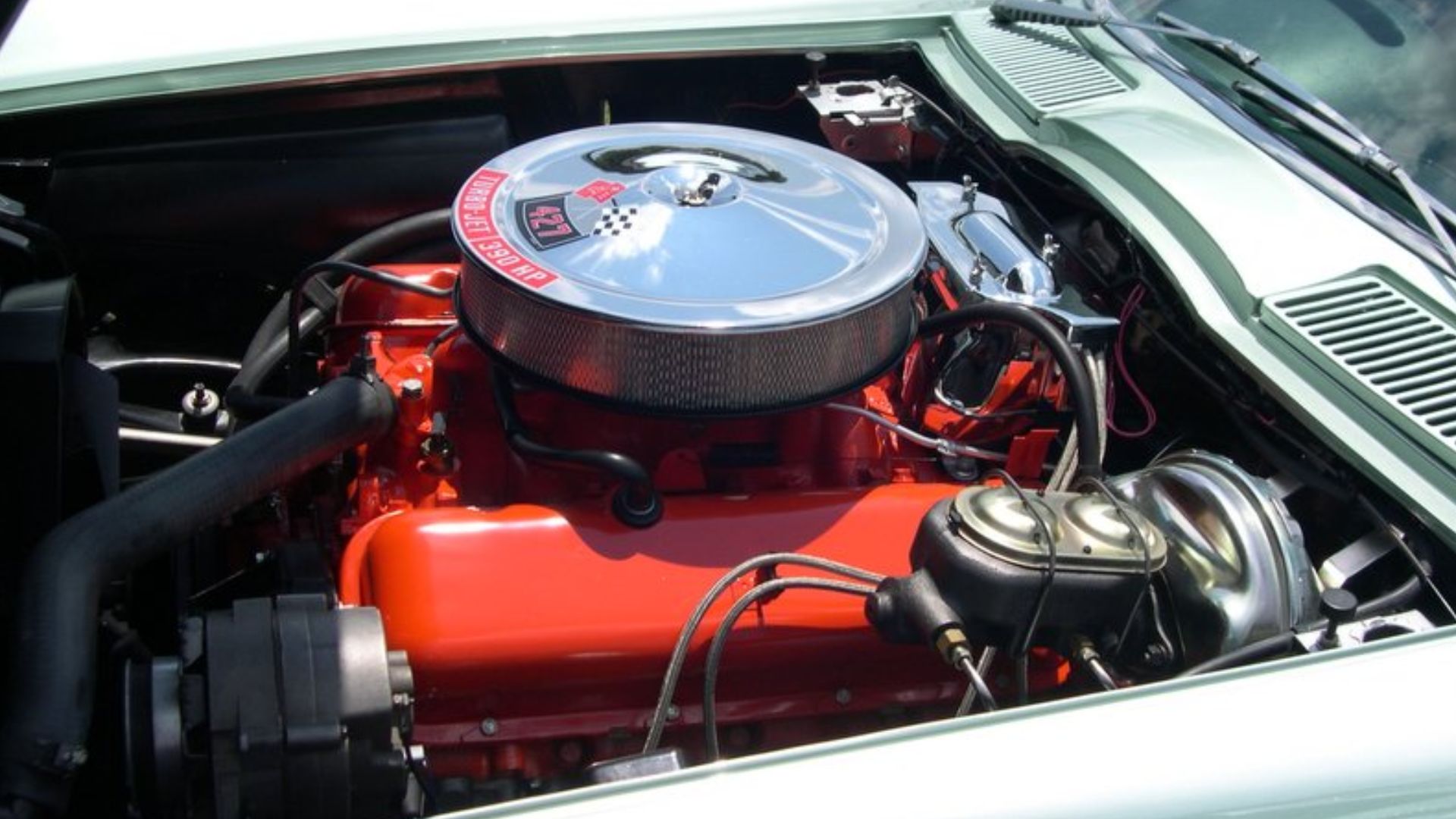 Stephen Foskett (Wikipedia User: sfoskett), Wikimedia Commons
The First Warning: 1973 Shows the Cracks
The 1973 oil embargo should have been a wake-up call. Gas prices rose, fuel became scarce, and suddenly America realized how dependent it was on foreign oil. But when fuel returned and panic faded, Detroit largely went back to business as usual. The V8 was bruised—but still alive.
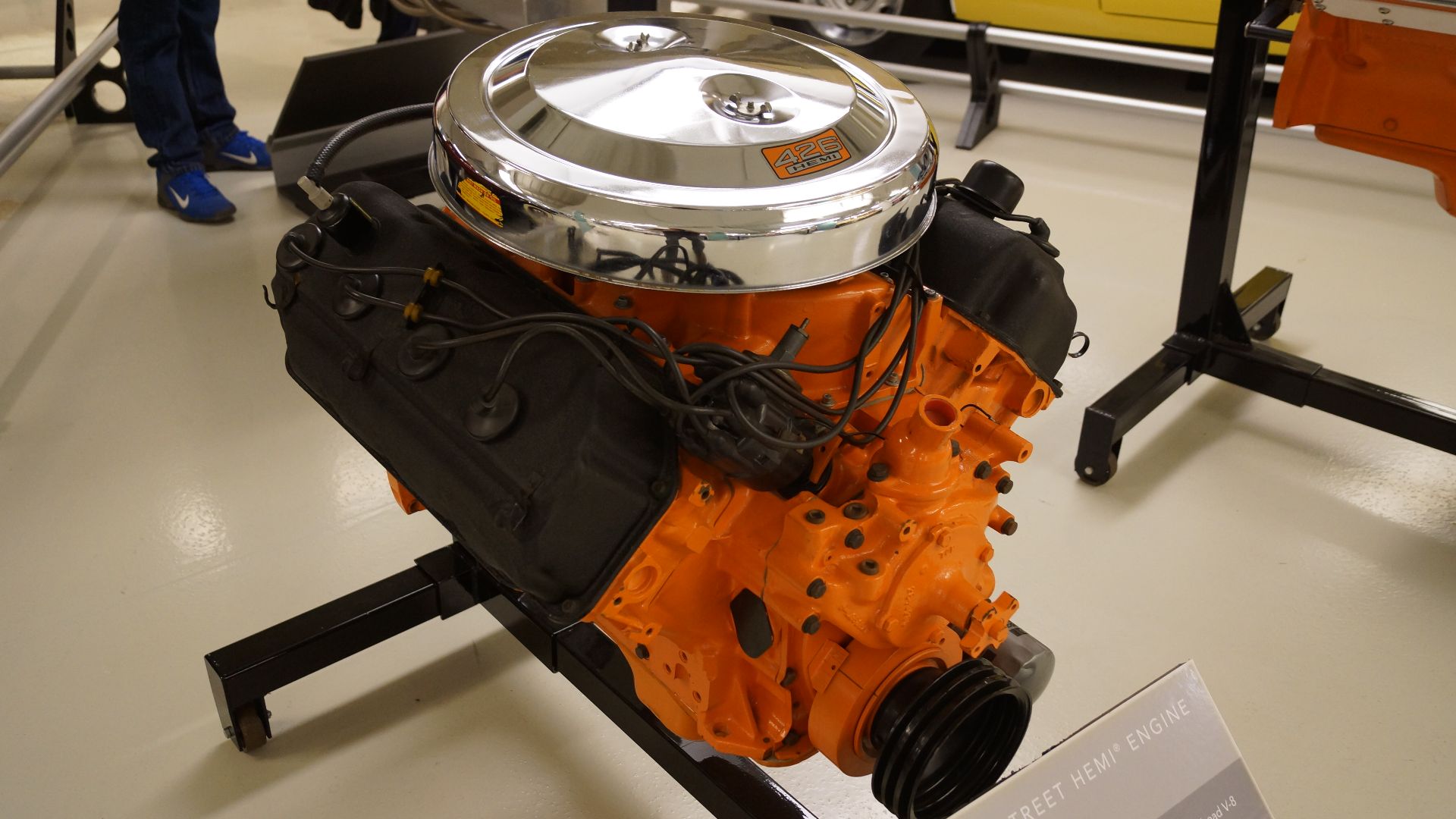 Greg Gjerdingen from Willmar, USA, Wikimedia Commons
1979: The Crisis That Wouldn’t Let Go
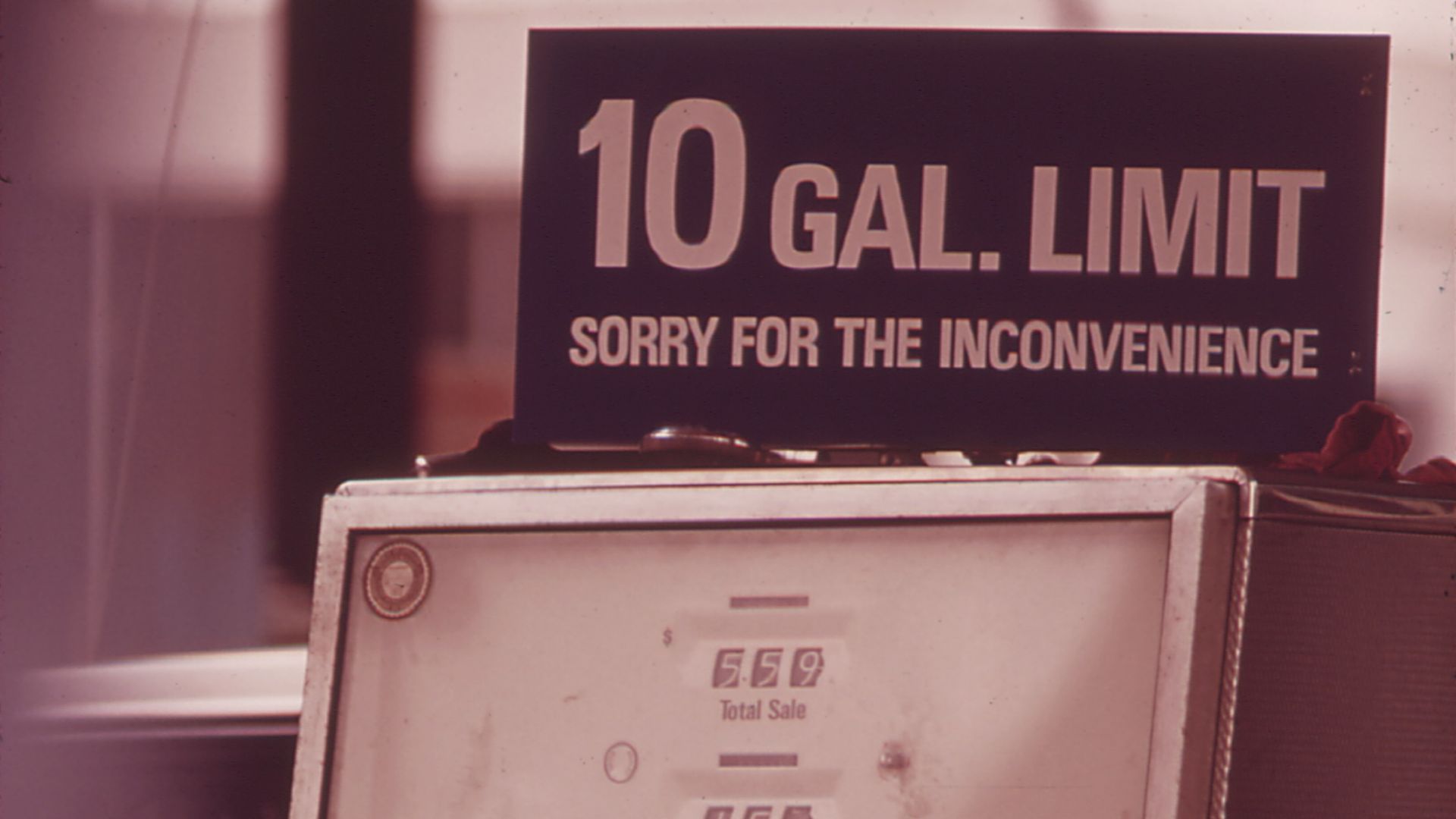
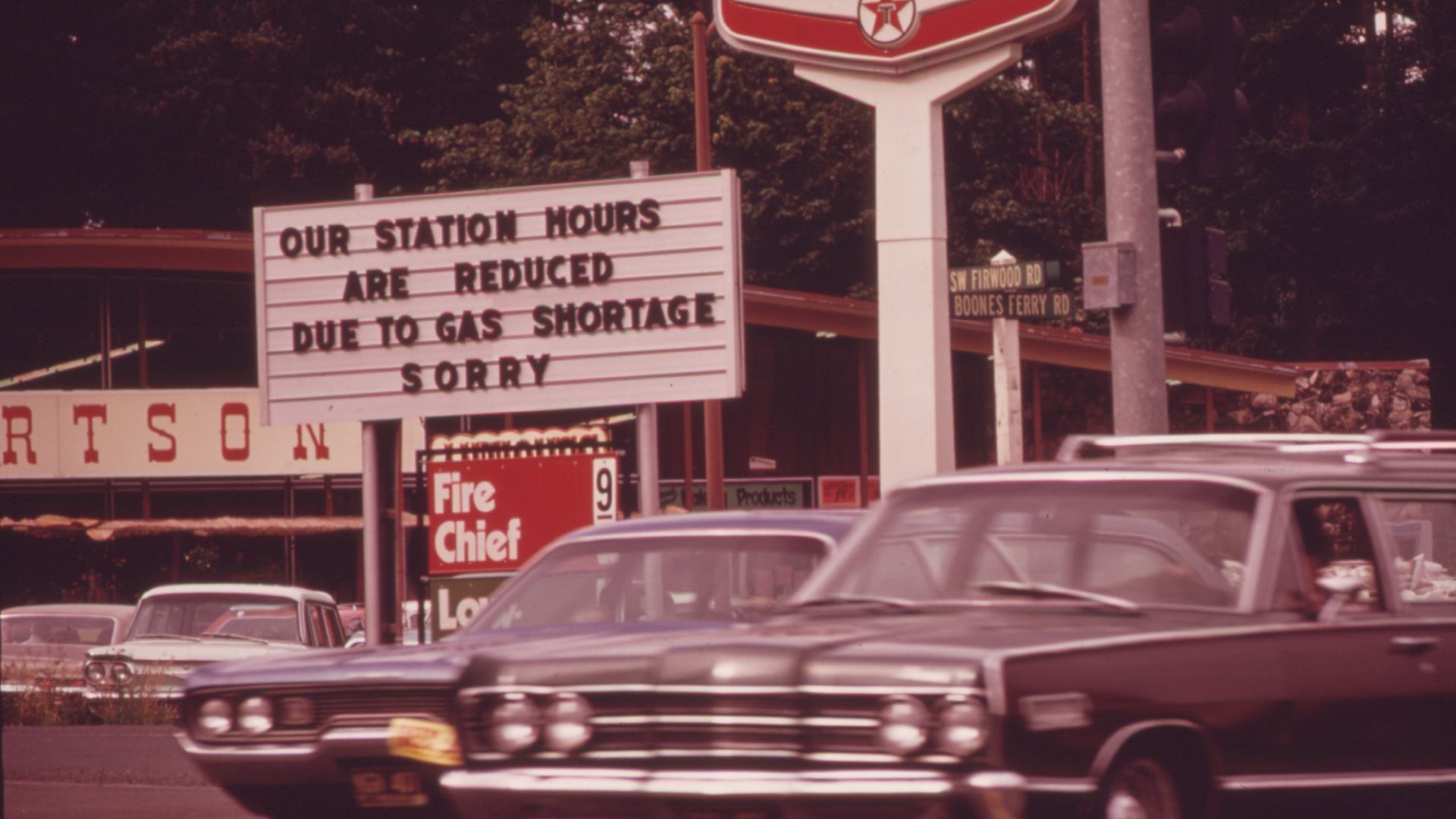
Six years later, history repeated itself—only this time it hit harder. Political turmoil in Iran disrupted oil supplies, and panic returned fast. Fuel shortages were widespread. Prices climbed sharply. This wasn’t a short-term scare. It felt permanent. And Americans knew it.
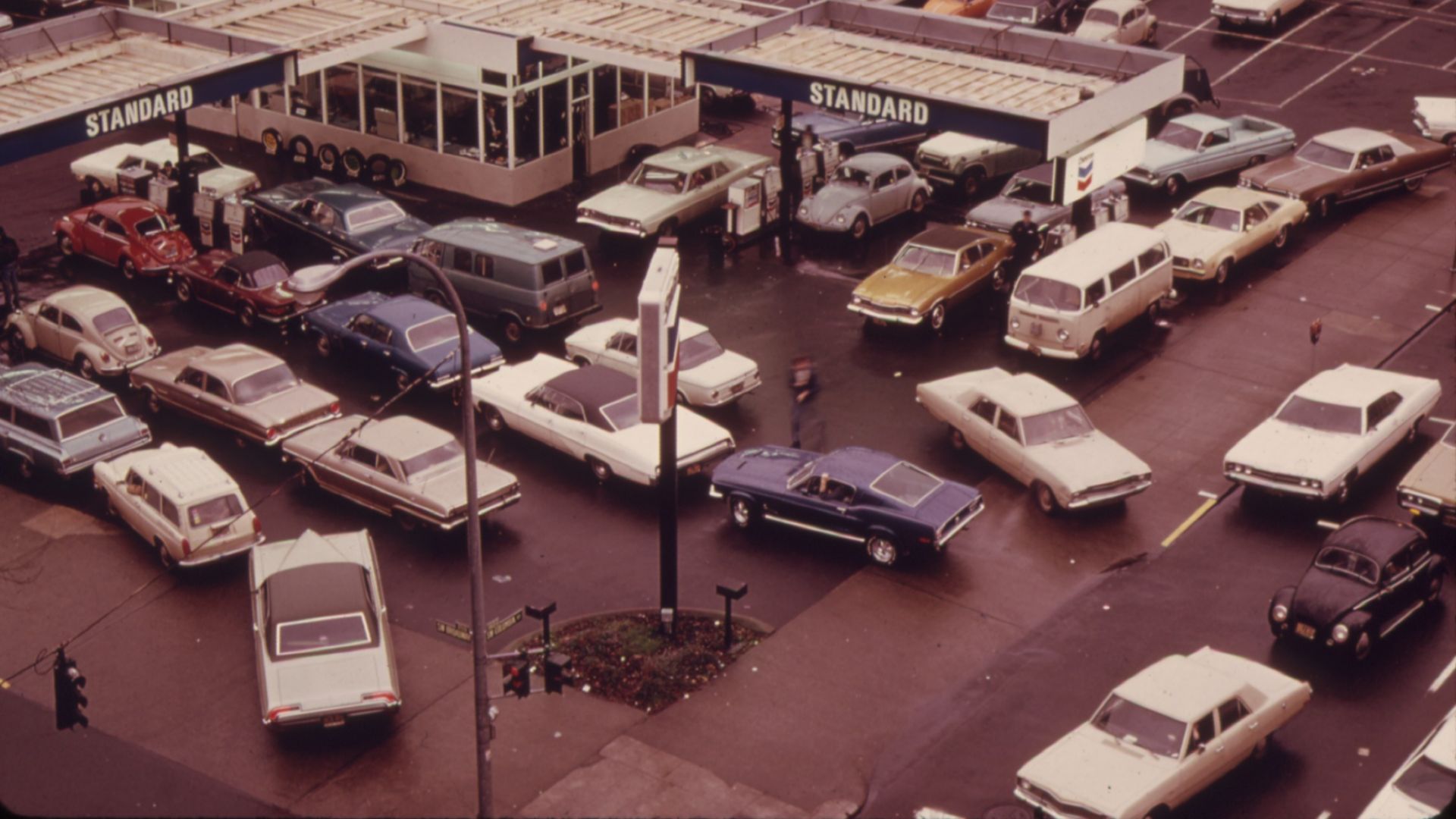 David Falconer, Wikimedia Commons
Fuel Lines Become A National Image
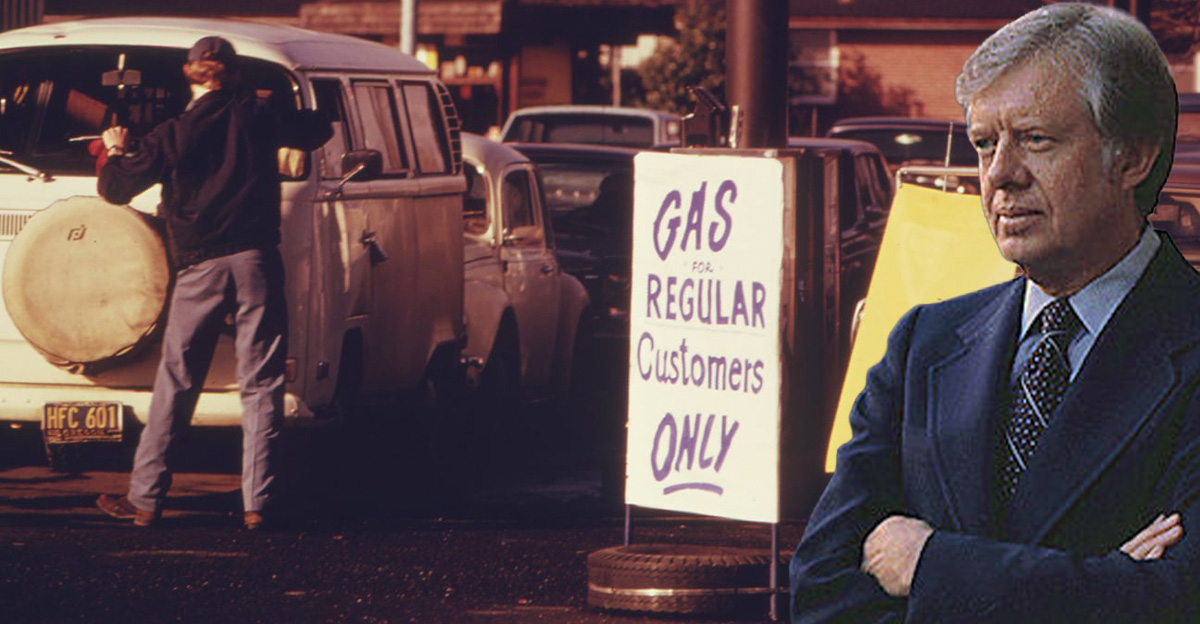
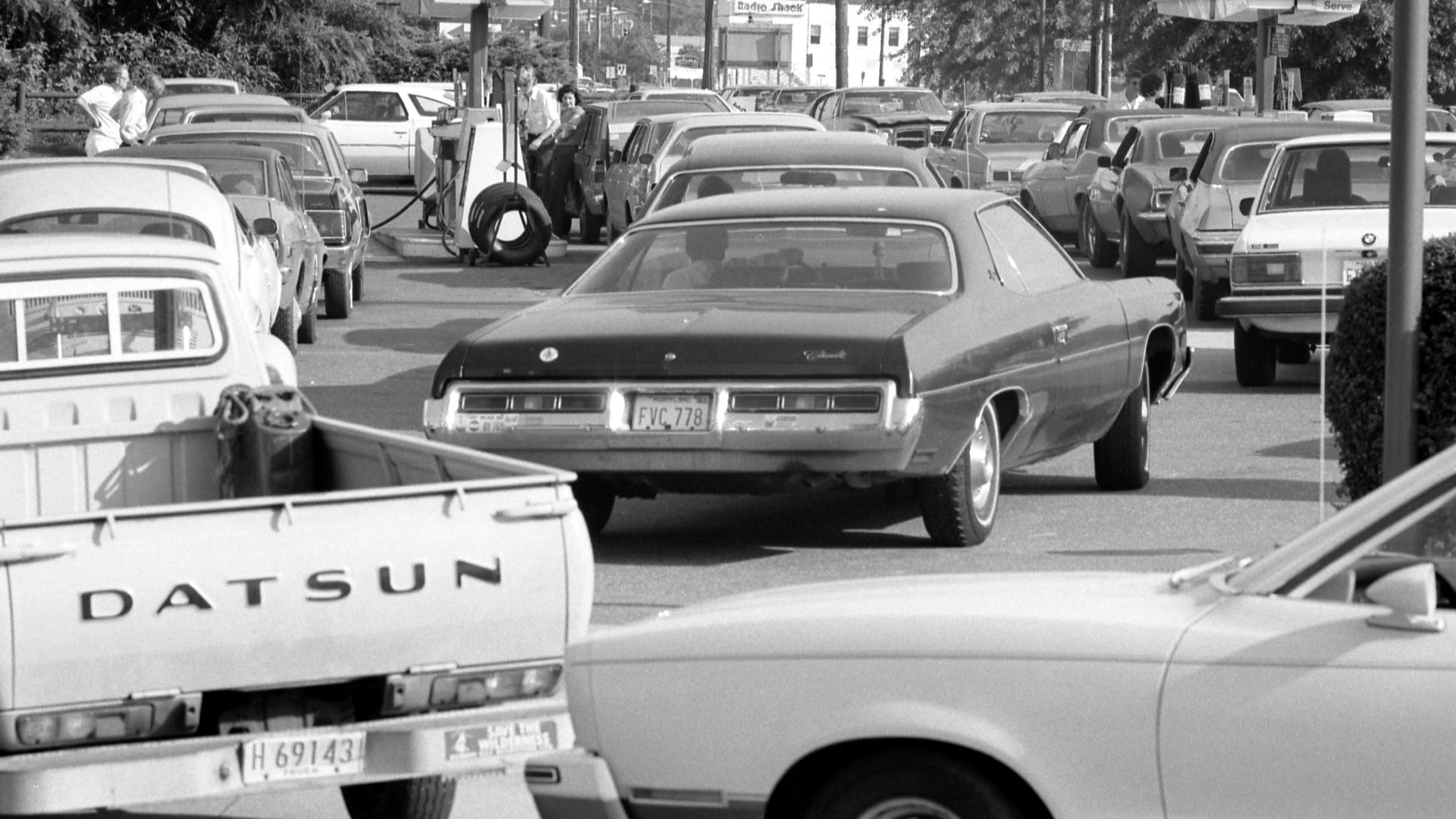
Few images define the era better than long lines of full-size American cars idling outside gas stations. Engines built for highways were wasting fuel just to sit still. The V8, once admired, suddenly looked excessive. The national mood changed almost overnight.
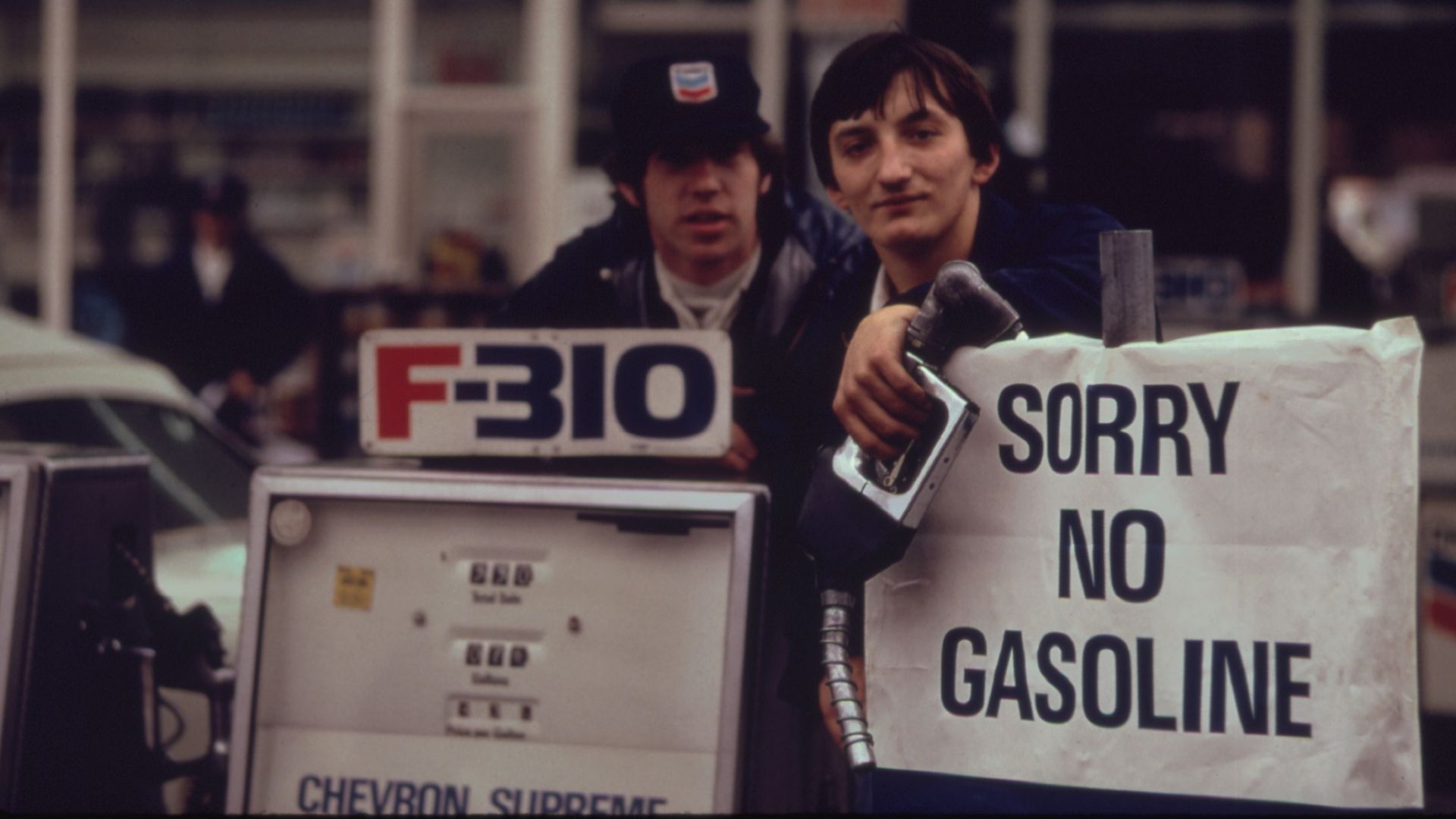 David Falconer, Wikimedia Commons
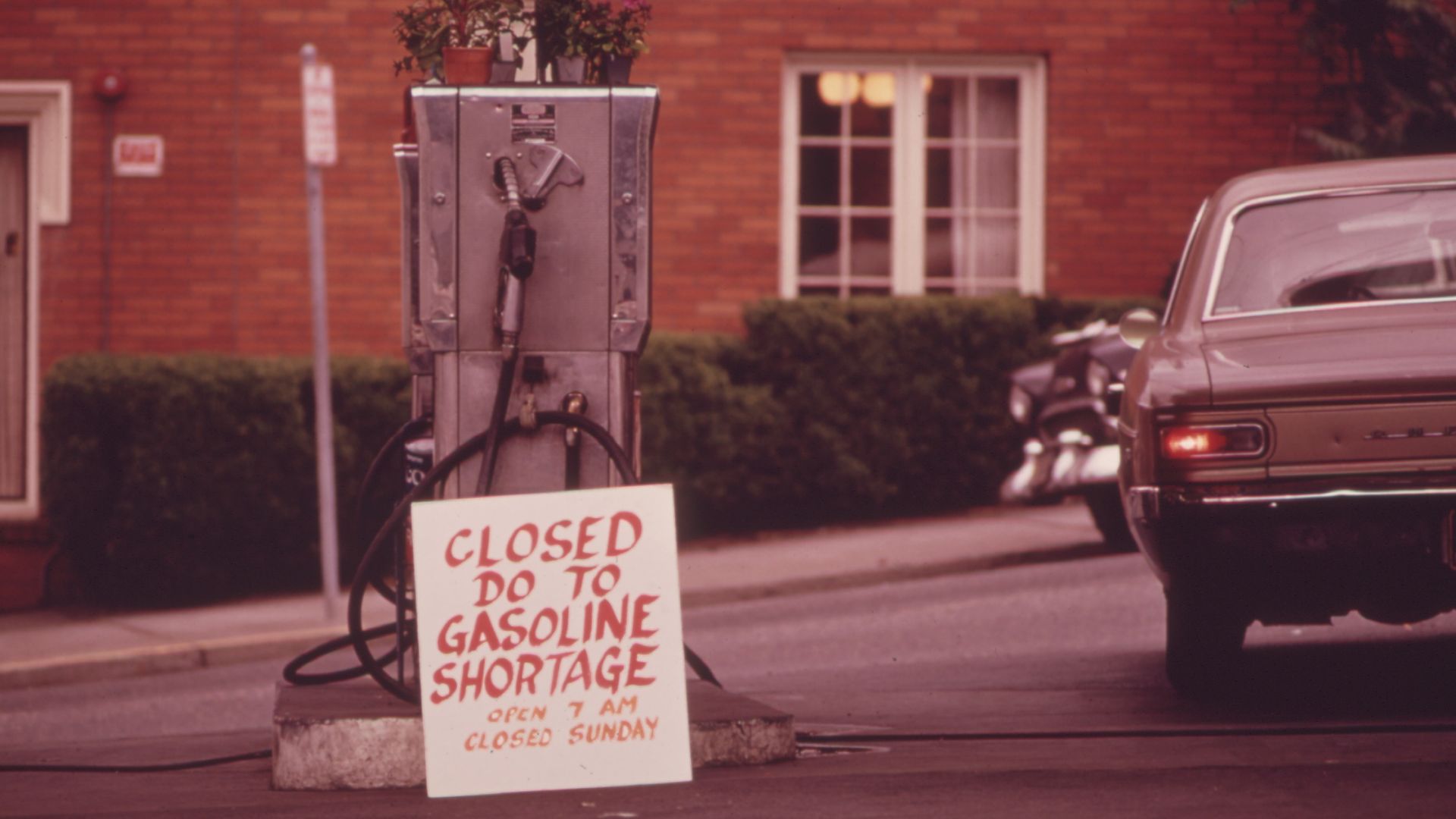
Efficiency Becomes A Moral Issue
Fuel economy stopped being just a technical specification—it became a moral statement. Owning a large, thirsty car felt irresponsible. Smaller, more efficient vehicles didn’t just make sense financially; they made sense socially.
 David Falconer, Wikimedia Commons
The Government Changes The Rules
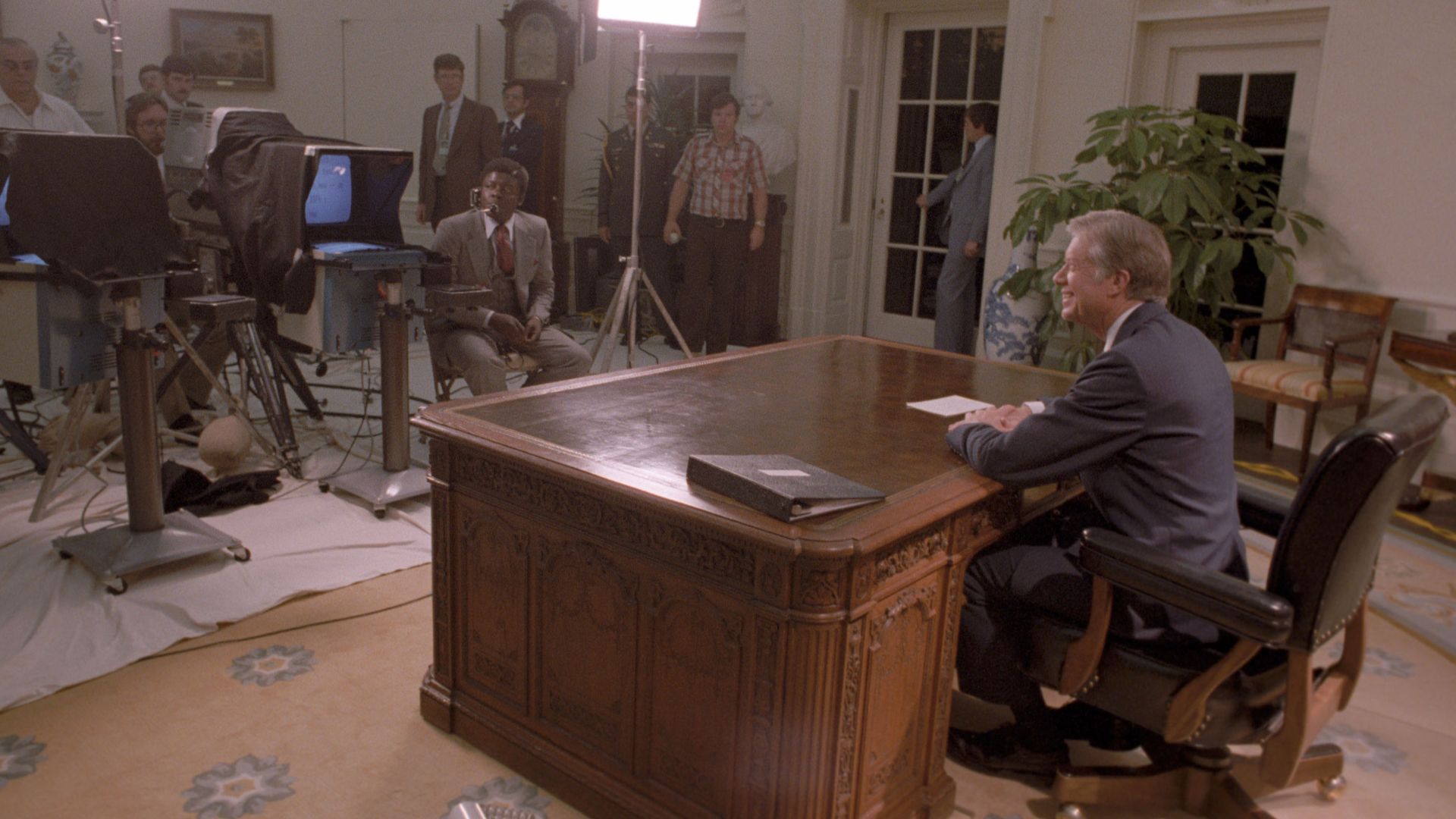
Washington stepped in quickly. CAFE standards tightened, forcing automakers to dramatically improve fuel efficiency across their lineups. Suddenly, every V8-powered car made it harder to meet those targets. The rules of the game had changed—and Detroit wasn’t ready.
Detroit Realizes It’s Behind
American manufacturers had spent decades perfecting big engines, not small ones. Meanwhile, Japanese automakers had been building efficient cars all along. When consumers began looking elsewhere, Detroit had few answers—and even fewer alternatives ready to sell.
 Warren K. Leffler, Wikimedia Commons
Four Cylinders Take Over Showrooms
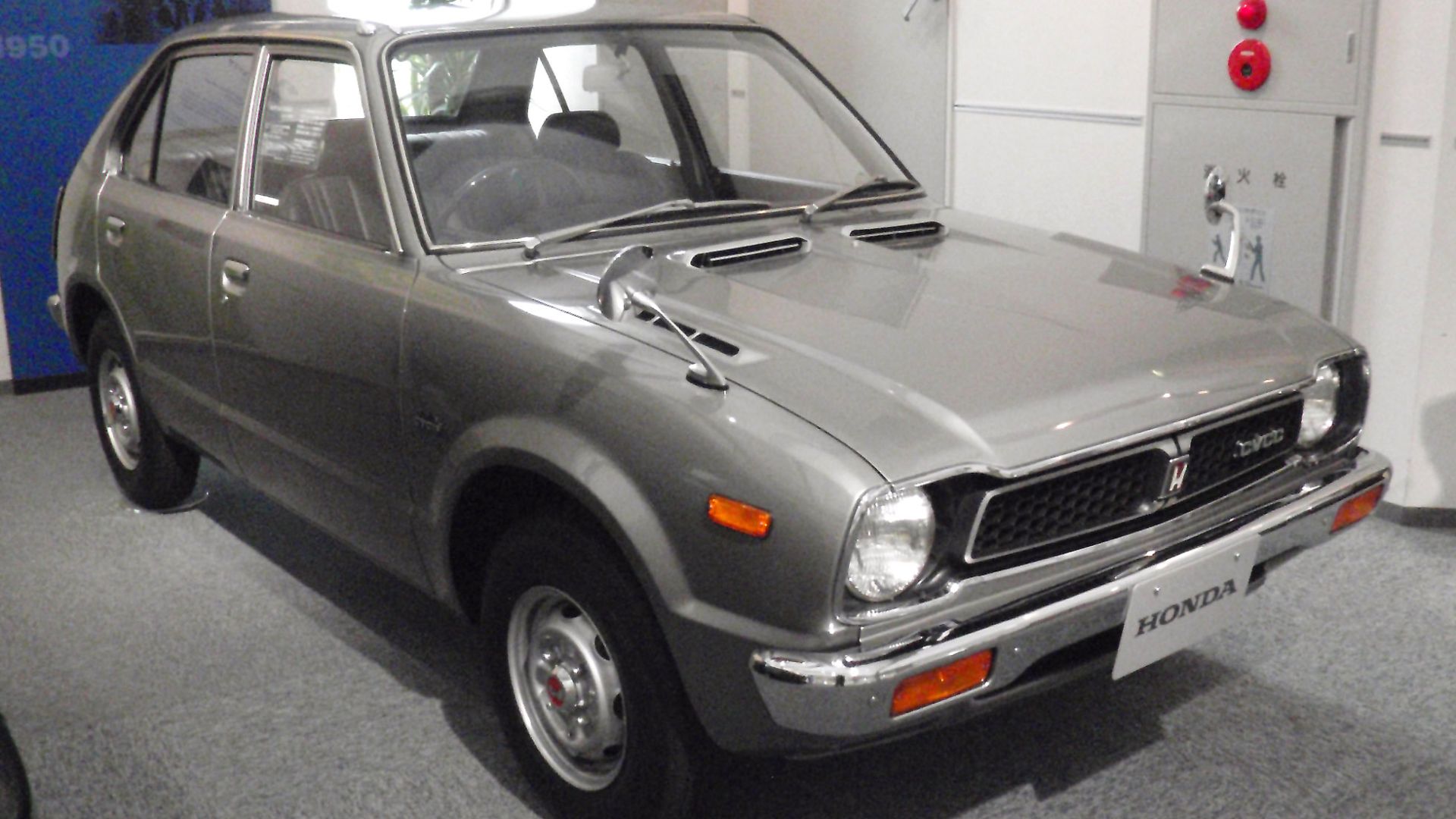
Imports surged in popularity. Cars like the Honda Civic and Toyota Corolla weren’t exciting, but they were reliable and efficient. American buyers downsized, sometimes reluctantly, trading power for practicality. The V8 was no longer the default—it was becoming rare.
Shrinking Engines, Shrinking Expectations
Detroit’s response was rushed. V8s were detuned to meet emissions standards, fitted with restrictive exhausts, lower compression ratios, and complex emissions equipment. On paper, the engines still existed. In reality, their personalities were gone.
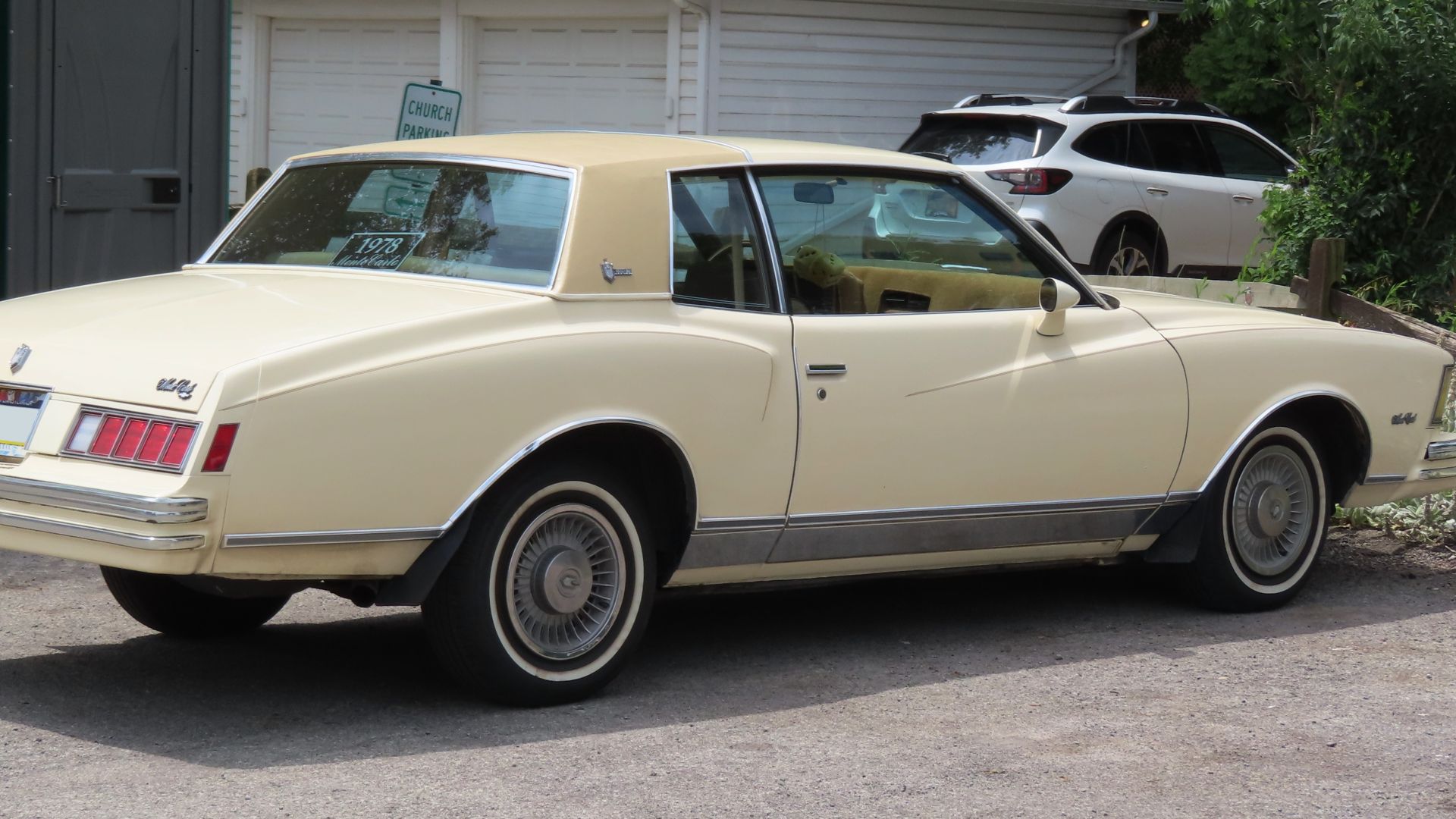 MercurySable99, Wikimedia Commons
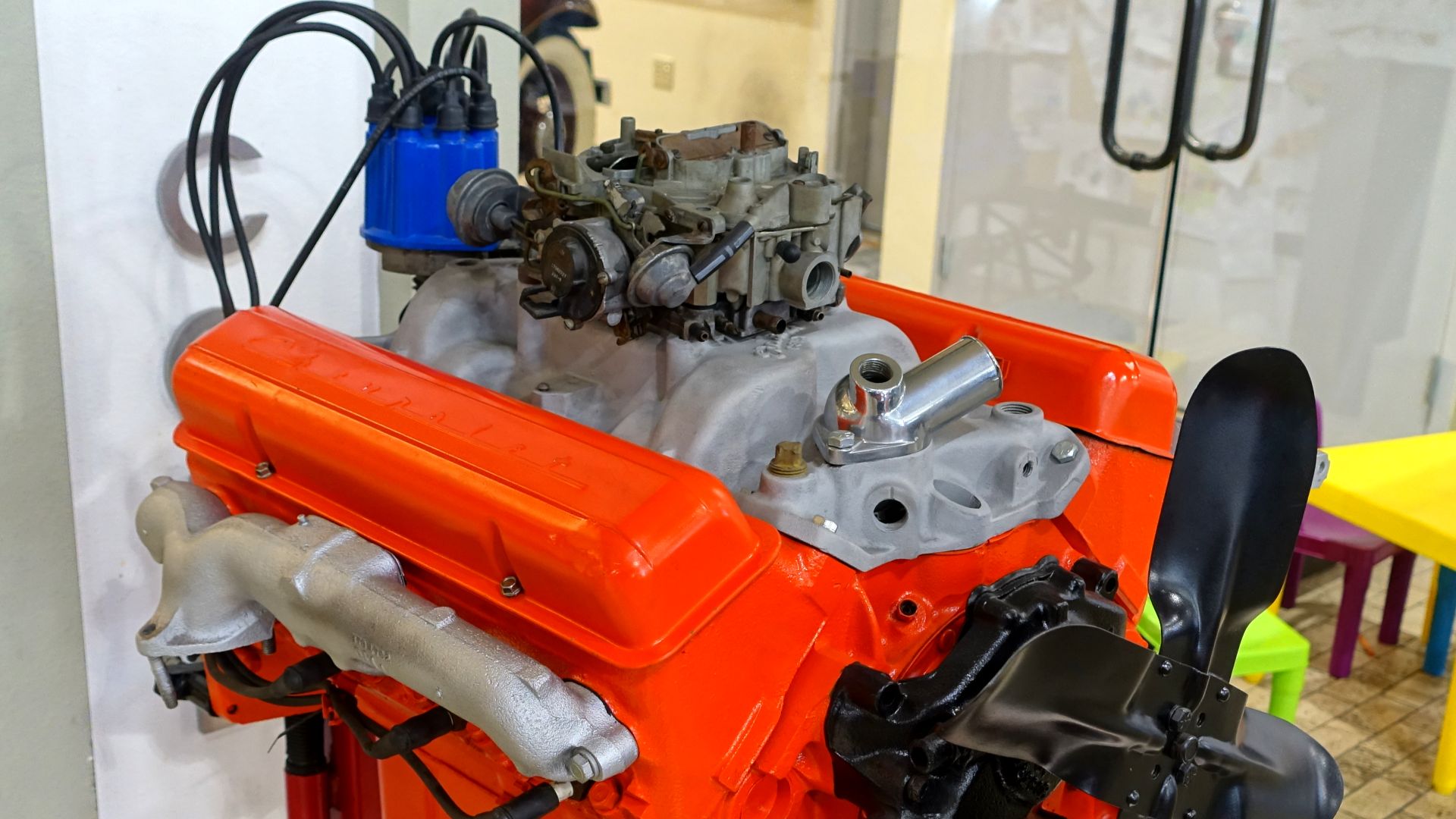
When Big Engines Became Weak
By the end of the decade, a V8 that once made over 300 horsepower might barely crack 140. Cars looked fast, sounded muted, and drove slowly. For enthusiasts, it felt like betrayal. The numbers didn’t lie—and neither did the stopwatch.
The Malaise Era Sets In
The late ’70s and early ’80s became known as the Malaise Era for a reason. Cars gained weight but lost power. Technology added complexity without delivering excitement. The V8 survived mechanically, but emotionally, something had been lost.
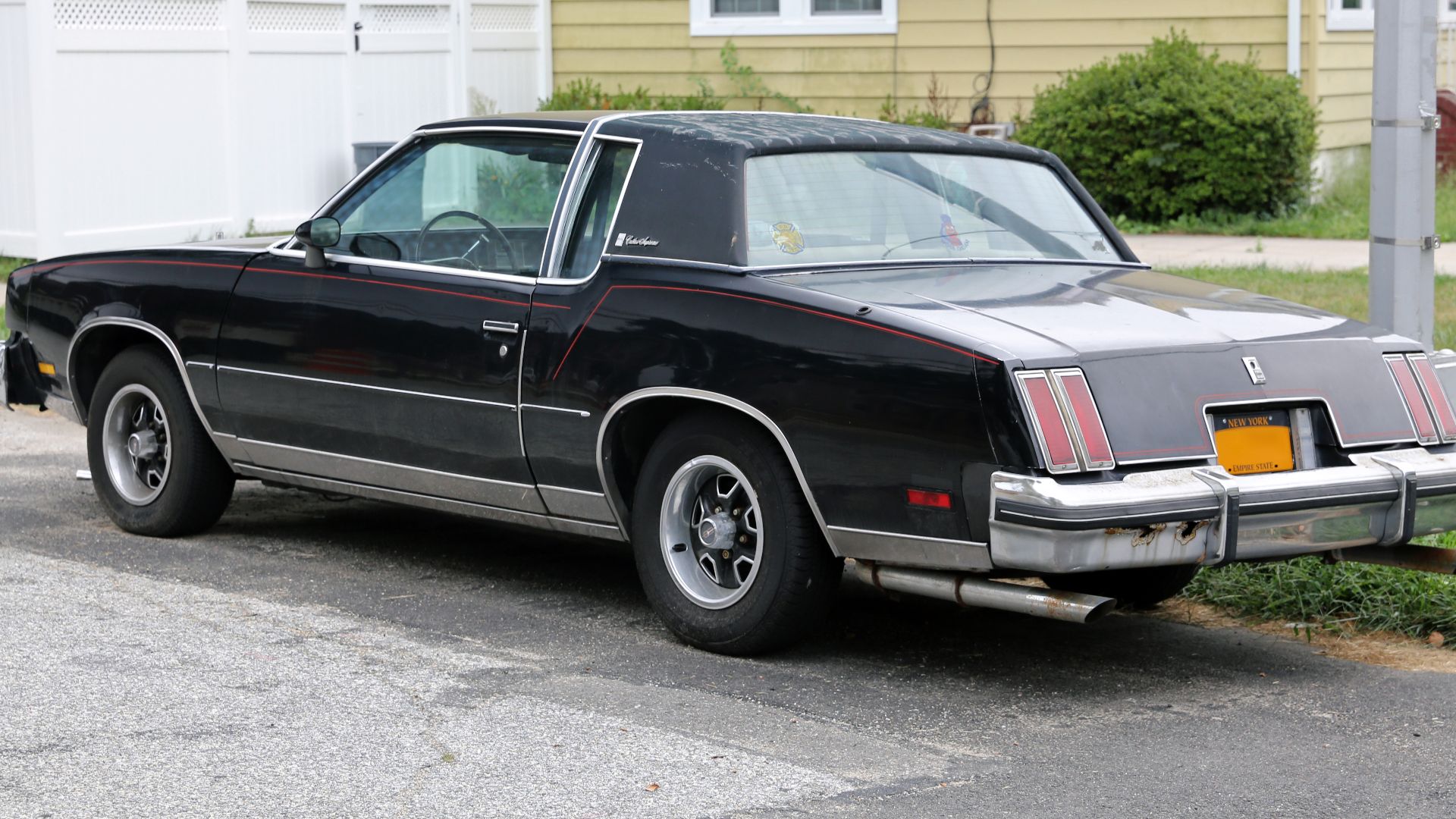 Mr.choppers, Wikimedia Commons
Muscle Cars In Name Only
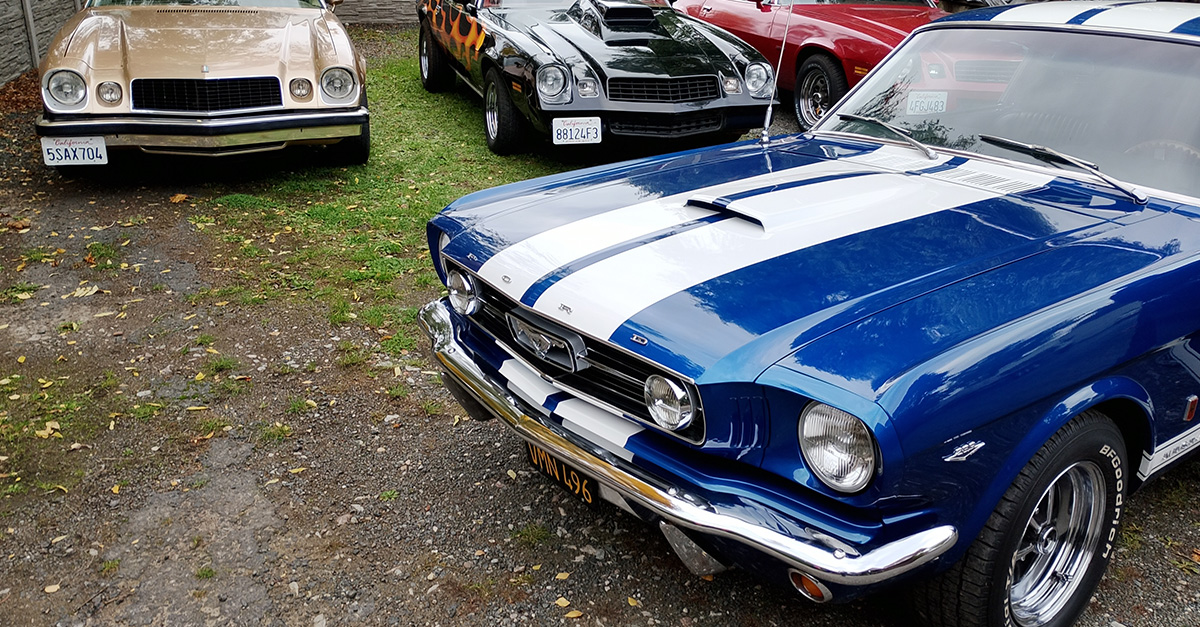
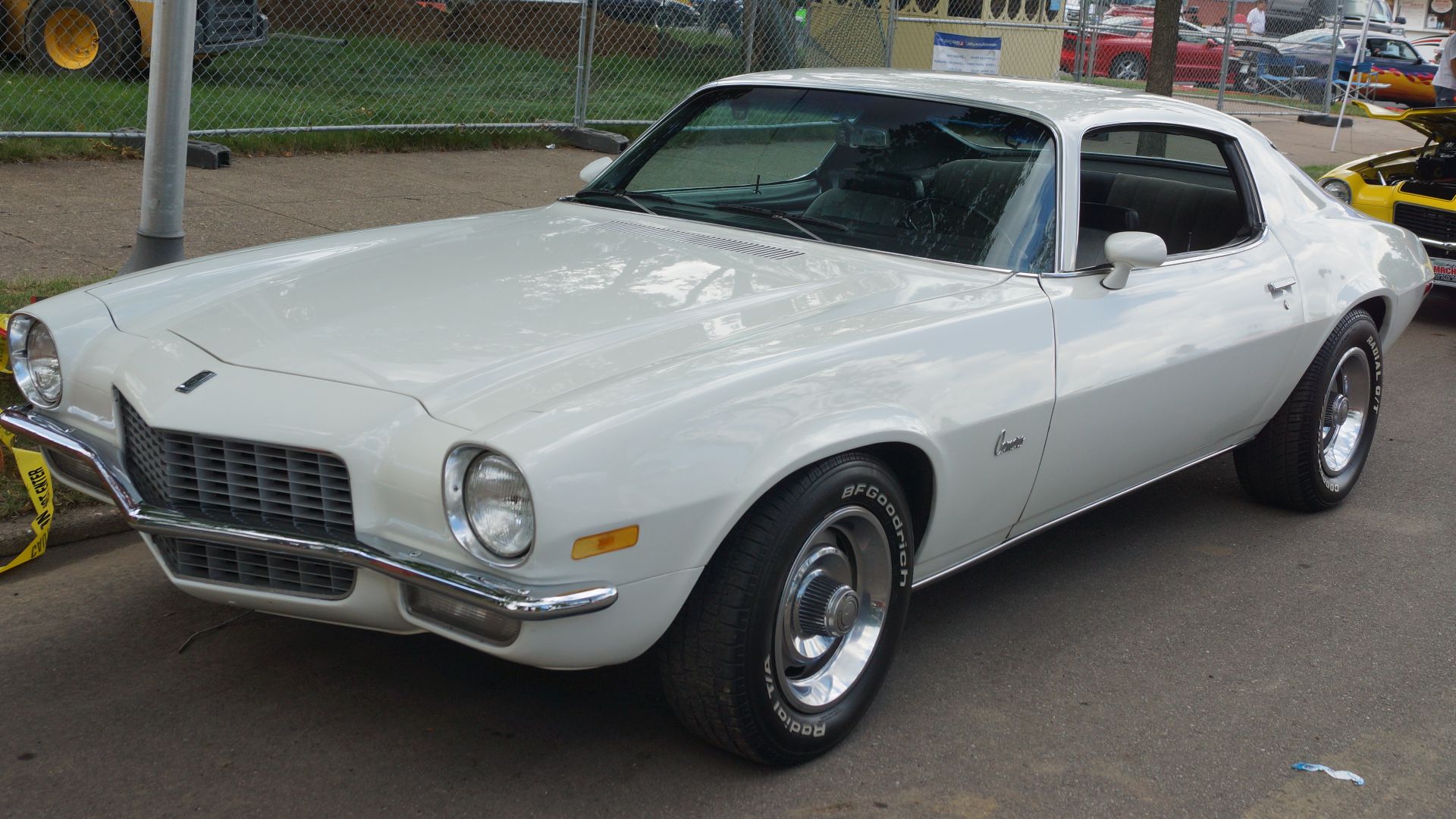
Icons like the Mustang, Camaro, and Firebird survived the crisis—but barely. Performance packages became appearance packages. Hood decals replaced horsepower. The names lived on, but the magic was gone.
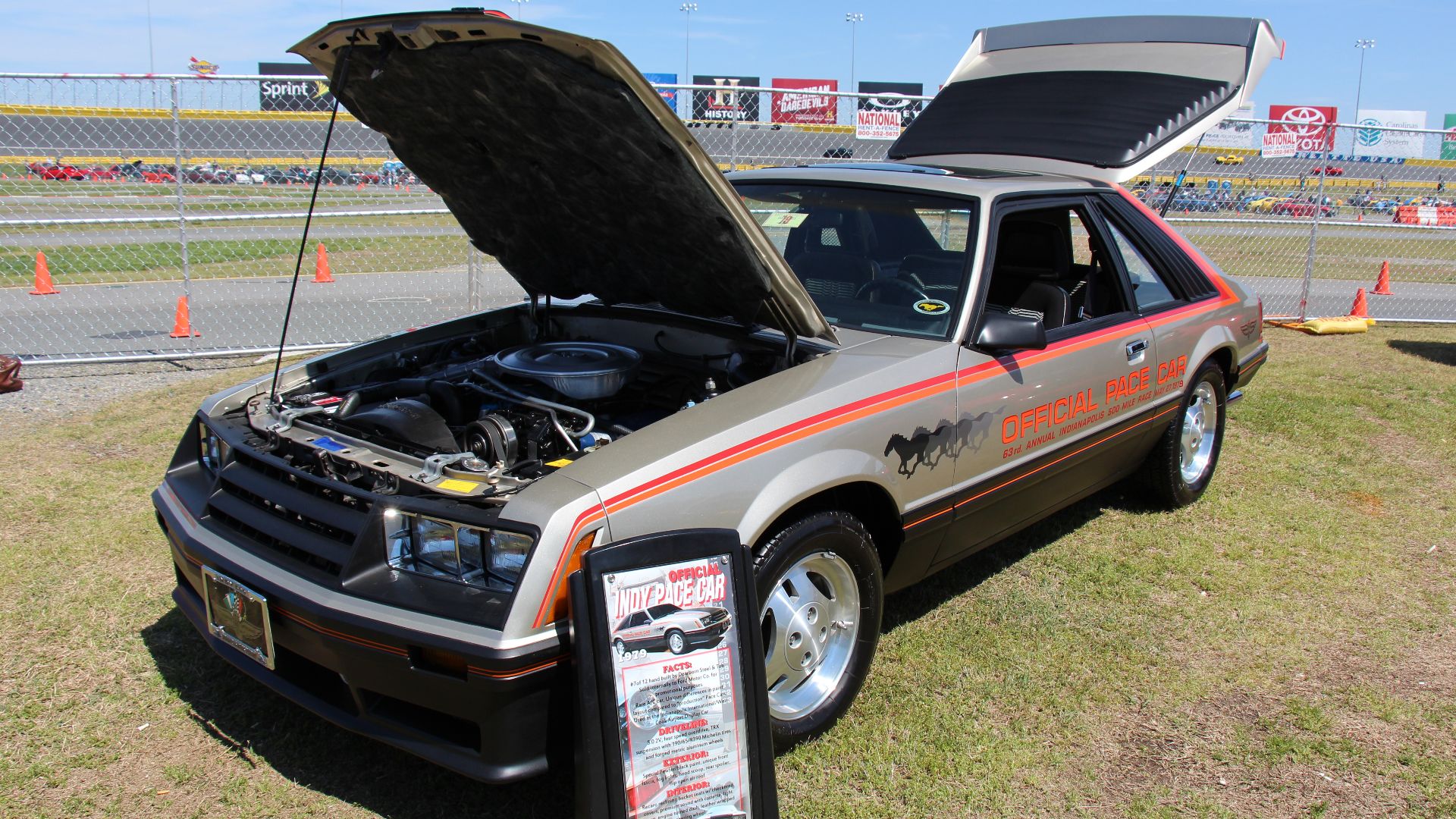
The V8 Becomes Optional
Where V8s were once standard, they became expensive options. Many buyers couldn’t justify the fuel cost or insurance premiums. Six-cylinder engines filled the gap. Four-cylinders became common. The American V8 was no longer America’s default engine.
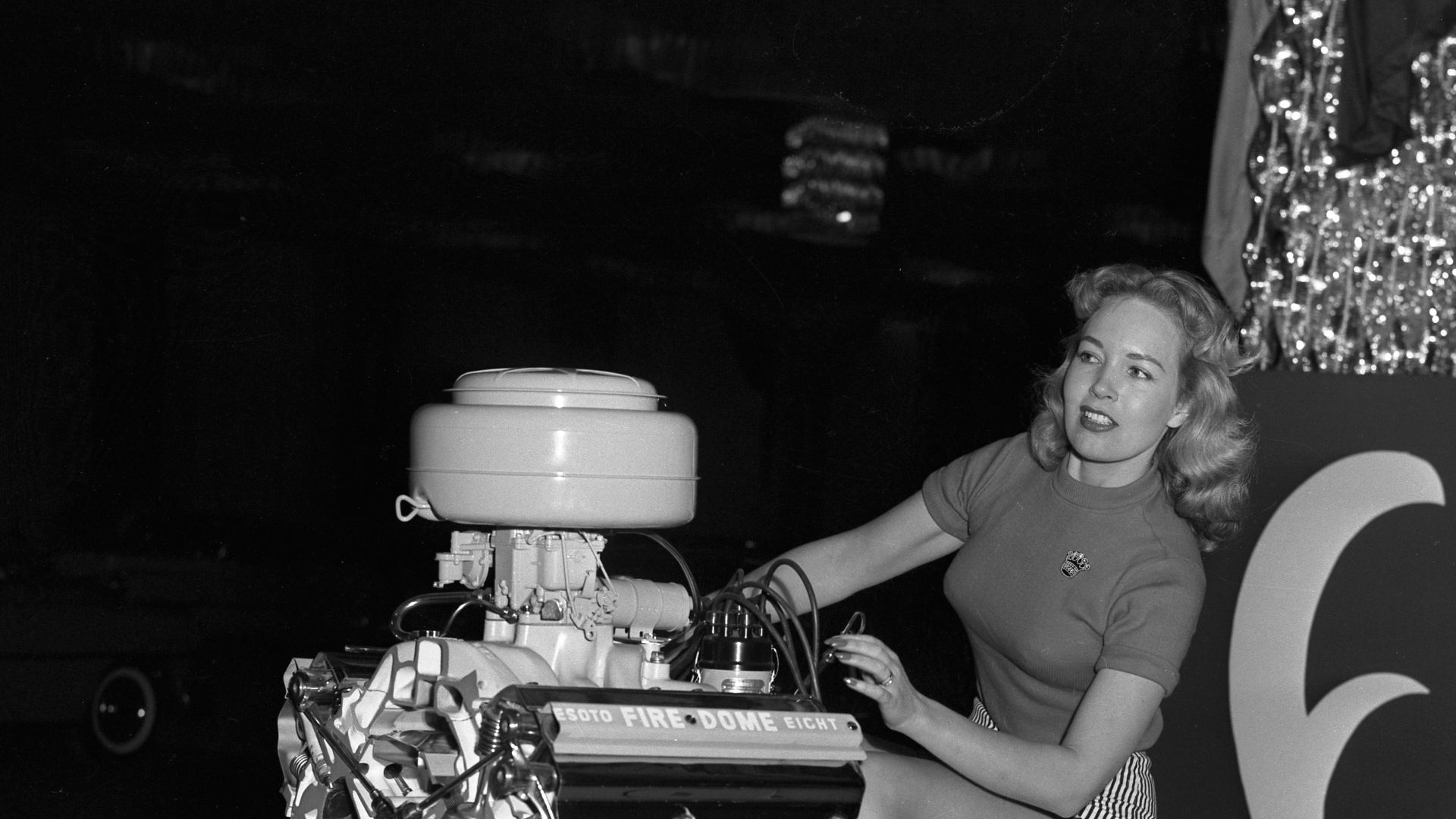 Los Angeles Daily News, Wikimedia Commons
Even Cadillac Wasn’t Immune
Cadillac, the ultimate symbol of American luxury, faced an identity crisis. Downsized platforms, smaller engines, and experimental technologies like early cylinder deactivation showed just how desperate things had become—even at the top.
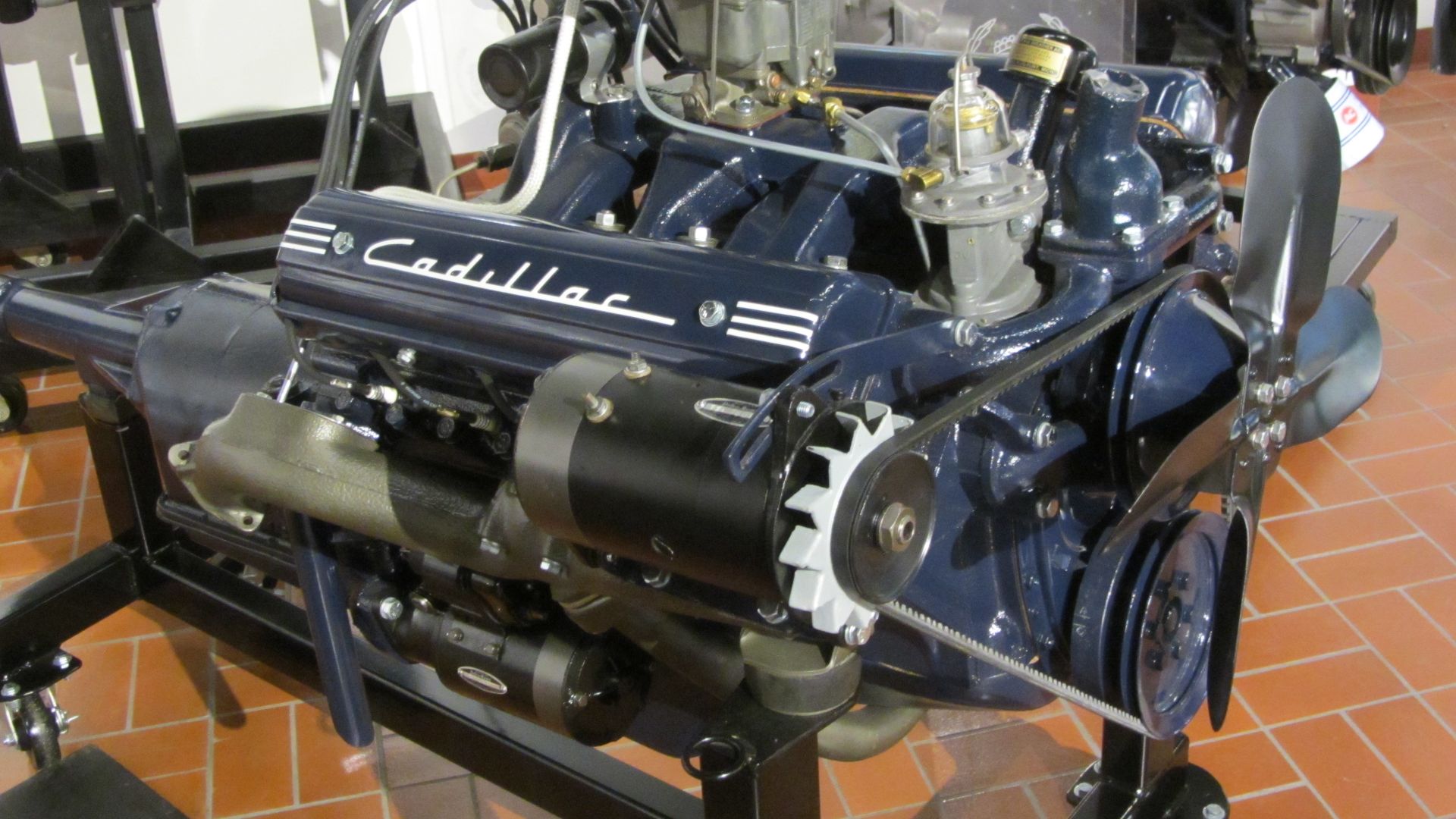 JOHN LLOYD from Concrete, Washington, United States, Wikimedia Commons
Engineering Under Pressure
Carburetors struggled to meet emissions rules. Early electronics were unreliable. Engines ran rough, hot, and inefficient despite their reduced output. The V8 was still there—but it no longer felt trustworthy.
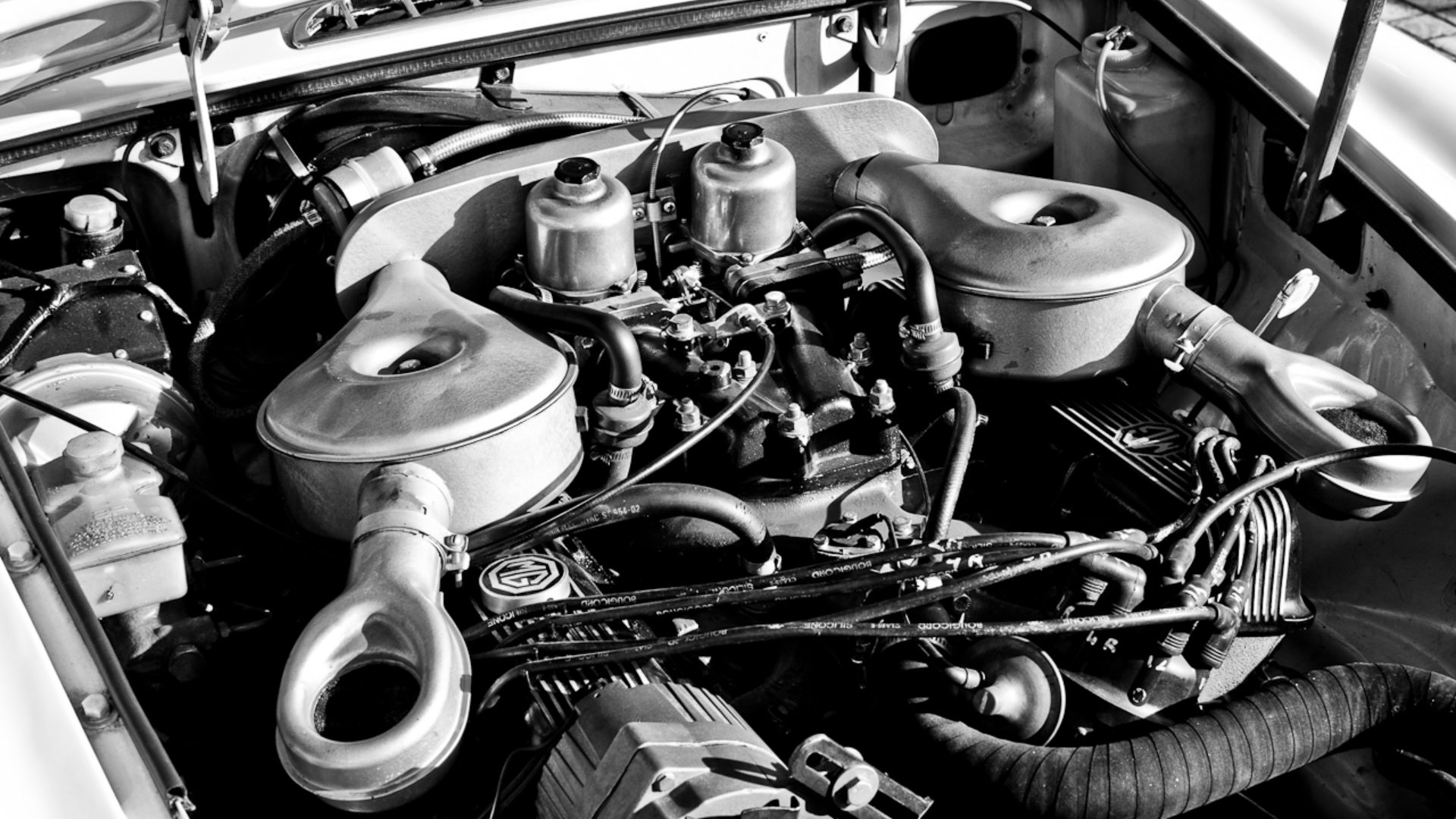 hans wakataitea from whangarei, new zealand, Wikimedia Commons
Buyers Lose Faith
Consumers noticed. Reliability declined. Performance disappointed. Fuel economy improvements often failed to justify the compromises. Many buyers turned away from domestic brands—not out of disloyalty, but necessity.
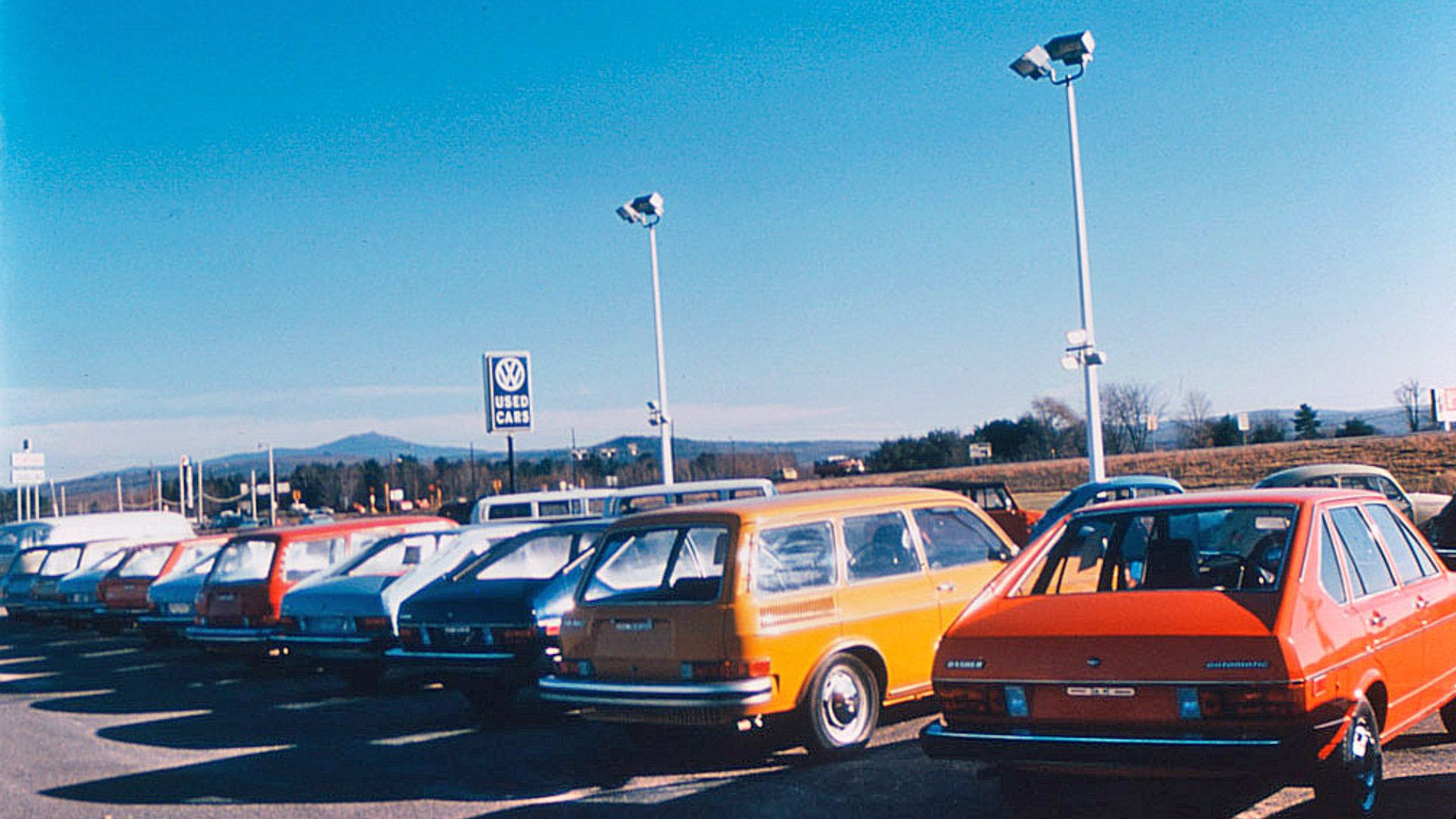 Keene and Cheshire County (NH) Historical Photos, Wikimedia Commons
Power Loses Its Appeal
By the early 1980s, performance was no longer a priority. Safety, price, and efficiency mattered more. Speed became irrelevant in a world of limits, regulations, and uncertainty. The V8 no longer defined freedom—it reminded people of scarcity.
 Greg Gjerdingen from Willmar, USA, Wikimedia Commons
Racing No Longer Influences The Street
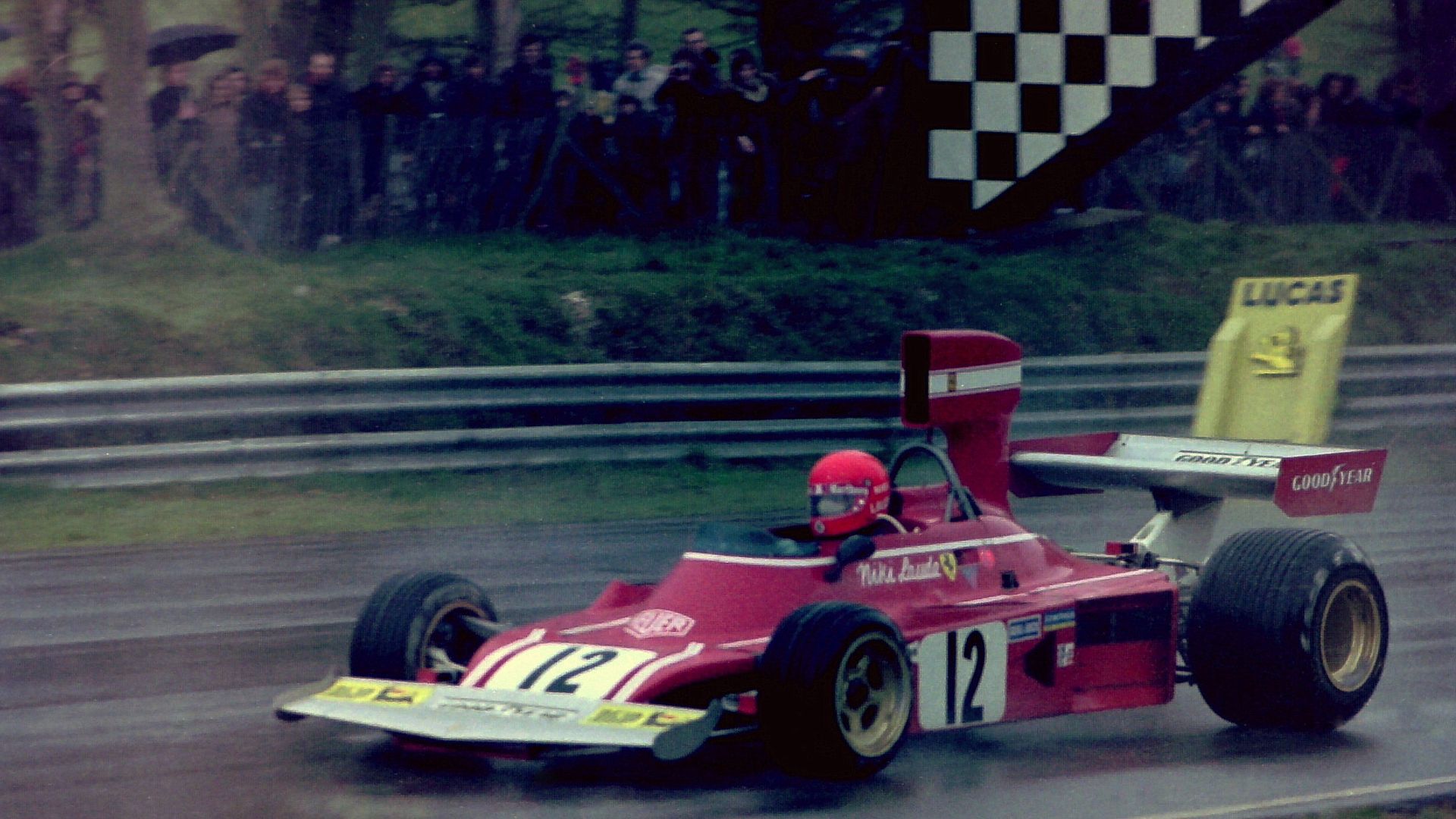
Motorsports continued, but their influence on production cars faded. Racing engines grew distant from showroom models. The once-strong connection between American racing and American road cars weakened.
 Martin Lee from London, UK, Wikimedia Commons
Pickup Trucks Carry The Torch
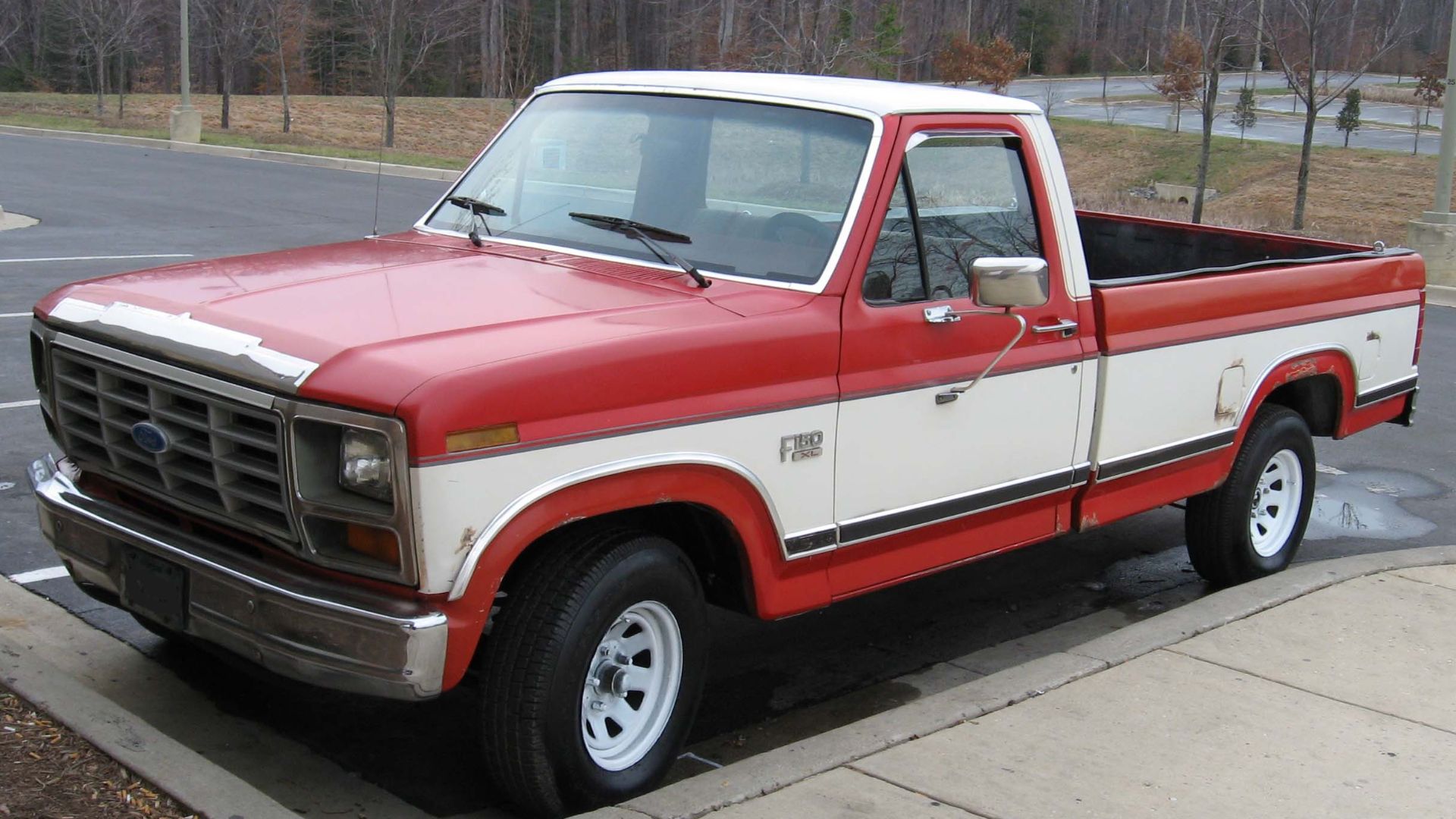
If the V8 had a safe haven, it was in trucks. Torque still mattered. Capability still sold. Buyers accepted poor fuel economy in exchange for strength. Quietly, trucks became the last true home of the American V8.
Recovery Takes Decades
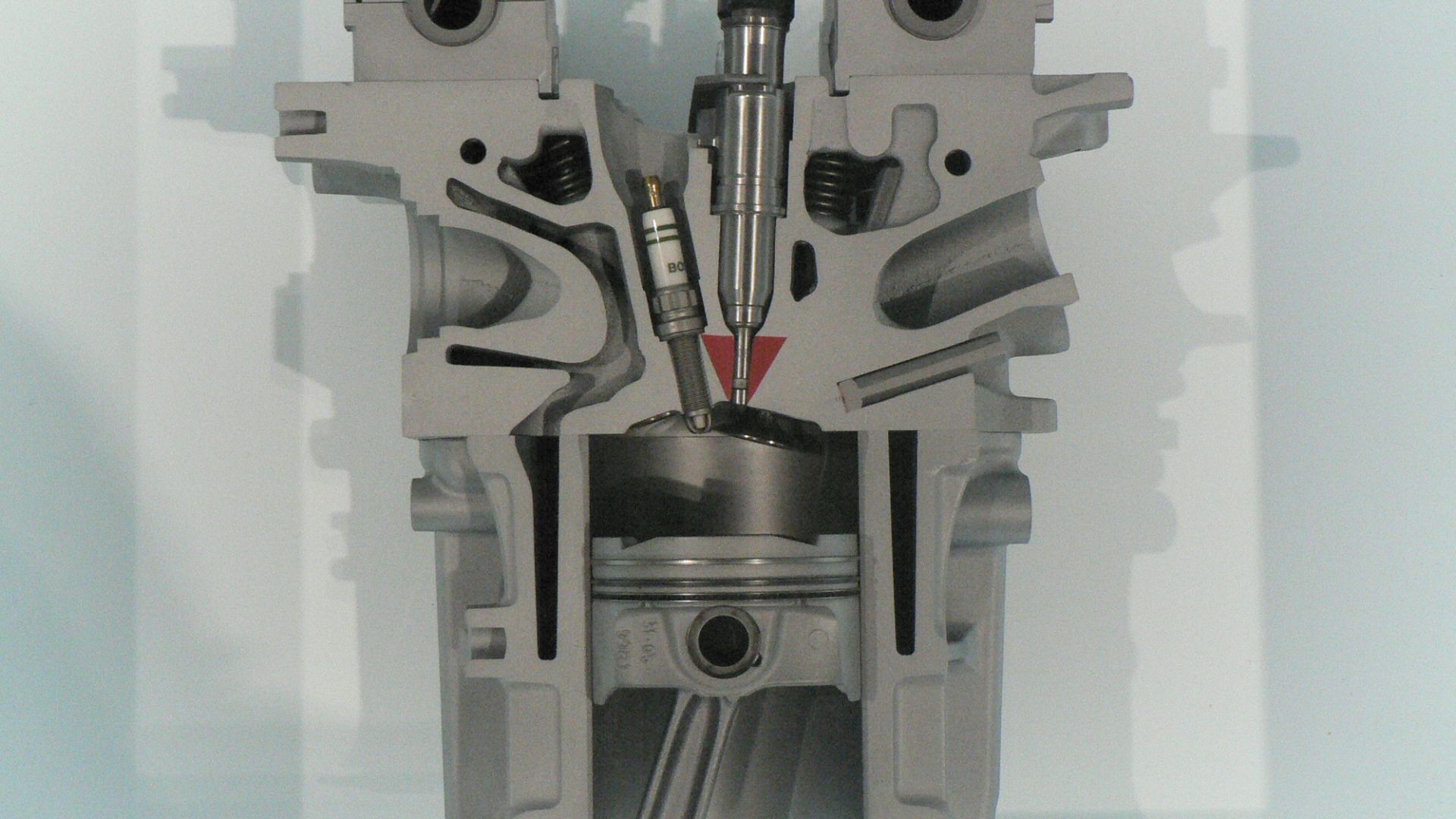
Technology eventually caught up. Fuel injection, modern engine management, and better materials slowly restored power and efficiency. But it took years—long after the damage had been done.
 Ton1~commonswiki, Wikimedia Commons
The V8 Wasn’t Killed—It Was Changed
The American V8 didn’t die in 1979. What died was the era that allowed it to exist without limits. The engine survived, but its dominance did not.
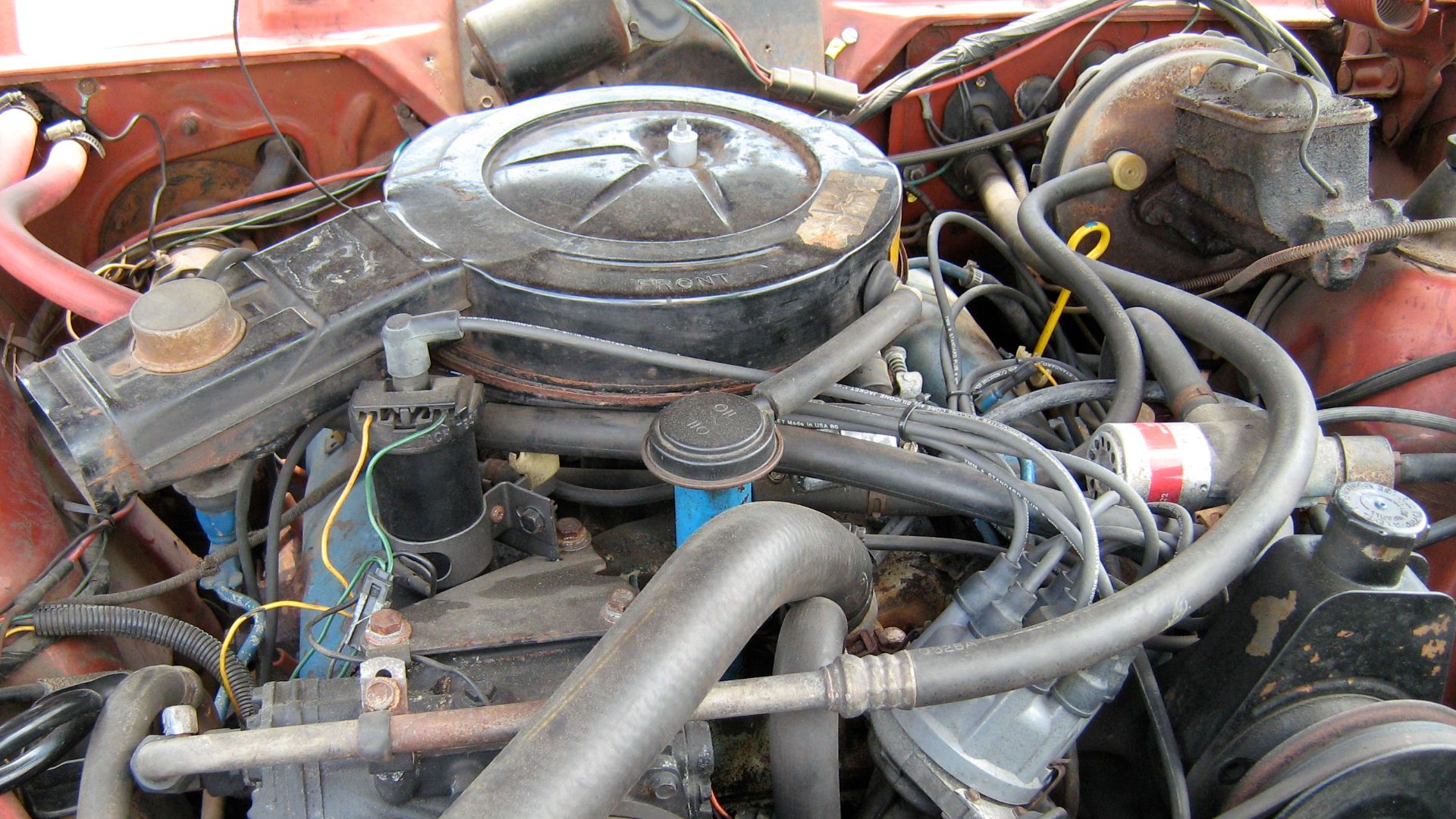
A Smarter, Quieter Return
When the V8 returned to relevance in the 1990s and 2000s, it was cleaner, more efficient, and more controlled. Still powerful—but no longer carefree. The world had changed.
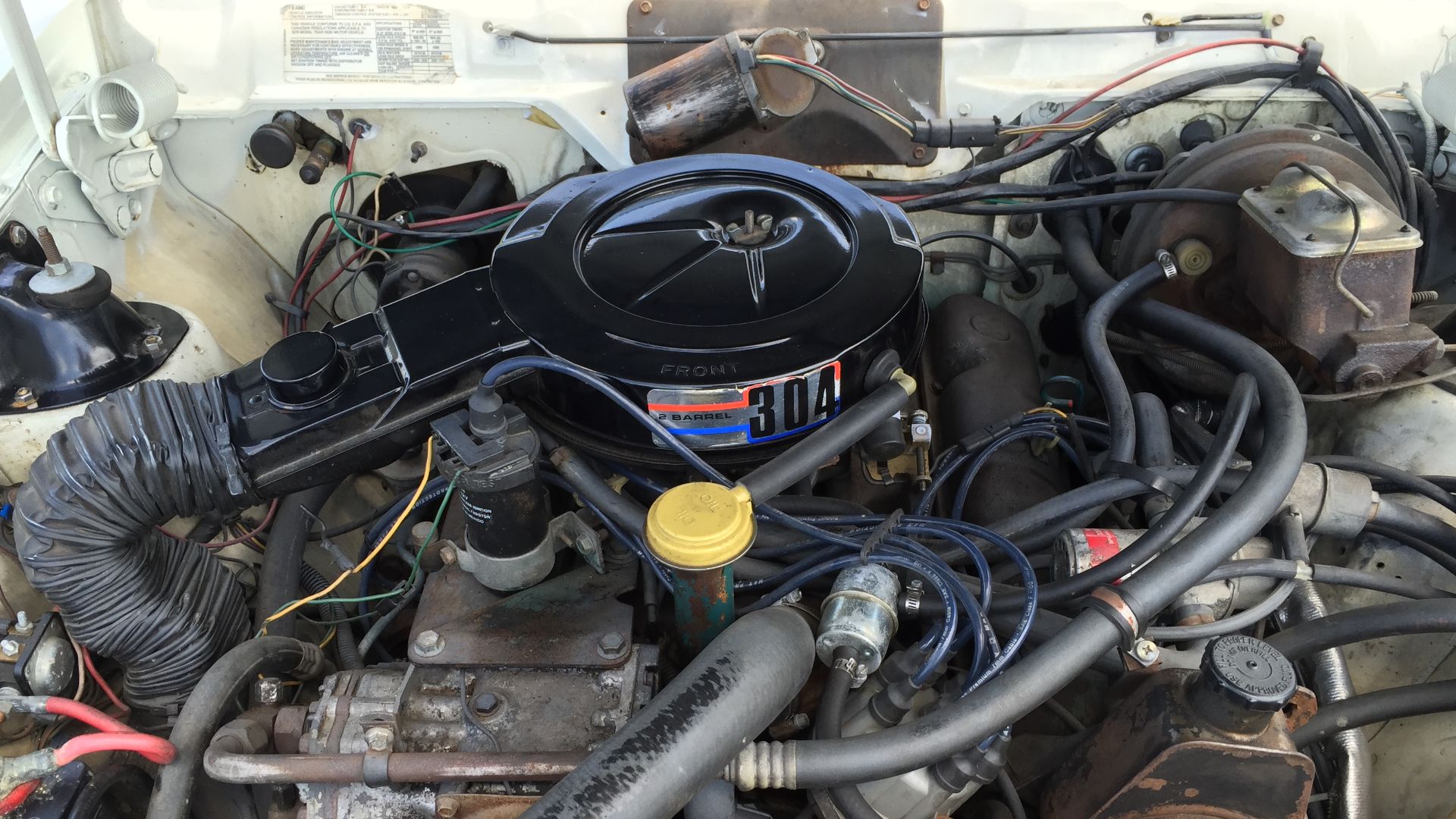
Why 1979 Still Hurts Enthusiasts
For those who lived through it, 1979 marks the end of innocence. It was the moment American cars stopped being about excess and started being about compromise. That emotional loss still lingers.
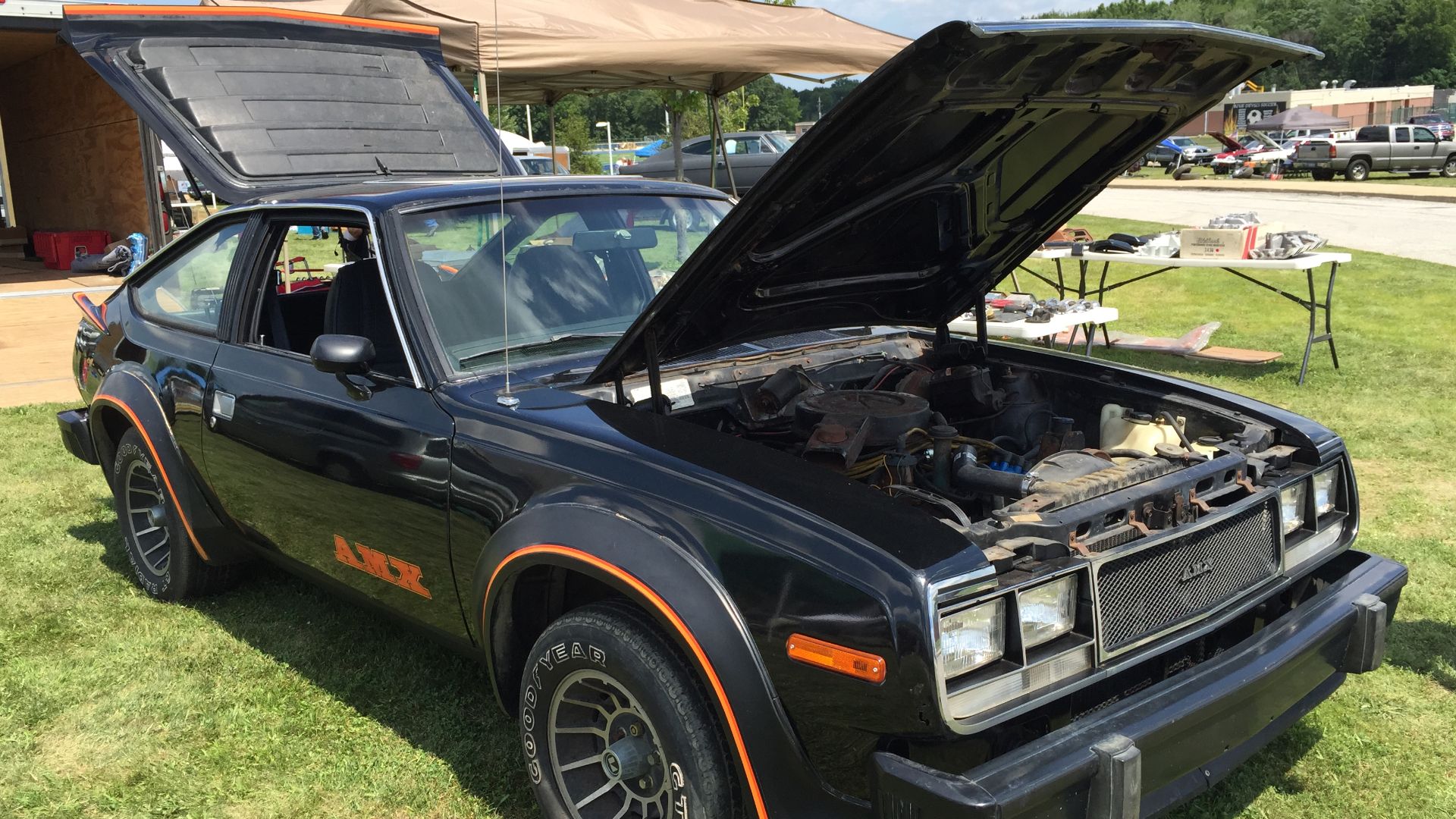
Lessons That Still Shape The Industry
The oil crisis taught automakers never to rely on a single idea forever. Adaptability became survival. Planning became cautious. The industry would never again assume cheap fuel was guaranteed.
 David Falconer, Wikimedia Commons
Why This Story Still Matters Today
As electrification threatens to rewrite automotive history once again, the echoes of 1979 feel familiar. The V8’s past struggle offers a warning—and a lesson—for what comes next.
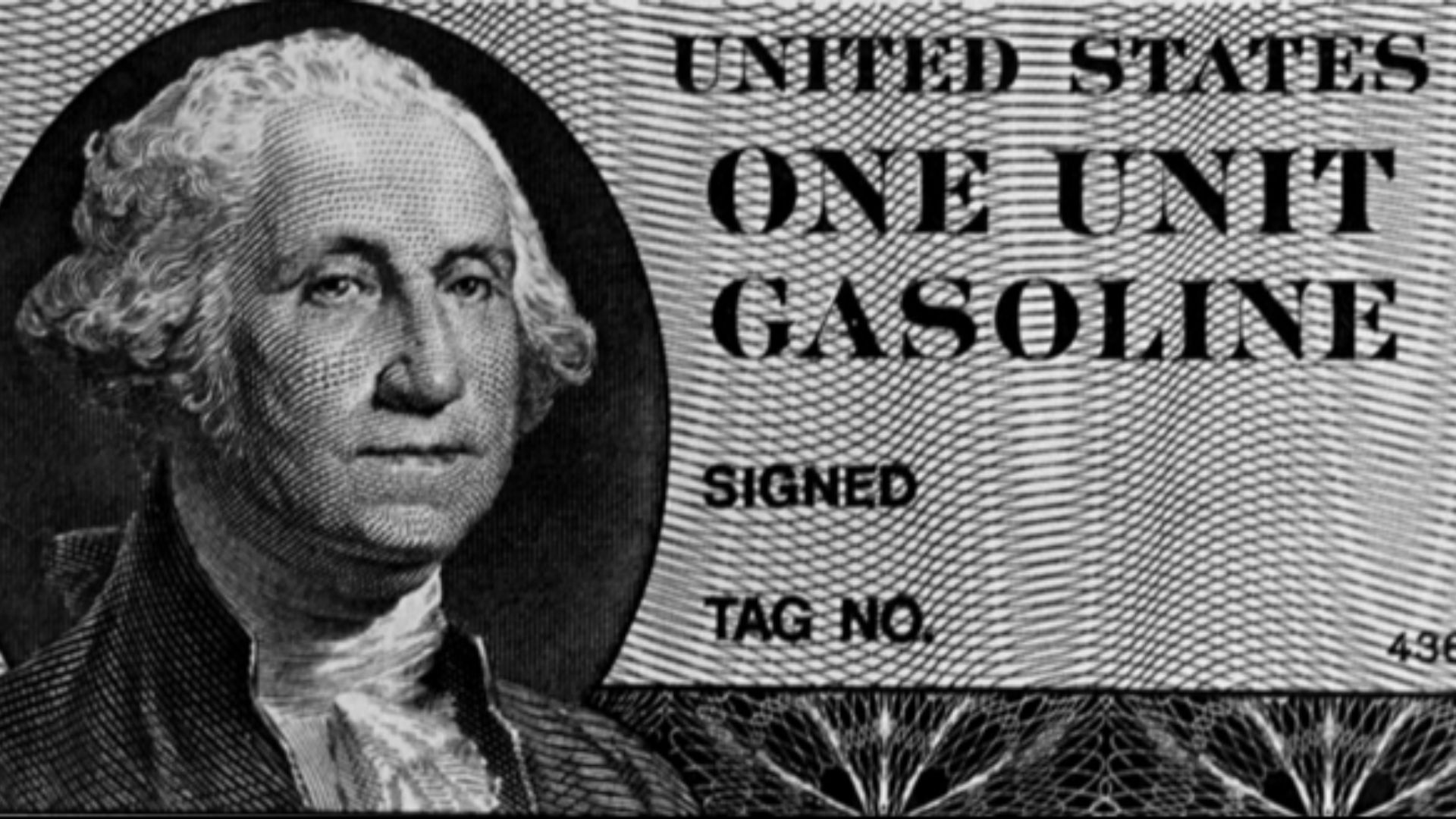
When The Sound Changed Forever
The 1979 oil crisis didn’t just quiet American engines—it changed American automotive identity. The roar didn’t disappear, but it was never the same. For automotive history lovers, this wasn’t just the decline of an engine. It was the end of an era.
 David Falconer, Wikimedia Commons
You May Also Like:
Chevrolet’s SS Wagon Was The Most Unlikely Muscle Car Of The 1970s
High-Powered Muscle Cars That Will Get You Respect From Real Enthusiasts