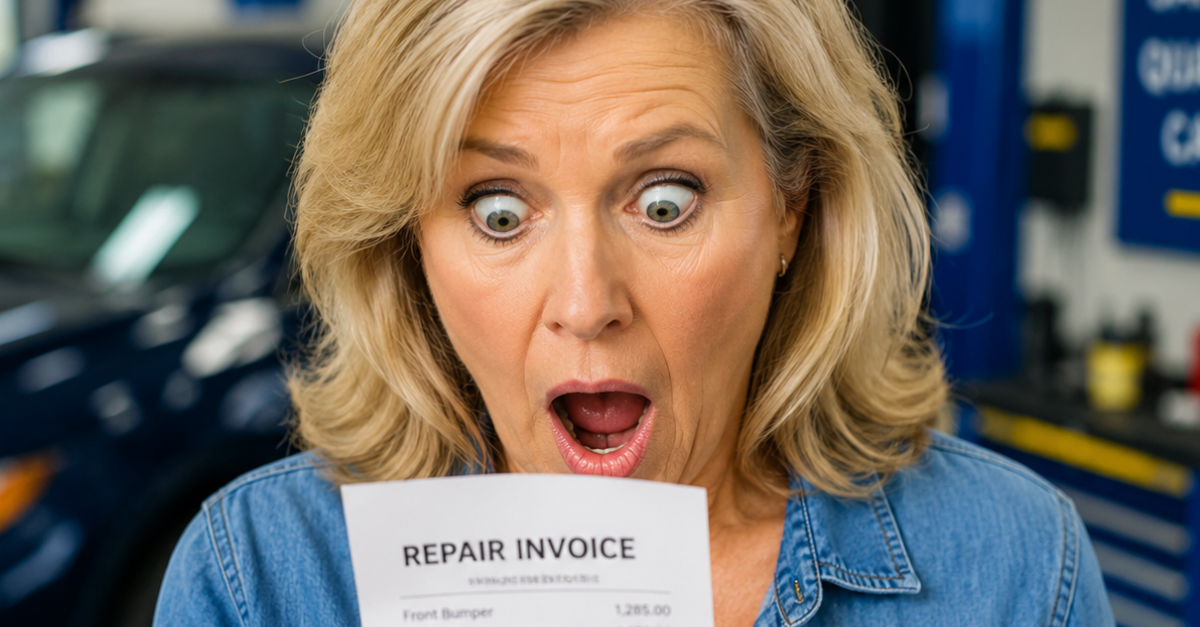
When Trust Issues Meet Craigslist Listings
Buying a used car from a private seller feels a little like agreeing to hold a stranger’s drink at a concert. It might be totally fine. It might also end very badly. Private sales can save you thousands, but they also strip away the guardrails dealerships provide, leaving you face-to-face with someone who may—or may not—be playing fair.
The good news is that most scams rely on buyers being rushed, distracted, or overly optimistic. A little skepticism goes a long way. Below are the exact things you need to know before handing over your money, your signature, or your blind trust. Follow these steps, and you dramatically reduce your chances of becoming the cautionary tale your friends hear over drinks.
Start With Research, Not Listings
Before you scroll a single marketplace ad, learn the car itself. Look up reliability history, common mechanical failures, and realistic price ranges. Knowing the difference between a fair deal and a fantasy price makes issues stand out immediately.

Lock In Your Budget Early
Decide your maximum spend before emotions get involved. That number should include taxes, registration, insurance, and some repair padding. Sellers love buyers who don’t know their limits—and they price accordingly.

Know What The Car Is Actually Worth
Private sellers often price based on hope, not reality. Comparing multiple listings in your area helps you recognize inflated prices and suspicious bargains that exist purely to reel you in.

Read Listings Like A Detective
A vague description packed with buzzwords but light on details should make you cautious. Missing mileage, unclear photos, or dramatic backstories often signal someone trying to distract you from real issues.
 Anatoliy Cherkas, Shutterstock
Treat “Too Good To Be True” As A Warning Label
If the price undercuts the market by thousands, there’s usually a reason—and it’s rarely generosity. Cheats rely on urgency and excitement overpowering logic, so slow yourself down before responding.

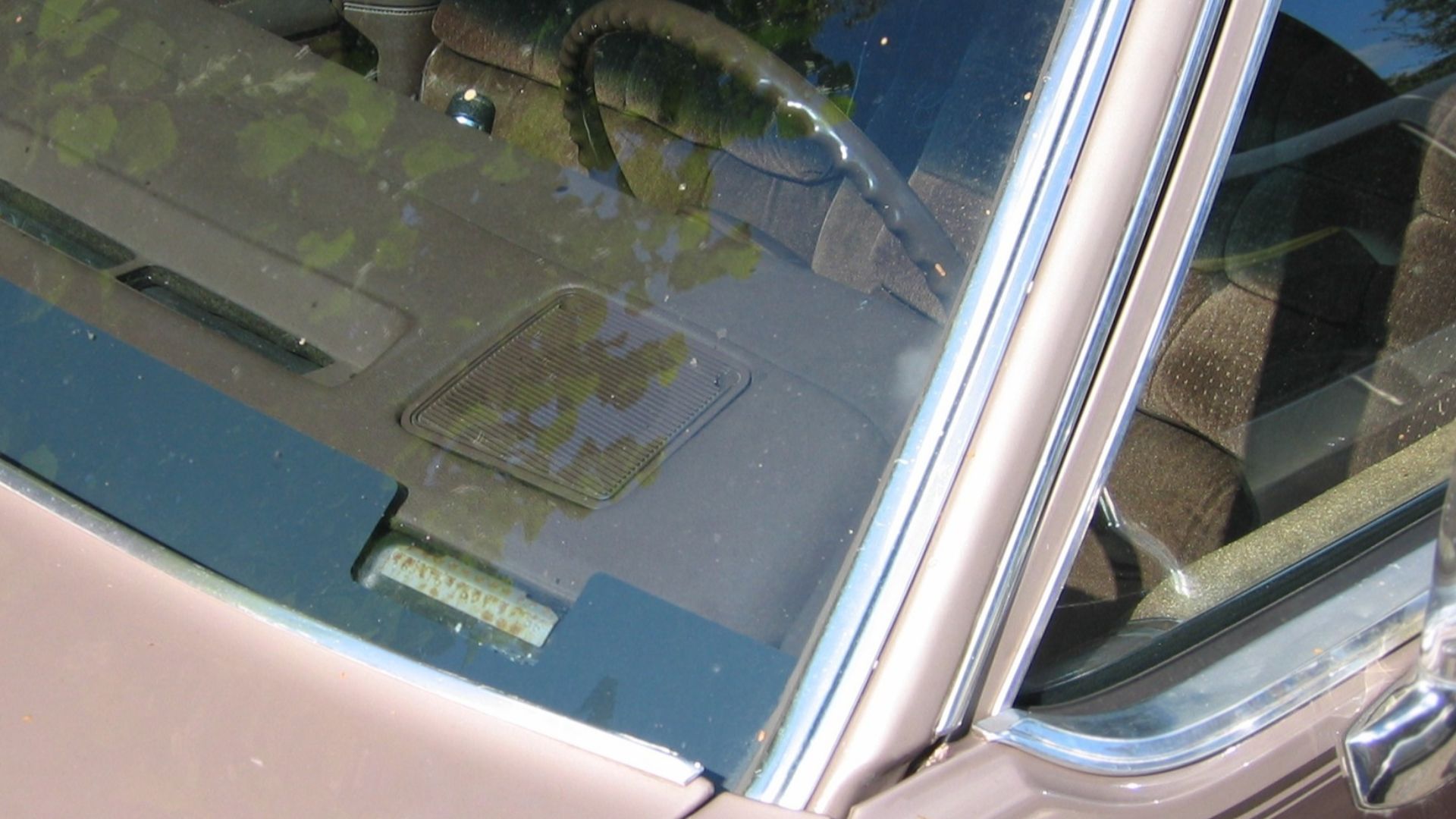
Verify The VIN Everywhere
The VIN should match the dashboard, door jamb, title, and paperwork exactly. Any hesitation, excuse, or mismatch here is reason enough to walk away immediately.
Pull A Vehicle History Report
A history report can reveal accidents, salvage titles, flood damage, and odometer inconsistencies. It doesn’t guarantee perfection, but it helps expose problems sellers conveniently forget to mention.

Confirm The Title Is Clean And Legit
The seller’s name should match the title, and there should be no liens attached. If someone claims the title is “in the mail” or “lost,” assume the worst and protect yourself.

Always Meet Face To Face
Anyone unwilling to meet in person or insisting on shipping the car should be avoided. Private sales should involve physical presence, clear communication, and zero mystery locations.

Bring Someone With You
A second person adds safety and objectivity. It’s harder for sellers to pressure or manipulate you when there’s another set of eyes quietly evaluating the situation.

Inspect More Than Just The Paint
Look closely for uneven panel gaps, rust, fluid leaks, worn tires, and interior damage. Cosmetic fixes can hide serious mechanical issues lurking underneath.

Take A Proper Test Drive
A quick spin around the block isn’t enough. Listen for strange noises, feel for vibrations, test the brakes, and make sure everything works as expected—including things sellers swear are “fine”.

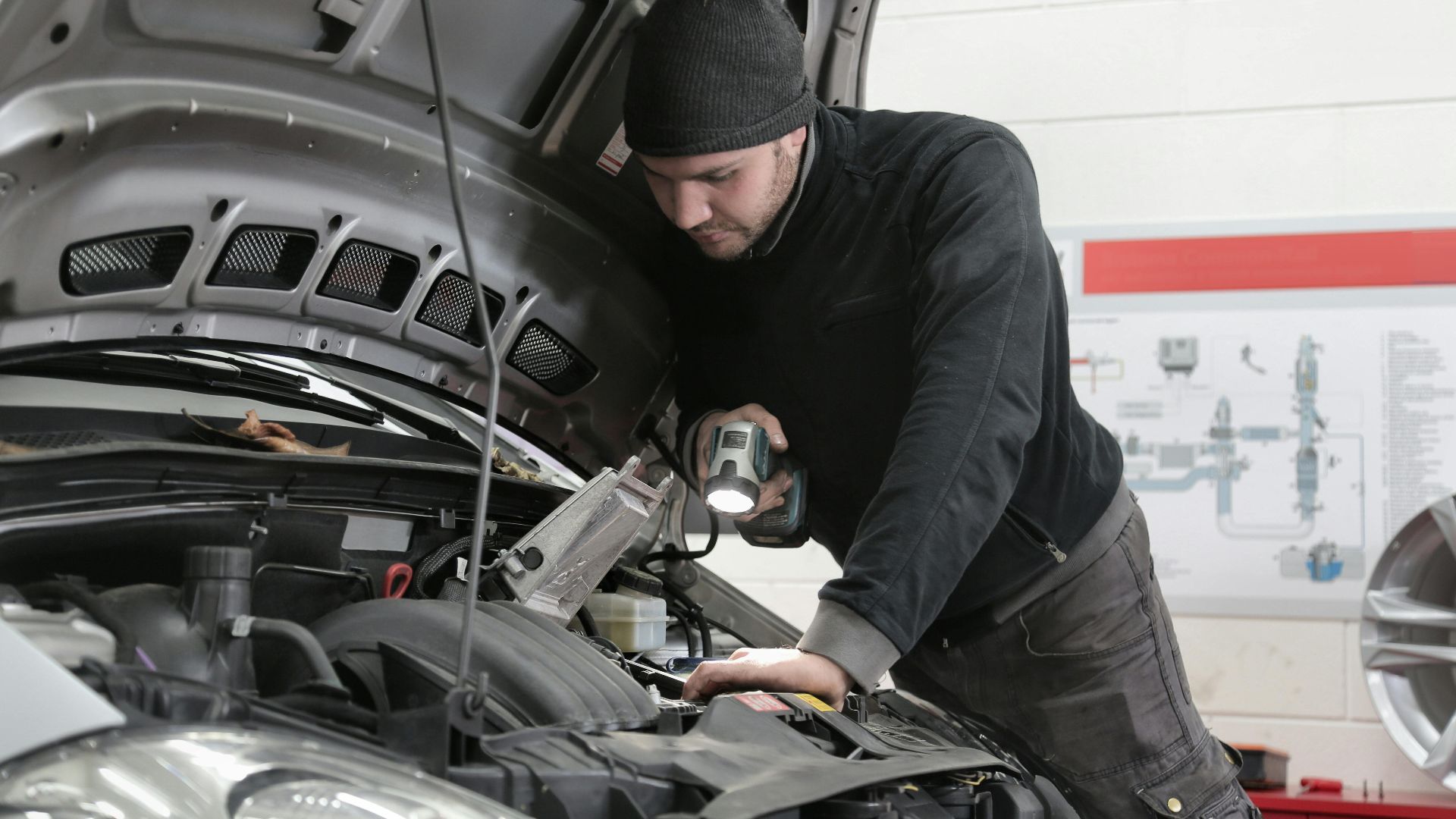
Get A Mechanic Involved
A pre-purchase inspection can cost a little, but it can save you thousands. A seller who refuses a professional inspection is telling you everything you need to know without saying it outright.
Watch For High-Pressure Behavior
Claims about other buyers “on the way” or sudden deadlines are classic pressure tactics. Cheats thrive on urgency, not patience.

Avoid Strange Payment Requests
Requests for gift cards, wire transfers, or digital-only payments should immediately end the conversation. These methods are popular because they’re difficult—or impossible—to reverse.
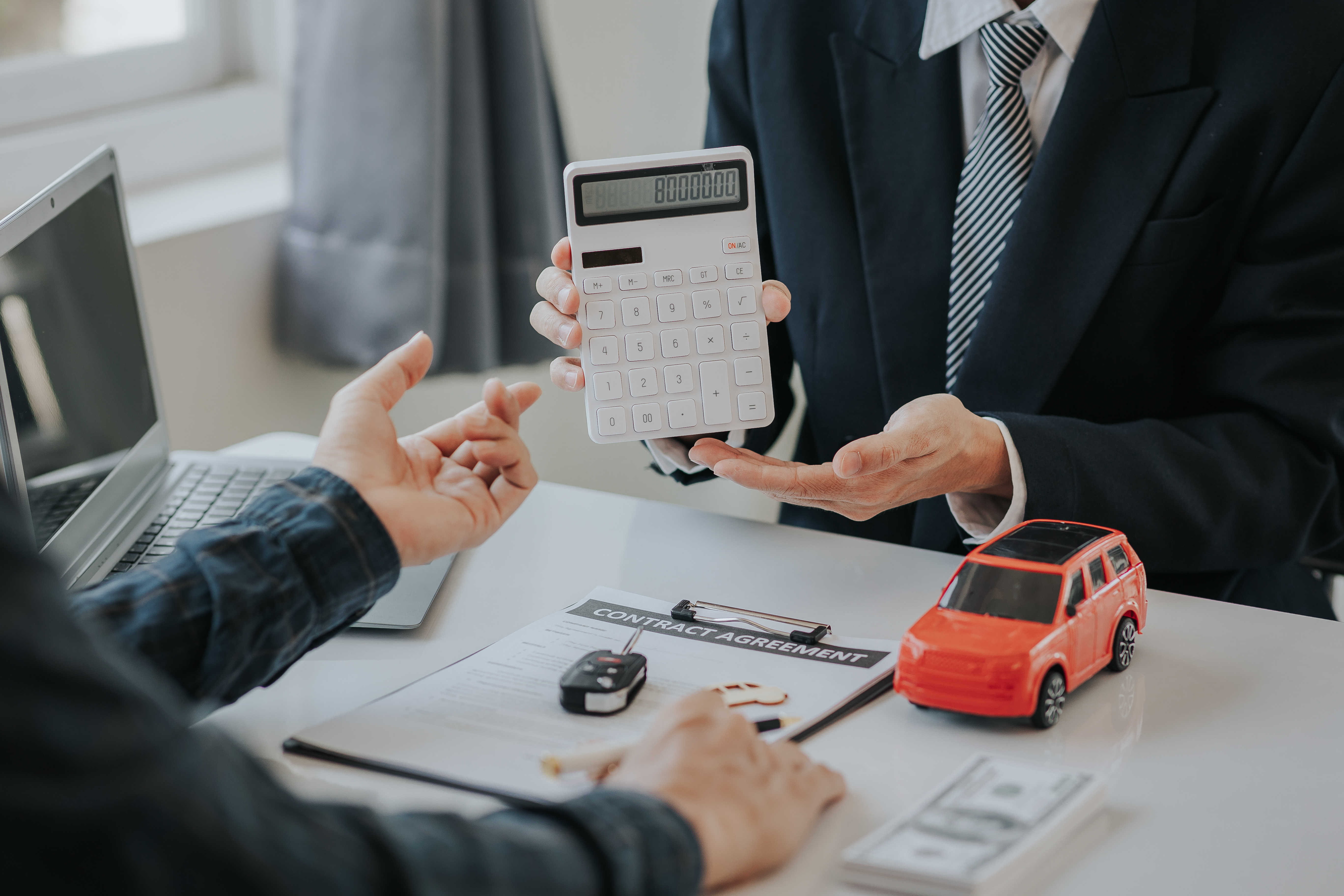
Use Safe, Traceable Payment Methods
Cashier’s checks or verified bank transactions protect both parties. Never hand over large sums in parking lots or ATM lobbies without documentation and safeguards.
 Zoriana Zaitseva, Shutterstock
Be Alert To Curbstoning
Some sellers pretend to be private individuals while secretly flipping multiple cars. If the name on the title doesn’t match the seller, or they seem oddly experienced, proceed carefully.
 Wedmoments.stock, Shutterstock
Trust Your Gut When Something Feels Off
You don’t need proof to walk away. If the story keeps changing, paperwork feels sloppy, or the seller seems evasive, listen to your instincts.

Double-Check Every Piece Of Paperwork
Each state has specific requirements for titles, bills of sale, and registration. Missing a step can leave you stuck with fines, delays, or legal headaches.

Understand What “As Is” Really Means
Most private sales are final. Once the keys change hands, so does the responsibility, regardless of what breaks the next day.

Create A Proper Bill Of Sale
This document should include the purchase price, VIN, date, and both parties’ information. It protects you if questions arise later—and they often do.
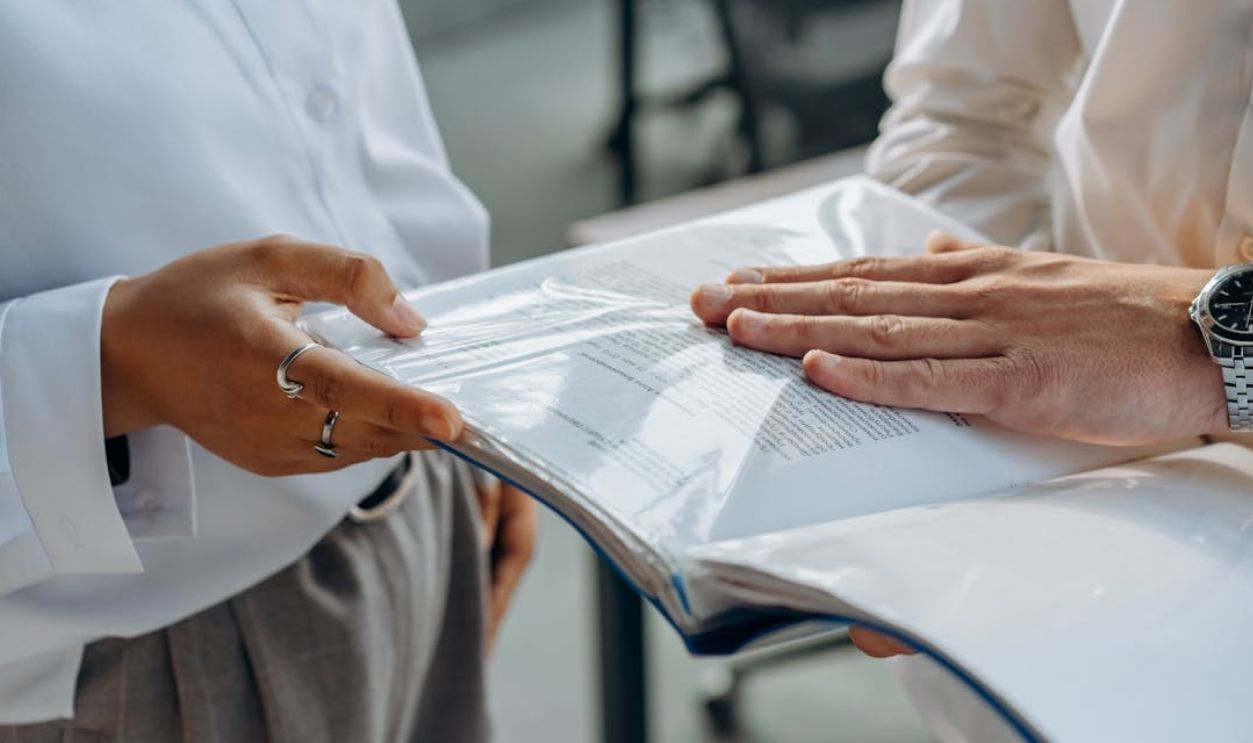
Complete The Title Transfer Immediately
Delaying the transfer can leave you responsible for tickets, tolls, or accidents tied to the car. Finish the process as soon as the deal is done.
Buying from a private seller doesn’t have to feel like a gamble, but it does require discipline. The safest buyers are the ones who stay patient, ask uncomfortable questions, and walk away without regret when something doesn’t add up. In private sales, confidence comes from preparation—and preparation is what keeps your money where it belongs.
 Noor.Noori12, Wikimedia Commons
You May Also Like:
My car got towed from my own apartment complex and management won’t help. What can I do?
My car failed inspection because of a tiny crack in the windshield. Is that even legal?