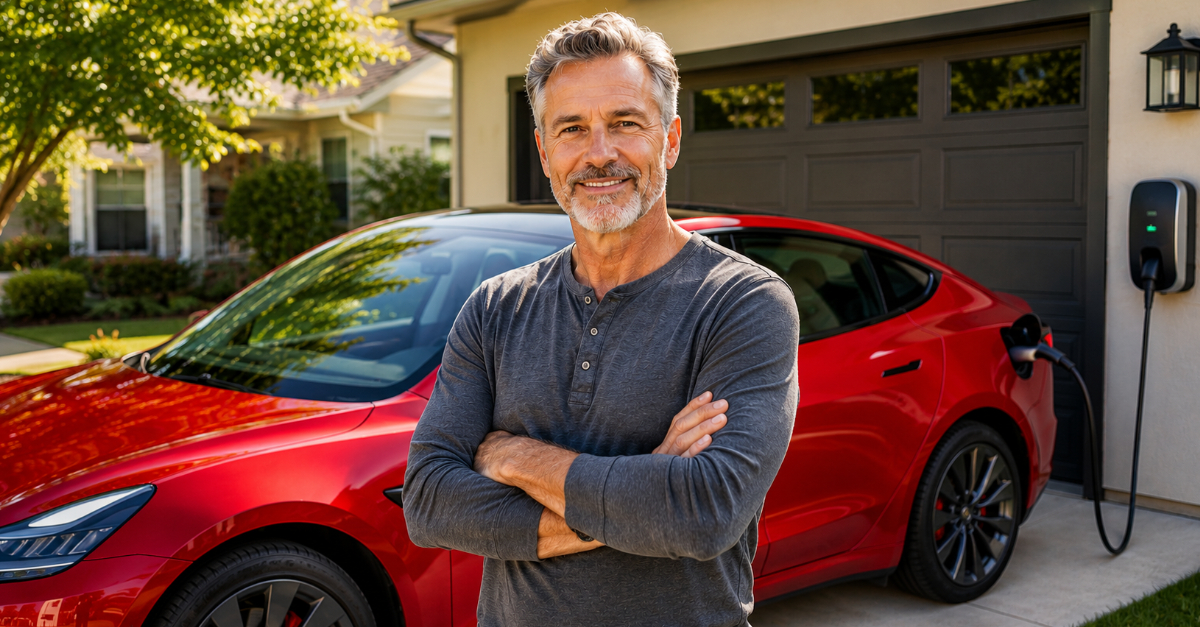
The Argument Nobody Wants To Have
Mention electric cars at a family barbecue, in a Facebook car group, or pretty much anywhere on the internet, and you'll probably start an argument. Some people swear EVs are the future. Others wouldn't drive one if you gave it to them for free. But there's one uncomfortable fact sitting in the middle of the debate that EV critics never seem quite able to explain away.
The Savings Are Real
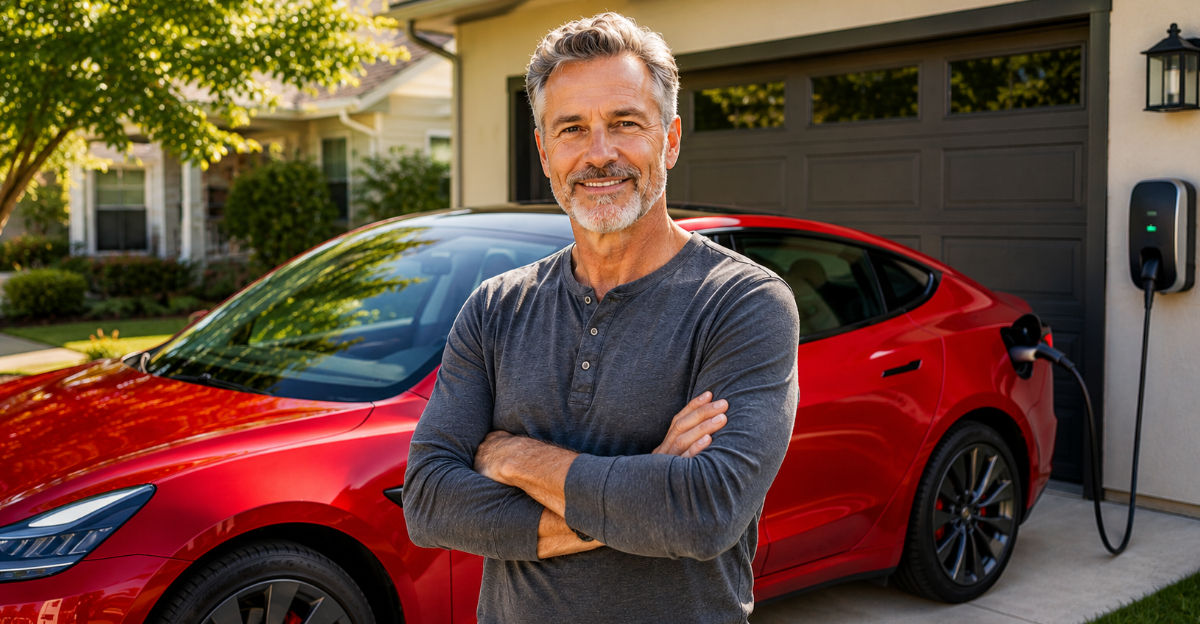
Before the comment section explodes, let's get one thing straight: the savings aren't some EV-industry fantasy. Numerous studies have found that many EV owners spend less on energy and maintenance than owners of comparable gas vehicles. In the right situation, the savings can add up to thousands of dollars over the life of the vehicle.

Home Charging Is The Secret Sauce
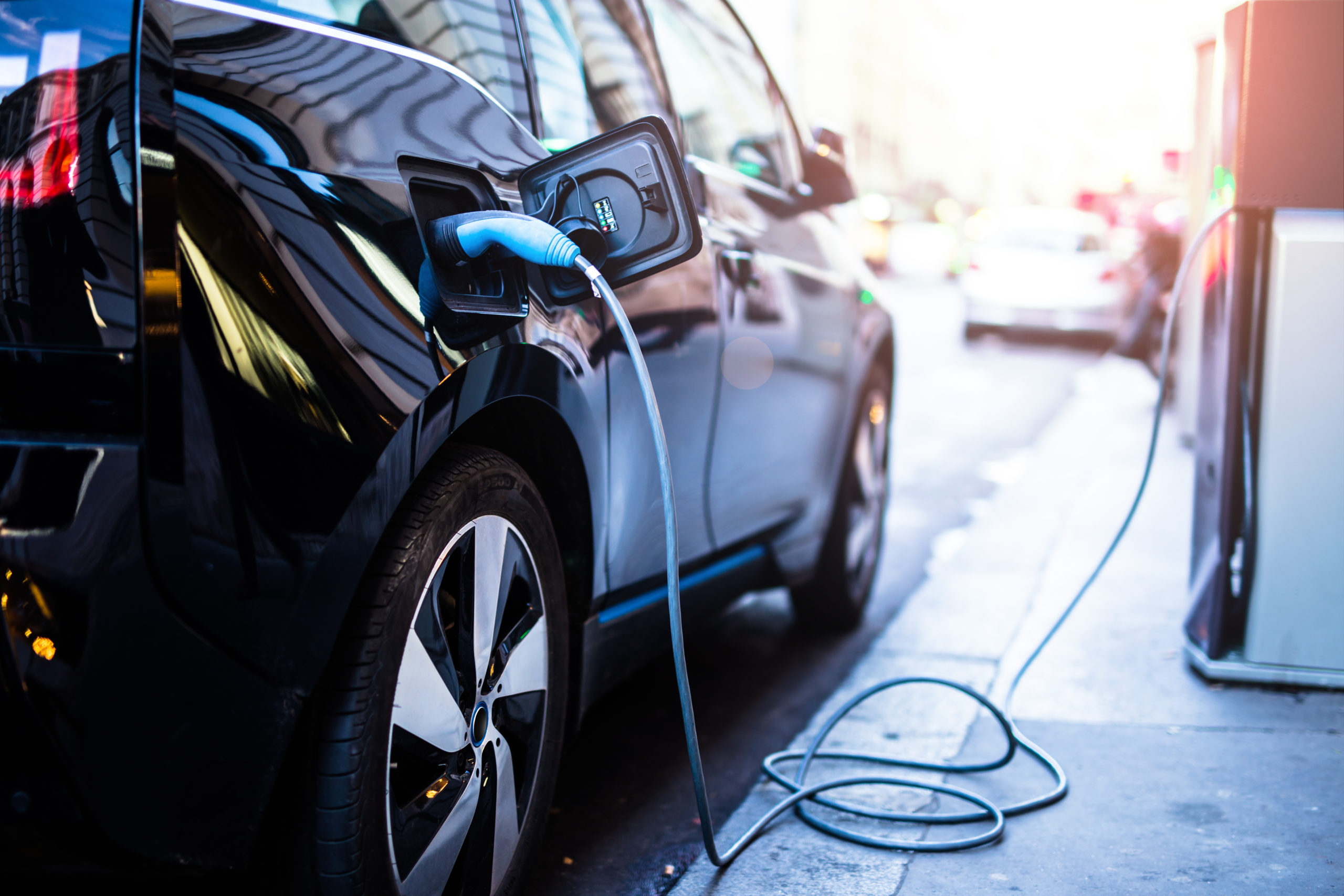
Most of the impressive savings stories have one thing in common: home charging. Plugging in overnight can cost far less than visiting a gas station every week. For many owners, it's the single biggest financial advantage of switching to an EV. But what if you don't have a garage or a charger at home?
Public Charging Doesn't Kill The Savings
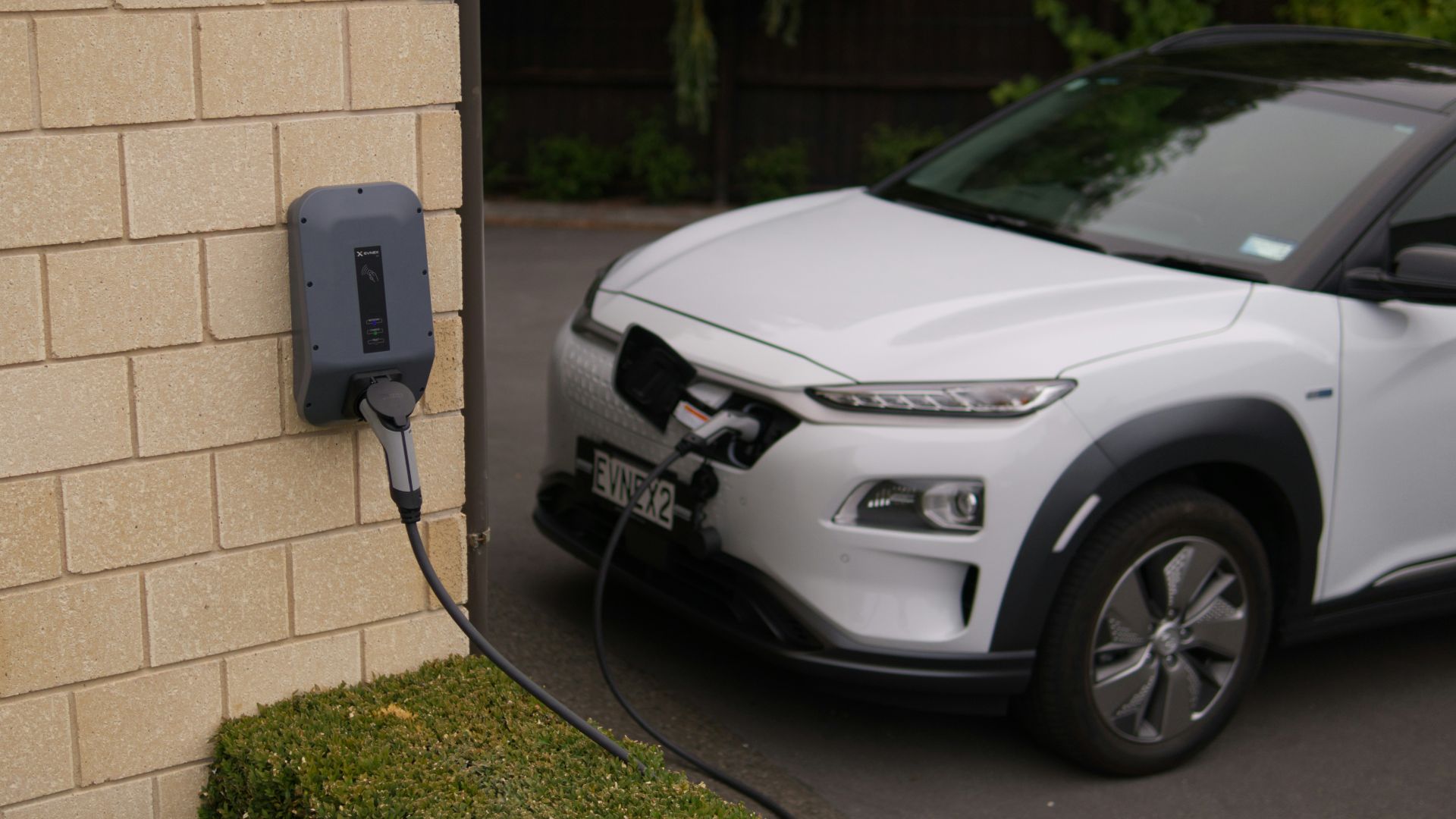
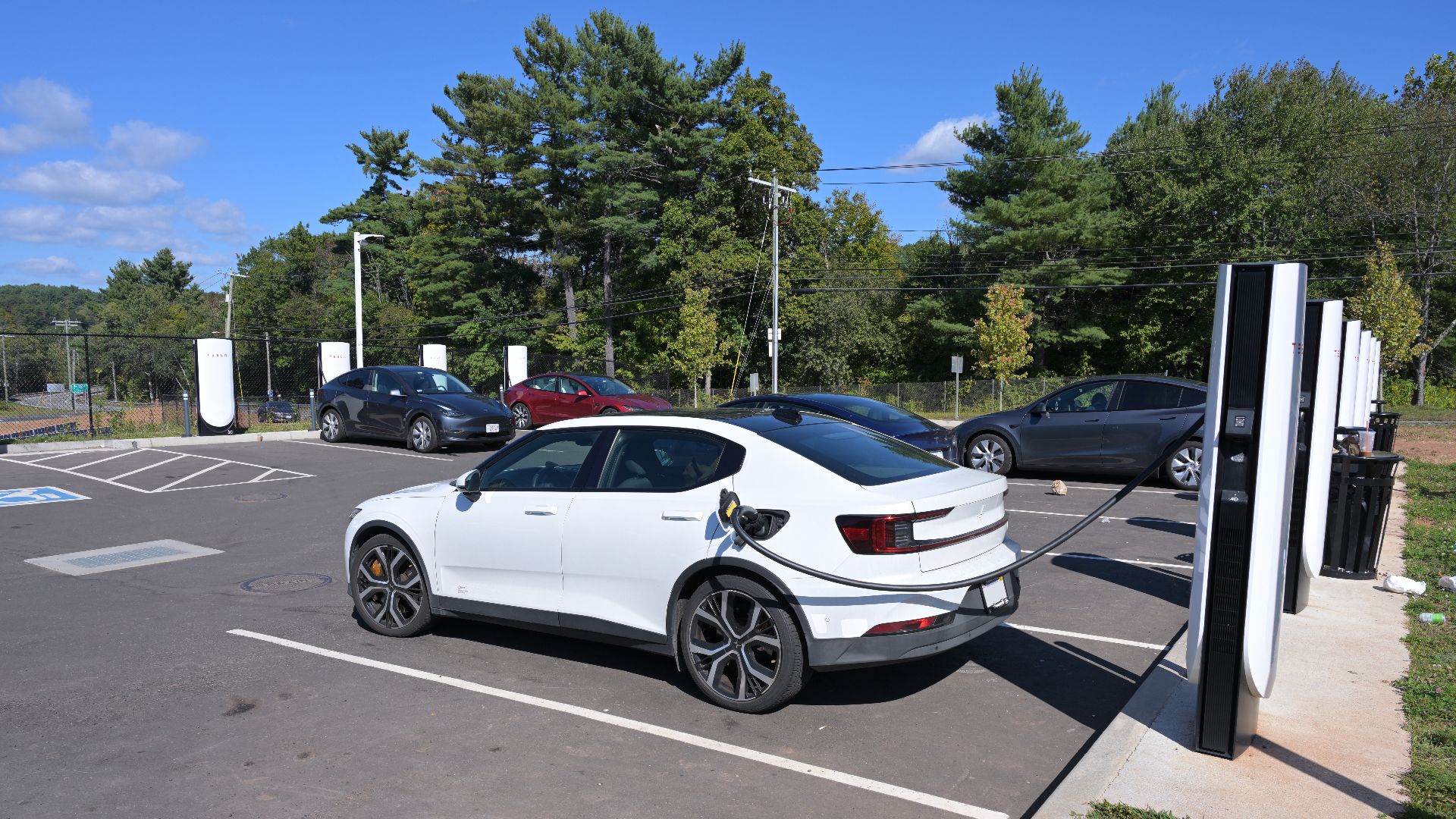
This is where a lot of people get surprised. Home charging delivers the biggest savings, but that doesn't mean public charging automatically wipes out the financial advantage. In many cases, charging still costs less than buying gasoline. The bigger complaint is usually convenience rather than cost.
Gas Stations Are The Real Villain
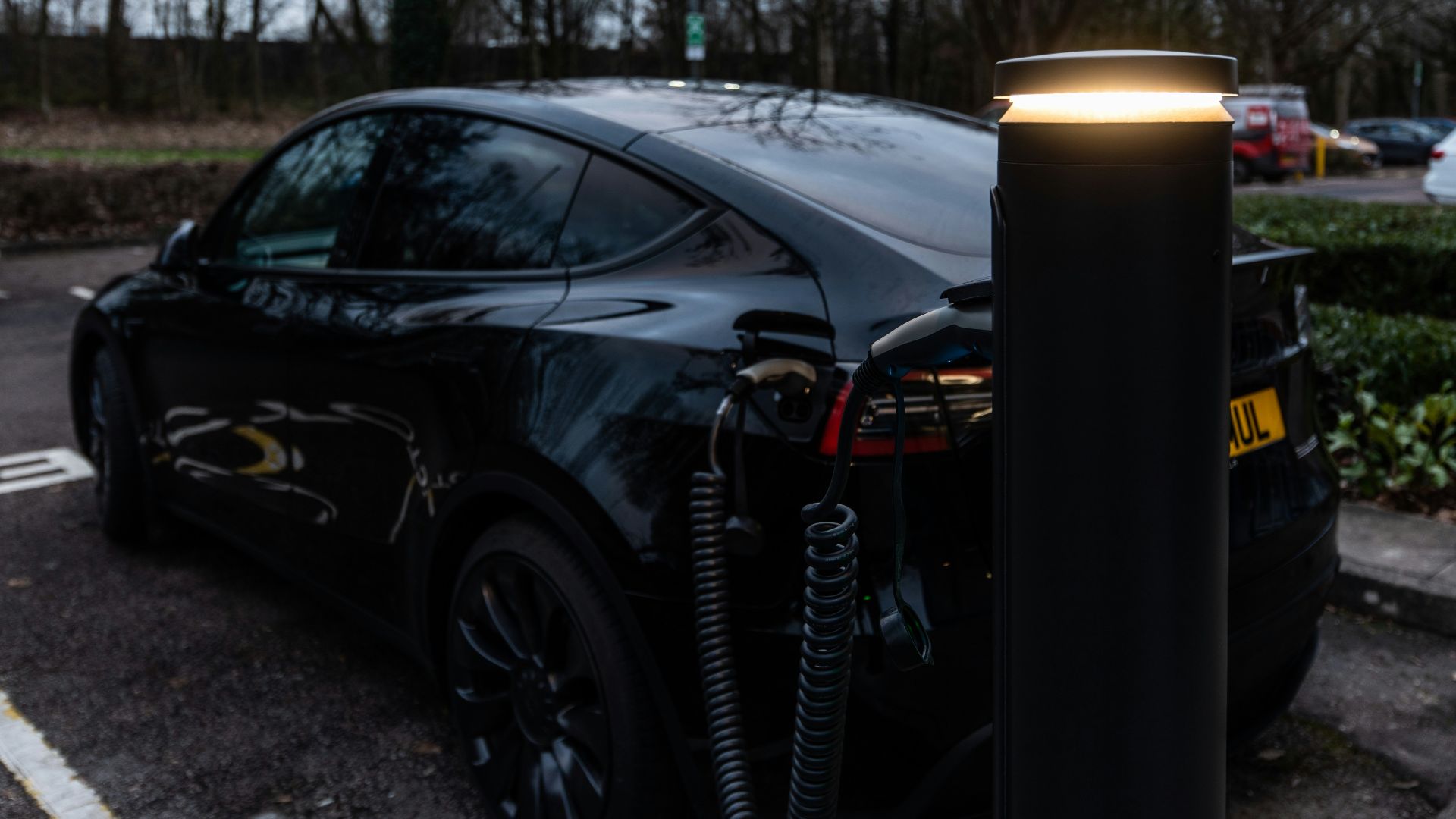
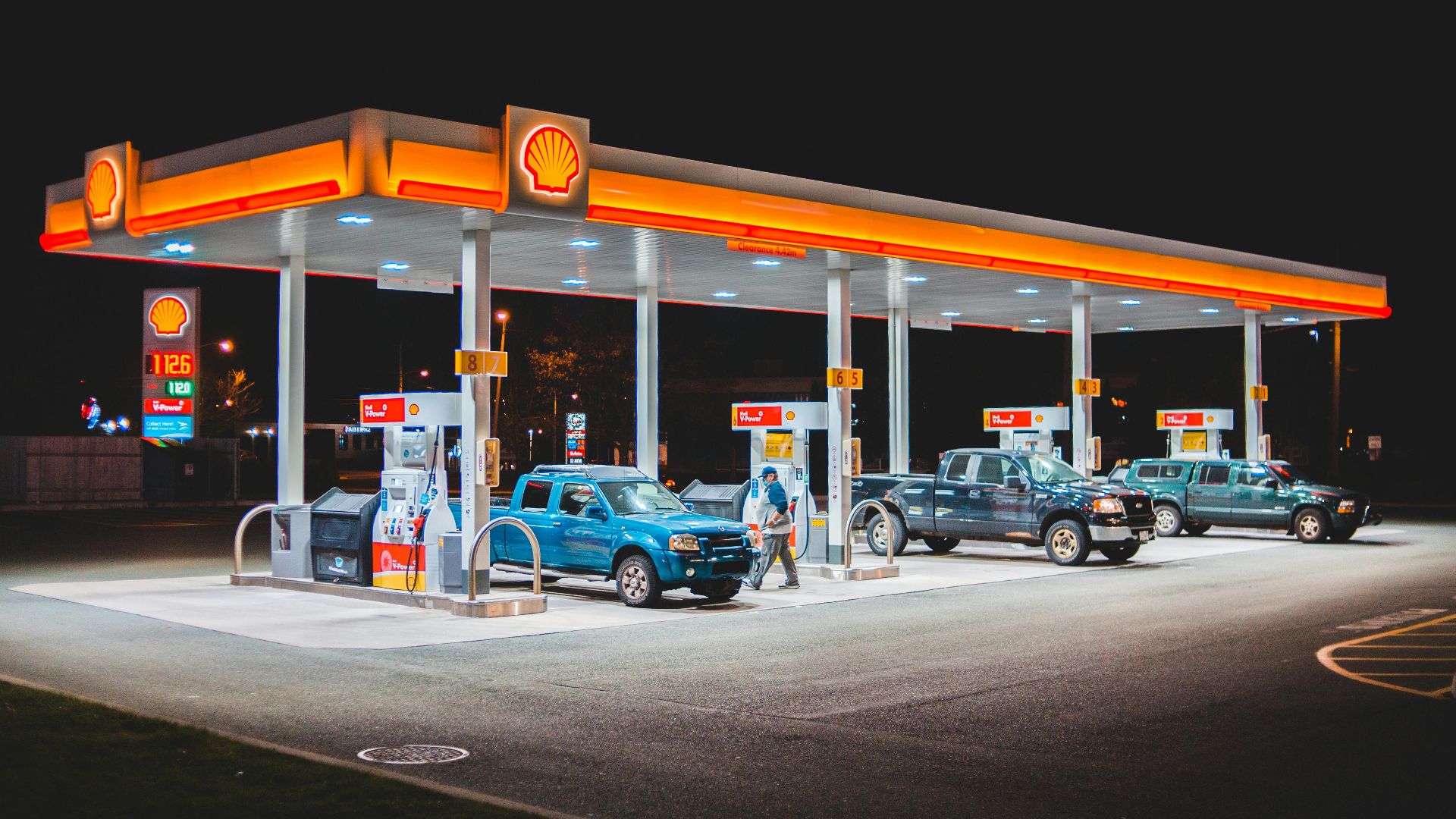
Every time gas prices spike, the EV argument gets stronger. Drivers who spend $250, $300, or even $400 a month on gasoline often discover that charging costs a fraction of that amount. The exact savings vary, but fuel costs are one of the strongest arguments EV owners have.
Maintenance Is Where Things Get Awkward
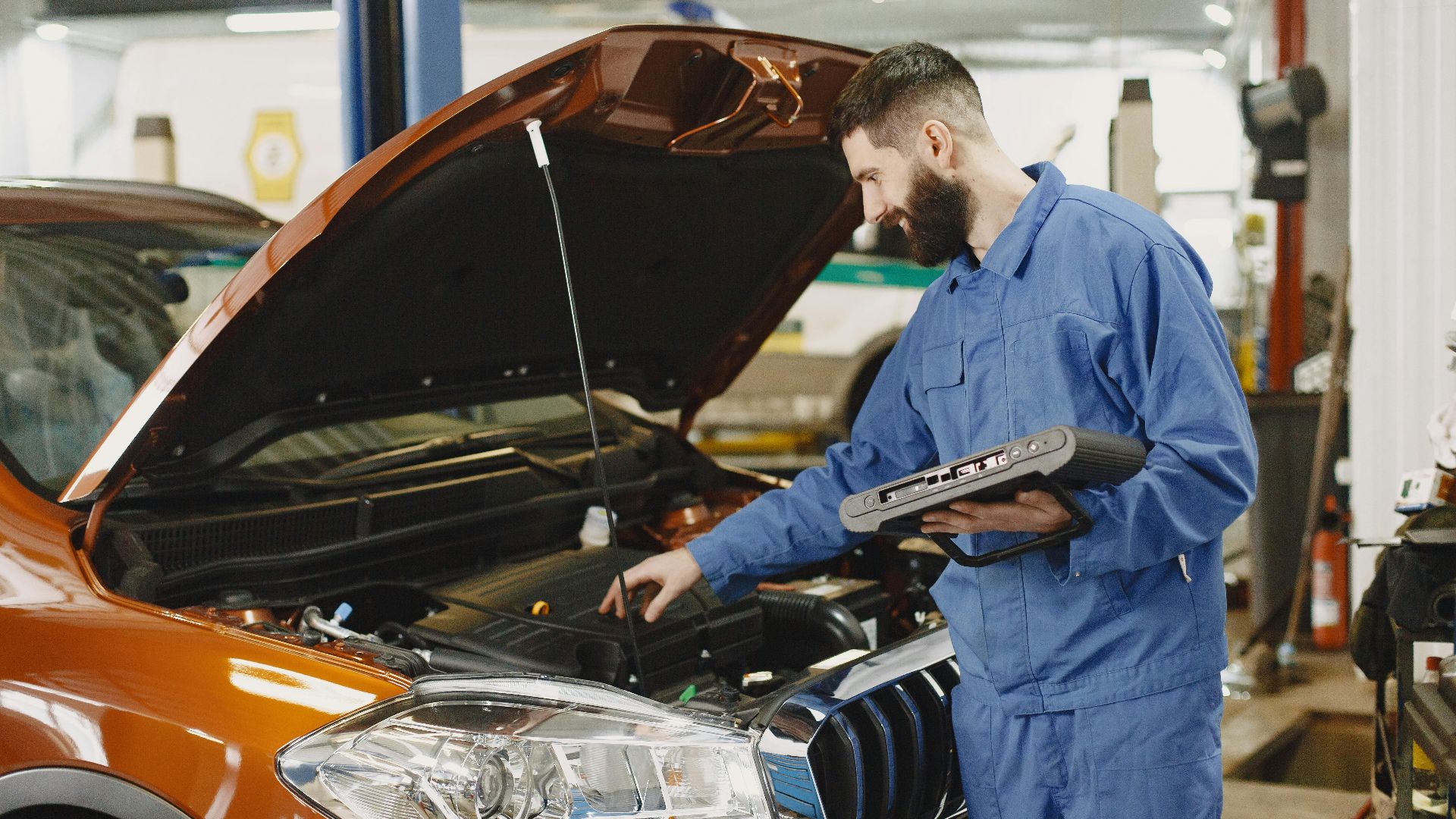
This is the part where some gas-car owners start getting annoyed. Government and consumer studies keep finding the same general thing: EV owners generally spend less on maintenance. It's hard to argue with the numbers when you're staring at another repair bill for something attached to an engine.
Consumer Reports Didn't Exactly Help Gas Cars
Research from Consumer Reports found that many EV owners spend substantially less on maintenance and repairs than owners of gas-powered vehicles. That's great news if you own an EV. It's less exciting if you just spent $1,800 fixing something attached to an engine.

So Why Isn't Everyone Driving One?
If the savings are real, you'd expect dealerships to be completely out of EVs by now. Instead, millions of drivers continue buying traditional gas vehicles every year. That's where the story gets interesting.

The Sticker Shock Reputation Won't Die
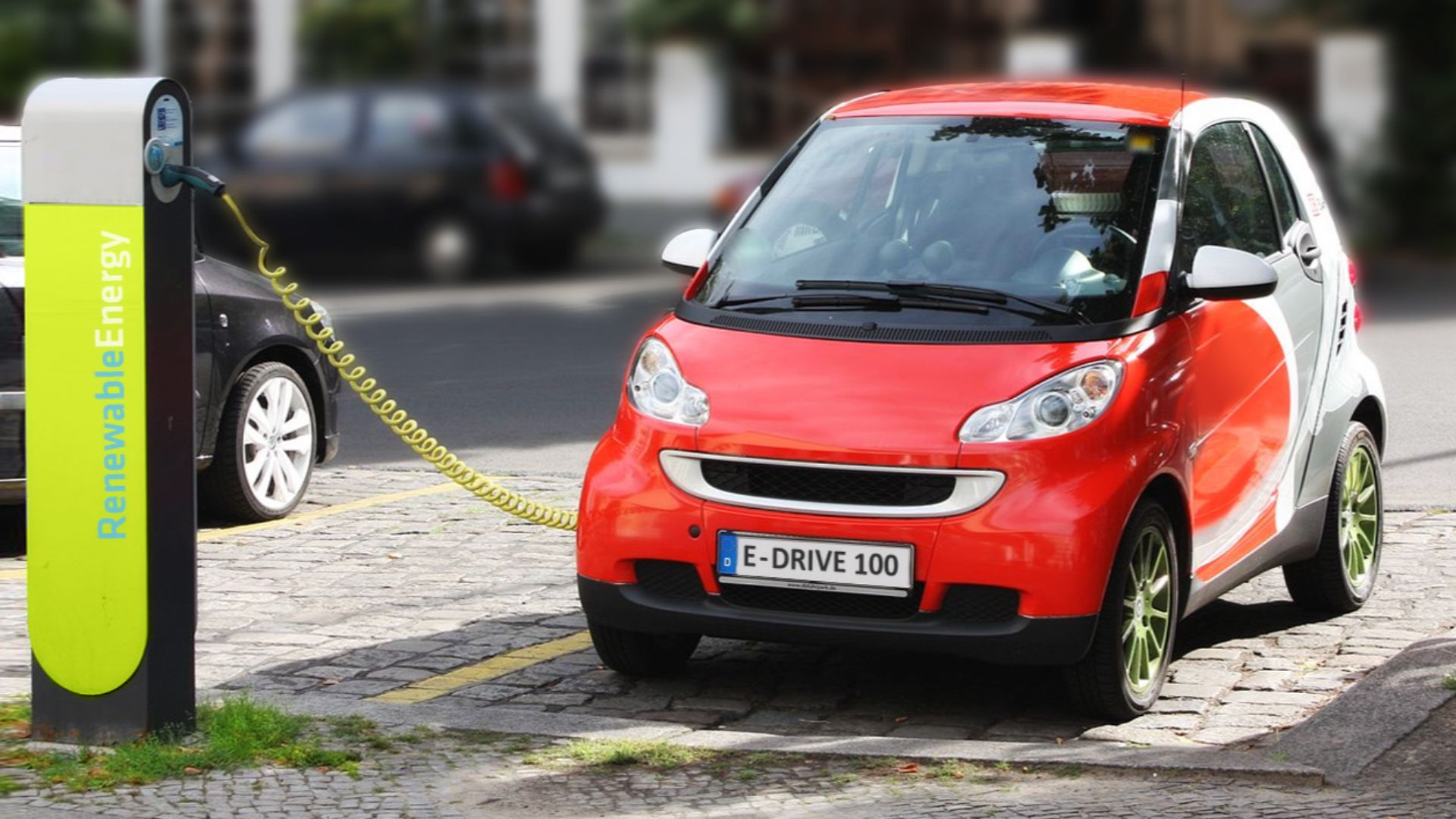
For years, EVs were expensive luxury toys that most drivers couldn't afford. The problem is that many people still think that's true. The EV market has changed dramatically, but a lot of public opinion is still stuck somewhere around 2015.
 original: Michael Movchinedited by Felix Muller, Wikimedia Commons
Some EVs Cost About The Same As Gas Cars
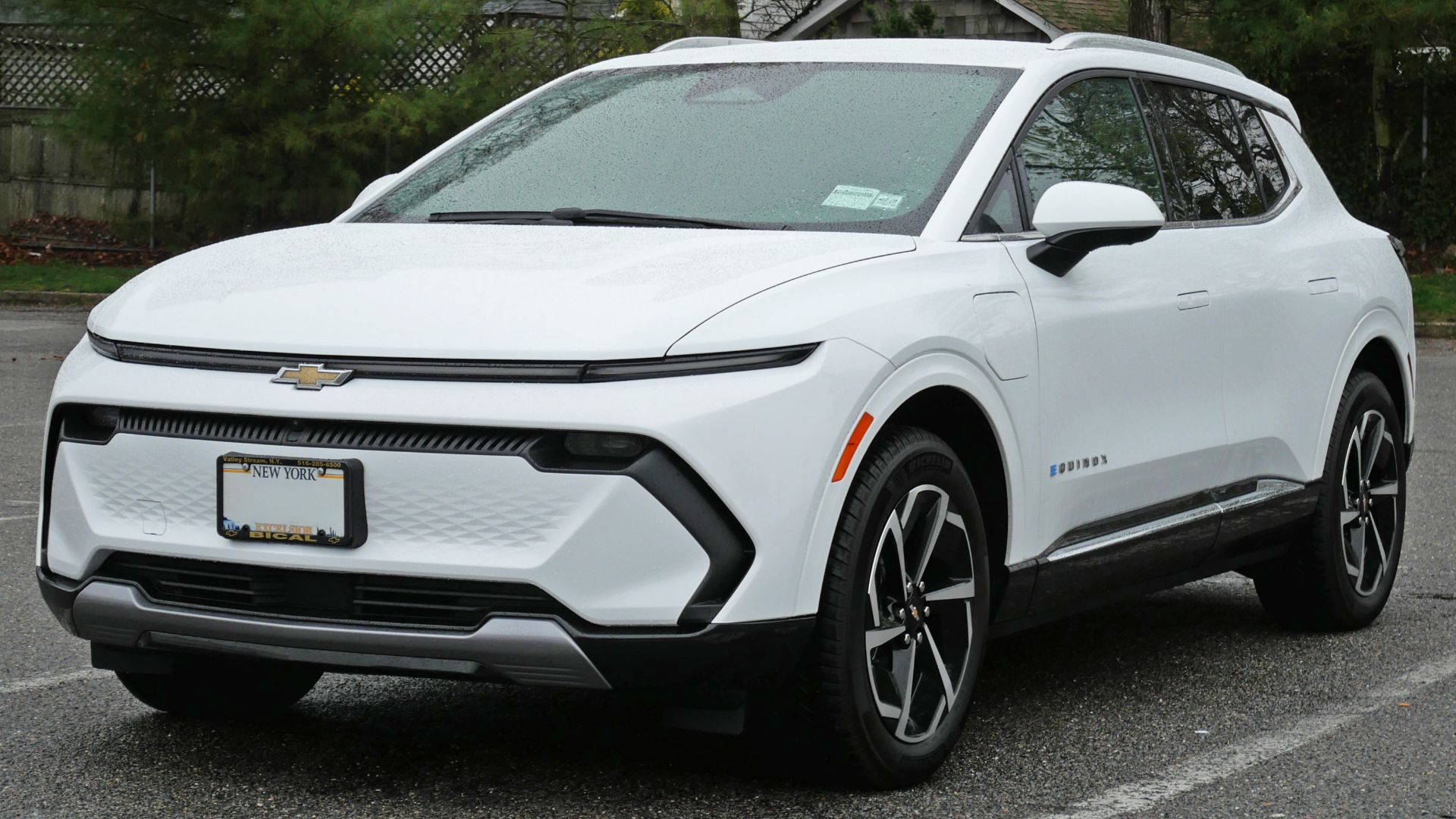
Here's something that would shock a lot of people who haven't looked at EVs lately: some of them aren't wildly expensive anymore. Vehicles like the Chevrolet Equinox EV and Tesla Model 3 now sit in pricing territory that overlaps with plenty of mainstream sedans and SUVs, while models like the Hyundai Kona Electric show how far small EVs have moved from the old luxury-only image.
Long Trips Aren't What They Used To Be
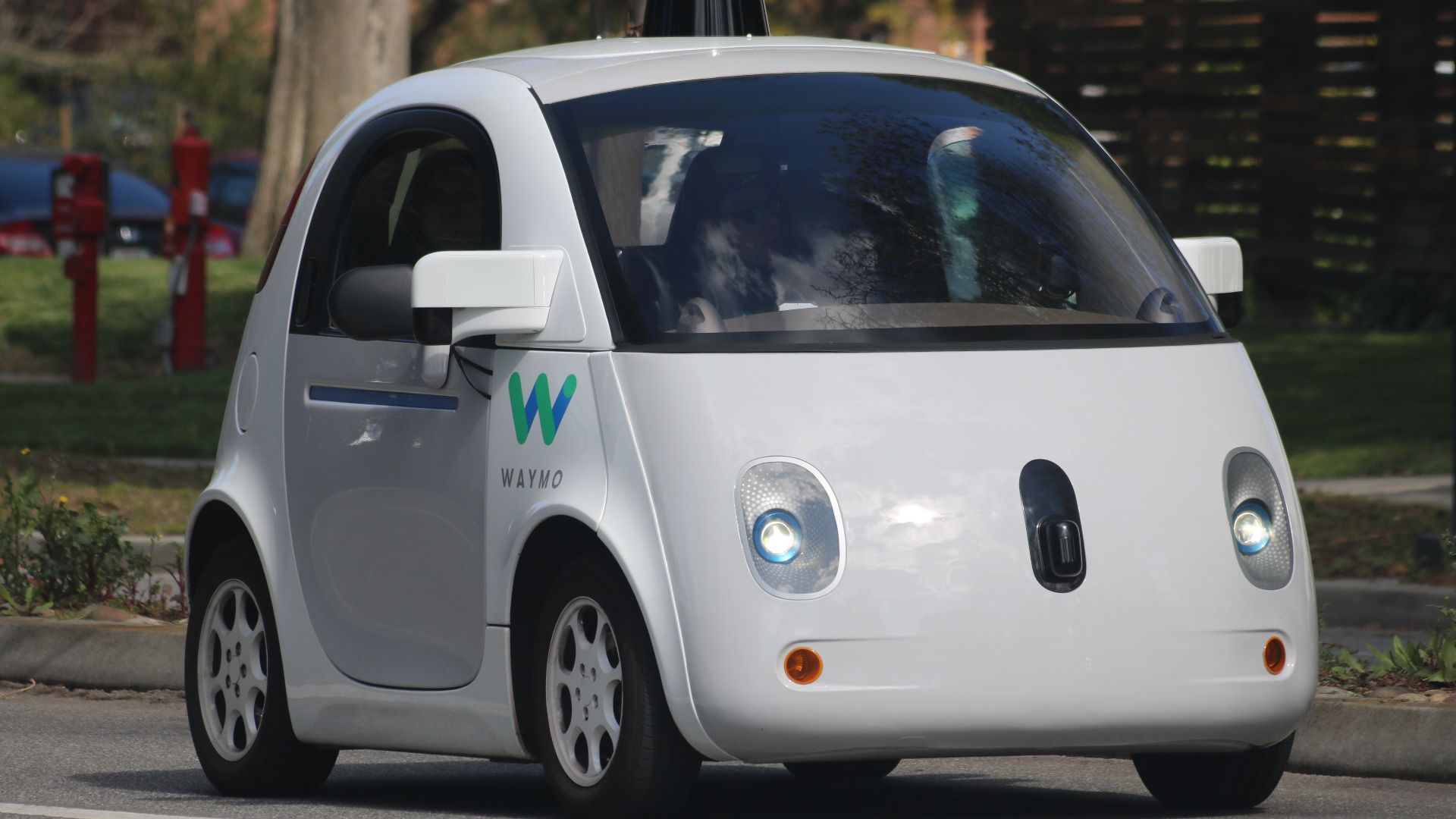
A lot of people's EV opinions were formed when 80-150 miles of range was common. Today many mainstream EVs exceed 250-300 miles on a charge, while some go considerably farther. Road trips still require more planning than a gas vehicle, but the gap is nowhere near what many critics still imagine.
 Grendelkhan, Wikimedia Commons
Most People Are Arguing With An Old EV
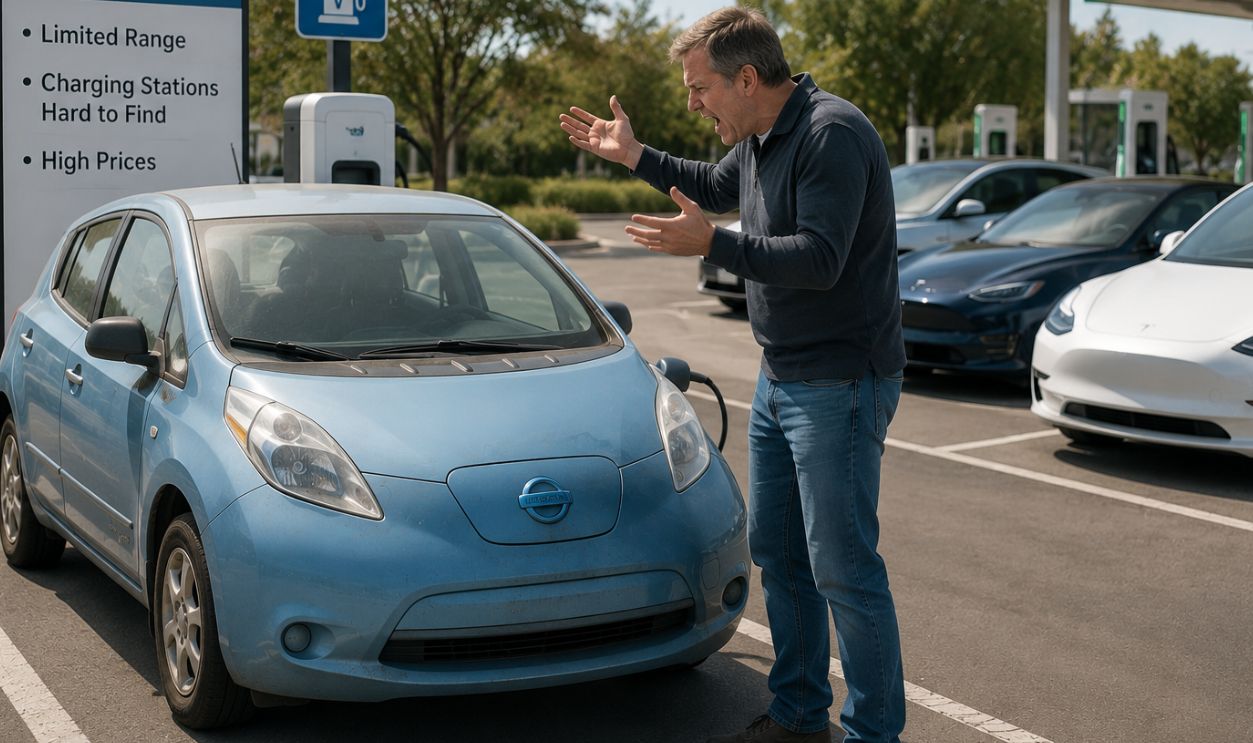
Honestly, a lot of people are arguing with a version of EV ownership from years ago. Back then the range wasn't great, charging stations were harder to find, and prices were much higher. The technology kept moving. A lot of people's opinions didn't.
Convenience Beats Math
This may be the biggest obstacle of all. Plenty of drivers know they could save money with an EV. The problem is that people value convenience too. Finding chargers, planning charging stops, and thinking about battery range requires more effort than simply pulling into a gas station whenever the tank gets low.
Most People Hate Changing Habits
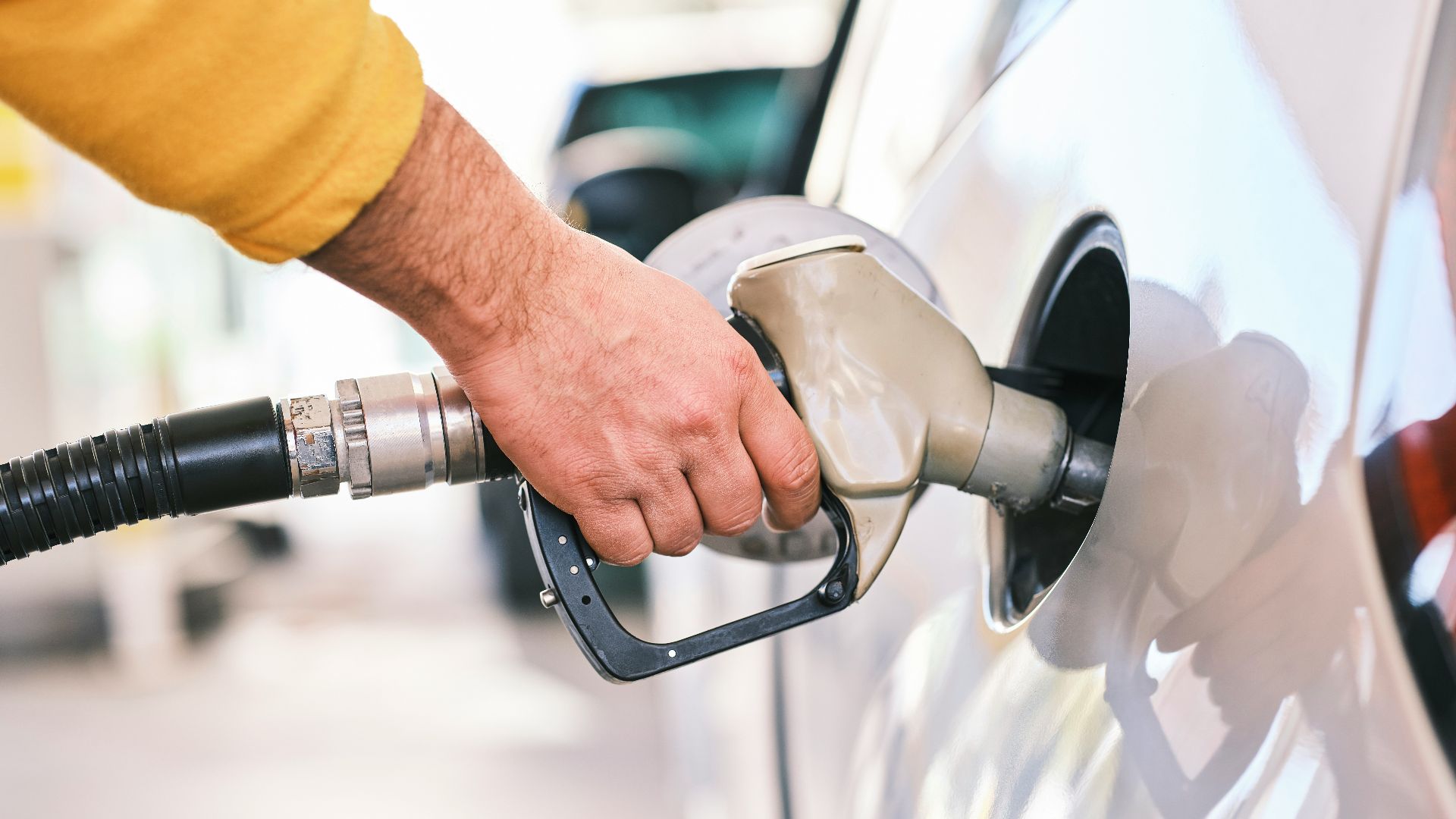
This may be one of the biggest reasons of all. Drivers know how gas stations work. They know how road trips work. They know exactly how long refueling takes. Switching to an EV means learning a few new routines, and many people simply don't feel enough pressure to change.
Some People Just Like Gas Cars
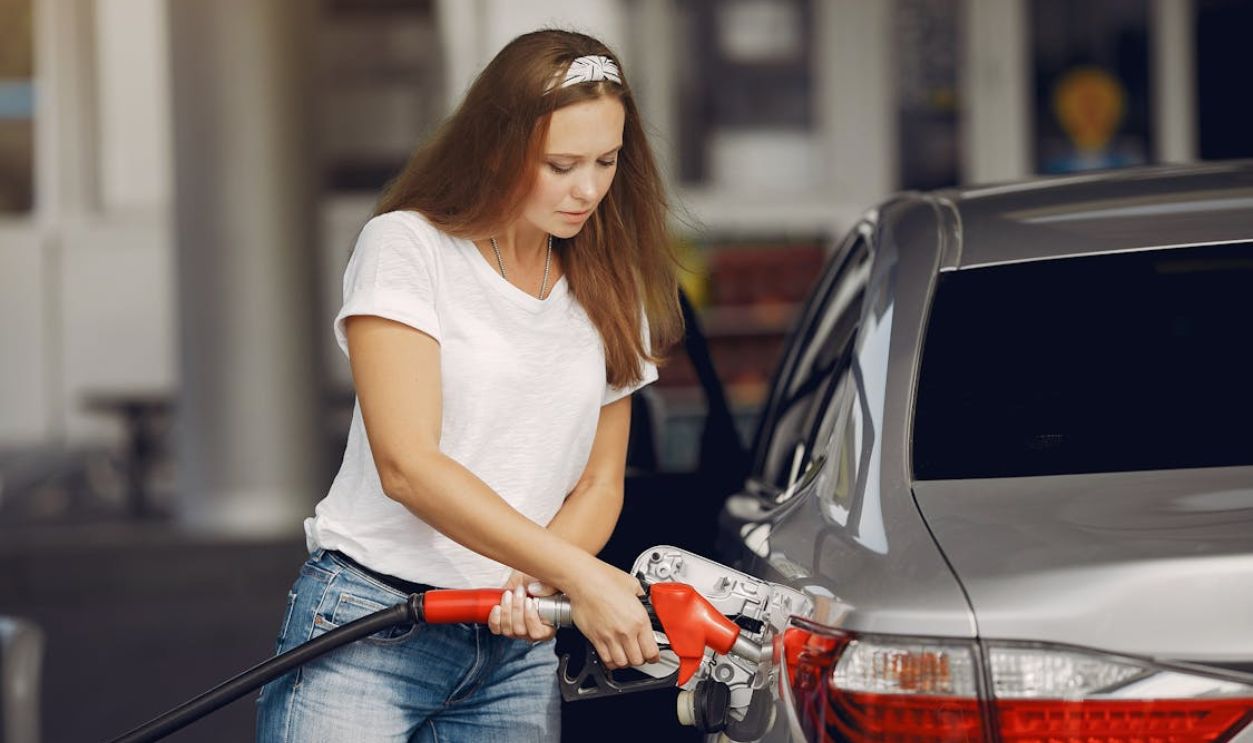
Not every vehicle purchase is about money. Some people genuinely enjoy engines, exhaust notes, and everything that comes with traditional cars. You can show them all the spreadsheets you want. They're still buying the V8.
The Spreadsheet Is Not Your Friend
A lot of drivers don't actually want to compare the numbers. Because once you start adding up fuel costs, oil changes, maintenance visits, and everything else, the results can get uncomfortable surprisingly fast. That's one reason EV debates tend to get emotional.
The Real Answer
If electric cars were slower, more expensive, and harder to live with than gas vehicles, this article would be easy. But the reality is that many EVs now cost less to operate, require less maintenance, and offer more range than most drivers actually need. The biggest obstacle isn't usually the technology anymore. It's getting people to reconsider what they already believe.
 4300streetcar, Wikimedia Commons
So Why Haven't You Switched Yet?
Because changing your mind is hard. For years, people heard that EVs were expensive, inconvenient, slow, and impractical. Some of those criticisms were fair at the time. The problem is that the technology kept improving while a lot of opinions stayed exactly where they were. And if you're still picturing the electric cars of ten years ago, you might be a lot farther behind than you think.
You Might Also Like: