
When Resale Values Ghost You
If you’re trying to make better money decisions this year, depreciation is the sneaky bill that shows up after the “great deal” high wears off. Some cars don’t just lose value—they drop it like a bad habit, turning yesterday’s splurge into today’s trade-in reality check. The goal here isn’t to dunk on anyone’s taste (drive what you love), but to help you spot models that can quietly torch your long-term costs.
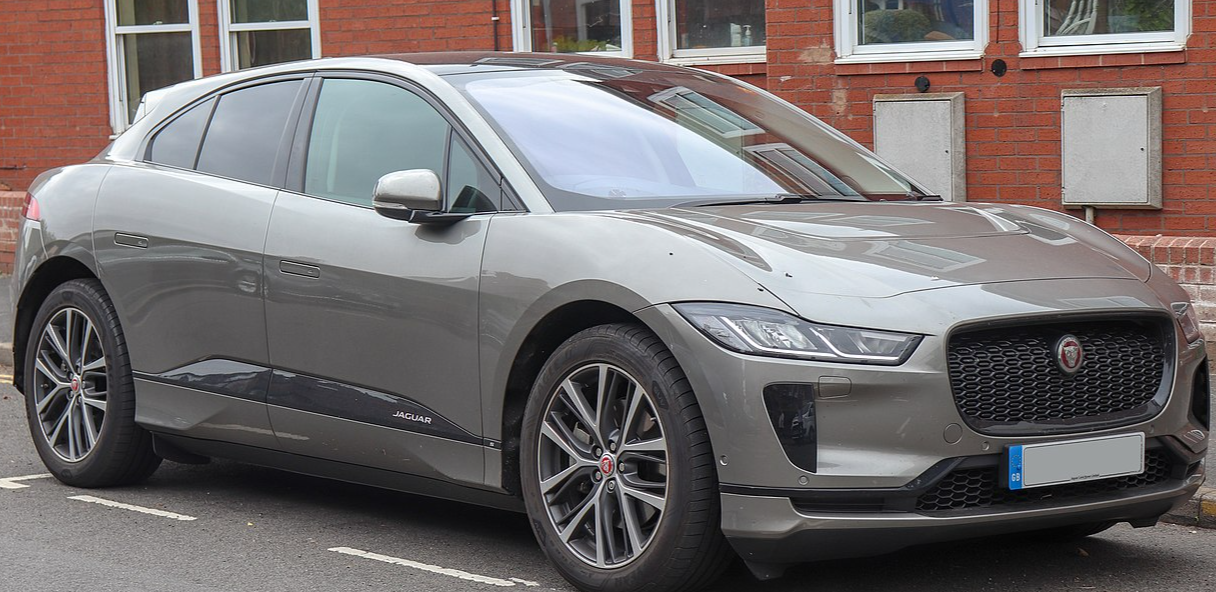
Jaguar I-Pace
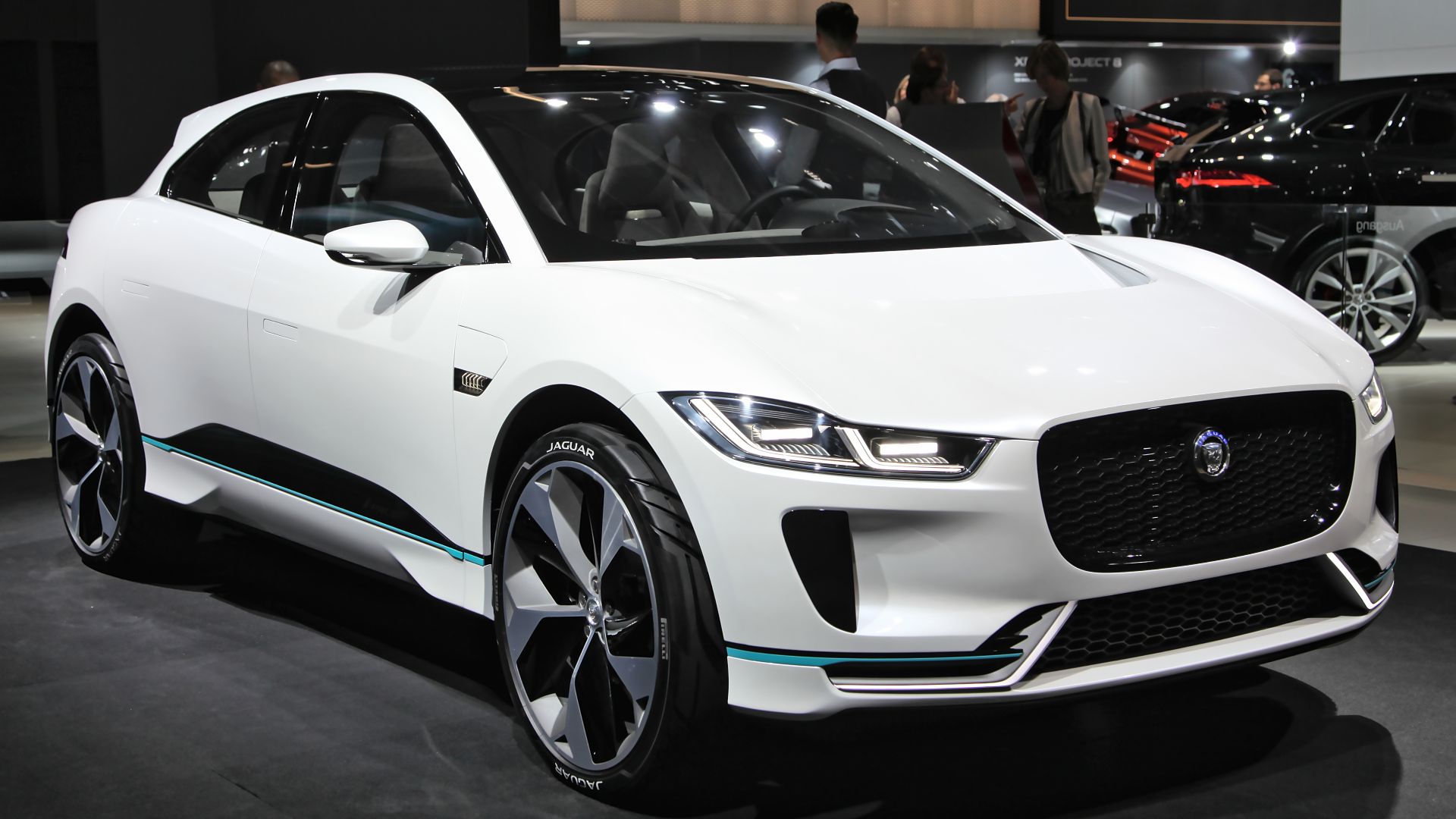
Jaguar’s I-PACE is a stylish, all-electric luxury SUV with a premium badge and a “future is now” vibe. It’s quick, quiet, and genuinely fun when the road opens up. On paper, it checks all the modern boxes—sleek design, upscale cabin feel, and EV swagger.
 Vauxford, CC BY-SA 4.0 , Wikimedia Commons
Jaguar I-Pace: The Loss Factor
Luxury EVs can depreciate hard when newer models leapfrog them in range, charging speed, and software. The I-PACE also lives in a smaller buyer universe—used-EV shoppers tend to be extra price-sensitive and extremely comparison-happy. Add in premium-brand maintenance expectations, and suddenly the resale market starts negotiating like it’s getting paid by the “no”.
 Alexander Migl, Wikimedia Commons
BMW 7 Series
BMW’s 7 Series is the brand’s flagship sedan—big, plush, and engineered to make long drives feel suspiciously short. It’s the kind of car that turns highways into living rooms and back seats into first-class lounges. If comfort had a passport, this thing would have stamps from everywhere.
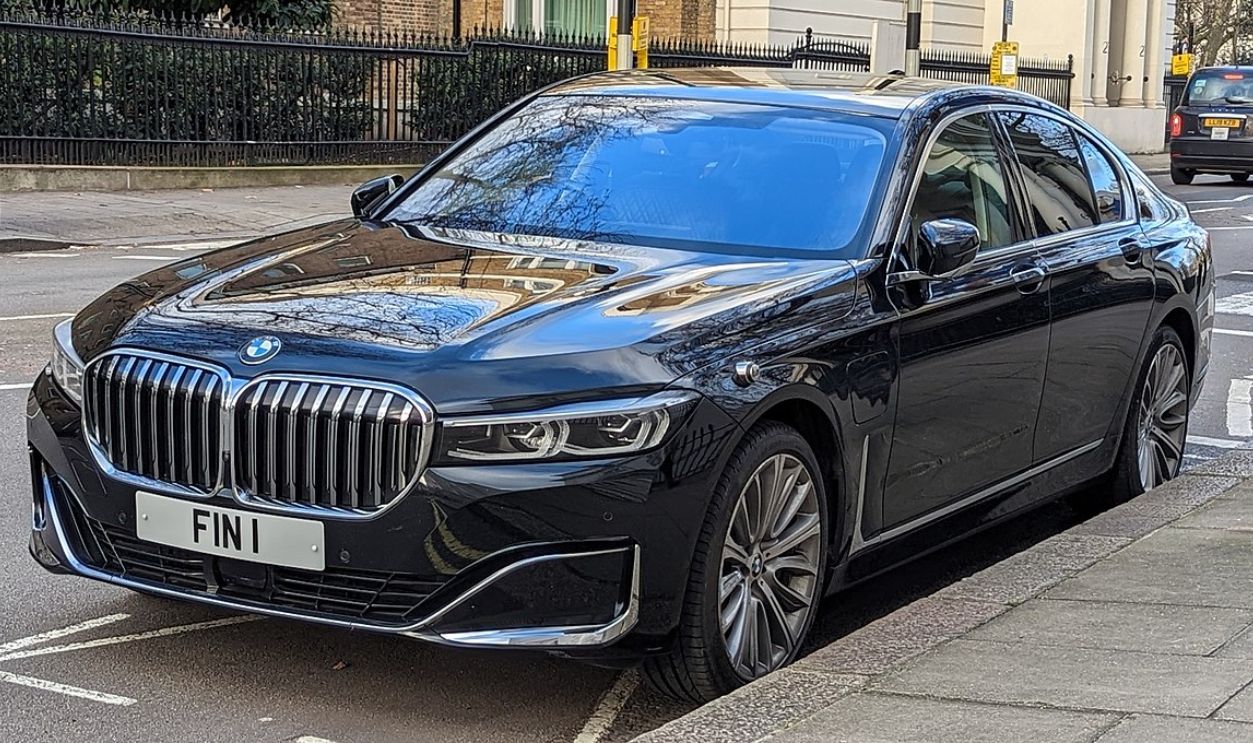 Calreyn88, CC BY-SA 4.0, Wikimedia Commons
BMW 7 Series: The Loss Factor
Big luxury sedans often take the steepest resale hits because the used market isn’t eager to inherit expensive complexity. Repair and upkeep costs can loom larger after warranty years, and buyers start eyeing smaller, simpler, or more efficient options. When a car’s best qualities are high-tech and high-cost, depreciation tends to show up early and stay late.
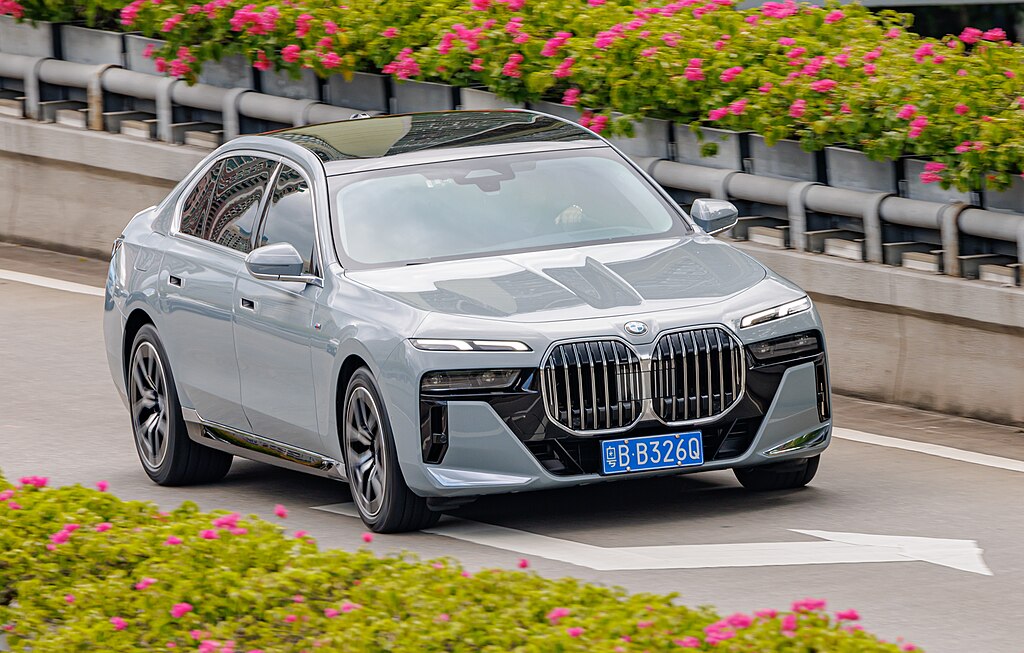 Dinkun Chen, CC BY-SA 4.0, Wikimedia Commons
Tesla Model S
The Model S is Tesla’s OG luxury rocket sled—fast, minimalist, and built around that big-screen, software-first philosophy. It offers strong range, serious acceleration, and a clean interior design that still feels modern. For a lot of people, it’s the EV that made electric feel inevitable.
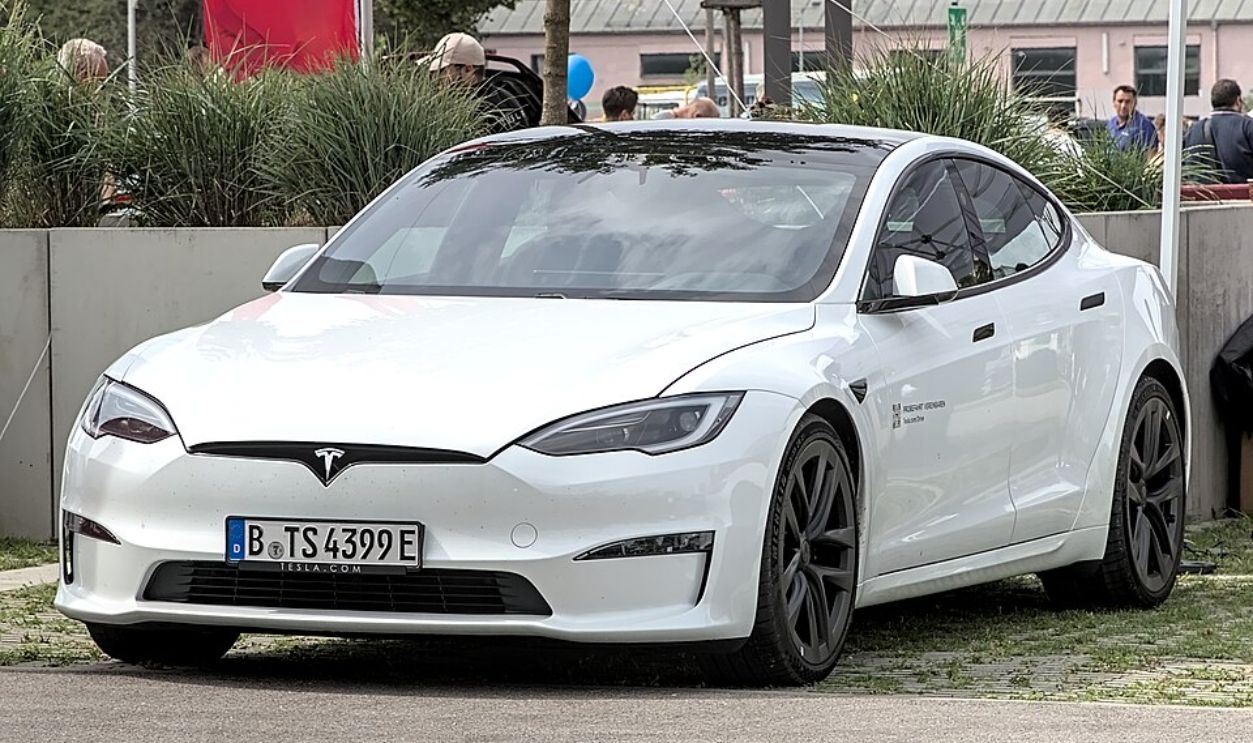 Alexander-93, CC BY-SA 4.0, Wikimedia Commons
Tesla Model S: The Loss Factor
EVs are moving targets, and Tesla updates and pricing shifts can make yesterday’s “top spec” feel oddly dated. Nothing spooks resale value like a brand-new price cut you didn’t see coming. Add normal battery-aging anxiety and rapidly evolving tech, and used buyers start hunting discounts like it’s their cardio.
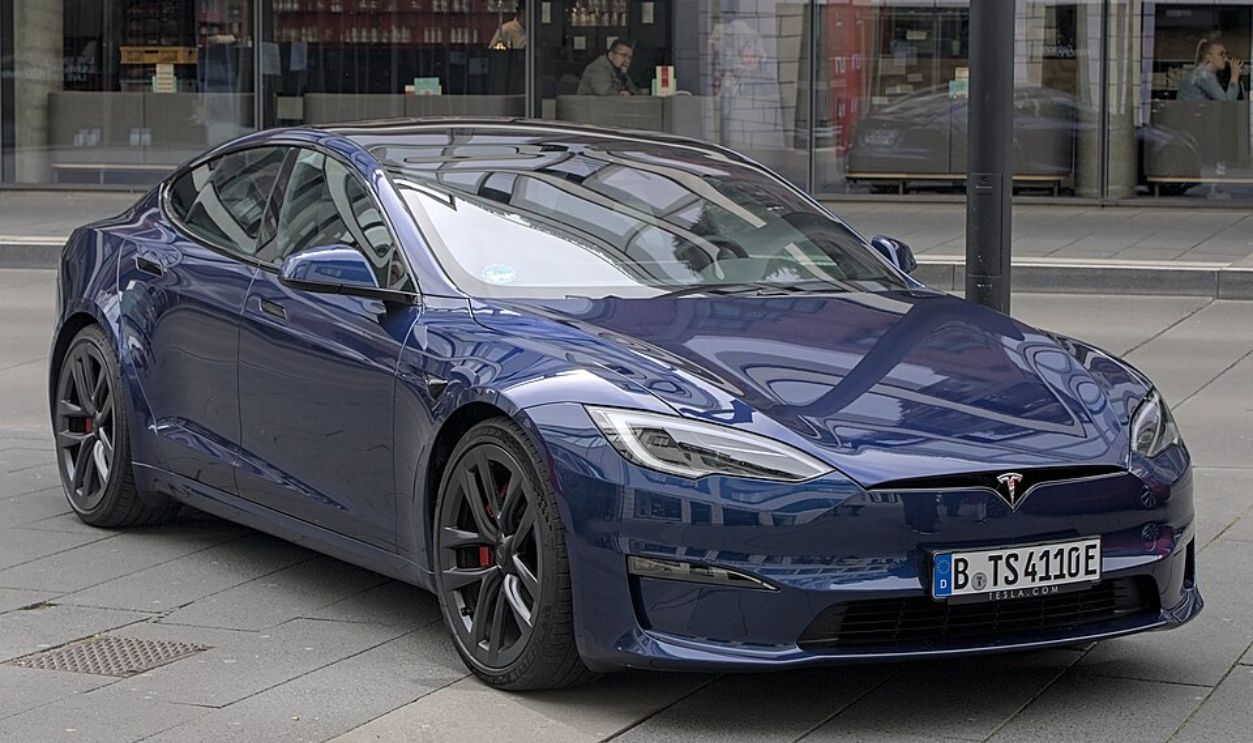 Alexander-93, CC BY-SA 4.0, Wikimedia Commons
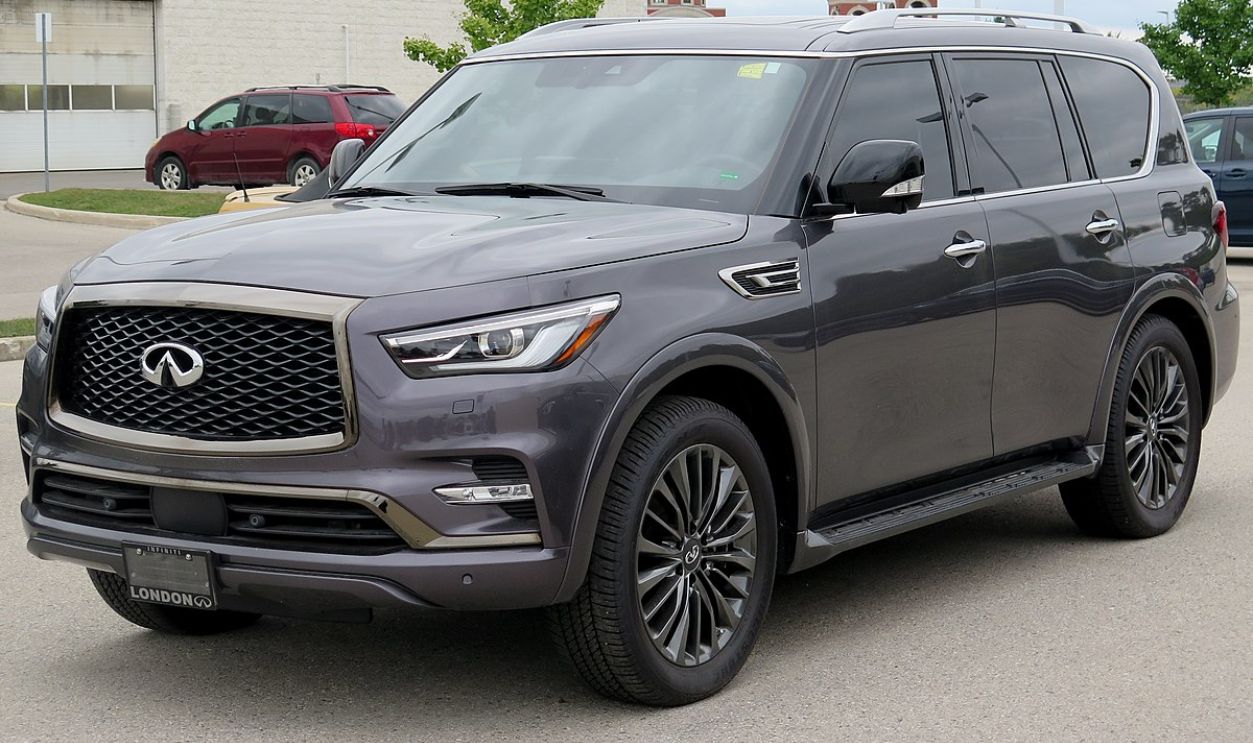
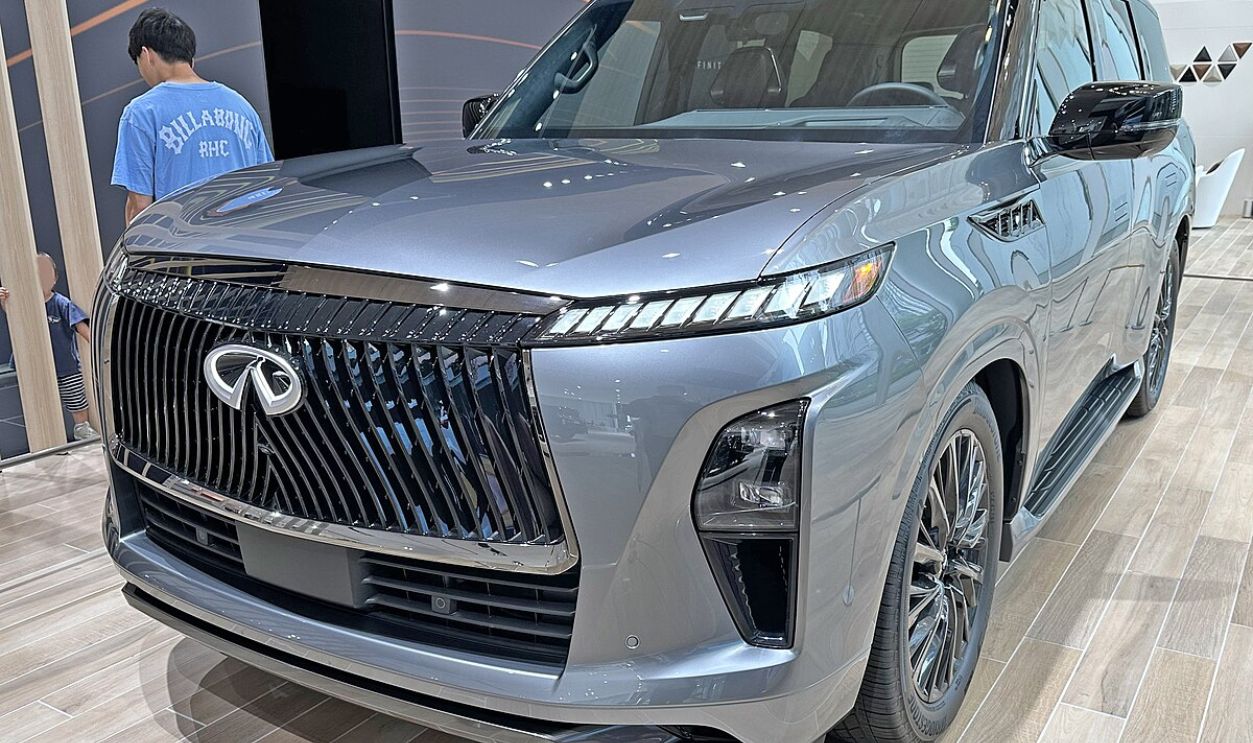
Infiniti QX80
The QX80 is a massive luxury SUV with big-road presence and an old-school, body-on-frame feel. It’s roomy, comfortable, and built for families who want space without looking like they’re driving a moving van. Think: big seats, big cargo, big “we’re going on a trip” energy.
 Elise240SX, CC BY-SA 4.0, Wikimedia Commons
Infiniti QX80: The Loss Factor
Full-size luxury SUVs can get hit with depreciation because they’re expensive to feed, insure, and maintain—especially as they age. The used market also has a ton of alternatives, including newer models with fresher tech and better efficiency. When buyers have options and you have a thirsty V8, resale value tends to sigh dramatically.
 Tokumeigakarinoaoshima, CC BY-SA 4.0, Wikimedia Commons
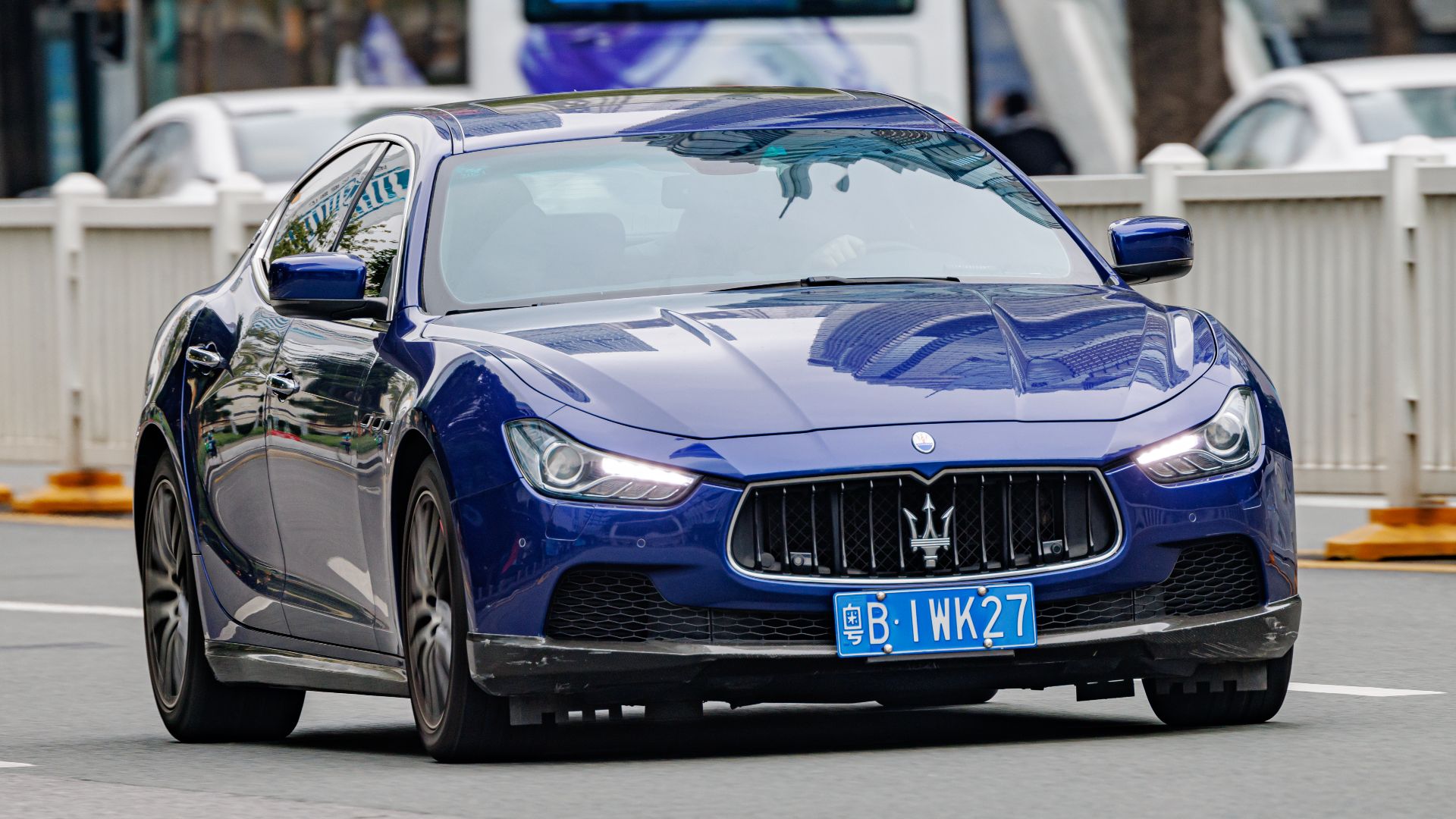
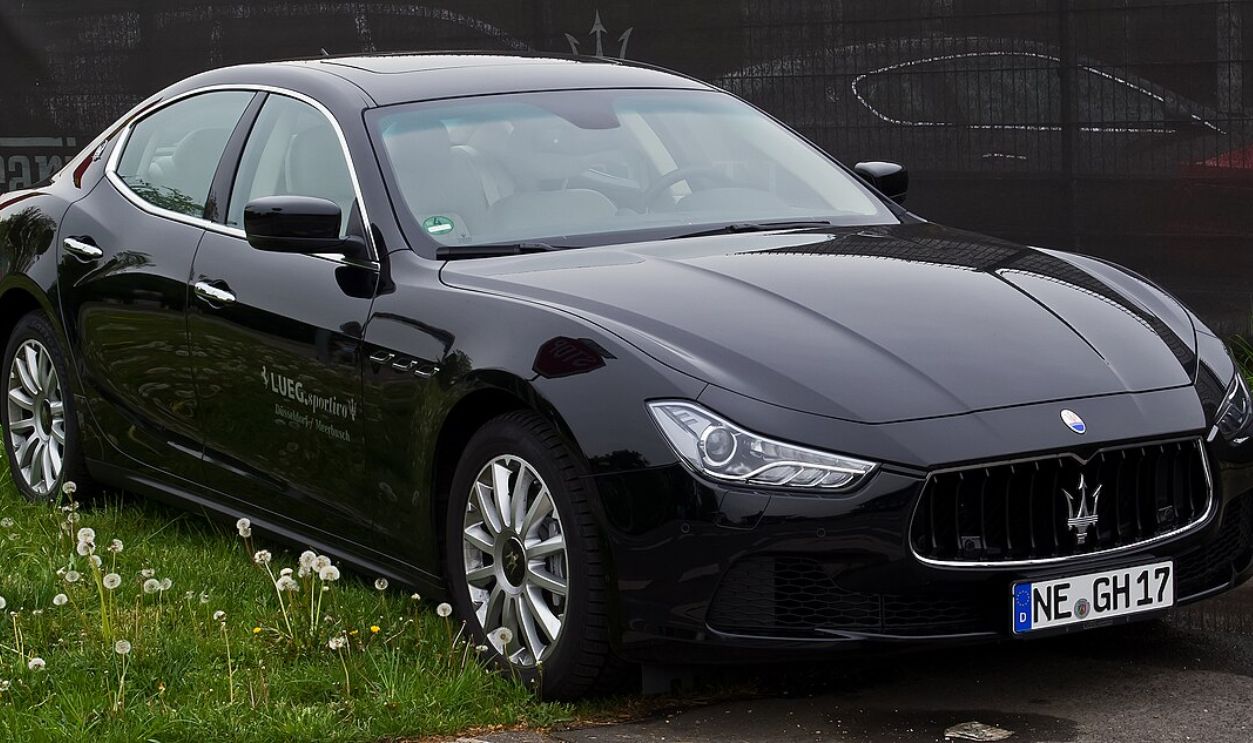
Maserati Ghibli
The Ghibli is a sporty Italian luxury sedan with a name that sounds like it belongs on a yacht guest list. It’s designed to feel special—styling, sound, and the kind of vibe that says you didn’t buy it because it was practical. It’s the automotive equivalent of ordering dessert first.
 Dinkun Chen, Wikimedia Commons
Maserati Ghibli: The Loss Factor
Exotic-ish luxury sedans often depreciate fast because the used buyer pool is small and cautious. Ownership costs, service networks, and long-term reliability perceptions can make shoppers hesitate, even if they love the idea. When a car’s appeal is emotional but the ownership math is intimidating, depreciation tends to win the argument.
 M 93, CC BY-SA 3.0, Wikimedia Commons
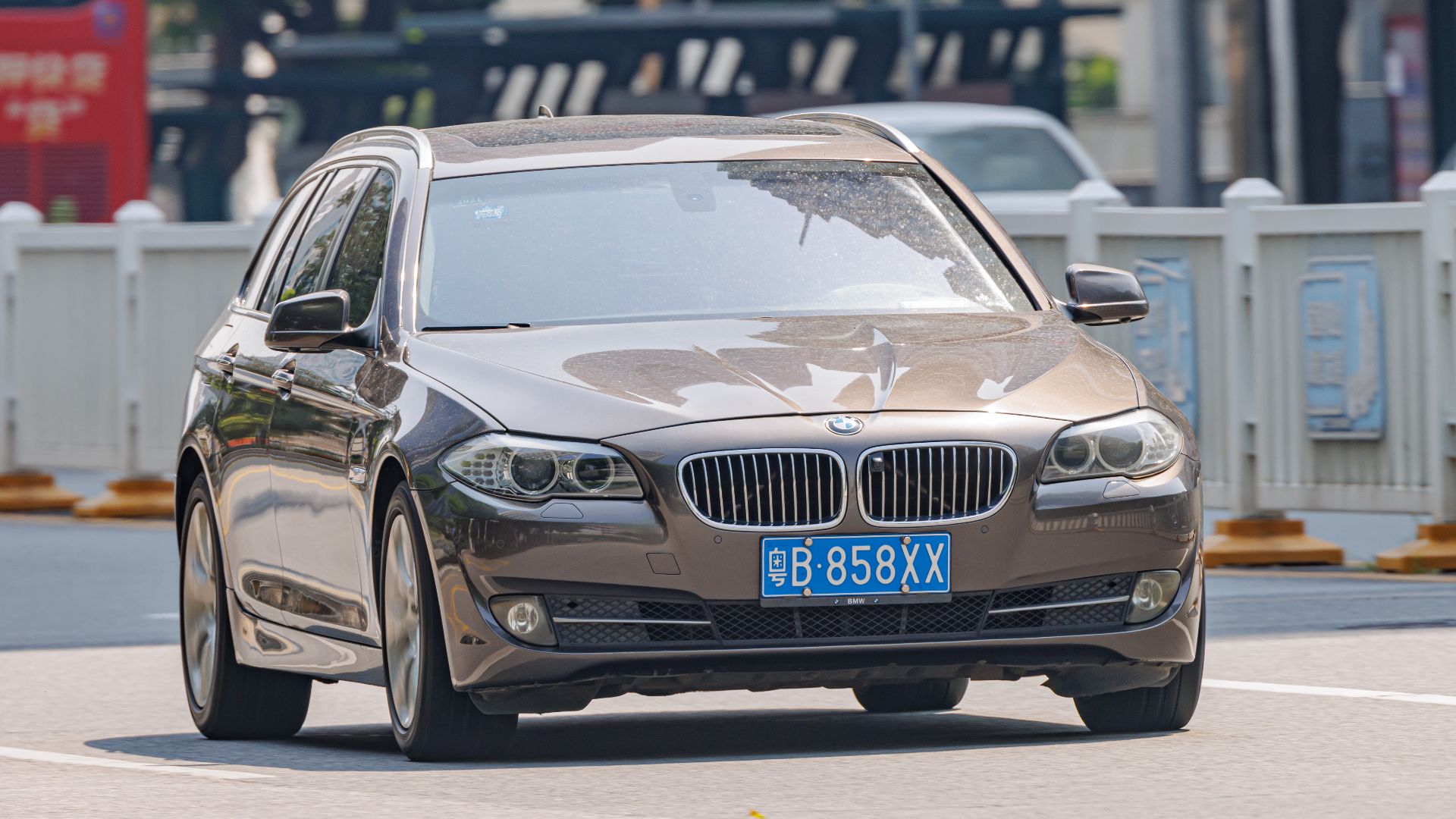
BMW 5 Series Hybrid
The 5 Series Hybrid blends BMW’s executive-sedan comfort with an electrified twist. It’s meant to deliver refined commuting with better efficiency and smooth power delivery. You get the classic 5 Series feel—balanced, quiet, and upscale—with an added layer of tech.
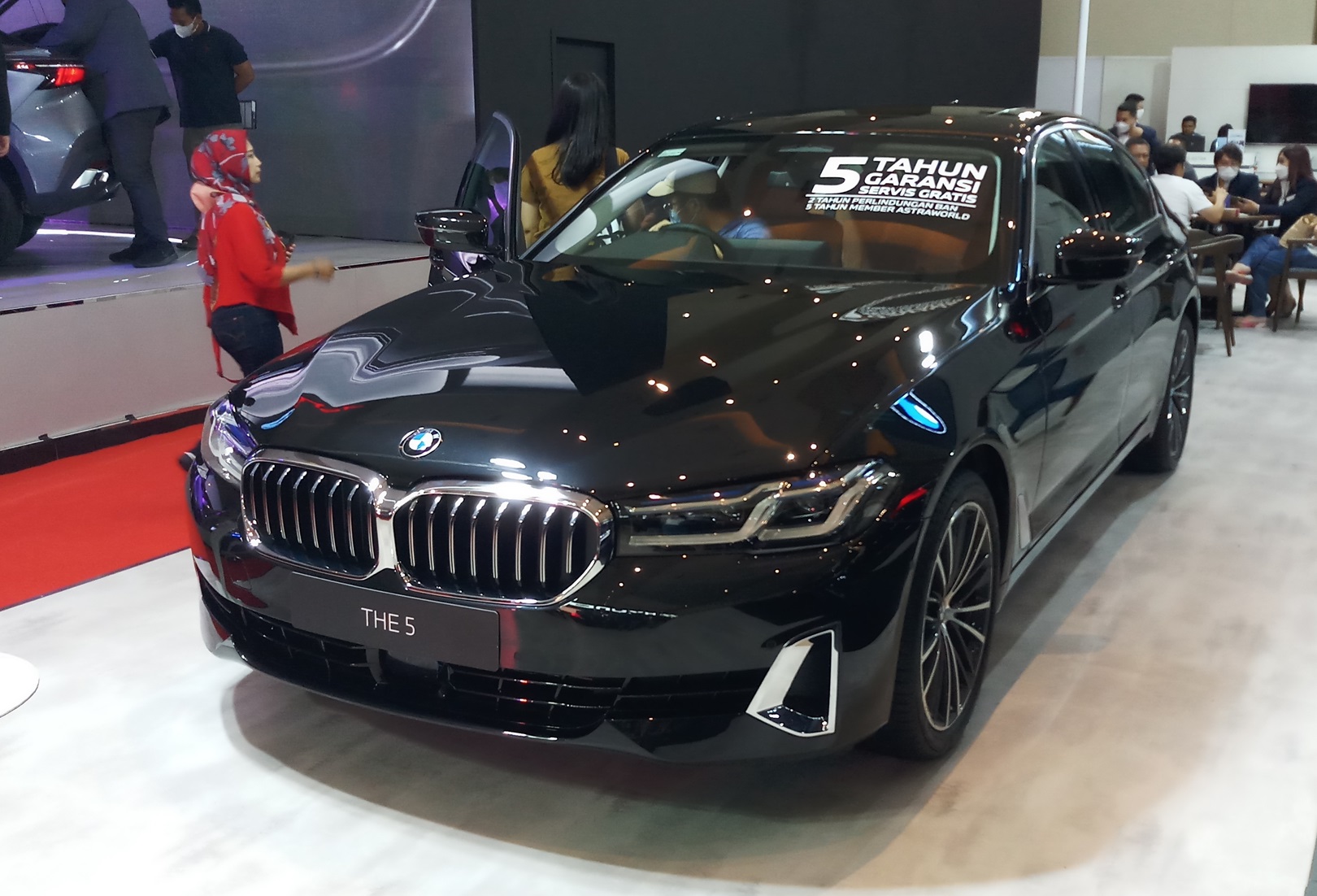
BMW 5 Series Hybrid: The Loss Factor
Hybrid luxury cars can depreciate quickly because buyers worry about long-term battery and system complexity once the car gets older. The irony is brutal: the tech meant to save money can make resale buyers nervous about future costs. Also, if the fuel savings aren’t dramatic (or if newer hybrids do it better), used demand can soften fast.
 Dinkun Chen, Wikimedia Commons
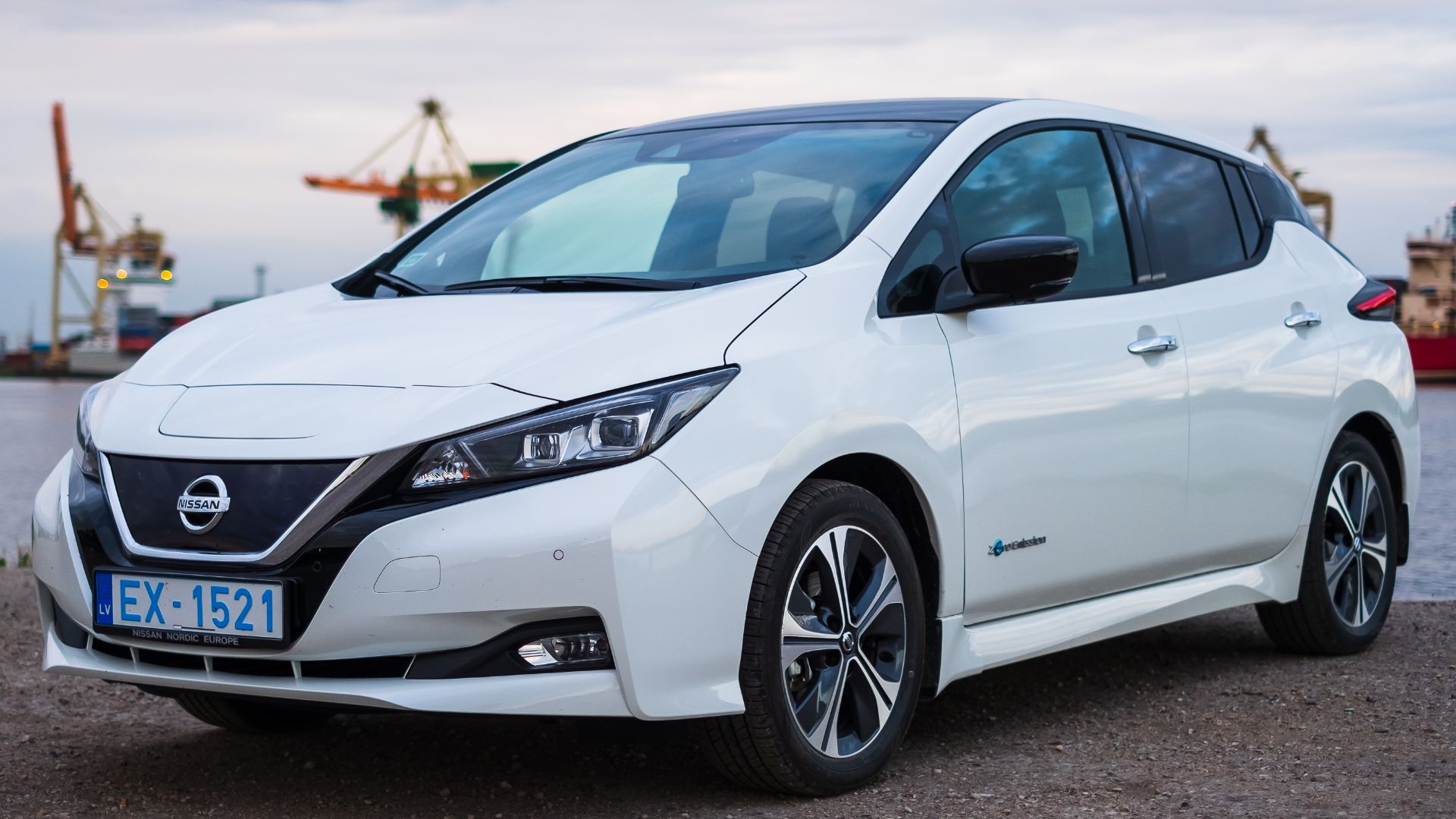
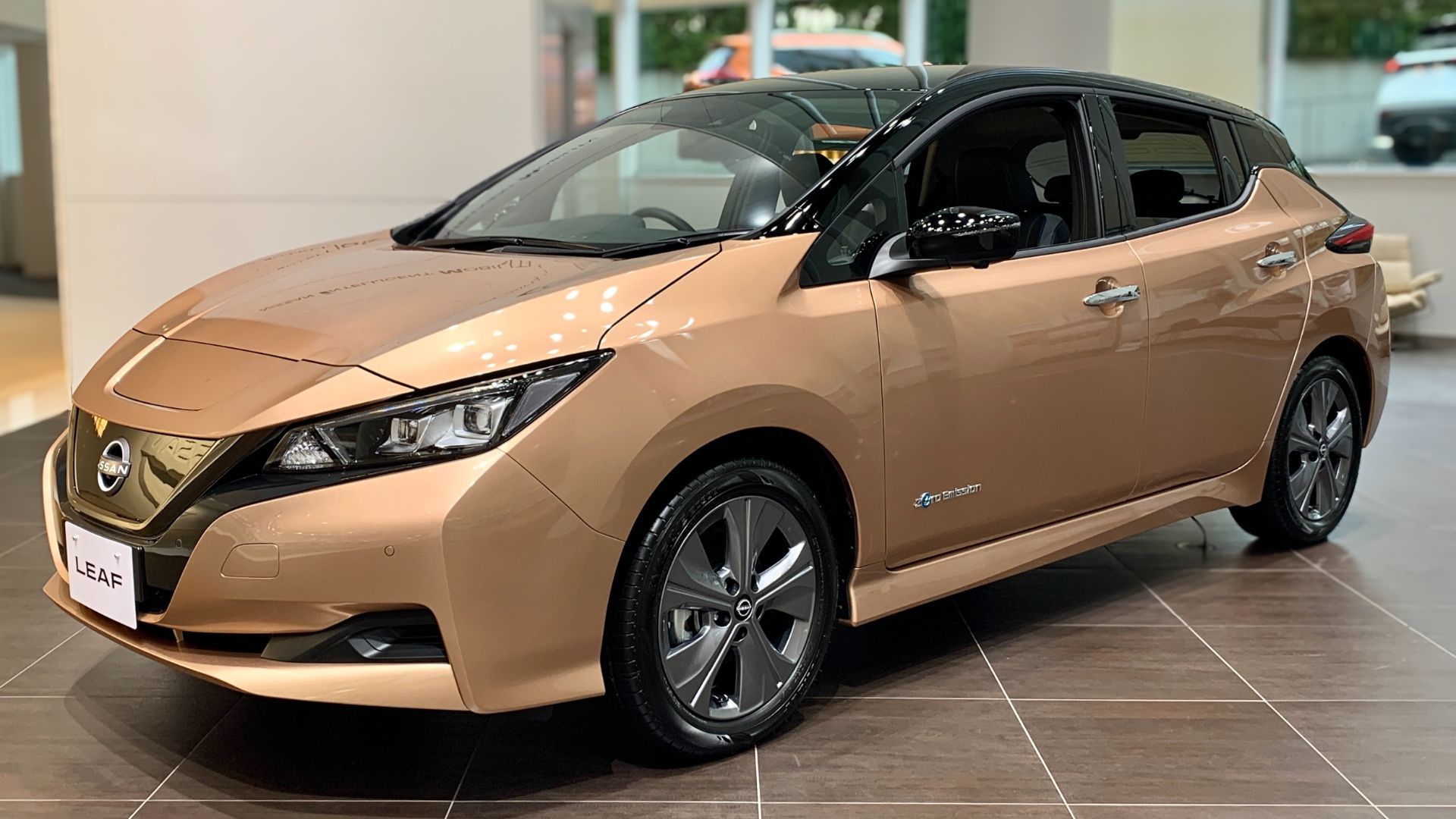
Nissan Leaf
The Leaf is one of the earliest mainstream EV success stories—compact, practical, and built for everyday errands. It’s easy to park, easy to drive, and generally feels like a straightforward appliance—in a good way. For many owners, it’s the “just works” electric runabout.
 Karlis Dambrans from Latvia, Wikimedia Commons
Nissan Leaf: The Loss Factor
Older EVs are especially vulnerable to depreciation because new models improve quickly and buyers notice. Range expectations climb every year, and what once felt adequate can start feeling limiting. When used shoppers compare numbers on a spec sheet, sentimentality rarely survives.
 Kazyakuruma, Wikimedia Commons
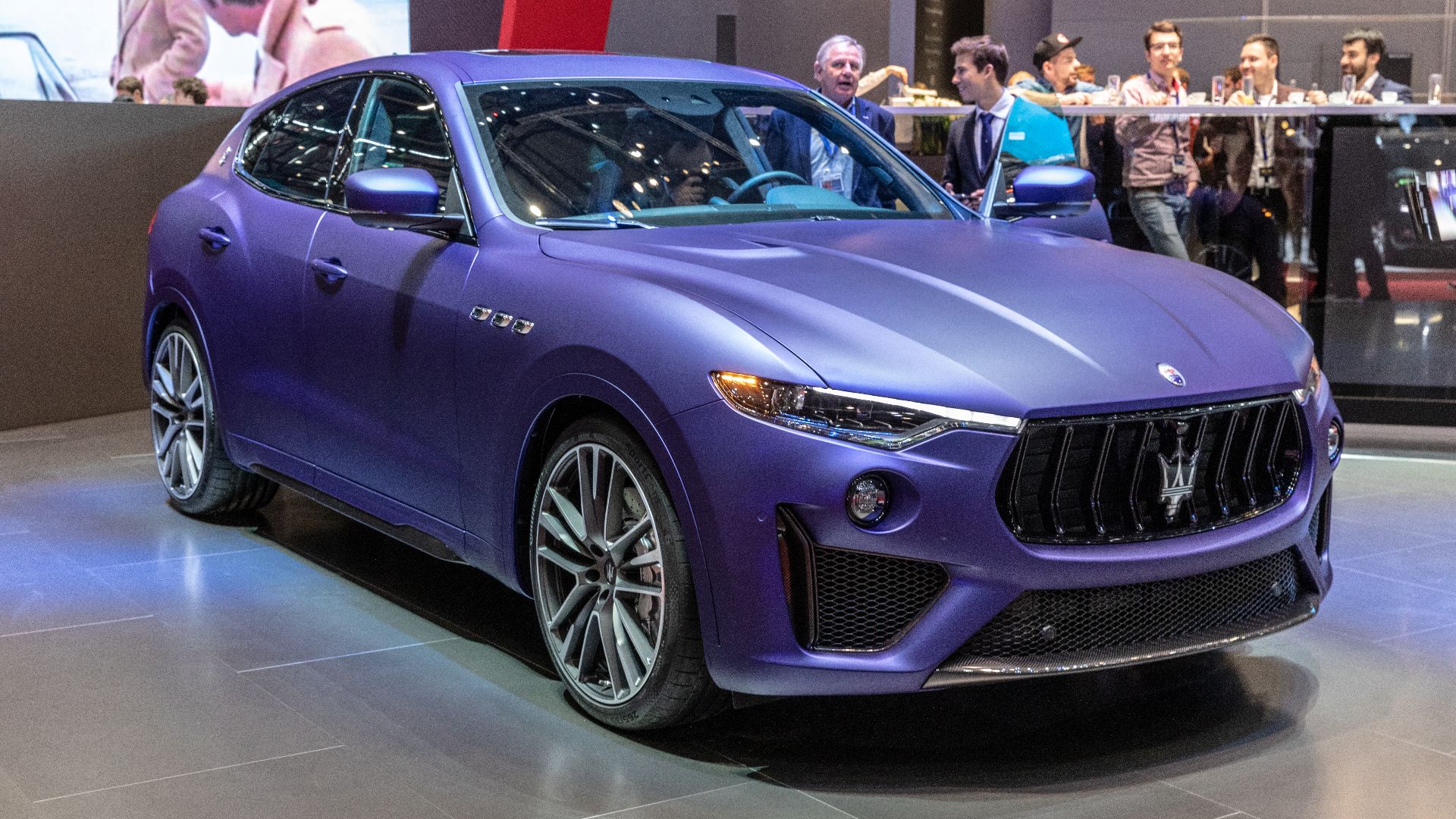
Maserati Levante
The Levante is Maserati’s luxury SUV, mixing performance attitude with high-end styling. It’s meant to feel rarer than your average premium SUV, with a more dramatic personality and a more “look at me” design language. If you want an SUV that doesn’t blend into the parking lot, this one definitely doesn’t.
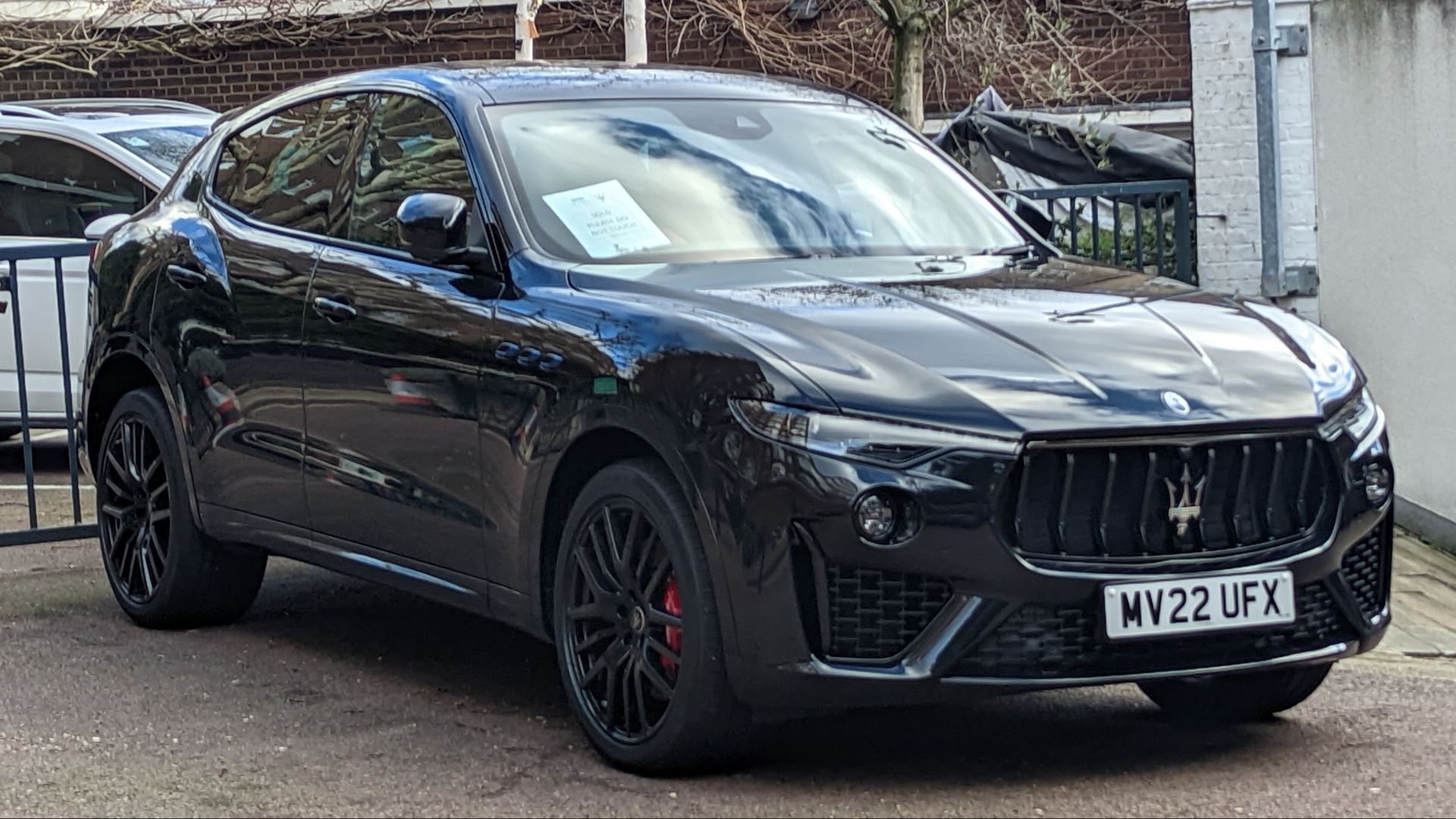
Maserati Levante: The Loss Factor
Limited demand is a resale value headwind, and niche luxury SUVs often face it head-on. When buyers can choose between “rare and risky” or “common and proven”, many pick proven. Combine that with premium upkeep costs, and depreciation tends to sprint instead of jog.
 Matti Blume, Wikimedia Commons
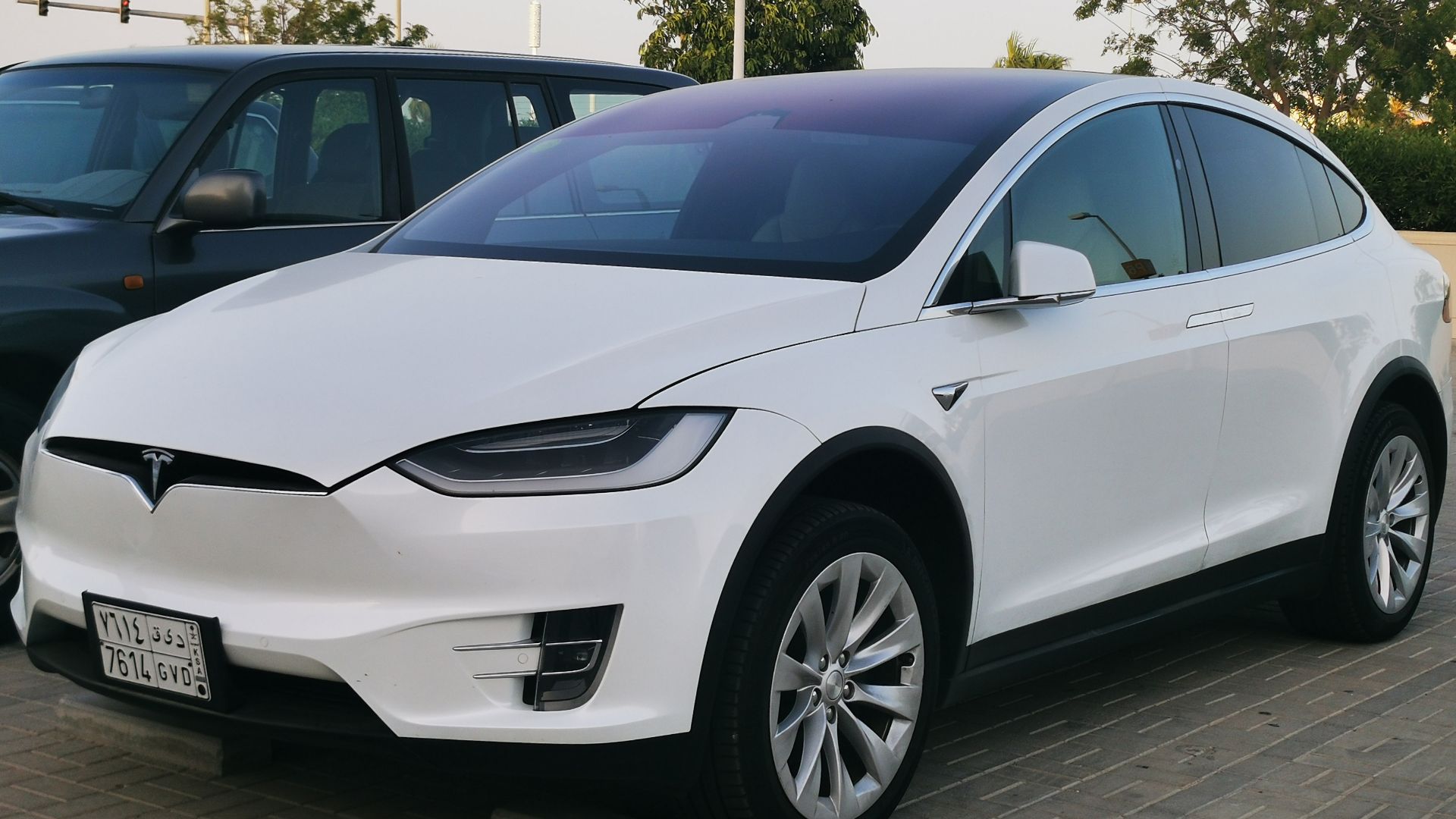
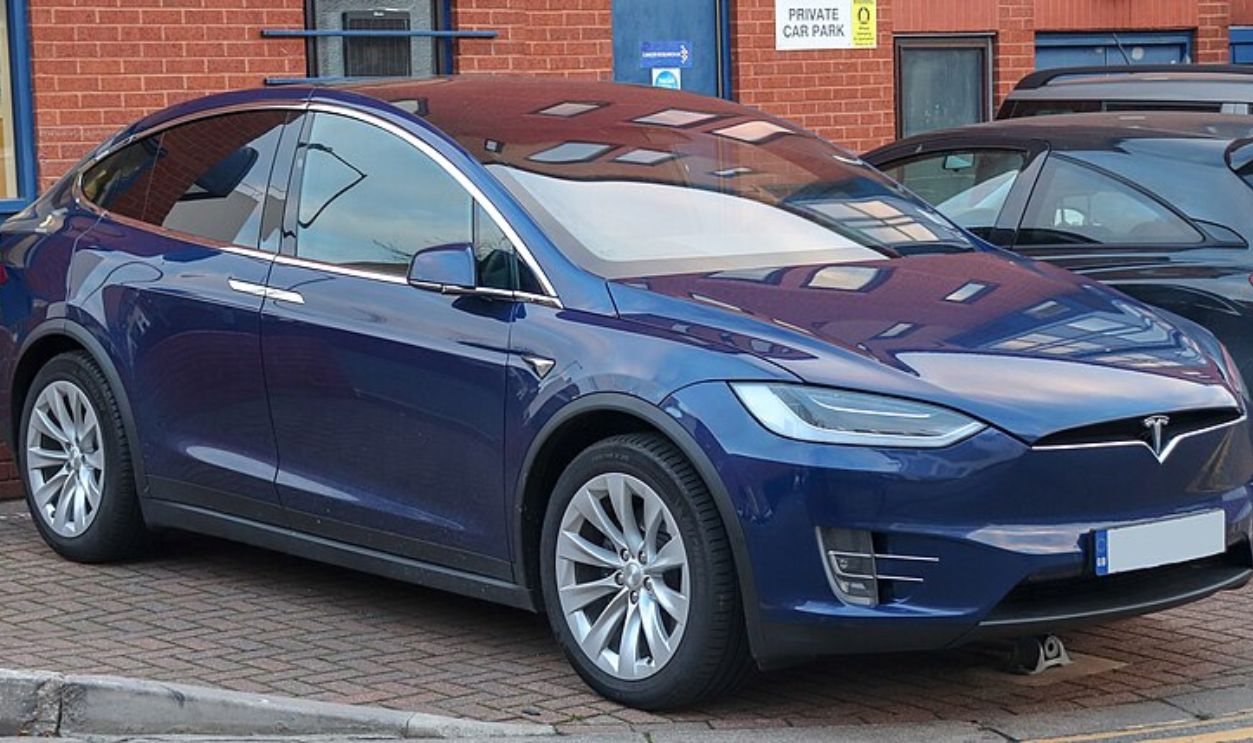
Tesla Model X
The Model X is Tesla’s larger electric SUV, known for quick performance, lots of space, and its attention-grabbing falcon-wing doors. It’s equal parts family hauler and tech showcase, with strong acceleration that can surprise passengers in the third row. It’s a statement car—whether you asked it to be or not.
 Mohammed Hamad, Wikimedia Commons
Tesla Model X: The Loss Factor
High-end EVs can be a resale challenge because the buyer pool is smaller and more price-sensitive than you’d think. Those signature doors are cool—right up until someone’s wondering what they cost to fix. Pair that with fast-moving software/hardware expectations and shifting new-car pricing, and used values can slide quickly.
 Vauxford, CC BY-SA 4.0, Wikimedia Commons
Cadillac Escalade ESV
The Escalade ESV is the extended-length version of Cadillac’s full-size luxury SUV icon. It’s huge, comfortable, and engineered for people who want three rows plus cargo without compromising on presence. It’s basically a rolling VIP lounge with room for everyone’s luggage and then some.
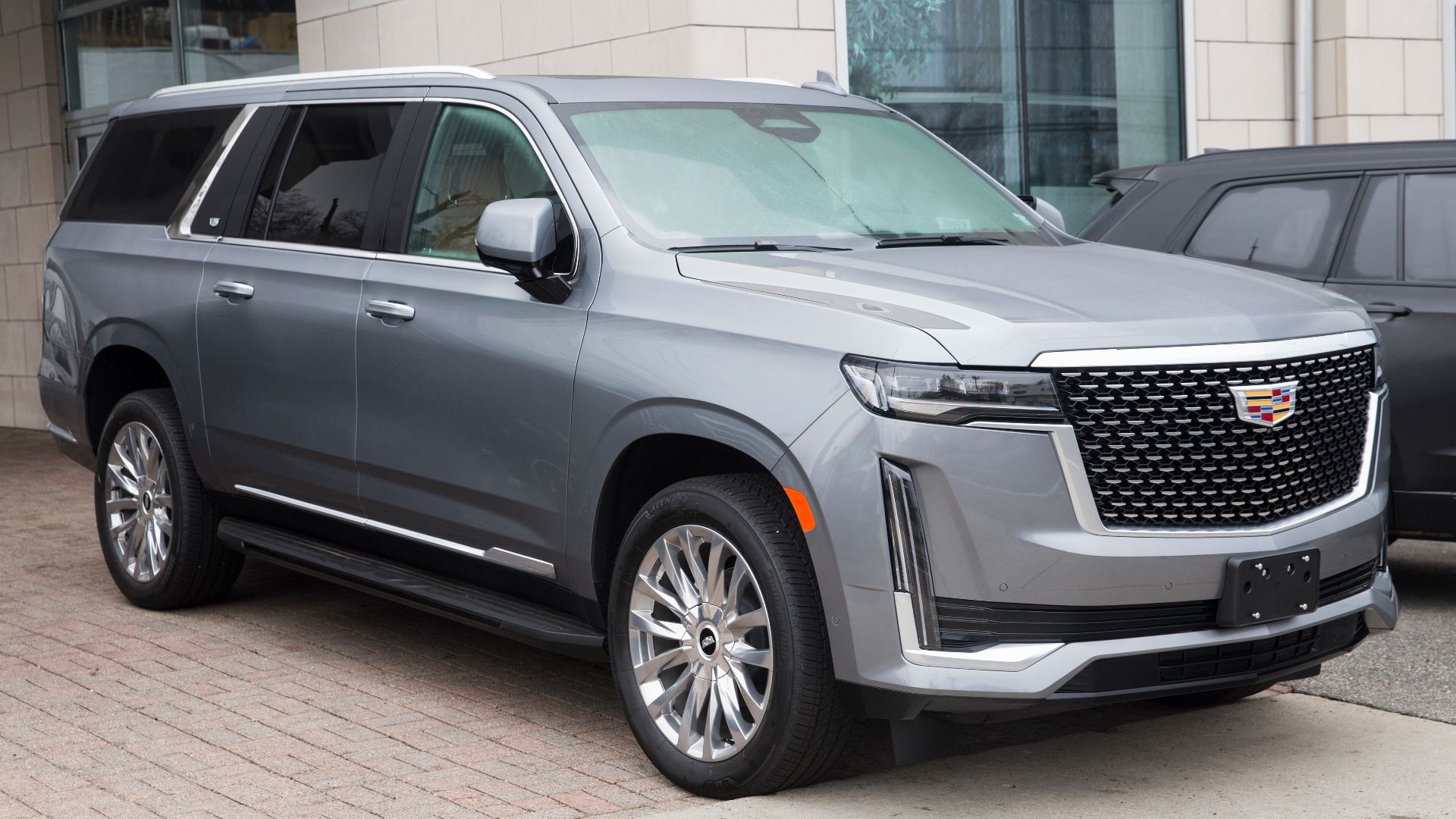 Mr.choppers, Wikimedia Commons
Cadillac Escalade ESV: The Loss Factor
Extra-large luxury SUVs often depreciate steeply because ownership costs stack up—fuel, tires, brakes, insurance, you name it. As they age, buyers who can afford the upkeep sometimes prefer a newer one, while everyone else looks for something smaller and cheaper to run. When a vehicle is built like a celebrity, resale value can still get treated like an extra.
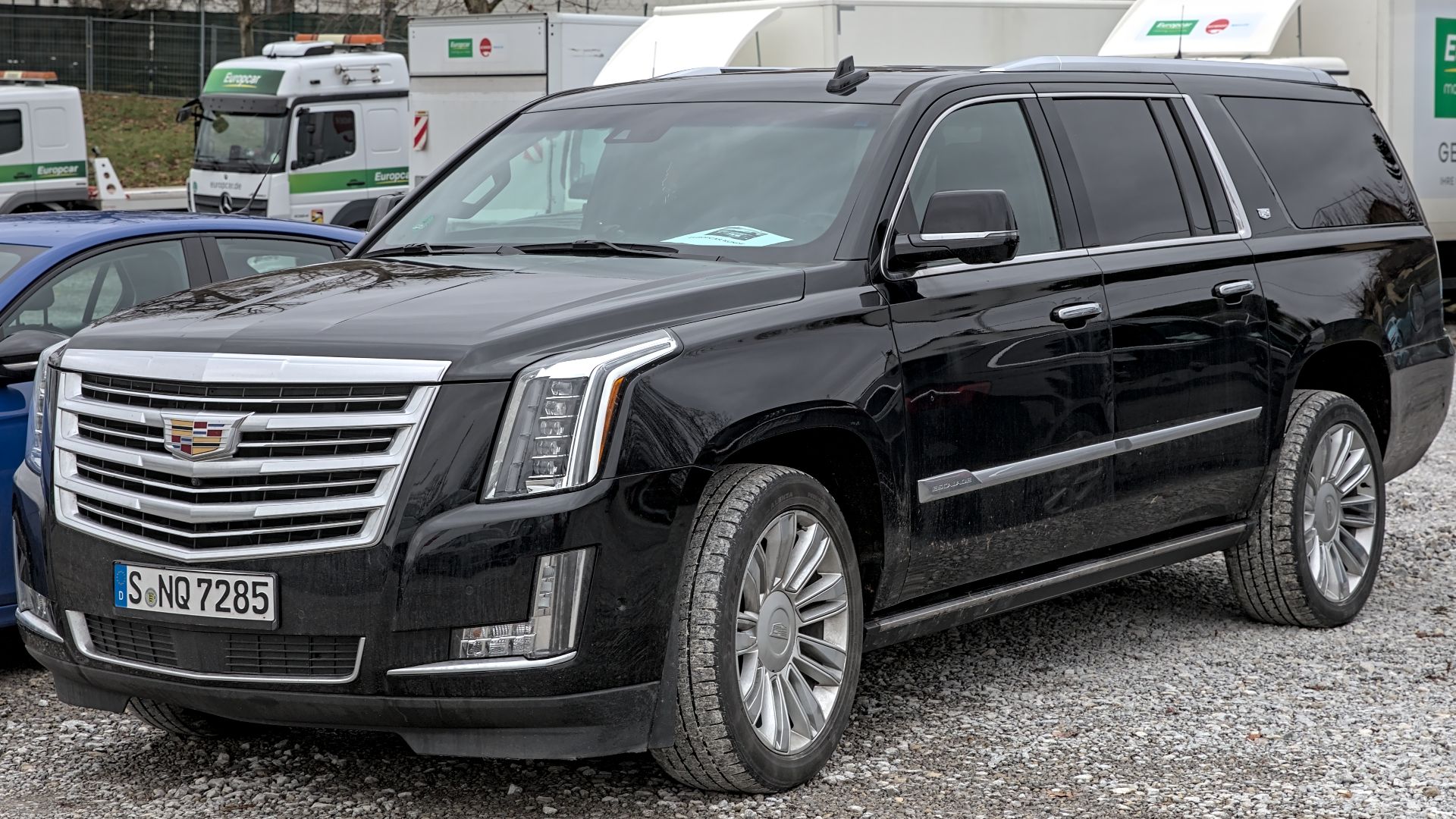 Alexander-93, Wikimedia Commons
You May Also Like:
Car Battery Mistakes That Leave Drivers Stranded
The Tale Of The Concrete Caddy: A Cadillac Hidden In Cement
Source: 1






_Motorworld_Munich_1X7A0025.jpg)


_front.jpg)
