The Concrete Caddy
Every so often in the automotive world, a story comes along that’s equal parts bizarre and beautiful — and this is one of them. Picture this: a classic 1957 Cadillac DeVille trapped forever in a block of concrete, perched inside a parking garage in Chicago’s Hyde Park. Not abandoned. Not hidden. But intentionally frozen in time as art.
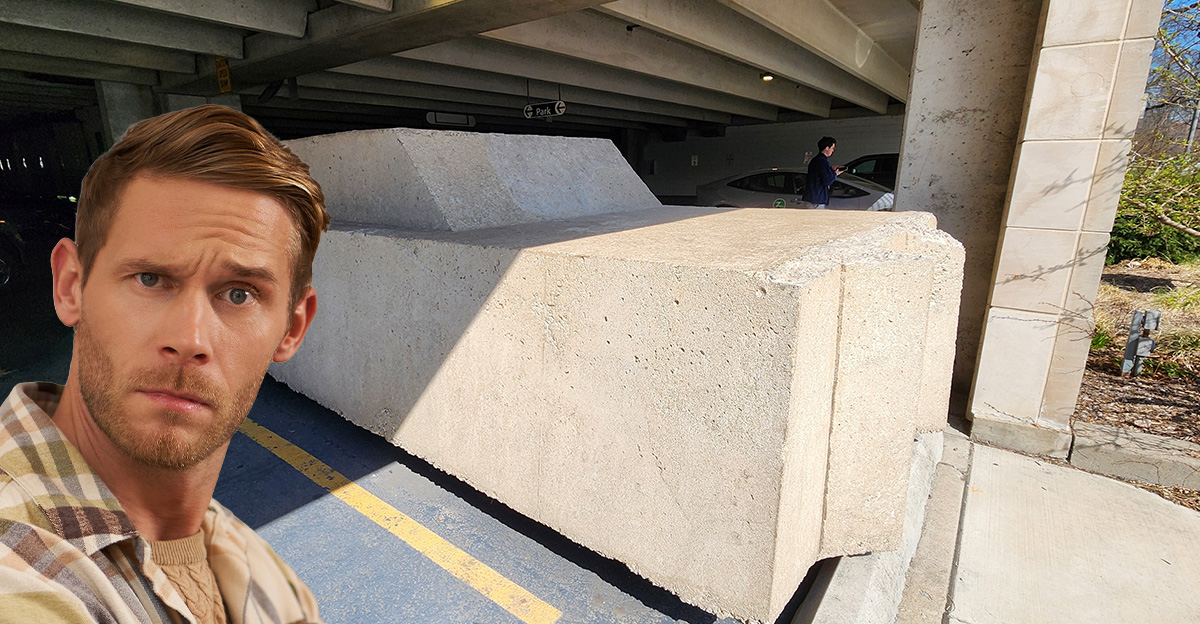
A Cadillac, But Not As You Know It
This isn’t some rusting barn find or half-remembered urban myth. This Cadillac was deliberately encased in concrete in the early 1970s, transforming Detroit steel into a permanent sculpture that blends industrial grit with automotive glamour in a way only Chicago could truly pull off.
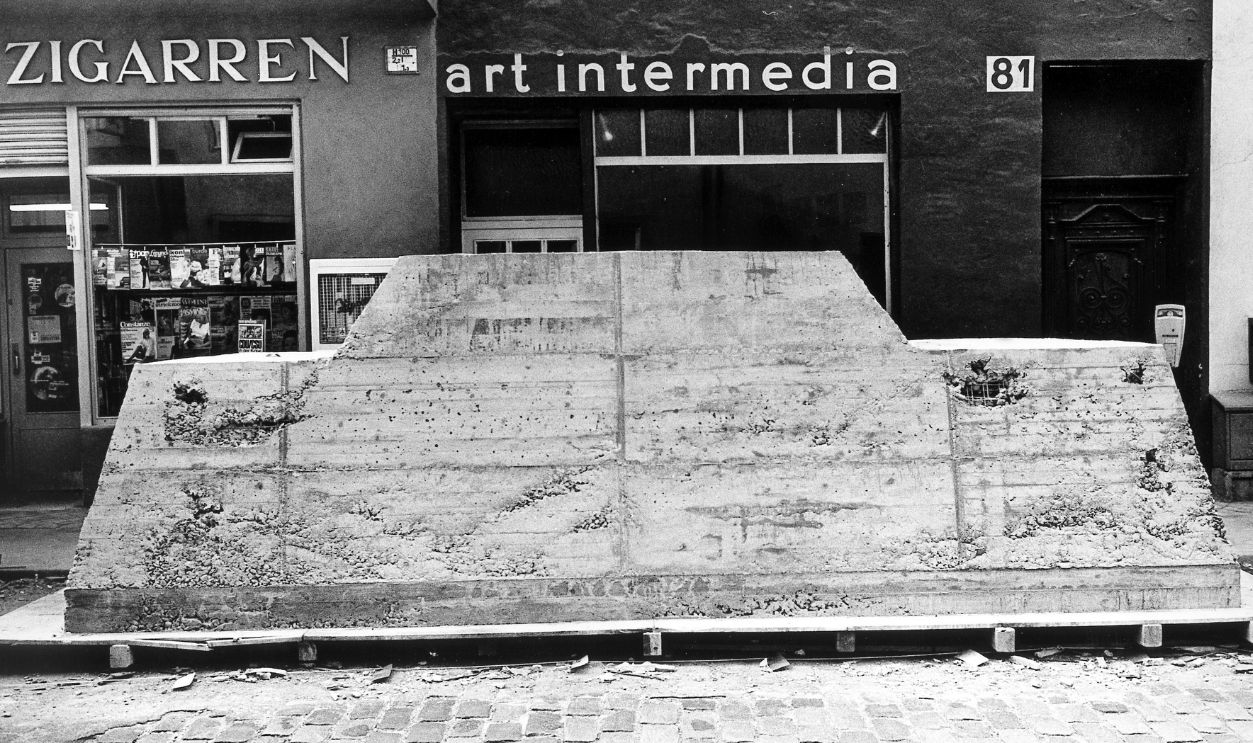 Bildagentur-online, Getty Images
Enter Wolf Vostell
The mastermind behind the Concrete Caddy was Wolf Vostell, a German-born artist and founding figure of the Fluxus movement. Known for challenging convention, Vostell believed art should collide with everyday life — and sometimes with cars — in ways that felt shocking, playful, and impossible to ignore.
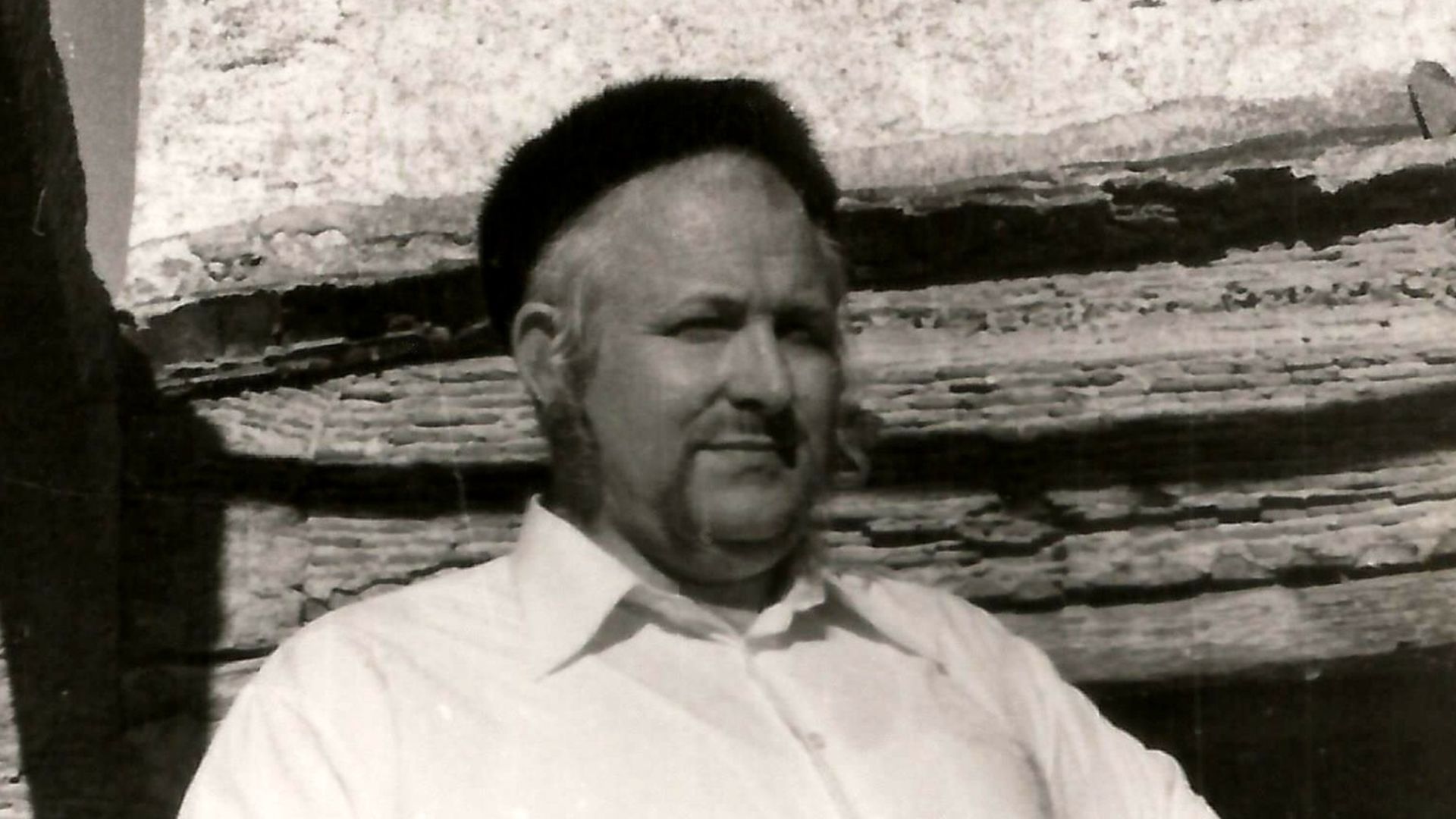 Santisolyluna, Wikimedia Commons
Born In The Era Of Big Ideas
In the late 1960s, Chicago’s Museum of Contemporary Art commissioned Vostell to create something bold and provocative. His answer was unforgettable: a 1957 Cadillac Sedan DeVille wrapped in steel mesh and swallowed by roughly 15 cubic yards of concrete.
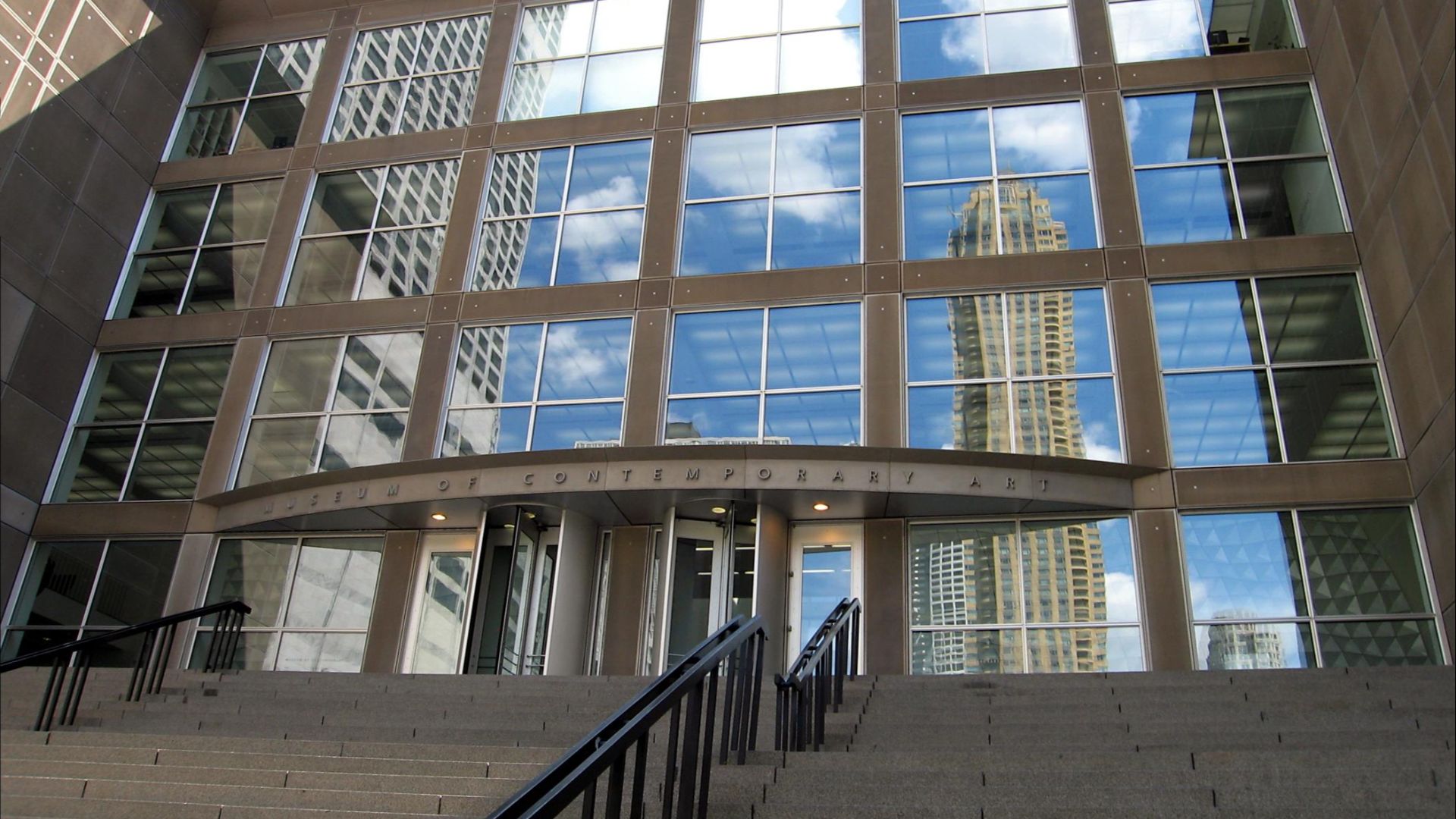 Céline from Paris, France, Wikimedia Commons
“Concrete Traffic” Takes Shape
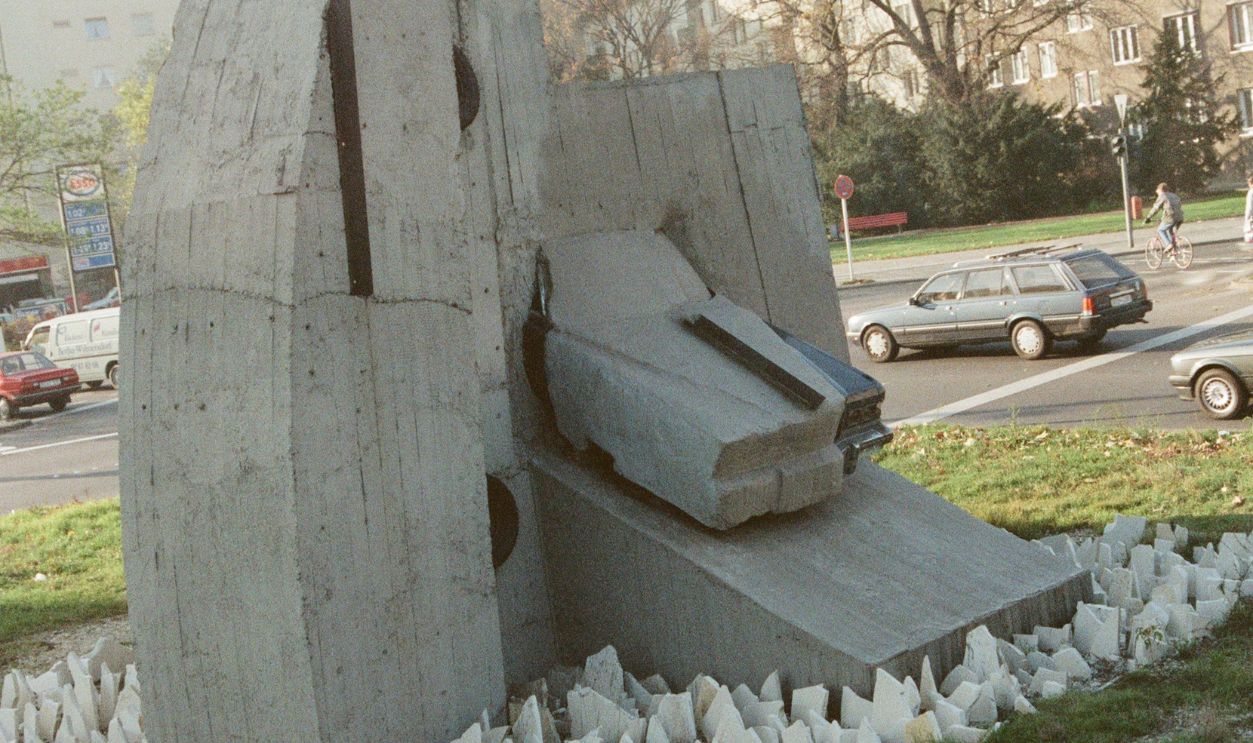
Vostell titled the piece Concrete Traffic, a deliberate contradiction. Instead of flowing down city streets, this Cadillac would embody congestion, permanence, and immobility — a sculptural traffic jam locked in mid-century American optimism.
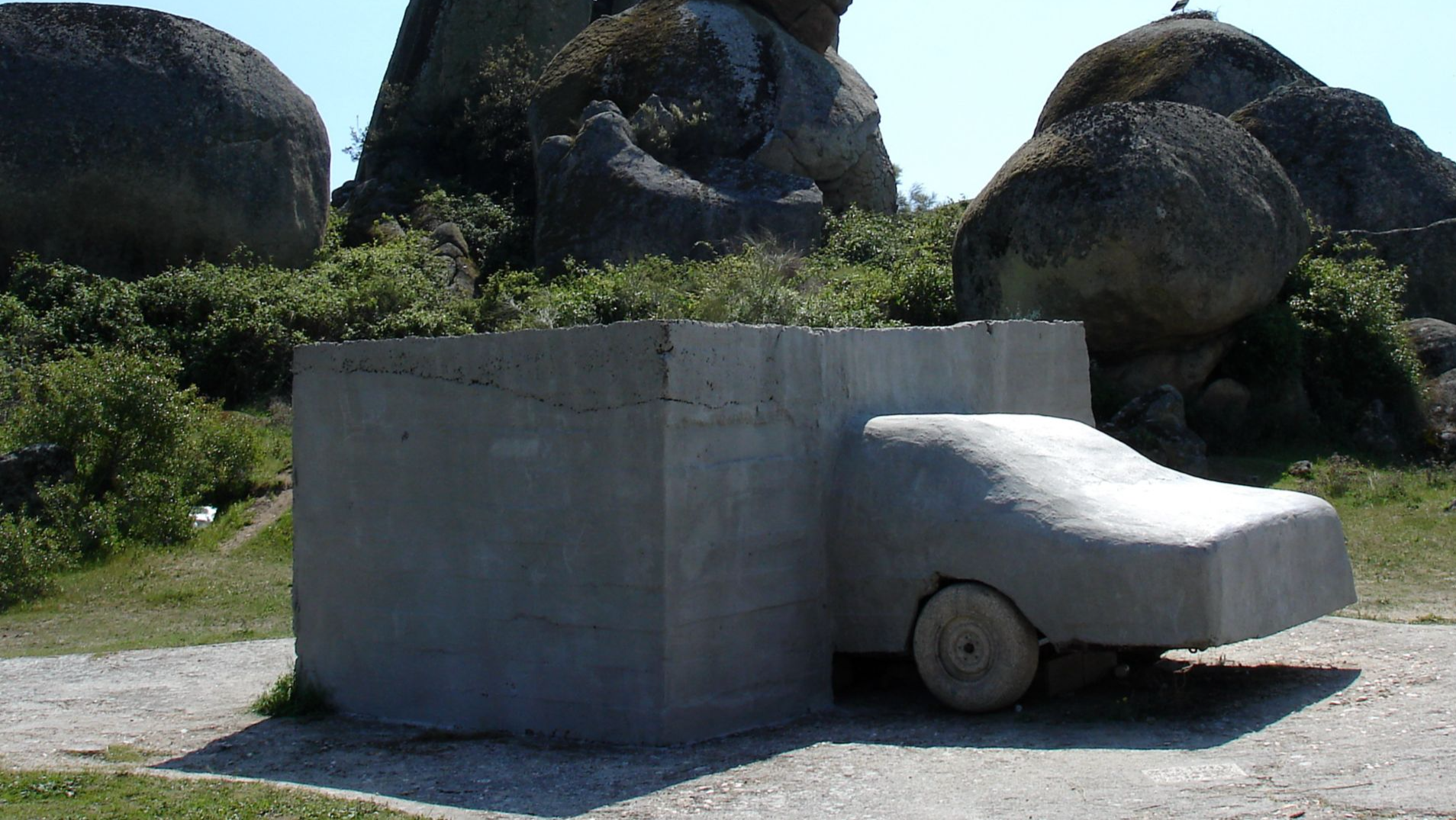 MichaelDeVos at English Wikipedia, Wikimedia Commons
A Parking Lot Becomes A Stage
In January 1970, the Cadillac was encased outdoors on a parking lot near the museum. Curious Chicagoans watched as concrete trucks arrived and the elegant sedan slowly disappeared beneath layers of gray cement, tire outlines and tailfins still faintly visible.
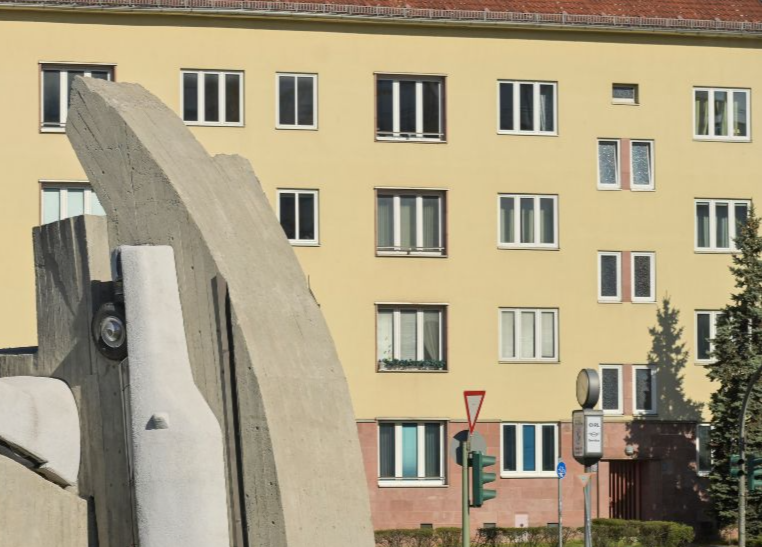 Bildagentur-online, Getty Images
A Cadillac With A Message
To Vostell, this wasn’t just an outrageous stunt. The piece commented on car culture, urban growth, and the uneasy relationship between modern cities and the machines built to conquer them. It questioned whether progress always meant motion.
How Do You Bury A Car On Purpose
The process was meticulous. Workers reinforced the Cadillac with rebar and steel mesh, built a wooden mold around it, and poured concrete in stages. When finished, the sculpture weighed an estimated 16 tons — heavy enough to defy relocation without serious planning.
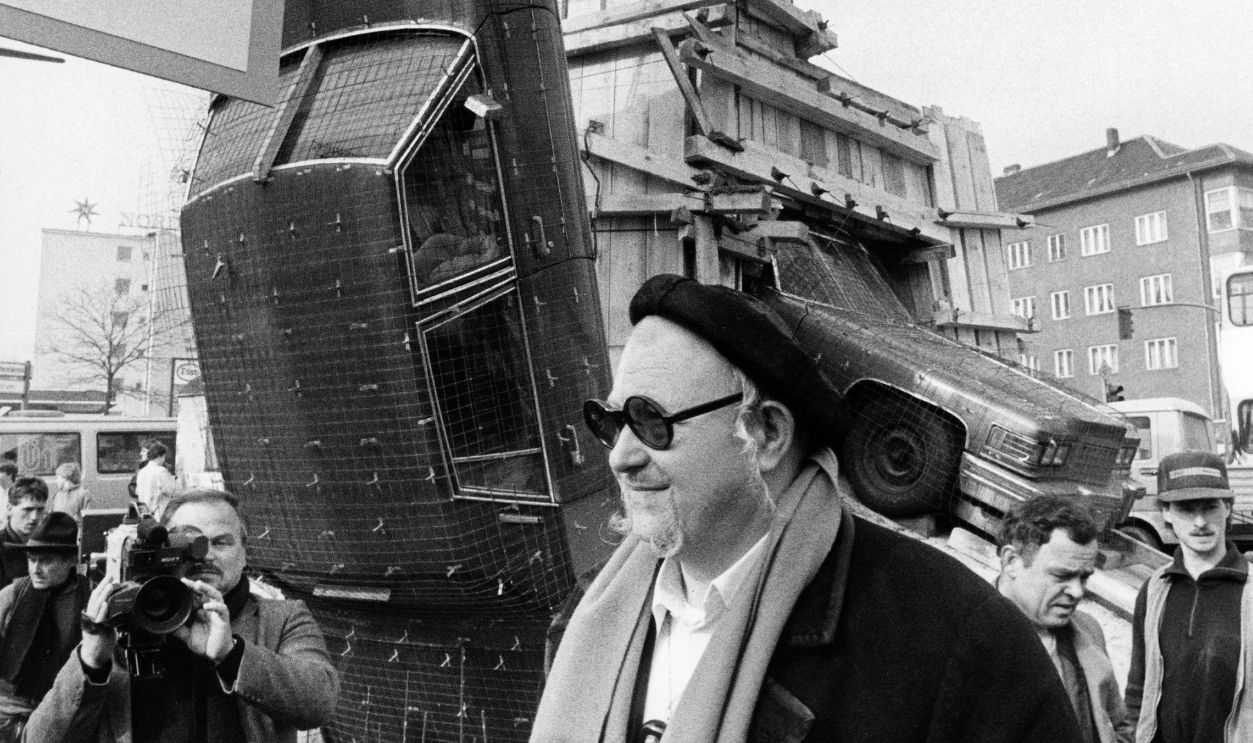
Luxury Locked In Place
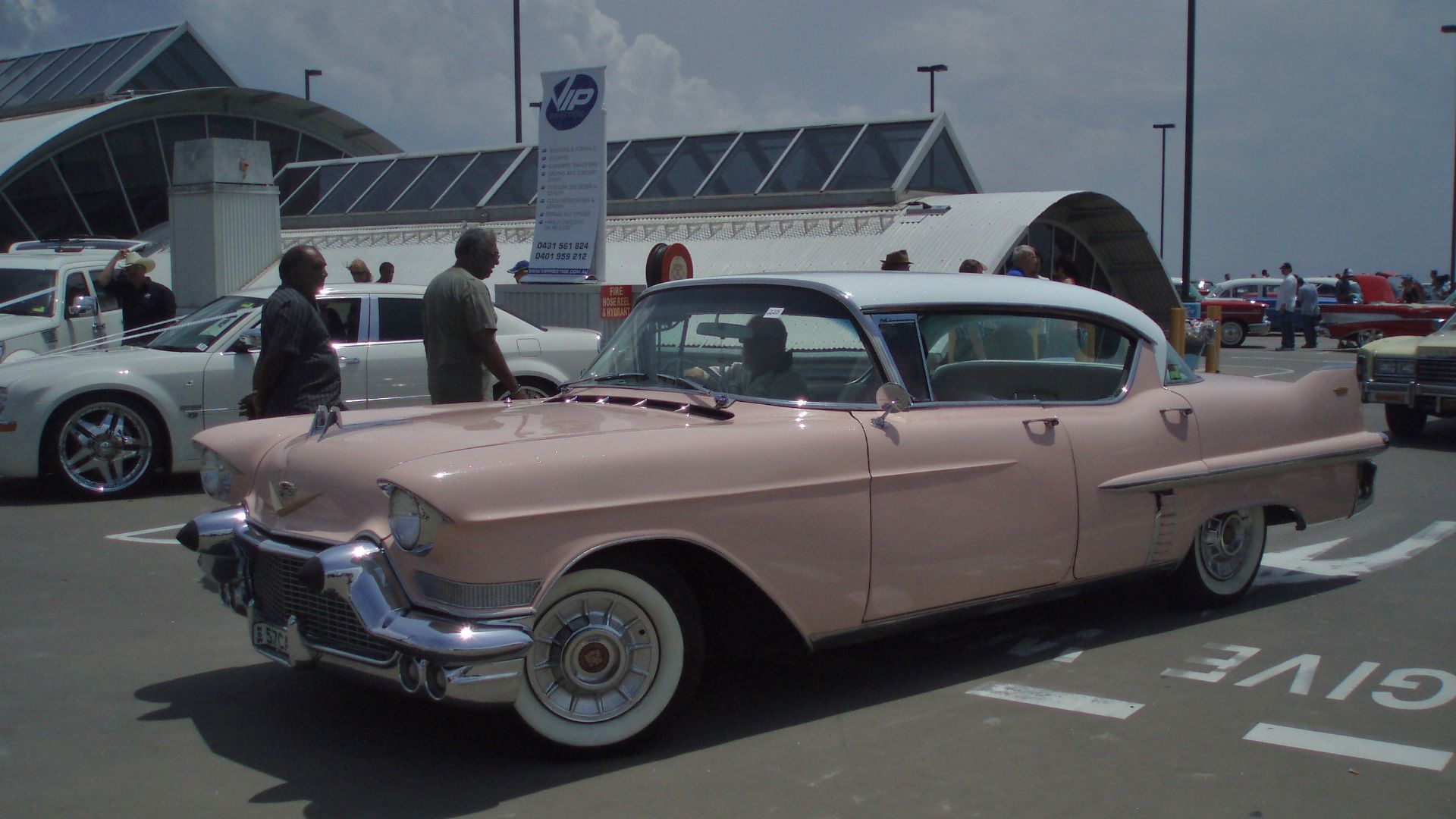
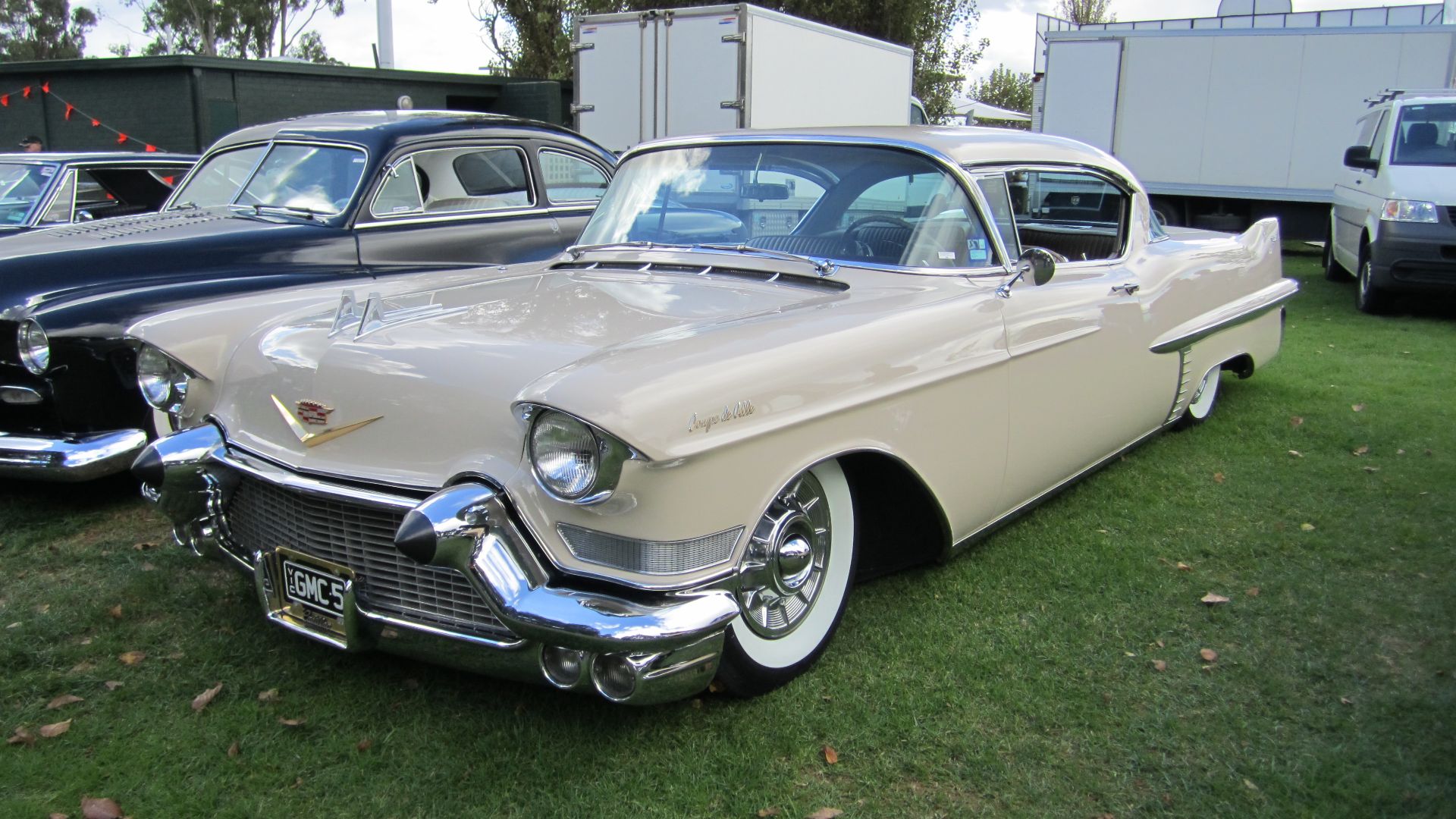
There’s something poetic about a Cadillac — once the pinnacle of American luxury — rendered completely useless as transportation. Chrome trim, whitewall tires, and sweeping body lines were all sealed away, preserved yet functionally erased.
From Museum Oddity To Campus Artifact
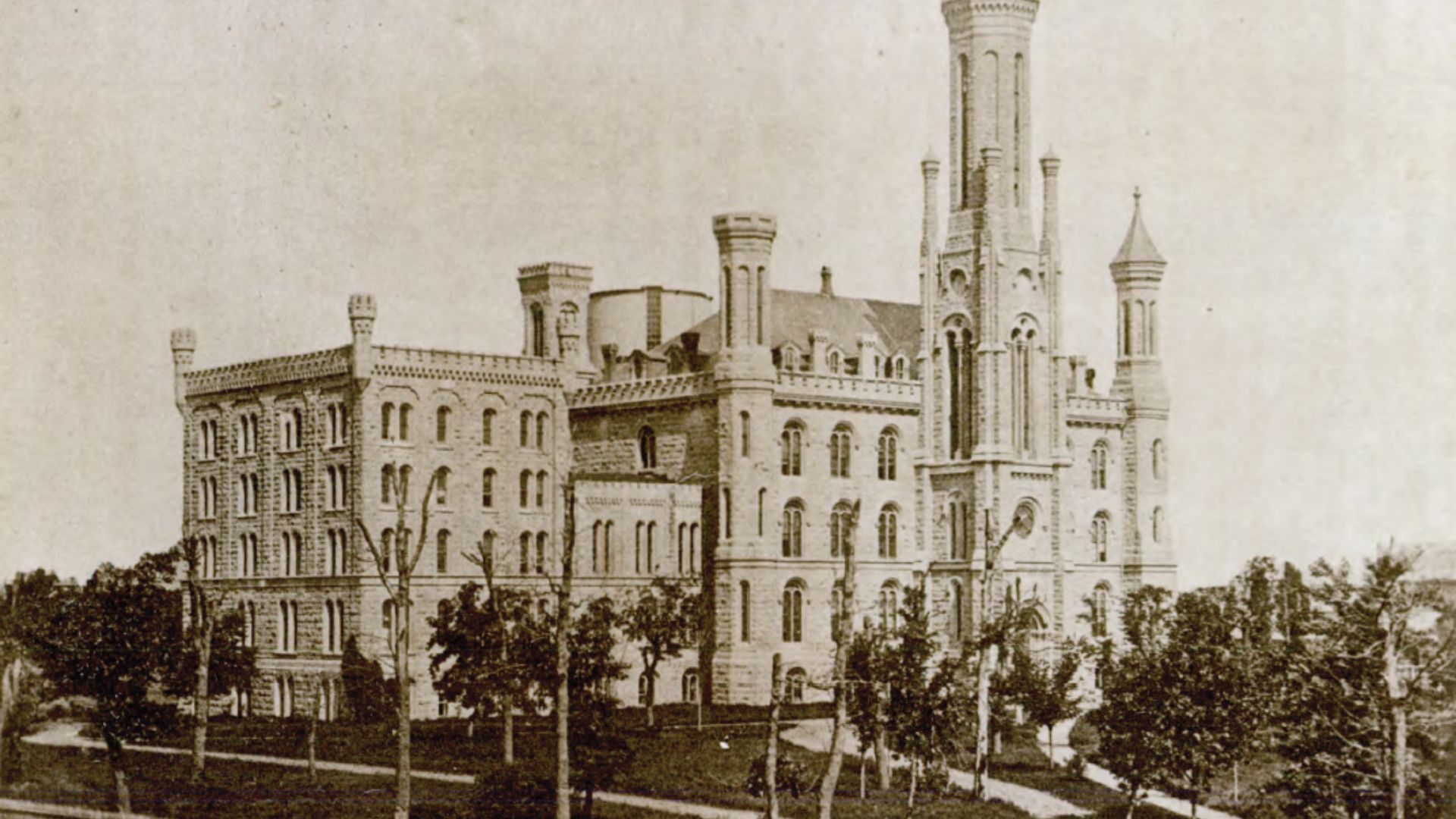
After its initial display, Concrete Traffic was donated to the University of Chicago in 1970. Over time, it quietly became part of the campus landscape, puzzling students and passersby who often mistook it for a strange architectural feature.
 Unknown authorUnknown author, Wikimedia Commons
Decades Of Quiet Exposure
For years, the sculpture sat outdoors, enduring Chicago winters, summers, and everything in between. Cracks formed, water seeped in, and the concrete slowly showed its age, even as the Cadillac inside remained unseen and unreachable.
A Rescue Mission Begins
In the 2010s, art historian Christine Mehring recognized the sculpture’s historical importance and fragile condition. She spearheaded efforts to restore and preserve Concrete Traffic before time and weather caused irreversible damage.
 ullstein bild Dtl, Getty Images
Preserving Steel And Stone
The conservation effort involved engineers, art conservators, and specialists who stabilized the concrete and addressed structural concerns. Fundraising efforts helped ensure the Cadillac-in-concrete would survive for future generations of confused and delighted viewers.

A New Home In Hyde Park
In 2016, the sculpture was carefully relocated to its current home inside the Campus North parking garage at 5501 South Ellis Avenue. Sheltered from the elements, it gained a second life as an indoor landmark.
Hidden In Plain Sight
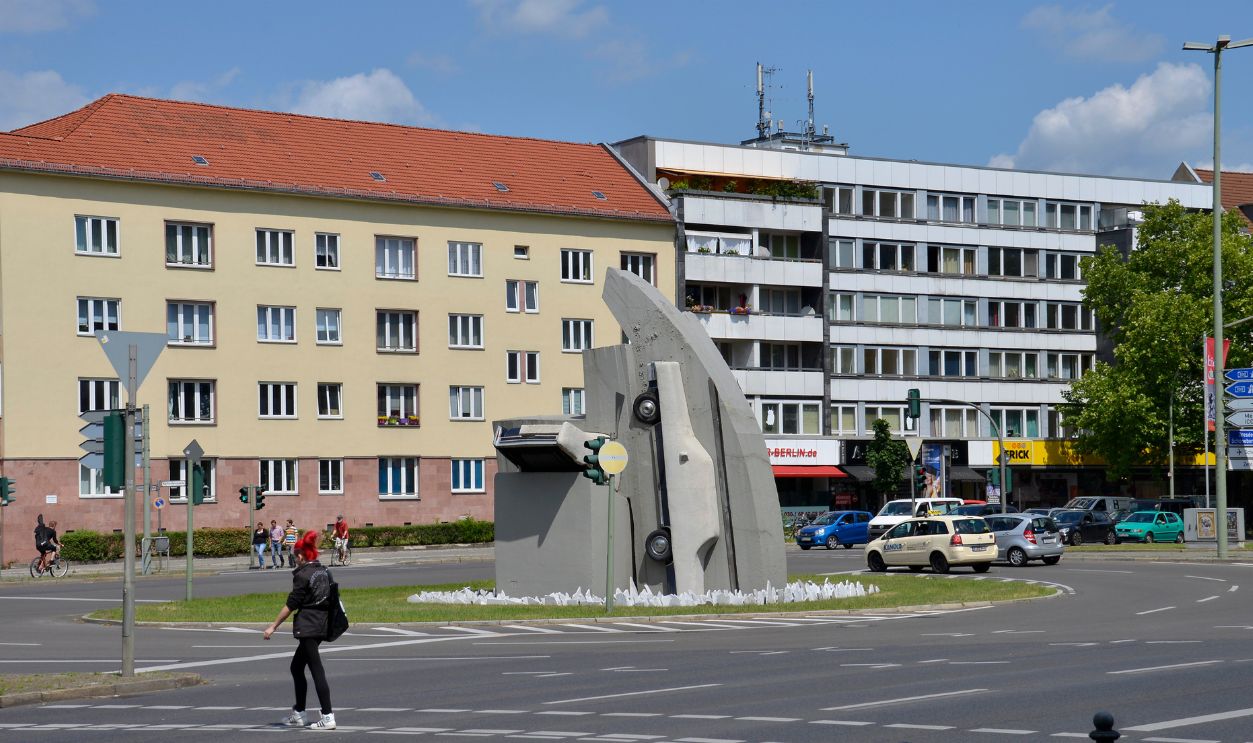
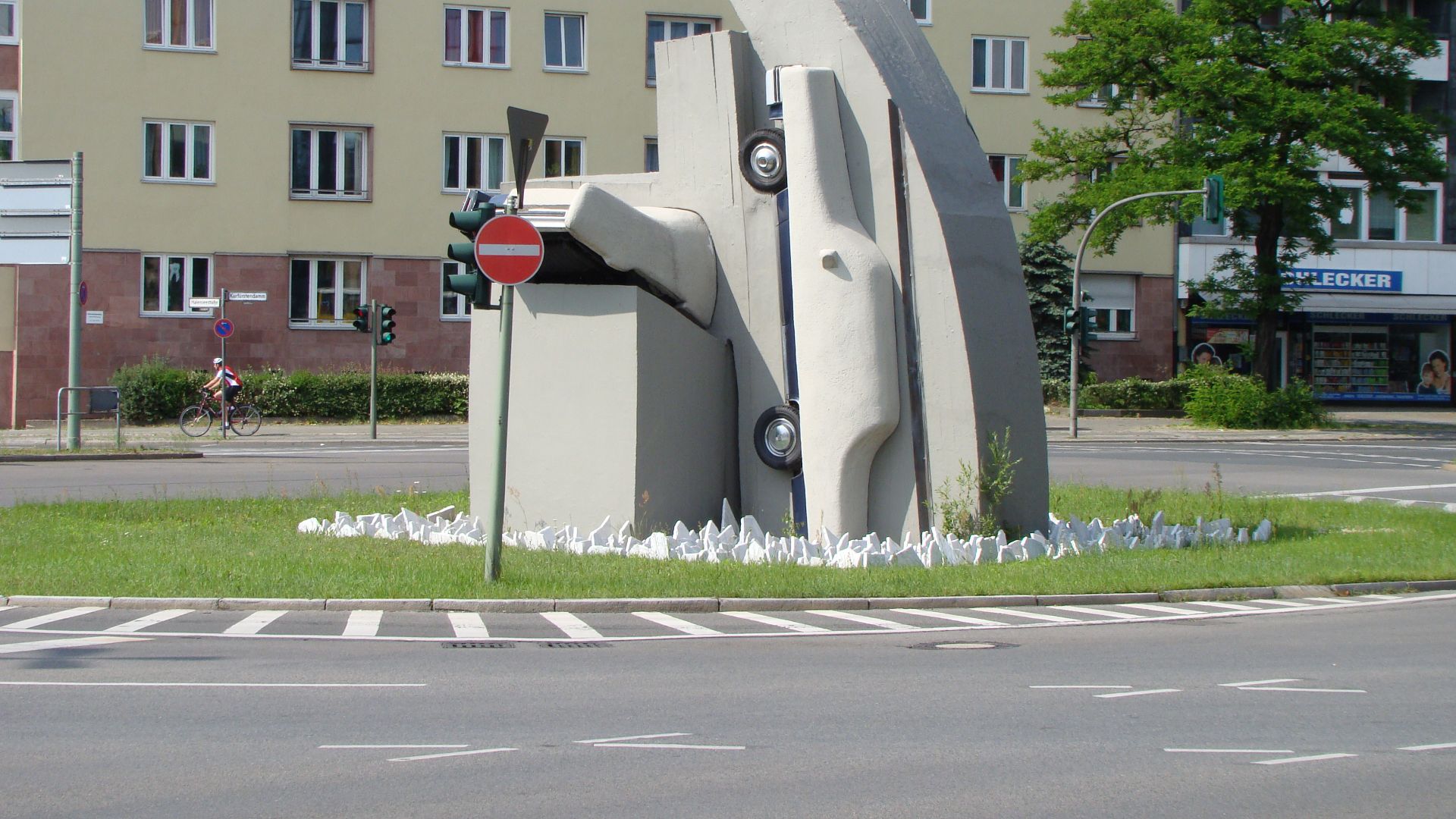
Many people still walk past the Concrete Caddy without realizing what it is. At first glance, it looks like a sculptural block or traffic barrier — until someone points out the unmistakable outline of a car trapped inside.
 http://en.wikipedia.org/wiki/User:Justanother, Wikimedia Commons
The Moment It Clicks
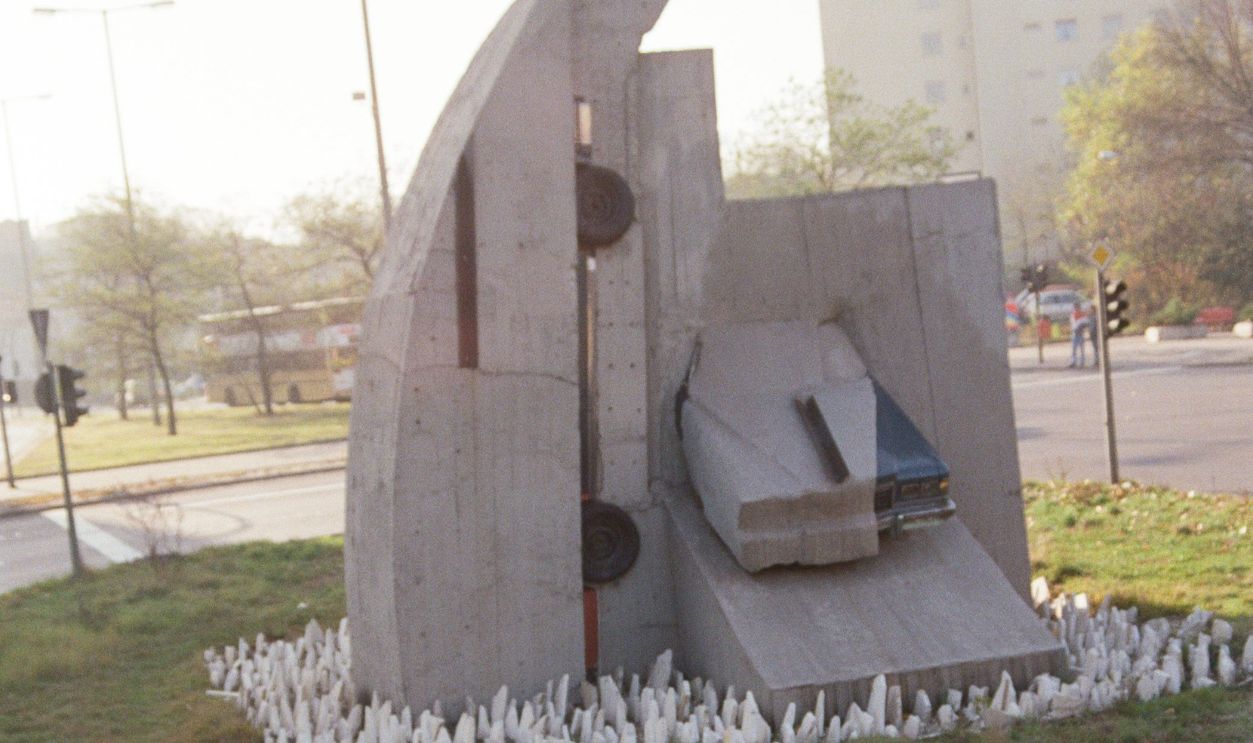
Once you realize there’s a Cadillac in there, you can’t stop seeing it. The shape becomes obvious, and suddenly the sculpture feels playful, absurd, and oddly charming rather than cold or imposing.
A Viral Rediscovery
In recent years, social media has breathed new life into the Concrete Caddy. Photos and videos shared online have turned the sculpture into a minor local celebrity, surprising people who never expected art history inside a parking garage.
 ullstein bild Dtl, Getty Images
Student Life Meets Sculpture
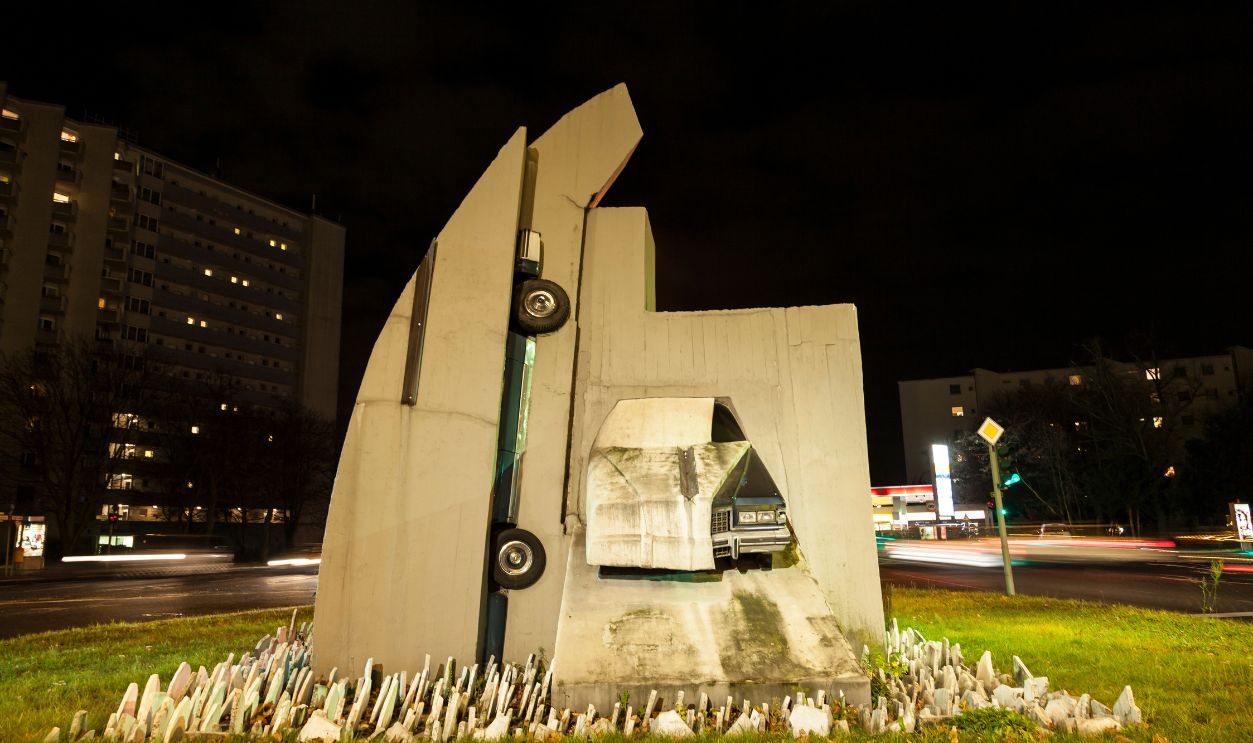
Students now sit near it, lean bikes against it, and pose for photos beside it. Blankets and jackets are sometimes draped over the concrete, giving the Cadillac an oddly human presence within its rigid shell.
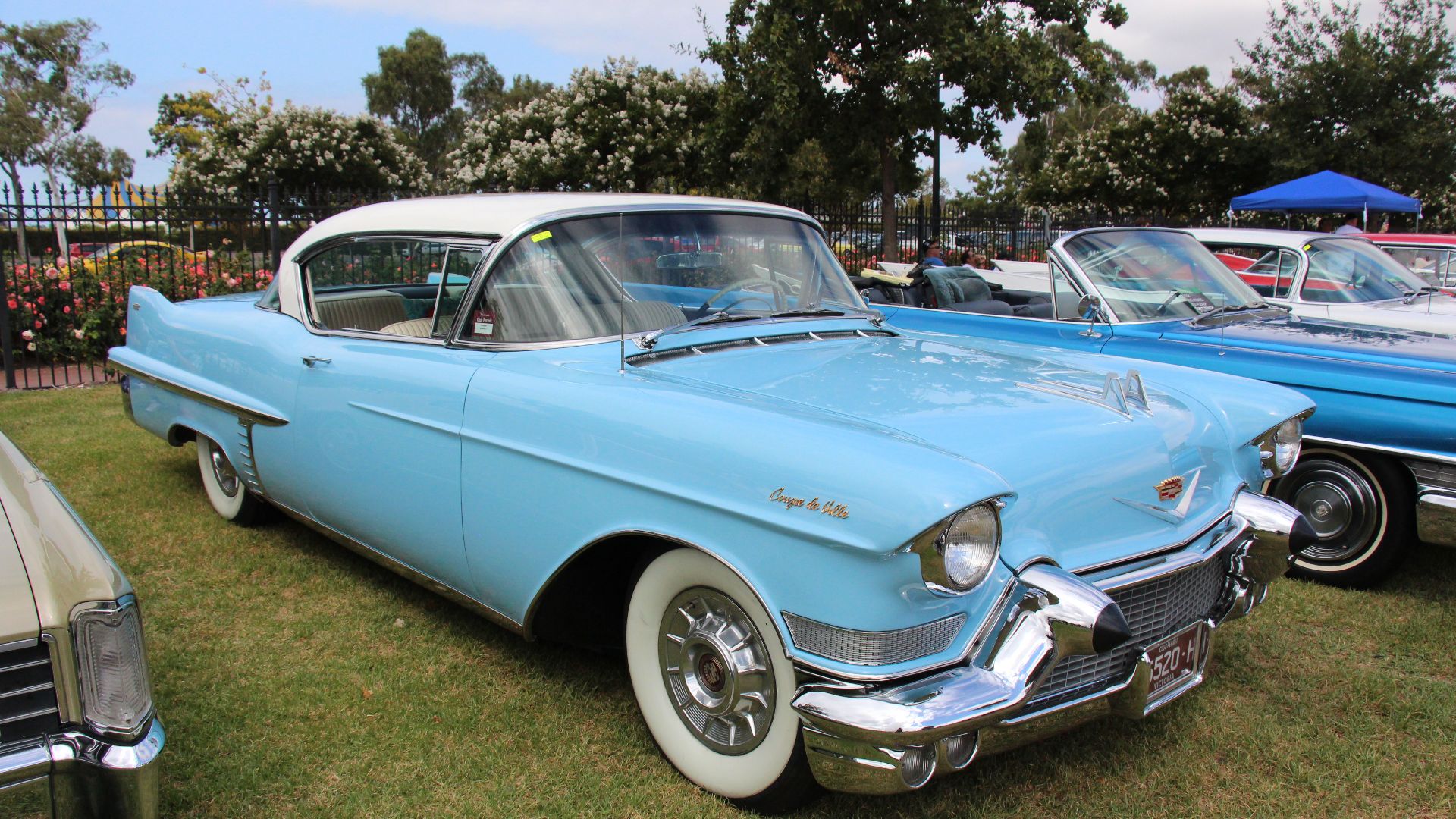
When Art And Cars Collide
For car enthusiasts, the sculpture hits differently. Seeing a 1950s Cadillac — an icon of speed, comfort, and freedom — rendered immobile creates a fascinating tension between motion and stillness.
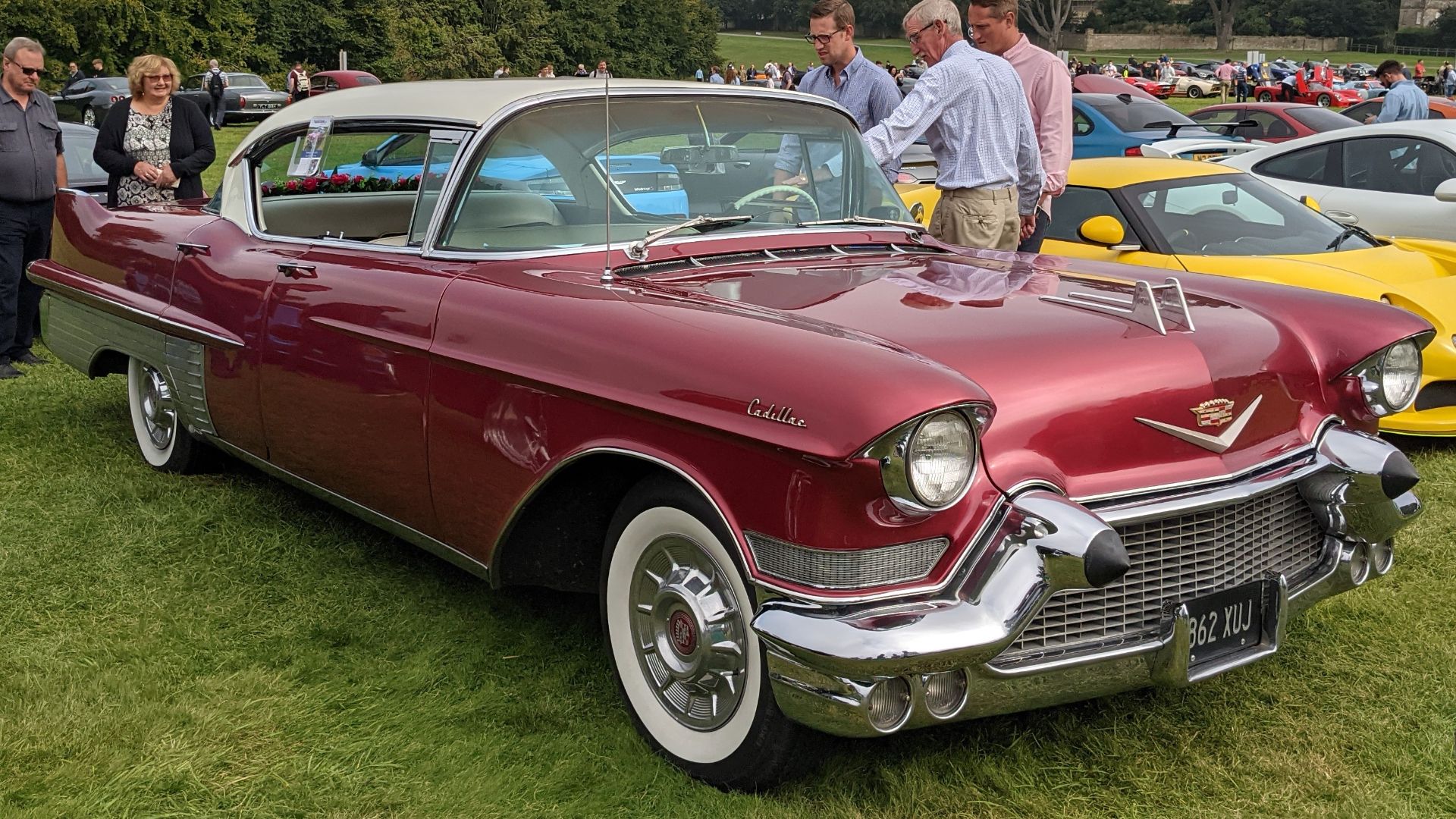
Frozen Mid-Cruise
It’s tempting to imagine the Cadillac just before entombment, paint gleaming and engine intact. The sculpture captures that energy forever, like a snapshot of automotive ambition abruptly paused.
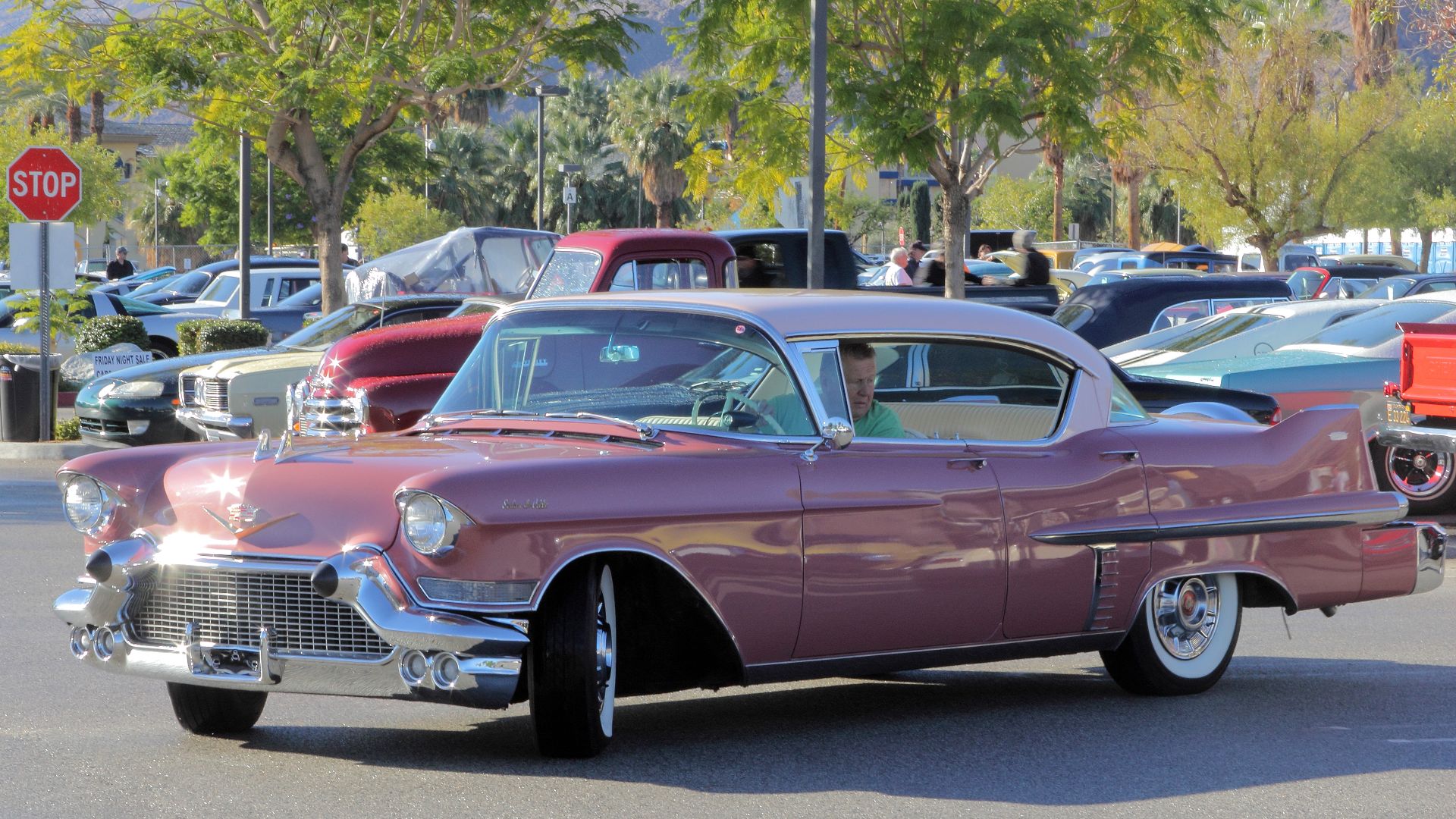
More Than A Gimmick
Despite its novelty, Concrete Traffic holds serious artistic weight. It represents a moment when artists challenged industrial culture head-on, using familiar objects to provoke deeper reflection about modern life.
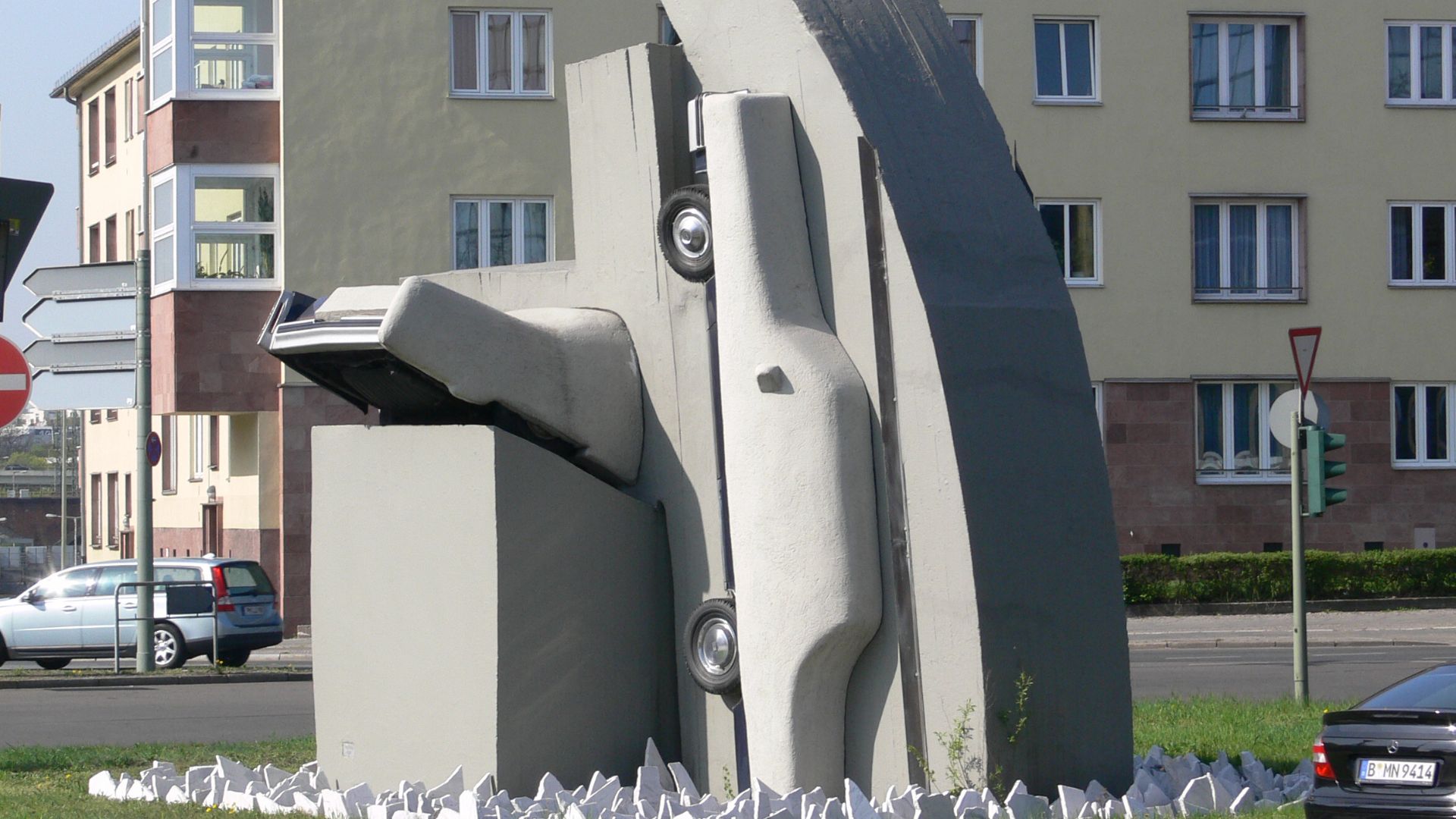 Photo: Andreas Praefcke, Wikimedia Commons
Why This Cadillac Endures
The sculpture survives because it tells multiple stories at once — about cars, cities, art, and excess. It refuses to fit neatly into one category, which keeps people talking decades later.
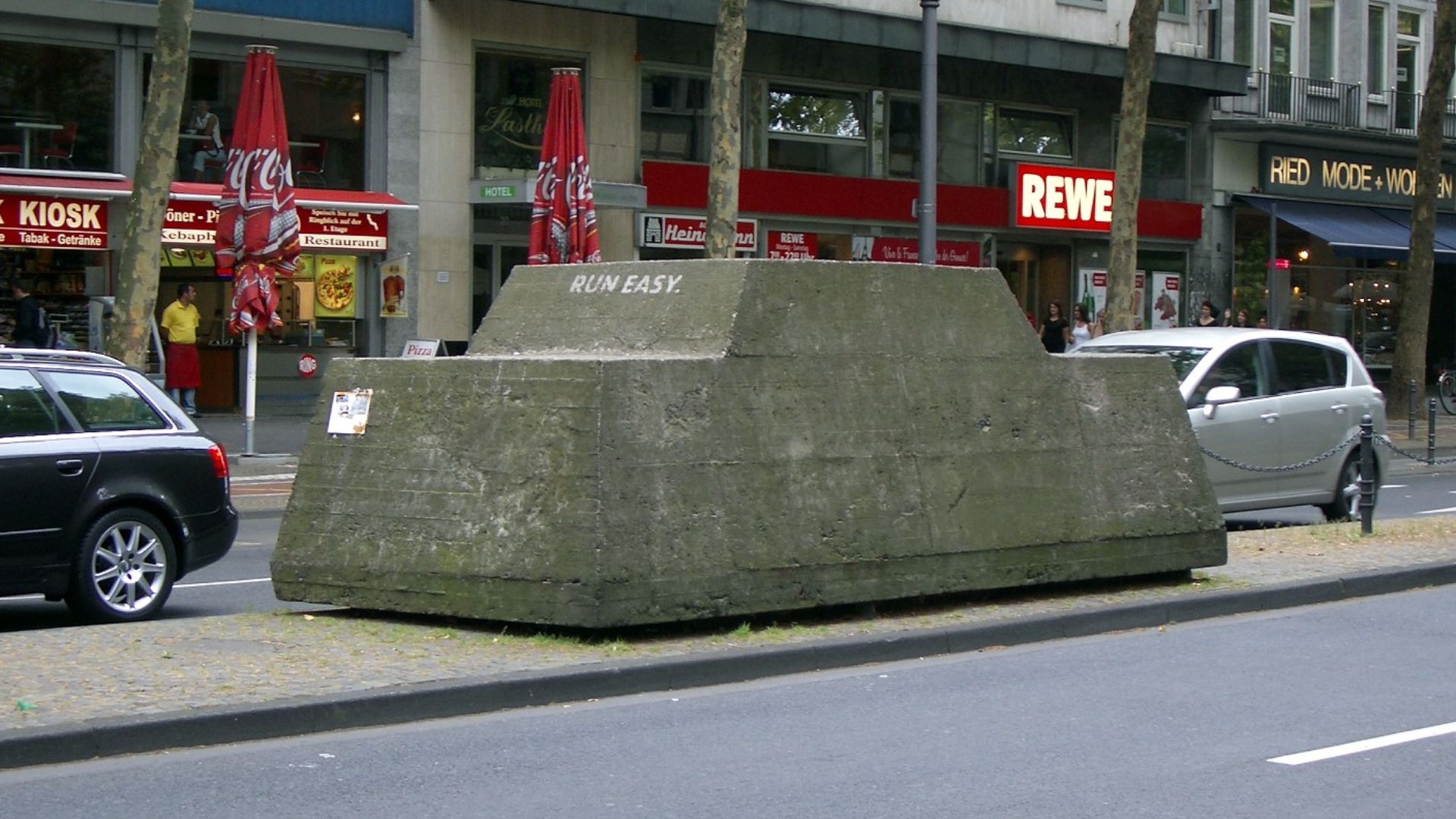 VollwertBIT, Wikimedia Commons
Concrete As Preservation And Prison
Concrete protects the Cadillac from rust while also imprisoning it forever. That contradiction mirrors our complicated relationship with automobiles, which promise freedom but often create congestion and constraint.
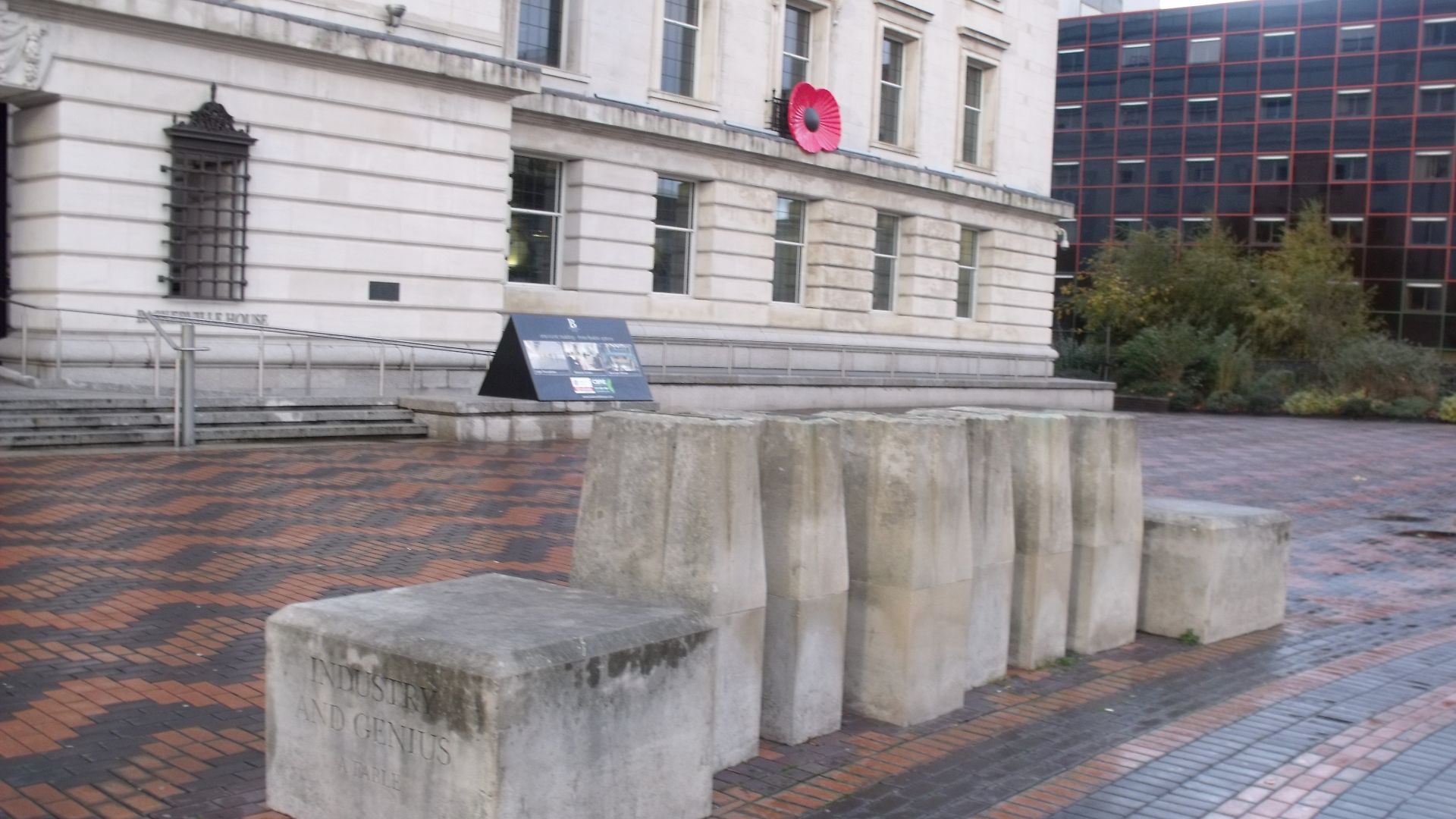 Elliott Brown from Birmingham, United Kingdom, Wikimedia Commons
A Landmark Without A Plaque
Unlike statues or monuments, the Concrete Caddy doesn’t loudly announce itself. Its discovery feels personal, like stumbling upon a secret only locals are supposed to know.
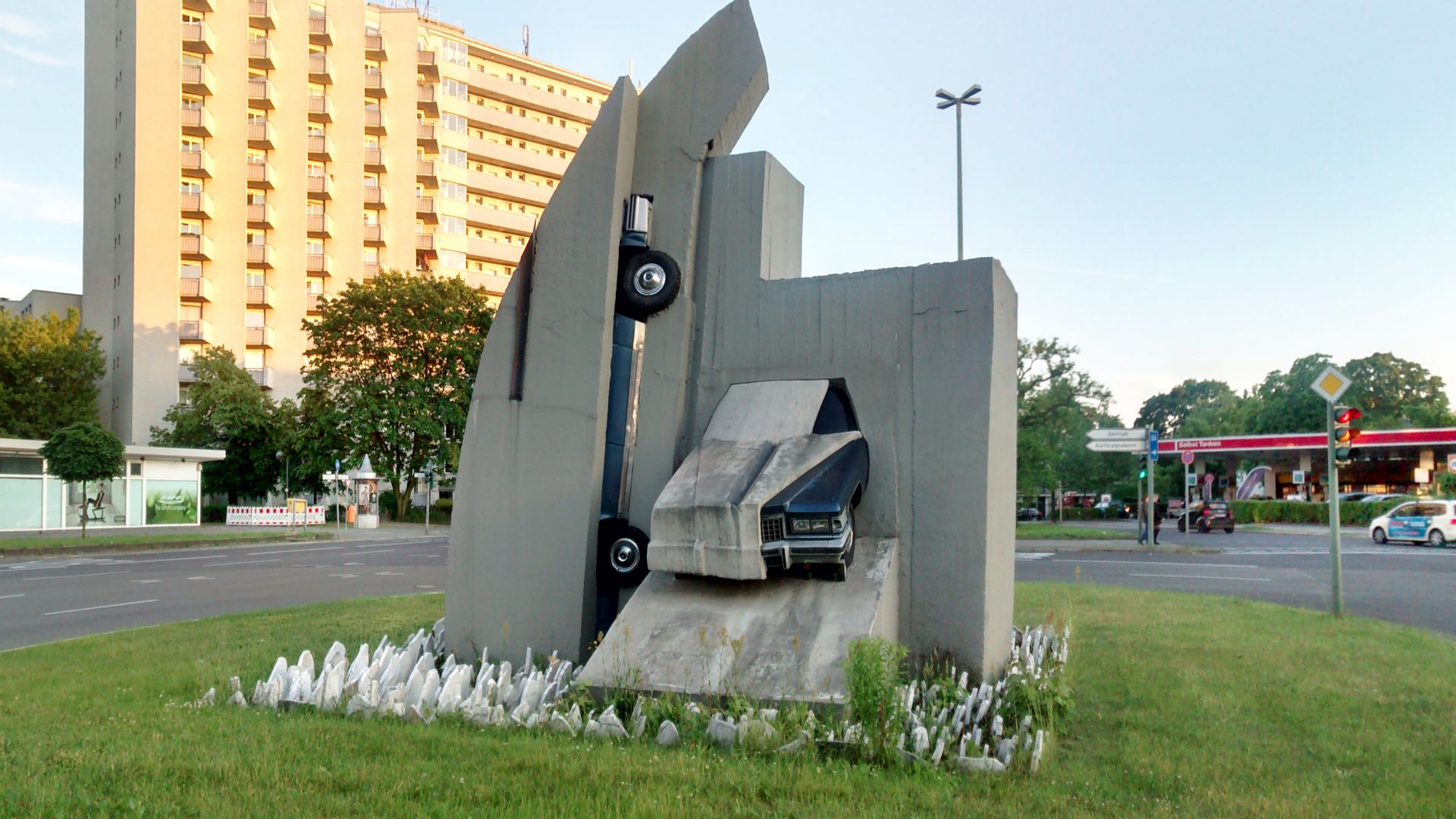 Gunnar Klack, Wikimedia Commons
The Car That Will Never Move Again
This Cadillac’s journey ended the moment the concrete hardened. Yet in staying still, it has traveled further culturally than many cars that logged millions of miles.
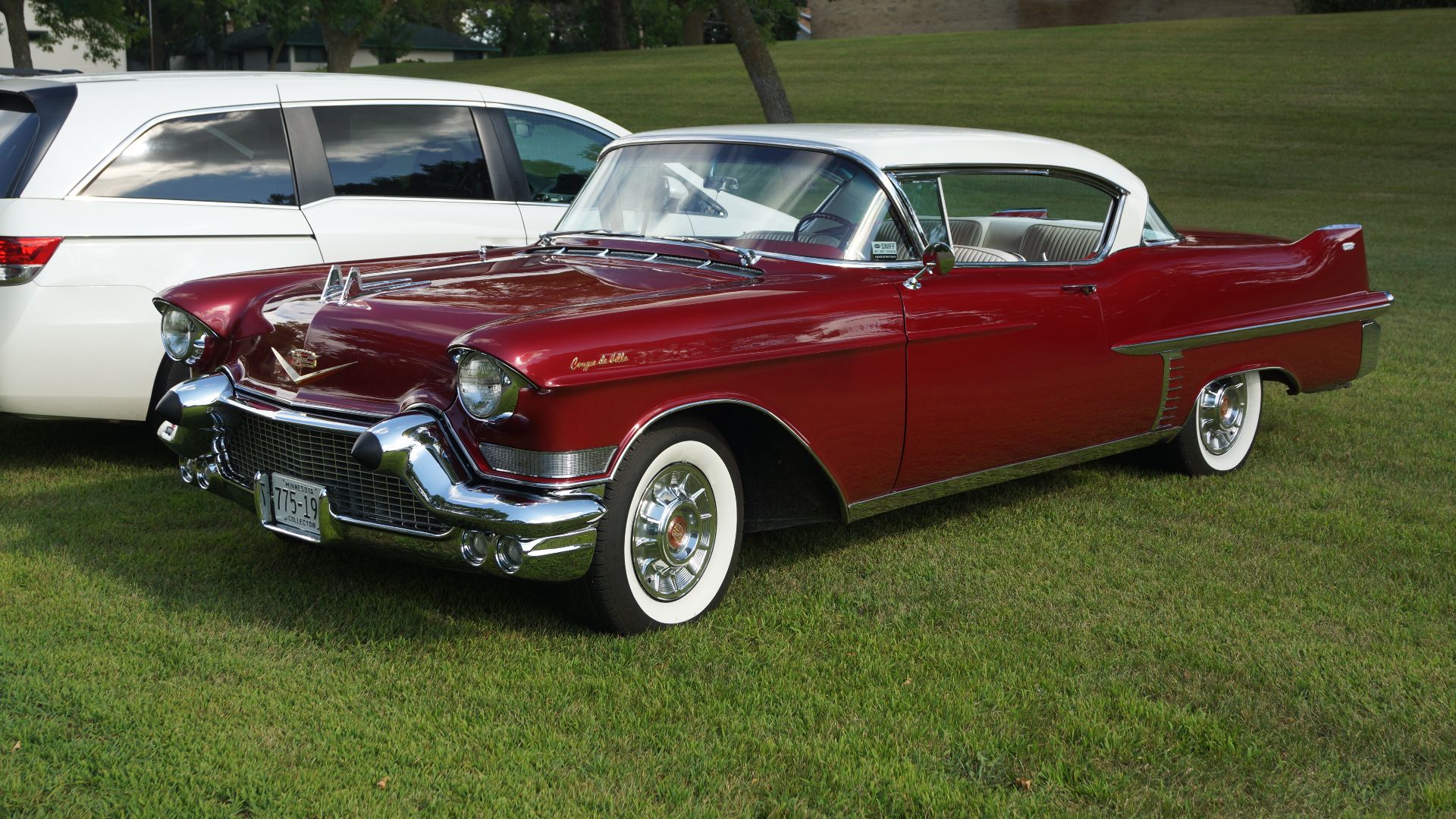 Greg Gjerdingen from Willmar, USA, Wikimedia Commons
Let Sleeping Cadillacs Lie
The Concrete Caddy doesn’t need to be freed to be appreciated. Encased in cement, it remains one of Chicago’s strangest automotive artifacts — a reminder that sometimes the best car stories aren’t about driving at all.
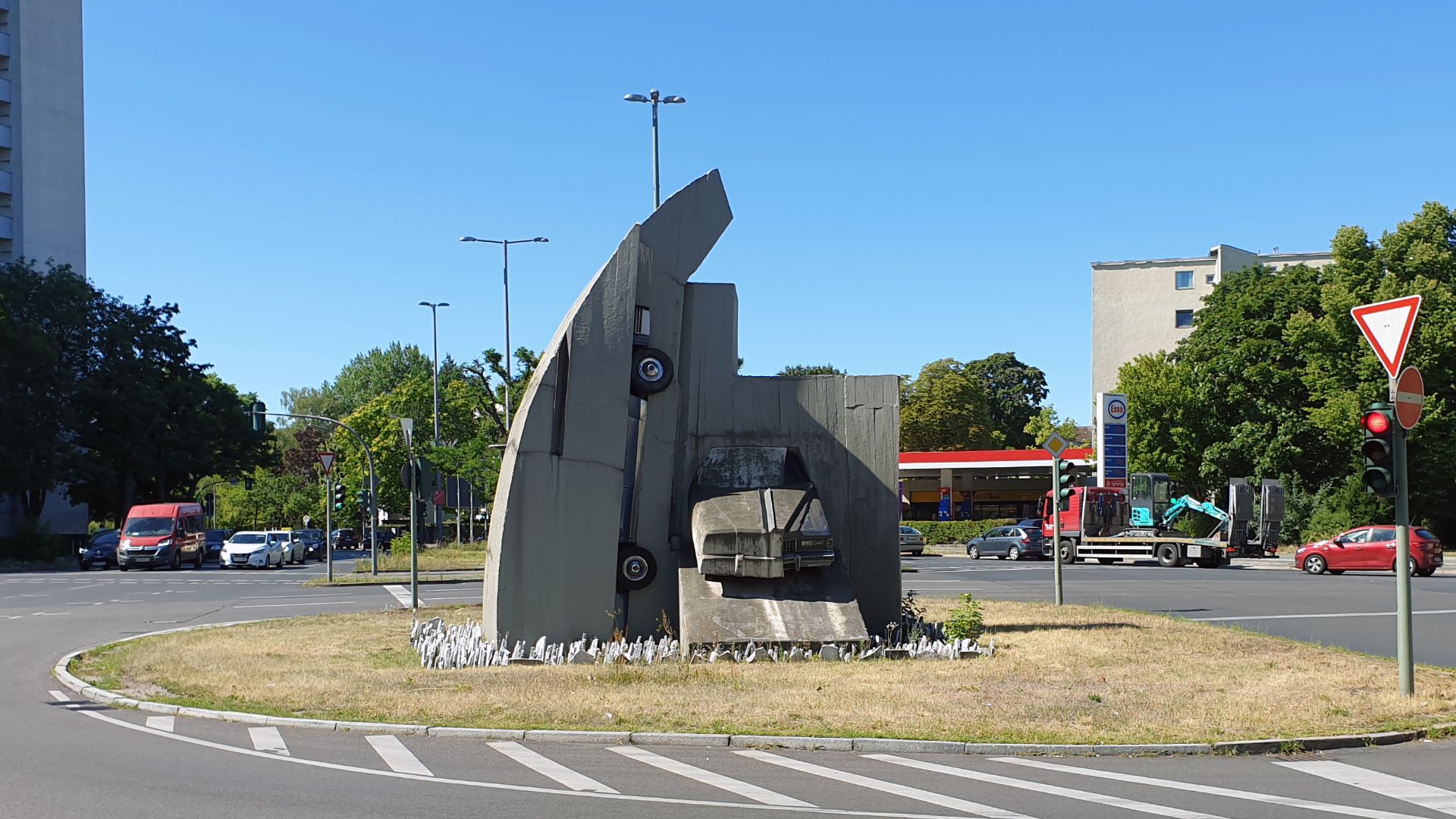 OTFW, Berlin, Wikimedia Commons
You May Also Like:
When It Comes To Buying A Used Car, These Common Mistakes Cost People More Than They Realize
The Infamous Chevrolet Corvair
The Best Off-Road Vehicles: These Vehicles Are Built So Tough They Can Handle Almost Any Terrain