A Forgotten Muscle Car Moment
In the mid-80s, Dodge quietly released something outrageous. It looked like a boxy economy hatchback, but underneath, it was a snarling performance machine tuned by Carroll Shelby. Most people missed it entirely—and that’s exactly why the 1986 Dodge Omni GLHS became a legend in hiding.
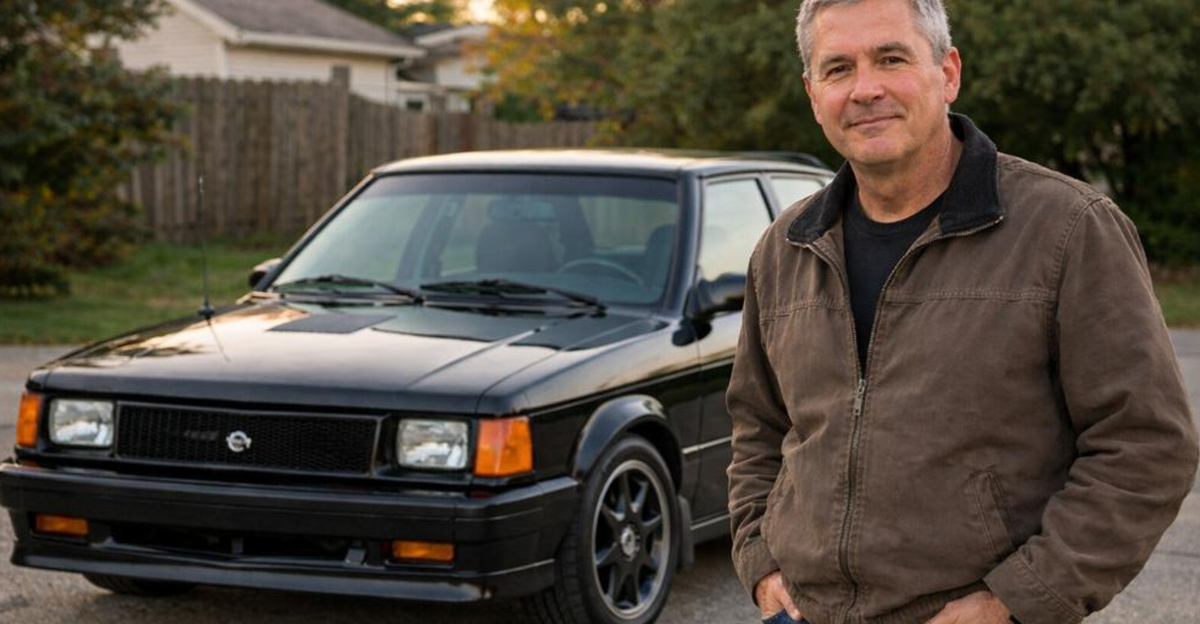
It Started Life as an Economy Car
The Dodge Omni (before the "GLHS") was never meant to be exciting. It was practical, affordable, and everywhere. That bland reputation made it the perfect sleeper. No one expected a humble front-wheel-drive hatchback to become one of the most aggressive small American performance cars of the decade.
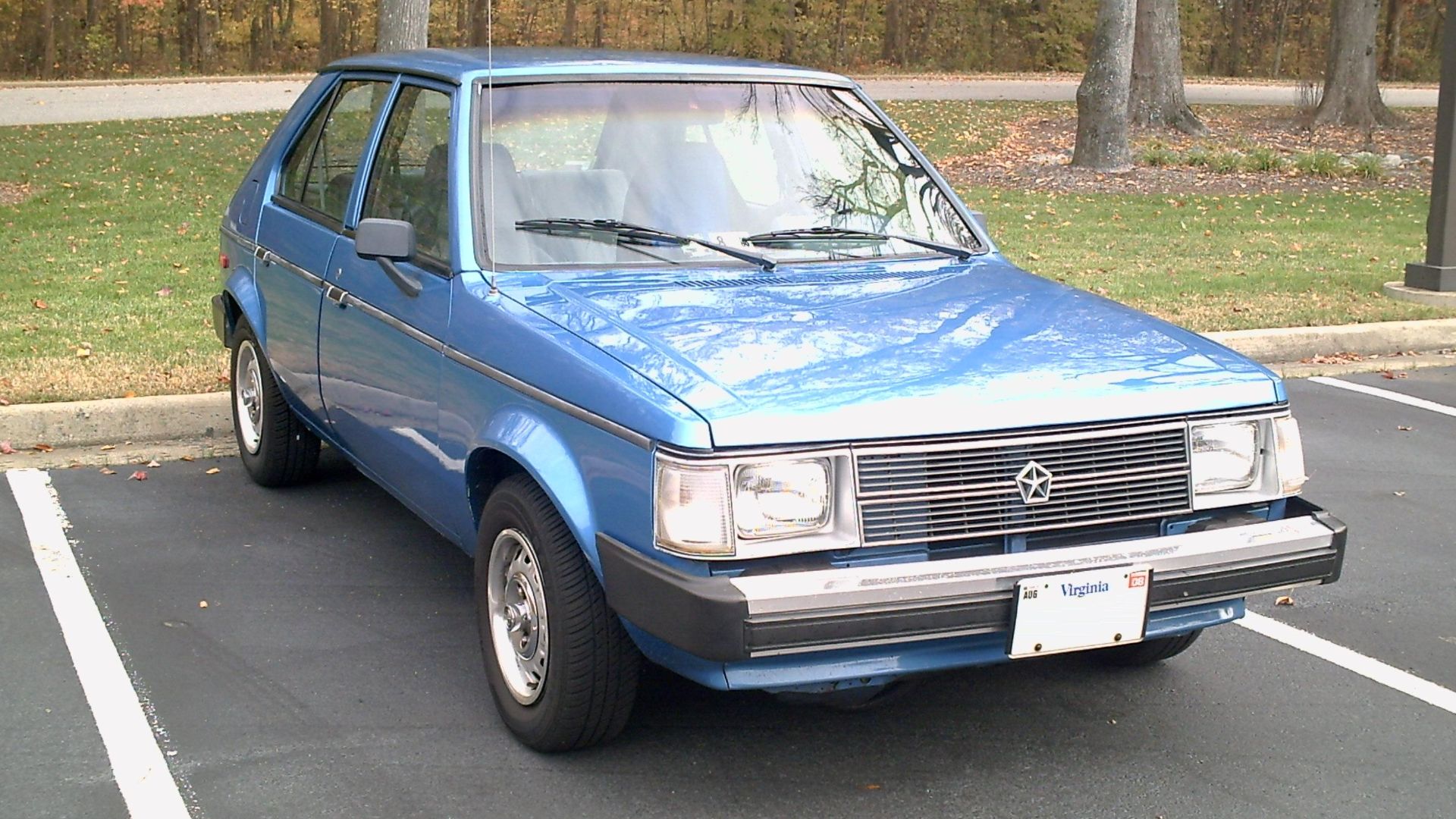 Bamman. Original uploader was Bamman at en.wikipedia, Wikimedia Commons
Shelby Gets Involved—Again
Carroll Shelby had already worked magic with Dodge in the 80s, but the Omni GLHS was his boldest move. Shelby Automobiles took the already-quick Omni GLH and pushed it into genuinely wild territory, both mechanically and philosophically.
 Bwilliams85, Wikimedia Commons
What “GLHS” Really Meant
GLH originally stood for “Goes Like Hell.” GLHS added one more word—“Some more” (well, two words). That wasn’t marketing fluff. It was Shelby’s warning that this car was not subtle, polite, or intended for casual drivers.
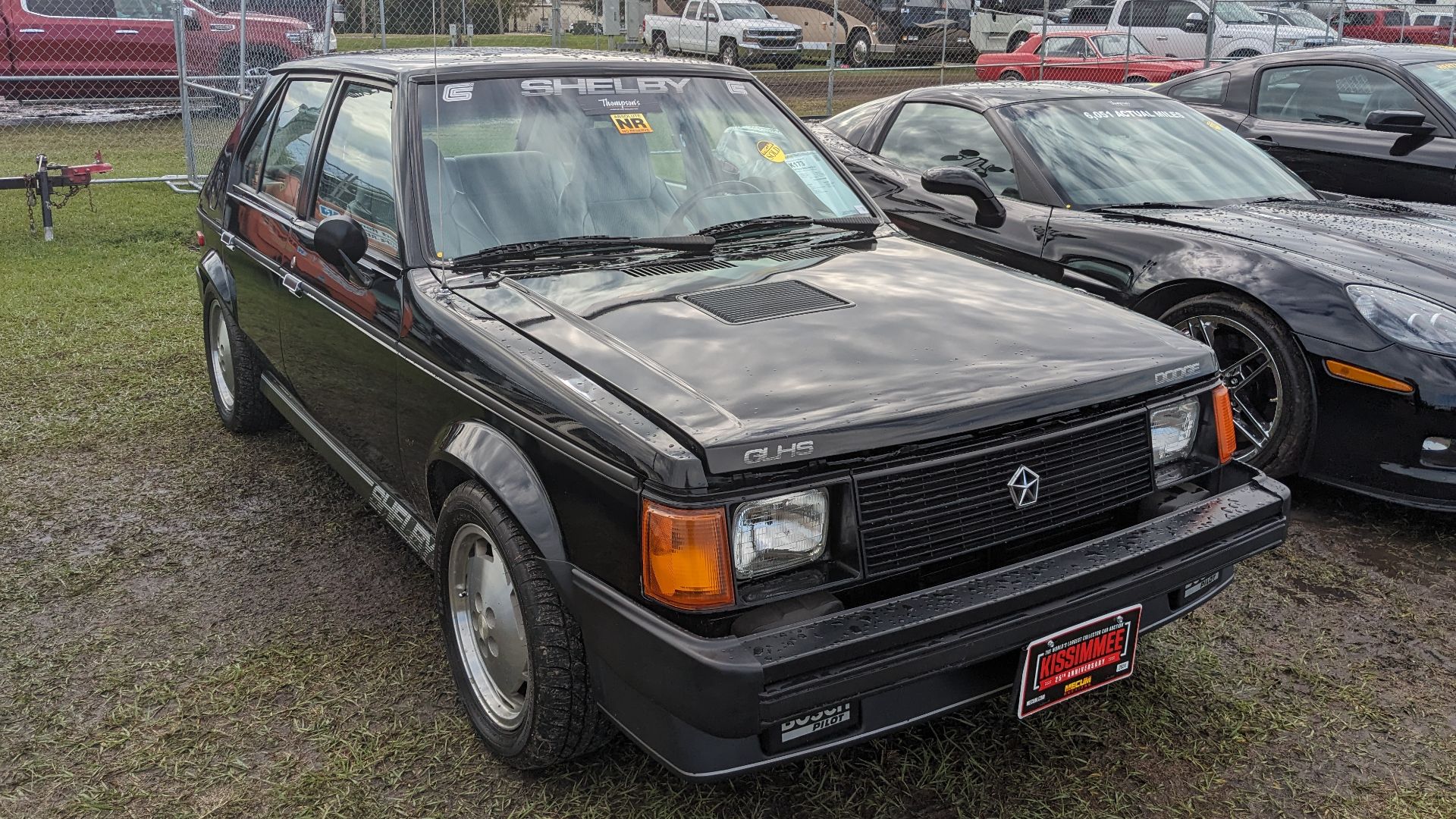 Pokemonprime, Wikimedia Commons
The Shelby-Tuned Engine
Under the hood sat a turbocharged 2.2-liter four-cylinder Shelby reworked extensively. It produced around 175 horsepower, which doesn’t sound huge today—but in a tiny, lightweight 80s hatchback, it was borderline unhinged.
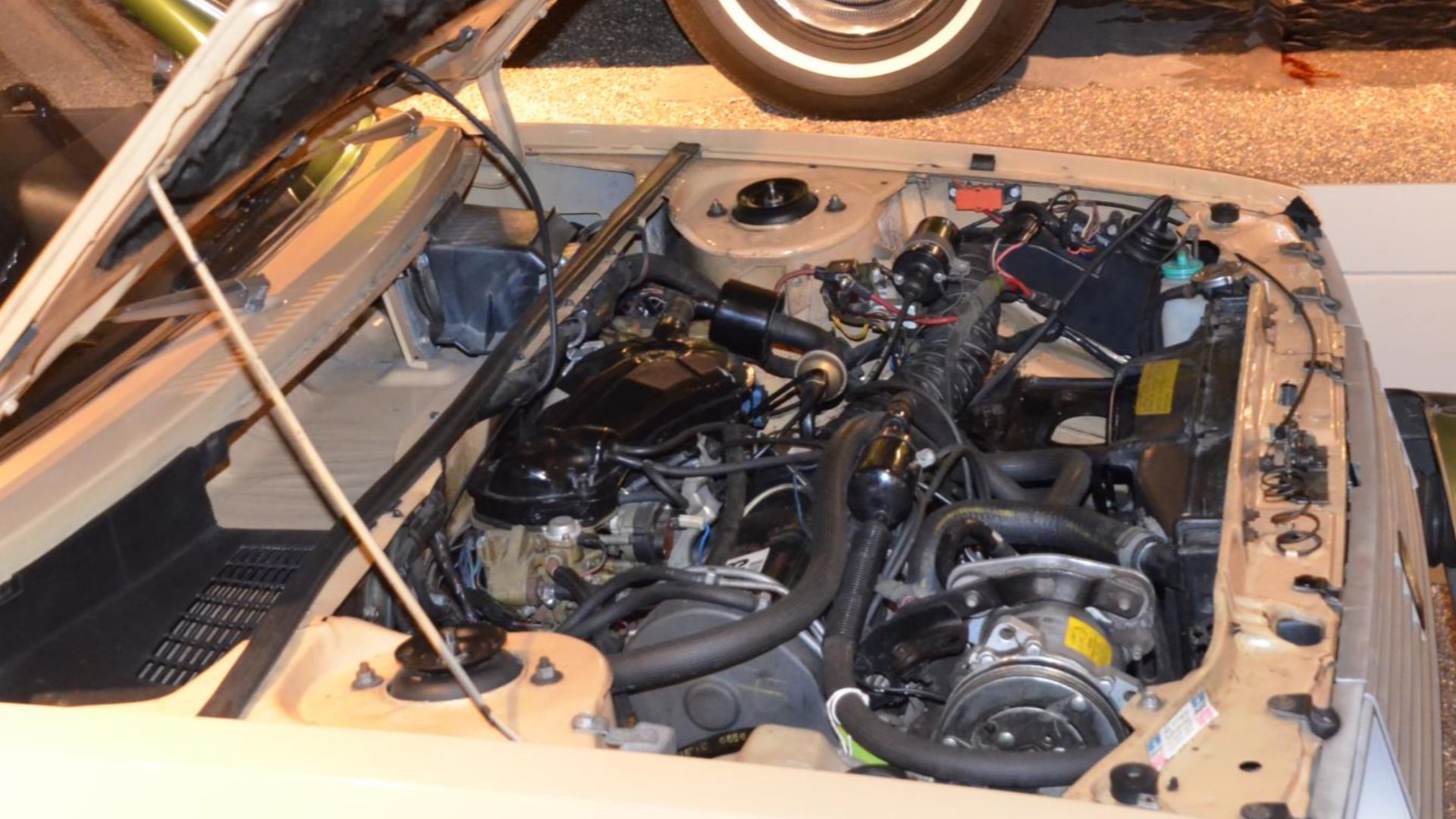 Joe Ross from Lansing, Michigan, Wikimedia Commons
Front-Wheel Drive, Rearview Regrets
The Omni GLHS sent all that power to the front wheels, which made launches chaotic and torque steer unavoidable. But once it hooked up, it surprised plenty of larger, more powerful cars. Drivers learned quickly that keeping both hands on the wheel was not optional.
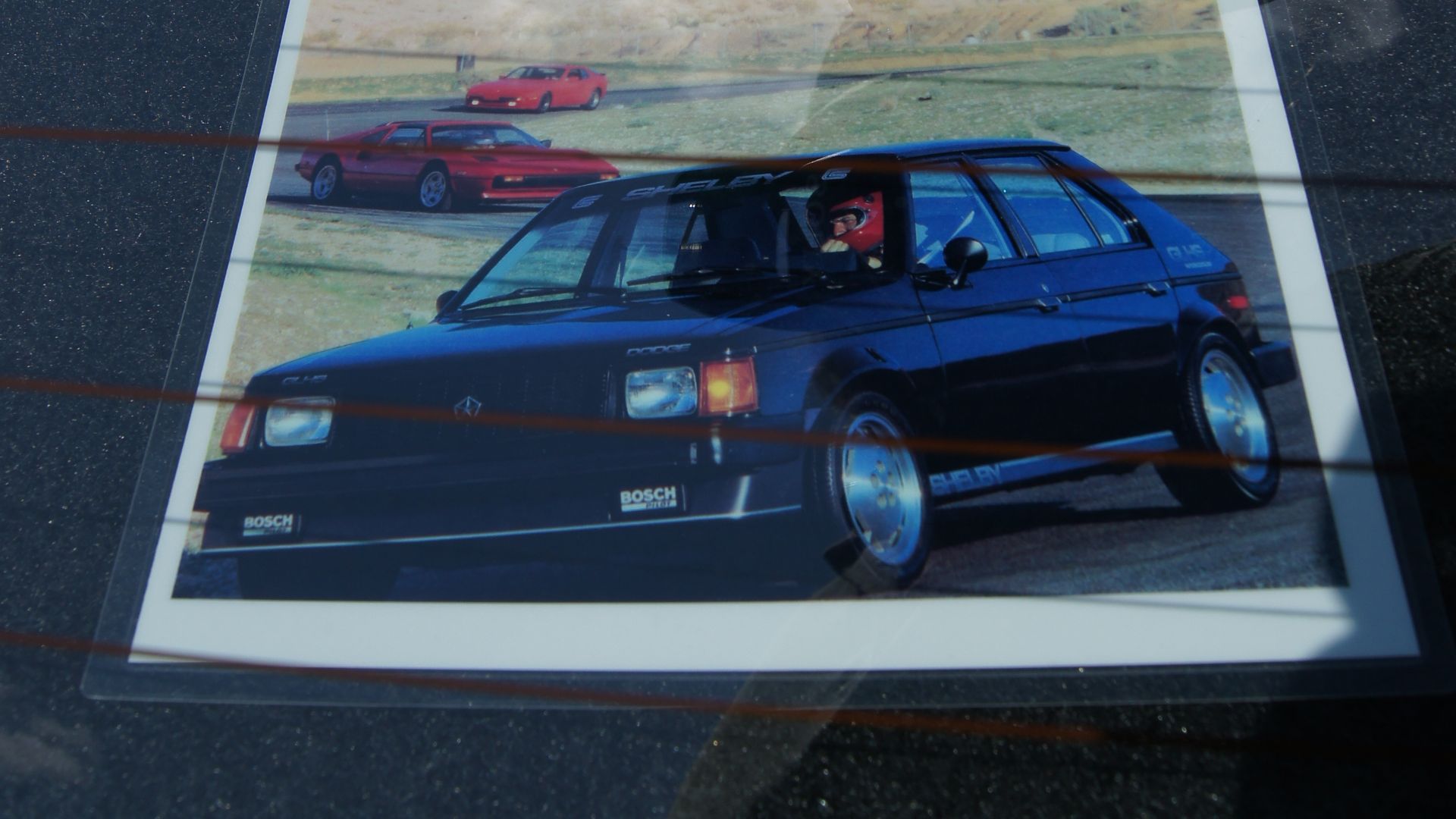 Greg Gjerdingen from Willmar, USA, Wikimedia Commons
Shockingly Quick for Its Time
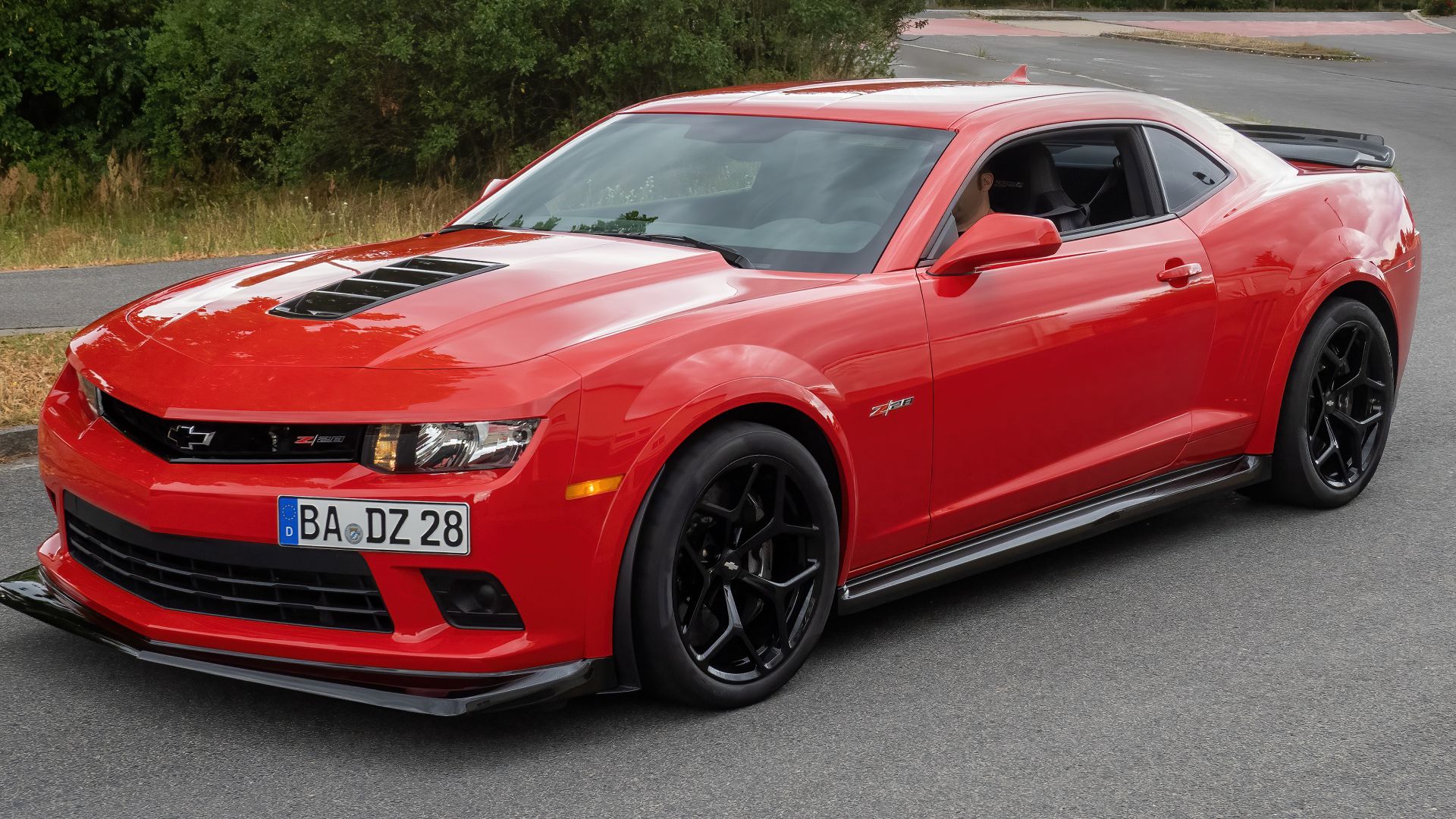
Zero to 60 mph came in the mid-6-second range, putting the Omni GLHS in serious performance territory for 1986. It was quicker than many Camaros and Mustangs of the era—while wearing the face of a grocery-getter.
Built in Extremely Limited Numbers
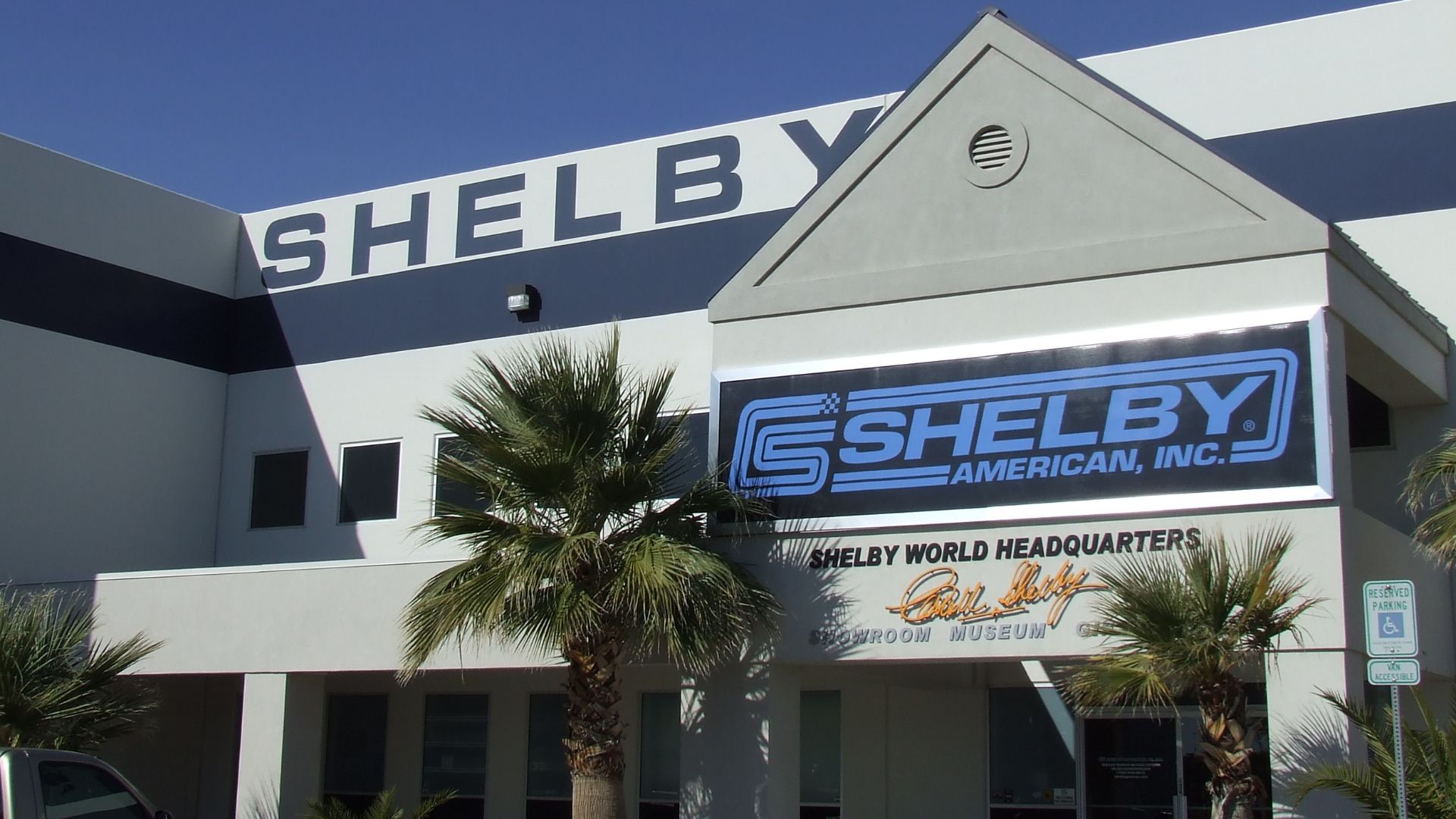
Only about 500 examples of the 1986 Omni GLHS were built. Each one was numbered and finished by Shelby Automobiles, not Dodge directly. That scarcity helped doom its mainstream recognition—but later cemented its cult status.
 User:Jaydec, Wikimedia Commons
No Flash, No Apologies
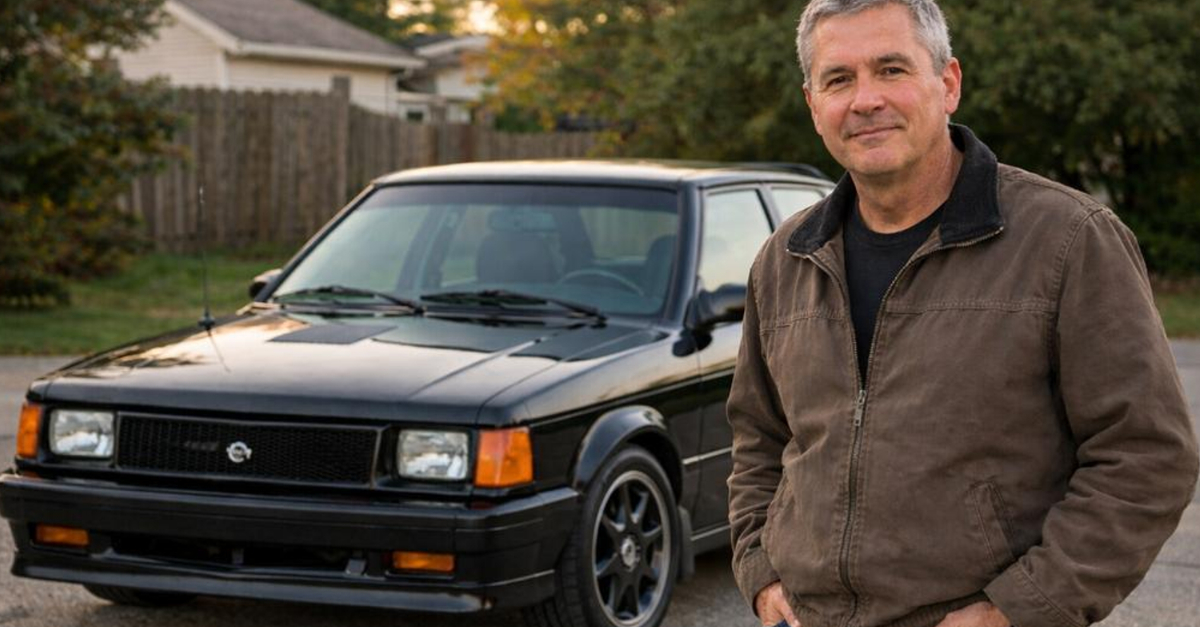
Visually, the Omni GLHS barely tried to stand out. Black paint, subtle decals, simple wheels. That was the point. This car didn’t need stripes or scoops—it wanted to surprise you at the stoplight.
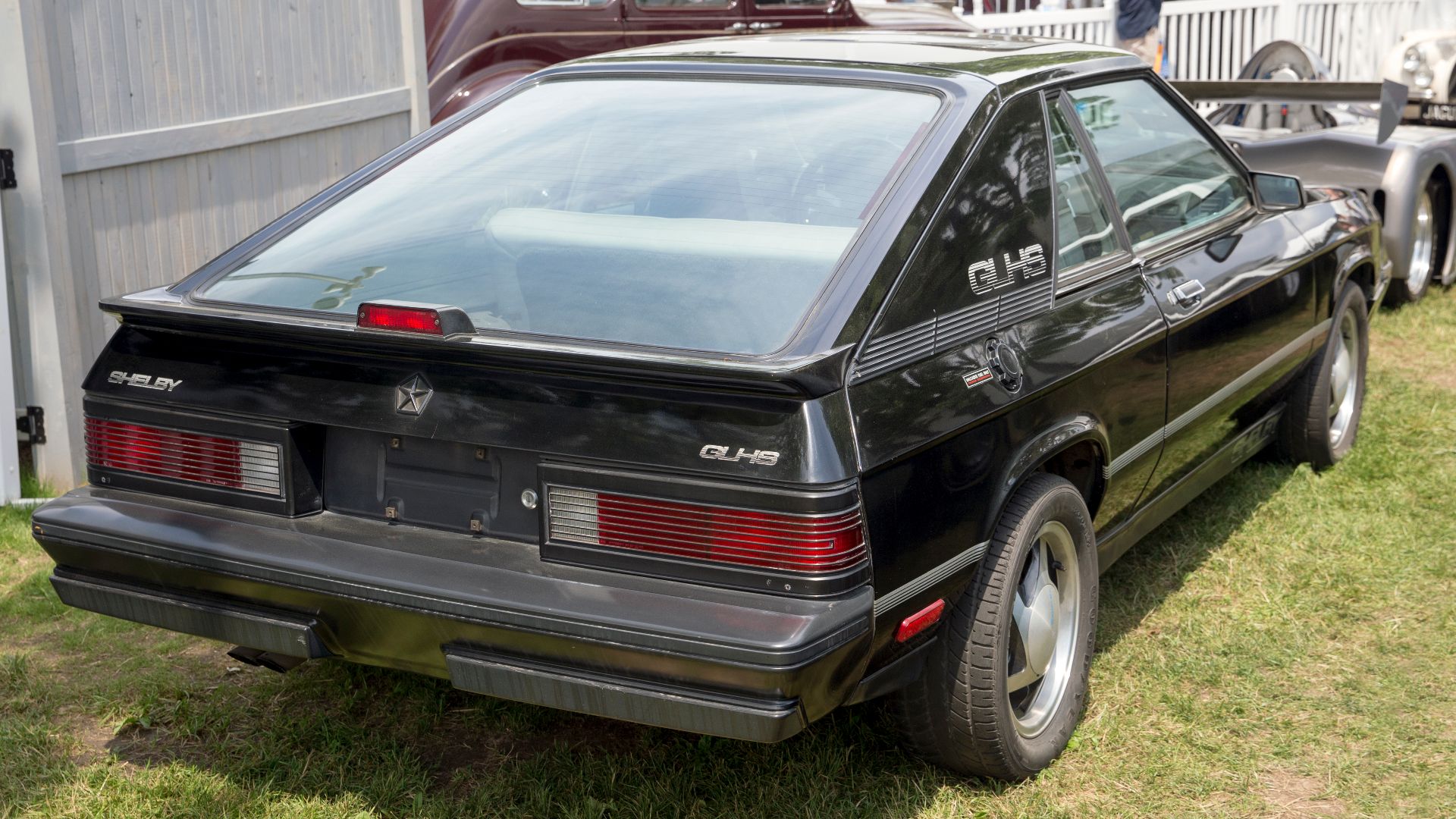 Mr.choppers, Wikimedia Commons
A Suspension Meant for Violence
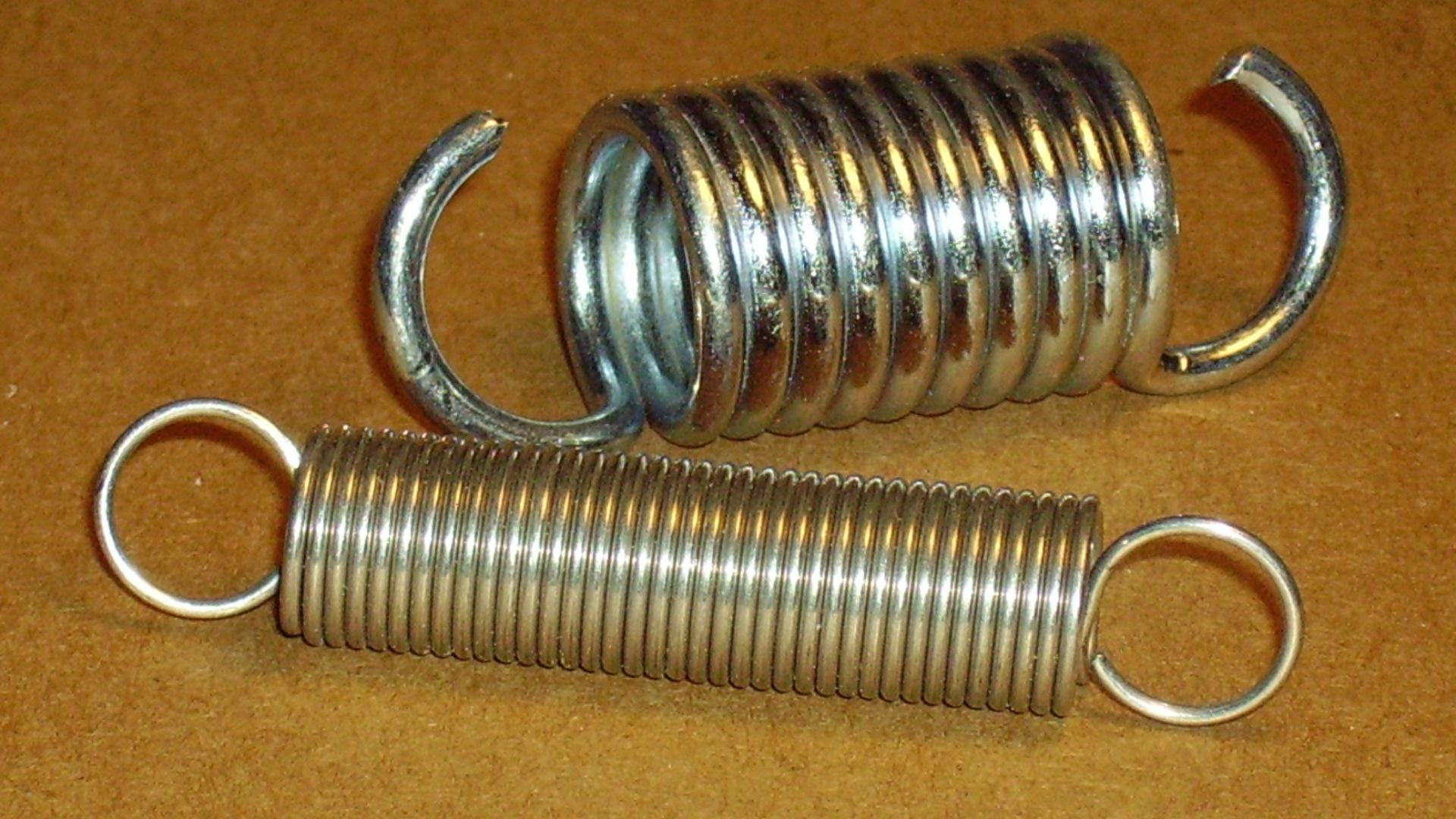
Shelby stiffened everything. Springs, shocks, bushings—it all got tougher. The ride was harsh, especially by 80s standards, but cornering was flat and aggressive. This was not a car designed for comfort or compromise.
The Interior Didn’t Care About You
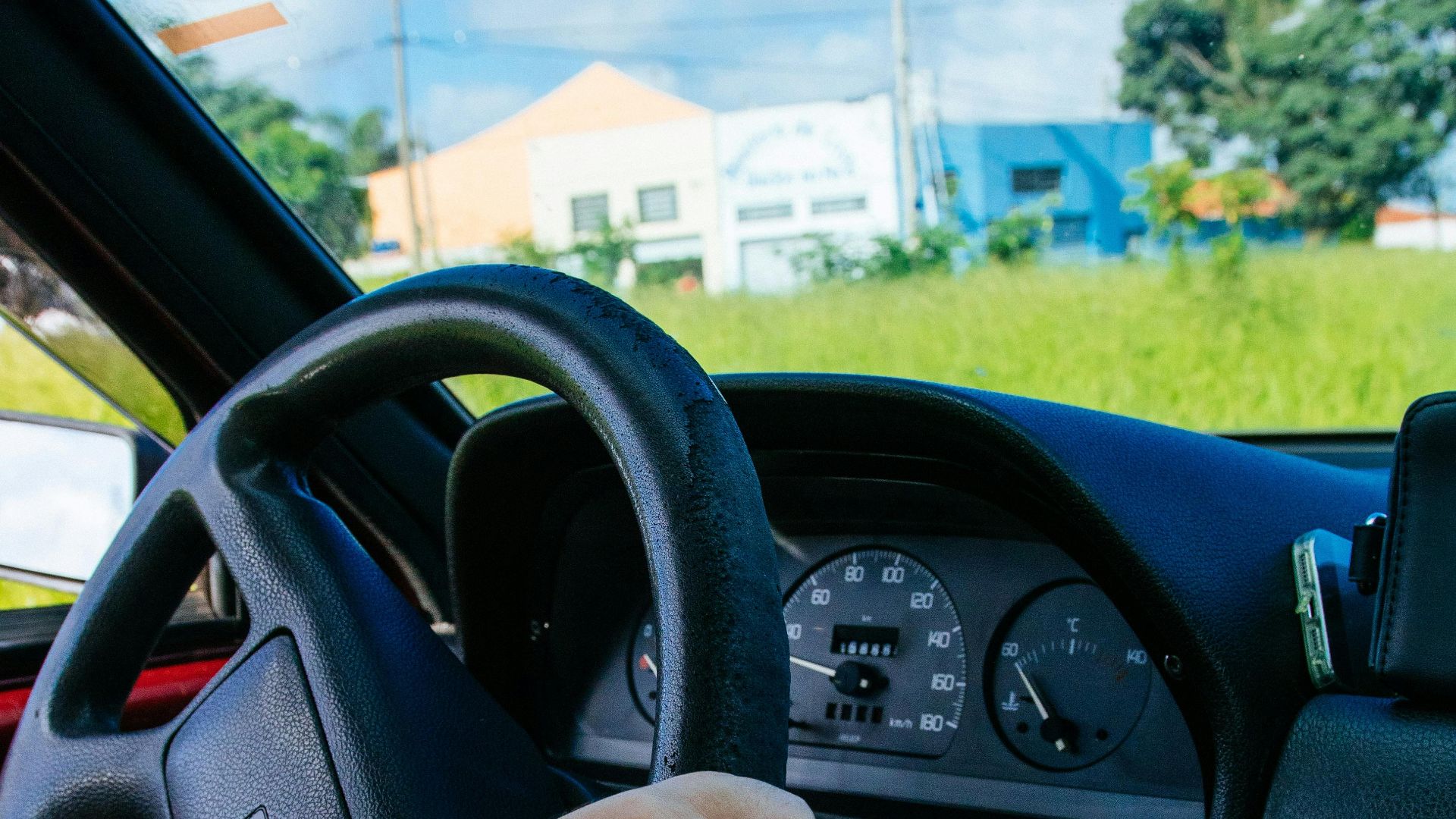
Inside, the Omni GLHS was basic, loud, and unapologetic. No luxury, no distractions. The focus was driving, speed, and control. If you wanted plush, you bought something else. This car assumed you knew why you were there.
Why Most People Never Noticed
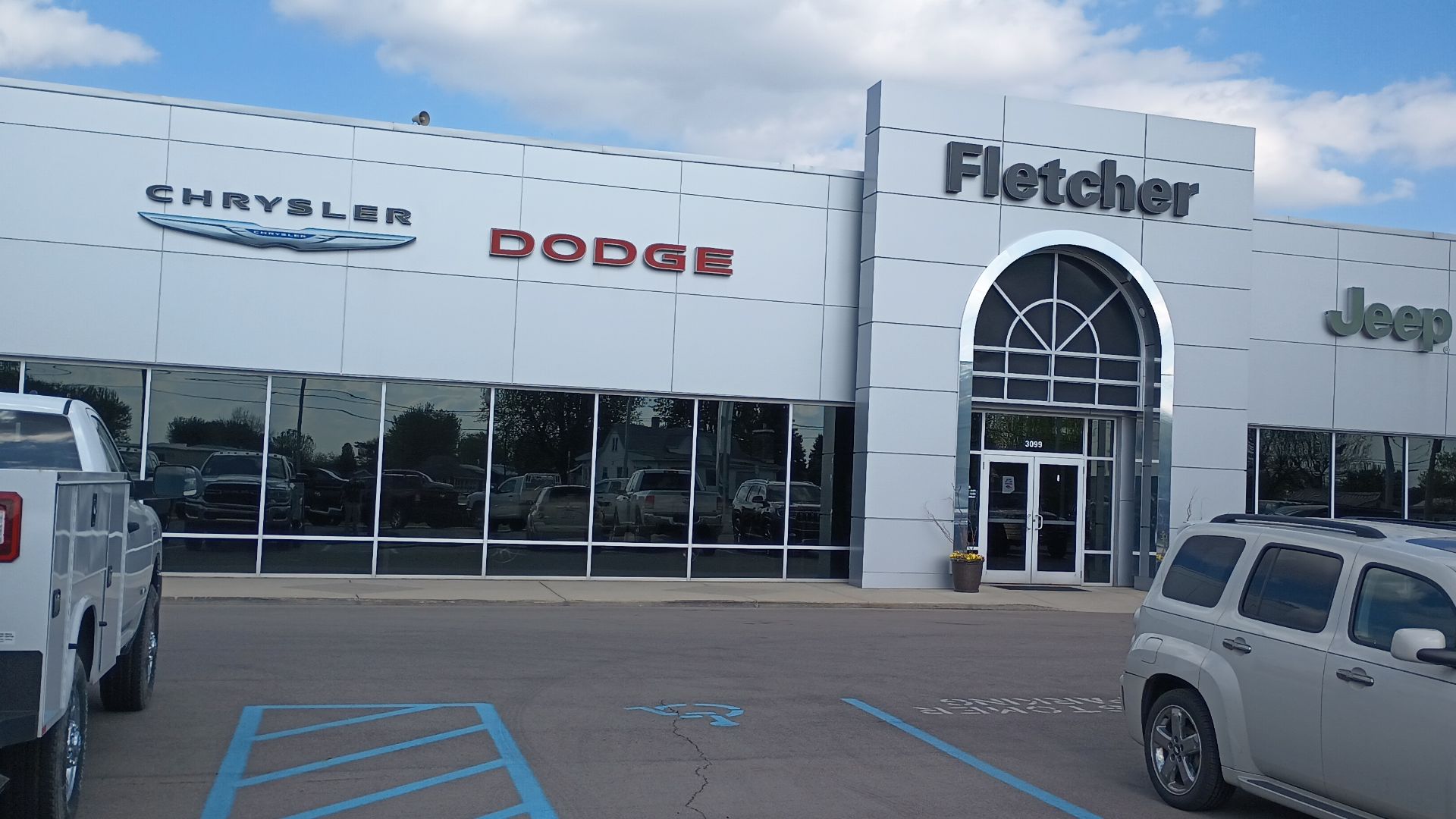
It arrived quietly, wasn’t heavily advertised, and looked ordinary. Dodge dealerships didn’t always know what they had. Buyers walked right past it, unaware they were ignoring one of the fastest American cars of the decade.
 deathpallie325, Wikimedia Commons
Overshadowed by Louder Legends
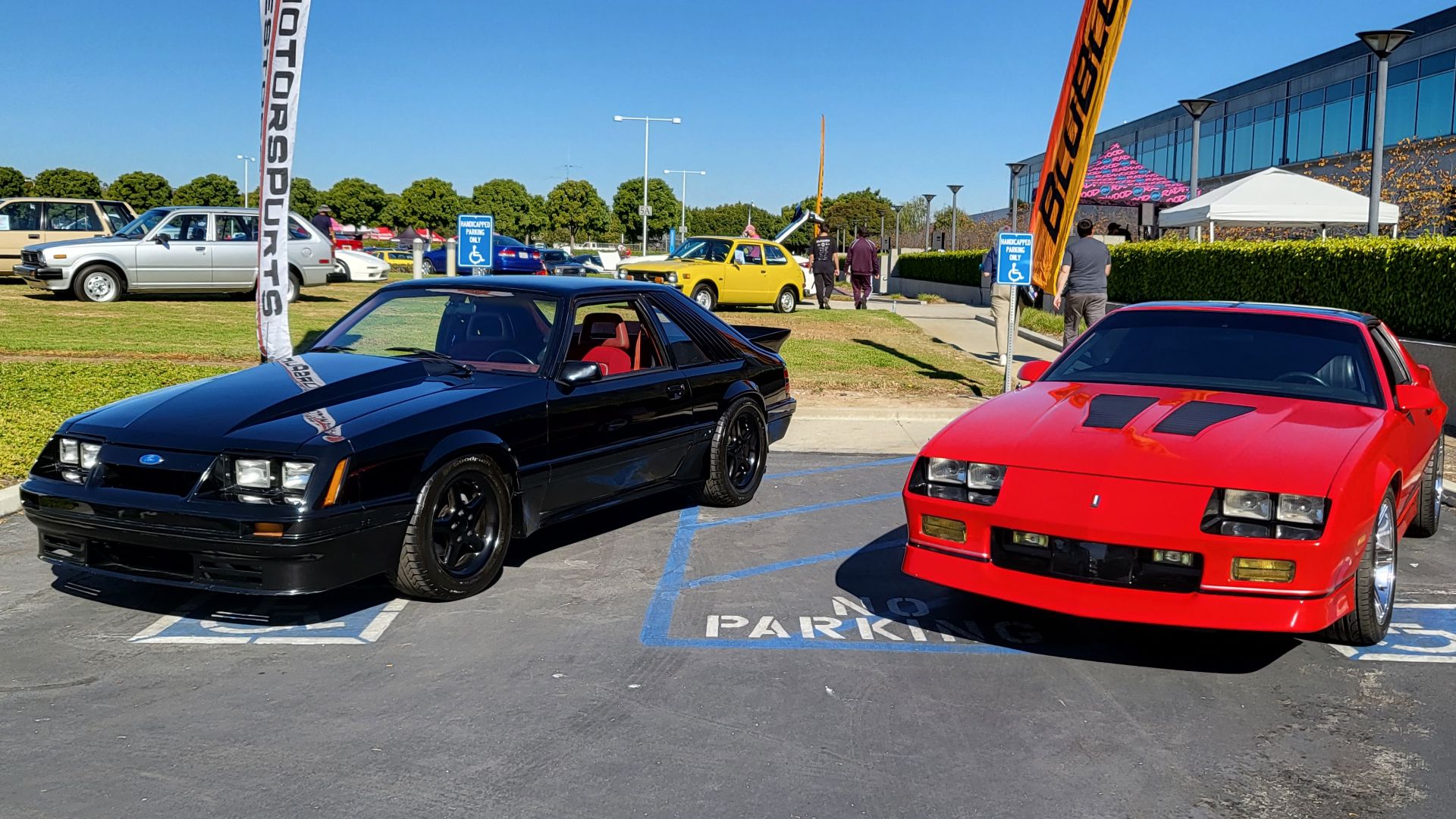
The 80s were packed with iconic performance cars. The Buick Grand National, Fox-body Mustang, and IROC-Z sucked up attention. The Omni GLHS didn’t shout—it just outran people who underestimated it.
A True Sleeper Before the Term Was Cool
Today, “sleeper” gets thrown around a lot. The Omni GLHS earned it the hard way. No one expected it to be fast. No one expected it to be dangerous. And almost no one expected it to win.
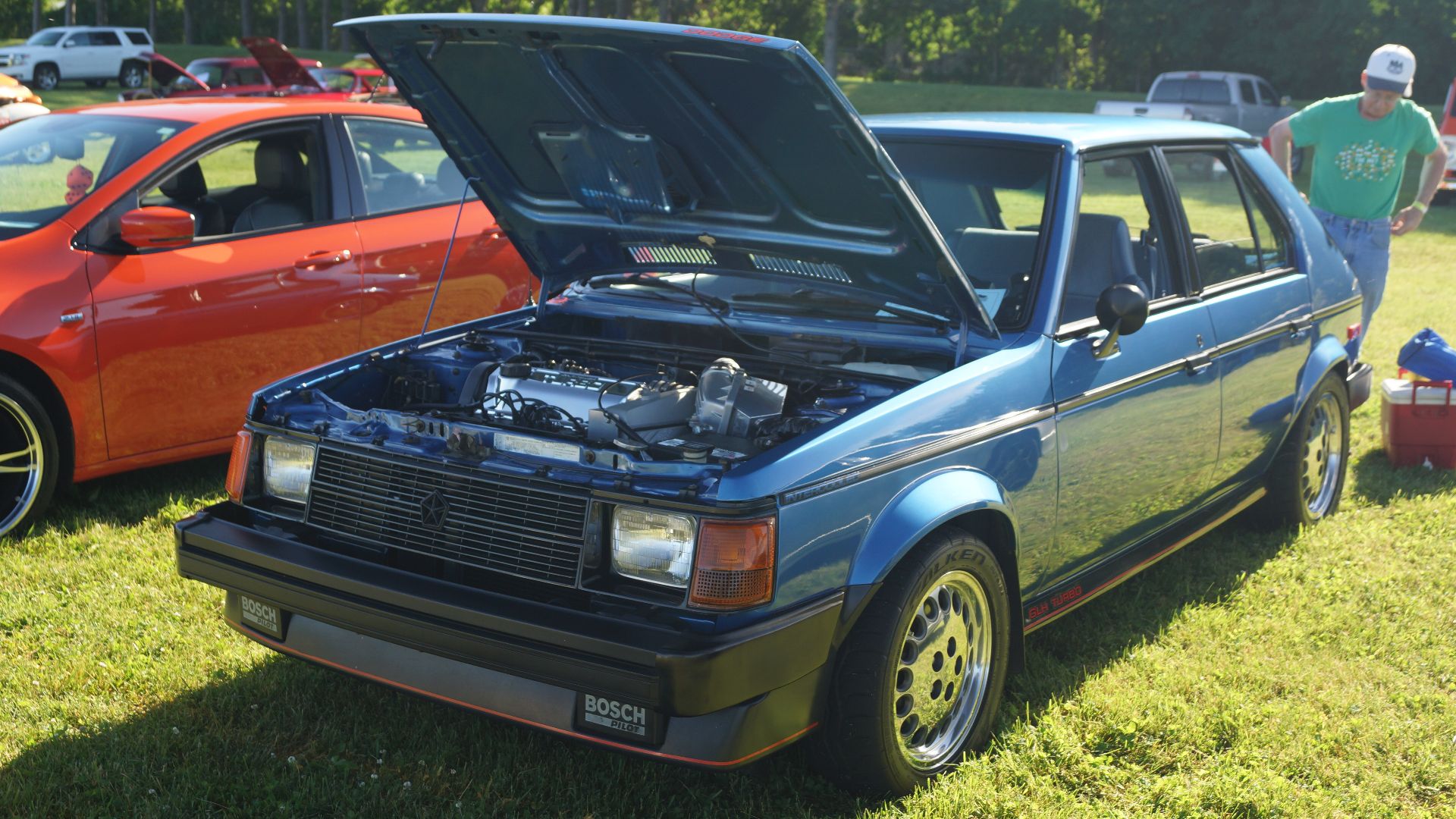 Greg Gjerdingen from Willmar, USA, Wikimedia Commons
Drivers Who Knew, Knew
Owners quickly realized they had something special. Word spread quietly through enthusiasts, not magazines. The Omni GLHS became a whispered secret—an insider car for people who cared more about speed than image.
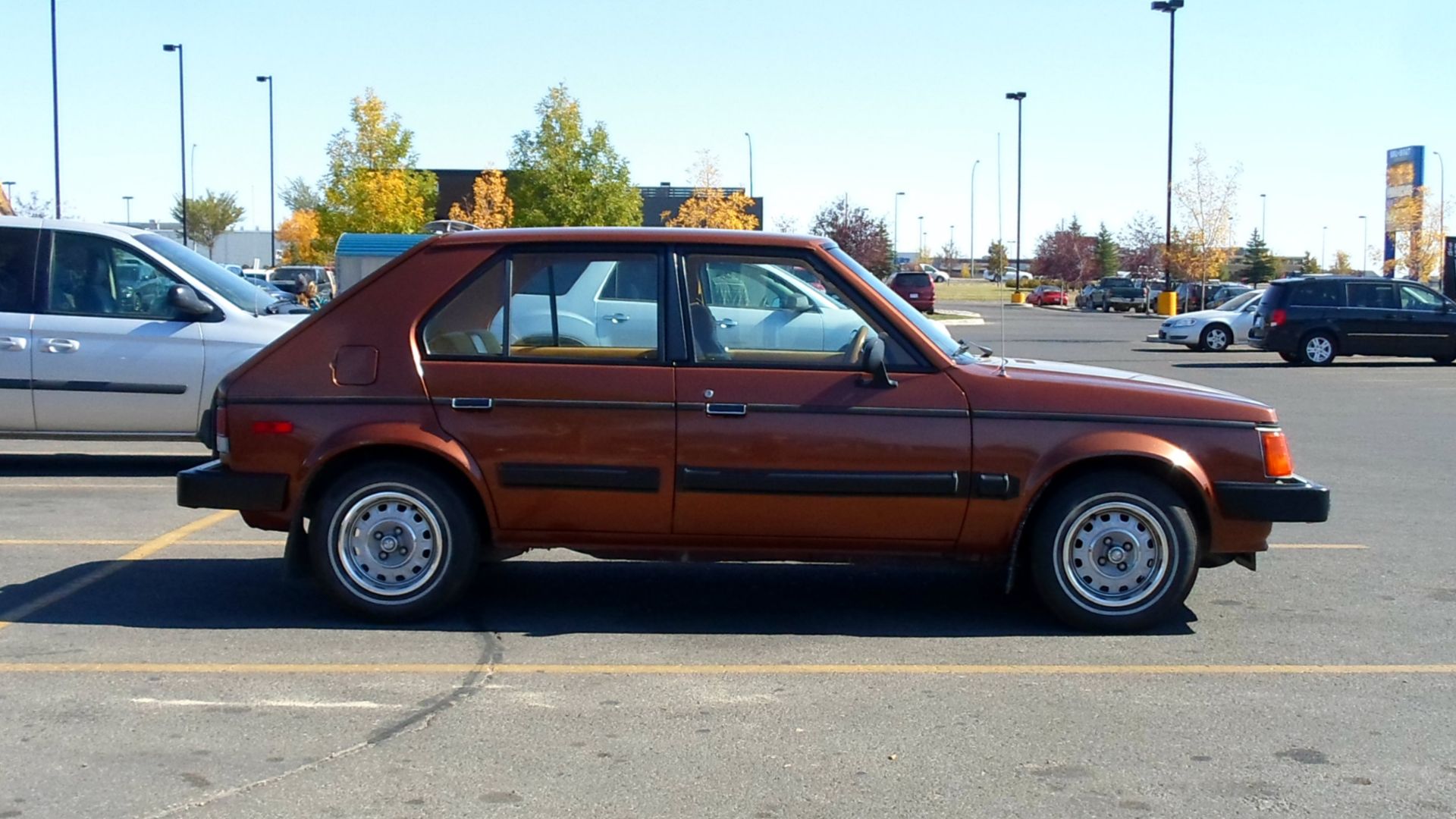 dave_7 from Lethbridge, Canada, Wikimedia Commons
Modern Respect Came Late
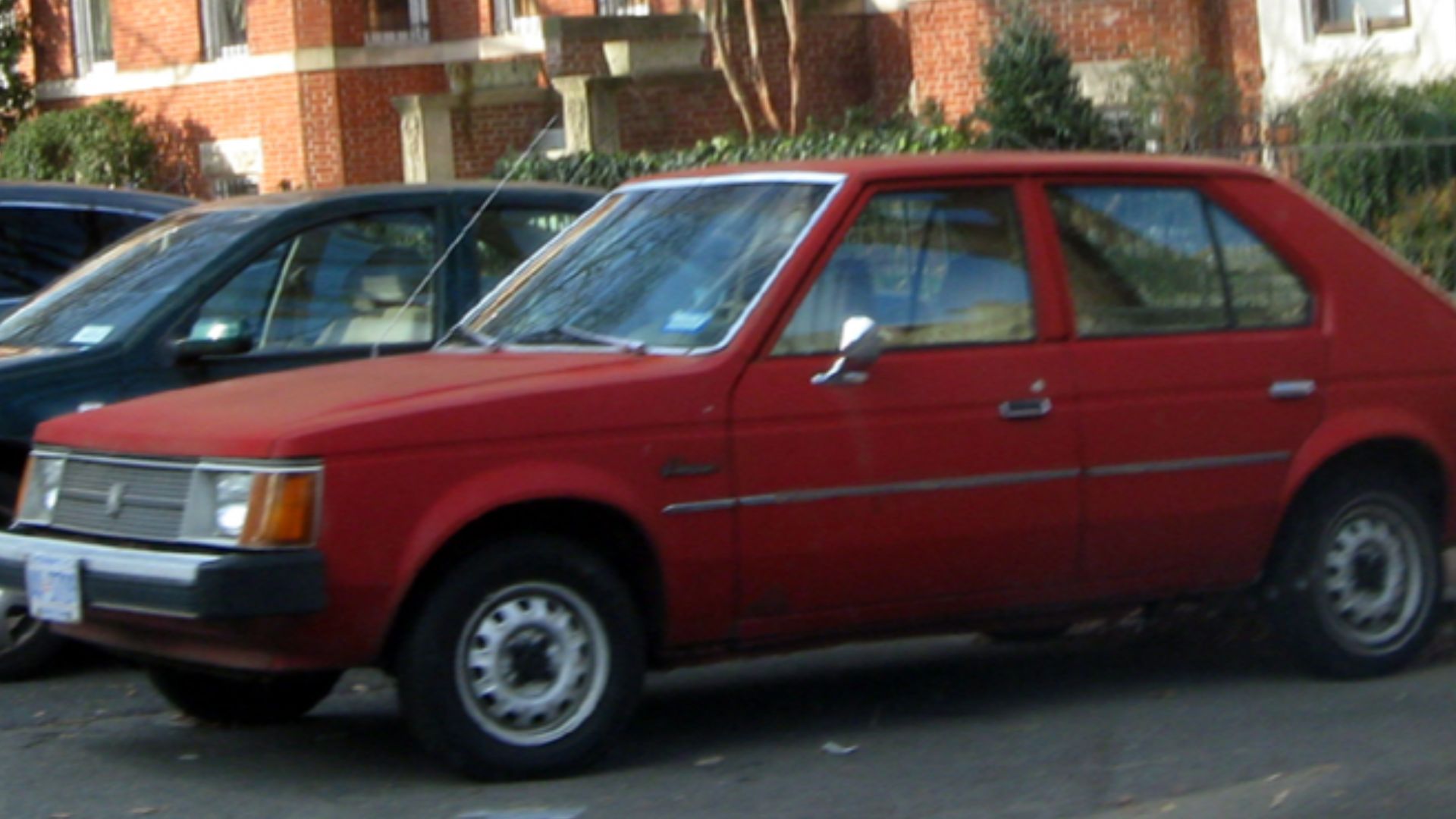
For years, the Omni GLHS was overlooked even by collectors. Recently, that’s changed. Enthusiasts have started re-evaluating 80s performance cars, and this one keeps rising near the top of the conversation.
Why It Still Matters
The Omni GLHS proved that performance didn’t need prestige. It showed what happened when engineers were given freedom and ego was left behind. It was raw, flawed, and thrilling—and that honesty still resonates today.

It Was Never Trying to Be Famous
This car didn’t chase headlines or pop culture moments. It existed purely because Shelby and Dodge wanted to build something outrageous. That lack of polish is exactly what makes it feel so authentic decades later.
 deathpallie325, Wikimedia Commons
The Greatest Car No One Remembers
The 1986 Dodge Omni GLHS wasn’t rare because it failed. It was rare because it was misunderstood. A Shelby-powered monster hiding in plain sight, it remains one of the boldest—and most forgotten—performance cars America ever built.
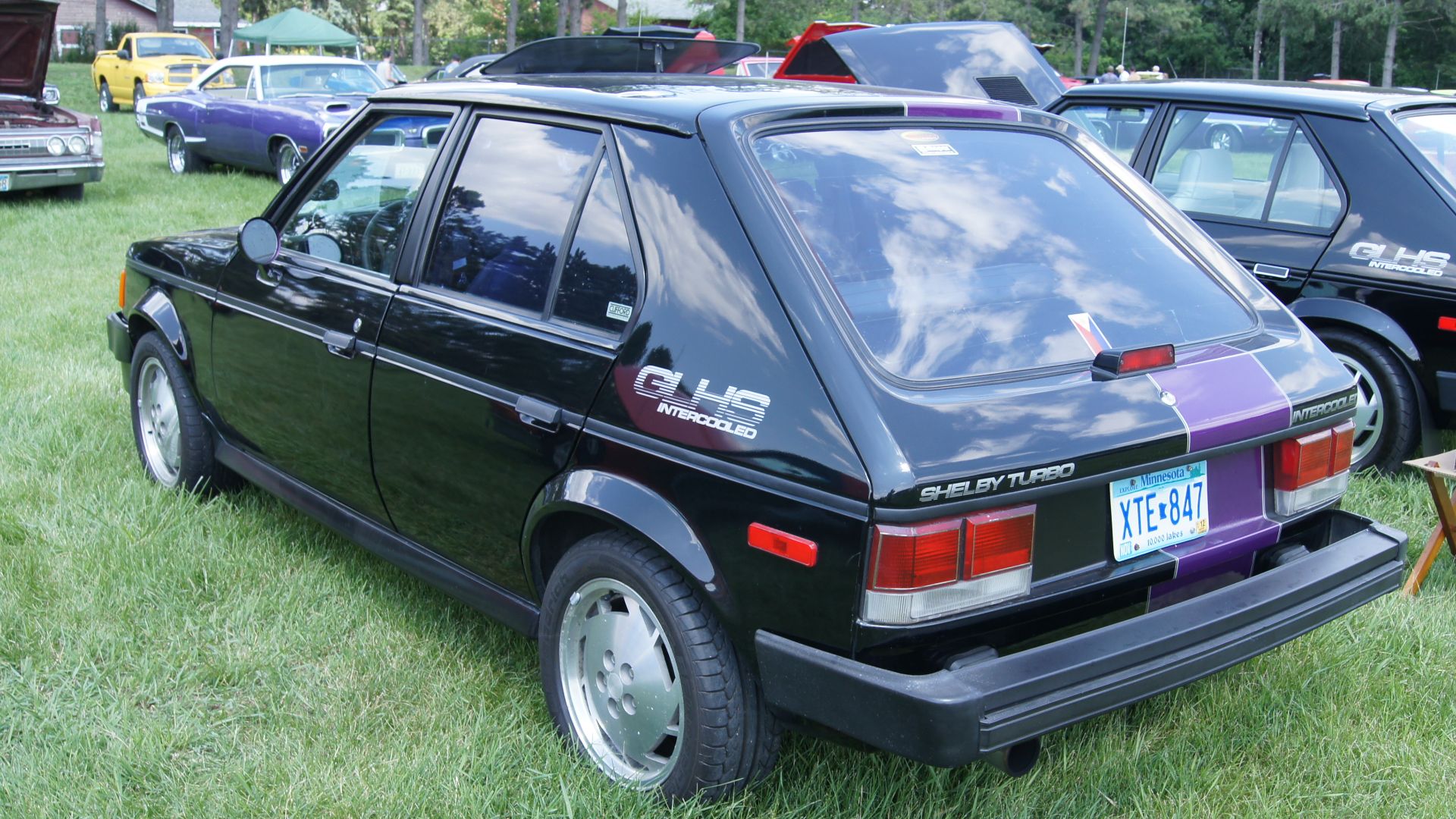 Greg Gjerdingen from Willmar, USA, Wikimedia Commons
You Might Also Like:
Inside Bugatti’s W16: The World’s Most Complex Engine
Cars That Look Slow But Will Actually Knock Your Socks Off
You Were Automatically Cool If You Drove One Of These 90s Cars