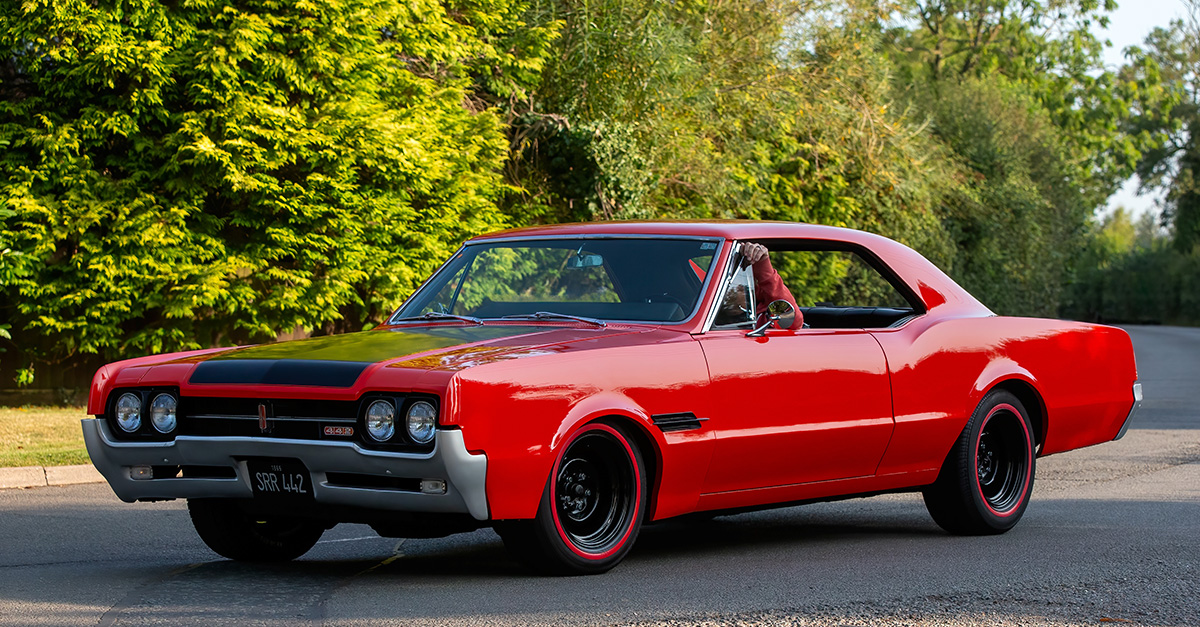
The Sedan That Time Forgot
Every once in a while, the automotive world produces a car that feels like it should have been a hit—great looks, solid engineering, competitive pricing—and yet somehow disappears into history with barely a ripple. The Oldsmobile Intrigue is exactly that kind of car. Built at the turn of the millennium, it may have been General Motors’ best mainstream sedan that nobody seemed to notice, let alone buy.
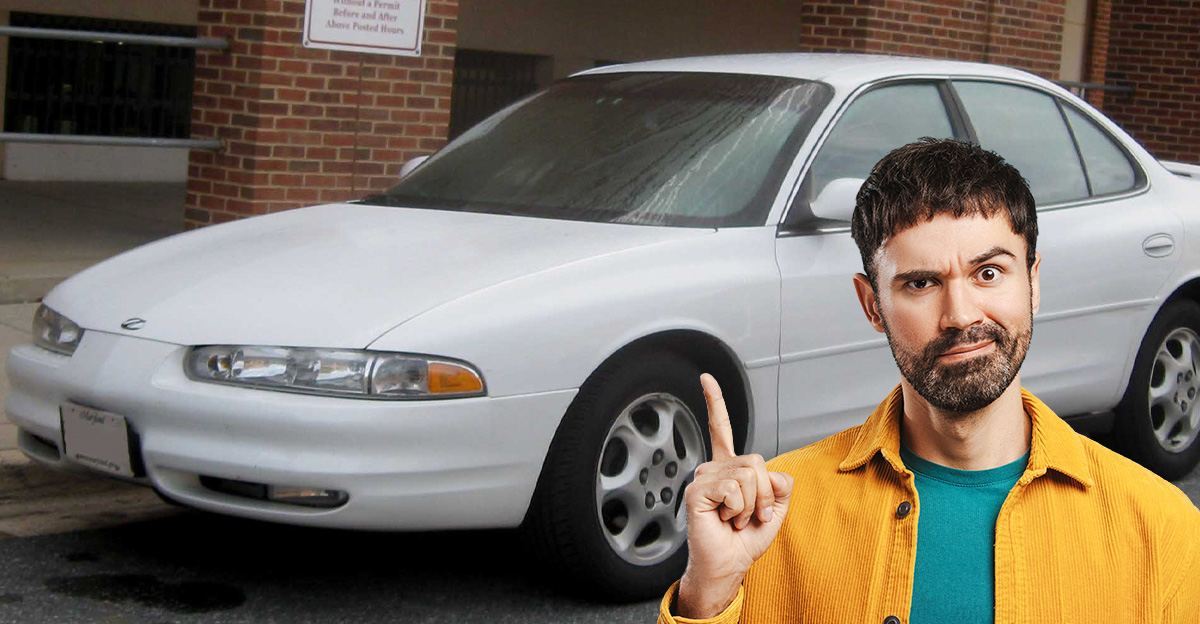
Oldsmobile At The Crossroads
By the late 1990s, Oldsmobile was in an identity crisis. Once a tech-forward, aspirational brand, it had become stuck between Buick’s comfort image and Pontiac’s sportiness. GM knew something had to change. The Intrigue was supposed to be the answer—a modern, confident sedan to drag Oldsmobile into the new century.
Why The Intrigue Mattered
This wasn’t just another mid-size four-door. The Intrigue represented a genuine effort by GM to prove Oldsmobile still had relevance. It replaced the Cutlass Supreme and aimed directly at heavy hitters like the Honda Accord, Toyota Camry, and Ford Taurus. On paper, it checked all the right boxes.
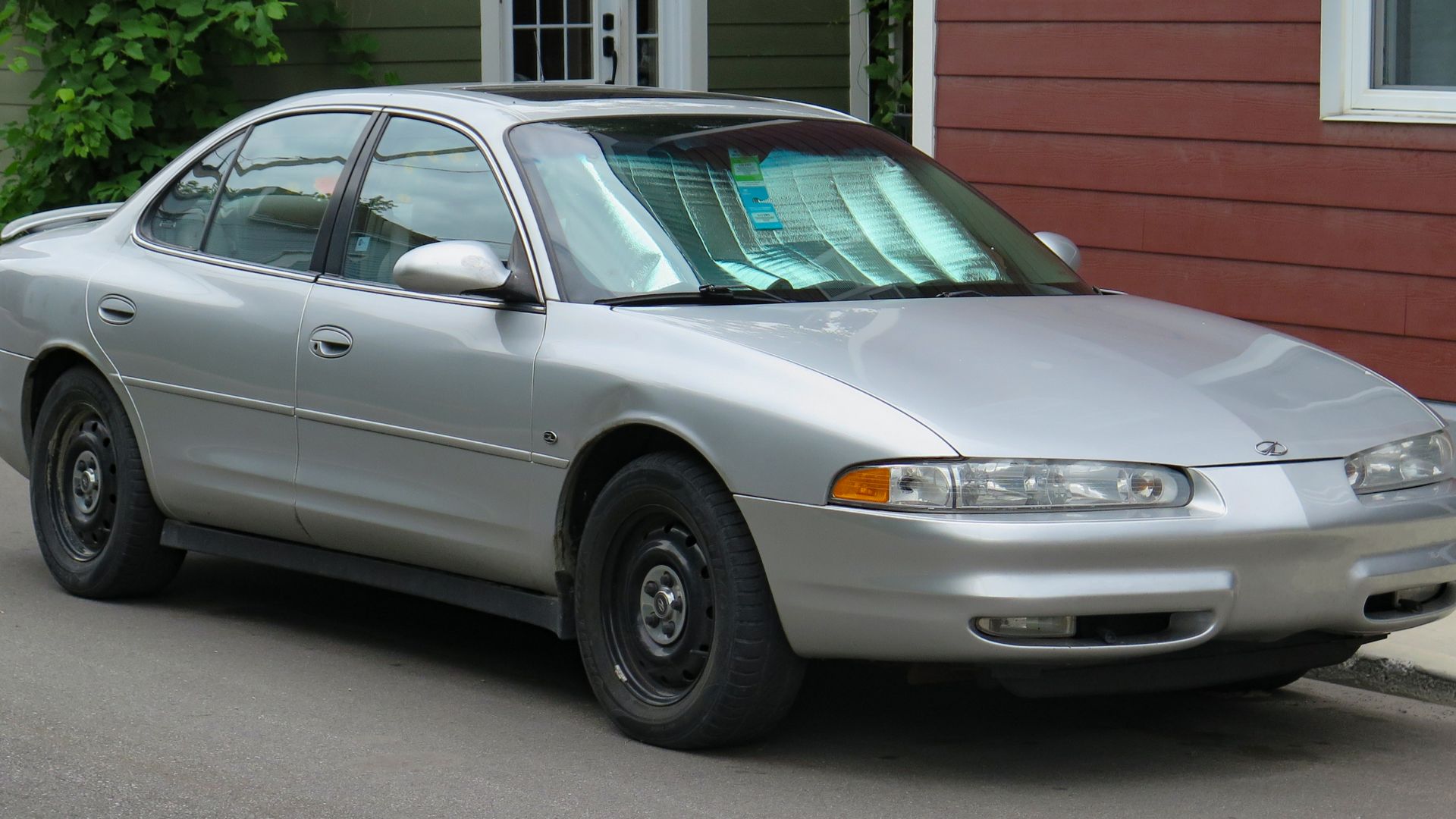
 SsmIntrigue, Wikimedia Commons
A Clean-Sheet Design Moment
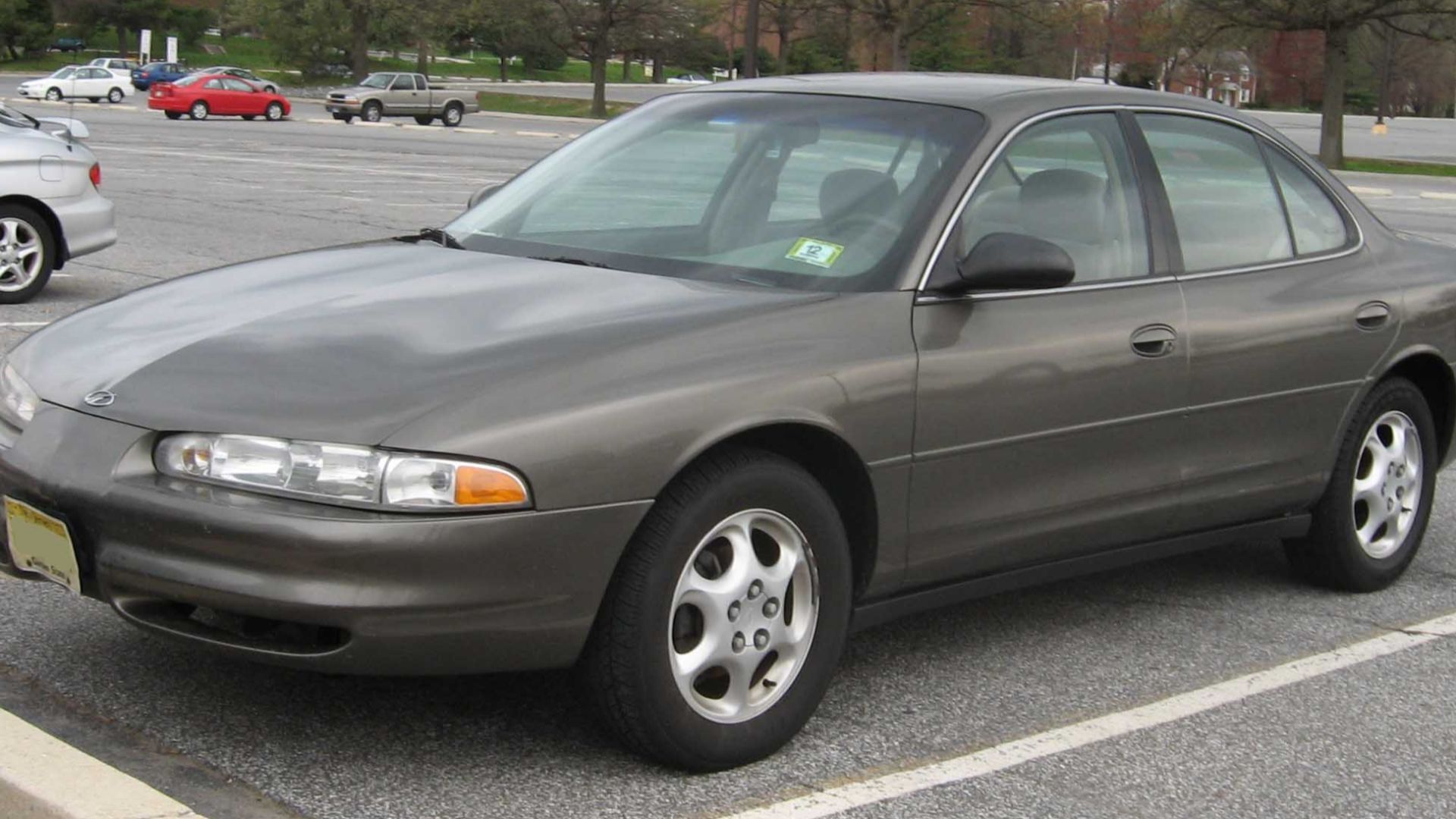
Visually, the Intrigue was a huge step forward. Gone were the rounded, anonymous shapes of earlier Oldsmobiles. In their place was a crisp, European-inspired sedan with clean lines, tight proportions, and just enough attitude to stand out without shouting. Even today, it doesn’t look embarrassing.
The Short-Lived Aurora Influence
Much of that design confidence came from the Oldsmobile Aurora. That flagship sedan had shown GM could do modern luxury without copying anyone else. The Intrigue borrowed that design language—subtle curves, slim headlights, and a planted stance—shrunk it down, and made it affordable.
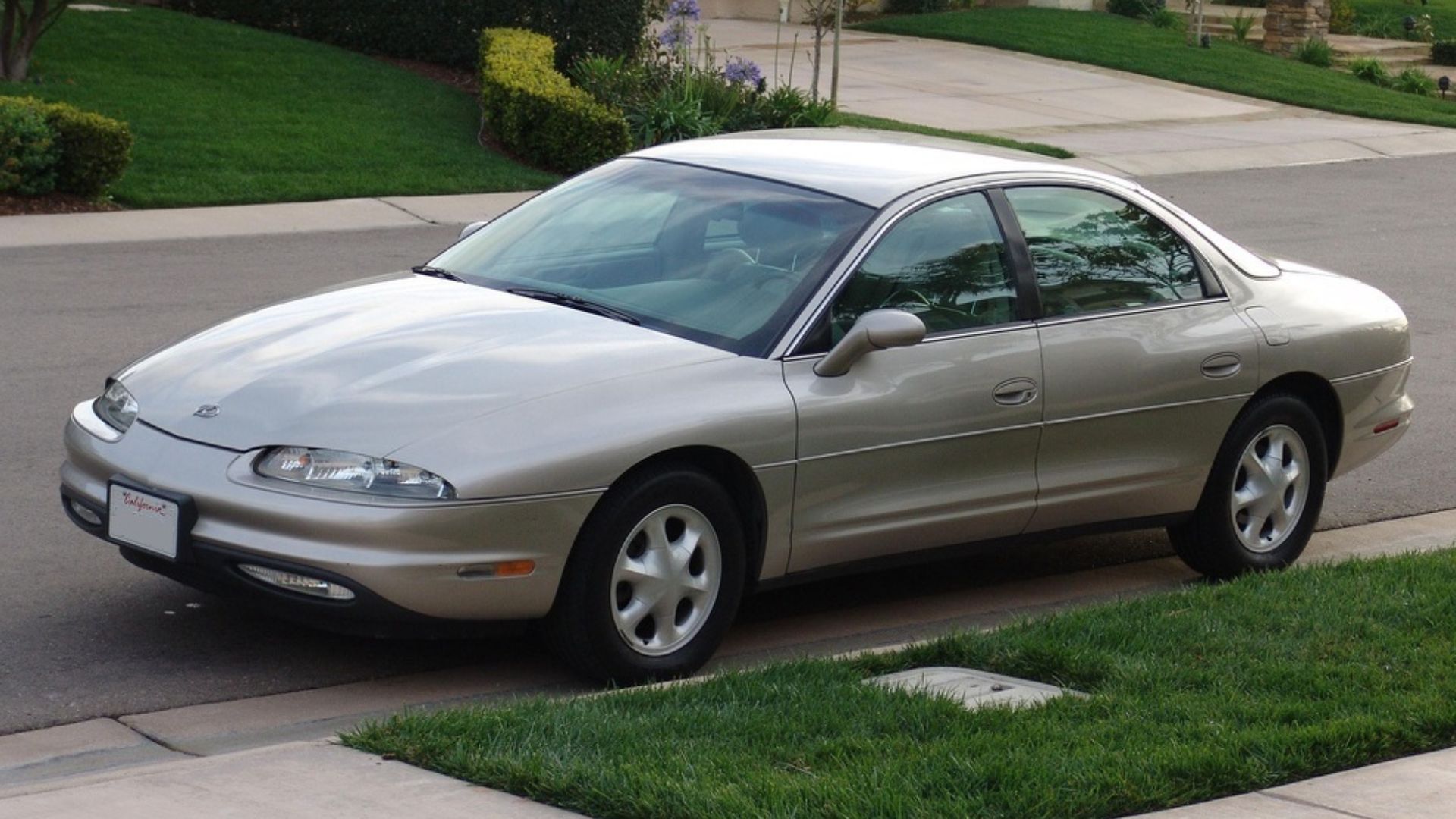 The Oldsmobile Edge, Wikimedia Commons
Built On Familiar GM Bones
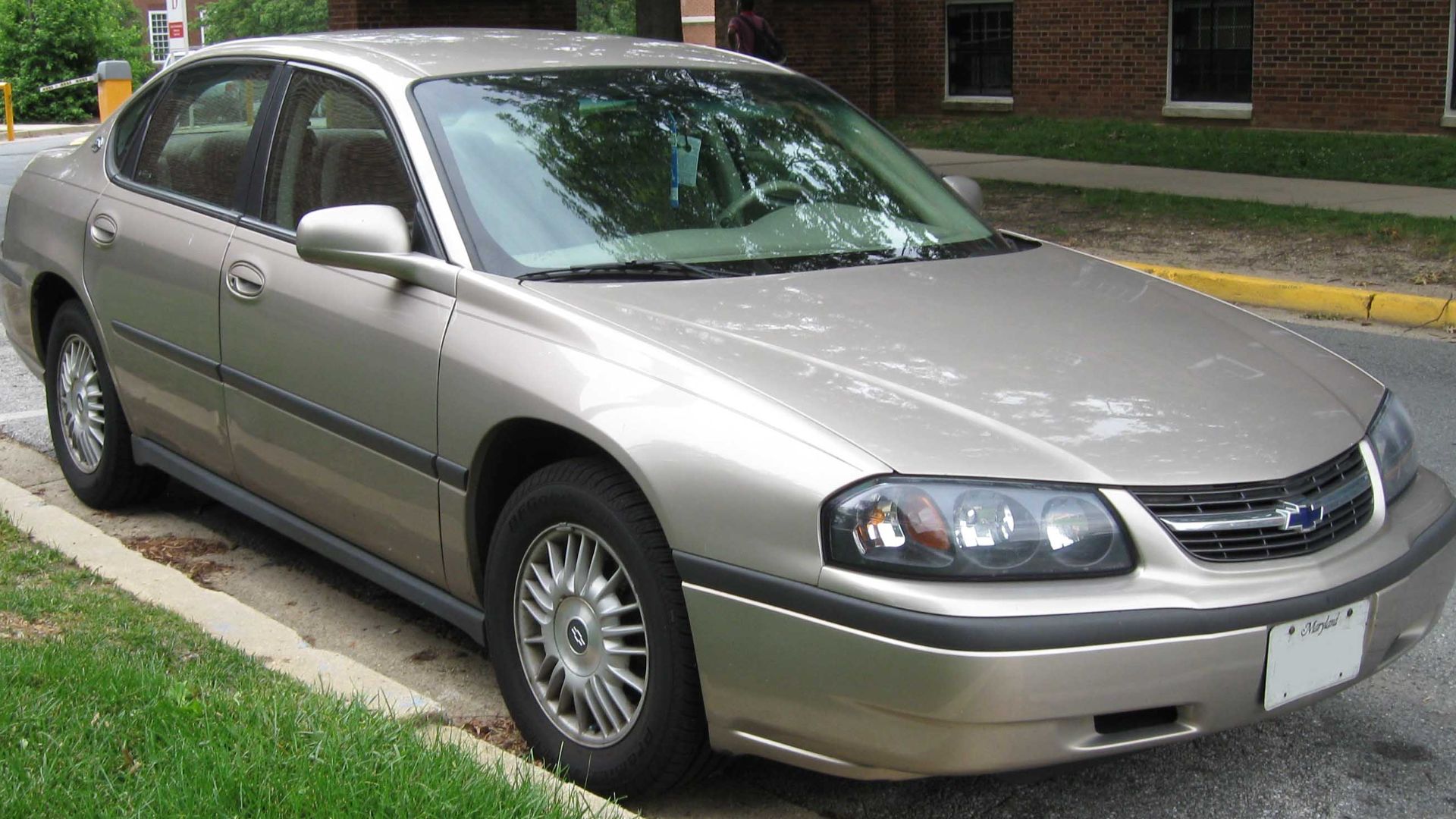
Underneath, the Intrigue rode on GM’s W-body platform, shared with cars like the Pontiac Grand Prix and Chevrolet Impala. That might sound boring, but GM had refined this platform over years. It was solid, predictable, and well understood by engineers and mechanics alike.
Size, Stance, And Street Presence
Dimensionally, the Intrigue nailed the mid-size formula. It was wide enough to feel stable, long enough for rear-seat comfort, and low enough to look sporty. Parked next to rivals of the era, it held its own—and sometimes looked better doing it.
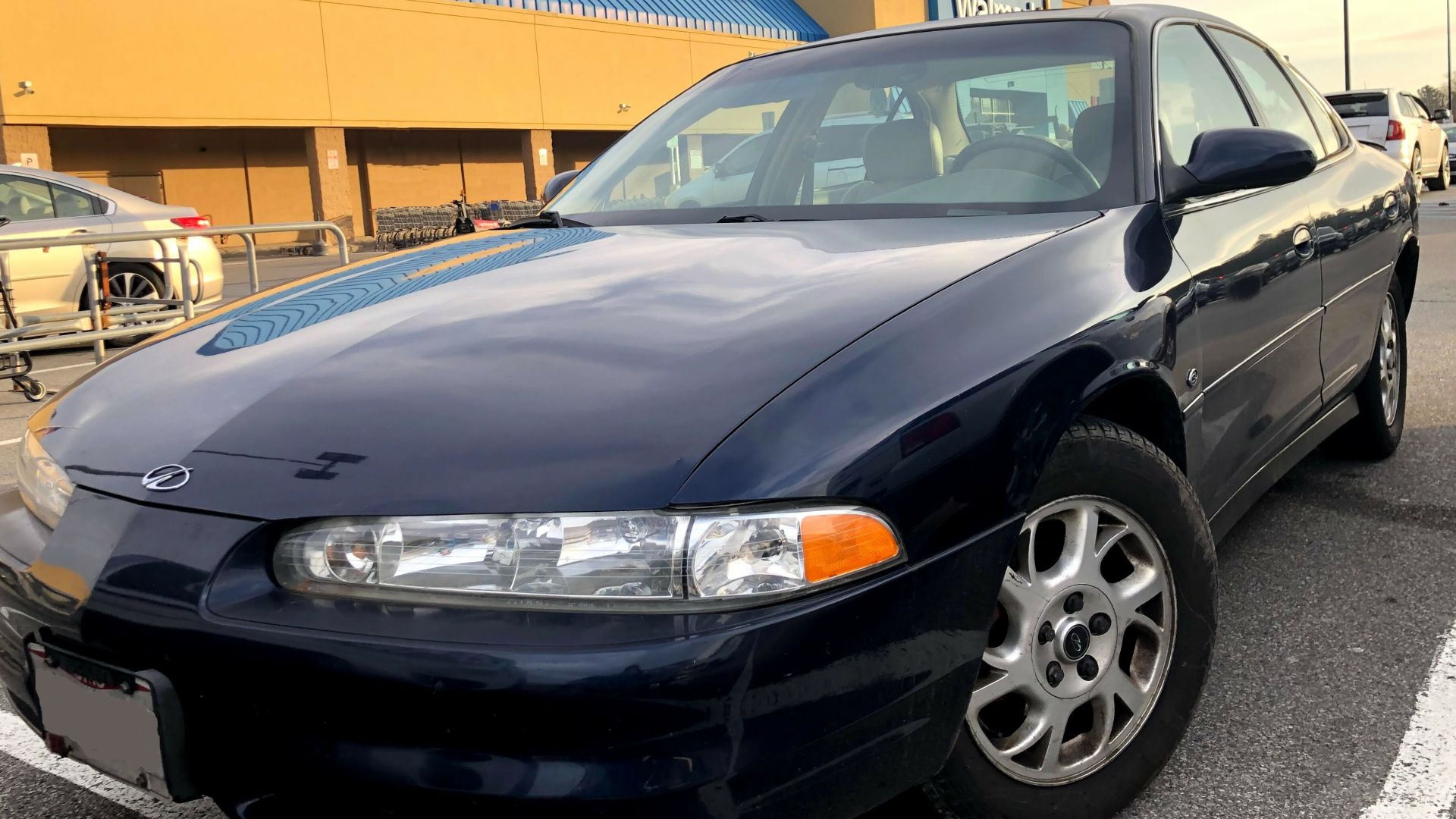 BlueCrabRedCrab, Wikimedia Commons
Inside The Intrigue Cabin
Step inside and you’d find an interior that was quietly impressive. The layout was clean, controls were logically placed, and materials were a noticeable step up from older Oldsmobiles. No, it wasn’t luxury-car plush, but it felt thoughtfully designed rather than cost-cut to death.
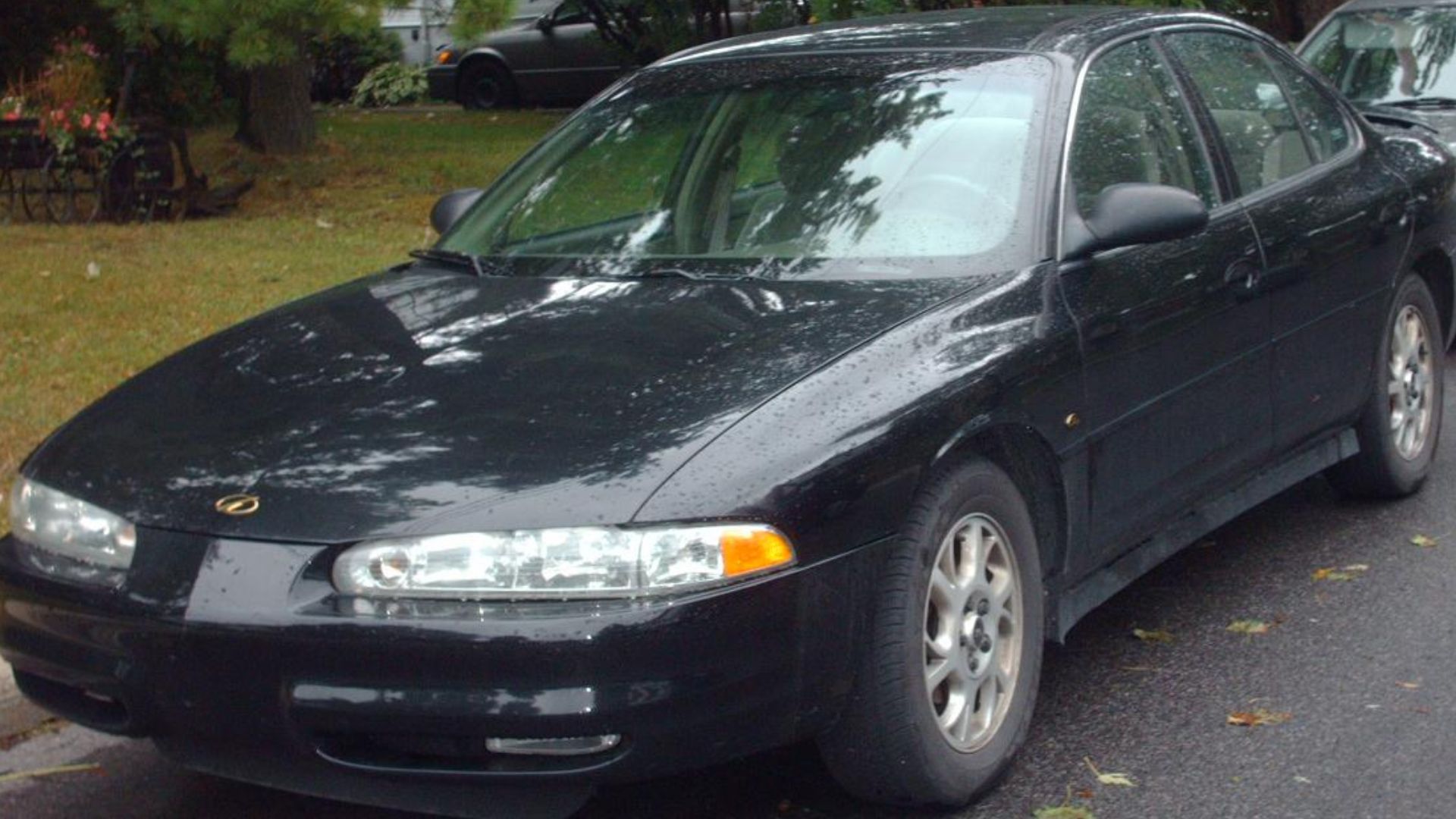
Features That Felt Genuinely Modern
For its time, the Intrigue offered a surprisingly modern feature set. Dual-zone climate control, steering-wheel audio controls, heated leather seats, and a head-up display were all available. These weren’t gimmicks—they were features buyers would later come to expect.
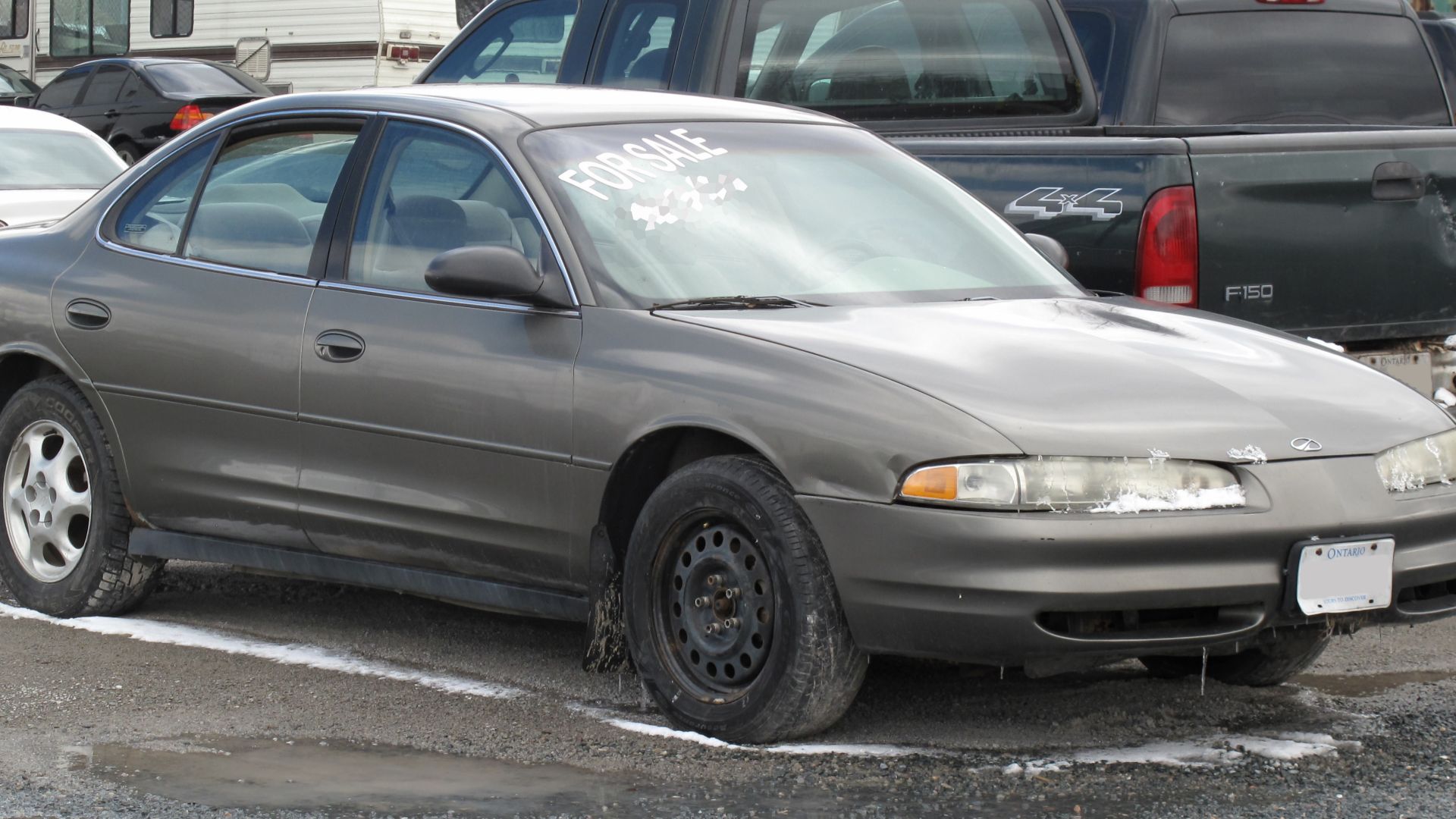
The Engine Lineup Explained
Most Intrigues came with a 3.5-liter V6, producing around 215 horsepower—strong numbers for the era. Later models added a smaller 3.5-liter revision and eventually a 3.8-liter V6 in some trims. Performance was smooth, confident, and better than many competitors.
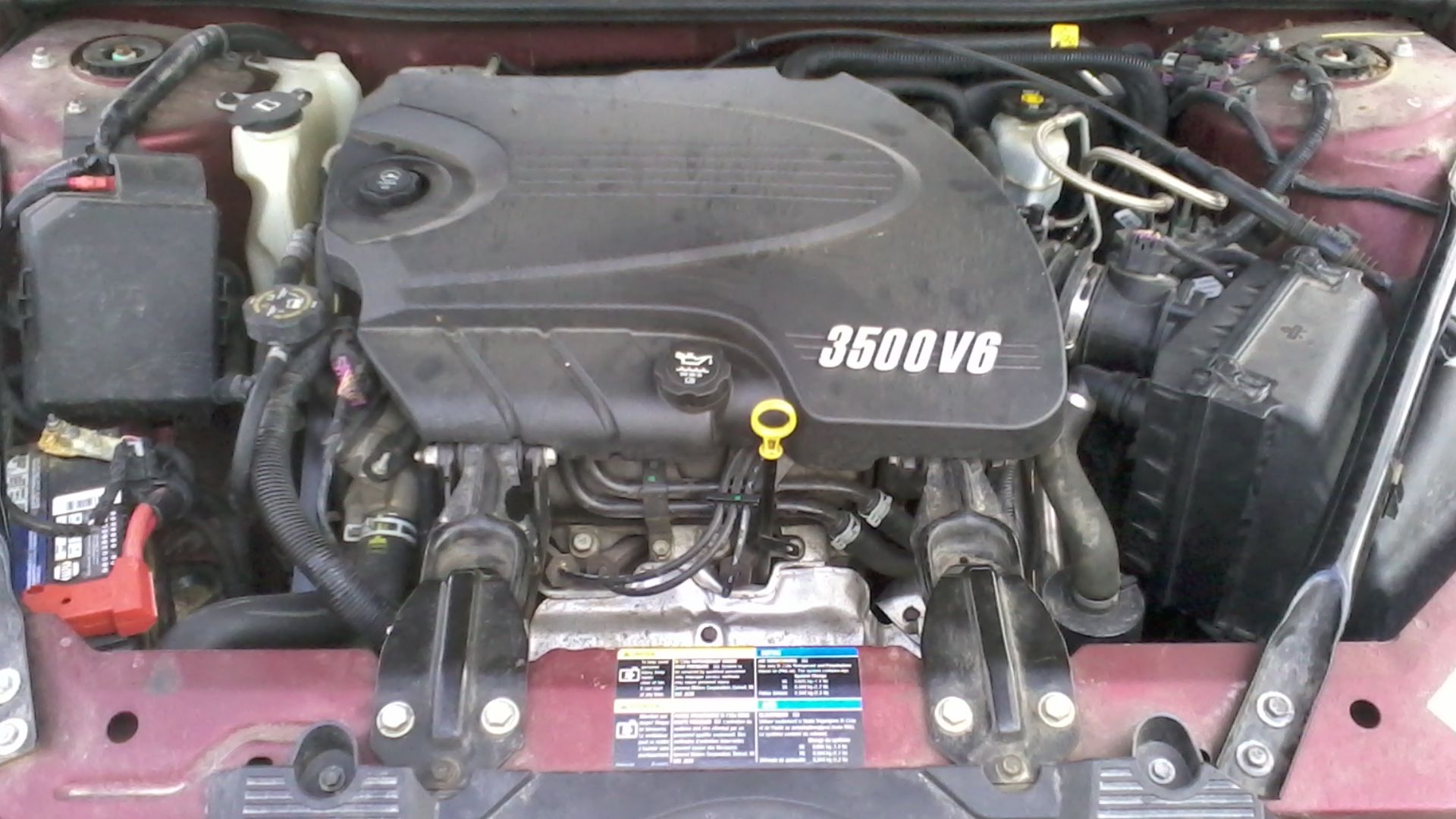
The 3.5-Liter Shortstar Surprise
The real gem was the 3.5-liter “Shortstar” V6, derived from Cadillac’s Northstar architecture. It revved willingly, sounded refined, and delivered respectable acceleration. This wasn’t just transportation—it was an engine that actually encouraged spirited driving.
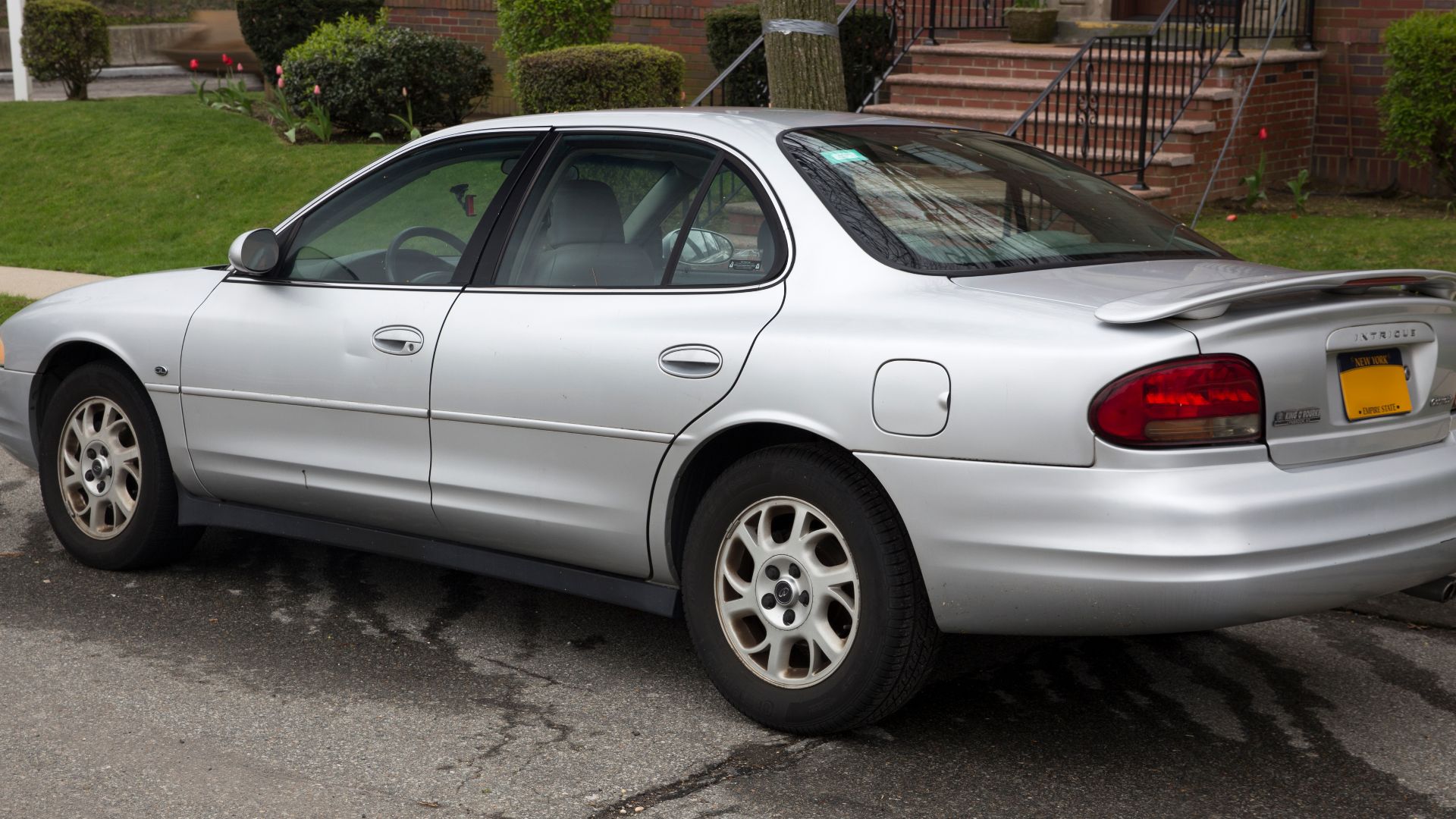 Mr.choppers, Wikimedia Commons
How It Actually Drove
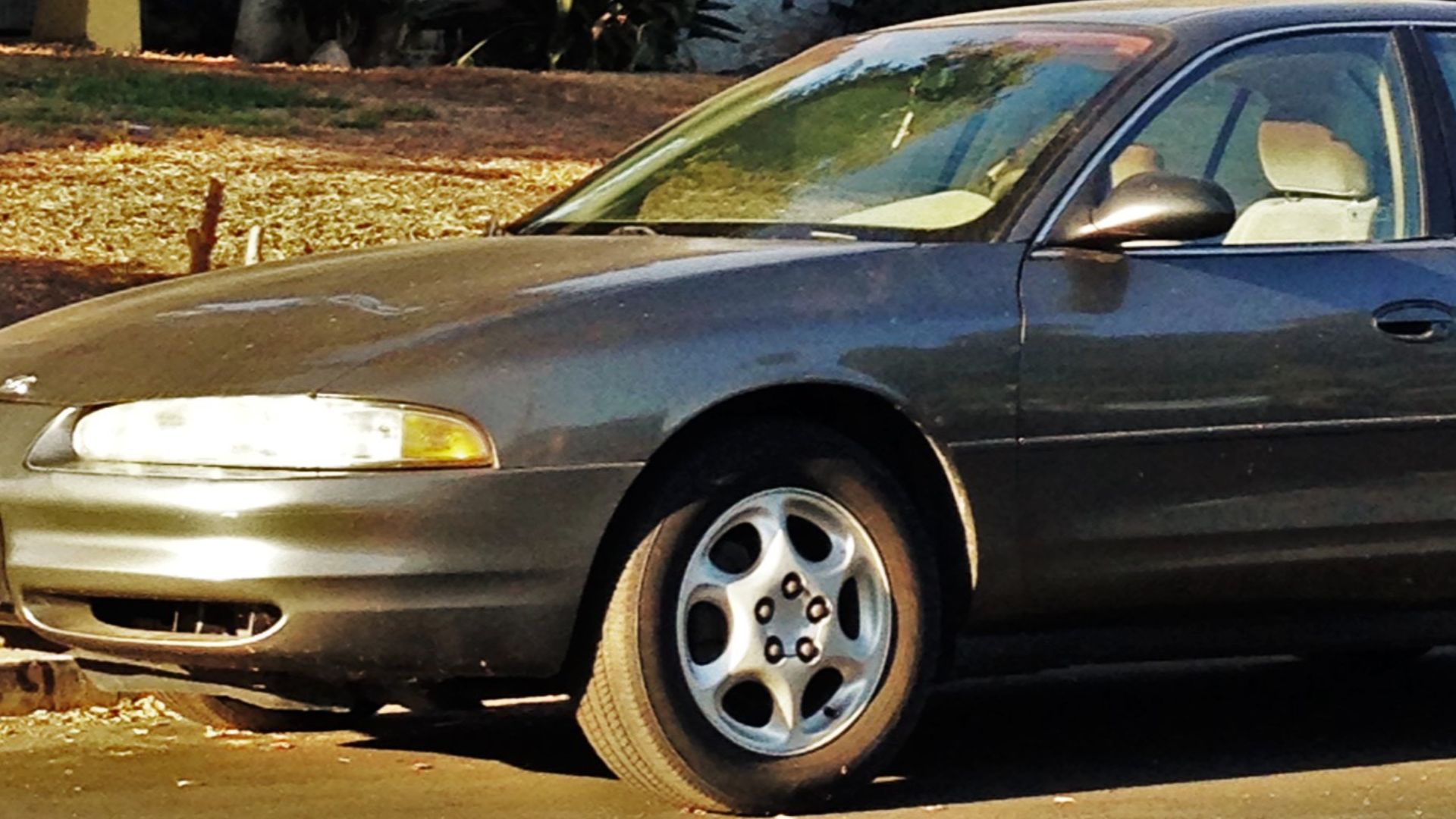
Behind the wheel, the Intrigue felt more composed than most American sedans of its class. Steering was direct, body roll was well controlled, and highway stability was excellent. It didn’t feel like a rental car, which was more than could be said for some rivals.
Handling That Defied Expectations
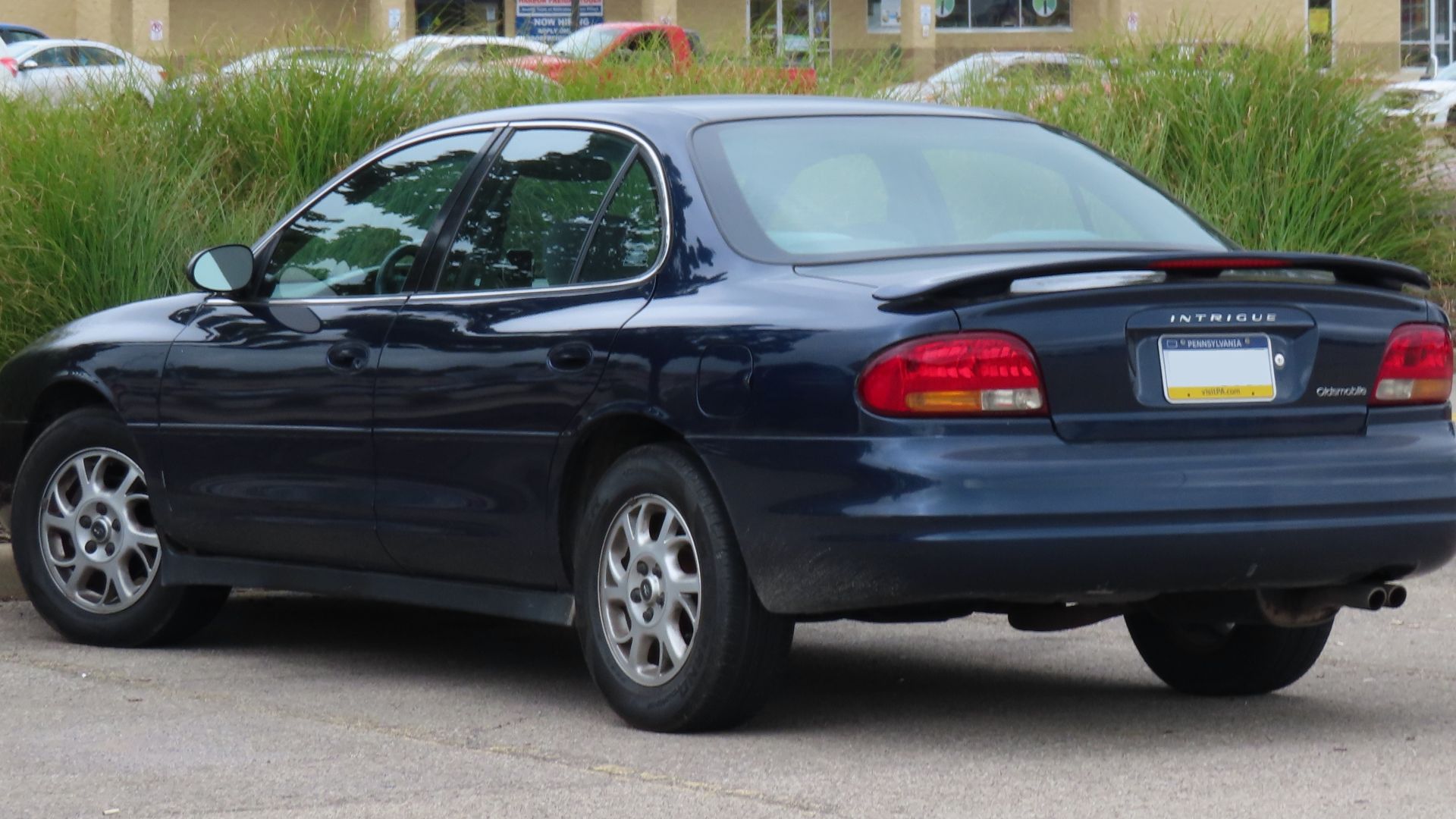
Thanks to its wide track and firm suspension tuning, the Intrigue handled corners with surprising confidence. It wasn’t a sports sedan, but it didn’t shy away from back roads either. For buyers willing to push it a bit, the payoff was real.
 MercurySable99, Wikimedia Commons
Ride Quality Versus Rivals
Where the Intrigue really shined was balance. It absorbed rough pavement better than sporty competitors while feeling more controlled than comfort-focused sedans. Long road trips were its natural habitat—quiet, relaxed, and fatigue-free.
Safety Before It Was Trendy
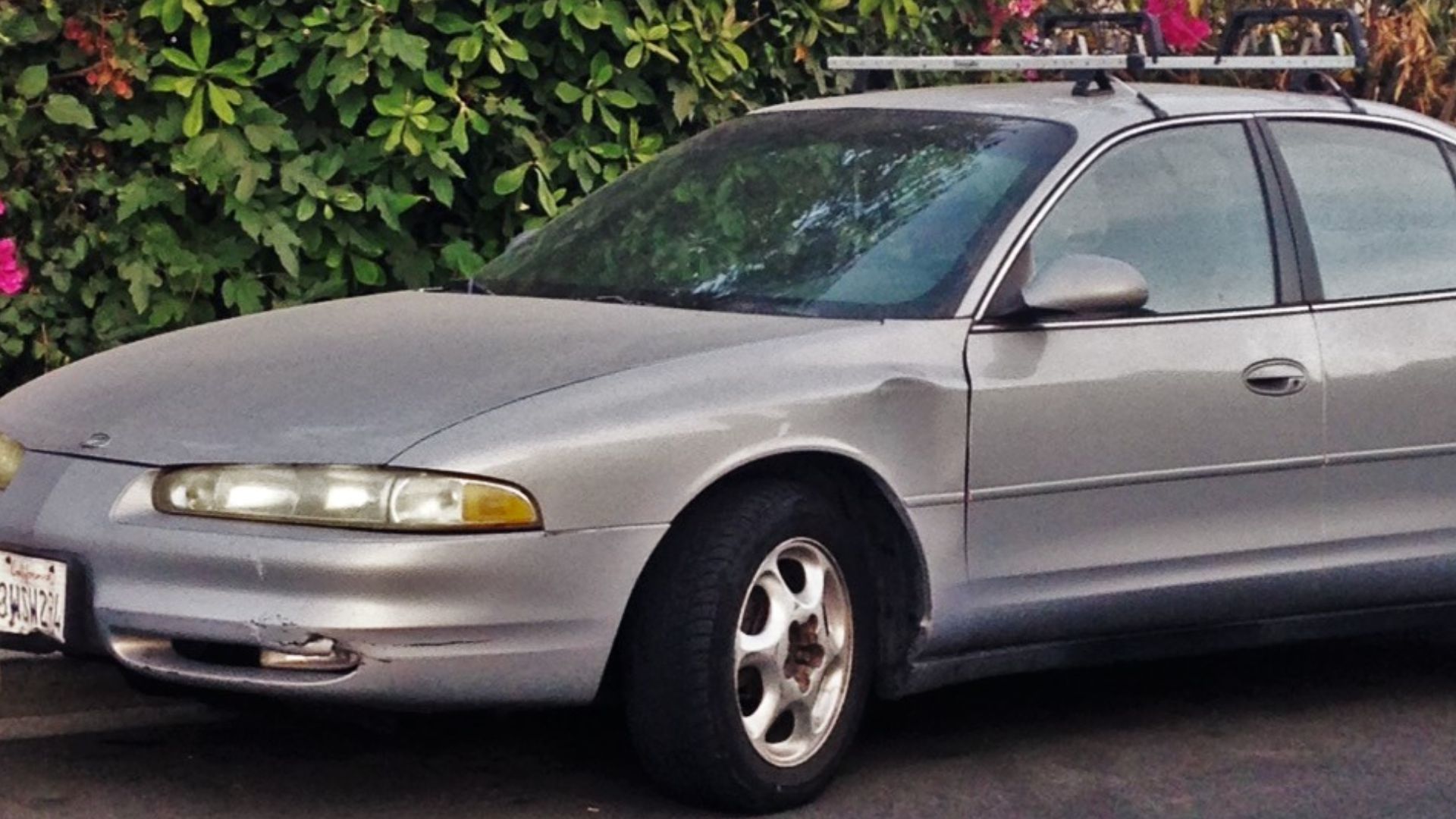
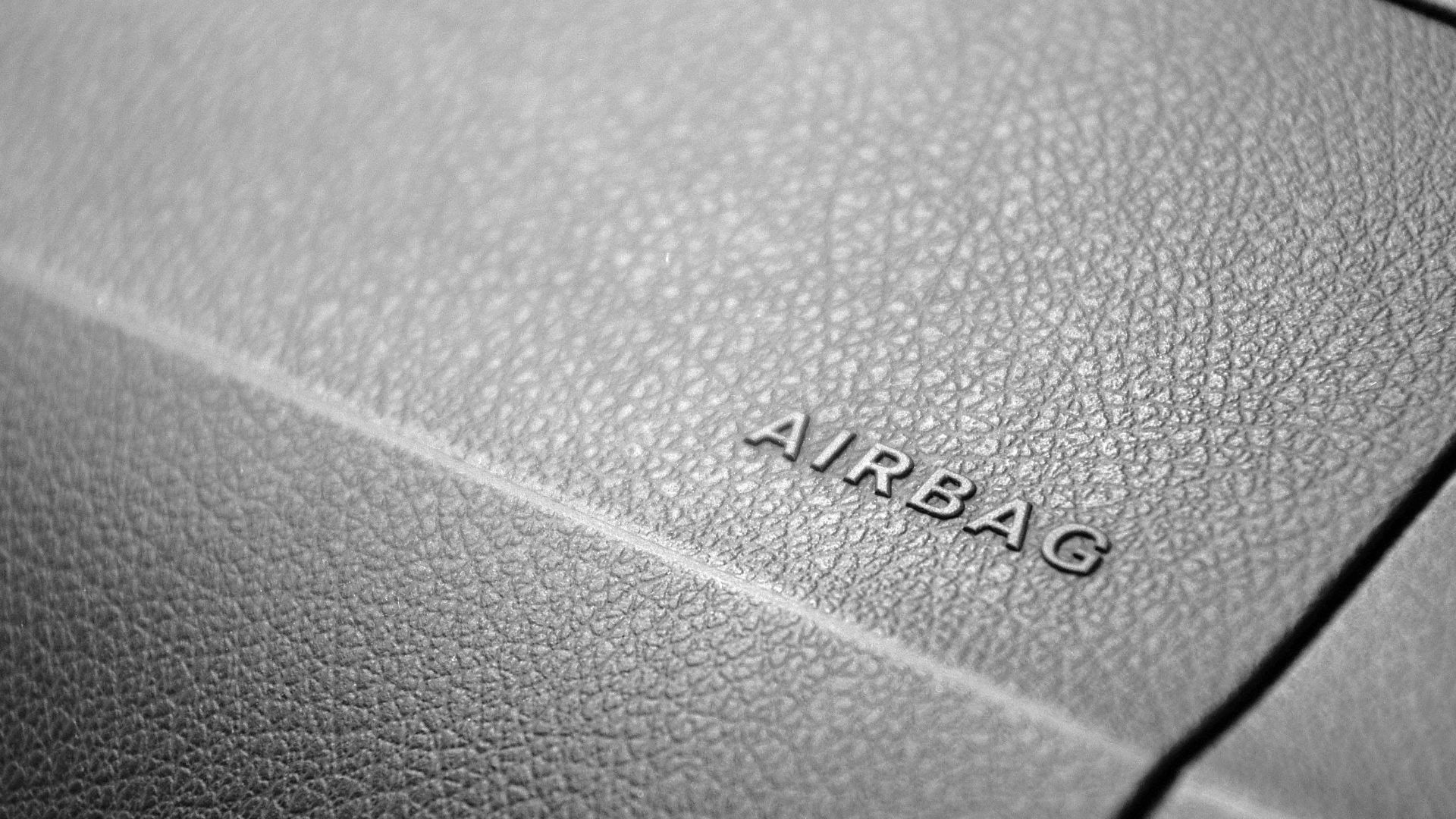
Safety was another strong suit. Anti-lock brakes, traction control, side airbags, and strong crash-test performance helped the Intrigue feel reassuringly modern. At a time when safety features were still optional selling points, Oldsmobile leaned in.
Trim Levels And What They Meant
The Intrigue came in trims like GX and GL, later adding sport-oriented packages. The differences weren’t just cosmetic—buyers could tailor suspension tuning, wheel sizes, and interior appointments to match their preferences. That flexibility was rare in the segment.
Pricing That Should Have Worked
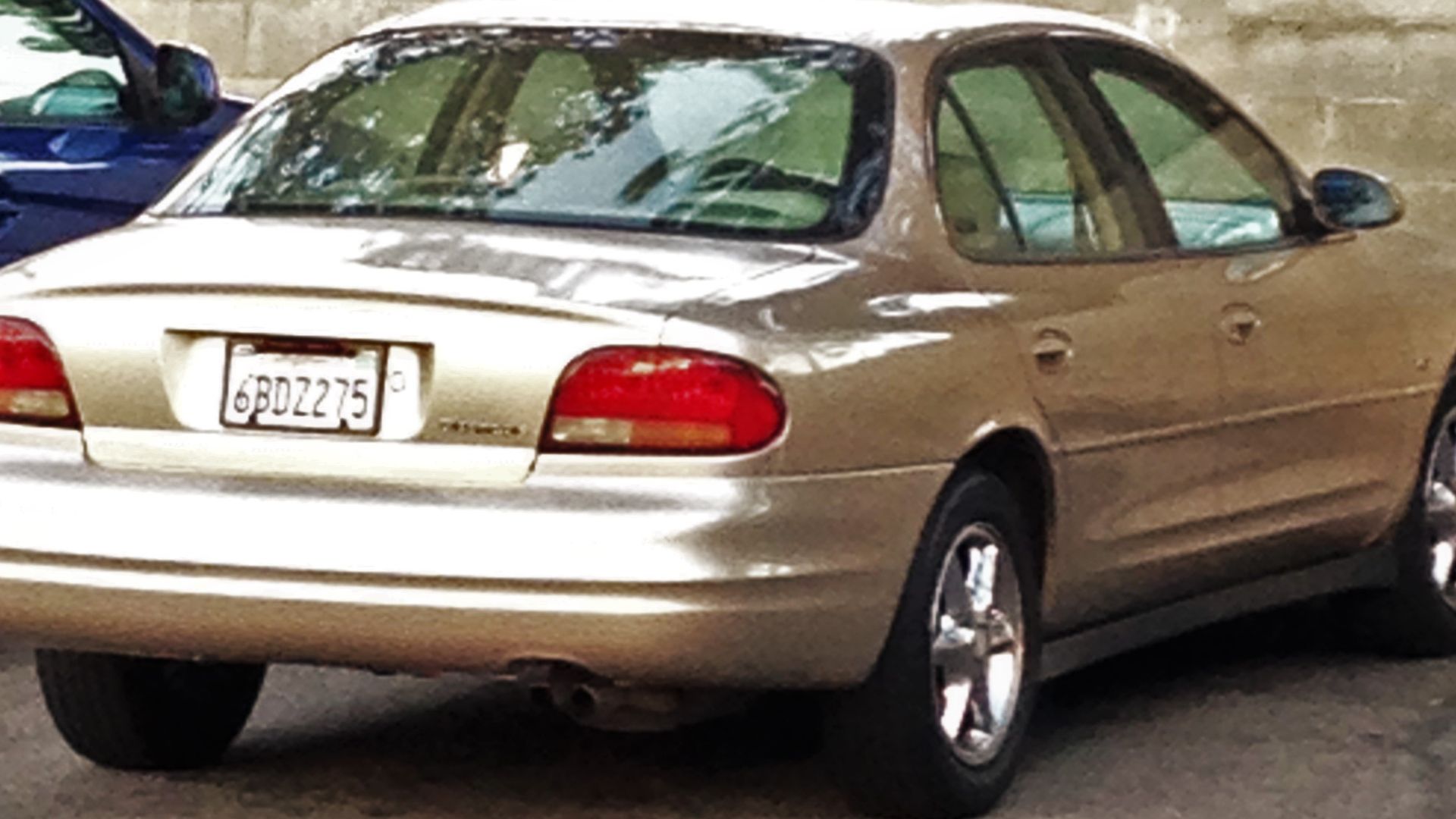
Here’s the kicker: the Intrigue was priced right. It undercut many imports while offering more power and features. From a value perspective, it was a no-brainer. Yet somehow, buyers kept walking past Oldsmobile dealerships without stopping.
 Criticalthinker at English Wikipedia, Wikimedia Commons
The Marketing That Missed The Point
Part of the problem was marketing. GM’s infamous “This Is Not Your Father’s Oldsmobile” campaign confused more people than it convinced. Instead of highlighting the Intrigue’s strengths, it focused on distancing the brand from its past—without clearly defining its future.

Caught Between Brands
Internally, the Intrigue also suffered from GM’s brand overlap. It was sportier than a Buick, but not as aggressively marketed as a Pontiac. Nicer than a Chevrolet, but not as prestigious as a Cadillac. It lived in an uncomfortable middle ground.
The Honda Accord Problem
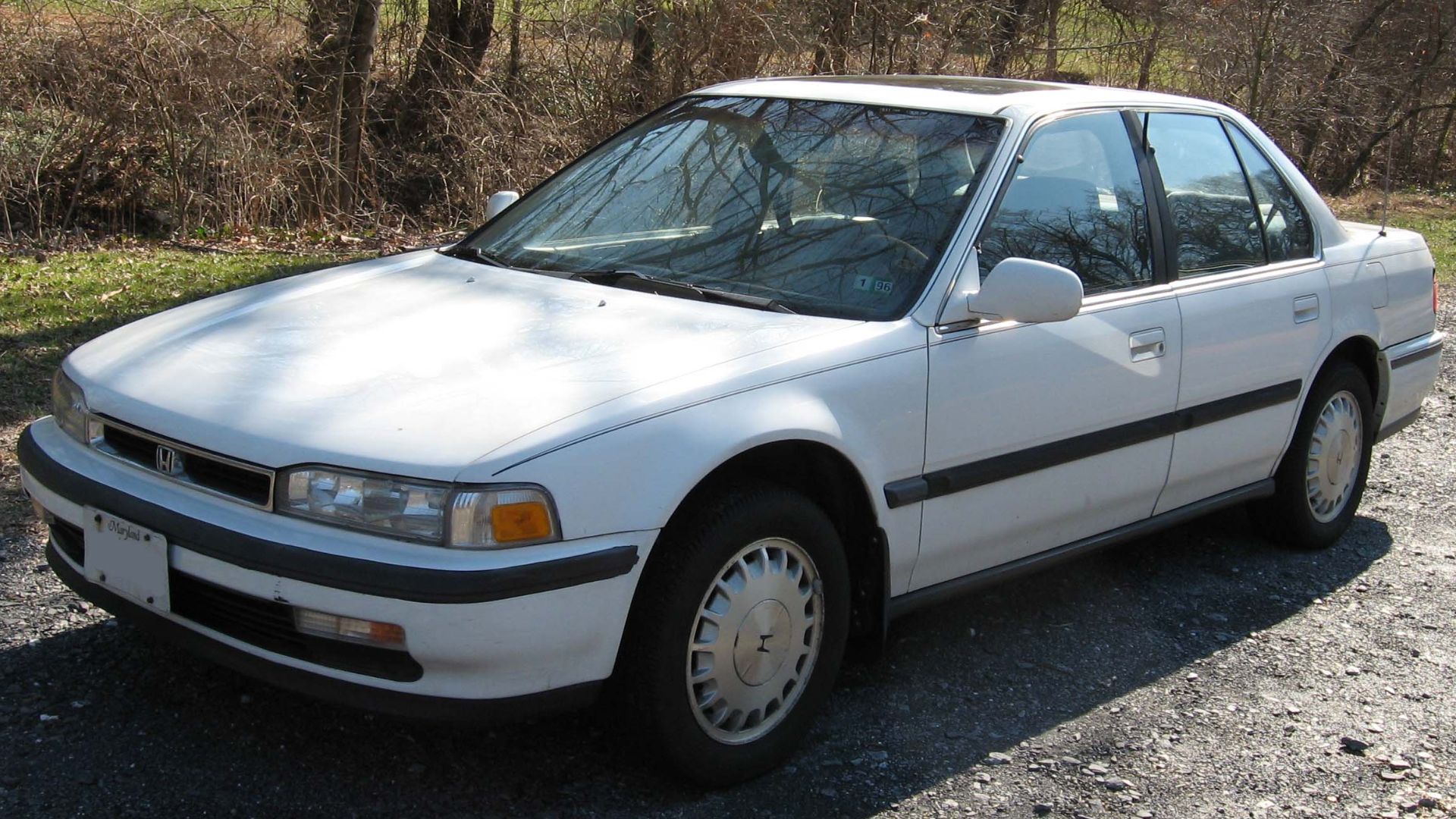
Then there were the imports. By the late 1990s, the Honda Accord and Toyota Camry had bulletproof reputations. Buyers trusted them blindly. The Intrigue, no matter how good, couldn’t overcome decades of brand perception with one strong product.
Reliability And Ownership Reality
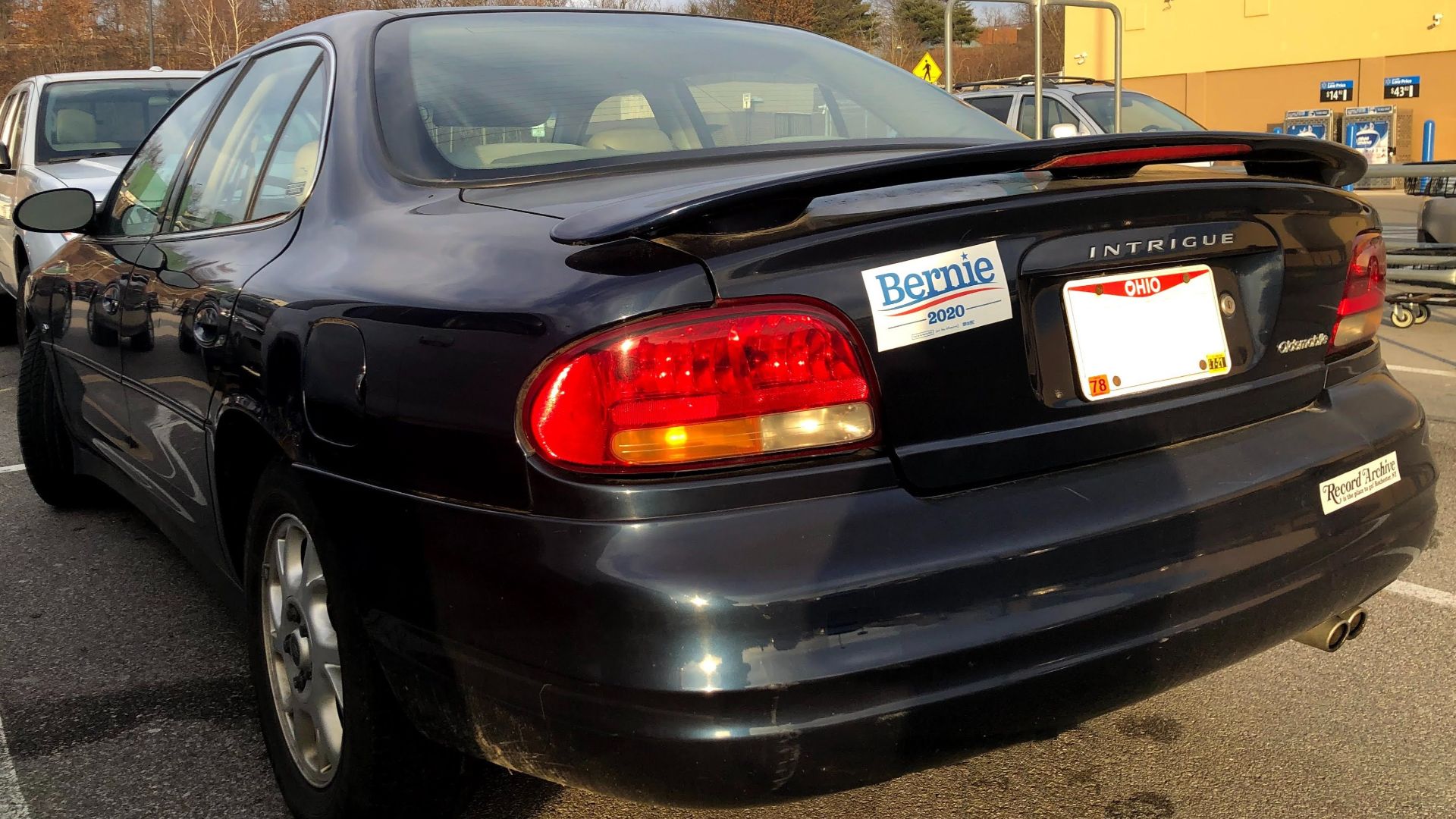
In fairness, the Intrigue wasn’t perfect. Some engines developed cooling issues, and interior plastics didn’t always age gracefully. But overall reliability was solid—certainly competitive with domestic rivals. Many examples quietly racked up high mileage without drama.
 BlueCrabRedCrab, Wikimedia Commons
Why Buyers Stayed Away
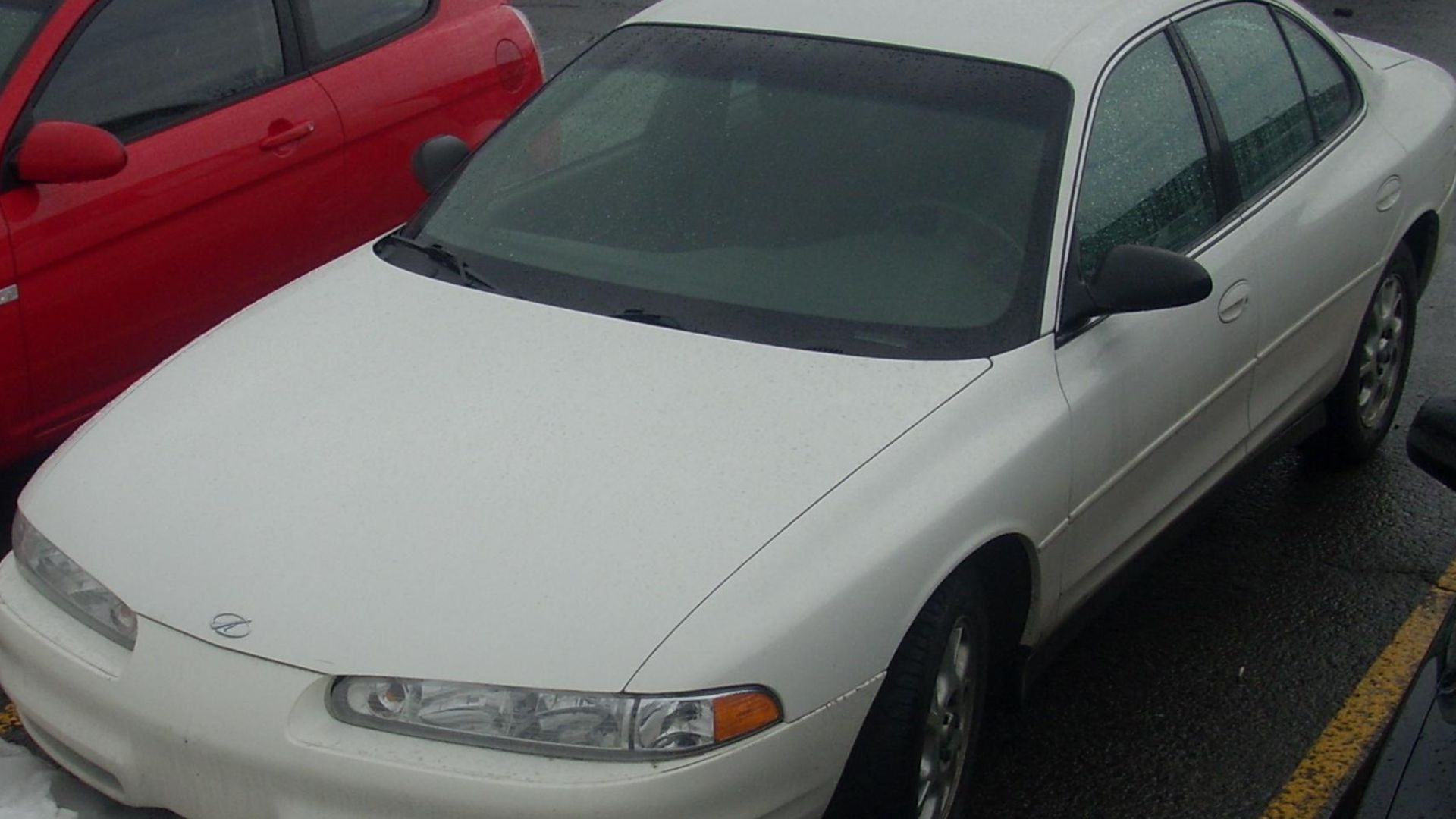
Ultimately, the Intrigue failed not because it was bad, but because it arrived too late. Oldsmobile’s reputation was already fading, and buyers sensed the uncertainty. Even a genuinely good sedan couldn’t reverse that momentum overnight.
The End Of Oldsmobile Looms
Just a few years after the Intrigue launched, GM announced the end of Oldsmobile. The brand disappeared in 2004, taking the Intrigue with it. What was meant to be a rebirth instead became a farewell tour.

How The Intrigue Aged Over Time
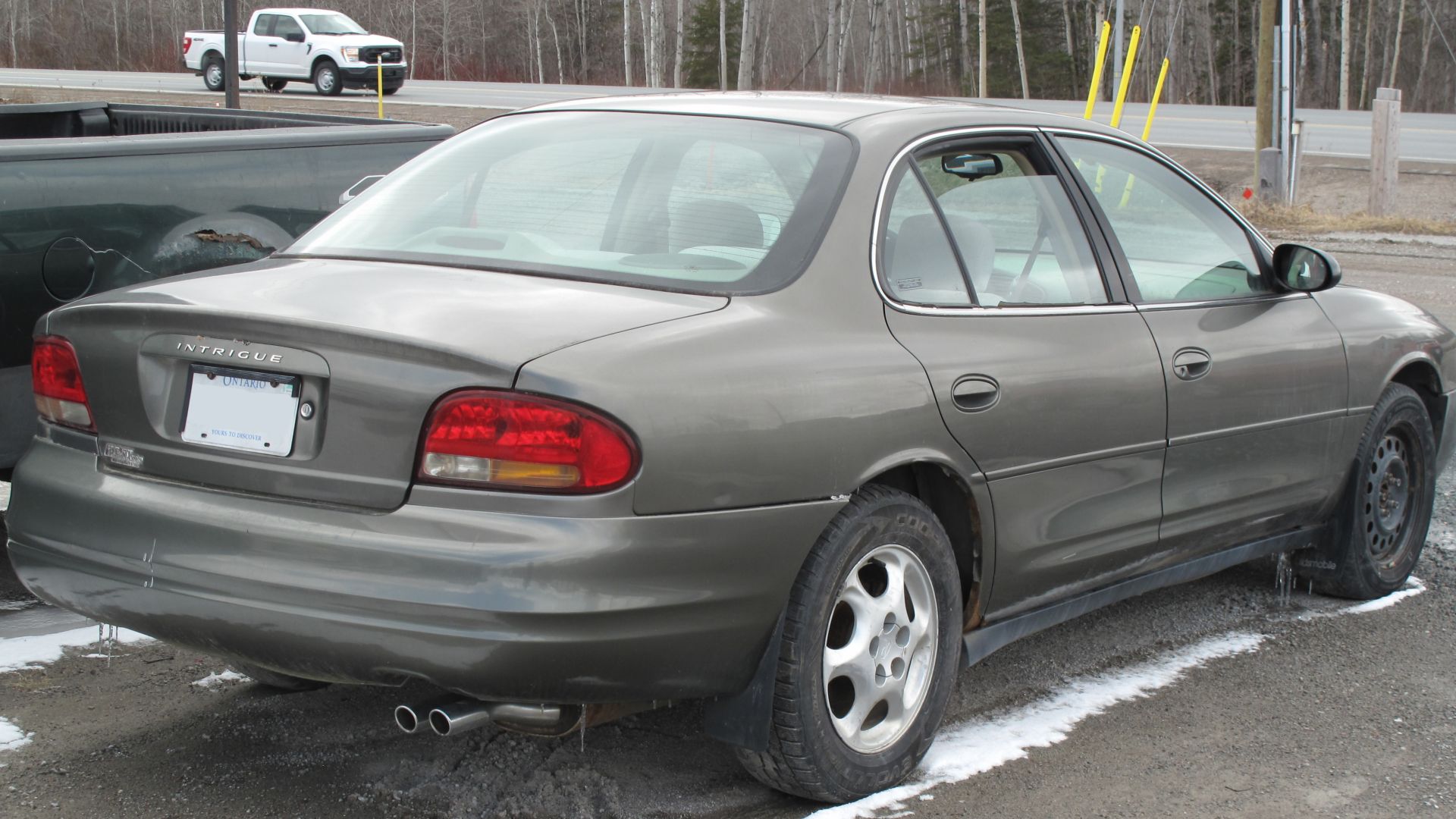
Looking back, the Intrigue has aged surprisingly well. Its design still feels cohesive, its driving dynamics remain respectable, and its feature set doesn’t feel laughably outdated. Time has been kinder to it than many of its contemporaries.
Today’s Used-Car Sweet Spot
On today’s used market, the Intrigue is a hidden bargain. Clean examples are affordable, comfortable, and cheap to maintain. For buyers who value substance over badges, it’s one of the best-kept secrets of early-2000s sedans.
 SsmIntrigue, Wikimedia Commons
What The Intrigue Got Right
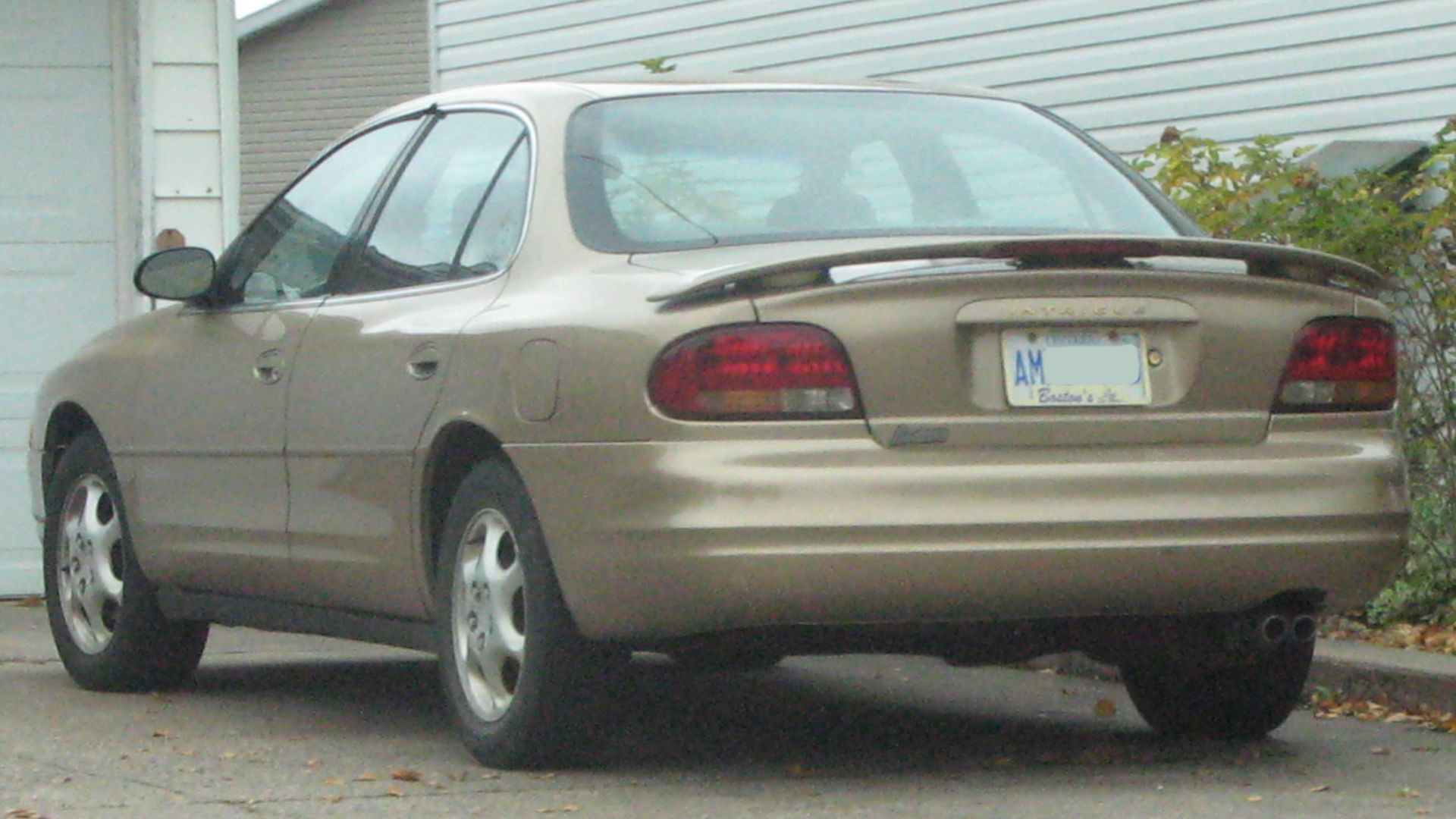
The Intrigue proved that GM knew how to build a competitive mid-size sedan. It blended style, performance, comfort, and value in a way few American cars of the era managed. Its failure wasn’t about execution—it was about timing and perception.
 Yavno at en.wikipedia, Wikimedia Commons
The Best Sedan Nobody Bought
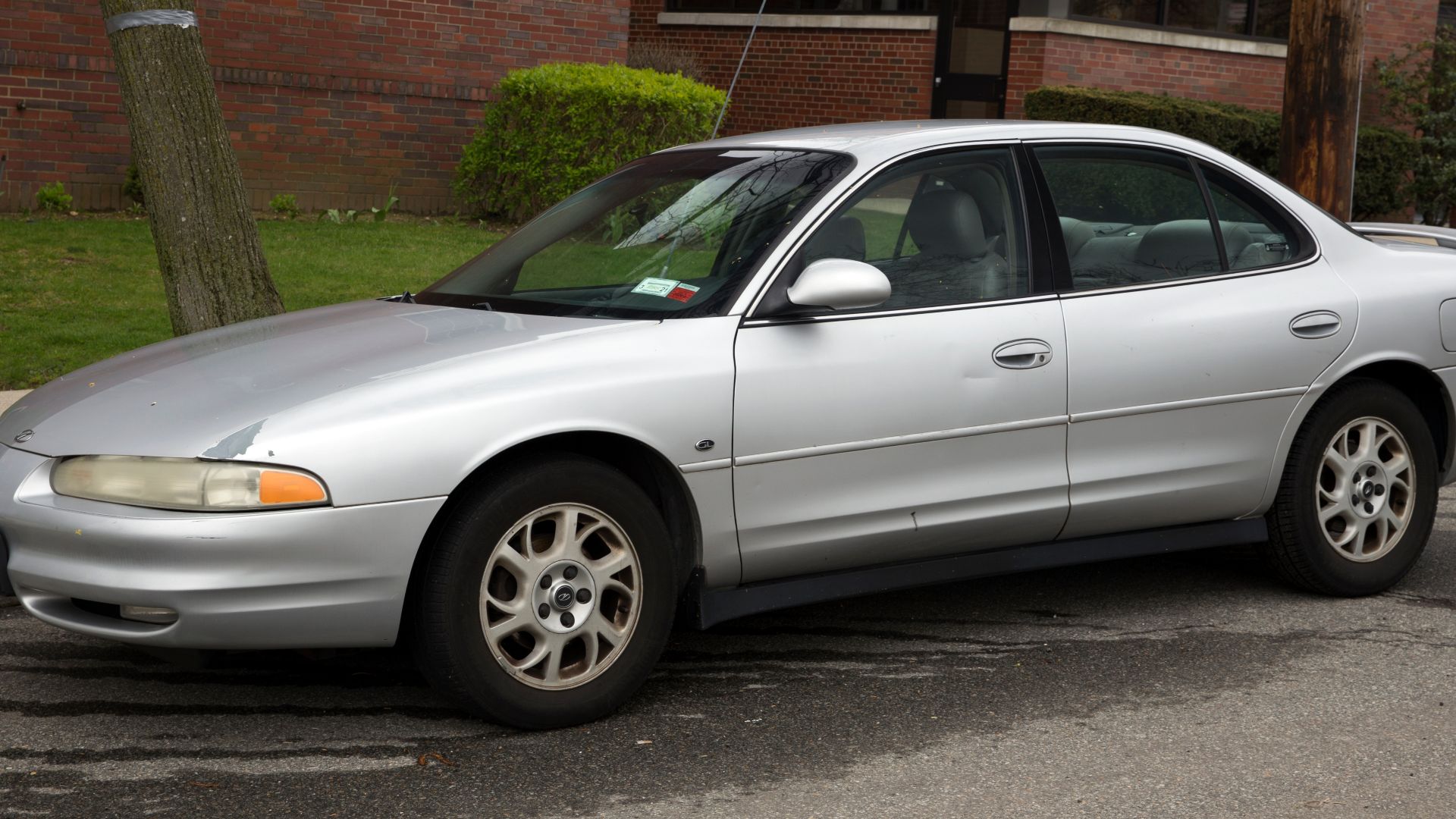
In the end, the Oldsmobile Intrigue stands as one of automotive history’s great “what ifs.” It was smart, capable, and genuinely likable—yet ignored by the masses. If you ever spot one on the road today, remember: you’re looking at GM’s best sedan that nobody bought.
 Mr.choppers, Wikimedia Commons
You May Also Like:
The Latest In Helmet Safety Science Could Be The Push You Need To Buy That Bike
I was approved for financing, then the terms changed at signing. Is that normal?