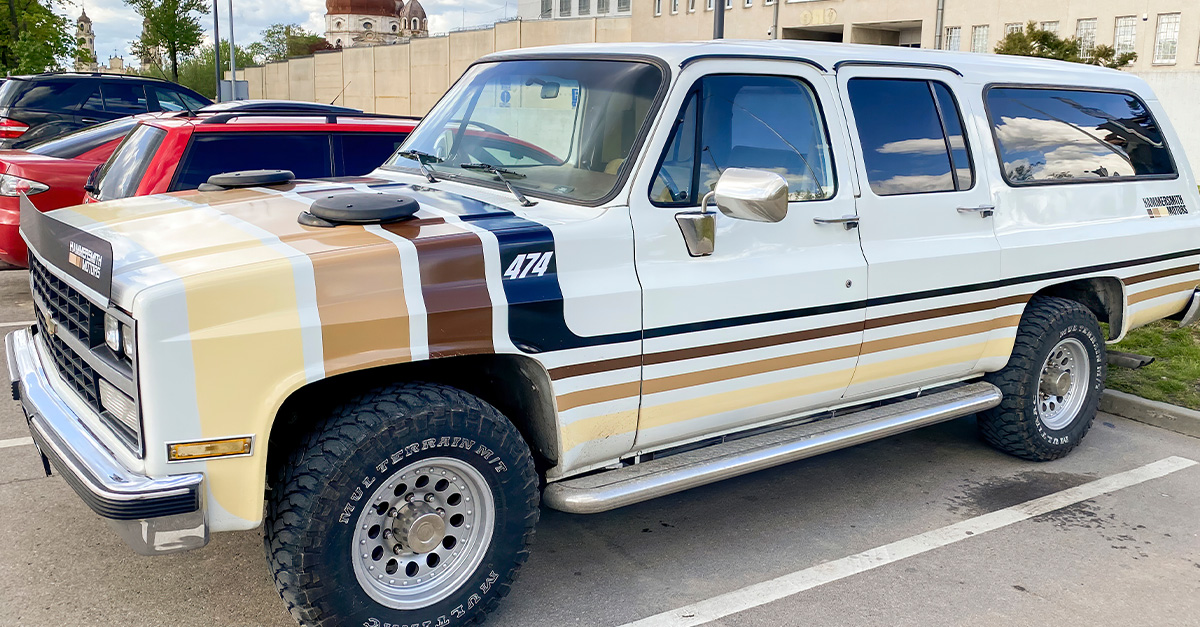
These Cars Defined Suburban American Life In The 1990s
The 1990s were a golden era of cul-de-sacs, mall parking lots, soccer practices, and road trips to theme parks with a cooler full of Capri Sun rattling around in the back. It was a decade when CD players replaced cassette decks, woodgrain clung stubbornly to minivans, and SUVs went from rugged oddities to driveway staples. Suburban America had its own automotive soundtrack—garage doors humming open at 7:45 a.m., V6 engines firing to life, and the faint thump of Pearl Jam drifting from open windows. These are the cars that defined suburban life in the 1990s—the family haulers, commuter heroes, and status symbols that lined neighborhood streets from coast to coast.

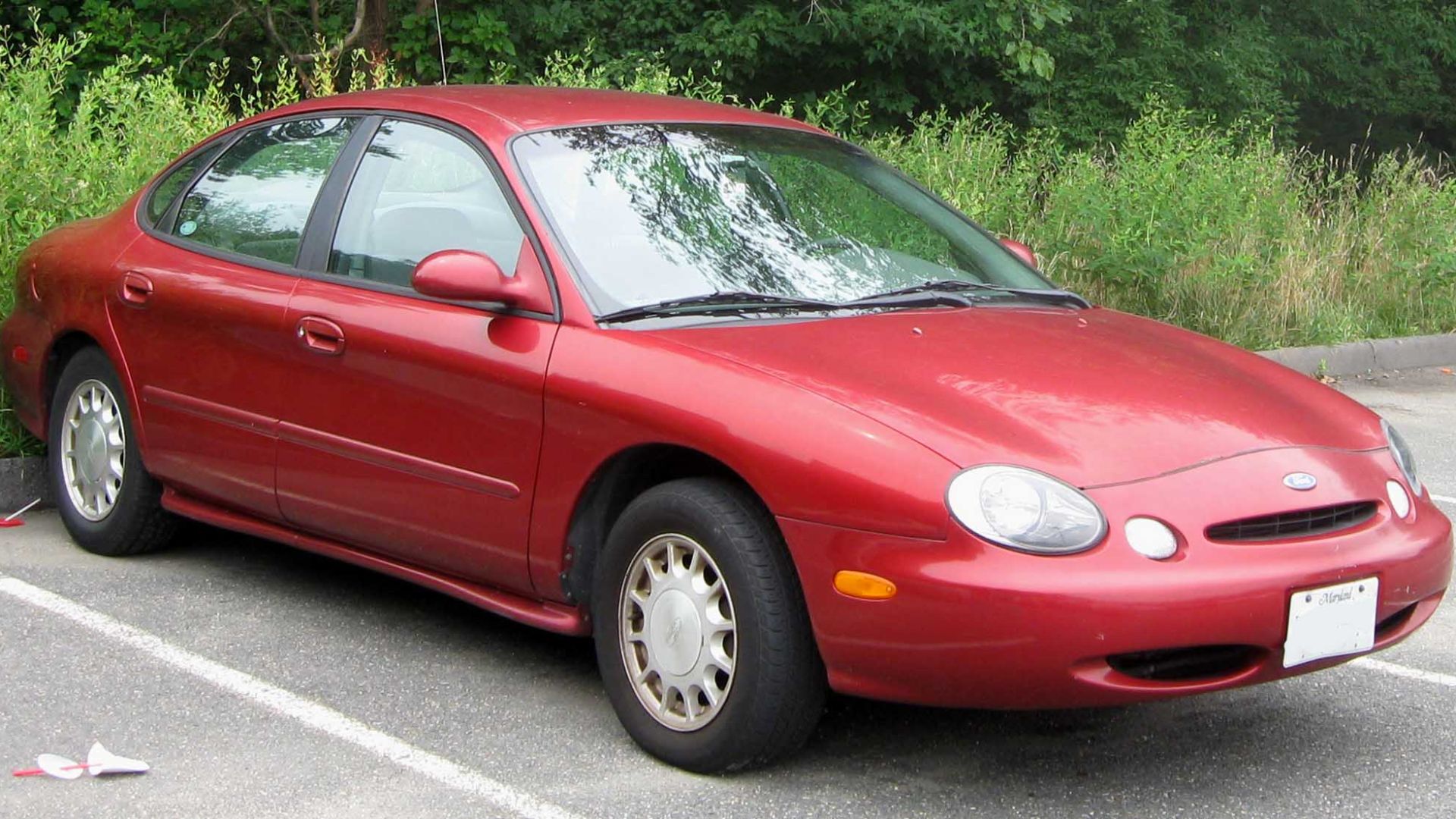
Ford Taurus
If the 1990s had an official car of suburbia, it might have been the Ford Taurus. With its jellybean shape and smooth, aerodynamic lines, the Taurus looked futuristic at the start of the decade and pleasantly familiar by the end. It was the quintessential middle-manager machine: reliable, comfortable, and available in every rental lot in America. Whether in sensible beige or deep forest green, the Taurus carried kids to school and parents to work with quiet competence.
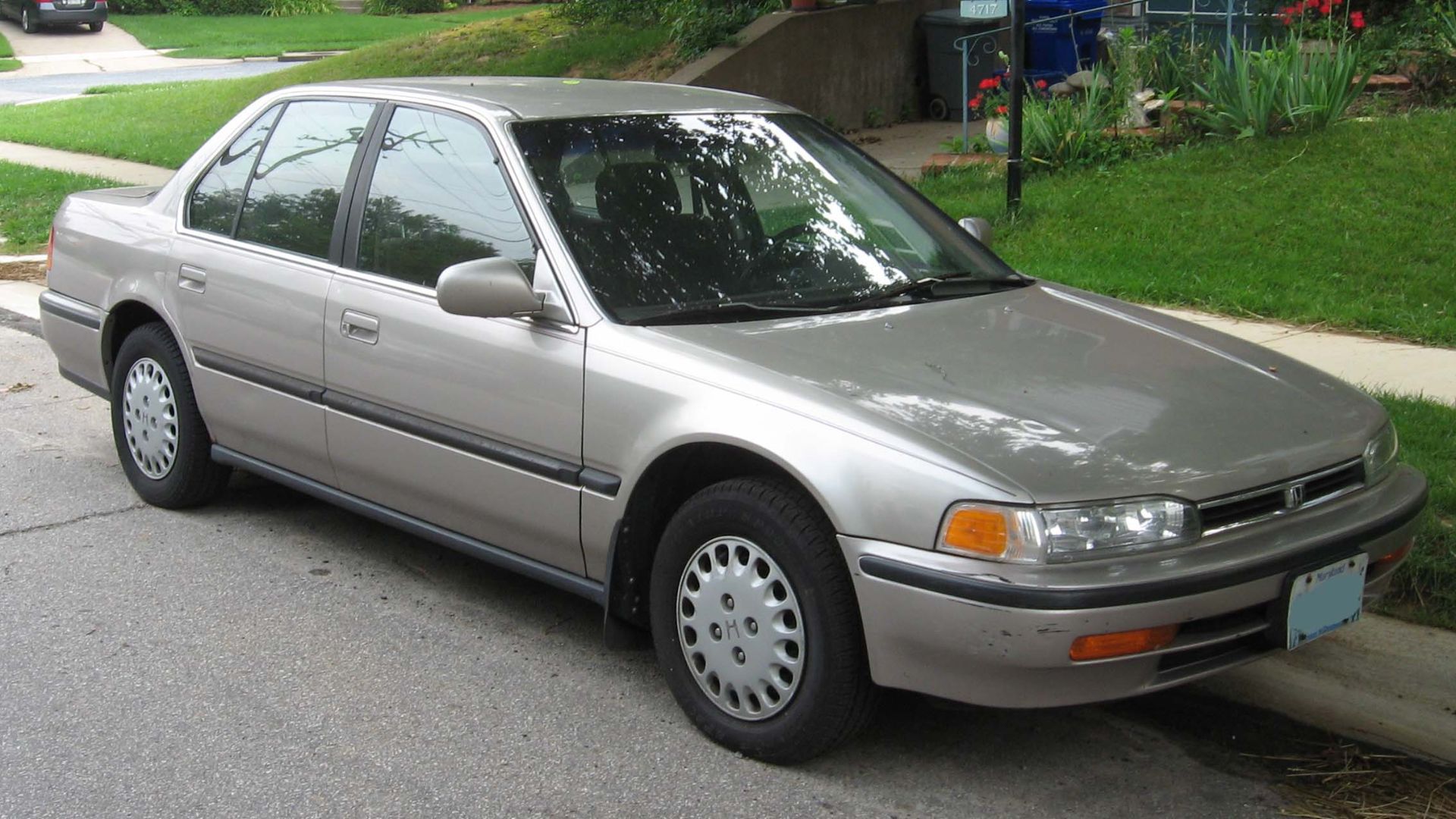
Honda Accord
The Honda Accord was the gold standard for sensible suburban transportation. It wasn’t flashy, but it always started, rarely broke, and held its value like a family heirloom. In the 1990s, the Accord became a driveway fixture thanks to its bulletproof four-cylinder engine, tidy dimensions, and just enough style to feel modern. It was the car you bought when you wanted peace of mind—and in suburbia, that was priceless.
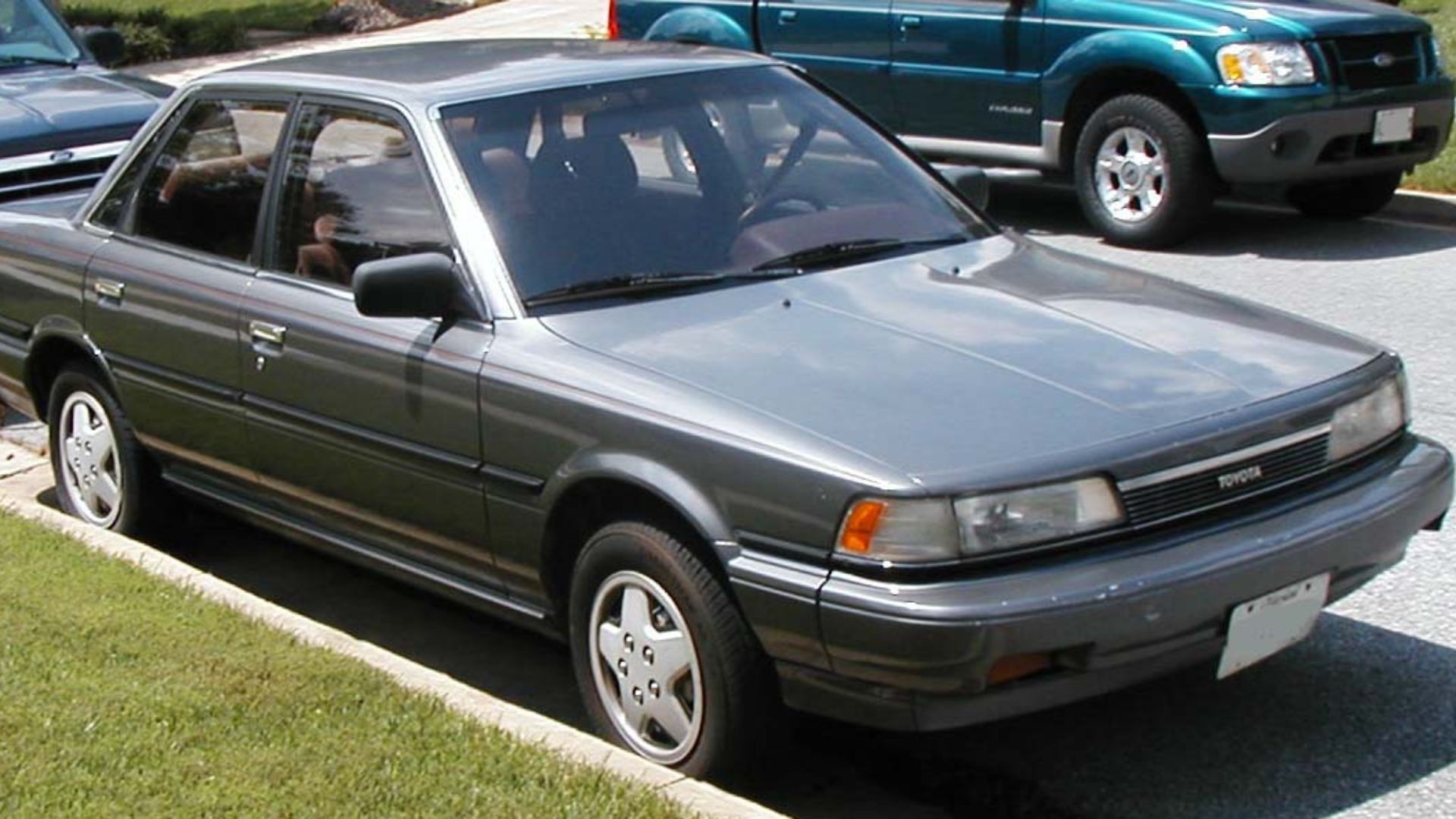
Toyota Camry
The Camry built its reputation on a single promise: it will not let you down. Throughout the 1990s, Toyota’s midsize sedan quietly took over neighborhoods, one satisfied family at a time. Smooth V6 options, whisper-quiet cabins, and a reputation for lasting well past 200,000 miles made it the default choice for practical households. If you grew up in the suburbs, chances are you learned to drive in one.
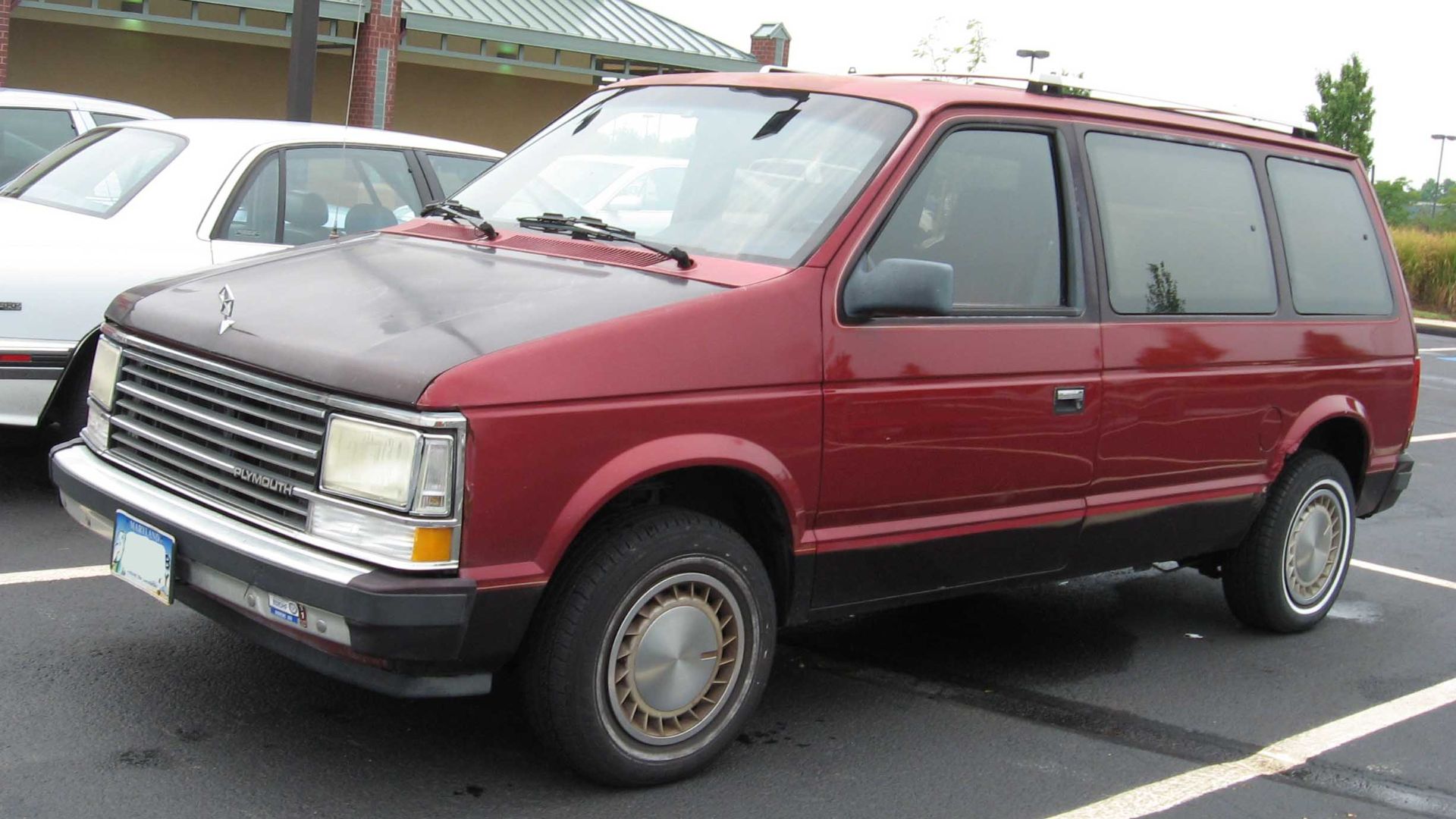
Dodge Caravan And Plymouth Voyager
Before three-row crossovers ruled the earth, there was the minivan—and the Dodge Caravan and Plymouth Voyager were its reigning monarchs. These vans were the undisputed champions of carpool duty, with sliding doors, removable seats, and enough cargo room for science fair projects and Golden Retrievers. Woodgrain trim and plush captain’s chairs gave them a vaguely luxurious air, but their true superpower was making family life manageable.
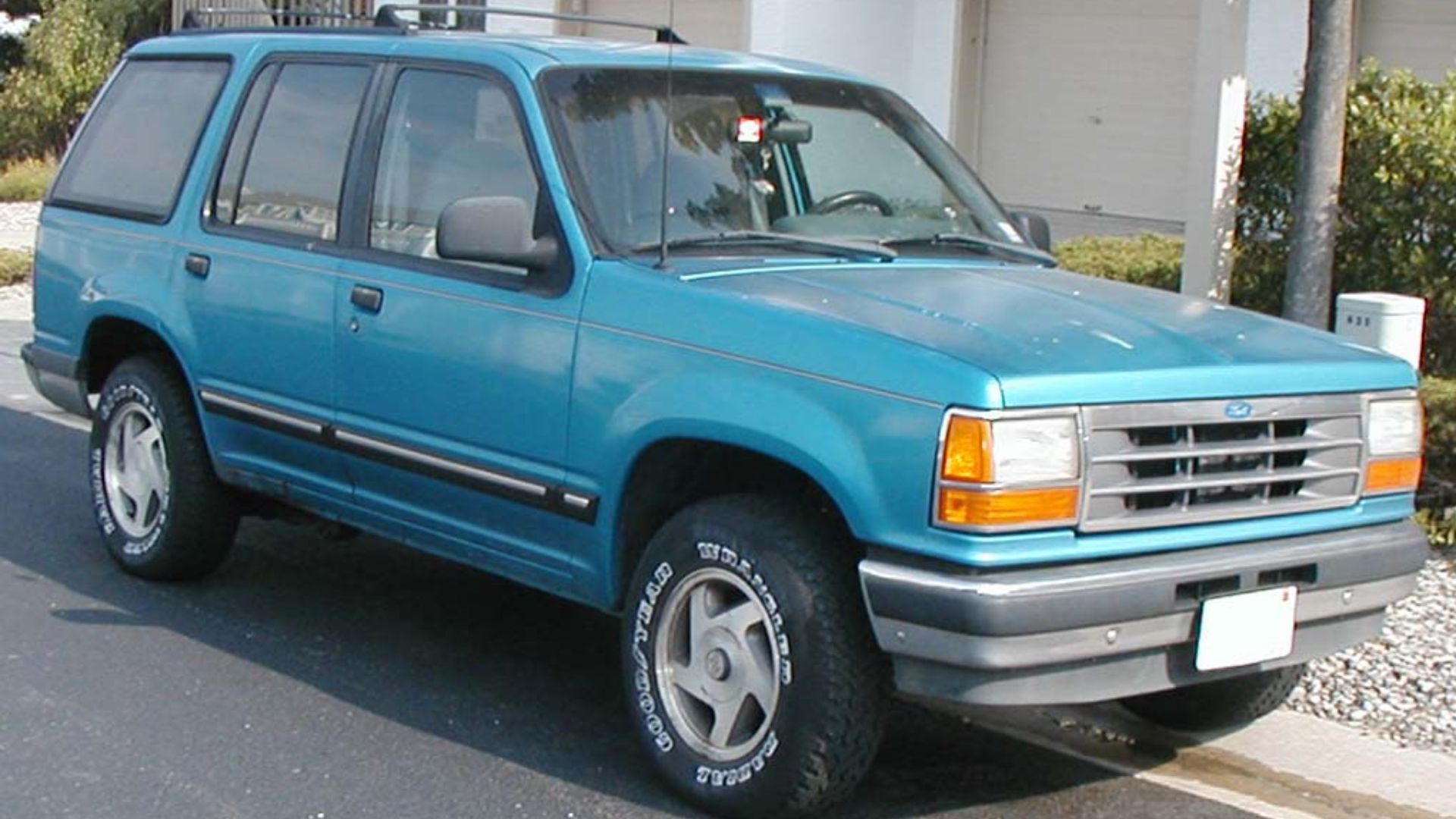
Ford Explorer
The Ford Explorer turned the SUV into a suburban status symbol. By the mid-1990s, Explorers were everywhere, parked proudly in driveways with Eddie Bauer badges gleaming in the sun. They promised rugged adventure, even if their toughest terrain was the soccer field parking lot. High seating positions and available four-wheel drive made parents feel invincible in rain or snow—and that sense of security sold millions.
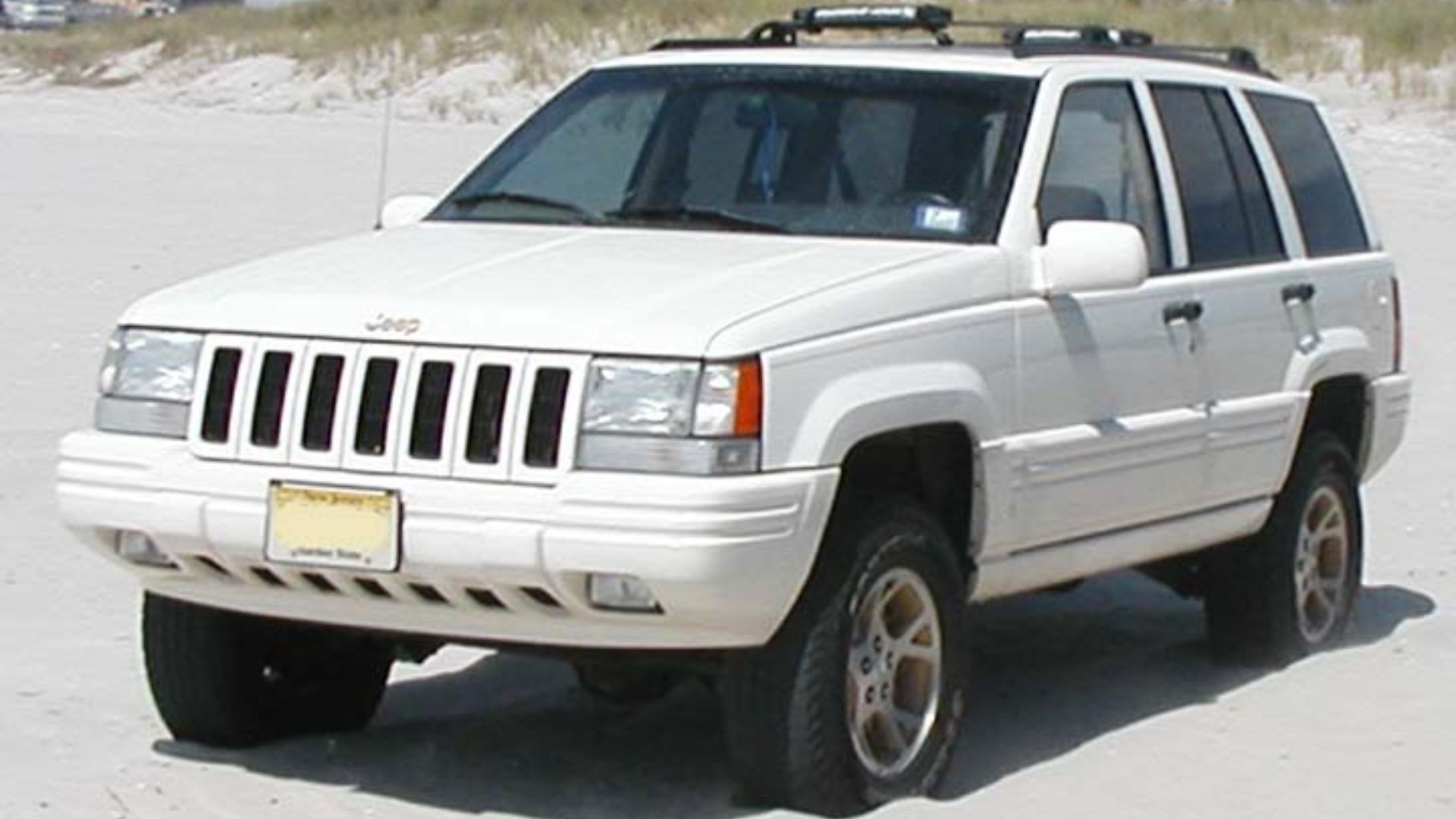
Jeep Grand Cherokee
When the Jeep Grand Cherokee debuted in 1993—famously driving through a plate-glass window—it announced that SUVs could be both tough and upscale. Suburban buyers loved the blend of genuine off-road heritage and leather-trimmed comfort. It was the SUV for families who wanted something a bit more refined than a truck-based hauler but still capable of tackling a camping trip without breaking a sweat.
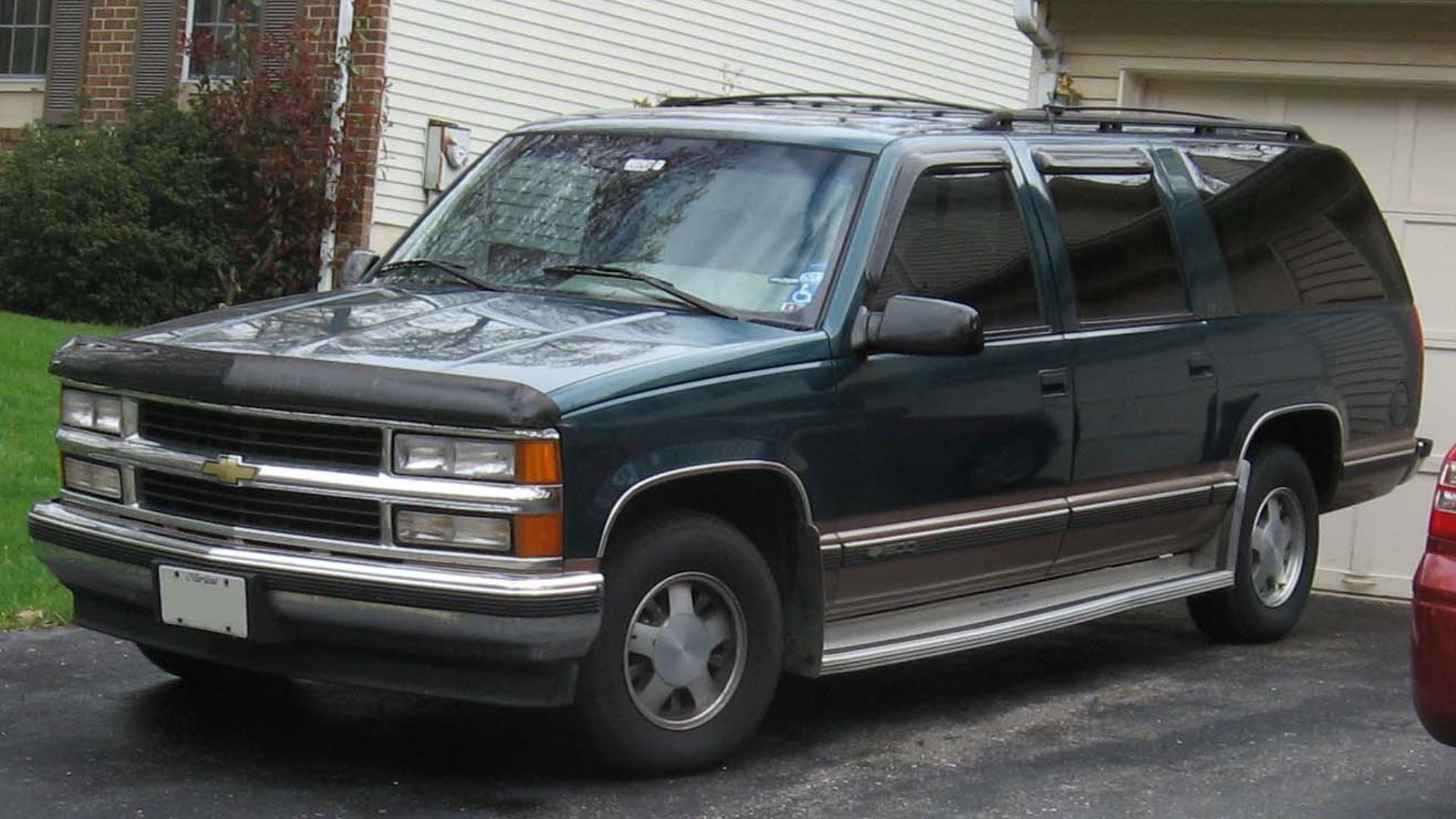
Chevrolet Suburban
For large families, big boats, or ambitious road trips, the Chevrolet Suburban was the ultimate statement. It was massive, unapologetic, and seemingly indestructible. In 1990s suburbia, a Suburban in the driveway meant you were ready for anything—cross-country vacations, towing a camper, or hauling half the neighborhood to a Little League game. Fuel economy was a rumor; capability was everything.
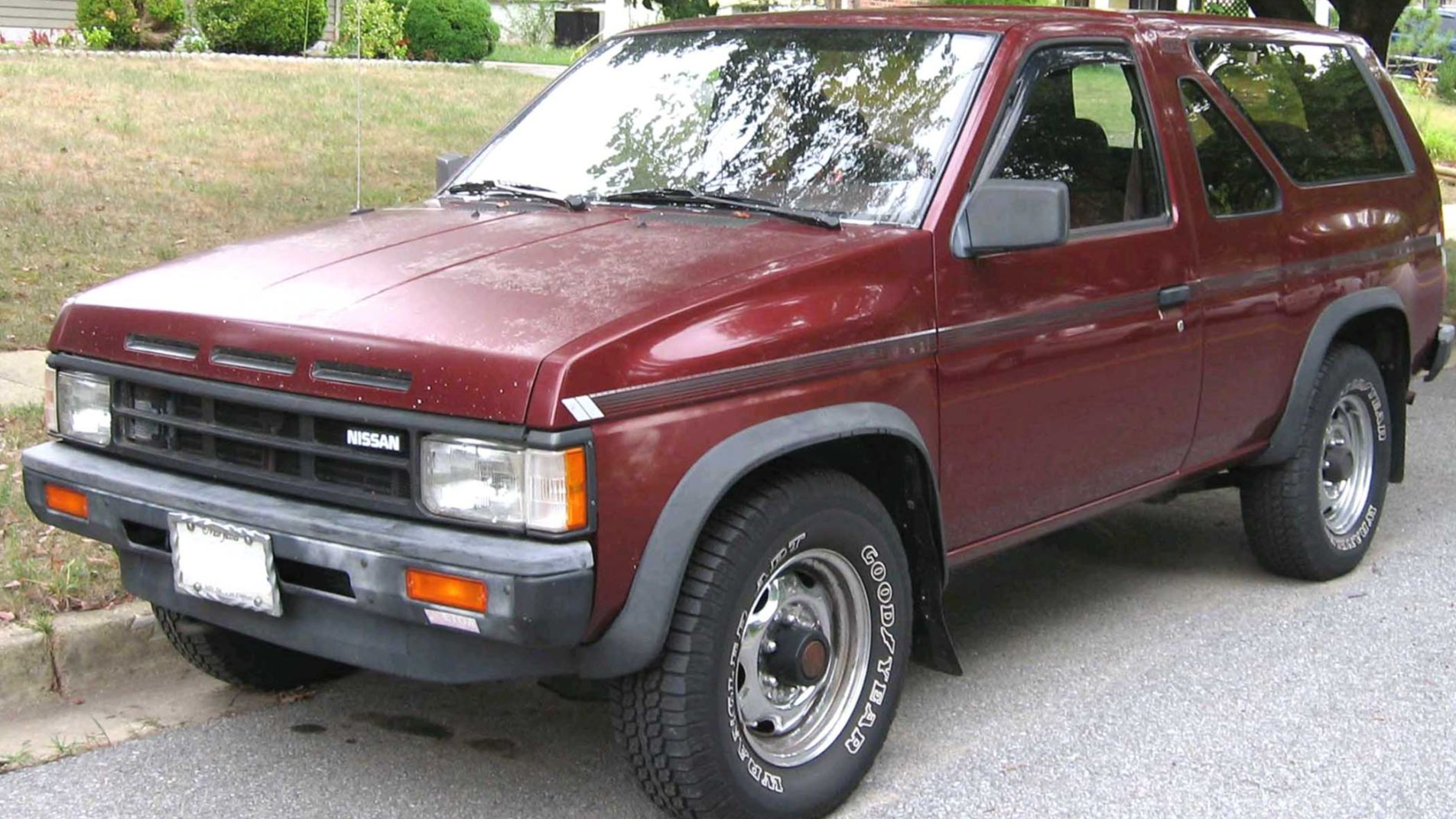
Nissan Pathfinder
The Nissan Pathfinder carved out a niche as the slightly different choice in a sea of domestic SUVs. Boxy early models gave way to smoother designs later in the decade, but the formula stayed the same: sturdy body-on-frame construction, dependable V6 power, and enough space for growing families. It appealed to suburbanites who wanted something practical—but not exactly what everyone else had.
Honda Civic
Teenagers of the 1990s often experienced their first taste of freedom in the driver’s seat of a Honda Civic. Affordable, efficient, and endlessly customizable, the Civic thrived in suburban high school parking lots. Parents appreciated its reliability; kids loved its potential for aftermarket wheels and booming sound systems. It was the gateway car for a generation.
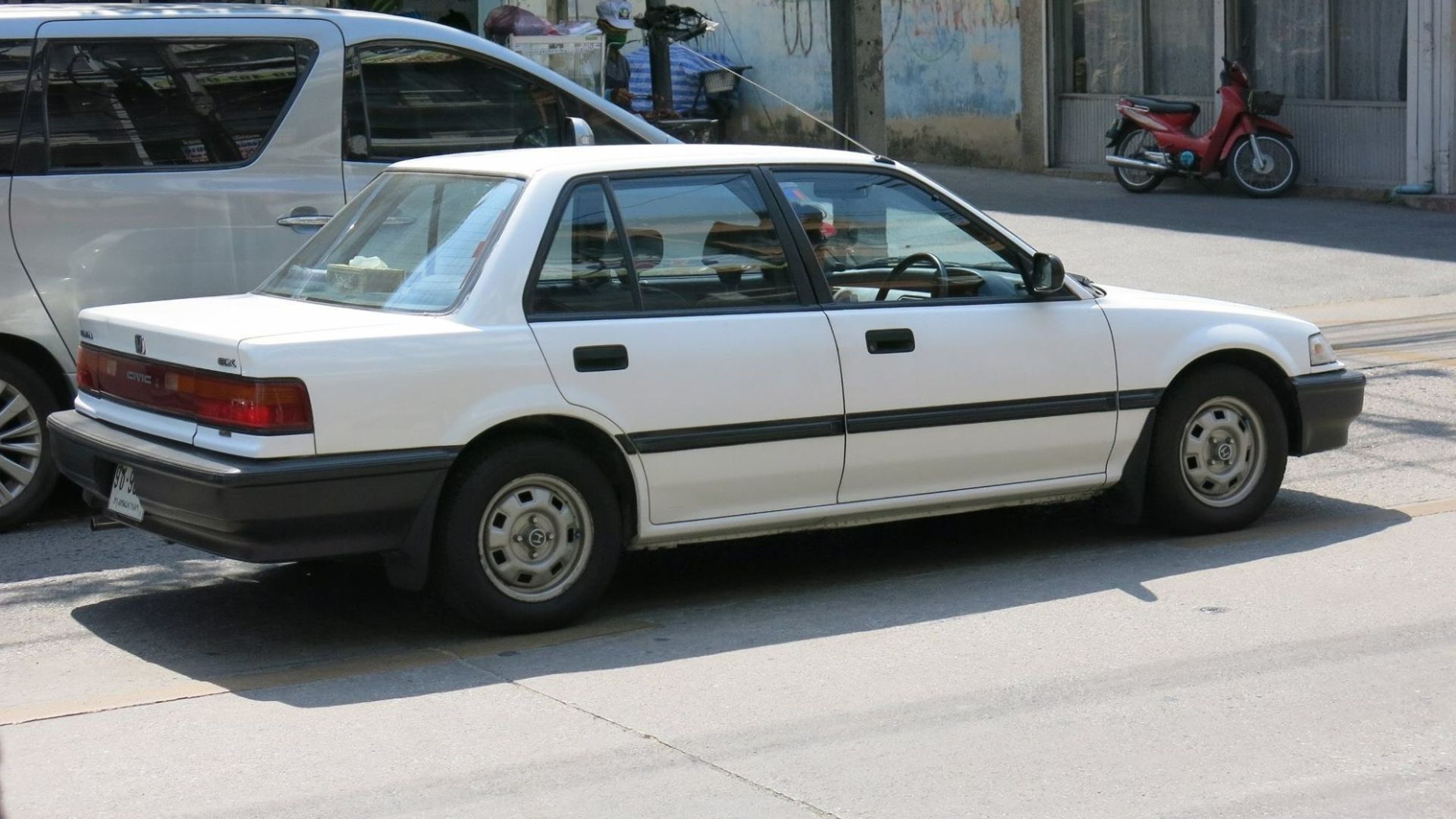 Jirapat Chroenkeskij, Wikimedia Commons
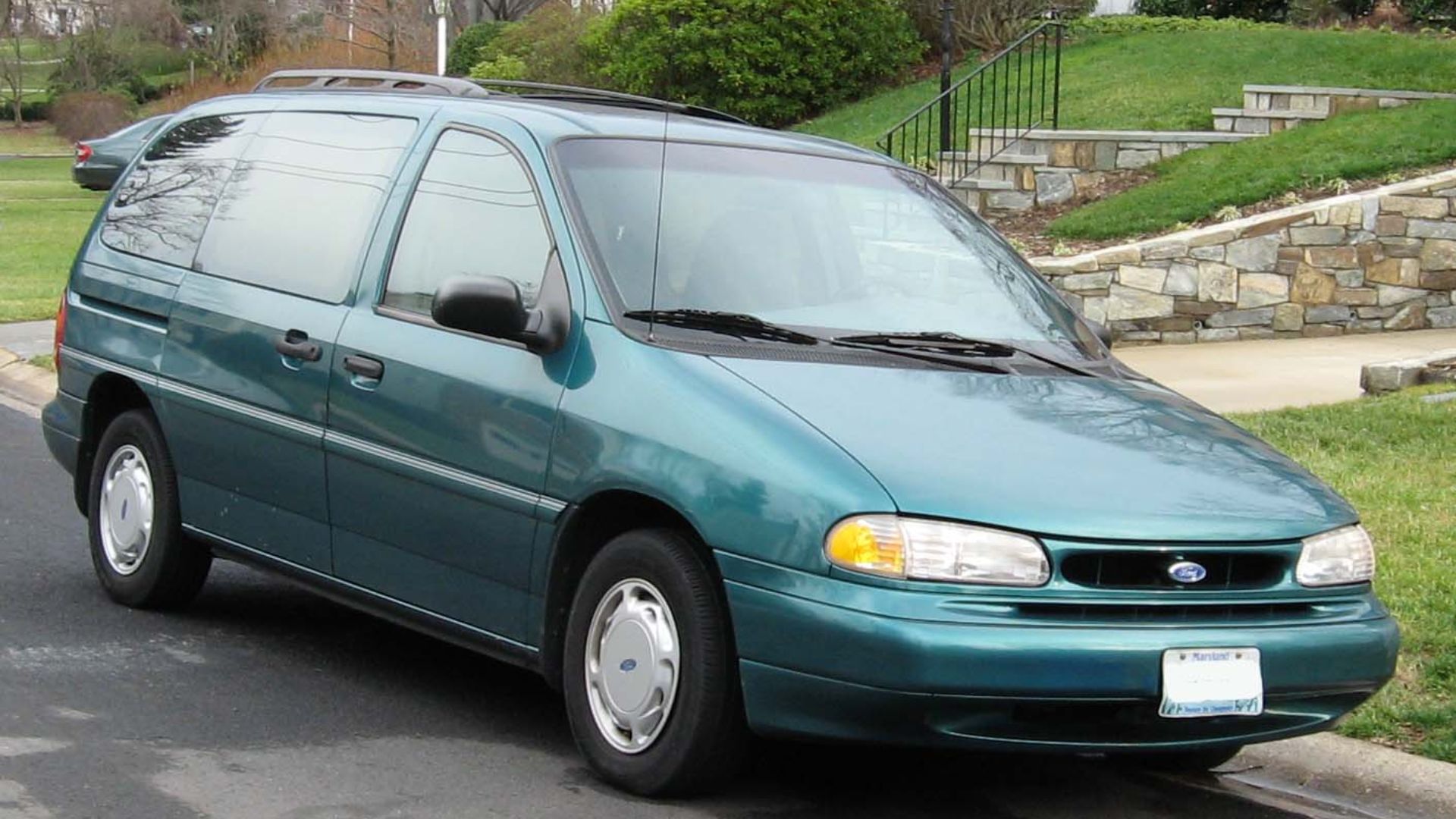
Ford Windstar
As the decade progressed, the Ford Windstar took over minivan duties from the aging Aerostar. Sleeker and more car-like, the Windstar felt like a modern upgrade for families who needed space but didn’t want to drive a box. With dual sliding doors and improved safety features, it became a familiar sight during school pickup hours and grocery store runs.
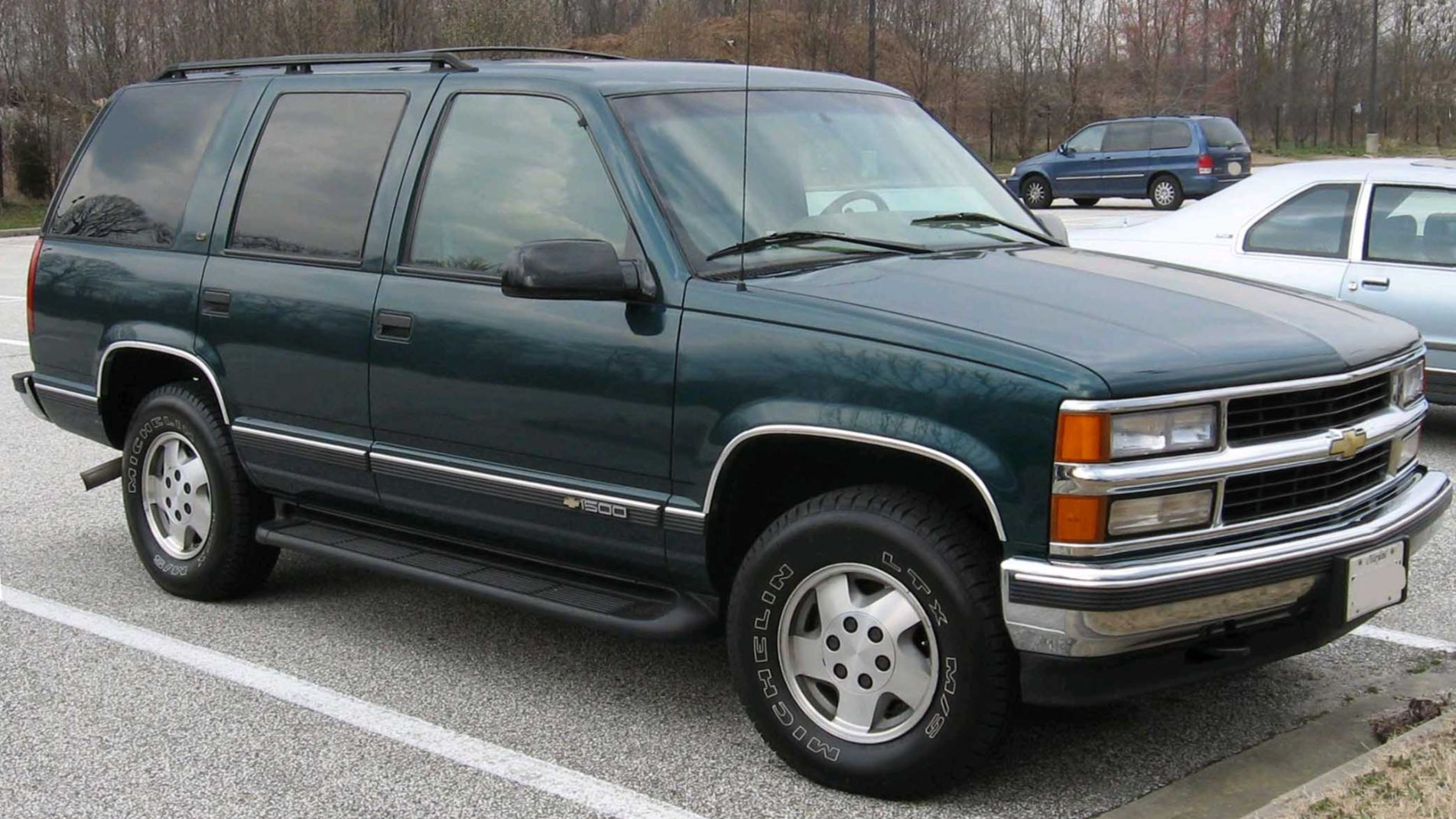
Chevrolet Tahoe
The Tahoe was the slightly trimmer sibling to the Suburban, but it still carried serious presence. It appealed to families who wanted SUV capability without going full land yacht. In LT trim with leather seats and a premium sound system, the Tahoe blurred the line between utility vehicle and luxury cruiser—perfect for suburban households that valued both comfort and clout.
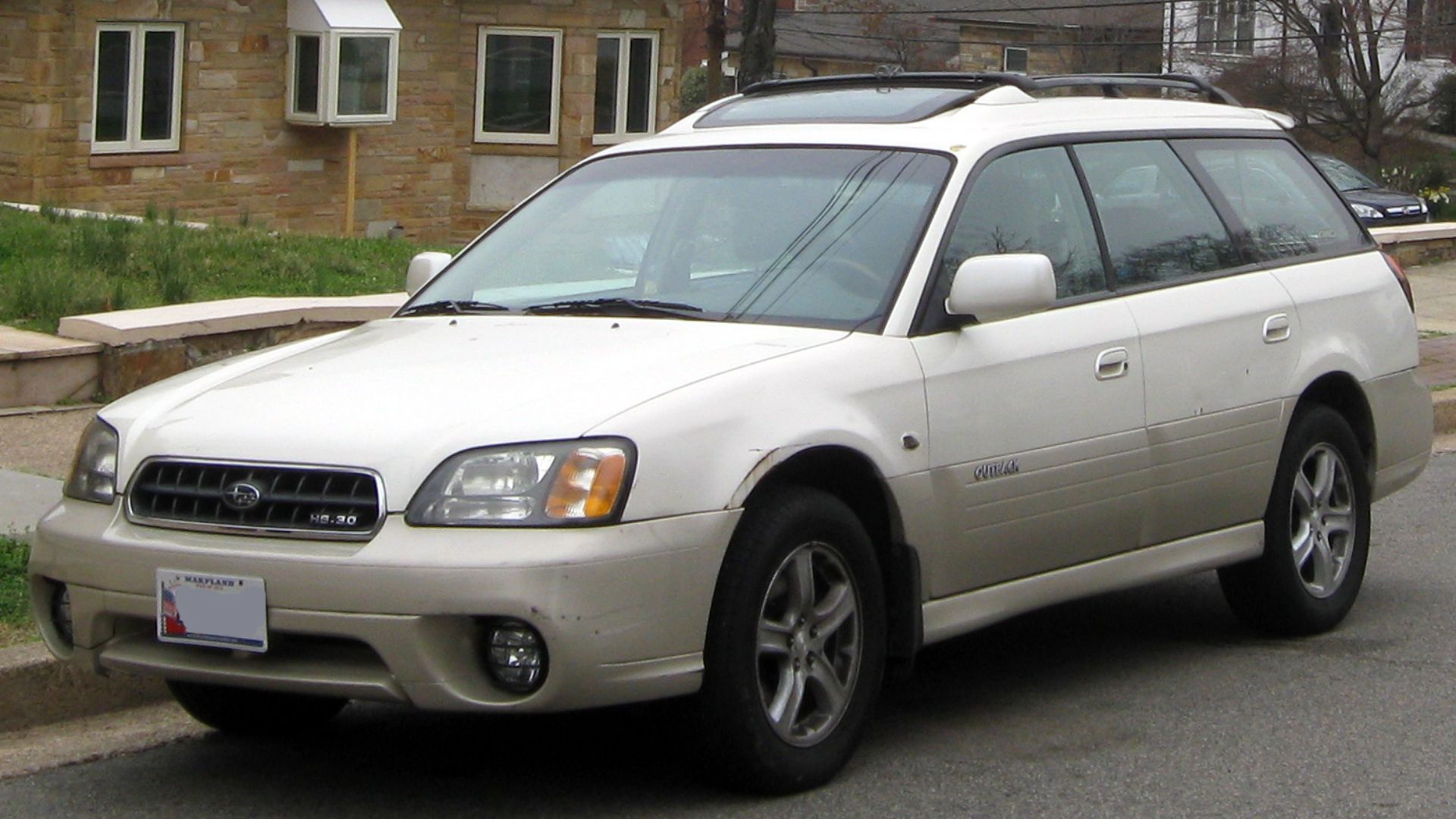
Subaru Outback
The Subaru Outback practically invented the idea of the outdoorsy suburban family. With its raised ride height, all-wheel drive, and rugged marketing campaigns, the Outback suggested that every weekend could be an adventure. In reality, it often commuted to offices and schools, but the promise of a spontaneous trip to the mountains was always there.
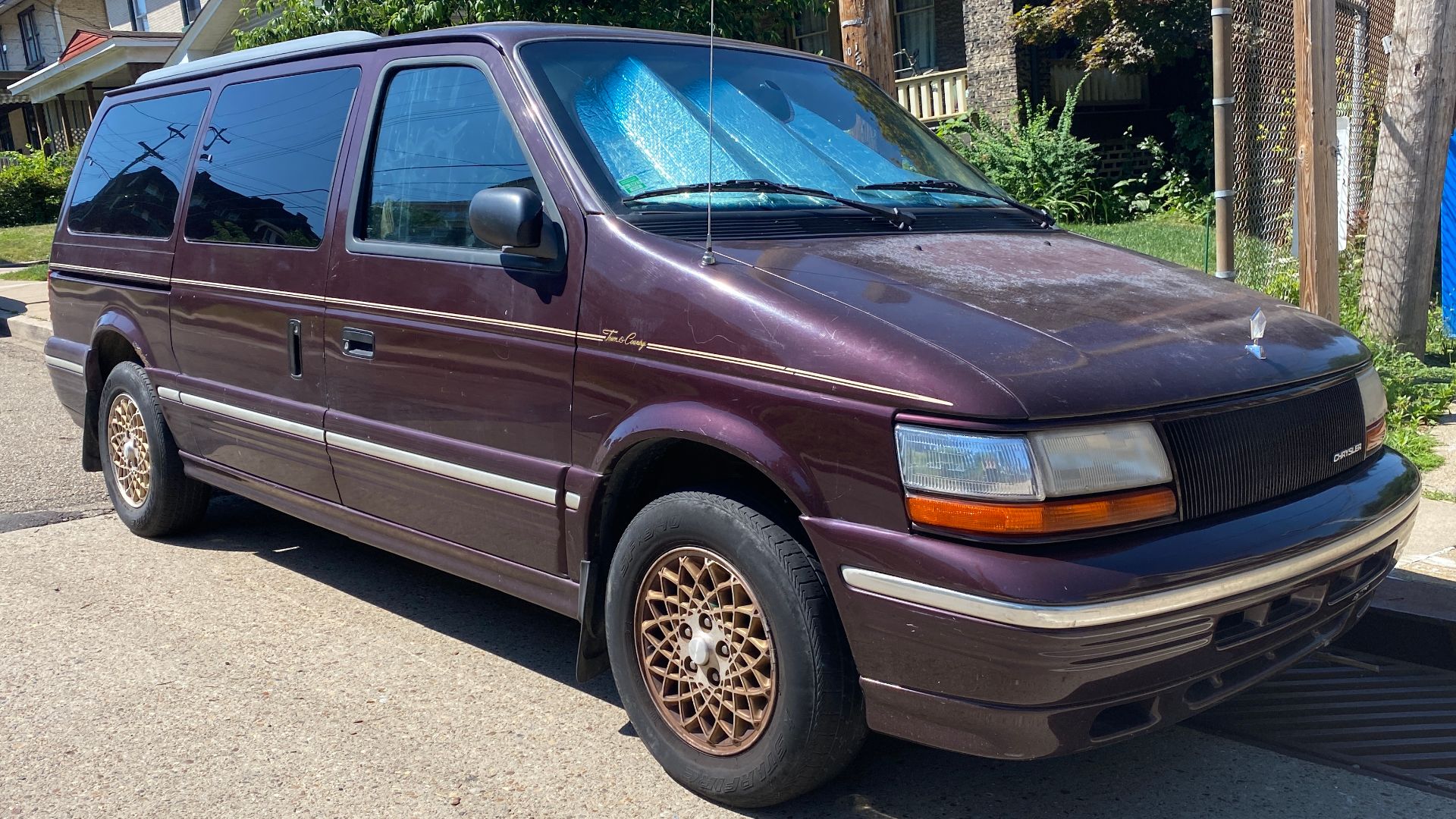
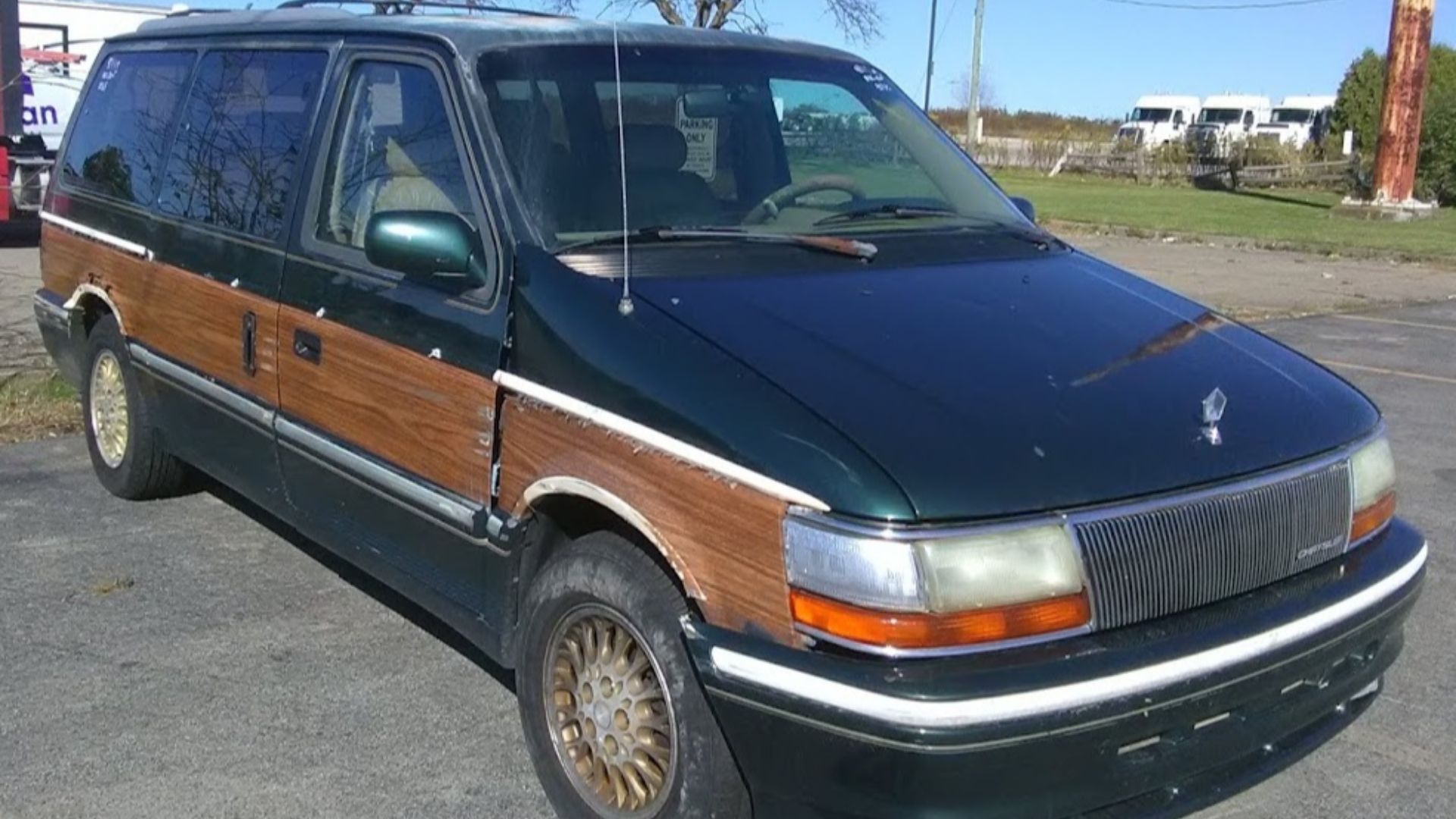
Chrysler Town & Country
If the Caravan was the everyman’s minivan, the Chrysler Town & Country was its upscale cousin. Plush interiors, faux wood trim, and smooth V6 engines made it the minivan for families who wanted a touch of luxury with their practicality. It was proof that even the most pragmatic vehicle could wear a bit of chrome and feel special.
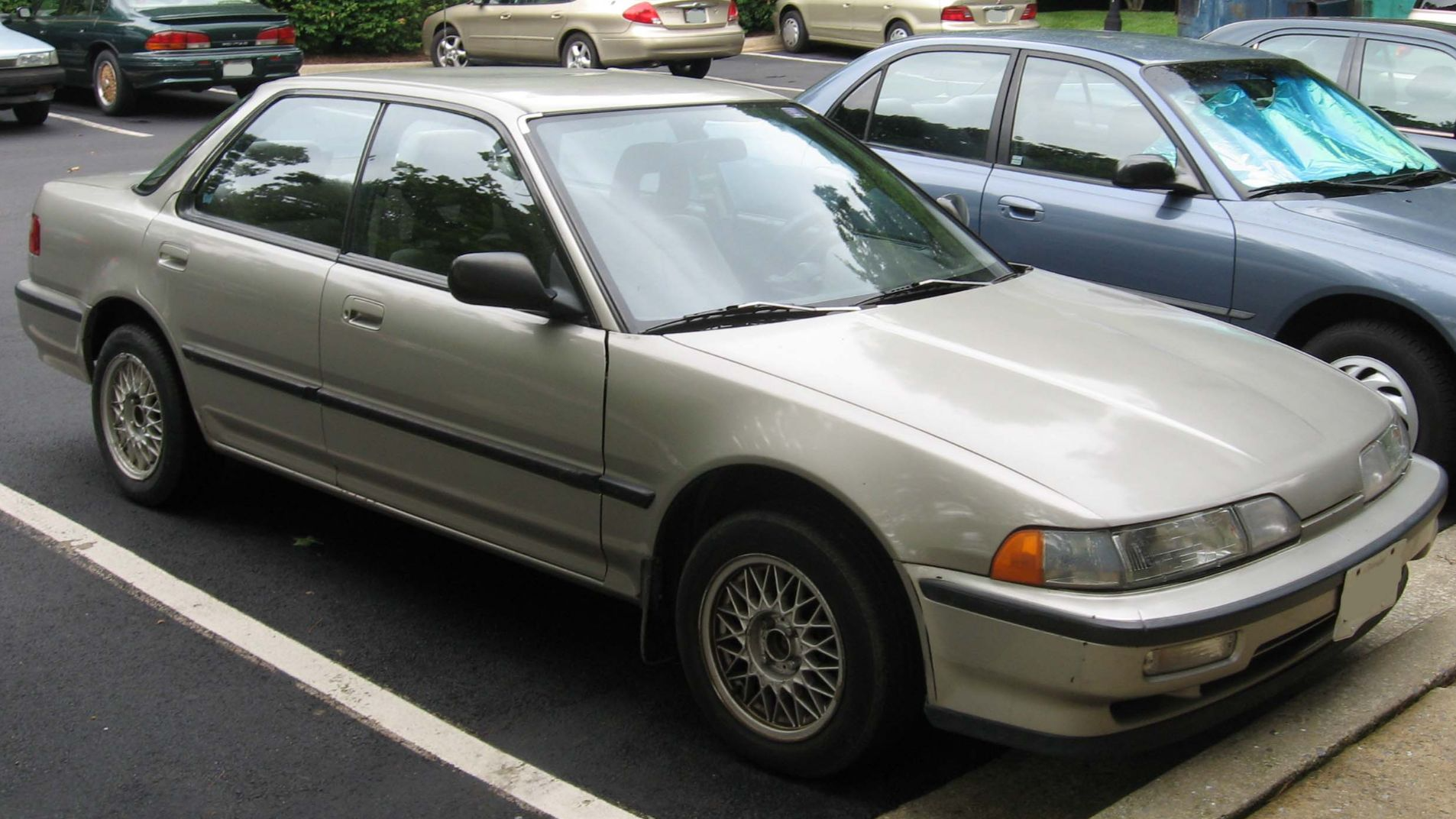
Acura Integra
The Acura Integra brought a dose of sportiness to suburban streets. Compact, sharp-handling, and blessed with rev-happy engines, it appealed to young professionals who weren’t quite ready for minivan life. In GS-R trim, it became a legend among enthusiasts, but even base models added a bit of excitement to otherwise predictable commutes.
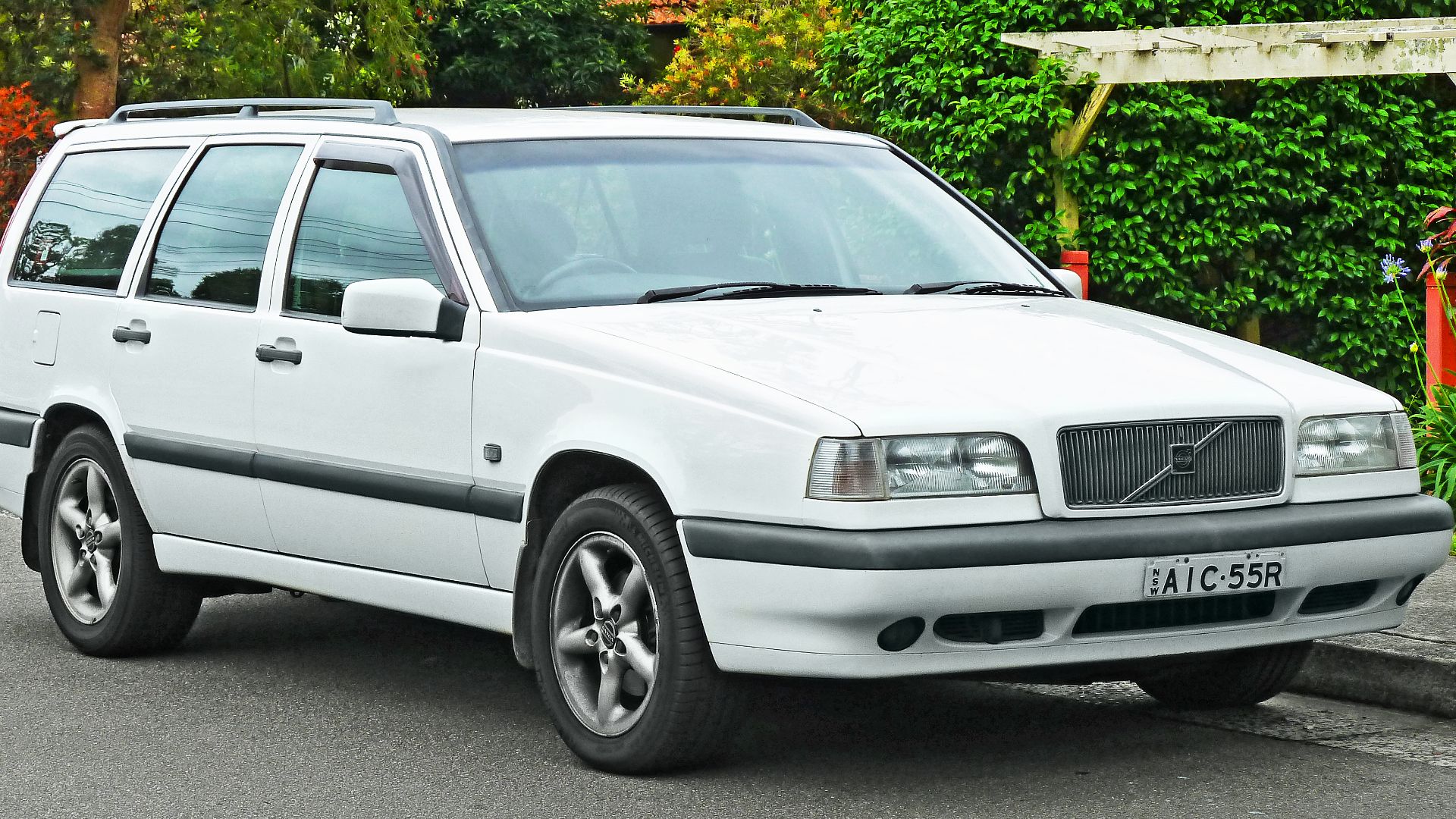
Volvo 850
Safety-conscious parents gravitated toward the Volvo 850, especially in wagon form. It was boxy, solid, and engineered like a Swedish bank vault. With side-impact protection and a reputation for durability, the 850 made safety feel sophisticated. It was the car you bought when you wanted your family wrapped in Scandinavian reassurance.
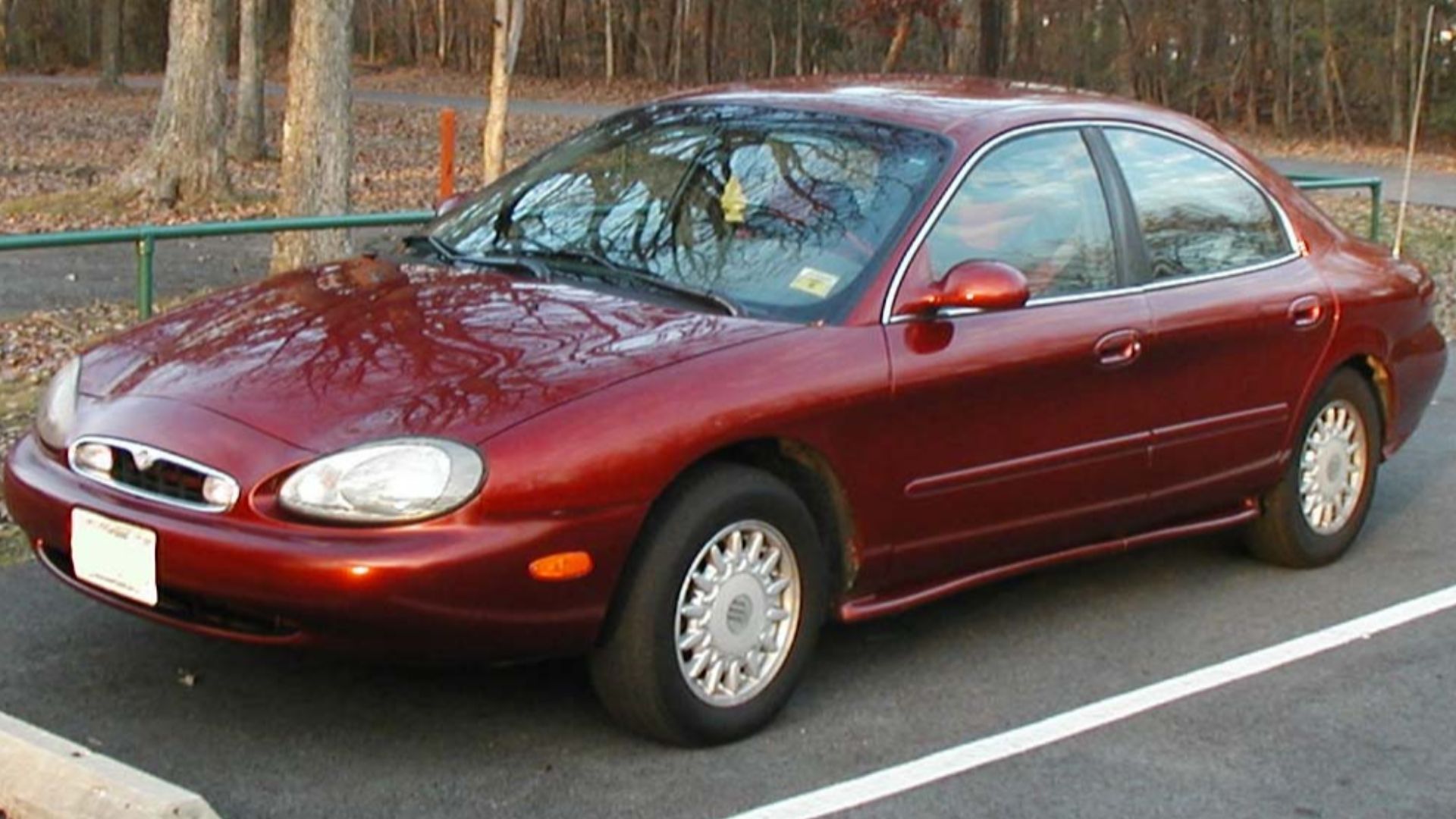
Mercury Sable
Often parked next to a Taurus in the same driveway, the Mercury Sable offered a slightly more upscale spin on Ford’s bestseller. Distinctive light bars and smoother styling helped it stand out just enough. It was suburban refinement in a familiar package—ideal for families who wanted comfort without extravagance.
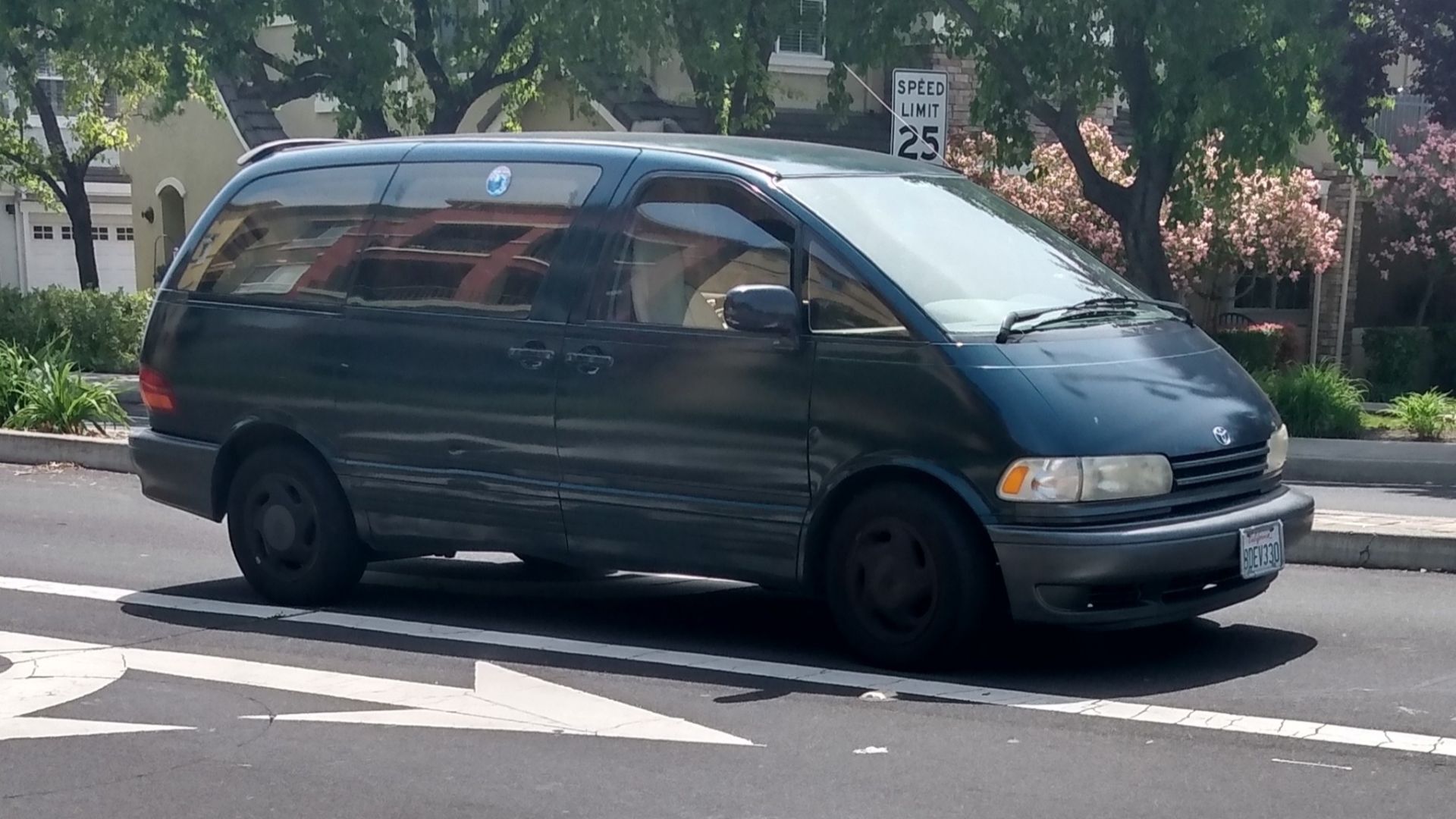
Toyota Previa
The Toyota Previa looked like it had landed from the future, with its egg-like shape and mid-engine layout. While it never sold in Caravan-level numbers, it became a beloved oddball in suburban neighborhoods. Spacious, reliable, and quirky, the Previa proved that even family transport could have personality.
 DestinationFearFan, Wikimedia Commons
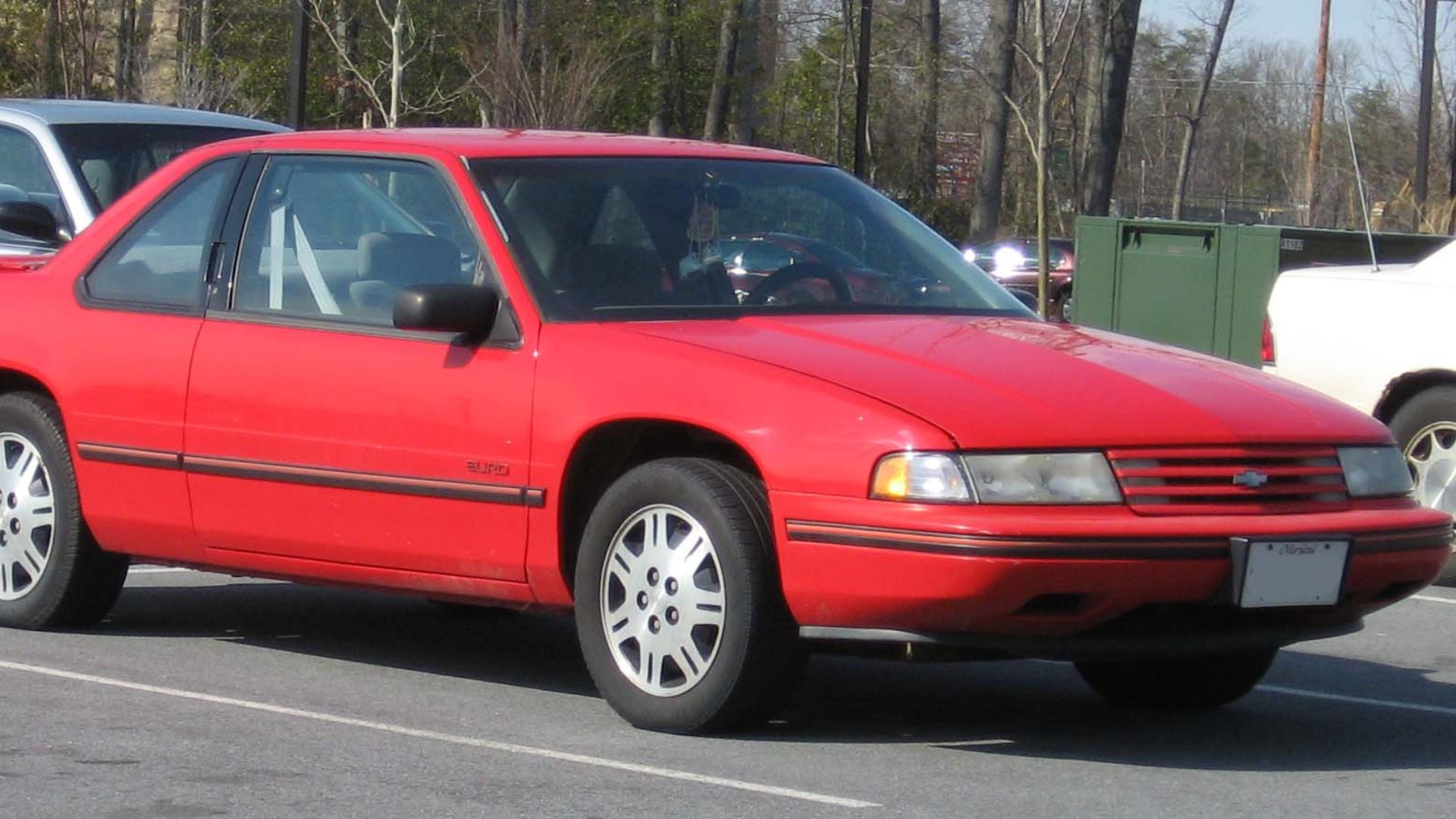
Chevrolet Lumina
The Chevrolet Lumina filled rental fleets and suburban driveways alike. It wasn’t glamorous, but it was dependable and roomy. For many families, the Lumina was simply the sensible choice—big enough for five, affordable to own, and easy to maintain. It was the automotive equivalent of sensible shoes.
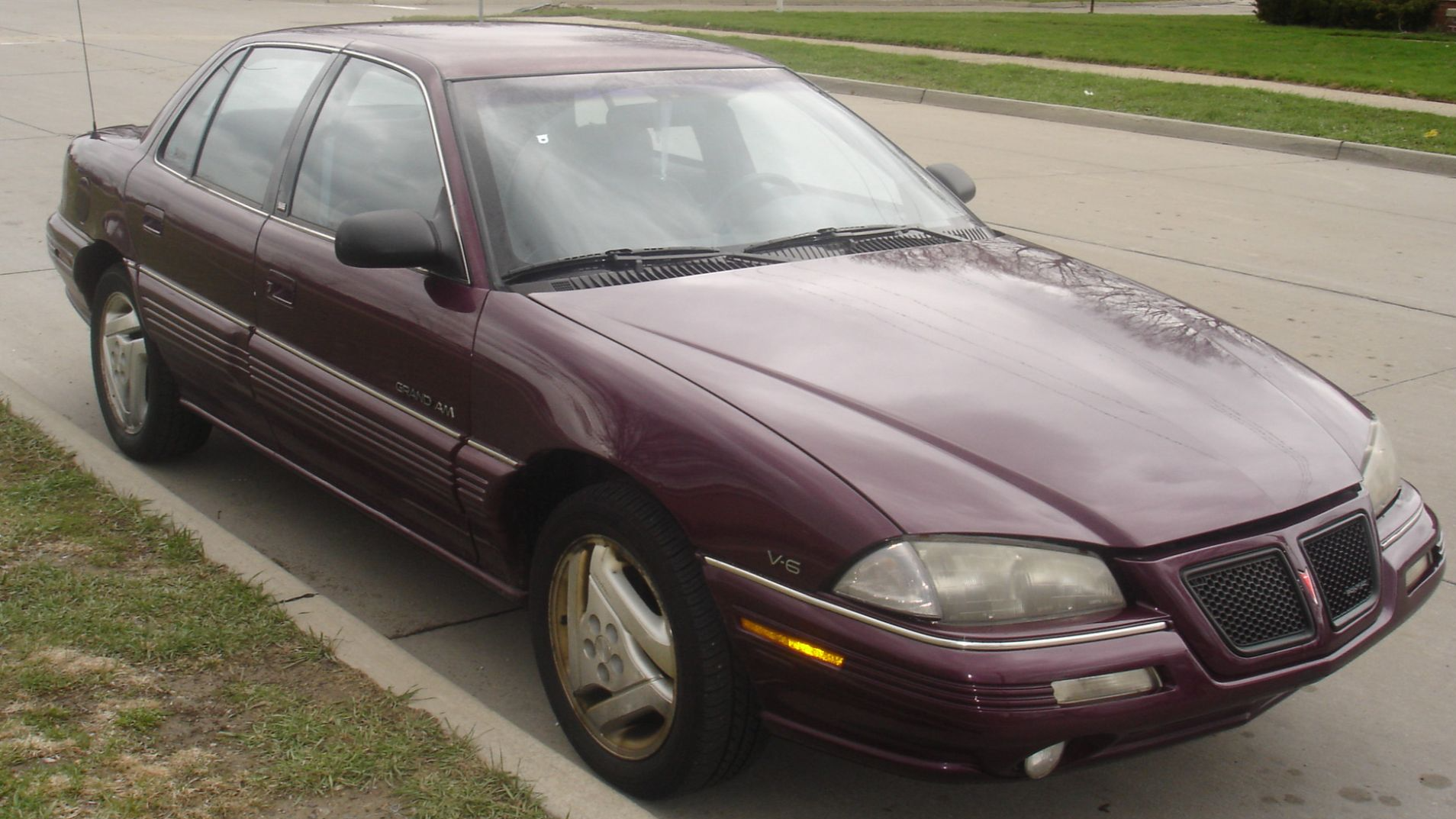
Pontiac Grand Am
With its sporty cladding and youthful marketing, the Pontiac Grand Am aimed squarely at younger suburban buyers. It offered style on a budget and enough performance to feel lively. In the 1990s, it was common to see Grand Ams lined up outside shopping malls, their drivers embracing a hint of rebellion.
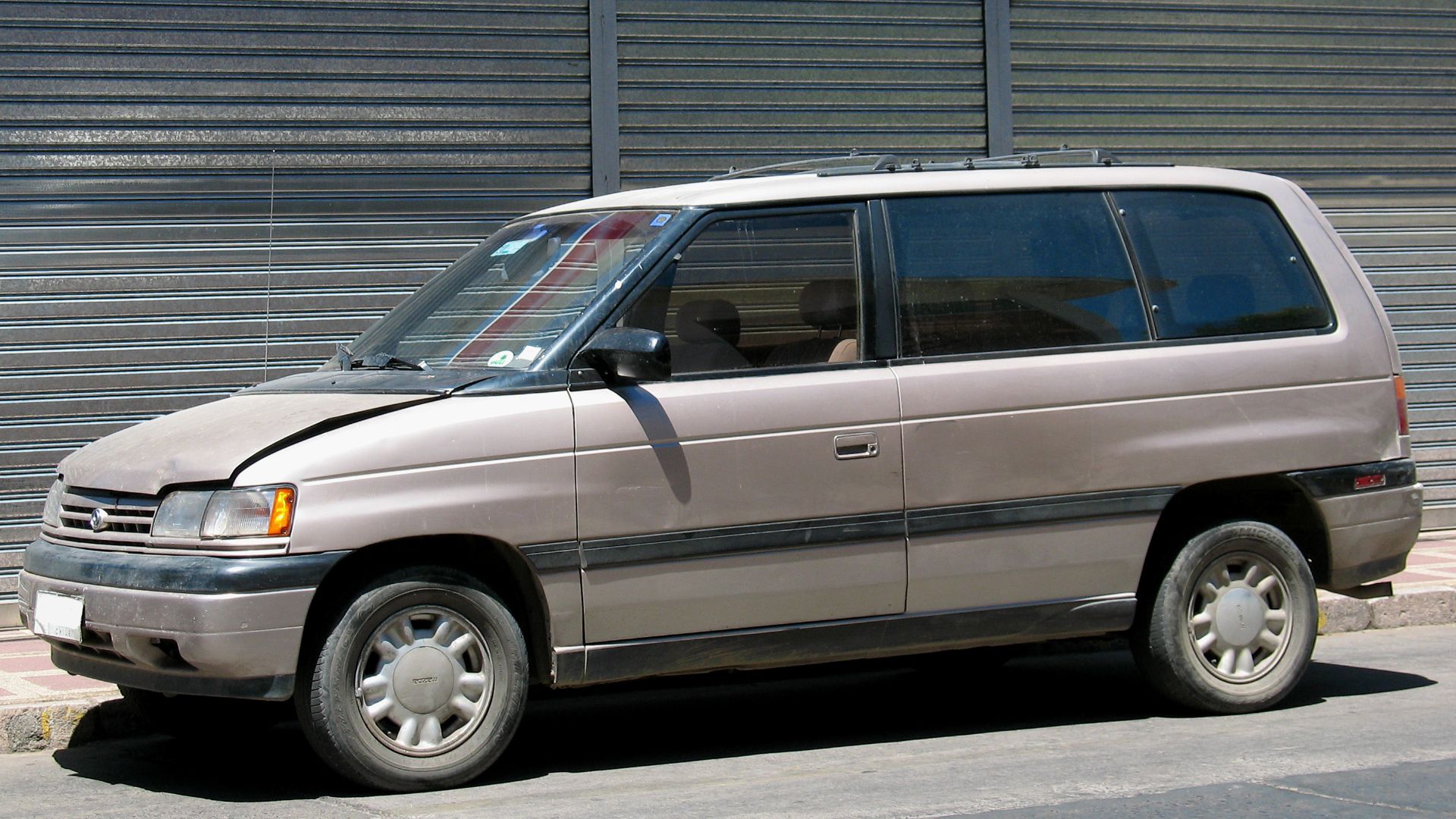
Mazda MPV
The Mazda MPV was the minivan for families who didn’t want to admit they needed a minivan. Smaller and more nimble than domestic rivals, it offered practicality with a dash of Japanese reliability. It may not have dominated sales charts, but it quietly served countless suburban households.
 RL GNZLZ from Chile, Wikimedia Commons
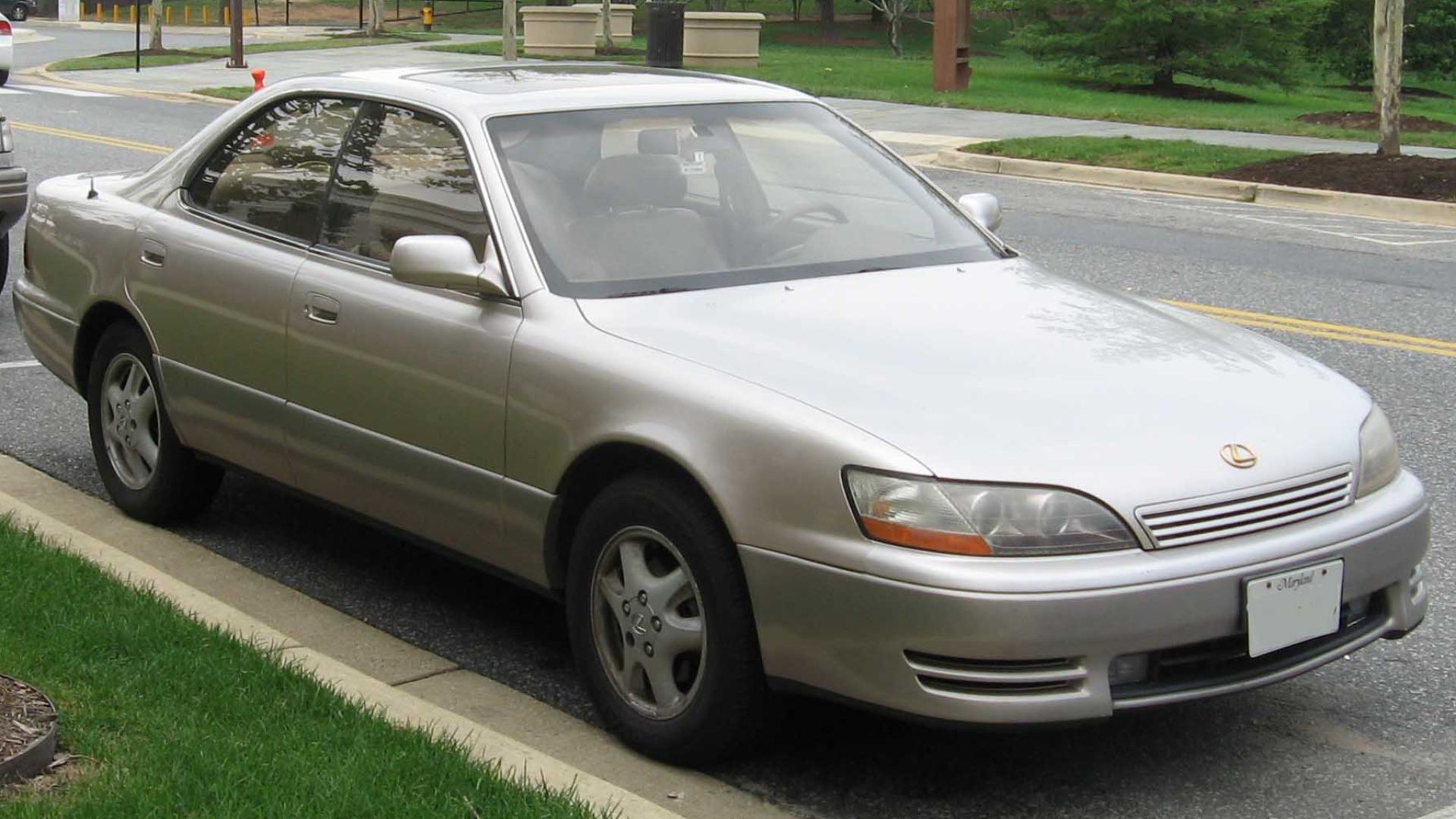
Lexus ES 300
For upwardly mobile suburbanites, the Lexus ES 300 was the ultimate reward for hard work. Smooth, quiet, and impeccably assembled, it delivered near-luxury serenity without European maintenance headaches. Pulling into the driveway in an ES 300 signaled that you had arrived—literally and figuratively.
BMW 3 Series
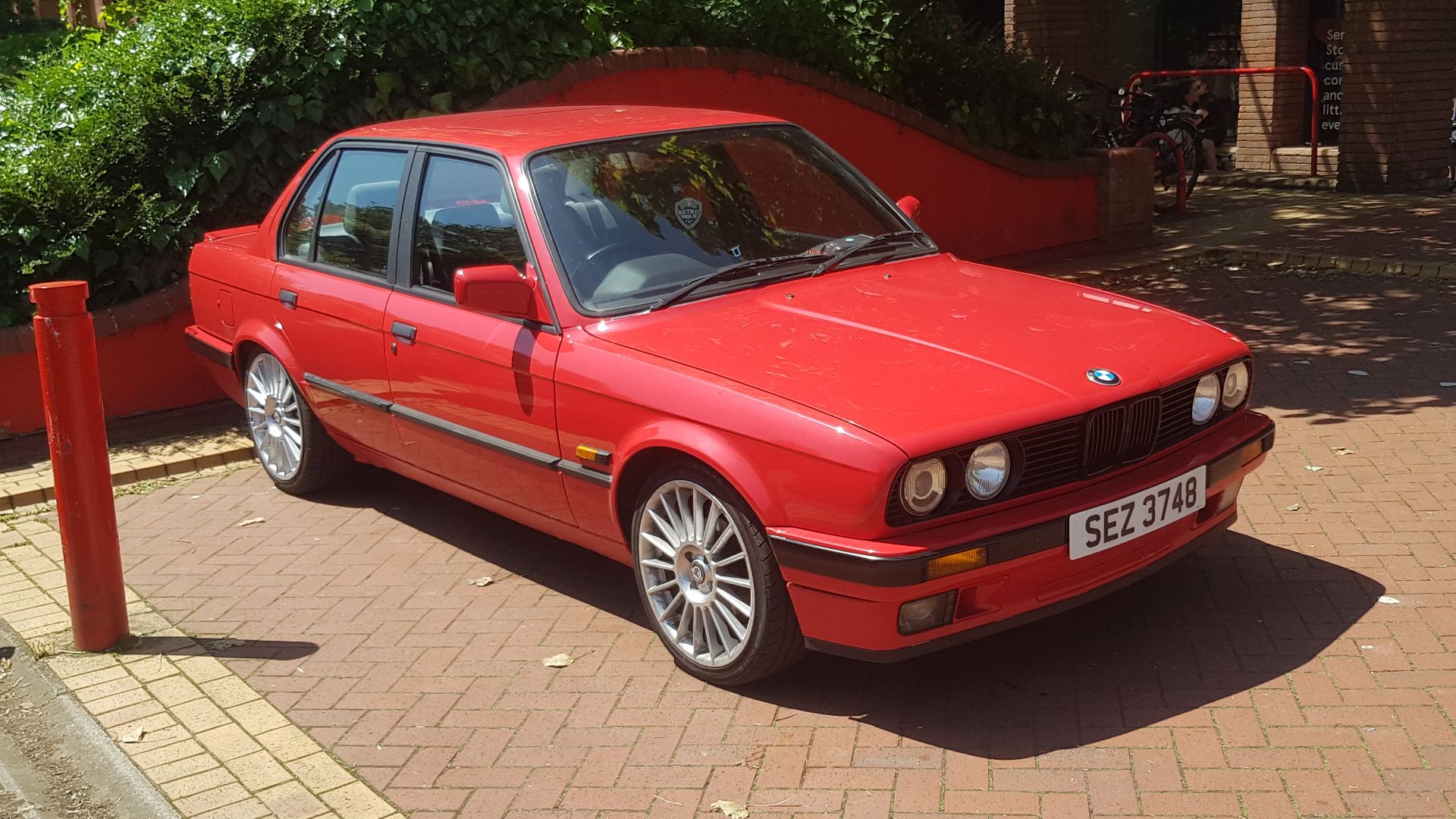
The BMW 3 Series was the aspirational choice for professionals climbing the corporate ladder. Compact yet refined, it made everyday commutes feel engaging. In suburban America, a 3 Series in the driveway suggested ambition and taste—a small slice of autobahn spirit amid rows of vinyl siding.
 Steelkiller062005, Wikimedia Commons
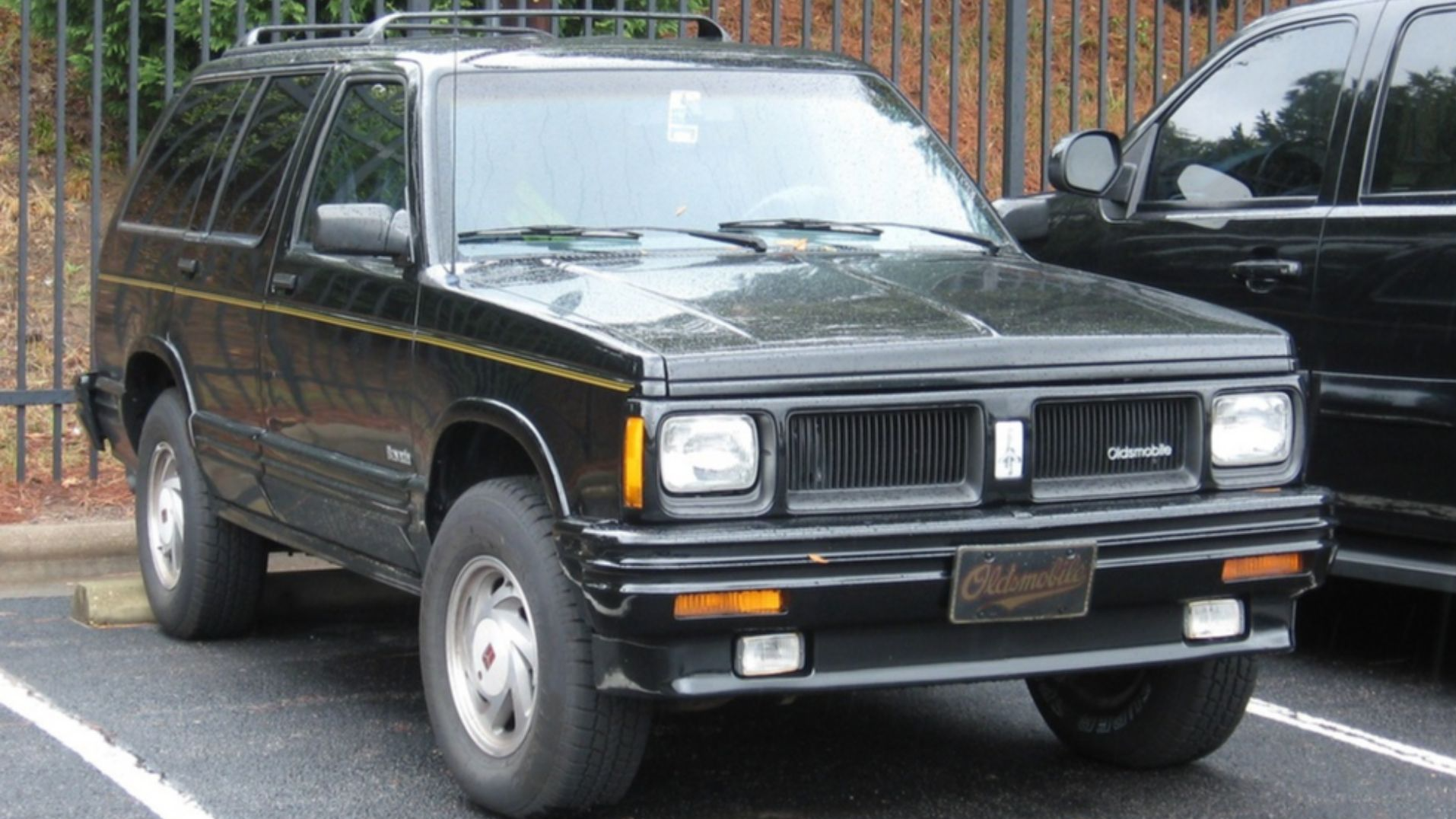
Oldsmobile Bravada
The Oldsmobile Bravada gave suburban buyers a taste of SUV luxury before luxury SUVs truly exploded. Based on the Chevy Blazer platform, it added leather seats and upscale trim. It was Oldsmobile’s attempt to stay relevant in a changing market—and for many families, it struck just the right balance.
 The Oldsmobile Edge, Wikimedia Commons
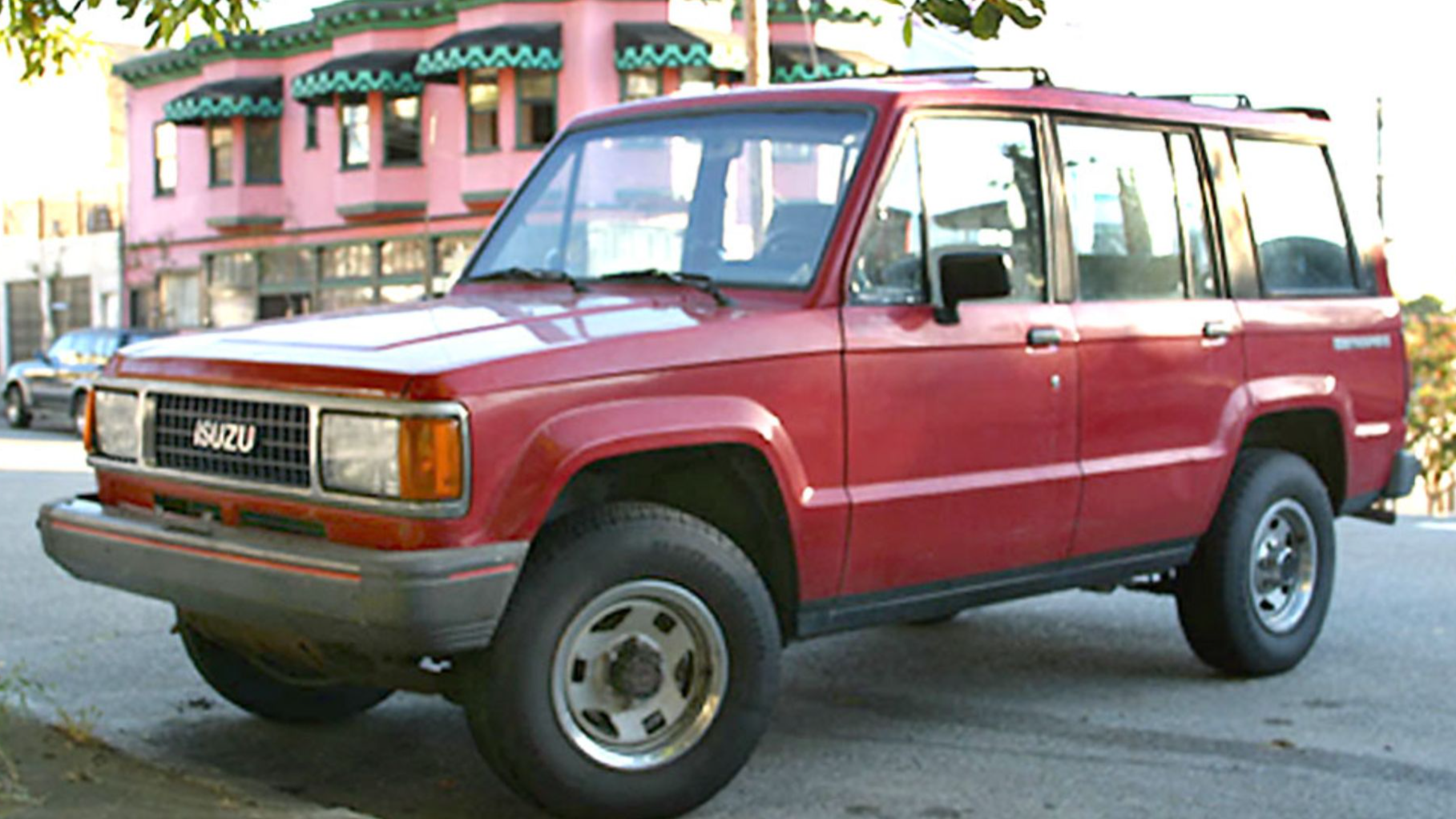
Isuzu Trooper
Boxy, tall, and unmistakably utilitarian, the Isuzu Trooper stood out among smoother competitors. It appealed to adventurous families who valued rugged capability over plush interiors. In suburban driveways, it hinted at camping trips and dirt roads—even if most miles were logged on pavement.
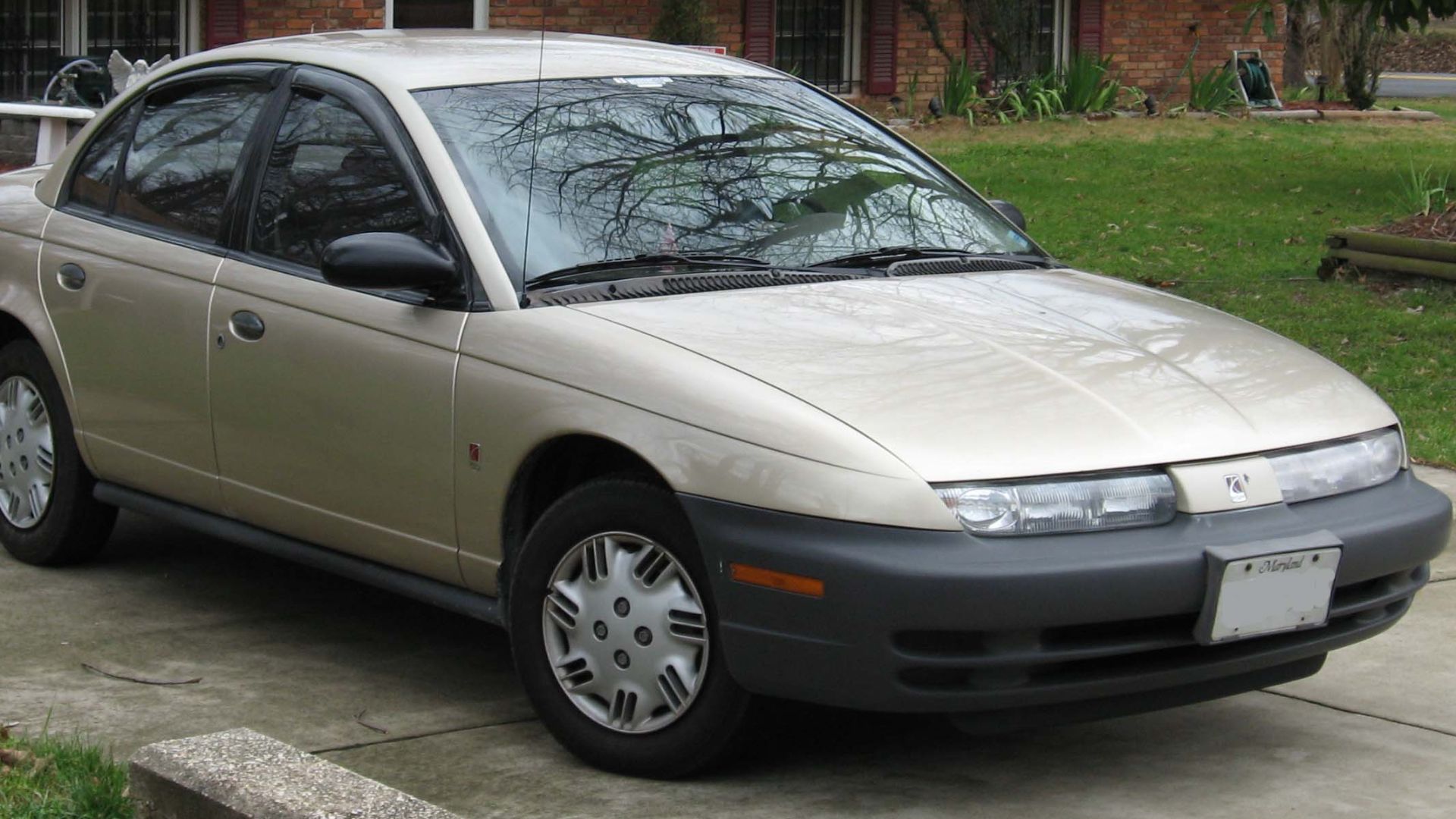
Saturn SL
The Saturn SL represented a different kind of suburban optimism. Sold with no-haggle pricing and wrapped in dent-resistant plastic panels, it felt like a fresh start for American car buyers. Affordable and earnest, the SL became a first car for many young drivers navigating suburban sprawl.
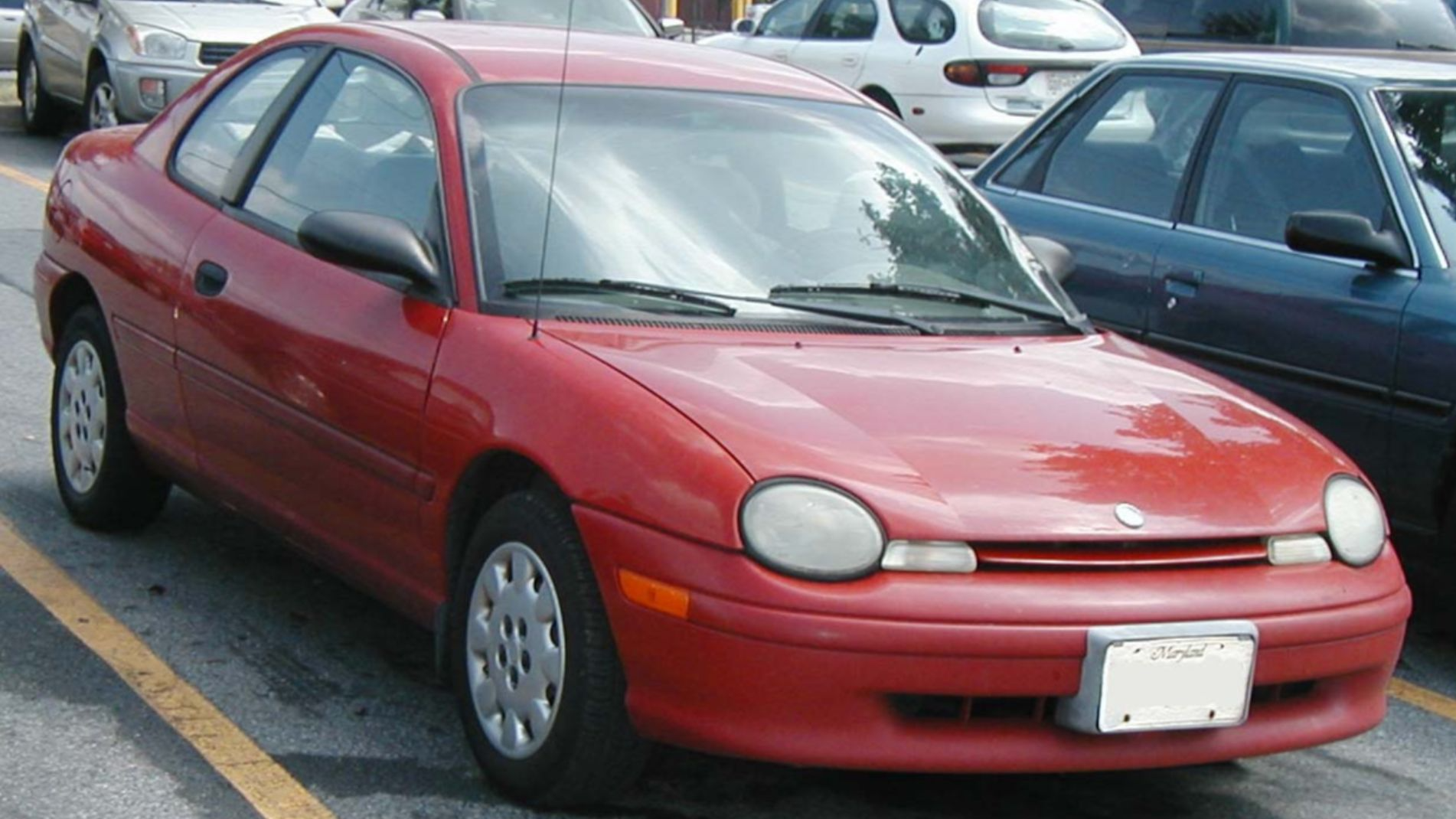
Plymouth Neon
“Hi.” That cheeky advertising slogan perfectly captured the Plymouth Neon’s personality. Compact, affordable, and surprisingly fun to drive, the Neon was everywhere in the mid-to-late 1990s. It injected a bit of color and energy into suburban streets, proving that economy cars didn’t have to be dull.
A Decade Parked In The Driveway
The cars of 1990s suburbia weren’t just transportation—they were backdrops to everyday life. They idled in carpool lines, carried birthday cakes home from the grocery store, and made possible countless family road trips. Some were sensible, some were stylish, and a few were downright quirky, but together they defined a generation of neighborhoods. Long before crossovers and touchscreens took over, these were the machines that shaped suburban America—one driveway at a time.
 MercurySable99, Wikimedia Commons
You May Also Like:
Car-Free Cities Seem Impossible To Americans—But From New York To Paris, The Car Era Is Ending
They're Called Hypercars For A Reason—The Fastest Production Vehicles Ever Released