One Says It’s Damaging. One Says It’s Fine.
You pull up to a light. Your engine shuts off. It restarts when you lift your foot. Your mechanic says that’s slowly killing your engine. The manufacturer says it’s engineered for exactly this. Now you’re wondering who’s exaggerating — and whether you should disable it every time you drive.
Let’s break down what’s really happening under the hood.

First: What Is a Stop-Start System?
Stop-start systems automatically shut off your engine when the vehicle is fully stopped, then restart it when you release the brake or press the clutch. The goal is simple: reduce fuel consumption and emissions during idling. It’s become extremely common in modern vehicles, especially in city-focused cars and trucks.
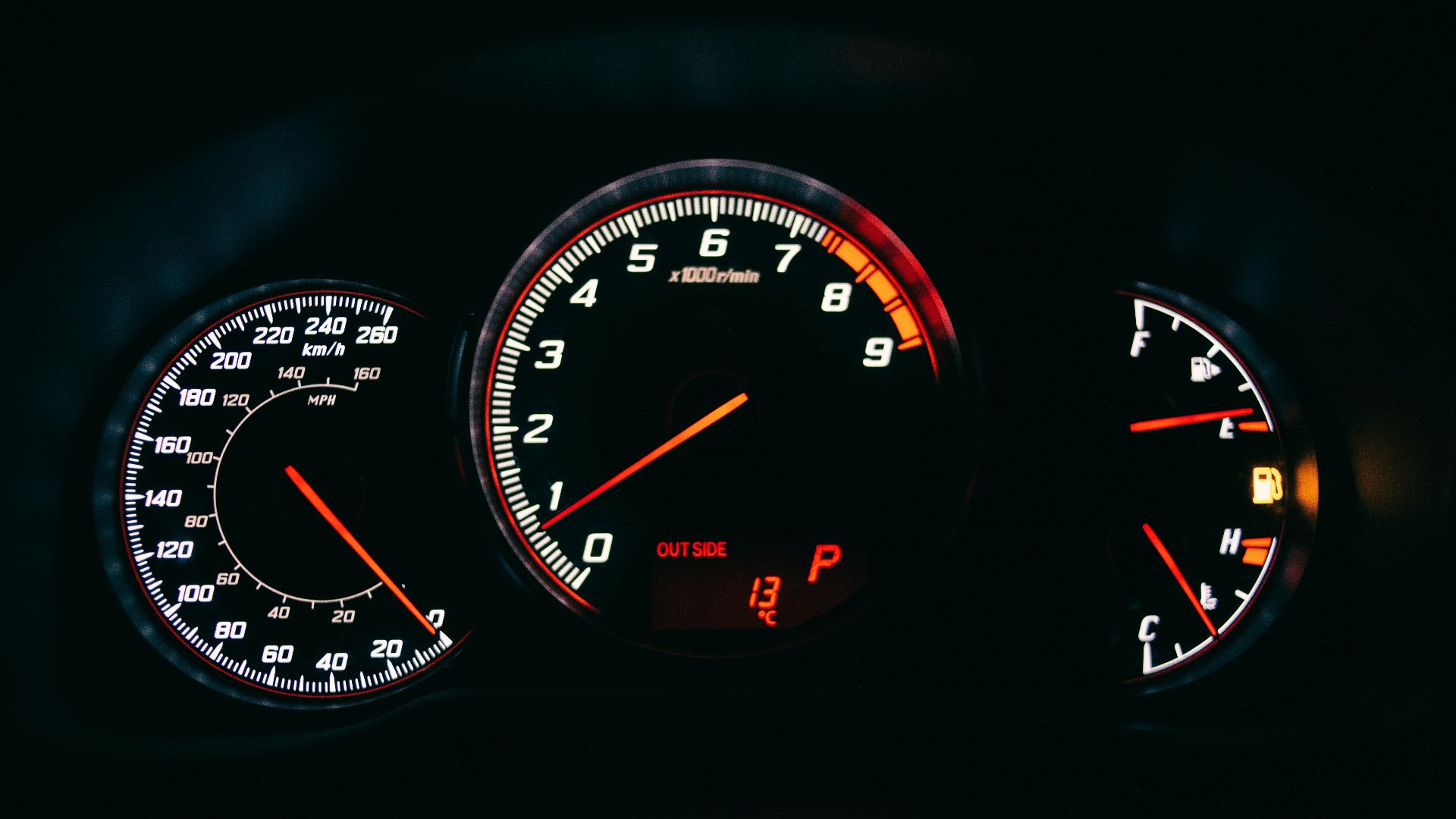
Why Automakers Use It
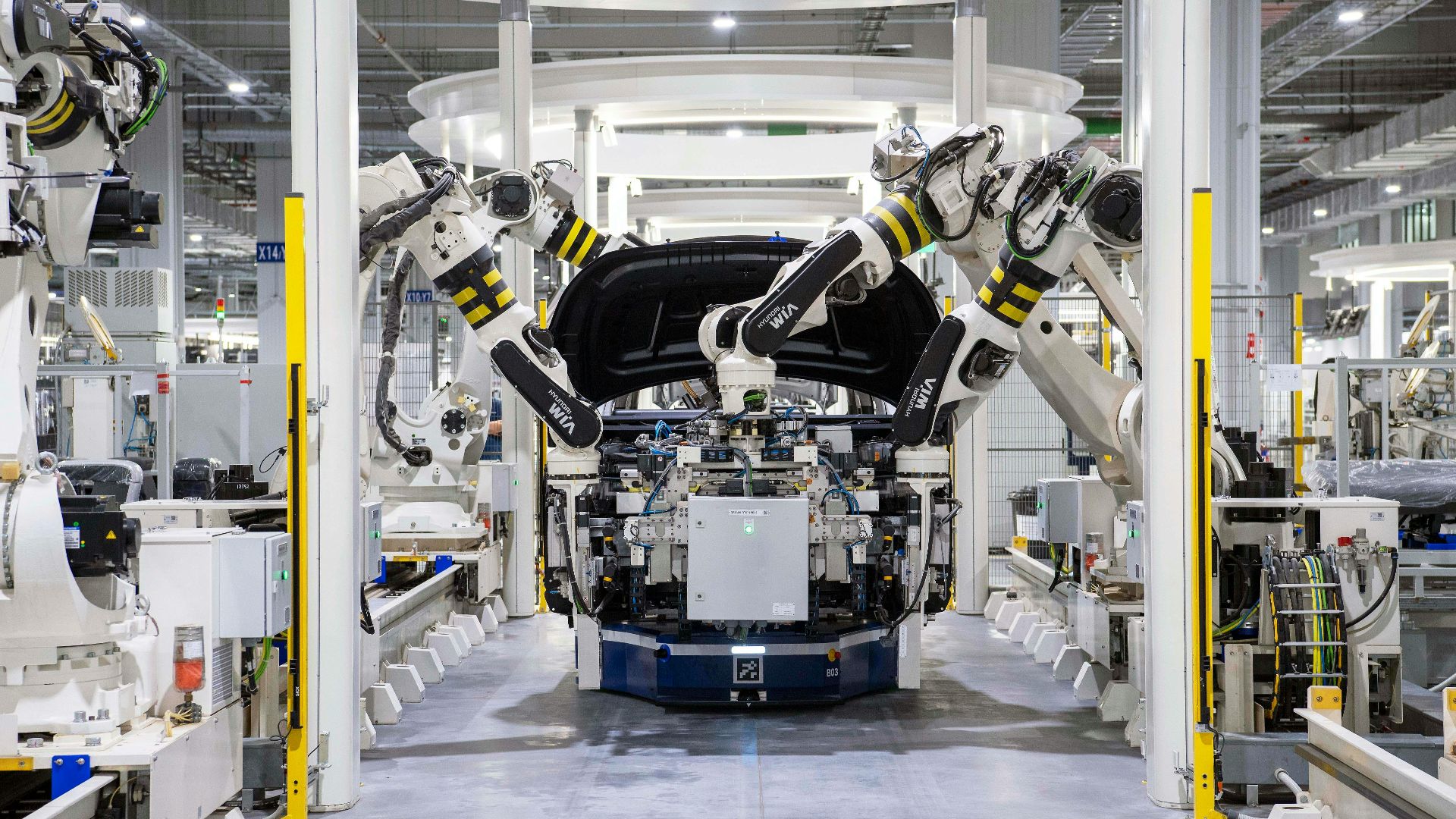
Governments worldwide have tightened emissions and fuel economy standards. Stop-start systems help manufacturers meet those rules without redesigning entire engines. Even small fuel savings during idle add up across millions of vehicles. From an engineering standpoint, it’s a practical solution to regulatory pressure.
Yes, It Does Save Fuel
In heavy city driving, stop-start can improve fuel economy by 3–8%, depending on traffic conditions. That may not sound huge, but over years of commuting, it can reduce fuel costs and emissions. It’s not magic — but it’s measurable.

So Why Do Mechanics Roll Their Eyes?
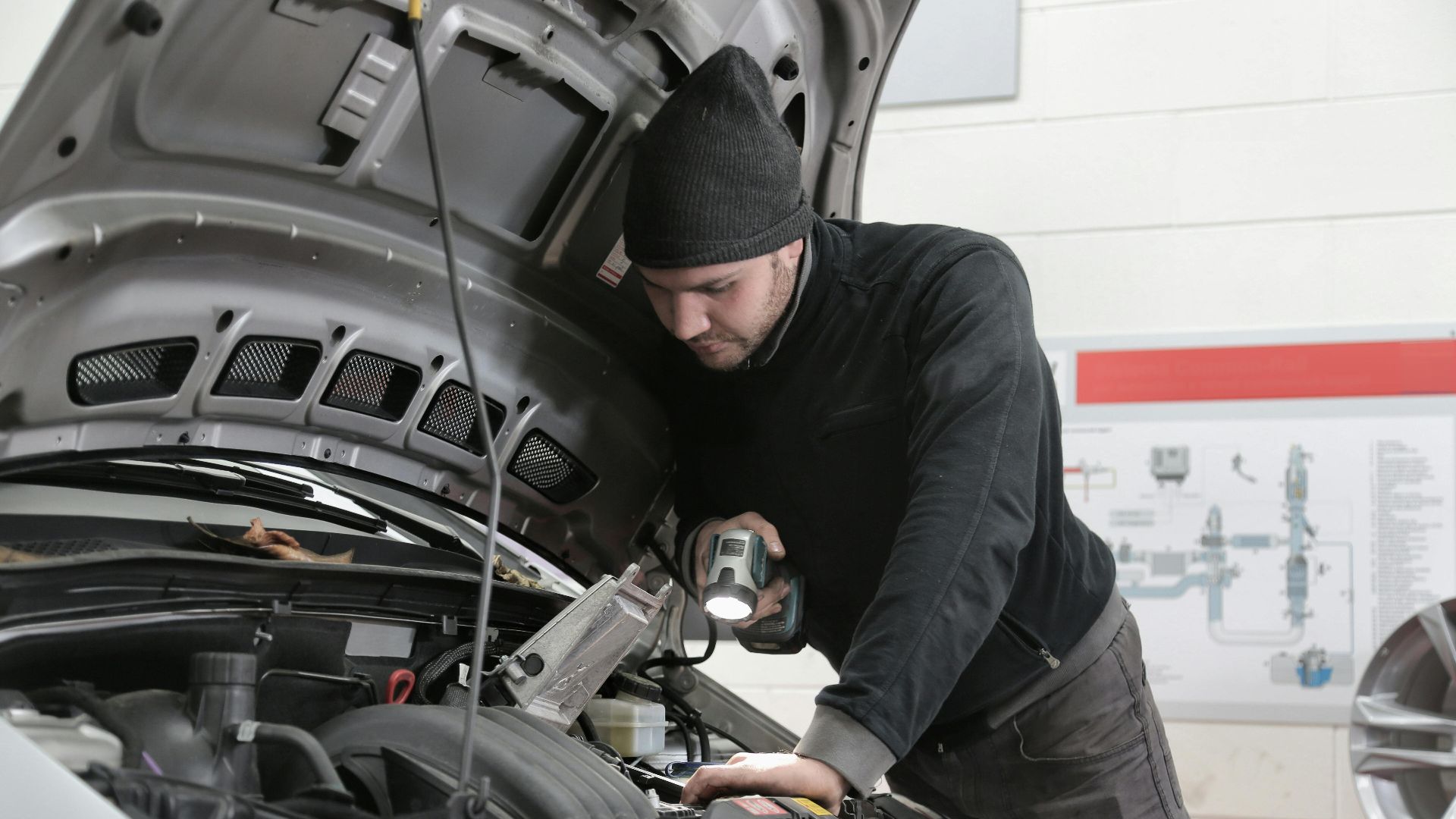
Because starting an engine does create wear. Traditionally, engine wear is highest during startup when oil hasn’t fully circulated. Mechanics see worn starters, batteries, and occasional owner complaints — so they associate frequent restarts with long-term stress.

Modern Engines Are Built for It
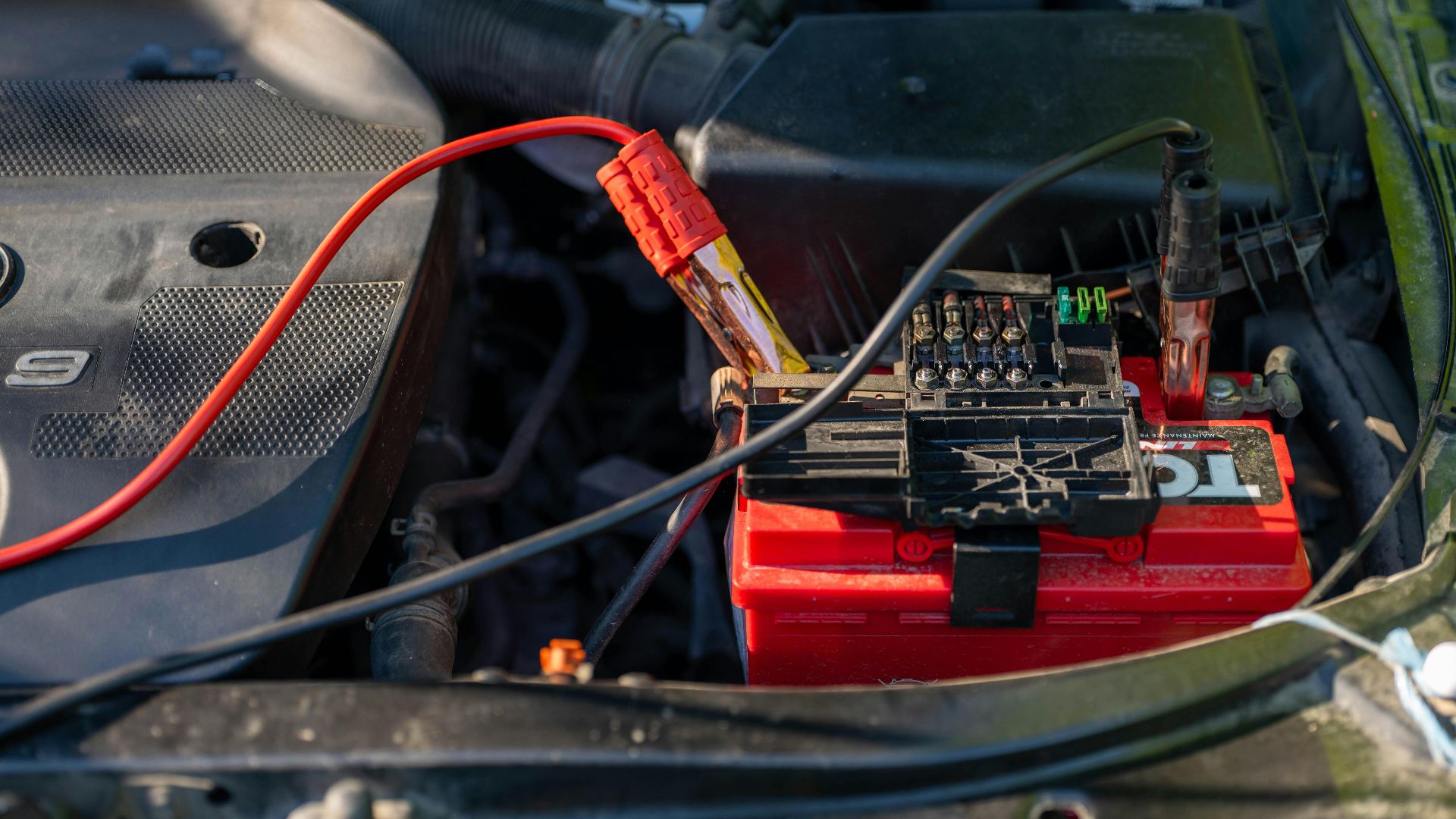
Here’s the part people miss: vehicles with stop-start aren’t using standard starters and batteries. They’re reinforced. Starters are designed for many more cycles. Batteries are upgraded (often AGM or enhanced flooded batteries) to handle repeated restarts.
Oil Pressure Isn’t What It Used to Be
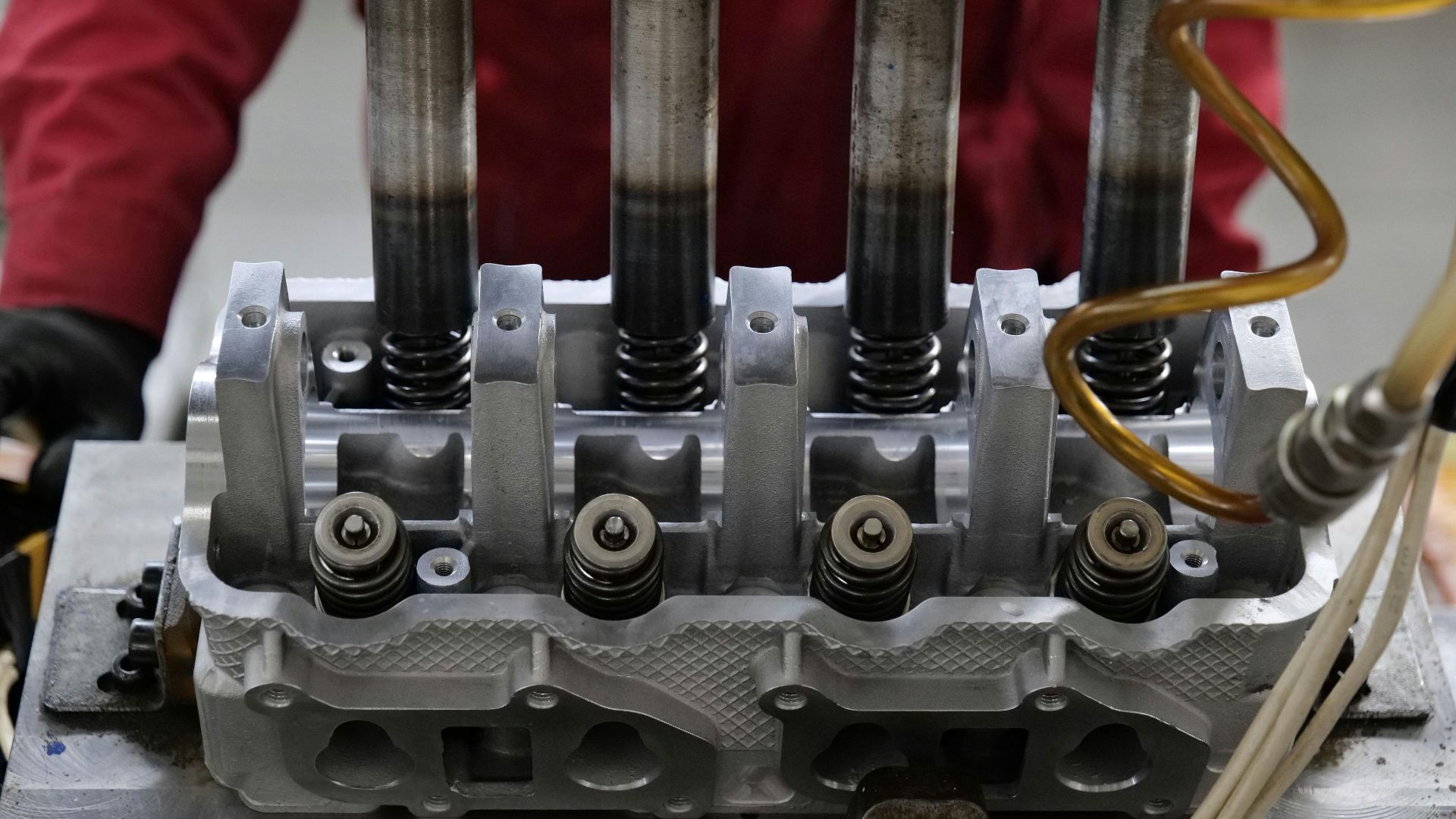
Modern engines maintain residual oil pressure more effectively than older designs. The shutdown period at a traffic light is short — often just seconds — not long enough for oil to fully drain away. That reduces the traditional “dry start” concern.
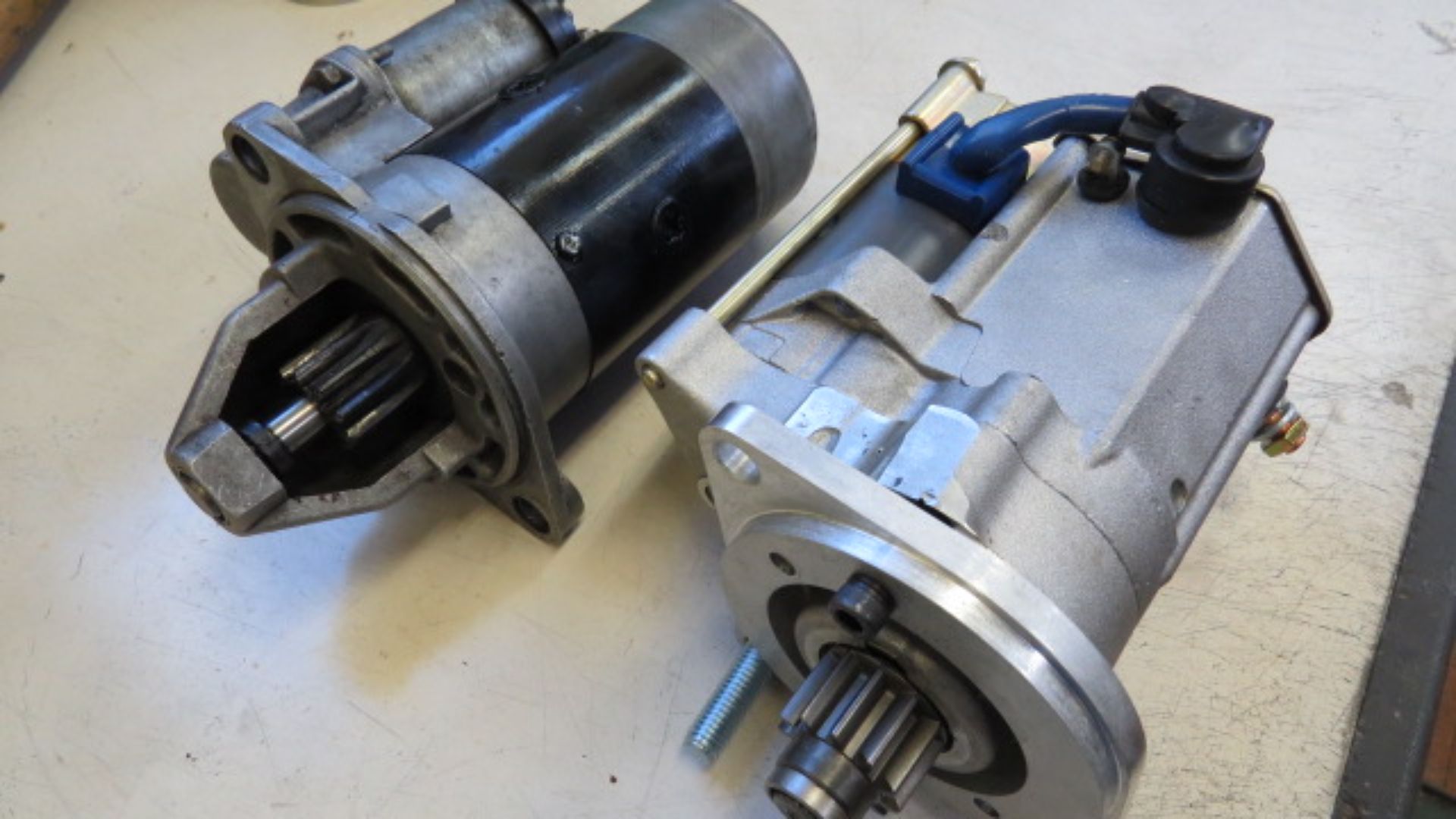
Starter Motors Are Stronger Now
In older vehicles, starter motors weren’t designed for constant cycling. In stop-start systems, they are. Engineers test these systems extensively for durability, often simulating hundreds of thousands of restart cycles.
Batteries Take More of a Hit
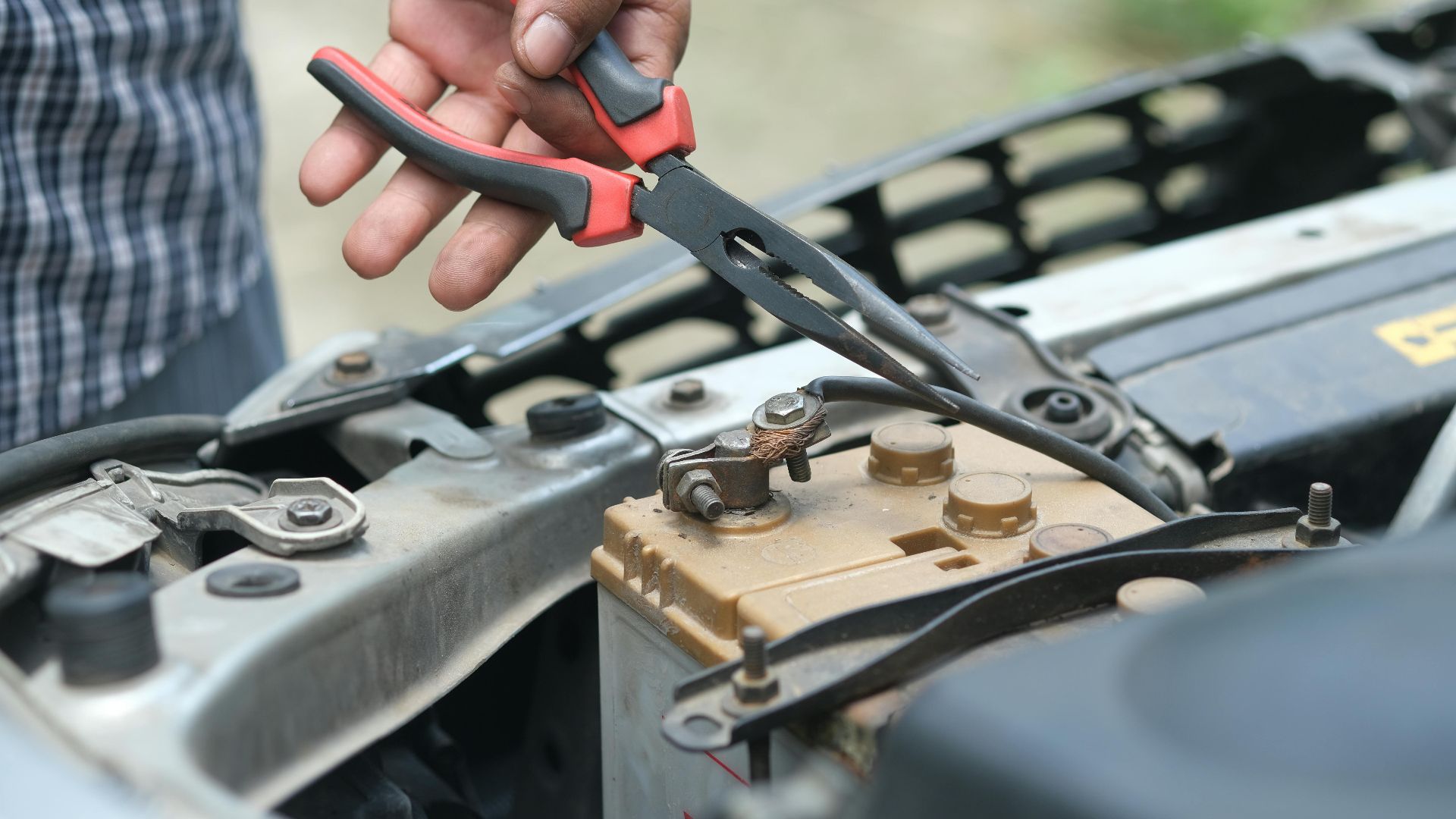
If anything wears faster, it’s usually the battery — not the engine itself. Stop-start vehicles require higher-spec batteries, and replacements can cost more than standard ones.
Driving Conditions Matter
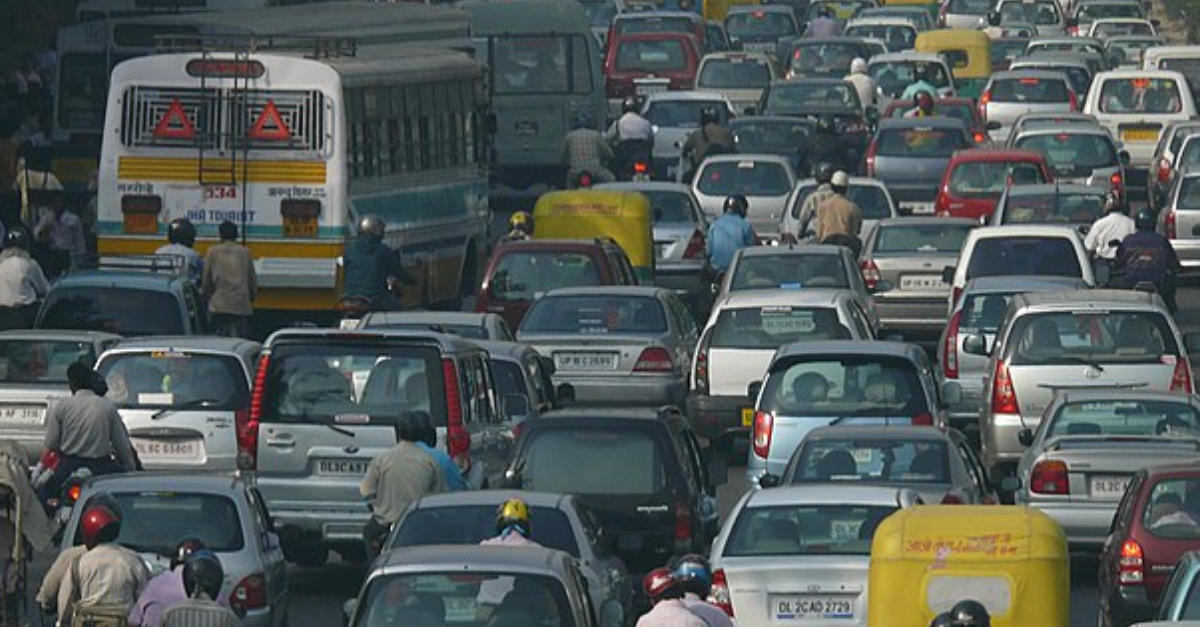
If you mostly drive highway miles, the system rarely activates. If you sit in heavy city traffic daily, it activates constantly. The more it cycles, the more strain it places on related components — though still within engineered limits.

Long-Term Reliability Varies by Brand
Some manufacturers executed stop-start systems more smoothly than others. Early systems in certain brands felt rough or delayed. Newer generations are significantly improved.

It’s Not the Same as Turning the Key
The restart process in stop-start systems is computer-controlled and optimized. It’s faster and smoother than traditional ignition starts. That precision reduces stress compared to older manual restarts.
What About Turbocharged Engines?
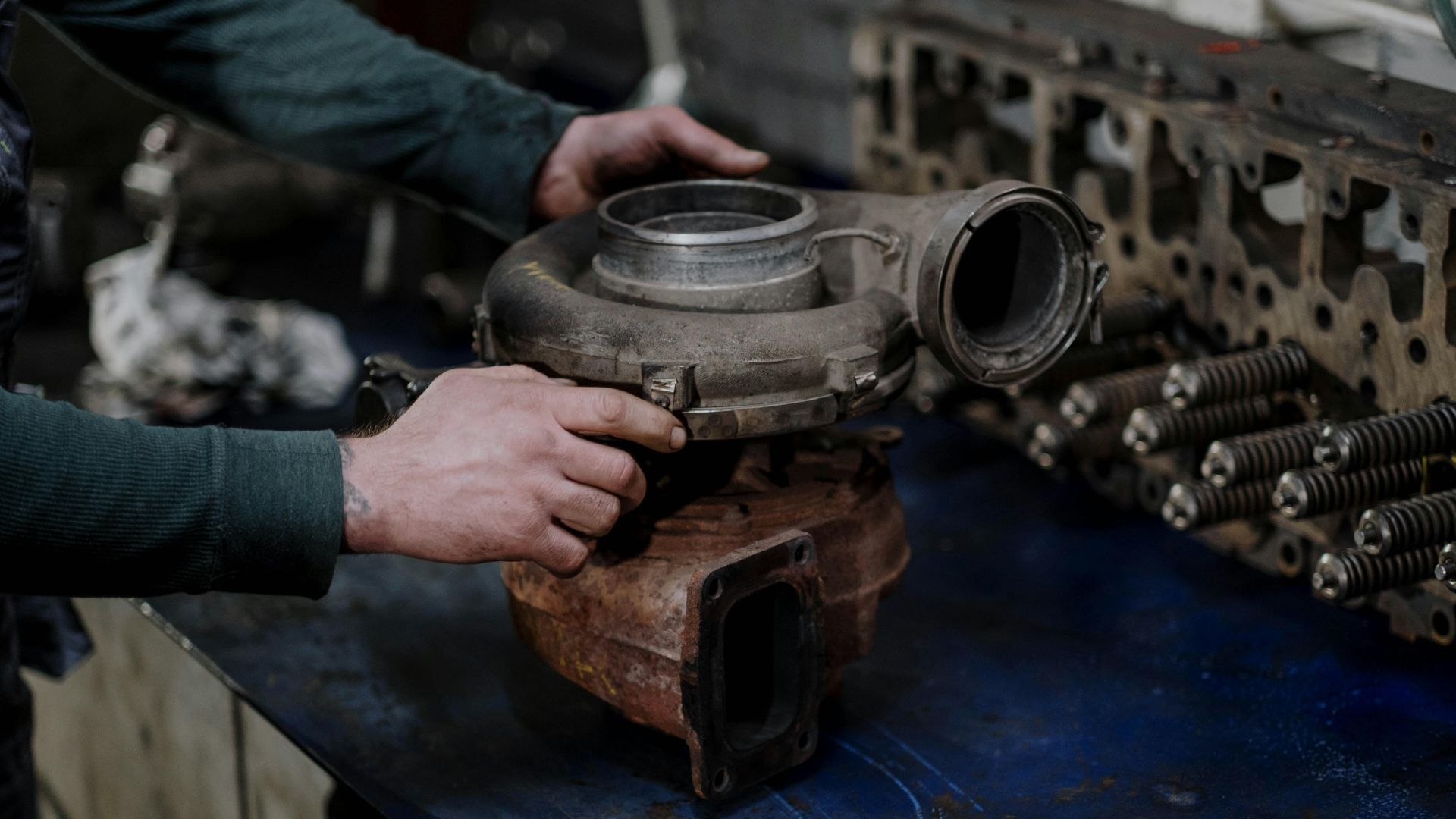
Many turbocharged vehicles use stop-start. Engineers account for heat and oil circulation in their designs. Modern cooling systems and electric pumps help manage heat during shutdown periods.
Disabling It Is an Option (Sometimes)
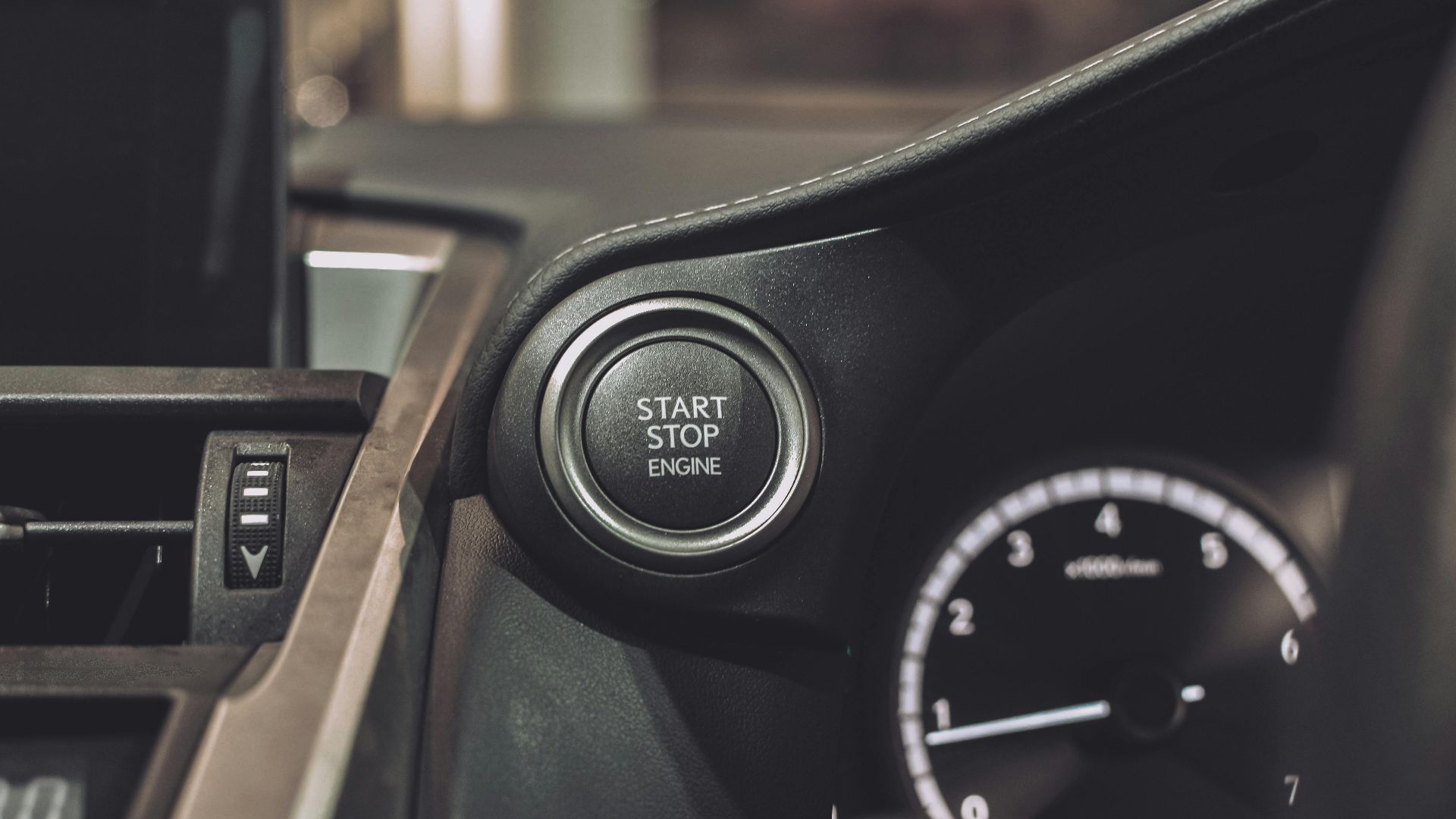
Many vehicles allow you to temporarily disable stop-start with a button. However, some default back to “on” every time you start the car. Permanently disabling it can affect emissions compliance.
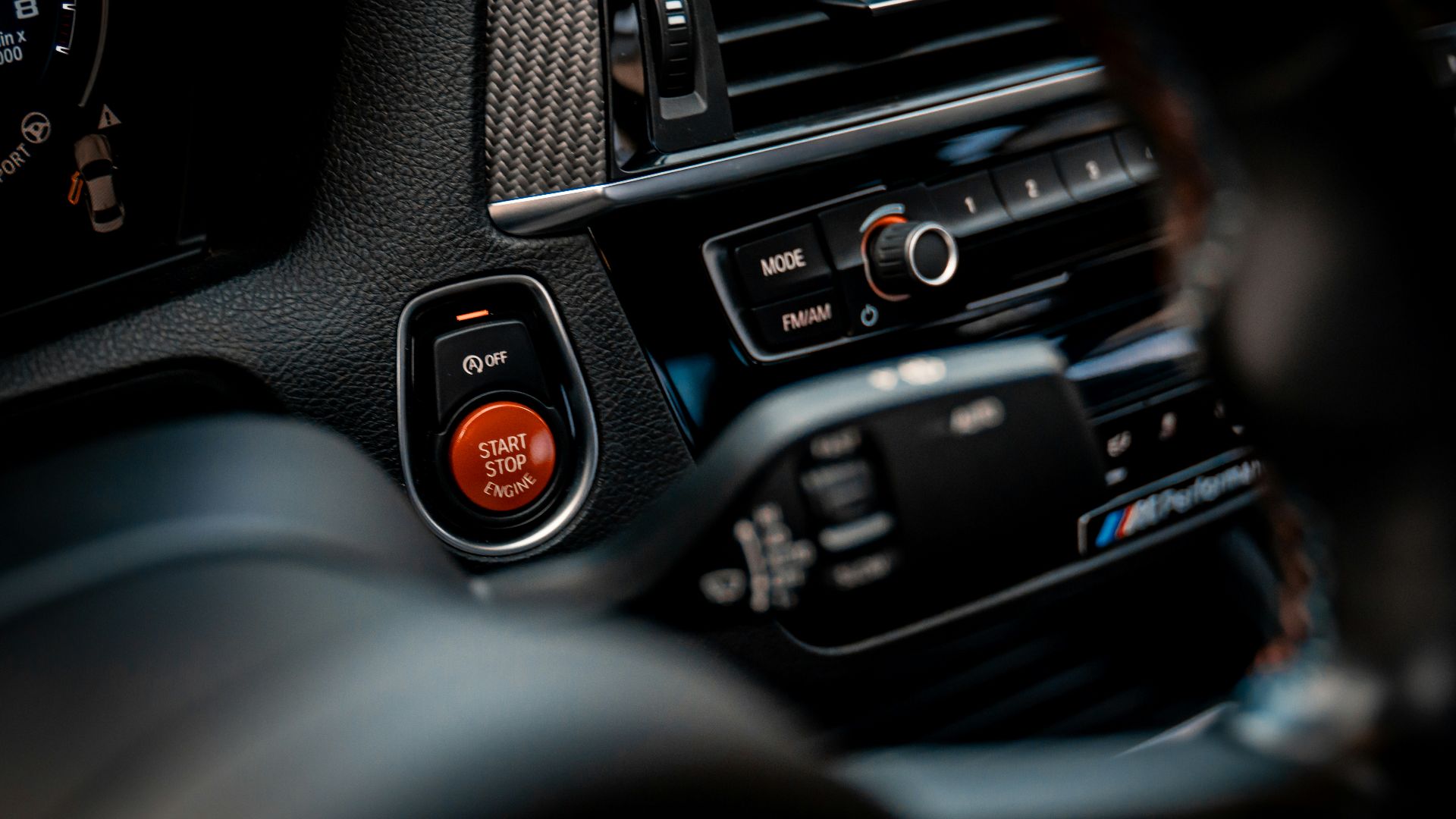
Fuel Savings vs. Component Wear
This is the core debate. You’re trading minor fuel savings against slightly increased wear on starters and batteries. For most owners, the system’s lifespan aligns with the vehicle’s normal ownership period.
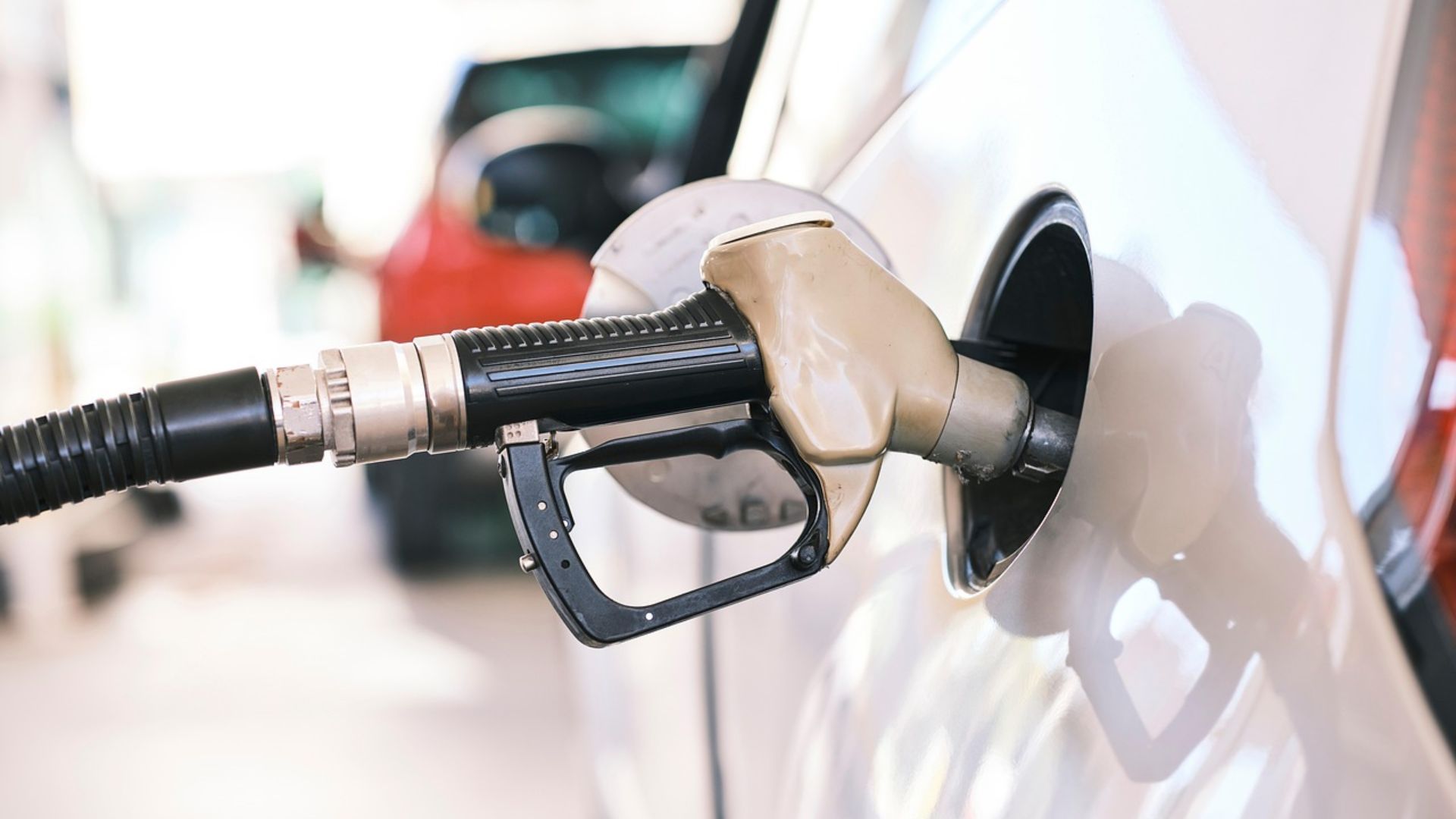
Mechanics See the Worst Cases
Your mechanic likely sees vehicles after something fails. That naturally skews perception. They’re not wrong — but they’re seeing the outliers.
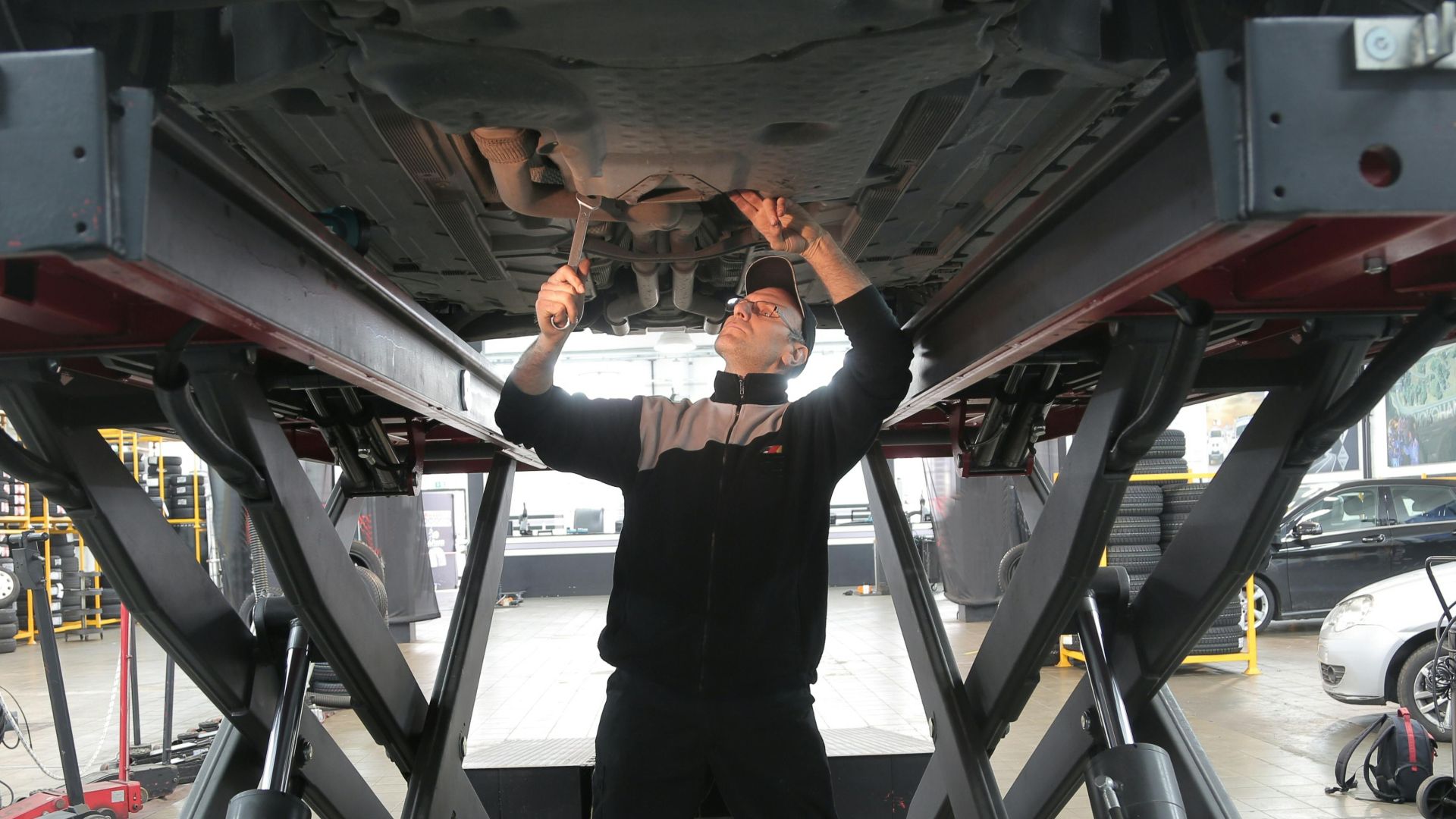
Automakers Design for Warranty
Manufacturers engineer these systems to survive well past warranty coverage. They don’t benefit from mass engine failures tied to widely used systems.
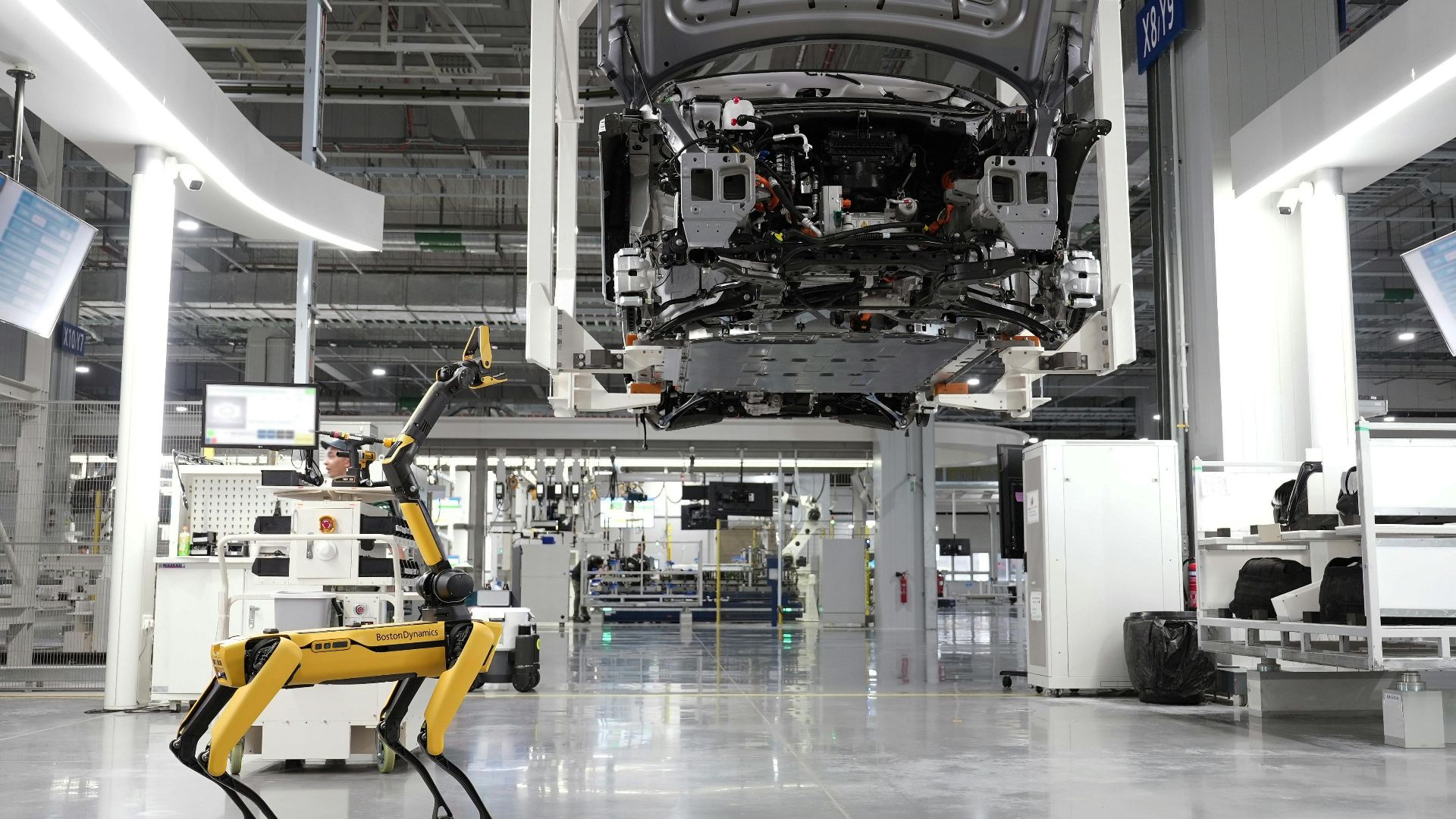
Does It “Wear Out” the Engine?
There’s little large-scale evidence showing stop-start systems significantly shorten engine life when properly maintained. Maintenance matters more than the feature itself.
Maintenance Is Key
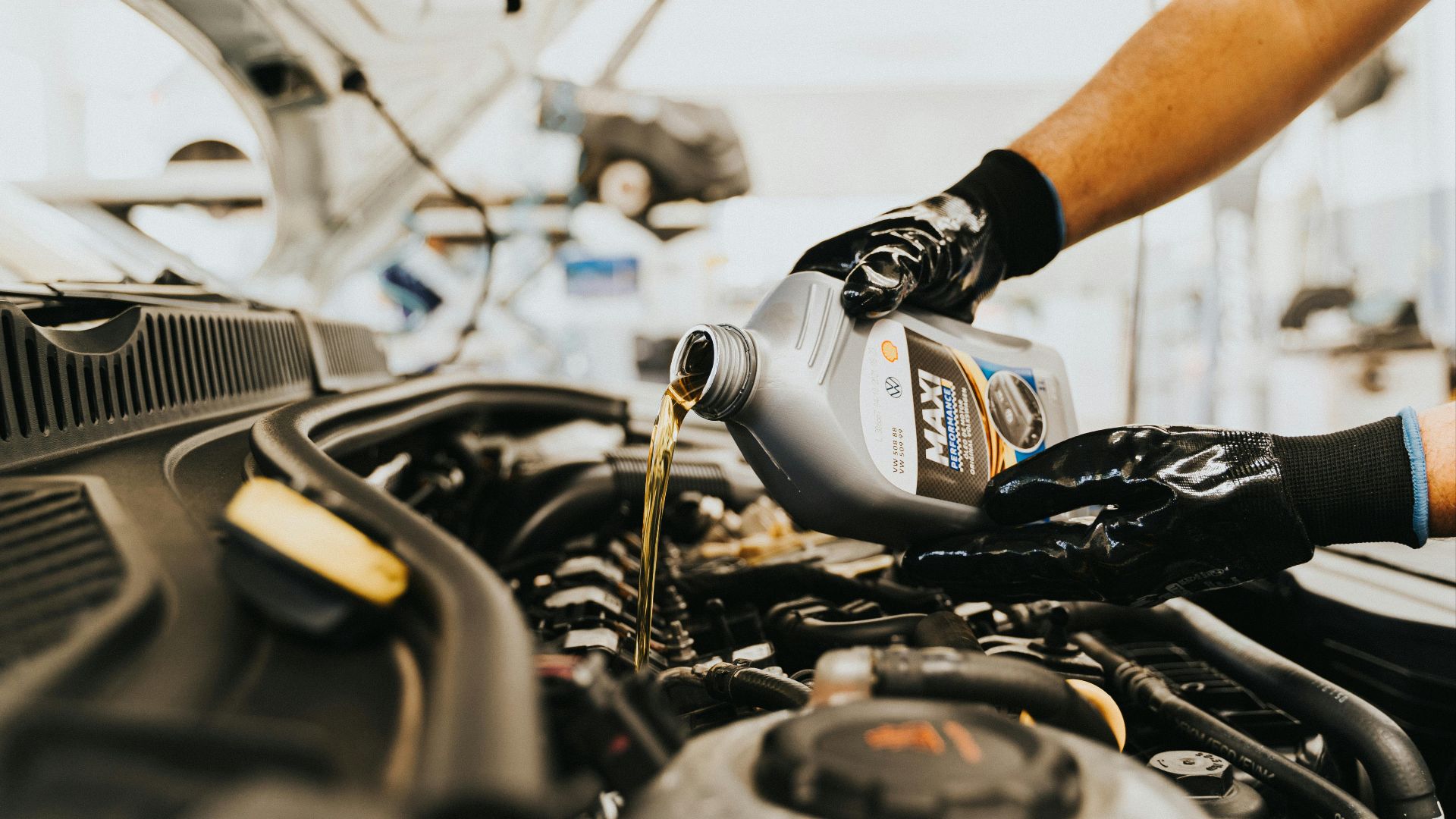
Use the correct oil grade. Replace batteries with the correct type. Follow service intervals. Neglect, not the system itself, causes most premature issues.
Should You Worry?
If you plan to keep your vehicle 15–20 years, you may eventually replace a starter or battery. But that’s true of most vehicles anyway. Stop-start slightly shifts the wear — it doesn’t doom the engine.

So Who’s Full of It?
Honestly? Probably neither. Your mechanic is thinking about mechanical wear. The automaker is thinking about engineered durability and efficiency. Both are looking at the same system from different angles.

Final Takeaway: It’s a Trade-Off, Not a Time Bomb
Stop-start systems aren’t secretly destroying engines — and they’re not flawless either. They’re a compromise between efficiency and component complexity. If the system annoys you, disable it when possible. If not, maintain your vehicle properly and drive on without fear.
You May Also Like:
Sources: 1, 2, 3, 4, 5