Speed Without Apology
Speed has always pulled at human curiosity. Verified numbers now stretch beyond 300 mph, powered by hybrid systems, quad turbo engines, and electric torque delivered instantly. Yet statistics alone never tell the whole story. Limited production, record-breaking runs, and engineering breakthroughs define these machines. Scroll through and decide which one truly moves you.
 MrWalkr, Wikimedia Commons, Modified
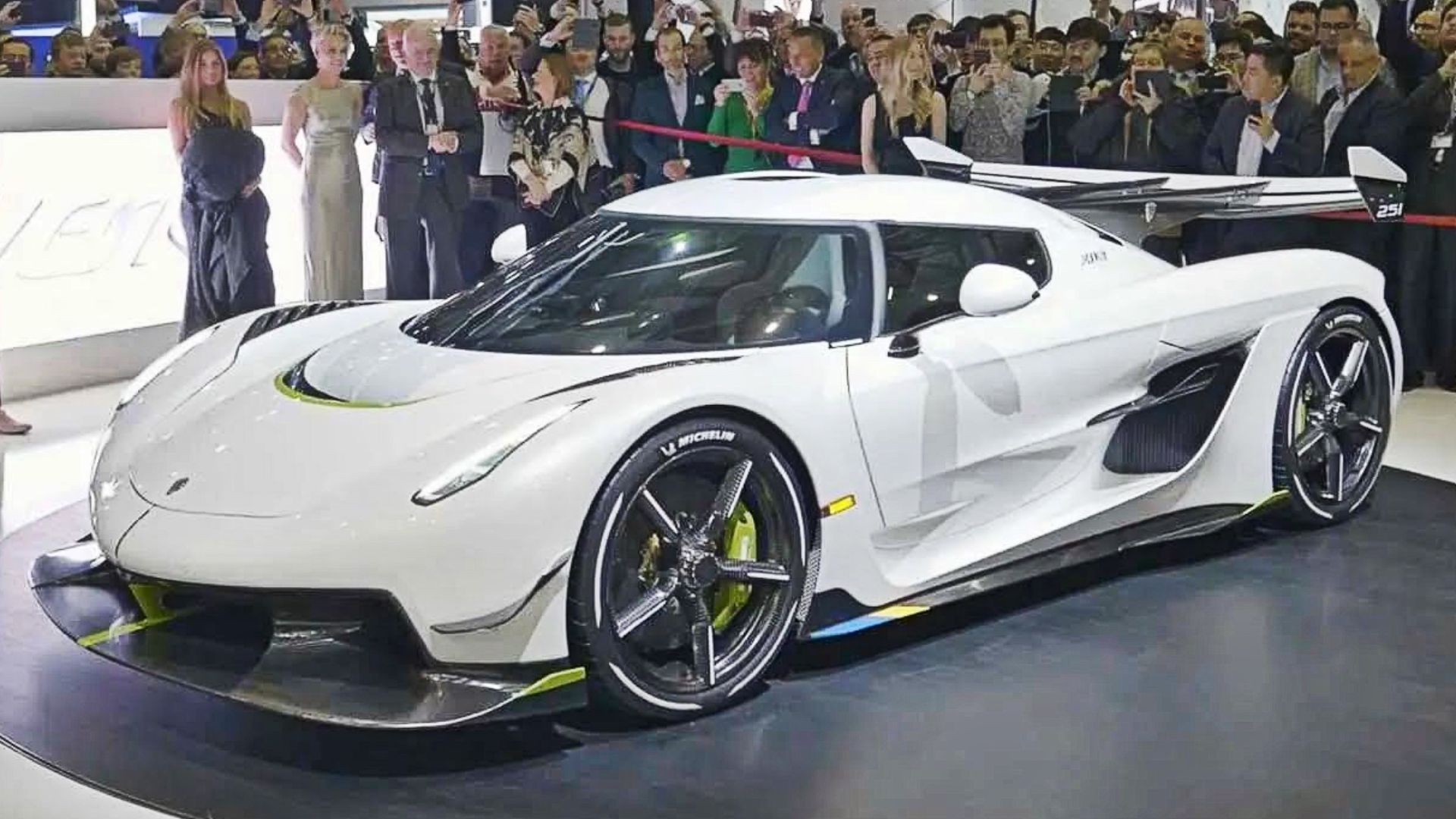
1. Koenigsegg Jesko Absolut (2021)
Some numbers feel unreal. In 2025, independent testing confirmed 316 mph from a fully street-legal machine. Power comes from a 1,600 hp twin turbo V8 running on E85. Only 125 will exist. So imagine signing paperwork for something that quick and limited.
 Ron Frazier, Wikimedia Commons
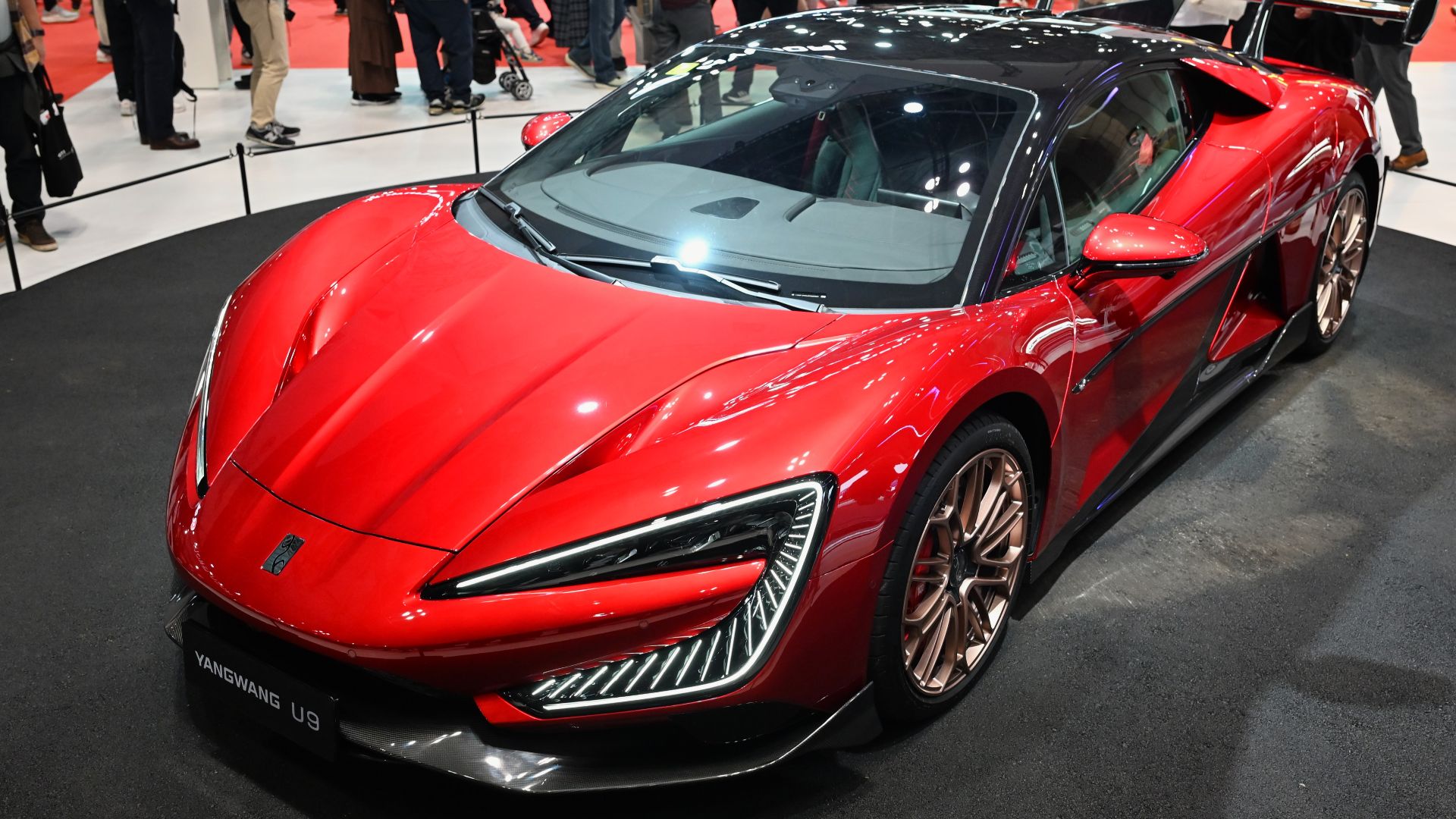
2. Yangwang U9 Xtreme No Wing (2025)
Aerodynamic drag reduction defined the no-wing configuration, prioritizing straight-line efficiency over downforce. Four electric motors combine for more than 3,000 hp with precise torque control. September 2025 testing at ATP Papenburg further verified 308.4 mph, and yet production remains limited to 30 compliant examples.
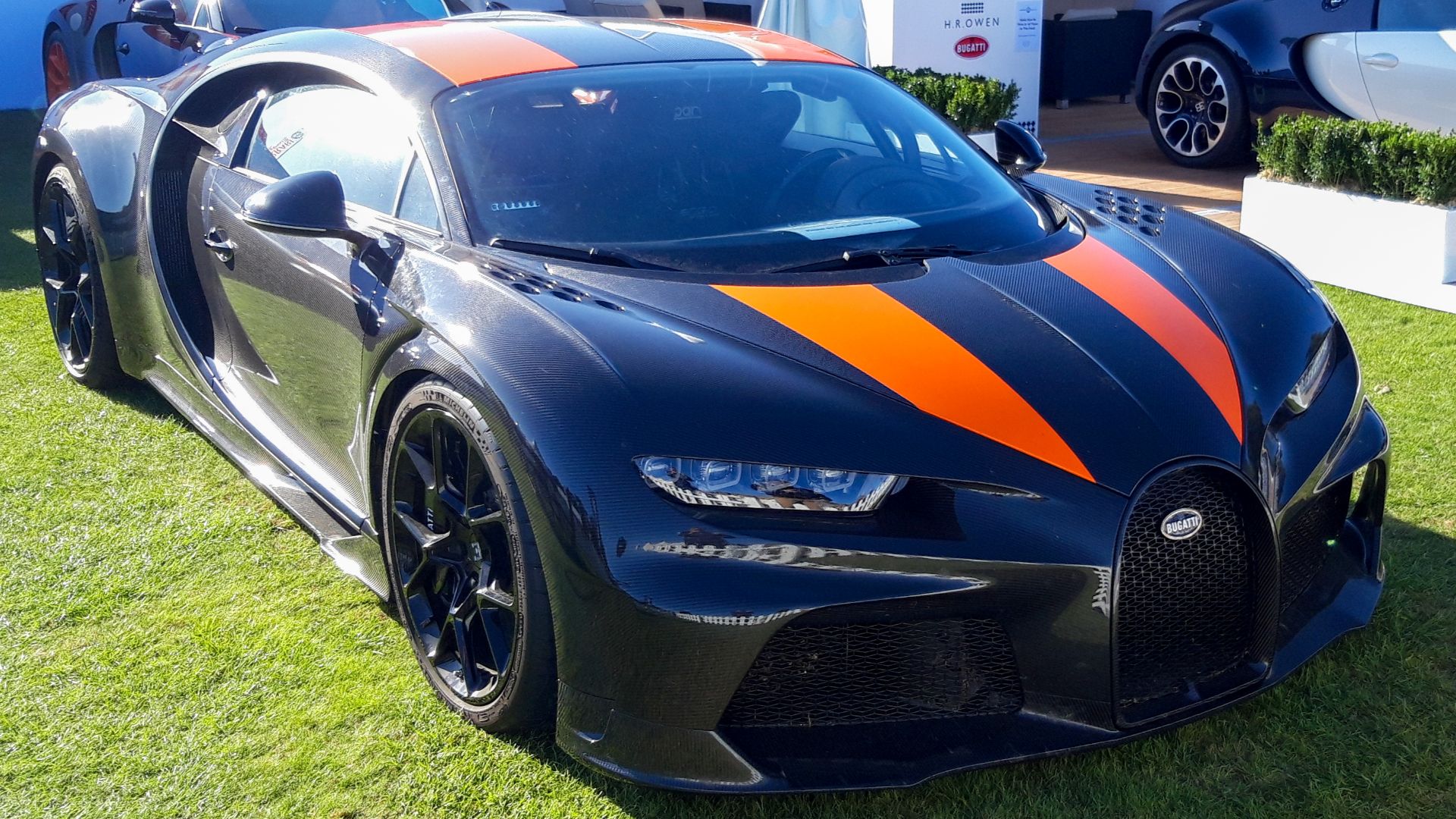
3. Bugatti Chiron Super Sport 300+ (2019)
Breaking 300 mph once felt mythical. Back in 2019, one official run quietly touched 304.77 mph. Yes, really. Extended long tail aerodynamics further maintain stability at extreme velocity, while the quad turbo W16 delivers 1,600 hp. However, customer versions are electronically limited to 273 mph.
 Liam Walker, Wikimedia Commons
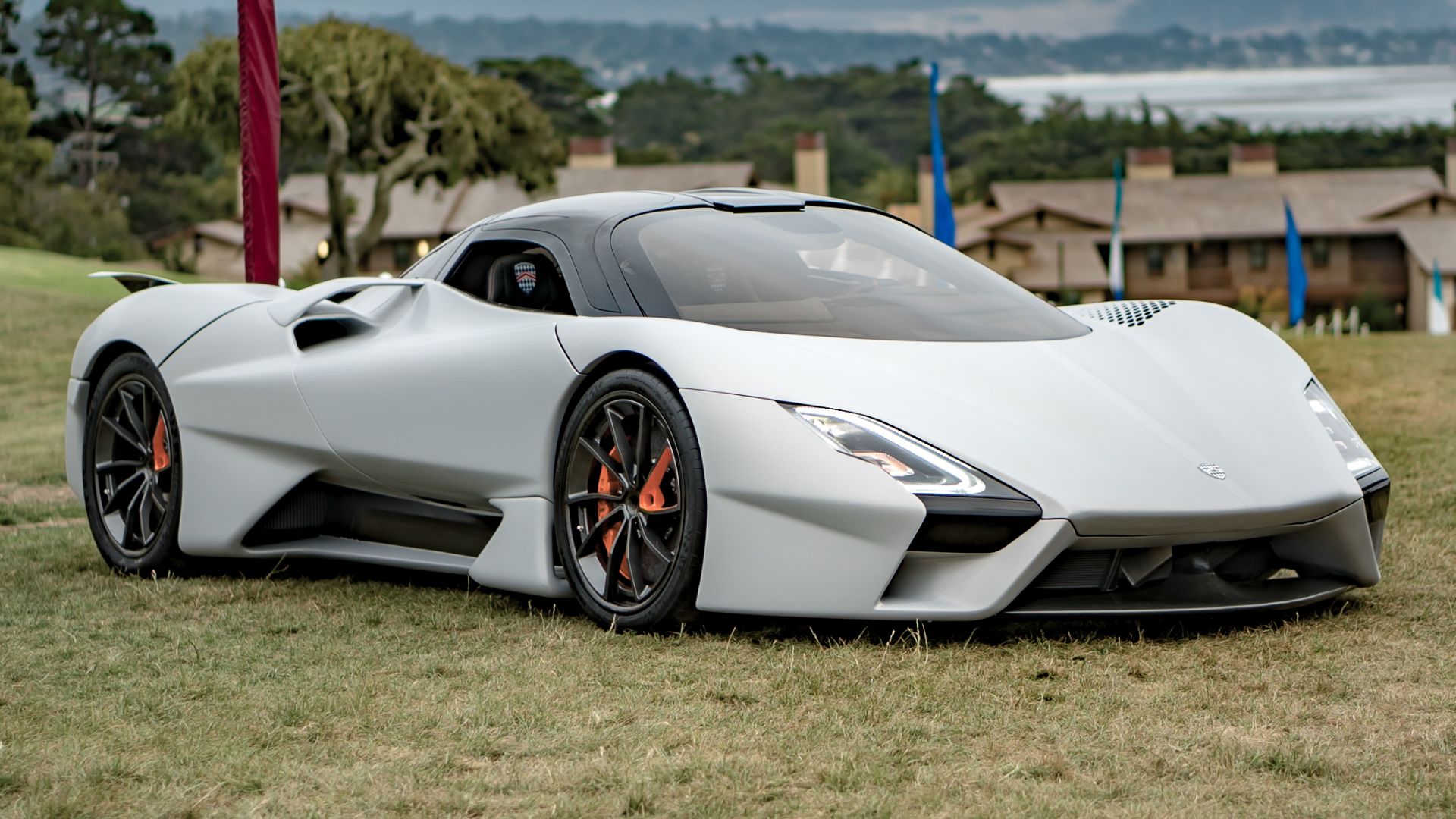
4. SSC Tuatara (2020)
Racelogic verified a two-way average of 282.9 mph in 2021 following earlier scrutiny. Output reaches 1,750 hp from a 5.9-liter twin-turbo V8 operating on E85. Carbon fiber construction keeps the weight under 2,800 pounds. Production plans call for 100 units only.
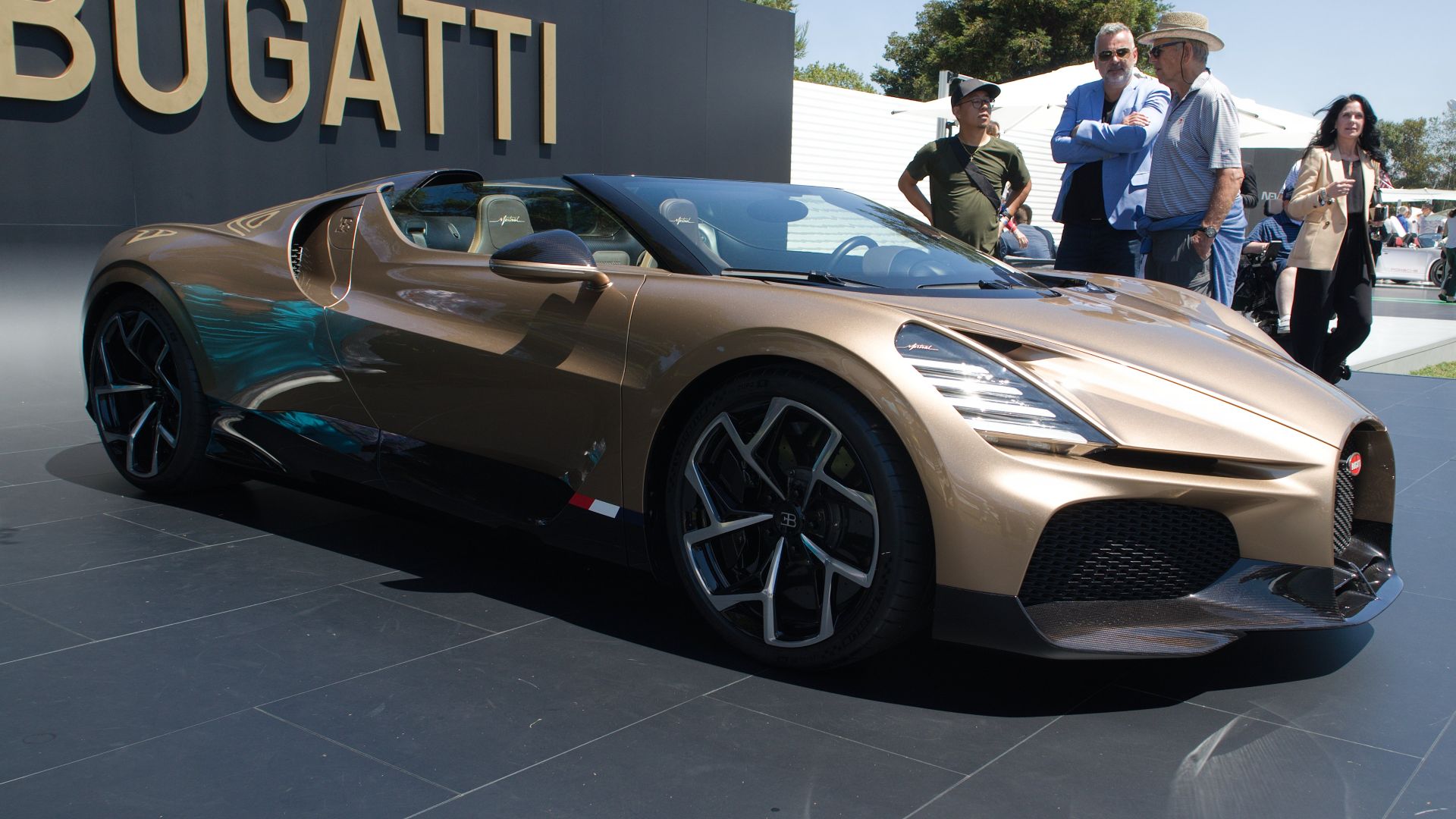
5. Bugatti W16 Mistral Roadster (2022)
Convertibles usually chase sunsets. This one chases records. A reinforced chassis contains a 1,600 hp quad turbo W16. Verified testing recorded 282 mph, securing the fastest production roadster status. Bugatti will build 99 examples, because subtlety was never part of the assignment.
6. Czinger 21C V Max (2022)
Only 80 street-legal examples will ever exist. Beneath the surface, a 2.88-liter twin-turbo V8 works with electric motors to produce 1,250 hp. Claimed top speed touches 281 mph, while verified runs show 253 mph. 3D printed structures keep everything surprisingly light.
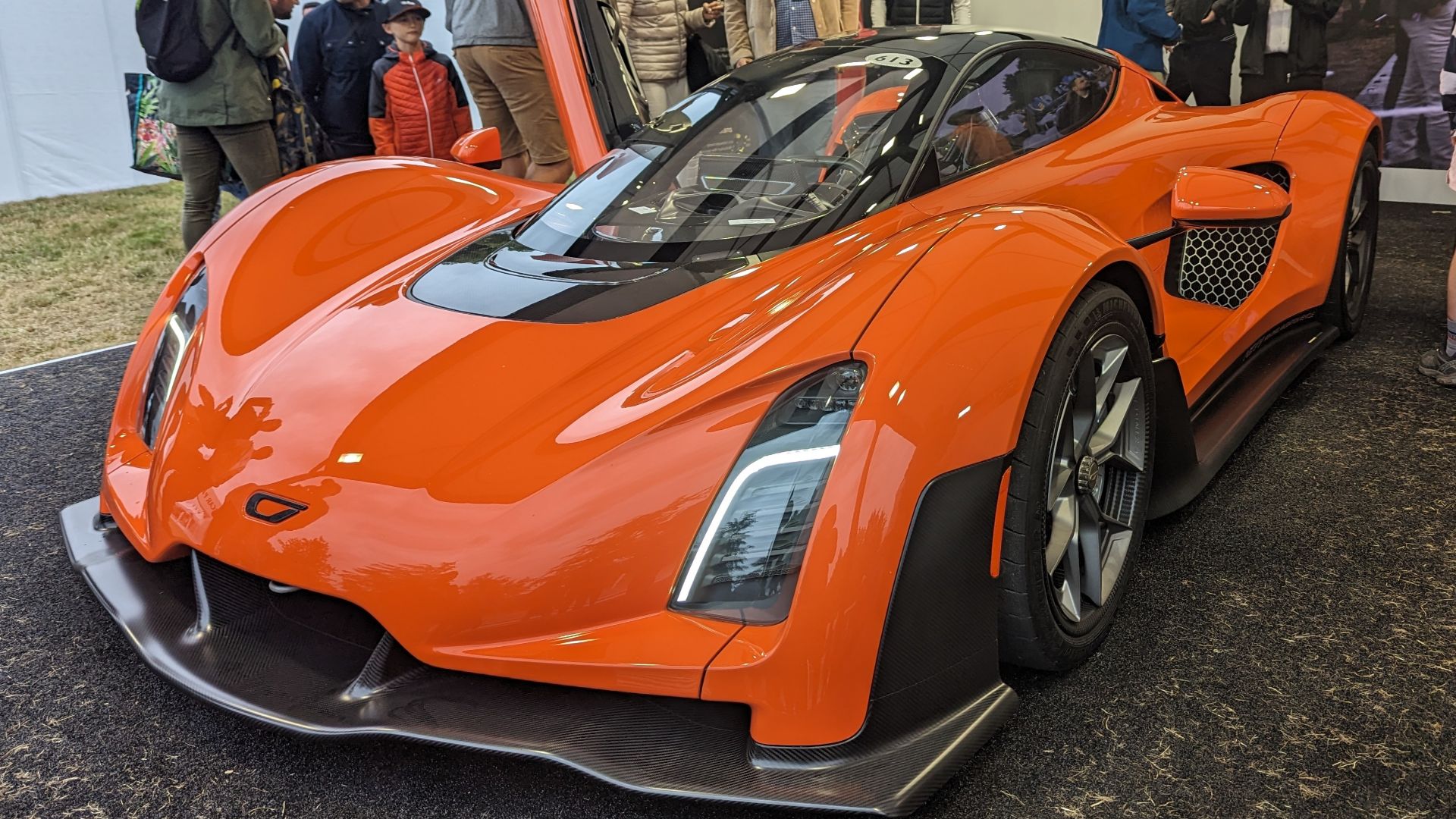
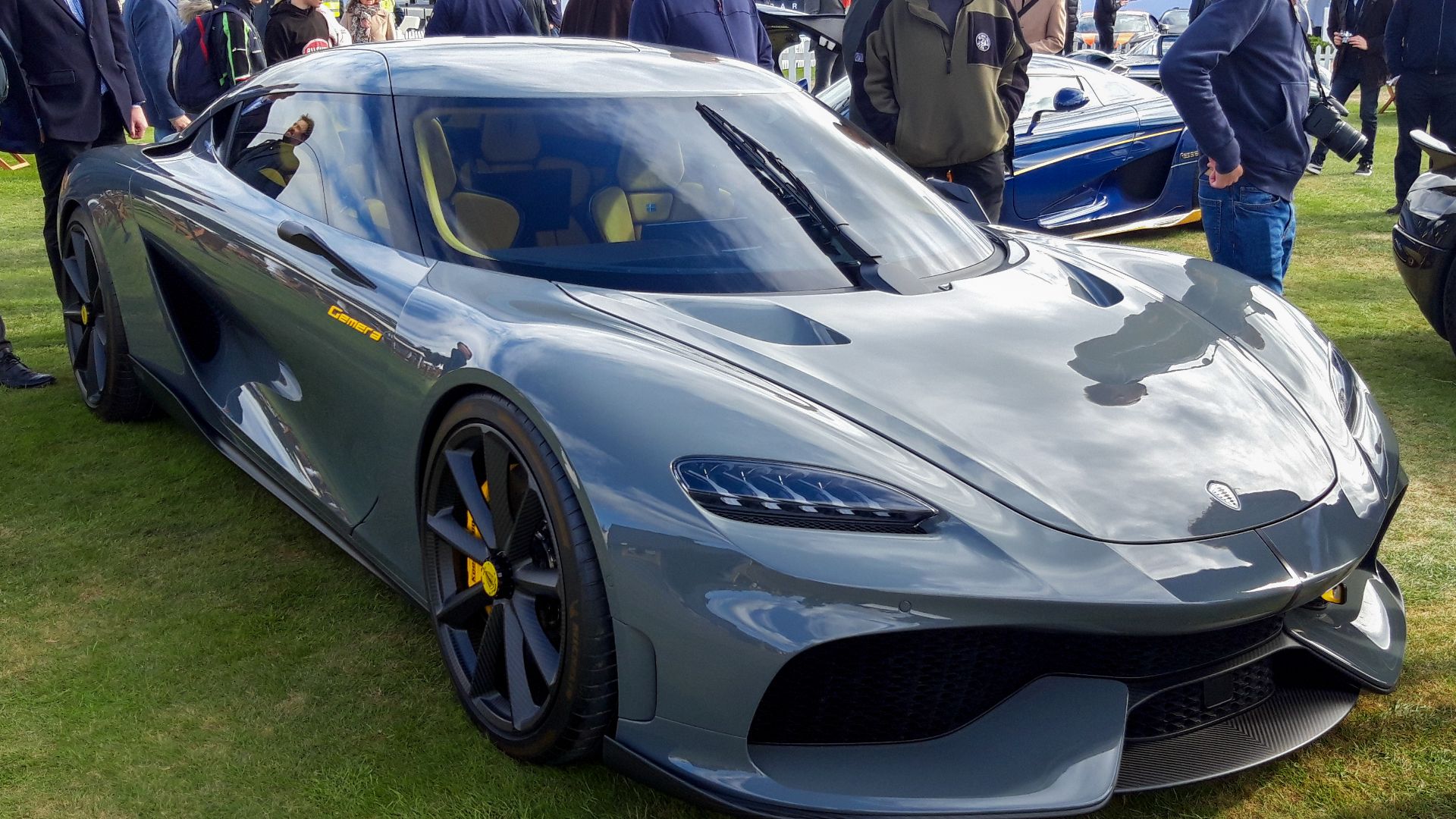
7. Koenigsegg Gemera (2020)
Four seats once signaled restraint. Gemera rewrites that assumption with 1,700 hp from a compact three-cylinder and three electric motors. Production cars are electronically limited to 249 mph. Projections extend toward 280 mph. Suddenly, family touring carries a different meaning.
 Liam Walker, Wikimedia Commons
8. Koenigsegg Agera RS (2017)
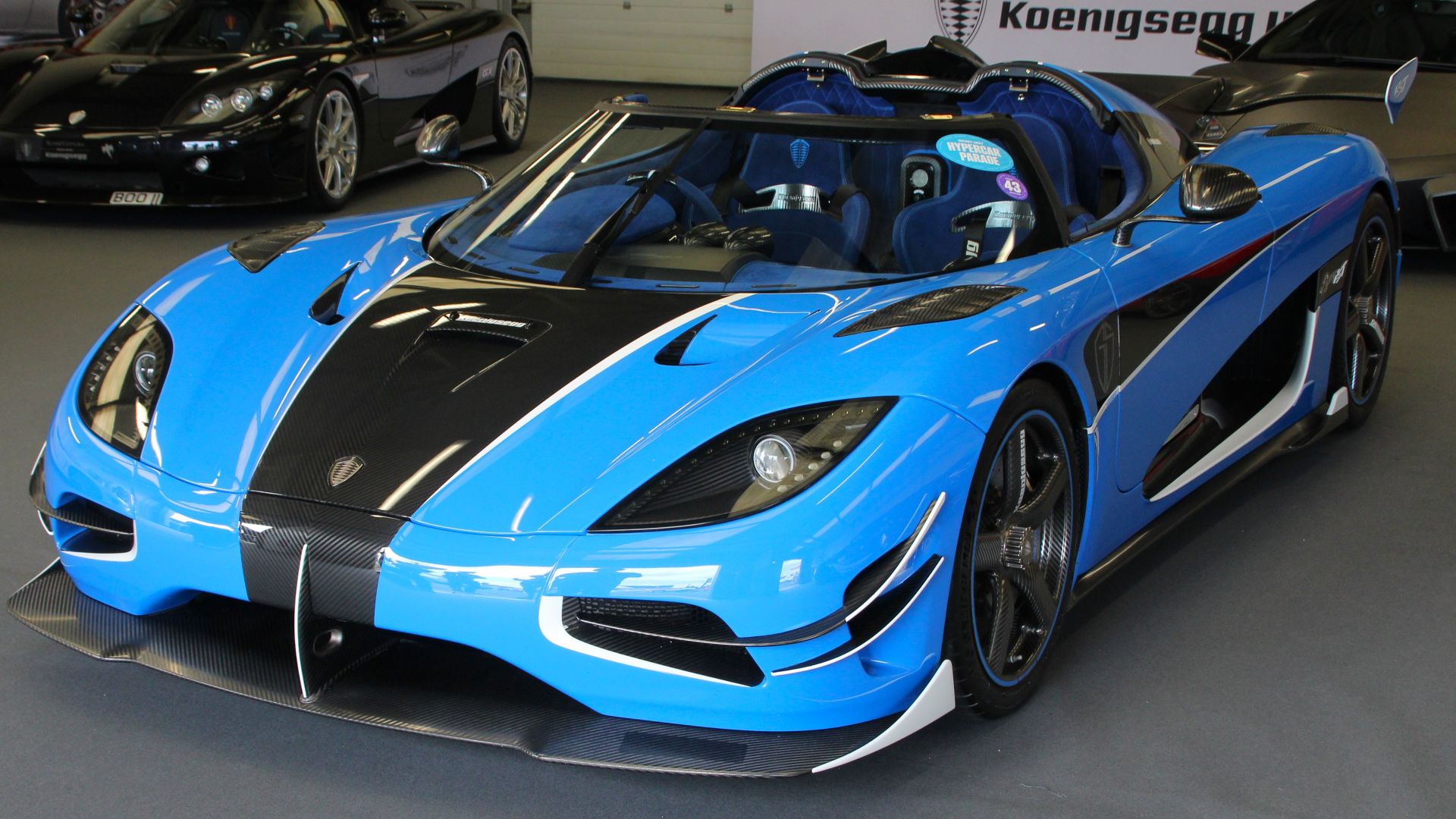
Heat shimmered across Nevada asphalt in 2017 as history unfolded, as a 1,360 hp twin turbo V8 surged through a lightweight carbon chassis. Guinness recorded a 277.87 mph two-way average. Just 25 examples exist, each built for drivers chasing permanence.
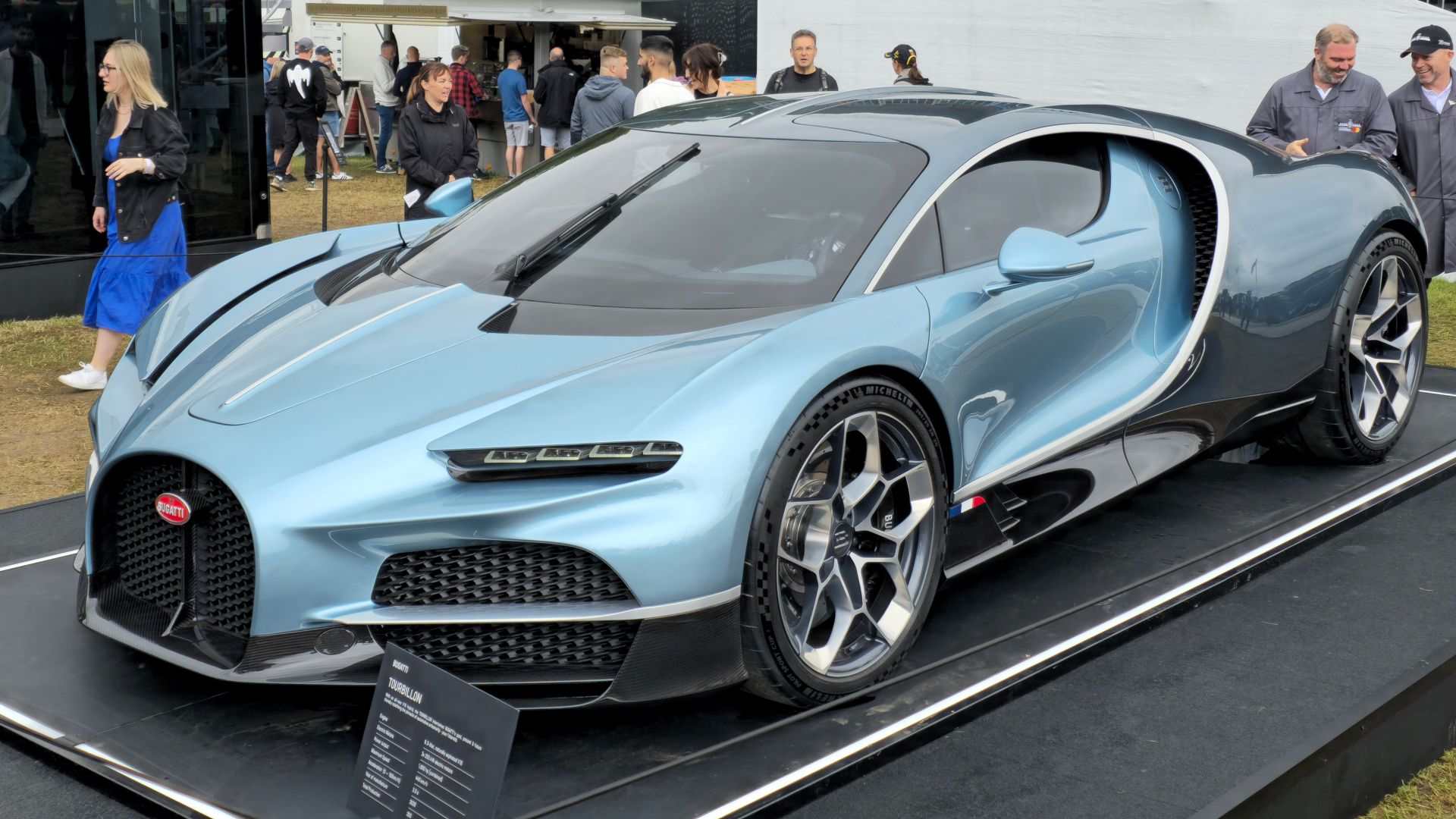
9. Bugatti Tourbillon (2024)
What does 1,800 hp feel like when delivered by a hybrid V16 and three electric motors? Tire testing surpassed 317 mph before customers ever turned a wheel. Insert the Speed Key and road configuration allows 276 mph. Plus, production remains limited to 250 examples.
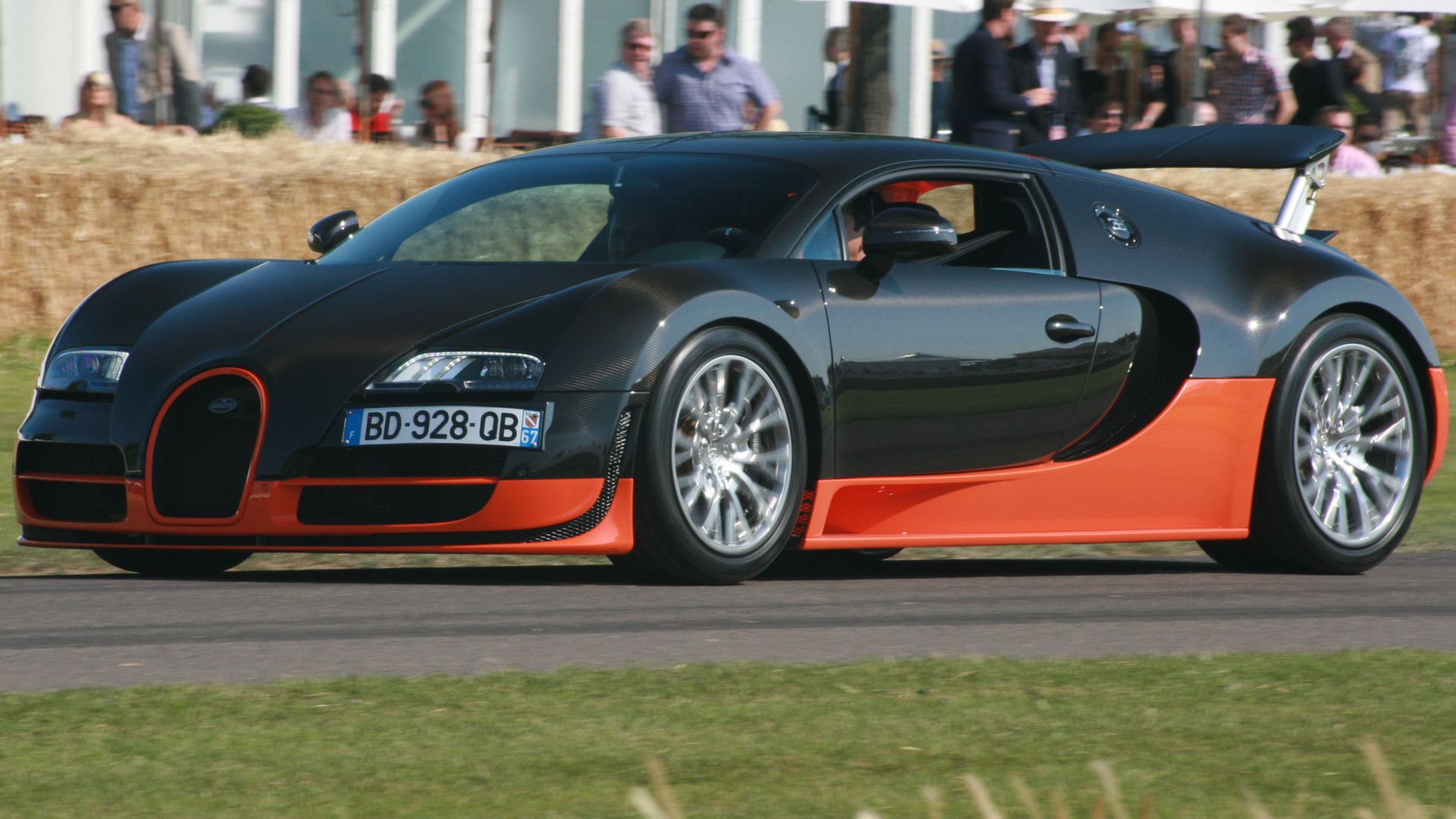
10. Bugatti Veyron 16.4 Super Sport (2010)
Back in 2010, 267.86 mph sounded slightly irresponsible. Guinness verified it anyway. Beneath the bodywork sat a quad-turbo 8.0-liter W16 producing 1,200 hp. Only 48 Super Sports were built. Therefore, owning one felt like borrowing tomorrow early.
 Supermac1961 from CHAFFORD HUNDRED, England, Wikimedia Commons
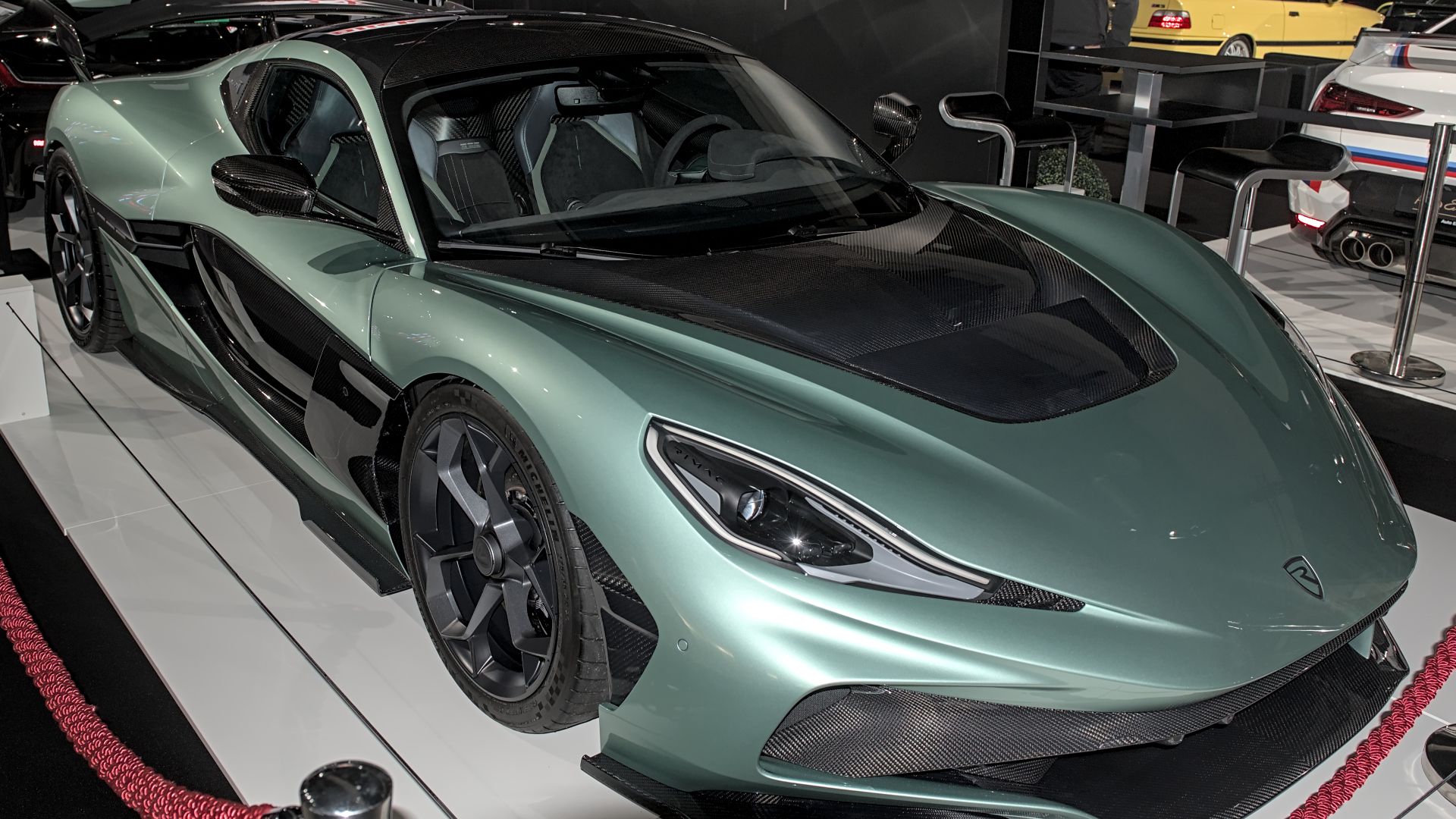
11. Rimac Nevera R (2024)
Only 150 examples define the Nevera series, each fully street legal across major markets. Four electric motors generate 2,107 hp with advanced torque vectoring. In 2025, verified testing recorded 268 mph. And with this, electric performance has clearly entered serious territory.
 Alexander-93, Wikimedia Commons
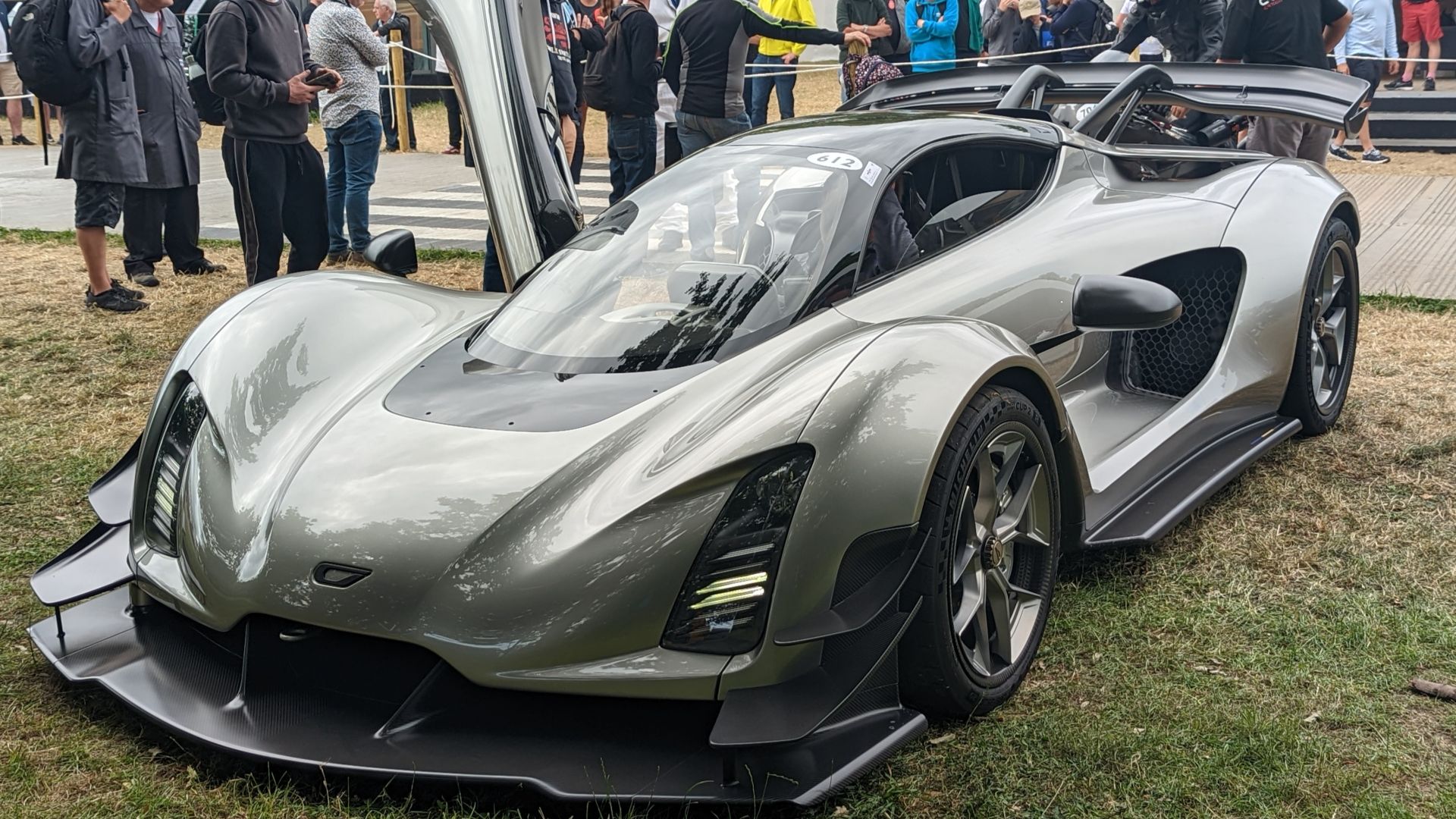
12. Czinger 21C (2020)
AI-optimized 3D printed structural components reduce weight while increasing rigidity. Hybrid propulsion combines a V8 engine with electric motors for 1,250 hp. Verified testing confirms 253 mph. The simulation data suggests a potential of up to 268 mph. Production volume is still limited to 80 units.
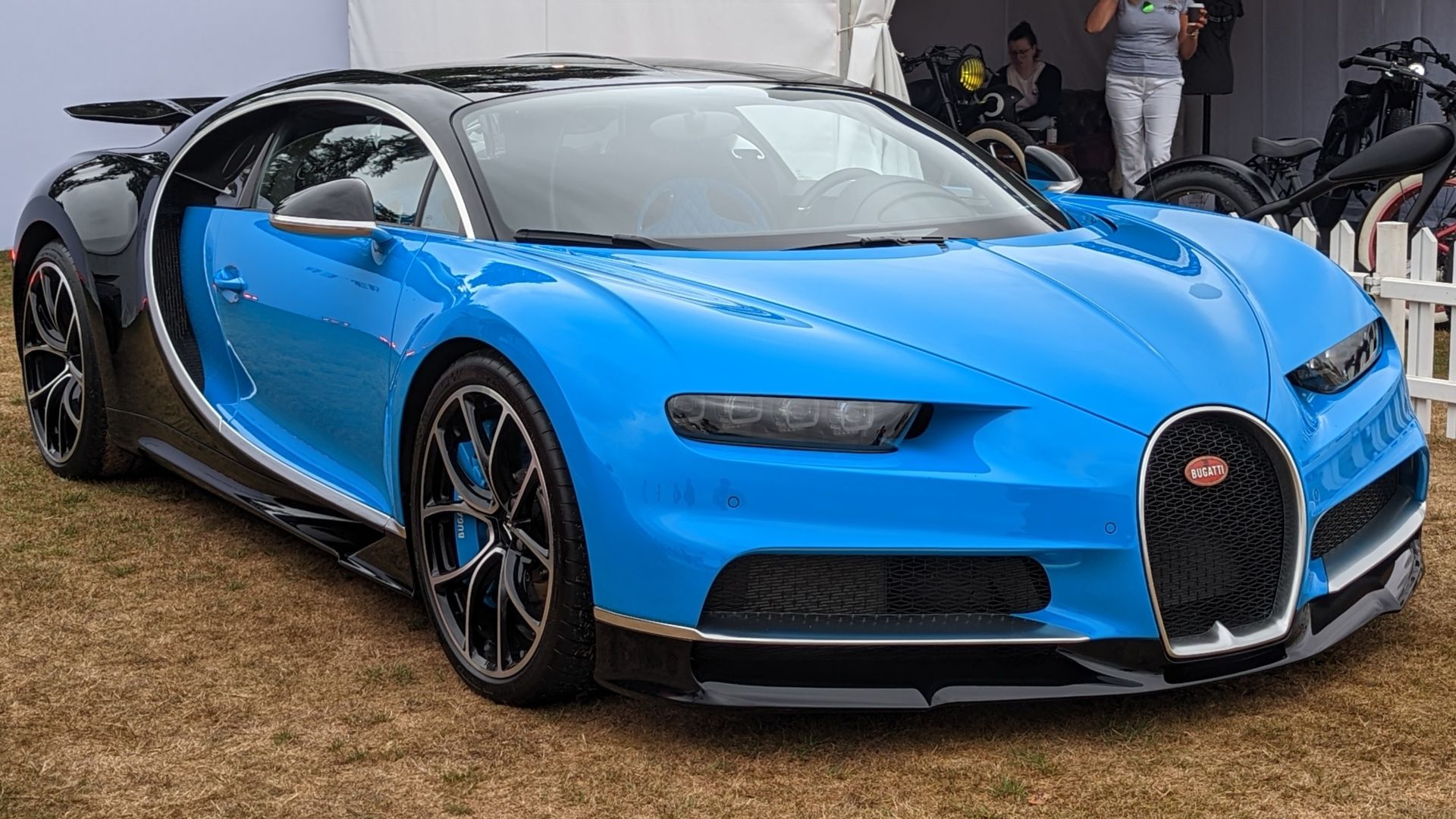
13. Bugatti Chiron (2016)
Five hundred units rolled out worldwide, each fully homologated for road use. Beneath the sculpted body sits a 1,500 hp quad turbo W16 with advanced All Wheel Drive. Electronically limited to 261 mph, prototypes have quietly exceeded 300 mph during testing.
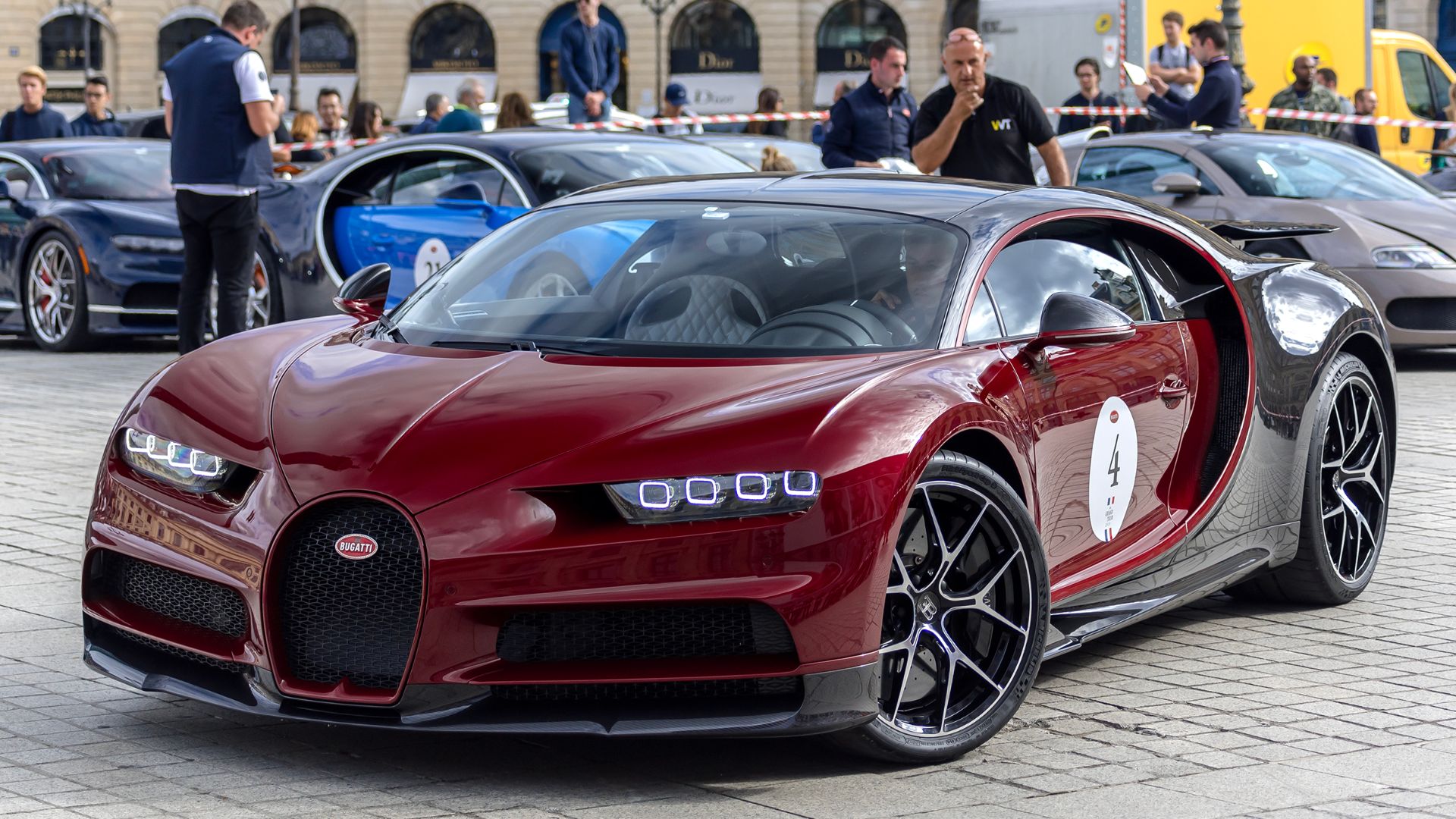
14. Bugatti Chiron Sport (2018)
Suspension revisions and a 40-pound weight reduction sharpen response without altering peak output. The 1,500 hp quad turbo W16 remains electronically limited to 261 mph. And as part of the 500-unit Chiron production run, every example retains full street legality.
 Alexandre Prevot from Nancy, France, Wikimedia Commons
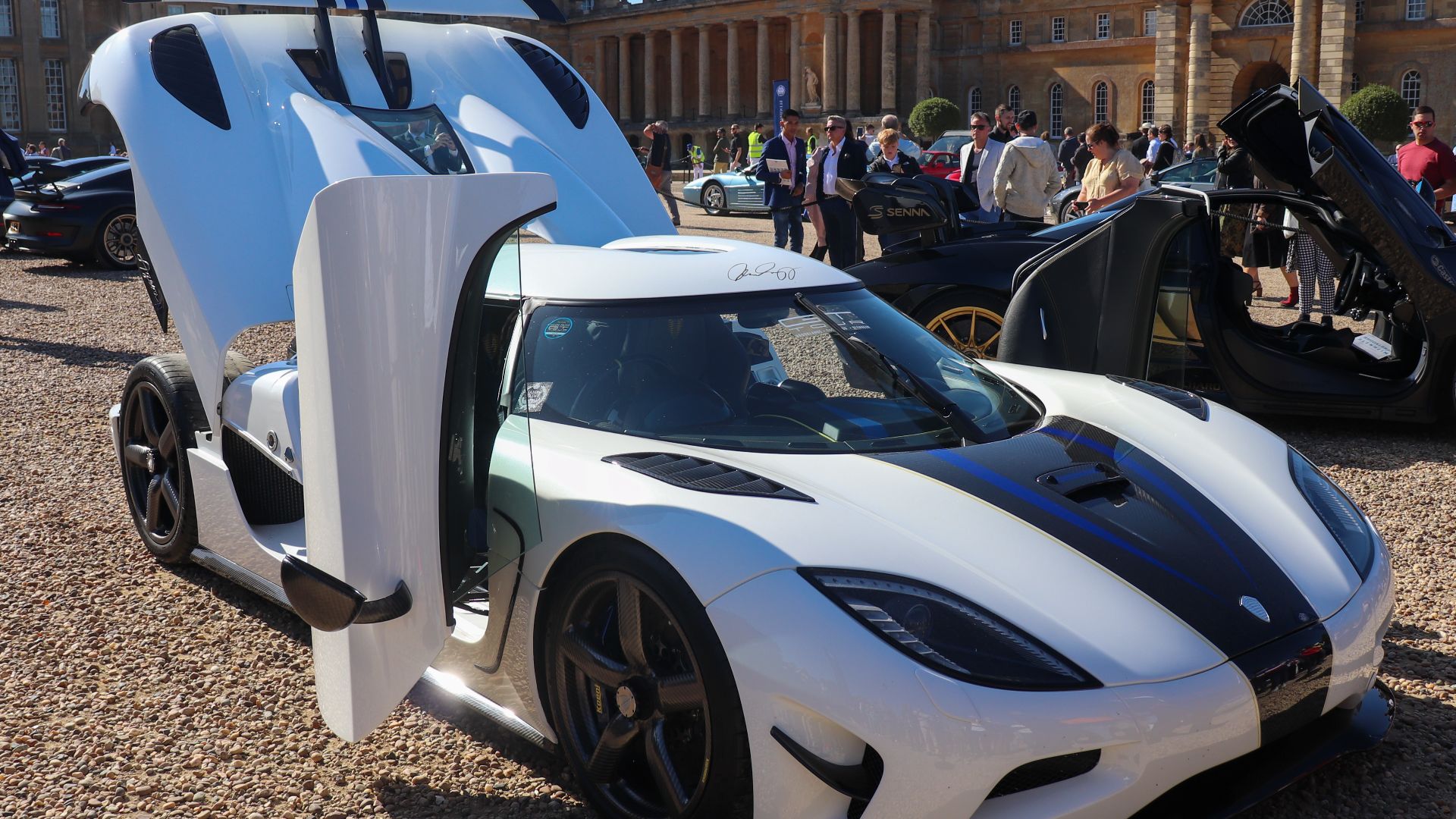
15. Koenigsegg Agera (2010)
Active aerodynamics entered the conversation early here. A 5.0-liter twin-turbo V8 delivers 960 hp with convincing urgency. Claimed top speed even reaches 261 mph. Production exceeded 20 units across variants. Apparently, that was just the warm-up act.
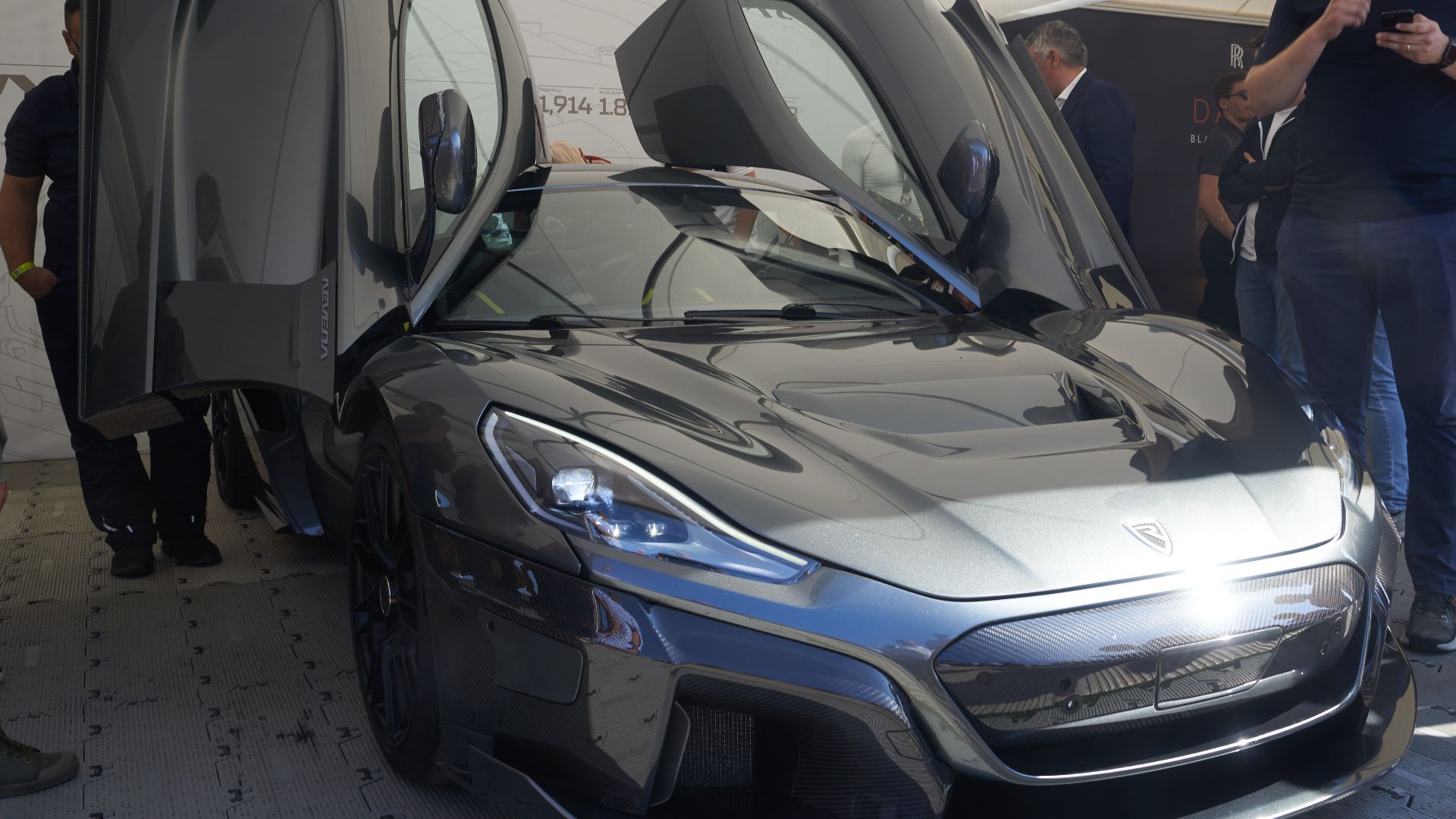
16. Rimac Nevera (2021)
Production is limited to 150 street-legal units worldwide. A 120 kWh battery feeds four electric motors producing 1,914 hp. Verified testing recorded a 258 mph top speed. For an electric hypercar, that figure quietly reset expectations.
 Andrew Basterfield, Wikimedia Commons
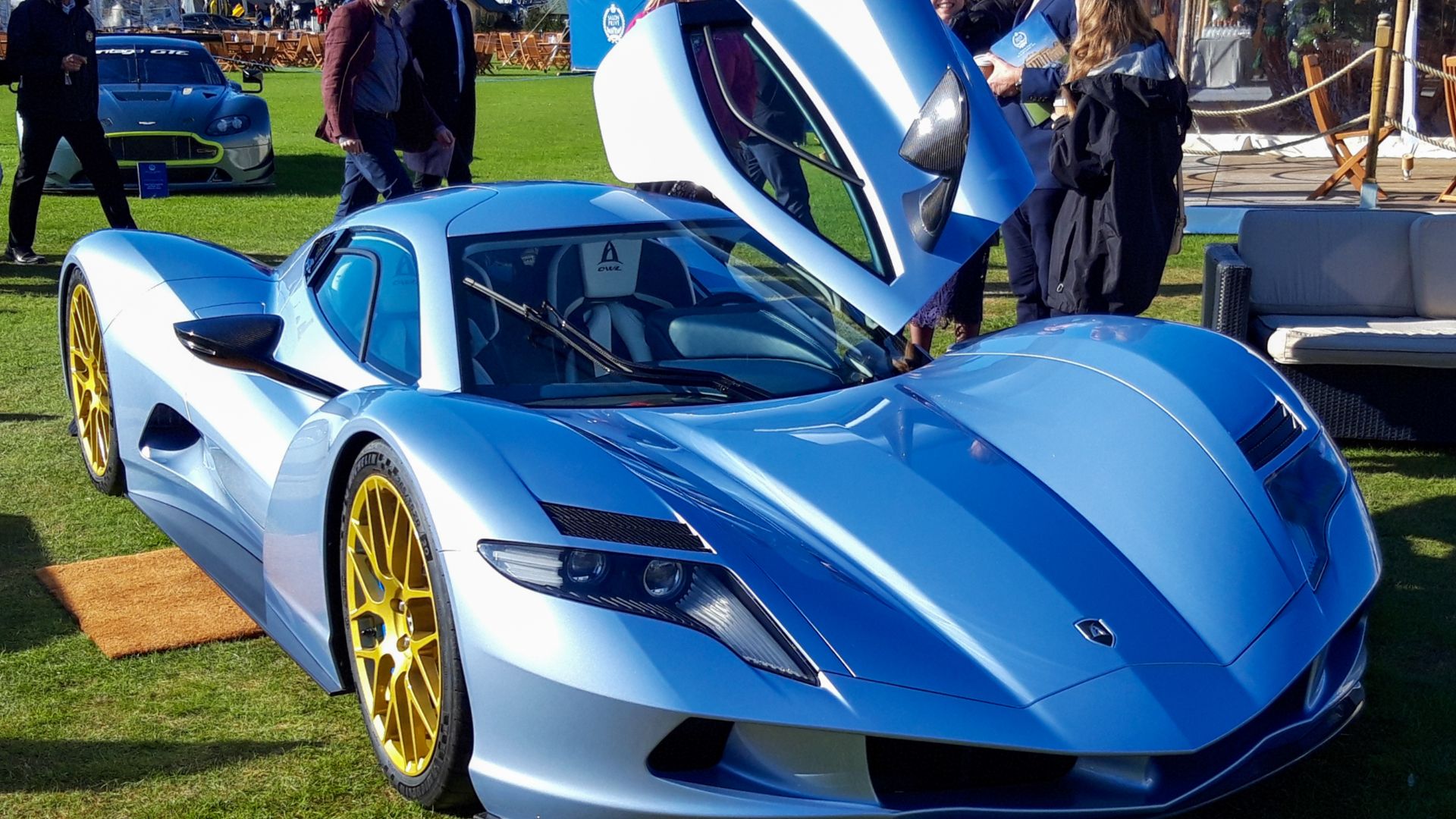
17. Aspark Owl (2019)
Carbon fiber construction supports four electric motors delivering a combined 1,985 hp. Verified testing recorded a 257 mph top speed. Early acceleration benchmarks established new reference points for electric performance. Production was also restricted to 50 units, ensuring structural exclusivity in the marketplace.
 Liam Walker, Wikimedia Commons
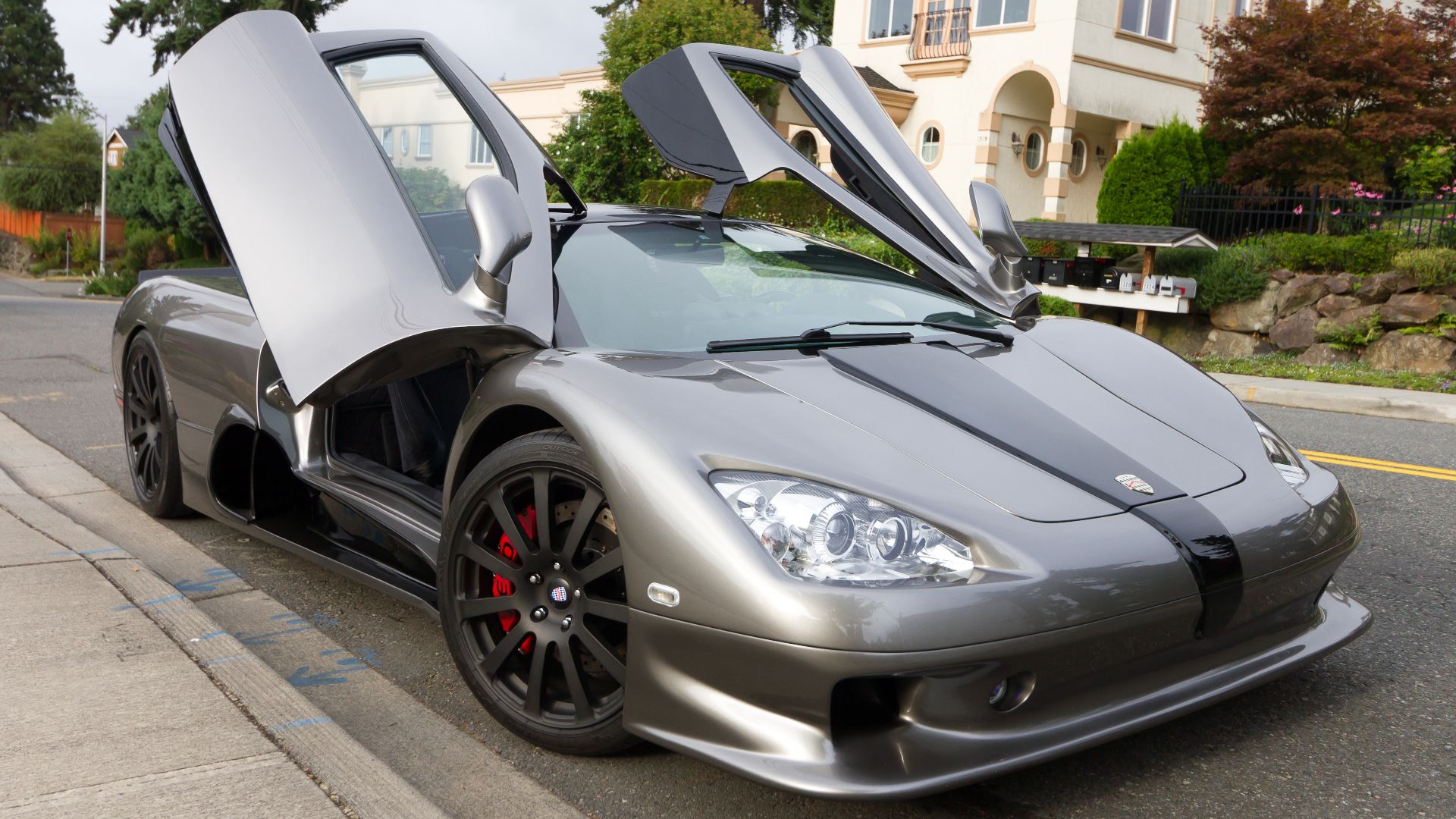
18. SSC Ultimate Aero TT (2007)
History shifted in 2007 on a public road. A twin-turbo 6.3-liter V8 produced 1,183 hp through a carbon fiber chassis. Guinness also confirmed a 256.14 mph two-way average, and only 24 units were built. American ambition felt very real that day.
 Nate Hawbaker, Wikimedia Commons
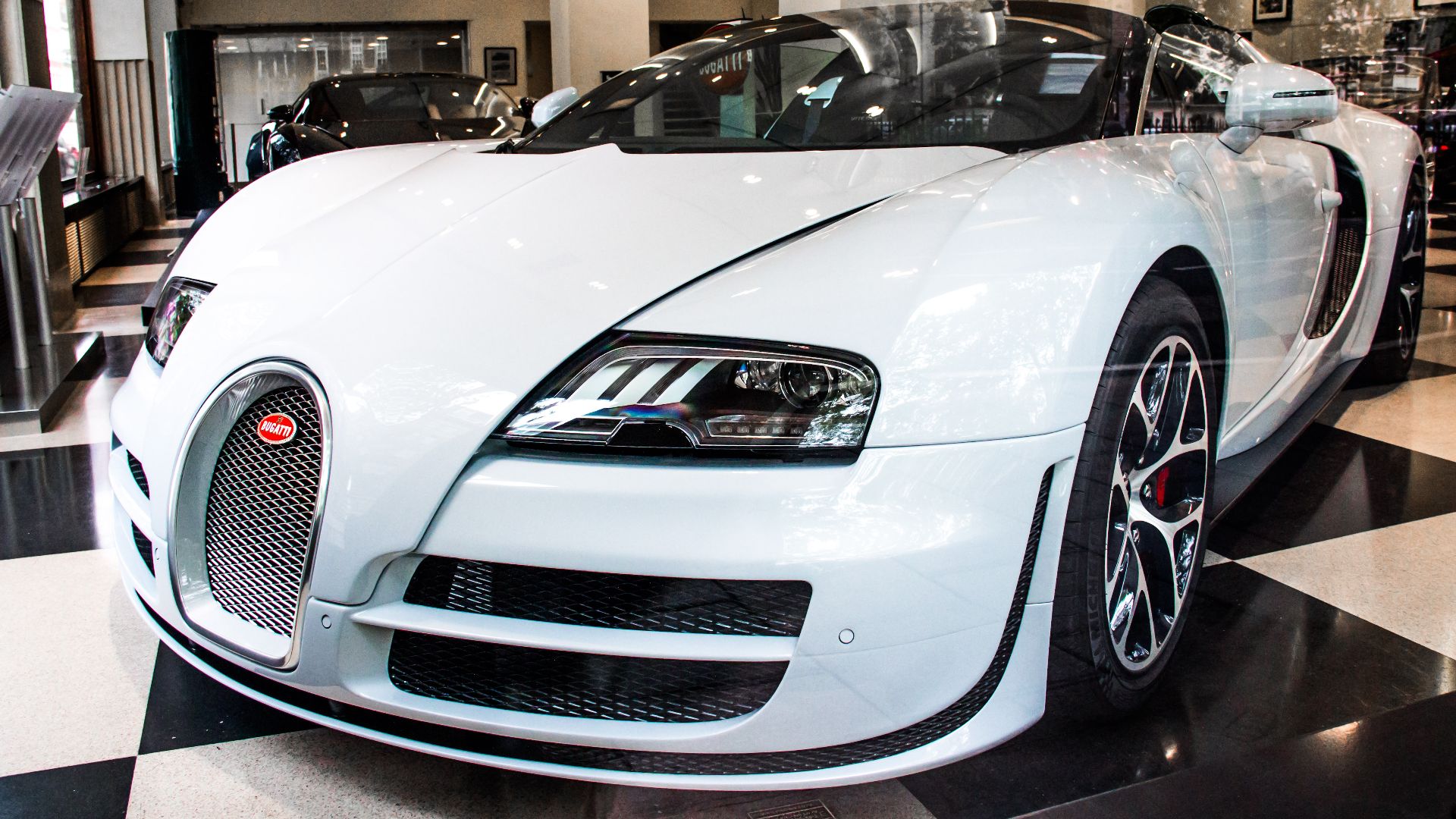
19. Bugatti Veyron Grand Sport Vitesse (2012)
Only 92 were built, which already makes it feel distant. Beneath the open roof sits a 1,200 hp quad turbo W16. Engineers also recalibrated aerodynamics to preserve stability at extreme speed. Verified testing confirmed 255 mph. Therefore, sunshine at that pace hits differently.
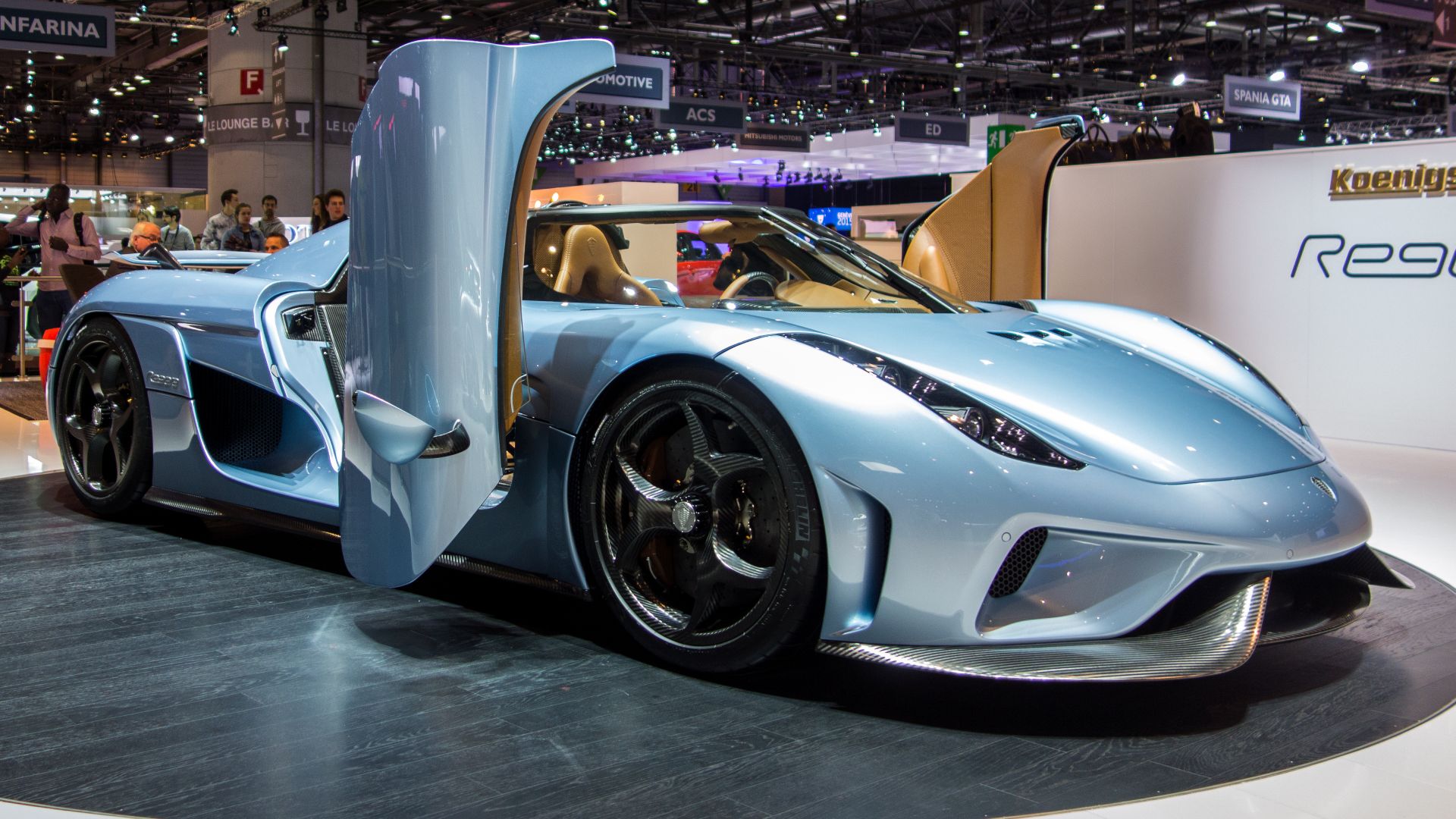
20. Koenigsegg Regera (2015)
Traditional gearboxes quietly stepped aside here. A direct drive system channels 1,500 hp from a hybrid V8 and electric motors. Verified top speed reaches 255 mph, and Production stops at 80 units. Smooth acceleration has never felt quite this unreasonable.
 Falcon® Photography from France, Wikimedia Commons
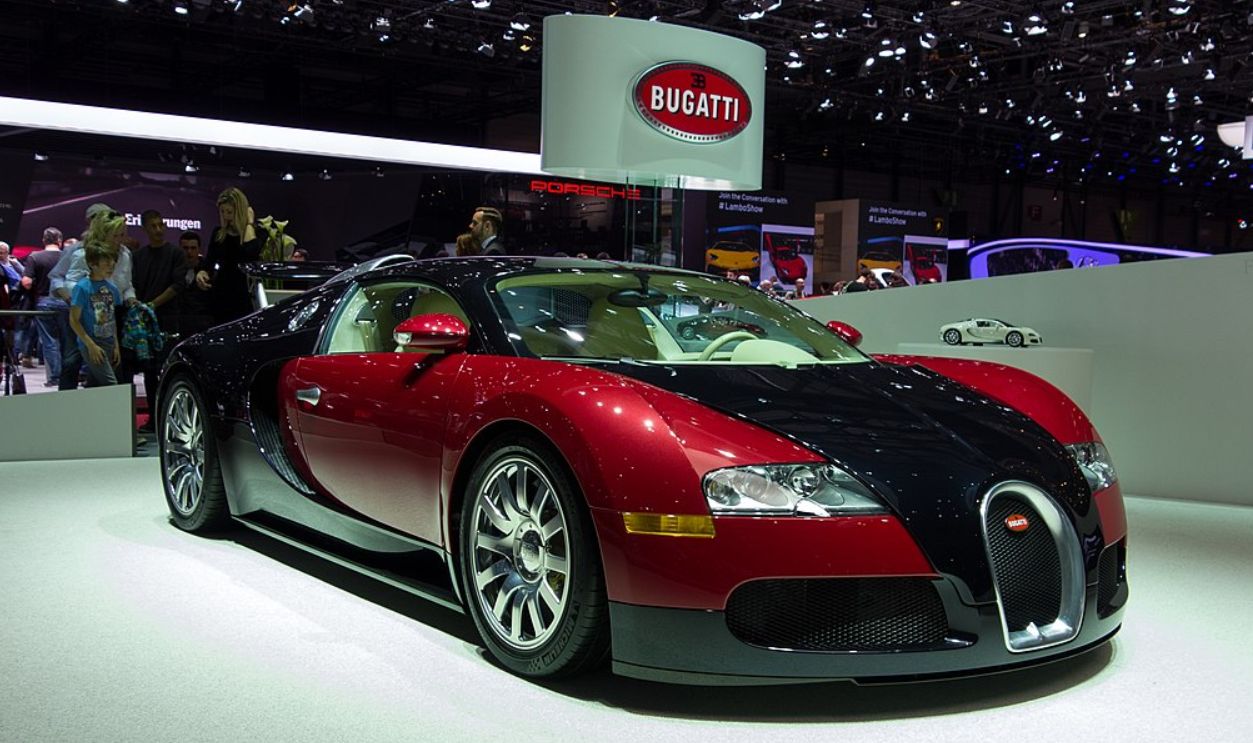
21. Bugatti Veyron 16.4 (2005)
Only 252 were built, yet their impact felt much larger. Beneath the bodywork sat a 1,001 hp quad turbo W16. In 2005, German officials verified 253.81 mph. So, becoming the first 1,000 hp production car shifted expectations overnight.
 Falcon® Photography, Wikimedia Commons
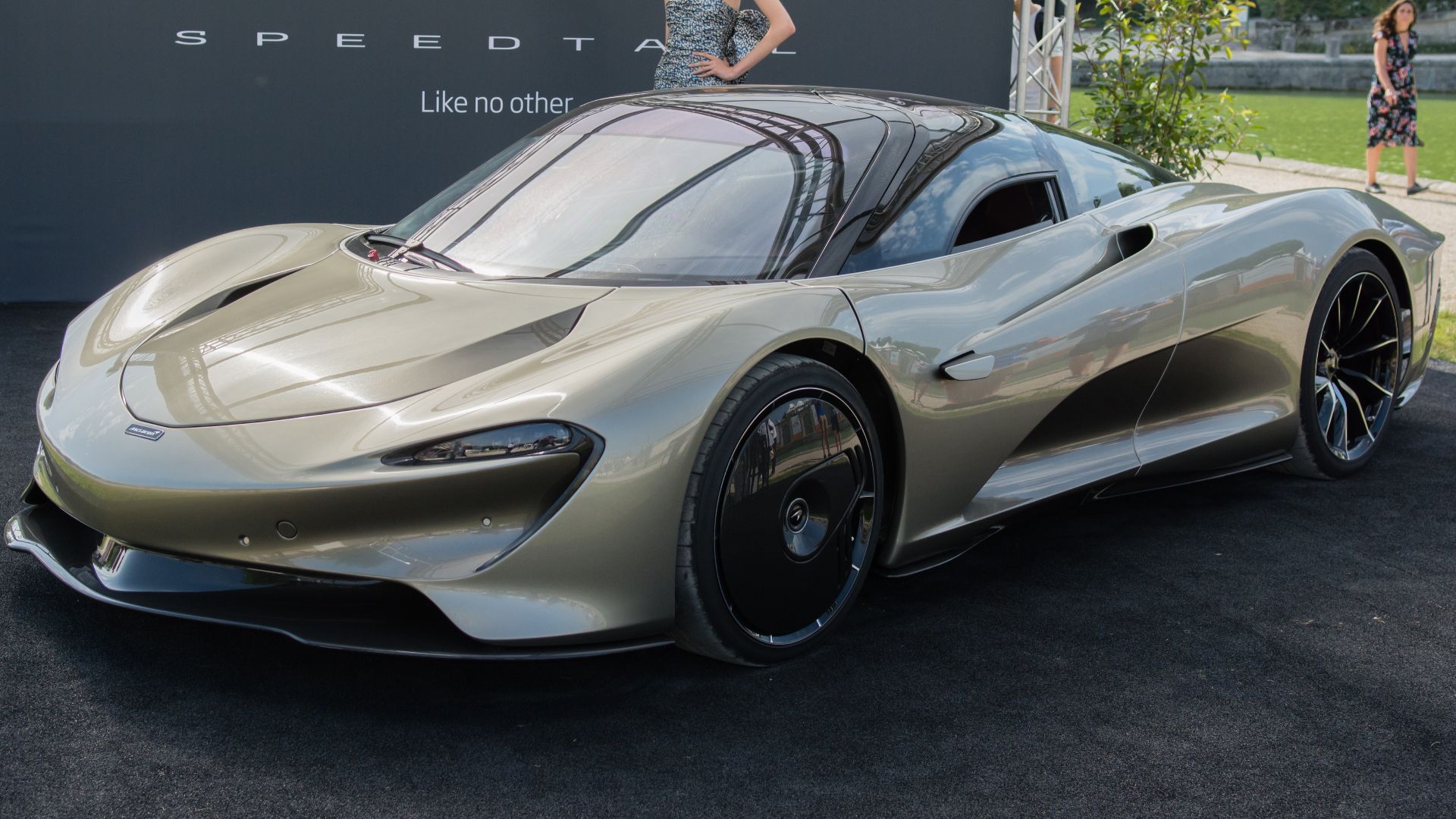
22. McLaren Speedtail (2019)
Hybrid propulsion pairs a 4.0-liter twin-turbo V8 with an electric motor, producing 1,035 hp. During validation, the verified top speed reached 250 mph. Velocity mode also lowers ride height to reduce aerodynamic drag. Production, however, was restricted to 106 homologated units.
 el.guy08_11, Wikimedia Commons
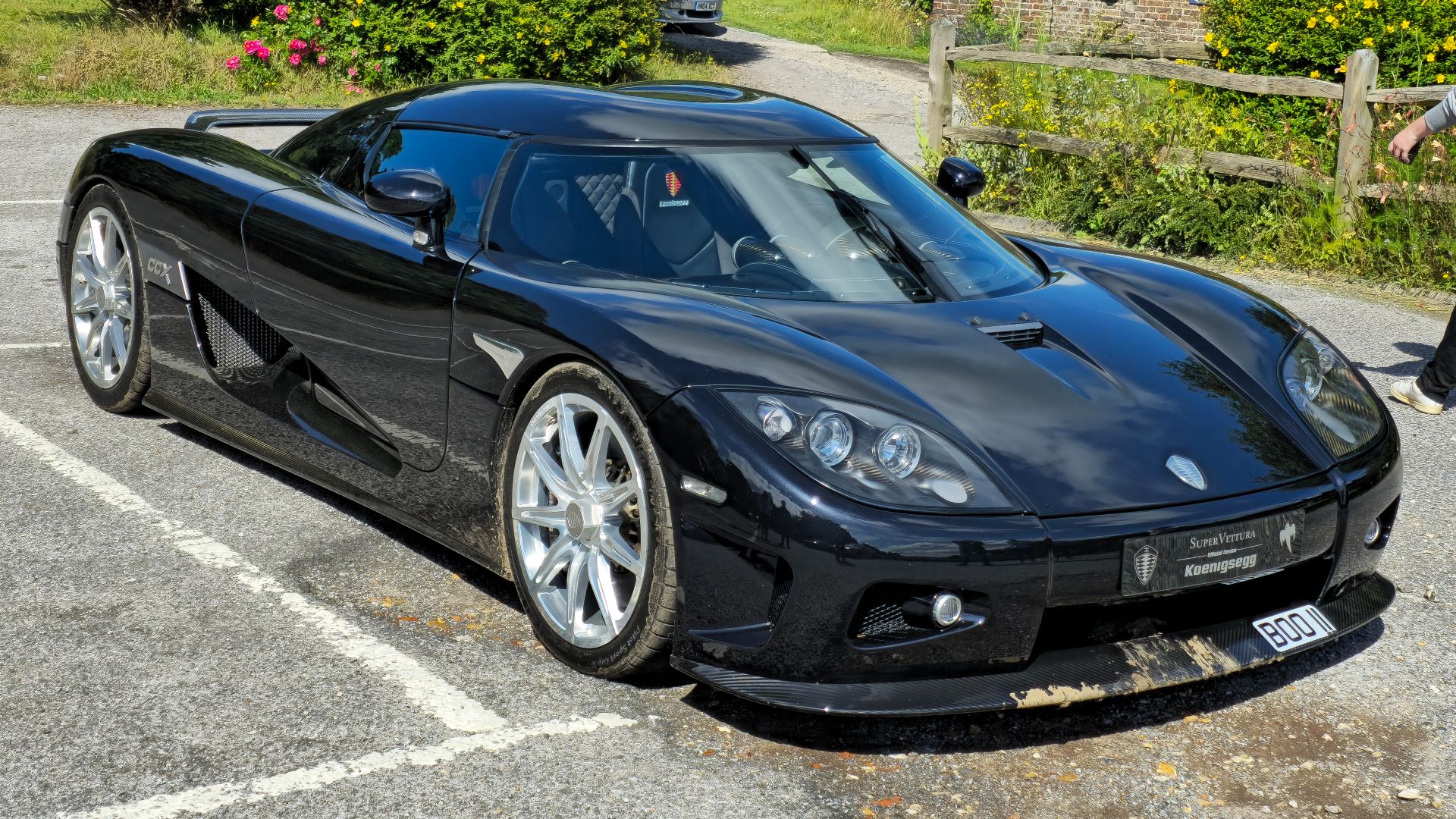
23. Koenigsegg CCX (2006)
Only 29 examples were built, including versions modified for US compliance. A supercharged 4.7-liter V8 delivers 806 hp through a carbon fiber chassis. At full stretch, the car recorded 245 mph under verified conditions. And after surviving a televised crash, the car earned unexpected credibility for its resilience.
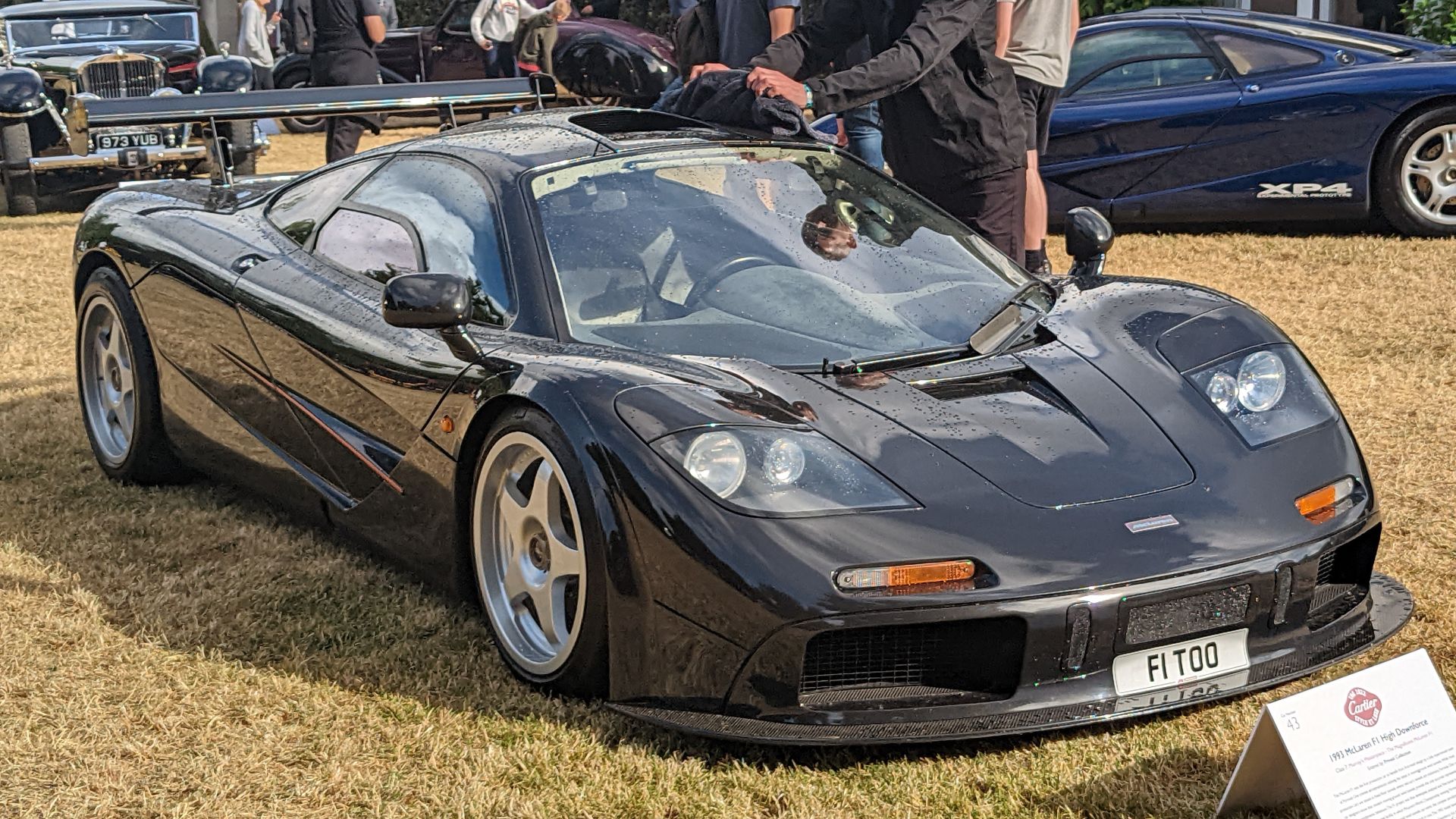
24. McLaren F1 (1992)
Central seating placed the driver at the heart of the machine. A naturally aspirated 6.1-liter V12 produced 627 hp within a gold-lined engine bay. In 1998, verified testing recorded 240.1 mph. Only 106 were built, yet the influence stretched far beyond that number.
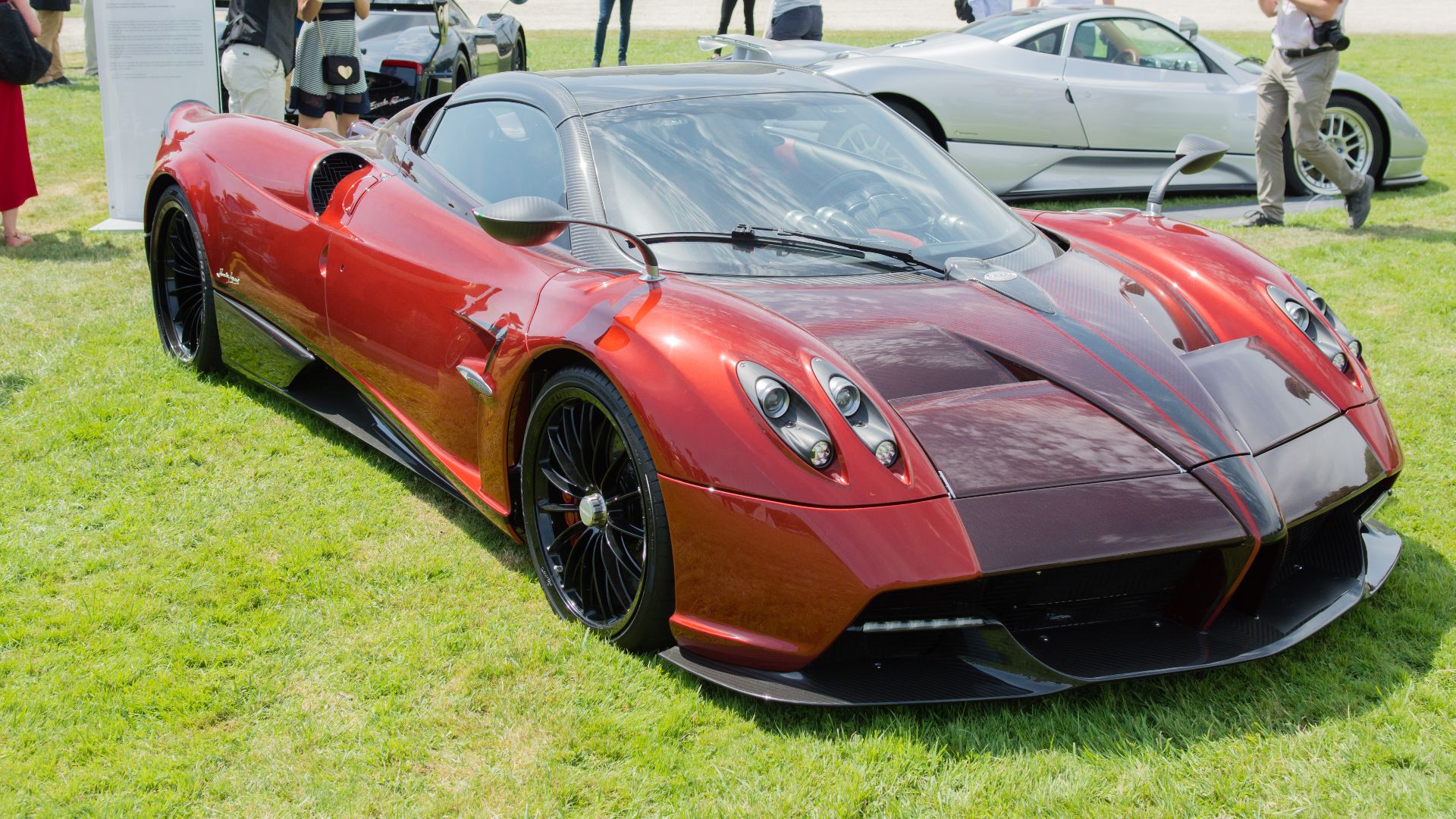
25. Pagani Huayra BC (2016)
Scarcity heightens attention because production stopped at 20 street-legal units. A 791 hp twin turbo V12 works alongside active aerodynamic flaps to maintain control. Verified top speed reaches 238 mph. Naming it after Benny Caiola adds emotional gravity to the numbers.
 el.guy08_11, Wikimedia Commons