When The “Deal” Suddenly Isn’t A Deal
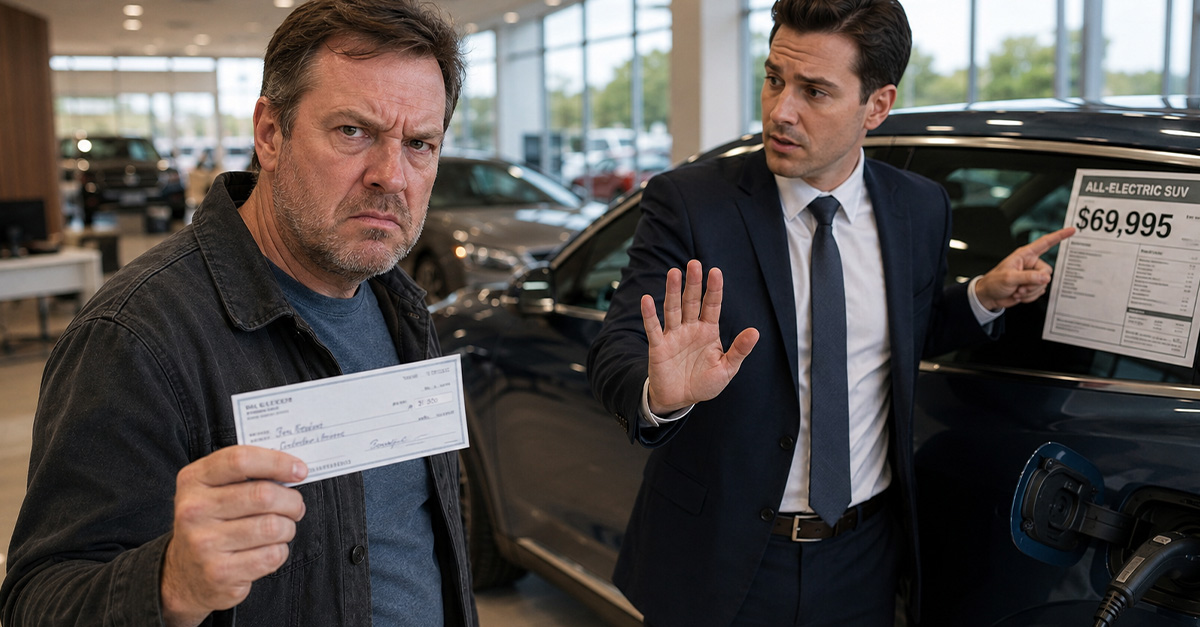
You bought an EV because the numbers finally made sense. The sticker price was scary, but the government incentive made it feel doable. Then the dealership declined to honor the incentive price. Annoying? Absolutely. Hopeless? Not even close.
First, Take A Breath
Before you go full dashboard-camera courtroom drama, pause. Dealership incentive problems can happen for several reasons: confusion, bad training, paperwork mistakes, expired programs, or, yes, shady behavior. Your job is to get organized fast and turn your frustration into evidence.

Figure Out What Kind Of Incentive It Was
Not all EV incentives work the same way. Some are federal tax credits, some are state rebates, some are local utility discounts, and some are dealer-applied offers. The fix depends on which incentive you were promised and whether the dealer was actually responsible for applying it.

Find The Exact Promise
Dig up everything: ads, emails, text messages, screenshots, window stickers, signed worksheets, purchase agreements, and financing documents. If someone at the dealership said, “You’ll get this price,” you want proof of when, where, and how that promise was made.

Check The Fine Print
Yes, the boring stuff matters. Incentives often depend on income limits, vehicle assembly location, battery requirements, lease versus purchase rules, residency, or registration timing. If the dealer refused because you truly did not qualify, that is different from refusing after advertising the discount.

Ask For The Refusal In Writing
Call or email the dealership and ask them to explain, in writing, why they will not honor the incentive price. A vague phone answer helps them. A written explanation helps you. Keep your tone calm, short, and professional. You are building a paper trail.

Do Not Sign Anything New Yet
If the dealer is trying to get you to sign revised paperwork, slow down. Do not sign a new contract, addendum, financing form, or “correction” unless you understand exactly what changed. A rushed signature can make a bad situation much harder to unwind.

Compare The Contract To The Advertisement
Put the original offer beside the final paperwork. Look for differences in sale price, rebates, “dealer discount,” tax credit transfer, down payment, monthly payment, fees, and add-ons. Sometimes the incentive disappears but the monthly payment gets dressed up to look “close enough.”

Watch For The Classic Shell Game
Some dealers advertise a big EV incentive, then raise the vehicle price, add accessories, or stuff the deal with fees. The final number may look similar, but the buyer loses the benefit. Incentives should reduce your cost, not become dealership confetti.

Ask For The Sales Manager
Start with the salesperson, but do not stop there. Ask for the sales manager or general manager. Explain the issue clearly: “I agreed to this deal because this incentive was included. The dealership is now refusing to honor that price. I need this corrected.”

Put Your Complaint In One Clean Email
Write one clear email with the vehicle, VIN, purchase date, promised incentive, agreed price, final price, and the problem. Attach your evidence. Avoid insults, threats, or dramatic punctuation. The calmer your message sounds, the harder it is to dismiss.

Give Them A Specific Fix
Do not just say, “Make this right.” Say what you want. Maybe it is the original incentive price, a corrected contract, a refund, a rebate application, or cancellation of the deal if allowed. A specific request gives the dealership less room to dance around the issue.

Contact The Automaker
If the dealership will not help, go above them. Automakers care about dealer conduct, especially when EV pricing and incentives are involved. Contact the manufacturer’s customer care line and provide the same evidence. A call from corporate can make a dealership suddenly remember customer service.

Check Your State EV Program
If the incentive was state-based, contact the agency running the program. They can tell you whether the vehicle, buyer, and dealer qualified. They may also confirm whether the dealer was enrolled or allowed to apply the incentive at the point of sale.
Check The Federal Rules Too
For federal EV tax incentives, rules can be picky. Some credits are claimed later on taxes, while others may be transferred at purchase if everything qualifies. Make sure you understand whether the dealer was supposed to reduce the price immediately or simply explain a future tax credit.

Look At Your Buyer’s Order
The buyer’s order is the dealership receipt of truth. It usually lists the vehicle price, taxes, fees, discounts, rebates, trade-in, and total amount financed. If the promised incentive is missing, mislabeled, or replaced with a smaller discount, mark it clearly.

Beware Of “You’ll Get It Later”
Dealers sometimes say, “Don’t worry, you’ll get the incentive later.” Maybe true. Maybe not. Get specifics. Who pays it? When? Through what agency? What form is required? What happens if you are denied? A shrug is not a financial plan.

If You Already Took Delivery
If the car is already in your driveway, you still have options. Your contract, state consumer protection rules, and dealer policies matter. Some issues can be corrected with refund checks or amended documents. Others may require a formal complaint or legal advice.
If You Have Not Taken Delivery
You may have more leverage if you have not accepted the car yet. Tell the dealership you will not complete delivery until the incentive issue is resolved in writing. Once you drive away, the dealership may feel less pressure to fix the problem quickly.

File A Complaint With The State
Most states have a motor vehicle dealer board, attorney general consumer protection office, or department that handles auto sales complaints. Send them a clean timeline and copies of your documents. Government agencies love organized paperwork almost as much as dealers hate it.

Consider A Credit Card Or Bank Dispute
If you paid a deposit and the dealer misrepresented the price, you may be able to dispute the charge through your credit card company or bank. This is not guaranteed, but it can help when the dealership refuses to refund money tied to a broken deal.

Talk To A Consumer Attorney
If the dollar amount is large, the dealer refuses to respond, or you think the paperwork was deceptive, speak with a consumer protection or auto fraud attorney. Many offer consultations. Some laws may allow fee recovery, which means the dealer could end up paying more than the incentive.

Keep Driving Emotions Out Of It
You can be angry. You just do not want to sound angry in writing. Think of yourself as the calm person holding receipts while everyone else explains why the math “changed.” That is a powerful position, especially if the dealer’s story keeps shifting.

Know When To Walk Away
If the dealer will not honor the deal and you have not completed the purchase, walking away may be the smartest move. A dealership that plays games before delivery may not become your best friend after the sale. There are other EVs and other stores.

Protect Yourself Next Time
Before buying any incentive-heavy vehicle, ask the dealer to show the discount on the buyer’s order before you sign. Confirm whether it is a rebate, tax credit, dealer discount, or future claim. If it is not written clearly, it does not exist clearly.

The Big Lesson
EV incentives can be fantastic, but they are not magic. They live inside paperwork, deadlines, eligibility rules, and dealer systems. When a dealership refuses to honor an incentive price, your best tools are documentation, written communication, patience, and escalation.

The Road Ahead
You bought an EV to save money, not to star in a dealership mystery thriller. Gather your proof, demand a written answer, escalate smartly, and get help if needed. Whether the fix is a corrected price, refund, complaint, or walk-away, you still have moves.

You May Also Like:
My daughter got into an accident in my car, and now I’m being sued. Do I have any recourse?
My new car came with a subscription fee to use remote start. Are automakers really doing this now?