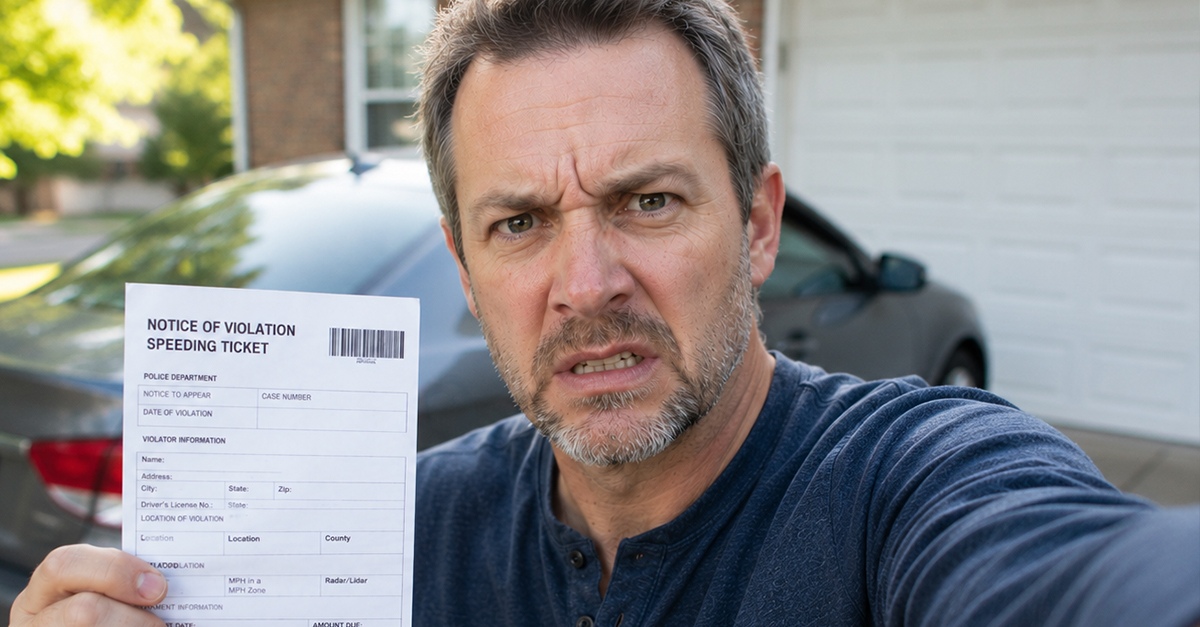
The Shock Of Getting A Ticket In The Mail
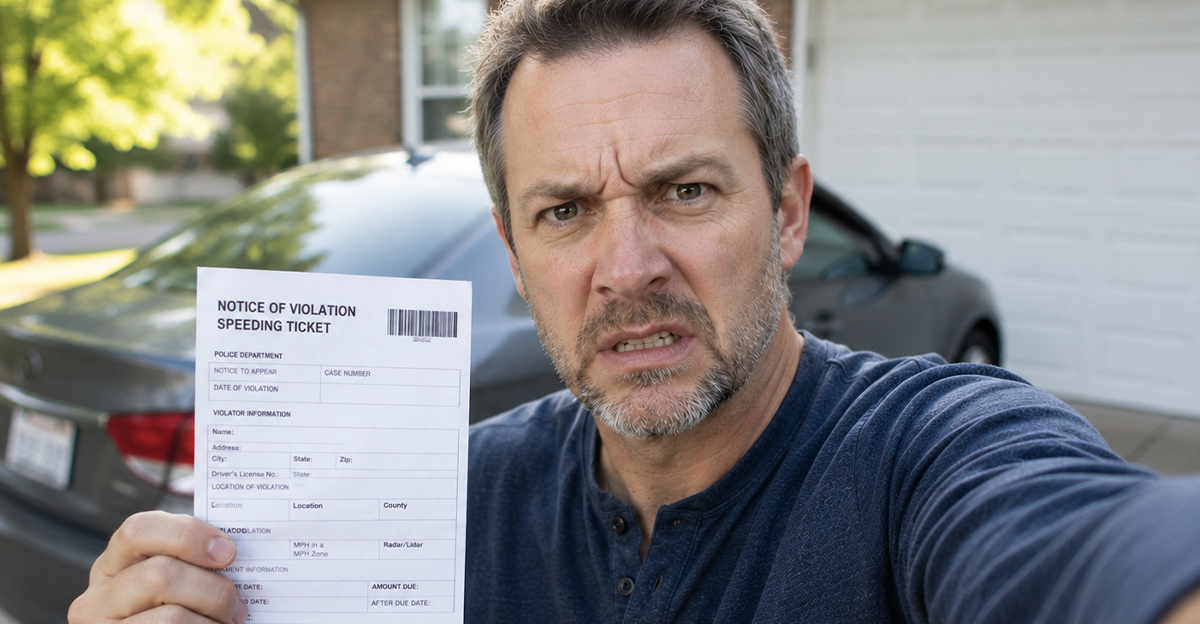
You’re driving normally, days pass, and then a ticket arrives from a traffic camera you never noticed. Many drivers immediately wonder if the fine is even valid, especially if there were no warning signs nearby. It feels frustrating, confusing, and sometimes unfair. Still, whether you can beat the ticket depends on local laws, not just the surprise factor.
Camera Enforcement Laws Differ By State And Province
Traffic camera rules vary dramatically depending on where the violation happened. Some jurisdictions require warning signs before automated enforcement zones, while others do not. In places where signage is legally required, missing signs can sometimes become part of a defense. Elsewhere, the absence of signs may not matter at all.

Not Every Camera Needs A Warning Sign
A lot of drivers assume cameras must always be marked. That’s not universally true. Some cities place visible signs near red-light or speed cameras to encourage safer driving, while others legally operate cameras without prominent warnings. Courts often focus more on whether the camera program itself was authorized properly.
 Xayriddin Baxromxo'jayev, Pexels
Check The Exact Law In Your Area First
Before paying or fighting the ticket, look up the local statute or municipal bylaw covering automated traffic enforcement. Some laws specifically mention signage requirements, calibration standards, or mailing deadlines. If the agency failed to follow one of those rules, you may have grounds to challenge the citation.

Timing Can Matter More Than The Sign
Many automated enforcement systems have strict timelines. Authorities often must mail the citation within a certain number of days after the alleged violation. If the notice arrived late, that procedural mistake could help your case more than arguing you never saw a sign or camera in the first place.

Review The Photos Carefully
Most camera tickets include photos or video evidence. Study them closely. Drivers occasionally discover blurry plates, incorrect timestamps, obstructed views, or even another vehicle triggering the violation. If the evidence doesn’t clearly identify your car or the offense, that weakness may support a challenge.
Calibration Records Can Become Important
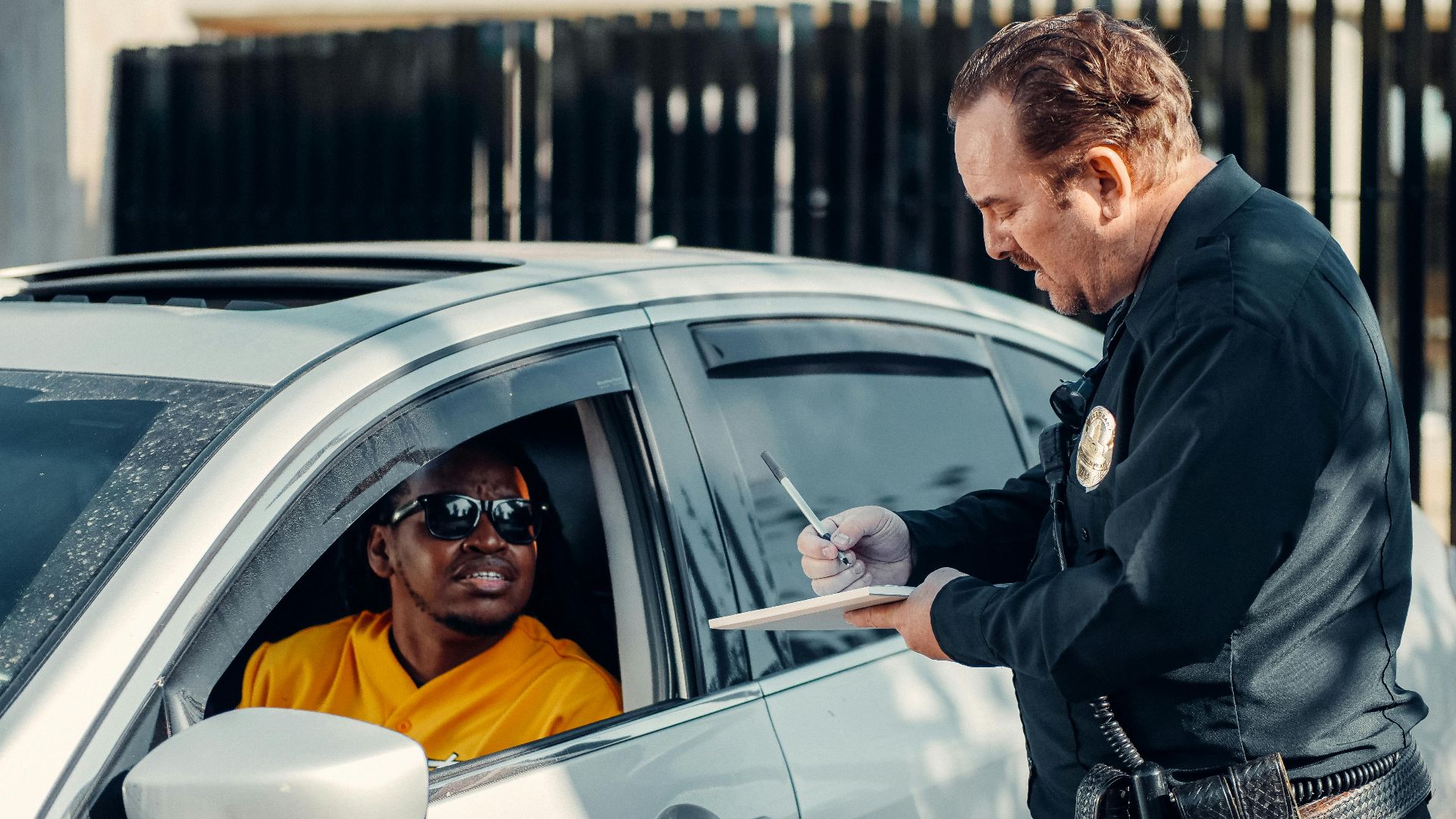
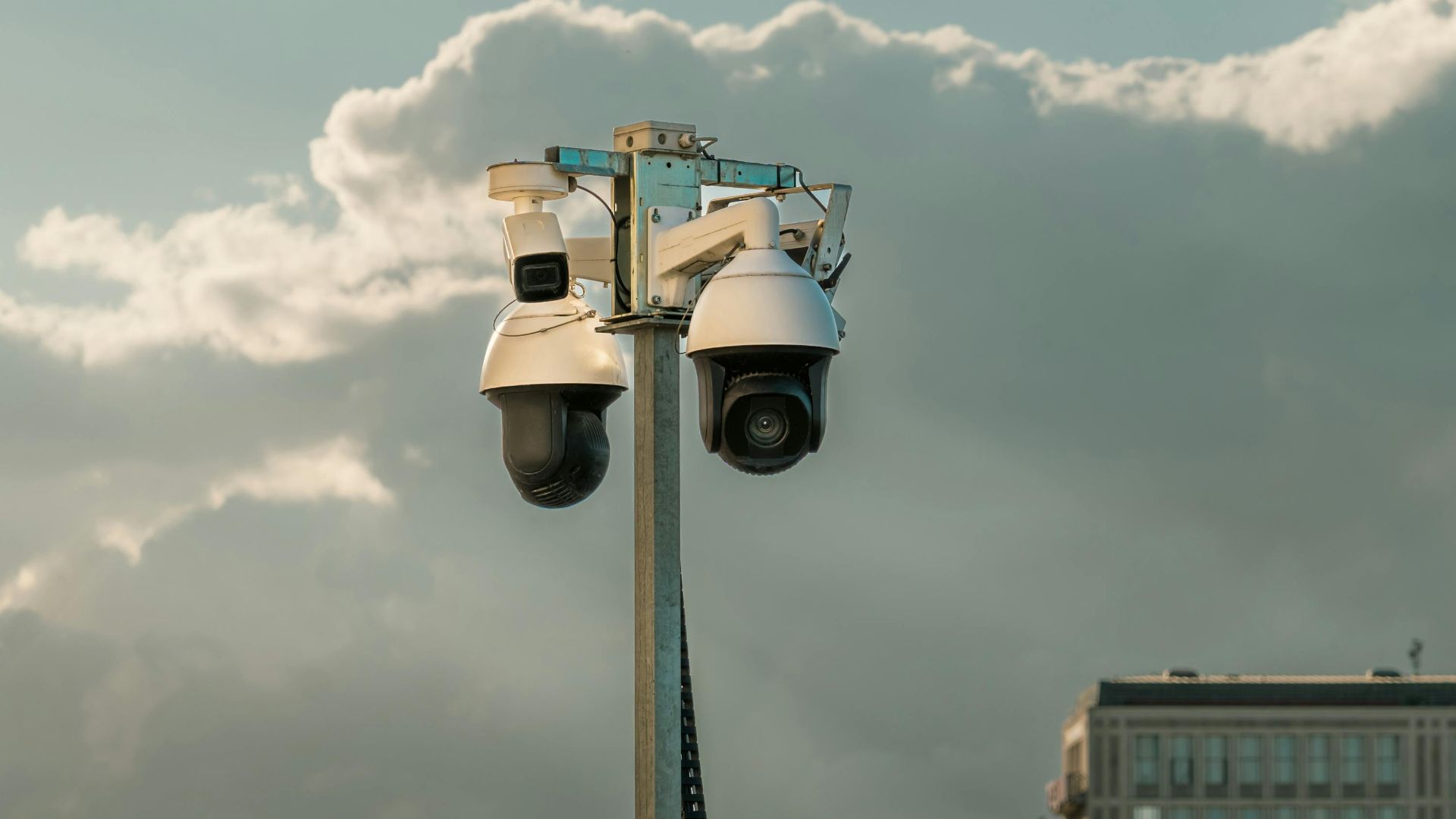
Traffic cameras and radar systems require regular testing and calibration. Some courts allow drivers to request maintenance and inspection records. If the equipment wasn’t properly maintained or certified according to local requirements, the ticket’s reliability may be questioned during an appeal or hearing.
 Georg Arthur Pflueger, Unsplash
Red-Light Cameras And Speed Cameras Work Differently
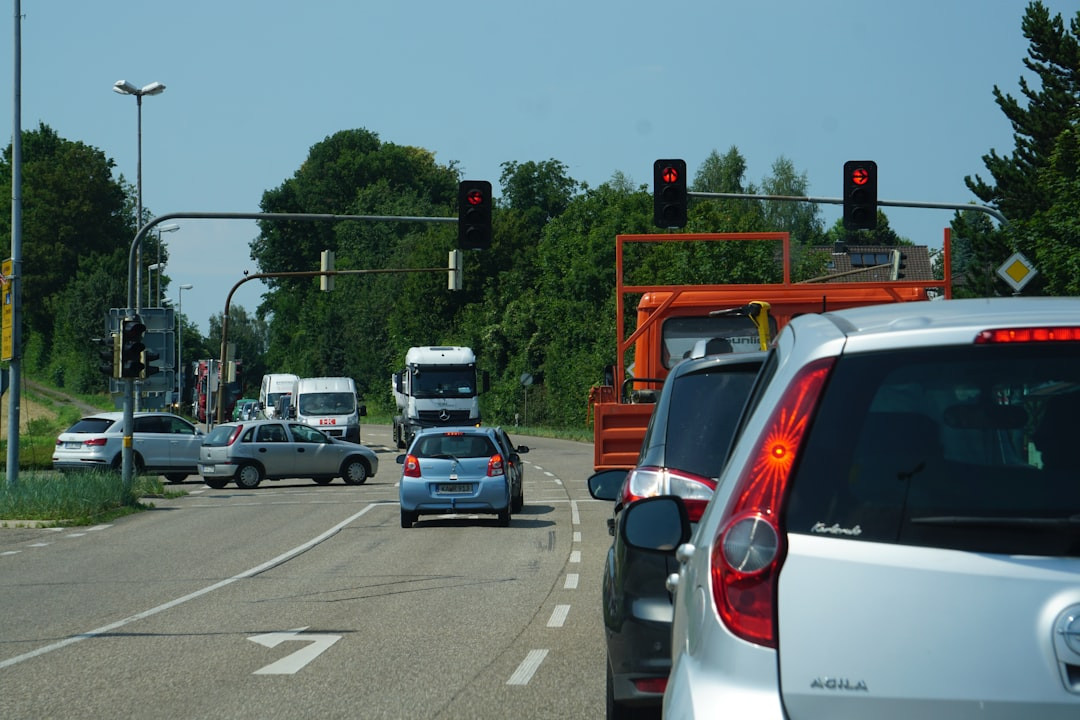
The legal standards often differ between red-light cameras and speed enforcement cameras. Red-light systems usually capture multiple images showing a vehicle entering an intersection after the light changes. Speed cameras rely on radar or laser measurements, which may open different technical arguments for challenging the citation.
Some Tickets Target The Vehicle, Not The Driver
In many places, automated camera tickets are treated as civil penalties against the registered vehicle owner instead of criminal driving offenses. That distinction matters because the penalties may avoid demerit points or insurance consequences. Still, the owner usually remains responsible for paying unless exemptions apply.

The Missing Sign Argument Sometimes Works
If local law explicitly requires warning signs near traffic cameras, documenting missing signage could strengthen your defense. Photos of the area, dashcam footage, or witness statements may help. However, judges generally expect proof that signage requirements were legally mandatory—not just that drivers would have preferred a warning.

Construction Zones Often Have Different Rules
Automated enforcement frequently appears in school or construction zones where governments argue safety concerns justify stricter enforcement. These areas may have special signage laws or reduced speed limits that activate only during certain hours. Carefully confirm whether the ticket correctly reflects the zone’s timing and conditions.
Administrative Errors Happen More Than You Think
Sometimes the problem isn’t the camera at all. Incorrect license plate numbers, wrong vehicle descriptions, inaccurate locations, or clerical mistakes can appear on citations. Even small errors may matter if they create uncertainty about the validity of the ticket or the identity of the vehicle involved.

Ignoring The Ticket Usually Makes Things Worse
Even if you believe the ticket is unfair, ignoring it can lead to late fees, collections, registration issues, or court complications depending on local rules. Most jurisdictions provide a formal process for disputing camera citations. Using that process is far safer than simply hoping the matter disappears.

Requesting A Hearing Can Buy You Time
If you decide to fight the ticket, requesting a hearing usually pauses immediate penalties while the case is reviewed. Some drivers succeed because agencies fail to provide proper evidence or documentation at the hearing. Others negotiate reduced penalties even when the original violation remains technically valid.

Judges Often Care About Procedure
Traffic court judges frequently focus less on emotional fairness and more on whether enforcement agencies followed the law correctly. That means procedural issues—like notice deadlines, equipment certification, or missing legally required signs—can carry more weight than simply arguing the camera felt hidden or sneaky.

Privacy Challenges Rarely Succeed
Some drivers try arguing that traffic cameras violate privacy rights. Courts in both the United States and Canada have generally rejected broad privacy objections because roads are considered public spaces. Successful challenges usually rely on technical or procedural flaws rather than constitutional privacy arguments.
Insurance Consequences Depend On Jurisdiction
Many camera tickets do not affect insurance rates because they’re issued against the vehicle owner rather than tied directly to a driving record. However, that’s not guaranteed everywhere. Before assuming the ticket is harmless, check whether local insurers or licensing authorities treat camera citations differently.

Lawyers May Help In Complex Cases
Hiring a traffic lawyer might make sense if the penalties are severe, your license is at risk, or the ticket involves commercial driving. Lawyers familiar with local courts often know whether certain camera systems, municipalities, or procedures have a history of legal problems worth challenging.

Sometimes Paying Is The Cheapest Option
Fighting a ticket takes time and sometimes court costs. If the fine is small and the consequences minimal, some drivers decide it’s easier to pay and move on. Others feel strongly about challenging questionable enforcement practices. The right decision often depends on the potential long-term impact.

The Best Defense Is Documentation
If you believe the ticket was improperly issued, gather everything possible: photographs, GPS data, dashcam footage, witness statements, and copies of local laws. Organized evidence gives you a far stronger chance than relying on memory alone. A calm, factual presentation usually works better than anger in court.

To Fight It...Or Not To Fight It...
Getting a camera ticket from a location with no visible sign can absolutely feel unfair. In some places, missing signage may help you contest the citation, but only if local law actually requires those warnings. The smartest move is to verify the rules quickly, review the evidence carefully, and respond before deadlines pass.

You May Also Like:
Four Of The Deadliest Roads In The World
The Most Expensive Cars Ever Made