That Ticket Just Got More Expensive
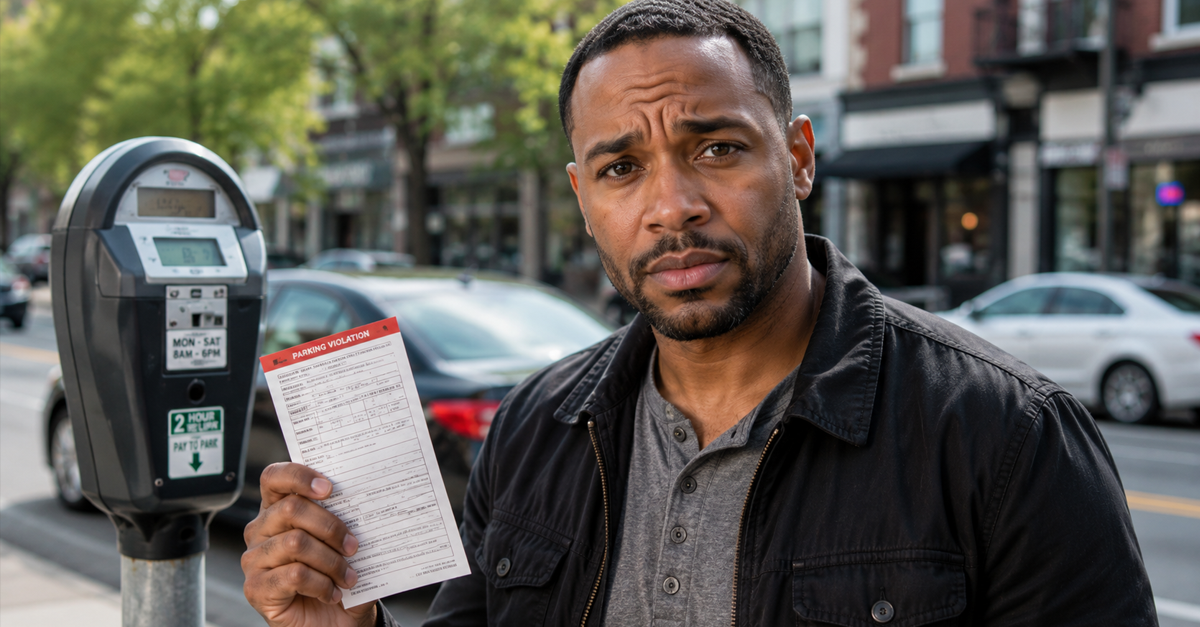
You thought you were doing the right thing by disputing your parking ticket. Then the appeal was denied, and suddenly the fine is higher than when you started. That situation frustrates drivers every day across North America. The good news is that those extra fees usually follow specific rules, and you may still have a few options to fight back or reduce the damage.
Why Parking Ticket Costs Often Increase
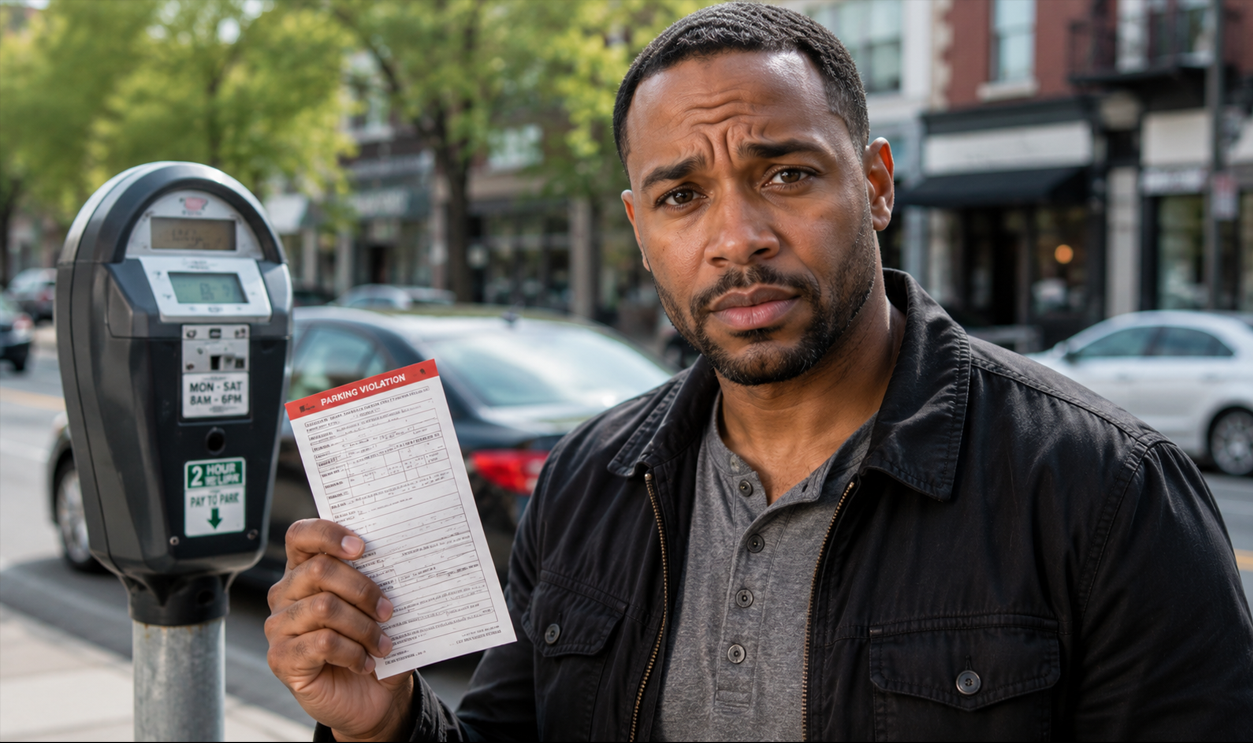
Most cities and parking authorities attach deadlines to every citation. If the ticket is not paid or formally resolved by a certain date, late penalties can kick in automatically. Those penalties can apply even while a dispute is being reviewed in some jurisdictions. The exact rules depend on the city, province, or state that issued the ticket.

The Appeal Process Does Not Always Pause The Clock
Many drivers assume an appeal freezes the original fine amount. That is not always true. Some agencies only pause penalties if the dispute is filed within a specific time window. If you miss that deadline by even a day, the higher balance may still apply after the denial.
Timing Matters More Than Most Drivers Realize
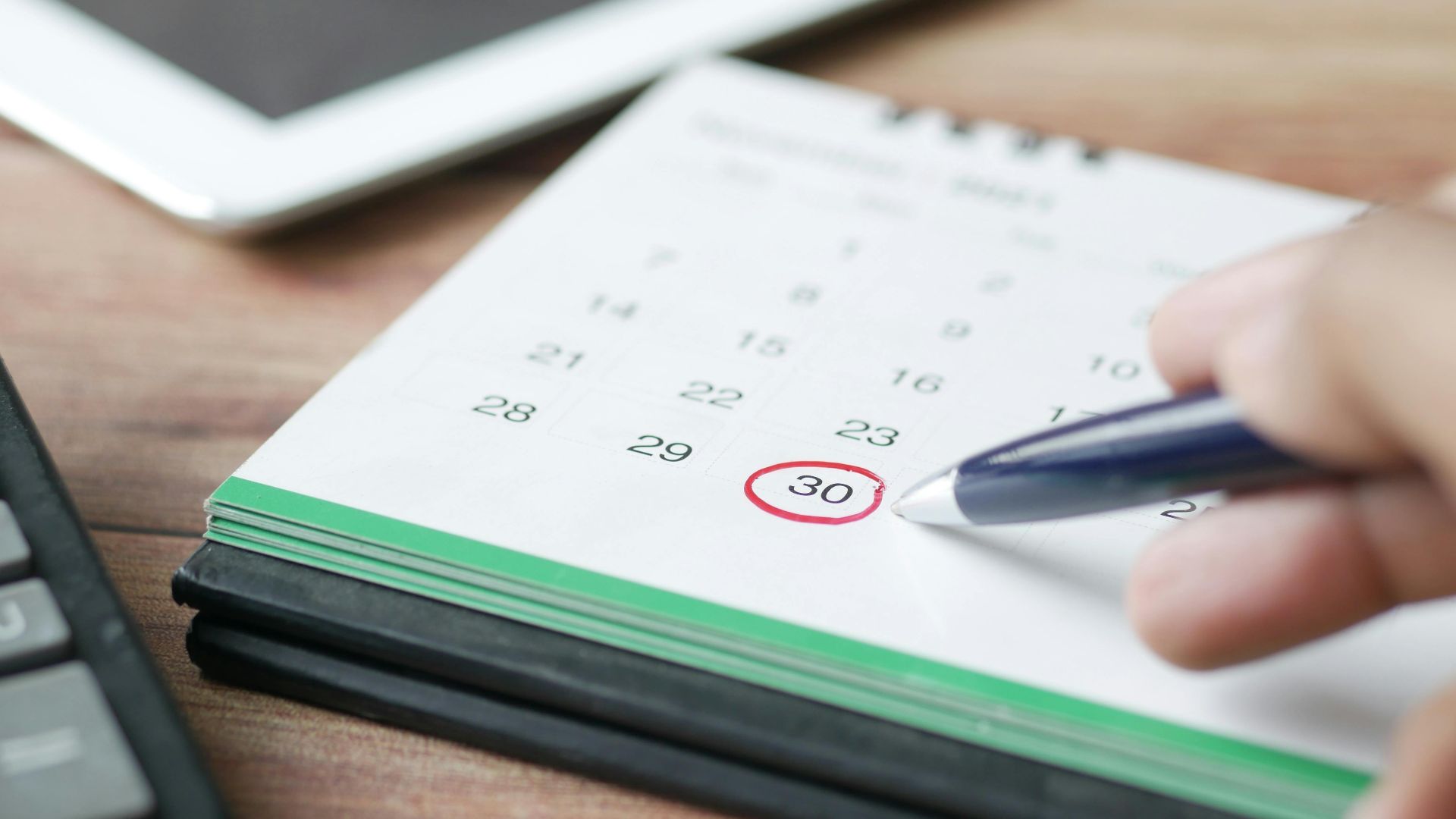
In New York City, drivers must request a hearing within 30 days to avoid late penalties. If the hearing request comes after that deadline, penalties may still be added if the driver loses the case. Similar rules exist in many large cities. This is why responding quickly after getting a ticket is so important.
A Denied Appeal Usually Means The Original Violation Stands
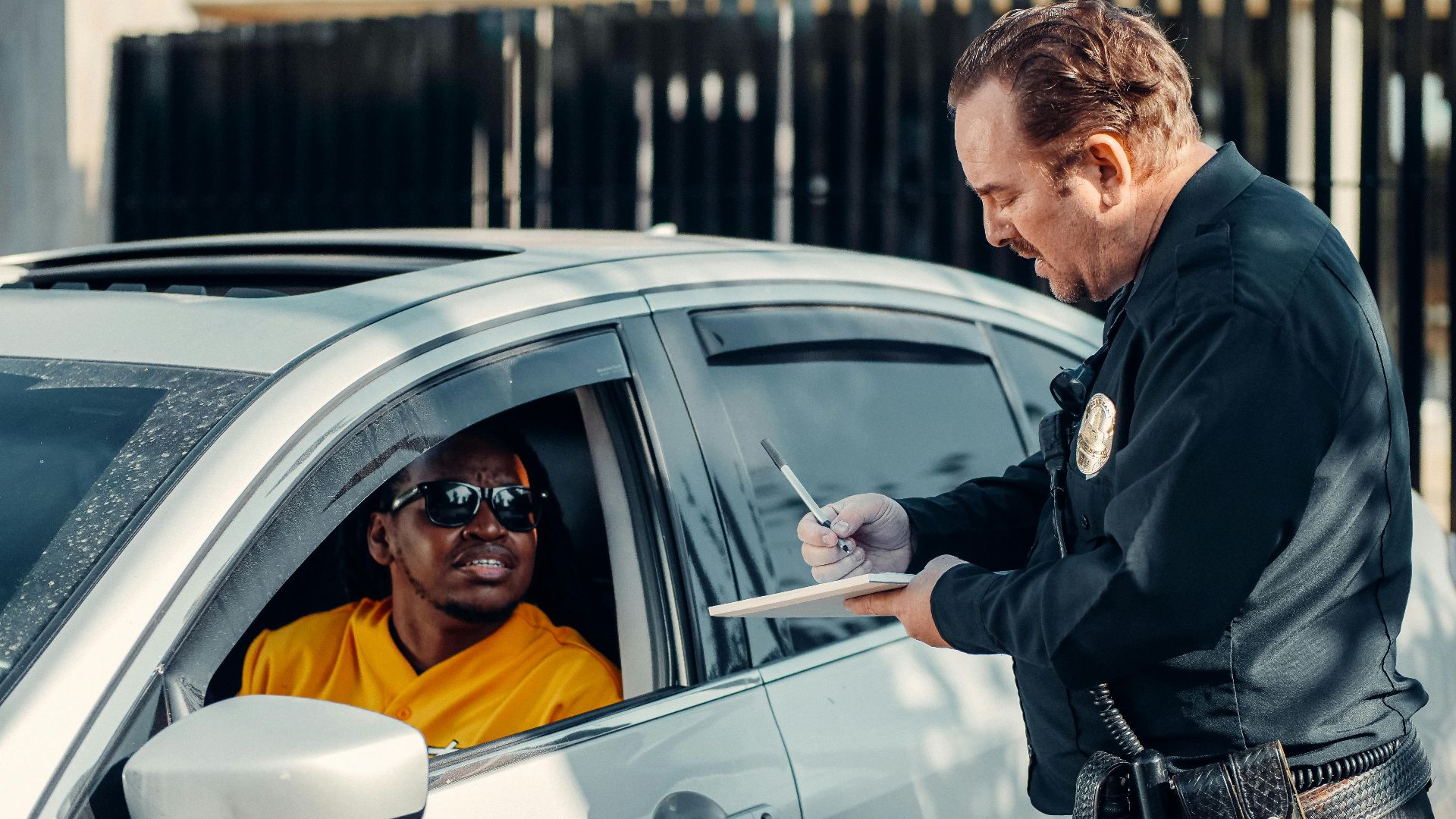
When an appeal is denied, the parking authority is essentially saying the citation was valid. At that point, the agency can often collect the original fine plus any applicable penalties. Drivers are usually expected to pay the full updated amount. Ignoring it can lead to additional consequences.
Late Fees Can Add Up Fast
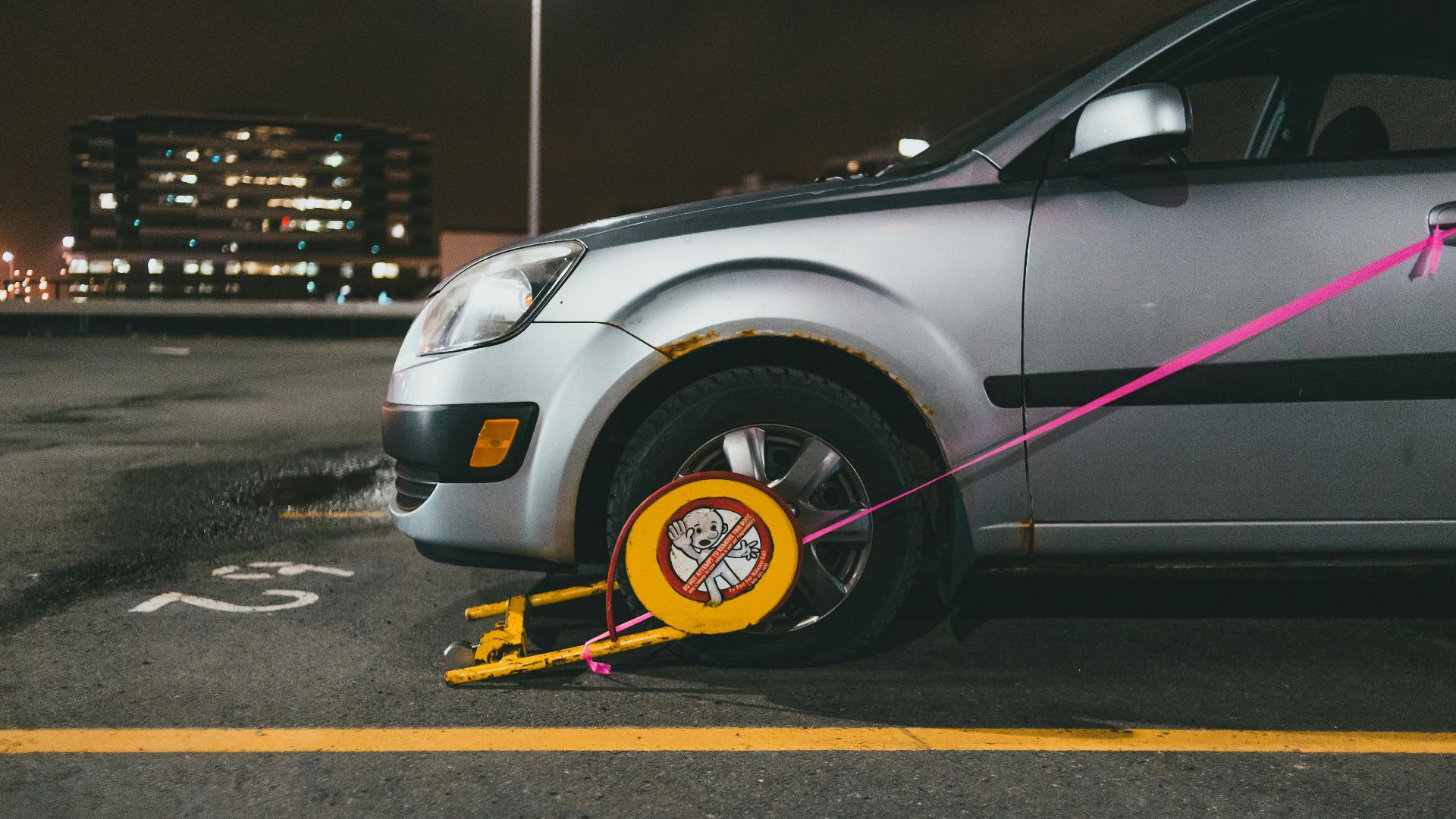
Some cities add flat penalties, while others charge escalating amounts over time. A $50 ticket can quickly become $80 or even more after collection fees and administrative costs. In private parking situations, the increase can be even steeper. Those extra charges are often spelled out in the original notice.

Private Parking Tickets Work Differently
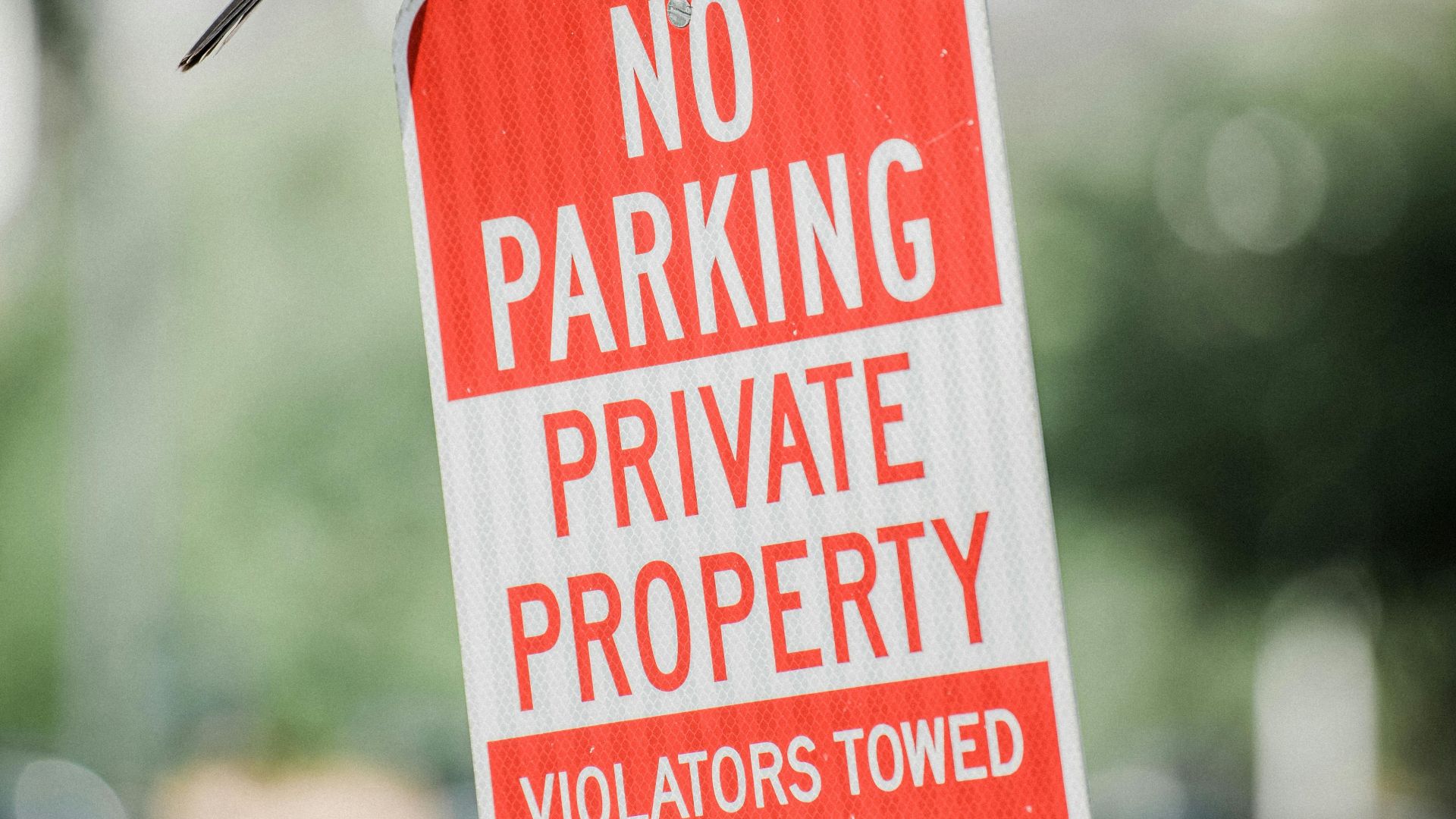
Tickets issued by private parking companies are not the same as city-issued citations. They are generally treated as contractual claims instead of government fines. However, private operators can still pursue collection efforts or legal action in some cases. Drivers should read the notice carefully to understand who issued the ticket.
Government Tickets Usually Carry More Serious Consequences
Municipal parking tickets can affect vehicle registration renewals in some areas. In Ontario, unpaid parking fines can eventually be tied to license plate renewals through the Ministry of Transportation. That means ignoring the bill can create bigger headaches later. It is one reason experts recommend dealing with tickets promptly.

Many Drivers Feel Blindsided By Added Penalties
A common complaint is that drivers do not realize the fine increased during the appeal process. Some people assume the case is on hold while it is reviewed. Others miss mailed notices or emails explaining the updated balance. Unfortunately, parking agencies often consider those notices legally sufficient.

You Still Have The Right To Ask Questions
If your appeal was denied and the fine increased, contact the issuing authority directly. Ask whether penalties were properly applied and whether any grace period exists. Some agencies will explain the timeline and fee structure in detail. Others may even reduce penalties if there was a processing delay or communication issue.

Documentation Can Still Help You
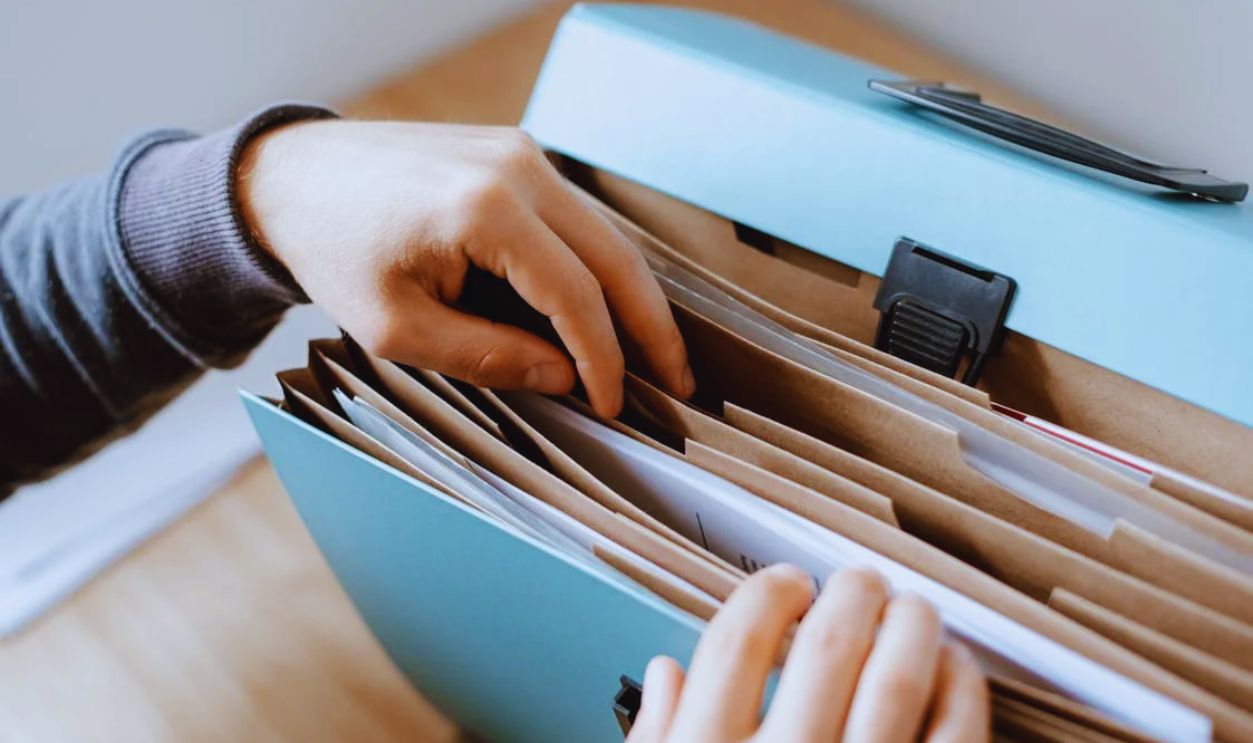
Keep copies of every email, screenshot, letter, and receipt connected to the dispute. If you submitted your appeal before the deadline, proof matters. Administrative errors do happen. Clear documentation can help if you need to challenge the added fees later.
Some Jurisdictions Offer A Second Level Of Appeal
A denied first appeal does not always end the process. Certain states and cities allow drivers to request a higher administrative review or court hearing. California, for example, has multiple review levels for parking citations. Those appeals often have strict filing deadlines.

Court Appeals Can Cost Money Too
Drivers sometimes discover that appealing further involves filing fees or court costs. In California, some court parking citation appeals include filing fees. That means you need to weigh the potential savings against the cost of continuing the fight. For smaller fines, it may not be worth it financially.

Financial Hardship Rules May Apply
Some jurisdictions offer reduced penalties or hardship programs for low-income drivers. California law includes procedures for indigent individuals seeking hearings without paying upfront penalties. Cities occasionally introduce amnesty programs as well. It never hurts to ask about payment assistance.

Collection Agencies May Eventually Get Involved
If unpaid parking tickets sit long enough, some agencies send the debt to collections. That can increase the total owed even more. Private parking companies are especially aggressive in some cases. Collection notices tend to escalate quickly once outside agencies become involved.

Parking Tickets Usually Do Not Affect Insurance
One small piece of good news is that ordinary parking tickets typically do not impact insurance rates. They are generally considered civil violations rather than moving offenses. That means your insurer probably will not care about a parking citation. The financial damage mostly comes from penalties and collections.

Drivers Often Win Appeals With Strong Evidence
Photos, receipts, broken meter reports, and timestamped records can strengthen an appeal significantly. Many successful disputes come down to proving unclear signage or faulty equipment. The stronger your evidence, the better your chances. Vague complaints rarely work on their own.
Signage Problems Are A Common Defense
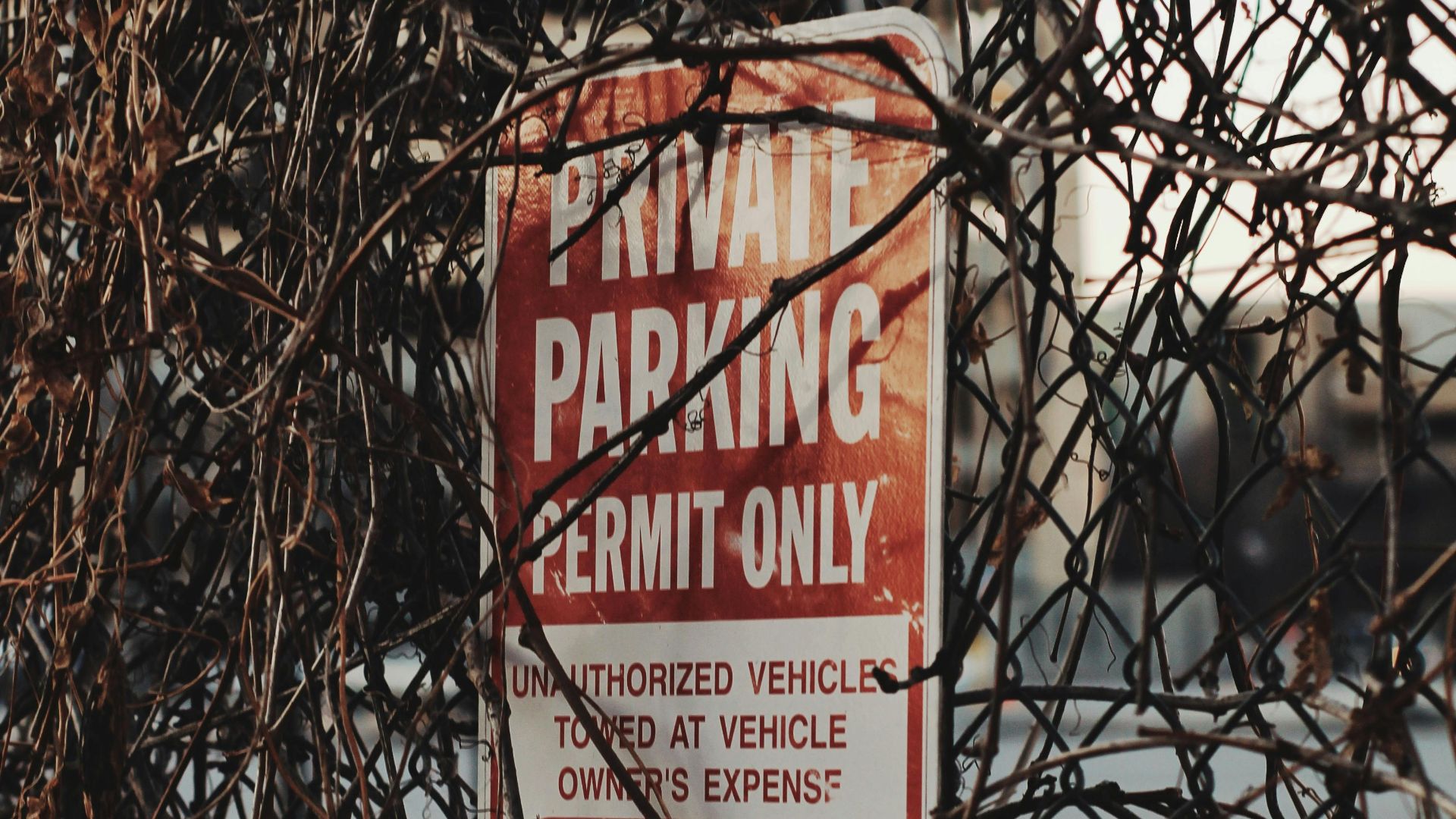
Unclear or missing signs are among the most common reasons drivers challenge parking tickets. If the restriction was difficult to read or blocked from view, document it immediately. Parking authorities may reconsider if the signage truly failed to meet standards. Photos taken right away are especially valuable.
Technology Errors Create More Disputes Than Ever
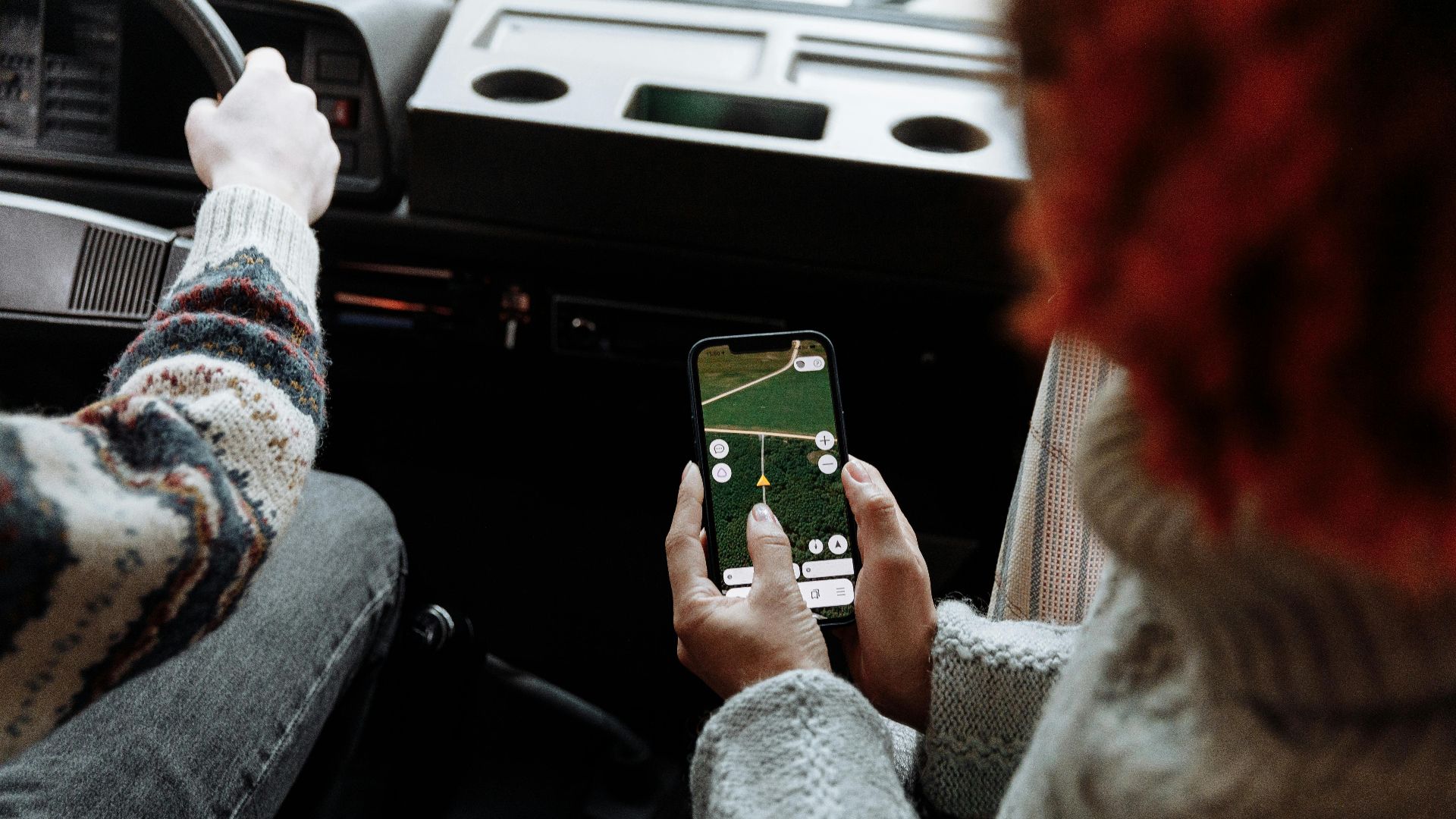
Parking apps and digital kiosks have introduced new problems for drivers. Typing a plate number incorrectly or dealing with a glitchy payment system can trigger fines even after payment. Several reported cases have involved drivers proving they tried to pay properly. Unfortunately, appeals are not always approved immediately.
Some Drivers Choose To Pay Quickly Instead
Many tickets offer reduced penalties for early payment. Filing an appeal can sometimes put that discount at risk if the challenge fails. Drivers need to decide whether the evidence is strong enough to justify the gamble. In borderline situations, paying early may save money overall.

Do Not Ignore Official Notices
It is easy to shove a parking ticket into a glove box and forget about it. That approach usually backfires. Additional notices can lead to late fees, registration holds, or legal collection actions. Staying organized is one of the simplest ways to avoid unnecessary costs.
Email And Mail Delays Can Complicate Things
Drivers occasionally claim they never received notice that an appeal was denied. That can create confusion when penalties suddenly appear. Courts and agencies often rely on the fact that the notice was sent, not necessarily received. Keeping track of your case online is often safer than waiting for paper mail alone.

Some Cities Offer Online Case Tracking
Many modern parking systems let drivers check citation status online. You can often see whether the appeal is pending, denied, or overdue. Checking regularly can help prevent surprise penalties. It also creates a timeline you can reference later.

Negotiation Is Sometimes Possible
Not every parking office is rigid. Some drivers successfully request reduced late fees, especially if they acted in good faith. Calm communication works better than anger. A respectful phone call or written explanation may occasionally lead to flexibility.

The Cheapest Option Is Usually Fast Action
Whether you plan to pay or dispute the ticket, quick action matters. Waiting almost always increases the cost and reduces your options. Parking systems are designed around strict timelines. Drivers who respond early usually have the best outcomes.

Read The Fine Print Before Filing An Appeal
The back of the citation often explains exactly what happens during disputes. That includes whether penalties continue accumulating. Most drivers never read those details closely. Doing so can prevent unpleasant surprises later.

Every Jurisdiction Handles Tickets Differently
Parking laws vary widely across cities, states, and provinces. A rule that applies in Los Angeles may not apply in Toronto or New York. Drivers should rely on local government guidance whenever possible. Assumptions based on another city can lead to mistakes.

So Do You Really Have To Pay The Higher Fee?
In many cases, yes. If the appeal was denied and the penalties were added according to local rules, the updated balance is usually enforceable. However, you may still have grounds to challenge the increase if deadlines were misapplied or notices were mishandled. The key is acting quickly and keeping detailed records.

You May Also Like: