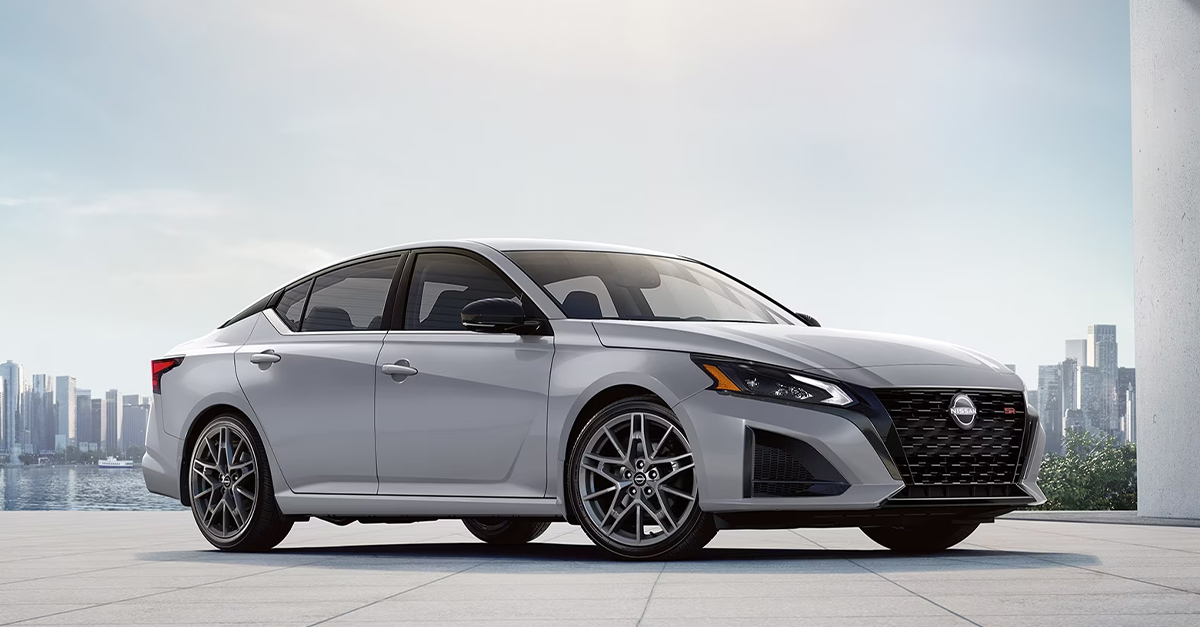
Are You In The Market For A New Car? Most Of Us Aren't
Research backing the “keep it longer” trend is piling up: S&P Global Mobility reports the average age of U.S. light vehicles has climbed to 12.8 years (their latest annual analysis). At the same time, Edmunds reports 2024’s average new-vehicle transaction price was $47,465—up sharply versus 2019. The Kelley Blue Book shows new-vehicle transaction prices have pushed even higher at points in 2025, surpassing $50,000 in at least one monthly report. Layer on elevated borrowing costs—tracked publicly through the St. Louis Fed’s FRED auto-loan rate series—and the math starts explaining itself: people aren’t suddenly sentimental about their old cars; they’re financially cornered.
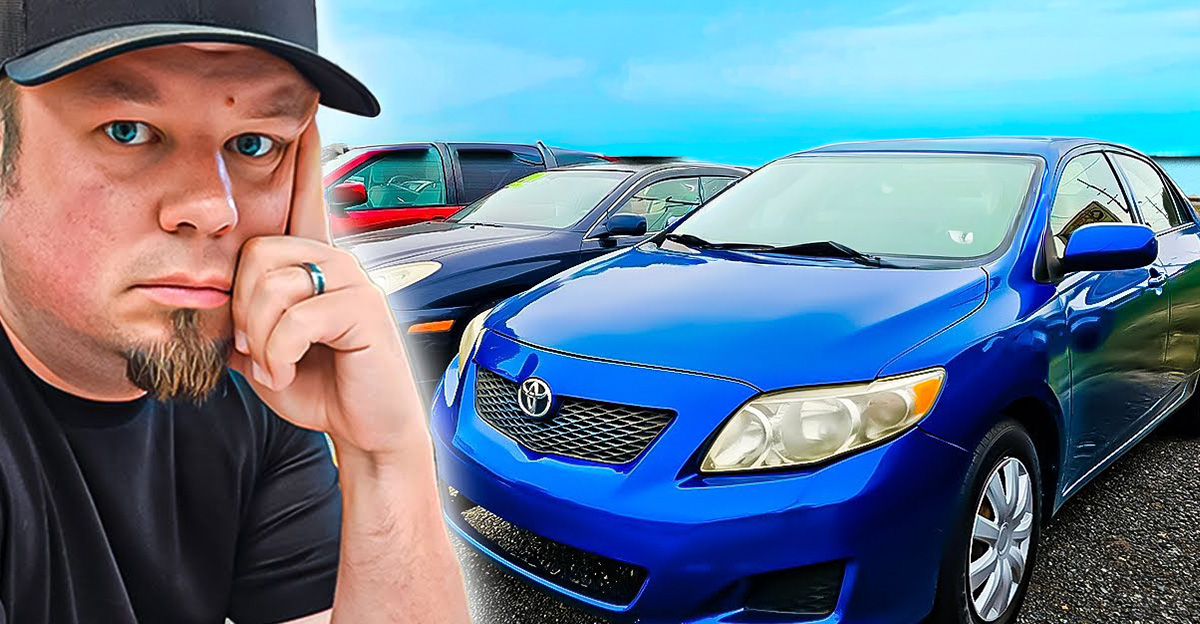
Sticker Shock Became The New Normal
Even when the market “cools,” new-car pricing hasn’t returned to pre-pandemic reality. Buyers walking onto lots today are effectively shopping in a permanently higher price band than they were a few years ago—especially for the SUVs and trucks Americans actually want.
 Anatoliy Cherkas, Shutterstock
Monthly Payments Feel Like A Second Rent
With prices high and financing stretched, the monthly nut is what breaks budgets. When a typical payment starts competing with housing, daycare, or groceries, “keeping the old one” stops being a preference and becomes a requirement.
 Anatoliy Cherkas, Shutterstock, Modified
Higher Interest Rates Turn Every Dollar Into Two
A high APR doesn’t just raise the payment—it multiplies the total cost of ownership. Many shoppers can technically “afford” the car but can’t justify paying thousands extra in interest for the privilege.
 Korawat photo shoot, Shutterstock
Longer Loan Terms Are A Symptom, Not A Solution
The industry’s shift toward 72- and even 84-month loans is basically a financial pressure valve. It lowers the payment today, but it traps buyers in debt longer—making them less willing (or able) to buy again anytime soon.

Down Payments Got Harder To Save
When households are already strained, saving several thousand dollars for a down payment becomes unrealistic. And without it, the payment and the interest rate often get even worse.

Negative Equity Keeps People Stuck
Many owners owe more than their car is worth, especially if they bought during peak pricing. That makes trading in financially painful—so they keep the vehicle and keep paying.

Used-Car Prices Still Aren’t “Cheap” Enough
Used inventory provides relief, but it’s not the bargain basement it once was. When “plan B” is also expensive, the rational move becomes “plan C”: keep what you have.

Credit Standards Haven’t Been Friendly To Marginal Buyers
As lenders get cautious, consumers with thin credit, recent delinquencies, or high debt-to-income ratios can get shut out or quoted punishing rates. Those shoppers don’t “choose used”—they choose “not buying.”
 Noor.Noori12, Wikimedia Commons
Insurance Costs Are Rising, And New Cars Can Be The Worst Offenders
New vehicles often cost more to insure because replacement values are higher and repairs are pricier. When premiums jump, owners feel it immediately—another push toward keeping a paid-off older car.

Repairs Got More Expensive, But New-Car Repairs Got Even Pricier
Yes, maintenance inflation stings—but new-car tech (sensors, cameras, radar, complex lighting) can make even minor fender benders brutally expensive. Some owners would rather budget predictable maintenance on an older car than gamble on modern repair bills.
Dealer Fees And Add-Ons Quietly Inflate The Real Price
From documentation fees to “protection packages,” many buyers face a stack of extras that don’t feel optional in practice. The out-the-door number becomes the true dealbreaker.

Incentives Aren’t Saving The Day Like They Used To
For decades, rebates and low-APR deals softened the blow. When incentives are smaller—or low APRs disappear—the buyer experiences the full force of sticker price plus interest.
 Zoriana Zaitseva, Shutterstock
“Affordable” New Cars Are Disappearing From The Market
Automakers increasingly prioritize high-margin trims, trucks, and SUVs. When entry-level models vanish or start at prices that used to buy a midsize, shoppers simply get priced out.
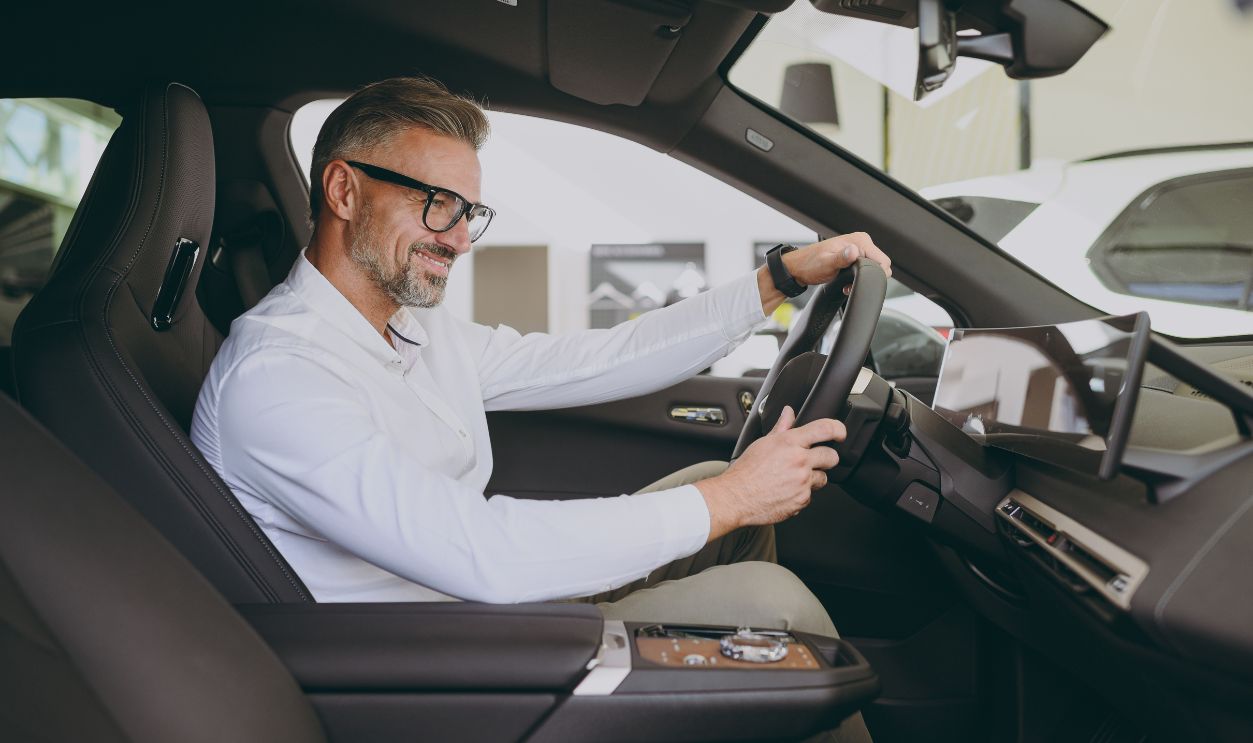
Feature Creep Raises Costs Whether You Want It Or Not
Bigger screens, premium audio, advanced safety suites, and connected services often come bundled. Even consumers who’d happily buy a simpler car can’t easily find one.

Subscription Features Create Ongoing Ownership Costs
Heated seats, remote start, driver-assist upgrades—more features are drifting toward monthly fees. Buyers are wary of purchasing a car that feels like it could “charge rent” later.

Tariffs, Regulation Costs, And Compliance Engineering Add Up
Even when policies are well-intentioned, compliance isn’t free. Automakers pass costs along—especially when redesigning platforms, powertrains, and software architectures.
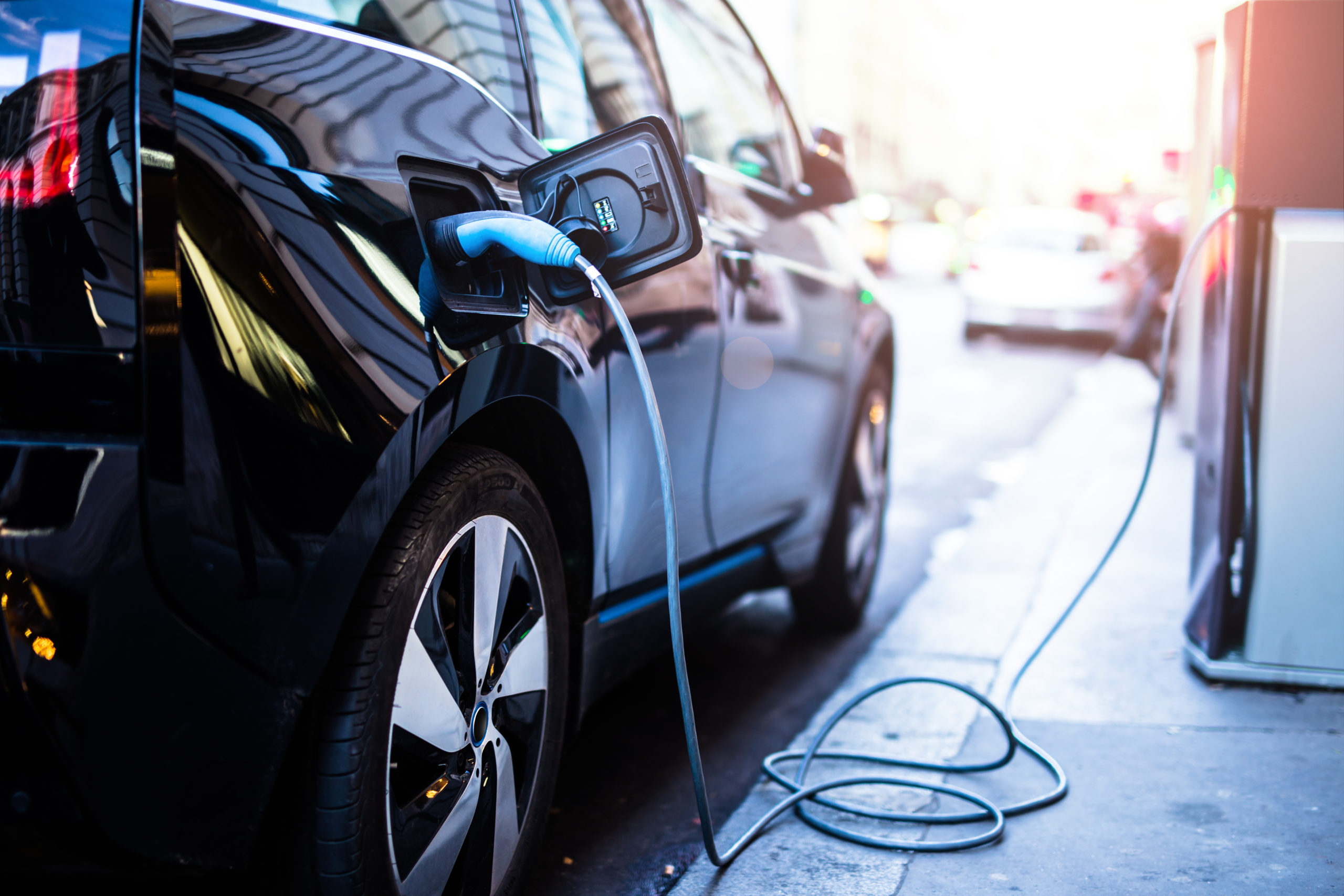
EV Uncertainty Makes Many Buyers Hesitate
Some shoppers want to “wait and see” on charging access, battery longevity, resale value, and rapidly changing tech. That hesitation translates into one very practical decision: keep the current car longer.

Hybrids Became The Compromise Everyone Wants—And They’re Often Priced Like It
Hybrid demand has surged because it reduces fuel costs without charging anxiety. But popularity can mean higher prices and tighter supply, pushing buyers back into “not yet.”
High Household Debt Leaves Less Room For A New Car Note
Student loans, credit cards, and personal loans compress monthly cash flow. When budgets are tight, adding (or upgrading to) a new car payment is the first thing to get vetoed.

Housing Costs Crowd Out Car Budgets
Whether it’s rent, mortgage rates, property taxes, or utilities, housing eats a larger share of income in many regions. A new car becomes a luxury item when shelter is the priority bill.

Wages Didn’t Keep Pace With Total Vehicle Ownership Costs
Even when pay rises, it often doesn’t rise as fast as the combined load of prices, rates, insurance, and fees. The affordability gap widens quietly—until the purchase becomes impossible.
 Photo By: Kaboompics.com, Pexels
People Are Driving Fewer Miles In Some Lifestyles
Remote and hybrid work, local delivery, and changed commuting patterns can reduce annual mileage. Lower mileage means owners can stretch the life of a vehicle longer—and feel less urgency to replace it.
Modern Cars Really Do Last Longer
Better corrosion protection, improved manufacturing, tighter engine tolerances, and smarter maintenance intervals have made 150,000–200,000 miles less intimidating than it used to be. When a car is still reliable, replacing it is harder to justify.

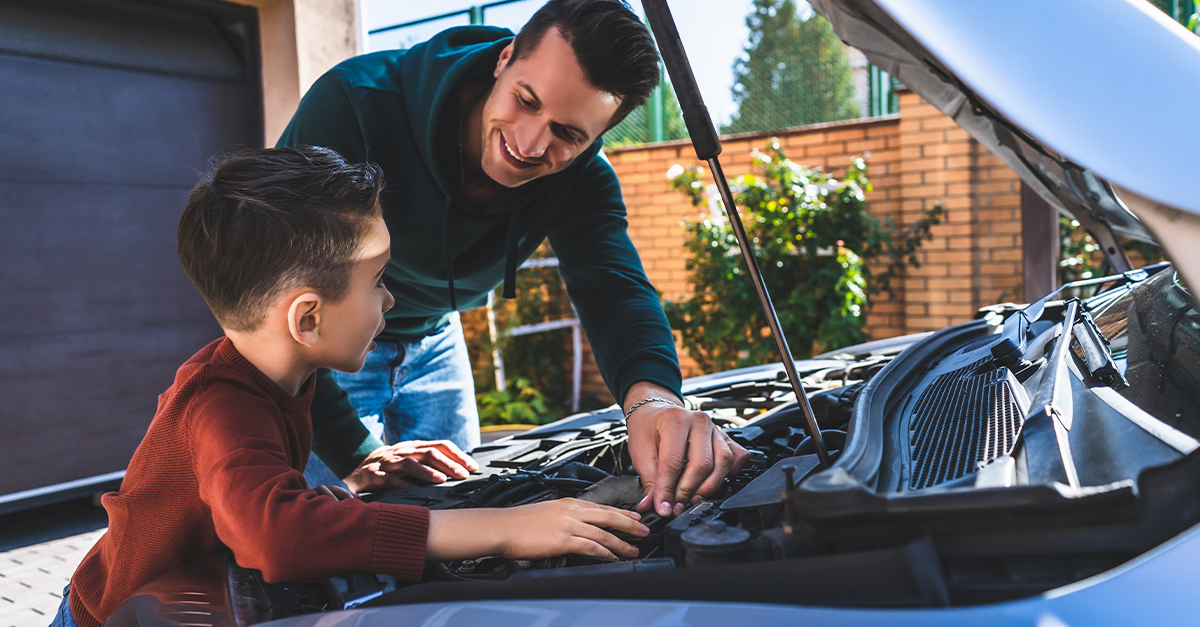
Maintenance Knowledge Is Everywhere Now
DIY videos, forums, affordable scan tools, and transparent parts pricing have lowered the intimidation factor. Many owners keep cars longer simply because maintaining them no longer feels like a black box.
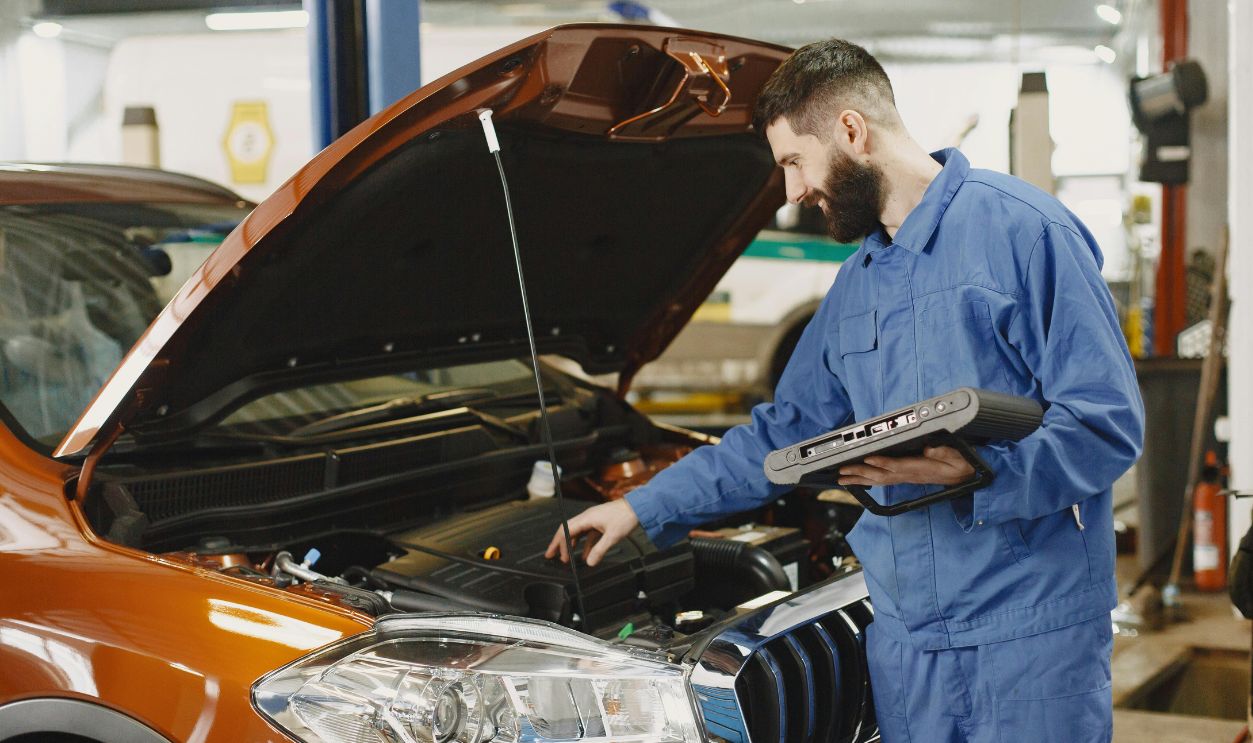
The Aftermarket And Remanufactured Parts Ecosystem Keeps Older Cars Alive
Rebuilt transmissions, refurbished electronics, and plentiful used parts can make “repair instead of replace” financially rational. The support system for older vehicles is stronger than ever.
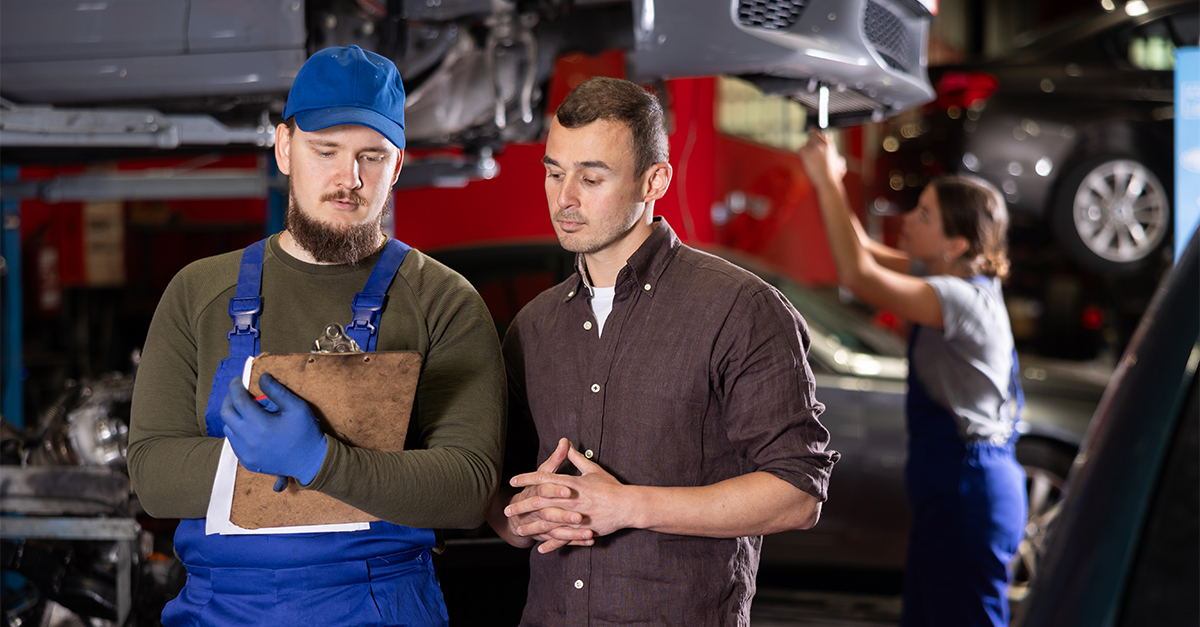
Buyers Don’t Trust That “New” Means “Better” Anymore
With growing complexity—and occasional high-profile quality issues—some consumers view new models as riskier, not safer. If your current car is known-good, the cheapest move is to stick with the devil you know.

The Bottom Line: The “Keep It Longer” Era Is A Wallet-Driven Reality
Americans aren’t just keeping cars longer because vehicles are better (they are). They’re keeping them longer because the modern new-car purchase is a perfect storm: high prices, costly financing, expensive insurance, and a market that’s shifted toward premium products. The result is a new kind of automotive “normal,” where the smartest financial play for many households isn’t chasing the latest model—it’s maintaining what’s already in the driveway, one more year at a time.

You May Also Like:
Exactly What You Need To Know To Avoid Getting Scammed By A Private Seller
The DeSoto Adventurer: A Forgotten Powerhouse Of The ’50s