The Corvette Rival That Time Forgot
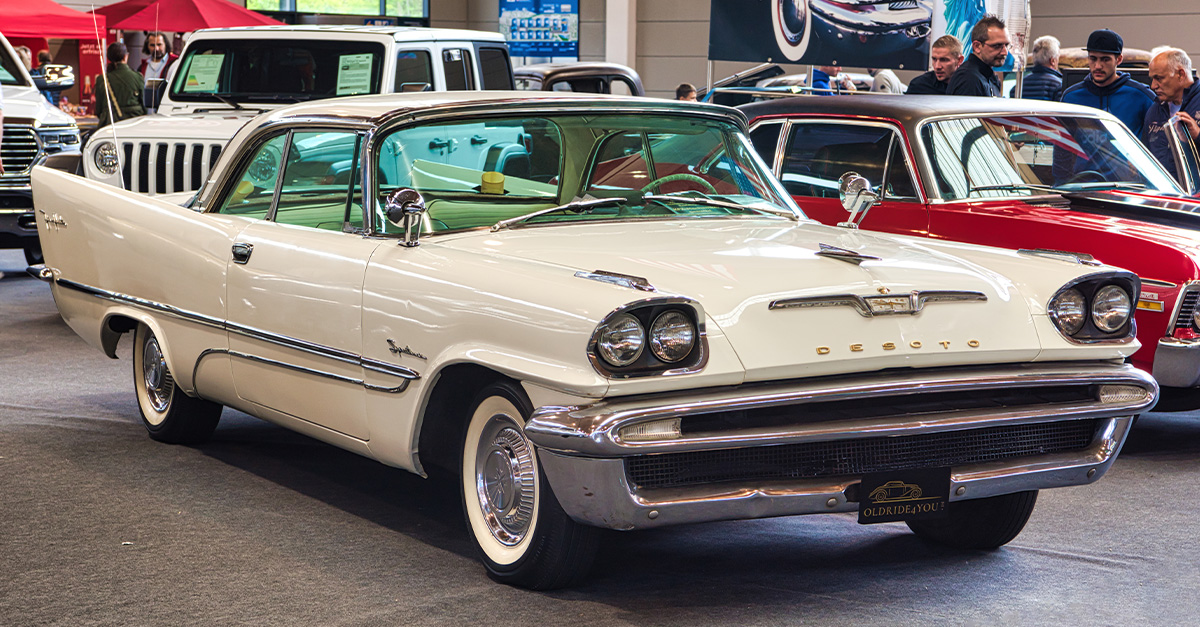
When people talk about great American performance cars of the 1950s, the same names usually come up. The Corvette gets the glory. The Thunderbird gets the style points. Chrysler’s 300 series gets the racing cred. But quietly lurking in that same era was a car that could run with any of them—the DeSoto Adventurer. It was bold, fast, and expensive, and for a short moment, it represented everything Detroit thought the future should be. Today, it’s largely forgotten, which makes its story all the more compelling.
Where DeSoto Fit In Chrysler’s Lineup
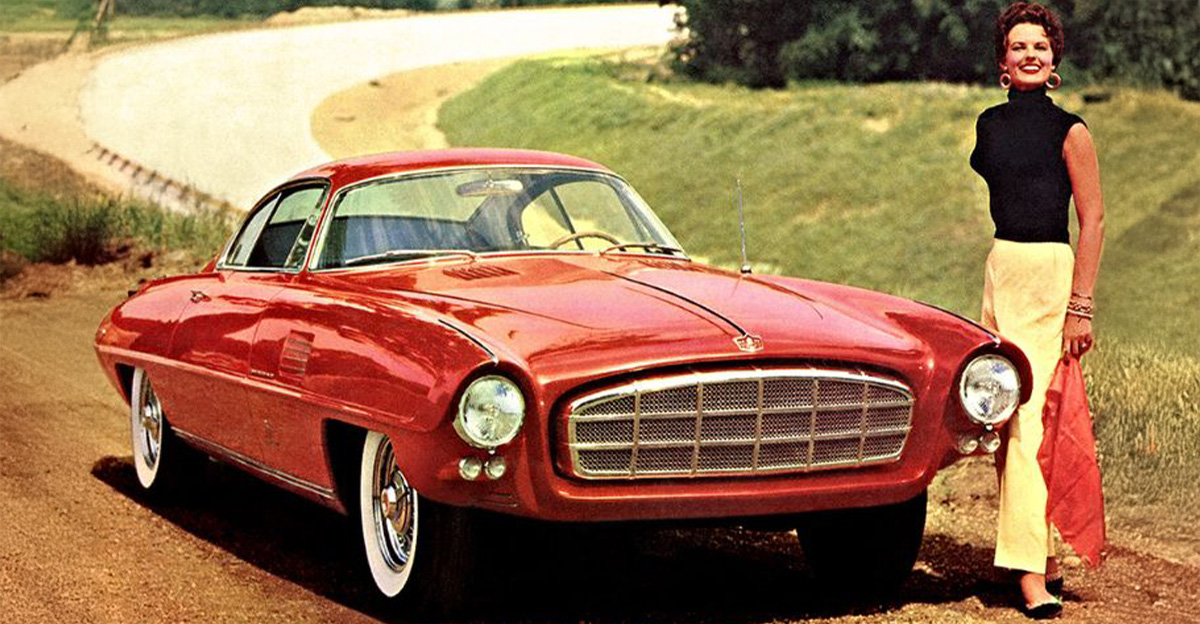
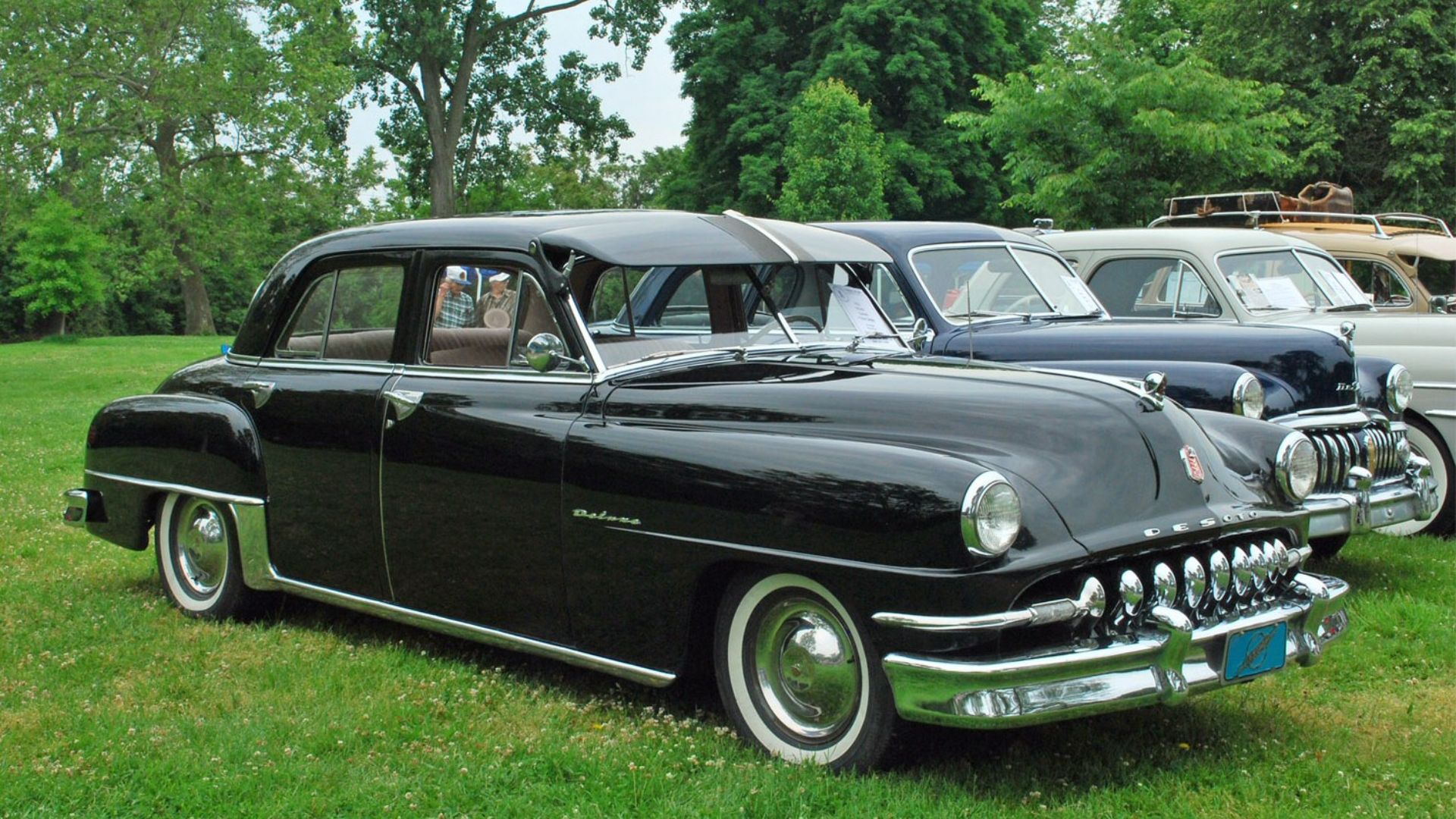
DeSoto was always a bit of an in-between brand. Within Chrysler Corporation, it sat above Dodge but below Chrysler itself. That meant it had to walk a fine line—nicer and more refined than Dodge, but not quite as luxurious as a Chrysler. For years, that strategy worked. DeSoto cars were known for solid engineering and smooth road manners, attracting buyers who wanted something upscale without stretching too far.
 Stephen J. Brown from Ann Arbor, Michigan, USA, Wikimedia Commons
The Changing Automotive Landscape Of The 1950s
By the mid-1950s, however, the American car market was changing fast. Buyers wanted more than comfort—they wanted excitement. Horsepower numbers were climbing, V8 engines were becoming the norm, and performance bragging rights were suddenly a big deal. Automakers realized that speed sold cars, even if most owners never used it.
 Mr.choppers, Wikimedia Commons
Chrysler’s Answer: Power And Prestige
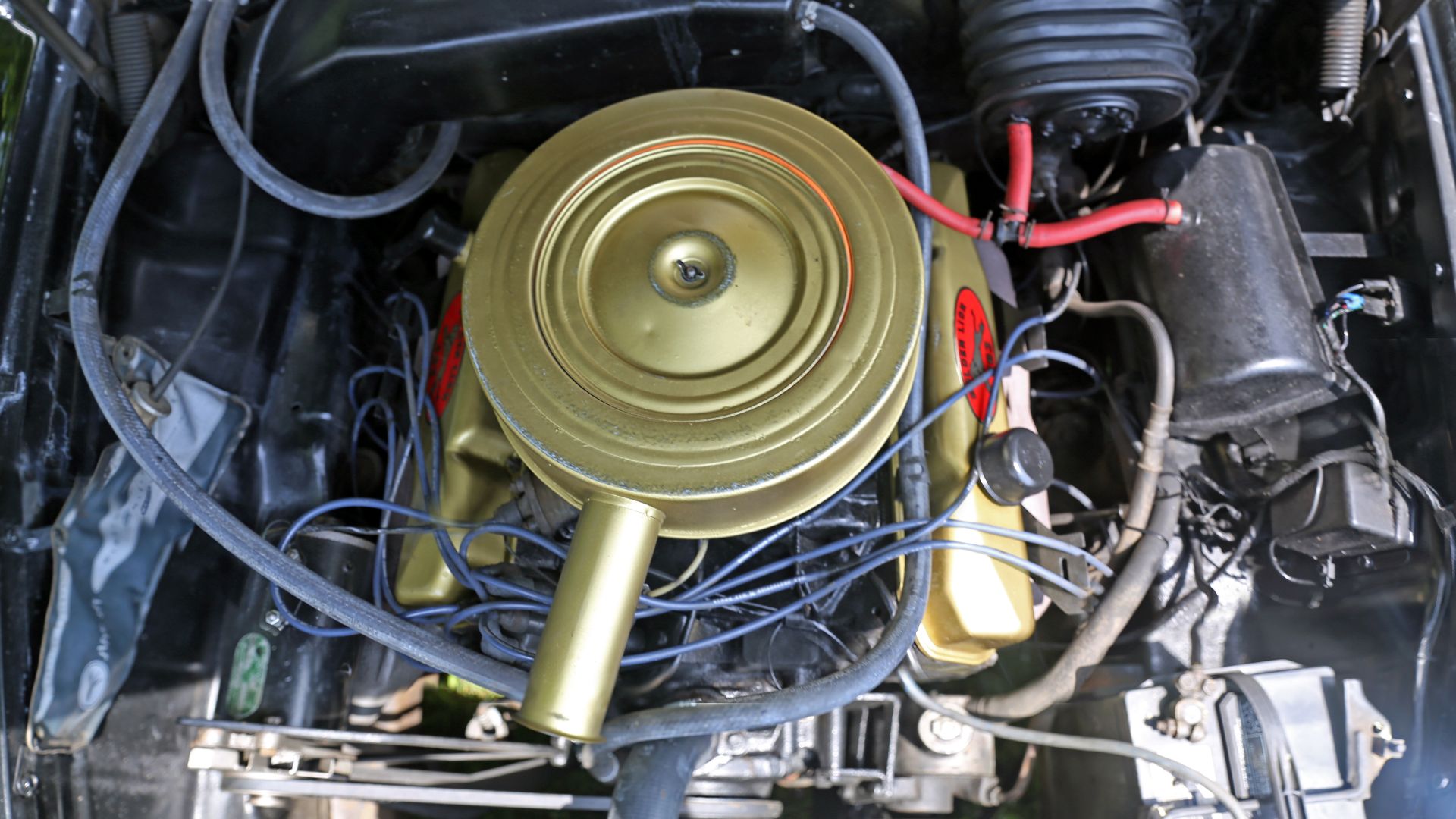
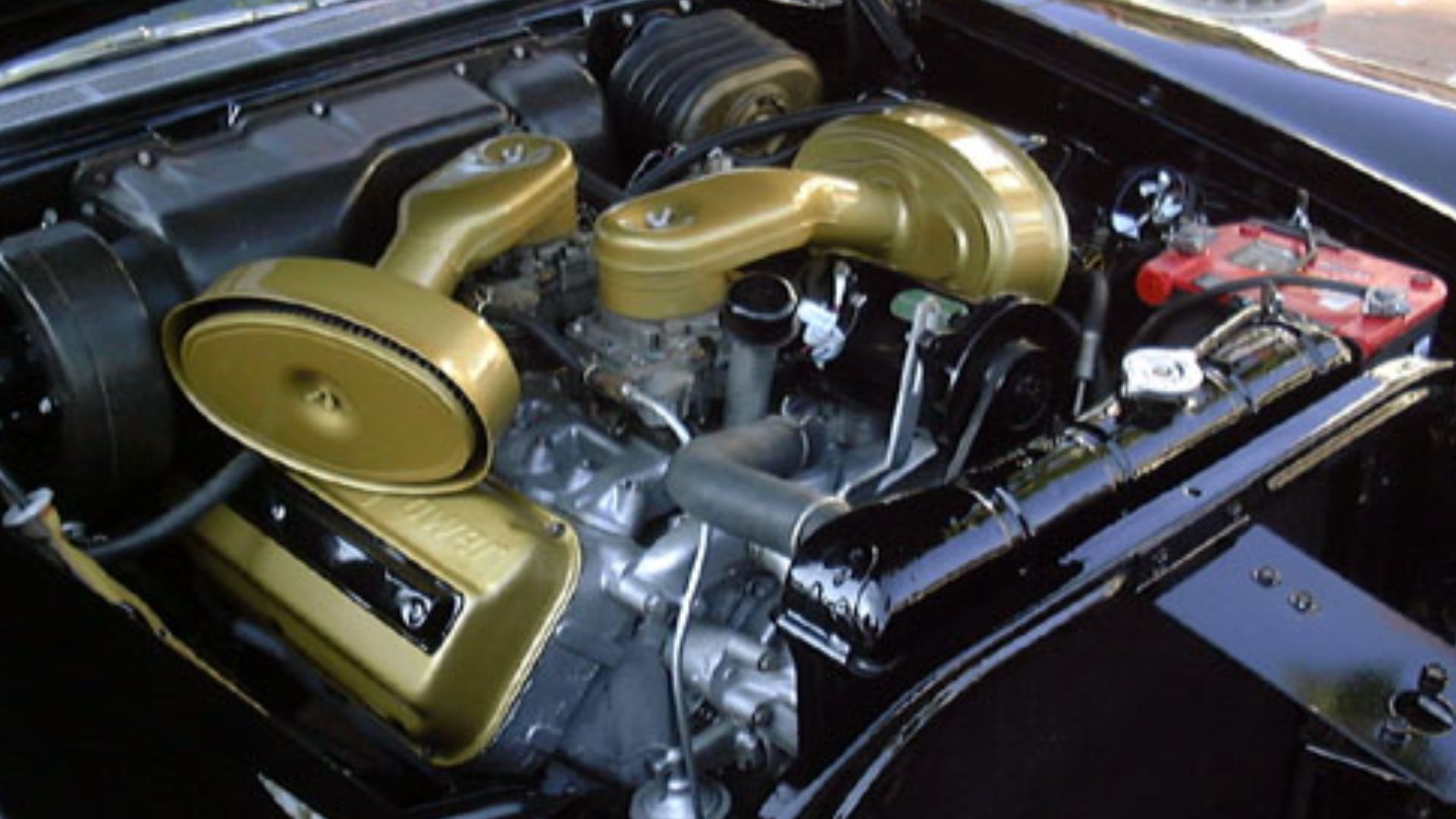
Chrysler Corporation was well positioned for this new reality. Its engineers were leading the industry in V8 development, particularly with the hemispherical combustion chamber engine—the famous Hemi. Chrysler knew it could build powerful cars, and it also knew that performance models could elevate an entire brand’s image.
The Influence Of Virgil Exner’s Forward Look
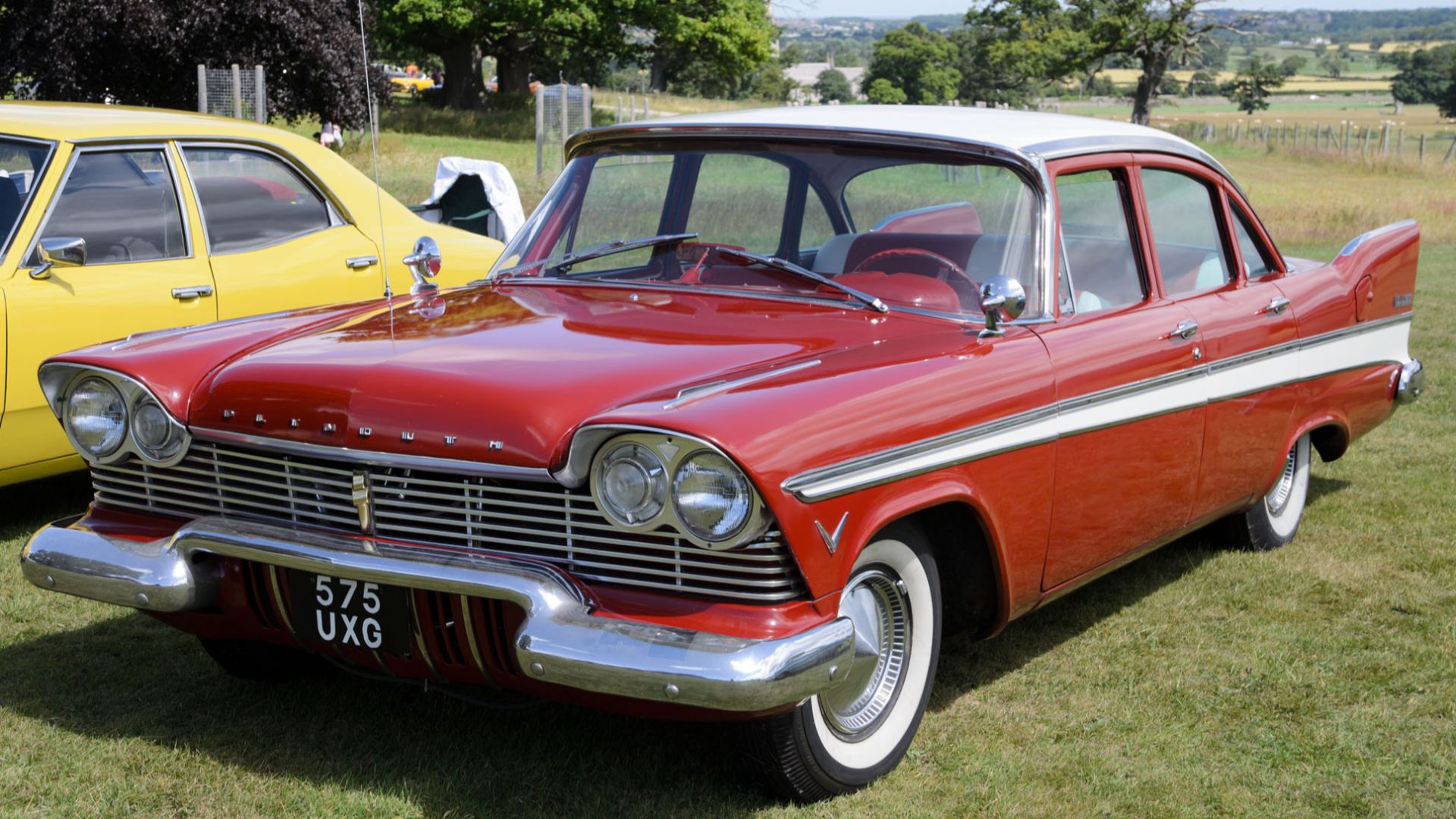
At the same time, Chrysler’s design language was undergoing a revolution. Virgil Exner’s “Forward Look” transformed conservative sedans into dramatic, low-slung machines with sweeping lines and daring tailfins. These cars didn’t just look modern—they looked fast, even standing still. DeSoto embraced this philosophy wholeheartedly.
The Adventurer Is Born
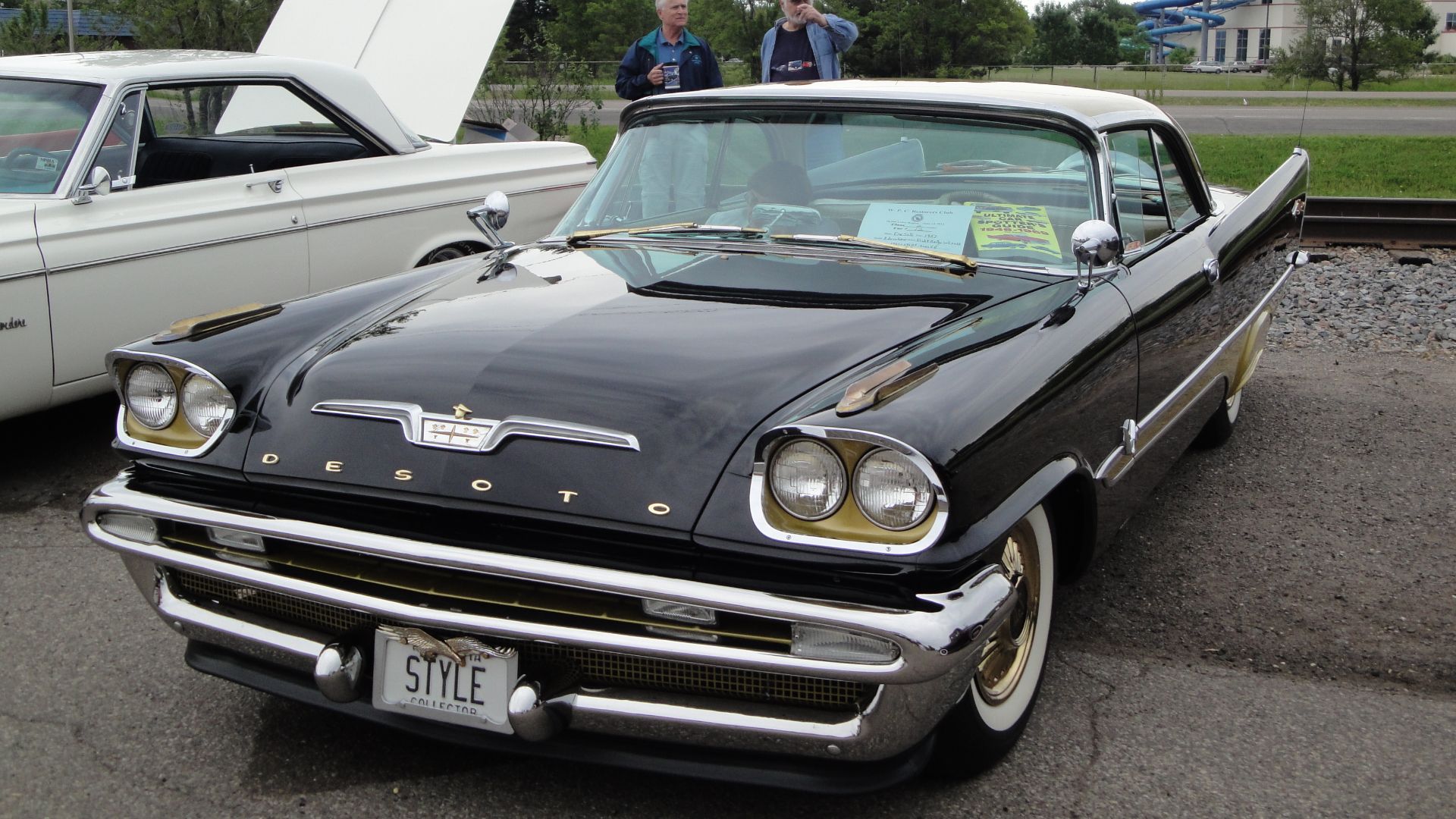
In 1956, DeSoto unveiled the Adventurer. It wasn’t meant to be a mass-market car. Instead, it was a statement—a limited-production flagship designed to show what DeSoto could really do. Based on the upscale Fireflite, the Adventurer came standard with the best engine Chrysler had to offer and a price tag to match.
 Greg Gjerdingen from Willmar, USA, Wikimedia Commons
Serious Power For A Serious Statement
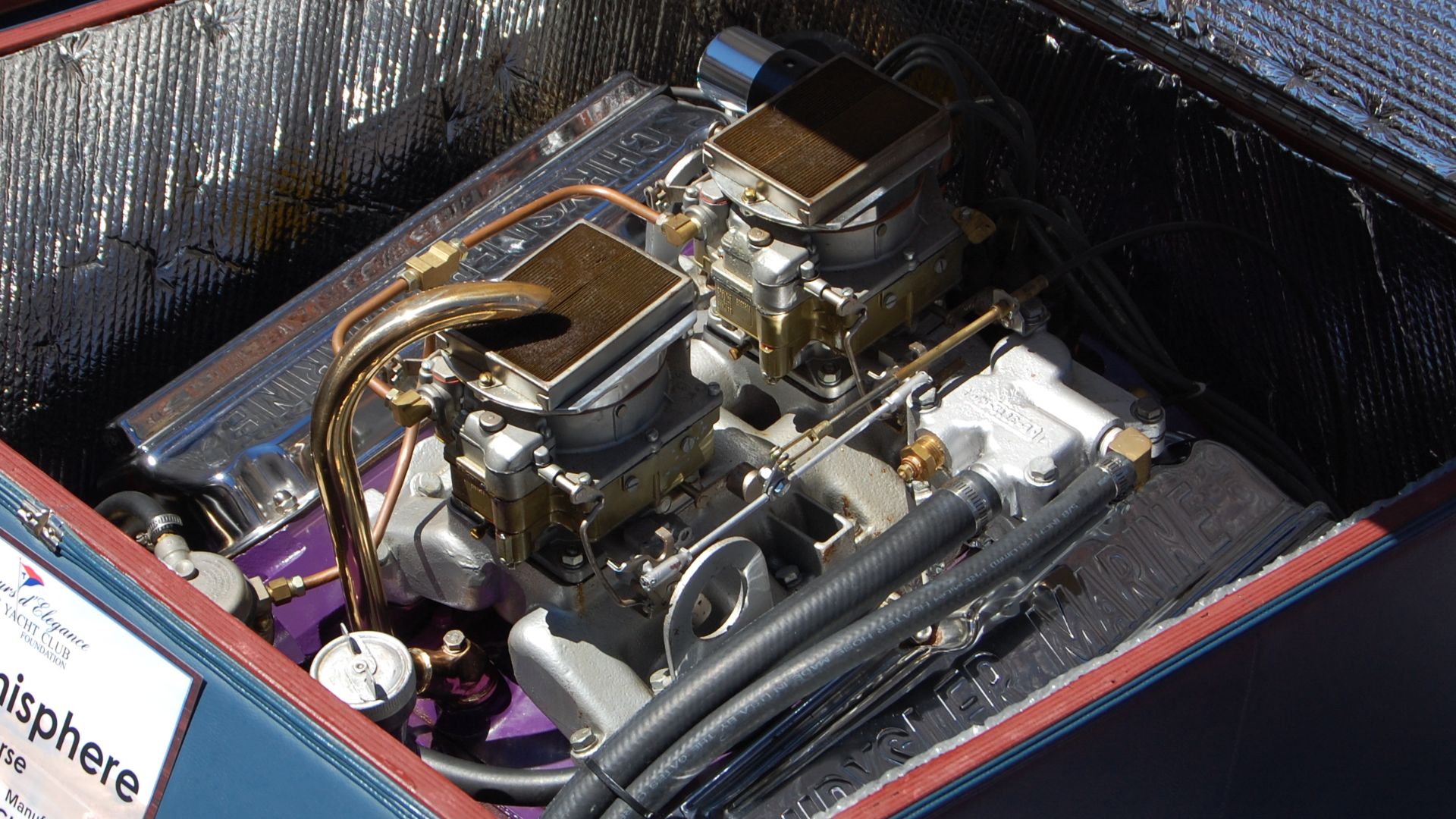
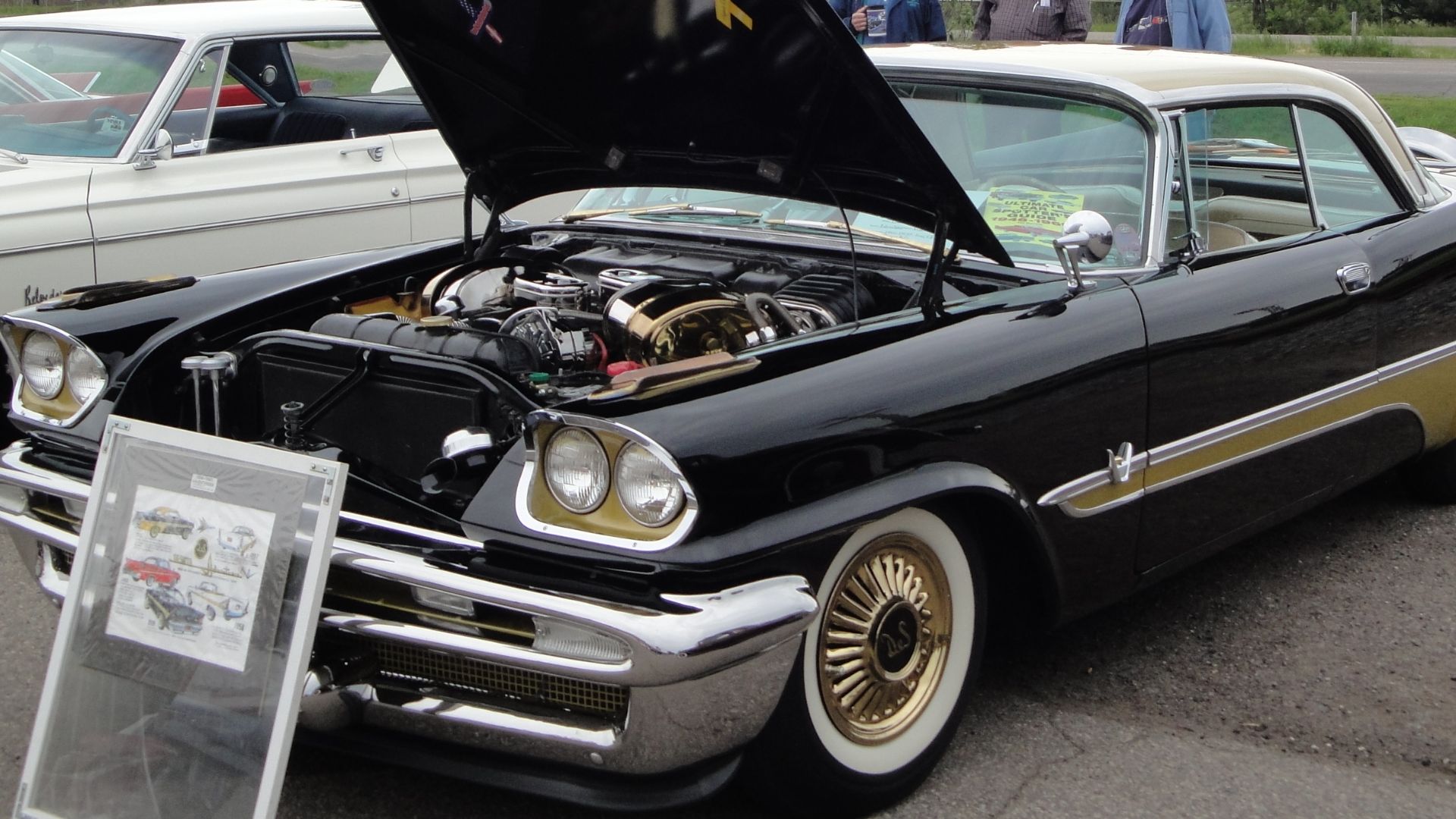
Under the hood sat a 341-cubic-inch Hemi V8 producing 320 horsepower. In 1956, that was an eye-opening number. Many cars of the era struggled to crack 200 horsepower, yet the Adventurer was comfortably beyond that mark. This wasn’t just quick for its class—it was quick, period.
Real-World Performance That Delivered
The Adventurer wasn’t just impressive on paper. Road tests of the day showed strong acceleration and high top speeds, especially considering the car’s size and weight. It could hit 60 mph in well under eight seconds and keep pulling well past speeds most drivers would ever attempt. This was muscle before muscle cars officially existed.
Exclusivity As Part Of The Appeal
DeSoto kept production intentionally limited. Fewer than a thousand Adventurers were built in 1956, and every one came fully equipped. Buyers couldn’t cheap out—this was a premium performance machine from the start. That exclusivity gave the Adventurer a certain mystique, even when it was new.
 Greg Gjerdingen, Wikimedia Commons
Styling That Matched The Attitude
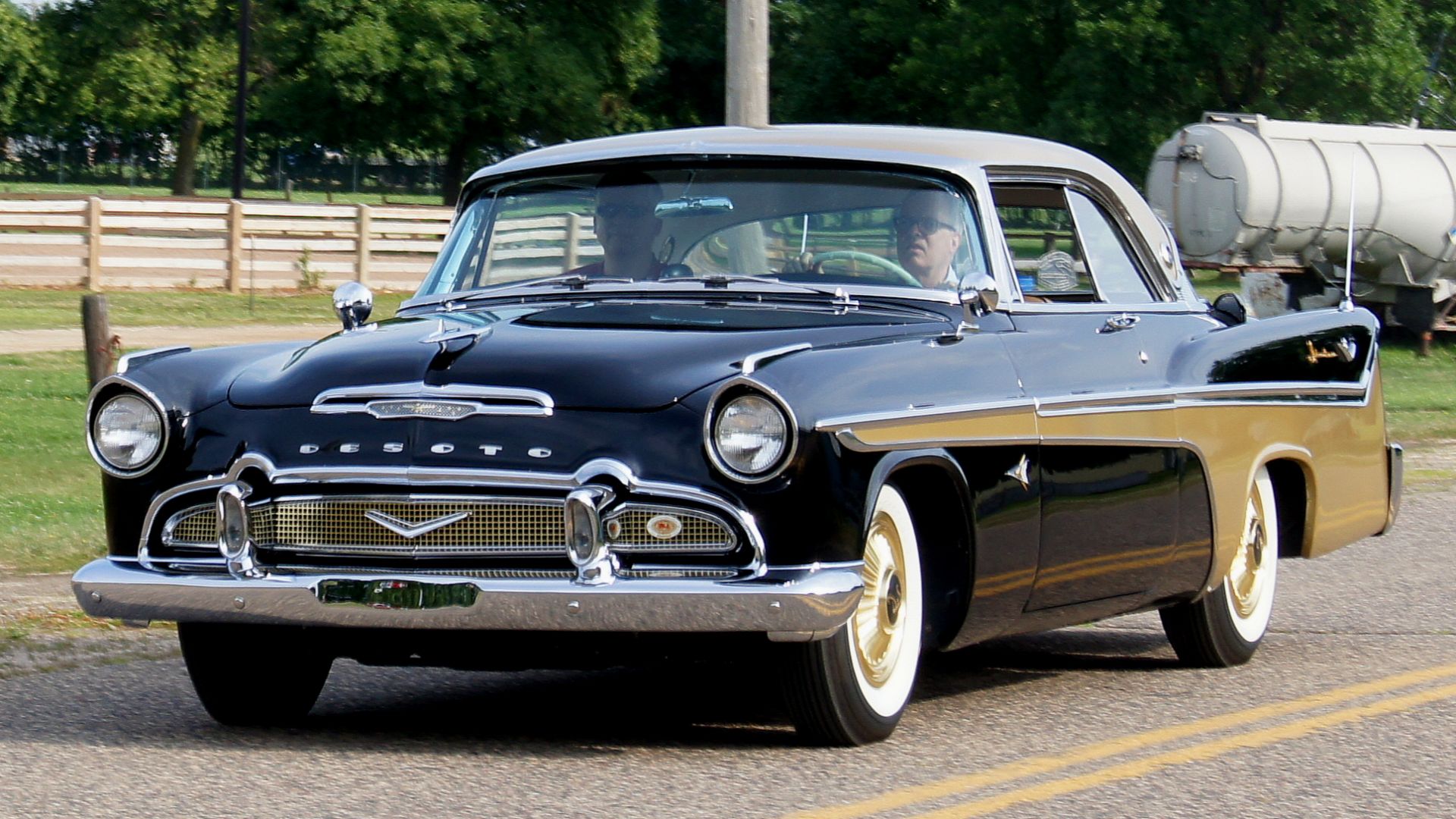
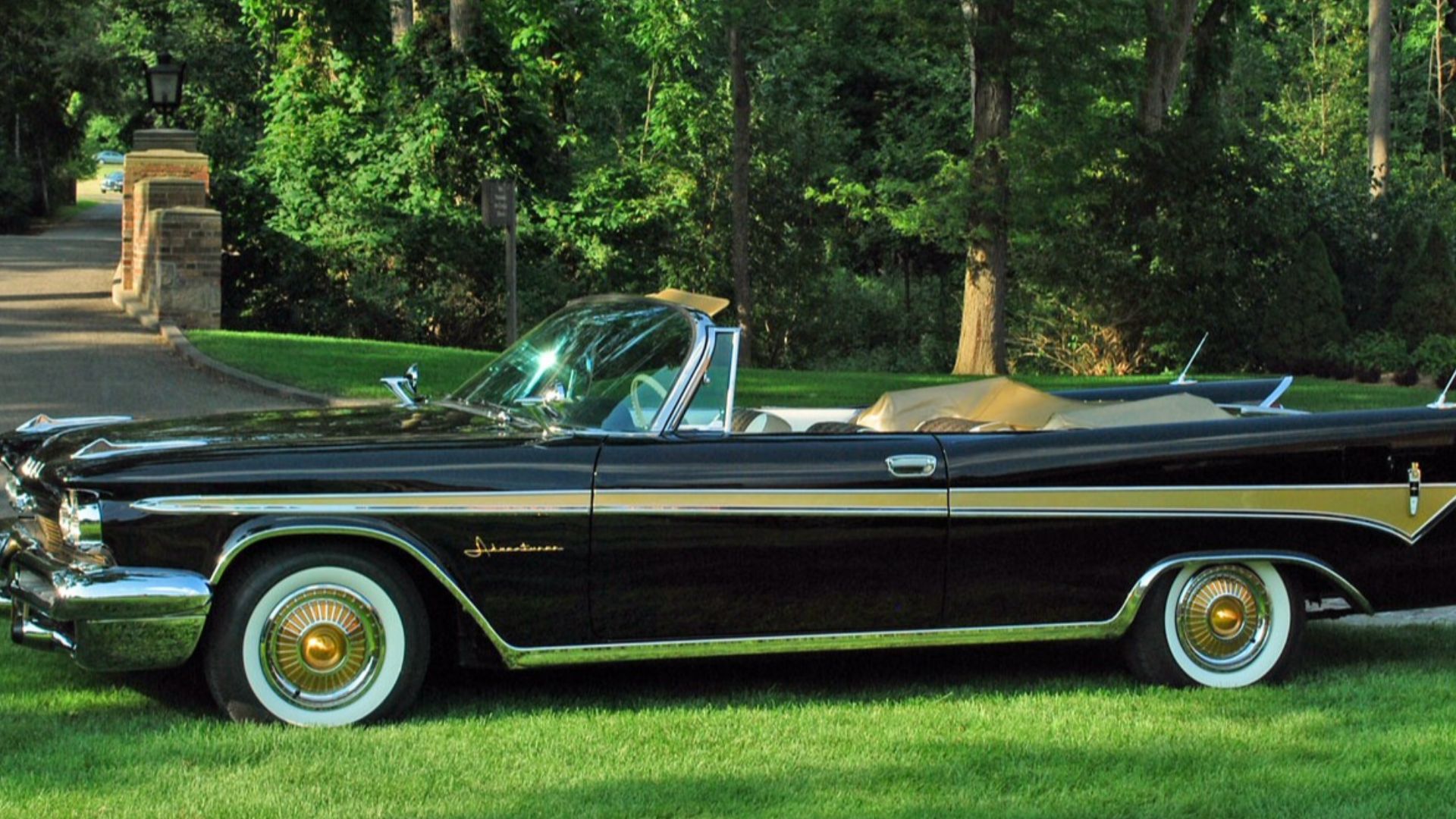
Visually, the Adventurer stood out in a crowded decade of chrome and fins. Gold anodized trim set it apart from other DeSotos, while bold paint combinations and unique badging made sure no one mistook it for a lesser model. It looked expensive, powerful, and unapologetically confident.
 Greg Gjerdingen from Willmar, USA, Wikimedia Commons
The Adventurer Turns Up The Heat In 1957
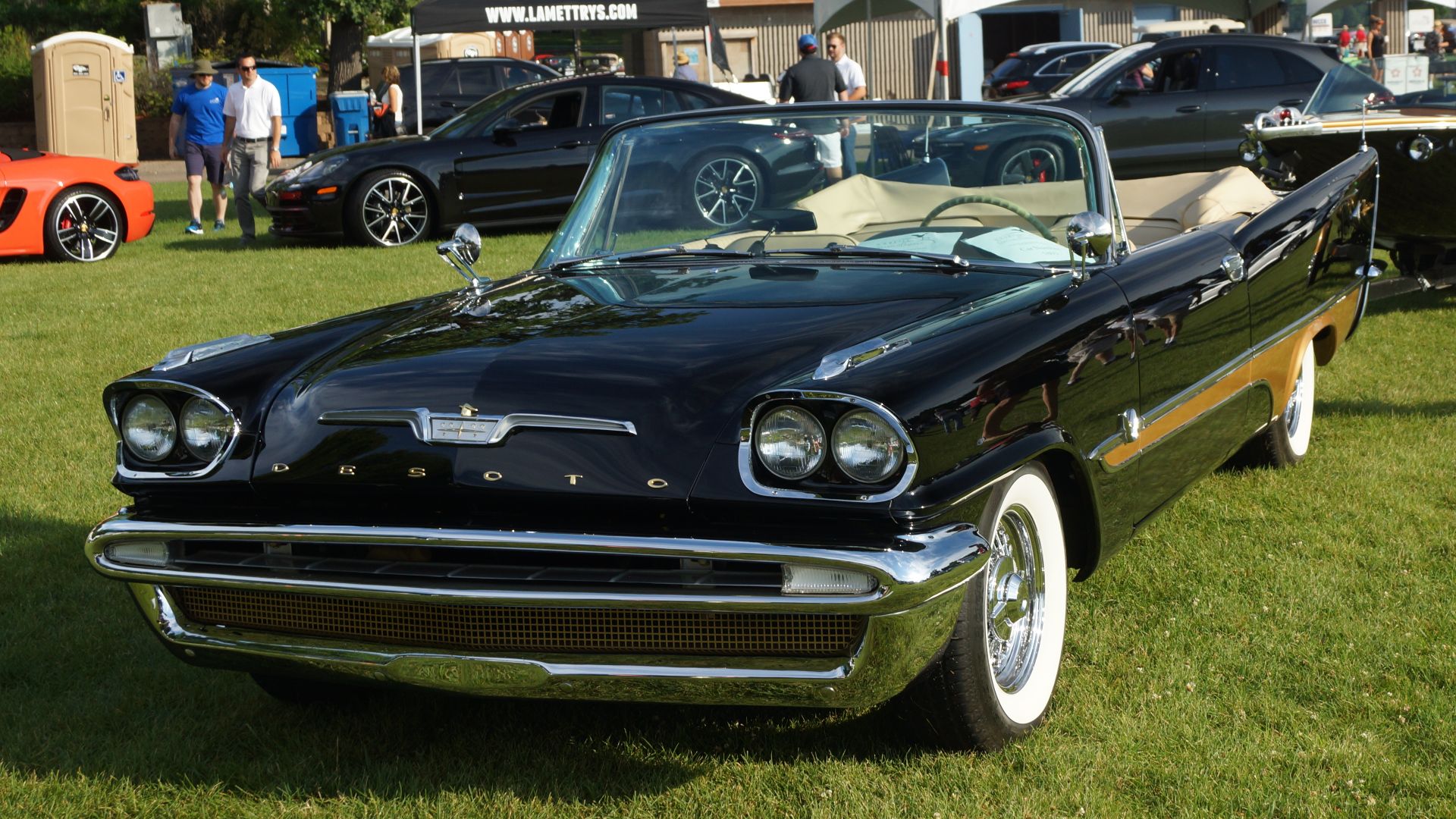
If the 1956 model introduced the concept, the 1957 Adventurer perfected it. Engine displacement grew to 345 cubic inches, and horsepower climbed to a symbolic 345—one horsepower per cubic inch. That placed the Adventurer among the most powerful cars in America, rivaling Chrysler’s own elite 300C.
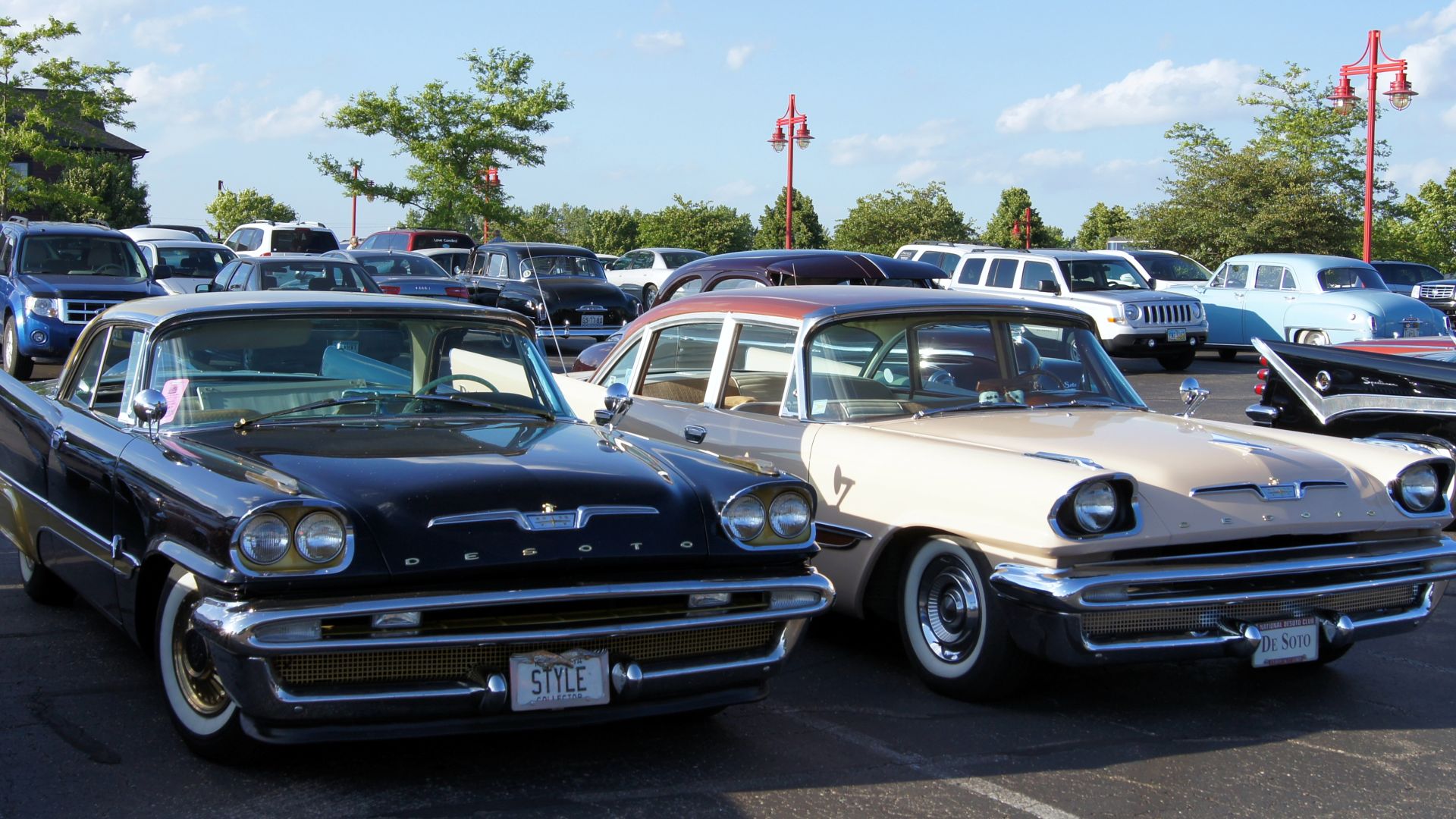 Greg Gjerdingen from Willmar, USA, Wikimedia Commons
More Than Just Straight-Line Speed
The Adventurer also benefited from Chrysler’s advanced engineering. Torsion-bar front suspension improved ride quality and handling, while power steering and power brakes were standard. This meant the Adventurer wasn’t just fast—it was comfortable, stable, and surprisingly civilized.
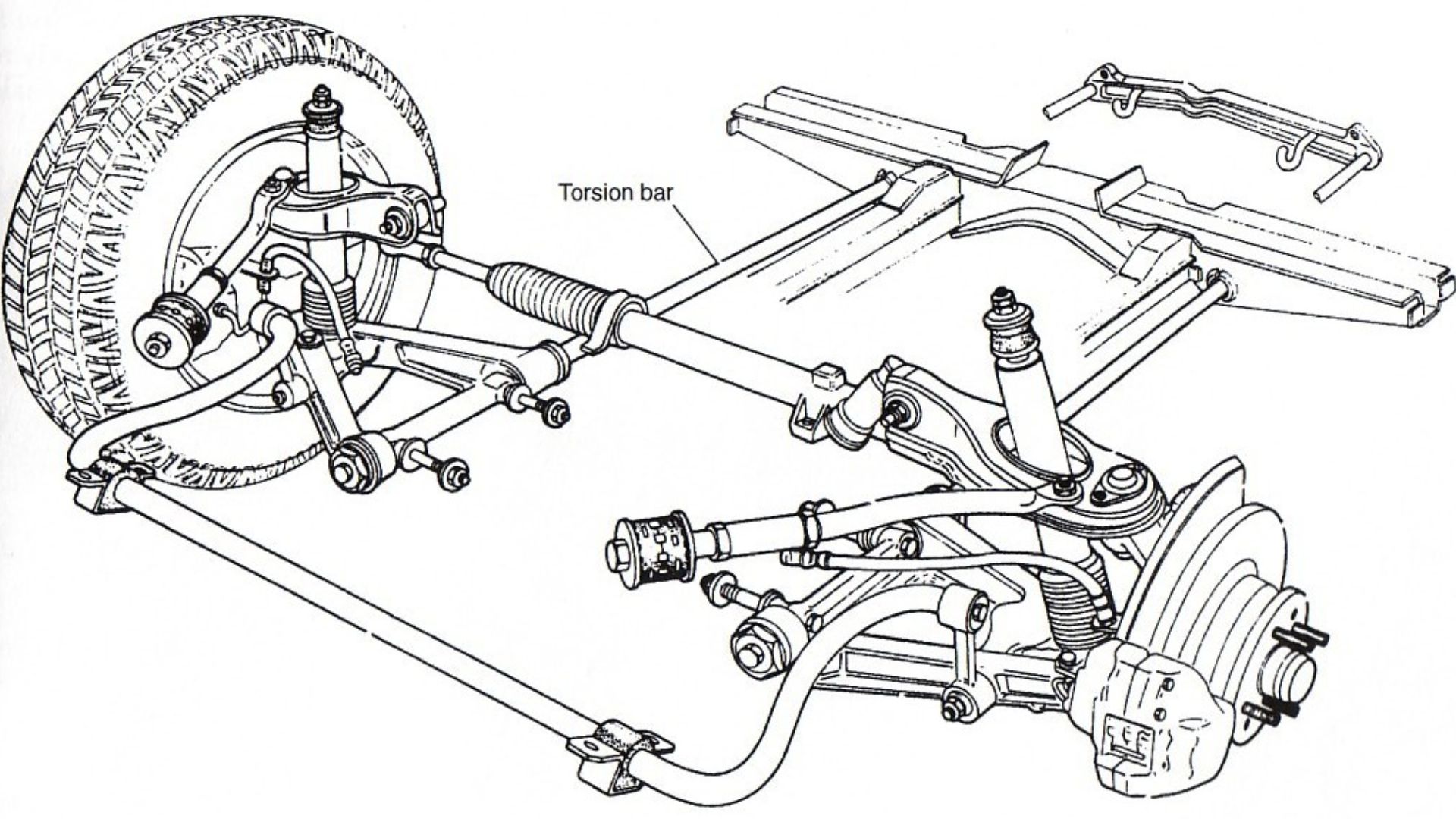 Fooldriver24, Wikimedia Commons
A Halo Car For The DeSoto Brand
The Adventurer served an important role for DeSoto. It was a halo car, designed to bring attention and prestige to the brand. Even buyers who never planned to own one would notice it in showrooms and associate DeSoto with performance and innovation.
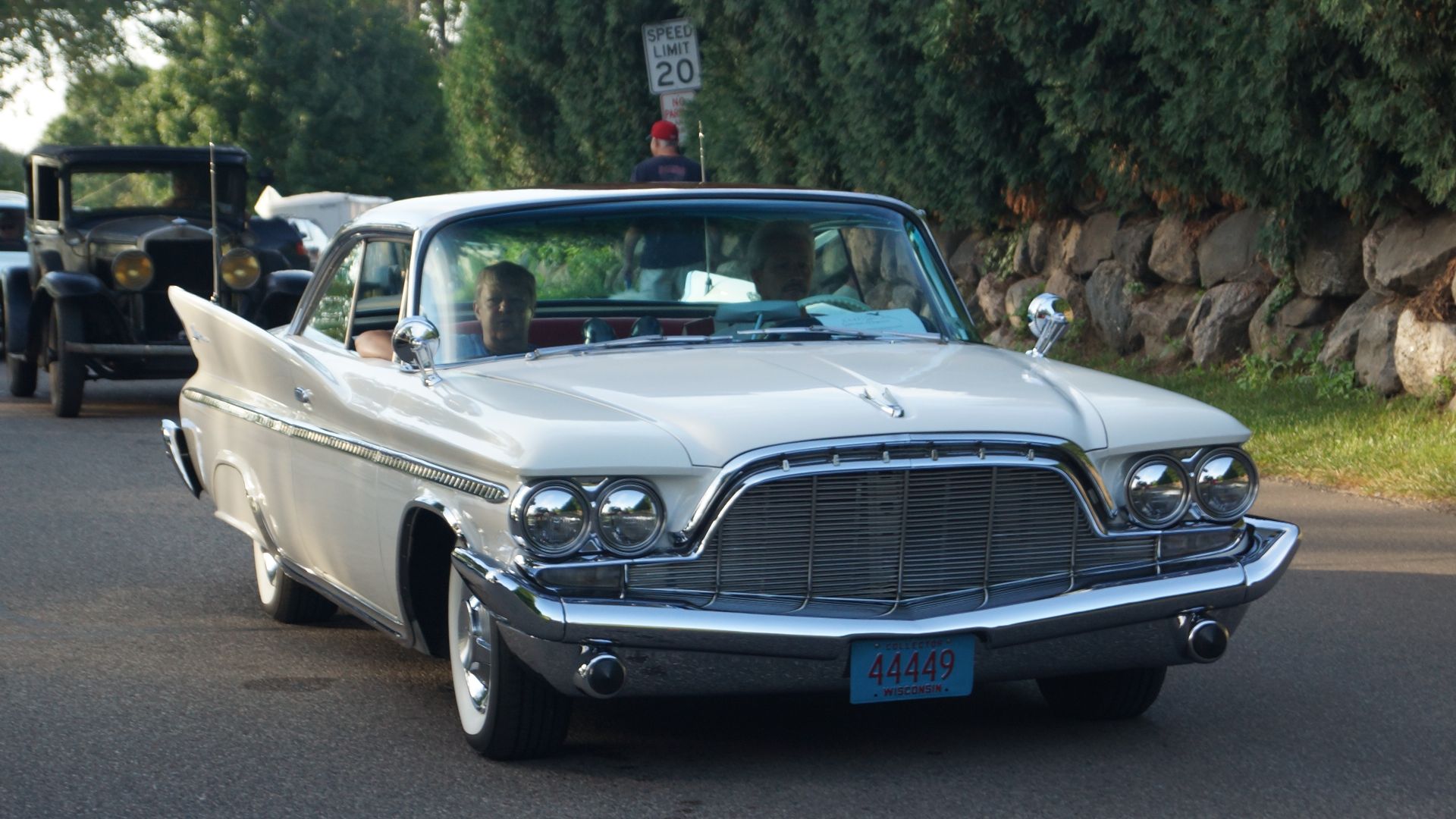 Greg Gjerdingen from Willmar, USA, Wikimedia Commons
The Problem Of Brand Identity
Despite the Adventurer’s strengths, DeSoto struggled with a deeper issue: identity. Buyers weren’t always sure why they should choose a DeSoto over a Dodge or Chrysler. The Adventurer was impressive, but it couldn’t fully overcome the confusion surrounding the brand’s place in the market.
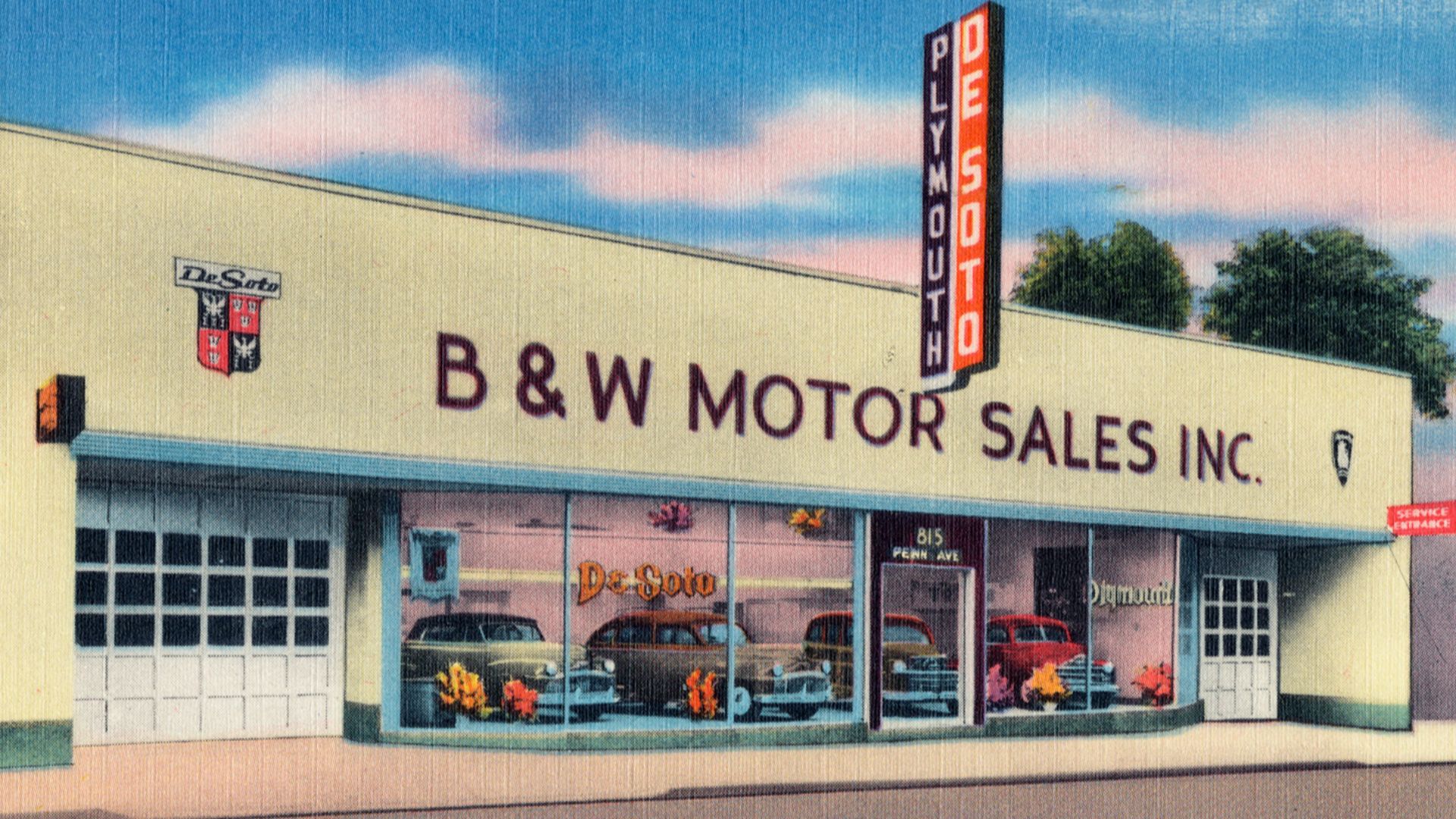
Competition From Inside The Family
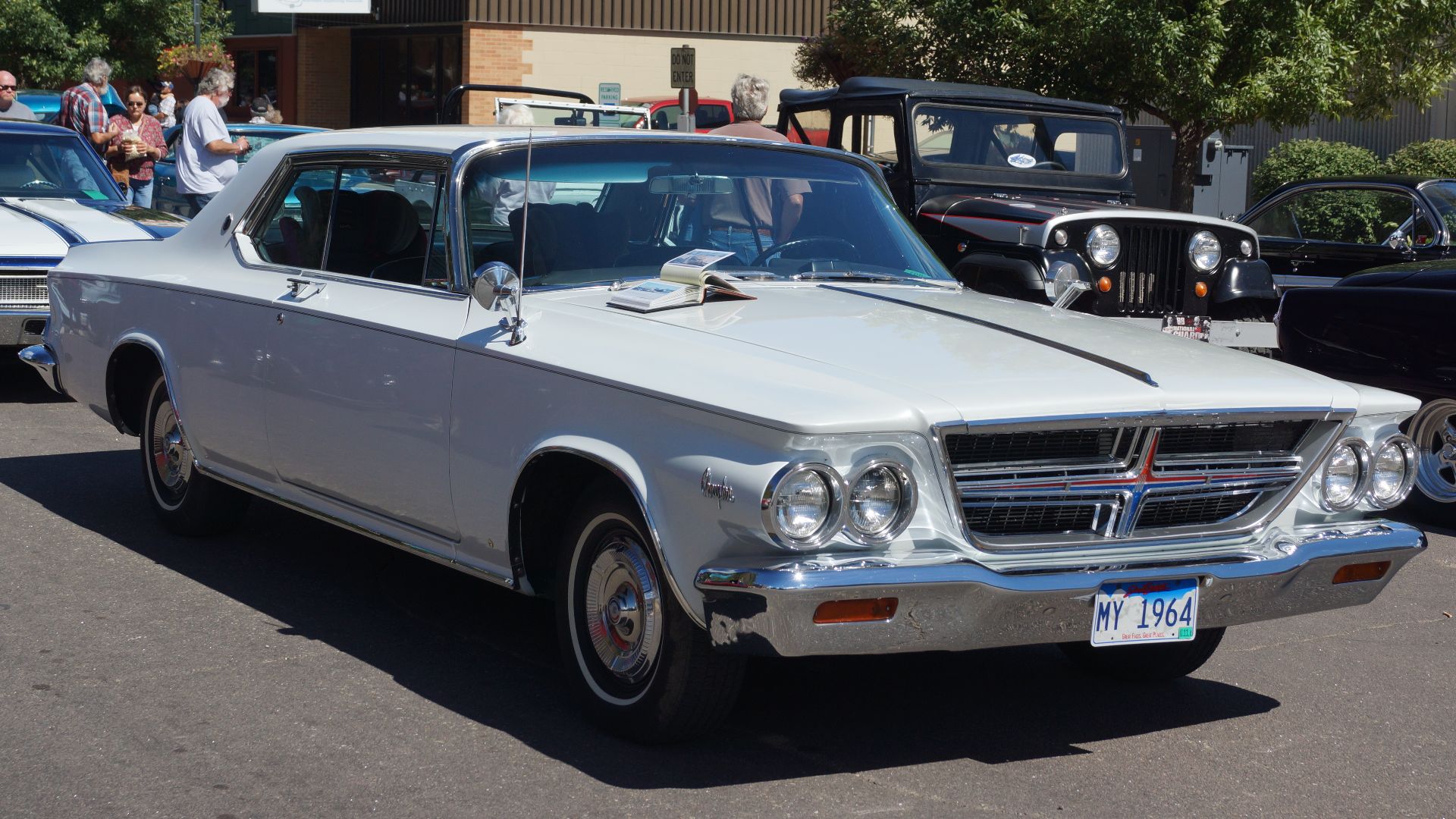
Ironically, one of the Adventurer’s biggest challenges came from within Chrysler Corporation itself. Chrysler’s 300 series received more racing publicity, while Dodge offered performance models at lower prices. DeSoto found itself squeezed between prestige and affordability.
 Greg Gjerdingen from Willmar, USA, Wikimedia Commons
Quality Issues Begin To Take A Toll
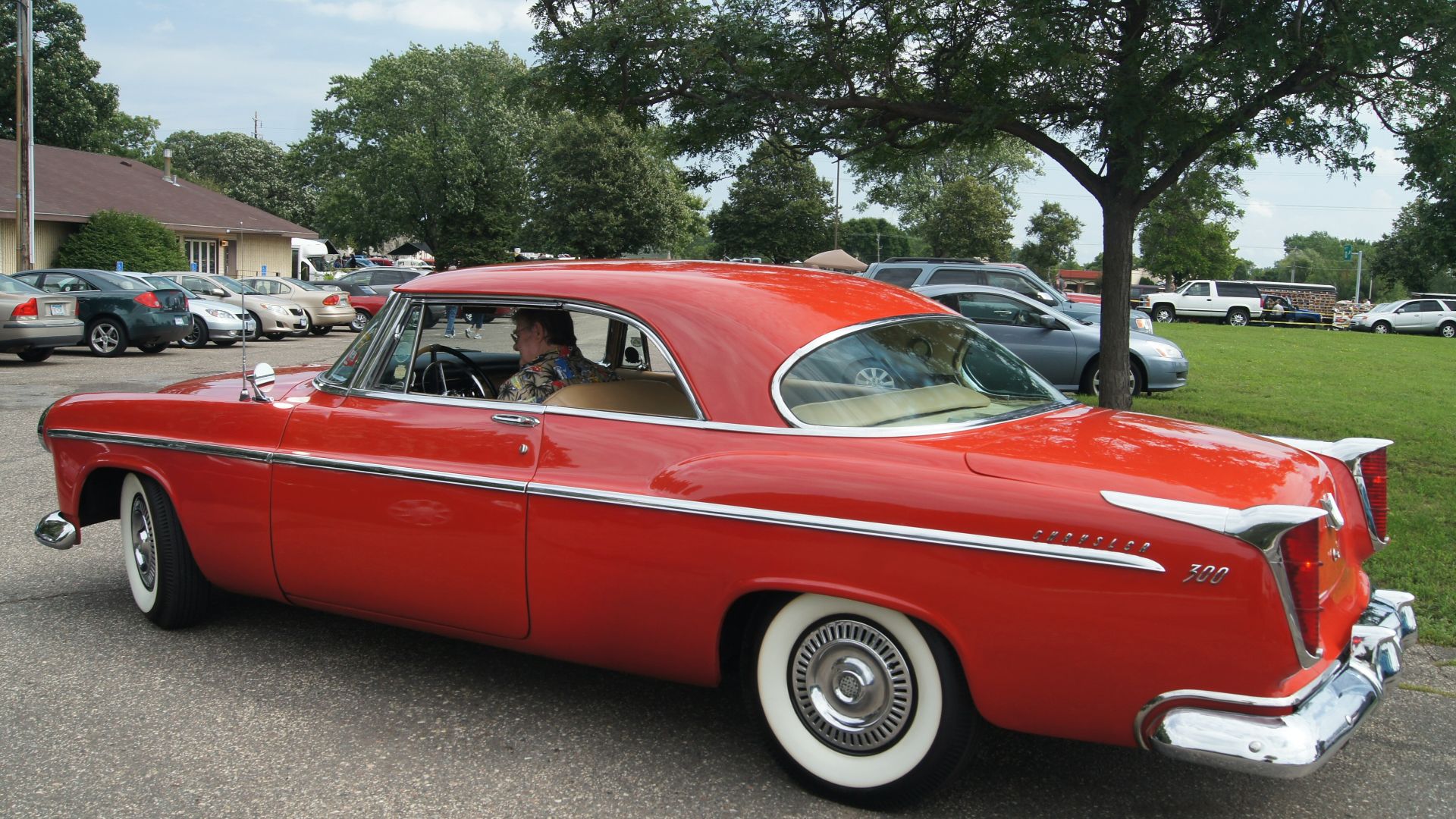
The late 1950s were not kind to Chrysler’s reputation for build quality. Rushed production schedules led to fit-and-finish problems, rust issues, and mechanical gremlins. DeSoto cars, including the Adventurer, suffered from these problems, and buyer confidence began to slip.
 Greg Gjerdingen from Willmar, USA, Wikimedia Commons
Sales Decline Despite Strong Credentials
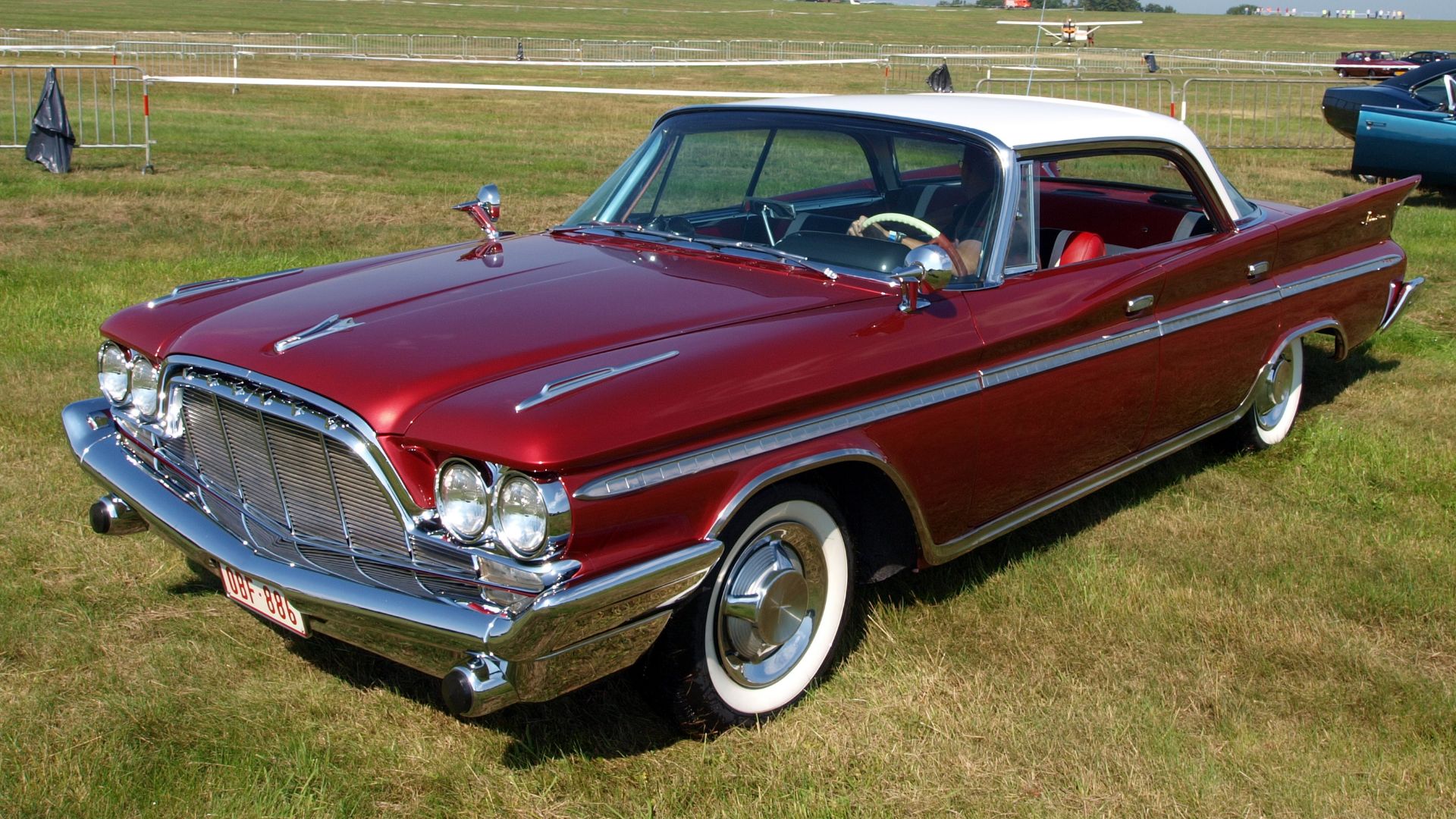
Even with its power and presence, the Adventurer couldn’t escape DeSoto’s declining sales. Consumers were becoming more cautious, and flashy performance cars were no longer enough to guarantee success. The market was shifting beneath DeSoto’s feet.
The 1958 Adventurer In A Changing World
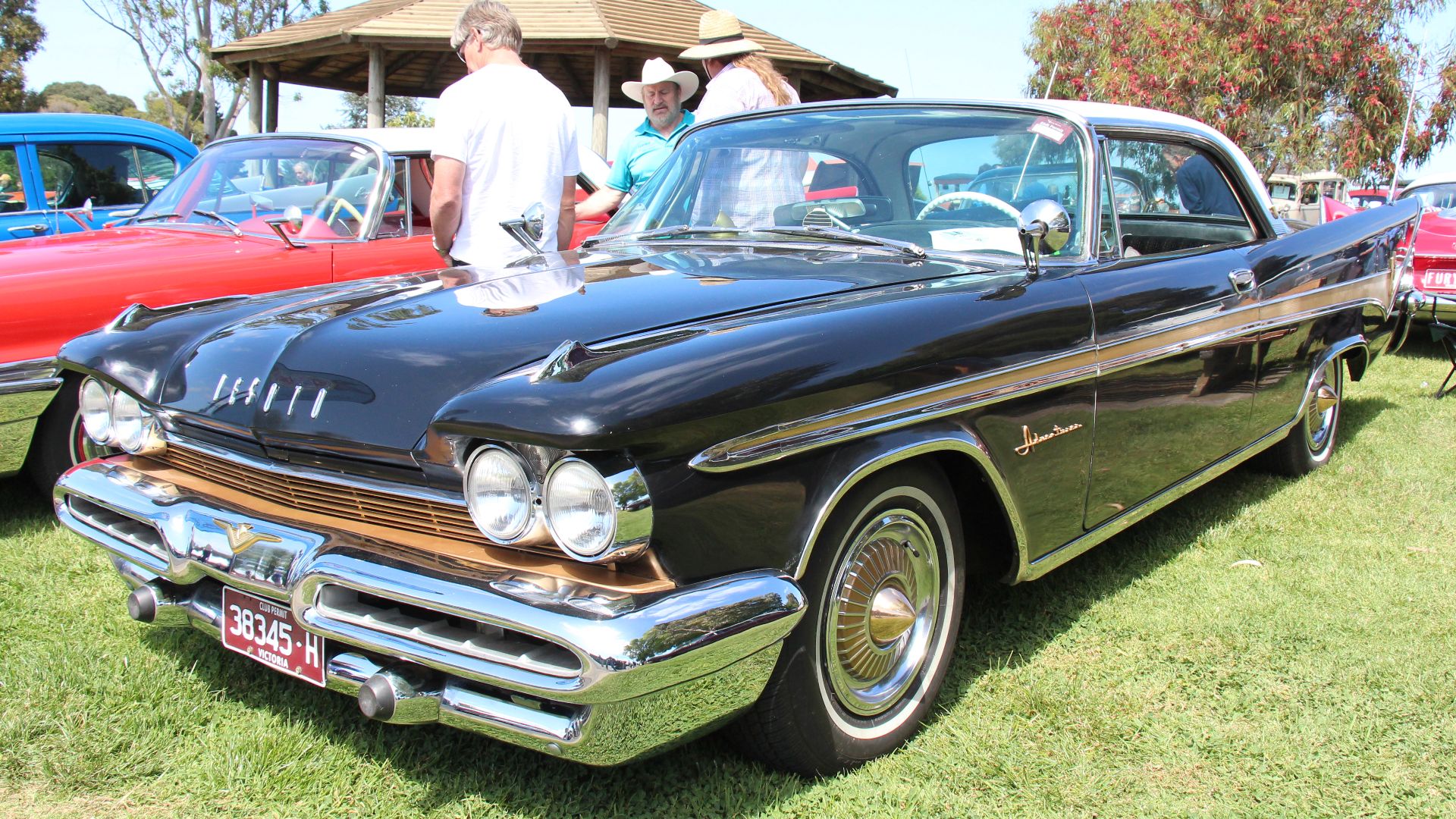
By 1958, the Adventurer was still formidable, now powered by a 361-cubic-inch V8. But America was entering a recession, and buyers wanted practicality and reliability more than excess. Sales dropped sharply, and the Adventurer’s moment was clearly passing.
DeSoto’s Sudden Collapse
DeSoto’s downfall was swift and dramatic. Dealer networks shrank, sales plummeted, and Chrysler executives began cutting losses. Despite standout models and loyal customers, the brand no longer made financial sense.
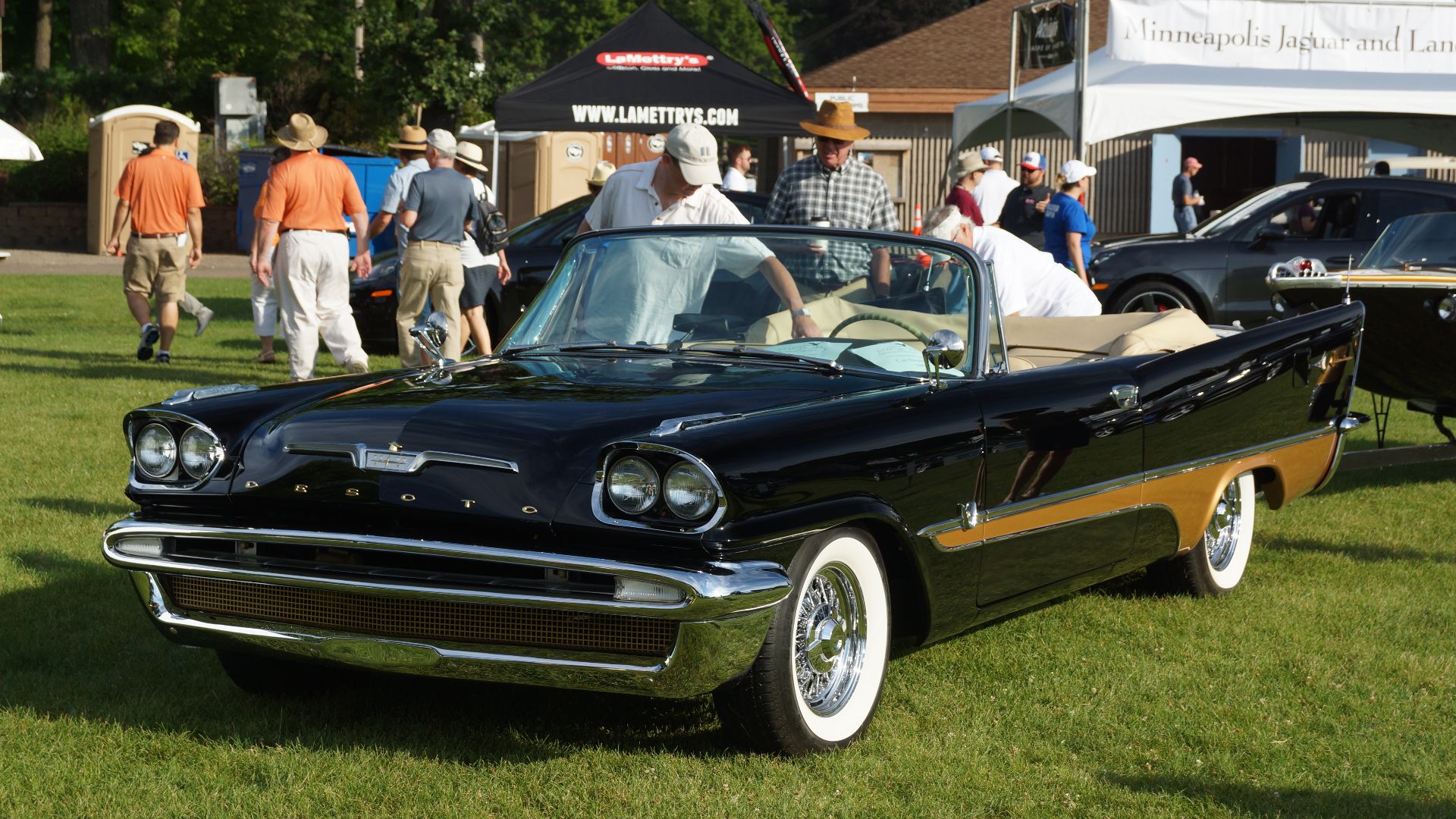 Greg Gjerdingen, Wikimedia Commons
The End Of An Era
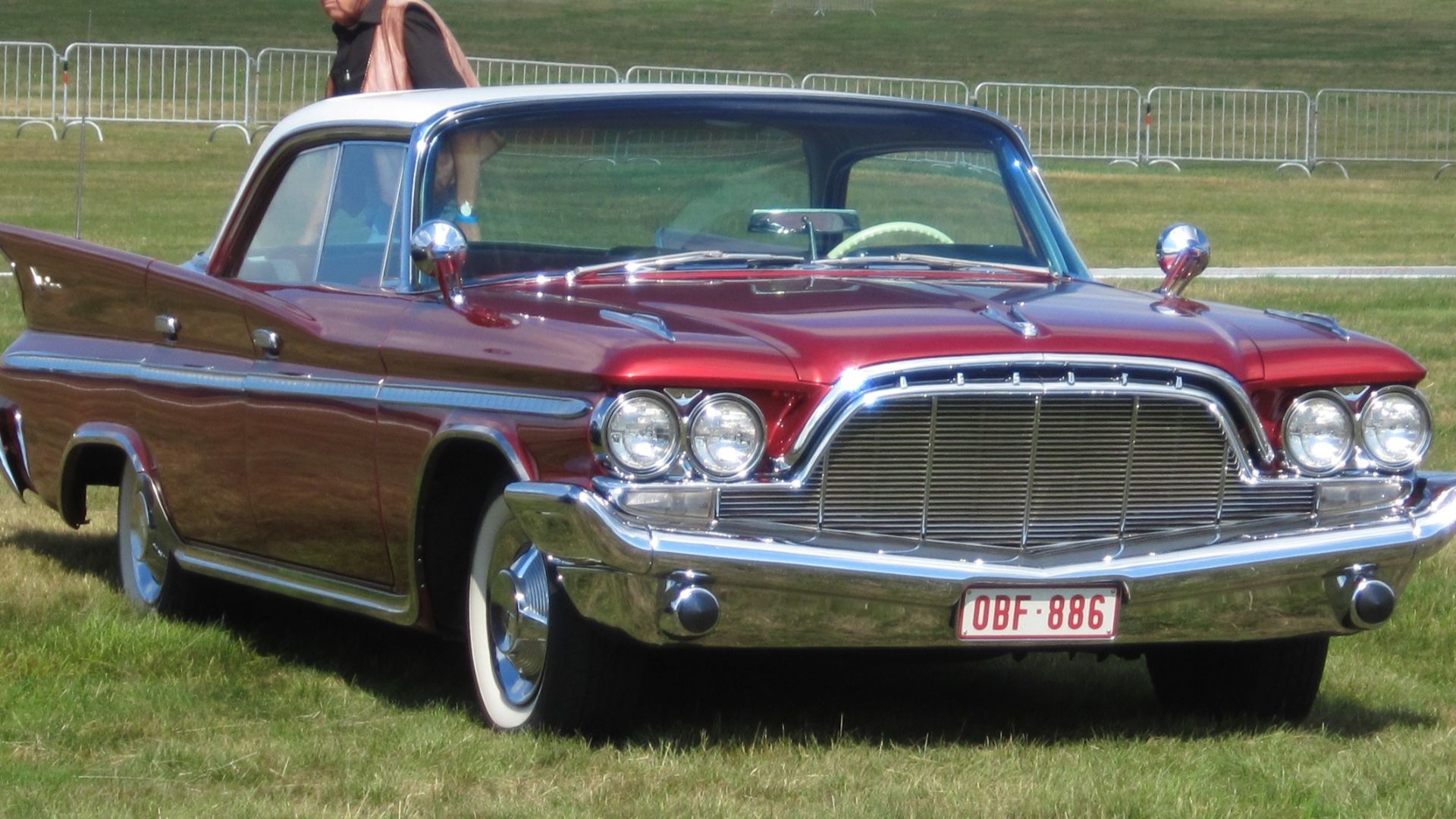
In 1960, Chrysler officially discontinued DeSoto. With it went the Adventurer, ending one of the most ambitious performance efforts of the decade. In just a few short years, the Adventurer had risen and fallen along with its parent brand.
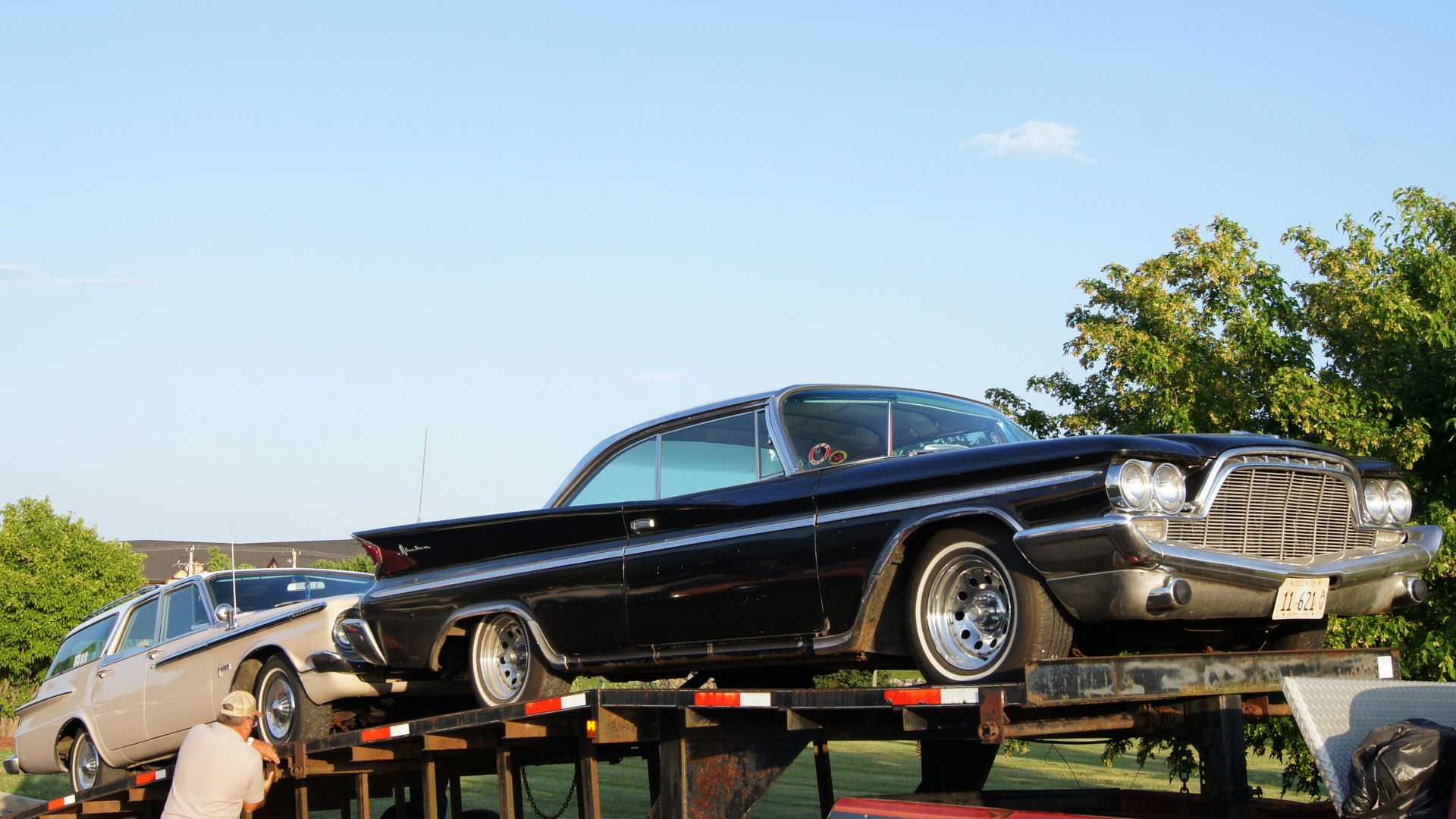 Greg Gjerdingen from Willmar, USA, Wikimedia Commons
Why History Overlooked The Adventurer
Unlike the Corvette or Mustang, the Adventurer didn’t get a second act. The nameplate disappeared entirely, and without an ongoing lineage, it faded from public memory. Great cars often need long-term visibility to become legends.
A New Appreciation Among Collectors
Today, collectors have begun to recognize what the Adventurer represented. Its rarity, power, and bold design make it highly desirable, especially in original condition. Prices have climbed as enthusiasts rediscover its significance.
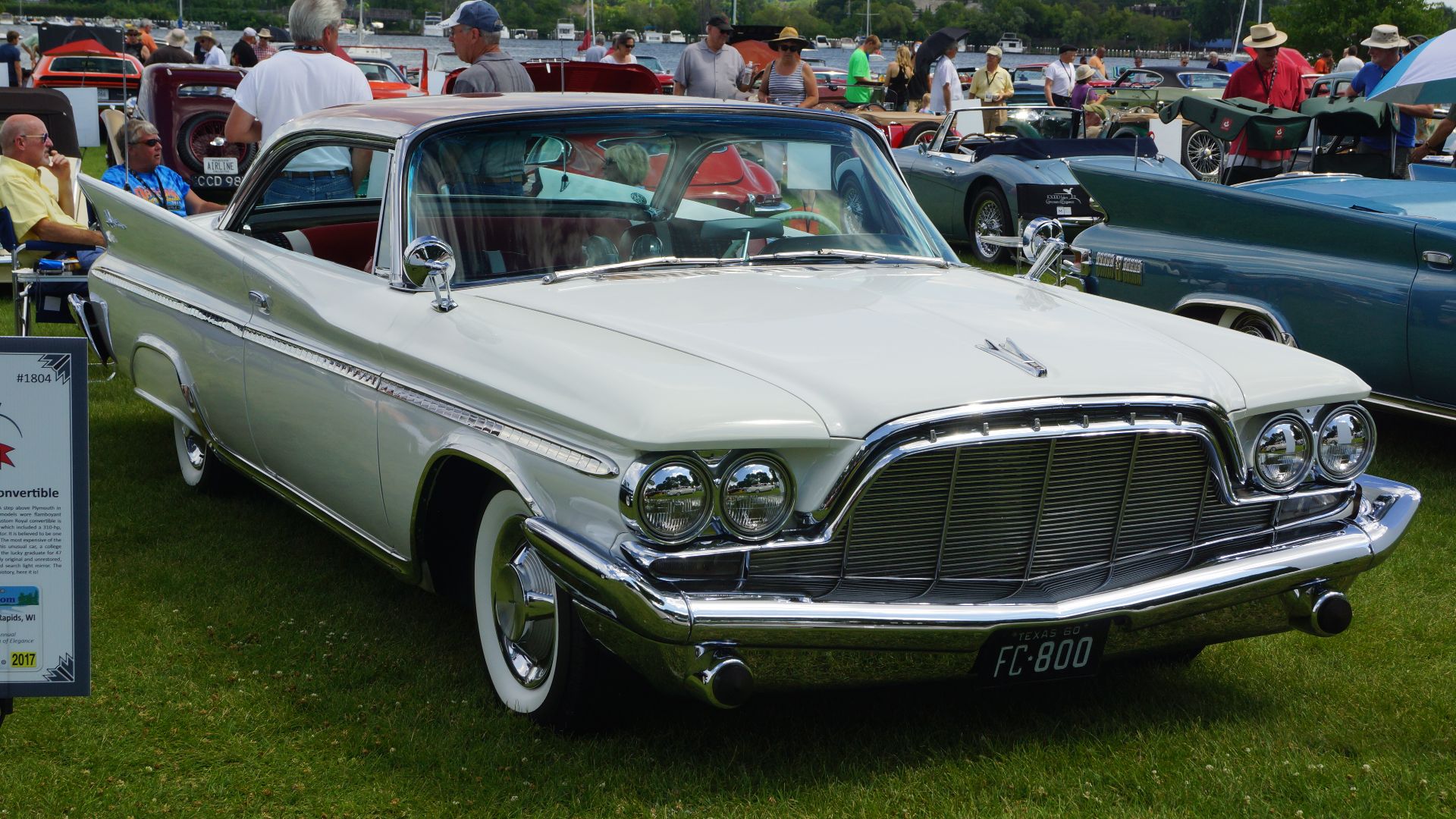 Greg Gjerdingen from Willmar, USA, Wikimedia Commons
A Muscle Car Ahead Of Its Time
In hindsight, the Adventurer looks like a preview of the muscle car era. Big V8 power, aggressive styling, and a performance-first mindset arrived years before the genre became mainstream. It was simply early to the party.
 Greg Gjerdingen from Willmar, USA, Wikimedia Commons
Lessons From The Adventurer’s Story
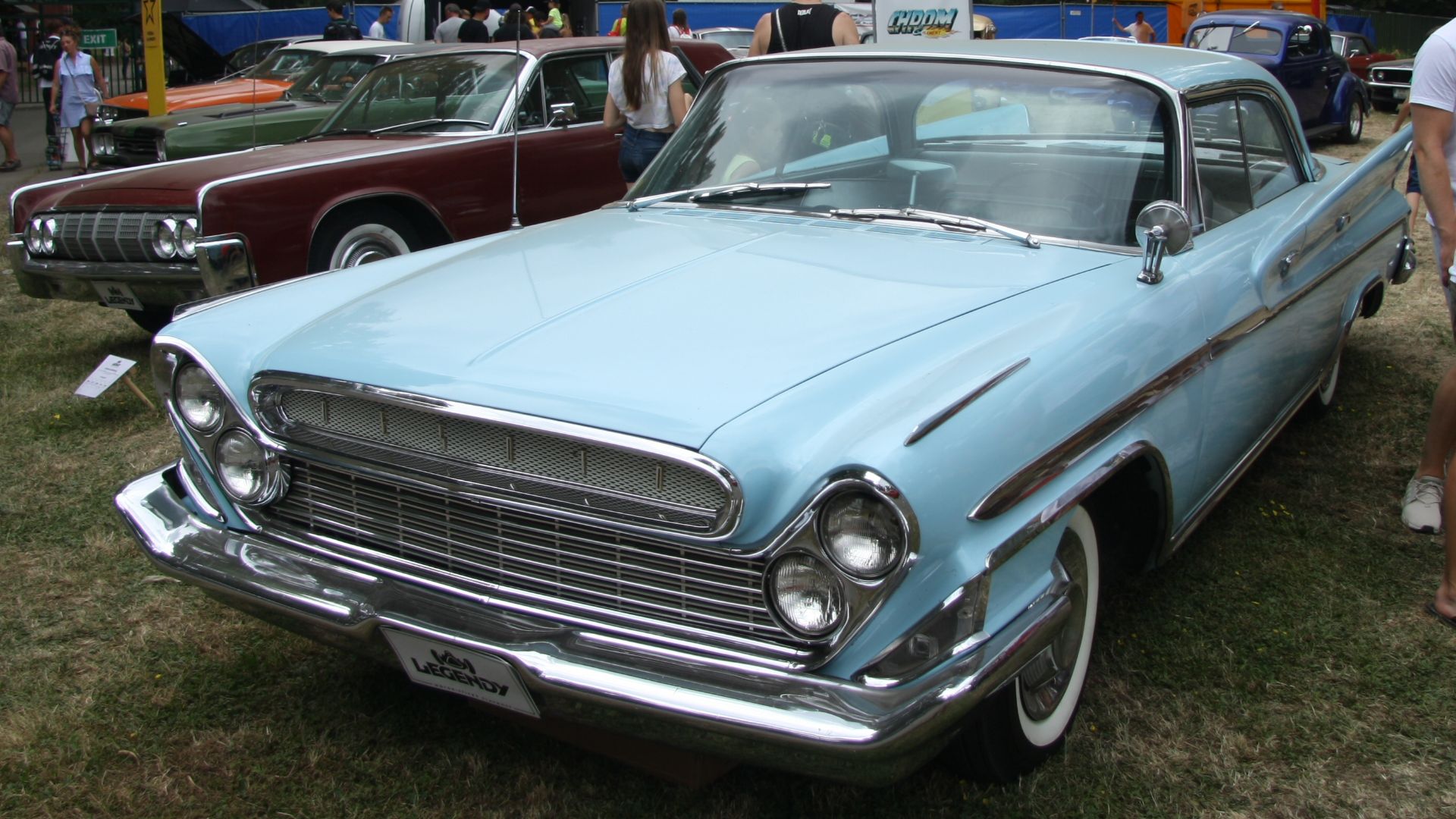
The DeSoto Adventurer proves that great engineering isn’t always enough. Timing, branding, and corporate decisions can determine a car’s fate just as much as horsepower and styling.
 Jiri Sedlacek, Wikimedia Commons
Why The Adventurer Still Matters
The Adventurer showed what DeSoto—and Chrysler—were capable of at their peak. It challenged expectations and proved that performance could come from unexpected places.
 Steve Brown from Ann Arbor, Michigan, USA, Wikimedia Commons
Remembering A Forgotten Powerhouse
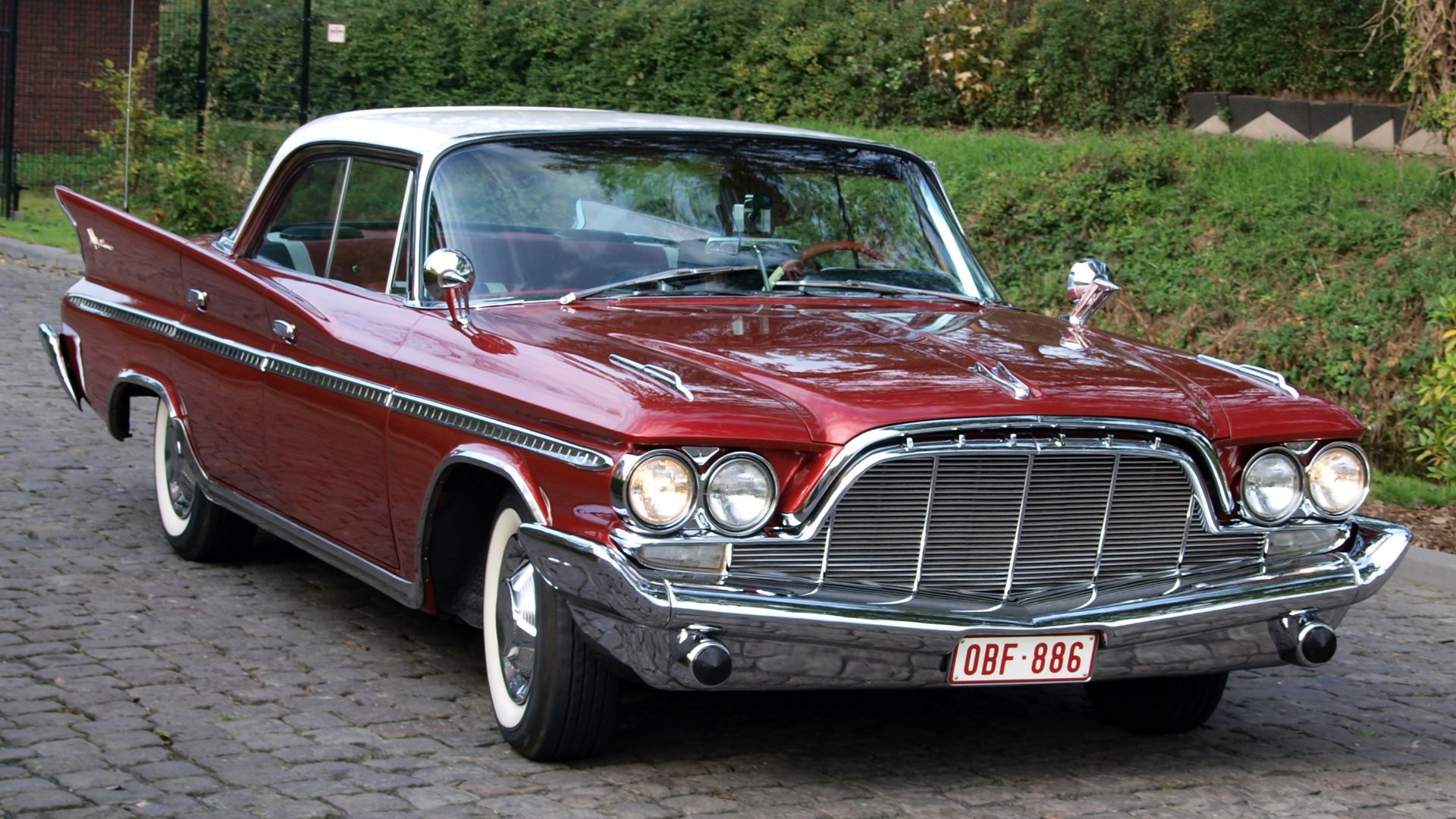
The DeSoto Adventurer may not be a household name, but it deserves to be remembered. It was bold, powerful, and unapologetically ambitious—a true product of 1950s optimism. For those who know its story, the Adventurer remains one of the era’s most fascinating and underrated American performance cars.
You May Also Like:
Chevrolet’s SS Wagon Was The Most Unlikely Muscle Car Of The 1970s
Remember How Everyone's Parents Drove In Ways That Are Fully Illegal Today?
High-Powered Muscle Cars That Will Get You Respect From Real Enthusiasts