
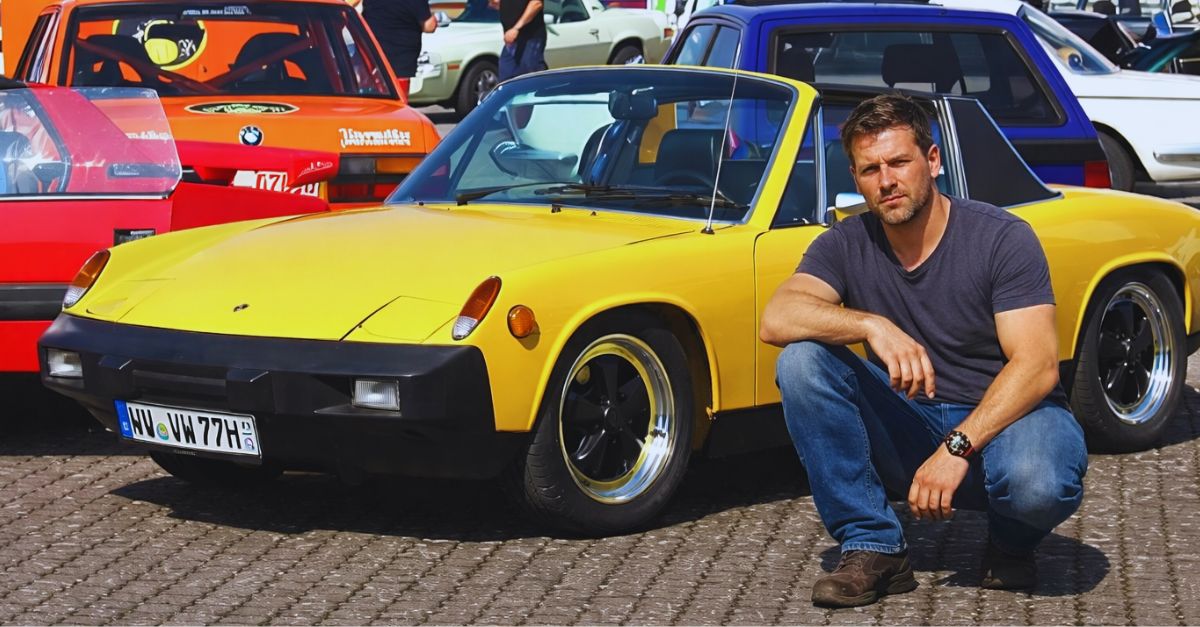
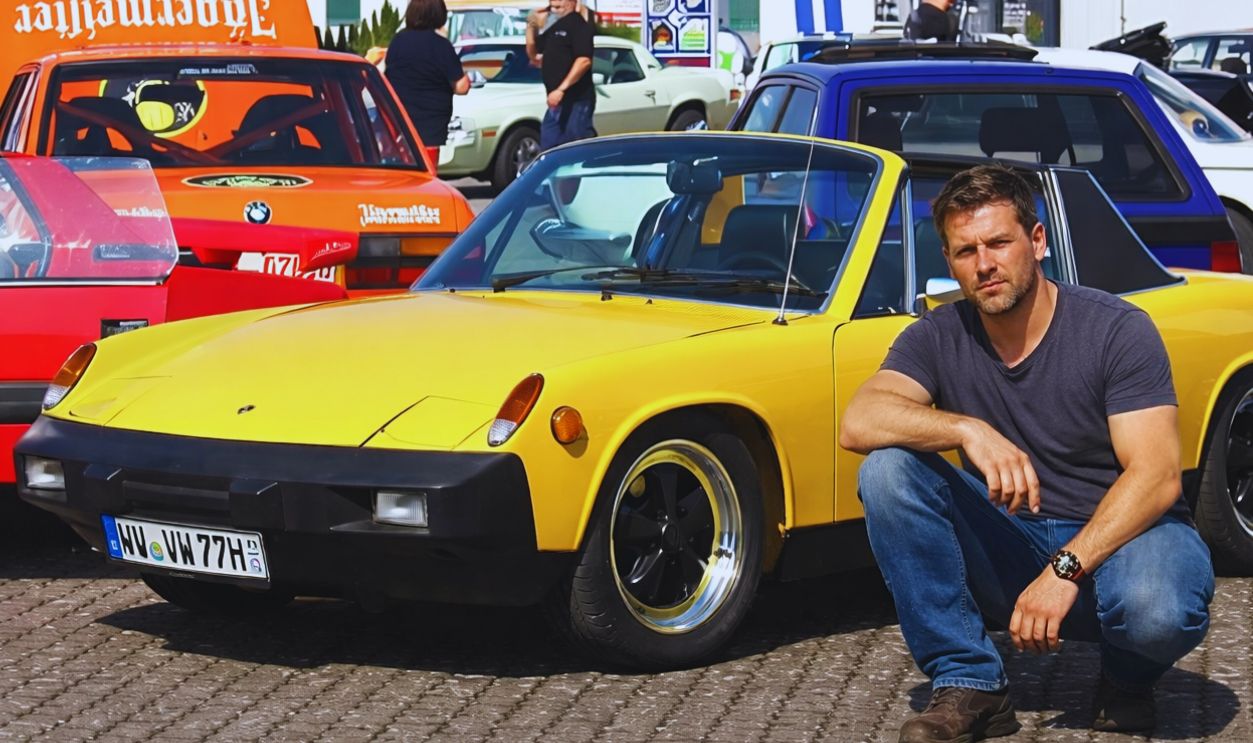
The Oddball Porsche
Critics dismissed it quickly; owners discovered a machine that begged to be pushed harder. Yet the Porsche 914 carried a secret potential. Once discovered, it revealed a driving personality that enthusiasts couldn’t ignore.
 Lothar Spurzem, Wikimedia Commons, Modified
Porsche Before The Legend
Long before SUVs and electric models, Porsche was a small German sports-car maker obsessed with racing. Founded in 1931, it built lightweight, rear-engine machines focused on precision. The focus of this brand was on engineering purity and driver connection.
How 911 Became Porsche’s Identity
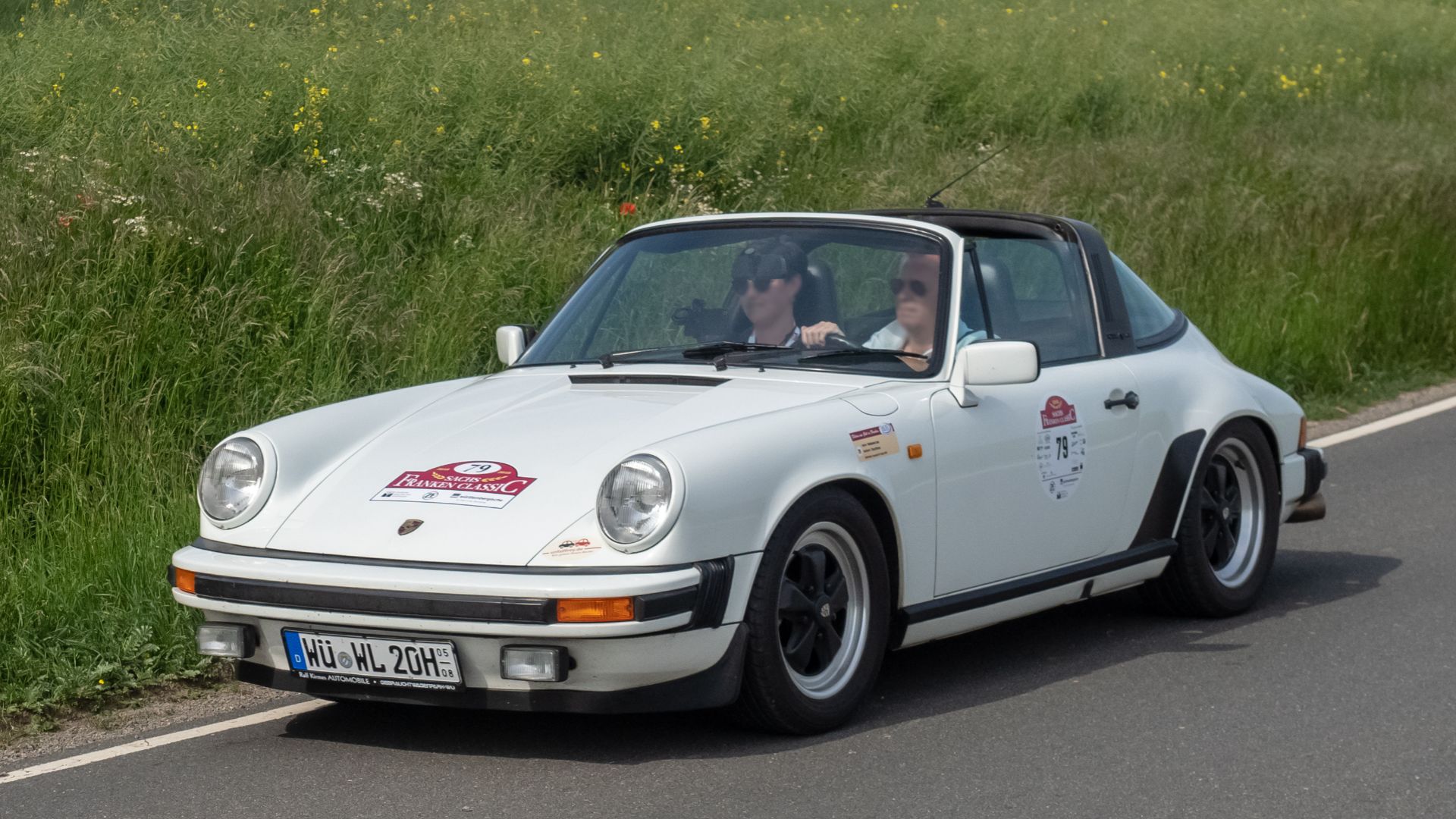
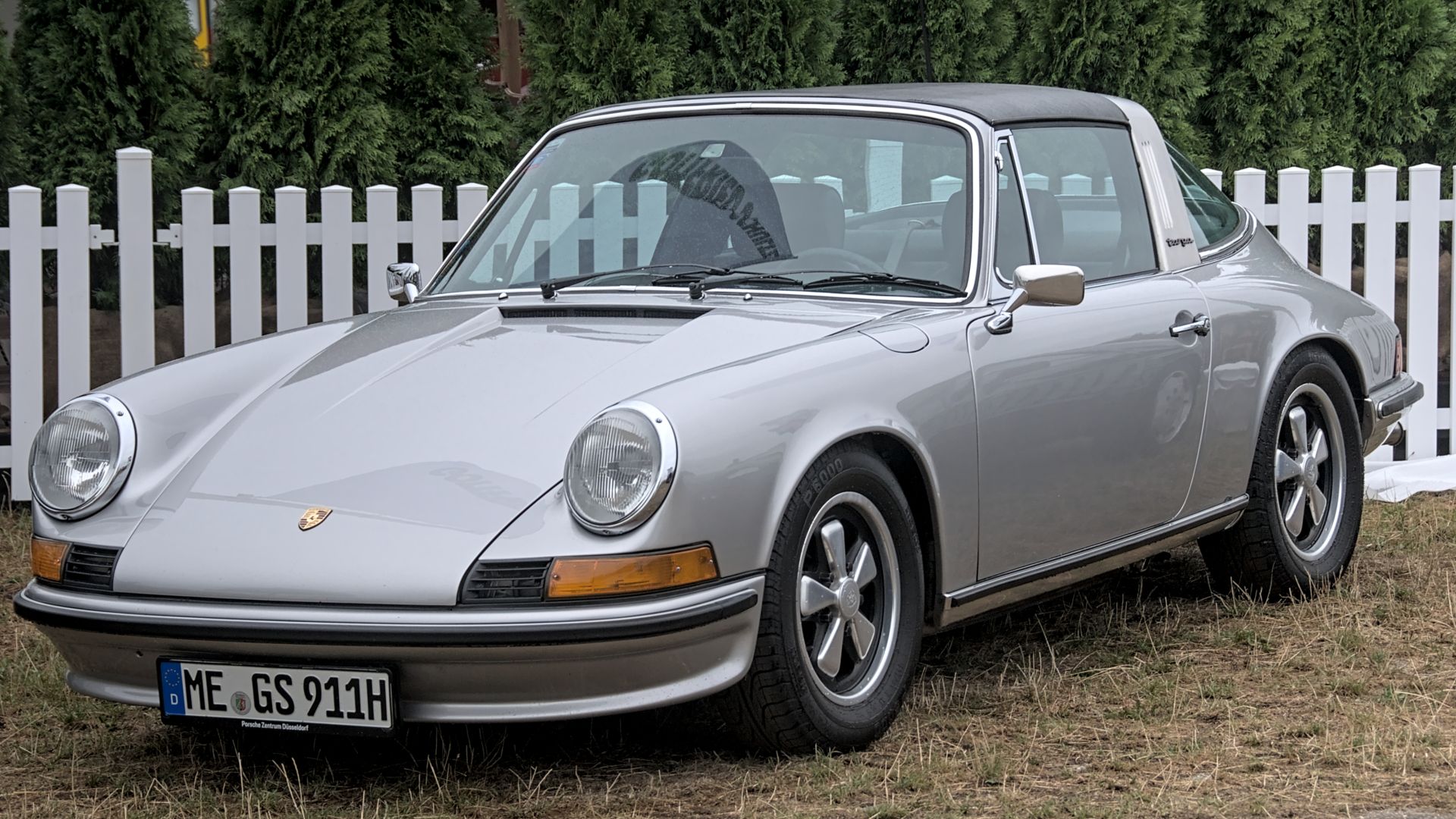
That philosophy crystallized in the Porsche 911, launched in 1964. Its rear-engine layout and distinctive shape turned it into a cultural icon. For decades, 911 became the reference point for buying a sports car—what buyers expected when they heard the word “Porsche.”
 Alexander Migl, Wikimedia Commons
The Problem Porsche Faced In The Late 1960s
By the late 1960s, Porsche faced pressure. Sports cars were getting expensive, and regulations were tightening. Sales volumes for sports cars were always limited. To survive, the company needed a more affordable model. It had to be something younger buyers could reach without abandoning Porsche’s engineering values entirely.
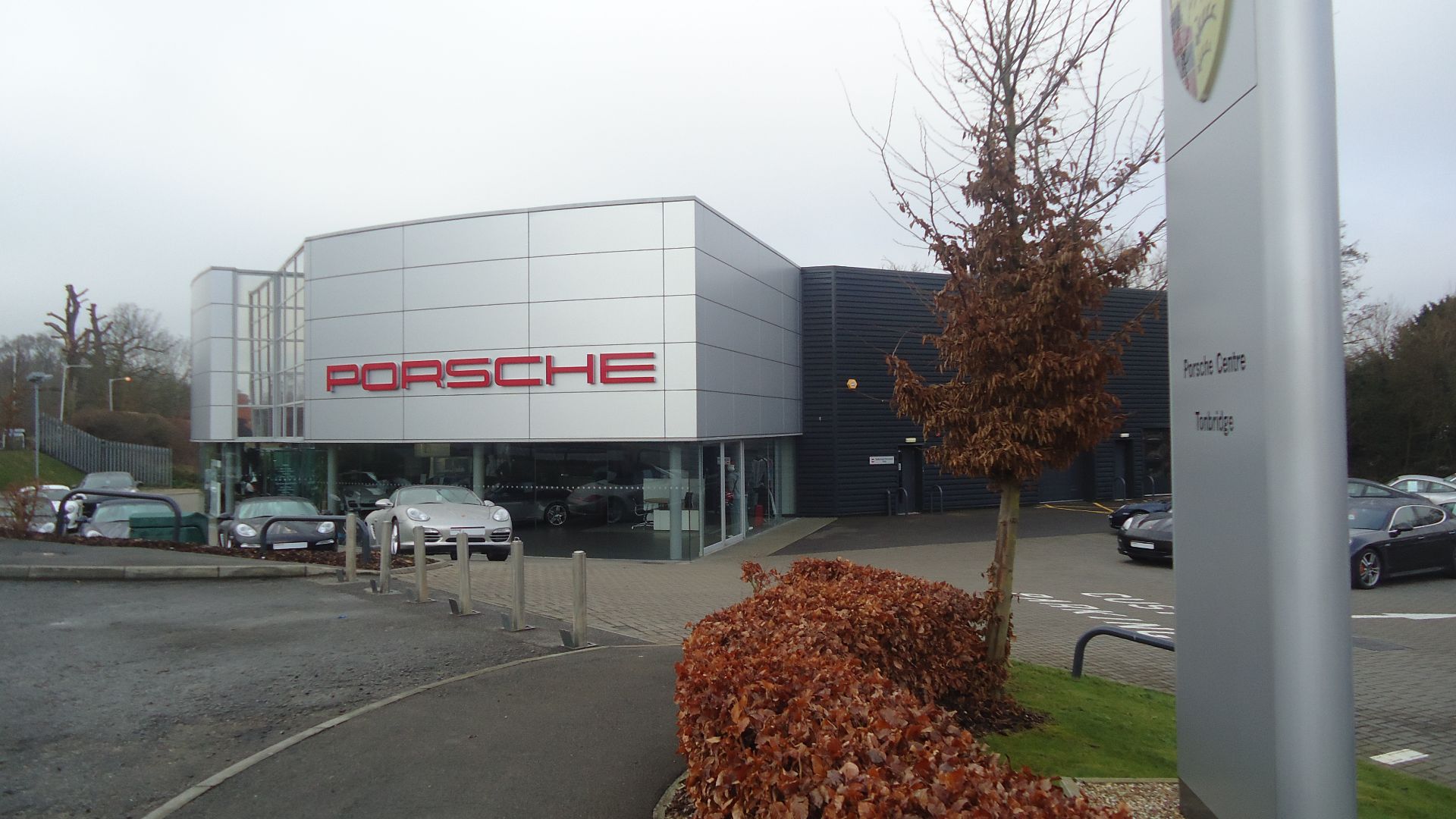 Stacey Harris , Wikimedia Commons
An Unlikely Partnership Takes Shape
An unexpected solution came through Volkswagen. Porsche and Volkswagen shared history and engineering ties, so they partnered on a new sports car. The idea was simple: Porsche handled performance tuning, while Volkswagen helped keep development and production costs under control.
 Ralf Roletschek, Wikimedia Commons
The Birth Of The Porsche 914
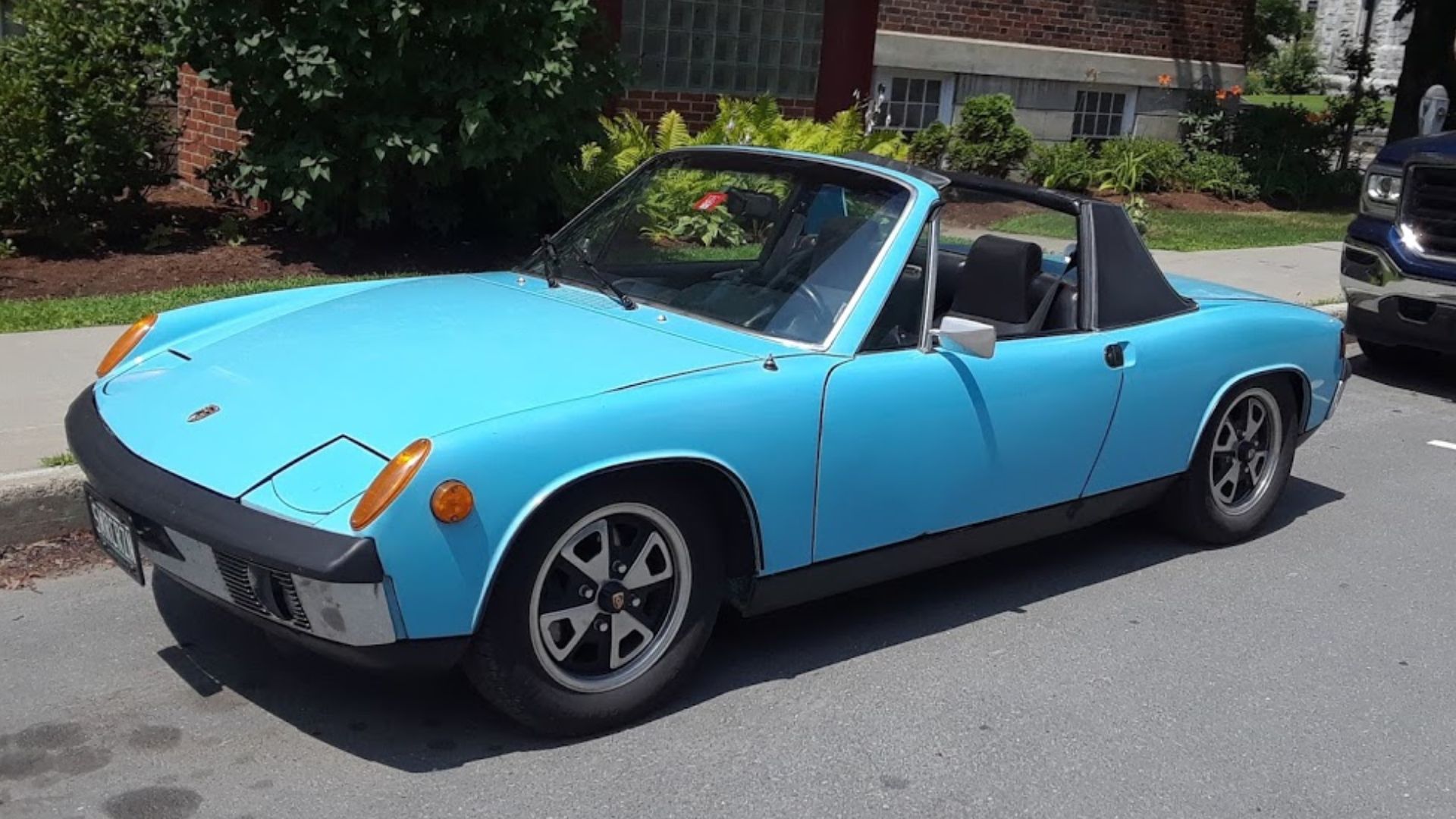
That collaboration produced the Porsche 914, introduced for 1970. It sat below the 911 as an entry-level sports car, which featured a mid-engine layout and removable roof. On paper, it promised balance with practicality, and Porsche DNA at a lower price.
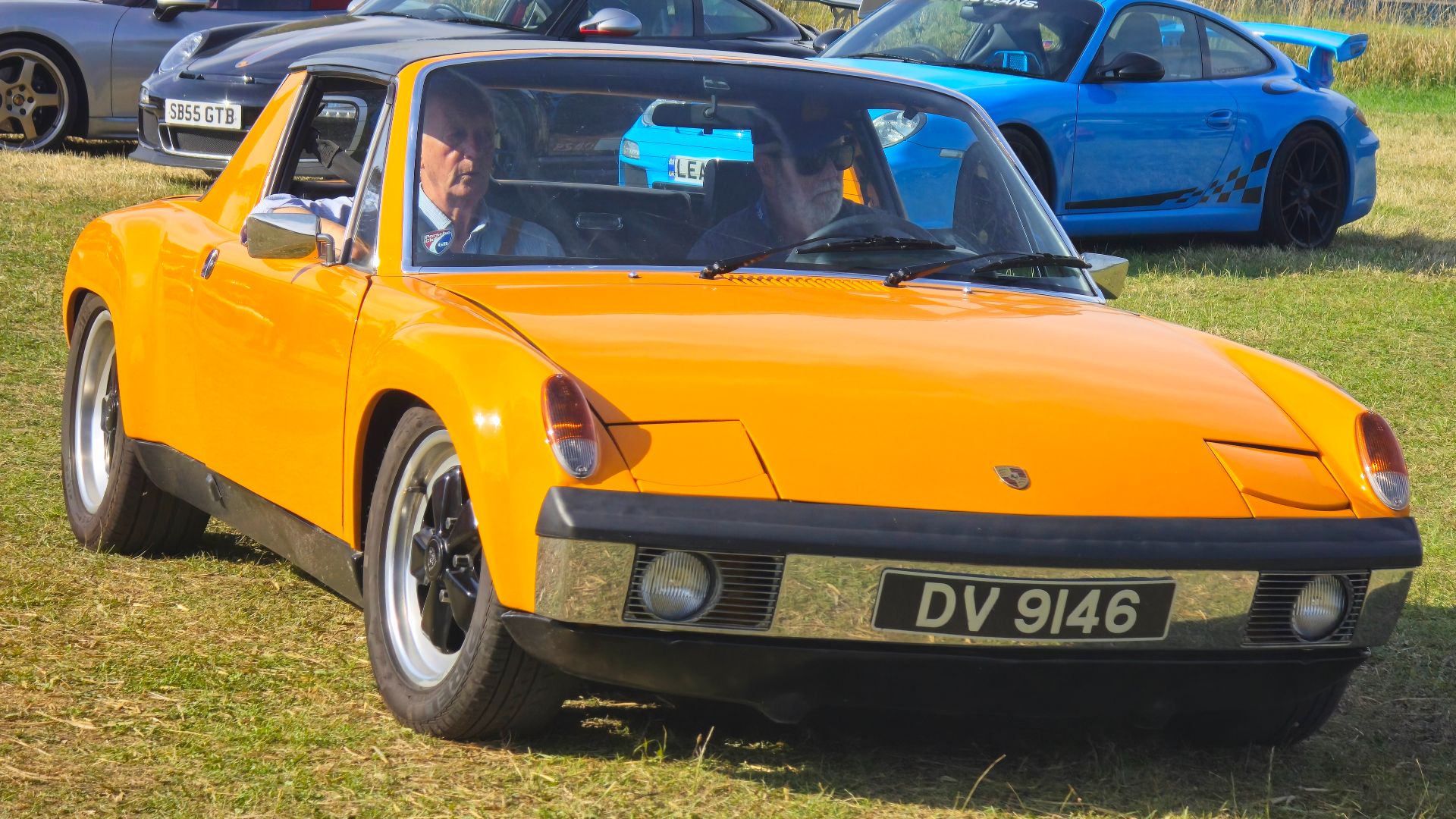
Targa Roof Innovation
The 914’s removable roof panel wasn’t just a gimmick. It was one of the earliest mainstream applications of the “targa” concept. The roof gave drivers open-air freedom without sacrificing structural rigidity, which influenced Porsche’s later 911 Targa models.
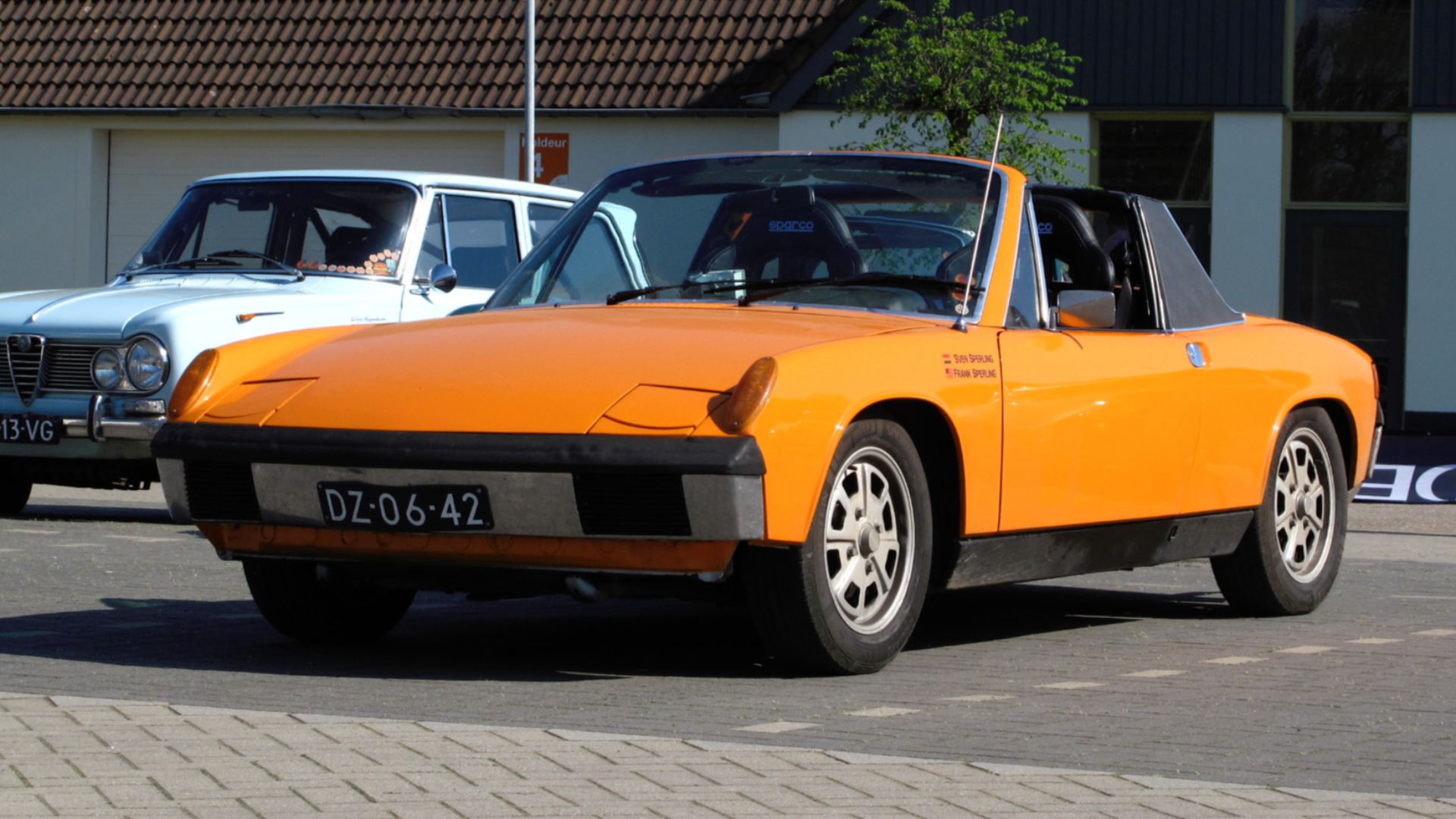 Rutger van der Maar, Wikimedia Commons
Racing Pedigree In SCCA And IMSA
Despite its modest power, the 914 found surprising success in racing. Privateers and Porsche itself campaigned the car in SCCA and IMSA events, where its balance and handling often outshone more powerful rivals. Its racing credibility helped cement its reputation among enthusiasts.
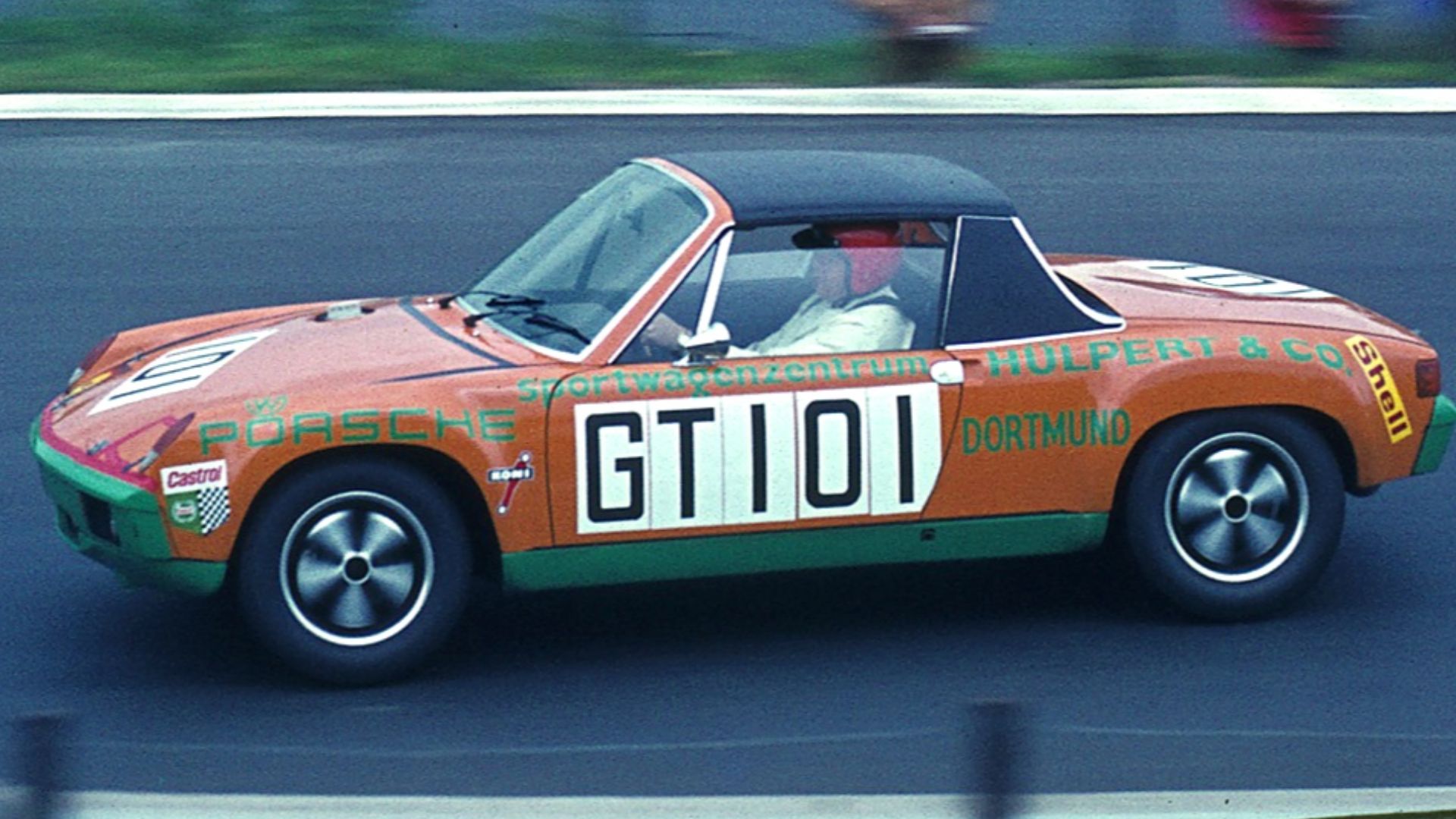 Lothar Spurzem, Wikimedia Commons
The 914 As Porsche’s Best-Selling Model Of The 1970s
Often overlooked as a fact, the 914 actually outsold the 911 during much of its production run. For several years, it was Porsche’s volume leader, proving that the “entry-level” experiment worked financially, even if its image was complicated.
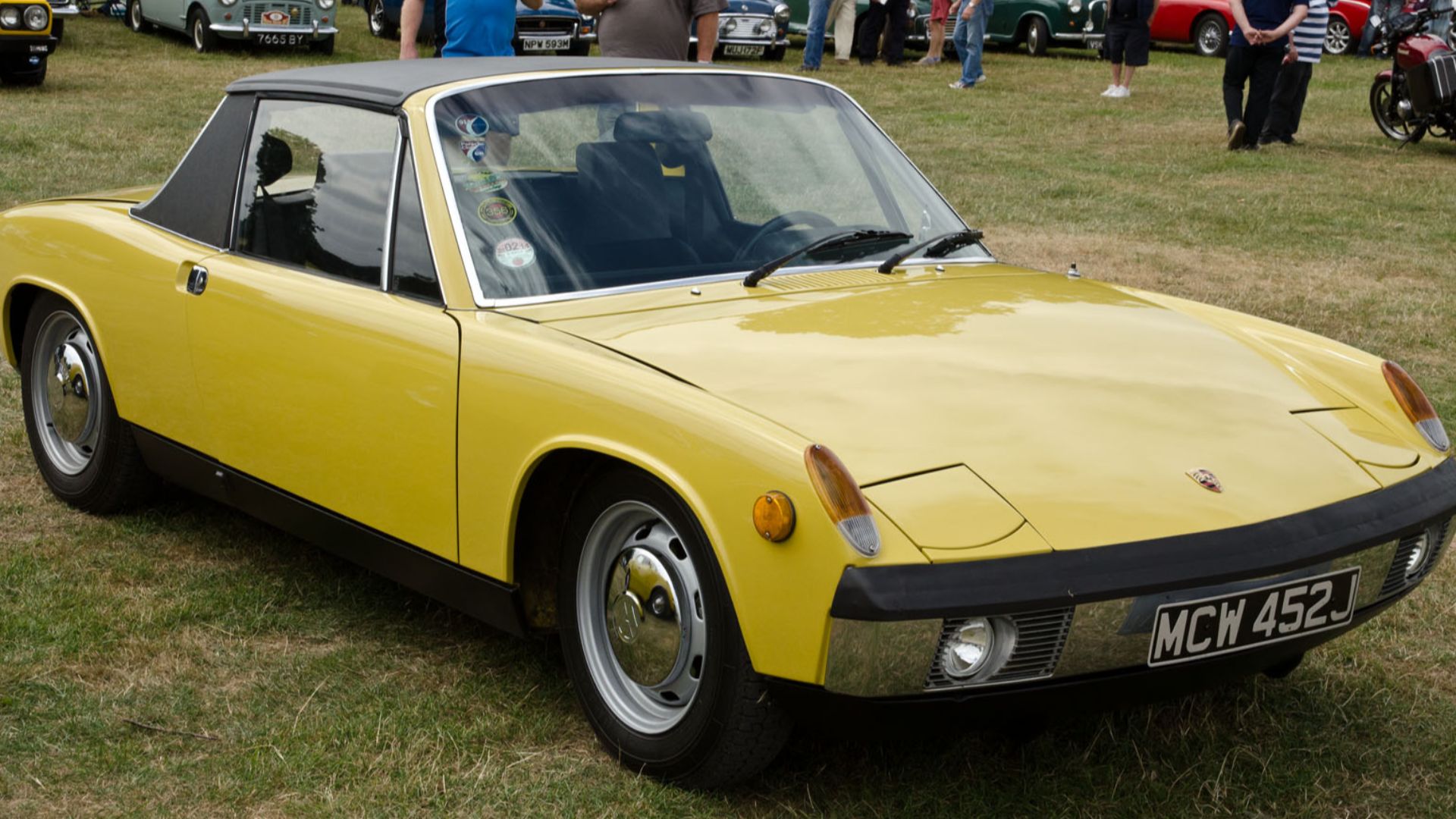
Unique Interior Ergonomics
The interior felt simple yet unconventional. Drivers sat low and wide, with clear outward views made possible by slim pillars. A squared dashboard and straightforward controls emphasized usability, which set it apart from the more refined and upscale 911 cabin.
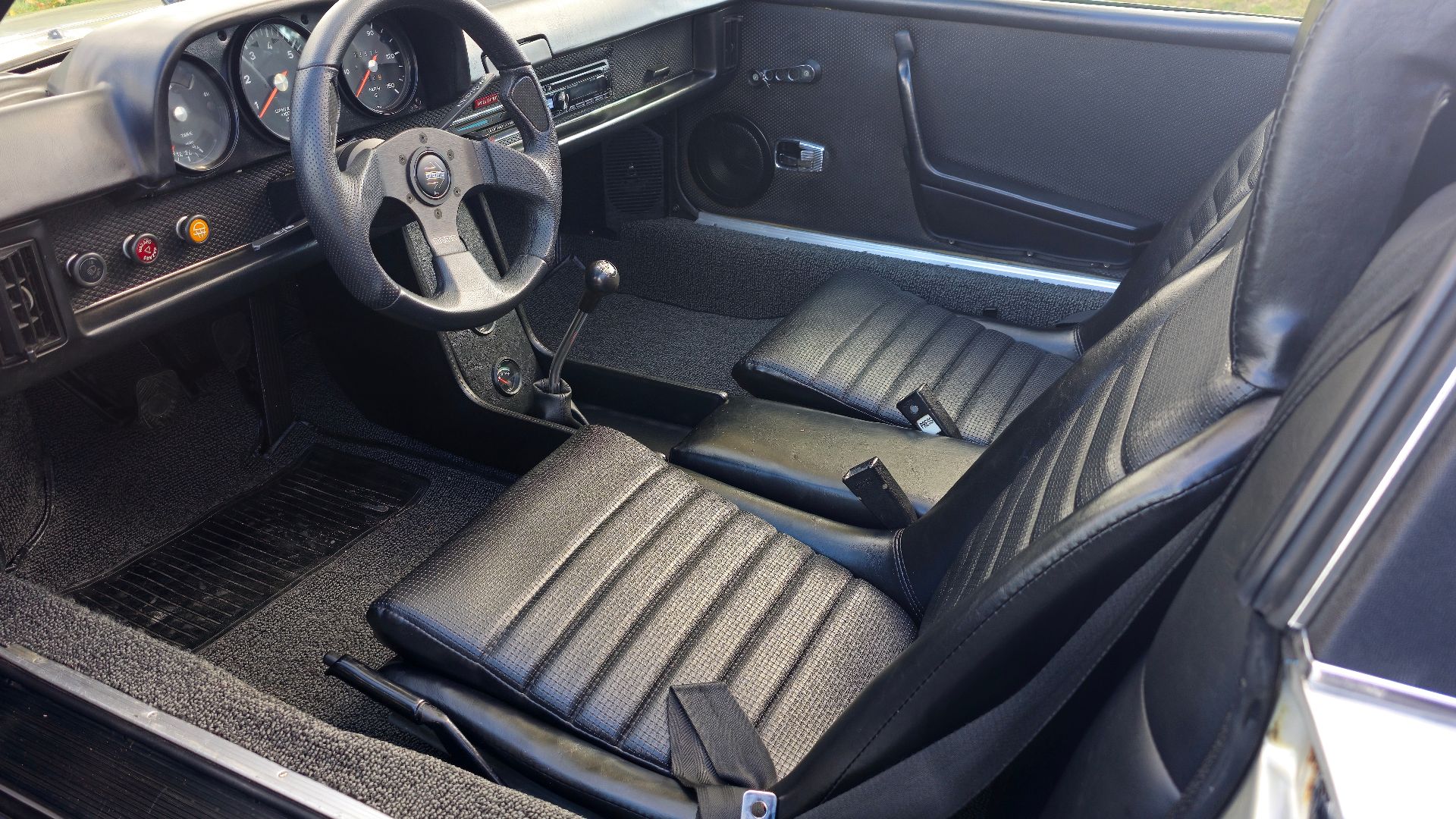 Don Ramey Logan, Wikimedia Commons
Mid-Engine Quality
Unlike the 911’s rear-engine setup, the Porsche 914 placed its engine behind the seats but ahead of the rear wheels. This mid-engine layout improved balance while lowering the center of gravity. It also helped the car stay planted through corners—something racers value deeply.
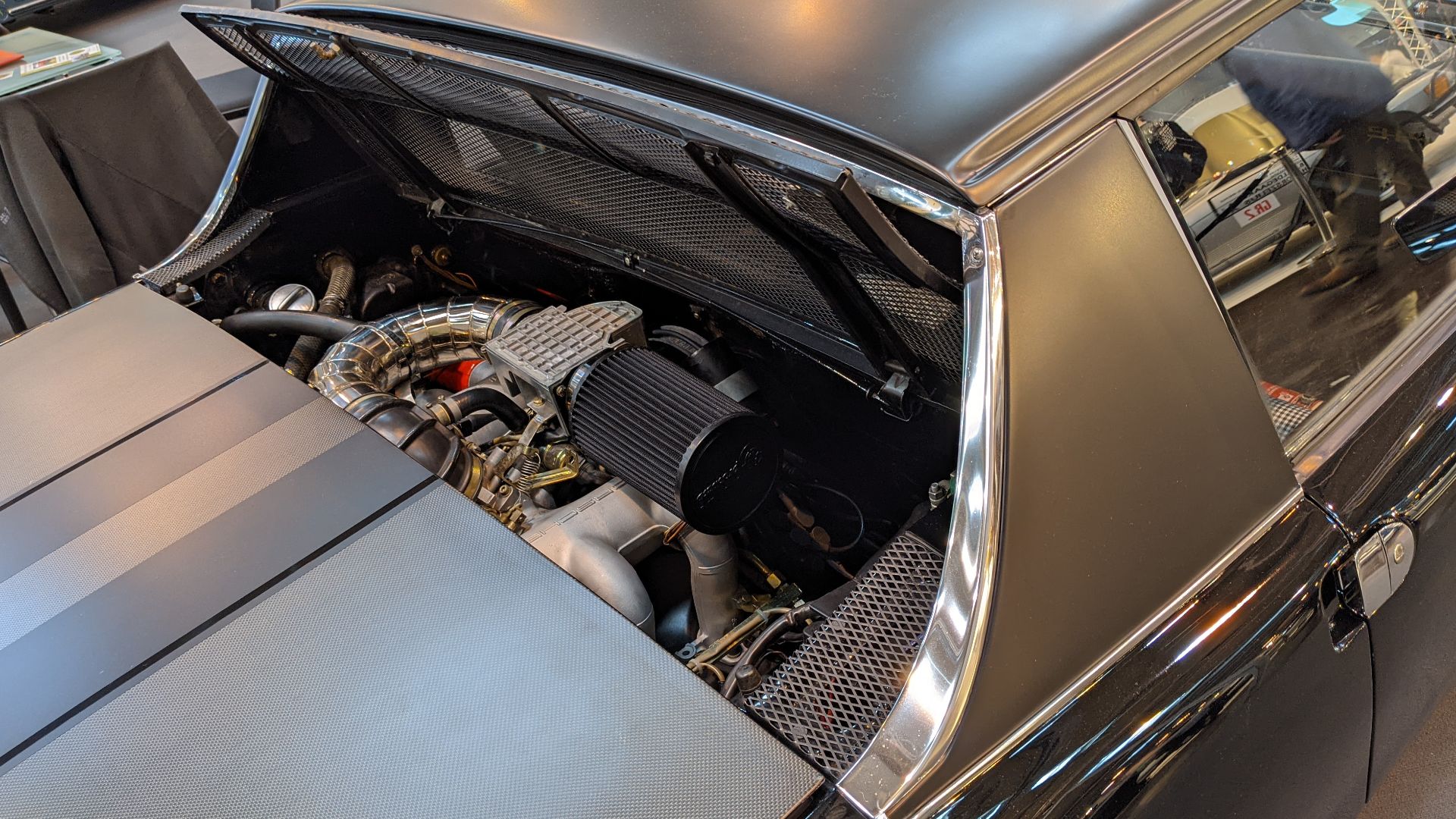 Thomas Vogt from Paderborn, Deutschland, Wikimedia Commons
The 914 As Porsche’s First Mid-Engine Production Car
While Porsche had experimented with mid-engine race cars before, the 914 was the first road-going production car that the brand used this layout. This marked a turning point in their engineering philosophy and paved the way for later mid-engine icons like the Boxster and Cayman.
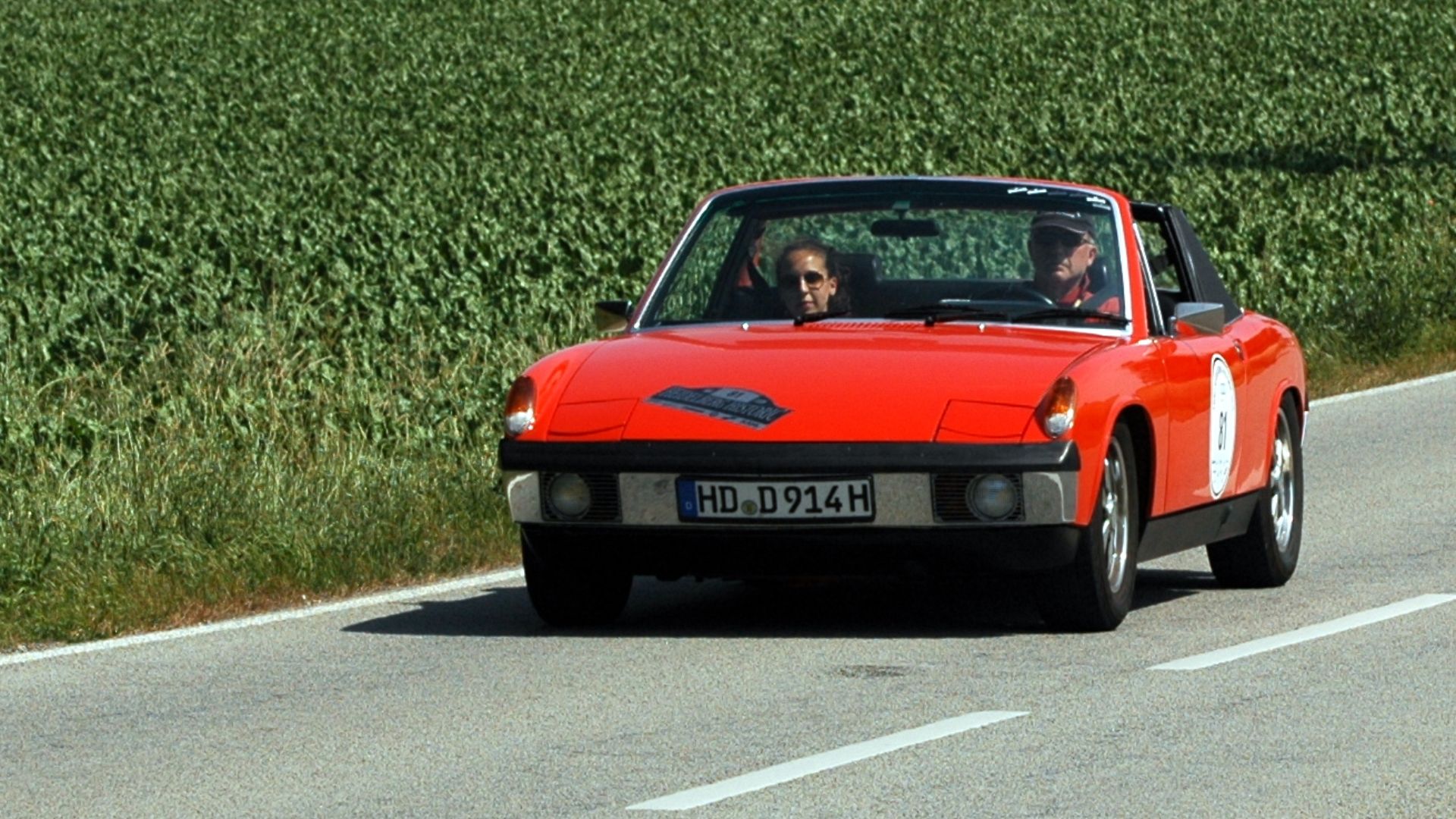 Radosław Drożdżewski (Zwiadowca21), Wikimedia Commons
Why The 914 Handled Better Than Expected
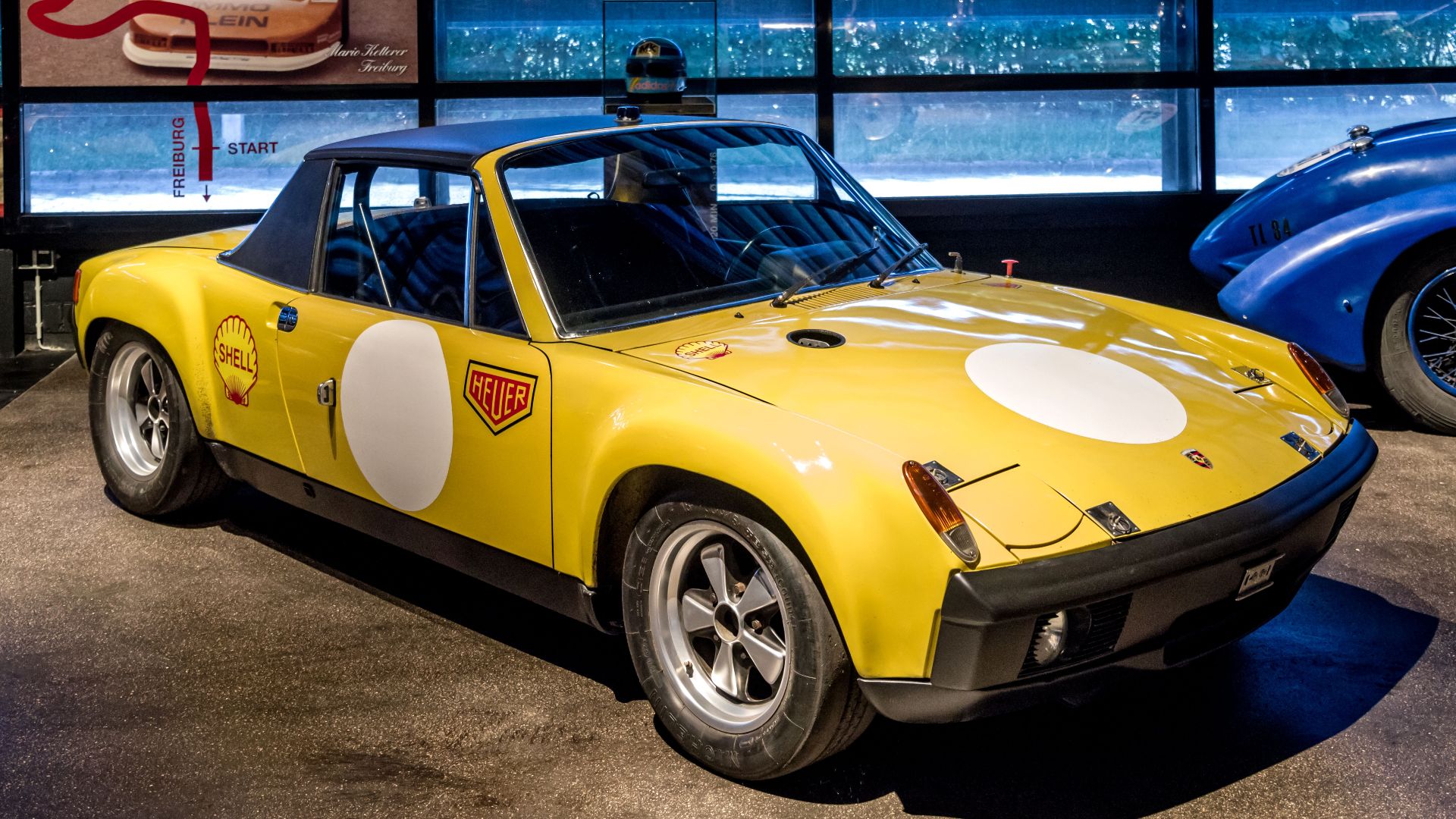
The 914 delivered neutral, predictable handling. Weight was evenly distributed, reducing oversteer and sudden loss of grip. Many drivers found it easier to push hard than a 911, especially on tight roads, where balance mattered more than outright horsepower.
 joergens.mi, Wikimedia Commons
A Porsche That Looked Nothing Like The 911
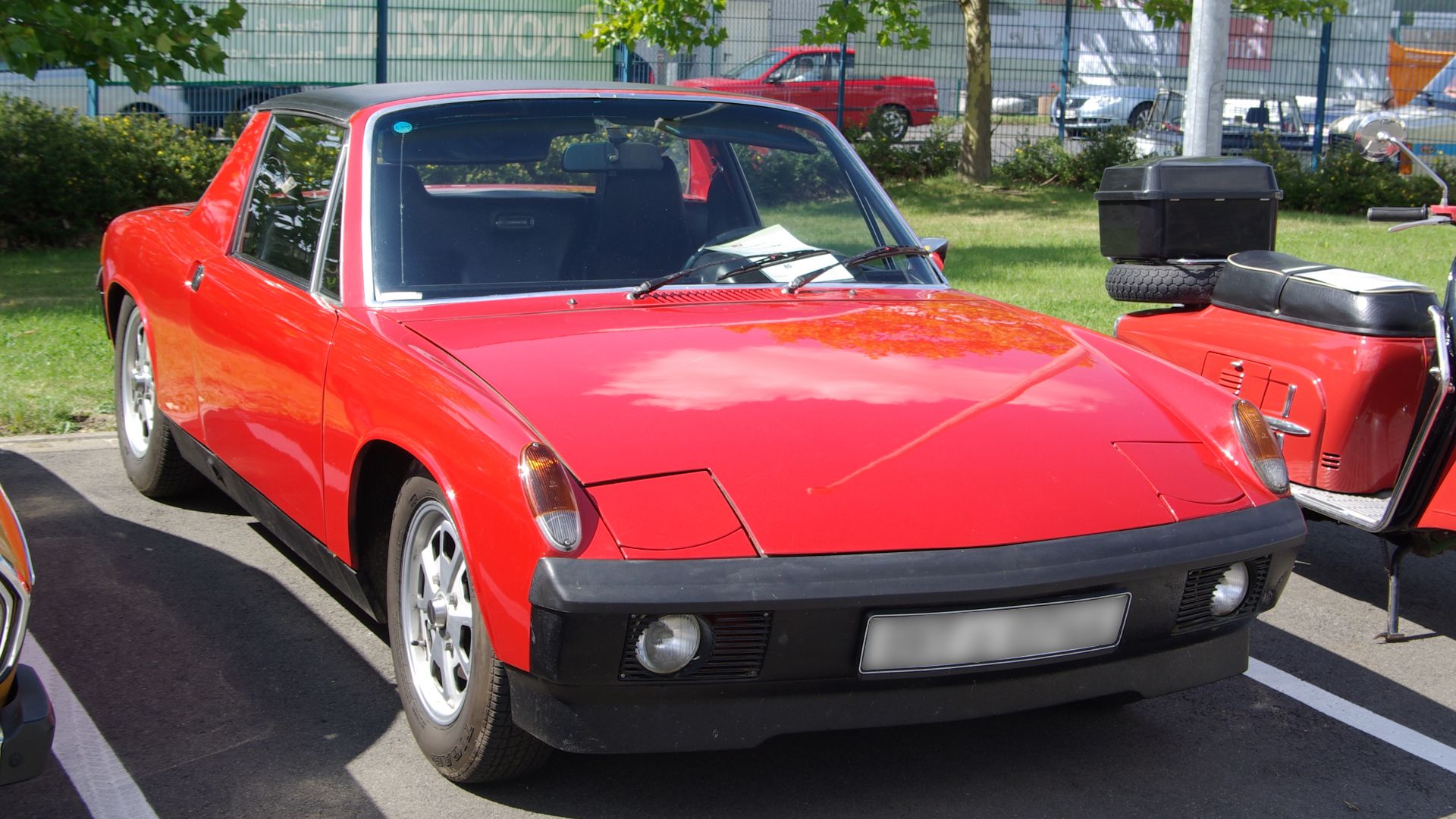
When the Porsche 914 arrived, it shocked buyers visually. While some features were amazing, it looked nothing like the original 911 that people coveted. This change made people question whether it belonged in Porsche showrooms at all, since it was priced low as well.
 Berthold Werner, Wikimedia Commons
The Engine That Held The 914 Back
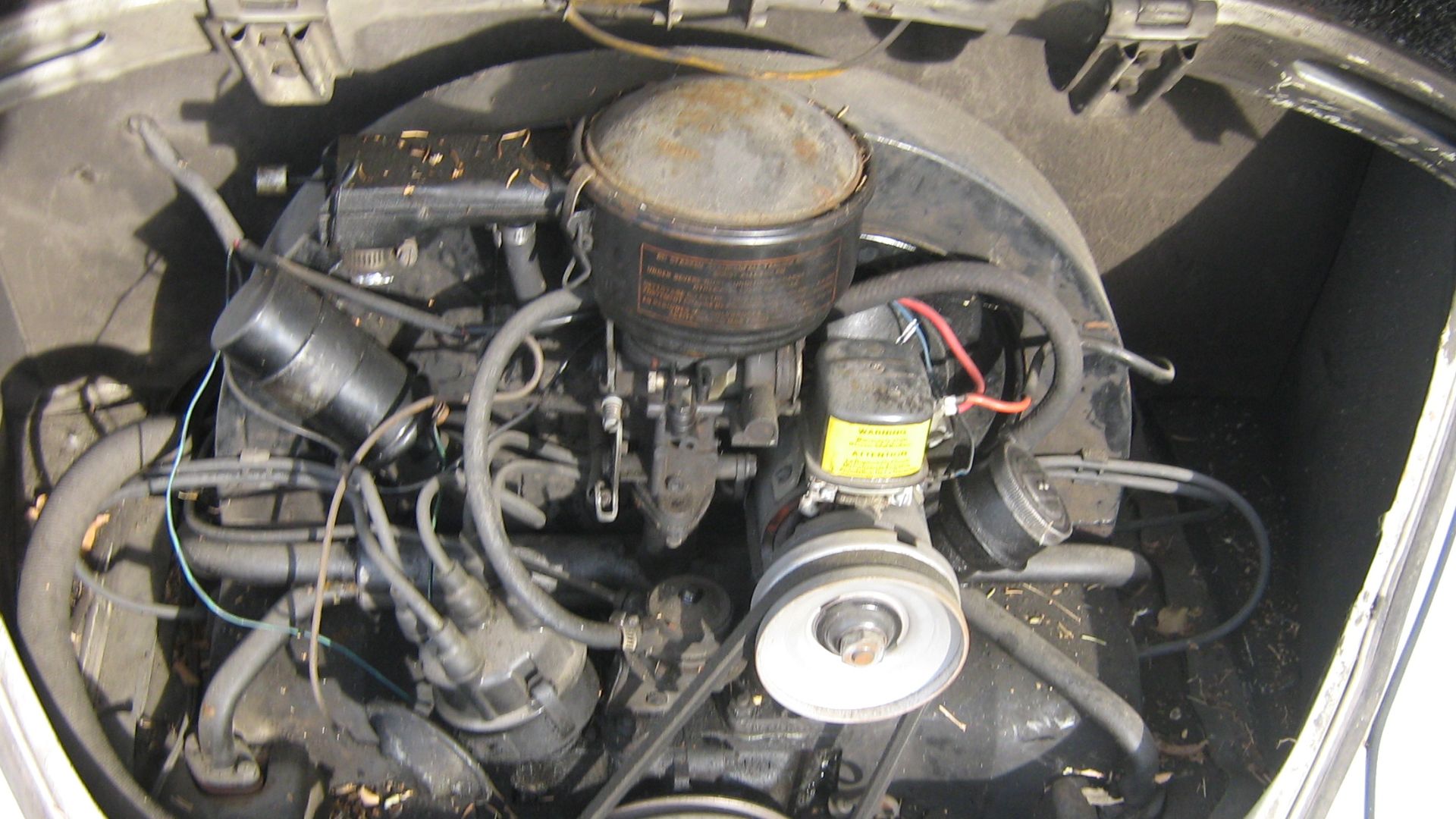
Most 914s came with modest four-cylinder engines sourced from Volkswagen, producing between 80 and 100 horsepower. While reliable and efficient, they felt underpowered. The chassis begged for more speed, but the engine struggled to deliver the excitement buyers expected from the badge.
 dave_7 from Lethbridge, Canada, Wikimedia Commons
The Identity Crisis That Hurt The 914
It suffered from mixed messaging. The car was sold as both a Porsche and a Volkswagen, which confused the buyers. The brand loyalists saw it as too VW, while VW buyers found it too expensive. That split identity prevented the car from ever fully finding its audience.

Why The 914 Slowly Faded From View
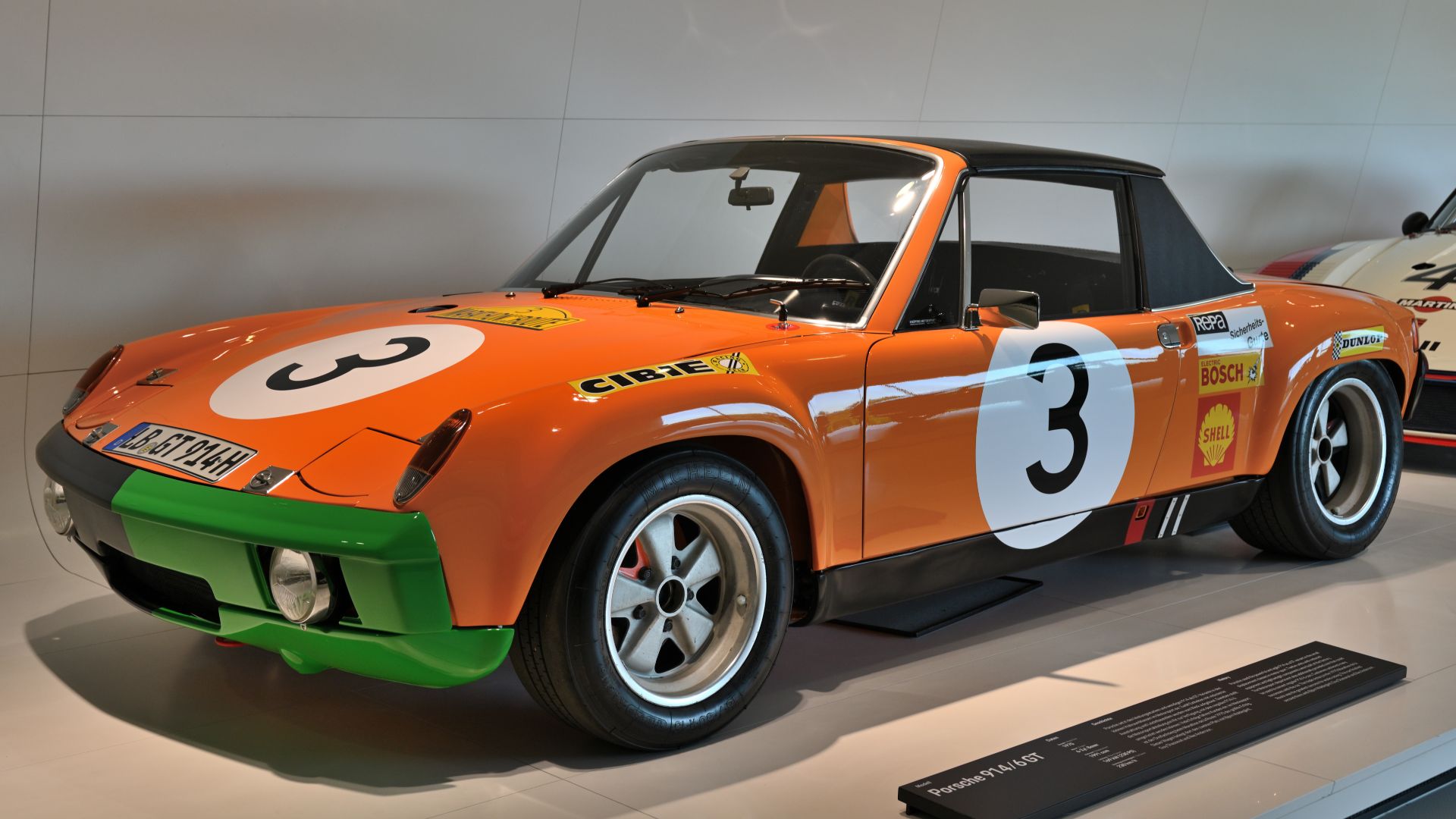
The 914 entered a crowded sports-car era. Newer models grew faster and more powerful, while emissions rules and rising costs worked against them. By the mid-1970s, attention shifted elsewhere, and when production ended in 1976, the 914 slipped quietly out of the spotlight.
 Stefan Kemmerling, Wikimedia Commons
What Happened To 914 Prices Over Time
As years passed, used models of this car became cheap. Many were modified poorly or scrapped altogether. Collectors focused on 911s instead, which kept 914 values low for decades to make it one of the few classic Porsches that never saw an early price boom.
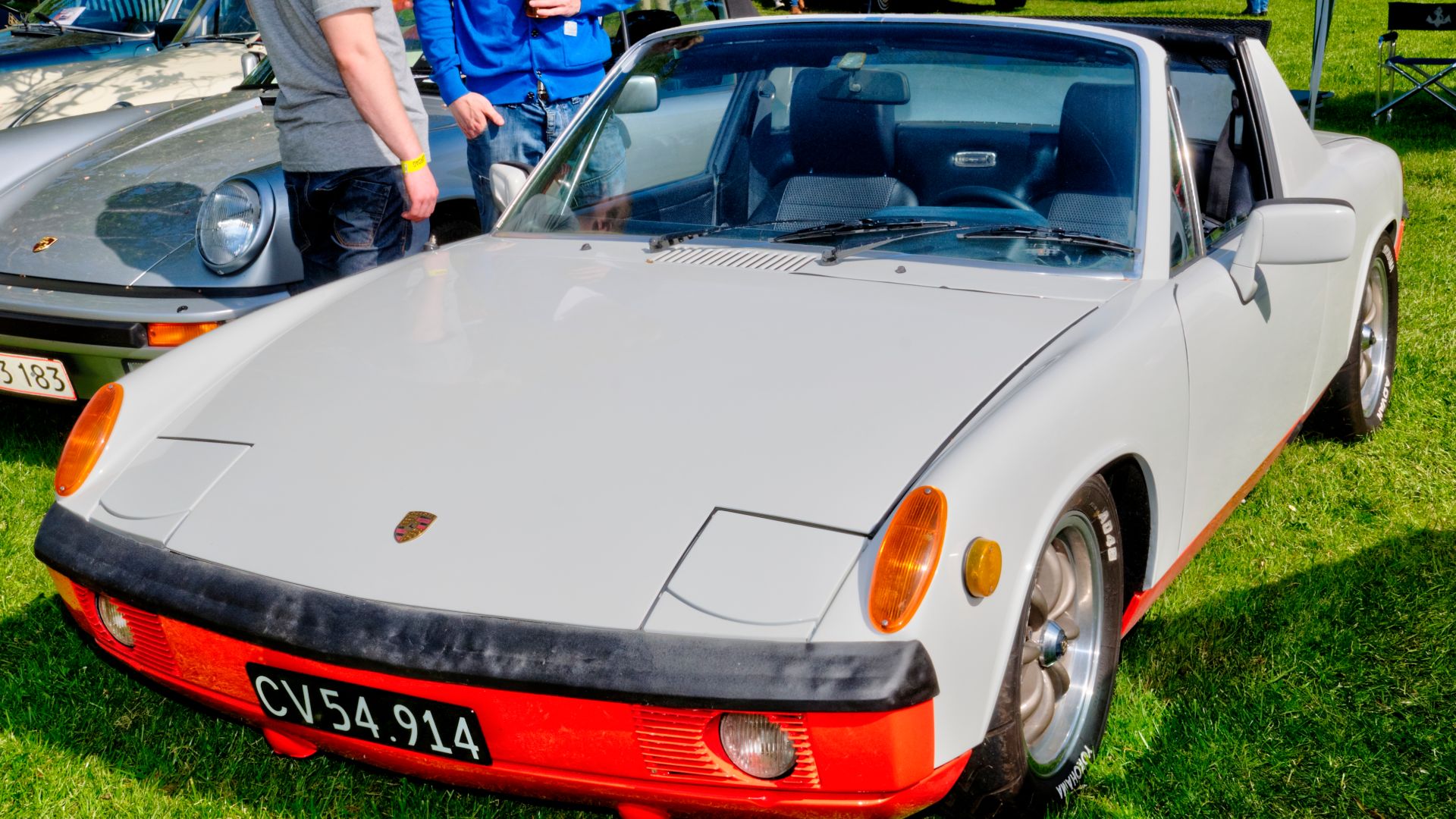 Lav Ulv from Viby J, Denmark, Wikimedia Commons
Enthusiasts Begin Seeing The Hidden Potential
Drivers who spent time behind the wheel noticed something special. The 914’s balance, light weight, and steering feel stood out. Slowly, enthusiasts began to view it as a brilliant chassis waiting for the right engine instead of a Porsche rip-off.
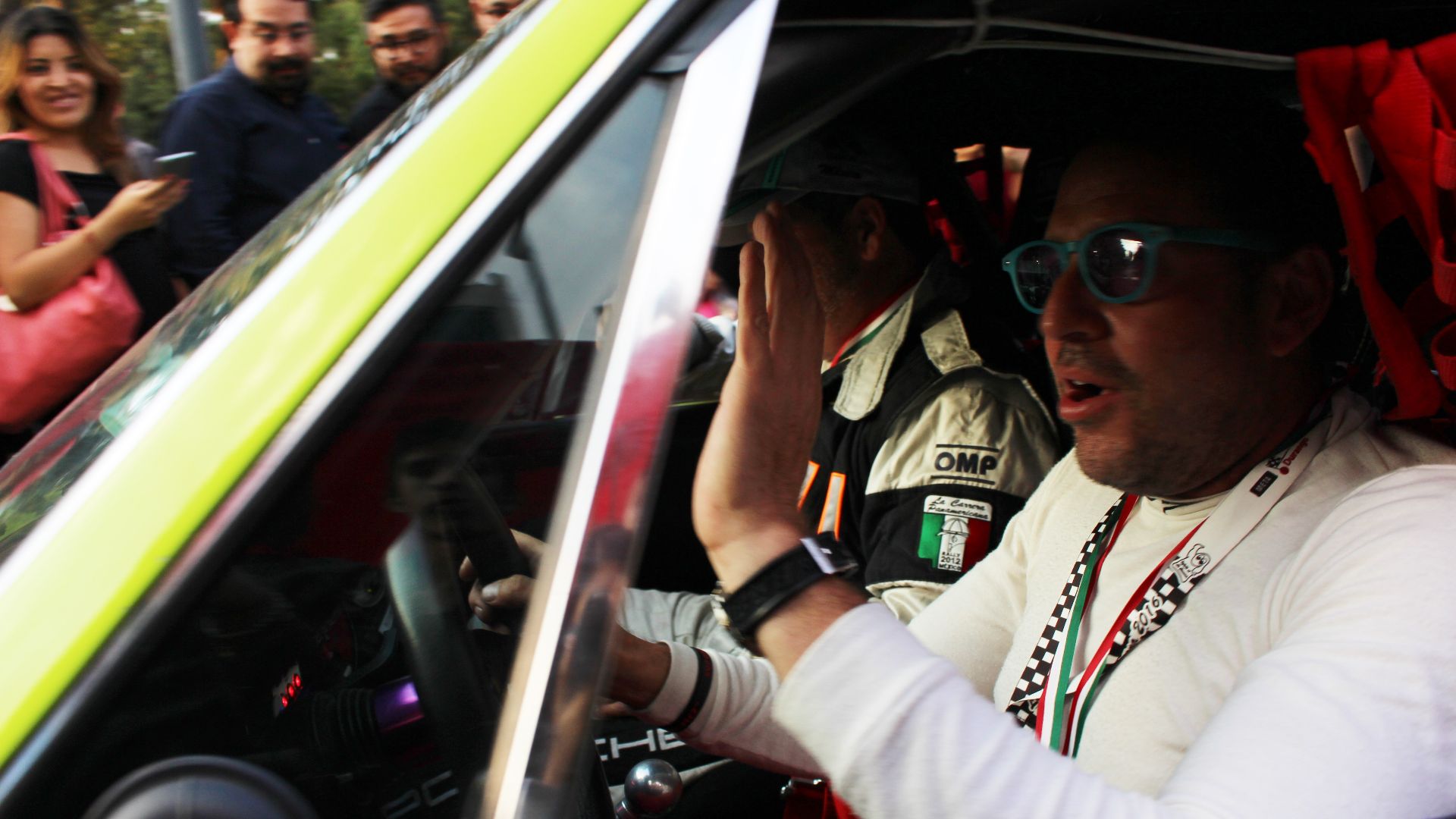 Ariadne Delgado, Wikimedia Commons
The Idea That Changed Everything For The 914
Over time, owners realized the 914’s biggest weakness could be fixed. The engine bay was large enough to accept a six-cylinder motor from a 911. That single realization reframed the car that could now be seen as something with potential.
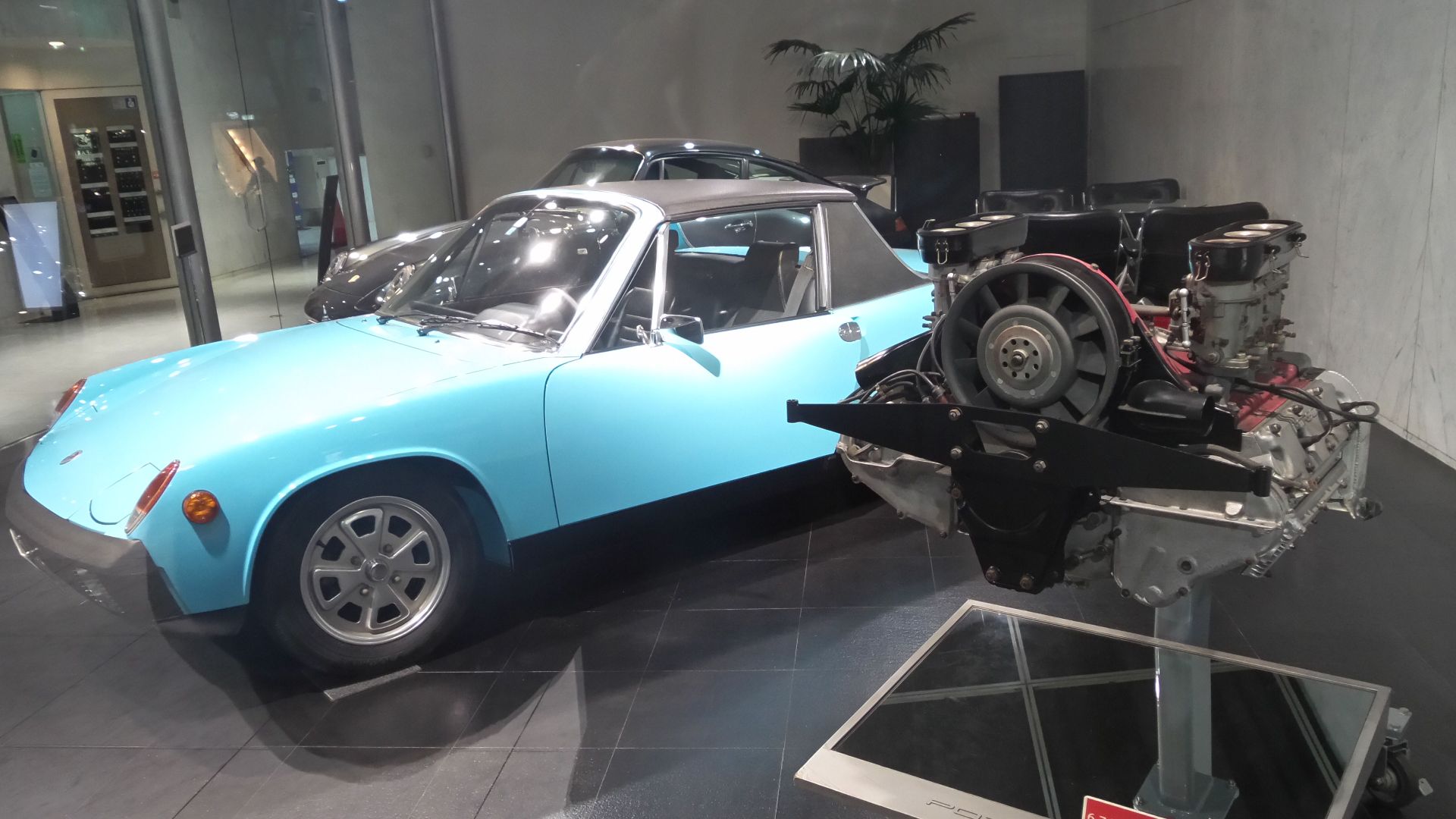 franck injapan from Tokyo, Japan, Wikimedia Commons
What A 911 Engine Brings To The 914
A flat-six from the Porsche 911 transformed the experience. Power jumped dramatically as the throttle response sharpened. The sound alone changed the car’s personality. Suddenly, acceleration matched the chassis to deliver the urgency drivers always felt was missing.
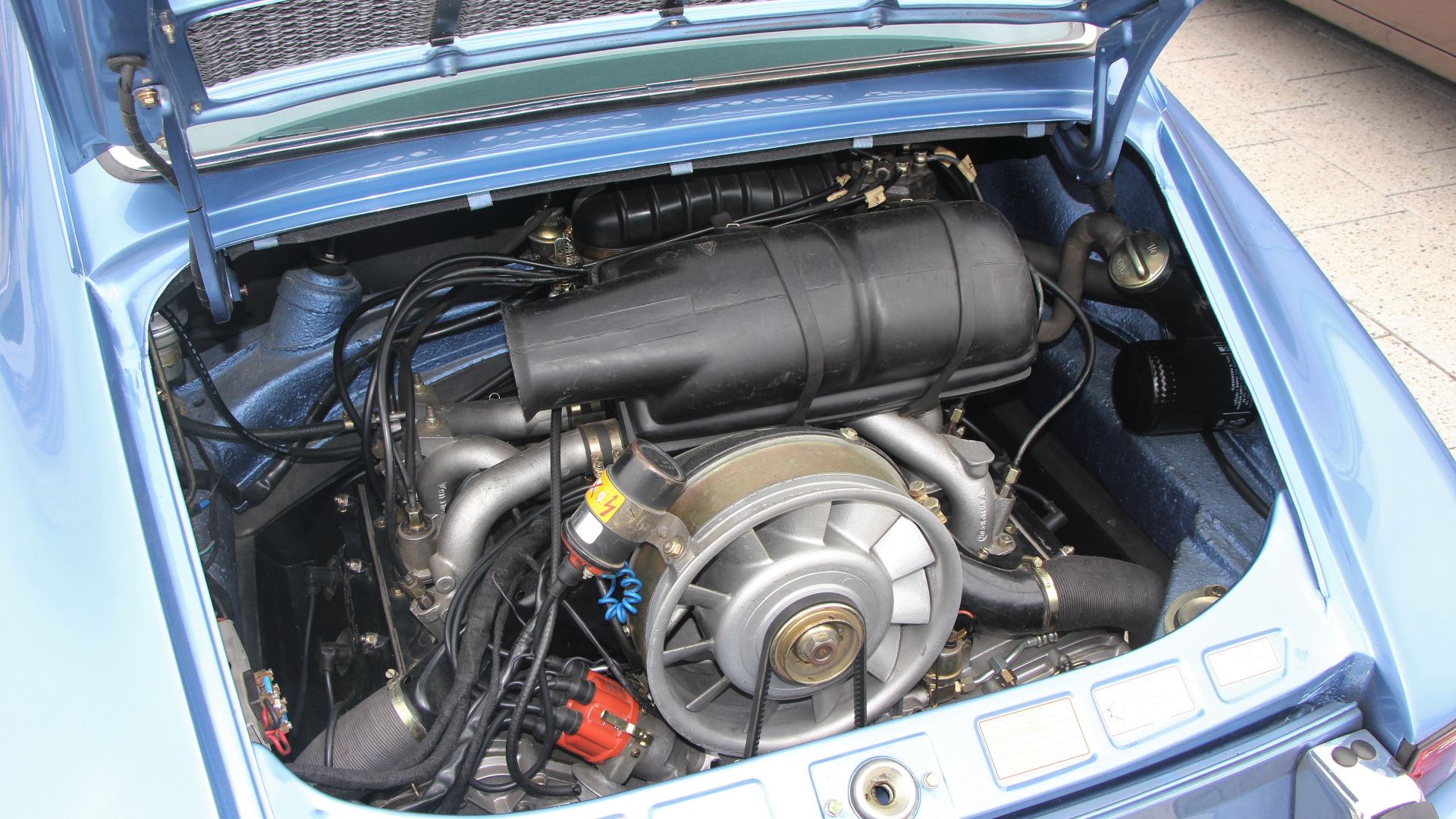 Wikisympathisant, Wikimedia Commons
A Chassis That Was Always Overbuilt
The car’s structure was engineered with racing in mind. Stiff suspension mounting points and low weight meant the car could handle far more power than it ever received from the factory. The flat-six finally activated what was already there.
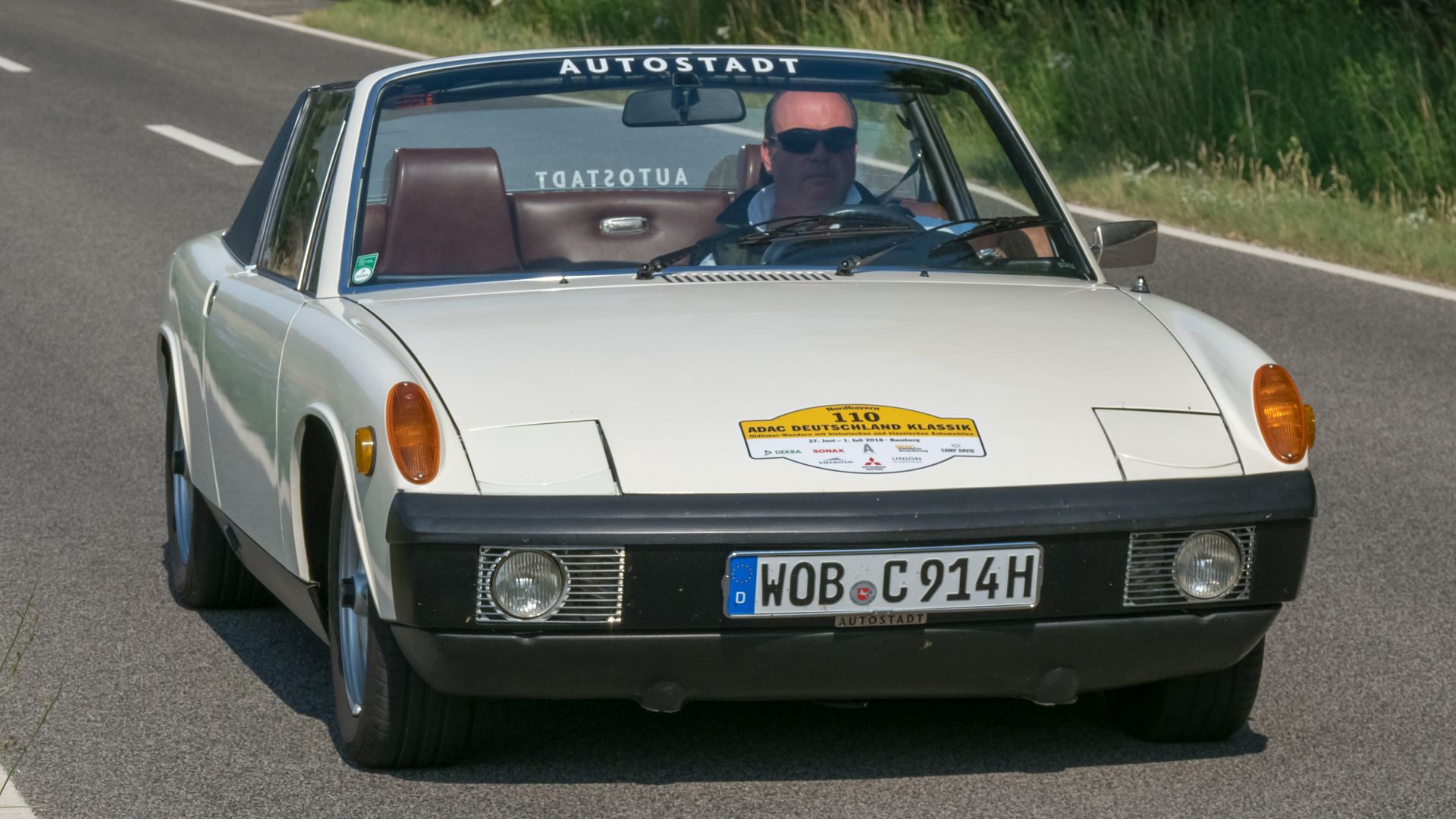
914/6 Variant
Porsche quietly proved this car’s potential with the factory-built Porsche 914/6. It used a flat-six engine from the 911 to transform the performance. Built in small numbers between 1970 and 1972, it was faster and far more expensive due to better engine quality.
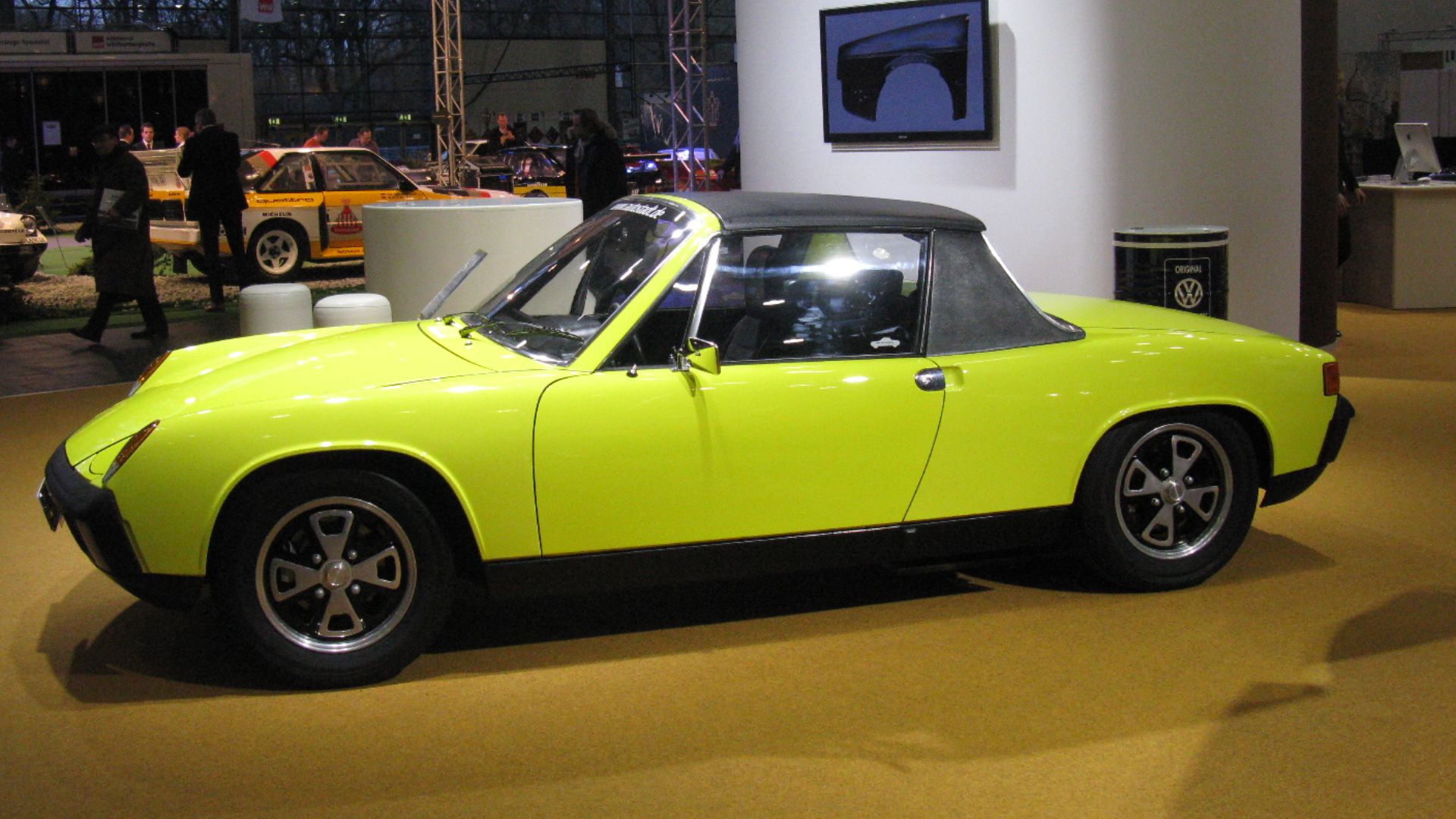
Special Editions And Limited Variants
Beyond the 914/6, Porsche offered rare versions like the 914 LE “Can-Am” edition in 1974, which featured bold color schemes (black with yellow or orange) and performance tweaks. These limited runs are now highly collectible and showcase Porsche’s willingness to experiment with style.
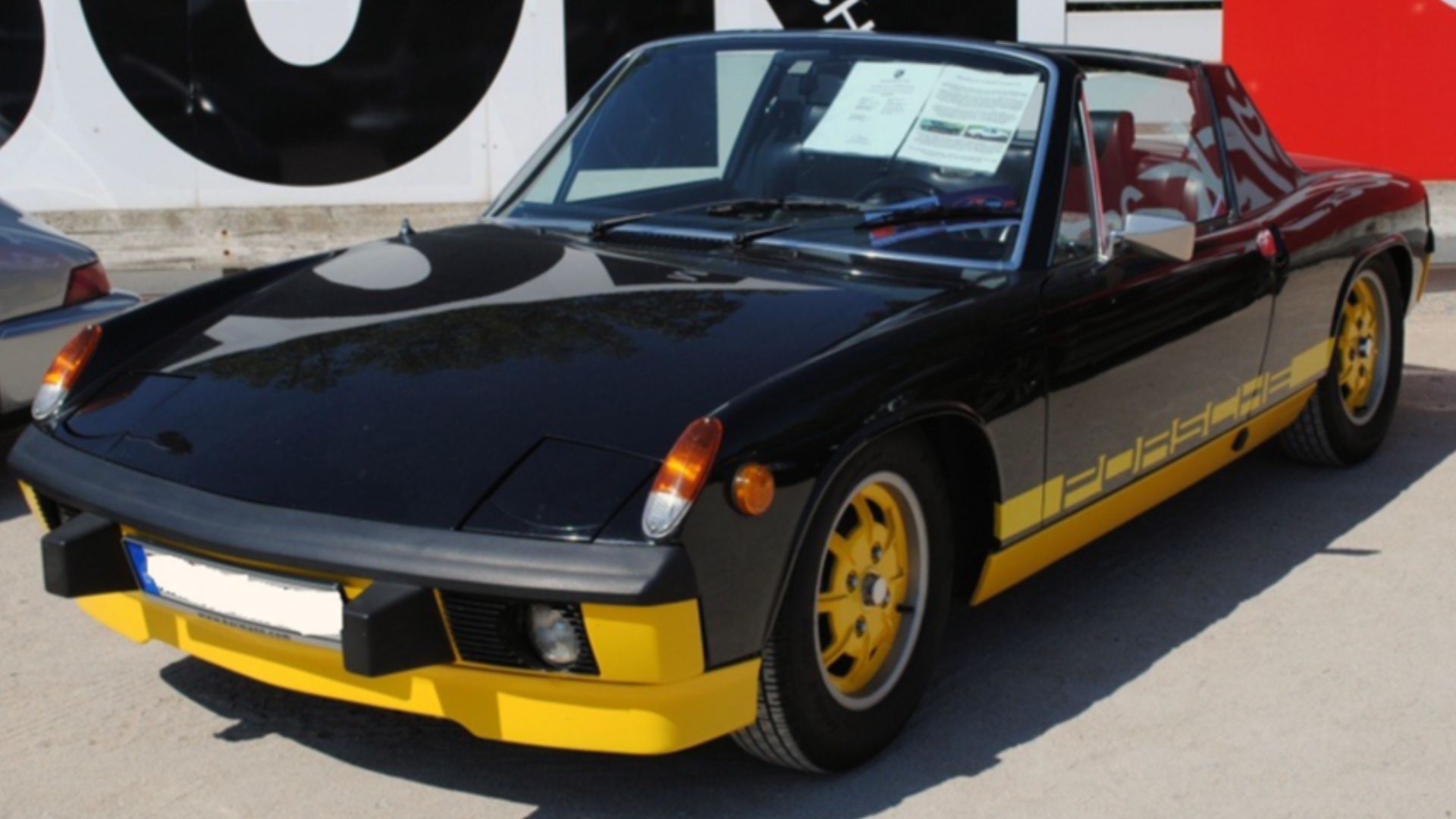 alaindelaunoy;Cropped and adjusted by Mr.choppers, Wikimedia Commons
Ownership Reality
Living with a 914 is straightforward by classic-car standards. Parts availability is solid, and mechanical systems are simple. The car lacks complex electronics. Rust is the biggest concern, but a well-kept chassis is durable and surprisingly practical for weekend driving.
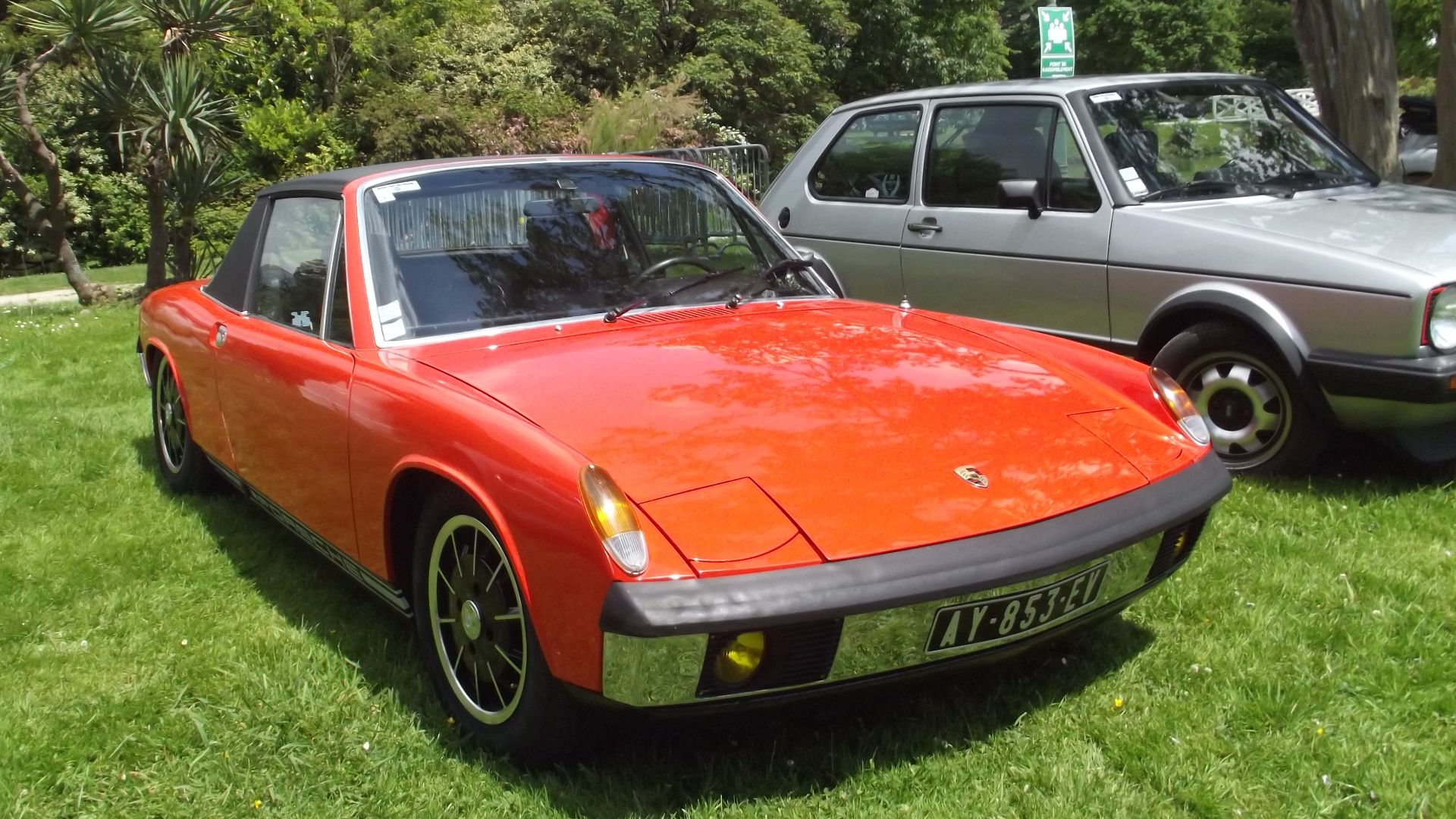 Handelsgeselschaft, Wikimedia Commons
The 914’s Role In Shaping Porsche’s Future Strategy
The lessons learned from the 914—balancing affordability, performance, and brand identity—directly influenced Porsche’s later approach with the Boxster in the 1990s. In many ways, the Boxster was a spiritual successor to correct the 914’s weaknesses while embracing its strengths.

.JPG)