The Great Garage Debate: EV Or Gasoline?
So here’s the situation: your wife is ready to plug in and go electric this year, while you’re still happily gripping a gas pump and wondering if EVs are really ready for prime time. You’re not alone—this is one of the most common car debates happening in households right now. The truth? You’re both right… and also a little wrong. Let’s break it down, slide by slide, and figure out who really has the better argument.
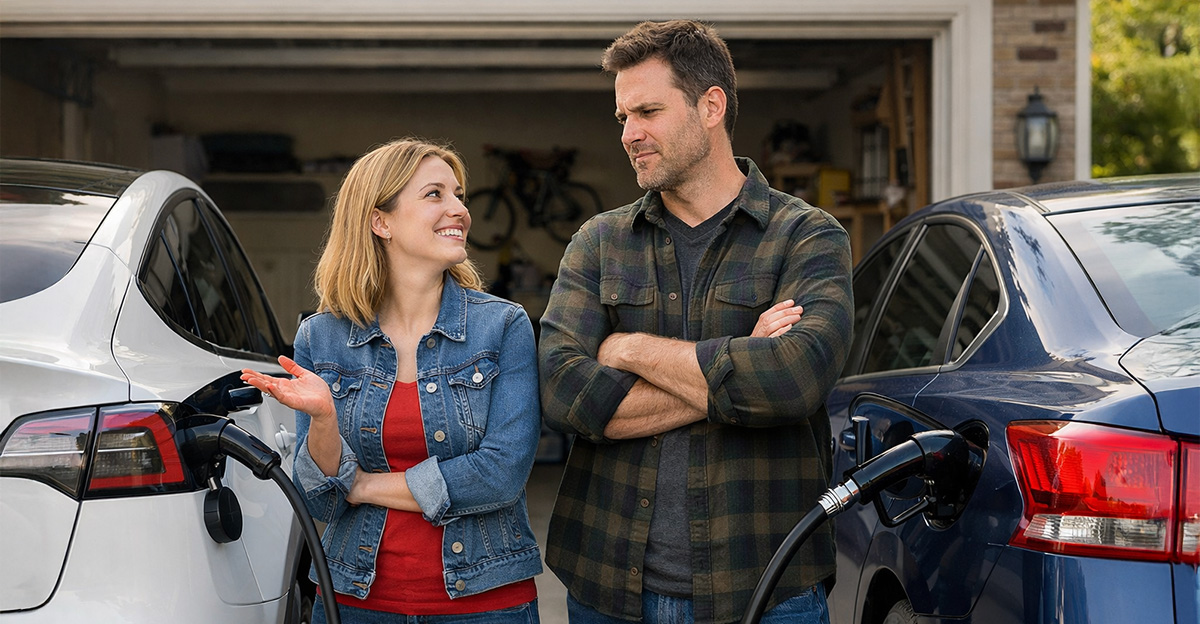
Why This Argument Is Happening Everywhere
EVs aren’t some fringe science project anymore. They’re on billboards, in Super Bowl ads, and in your neighbor’s driveway. At the same time, gas cars are better than they’ve ever been—more efficient, more reliable, and still incredibly convenient. When technology shifts this fast, friction is inevitable, especially when a five-figure purchase is involved.
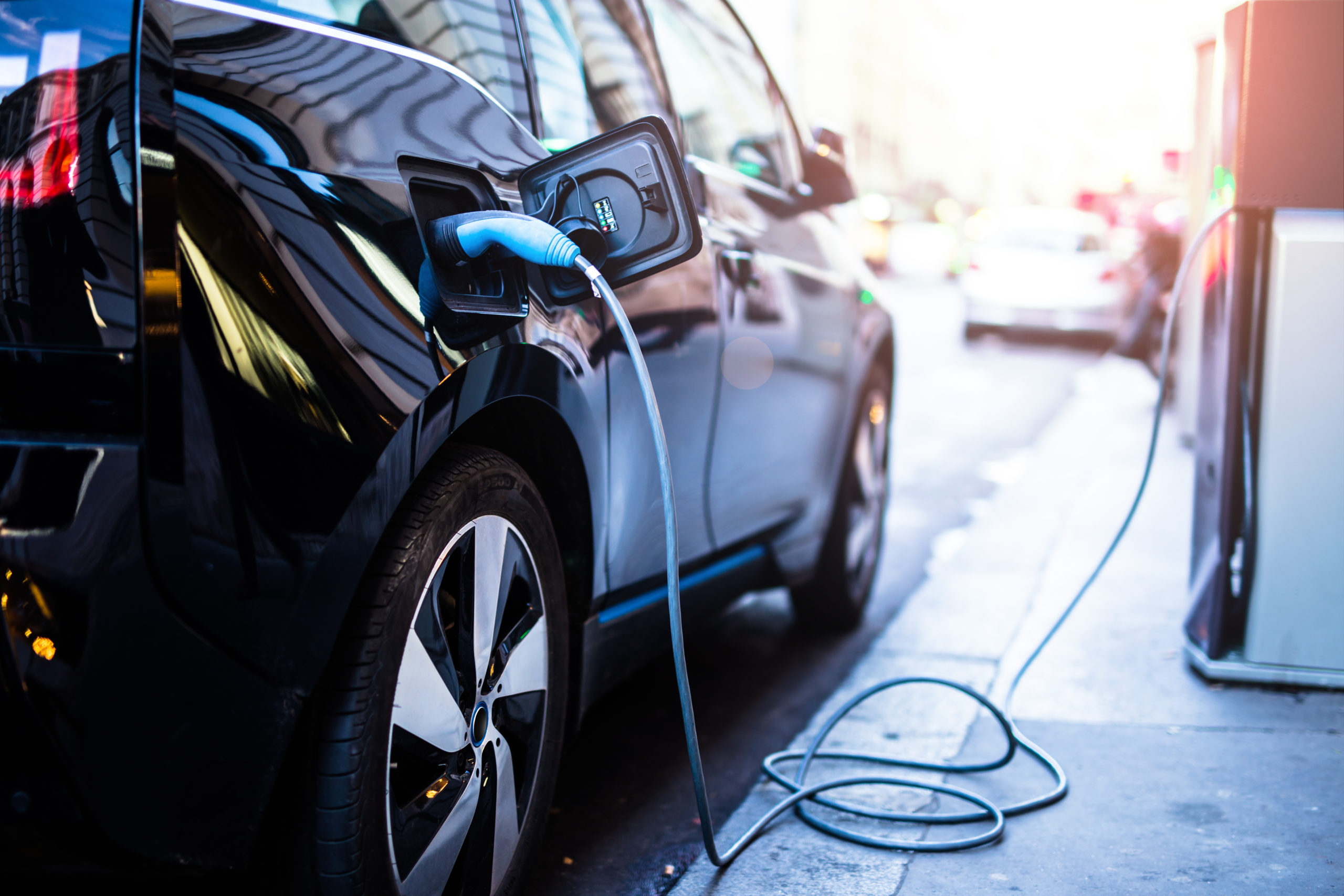
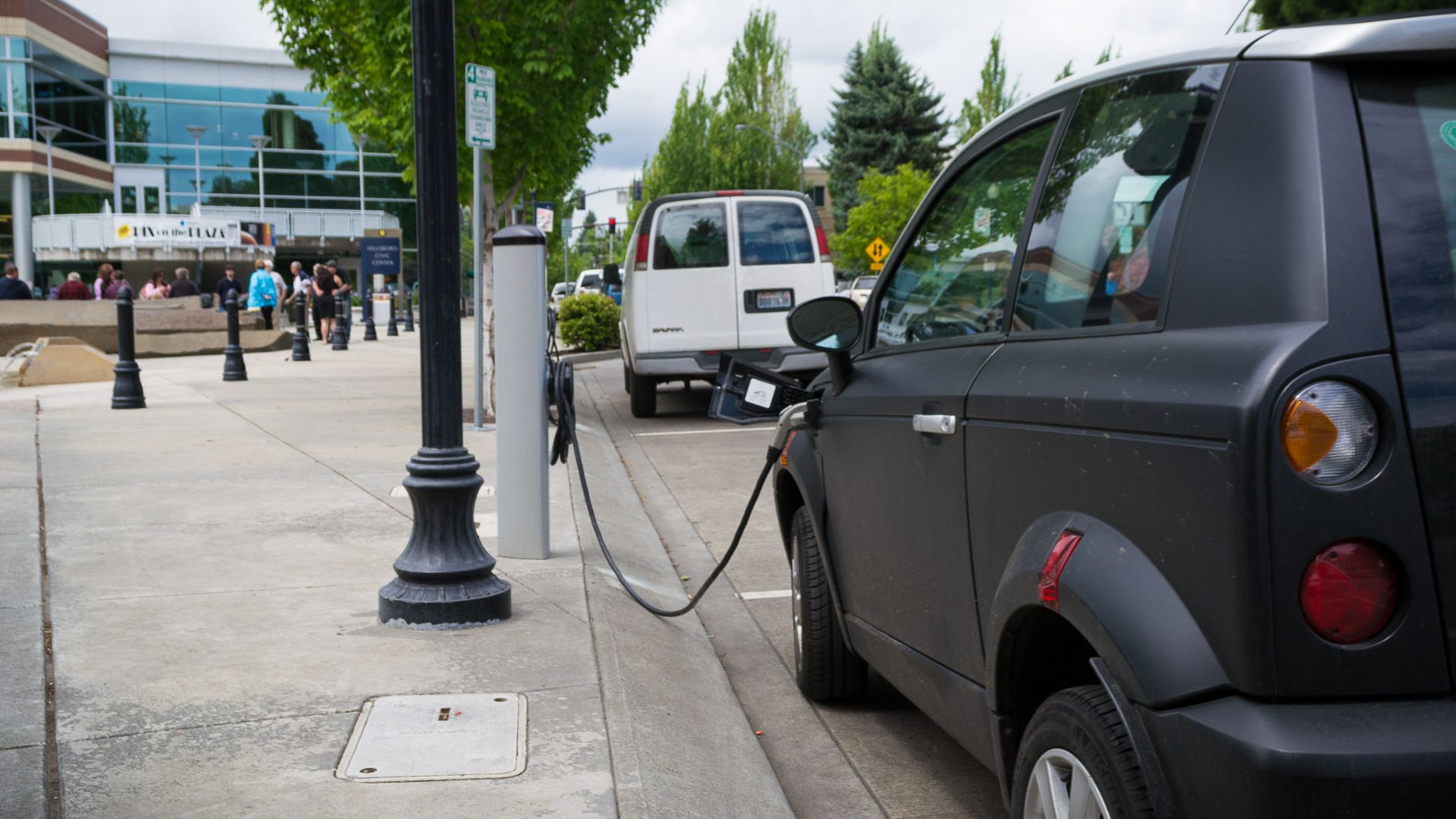
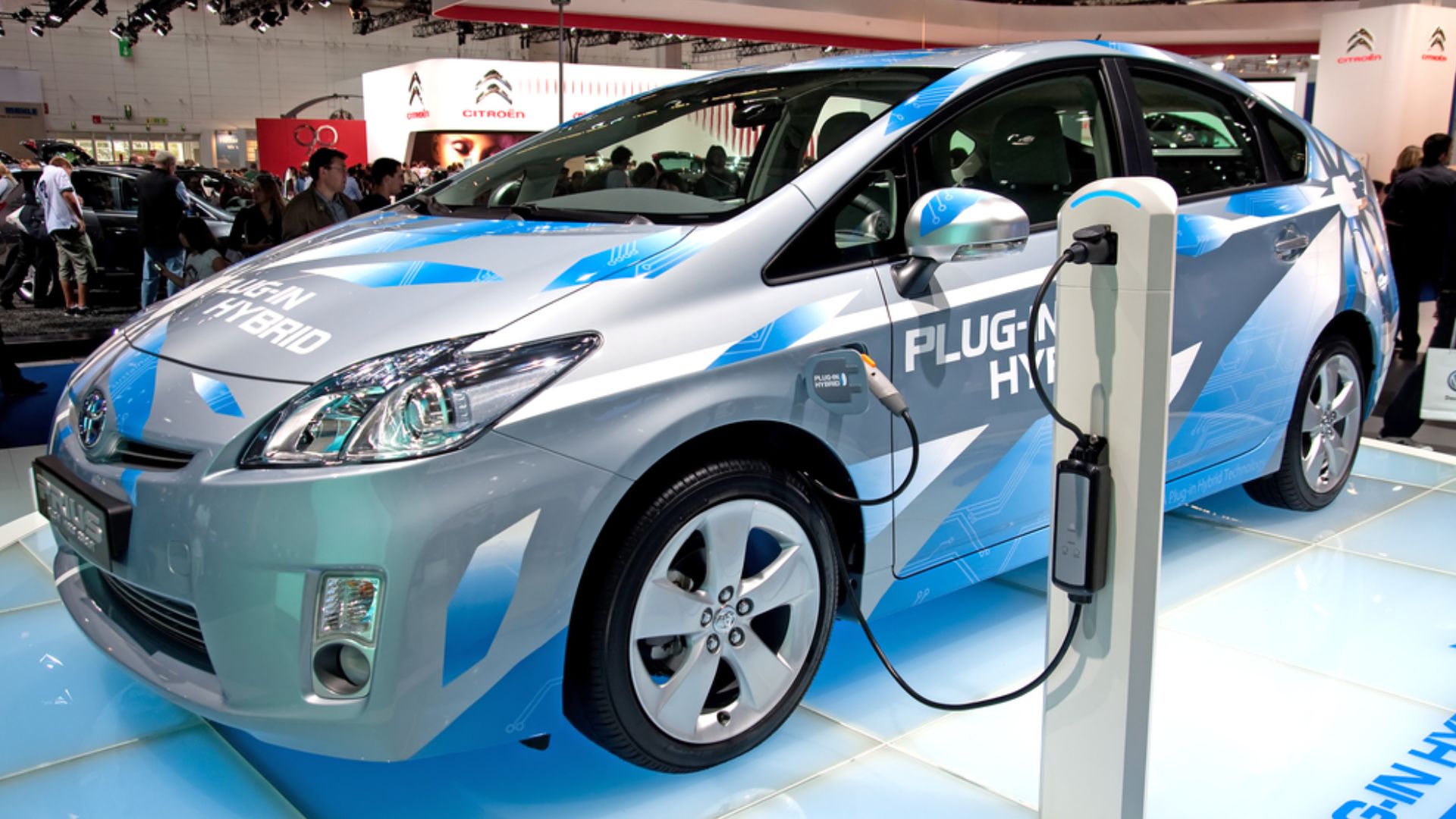 BP63Vincent, Wikimedia Commons
The Case For EVs: Why Your Wife Is Tempted
From the outside, EVs look like the future showing up early. Silent acceleration, futuristic interiors, and the idea of never visiting a gas station again is deeply appealing. For many buyers, EVs represent progress—and a chance to feel ahead of the curve rather than clinging to the past.
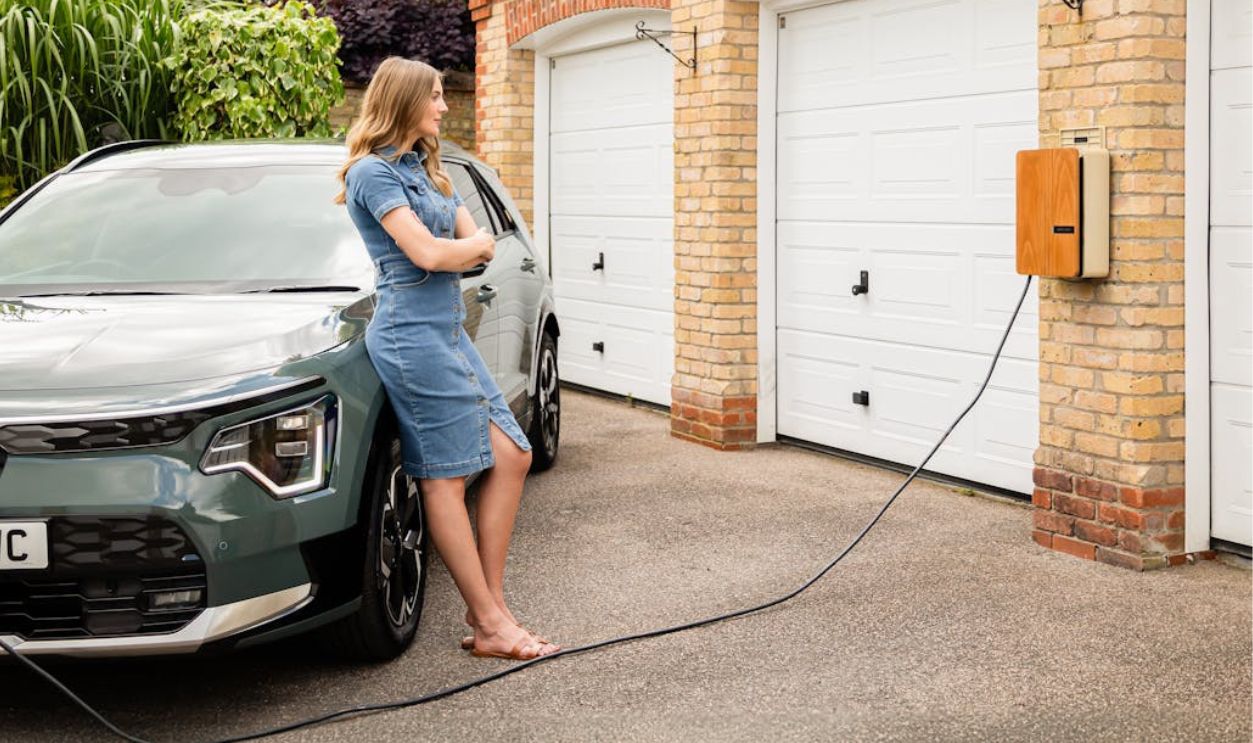
Instant Torque Is Genuinely Addictive
This is the part EV skeptics often underestimate. Electric motors deliver power instantly, which means even a “slow” EV feels quick around town. Merging, passing, and stoplight launches are effortless. Once you experience that smooth surge, traditional engines can feel a little… busy by comparison.

Lower Running Costs Are Hard To Ignore
Electricity is cheaper than gasoline in most places, full stop. Add in fewer moving parts, no oil changes, and reduced brake wear thanks to regenerative braking, and EV ownership can be significantly cheaper month to month. For budget-minded households, that’s not a small thing.
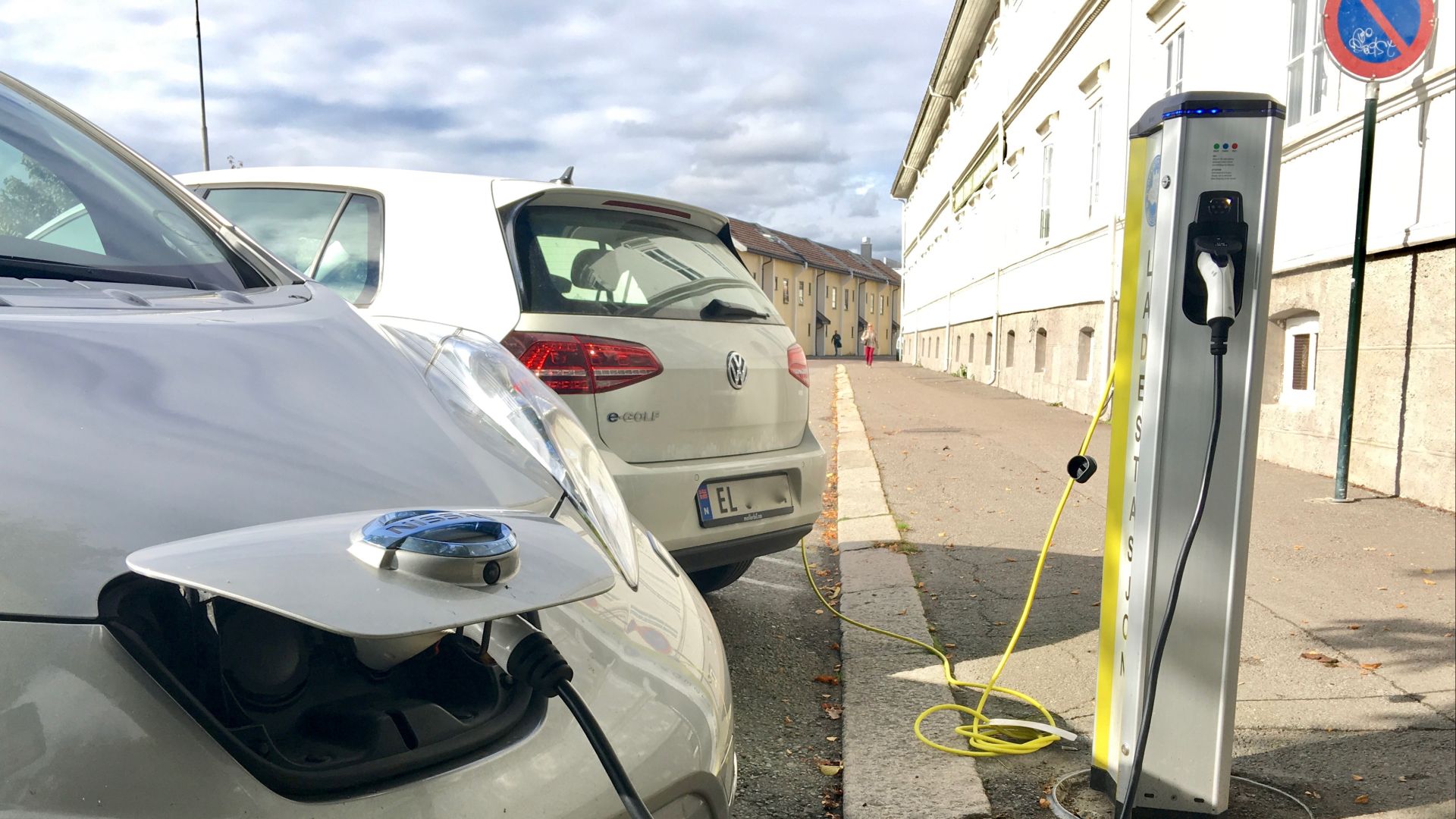
Home Charging Feels Like A Superpower
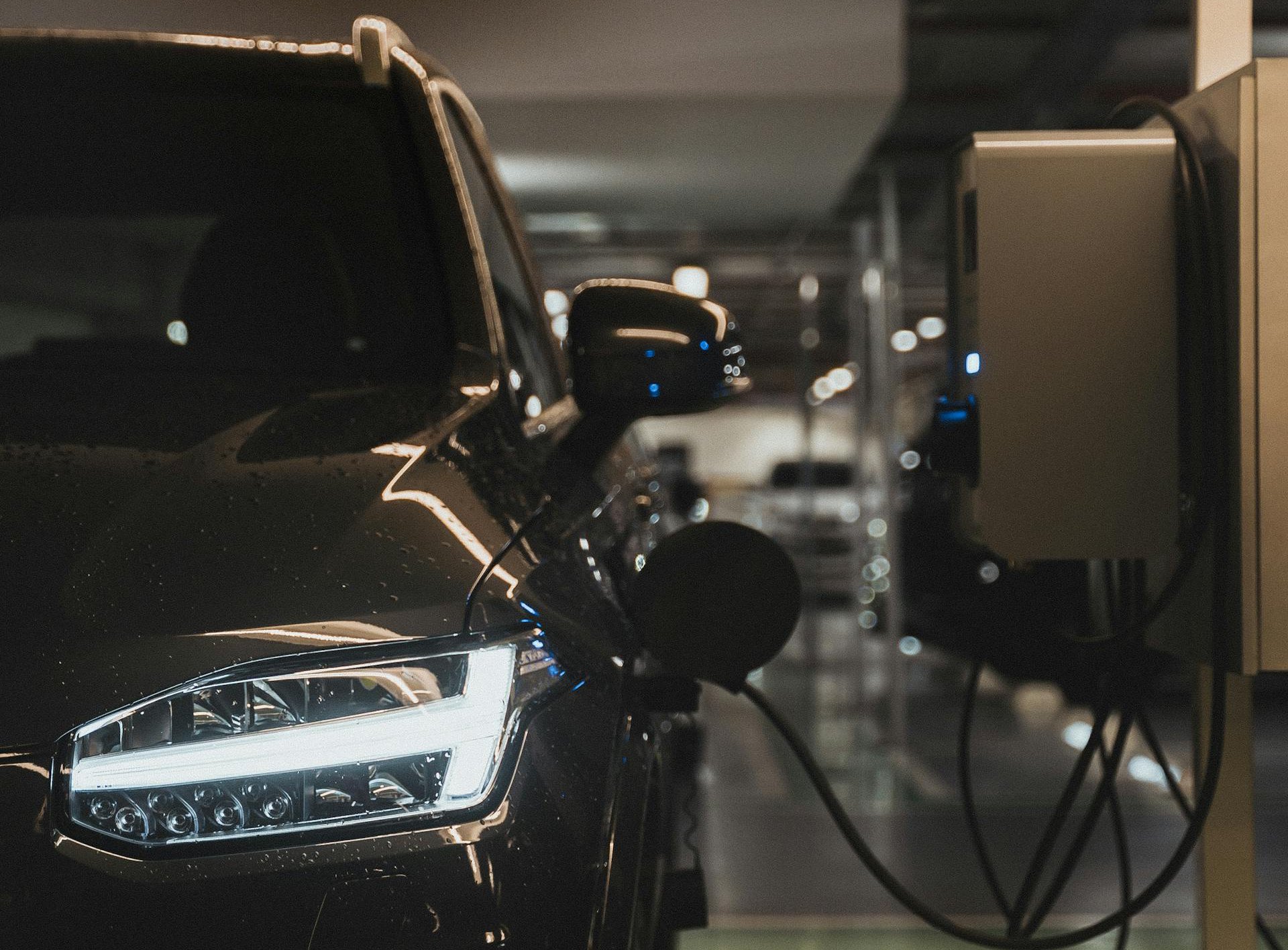
Waking up every morning with a “full tank” is one of EV ownership’s biggest perks. No detours, no standing in the cold at a pump, no surprise price hikes. If you have a garage and a charger, the convenience factor is real—and hard to give up once you’ve tasted it.

Environmental Guilt Is Real For Some Buyers
Even if you’re not an eco-warrior, it’s hard to ignore emissions conversations. For many people, buying an EV feels like a responsible choice, especially when paired with solar power or clean energy grids. The emotional satisfaction of “doing the right thing” plays a role, whether we admit it or not.
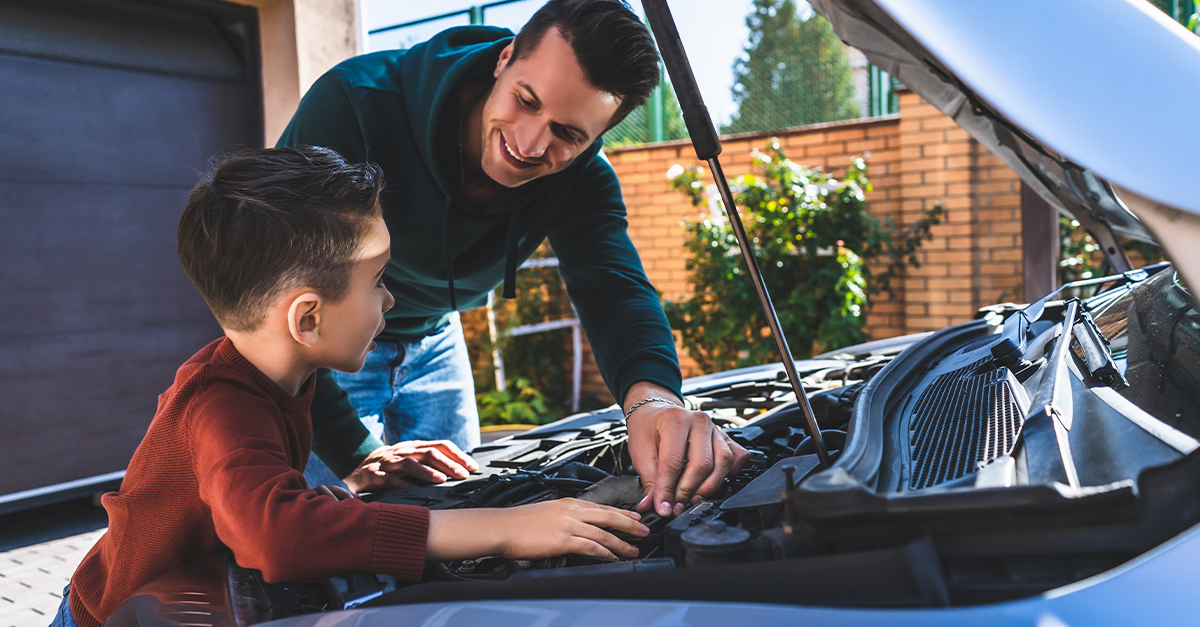
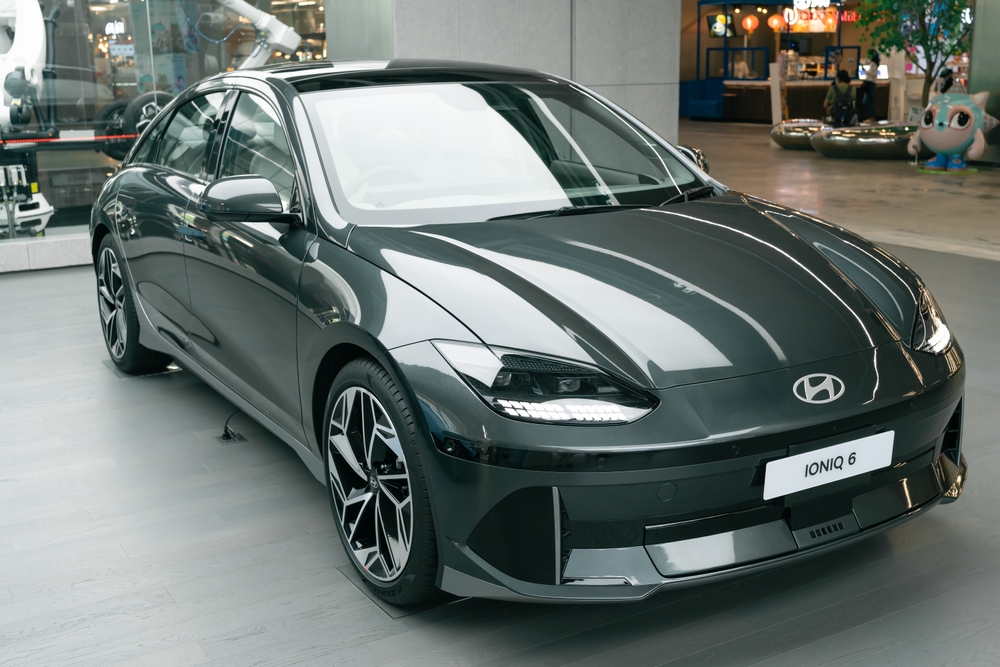 Wongsakorn Napaeng, Shutterstock
The Case For Gasoline: Why You’re Hesitant
Your skepticism isn’t stubbornness—it’s practical. Gasoline cars are familiar, flexible, and still extremely good at what they do. You know how they behave in winter, on road trips, and in worst-case scenarios. That confidence counts for a lot.

Charging Infrastructure Still Isn’t Universal
Public charging has improved, but it’s inconsistent. Broken chargers, slow speeds, confusing apps, and lines during peak travel times are all real issues. If you road-trip often or live in an apartment, gasoline’s plug-and-play simplicity still wins.
Range Anxiety Isn’t Totally Irrational
Manufacturers love quoting maximum range, but real-world conditions—cold weather, highway speeds, towing—can slash those numbers fast. Gas cars don’t require mental math before every trip. You just drive, refill, and keep going.

Winter Performance Can Be A Dealbreaker
Cold weather affects EV range, charging speed, and cabin heating efficiency. While modern EVs are improving rapidly, gasoline cars still shrug off winter with fewer compromises. If you live somewhere snowy, your concern isn’t outdated—it’s earned.

Long Road Trips Still Favor Gas
Few things beat the ability to add 400 miles of range in five minutes. For families who road-trip frequently, gasoline remains king. Until fast charging is both faster and more widespread, EVs require more planning than some drivers want to deal with.

EV Prices Are Still Higher Up Front
While prices are falling, many EVs still cost more than comparable gas models. Incentives help, but they’re confusing, income-dependent, and sometimes temporary. If you’re value-driven and want predictable costs, gas cars feel safer.

Battery Longevity Is Still A Question Mark
Modern EV batteries are lasting longer than early skeptics feared, but replacement costs remain intimidating. Even if failure is rare, the idea of a massive battery bill can be unsettling compared to the familiar wear-and-tear of an engine.
Reliability Anxiety Lingers
Gasoline cars have over a century of development behind them. EVs are simpler mechanically, but software glitches, charging issues, and rapid tech changes can feel risky. Being cautious doesn’t make you anti-technology—it makes you risk-aware.
The Lifestyle Factor Matters More Than Specs
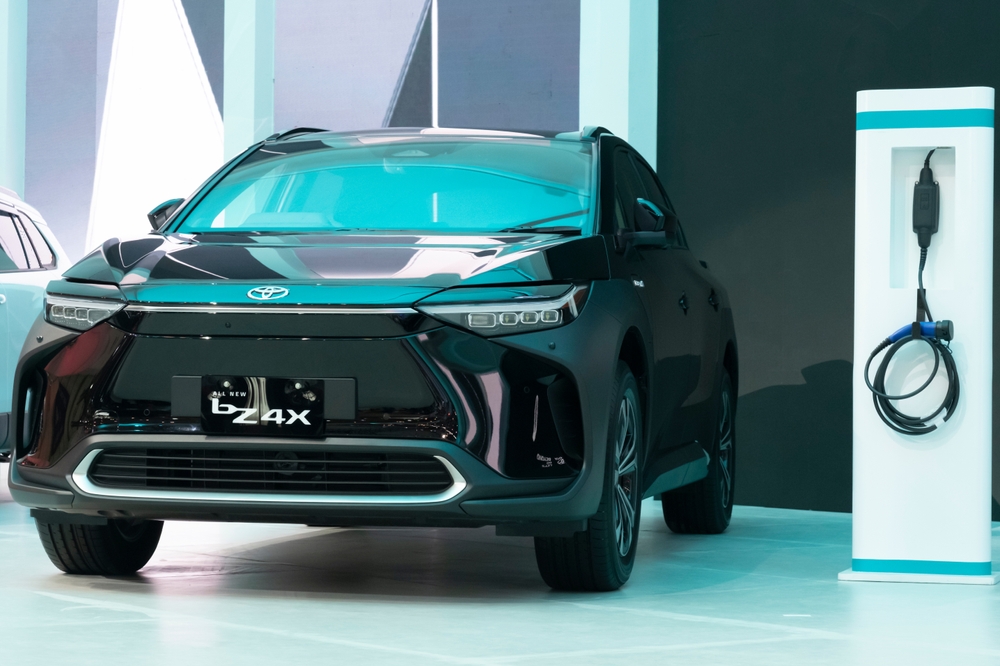
This debate isn’t really about motors—it’s about routines. Garage or no garage. Commute length. Climate. Road-trip habits. An EV that’s perfect for one household can be frustrating for another. Neither choice is universal.
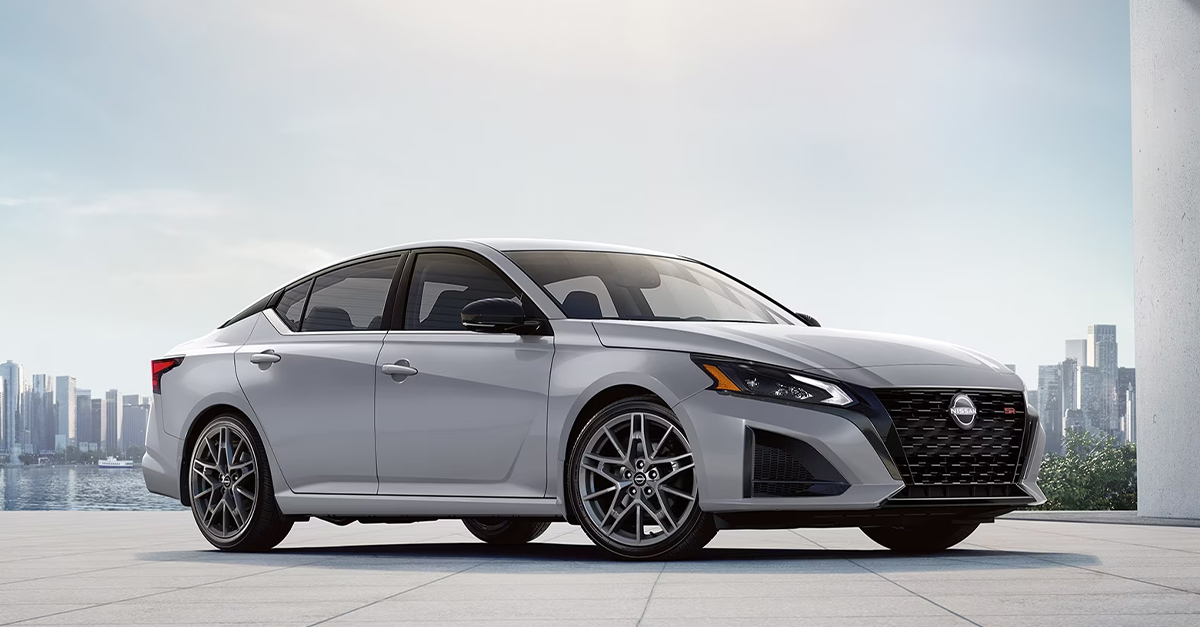
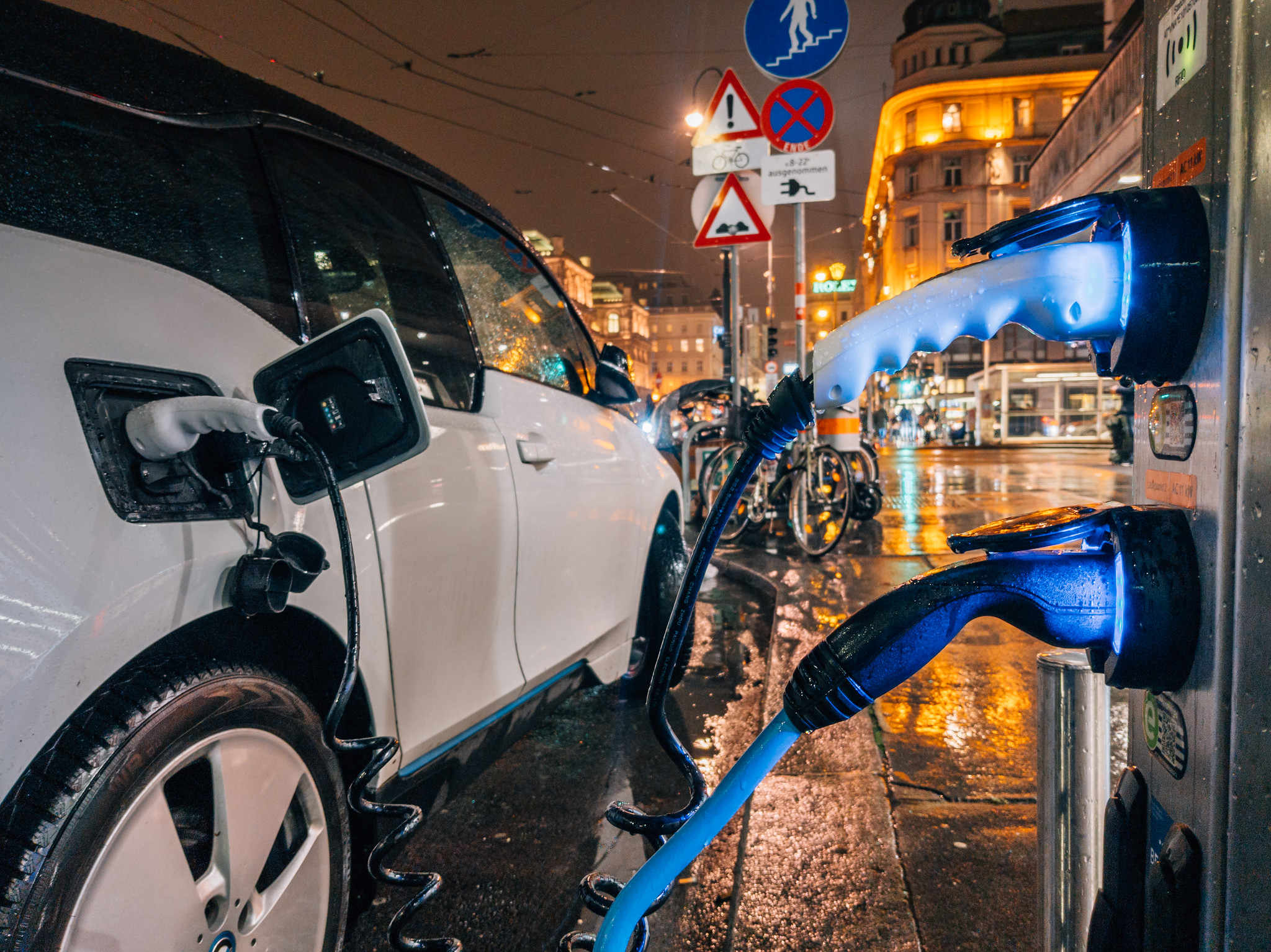
 YG PhotoArtWorks, Shutterstock
City Driving vs. Rural Reality
EVs shine in urban and suburban environments with short commutes and plentiful chargers. Rural drivers, long-distance commuters, and people towing trailers still benefit more from gasoline or hybrid setups. Geography matters more than ideology.

Hybrids Are The Awkward Middle Child
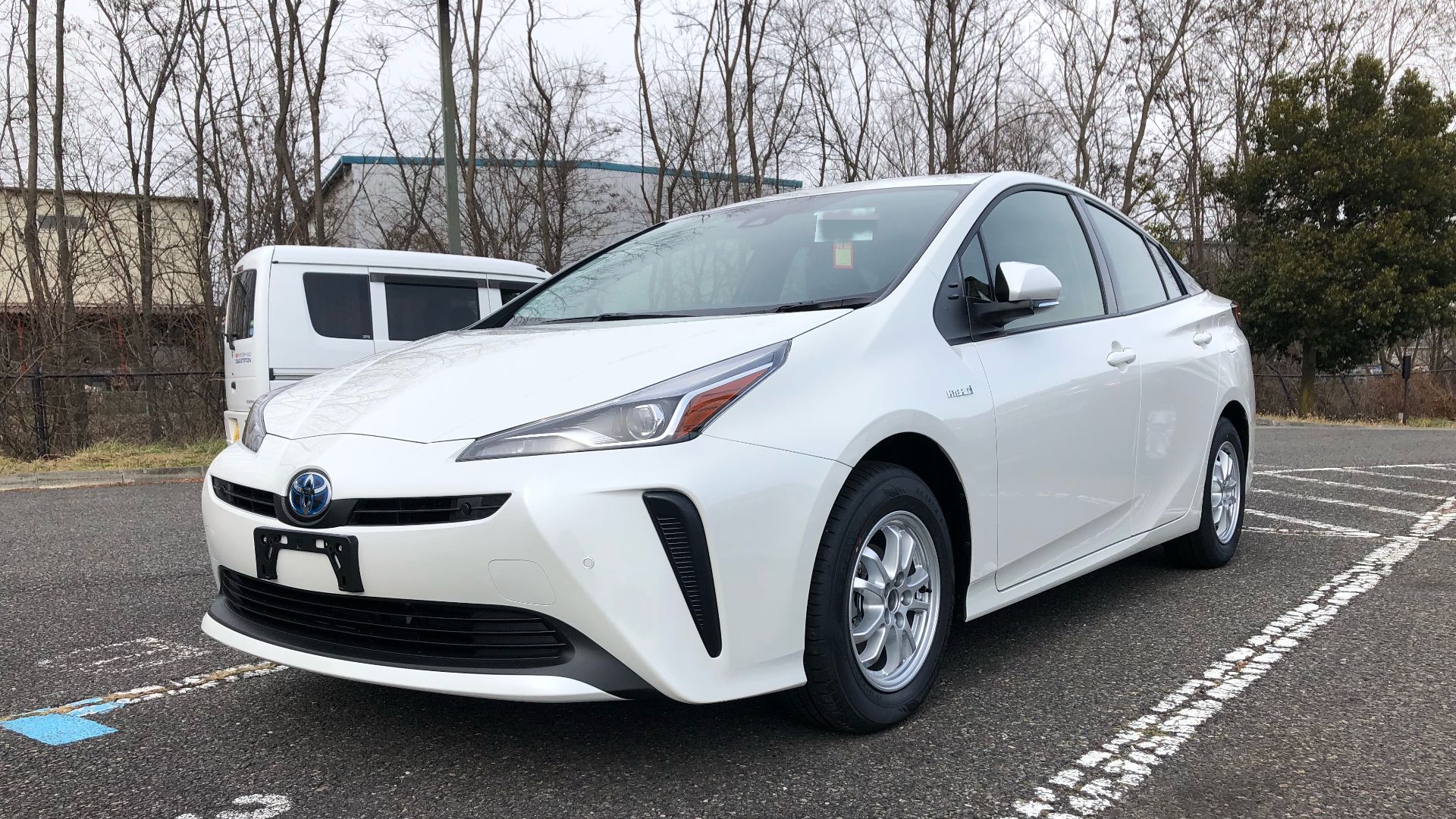
Here’s the plot twist: hybrids might be the smartest compromise. You get electric assistance, excellent fuel economy, no charging anxiety, and familiar gas refueling. They’re not flashy, but they quietly solve many arguments before they start.
Plug-In Hybrids Change The Equation
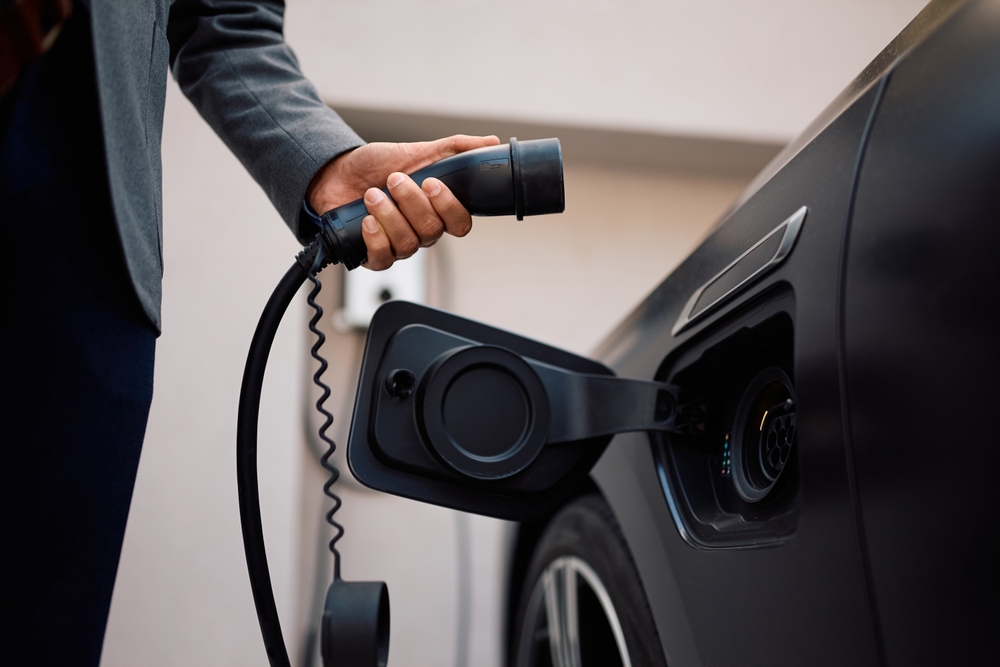
Plug-in hybrids offer short electric commutes with gas backup for long trips. For couples divided on EVs, this is often the peace treaty. You both get what you want—mostly.
The Emotional Side Of Car Buying
Cars aren’t appliances. They’re emotional purchases tied to identity, values, and comfort. Your wife’s excitement about EVs and your hesitation toward them are both valid emotional responses—not just technical ones.

Technology Adoption Happens In Waves
Early adopters tolerate inconvenience. Mainstream buyers want polish. EVs are transitioning between those phases right now, which explains the tension. You’re not “behind”—you’re just waiting for the tech to mature.

Gas Cars Aren’t Going Away Tomorrow
Despite headlines, gasoline cars will be around for decades. Parts, service, and resale aren’t disappearing anytime soon. Choosing gas today doesn’t mean you’re rejecting the future forever.
EVs Will Keep Getting Better Fast
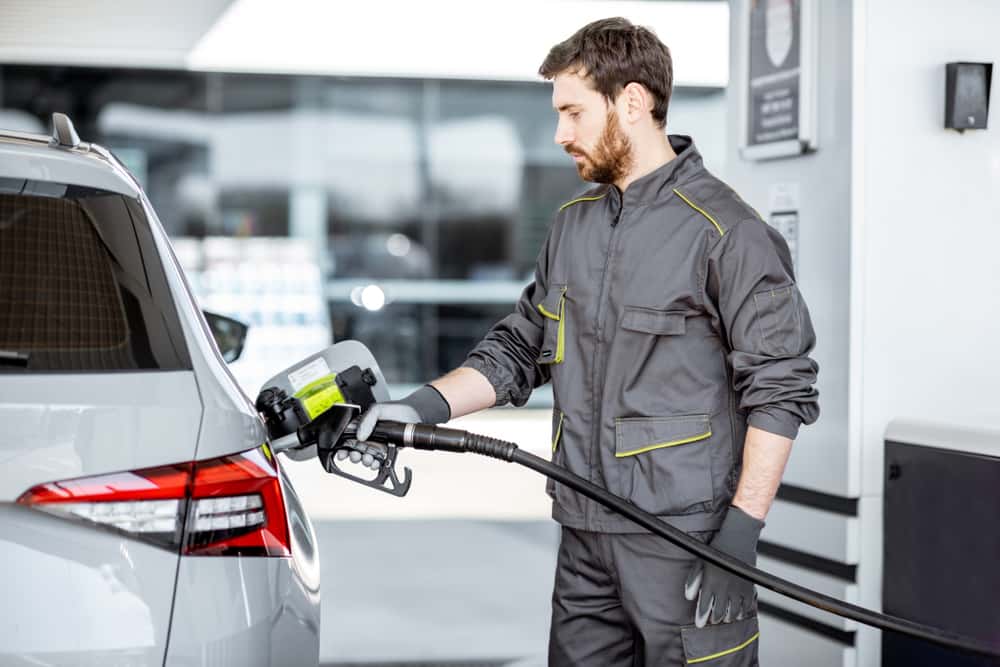
At the same time, EV tech is improving at lightning speed. Better batteries, faster charging, and wider infrastructure are coming quickly. Your wife’s instinct isn’t wrong—she’s just optimistic about timing.
The Real Question You Should Be Asking
Instead of “Who’s right?”, ask: Which car fits our life right now? Not five years from now. Not in theory. Right now. That answer may surprise both of you.

How To Actually Settle The Argument
Test drive both. Live with the numbers. Map your daily routine honestly. Consider a hybrid. Remove ideology from the equation. When the decision is grounded in real usage, clarity usually follows.

A Marriage-Saving Perspective
Compromise doesn’t mean settling—it means choosing the least annoying option for both of you. Whether that’s an EV, gas car, or hybrid, the best choice is the one that doesn’t spark resentment every time you turn the key.

So… Who’s Right?
Here’s the honest answer: you both are. EVs are ready for many drivers—and still imperfect for others. Gasoline cars remain incredibly capable, even as their long-term future fades. The right car isn’t about winning the argument—it’s about buying something you’ll both enjoy living with. And that’s a debate worth getting right.

You May Also Like:
I was approved for financing, then the terms changed at signing. Is that normal?
The Latest In Helmet Safety Science Could Be The Push You Need To Buy That Bike