When Gear Nerds Quietly Save Your Life
Buying a motorcycle is usually an emotional decision. You picture open roads, engine noise, and that perfect stretch of asphalt calling your name. Helmets, on the other hand, tend to feel like a chore—something you have to buy before you earn the fun stuff.
But here’s the twist: helmet safety science has quietly evolved into something genuinely impressive. If you’ve been on the fence about buying a bike, or upgrading your gear, the latest helmet research might be the most reassuring push you need.

Motorcycle Helmets Are Energy Managers, Not Armor
A helmet’s job isn’t to be indestructible—it’s to manage energy. When your head hits something, the helmet sacrifices itself to reduce the force reaching your brain. This concept sits at the core of every legitimate helmet design, and it’s why a cracked helmet often means it worked exactly as intended.
Instead of stopping impact outright, helmets slow your head down over milliseconds—long enough to dramatically reduce brain injury risk.
The Outer Shell Is Designed To Crack On Purpose
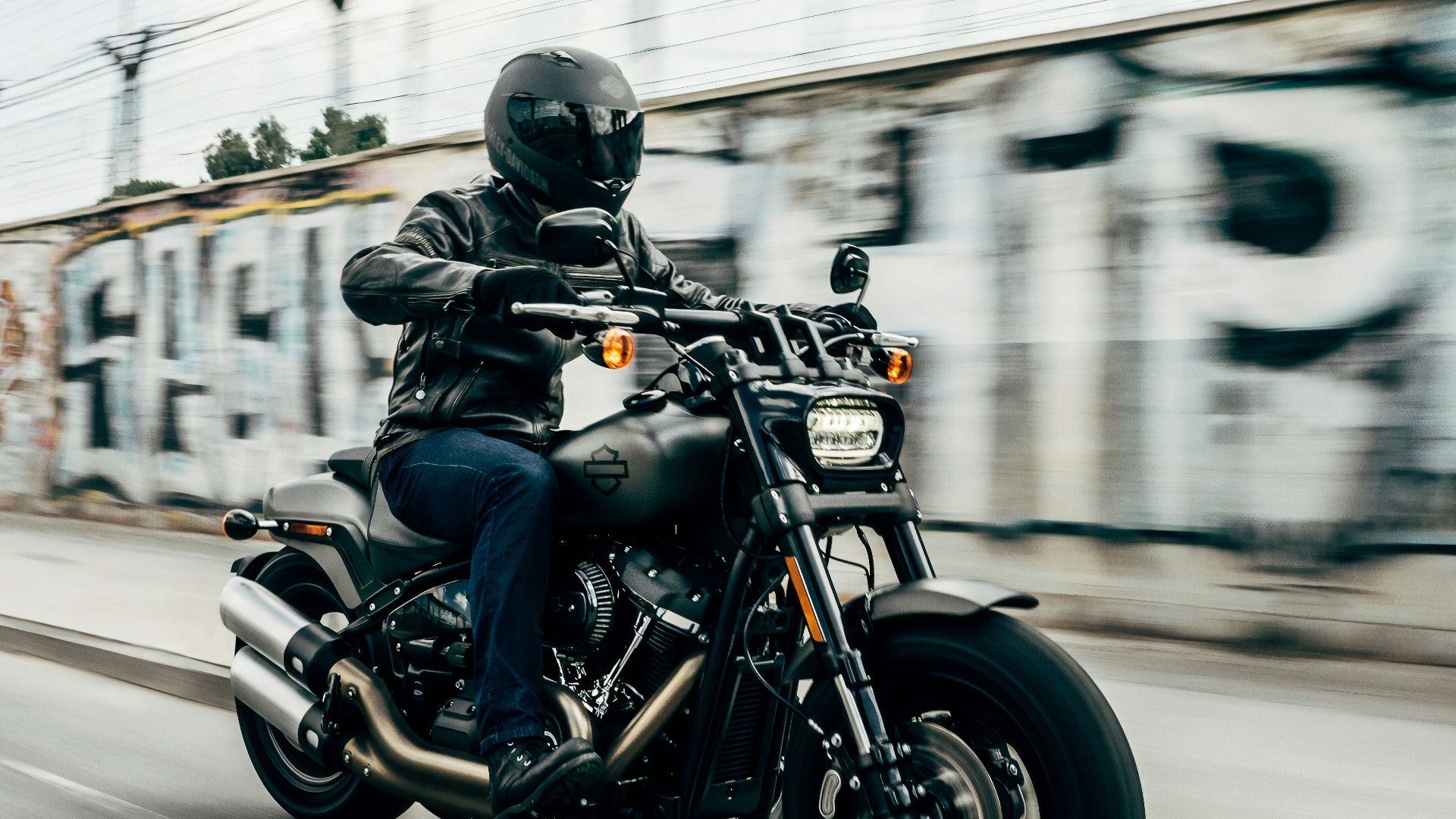
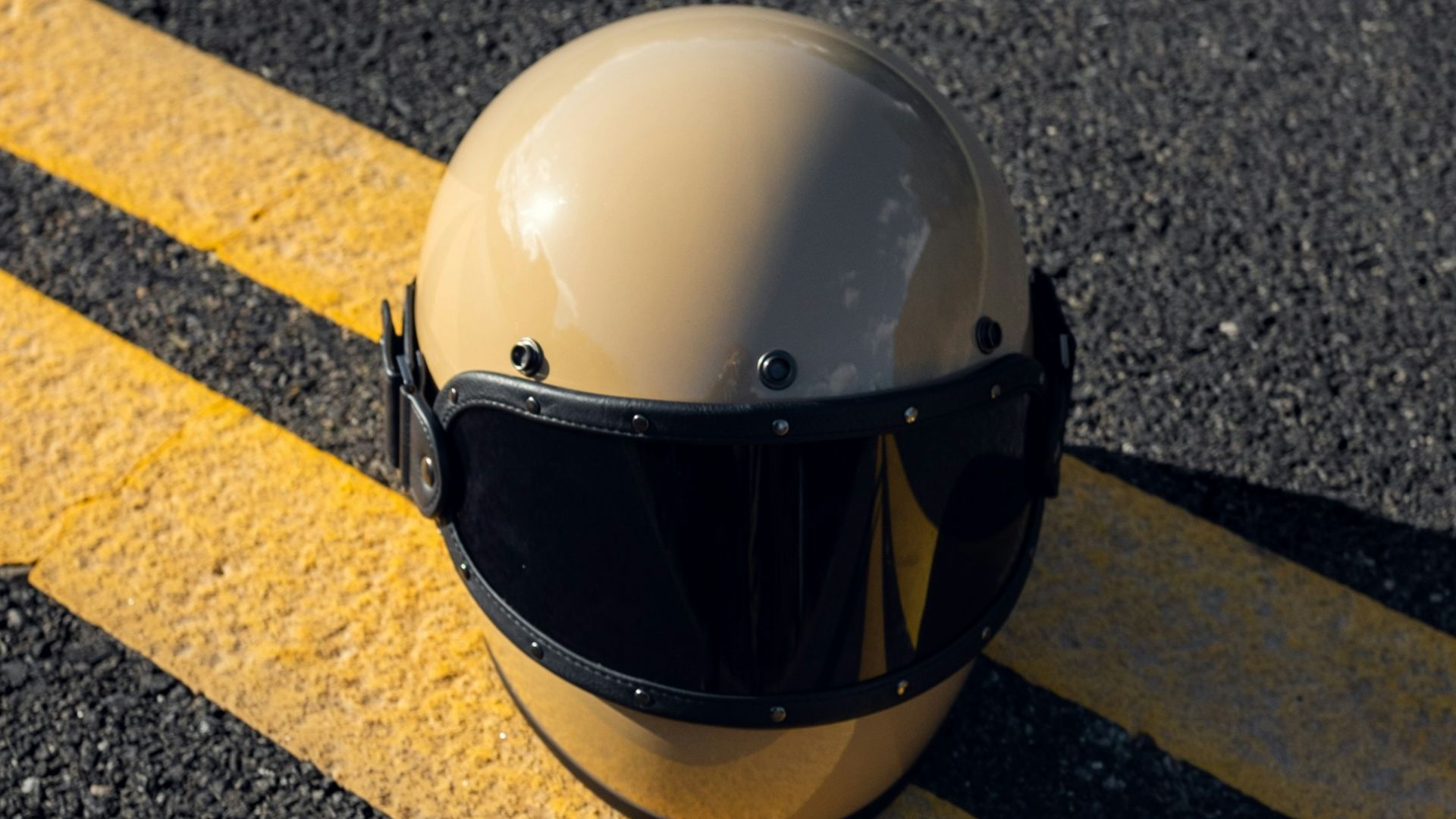
That hard outer shell isn’t meant to stay pristine forever. Its role is to distribute impact forces across a wider area and prevent sharp objects from penetrating. When it cracks or fractures, it’s absorbing energy that would otherwise transfer straight to your skull.
Modern shells use materials like polycarbonate, fiberglass composites, or carbon fiber, each chosen for controlled deformation rather than brute strength.
EPS Foam Is The Real Hero Inside Your Helmet
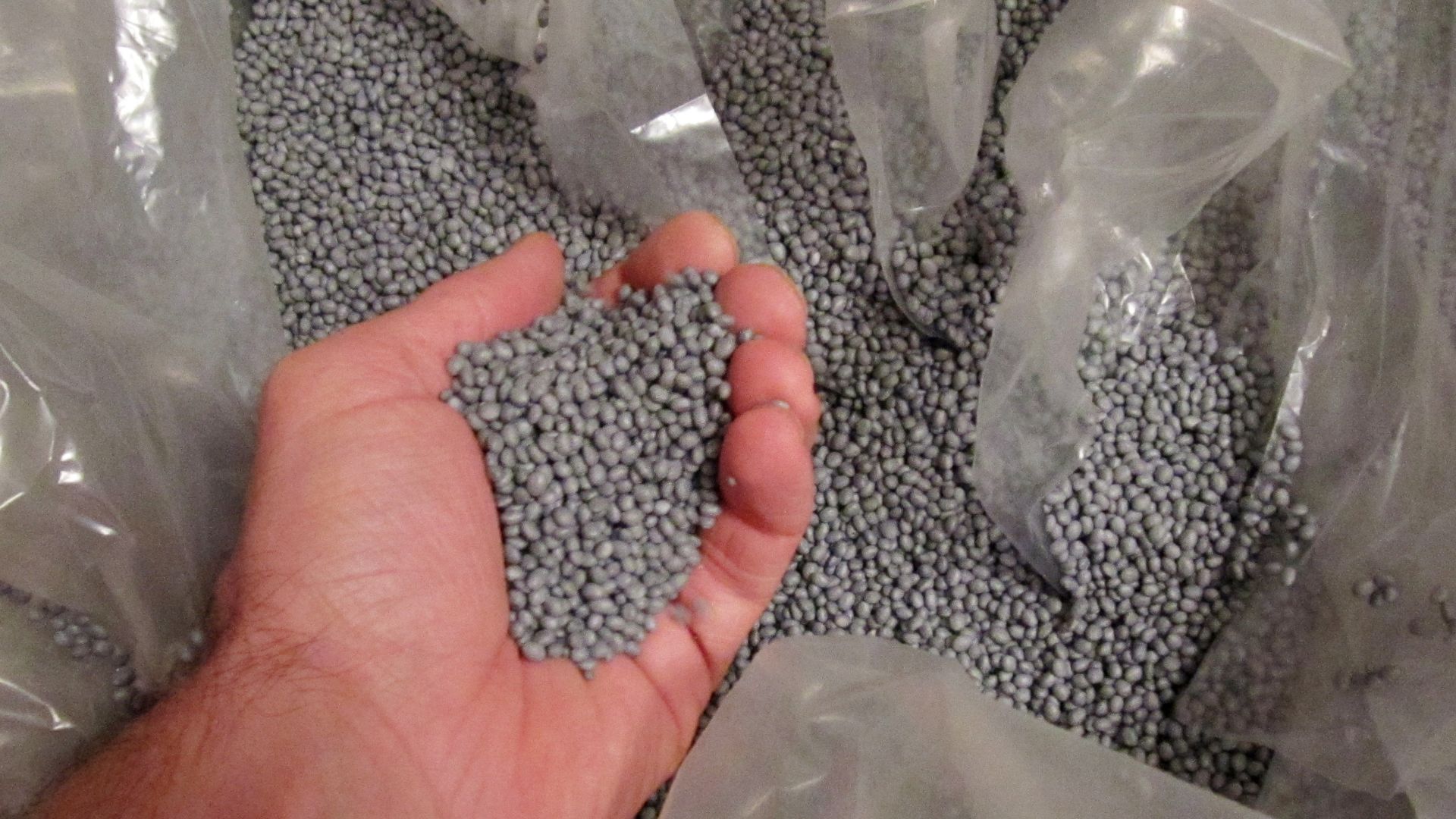
Under the shell sits expanded polystyrene (EPS) foam, the unsung hero of helmet safety. This liner compresses on impact, converting kinetic energy into crushed foam instead of brain trauma.
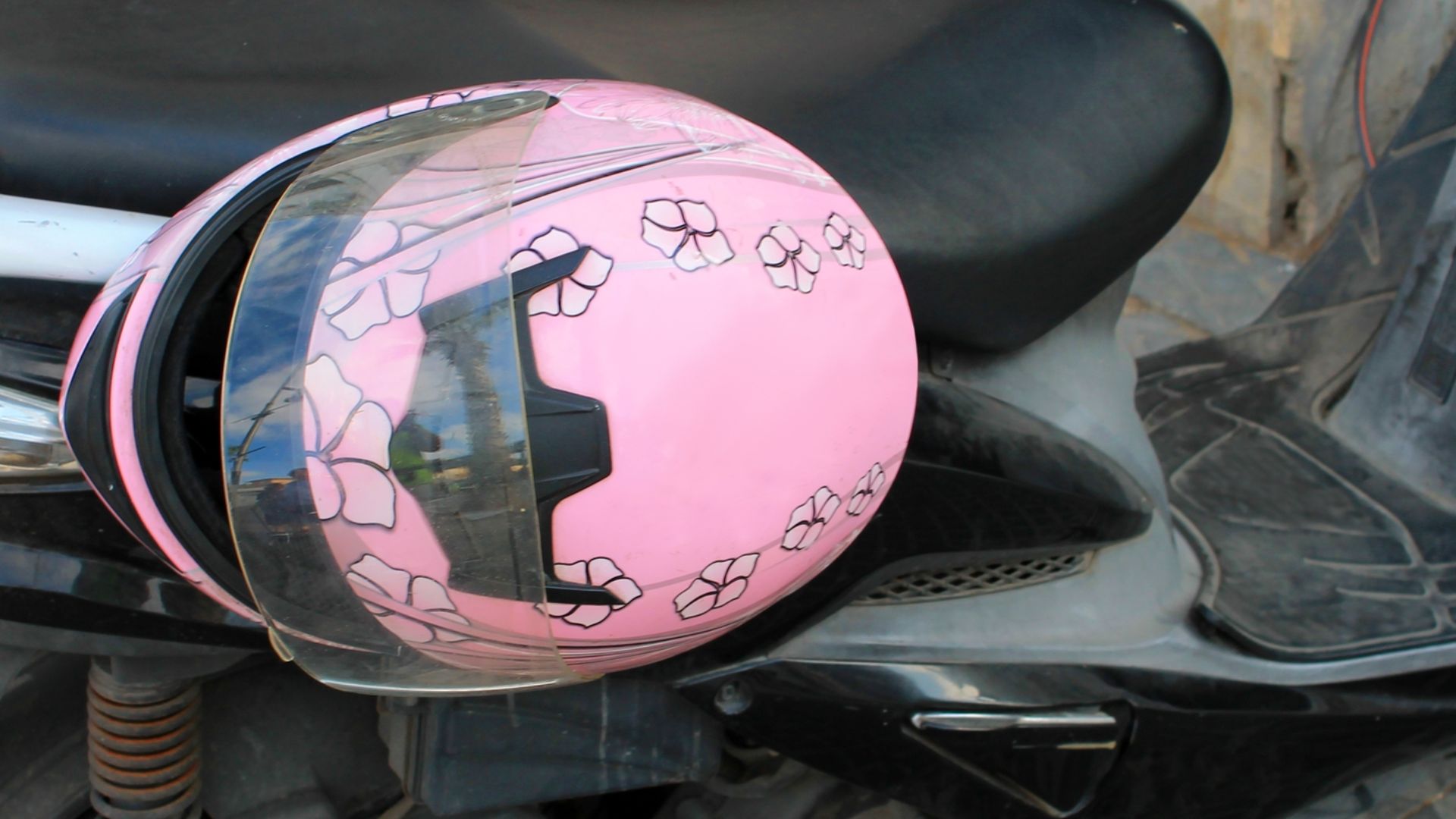
Once compressed, EPS doesn’t bounce back—which is why a dropped or crashed helmet should always be replaced, even if the damage isn’t visible.
Why One Hard Hit Can Ruin A Helmet Forever
EPS foam is a one-time-use safety system. After it absorbs energy, its protective ability is permanently reduced. That’s why even a seemingly minor crash can turn a helmet into a decoration rather than safety equipment.
This is also why older helmets, even unused ones, eventually age out—the foam stiffens over time and loses its ability to compress properly.
 MediaPhoto.Org, Wikimedia Commons
Not All Impacts Are Straight-On Anymore
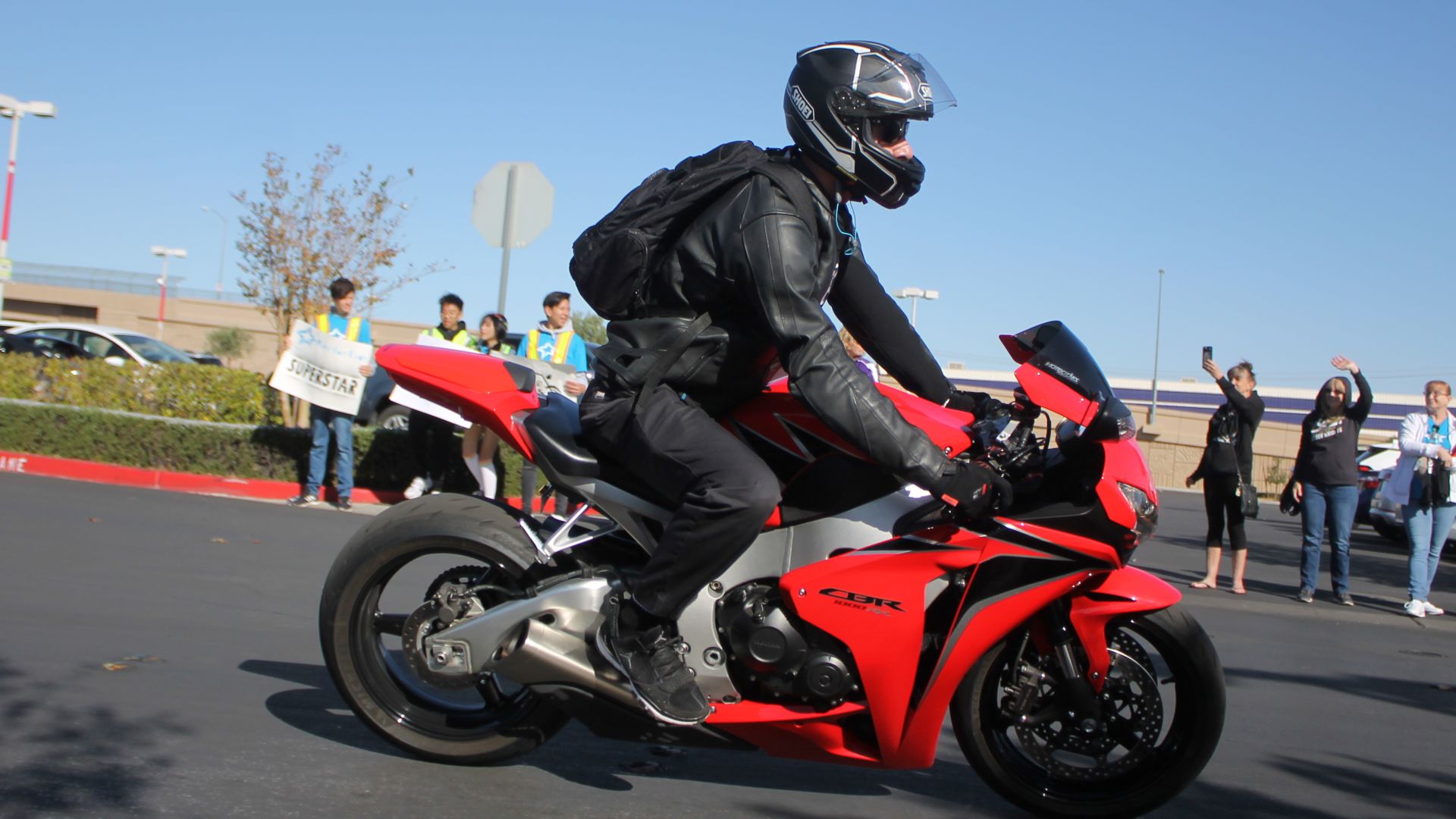
Early helmet testing focused heavily on vertical, straight-line impacts. Real-world crashes, however, rarely happen that way. Riders tumble, slide, and twist, creating rotational forces that can be just as dangerous as direct blows.
Modern helmet research now accounts for these angled impacts, changing how helmets are designed and tested.
Rotational Forces Are A Hidden Danger To The Brain
When your head rotates rapidly during a crash, the brain can twist inside the skull, increasing the risk of concussions and diffuse brain injuries. These injuries don’t require massive force—just the wrong kind of motion.
Reducing rotational acceleration has become one of the biggest priorities in modern helmet development.

Multi-Density Liners Improve Energy Absorption
Many modern helmets now use multi-density EPS liners, meaning different foam densities are layered together. Softer foam absorbs low-speed impacts better, while firmer foam manages high-speed crashes.
This approach gives riders protection across a wider range of real-world scenarios instead of optimizing for just one type of hit.
Helmet Shape Influences How You Slide
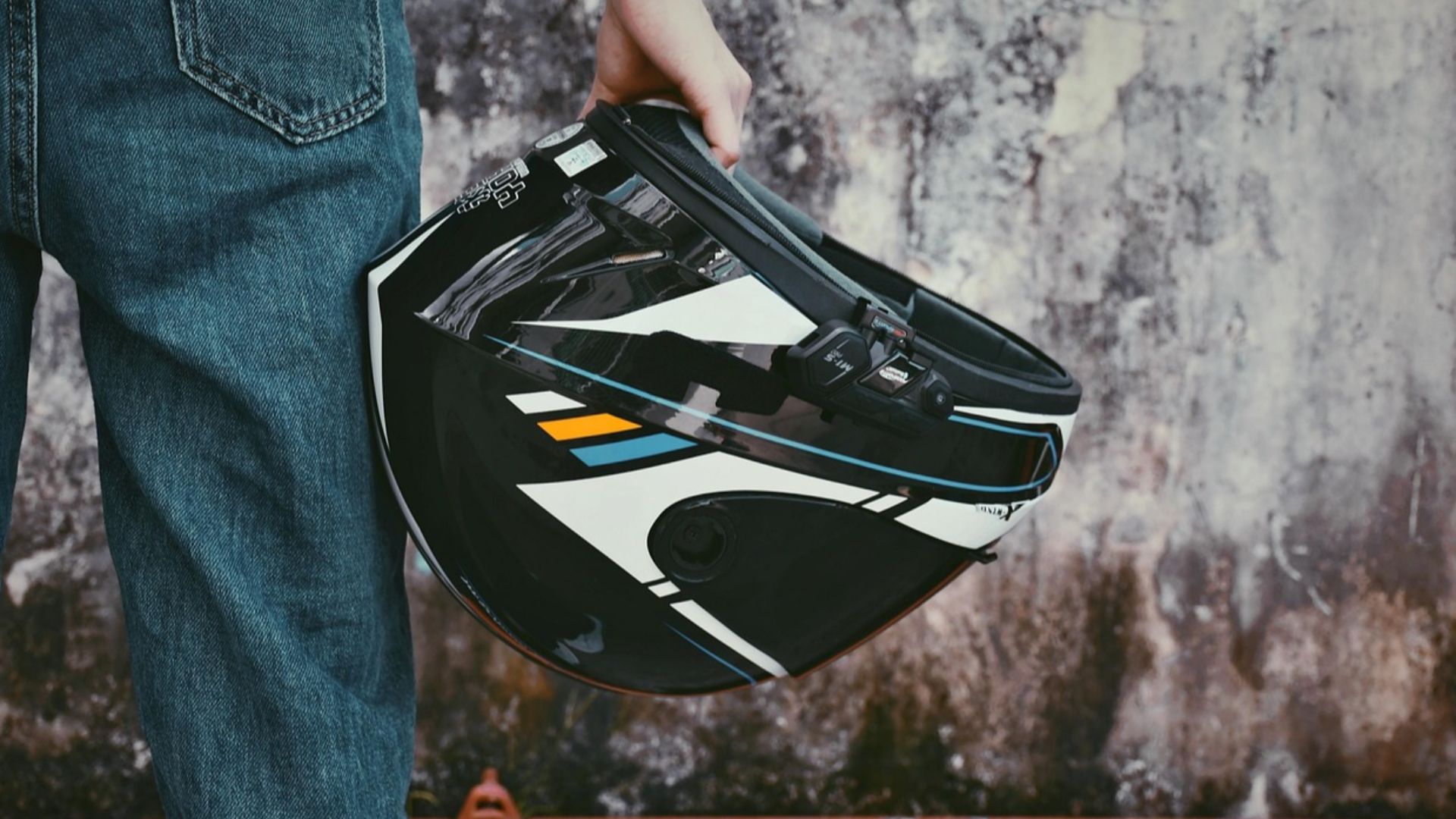
A smoother, more rounded helmet shell reduces the chance of the helmet catching on pavement during a slide. This helps limit sudden rotational forces that could violently twist the rider’s neck or brain.
It’s one reason why sharp edges, aggressive spoilers, and protrusions are carefully regulated or integrated into modern designs.

Certification Standards Aren’t Just Stickers
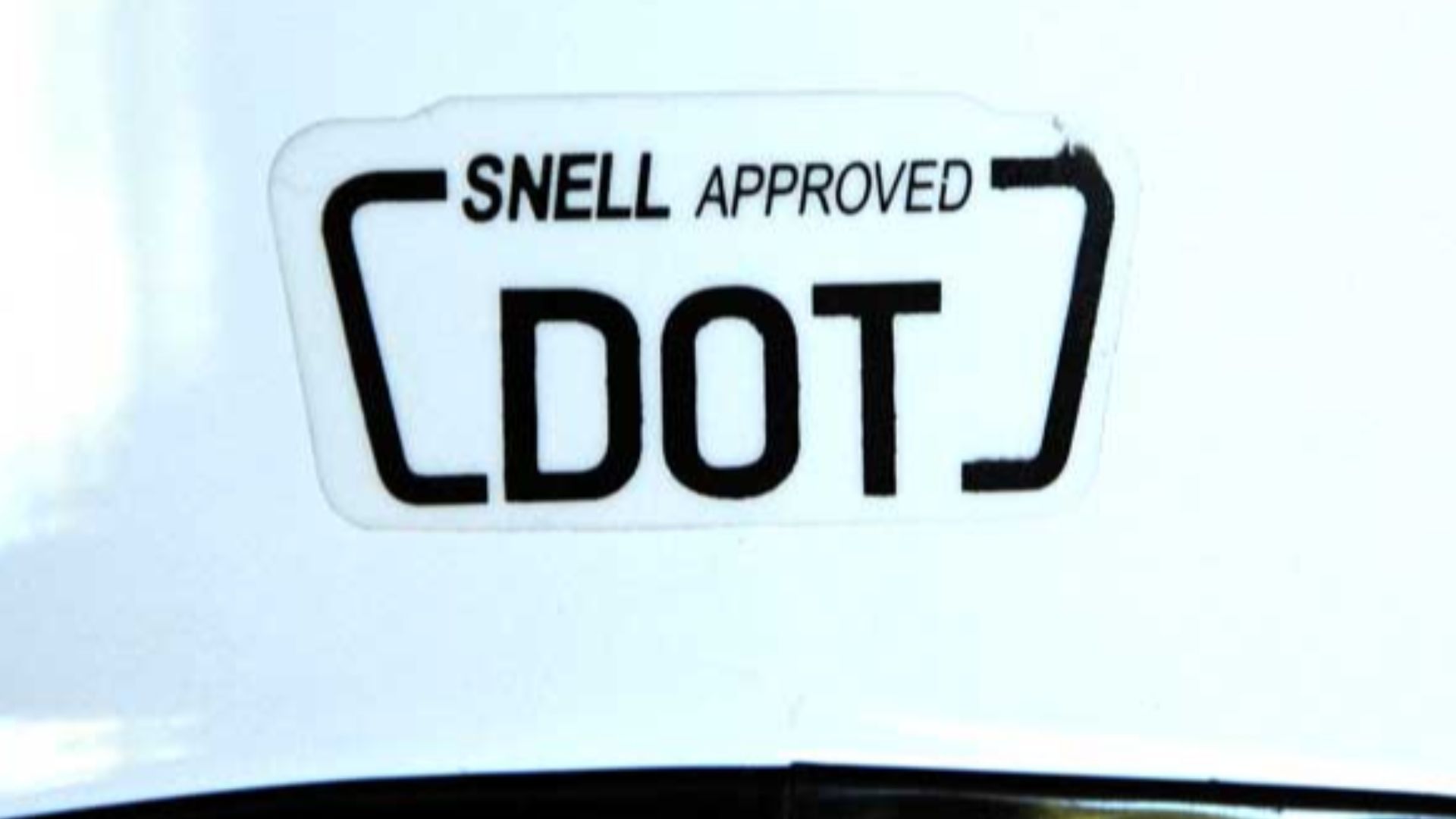
DOT, ECE, and Snell certifications each represent different testing philosophies, but all revolve around measurable impact reduction. Helmets must meet specific thresholds for energy transfer, penetration resistance, and retention strength.
While no standard is perfect, a certified helmet means it has survived controlled tests designed to mimic real crashes.
 R69S (talk), Wikimedia Commons
Why More Expensive Helmets Often Weigh Less
Advanced materials like carbon fiber reduce weight without sacrificing strength. Less helmet weight means less strain on your neck during long rides—and less rotational force during a crash.
This isn’t about luxury; it’s about physics working in your favor.
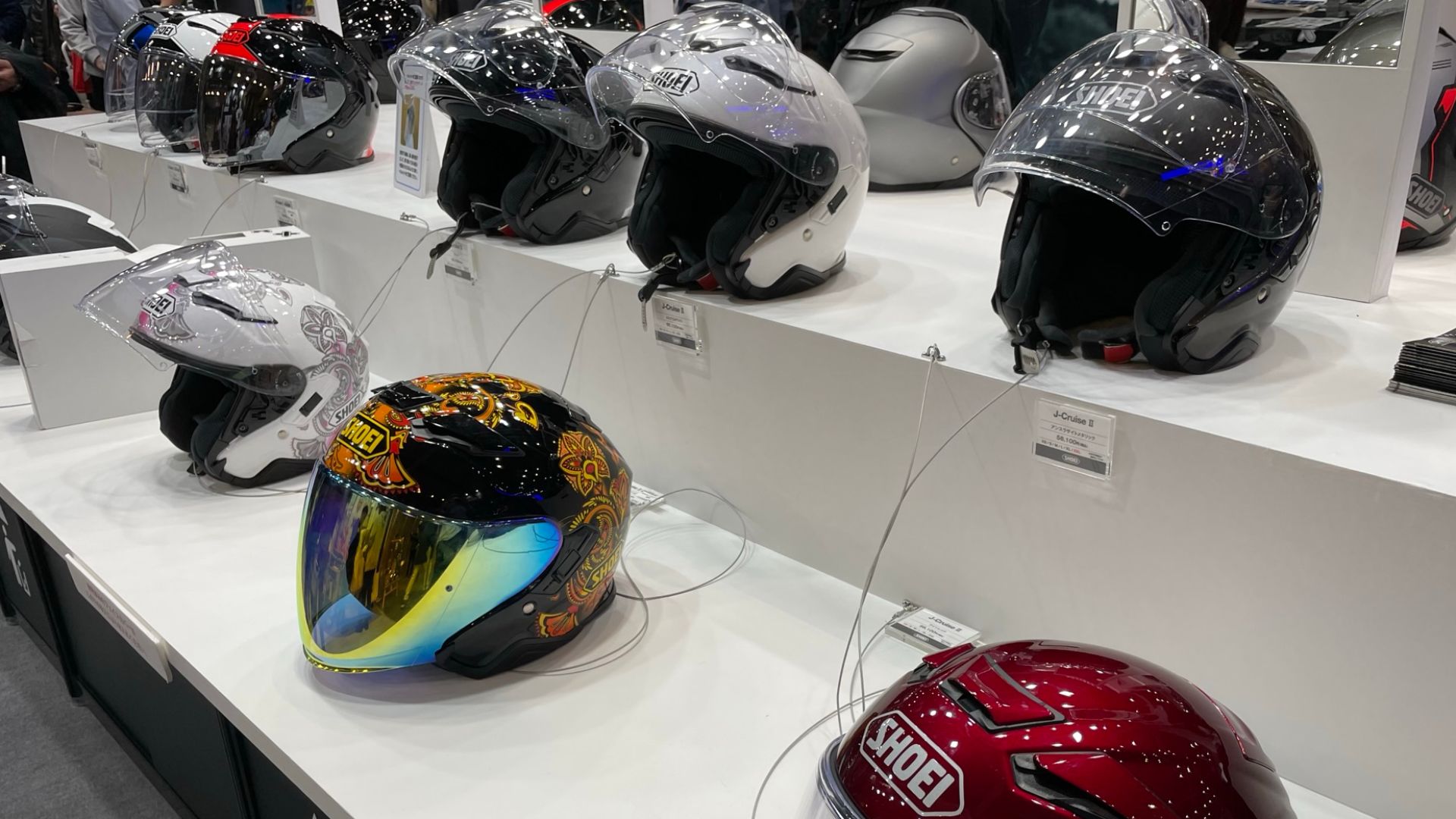 Ohgud.kibn7ewyu2, Wikimedia Commons
Retention Systems Matter More Than You Think
A helmet that flies off in a crash offers zero protection. That’s why chin straps, D-rings, and retention systems are tested as aggressively as the shell itself.
A proper fit ensures the helmet stays exactly where it needs to be when everything else goes wrong.
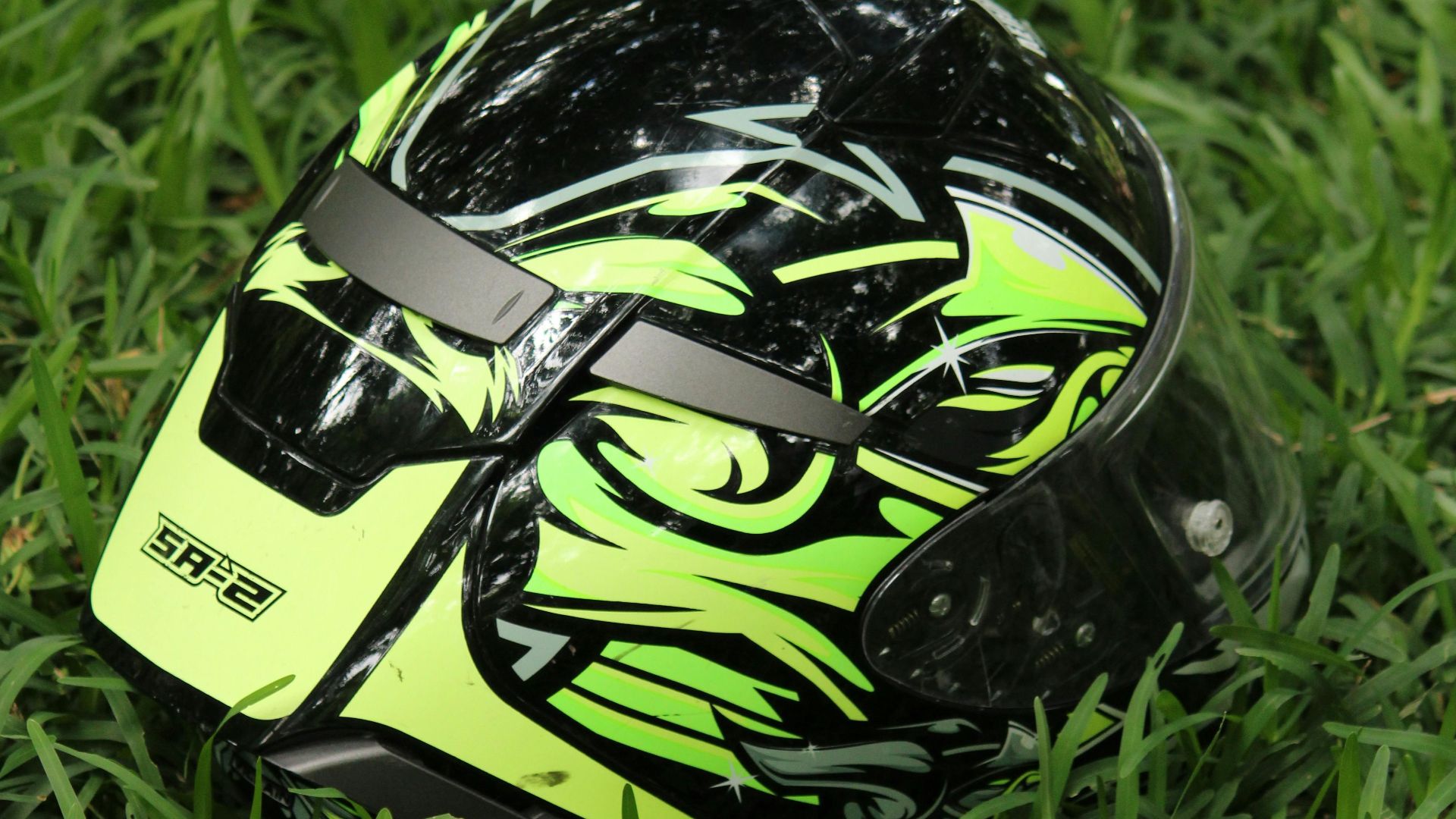
Fit Is A Safety Feature, Not A Comfort Choice
A loose helmet allows excess movement during impact, increasing rotational acceleration. A snug helmet keeps your head aligned with the liner, letting the foam do its job effectively.
The safest helmet in the world is useless if it doesn’t fit your head shape correctly.

Ventilation Has A Safety Purpose Too
Overheating leads to fatigue, slower reaction times, and poor decision-making. Modern helmets balance airflow without compromising shell strength or liner integrity.
Staying cool isn’t just about comfort—it’s about staying sharp.

Noise Reduction Helps Prevent Rider Fatigue
Wind noise contributes to mental exhaustion, especially on long rides. Better helmet acoustics reduce rider fatigue, which can indirectly prevent accidents by keeping riders focused longer.
Less noise equals more awareness.

Helmet Weight Affects Crash Dynamics
Heavier helmets increase torque on the neck during impact. Lighter helmets reduce strain and lower the forces transmitted through the cervical spine.
This is one reason newer designs prioritize weight reduction alongside protection.
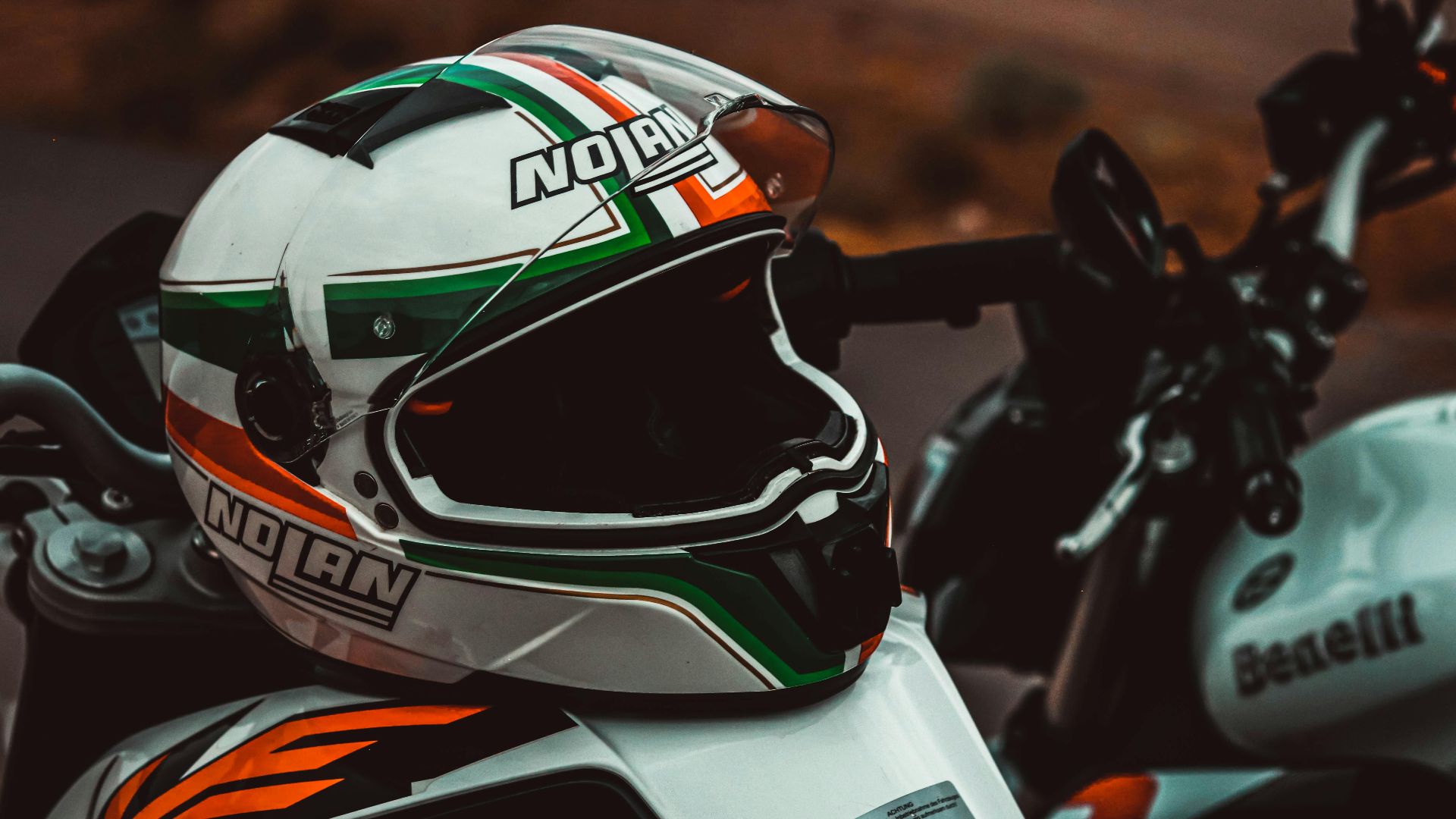
Modern Helmets Are Designed For Real-World Crashes
Crash data has reshaped helmet design. Engineers now analyze actual accident reports rather than hypothetical scenarios, refining helmets based on how riders really go down.
The result is gear that aligns with reality—not just lab assumptions.
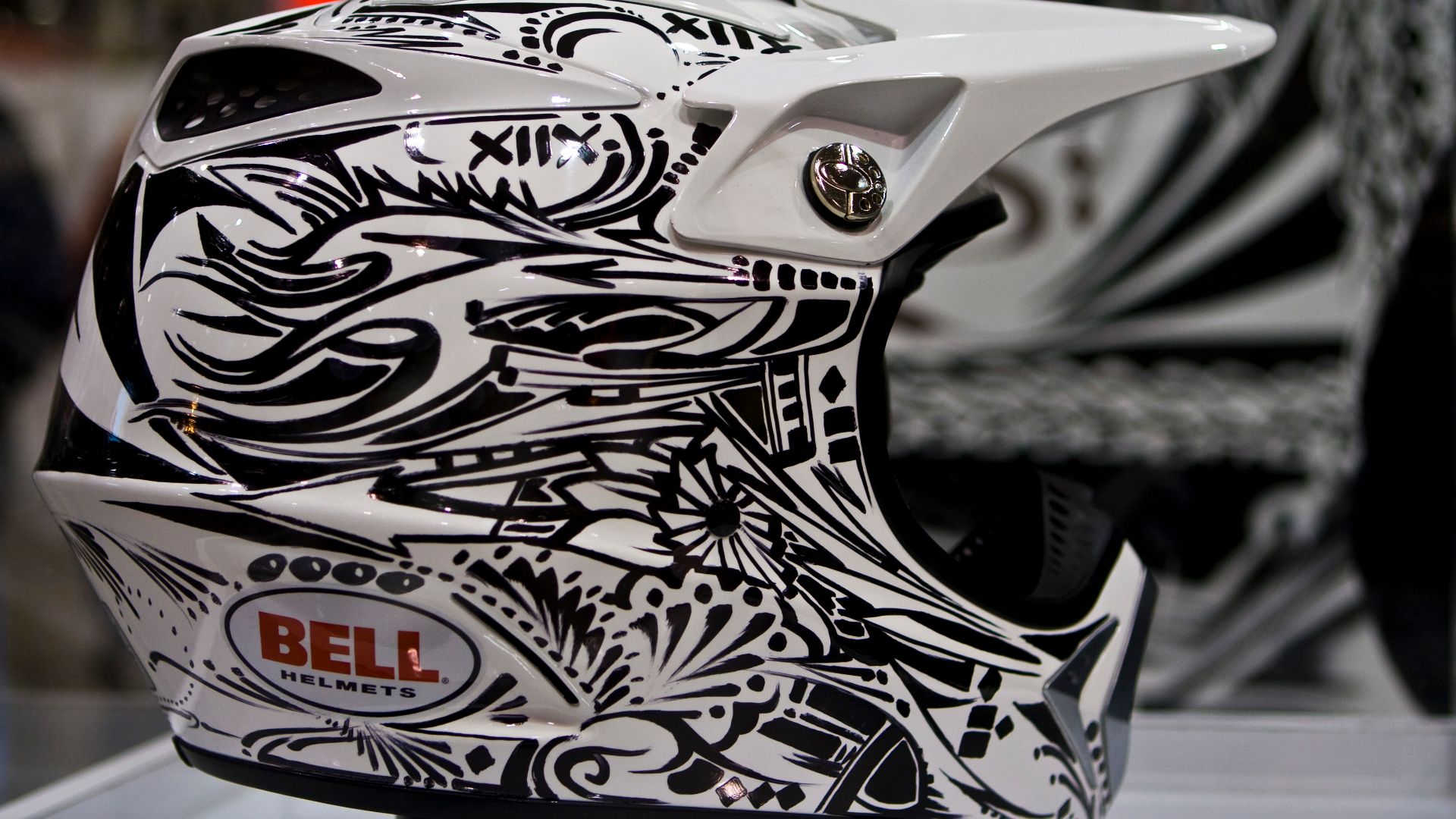
Visors Play A Role In Impact Protection
Visors are tested for shatter resistance and optical clarity. A broken visor during a crash can introduce debris and impair vision when a rider most needs awareness.
Modern visors are designed to detach safely under extreme force.
Helmets Reduce Injury Severity—Not Just Fatality
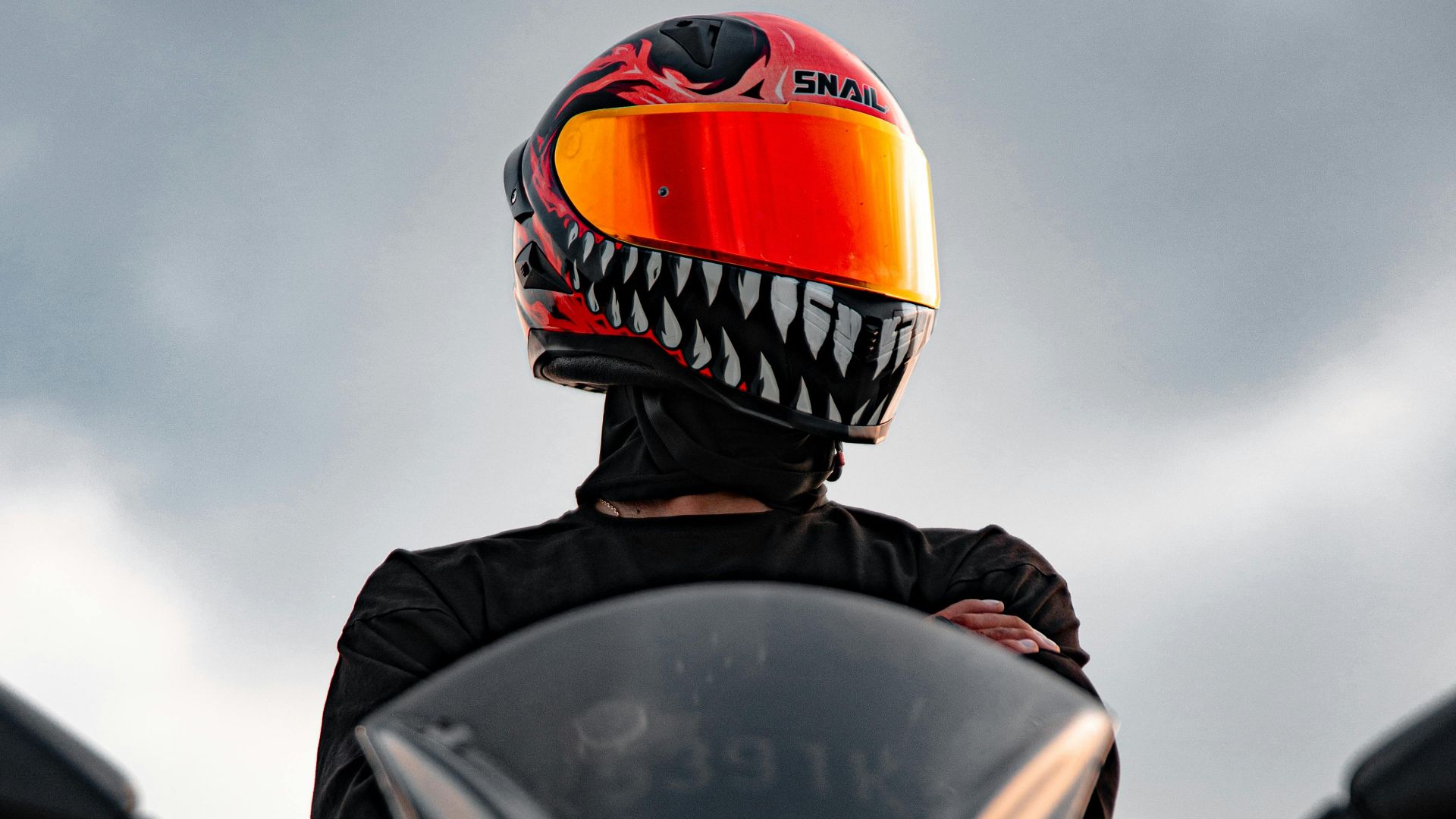
The goal isn’t invincibility. Helmets dramatically reduce the severity of head injuries, lowering the risk of permanent brain damage even when crashes aren’t fatal.
Survival is only part of the story—quality of life afterward matters just as much.
Technology Is Making Helmets Smarter Without Making Them Fragile
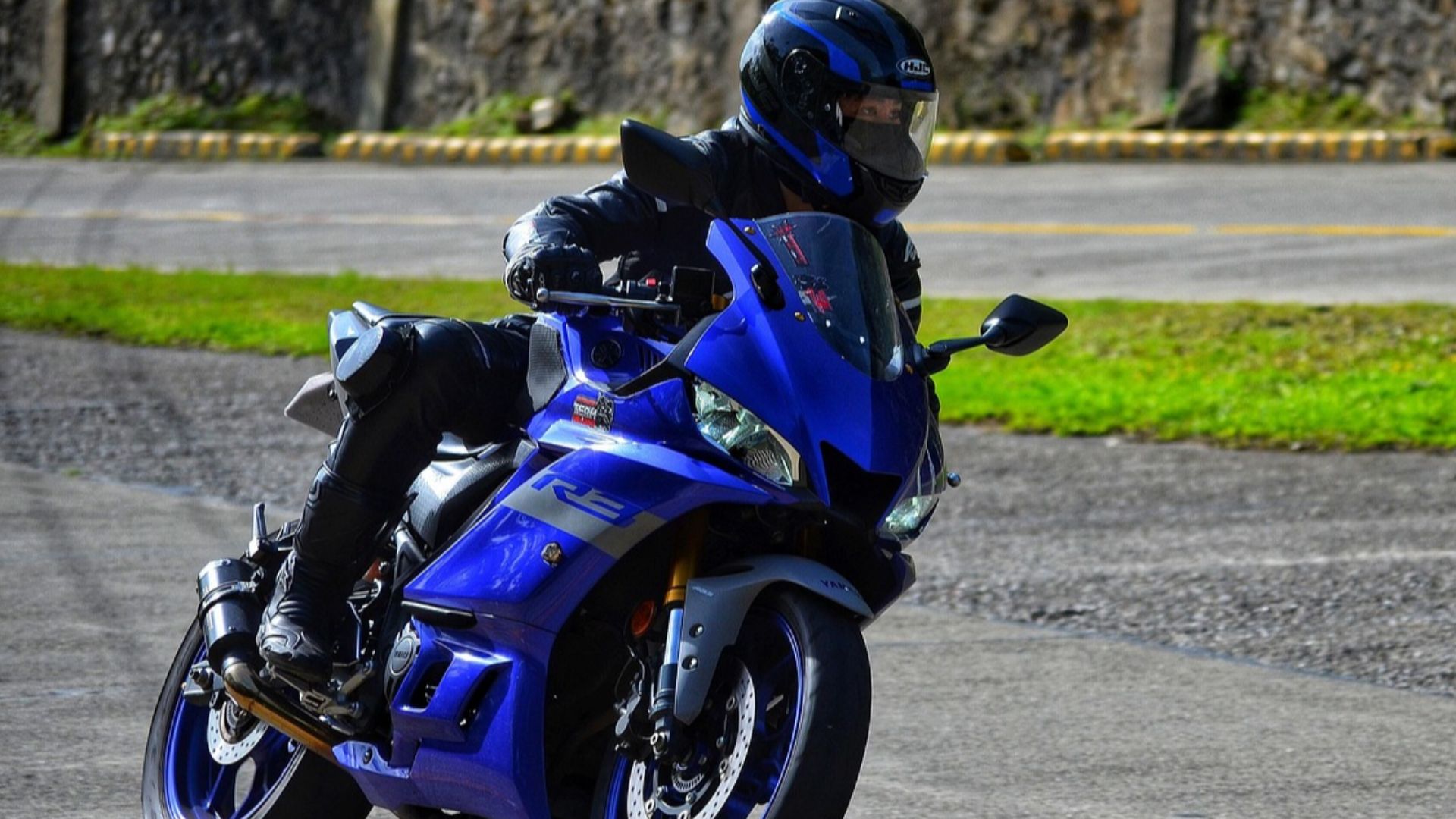
Integrated communication systems, improved liners, and refined shell shapes are now designed without compromising structural integrity.
Smart no longer means delicate.
Old Helmets Can’t Keep Up With New Data
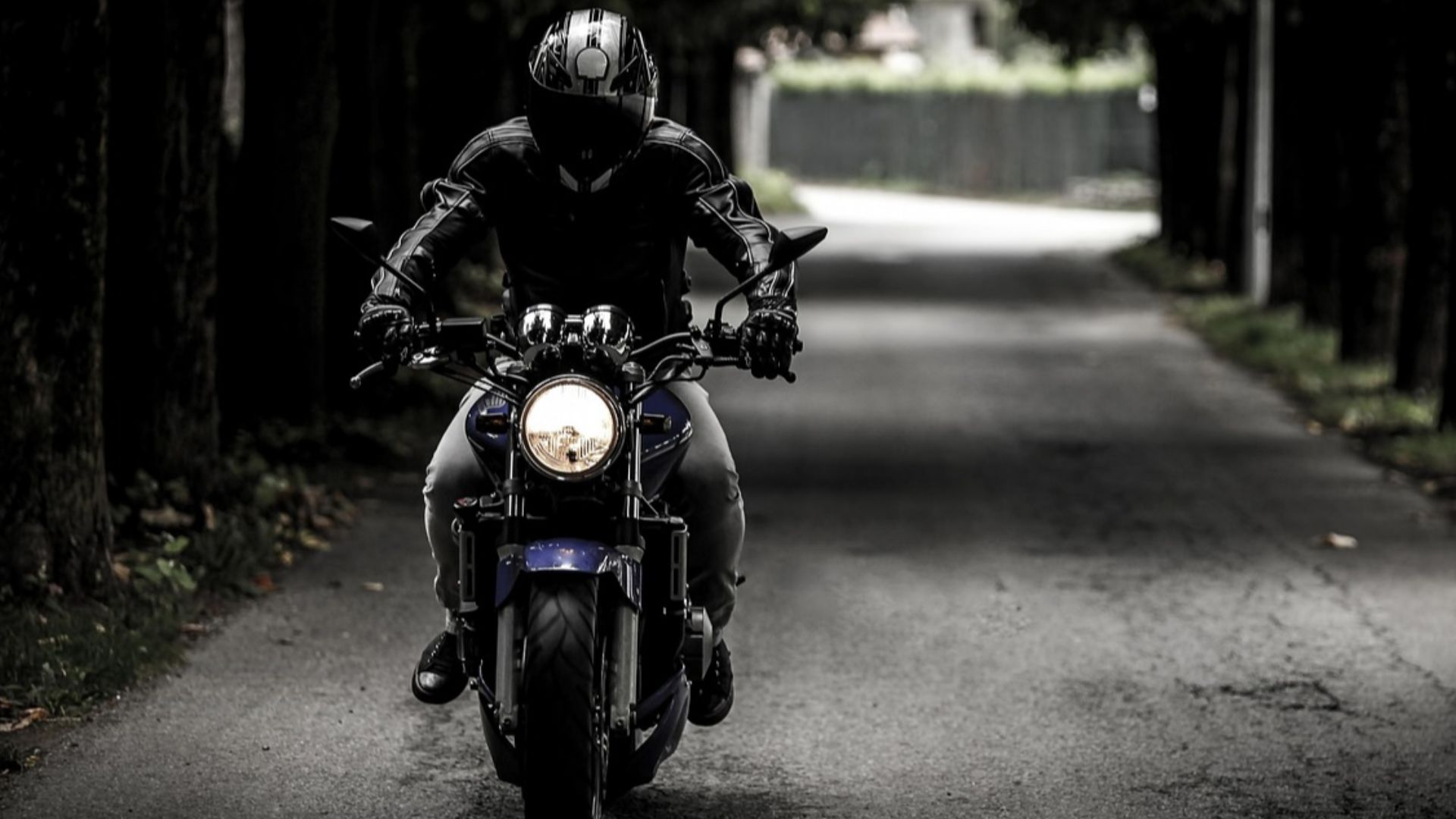
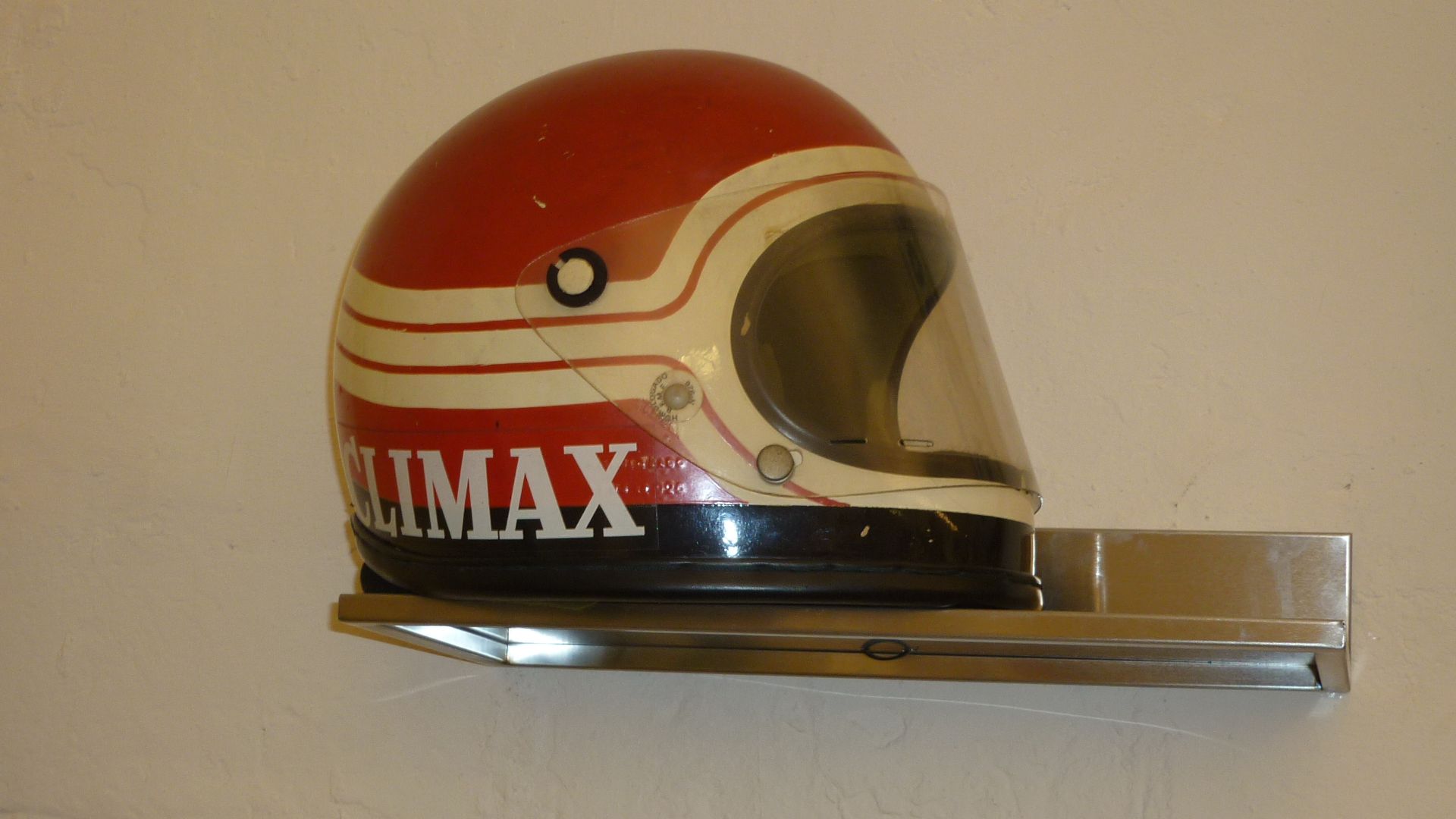
Helmet science evolves as injury research improves. What passed for “safe” 15 years ago often fails to meet today’s understanding of impact dynamics.
Upgrading your helmet isn’t indulgence—it’s staying current with lifesaving knowledge.
Confidence Comes From Knowing Your Gear Works
Riding confidence isn’t just skill—it’s trust in your equipment. Knowing your helmet is built on modern safety science lets you focus on the ride, not the risk.
That peace of mind changes everything.

The Right Helmet Makes The Bike Feel Like The Easy Part
Once you understand what modern helmets actually do, the bike stops feeling like the dangerous decision. The gear becomes a solution, not an afterthought.
And suddenly, buying that motorcycle feels a lot more reasonable.

You May Also Like:
Car Battery Mistakes That Leave Drivers Stranded
Three Great Cars For College Students