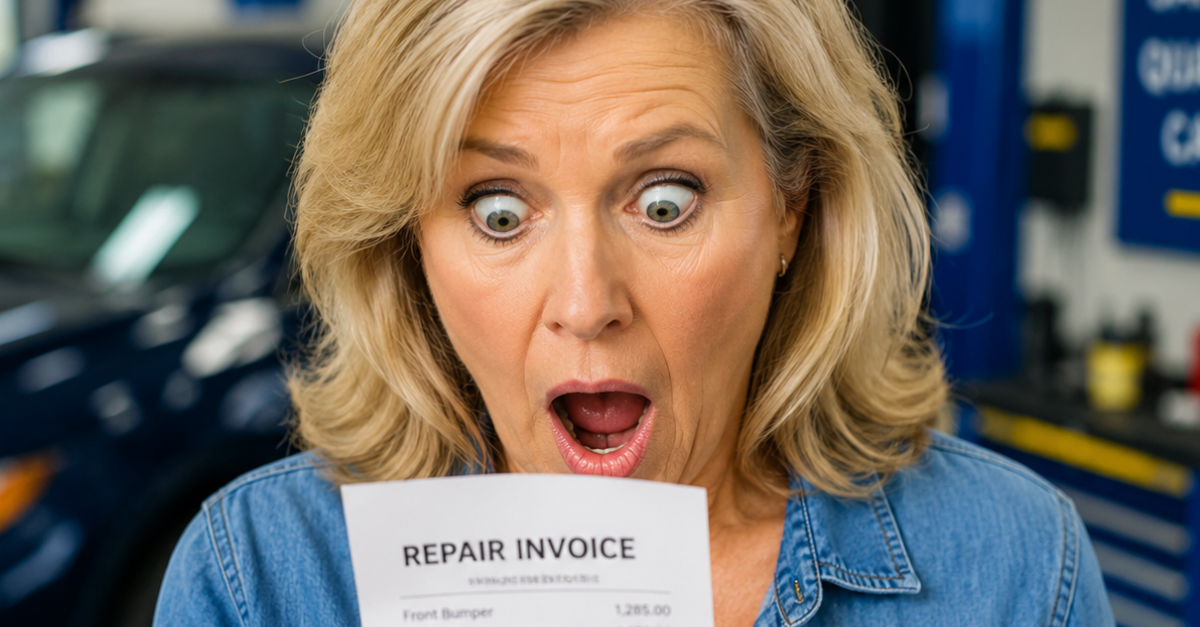
When “Congratulations, You’re Approved” Turns Into Confusion
You walk into the dealership feeling good. You were told you’re approved. You’ve picked the car. You’re ready to sign. Then suddenly, the numbers shift. The interest rate is higher, the monthly payment changes, or a new condition appears out of nowhere. If you’re wondering whether this is normal or a red flag, the answer is a little of both. This situation happens often enough to be common, but that doesn’t mean it’s always fair or acceptable.

Why Financing Terms Can Change At The Last Minute
Most “approvals” you receive before signing are conditional. They’re based on basic information like your credit score, income, and the assumed details of the deal. Once the lender reviews the full contract, including the vehicle price, down payment, and add-ons, they may adjust the terms. From the lender’s perspective, this is a final underwriting step, not a bait-and-switch.

The Difference Between Pre-Approval And Final Approval
A pre-approval is more like a green light to negotiate, not a promise. It tells you a lender is willing to finance you under certain assumptions. Final approval only happens once everything is locked in and verified. Many buyers don’t realize this distinction until they’re sitting in the finance office.

When This Is Normal And Legitimate
Sometimes the change makes sense. If your credit report shows something unexpected, your income can’t be verified, or the vehicle doesn’t qualify for the original terms, lenders may adjust the rate or loan length. In these cases, the dealership isn’t necessarily doing anything wrong, even if the timing feels awful.

When It Starts To Feel Sketchy
Red flags pop up when the terms change without a clear explanation. If the dealership can’t tell you why the rate increased, pushes you to sign quickly, or says the new terms are your only option, that’s worth pausing. Sudden changes paired with pressure are never a good sign.

How Add-Ons Quietly Affect Your Financing
Extras like extended warranties, protection packages, or service plans increase the loan amount. That can bump you into a higher risk category for the lender, which may change the interest rate or approval terms. Sometimes the rate didn’t change because of you, but because of what was added to the deal.

The Role Of The Lender Versus The Dealer
Dealers don’t usually control the final interest rate. Lenders do. However, dealers can mark up rates in some cases, especially with indirect auto loans. That’s why it’s important to know whether the change came from the lender’s requirements or the dealership’s pricing decisions.

Why The Monthly Payment Is A Dangerous Distraction
Dealerships often focus conversations on the monthly payment rather than the interest rate or total cost. A deal can look similar month to month while costing you thousands more over time. If the payment changed, always ask what happened to the rate, term length, or loan amount.

Spotting Conditional Language Before You Get To Signing
Phrases like “subject to final approval” or “based on credit verification” are signals that nothing is locked in yet. These phrases are easy to overlook when you’re excited, but they matter. They explain why the numbers can still move.

What You Are Allowed To Do When Terms Change
You are not required to sign just because you spent time at the dealership. If the deal changed in a way you don’t like, you can walk away. Approval does not obligate you. Signing does.

Why Walking Away Sometimes Improves The Deal
When a dealership realizes you’re willing to leave, they may suddenly find a way to improve the terms or remove add-ons. Not always, but often enough to make it worth being firm. Silence and patience can be powerful negotiating tools.

How Outside Financing Protects You
Having a pre-approval from a bank or credit union gives you leverage. It sets a baseline and limits surprises. Even if you end up using dealer financing, having another option keeps the conversation honest.

The Impact Of Yo-Yo Financing
In some cases, buyers take the car home only to be called back later and told the financing fell through. This is known as yo-yo financing or spot delivery. While sometimes legitimate, it can also be used to pressure buyers into worse terms. Knowing this exists helps you avoid being caught off guard.

Always Review The Final Contract Carefully
The contract you sign is the deal that counts, not what was discussed verbally. Double-check the interest rate, loan term, total amount financed, and any add-ons. If something looks different, stop and ask questions before signing knowning that once you sign, leverage disappears.

Why Rushing Is The Dealership’s Best Friend
Time pressure benefits the seller, not the buyer. End-of-day fatigue, closing-time pressure, or statements like “the lender needs this signed now” are tactics that reduce scrutiny. Slowing things down is often the simplest way to protect yourself.

What To Ask When The Terms Change
Ask exactly what caused the change, whether the lender required it, and whether removing add-ons would restore the original terms. Specific questions force specific answers and make it harder for vague explanations to slide by.

When To Involve A Manager Or Finance Director
If the salesperson can’t explain the change, ask to speak with the finance manager. They’re the one working directly with lenders and should be able to show you where the numbers changed. Transparency here is a good sign. Deflection is not.

How This Affects Your Credit If You Walk Away
Walking away from a changed deal does not hurt your credit. Credit inquiries may already be on your report, but not signing does not create new damage. Your financial health matters more than a single shopping experience.

Why This Happens More With Marginal Credit
Buyers with borderline credit are more likely to see last-minute changes because lenders reassess risk more closely. That doesn’t mean you deserve worse treatment, but it does mean extra caution is warranted.

Trust Your Instincts If Something Feels Off
If the explanation doesn’t make sense or the pressure feels wrong, listen to that feeling. You can always revisit the purchase later. Bad financing decisions stick around much longer than awkward dealership conversations.

The Bottom Line: Approval Isn’t Final Until The Ink Is Dry
Yes, it’s common for financing terms to change at signing, but common doesn’t always mean unavoidable. Understanding why it happens and knowing you can walk away gives you control. The only deal that matters is the one you sign, and it should be one you fully understand and actually want.

You May Also Like:
My lease is up next month and the car has a few scratches. Will I be charged for them?
I bought a used car from a “reputable” dealer—turns out it was flood damaged. Now what?