No Heads-Up, Just A Repo: Now What?
You parked your truck at work like any normal day, came out later…and it was gone. No warning, no note, nothing. Then you find out it was repossessed, and now you’re stuck wondering how that even happened without any kind of heads-up. It feels wrong, and honestly, a little shady. So, should you have been notified first? And more importantly, what can you do now to get your truck back or deal with the situation? Let’s break it down.
Repossession Can Be A Surprise
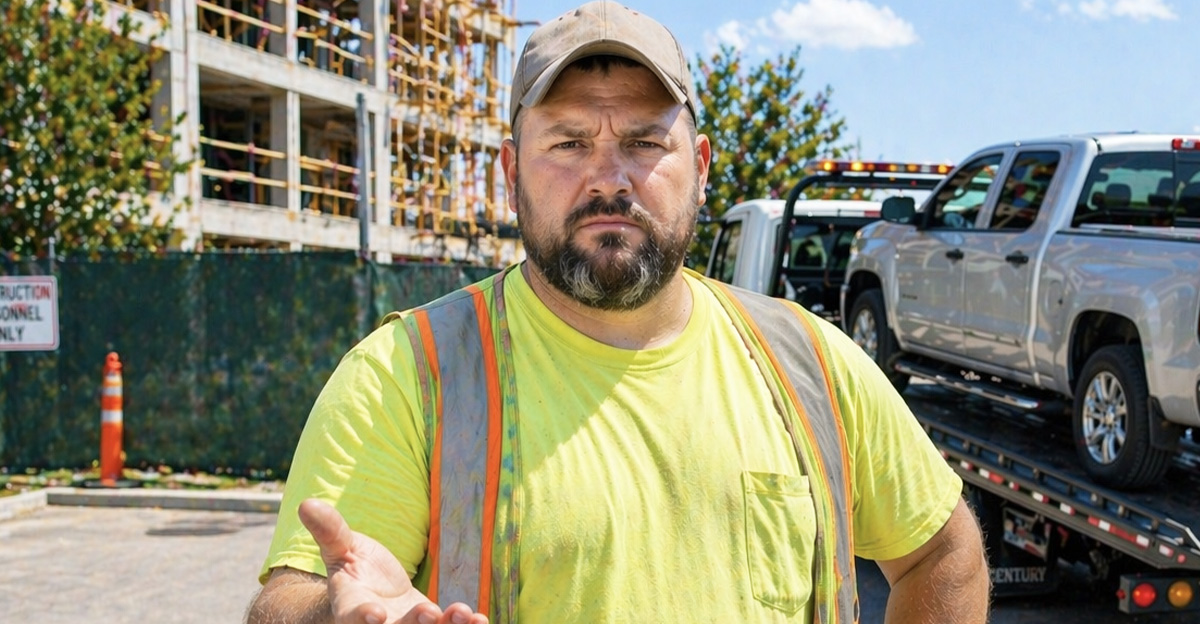
As frustrating as it is, in many states, as long as you’re in default on the loan and they don’t “breach the peace,” lenders can take your vehicle without warning. The good news is that even if the repossession itself was allowed, you still have rights and options to try to get your truck back or limit the damage.
What Counts As Being “In Default”
Default doesn’t always mean you’ve missed months of payments. Depending on your loan agreement, it could mean being just one payment behind or even violating another term of the contract. That’s why it’s possible to be at risk without realizing how serious things have gotten.

You Should Still Receive Notices Eventually
Even though they don’t have to warn you before taking the truck, lenders are usually required to send notices after the repossession. This includes information about what happened, what you owe, and what your options are moving forward.

Check Your Mail And Email Carefully
Sometimes notices were sent, but they got missed, went to an old address, or ended up in spam. Go back and check everything. If the lender can show they attempted to notify you, that can affect your options.

Make Sure The Repo Was Done Legally
Even without prior notice, repossession has rules. The company can’t break into a locked garage, use force, or create a disturbance. If they crossed the line, the repossession could be considered wrongful, which changes things significantly.
Contact Your Lender Right Away
Your next move should be to call your lender and get the full picture. Ask why the repossession happened, what your current balance is, and what options you have to resolve the situation. Try to get clear answers and follow up in writing if possible.

Find Out Where Your Truck Is
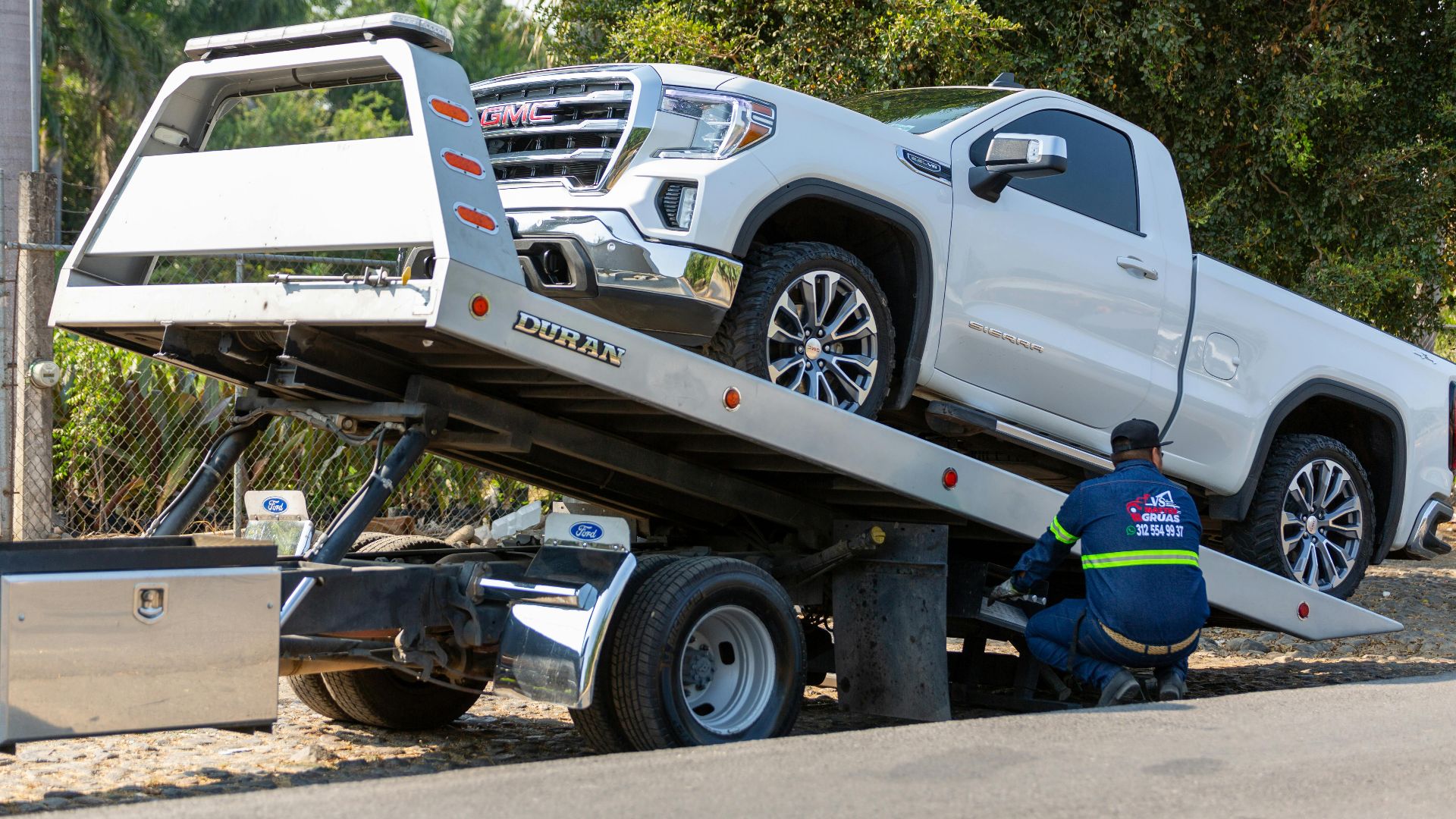
Your vehicle is likely at a towing or storage lot working with the lender. Ask for the exact location and contact details. You’ll need this information whether you plan to retrieve your belongings or try to get the truck back.

Understand Your Right To Reinstate The Loan
In many cases, you can get your truck back by reinstating the loan. This usually means paying the missed payments, late fees, and repossession costs. It’s often the fastest way to recover the vehicle if you can afford it.

Redemption Is Another Option
If reinstatement isn’t available or doesn’t work, you may be able to redeem the truck by paying off the full remaining balance of the loan. This is obviously more expensive, but it’s another path to getting the vehicle back.

Timing Is Critical
Lenders usually can’t sell your truck immediately after repossession. There’s typically a window of time where you can take action. Once the truck is sold, your options to recover it disappear, so acting quickly is key.

Ask For A Full Breakdown Of Costs
Get a detailed statement showing everything you owe, including missed payments, repo fees, storage charges, and any other costs. This helps you understand exactly what you’re dealing with and gives you a chance to spot errors.

Don’t Forget Your Personal Belongings
Even if you decide not to get the truck back, you still have the right to retrieve your personal items. Contact the storage lot and arrange a time to pick them up. Don’t wait too long, as policies on holding items can vary.

What If You Truly Weren’t Notified
If you genuinely never received any notices and your lender didn’t follow proper procedures after the repossession, you may have grounds to dispute their actions. This doesn’t always undo the repossession, but it can affect fees or liability.

Payment Arrangements Might Still Be Possible
Even after repossession, some lenders are willing to work with you. You may be able to set up a payment plan to catch up or negotiate terms to get the truck back. It’s not guaranteed, but it’s worth asking.

Watch Out For The Deficiency Balance
If you don’t recover the truck and it gets sold, the sale price might not cover what you owe. The remaining amount, called a deficiency balance, is still your responsibility, and the lender can pursue you for it.

Your Credit Will Likely Be Affected
Repossession can have a serious impact on your credit score. If you’re able to resolve the situation quickly or work something out with the lender, it may help limit some of that damage.

Consider Getting Legal Advice
If something about the situation feels off, especially around how the repossession was handled, a consumer protection attorney can help you understand your rights. Sometimes a quick consultation can make things much clearer.

File A Complaint If Needed
If you believe the lender or repo company acted improperly, you can file complaints with your state attorney general or the Consumer Financial Protection Bureau. This can sometimes push for a better resolution.
 ajay_suresh, Wikimedia Commons
How To Move Forward
Start by gathering your loan documents, reviewing your payment history, and contacting your lender for details. From there, decide whether getting the truck back is realistic or if your focus should be on minimizing financial damage.

Final Thoughts
It feels wrong to have your truck taken without warning, but in many cases, that’s how repossession works. The key now is focusing on what you can control. Whether it’s getting the truck back, negotiating with the lender, or protecting yourself financially, acting quickly and staying informed gives you the best shot at coming out of this in a better position.

You May Also Like:
My friend says buying a car in cash is the worst way to do it. Is financing really that much better?