
The Scary Warranty Threat You Hear At The Service Desk
Miss one oil change or one scheduled inspection, and suddenly someone at the dealership says your warranty is void. Repairs on modern engines, transmissions, and electronics can cost a fortune, so can they really do that when you paid big for that warranty? The good news is that, in many cases, that kind of blanket band is not how the law works in the United States.

Here Is The Short Answer
Usually, no. A dealer generally cannot wipe out your entire warranty just because you missed one service. Under federal warranty law, a manufacturer usually has to show that your lack of maintenance caused the specific problem before it can deny warranty coverage for that repair. So one missed service does not automatically erase all your protection.

The Key Law Is Older Than Many Drivers Realize
The main federal law here is the Magnuson-Moss Warranty Act, passed by Congress in 1975. The Federal Trade Commission explains how that law affects consumer product warranties, including vehicle warranties. It is a big reason dealers and manufacturers usually cannot insist that all maintenance be done only at their store to keep warranty coverage in place.

What The FTC Says About Routine Maintenance
The FTC has been clear about this for years. You do not have to use the dealer for routine maintenance to keep your warranty valid. You can go to an independent repair shop, handle some maintenance yourself, or use another service provider, as long as the work is done properly and you keep records.
 Jose Ricardo Barraza Morachis, Pexels
Why People Get Confused So Easily
There is a big difference between voiding an entire warranty and denying one specific claim. If poor maintenance caused the failure, the manufacturer may be able to deny coverage for that one repair. That is very different from saying your whole warranty disappeared because you missed a single appointment.

One Missed Service Is Not A Magic Escape Hatch
Dealerships sometimes speak in broad, intimidating terms about maintenance history. But broad statements are not the same thing as a legally sound denial. If you skipped one service interval and later your power window motor fails, the connection is weak at best, and that matters.

Causation Is The Real Issue
The real question is whether the missed maintenance caused or helped cause the failure in the warranty claim. If an engine seizes after a long stretch without oil changes, the manufacturer has a stronger argument. If the infotainment screen dies after one late fluid service, that is a much harder case to connect.

What Automakers Can Require
Manufacturers can require you to maintain the vehicle according to the schedule in the owner’s manual. They can also require the use of proper parts and fluids that meet their specs. What they usually cannot do is force you to buy branded parts or dealer service unless they provide those things for free or have a specific FTC-approved waiver.

The FTC Put This In Writing
The FTC has published consumer guidance saying a dealer cannot deny warranty coverage just because someone else worked on the car. The agency also warns that tying warranty coverage to the use of specific parts or service providers can be illegal. This is not a gray area, and it has been public for years.

There Was A Major FTC Crackdown In 2018
In April 2018, the FTC announced that it had sent warning letters to six major companies over warranty language that appeared to violate the law. The agency said terms suggesting consumers had to use specific parts or authorized service could be deceptive. That mattered because it showed regulators were taking illegal warranty tying seriously.
 Harrison Keely, Wikimedia Commons
Why That 2018 Action Still Matters For Car Owners
The FTC’s 2018 warning letters covered more than just automakers, but the rule applies directly to car warranties too. If a company suggests your warranty is automatically at risk because you did not use authorized service, that can raise legal problems. It also gives consumers a good reason to ask for any denial in writing.

The Dealer And The Manufacturer Are Not Always The Same Thing
This catches a lot of drivers off guard. The dealership is often a separate business from the manufacturer that issued the warranty. A service advisor might tell you something alarming, but the actual warranty decision may involve manufacturer rules, documentation, and claim review standards that are more specific than that first warning suggests.

Ask A Very Specific Question Right Away
If you hear the words warranty void, ask whether they mean the entire warranty or just this specific repair claim. Then ask what evidence shows the missed service caused the failure. Those two questions can quickly show whether the statement is based on an actual diagnosis or just pressure at the counter.

Get The Denial In Writing
If coverage is being denied, ask for a written explanation that identifies the failed part, the maintenance that was supposedly missed, and the reason the company believes the two are connected. Written denials help because they force everyone to be more precise. They also give you something solid if you need to challenge the decision.

Your Receipts Matter More Than You Think
The FTC advises consumers to keep records of maintenance and repairs. Save receipts for oil, filters, fluids, tires, and shop invoices, and keep notes if you did the work yourself. A simple folder of paperwork can become your best defense if someone later claims neglect.

Yes, DIY Maintenance Can Still Count
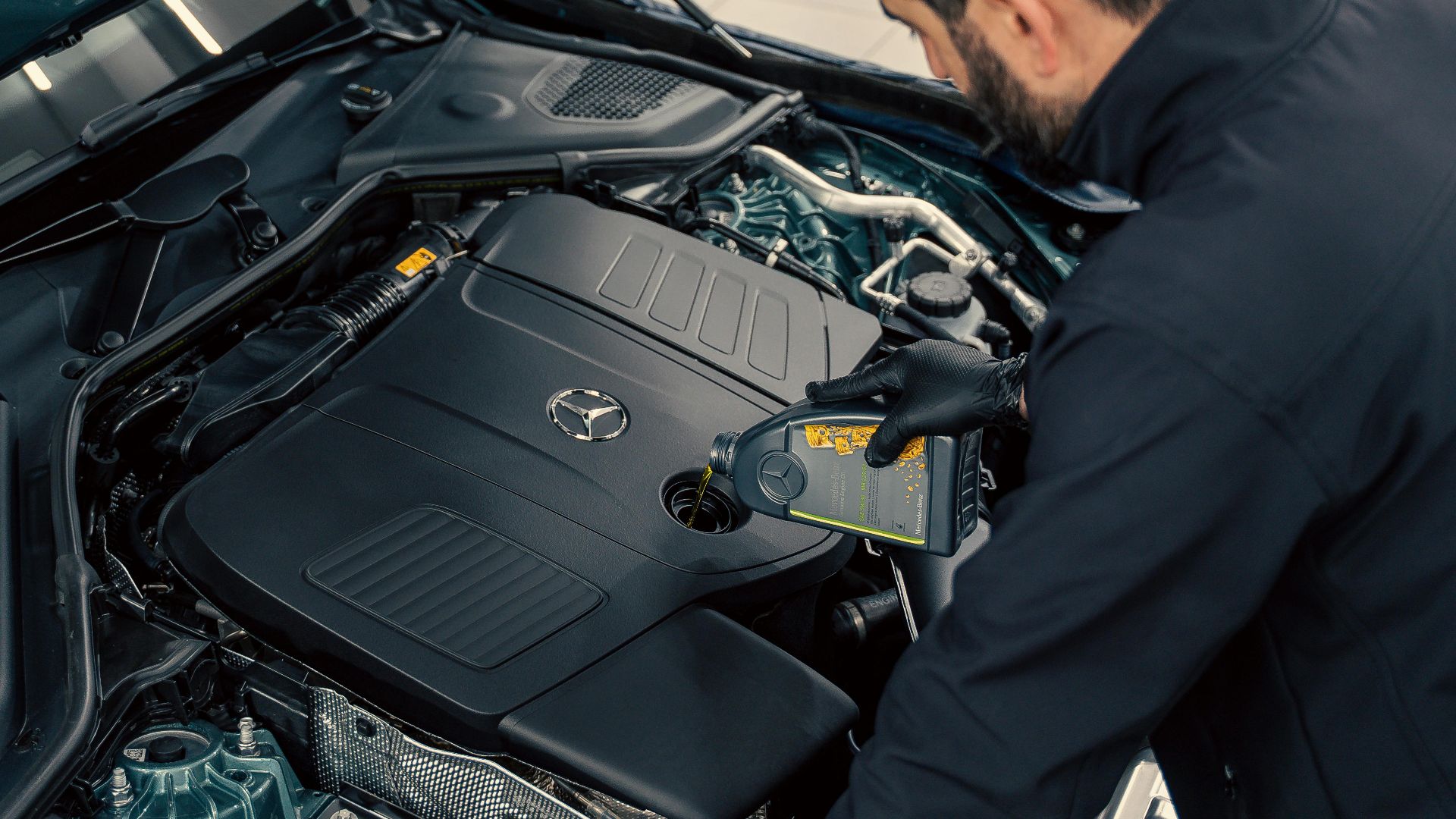
If you change your own oil or handle other routine service yourself, that does not automatically kill the warranty. The key is doing the work correctly and documenting it. Keep dated receipts for parts and fluids, and write down the mileage and the work you performed.
The Owner’s Manual Is A Quietly Powerful Document
Your maintenance schedule is usually laid out in the owner’s manual or warranty booklet. Before you accept a denial, check what service was actually due and when. Some disputes start because a dealer says a service was required earlier than the manufacturer’s own documents say.

Be Careful With The Word Void
Void gets thrown around loosely, but legally and practically it can mean very different things. A denied engine claim because of sludge is not the same as a canceled bumper-to-bumper warranty on unrelated parts. Precision matters, and vague language should not go unchallenged.

When A Denial Might Be Legit
There are times when a missed service can cause real warranty trouble. If you ignored repeated maintenance requirements and the neglected system failed in a way that clearly matches that neglect, the manufacturer may have a valid reason to deny that repair. This is especially true with oil-related engine damage, cooling system neglect, or skipped transmission service when the facts line up.

When A Denial Looks Weak
If the missed service has little or nothing to do with the broken part, the denial is on shakier ground. A skipped cabin air filter service does not logically explain a failed alternator. A late tire rotation does not automatically explain a backup camera that stopped working.

State Lemon Laws And Other Rights May Also Matter
Depending on the age of the vehicle and the kind of defect, state warranty laws or lemon laws may also come into play. These laws vary a lot from state to state, so the details can change. They do not replace federal warranty protections, but they can give you extra leverage in some disputes.

If The Dealer Says No, Escalate Calmly
Start with the service manager, then contact the manufacturer’s customer assistance line. Lay out the timeline, provide your records, and ask for a review of the denial. Staying organized and calm usually works better than turning the service desk into a shouting match.

You Can Also File A Complaint
If you believe a warranty denial is unfair or misleading, you can report it to the FTC. You can also contact your state attorney general or consumer protection office. That may not fix the car overnight, but it creates a record and can push the company to take a second look.

Independent Shops Are Not The Enemy Of Your Warranty
Many drivers still think they have to return to the dealer for every service visit. The FTC says that is generally not true, and consumer advocates have repeated the same point for years. A qualified independent shop can usually handle routine maintenance just fine, often for less money.

Consumer Reports Has Repeated The Same Core Point
Consumer Reports has also told drivers that using an independent mechanic does not void a car warranty. Its guidance lines up with the FTC’s message on maintenance freedom and recordkeeping. That consistency matters because it shows this is not some obscure legal theory.

The Best Move Is Prevention
The easiest warranty fight to win is the one you never have to start. Follow the maintenance schedule as closely as you can, keep every receipt, and save digital copies in case paper records disappear. That small habit can save you a major headache if an expensive repair shows up later.

So Is It Legit Or Not
If a dealership says your warranty is void because you missed one service, treat that claim with healthy skepticism. In many cases, the better question is whether that missed service caused this specific failure. Ask for proof, ask for the denial in writing, and do not assume the first scary answer is the final word.