The Deal That Seemed Like A Favor
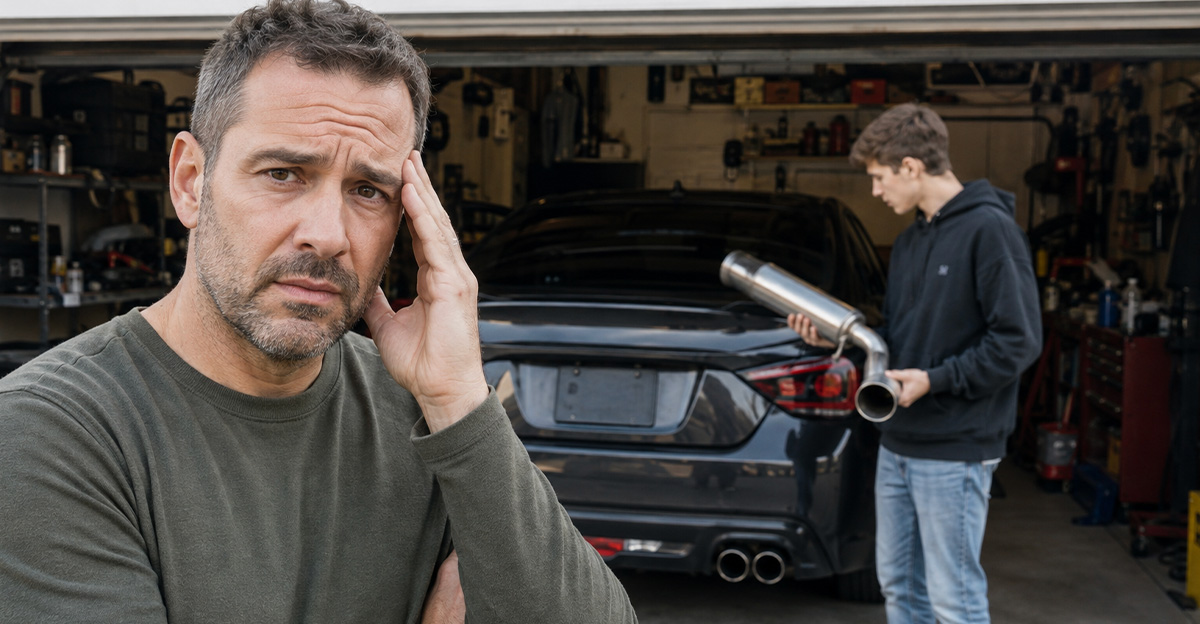
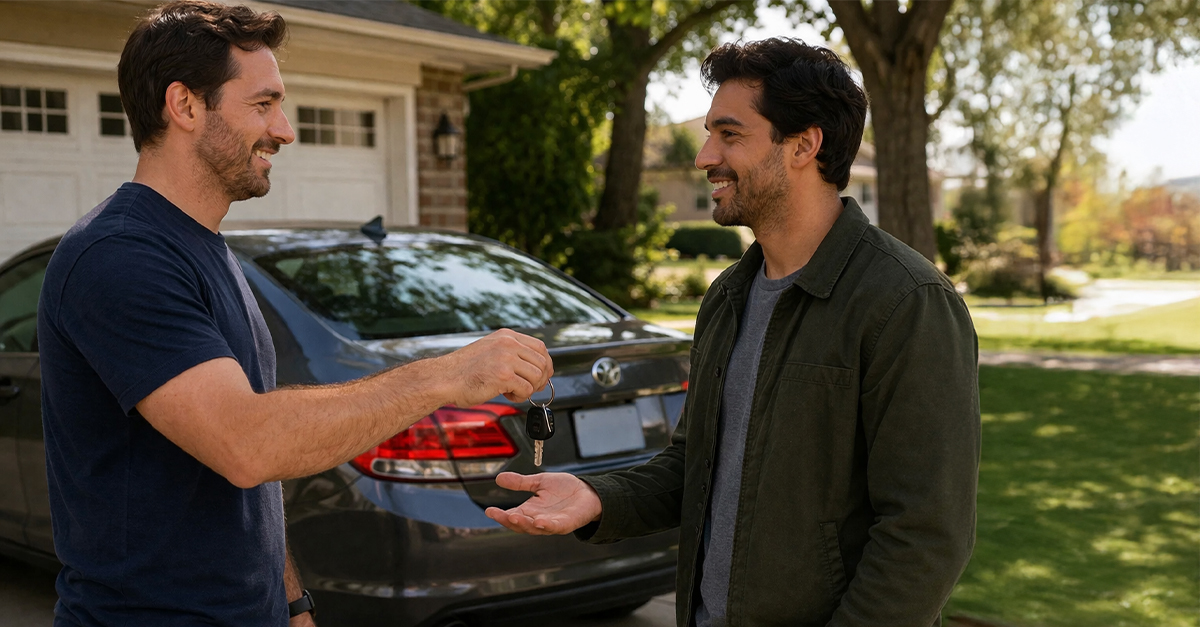
You thought you were doing your buddy at work a solid. You sold your car to him at a discount and agreed to let him make monthly payments over time. Now, only a month and a half later, the car is in the shop, and suddenly the situation feels messy. You wonder whether you exposed yourself to any risk by mixing friendship with a financial agreement.

Why Informal Car Sales Get Complicated
When you sell a car privately, especially to someone you know, it can often feel casual. But it’s still a legal transaction. Without clear terms, misunderstandings can quickly spiral. What felt like a favor can slide into a dispute over responsibility, payments, or repairs once something goes wrong.

The First Question You Need To Ask
You need to figure out whether you actually completed the sale or are still acting as a lender. Did you fully transfer ownership? Or are you essentially financing the car for your coworker? That distinction is important, because it affects who is actually responsible for repairs and what rights you have if your friend stops payments.
 Christina @ wocintechchat.com M, Unsplash
If You Transferred Ownership Fully
If the title and registration were transferred, the car is legally no longer yours. That means repairs are typically the buyer’s responsibility. Once a sale is complete, most private vehicle transactions are considered “as is,” meaning the buyer accepts the car in its current condition unless you promised something different.

If You Are Still Listed As Owner
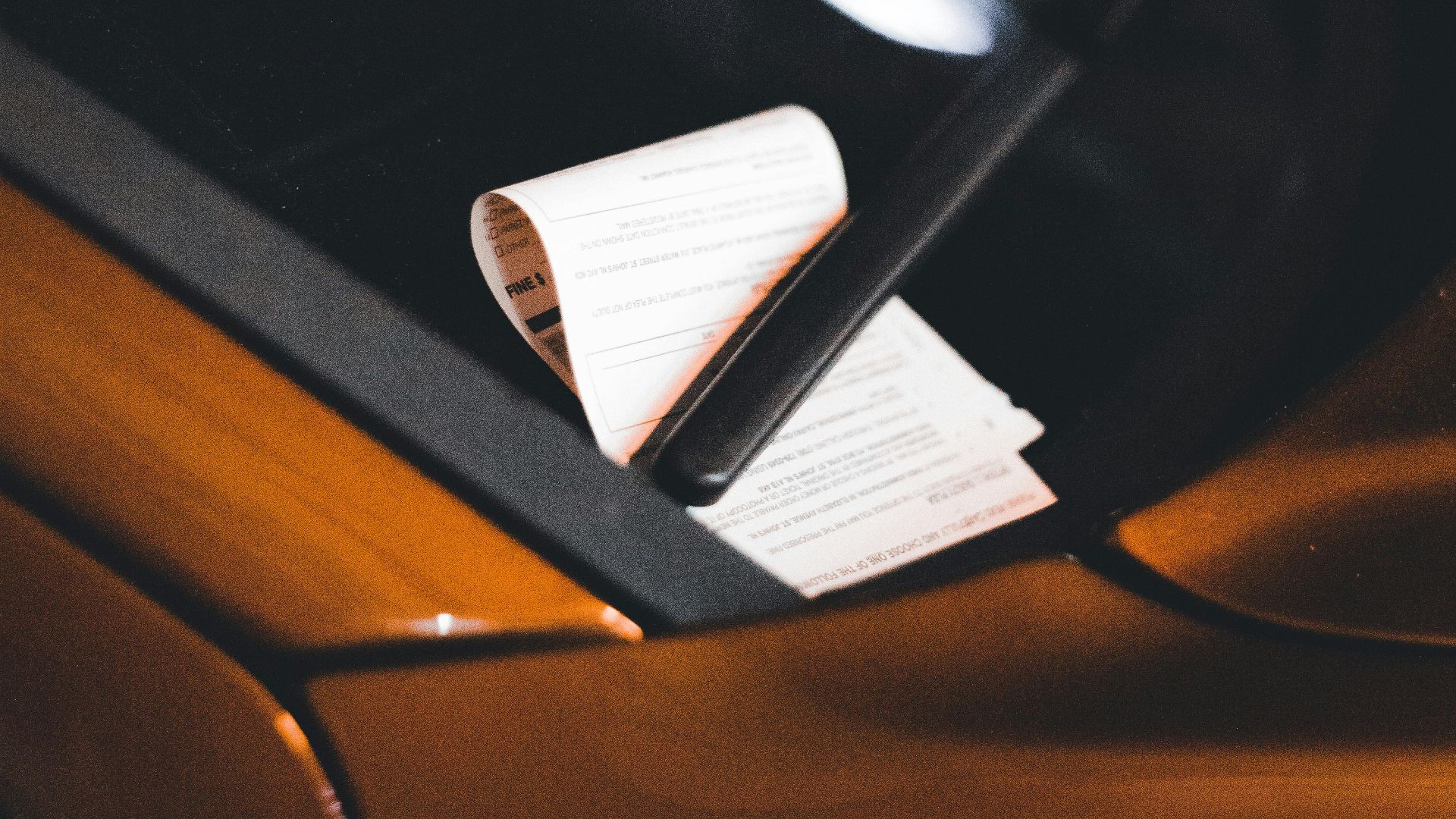
If your name is still on the title or registration, you may still carry risk. That can include liability for tickets, accidents, or even insurance issues. In that case, the deal isn’t fully complete, and you could still be tied to the vehicle financially and legally.
Danger Of Seller Financing With No Structure
By allowing payments, you’ve effectively become the bank. This is what’s called seller financing. Without a written agreement in place outlining payment terms, default consequences, and ownership rights, you’re relying entirely on trust. That can work until something like a breakdown puts pressure on the arrangement.

Why The Breakdown Changes Everything
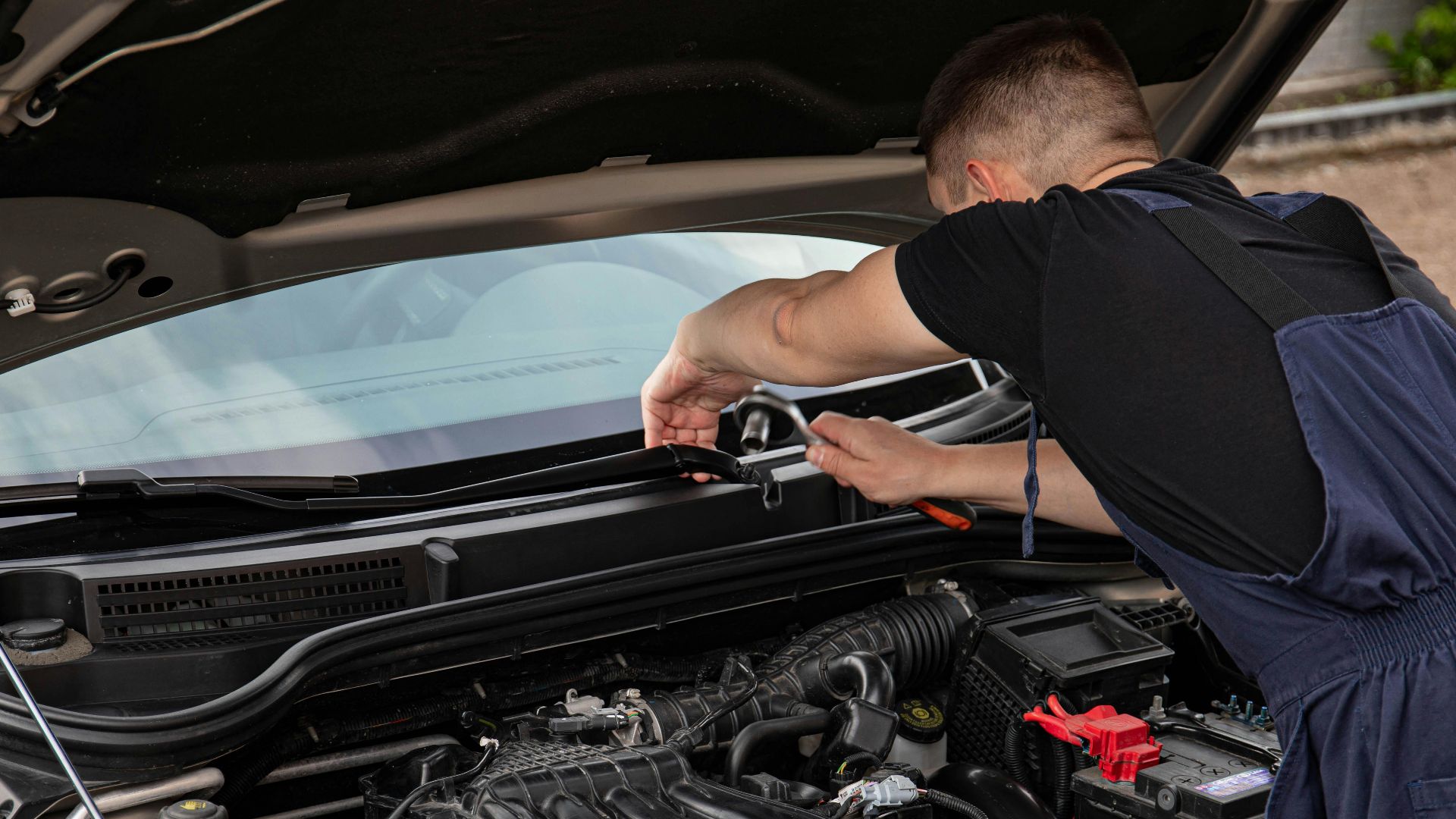
The moment the car ends up in the shop, the expectations shift. Your coworker may feel like you sold them a problem vehicle. You may feel like you gave them a fair deal, but without clear terms written up, both sides can end up frustrated and interpreting the situation very differently.
What “As Is” Usually Means
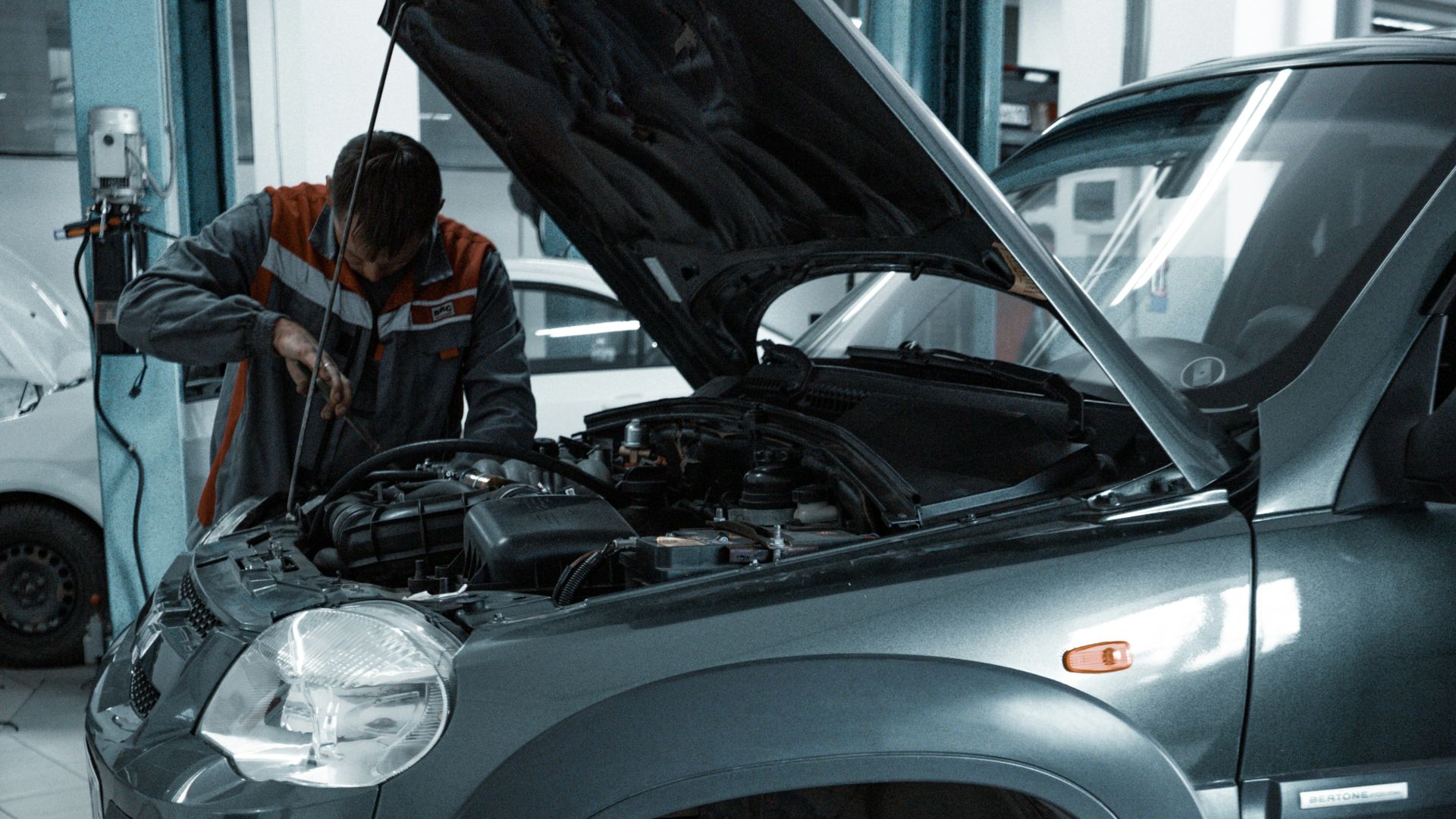
Most private car sales are “as is,” meaning there’s no warranty unless you explicitly provided one. In general, that means the buyer takes on the risk of any repairs required after purchase. This is similar to how other contracts work, where the written agreement determines who bears the risk.

When You Might Still Be On The Hook
If you knowingly misrepresented the condition of the car or hid major defects, you could still face legal trouble. Buyers can sometimes claim misrepresentation or fraud. Even if you didn’t intend to mislead, disputes can crop up if expectations weren’t clearly documented.

The Payment Plan Problem
If your coworker is still making payments to you directly, they might try to use the breakdown as leverage. They could slow payments, stop paying, or ask you to cover repair costs. Without a written contract, enforcing the payment schedule becomes much more complicated.

Why Contracts Matter More Than Trust
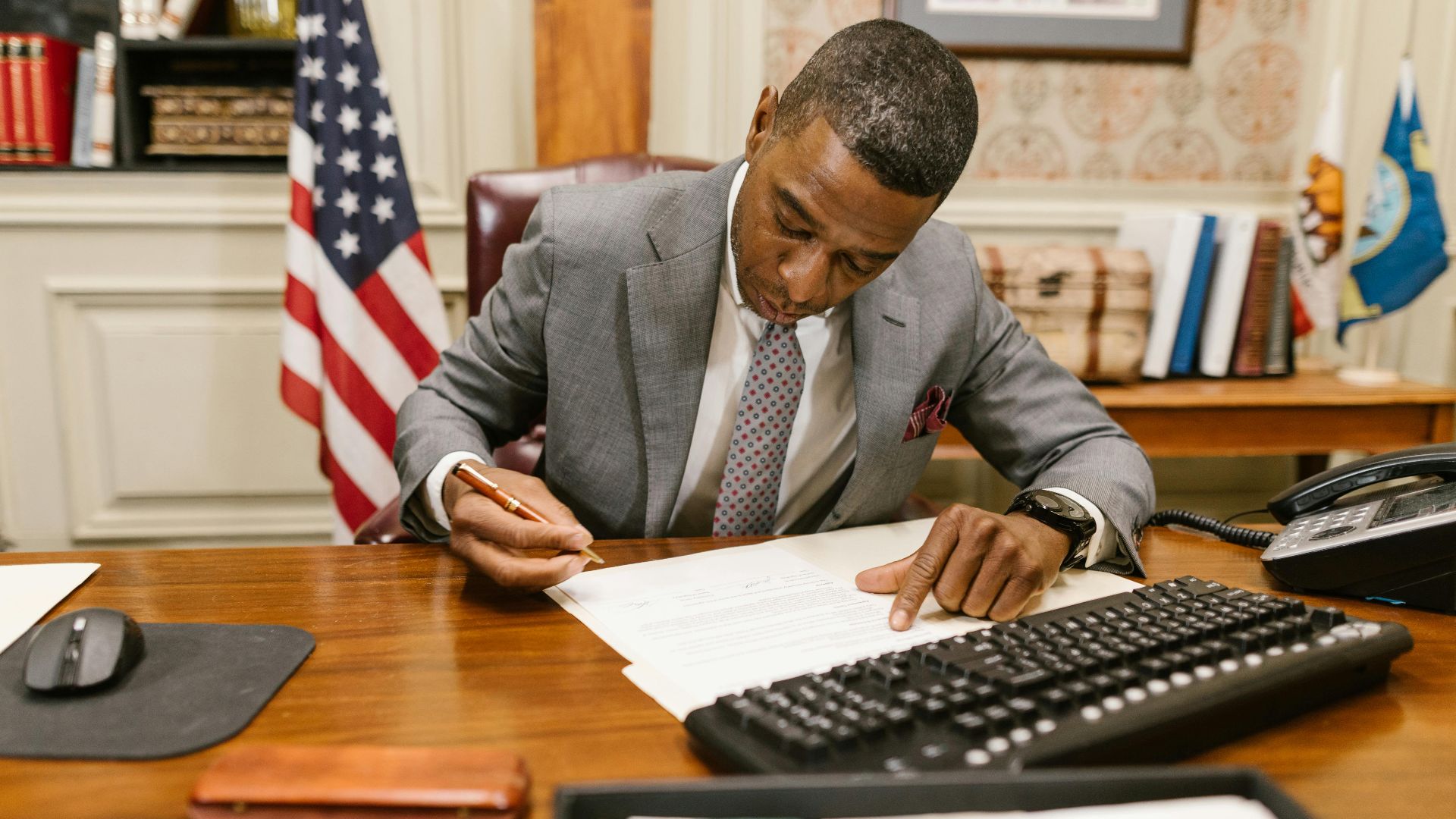
A simple written agreement could have clarified everything. Who pays for repairs? What happens if the car breaks down? What if payments stop? Questions like these are the basis for why contracts exist, so that there are answers to these questions before problems arise, not after.

Compare This To Other Contracts
In many types of agreements, outcomes depend entirely on the contract terms. The same principle applies here. Whatever agreement you made with your friend defines the outcome.

The Emotional Side Of The Situation
Because this situation involves a coworker or friend, emotions can cloud your judgment. You may feel pressure to be flexible or generous. At the same time, you need to protect yourself financially. Mixing personal relationships with money often leads to exactly this kind of tension, and is why most people advise against doing so.

What Your Coworker Might Be Thinking
From your friend’s perspective, he may feel the car should have lasted longer or that you should help with repairs. If they’re already struggling financially, the breakdown may feel like your responsibility, even if it isn’t legally yours.
What You Should Do Right Now
Start by documenting everything. Gather messages, payment records, and any agreement you had. Clarify whether the ownership was transferred. Then communicate clearly with your coworker about expectations moving forward, including payments and repair responsibility.

When To Consider Legal Advice
If the situation escalates or your friend stops making payments, it may be worth consulting a lawyer or local small claims court resources. Even a short consultation can help you understand your rights and whether you can enforce the agreement or recover the vehicle.
Can You Take The Car Back?
This depends entirely on how the deal was structured. If you retained ownership or included repossession terms, you may have options. If ownership was fully transferred, reclaiming the car gets a lot more difficult without a court order.
 Handelsgeselschaft, Wikimedia Commons
How To Avoid This In The Future
If you ever sell a car privately again, treat it purely like a business transaction. Use a bill of sale, spell out clear payment terms, and clarify that the vehicle is sold “as is.” Even a basic written agreement can save you from going through major headaches later.

The Bigger Lesson About Mixing Money And Friends
Situations like this are common because most people want to help out someone they know. But informal deals often leave gaps that only show up when something goes wrong. Protecting a friendship sometimes means being more formal about the terms of the agreement, not less.

Did You Make A Mistake?
It doesn’t necessarily sound like you made a mistake, but you took on a risk without fully protecting yourself. Your focus now should be on limiting any further exposure, clarifying the terms of the agreement, and deciding how firm you want to be moving forward.

You May Also Like:
My extended warranty won’t cover a known defect. Isn’t that what extended warranties are for?
My Car Passed Inspection Last Month. So Why Is The Shop Now Saying It Needs $1,500 In Repairs?